People

Historical Figures

Explore famous historical figures and important people in history, from rulers and generals to thinkers, scientists, reformers and religious leaders. Use this hub to browse influential historical figures by era, region, role and country, or follow their biographies, timelines and connected stories.
416 results
Browse filtersEra, region, role, country and A-Z

All Historical Figures

Explore rulers, generals, thinkers, scientists and reformers who shaped world history. Browse by era, region, country or alphabet, or search by name.

416 results

A

30 figures

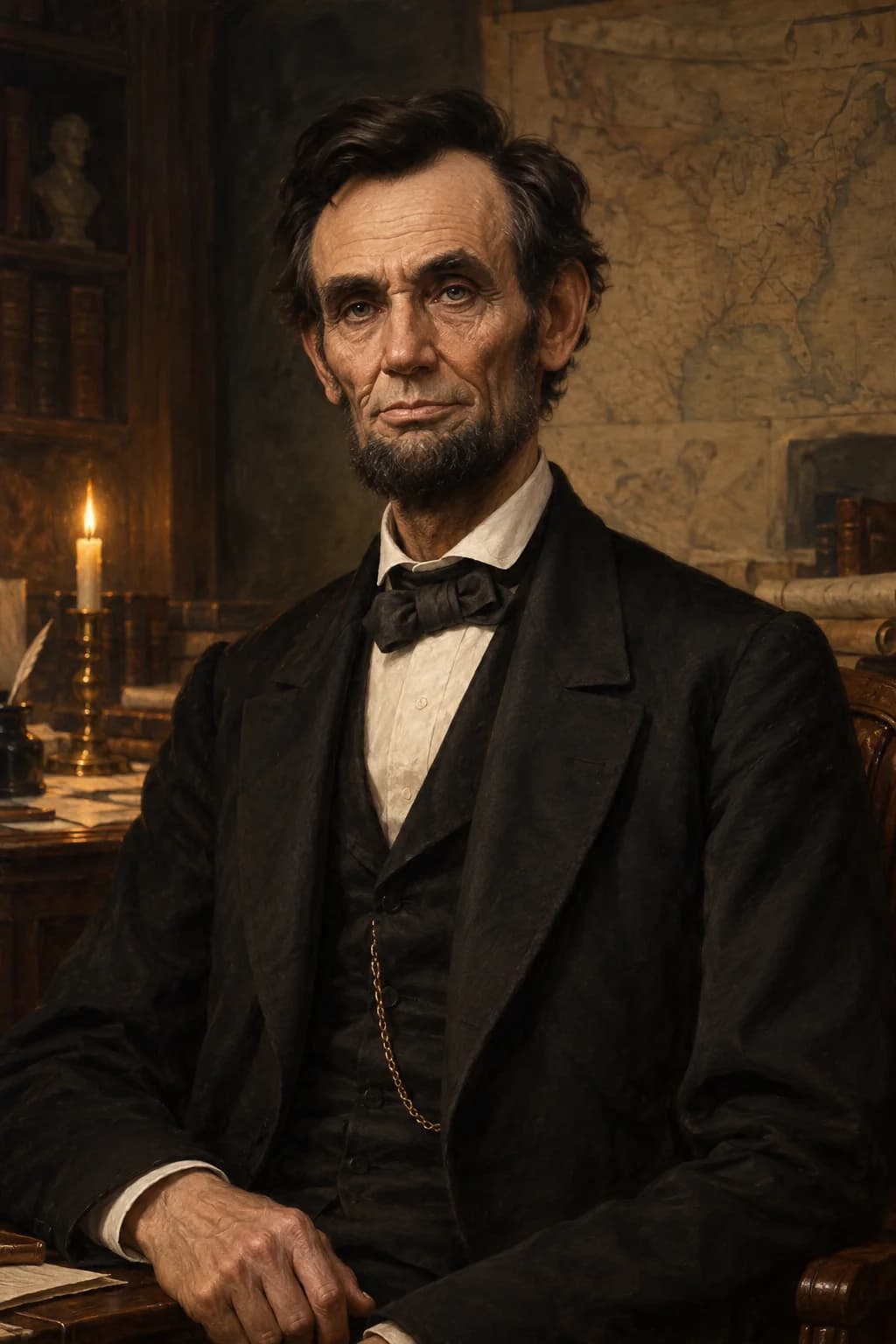
Portrait of Abraham Lincoln
Abraham Lincoln
1809-1865 CEUnited States
He rose from frontier poverty to the presidency, held the United States together through civil war, and turned the destruction of slavery into the central moral achievement of the Union cause.
Portrait of Adolf Eichmann
Adolf Eichmann
1906-1962 CEGermany
He made mass murder look like timetables, paperwork, and transport logistics, which is exactly why his Jerusalem trial became so chilling.
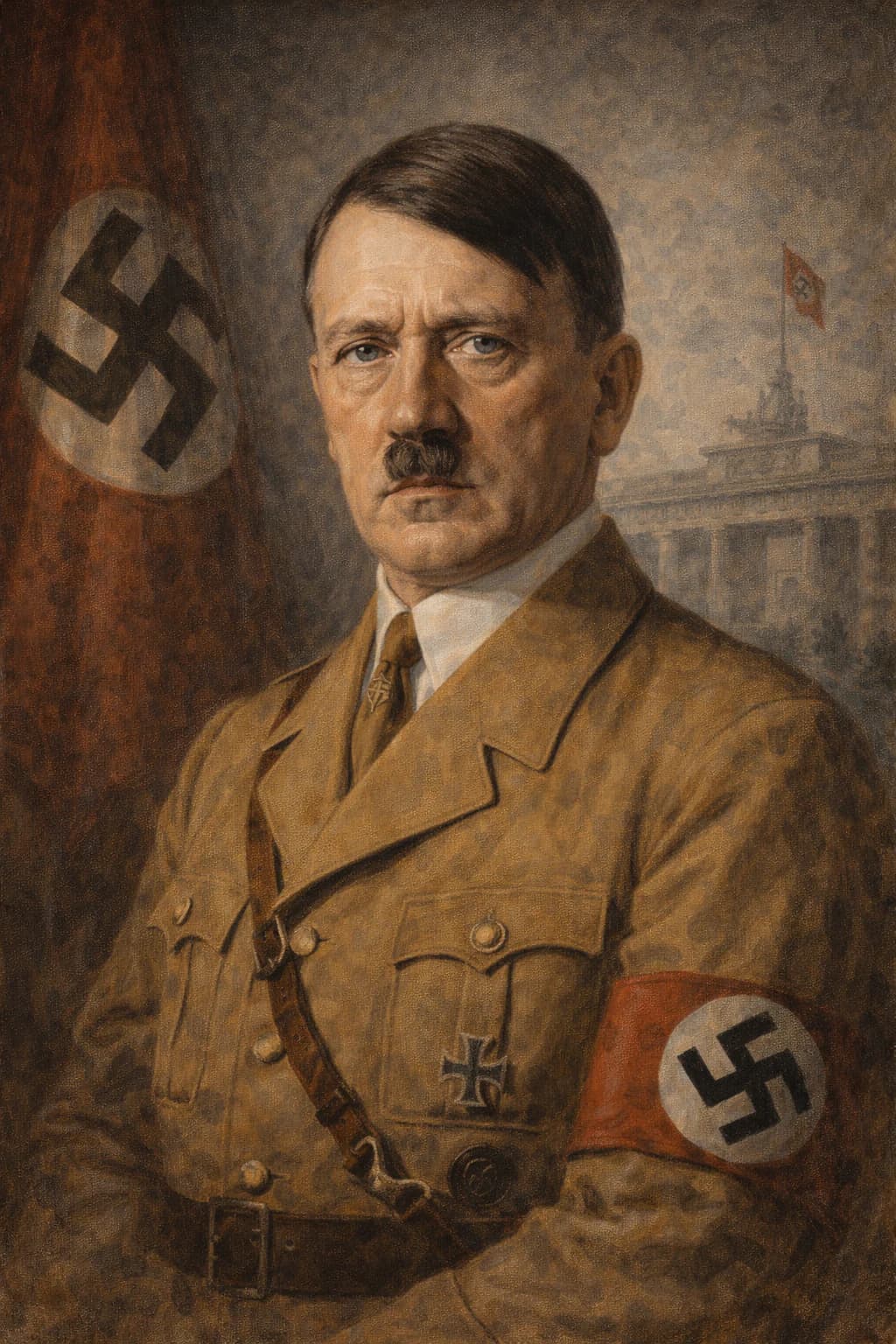
Portrait of Adolf Hitler
Adolf Hitler
1889-1945 CEGermany
He transformed a fringe extremist movement into a dictatorship, launched the Second World War in Europe, and drove the Nazi regime's campaign of racial persecution and genocide.
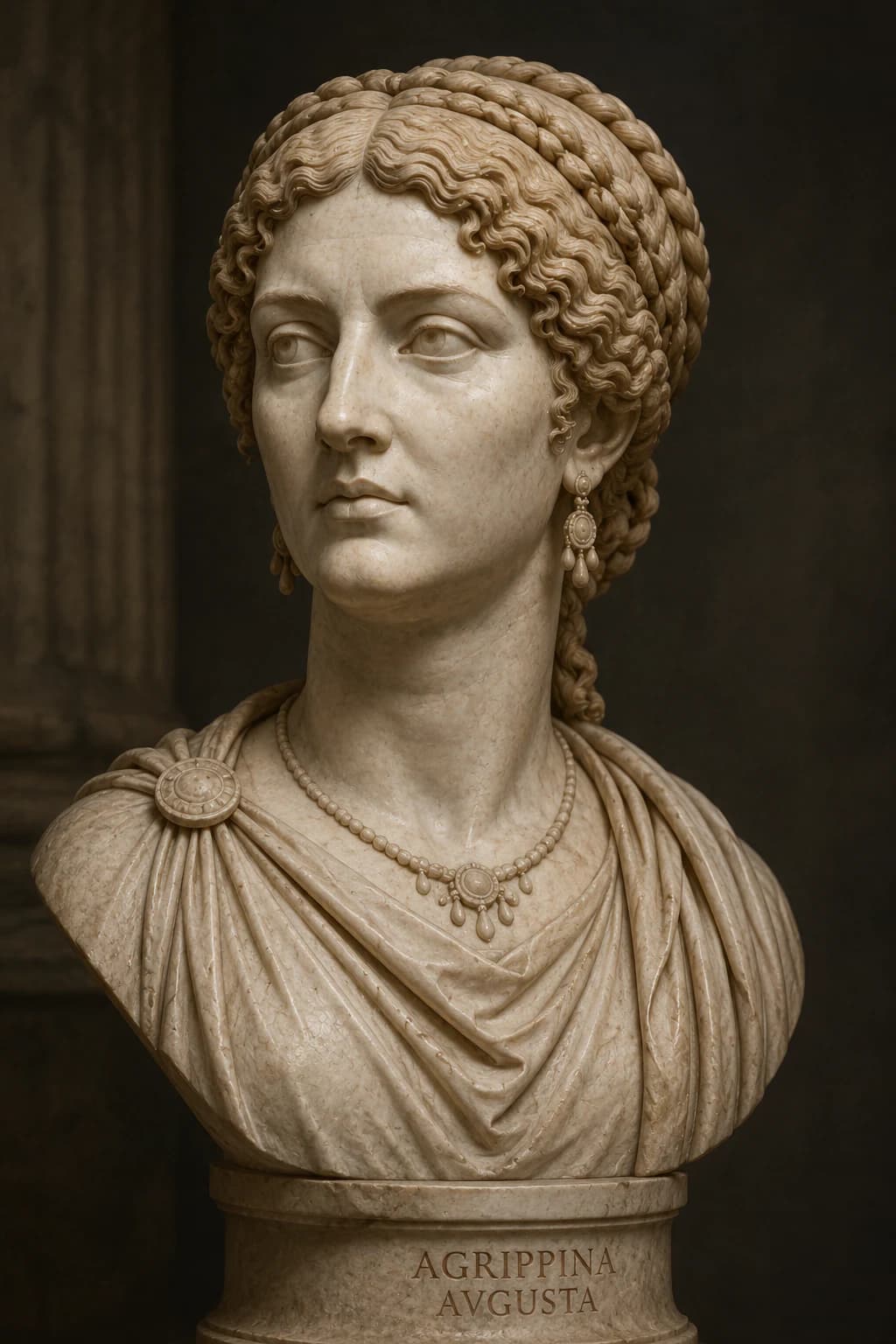
Portrait of Agrippina the Younger
Agrippina the Younger
15-59 CEItaly
She was one of the most formidable women of the Julio-Claudian dynasty: daughter of Germanicus, sister of Caligula, wife of Claudius, mother of Nero, and a political operator who helped make her son emperor before becoming his victim.
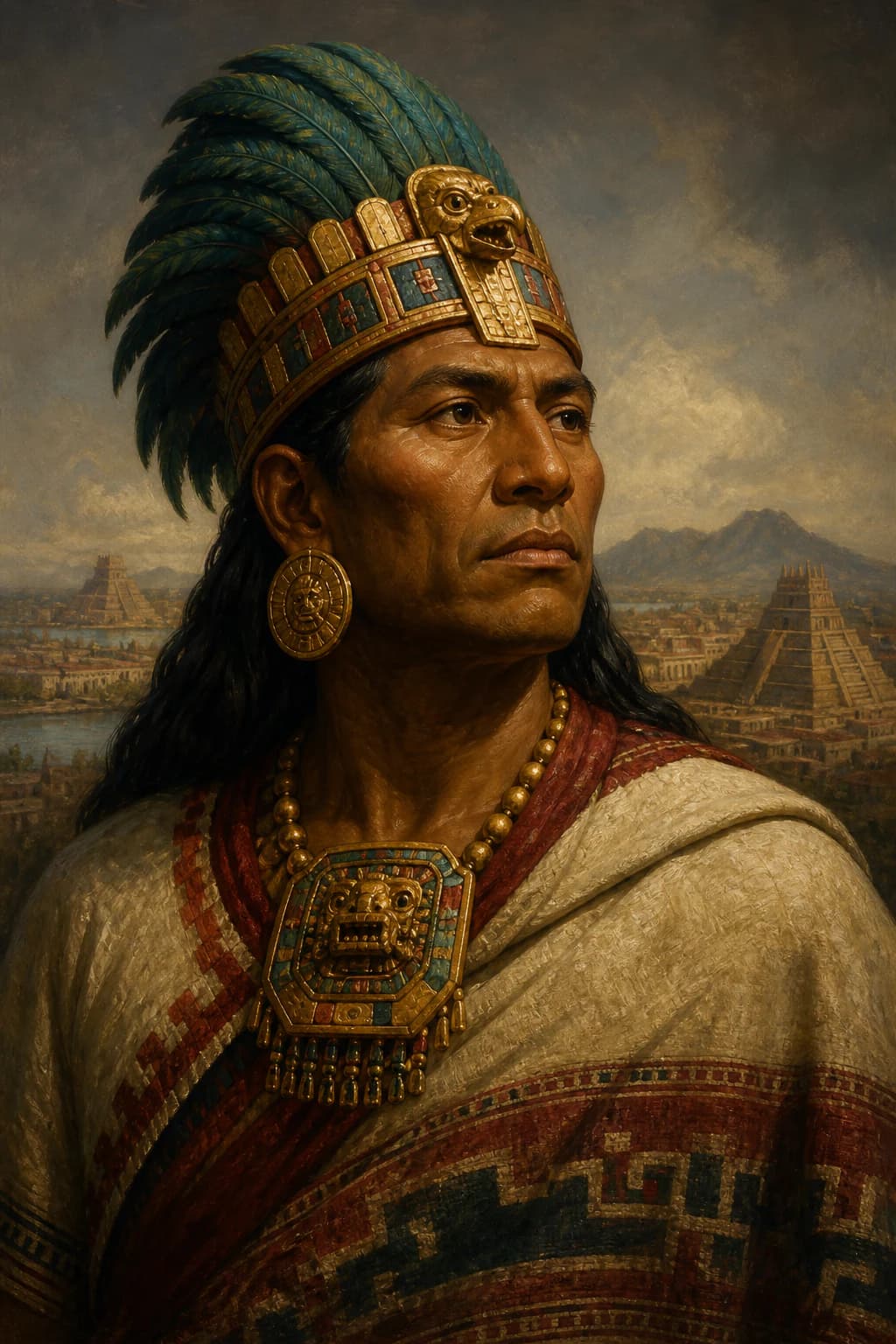
Portrait of Ahuitzotl
Ahuitzotl
1440-1502 CEMexico
He drove Aztec power farther than any ruler before him, expanding tribute, sacrifice, wealth, and the imperial pressures Moctezuma II would inherit.
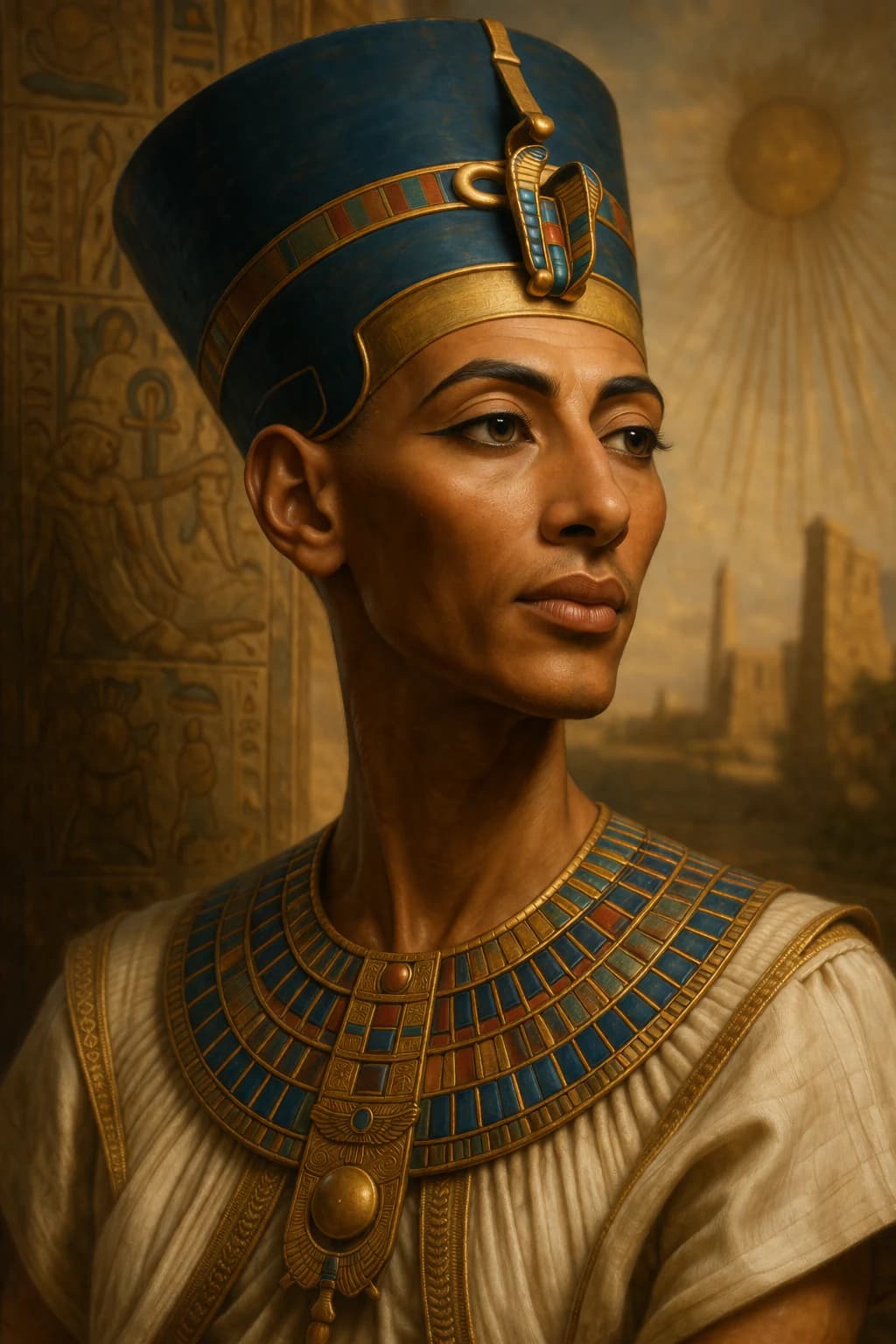
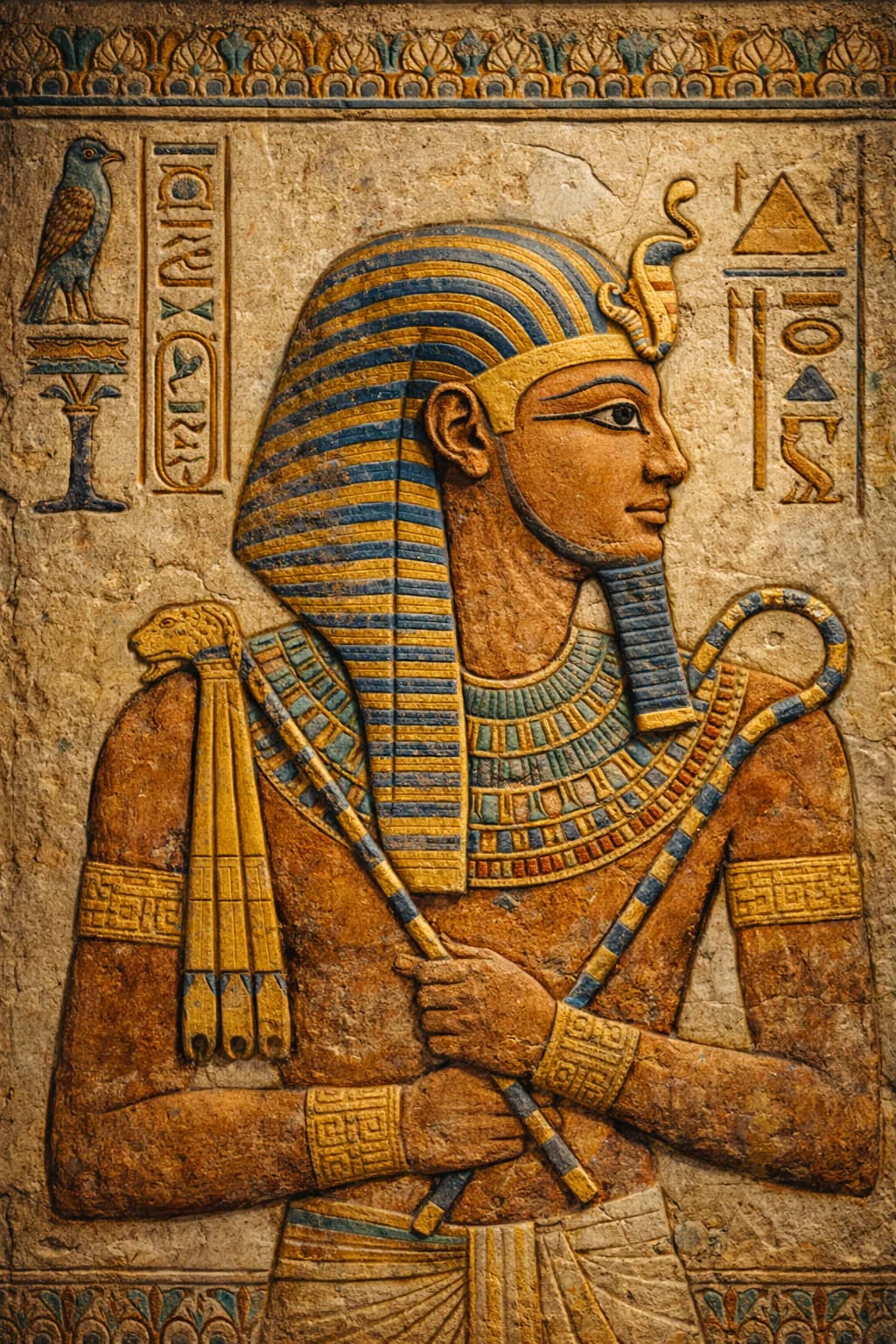
Portrait of Akhenaten
Akhenaten
1370-1336 BCEEgypt
He was the Eighteenth Dynasty pharaoh who broke with Egypt's old gods, made the Aten the center of royal religion, built the city of Akhetaten, and was later erased as a dangerous memory.
Portrait of Alaric
Alaric
370-410 CEItaly
He did what Romans had been taught to think almost impossible: he entered Rome with an army and made the eternal city look mortal.
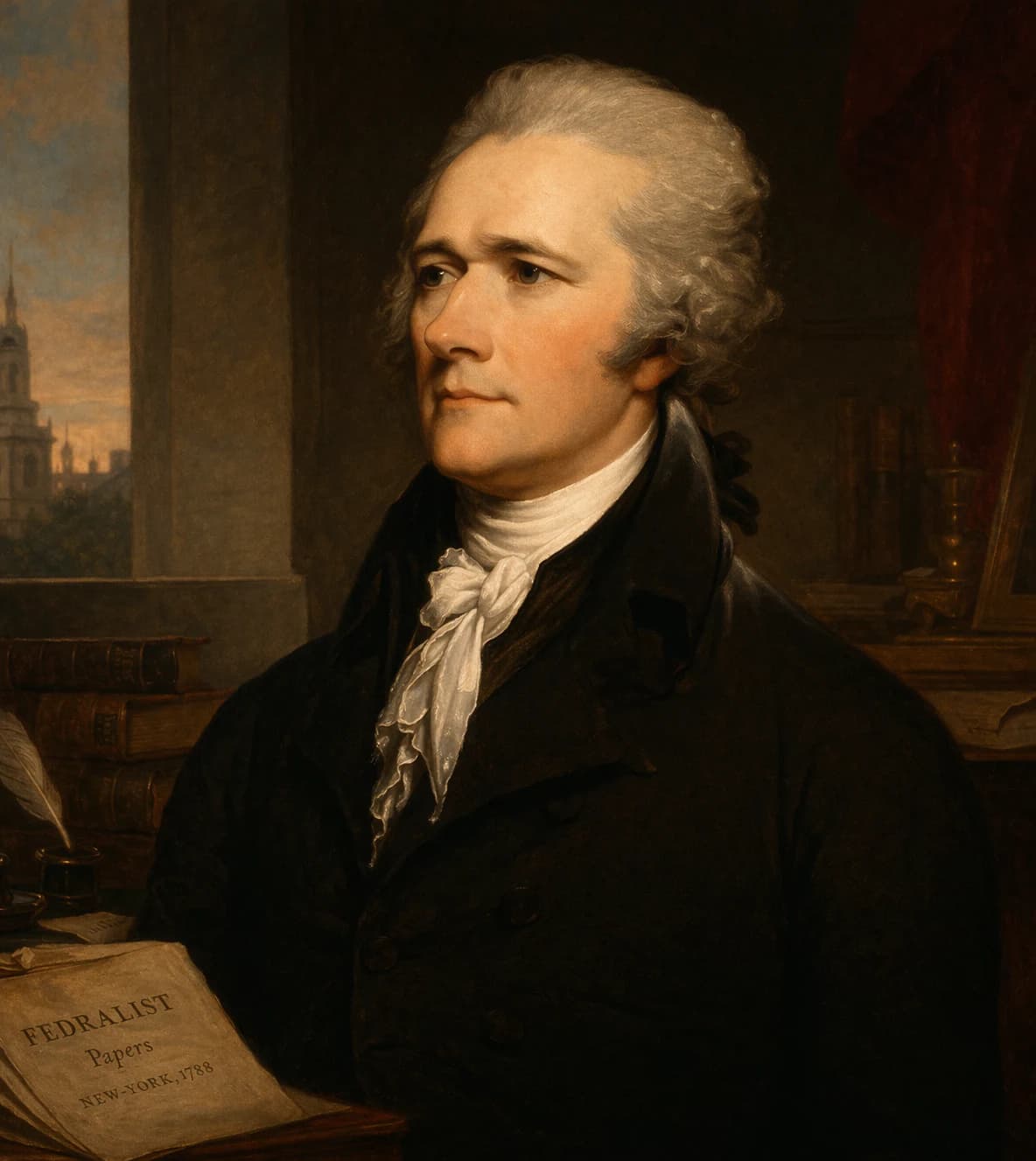
Portrait of Alexander Hamilton
Alexander Hamilton
1755-1804 CEUnited States
He came from the Caribbean with no inherited power, became George Washington's trusted aide, defended the Constitution, and built the financial machinery of the early United States.
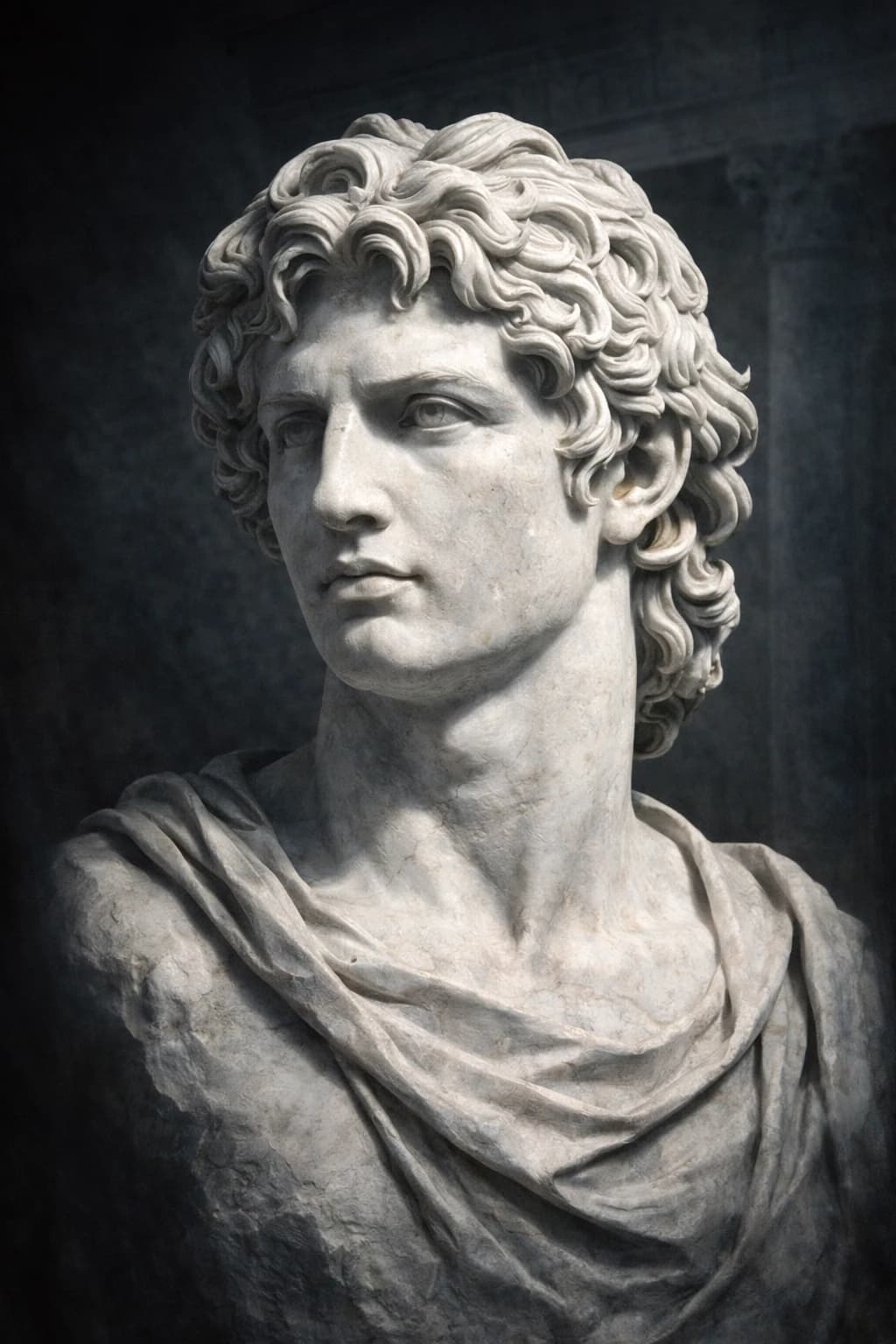
Portrait of Alexander the Great
Alexander the Great
356-323 BCEGreece
He inherited Macedon's war machine, overthrew the Persian Empire, founded cities from Egypt to Central Asia, and left behind a Hellenistic world that outlived his shattered empire.
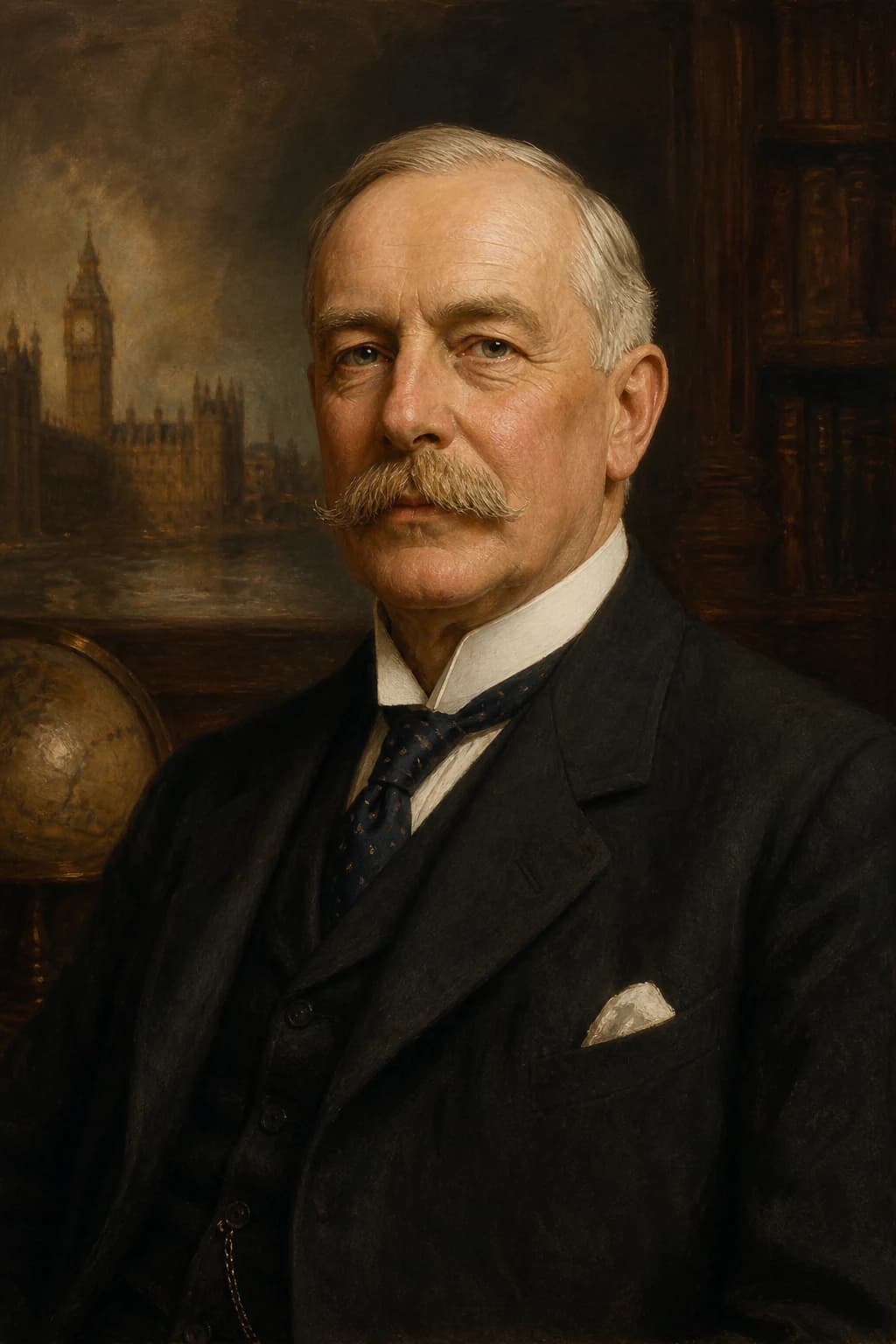
Portrait of Alfred Milner
Alfred Milner
1854-1925 CEUnited Kingdom
He believed empire could be administered into shape, and in South Africa that conviction helped turn political tension into imperial confrontation.
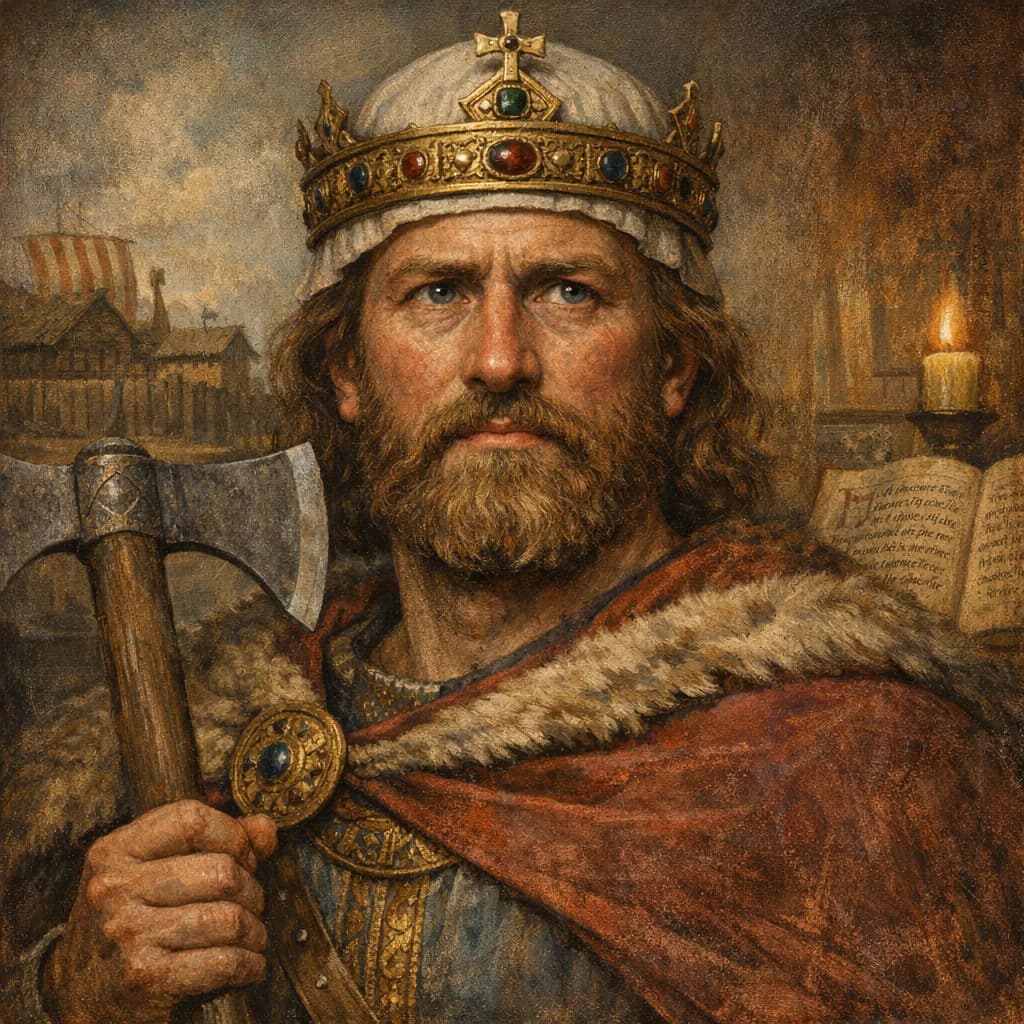
Portrait of Alfred the Great
Alfred the Great
849-899 CEUnited Kingdom
He survived a near-collapse of Wessex, defeated the Viking Great Army, reorganized defense and law, and helped lay foundations for the later kingdom of England.
Portrait of Anatoly Dobrynin
Anatoly Dobrynin
1919-2010 CERussia
He spent a quarter-century in Washington, carrying messages through the most dangerous Cold War moments with a calm that probably mattered more than anyone could admit.
Portrait of Andrew Jackson
Andrew Jackson
1767-1845 CEUnited States
He rose from a Revolutionary War orphan to the hero of New Orleans and the 7th U.S. President, expanding white male democracy while driving Native nations from their homelands and transforming the power of the presidency.
Portrait of Andrew Johnson
Andrew Johnson
1808-1875 CEUnited States
He rose from poverty to the White House after Lincoln's assassination, then turned Reconstruction into a constitutional struggle over race, citizenship, federal power, and the meaning of Union victory.
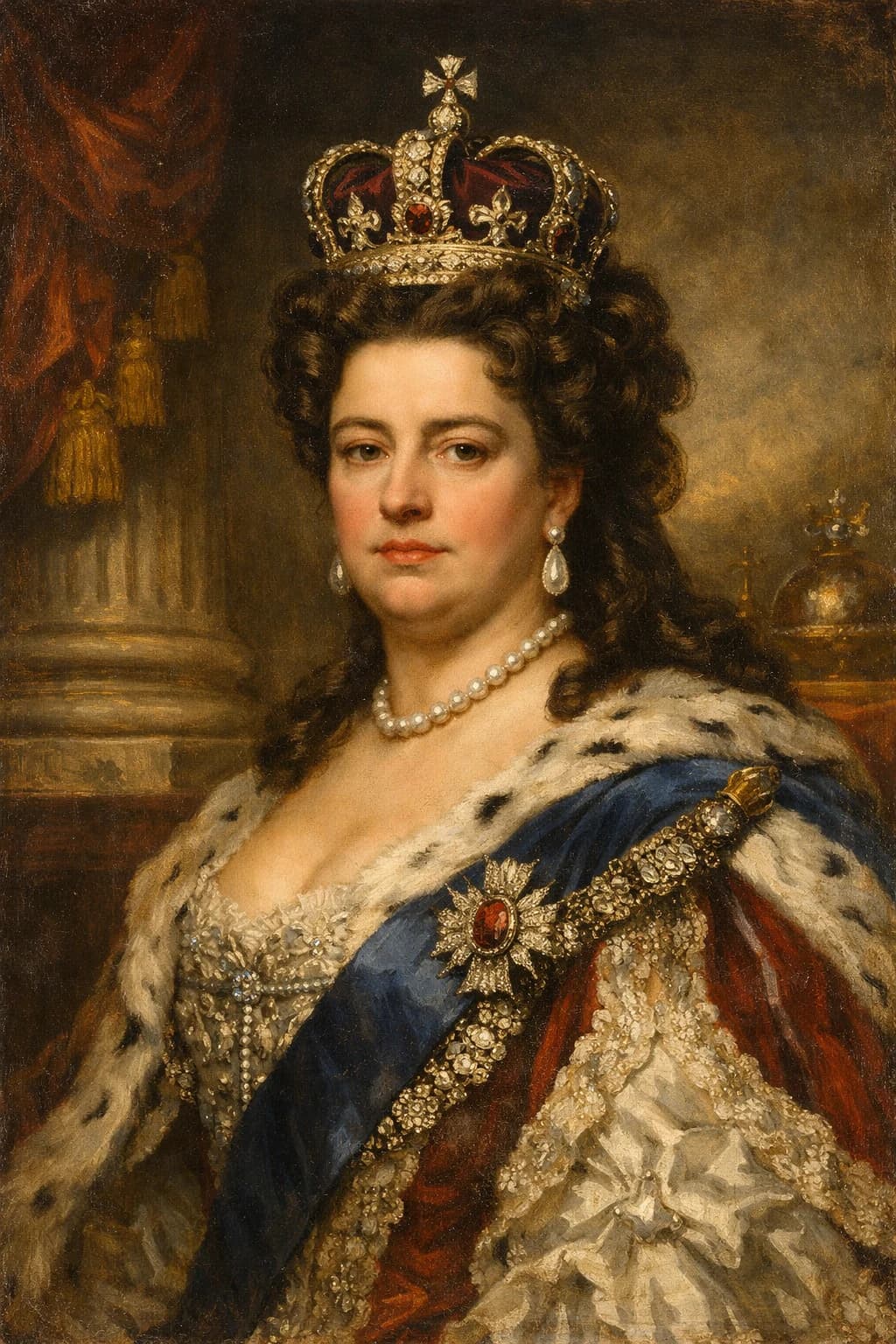
Portrait of Anne
Anne
1665-1714 CEUnited Kingdom
She was the last Stuart monarch, a devout Anglican queen who created Great Britain in 1707, watched Marlborough win abroad, and carried private grief through a reign of lasting constitutional change.
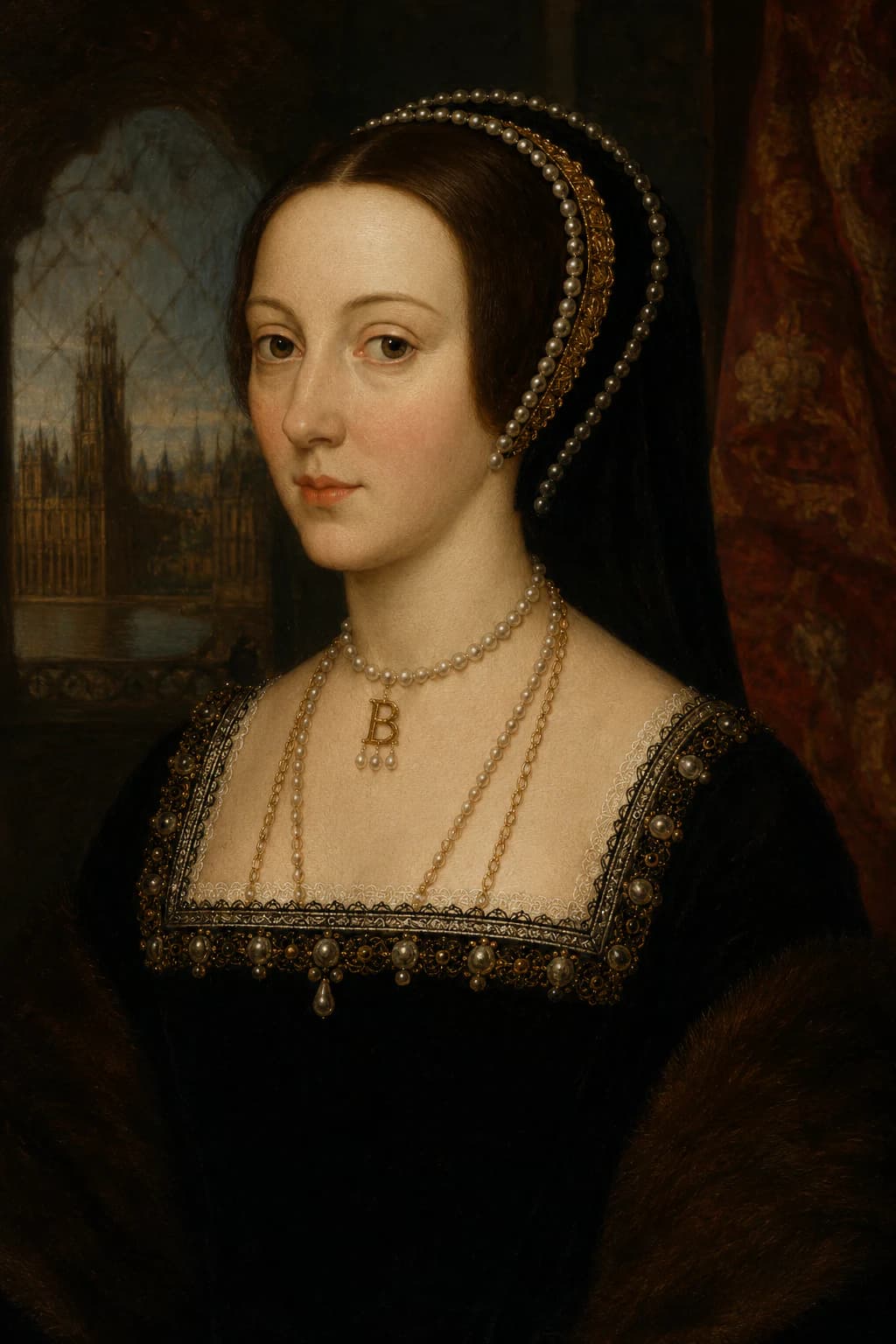
Portrait of Anne Boleyn
Anne Boleyn
c. 1501-1536 CEUnited Kingdom
She became Henry VIII's second queen after refusing to be only his mistress, helped intensify the break with Rome, gave birth to Elizabeth I, and was executed in 1536.
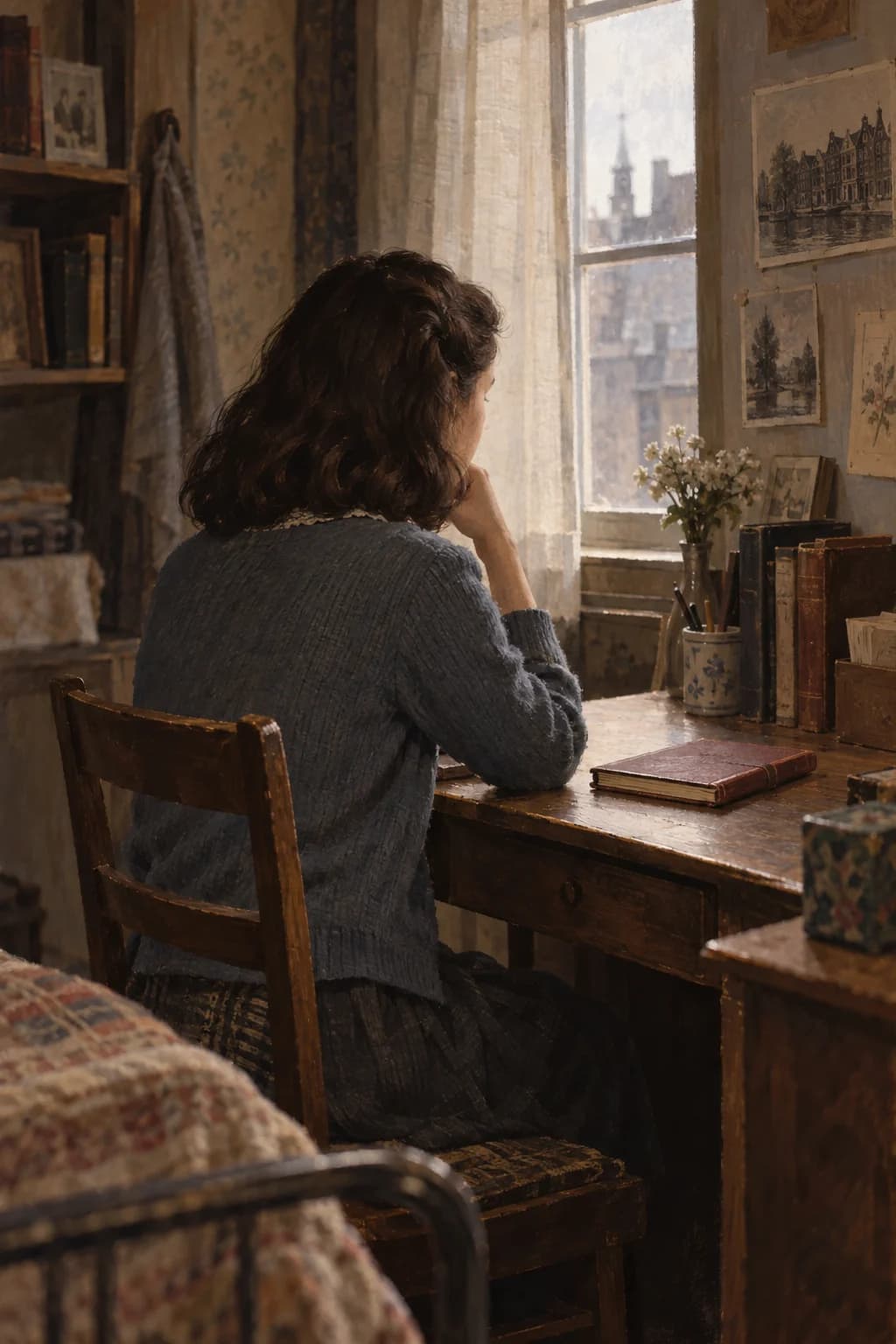
Portrait of Anne Frank
Anne Frank
1929-1945 CEGermany
She was a German-Jewish teenager who hid from Nazi persecution in occupied Amsterdam, wrote one of history's most intimate wartime diaries, and became a lasting voice for the human lives destroyed in the Holocaust.
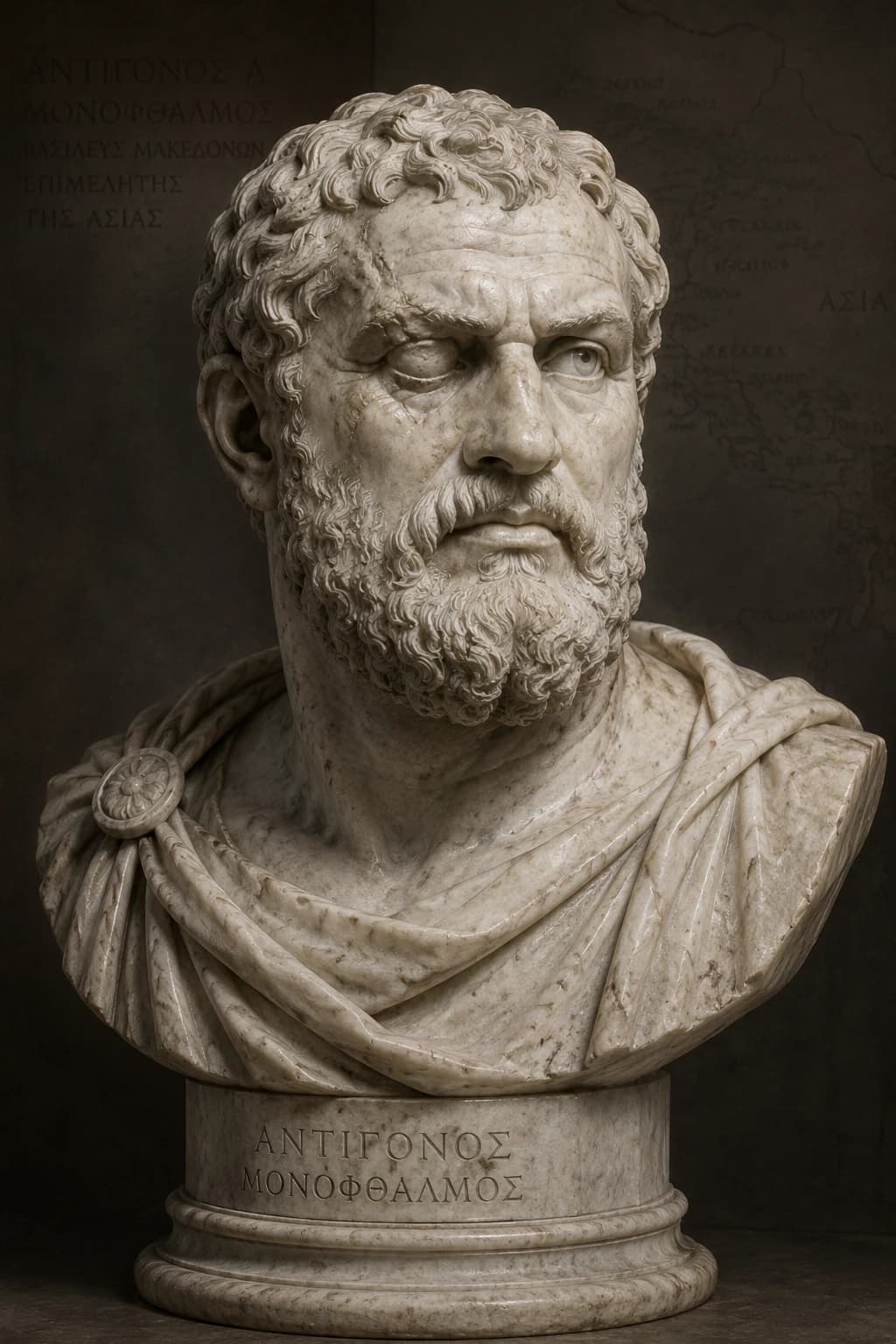
Portrait of Antigonus the One-Eyed
Antigonus the One-Eyed
c. 382-301 BCETurkey
He was one of Alexander's most powerful Successors, ruling large parts of Asia and claiming kingship before dying at Ipsus in 301 BC.
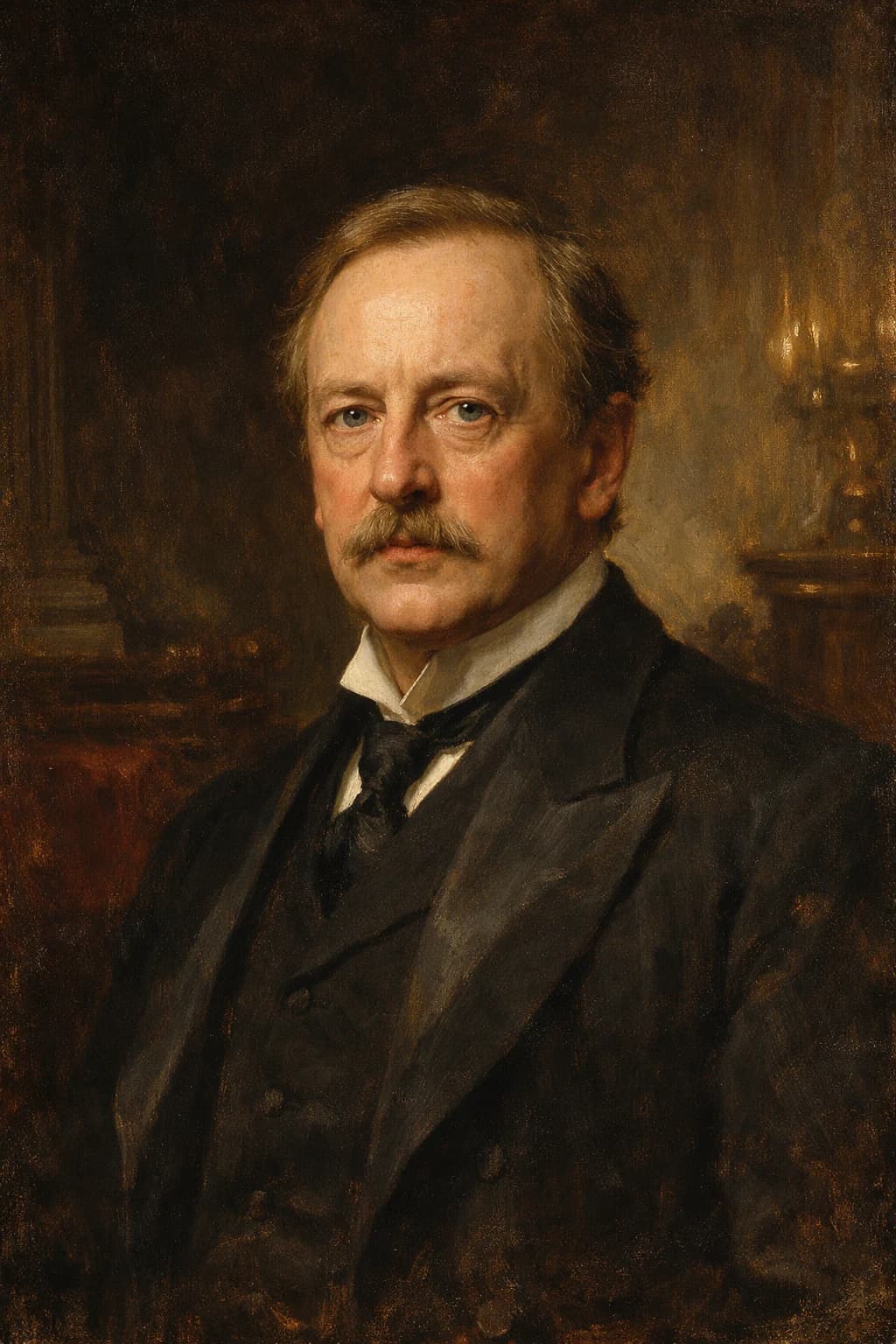
Portrait of Archibald Primrose, 5th Earl of Rosebery
Archibald Primrose, 5th Earl of Rosebery
1847-1929 CEUnited Kingdom
He followed Gladstone into power with brilliance, wealth, and imperial ambition, but never mastered the divided Liberal Party that made his premiership so brief.
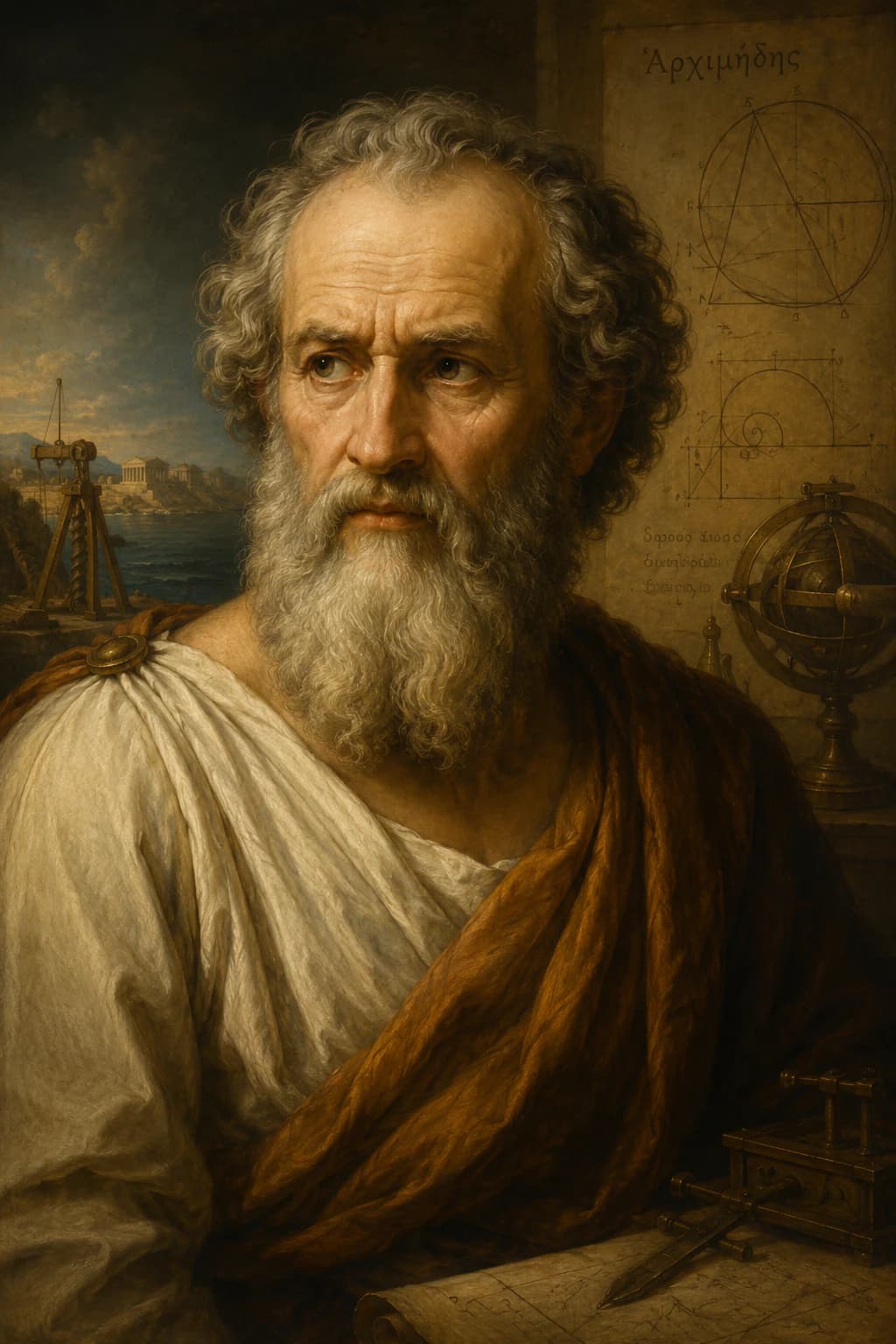
Portrait of Archimedes
Archimedes
c. 287-212 BCEItaly
He was the Syracusan mathematician and engineer whose work on geometry, mechanics, buoyancy, and war machines made him one of antiquity's greatest scientific minds.
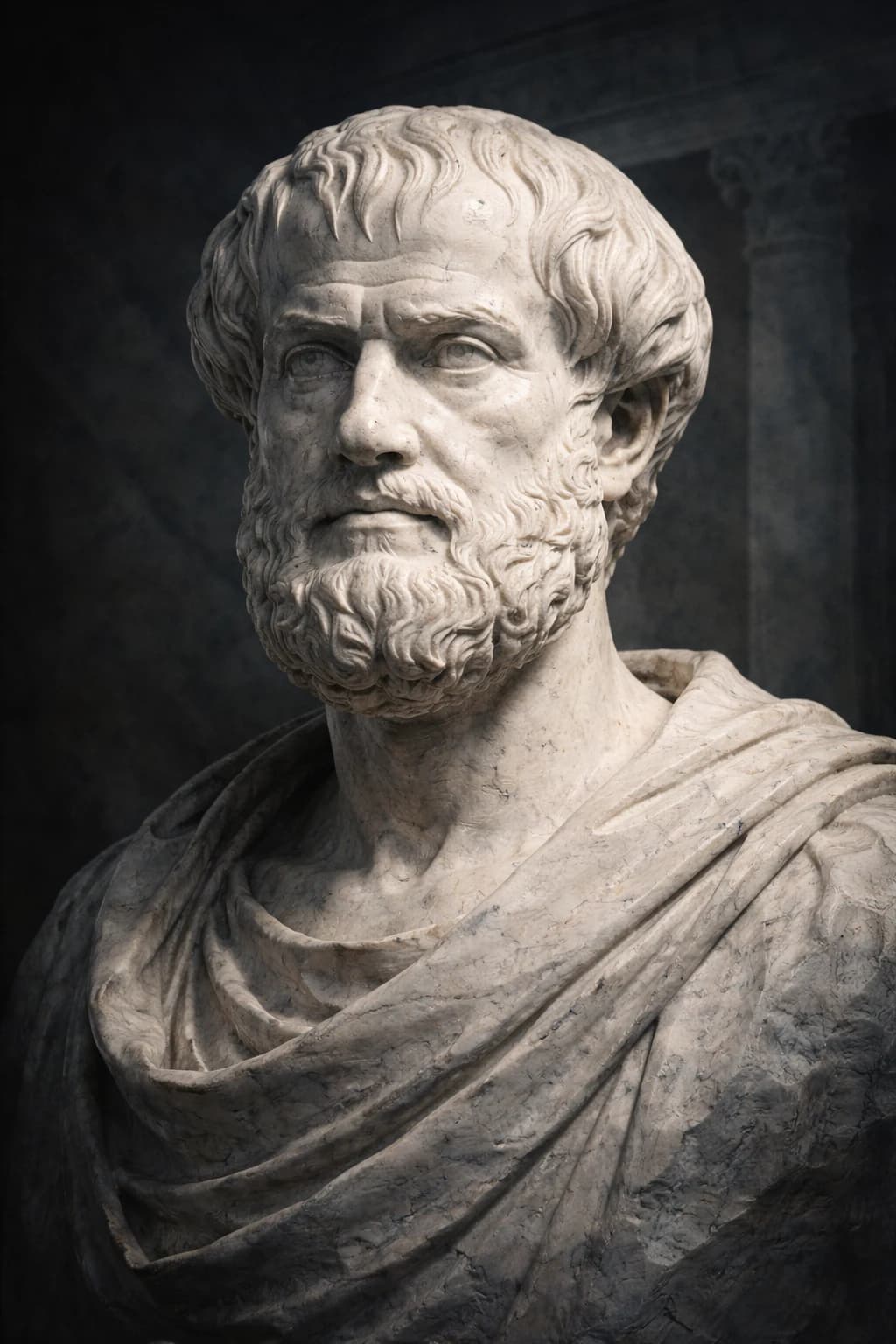
Portrait of Aristotle
Aristotle
384-322 BCEGreece
He studied with Plato, taught Alexander the Great, founded the Lyceum, and built systems of logic, ethics, politics, biology, and metaphysics that shaped learning for centuries.
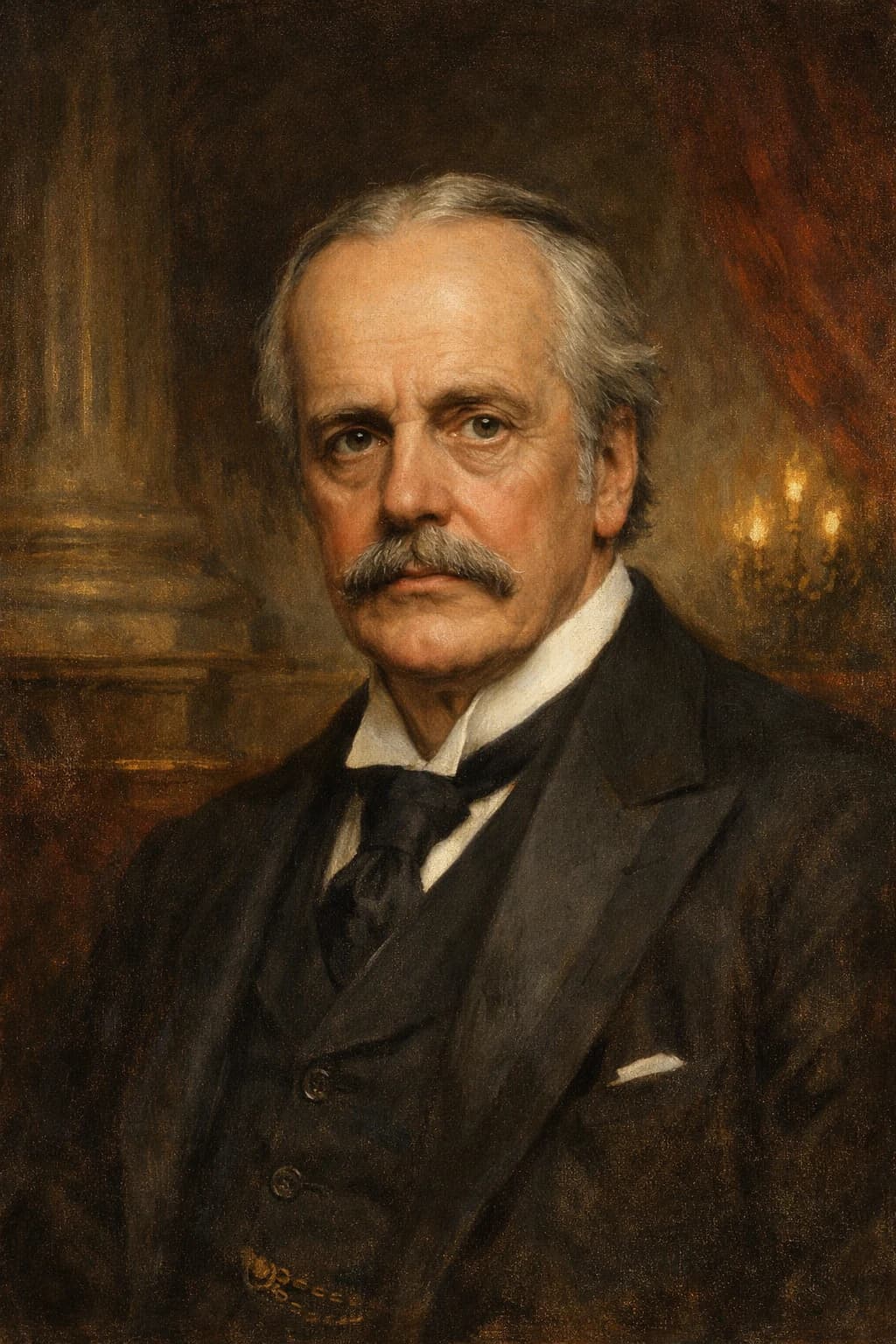
Portrait of Arthur Balfour
Arthur Balfour
1848-1930 CEUnited Kingdom
He governed through Edwardian uncertainty, returned as wartime foreign secretary, and became permanently tied to a brief 1917 letter with vast consequences for Palestine and the Middle East.
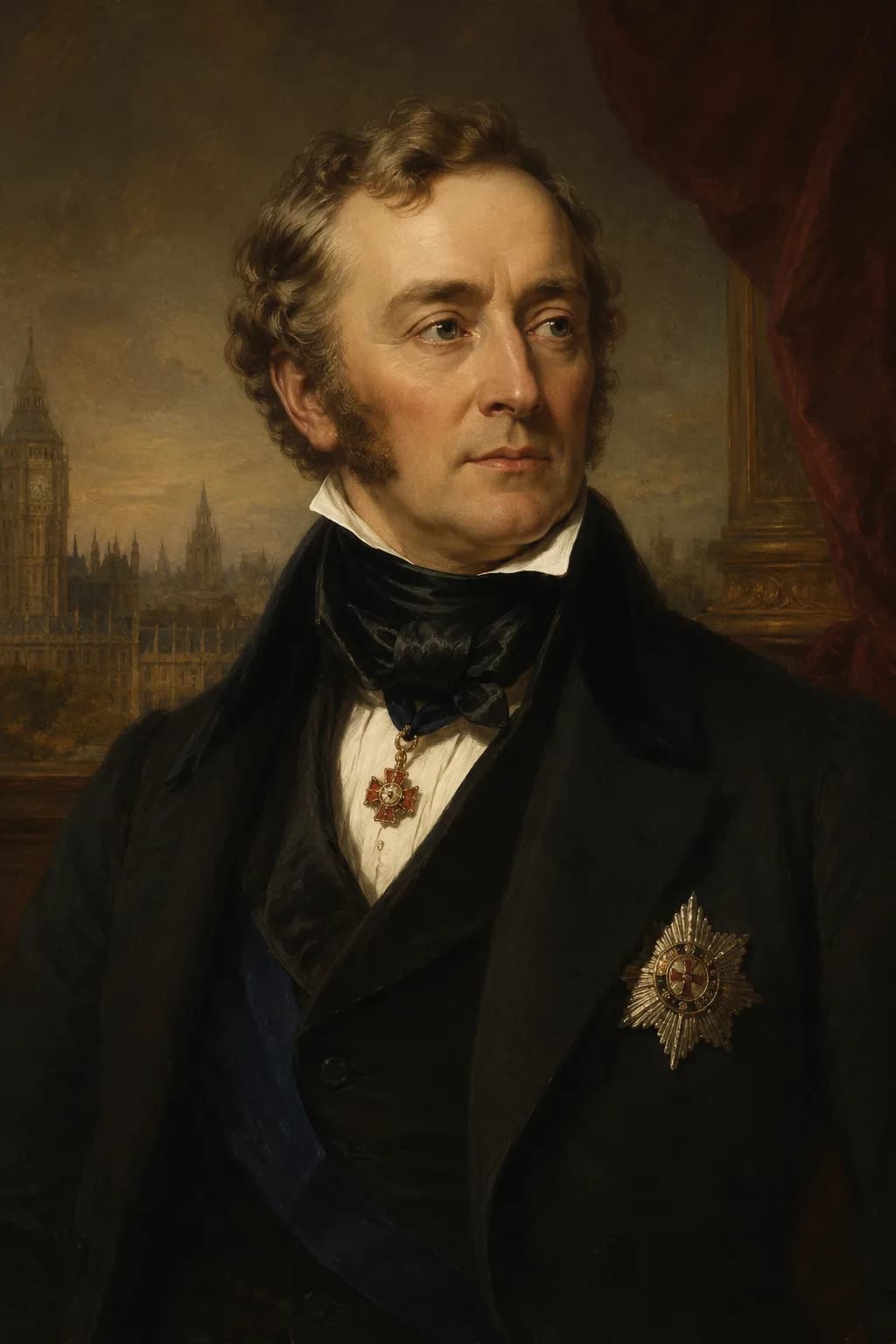
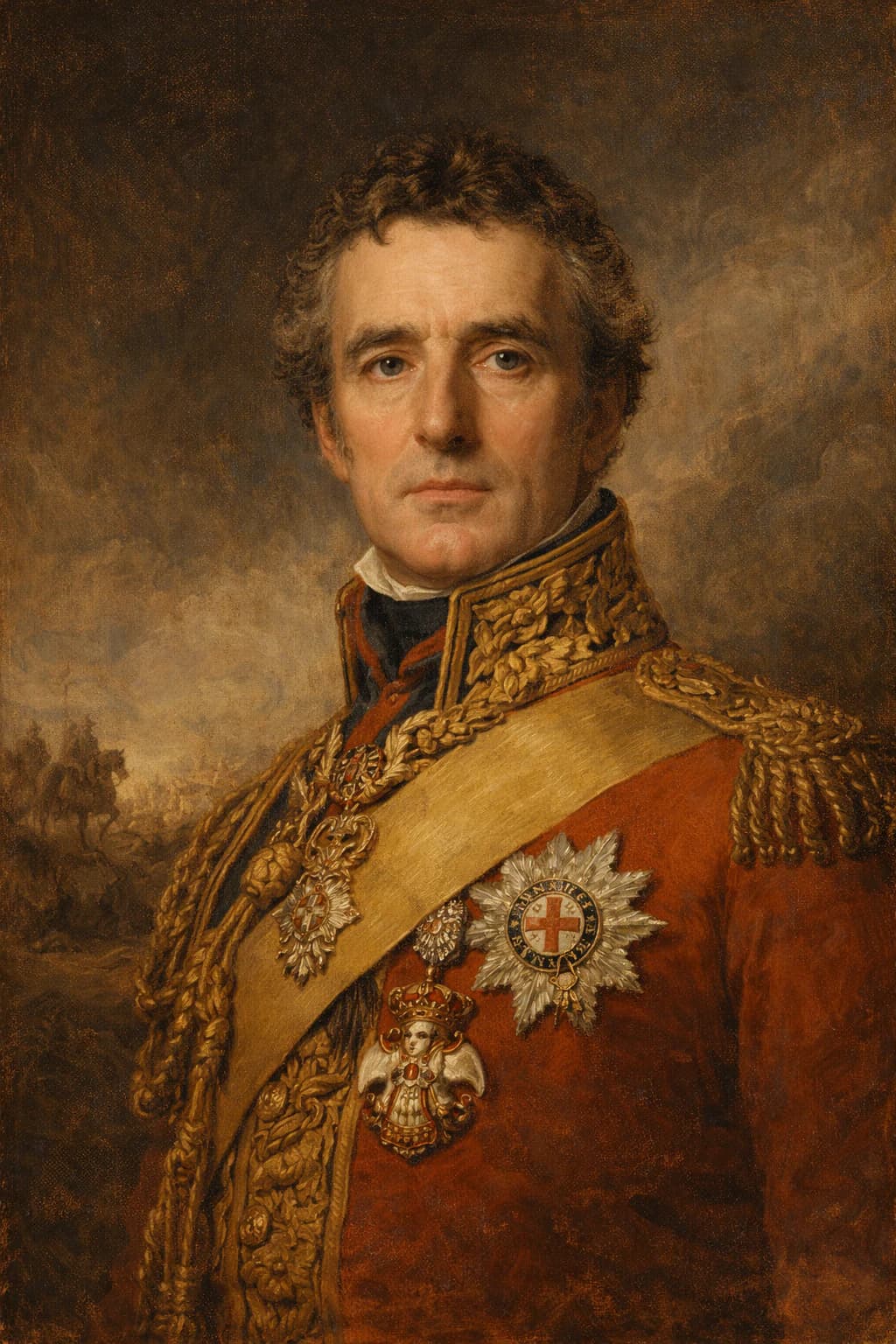
Portrait of Arthur Wellesley, Duke of Wellington
Arthur Wellesley, Duke of Wellington
1769-1852 CEUnited Kingdom
He broke Napoleon's armies in the Peninsula, won the final showdown at Waterloo, and then discovered that governing Britain was a very different battlefield.
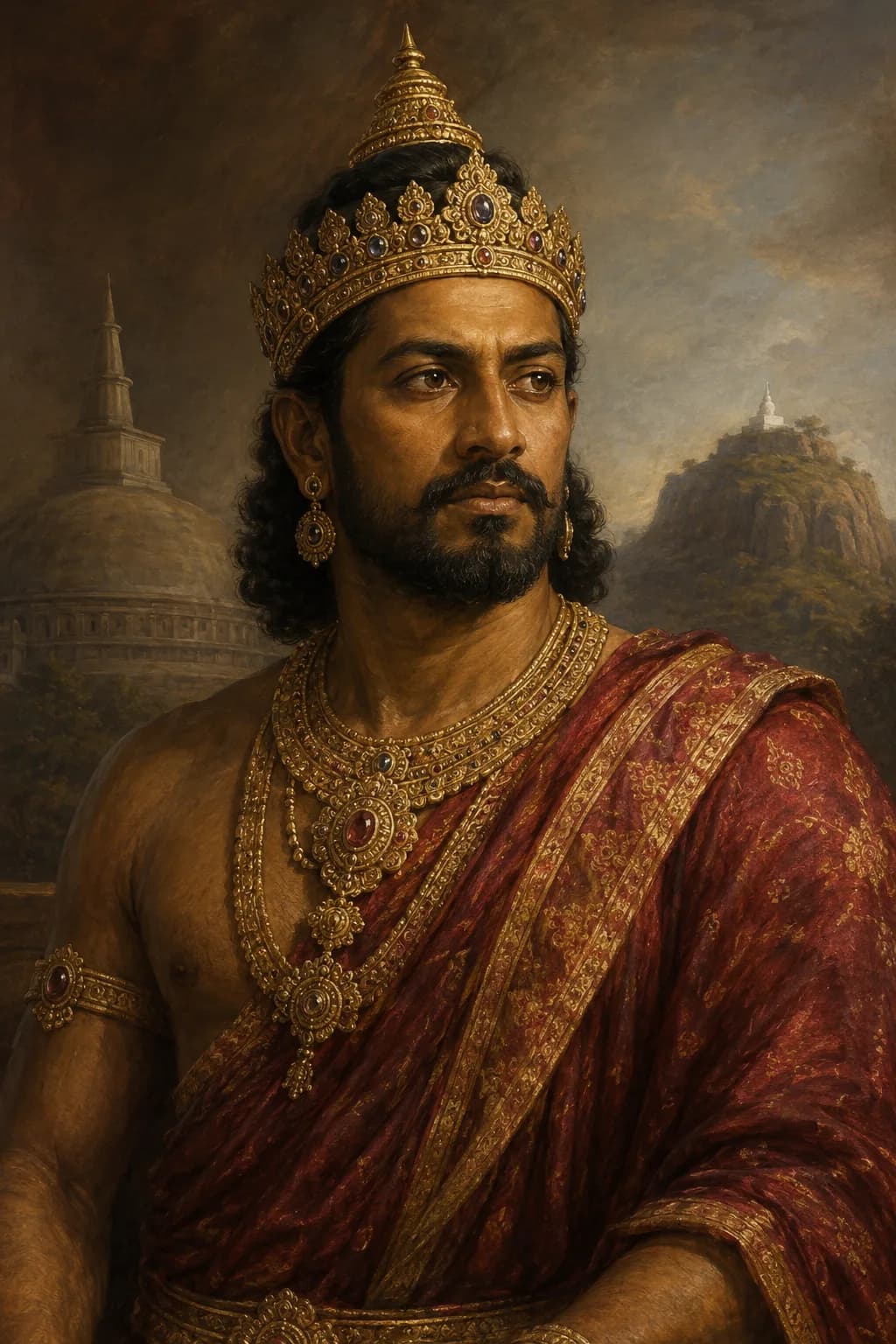
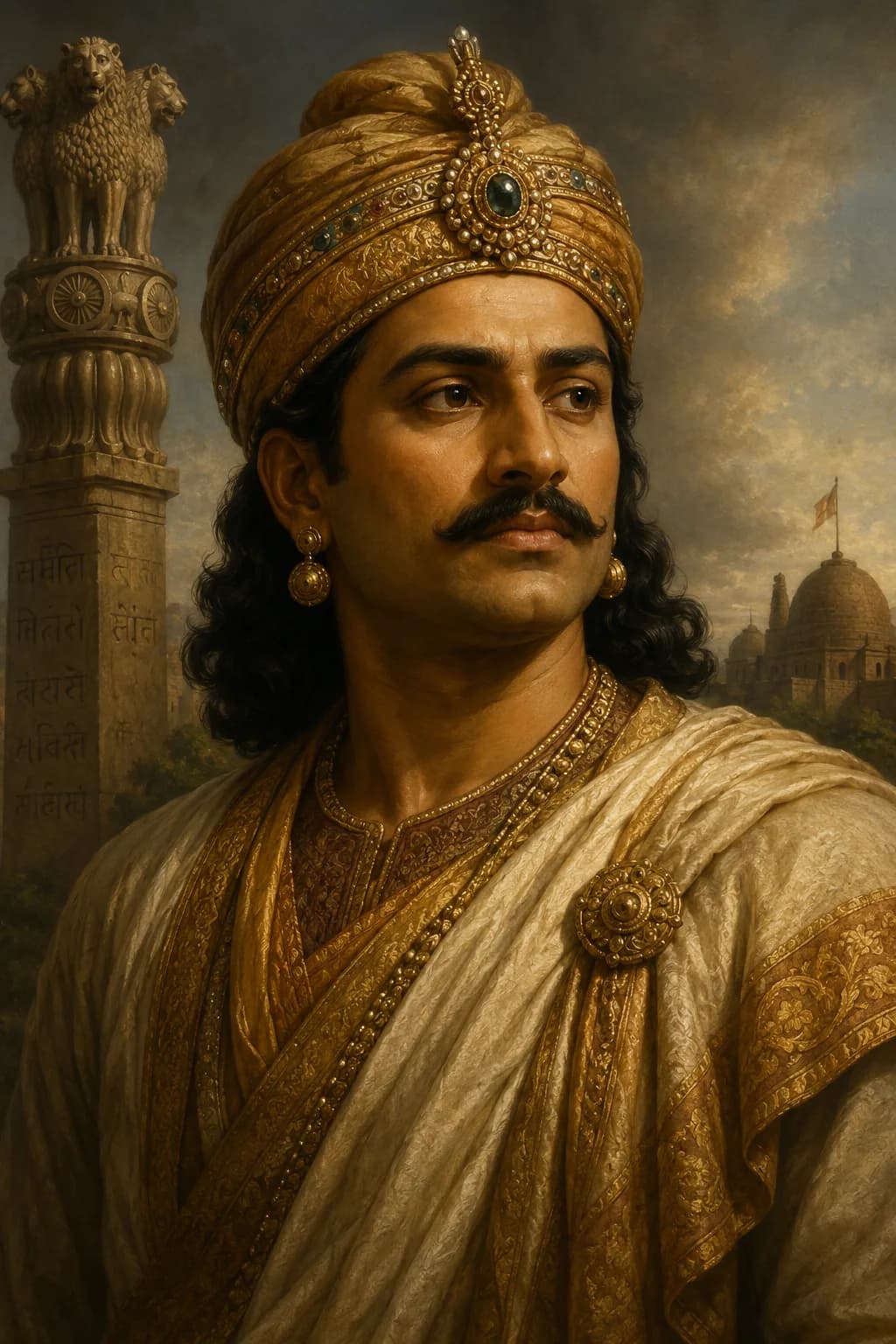
Portrait of Ashoka
Ashoka
304-232 BCEIndia
He conquered Kalinga at immense human cost, then made remorse part of kingship and spent the rest of his reign trying to govern through dhamma rather than conquest alone.
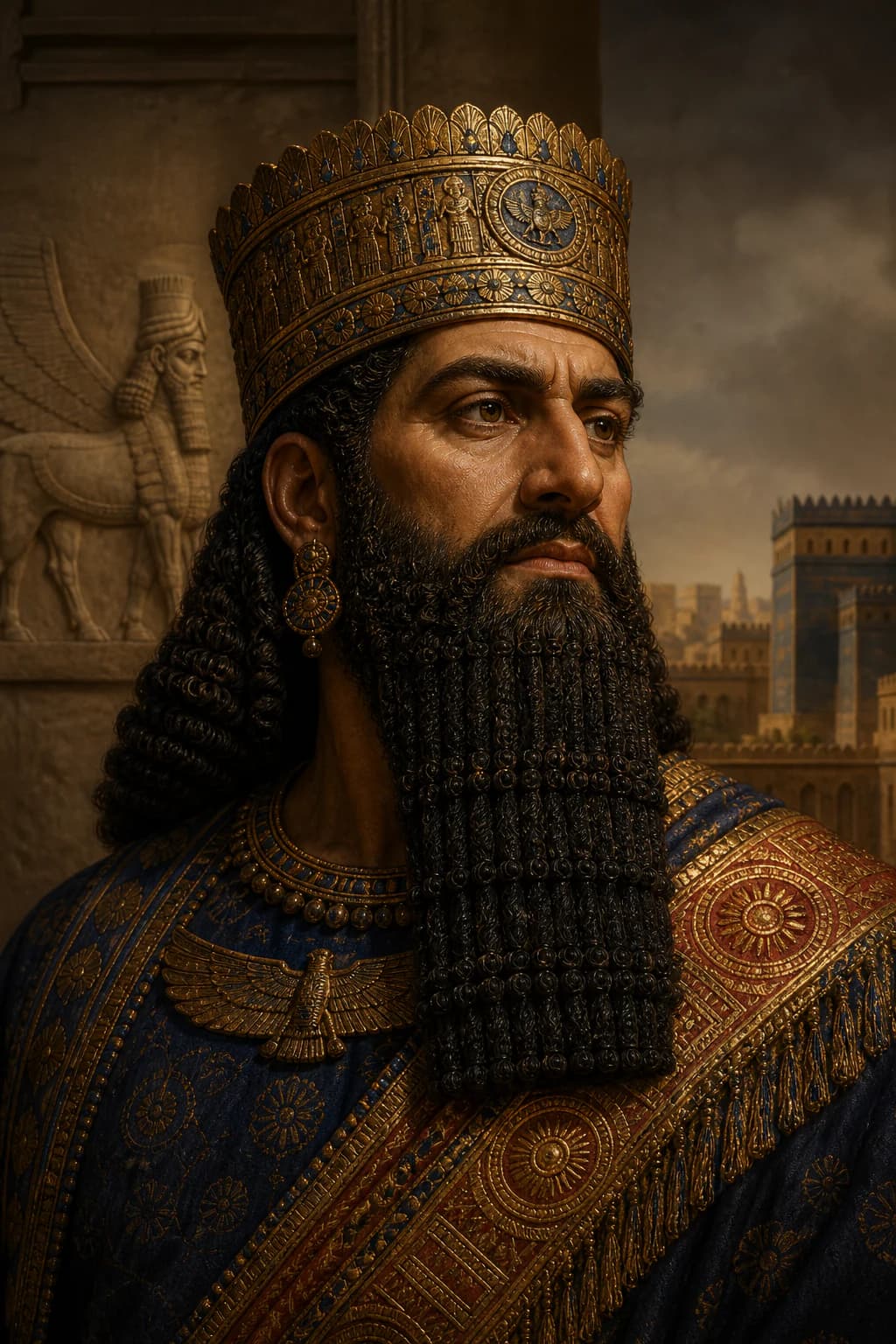
Portrait of Ashurbanipal
Ashurbanipal
685-631 BCEIraq
He hunted lions, crushed rebellions, destroyed Elam, and gathered thousands of tablets at Nineveh, leaving one of antiquity's sharpest portraits of imperial power.
Portrait of Atahualpa
Atahualpa
1500-1533 CEPeru
He had just won a civil war for control of the largest empire in the Americas when Francisco Pizarro's small Spanish force seized him in the plaza at Cajamarca.
Portrait of Attila the Hun
Attila the Hun
406-453 CEHungary
He ruled the Huns at their height, forced tribute from Rome, invaded Gaul and Italy, and became one of late antiquity's most feared symbols of imperial crisis.
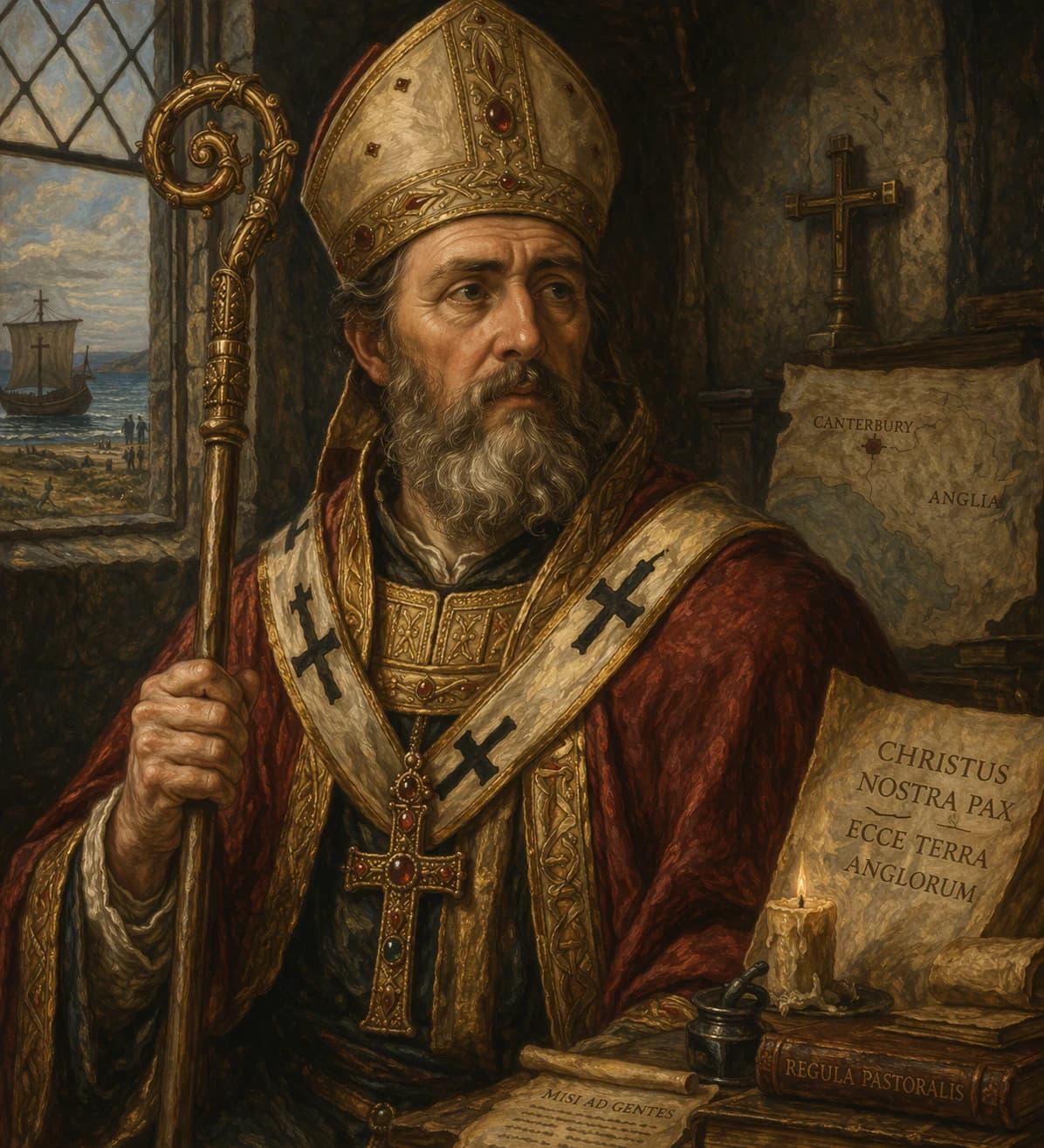
Portrait of Augustine of Canterbury
Augustine of Canterbury
534-604 CEUnited Kingdom
He was sent by Pope Gregory I to convert Anglo-Saxon Kent, arrived expecting resistance, and found that Queen Bertha had already opened a Christian doorway.
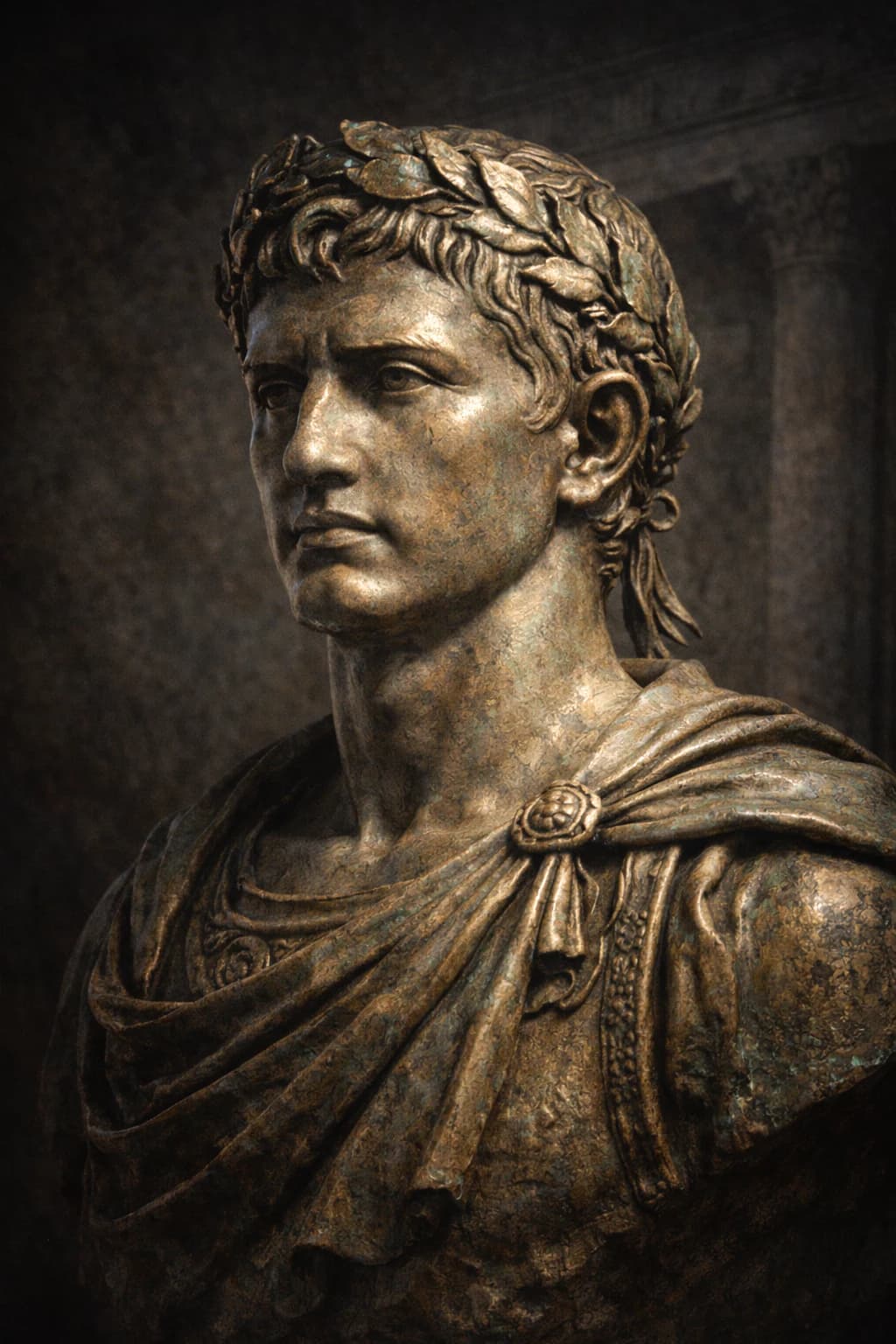
Portrait of Augustus
Augustus
63 BCE-14 CEItaly
He won Rome's civil wars by outmanoeuvring everyone who tried to destroy him — then spent the next forty years pretending he hadn't changed anything.
Portrait of Augustus FitzRoy, 3rd Duke of Grafton
Augustus FitzRoy, 3rd Duke of Grafton
1735-1811 CEUnited Kingdom
He became prime minister before forty, tried to hold together a fragile ministry during the Wilkes affair, and learned how quickly aristocratic rank could fail in the age of public opinion.

B

15 figures
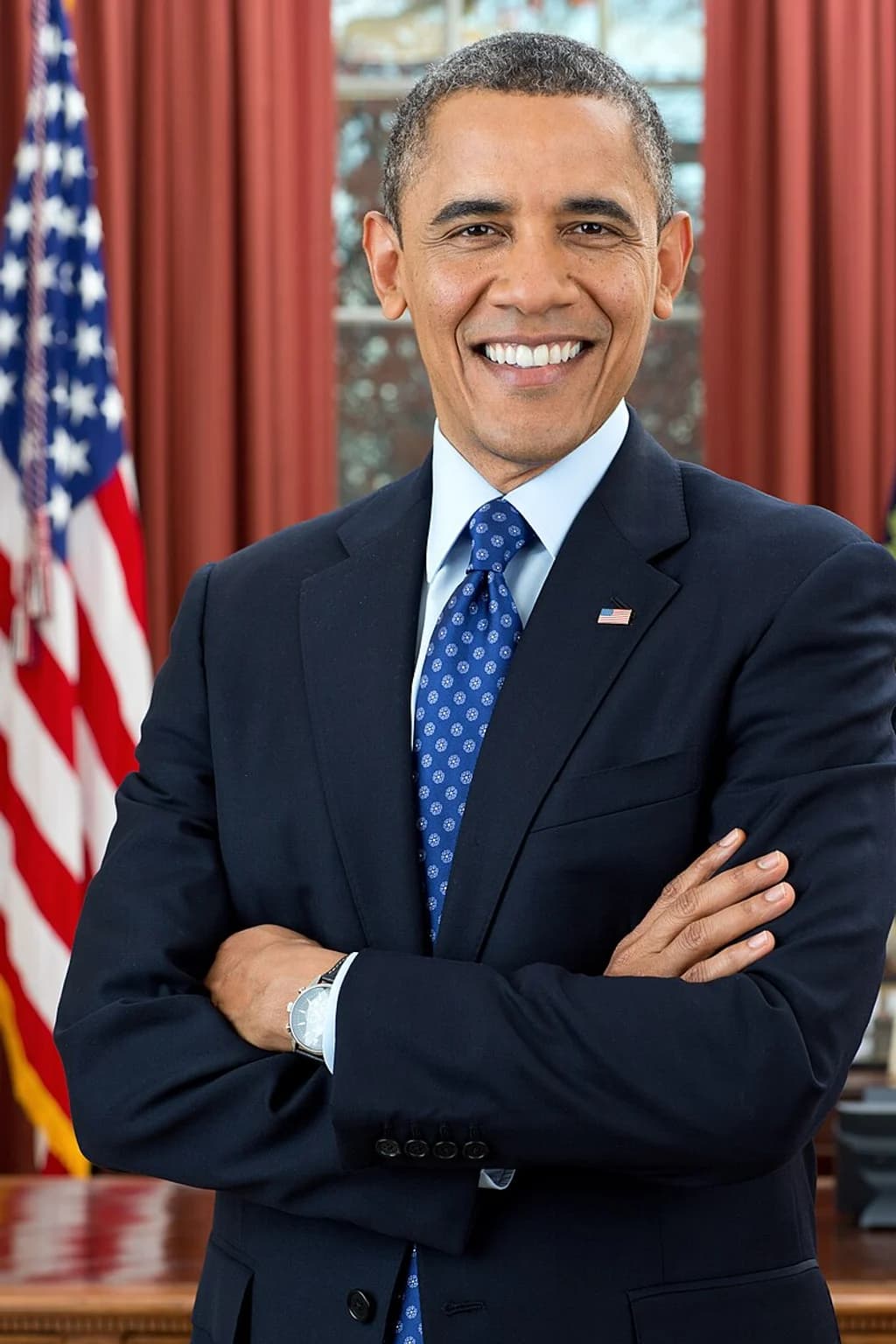
Portrait of Barack Obama
Barack Obama
Born 1961 CEUnited States
He ran for president two years into his first Senate term, won on a message of hope, and spent eight years discovering what hope costs in practice.
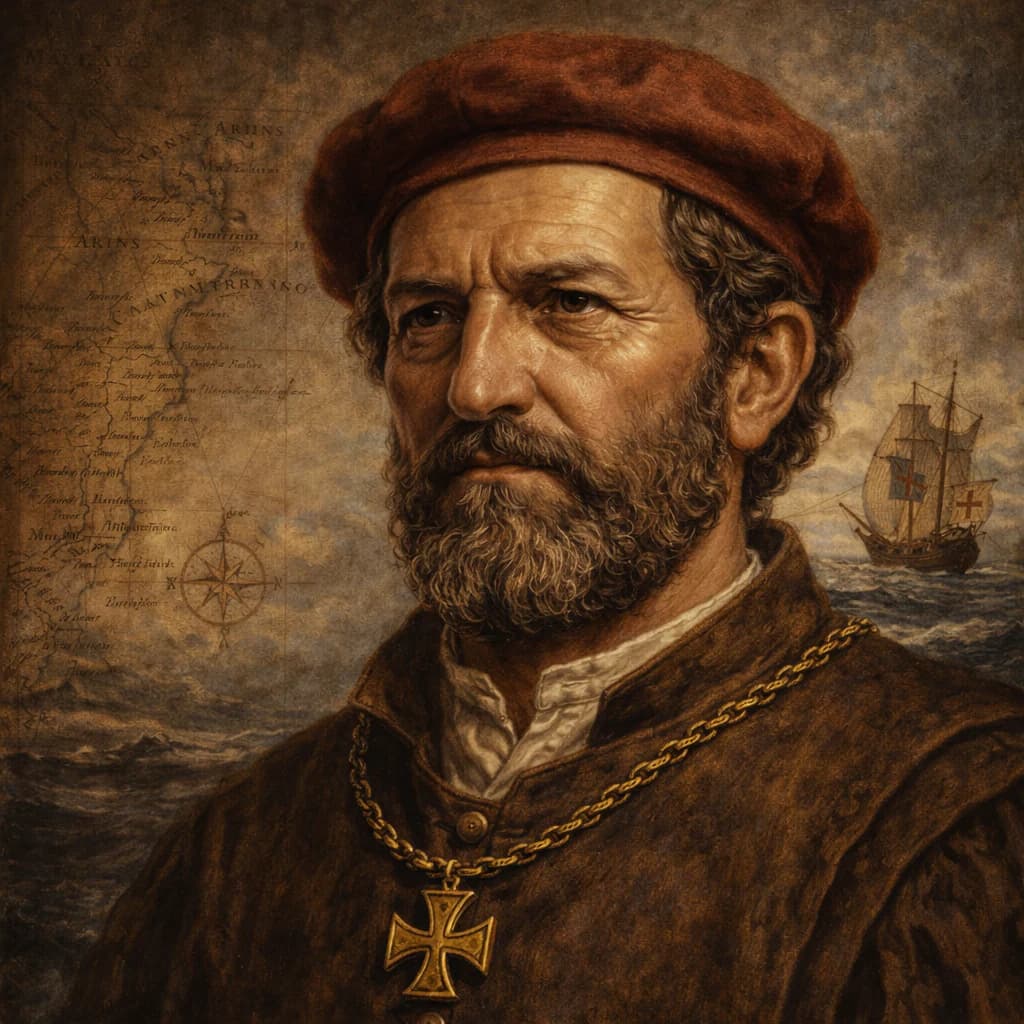
Portrait of Bartolomeu Dias
Bartolomeu Dias
1450-1500 CEPortugal
He rounded Africa's southern tip in 1488, proved the Atlantic opened into the Indian Ocean, and gave Portugal the route Vasco da Gama would turn into an oceanic empire.
Portrait of Bede
Bede
673-735 CEUnited Kingdom
He never left his monastery and never sought power — yet the history he wrote in a Northumbrian cell shaped how an entire nation understood itself.
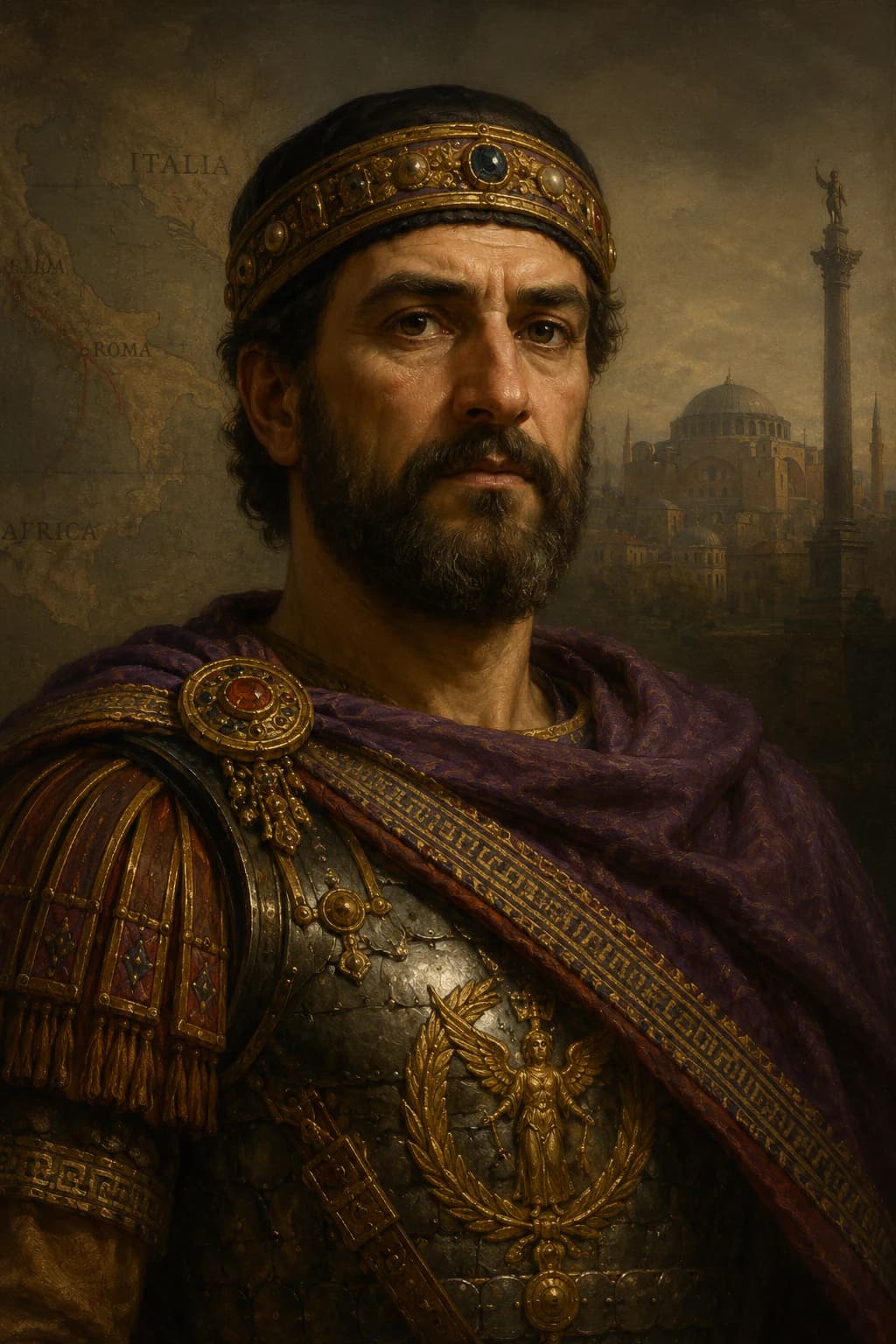
Portrait of Belisarius
Belisarius
c. 500-565 CETurkey
He was Justinian's most famous general, conquering Vandal North Africa with startling speed and beginning the long, costly reconquest of Ostrogothic Italy.
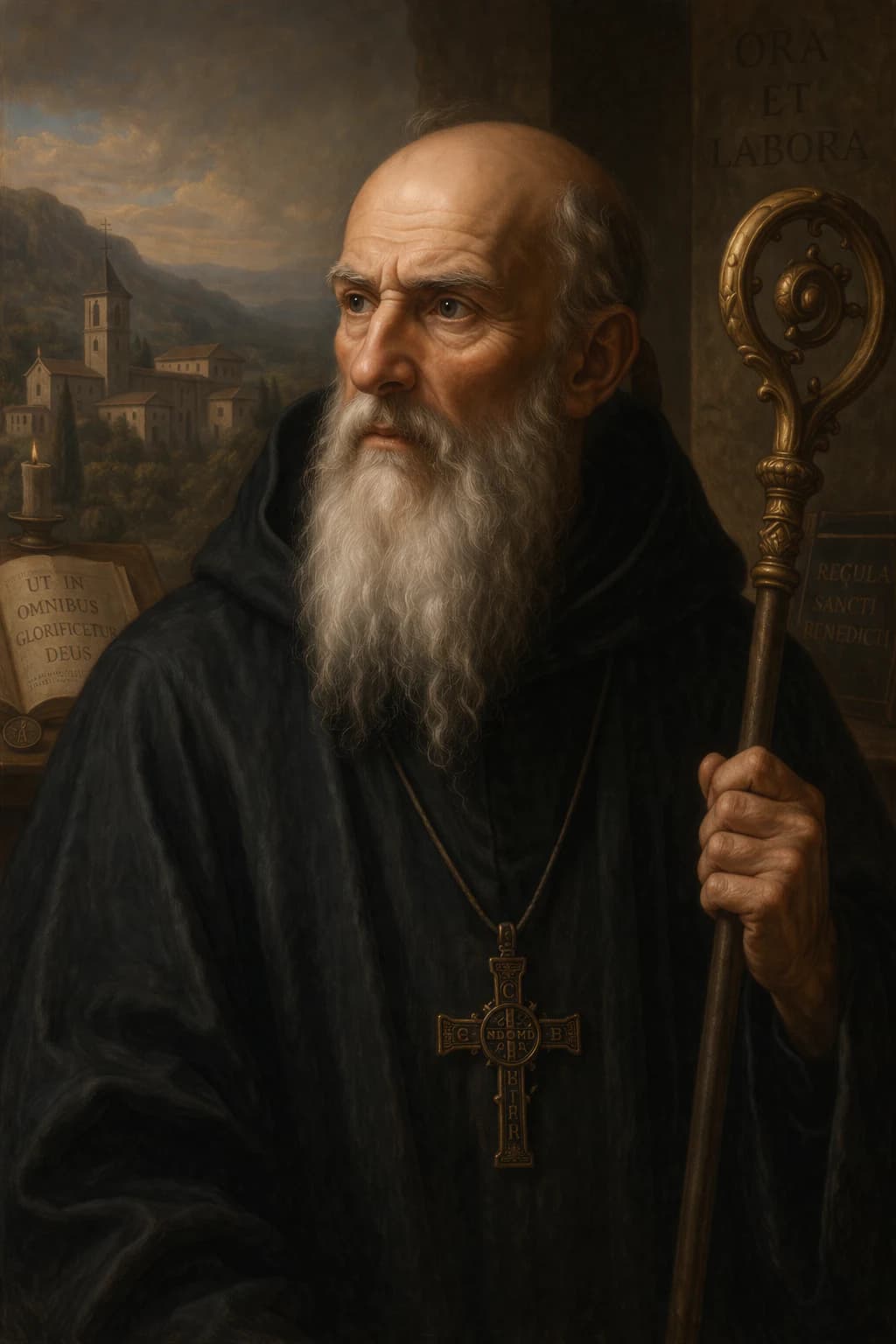
Portrait of Benedict of Nursia
Benedict of Nursia
480-547 CEItaly
He wrote a short book of instructions for monks, never intended for wide distribution, and it became the blueprint for how Europe organised learning, labour, and spiritual life for a thousand years.
Portrait of Benito Mussolini
Benito Mussolini
1883-1945 CEItaly
He turned postwar anger into fascism, dismantled Italy's democracy, built a dictatorship around spectacle and violence, and dragged the country into ruin beside Hitler.
Portrait of Benjamin Disraeli
Benjamin Disraeli
1804-1881 CEUnited Kingdom
He transformed himself from an outsider mocked in Parliament into a dominant prime minister who reshaped British conservatism and expanded imperial ambition with calculated flair.
Portrait of Benjamin Franklin
Benjamin Franklin
1706-1790 CEUnited States
He rose from a printer's shop to become a scientist, satirist, civic builder, revolutionary diplomat, and Founding Father whose practical genius helped turn colonial protest into American independence.
Portrait of Benjamin Harrison
Benjamin Harrison
1833-1901 CEUnited States
He reached the White House through the Electoral College, admitted six new states, signed the Sherman Antitrust Act, and presided over a busier presidency than his quiet reputation suggests.
Portrait of Bill Clinton
Bill Clinton
Born 1946 CEUnited States
He governed through a decade of prosperity, repositioned the Democrats for a post-Cold War age, survived impeachment, and left office with a legacy that still refuses to settle.
Portrait of Bonar Law
Bonar Law
1858-1923 CECanada
He was the Canadian-born outsider who made himself indispensable to Conservative power, helped break Lloyd George's coalition, and reached Downing Street only when illness had already stolen the time to use it.
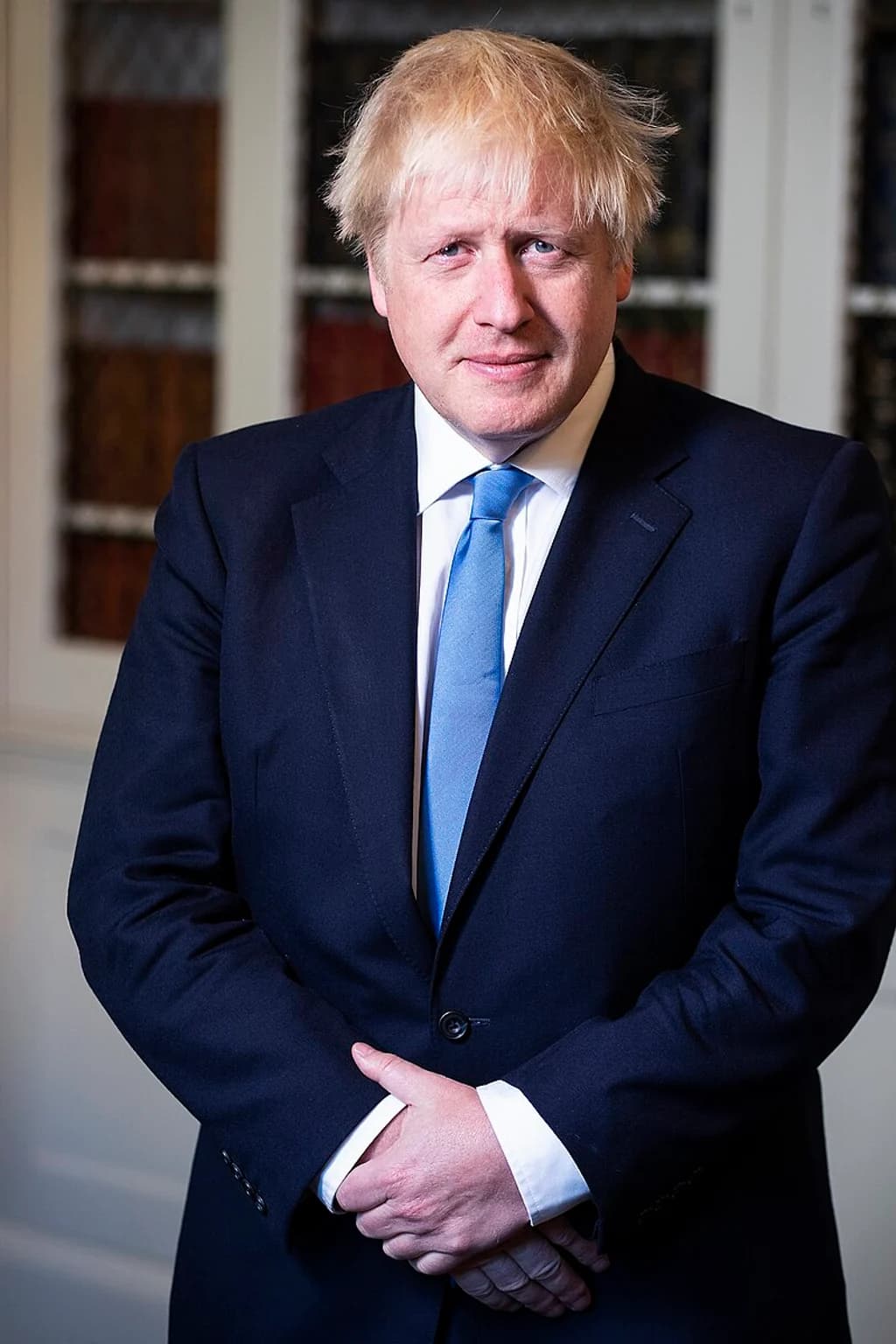
Portrait of Boris Johnson
Boris Johnson
Born 1964 CEUnited Kingdom
He turned journalism into political celebrity, made Brexit the engine of his rise, won a landslide in 2019, then lost power when charisma could no longer outrun questions of truth and trust.
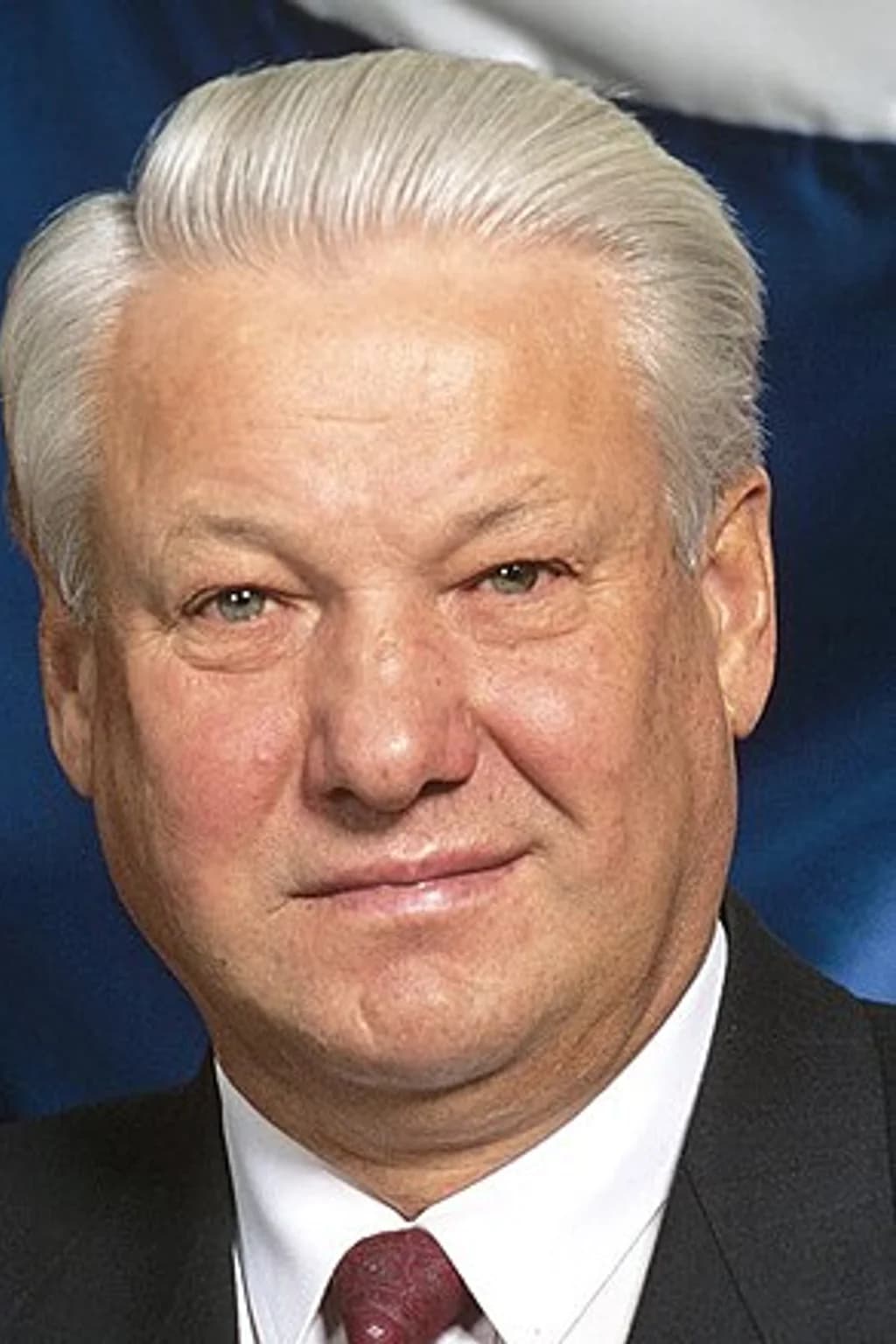
Portrait of Boris Yeltsin
Boris Yeltsin
1931-2007 CERussia
He stood on a tank to face down a Soviet coup, became the first president of post-Soviet Russia, then watched freedom, hardship, oligarchic wealth and state weakness collide under his own rule.
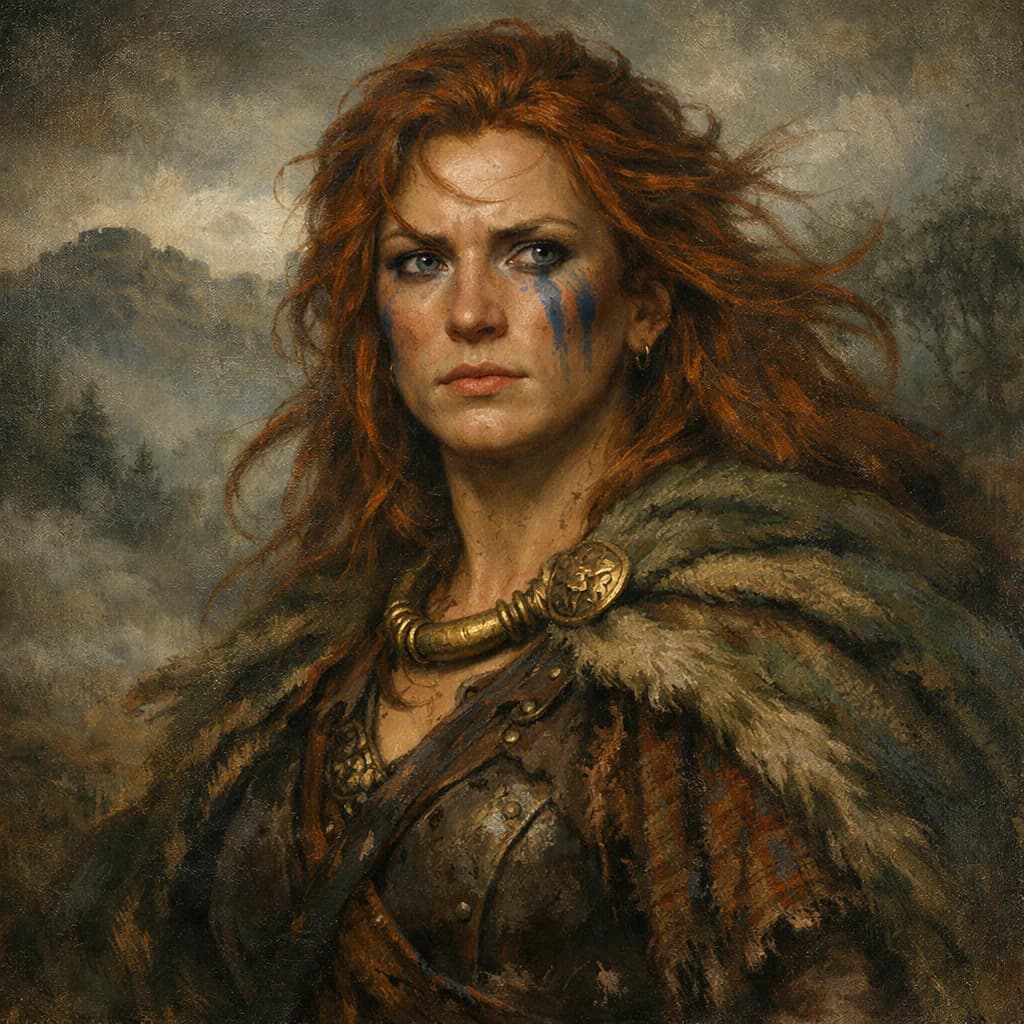
Portrait of Boudica
Boudica
Died 61 CEUnited Kingdom
She turned Roman humiliation into Britain's most dangerous revolt, destroyed the colony at Camulodunum and the towns of Londinium and Verulamium, and became a lasting symbol of resistance to empire.
Portrait of Brennus
Brennus
Died 390 BCEFrance
He led the Senones into early republican Rome, shattered its army at the Allia, took ransom in gold, and left a wound in Roman pride so deep that later Romans built strategy around never being that vulnerable again.

C

28 figures
Portrait of Calvin Coolidge
Calvin Coolidge
1872-1933 CEUnited States
He made restraint into a presidential method, restored trust after Harding's scandals, presided over the boom of the 1920s, and left before the crash forced Americans to ask what restraint had missed.
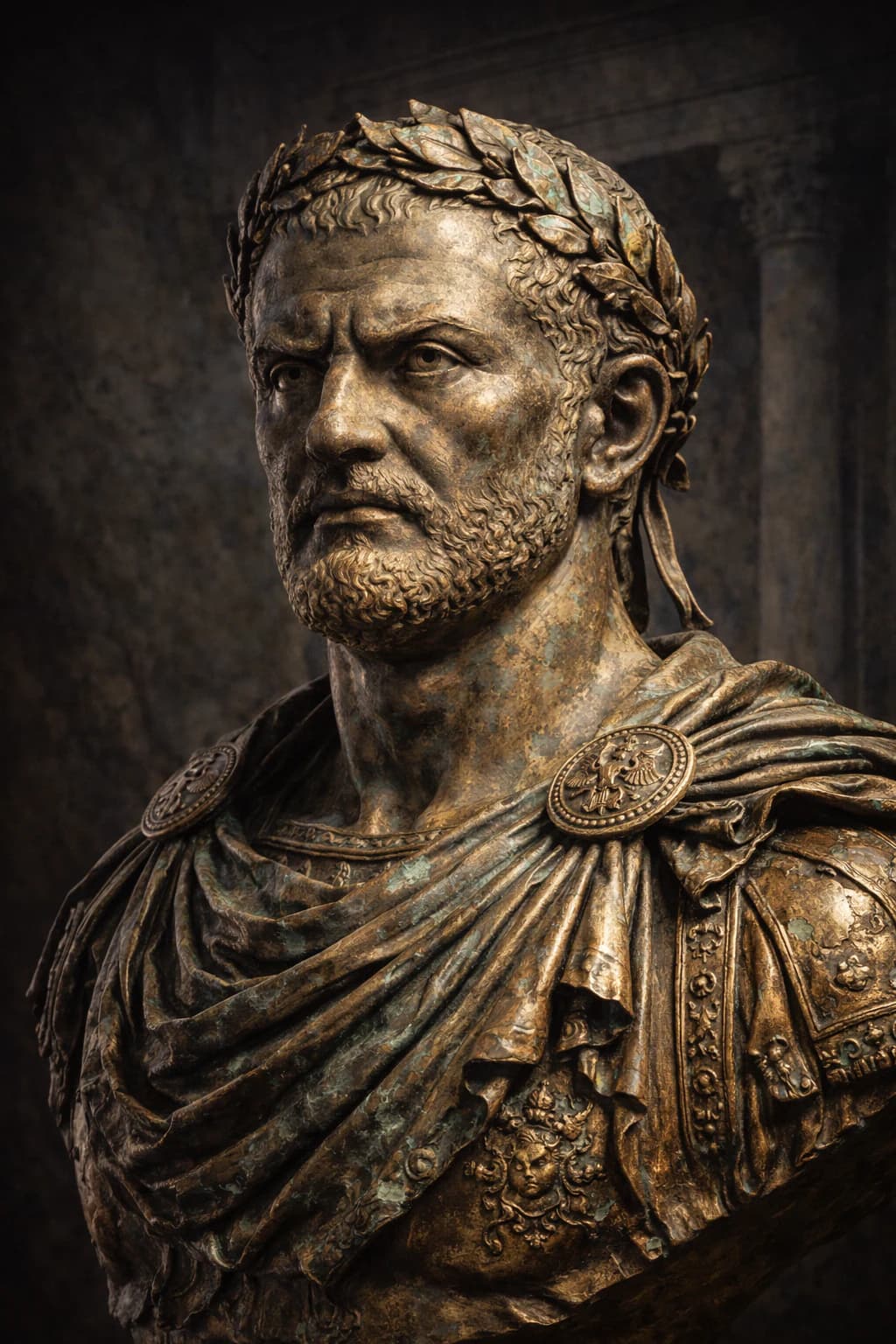
Portrait of Caracalla
Caracalla
188-217 CEItaly
He murdered his brother to rule alone, poured money into soldiers and spectacle, and changed Roman citizenship forever with a decree that reached almost every free person in the empire.
Portrait of Cassivellaunus
Cassivellaunus
1st century BCEUnited Kingdom
He met Julius Caesar with chariots, terrain and political calculation, fought long enough to force negotiation, and left Britain as the rare western frontier where Caesar departed without lasting conquest.
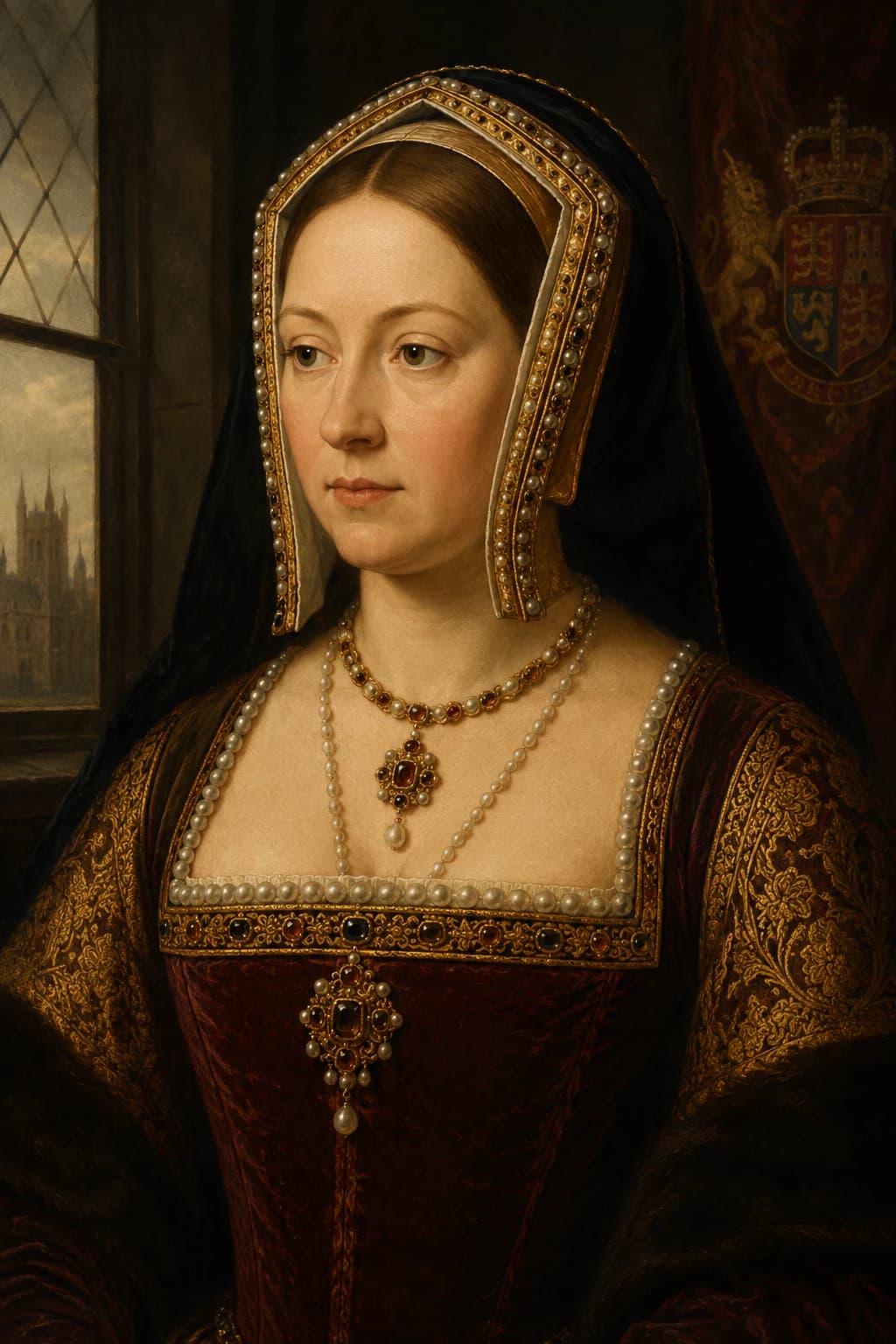
Portrait of Catherine of Aragon
Catherine of Aragon
1485-1536 CESpain
She was Henry VIII's first queen, Mary I's mother, and the determined defender of a marriage whose annulment crisis helped trigger England's break with Rome.
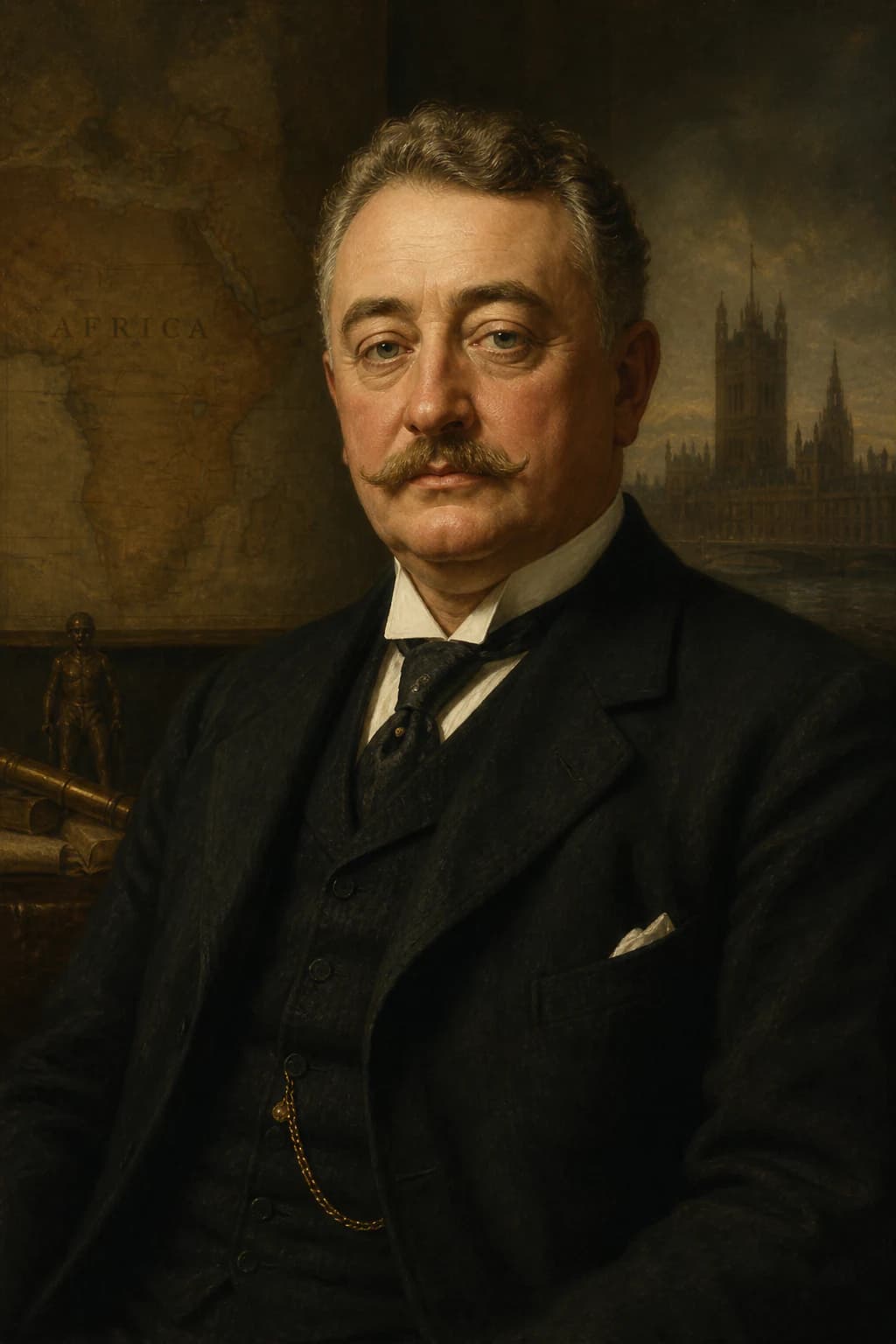
Portrait of Cecil Rhodes
Cecil Rhodes
1853-1902 CEUnited Kingdom
He dreamed in diamonds, railways, charters, and maps, leaving a fortune, a scholarship, and a colonial legacy that has never stopped being argued over.
Portrait of Charlemagne
Charlemagne
742-814 CEFrance
He could barely read but built an empire that stretched across western Europe — and the coronation that defined his legacy was apparently a surprise even to him.
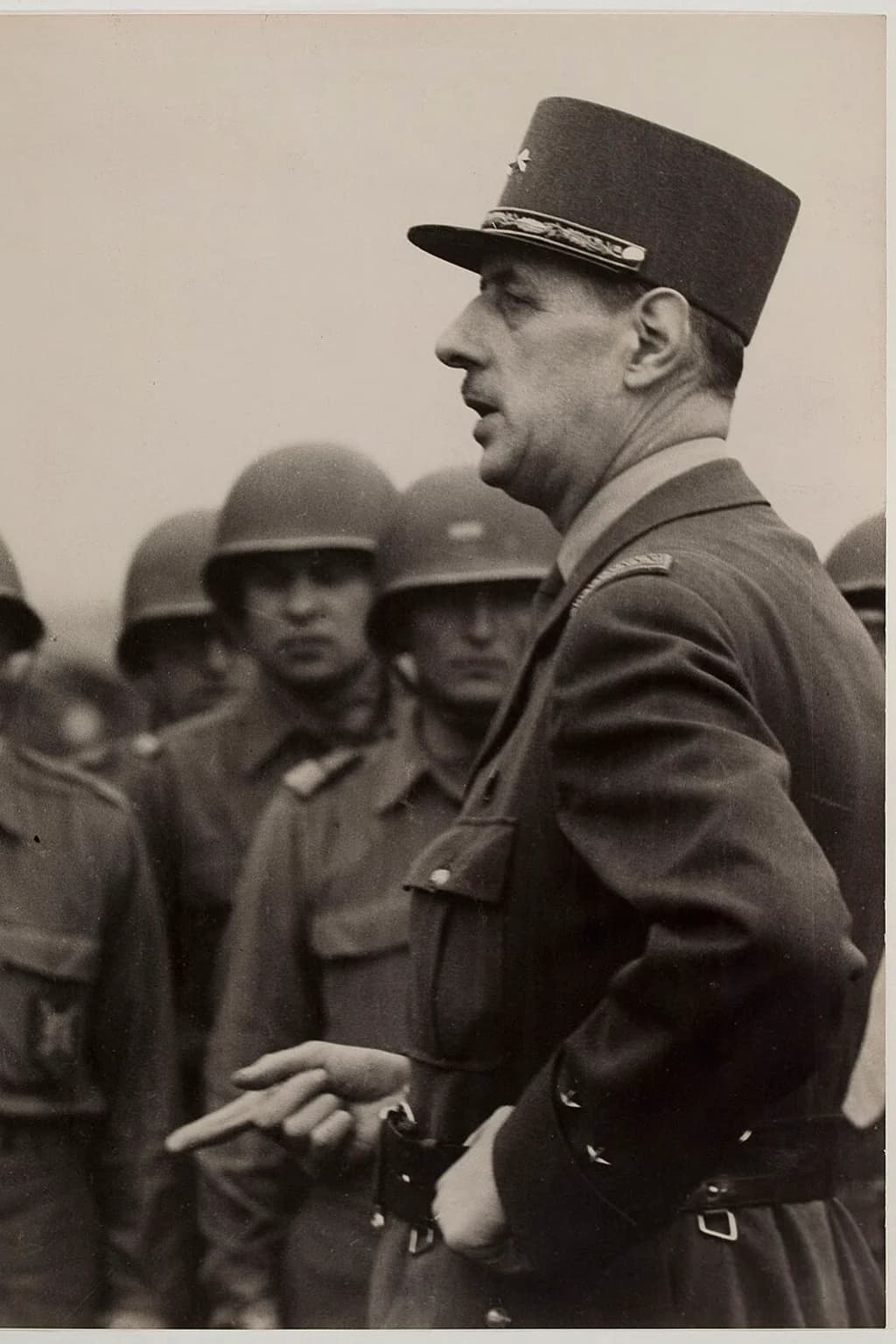
Portrait of Charles de Gaulle
Charles de Gaulle
1890-1970 CEFrance
He was a junior general with no country and no army when he announced on the radio that France had not surrendered — and somehow made it true.
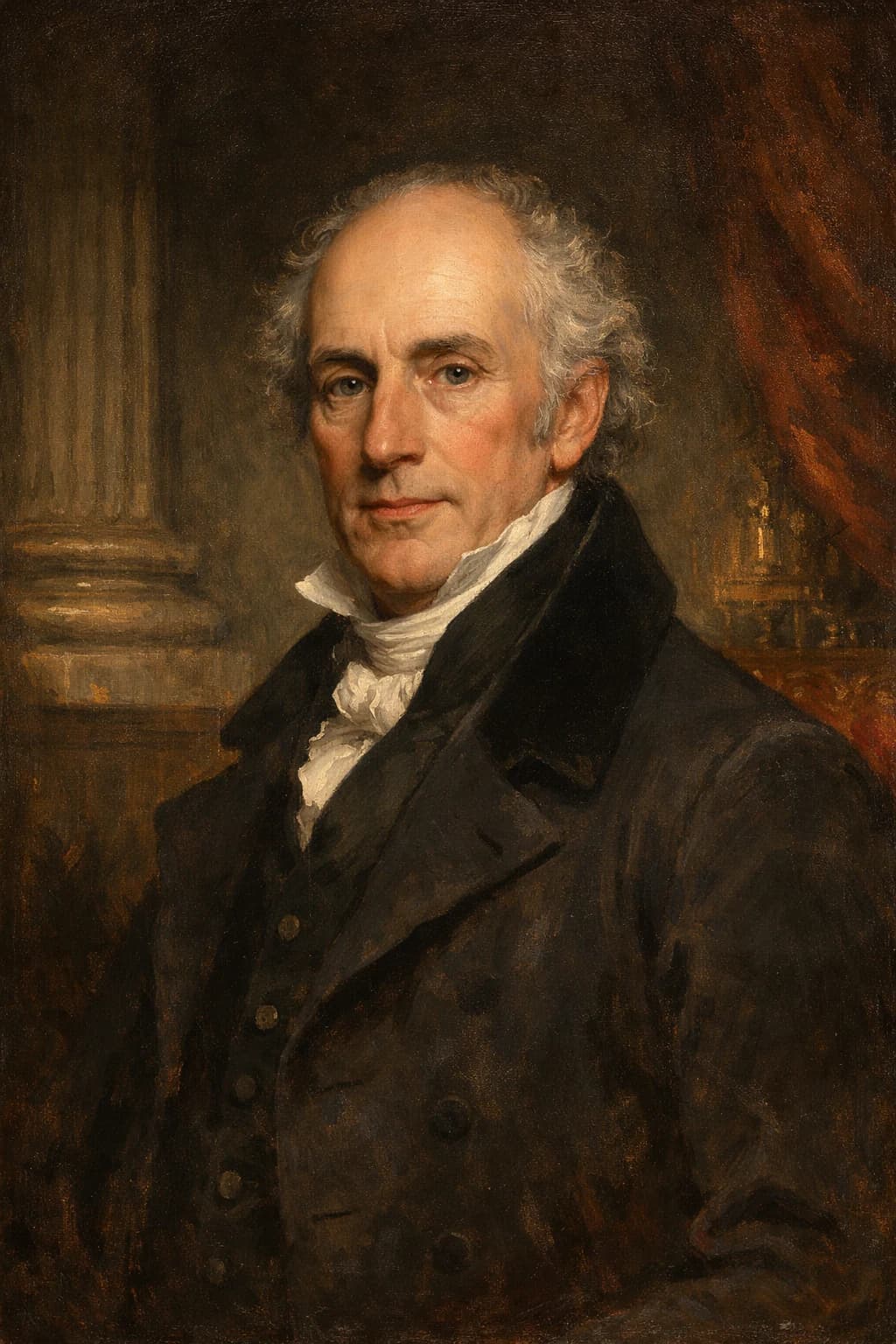
Portrait of Charles Grey, 2nd Earl Grey
Charles Grey, 2nd Earl Grey
1764-1845 CEUnited Kingdom
He spent decades pressing for political reform, then as prime minister forced through the 1832 Reform Act and helped redraw the rules of British public life.
Portrait of Charles I
Charles I
1600-1649 CEUnited Kingdom
He believed so completely in divine right that he was prepared to fight a civil war rather than compromise it, and he lost — not just the war, but his head, in front of a crowd outside his own palace.
Portrait of Charles II
Charles II
1630-1685 CEUnited Kingdom
He spent nine years in exile watching his father's killers govern England, came back to a rapturous reception, kept his throne by never trusting anyone completely, and died in his bed — which was more than anyone had expected.
Portrait of Charles III
Charles III
Born 1948 CEUnited Kingdom
He waited longer to become king than almost anyone in British history — and arrived on the throne with decades of opinions about the world already fully formed.
Portrait of Charles V
Charles V
1500-1558 CESpain
He ruled a vast Habsburg empire, fought the Protestant Reformation on the continent, and protected his aunt Catherine of Aragon's cause during Henry VIII's annulment crisis.
Portrait of Charles Watson-Wentworth, 2nd Marquess of Rockingham
Charles Watson-Wentworth, 2nd Marquess of Rockingham
1730-1782 CEUnited Kingdom
He twice became prime minister during a turbulent imperial crisis, pushing for reconciliation with American colonies while trying to restrain royal influence over British politics.
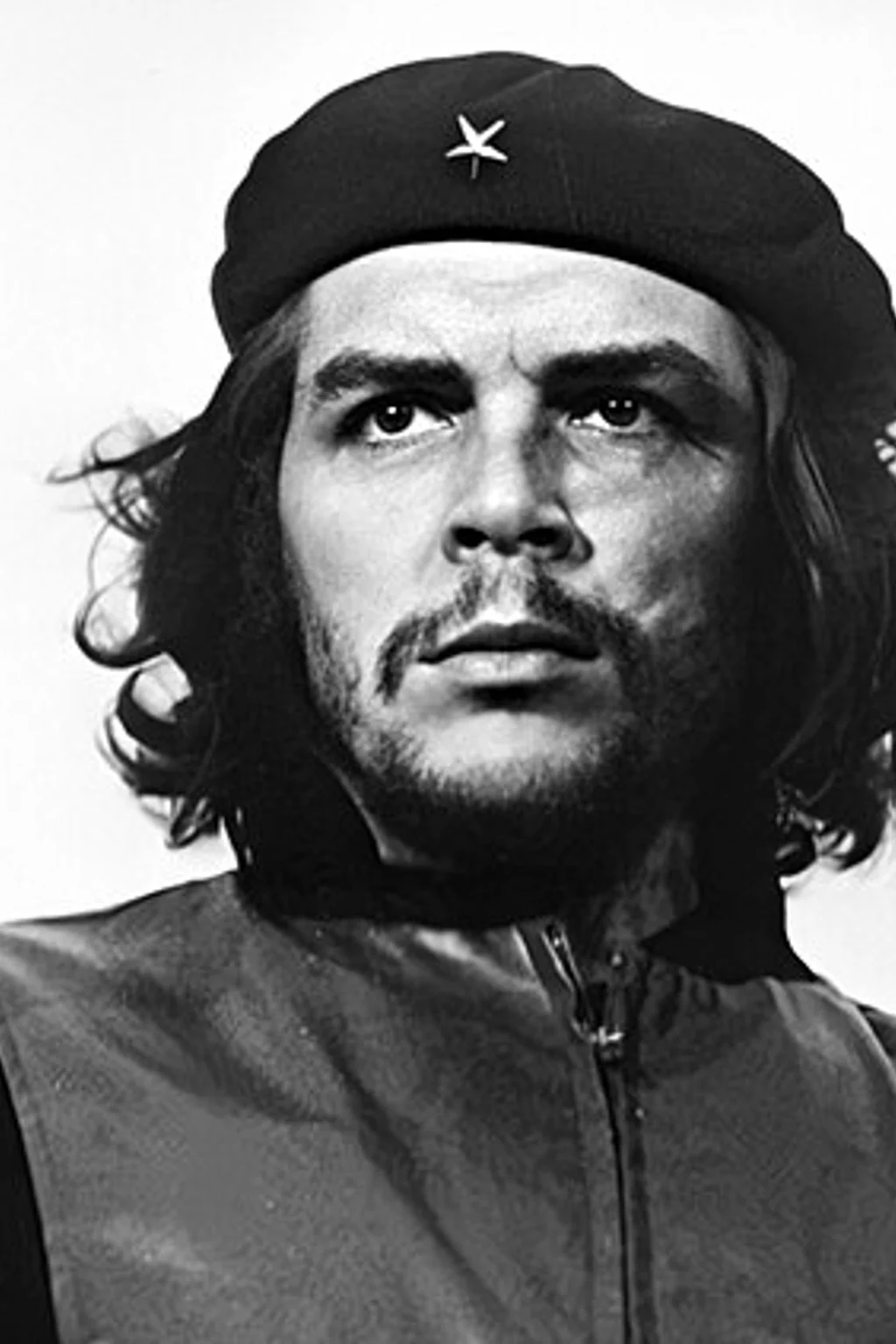
Portrait of Che Guevara
Che Guevara
1928-1967 CEArgentina
He became the face of revolution on posters across the world, but behind the image was a restless guerrilla who kept chasing revolutions until one killed him.
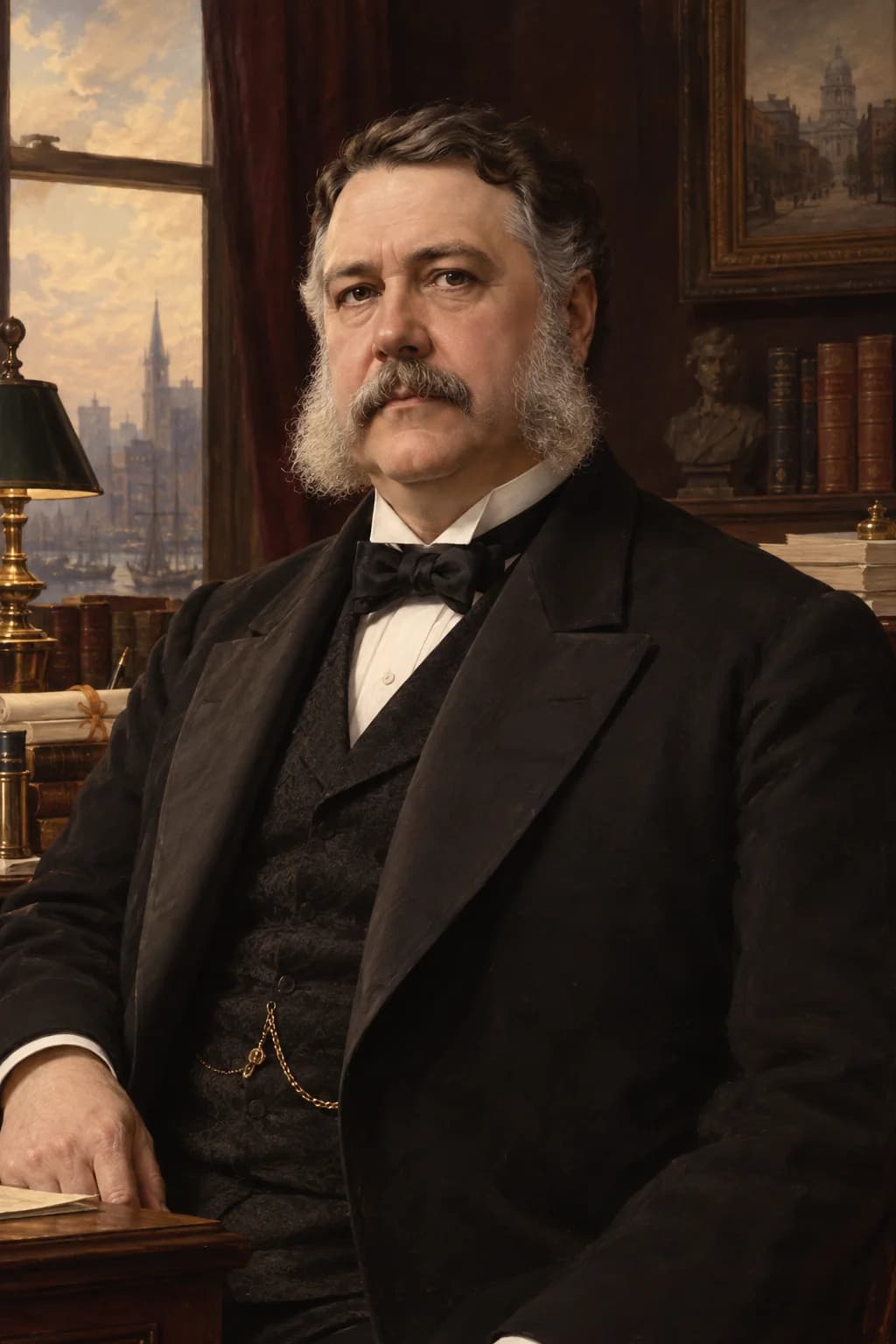
Portrait of Chester A. Arthur
Chester A. Arthur
1829-1886 CEUnited States
He reached the White House through the spoils system, then signed the reform that began dismantling it — an accidental president who made competence part of his legacy.
Portrait of Christopher Columbus
Christopher Columbus
1451-1506 CEItaly
He sailed west looking for Asia, reached the Caribbean instead, and opened a permanent Atlantic connection whose consequences transformed Europe, Africa, and the Americas.
Portrait of Christopher Marlowe
Christopher Marlowe
1564-1593 CEUnited Kingdom
He transformed Elizabethan drama with ambitious tragedy and powerful blank verse before his violent death at twenty-nine.
Portrait of Claudius
Claudius
10 BCE-54 CEItaly
He was long dismissed inside the Julio-Claudian family, then became emperor after Caligula's murder, conquered Britain, expanded Roman administration, and made the succession decision that brought Nero to power.
Portrait of Cleisthenes
Cleisthenes
Born 570 BCEGreece
He reorganized Athens after tyranny, breaking old aristocratic loyalties into demes, tribes, the Council of 500 and a stronger citizen Assembly — the political architecture that made Athenian democracy possible.
Portrait of Clement Attlee
Clement Attlee
1883-1967 CEUnited Kingdom
He looked almost too quiet for the age of Churchill, Stalin, and Truman, yet Clement Attlee rebuilt postwar Britain through the NHS, welfare reform, nationalisation, and decolonisation.
Portrait of Cleopatra VII
Cleopatra VII
69-30 BCEEgypt
She was the last active ruler of Ptolemaic Egypt, a multilingual queen who fought to preserve her kingdom by turning Rome’s civil wars into Egypt’s last chance.
Portrait of Clovis I
Clovis I
466-511 CEFrance
He turned a cluster of Frankish war bands into the dominant kingdom of Gaul, chose Catholic Christianity over Arian rivals, and gave medieval France one of its founding myths.
Portrait of Cnut the Great
Cnut the Great
995-1035 CEDenmark
He conquered England as a Danish prince, ruled it with surprising skill, and built a North Sea empire whose reach showed both the power and fragility of Viking kingship.
Portrait of Confucius
Confucius
551-479 BCEChina
He spent much of his life trying, and failing, to persuade rulers to govern through virtue — then became the teacher whose ideas shaped East Asian politics, family life, education, and ethics for millennia.
Portrait of Constantine the Great
Constantine the Great
272-337 CEItaly
He won a civil war under the sign of the Christian God, legalised the faith, founded Constantinople, and changed the Roman Empire without ever making his motives simple.
Portrait of Constantine XI Palaiologos
Constantine XI Palaiologos
1405-1453 CEGreece
He was the last Byzantine emperor, a Palaiologos ruler who defended Constantinople against Mehmed II's Ottoman army until the city fell on 29 May 1453.
Portrait of Cuauhtemoc
Cuauhtemoc
1496-1525 CEMexico
He inherited Tenochtitlan after disease, massacre, and political collapse, then defended the city street by street until the last imperial capital of the Mexica fell.
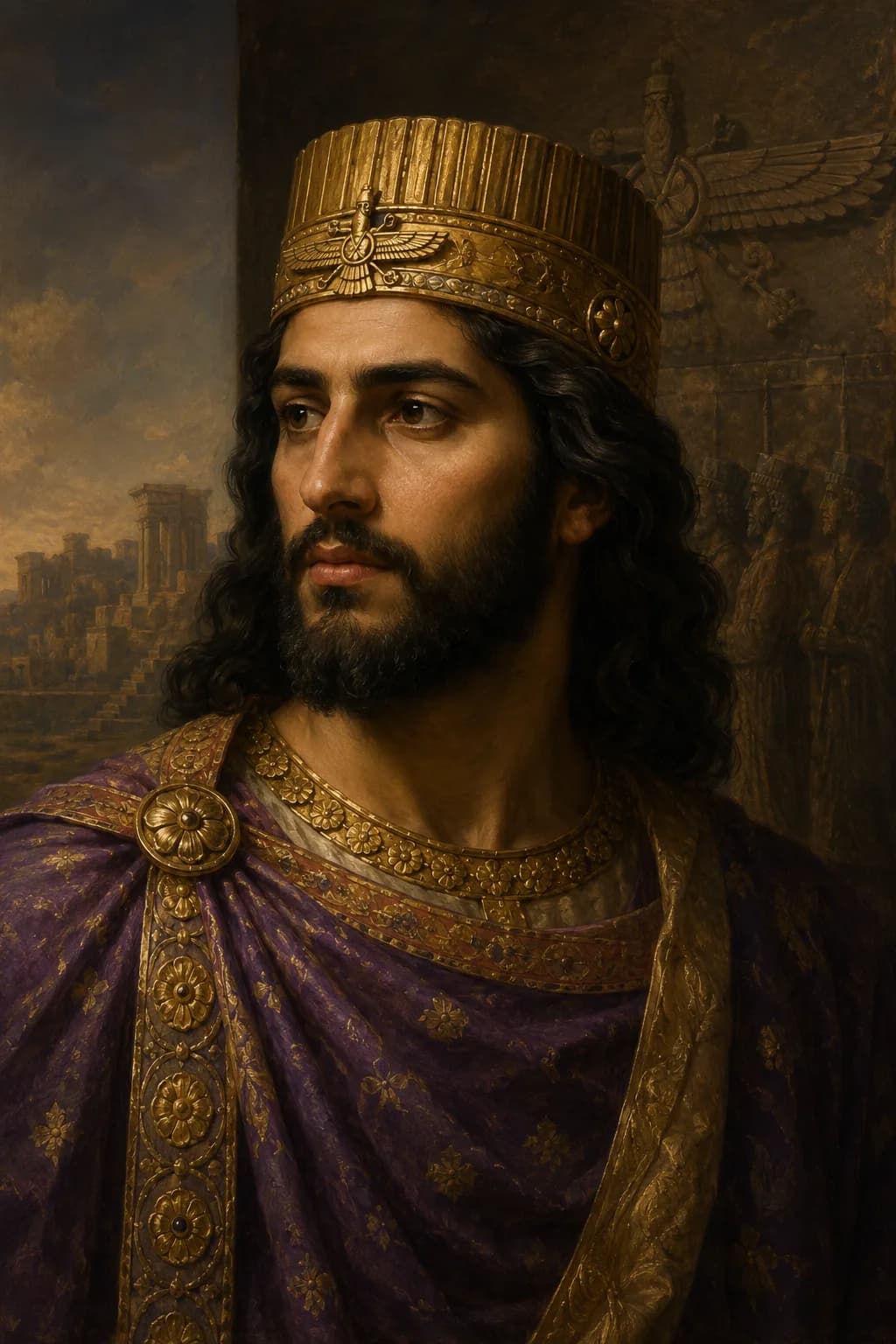
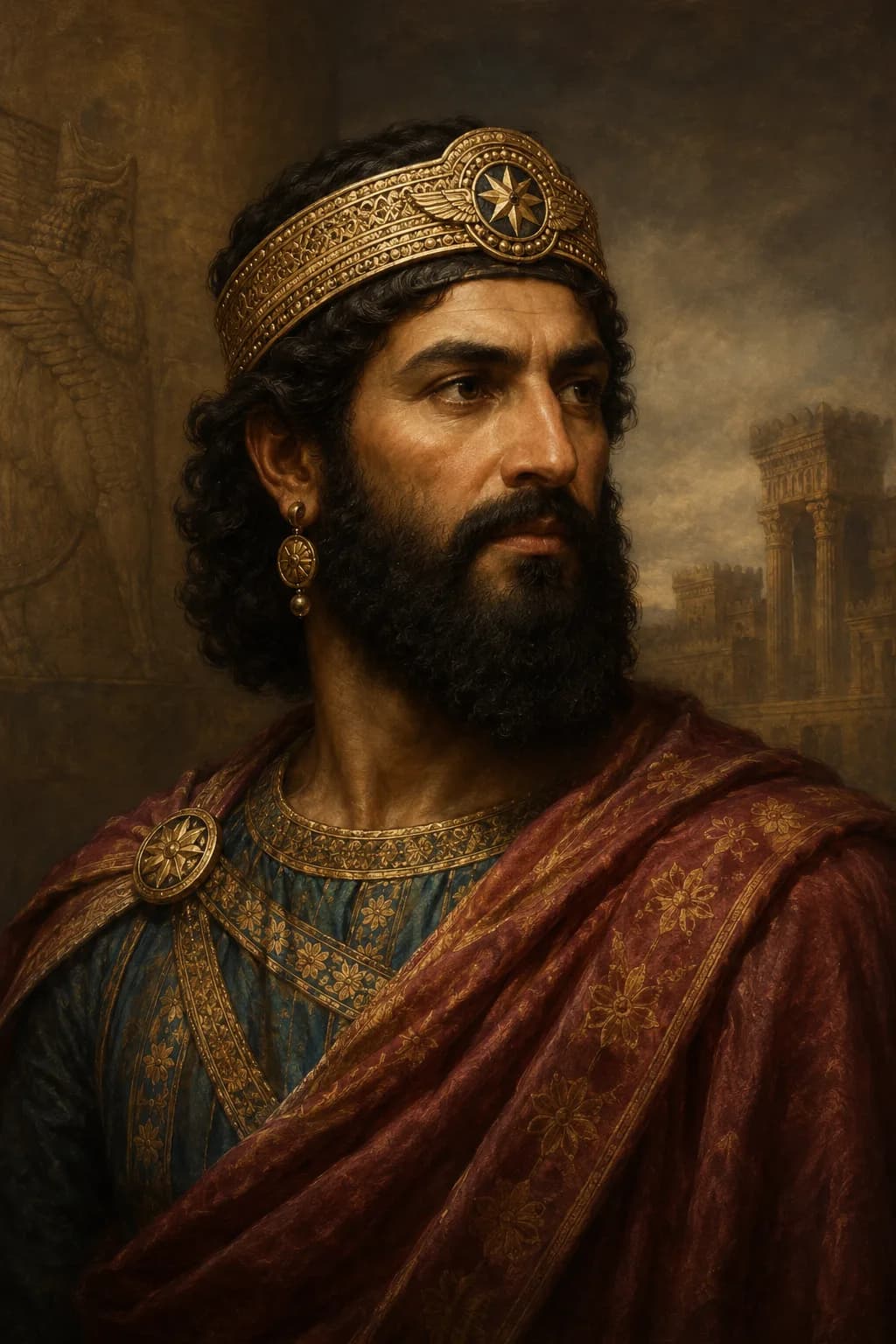
Portrait of Cyrus the Great
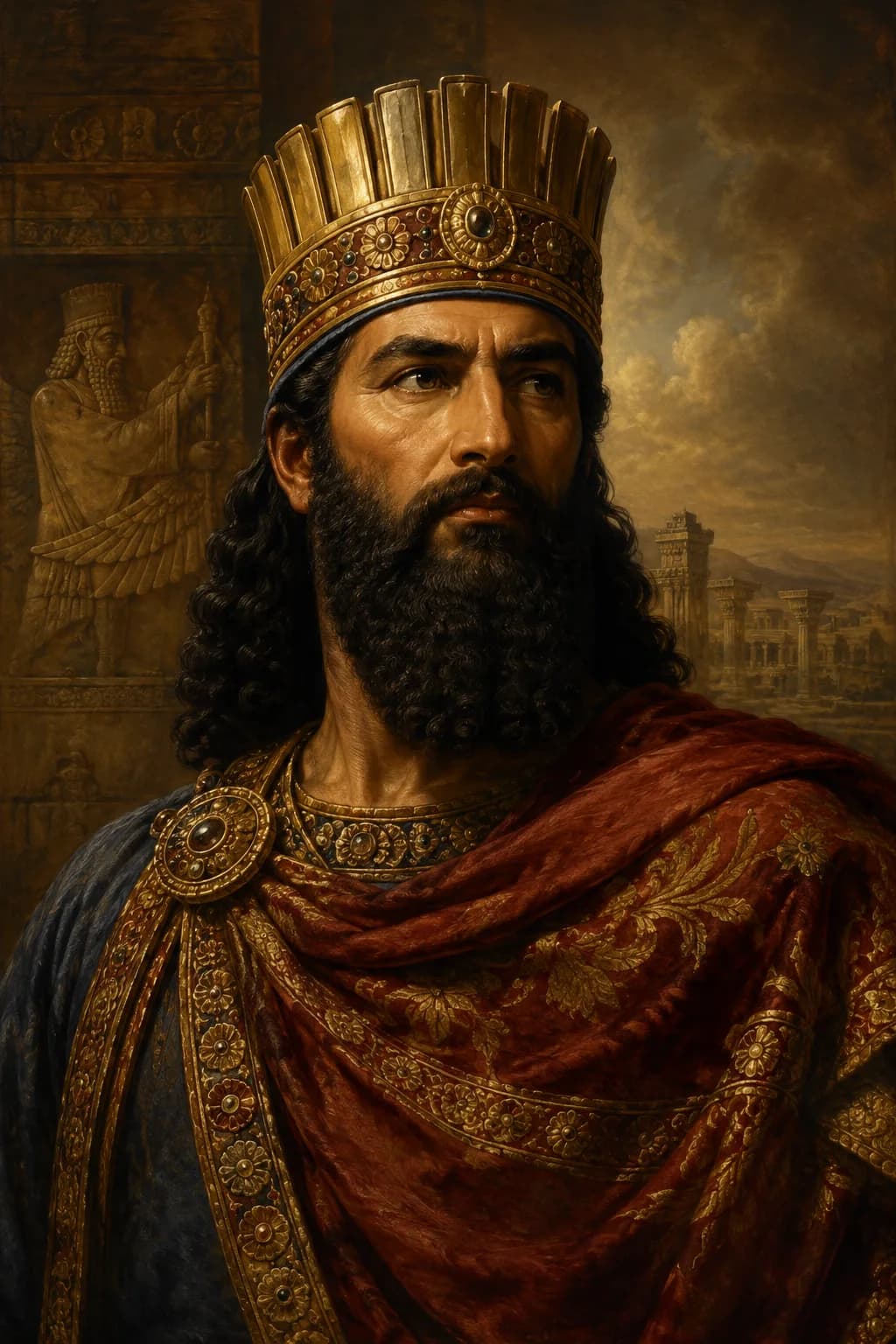
Cyrus the Great
600-530 BCEIran
He transformed a small Persian kingdom into the Achaemenid Empire, conquered Media, Lydia, and Babylon, and created a model of imperial rule that joined conquest with restraint, local cooperation, and lasting prestige.

D

12 figures
Portrait of Darius III
Darius III
c. 380-330 BCEIran
He was the last Achaemenid king of Persia, facing Alexander at Issus and Gaugamela before his empire collapsed and he was murdered by his own officers.
Portrait of David Cameron
David Cameron
Born 1966 CEUnited Kingdom
He modernised the Conservatives, governed through coalition and austerity, won a surprise majority, then lost the referendum gamble that took Britain out of the European Union.
Portrait of David Lloyd George
David Lloyd George
1863-1945 CEUnited Kingdom
He rose from Welsh radicalism to wartime command, built foundations of the welfare state, led Britain through victory in 1918, and left a legacy brilliant, restless, and morally complicated.
Portrait of Dean Rusk
Dean Rusk
1909-1994 CEUnited States
He was calm, loyal, and almost painfully steady, which made him invaluable in crisis and inseparable from the long escalation in Vietnam.
Portrait of Deng Xiaoping
Deng Xiaoping
1904-1997 CEChina
He survived Maoist purges, returned from political exile, opened China to markets and foreign investment, and built the bargain that paired economic transformation with one-party control.
Portrait of Di Xin
Di Xin
Died 1046 BCEChina
He was the last king of the Shang, remembered by Zhou tradition as a tyrant, but best understood as a defeated ruler whose historical image was shaped by the dynasty that replaced him.
Portrait of Diocletian
Diocletian
244-311 CECroatia
He pulled Rome back from third-century collapse by rebuilding government, taxation, army command, and imperial succession — then retired before the system he designed tore itself apart.
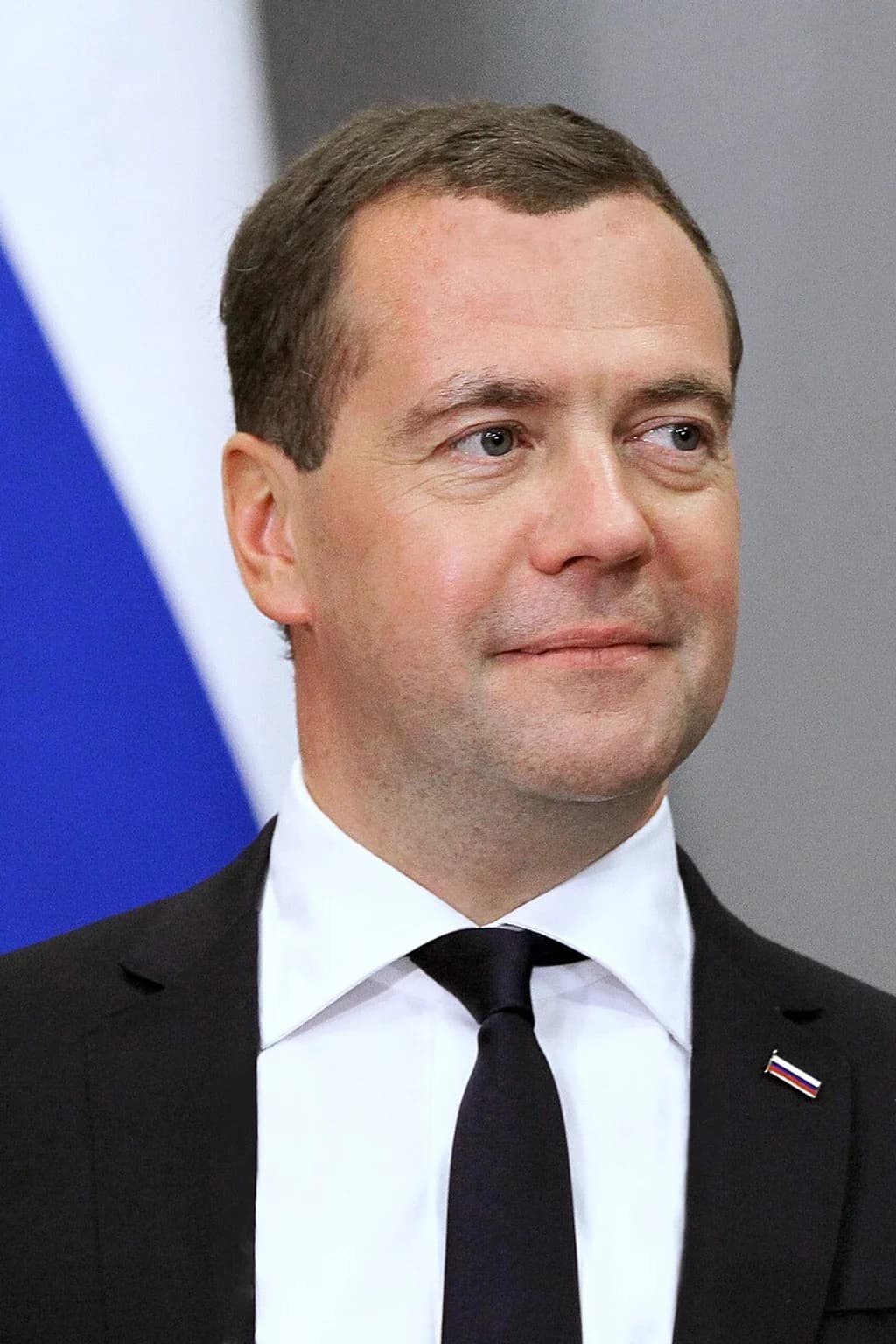
Portrait of Dmitry Medvedev
Dmitry Medvedev
Born 1965 CERussia
He was presented as the modernising face of Russia's future, but his presidency became remembered above all for how carefully it preserved Vladimir Putin's power.
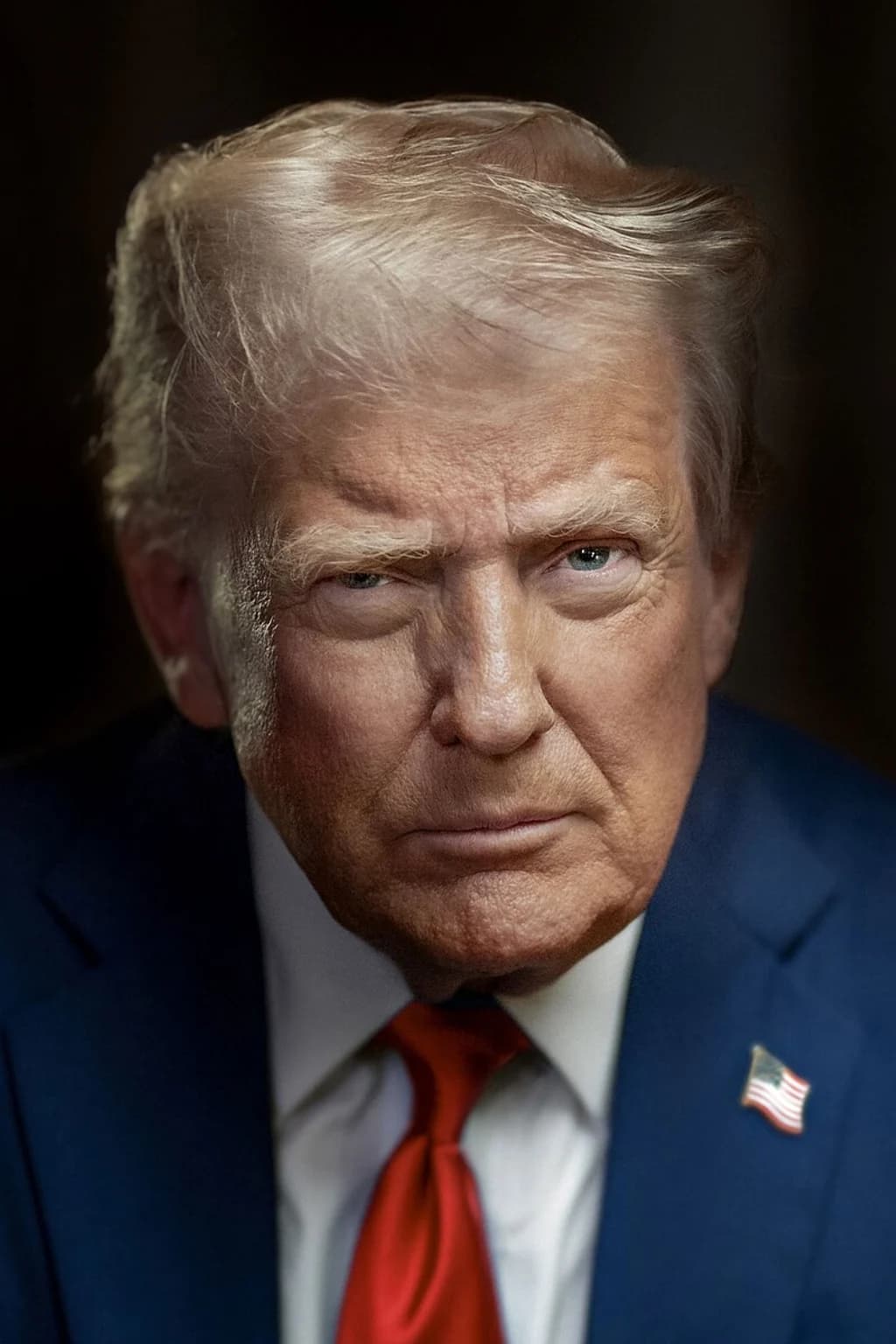
Portrait of Donald Trump
Donald Trump
Born 1946 CEUnited States
He turned celebrity and grievance into a political movement, won the presidency twice in non-consecutive terms, and reshaped American conservatism around populism, loyalty, media conflict, and institutional strain.
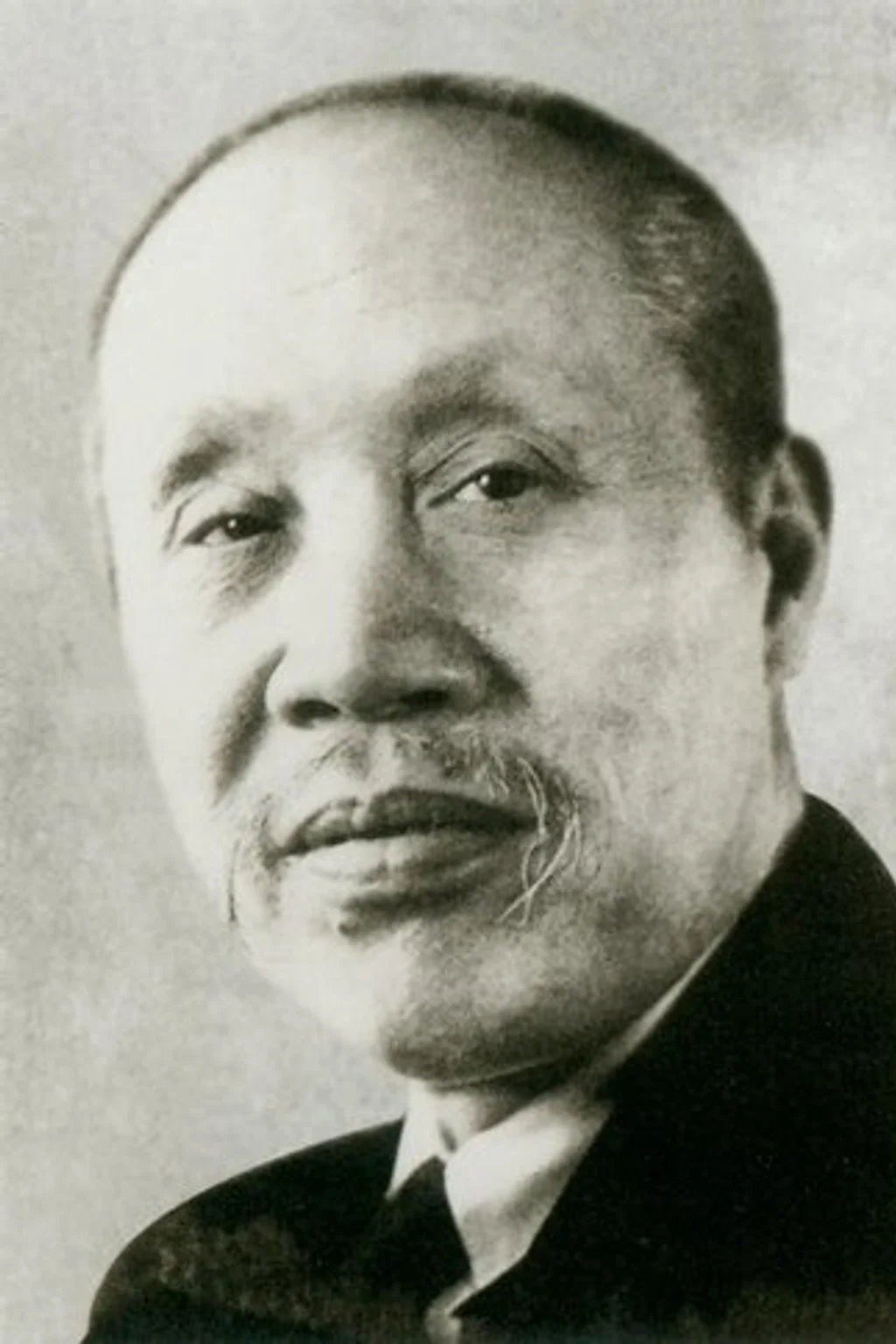
Portrait of Dong Biwu
Dong Biwu
1886-1975 CEChina
He moved from late Qing reform politics to Communist revolution, survived China’s long twentieth-century upheaval, and became one of the elder statesmen of the People’s Republic.
Portrait of Douglas MacArthur
Douglas MacArthur
1880-1964 CEUnited States
He turned defeat in the Philippines into a vow of return, oversaw Japan’s postwar transformation, and ended his career in a constitutional clash over who controls American war policy.
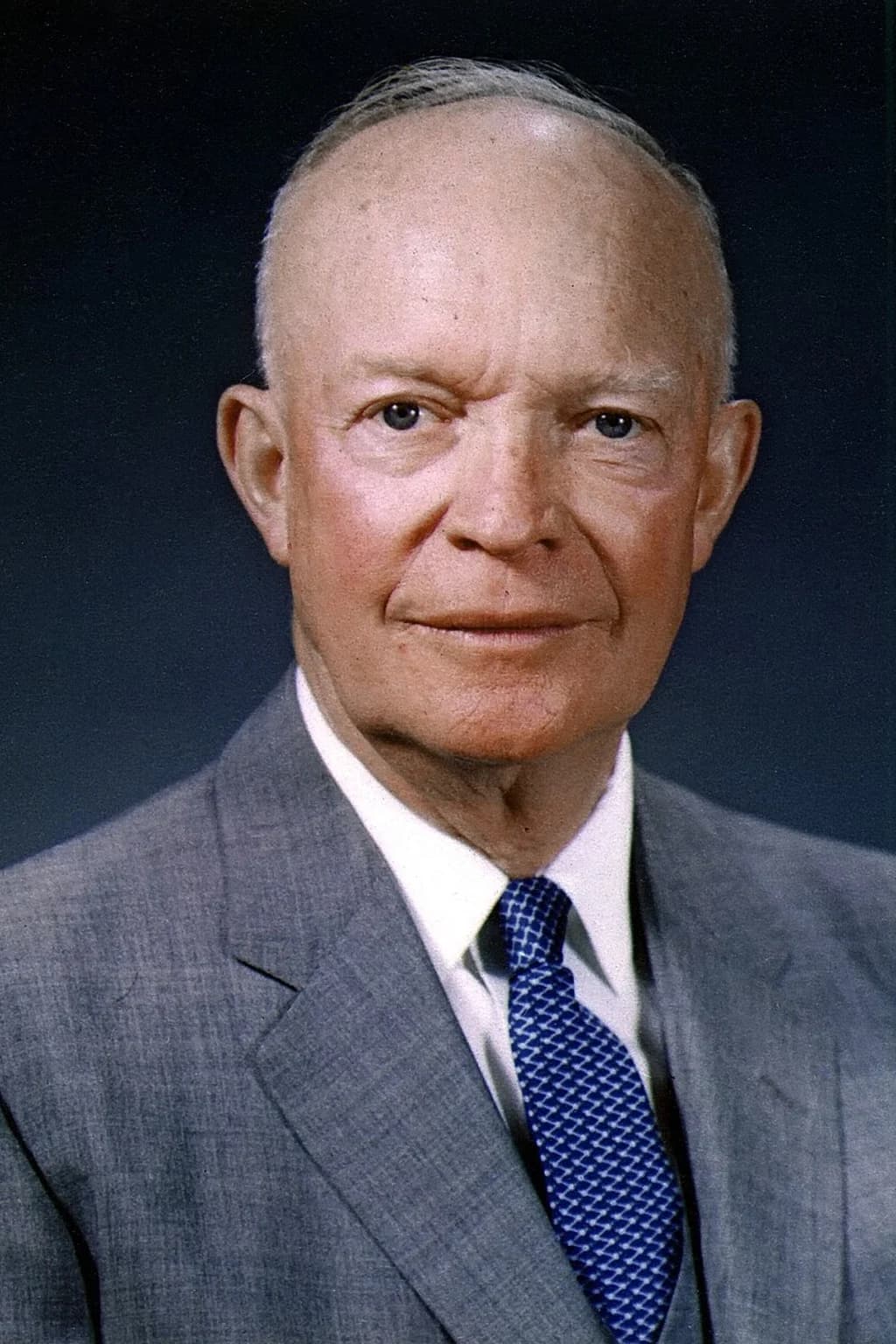
Portrait of Dwight D. Eisenhower
Dwight D. Eisenhower
1890-1969 CEUnited States
He held the Allied coalition together, approved D-Day, became a calm Cold War president, and left office warning that the military power he had mastered could distort democracy.

E

23 figures
Portrait of Edward I of England
Edward I of England
1239-1307 CEUnited Kingdom
He was determined to bring the whole of Britain under English rule — and came close enough that Scotland has been pushing back ever since.
Portrait of Edward II of England
Edward II of England
1284-1327 CEUnited Kingdom
He was king of England at a time of deep instability, but his father-conquered gains in Scotland were shattered at Bannockburn by a smaller but better-led force.
Portrait of Edward III of England
Edward III of England
1312-1377 CEUnited Kingdom
He started the Hundred Years' War over a claim to the French throne that even his own lawyers found unconvincing, and then made it look plausible by winning every battle for a decade.
Portrait of Edward IV
Edward IV
1442-1483 CEUnited Kingdom
He fought his way to the throne at nineteen, lost it, won it back, and then died unexpectedly at forty leaving two young sons whose fate would haunt the Yorkist dynasty to extinction.
Portrait of Edward Smith-Stanley, 14th Earl of Derby
Edward Smith-Stanley, 14th Earl of Derby
1799-1869 CEUnited Kingdom
He led Britain three times without ever securing lasting control, shaping modern Conservative identity while proving how fragile power could be in a divided political age.
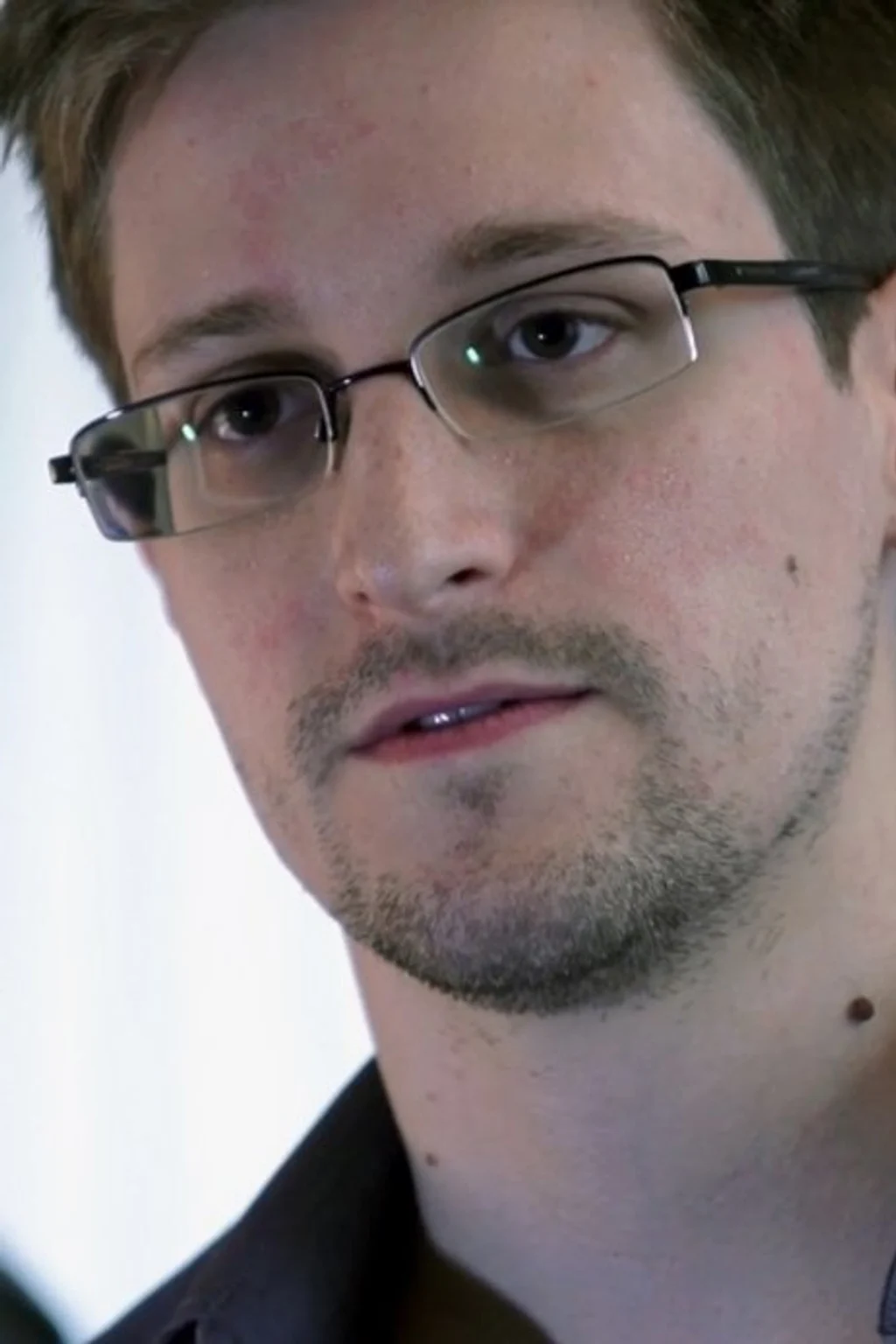
Portrait of Edward Snowden
Edward Snowden
Born 1983 CEUnited States
He was an American intelligence contractor whose 2013 disclosures exposed the scale of post-9/11 surveillance, forcing a global argument over secrecy, privacy, national security and democratic oversight.
Portrait of Edward the Confessor
Edward the Confessor
1003-1066 CEUnited Kingdom
He reigned for twenty-three years without producing an heir, and the war over who came next transformed England more completely than anything he had done while alive.
Portrait of Edward V
Edward V
1470-1483 CEUnited Kingdom
He was king for eleven weeks, never crowned, taken from his guardians by his uncle, placed in the Tower of London, and never seen alive again.
Portrait of Edward VI
Edward VI
1537-1553 CEUnited Kingdom
He inherited the most powerful throne in England at nine years old, governed through Protestant reformers who used his name to reshape the church, and was dead before his sixteenth birthday.
Portrait of Edward VII
Edward VII
1841-1910 CEUnited Kingdom
He waited sixty years to be king while his mother disapproved of almost everything he did, then used the nine years he had to reopen the monarchy, charm Europe, and make the Crown feel socially alive after Victoria's long withdrawal.
Portrait of Edward VIII
Edward VIII
1894-1972 CEUnited Kingdom
He was the glamorous Prince of Wales who became king in 1936, chose Wallis Simpson over the throne, and spent the rest of his life discovering that abdication was not freedom from history.
Portrait of Eleanor of Aquitaine
Eleanor of Aquitaine
1122-1204 CEFrance
She was queen of France, then queen of England, was imprisoned by her own husband, outlived him, and spent her eighties managing European diplomacy on behalf of her sons.
Portrait of Elizabeth I
Elizabeth I
1533-1603 CEUnited Kingdom
She governed England for forty-five years without a husband, surviving plots, rebellions, and the Spanish Armada at a time when many assumed she could never rule alone.
Portrait of Elizabeth II
Elizabeth II
1926-2022 CEUnited Kingdom
She became queen at twenty-five and reigned for seventy years — watching fourteen prime ministers come and go while the empire that shaped her childhood quietly disappeared.
Portrait of Elizabeth of York
Elizabeth of York
1466-1503 CEUnited Kingdom
She was Edward IV's daughter, Henry VII's queen, and the Yorkist princess whose marriage helped give the Tudor dynasty its claim to reconciliation after the Wars of the Roses.
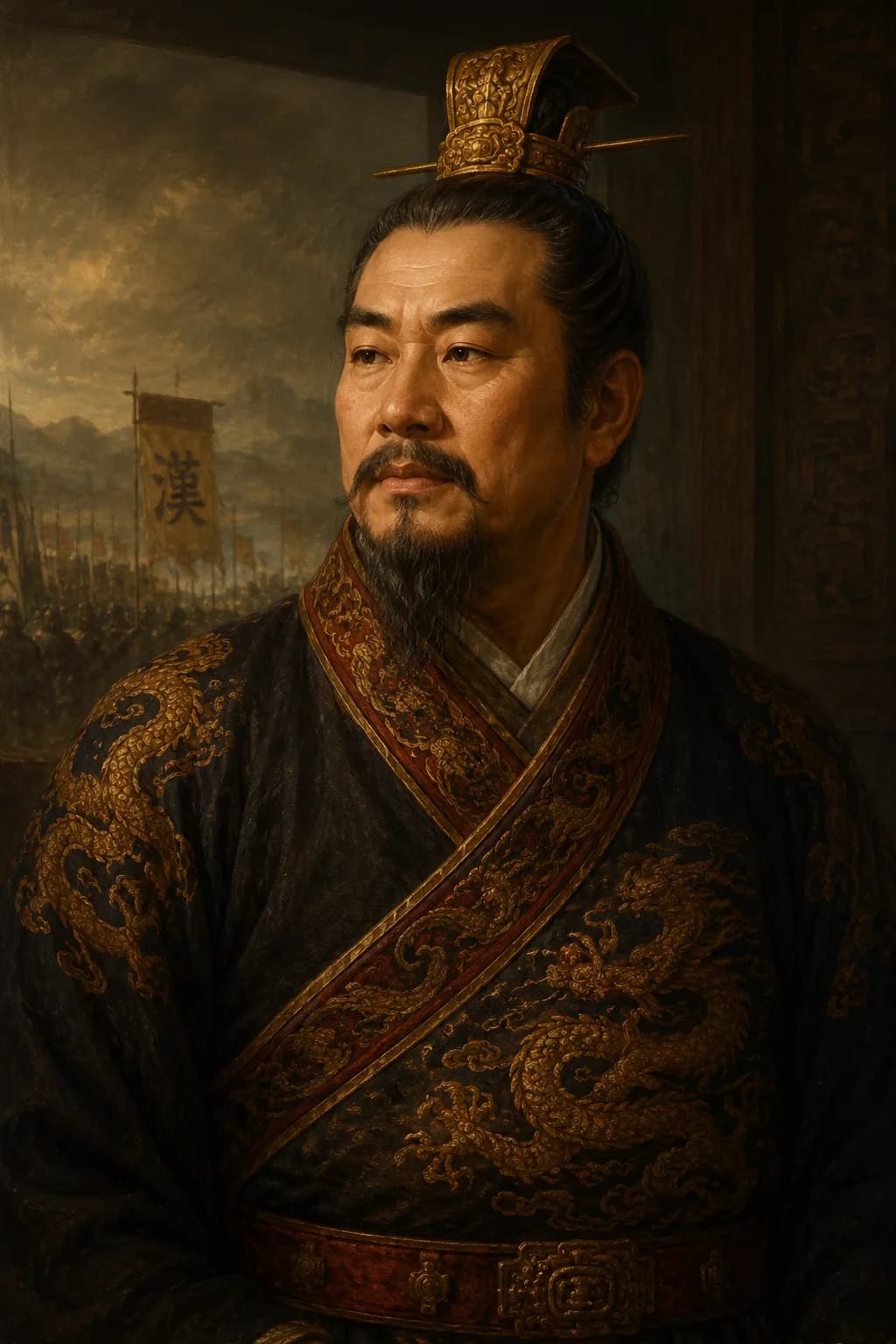
Portrait of Emperor Gaozu of Han
Emperor Gaozu of Han
256-195 BCEChina
He was a minor village official who joined a rebellion, survived when everyone else around him failed, and founded a dynasty that lasted four centuries.
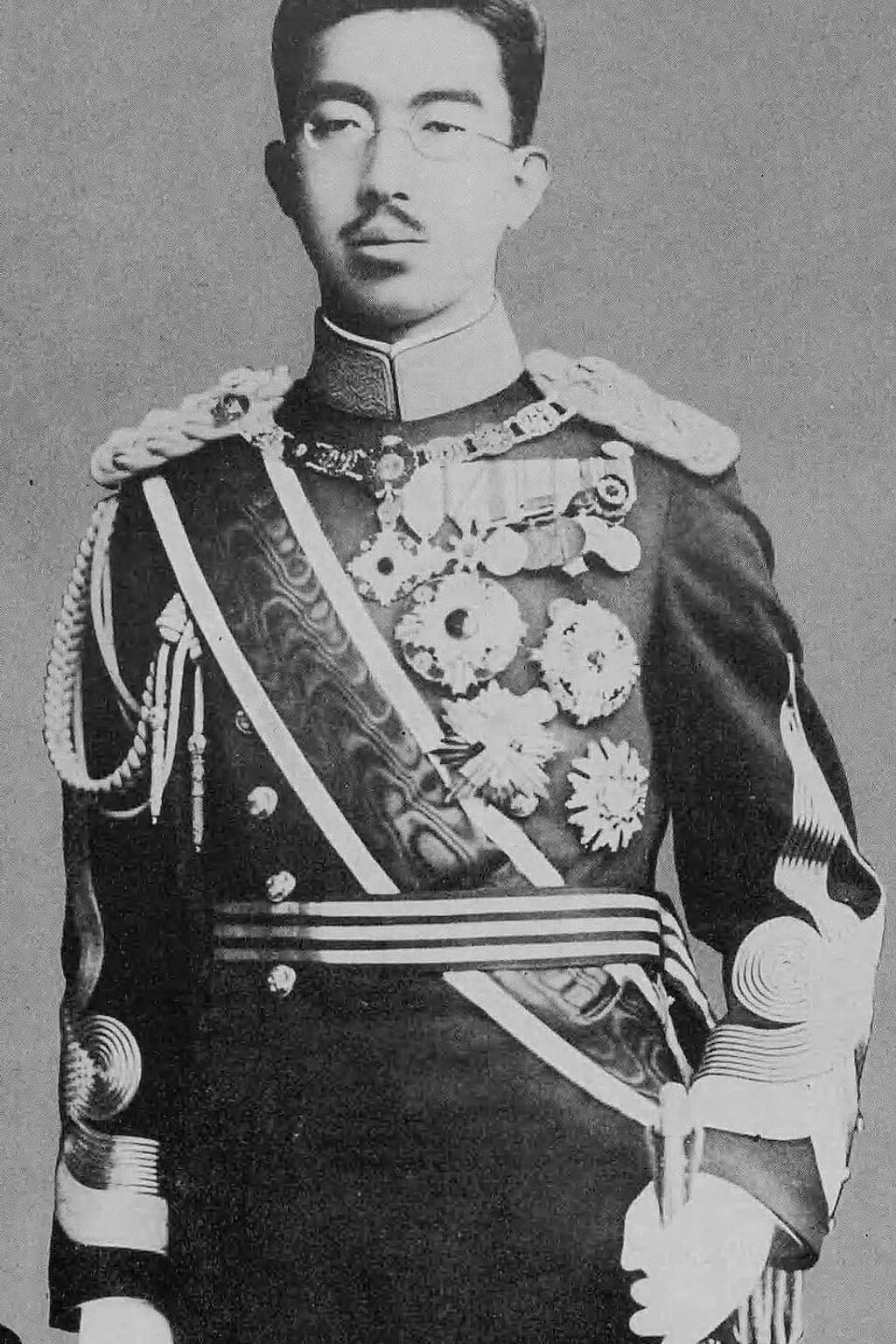
Portrait of Emperor Hirohito
Emperor Hirohito
1901-1989 CEJapan
He presided over Japan's most aggressive imperial expansion, accepted its most complete defeat, and then spent the next forty years as a constitutional figurehead — and nobody could quite agree how much responsibility he bore.
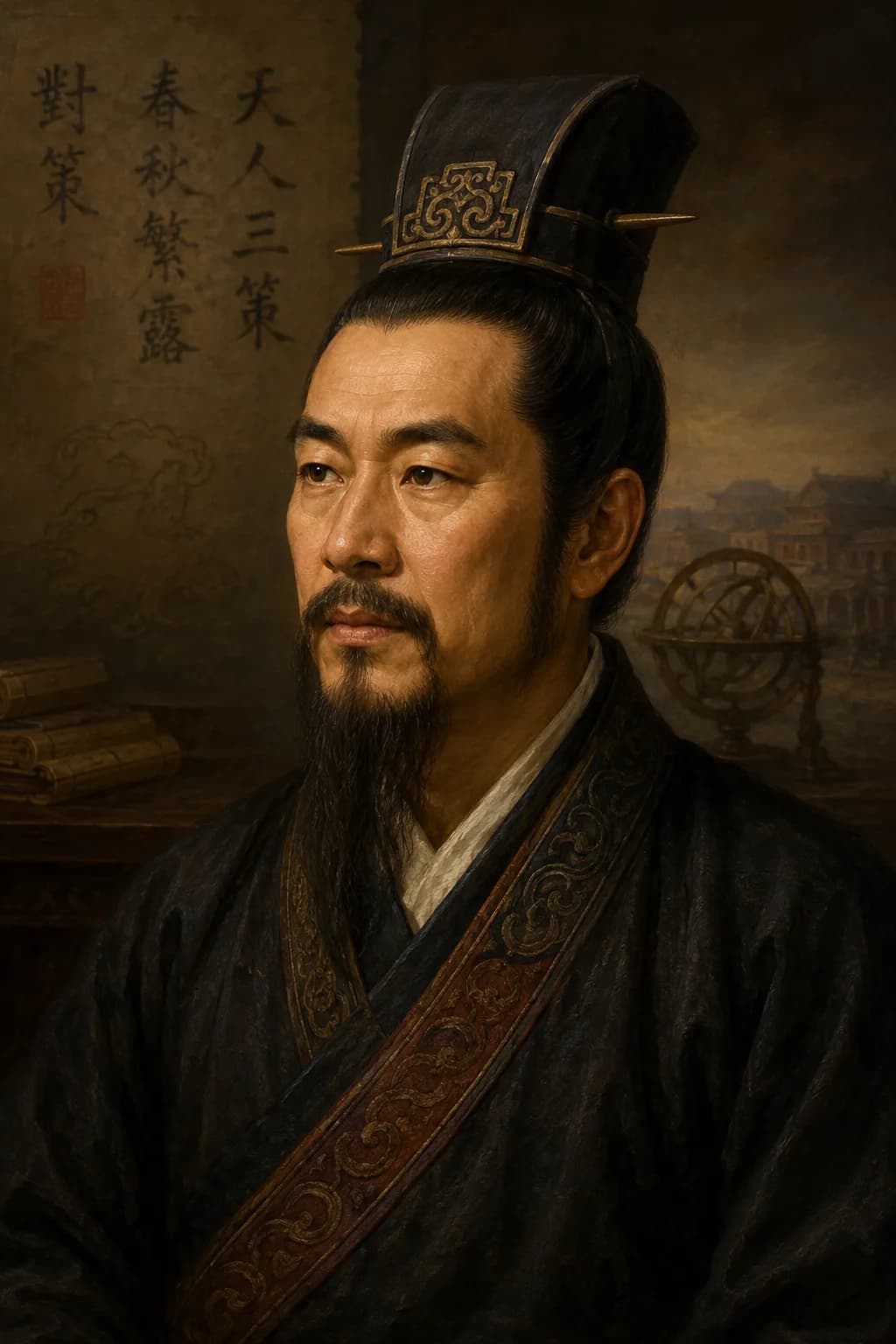
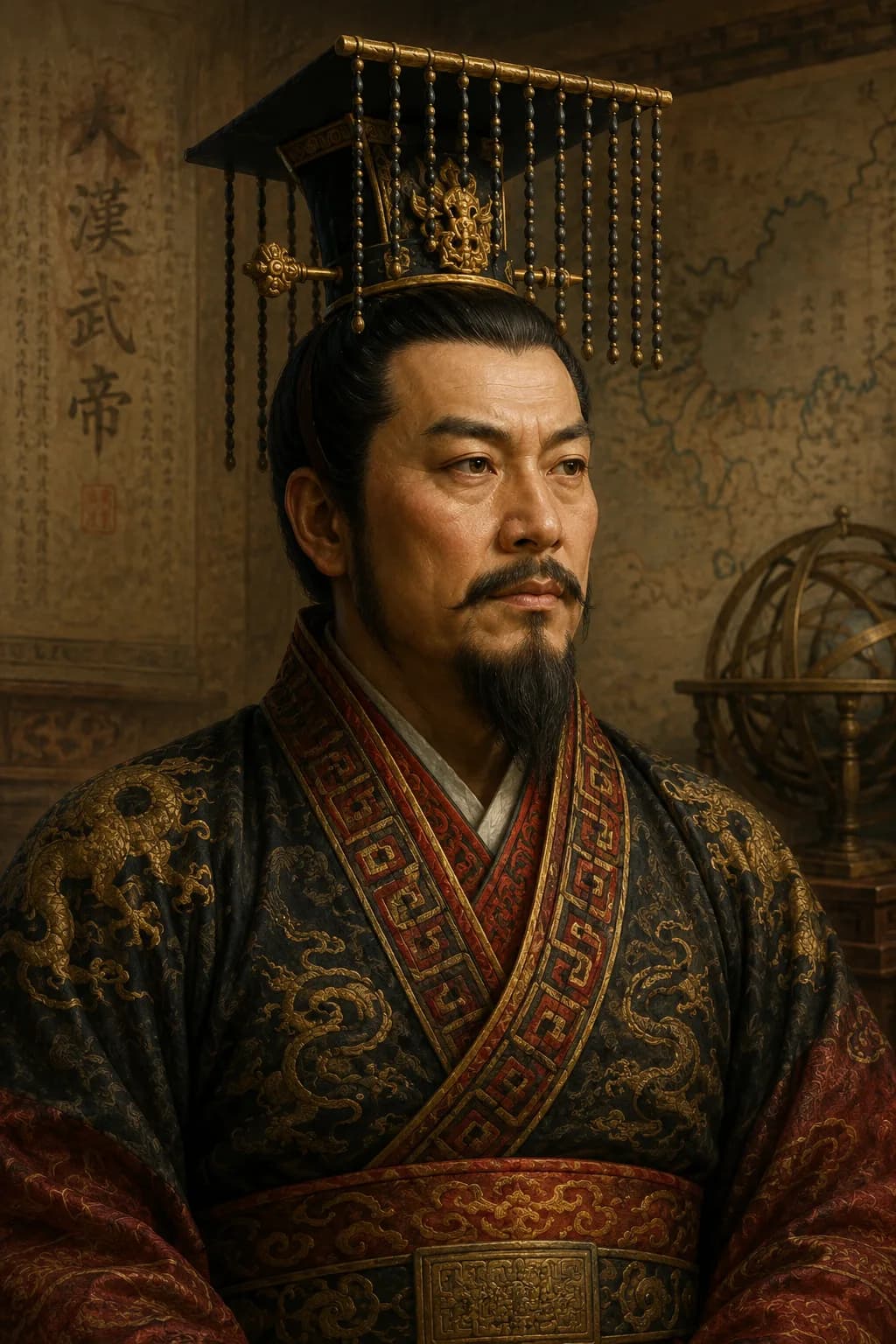
Portrait of Emperor Wu of Han
Emperor Wu of Han
156-87 BCEChina
He doubled the size of China, exhausted its treasury, launched campaigns that lasted decades, and was still regarded as one of the greatest emperors who ever lived.
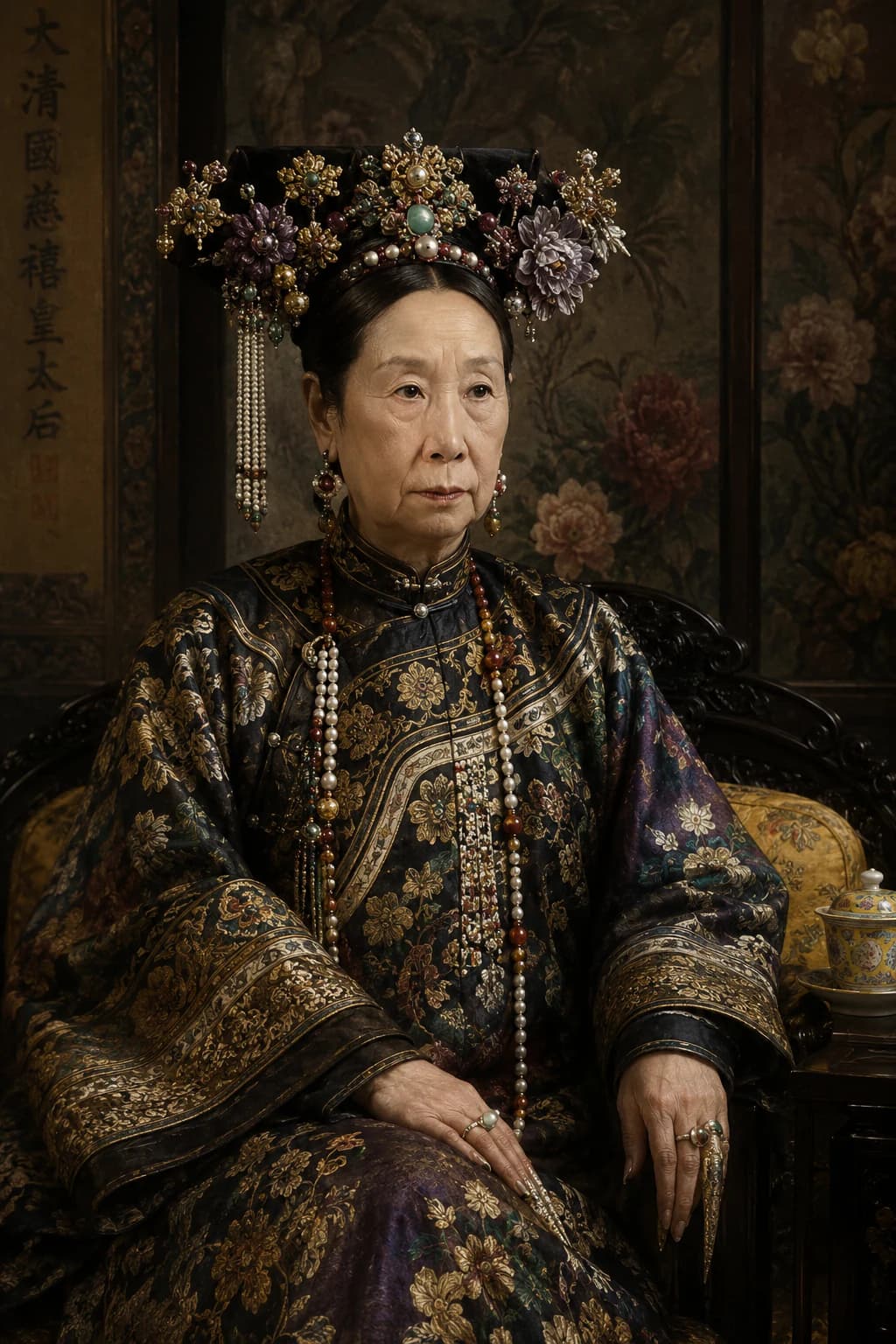
Portrait of Empress Dowager Cixi
Empress Dowager Cixi
1835-1908 CEChina
She rose from imperial consort to the dominant political figure of late Qing China, surviving coups, rebellions, foreign wars and reform crises while the dynasty moved toward collapse.
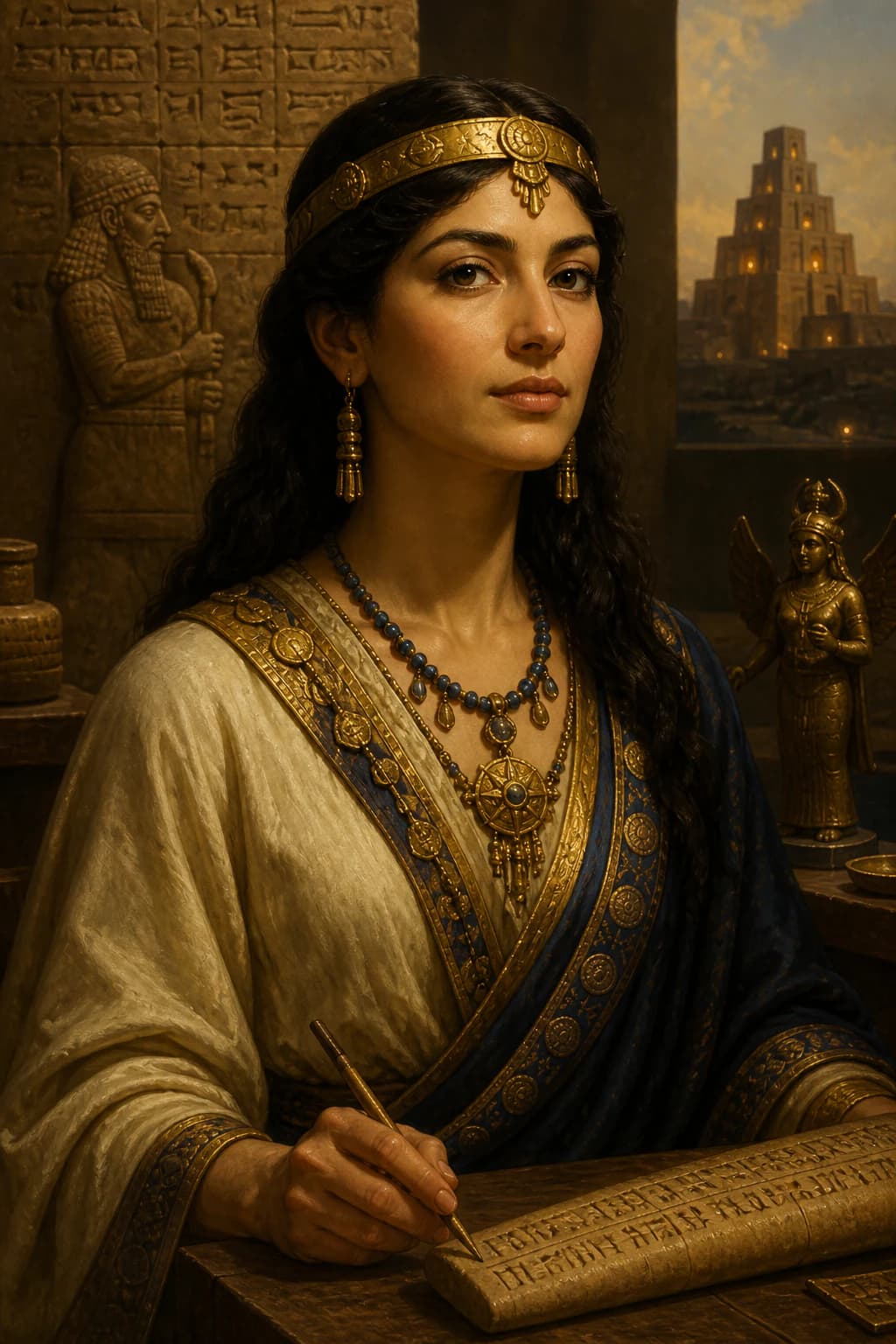
Portrait of Enheduanna
Enheduanna
2285-2250 BCEIraq
She placed a human voice inside the earliest age of empire: priestess, royal daughter, political survivor, and the first author history can name with confidence.
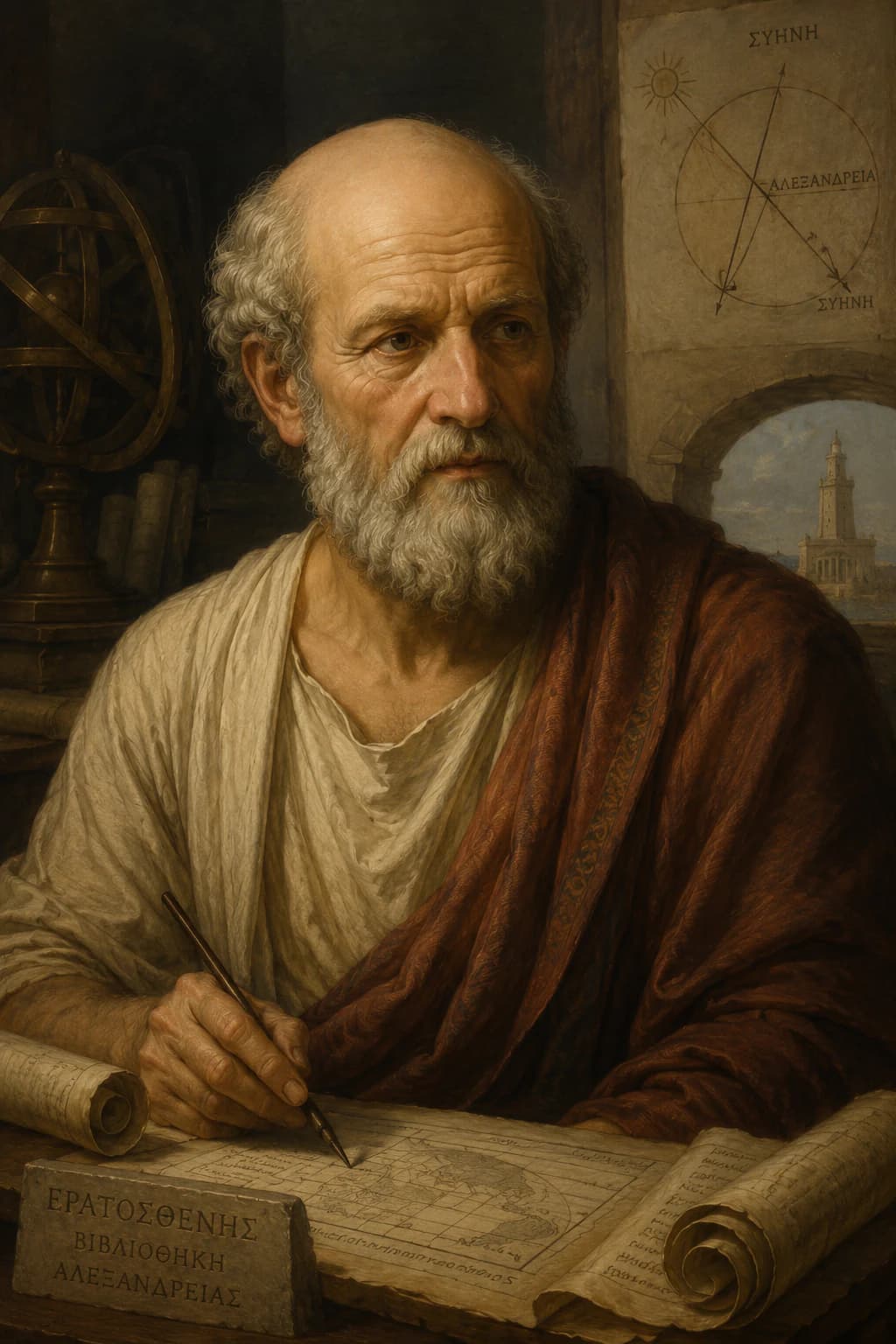
Portrait of Eratosthenes
Eratosthenes
c. 276-c. 194 BCEEgypt
He was the Alexandrian scholar who estimated the circumference of the earth, worked on geography and chronology, and led the Library of Alexandria.
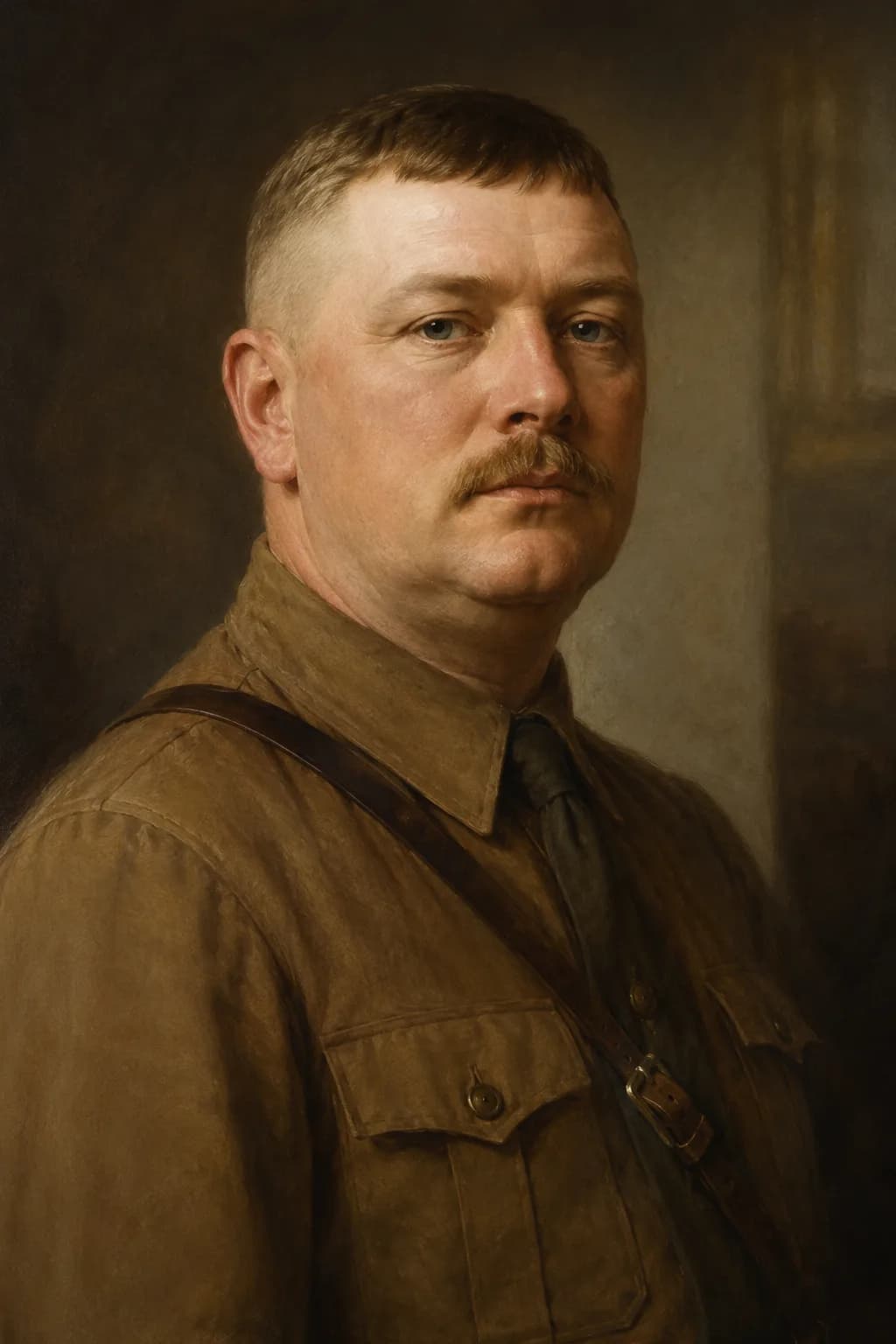
Portrait of Ernst Röhm
Ernst Röhm
1887-1934 CEGermany
He built the SA into a mass paramilitary force and became one of Hitler's oldest allies, before his ambitions made him a target in the Night of the Long Knives.
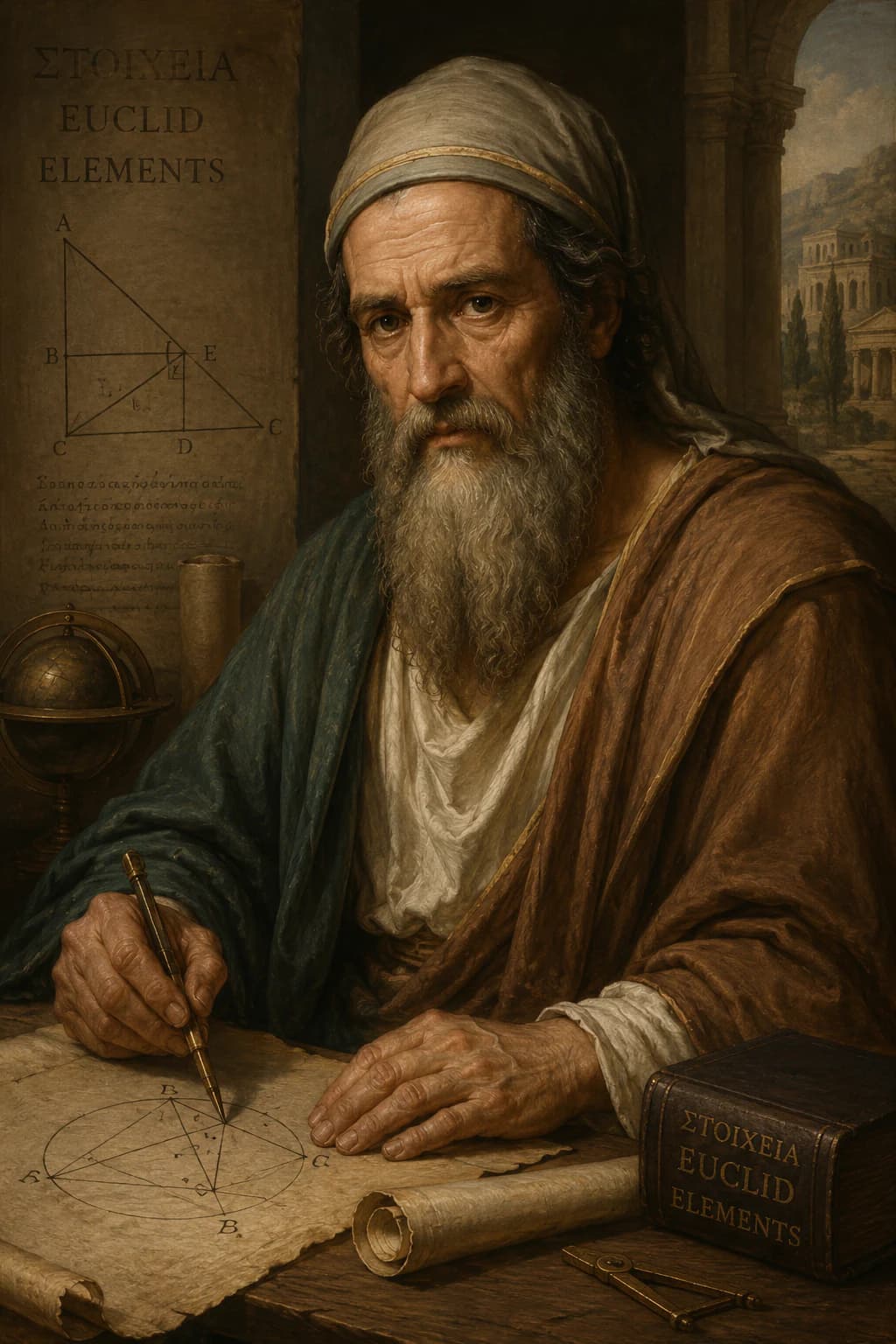
Portrait of Euclid
Euclid
c. 325-c. 265 BCEEgypt
He organized Greek geometry into the Elements, a mathematical text whose definitions, axioms, and proofs shaped education for nearly two thousand years.

F

17 figures
Portrait of Fabius Maximus
Fabius Maximus
280-203 CEItaly
He faced Hannibal with patience rather than panic, shadowing the Carthaginian army to cut off supplies, wearing it down, and accepting the reputation of coward that followed.
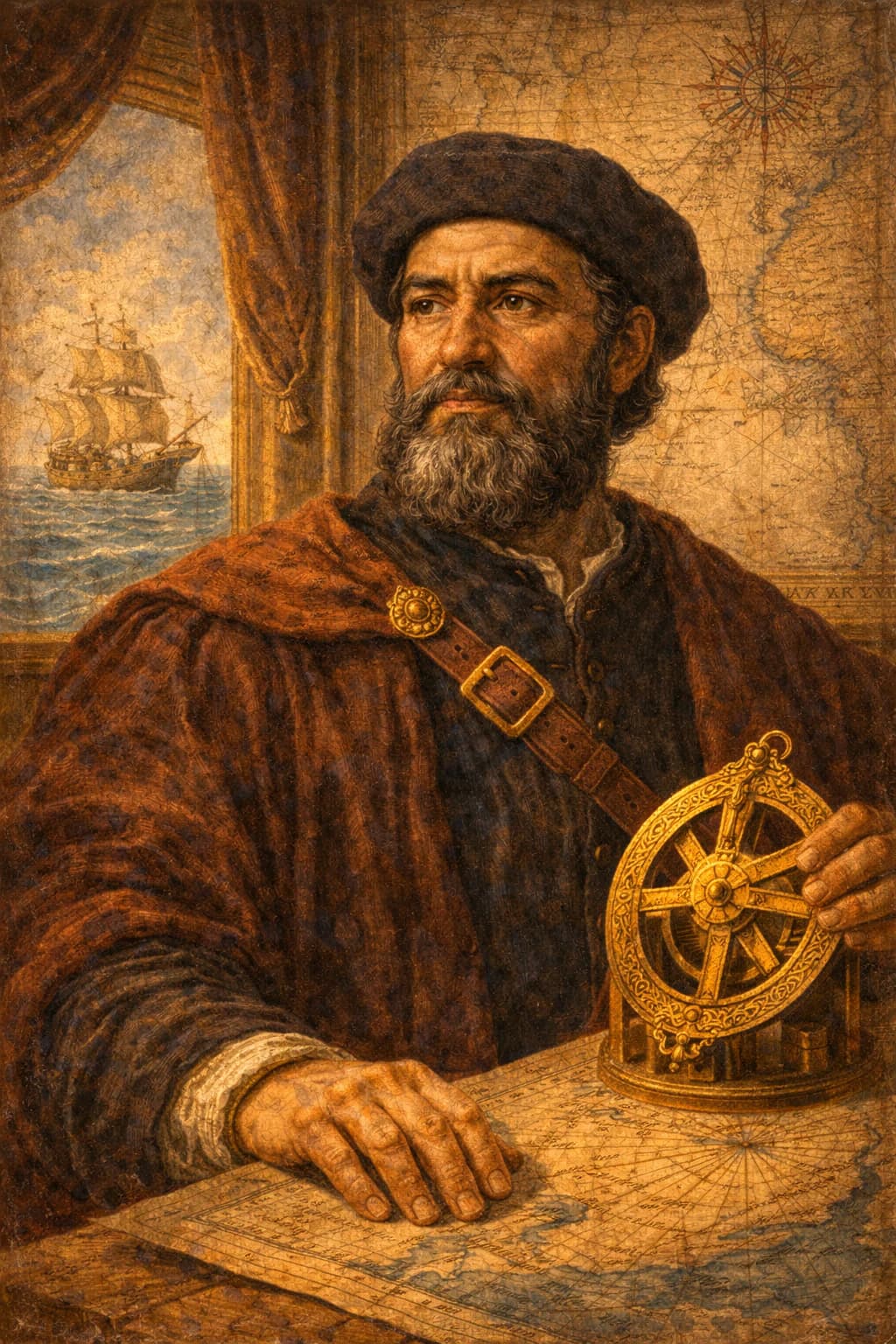
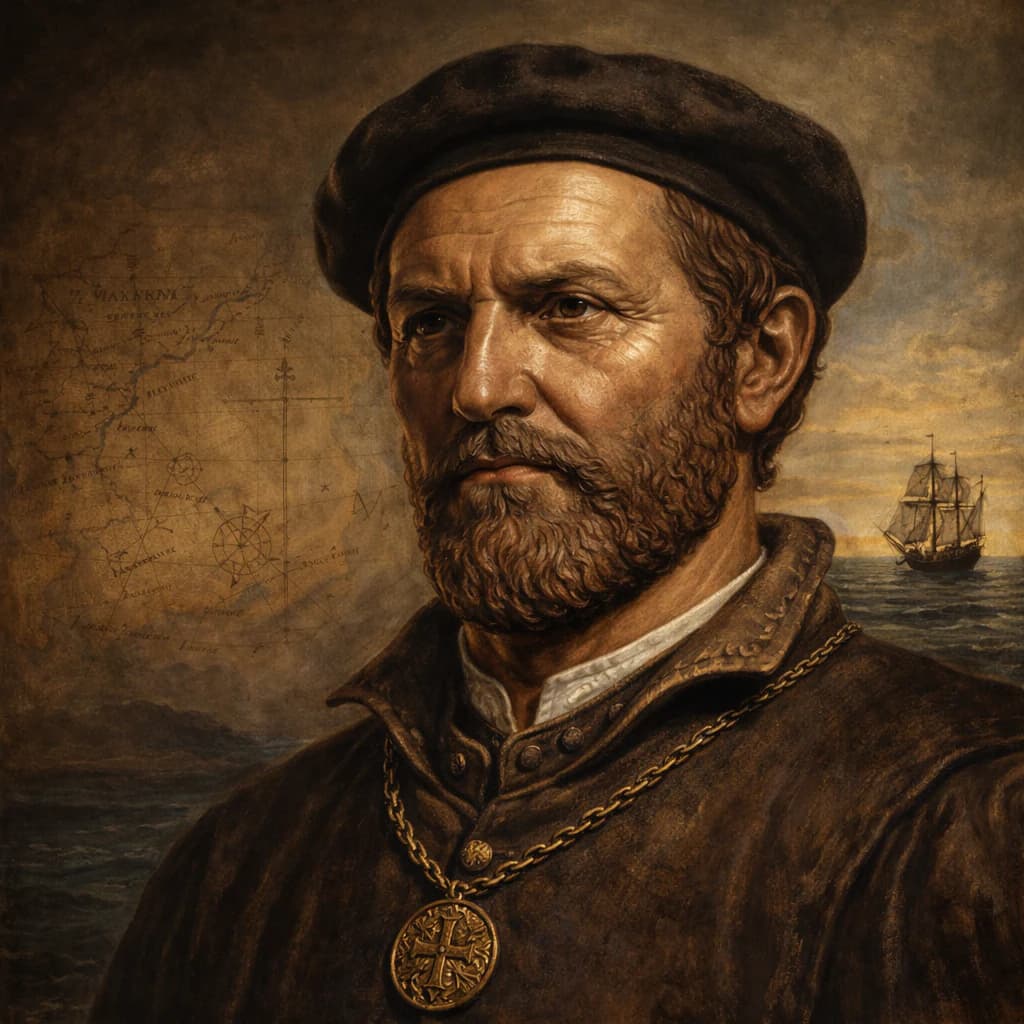
Portrait of Ferdinand Magellan
Ferdinand Magellan
1480-1521 CEPortugal
He pushed a Spanish fleet through the strait at South America's tip and across the Pacific, then died before the voyage he began became the first circumnavigation of Earth.
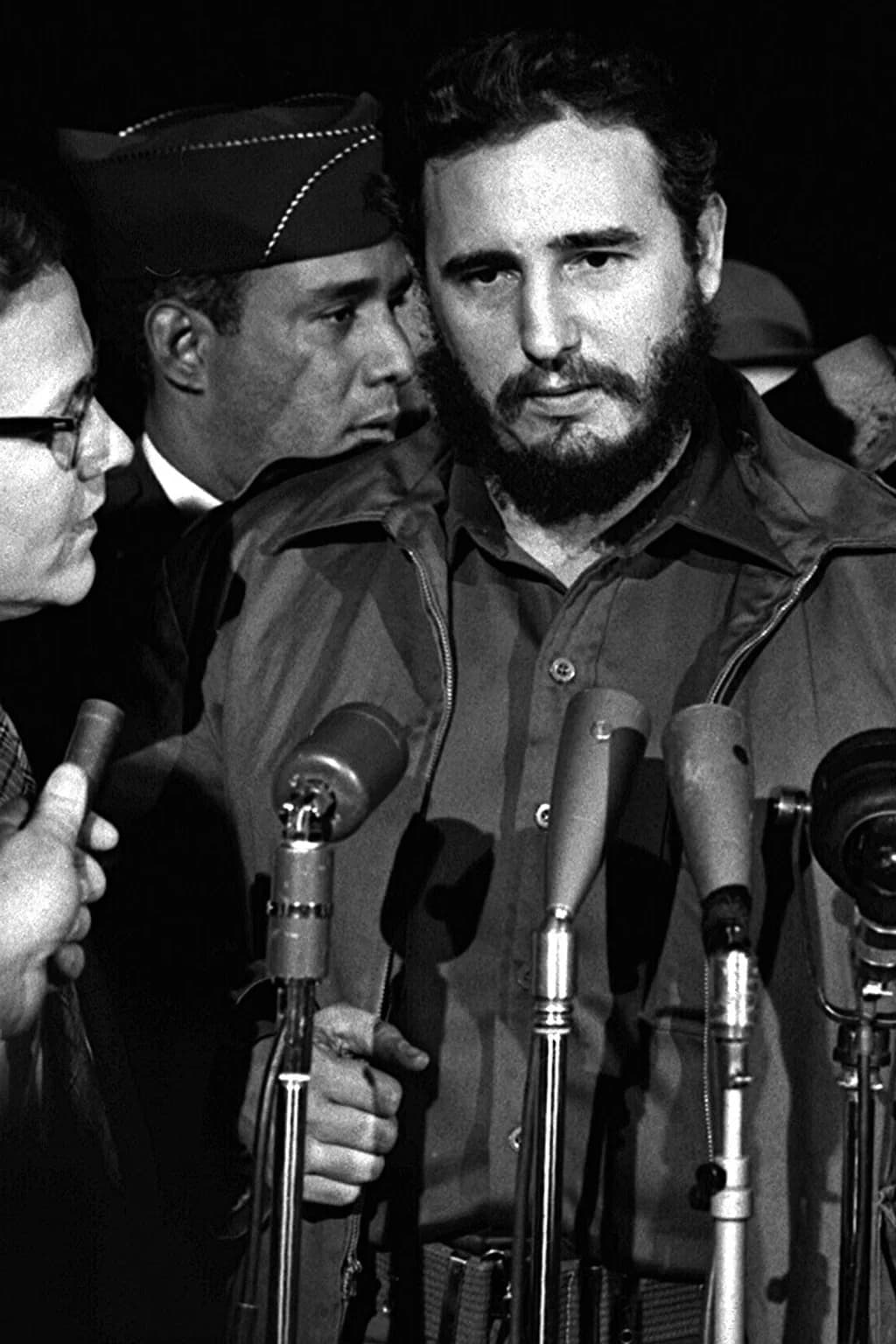
Portrait of Fidel Castro
Fidel Castro
1926-2016 CECuba
He outlasted nine American presidents, survived hundreds of alleged assassination attempts, and governed Cuba for nearly fifty years without ever once winning what most people would call a free election.
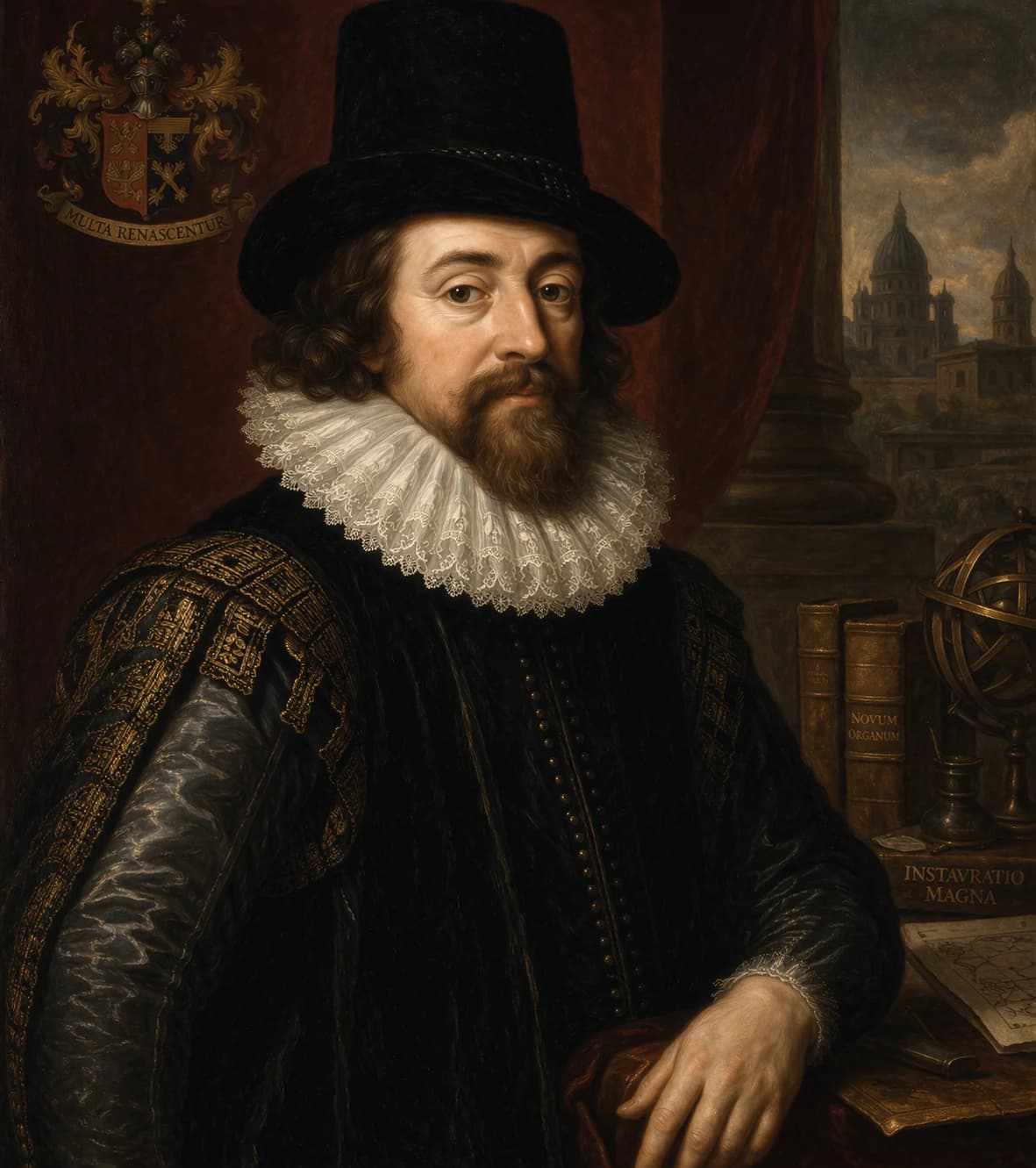
Portrait of Francis Bacon
Francis Bacon
1561-1626 CEUnited Kingdom
He argued that everything we thought we knew about the natural world needed to be tested against reality — a simple idea that took centuries to fully spread.
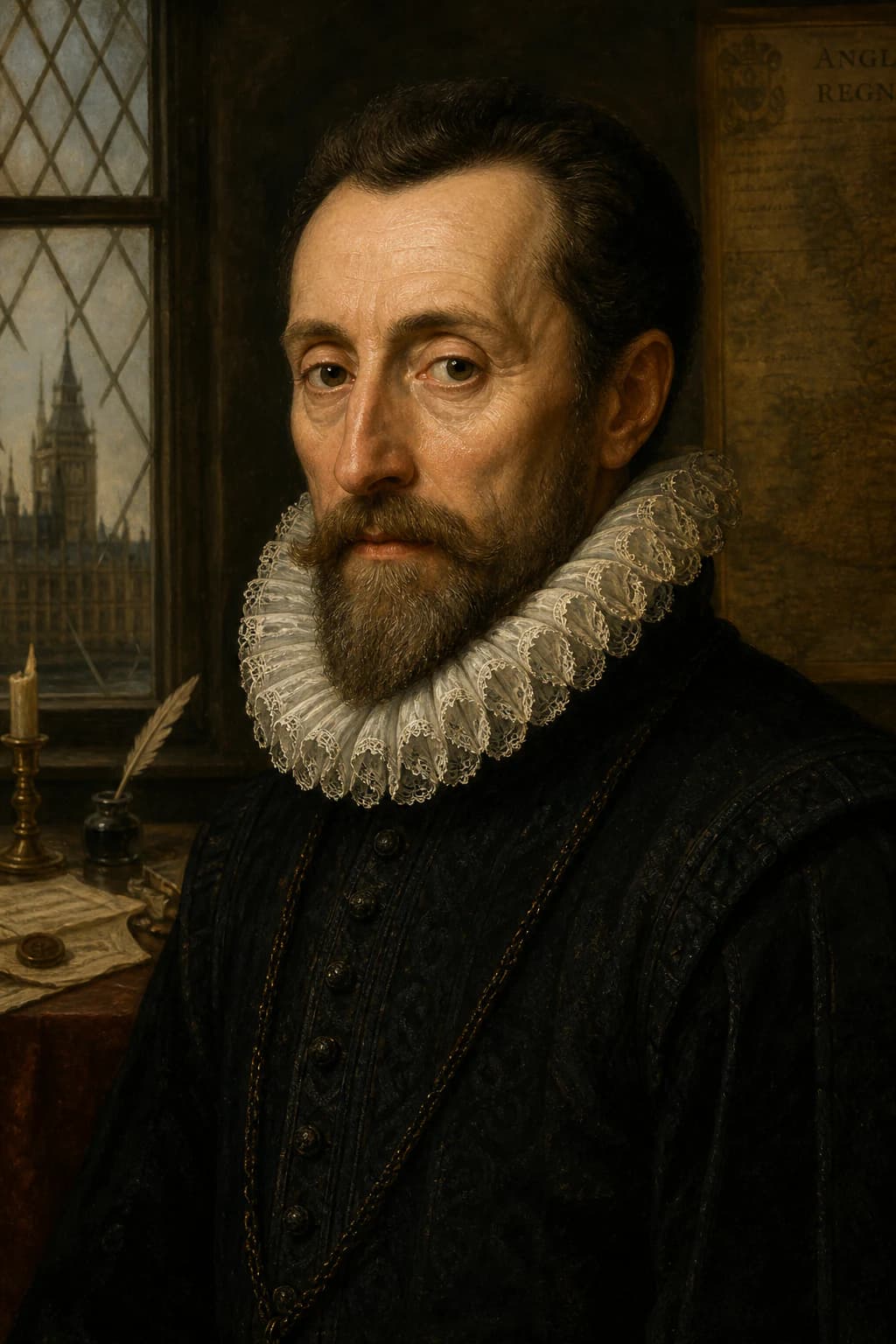
Portrait of Francis Walsingham
Francis Walsingham
1532-1590 CEUnited Kingdom
He built a spy network for a queen surrounded by plots, and his paperwork helped turn secret fear into a working instrument of state.
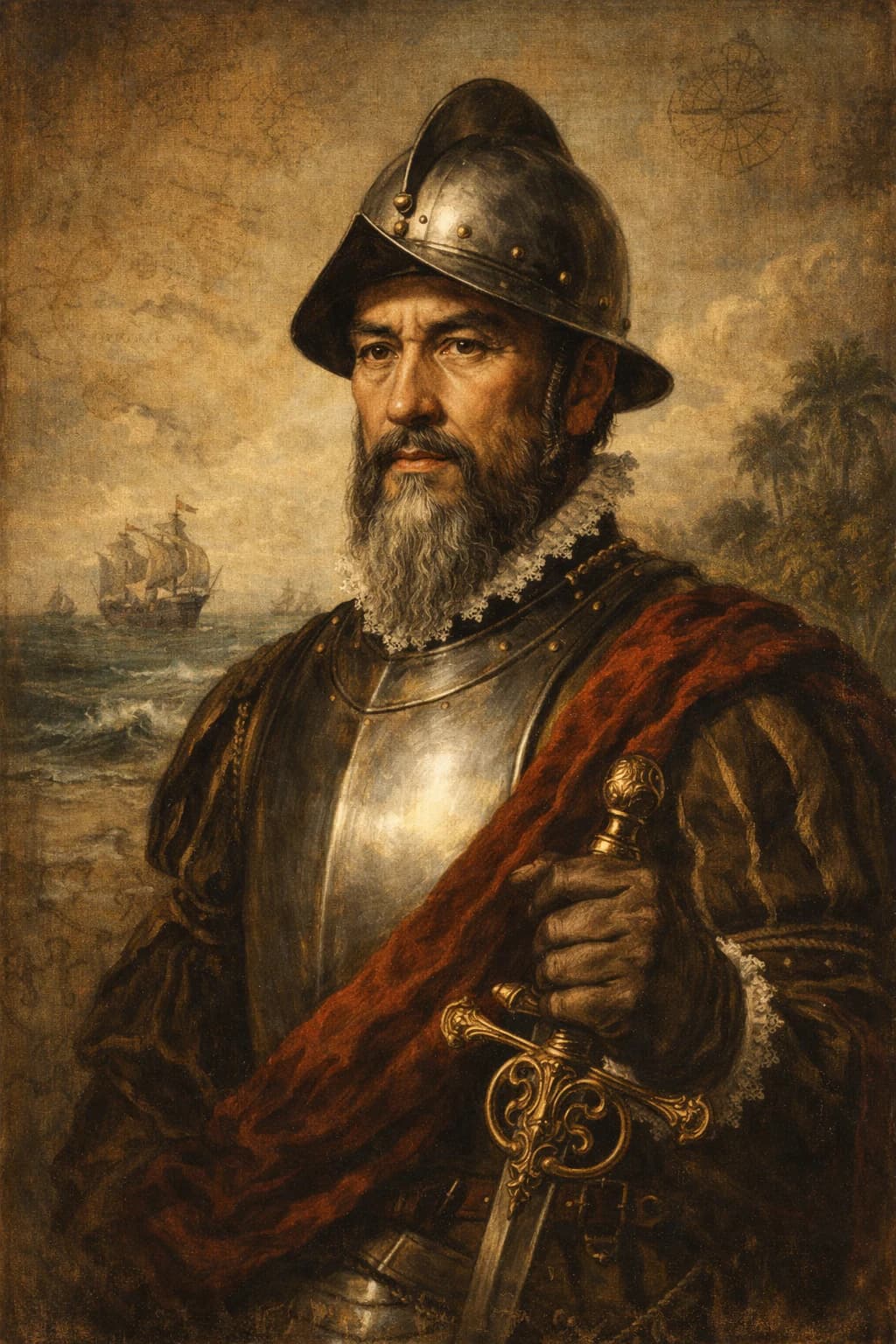
Portrait of Francisco Pizarro
Francisco Pizarro
1478-1541 CESpain
He arrived in Peru with 168 men, took the Inca emperor hostage at a diplomatic meeting, and used that leverage to destroy the most powerful empire in the Americas.
Portrait of Franjo Tudman
Franjo Tudman
1922-1999 CECroatia
He helped make Croatia independent, but the state he built emerged through war, nationalism, and compromises that still divide memory.
Portrait of Franklin D. Roosevelt
Franklin D. Roosevelt
1882-1945 CEUnited States
He was paralysed from the waist down, ran for president four times, won four times, and governed through the Depression and a world war without anyone outside his inner circle fully knowing the extent of his condition.
Portrait of Franklin Pierce
Franklin Pierce
1804-1869 CEUnited States
He was a personally popular man whose presidency accelerated the collapse of national compromise over slavery — a reminder that charm and catastrophic judgment often coexist.
Portrait of Franz Ferdinand
Franz Ferdinand
1863-1914 CEAustria
He was assassinated in Sarajevo, and that murder set off the diplomatic machinery that unleashed the First World War.
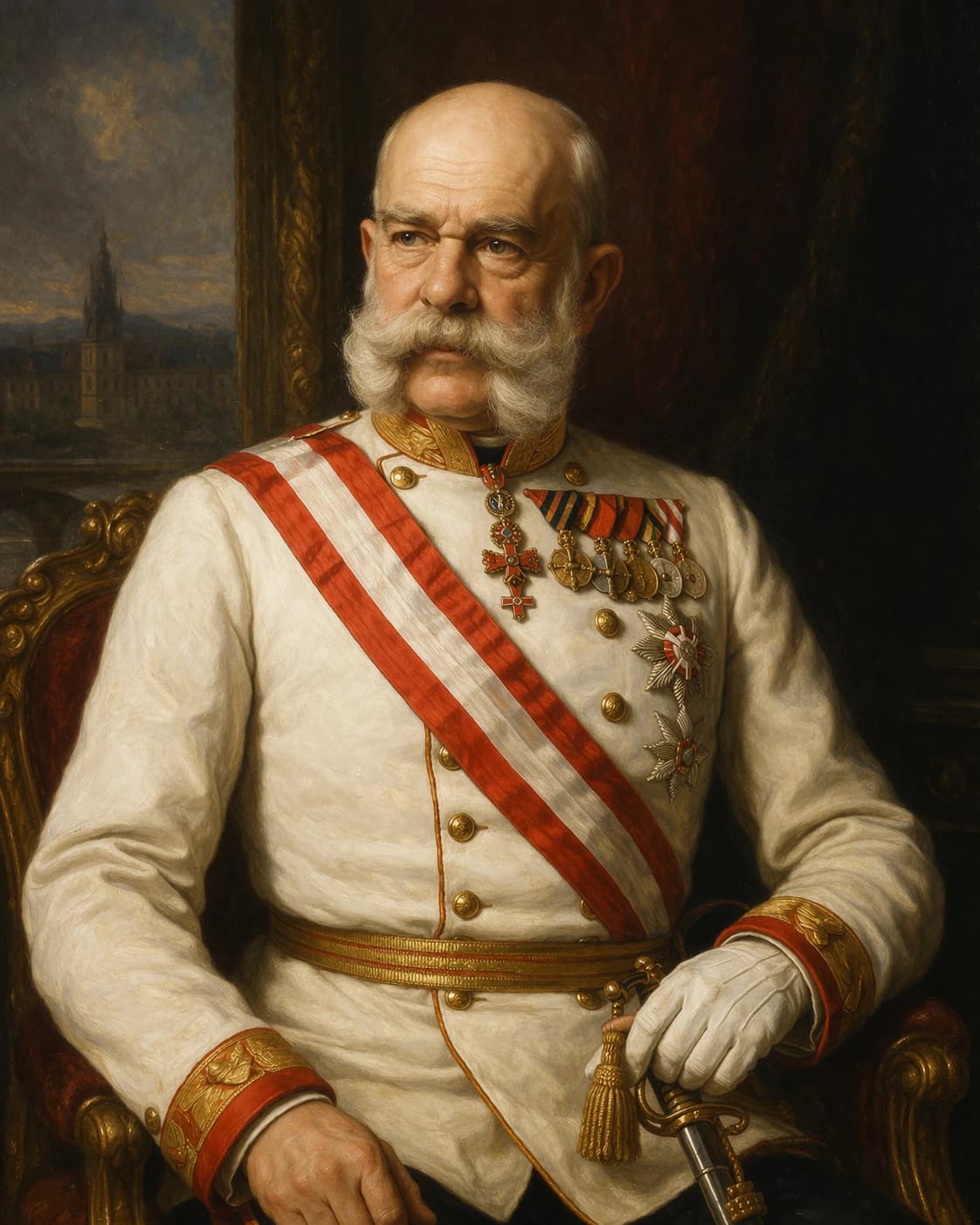
Portrait of Franz Joseph I
Franz Joseph I
1830-1916 CEAustria
He became emperor at eighteen, survived revolutions, defeats, assassinations and constitutional compromise, and spent sixty-eight years trying to hold the Habsburg monarchy together until the First World War exposed its final weakness.
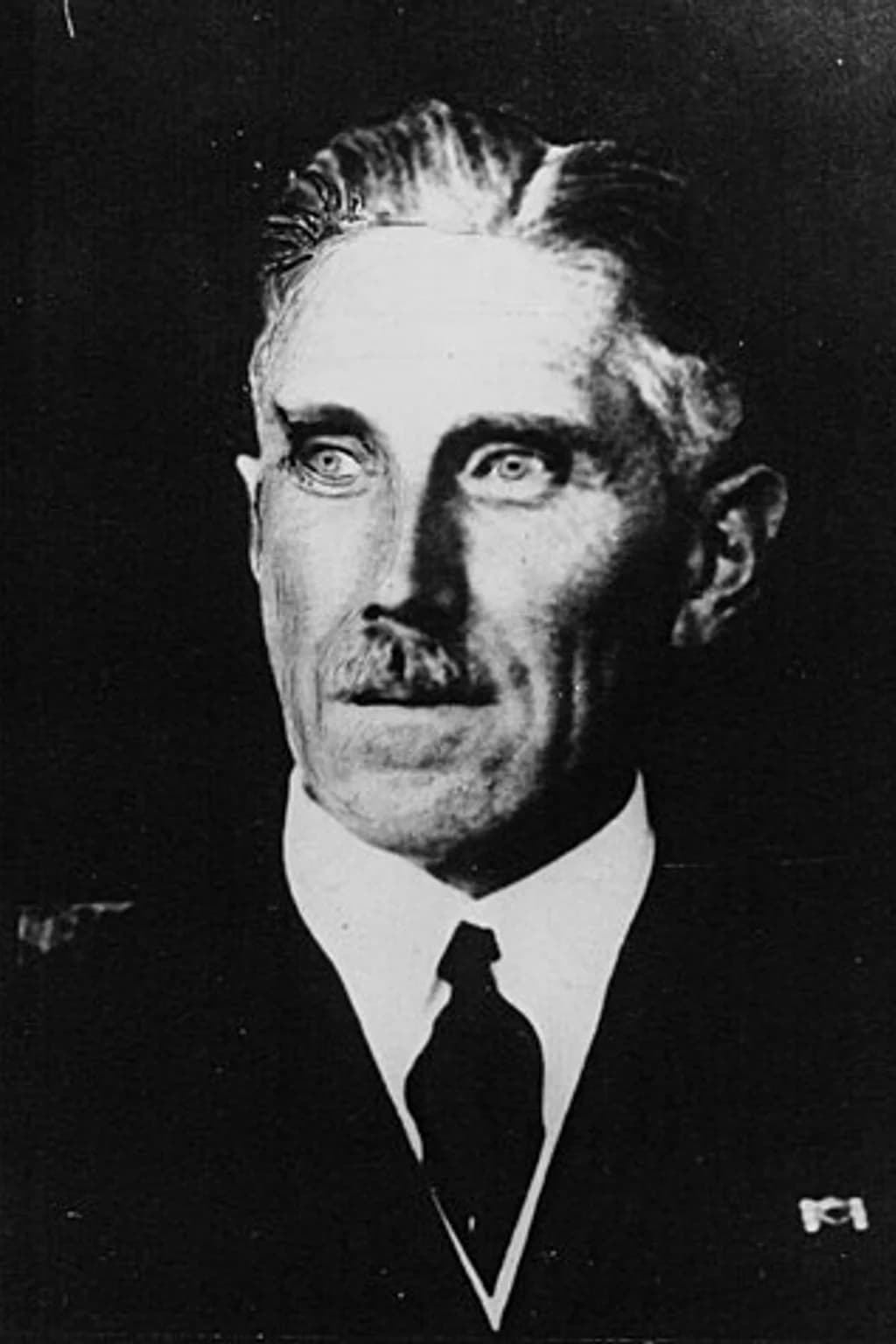
Portrait of Franz von Papen
Franz von Papen
1879-1969 CEGermany
He was the conservative aristocrat who believed Hitler could be boxed in by a cabinet of traditional elites, a miscalculation that helped destroy the Weimar Republic.
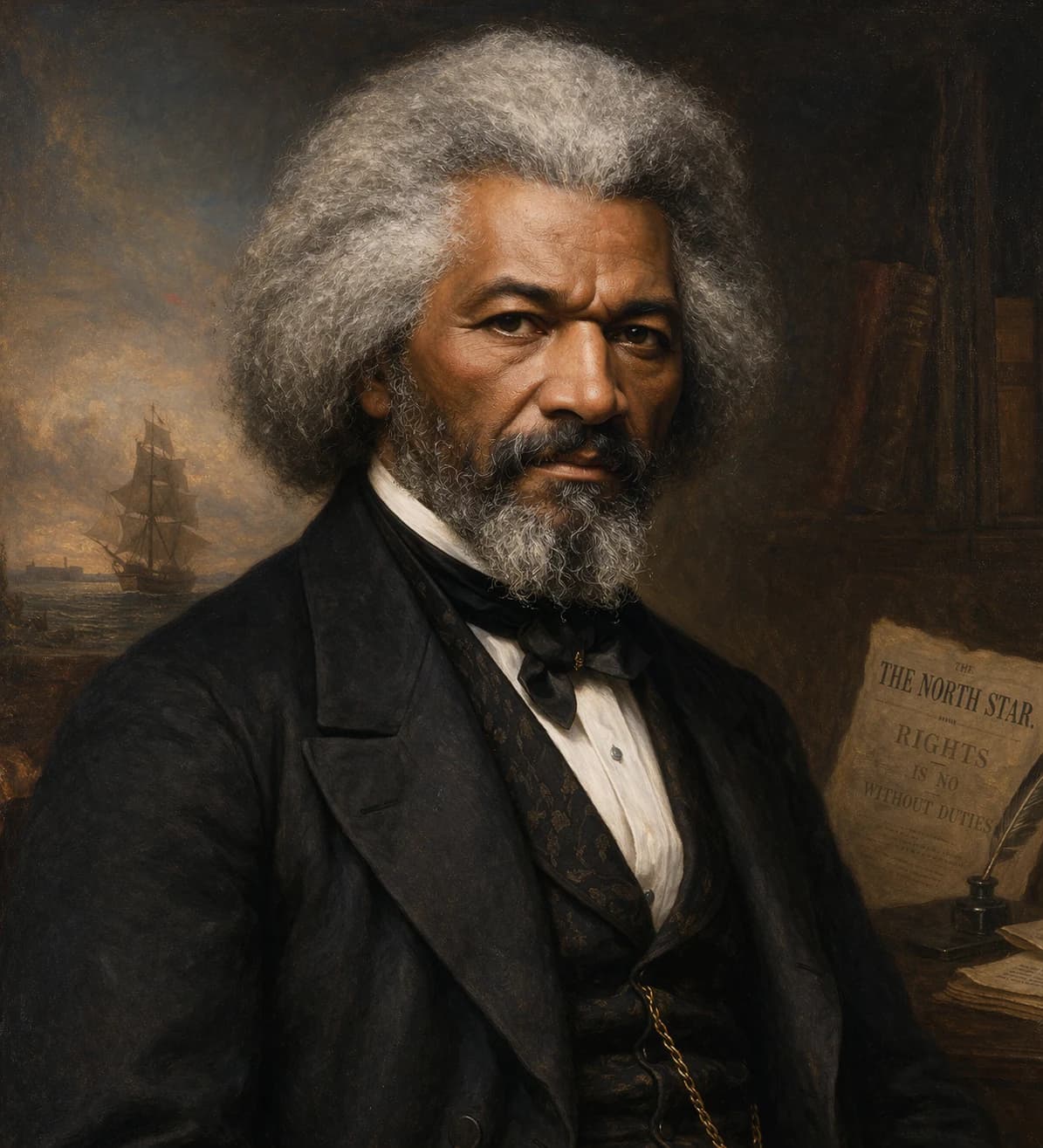
Portrait of Frederick Douglass
Frederick Douglass
1818-1895 CEUnited States
He taught himself to read while enslaved, escaped from Maryland, and became one of the most powerful voices in American history, forcing the United States to confront slavery, citizenship, race, democracy and the unfinished meaning of freedom.
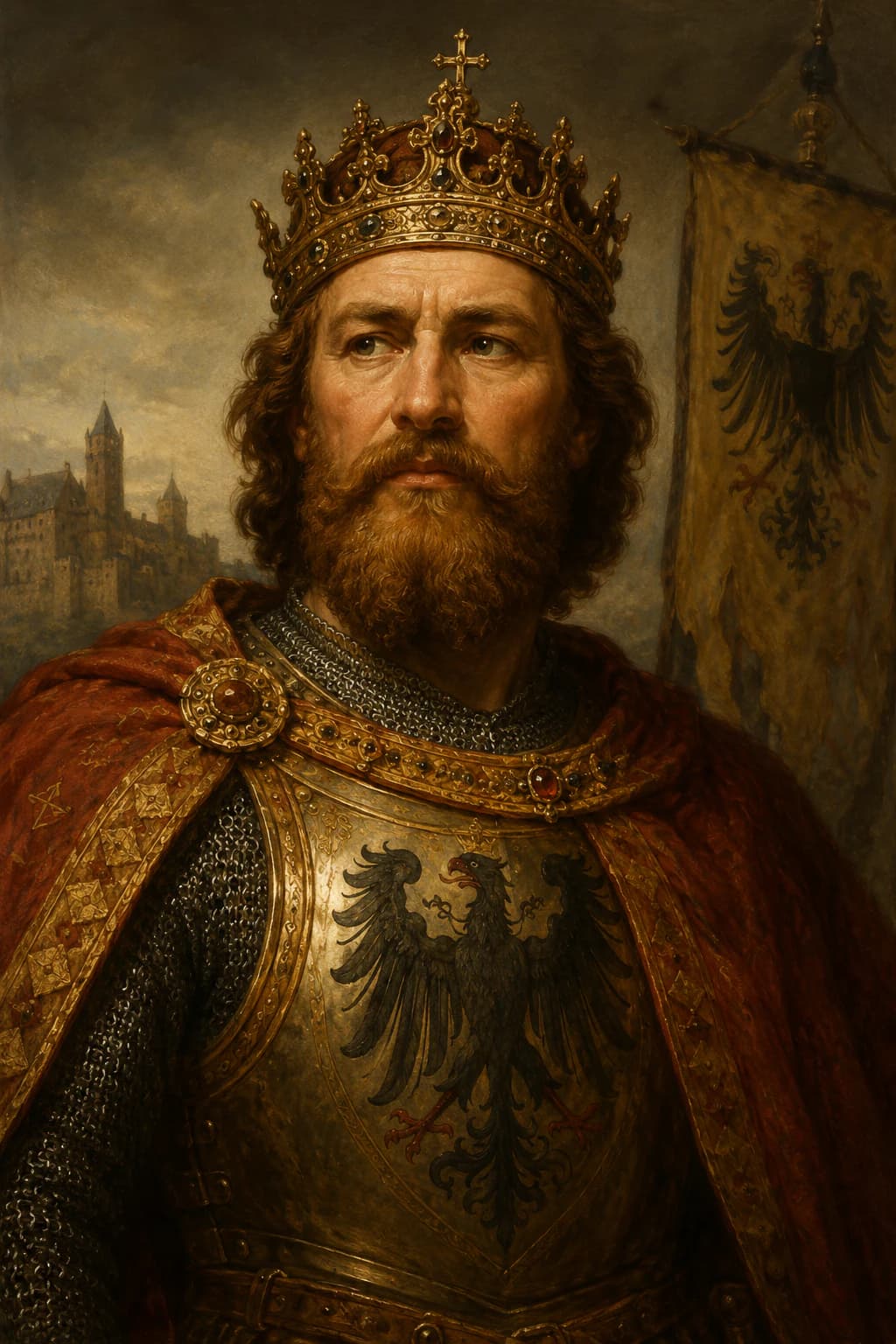
Portrait of Frederick I Barbarossa
Frederick I Barbarossa
1122-1190 CEGermany
He turned the German kingship into an imperial project, battled Italian cities and the papacy, and died on crusade before reaching Jerusalem.
Portrait of Frederick Robinson, Viscount Goderich
Frederick Robinson, Viscount Goderich
1782-1859 CEUnited Kingdom
He rose through finance, trade and colonial office to become Britain's compromise prime minister in 1827, then discovered that a cabinet chosen to soothe factions could collapse before Parliament even met.
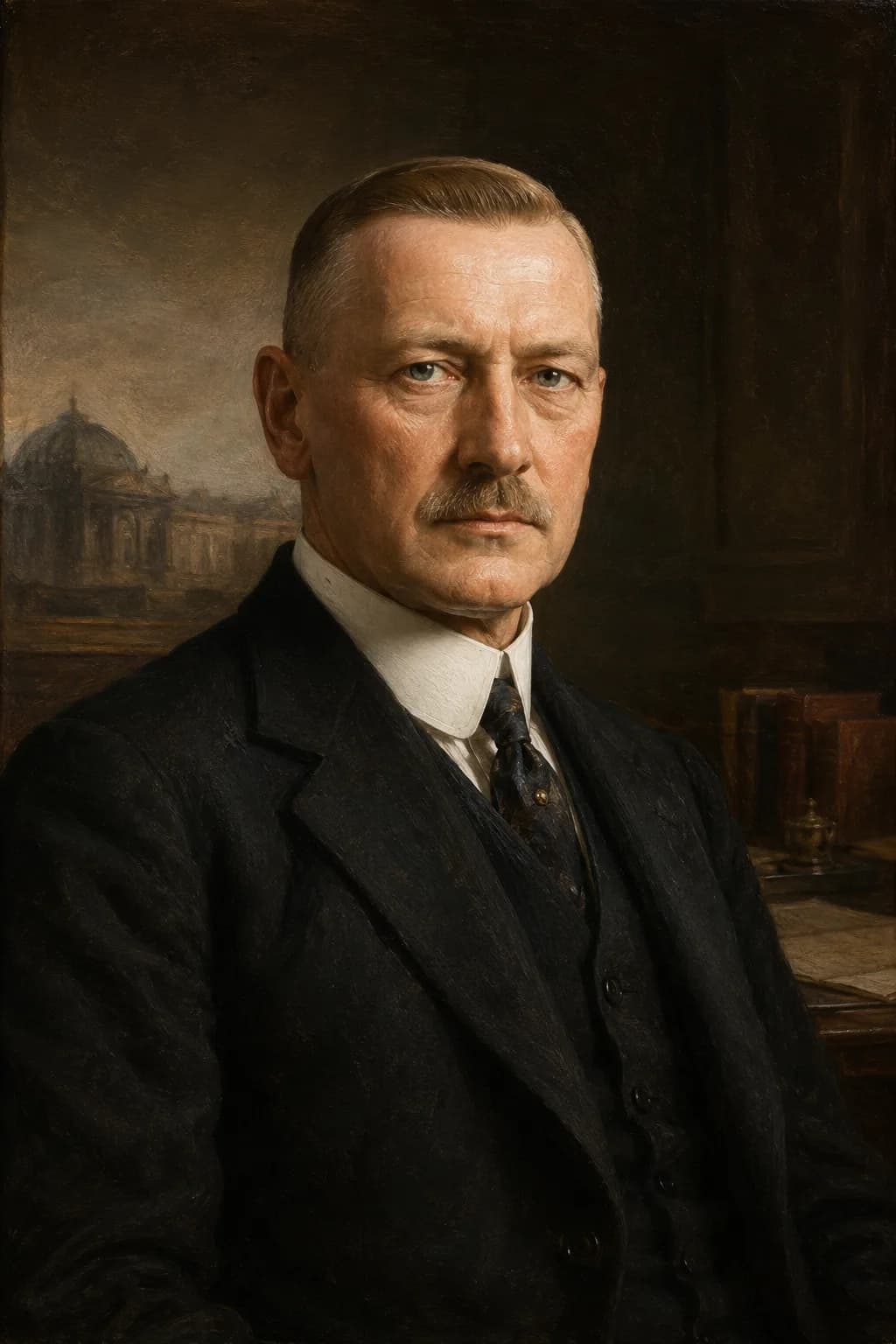
Portrait of Friedrich Ebert
Friedrich Ebert
1871-1925 CEGermany
He became Germany's first democratic president in a revolution he feared might devour itself, defended the Weimar Republic with hard compromises, and died before the democracy he helped found faced its final enemies.
Portrait of Fu Hao
Fu Hao
c. 13th century BCEChina
She was a Shang royal consort, military commander, ritual specialist and landholder whose unlooted tomb at Anyang transformed what historians could know about women and power in Bronze Age China.

G

31 figures
Portrait of Gaiseric
Gaiseric
c. 389-477 CETunisia
He led the Vandals from Iberia into North Africa, captured Carthage, built a powerful fleet, and made the western Roman Empire's recovery almost impossible.
Portrait of Gaius Marius
Gaius Marius
157-86 BCEItaly
He rose from Arpinum to seven consulships, saved Rome from northern invasion, transformed recruitment for the legions, and helped create the dangerous bond between general and army that shook the late Republic.
Portrait of Galba
Galba
3 BCE-69 CEItaly
He was the elderly aristocratic governor who replaced Nero in 68 CE, ending the Julio-Claudian dynasty, but his austerity, poor political instincts, and failure to secure military loyalty helped plunge Rome into the Year of the Four Emperors.
Portrait of Galileo Galilei
Galileo Galilei
1564-1642 CEItaly
He turned mathematics and observation into a new way of reading nature, used the telescope to challenge the Earth-centered cosmos, and became the most famous symbol of the conflict between evidence, authority and belief.
Portrait of Gavrilo Princip
Gavrilo Princip
1894-1918 CEBosnia and Herzegovina
He was a sickly Bosnian Serb student, radicalized by imperial rule and South Slav nationalism, whose shots in Sarajevo killed Archduke Franz Ferdinand and helped turn Europe's tensions into the First World War.
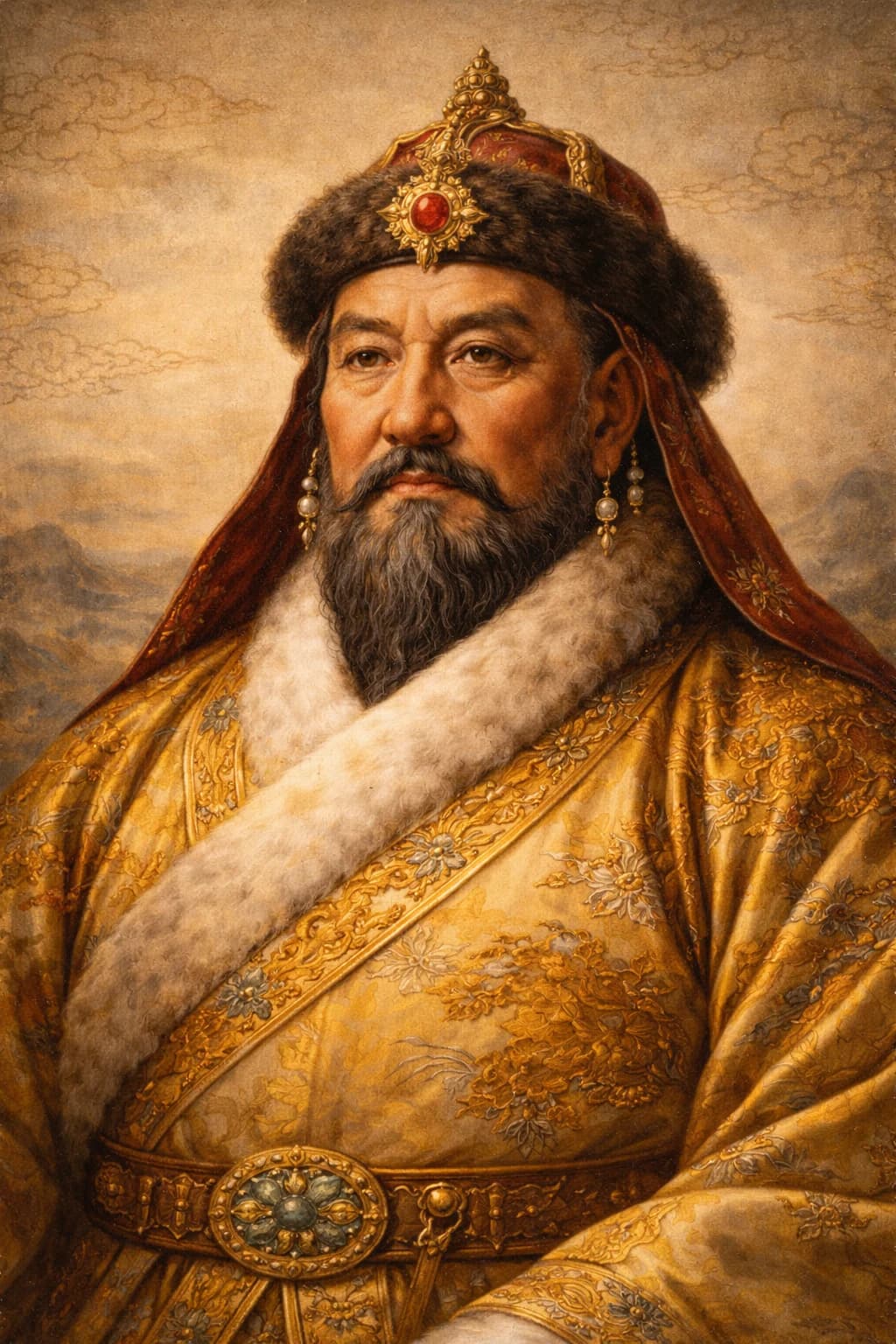
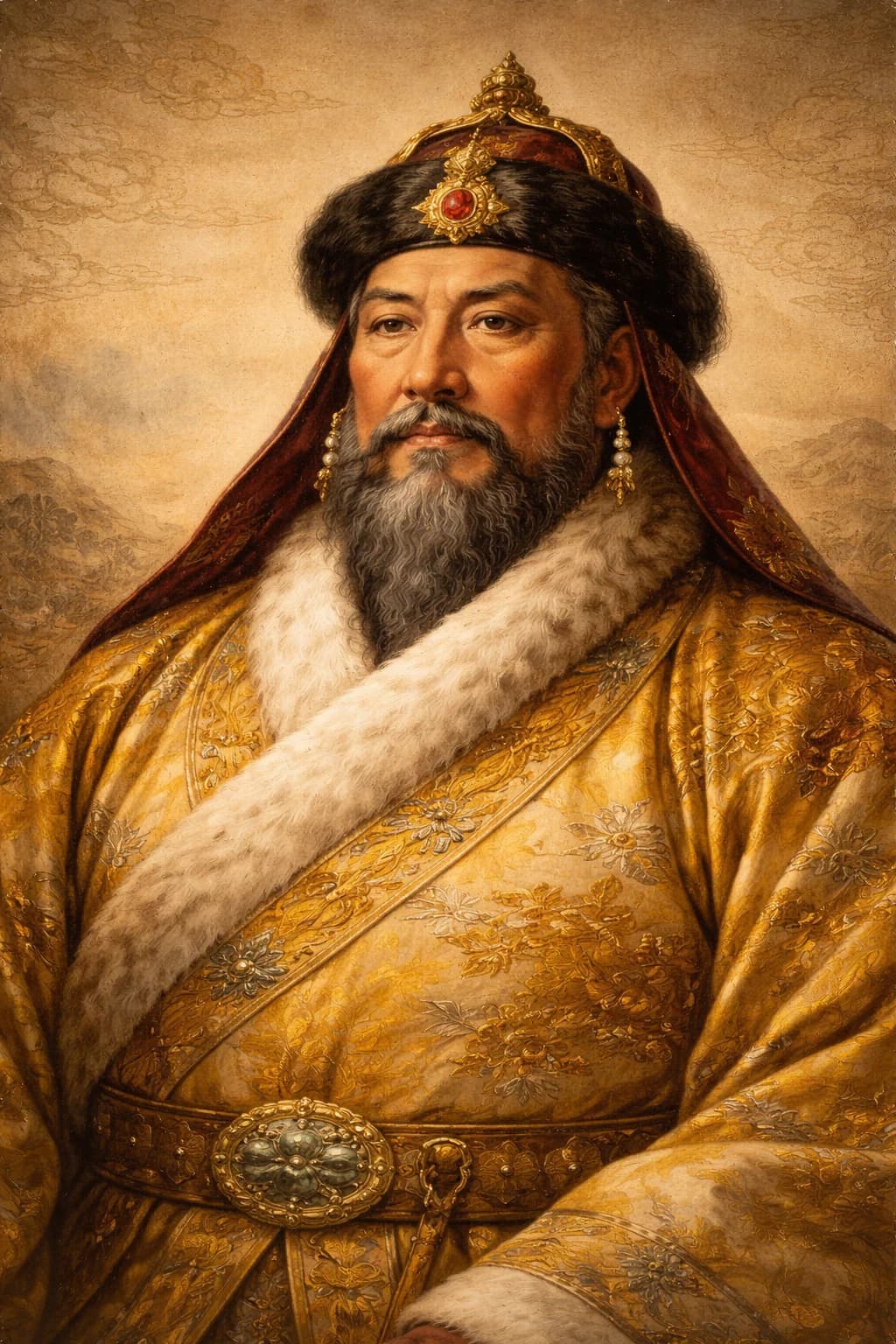
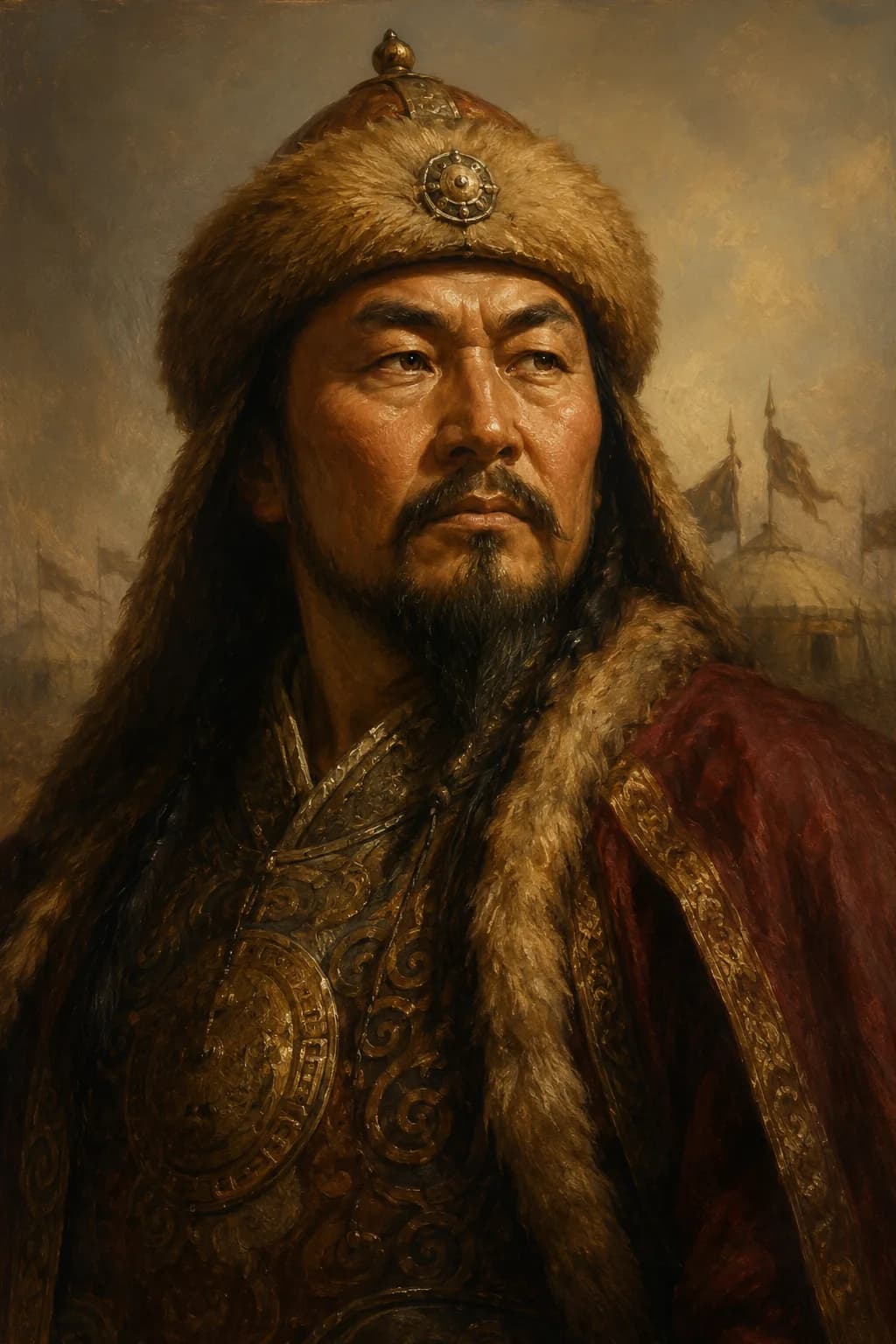
Portrait of Genghis Khan
Genghis Khan
1162-1227 CEMongolia
He was born Temujin on the Mongolian steppe, survived exile and betrayal, united rival clans through discipline and reward, and founded the Mongol Empire, the largest contiguous land empire in history.
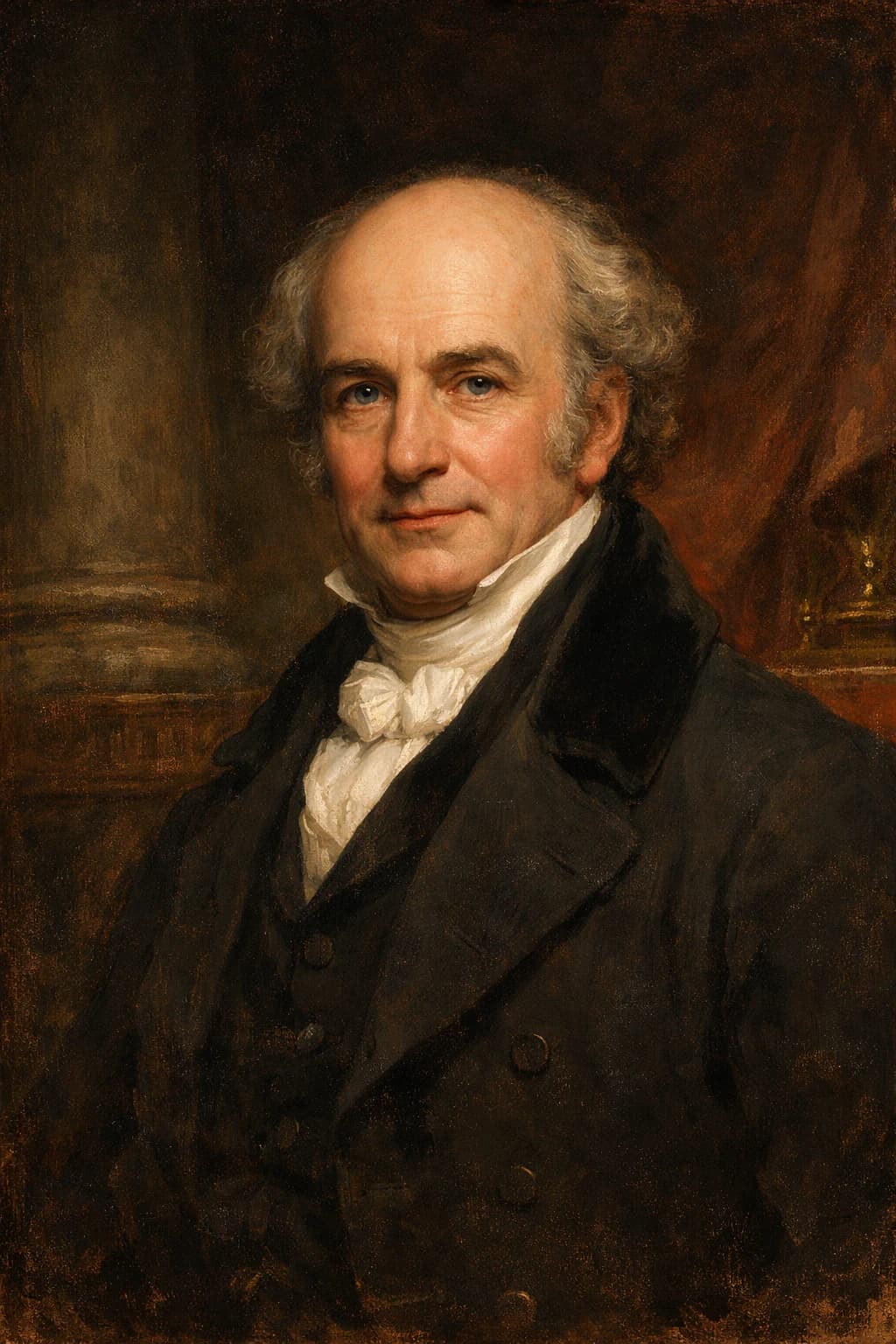
Portrait of George Canning
George Canning
1770-1827 CEUnited Kingdom
He climbed from precarious childhood to become Britain's most dazzling foreign secretary, defended Catholic emancipation, recognized the new states of Latin America, and finally reached Downing Street only to die after 119 days.
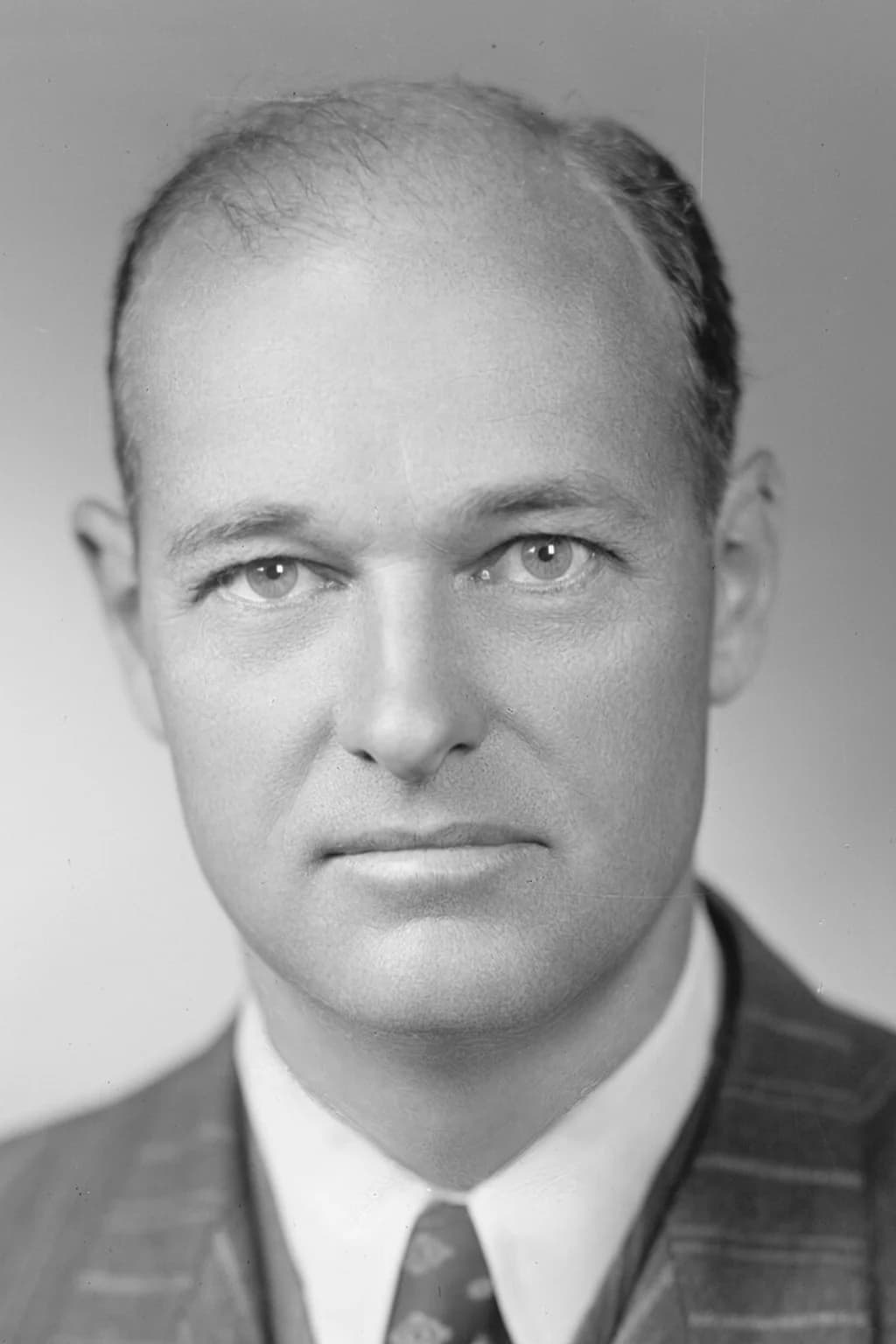
Portrait of George F. Kennan
George F. Kennan
1904-2005 CEUnited States
He read Stalin's Soviet Union with rare patience, wrote the Long Telegram and the X Article, and gave Washington the language of containment, then spent much of his long life warning that America had militarized his idea.
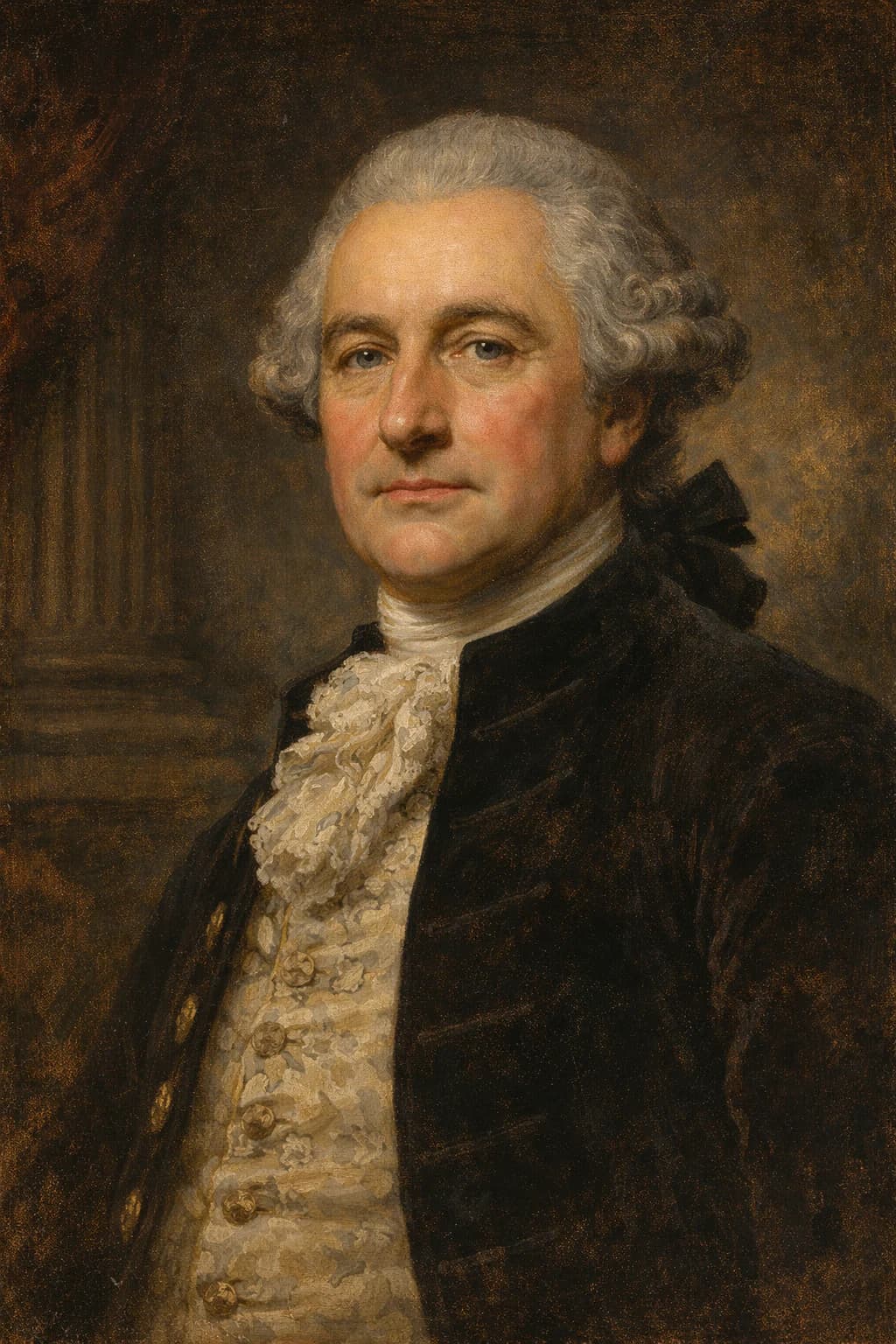
Portrait of George Grenville
George Grenville
1712-1770 CEUnited Kingdom
He was the careful, stubborn prime minister who looked at Britain's postwar debt and saw a solvable accounting problem; the American colonies saw the Stamp Act and a constitutional crisis over representation.
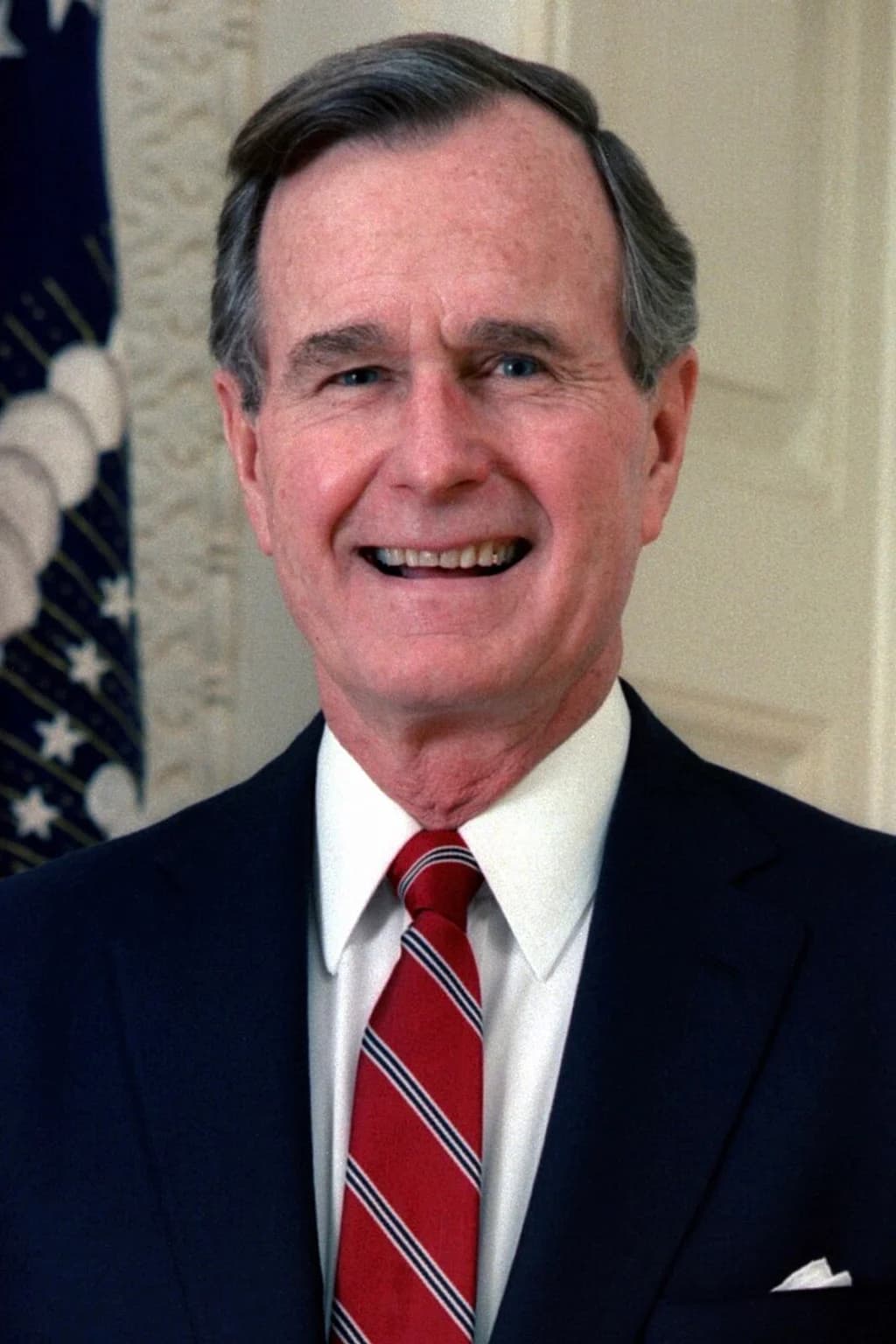
Portrait of George H. W. Bush
George H. W. Bush
1924-2018 CEUnited States
He brought a lifetime of service to the presidency, managed the Cold War's end with unusual restraint, built the coalition that expelled Iraq from Kuwait, and lost re-election when foreign-policy success could not answer domestic economic frustration.
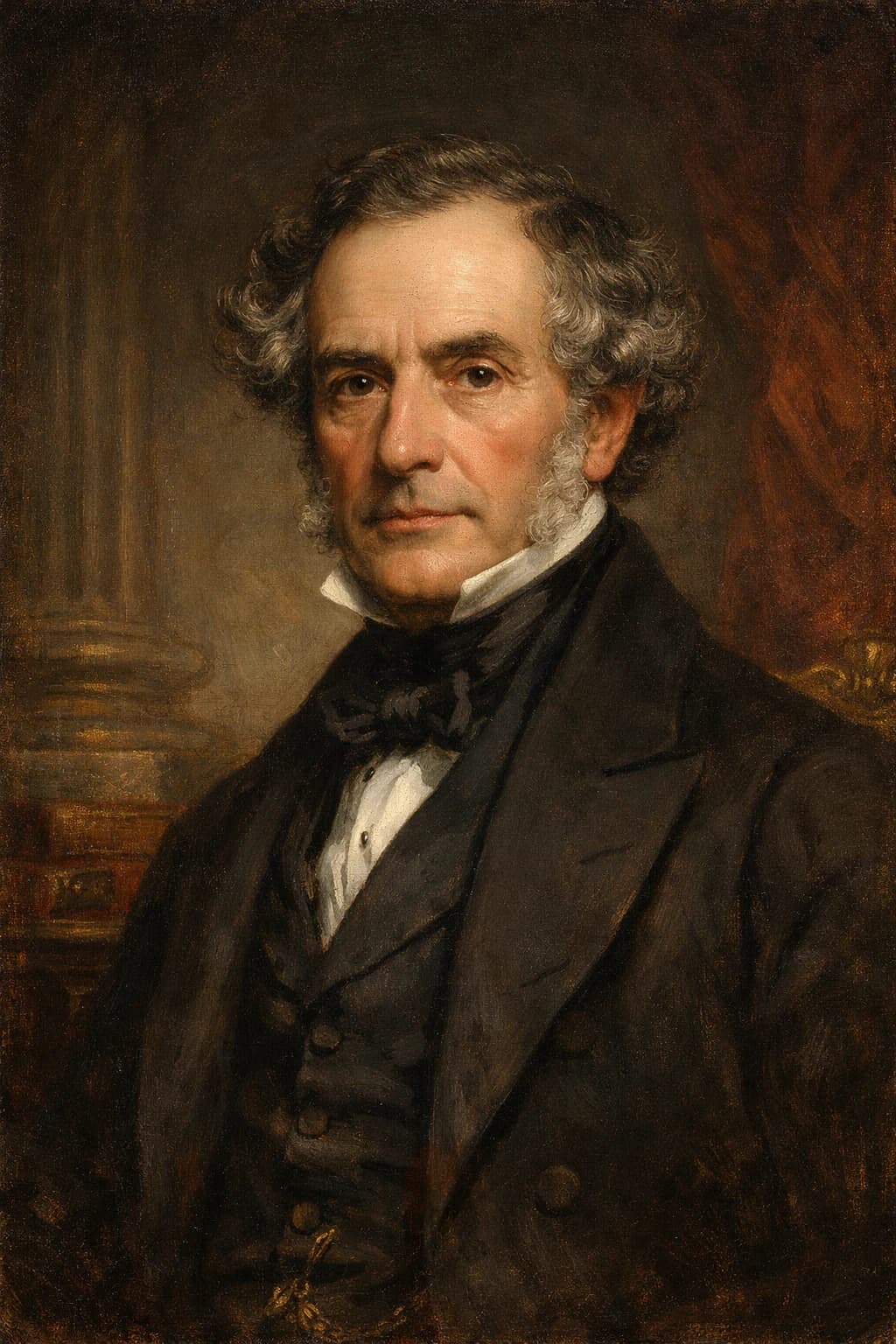
Portrait of George Hamilton-Gordon, 4th Earl of Aberdeen
George Hamilton-Gordon, 4th Earl of Aberdeen
1784-1860 CEUnited Kingdom
He was one of Britain's most experienced diplomats, trusted for restraint and European knowledge, but as prime minister his coalition drifted into the Crimean War and collapsed under the weight of military failure.
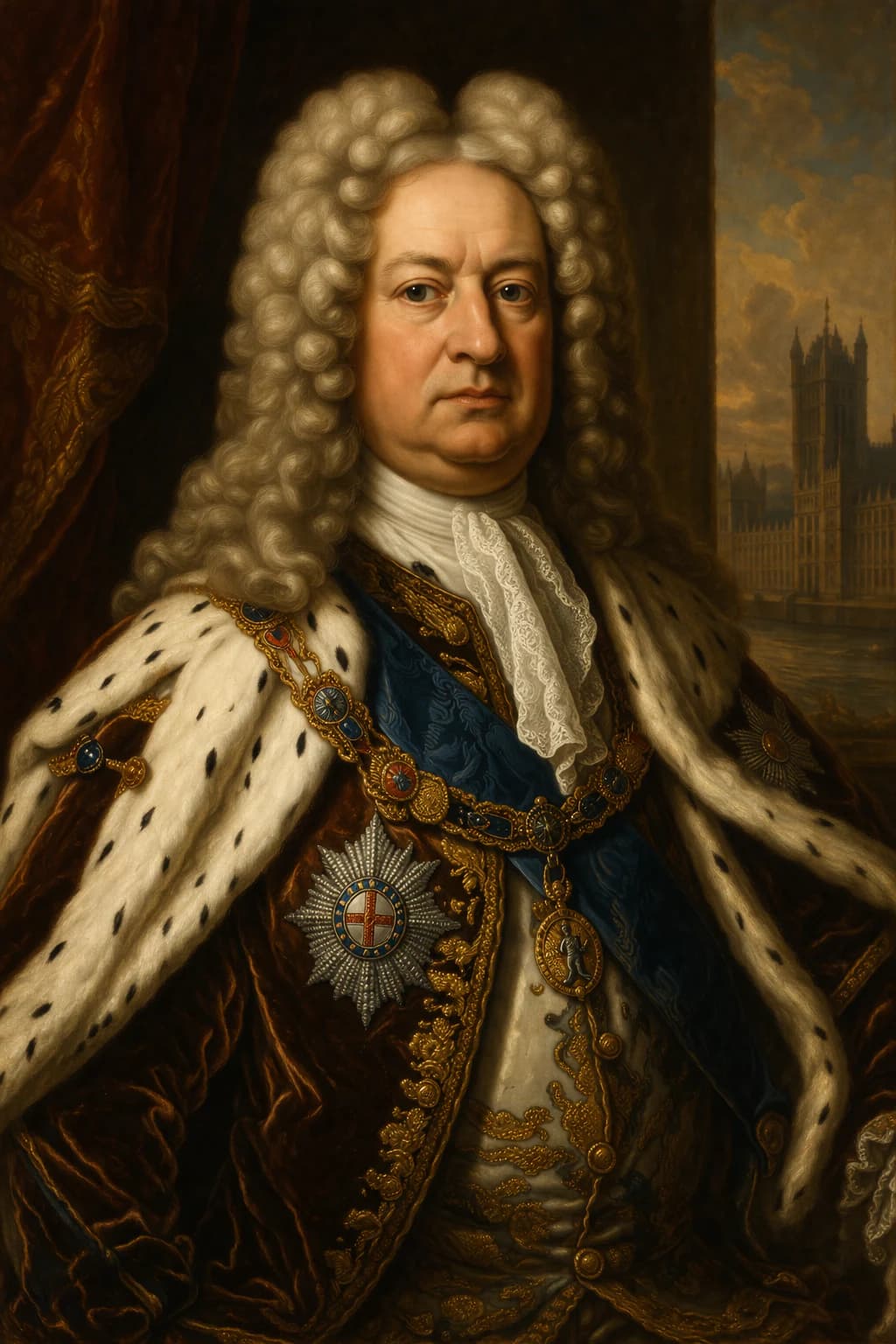
Portrait of George I
George I
1660-1727 CEUnited Kingdom
He arrived from Hanover in 1714 as Britain's necessary Protestant king, spoke little English, survived Jacobite rebellion, and unintentionally helped shift power toward ministers and Parliament under Robert Walpole.
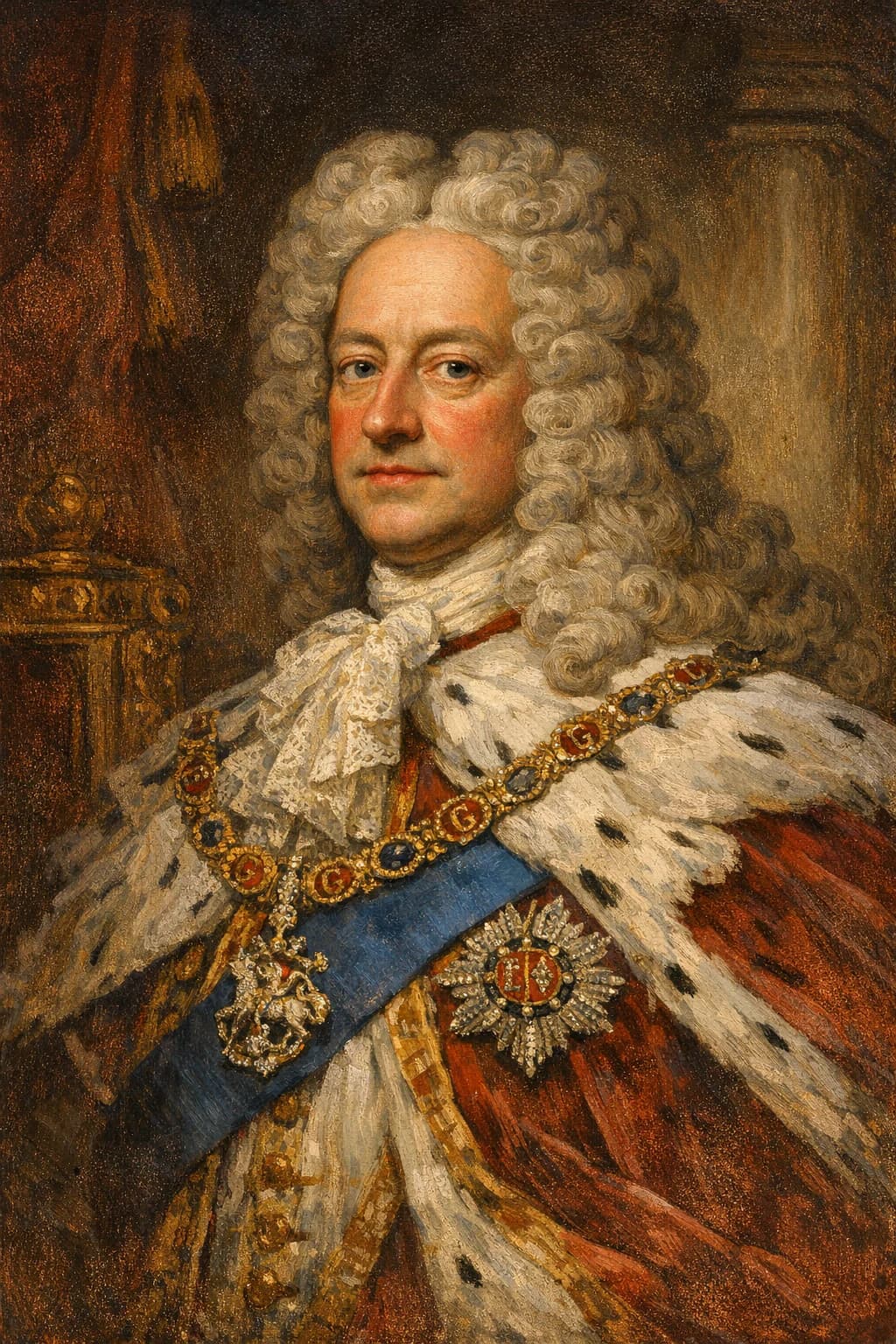
Portrait of George II
George II
1683-1760 CEUnited Kingdom
He was the last British monarch to lead troops in battle, survived the final Jacobite rising, relied on ministers such as Walpole and Pitt, and presided over Britain's rise as a global imperial power.
Portrait of George III
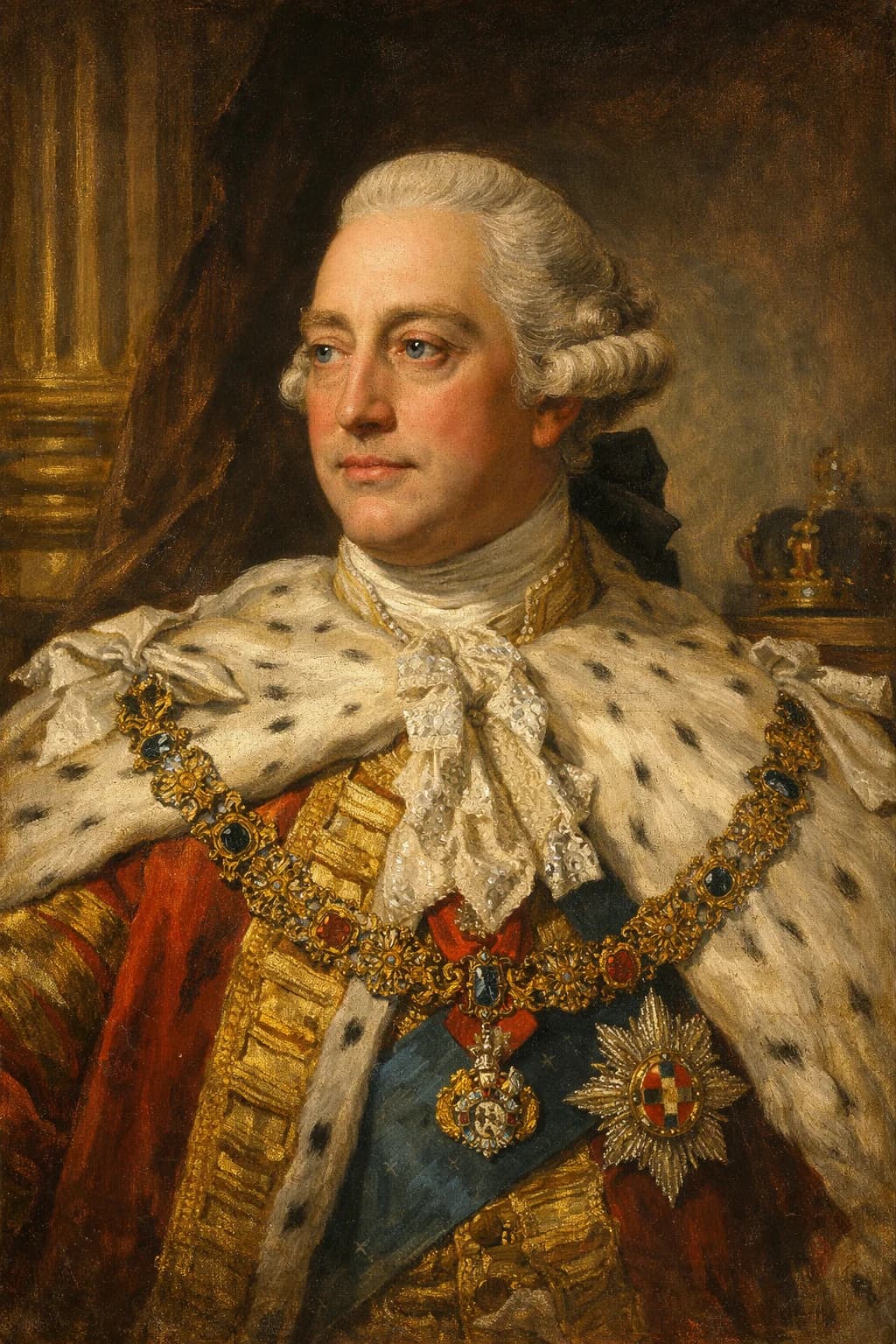
George III
1738-1820 CEUnited Kingdom
He was the first truly British Hanoverian king, reigned through the American Revolution, the Act of Union with Ireland and the wars against Napoleon, then spent his final decade incapacitated as the monarchy changed around him.
Portrait of George IV
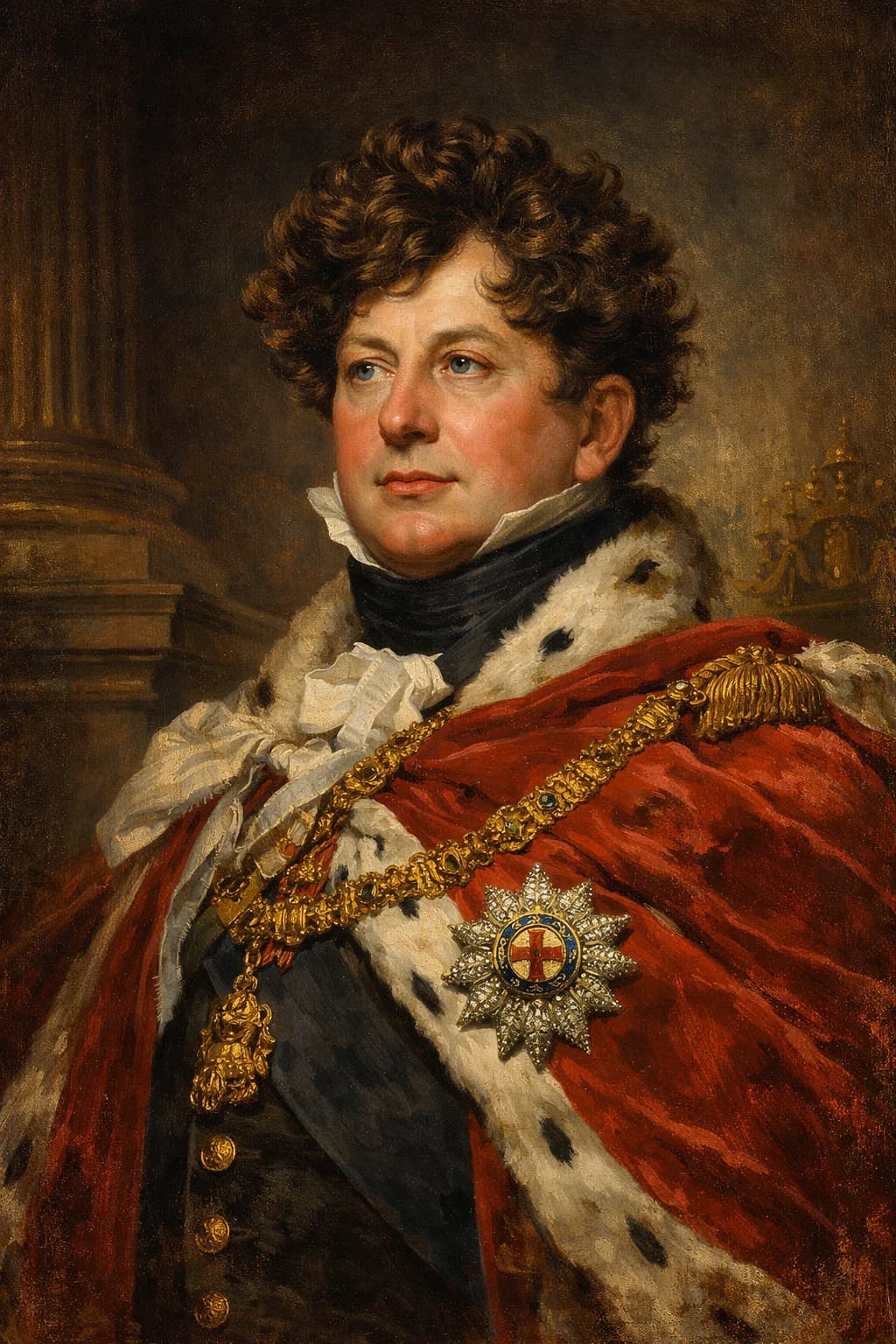
George IV
1762-1830 CEUnited Kingdom
He ruled as Prince Regent before becoming king, gave Britain some of its most dazzling Regency architecture and royal spectacle, and made the monarchy dangerously unpopular through debt, self-indulgence and the public persecution of Queen Caroline.
Portrait of George Stephenson
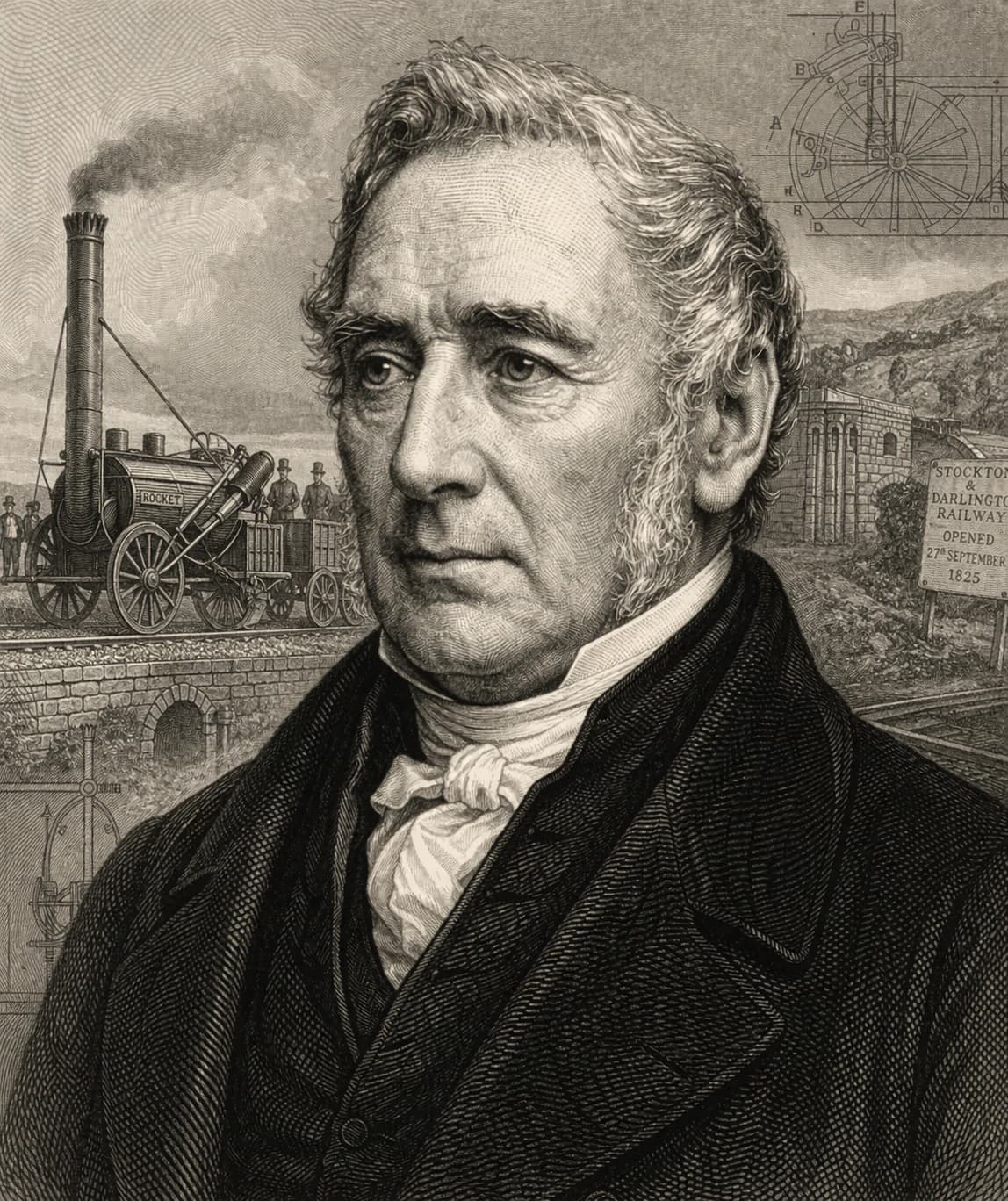
George Stephenson
1781-1848 CEUnited Kingdom
He rose from an illiterate colliery childhood to become the practical engineer of the railway age, building locomotives, tracks and public lines that changed how people, coal, goods and ideas moved through industrial Britain.
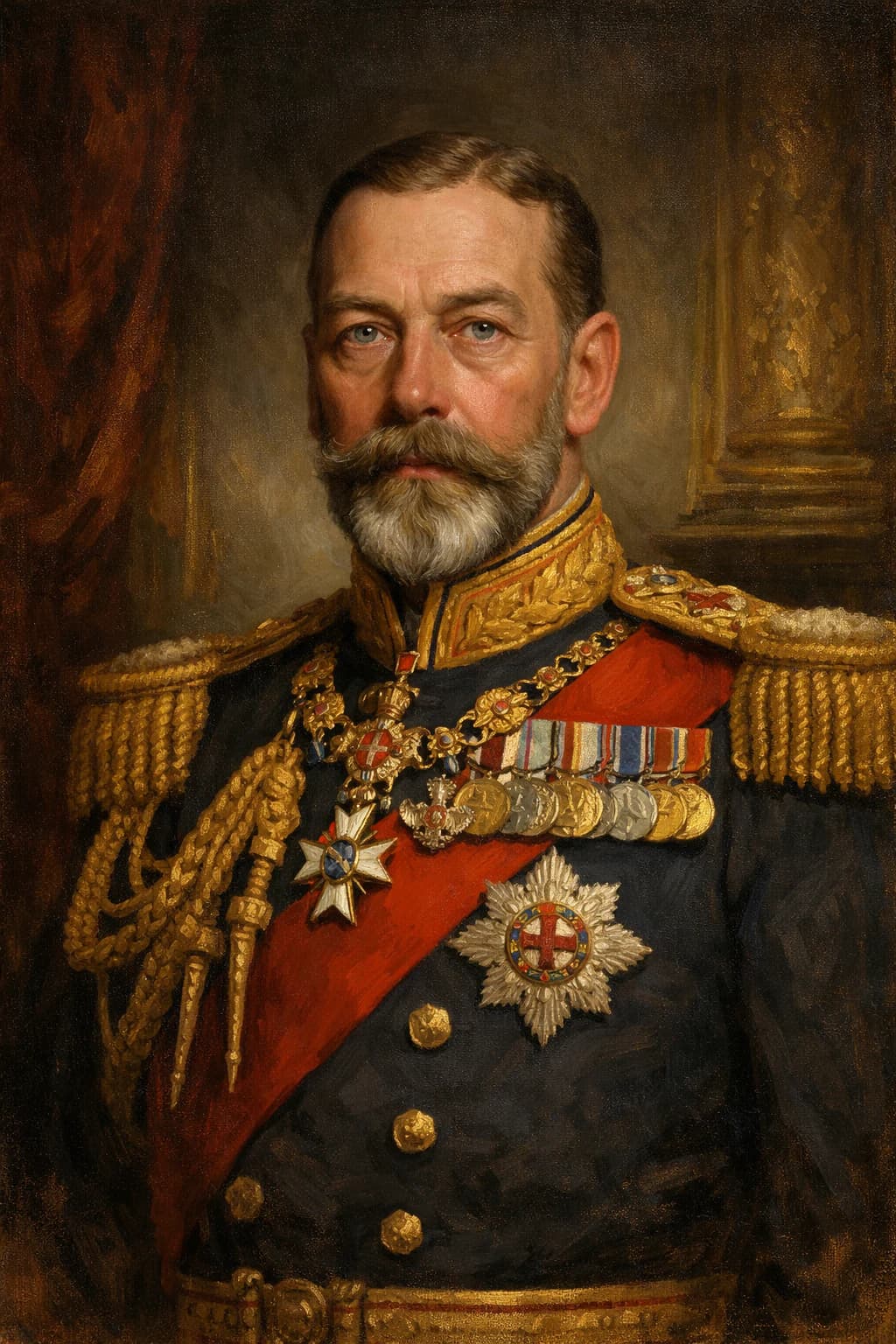
Portrait of George V
George V
1865-1936 CEUnited Kingdom
He became king as Europe moved toward war, renamed the royal house Windsor, worked with Liberal, Conservative and Labour governments, and made the monarchy look steady while empires, dynasties and economies shook around it.
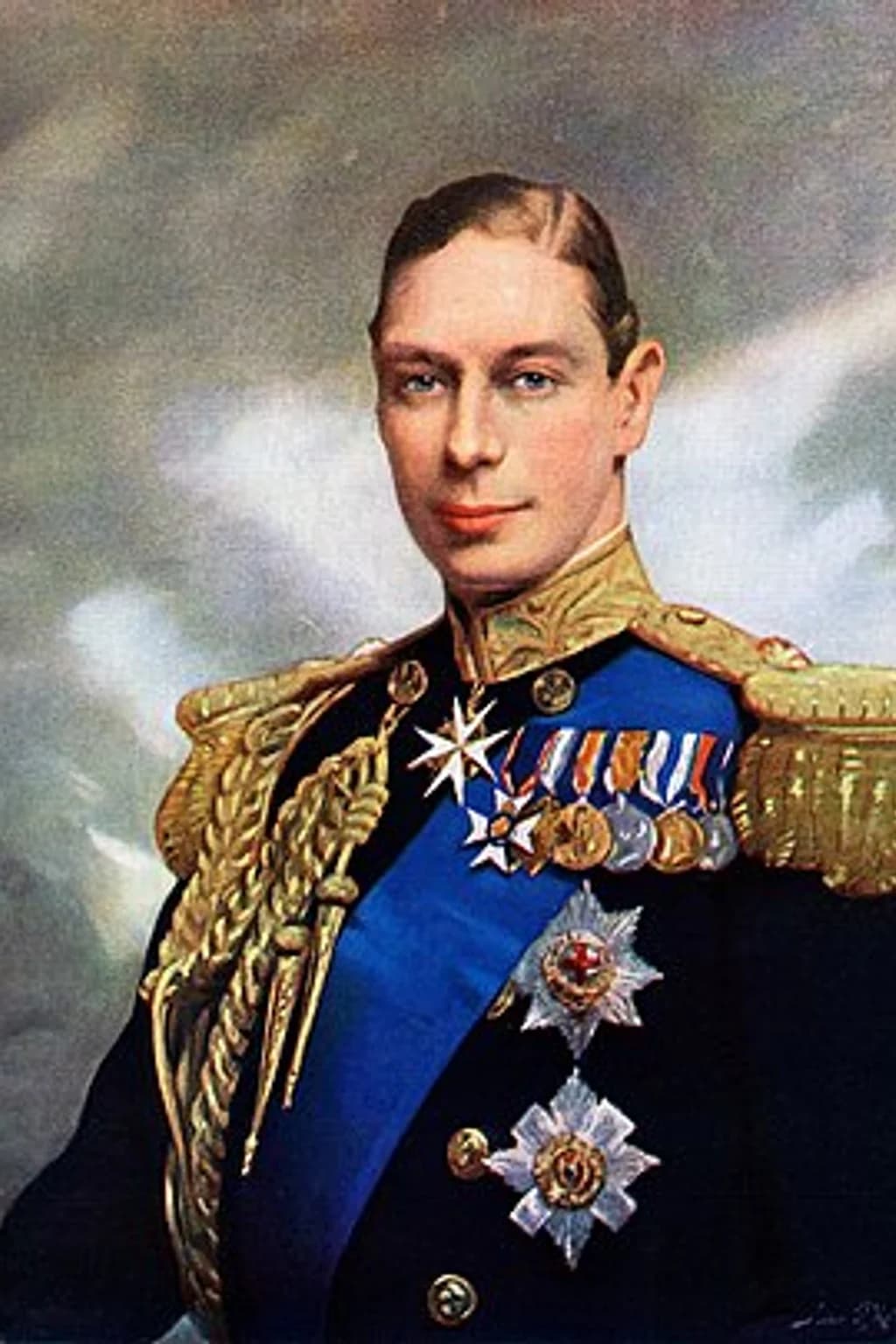
Portrait of George VI
George VI
1895-1952 CEUnited Kingdom
He became king only because his brother abdicated, fought a lifelong stammer in an age of radio, and stood with Britain through the Blitz, the Second World War and the first hard years of post-imperial change.
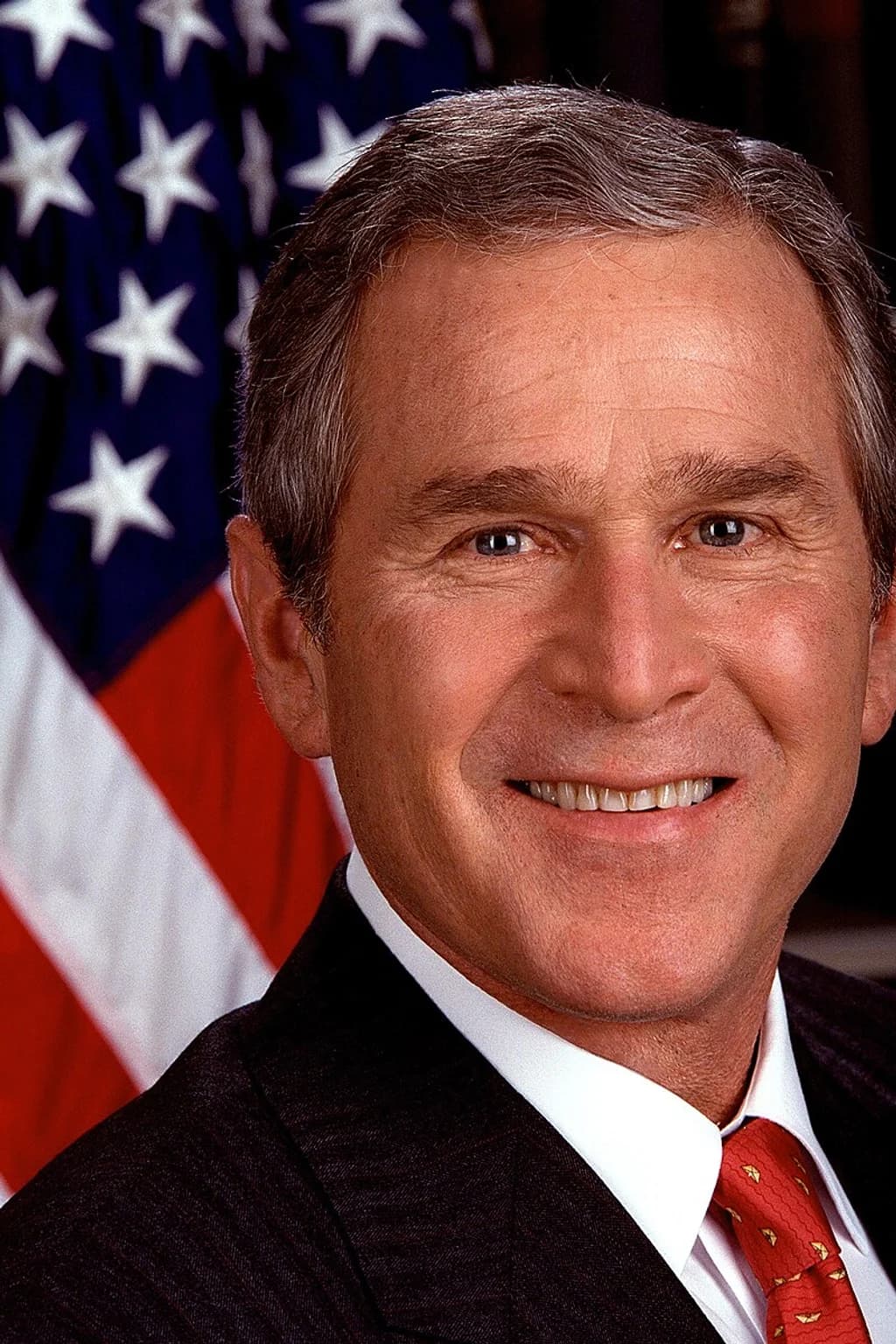
Portrait of George W. Bush
George W. Bush
Born 1946 CEUnited States
He entered office after the disputed 2000 election, was transformed by the September 11 attacks, launched the War on Terror and the invasions of Afghanistan and Iraq, then left amid financial crisis and fierce debate over American power.
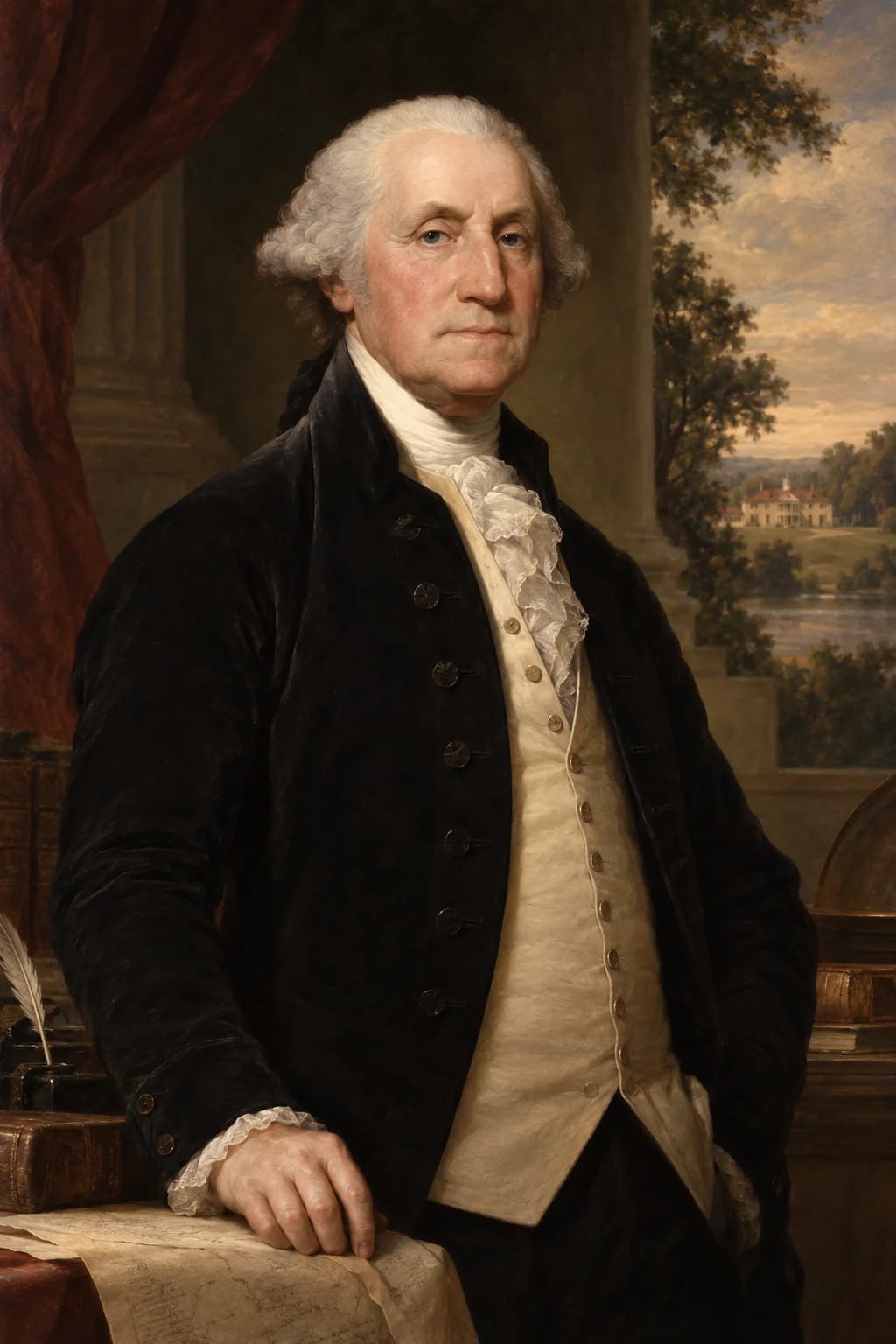
Portrait of George Washington
George Washington
1732-1799 CEUnited States
He commanded the Continental Army, helped win American independence, presided over the Constitutional Convention, became the first U.S. president, and made his greatest statement by giving power back.
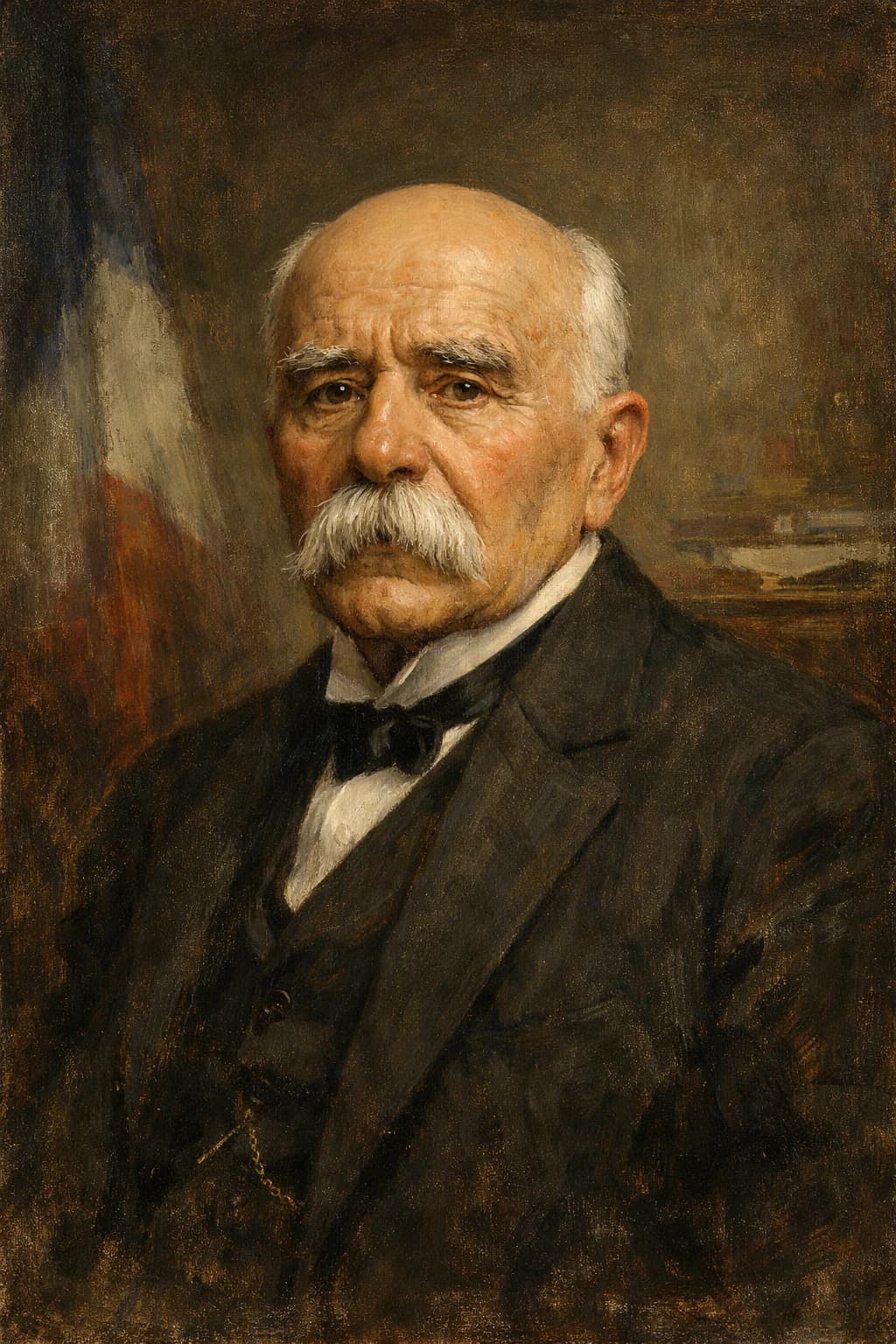
Portrait of Georges Clemenceau
Georges Clemenceau
1841-1929 CEFrance
He was the radical republican nicknamed the Tiger, a journalist, Dreyfusard and wartime premier who drove France through 1918, then fought at Versailles for security after invasion, occupation and sacrifice.
Portrait of Gerald Ford
Gerald Ford
1913-2006 CEUnited States
He became vice president and president without being elected to either office, inherited Watergate, pardoned Richard Nixon, and spent a brief presidency trying to restore trust while inflation, recession and Vietnam's aftermath battered the country.
Portrait of Gil Eanes
Gil Eanes
1390-1460 CEPortugal
He sailed beyond Cape Bojador in 1434, breaking a feared Atlantic barrier and opening the West African coast to sustained Portuguese exploration.
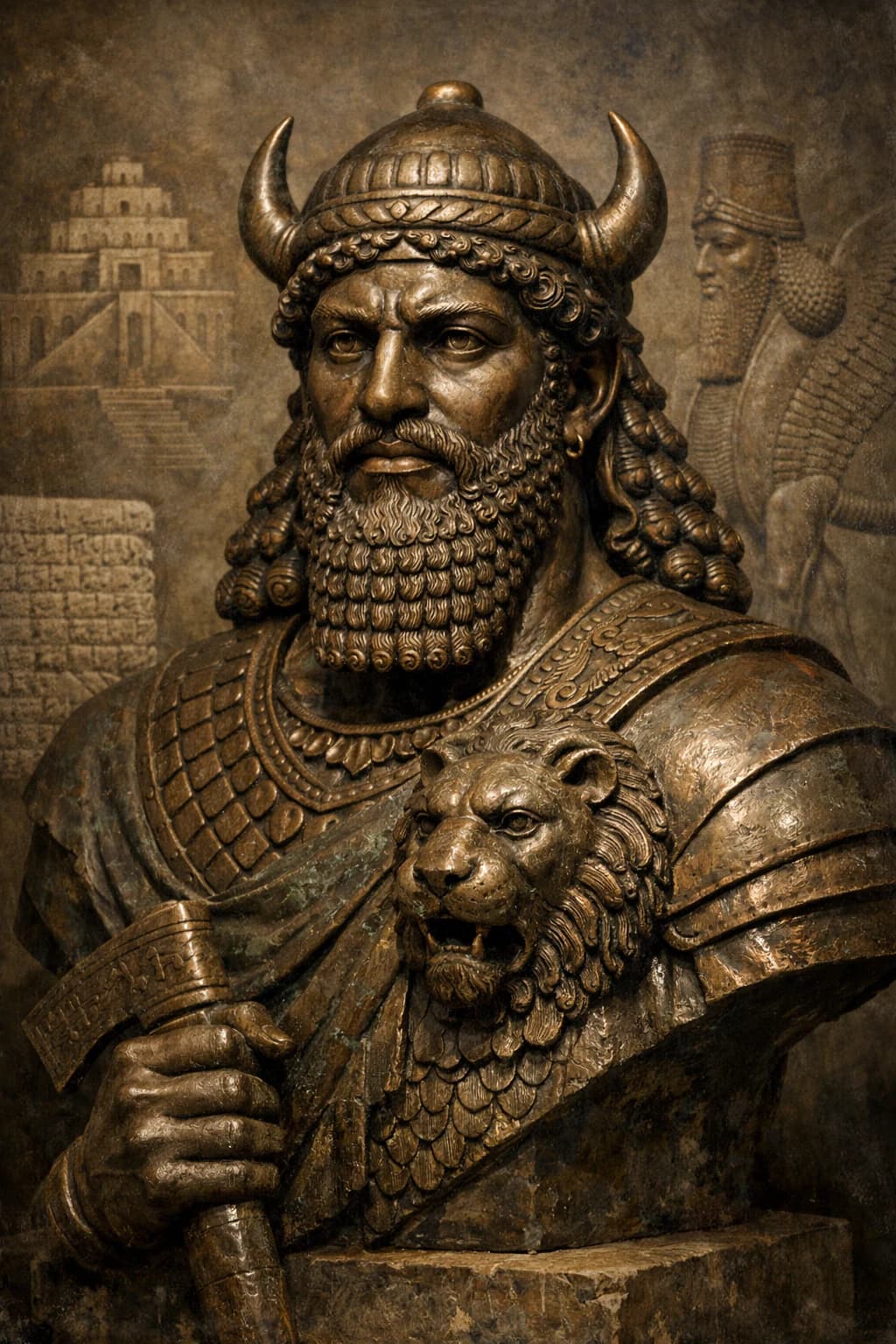
Portrait of Gilgamesh
Gilgamesh
2800-2500 BCEIraq
He was the legendary king of Uruk whose search for fame, friendship, grief, and immortality became one of humanity's oldest surviving stories.
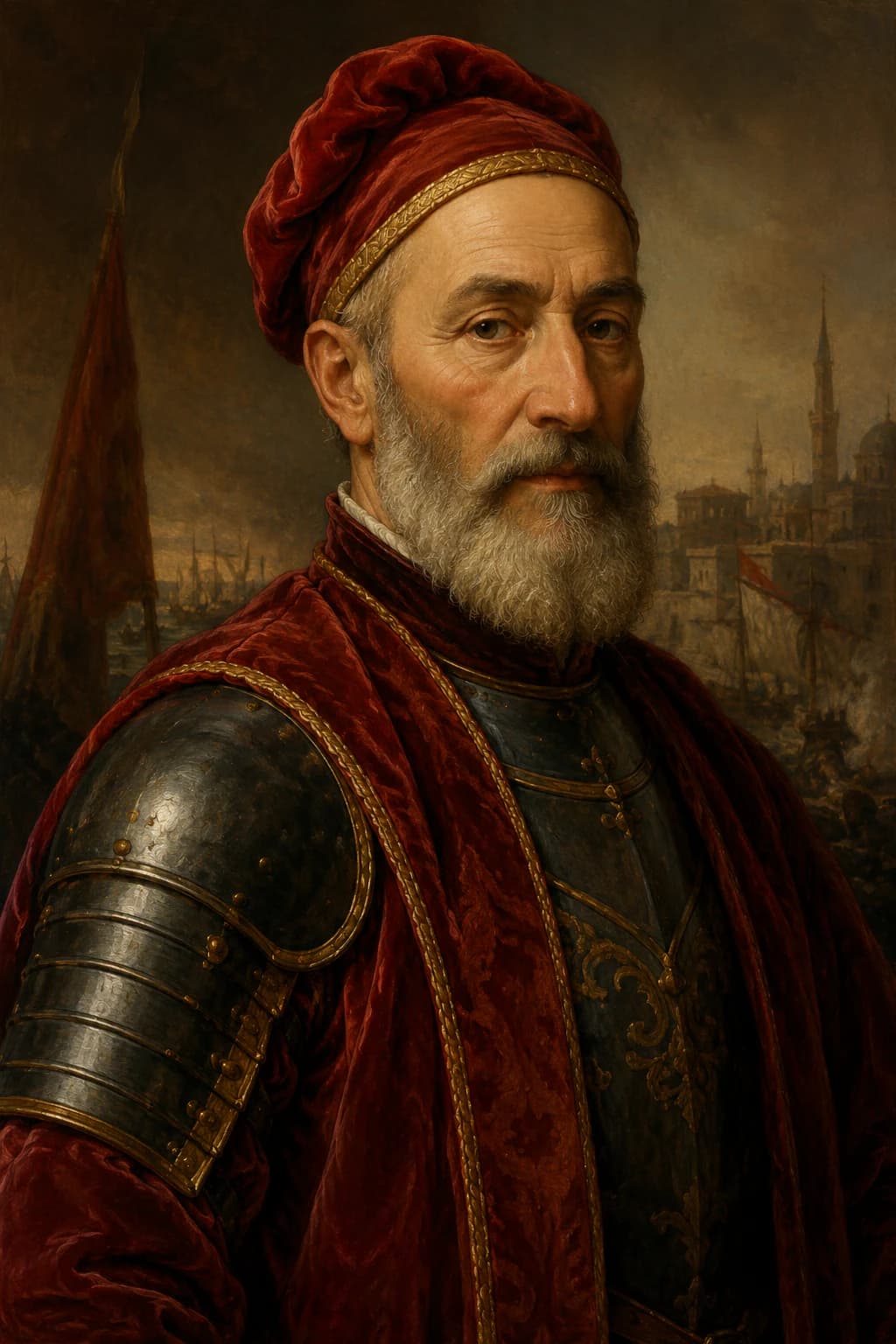
Portrait of Giovanni Giustiniani
Giovanni Giustiniani
Died 1453 CEItaly
He was a Genoese commander whose disciplined volunteers strengthened Constantinople's defenses in 1453 until his severe wound helped break morale at the walls.
Portrait of Gordon Brown
Gordon Brown
Born 1951 CEUnited Kingdom
He spent a decade shaping Britain's economy as Chancellor before becoming Prime Minister on the eve of the global financial crisis.
Portrait of Gregory I
Gregory I
540-604 CEItaly
He governed Rome through crisis, strengthened church administration, wrote enduring pastoral works, and helped turn the papacy into a practical medieval power.
Portrait of Gregory VII
Gregory VII
1015-1085 CEItaly
He challenged imperial control of the Church, excommunicated Henry IV, and made papal independence one of medieval Europe's central political questions.
Portrait of Grover Cleveland
Grover Cleveland
1837-1908 CEUnited States
He won the presidency, lost it, and won it again four years later, becoming the first U.S. President to serve two non-consecutive terms.
Portrait of Gustav Stresemann
Gustav Stresemann
1878-1929 CEGermany
He helped stabilise the Weimar Republic after hyperinflation and used diplomacy to restore Germany's place in European politics.
Portrait of Guthrum
Guthrum
830-890 CEDenmark
He nearly broke Wessex, lost to Alfred the Great at Edington, accepted baptism, and ruled East Anglia as Viking power became settled kingship.

H

32 figures
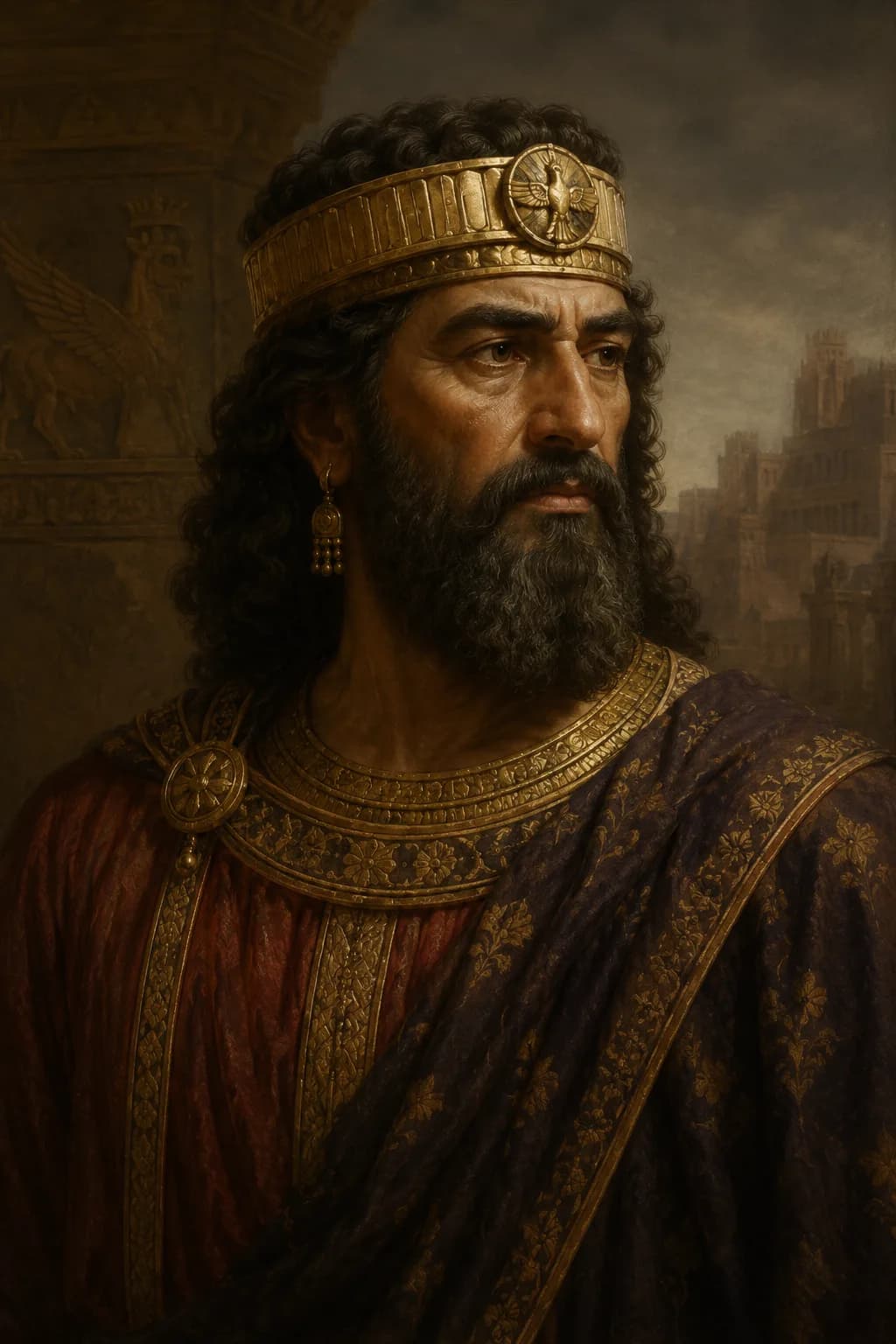
Portrait of H. H. Asquith
H. H. Asquith
1852-1928 CEUnited Kingdom
He carried Edwardian Liberalism to its greatest constitutional victories, led Britain into the First World War, and then discovered that the calm legal mind that mastered Parliament could not command a modern war machine.
Portrait of Hadrian
Hadrian
76-138 CEItaly
He inherited Rome at its widest reach, chose not to keep all of it, and turned imperial power toward frontiers, cities, law, travel, architecture, and the hard art of making conquest last.
Portrait of Hammurabi
Hammurabi
1810-1750 BCEIraq
He turned Babylon from a rising city-state into the strongest power in Mesopotamia, then carved royal justice into stone so his authority looked orderly, divine, and knowable.
Portrait of Hannibal Barca
Hannibal Barca
247-183 BCETunisia
He carried the Second Punic War into Italy, shattered Roman armies at Trebia, Trasimene, and Cannae, and proved that Rome could be beaten in battle even if it could not easily be made to surrender.
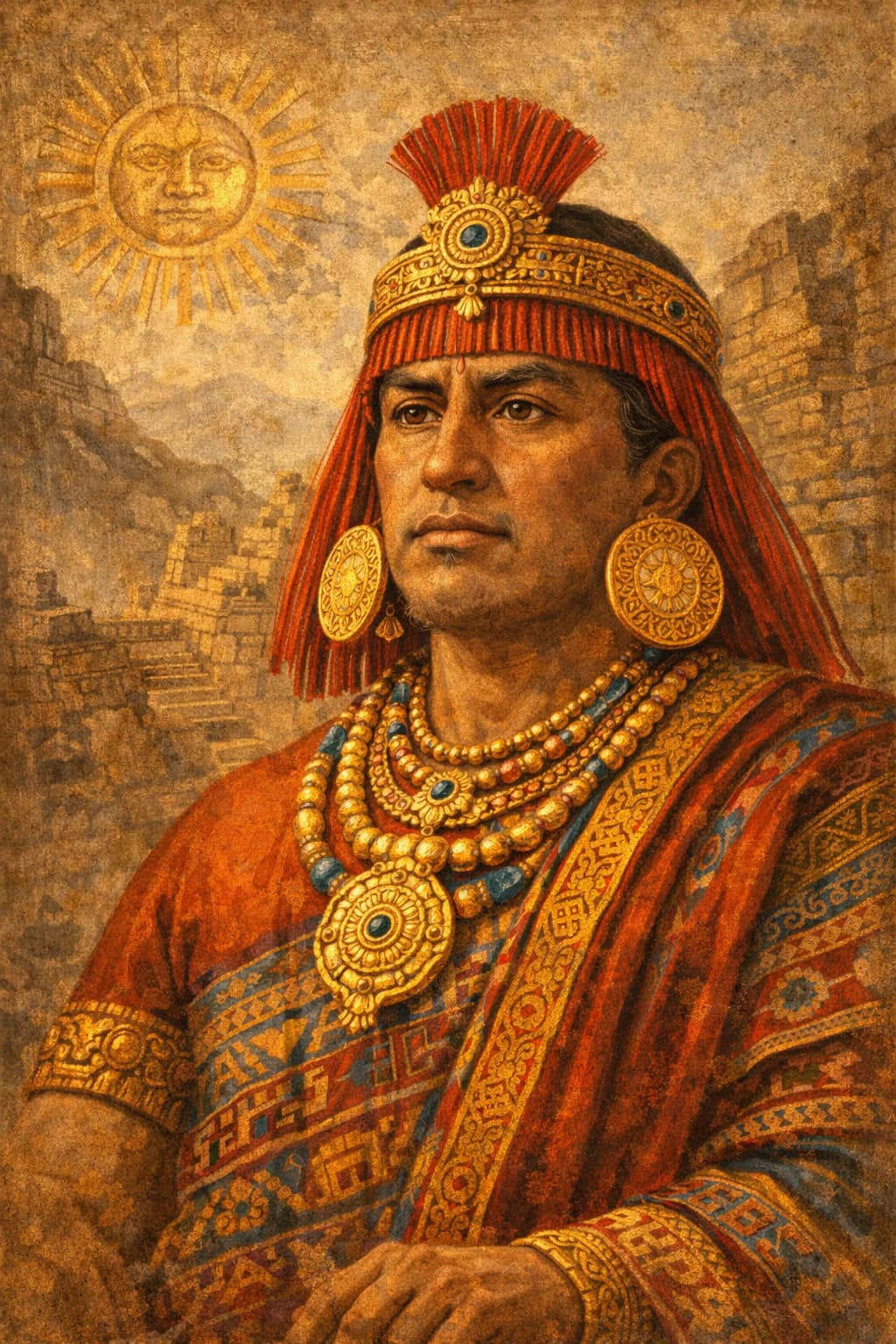
Portrait of Harald Hardrada
Harald Hardrada
1015-1066 CENorway
He fought at Stiklestad as a teenager, served the Byzantine emperor in distant campaigns, seized Norway's throne, and died at Stamford Bridge chasing the English crown.
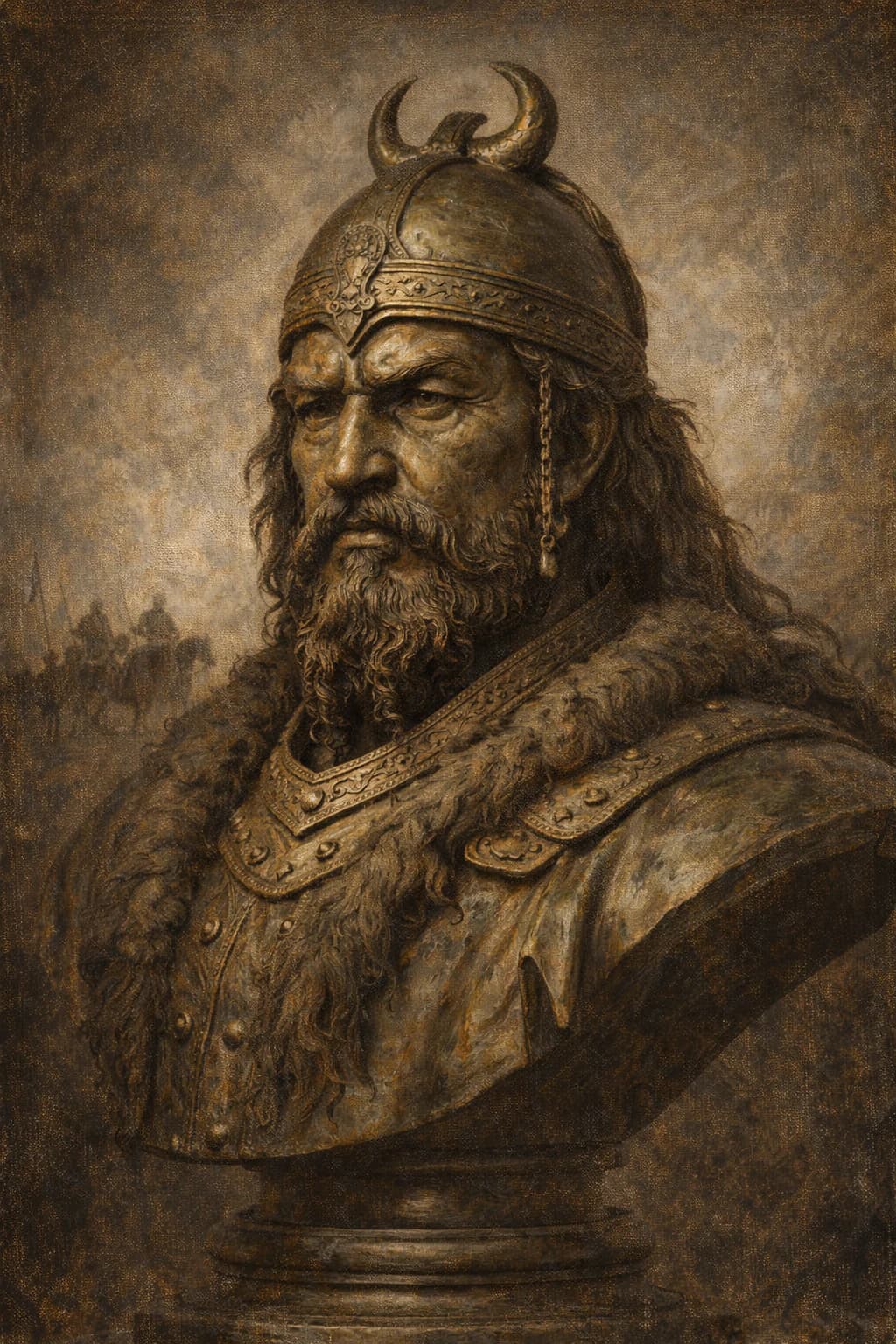
Portrait of Harold Godwinson
Harold Godwinson
1022-1066 CEUnited Kingdom
He was England's most powerful earl, became king in a disputed succession, destroyed Harald Hardrada at Stamford Bridge, and died weeks later at Hastings as Norman rule began.
Portrait of Harold Macmillan
Harold Macmillan
1894-1986 CEUnited Kingdom
He steadied Britain after Suez, presided over postwar affluence, accepted the speed of decolonisation, and learned how hard it was to keep influence when imperial power had gone.
Portrait of Harold Wilson
Harold Wilson
1916-1995 CEUnited Kingdom
He sold Britain a future of science and modernisation, won four elections, kept the country out of Vietnam, and spent much of his premiership wrestling with economic limits he could not wish away.
Portrait of Harry S Truman
Harry S Truman
1884-1972 CEUnited States
He entered the presidency with little preparation, ended the Second World War with the atomic bomb, recognised Israel, desegregated the armed forces, and built the policy of containment that shaped the Cold War.
Portrait of Hatshepsut
Hatshepsut
1507-1458 BCEEgypt
She rose from queen regent to full pharaoh, ruled Egypt through prosperity, trade, and monumental building, and then became the target of one of the ancient world's most famous attempts at erasure.
Portrait of Heinrich Himmler
Heinrich Himmler
1900-1945 CEGermany
He turned the SS from a small party guard into a vast engine of police power, racial terror, camps, and genocide, making him one of the central organisers of Nazi Germany's crimes.
Portrait of Henry Addington
Henry Addington
1757-1844 CEUnited Kingdom
He moved from the Speaker's chair to Downing Street when Pitt fell, gave Britain the brief Peace of Amiens, failed to master renewed war with Napoleon, and later became the stern Home Secretary of the postwar unrest years.
Portrait of Henry I
Henry I
1068-1135 CEUnited Kingdom
He seized England after a hunting accident, mastered the machinery of Norman rule, defeated his elder brother for Normandy, and then watched his dynasty unravel after the White Ship drowned his only legitimate son.
Portrait of Henry II
Henry II
1133-1189 CEUnited Kingdom
He inherited a kingdom damaged by civil war, built the vast Angevin empire, transformed English royal justice, and then saw his authority scarred by Thomas Becket's murder and rebellions by his own sons.
Portrait of Henry III
Henry III
1207-1272 CEUnited Kingdom
He inherited the throne as a child after King John's disaster, rebuilt royal ceremony around Westminster, and then lost control to baronial reformers whose revolt pushed England toward parliamentary government.
Portrait of Henry IV
Henry IV
1367-1413 CEUnited Kingdom
He returned from exile to reclaim his inheritance, deposed Richard II, founded the Lancastrian monarchy, and spent his reign proving that a crown taken by force had to be defended every year afterward.
Portrait of Henry John Temple, 3rd Viscount Palmerston
Henry John Temple, 3rd Viscount Palmerston
1784-1865 CEUnited Kingdom
He spent half a century at the centre of British politics, turned foreign policy into a theatre of national confidence, and became prime minister in old age as the public face of Victorian power.
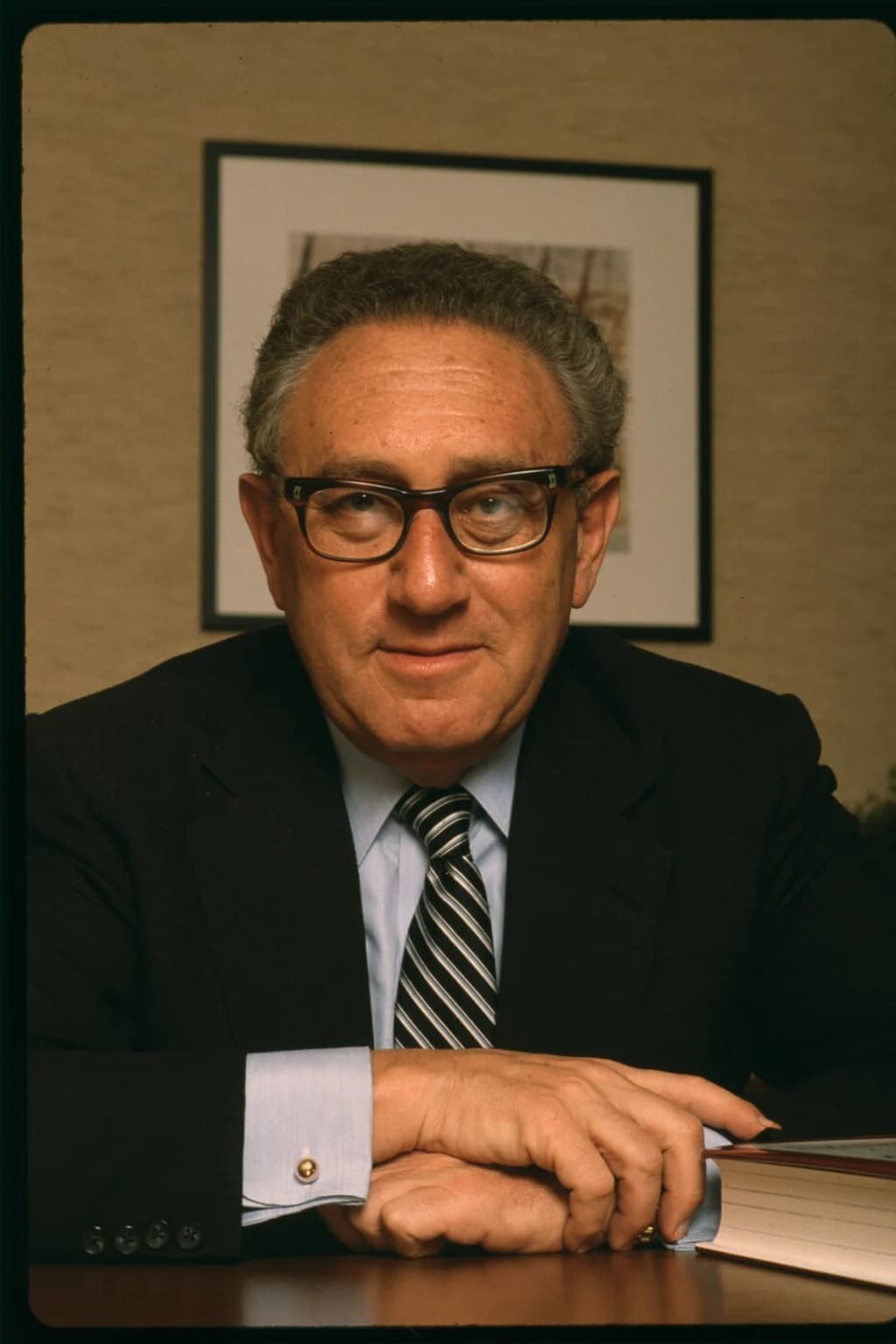
Portrait of Henry Kissinger
Henry Kissinger
1923-2023 CEUnited States
He fled Nazi Germany as a child, became America's most powerful Cold War diplomat, opened the door to China, pursued detente with the Soviet Union, and left a legacy still fought over because strategy and human cost were never far apart.
Portrait of Henry Pelham
Henry Pelham
1694-1754 CEUnited Kingdom
He was not a heroic wartime figure or a dazzling speaker, but he gave mid-18th-century Britain what it badly needed: fiscal discipline, parliamentary management, and a calmer Whig government after years of strain.
Portrait of Henry V
Henry V
1386-1422 CEUnited Kingdom
He turned a disputed Lancastrian inheritance into a warrior kingship, crushed the French at Agincourt, forced the Treaty of Troyes, and came closer than any English king to ruling both England and France.
Portrait of Henry VI
Henry VI
1421-1471 CEUnited Kingdom
He inherited England and the claim to France as a baby, grew into a devout but politically fragile king, lost the conquests of Henry V, and became the helpless centre of the Wars of the Roses.
Portrait of Henry VII
Henry VII
1457-1509 CEUnited Kingdom
He survived exile, defeated Richard III at Bosworth, married Elizabeth of York, and founded the Tudor dynasty by turning a fragile battlefield victory into a cautious, solvent, and durable monarchy.
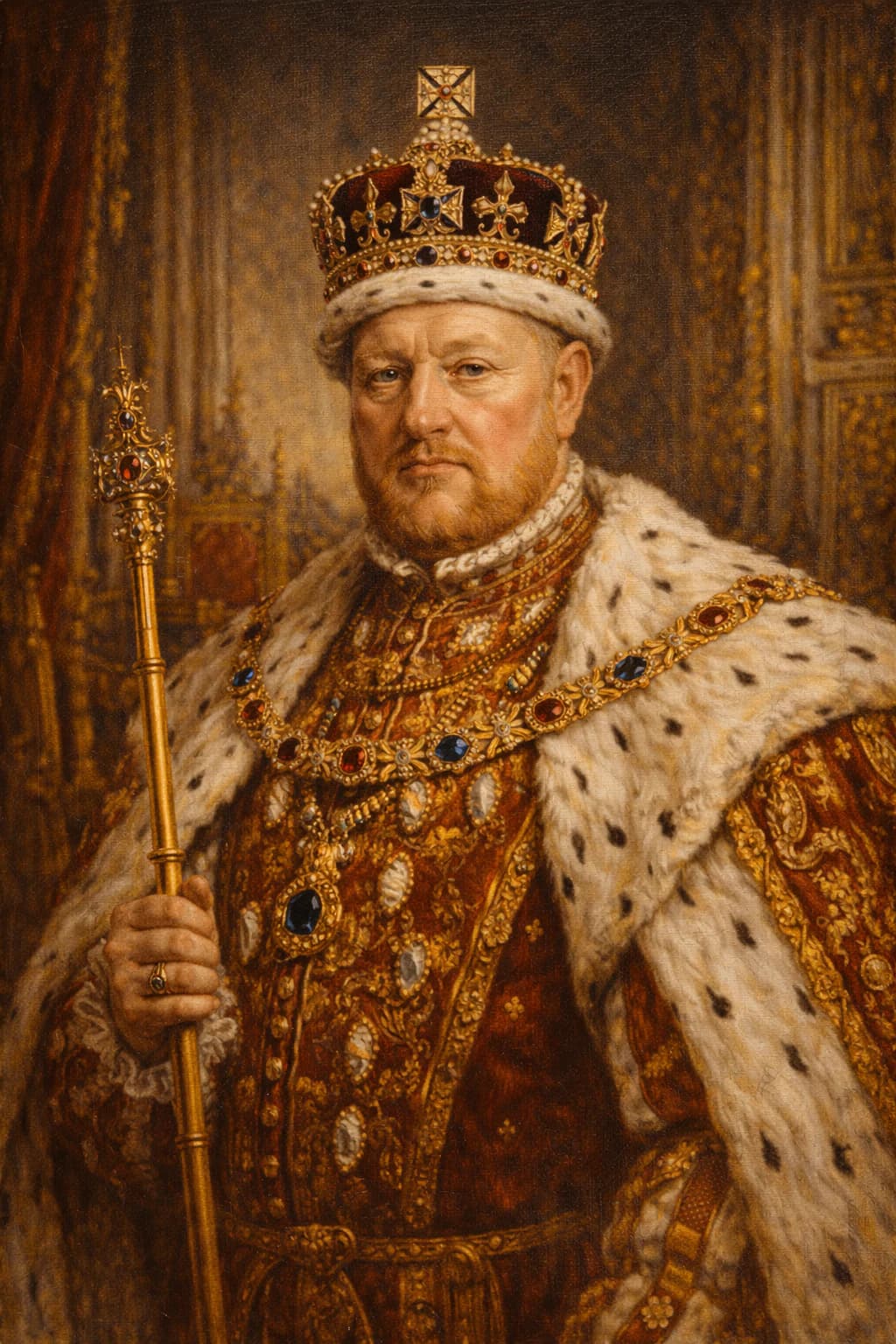
Portrait of Henry VIII
Henry VIII
1491-1547 CEUnited Kingdom
He began as a dazzling Renaissance prince, ended as a feared Tudor patriarch, and in pursuit of dynasty, obedience, and a male heir broke with Rome, dissolved the monasteries, and remade English religion and monarchy.
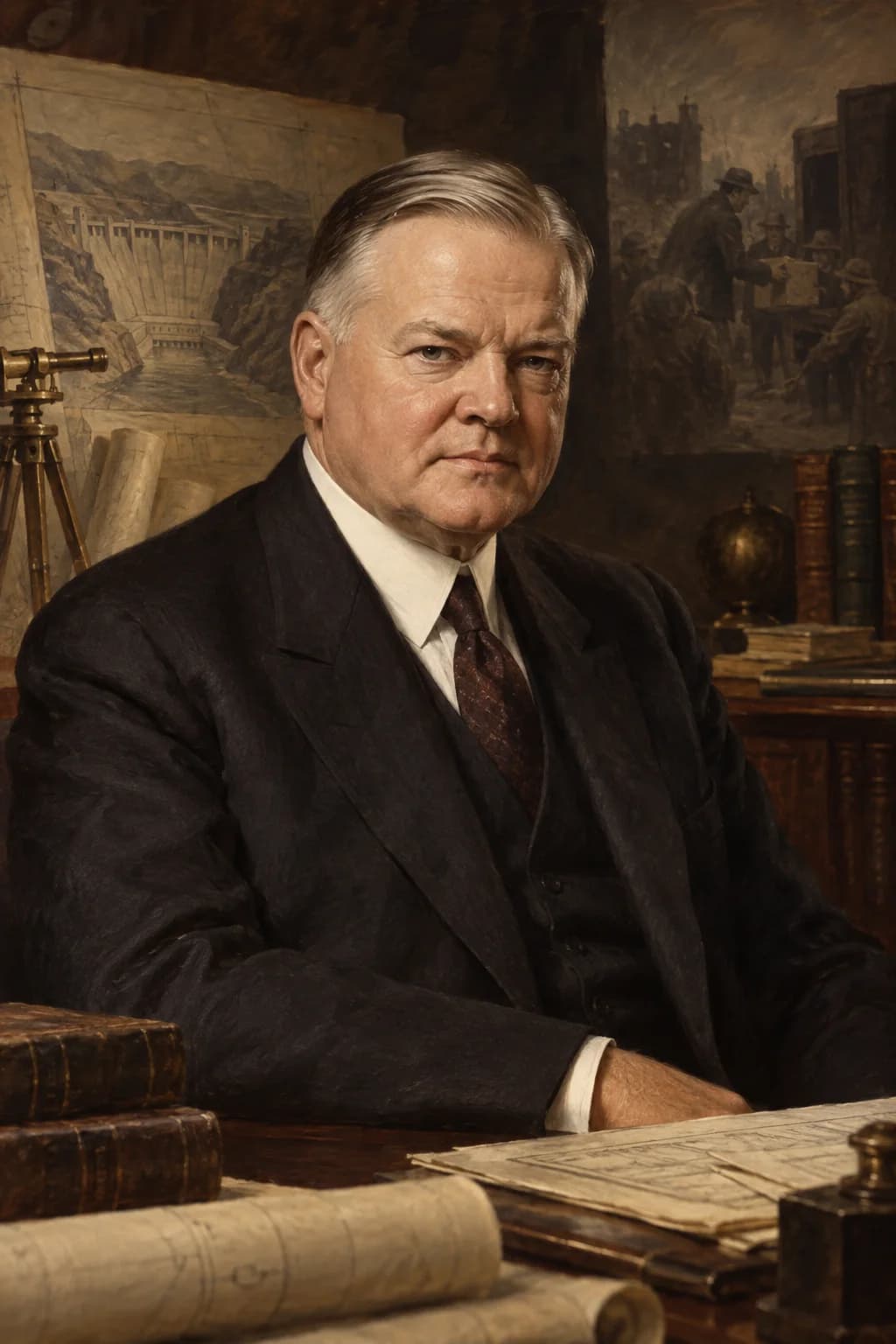
Portrait of Herbert Hoover
Herbert Hoover
1874-1964 CEUnited States
He rose from orphaned Iowa Quaker to global engineer, humanitarian hero, and 31st U.S. president, only to have the Great Depression turn his faith in voluntary cooperation into a symbol of failed leadership.
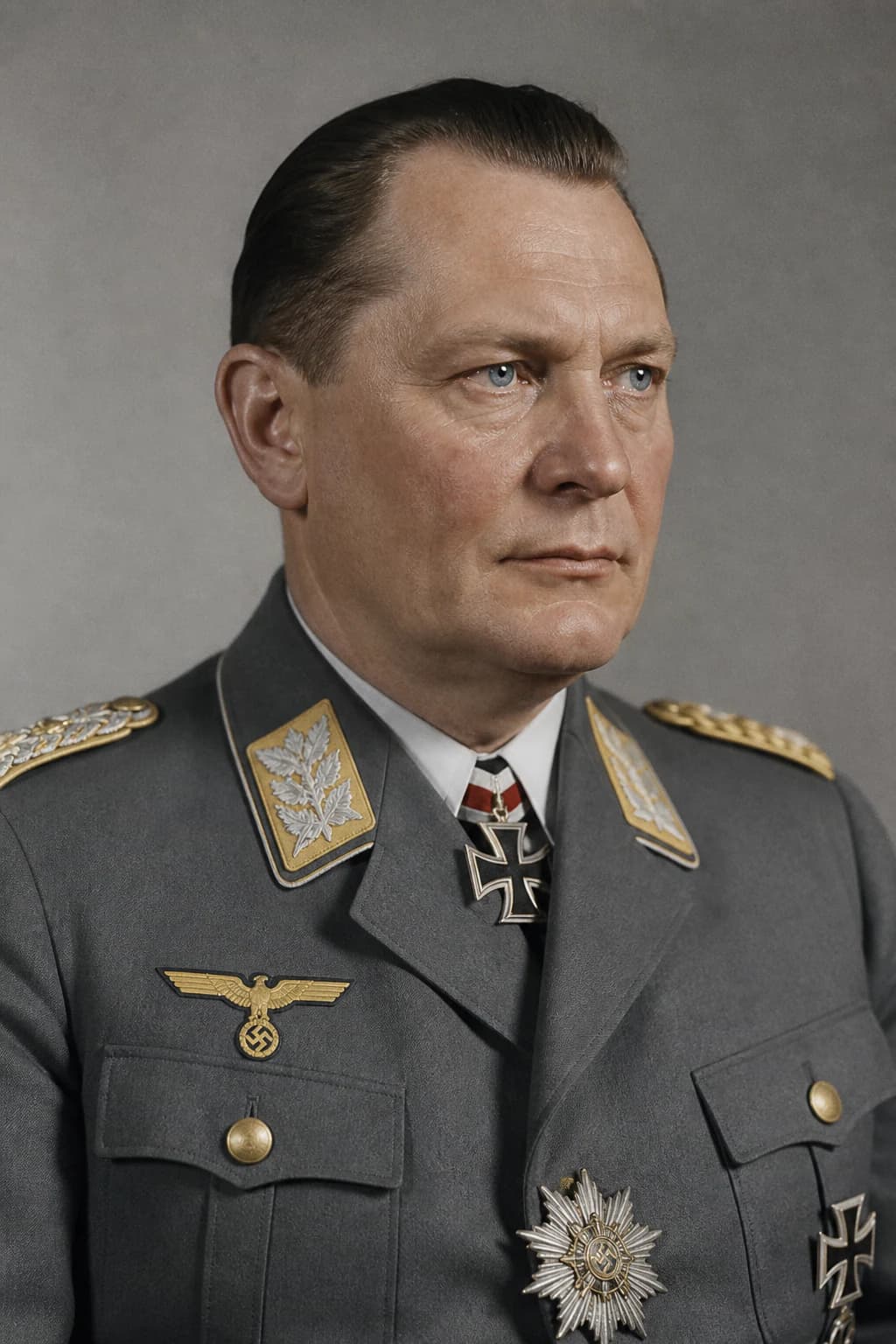
Portrait of Hermann Goering
Hermann Goering
1893-1946 CEGermany
He turned war-hero glamour into grotesque power, building the Luftwaffe, plundering Europe, and helping make Nazi violence administrative reality.
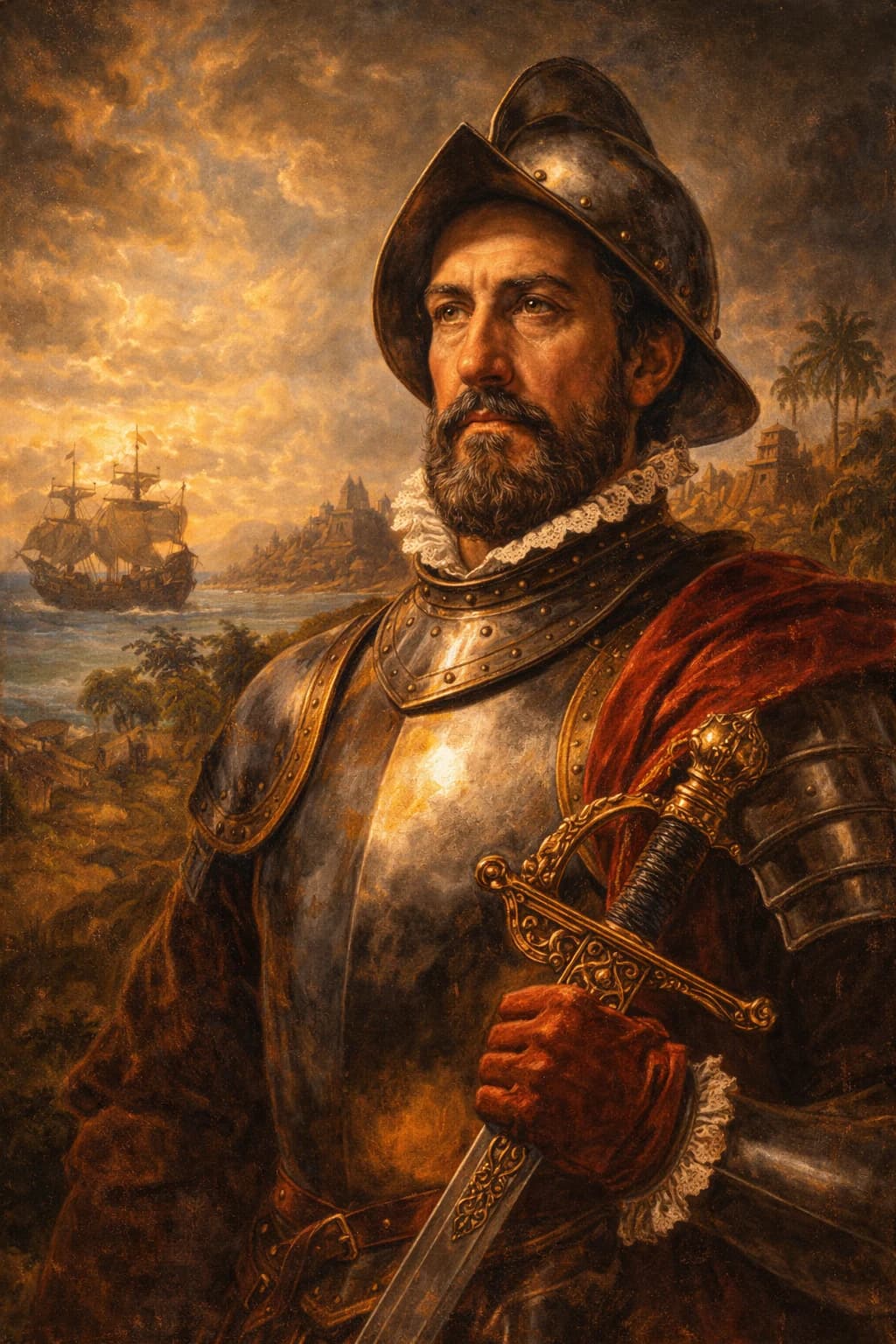
Portrait of Hernan Cortes
Hernan Cortes
1485-1547 CESpain
He defied his governor, marched inland with Indigenous allies, entered Tenochtitlan, and helped destroy the Mexica Empire, creating New Spain through ambition, diplomacy, violence, disease, and devastating colonial transformation.
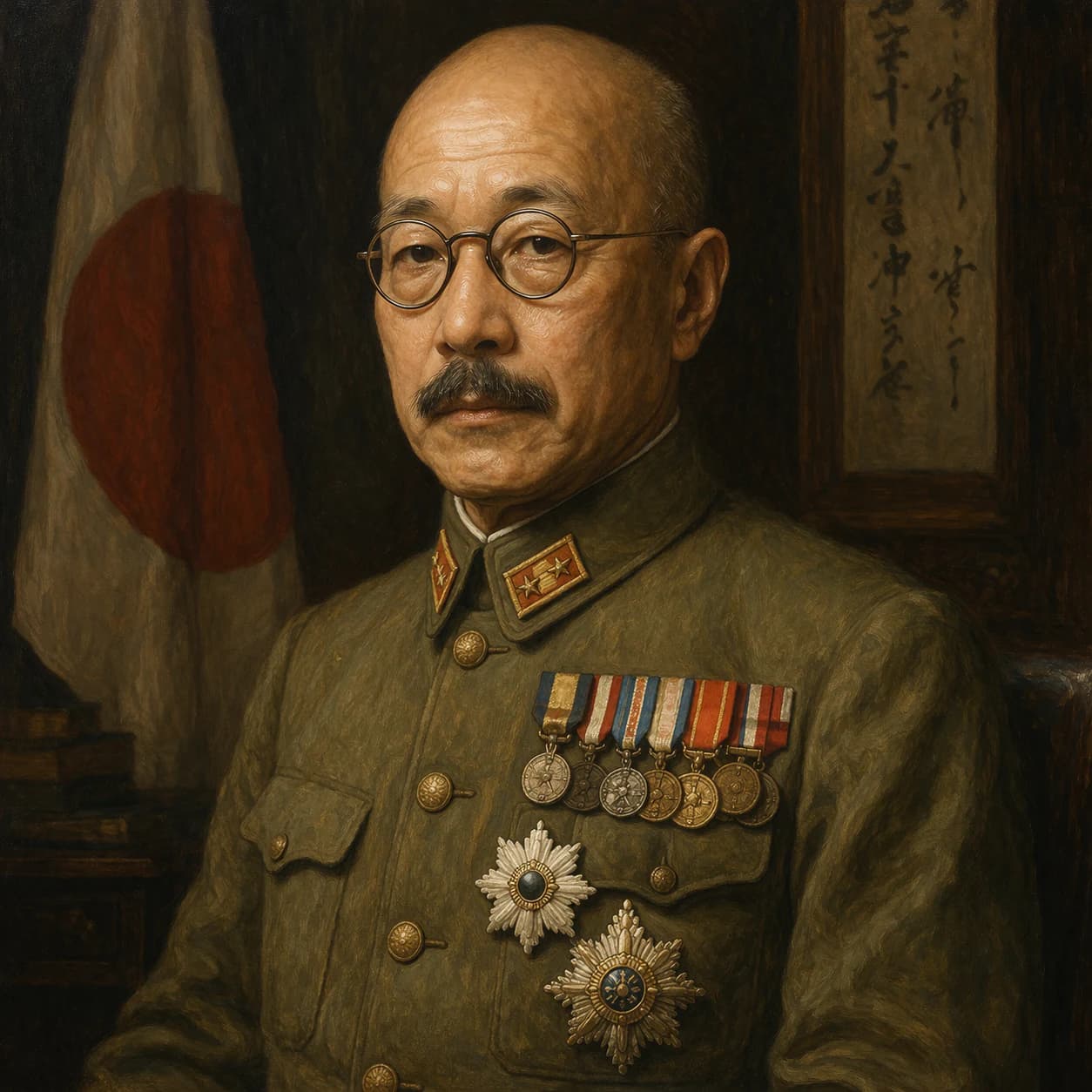
Portrait of Hideki Tojo
Hideki Tojo
1884-1948 CEJapan
He rose as a hardline army bureaucrat, became Japan's wartime prime minister in 1941, approved the road to Pearl Harbor, and ended as the most visible defendant for an imperial war that devastated Asia and Japan itself.
Portrait of Ho Chi Minh
Ho Chi Minh
1890-1969 CEVietnam
He turned a lifetime of exile, Marxist organising, and anti-colonial nationalism into Vietnam's independence struggle, defeating French empire and becoming the enduring symbol of reunification before victory arrived after his death.
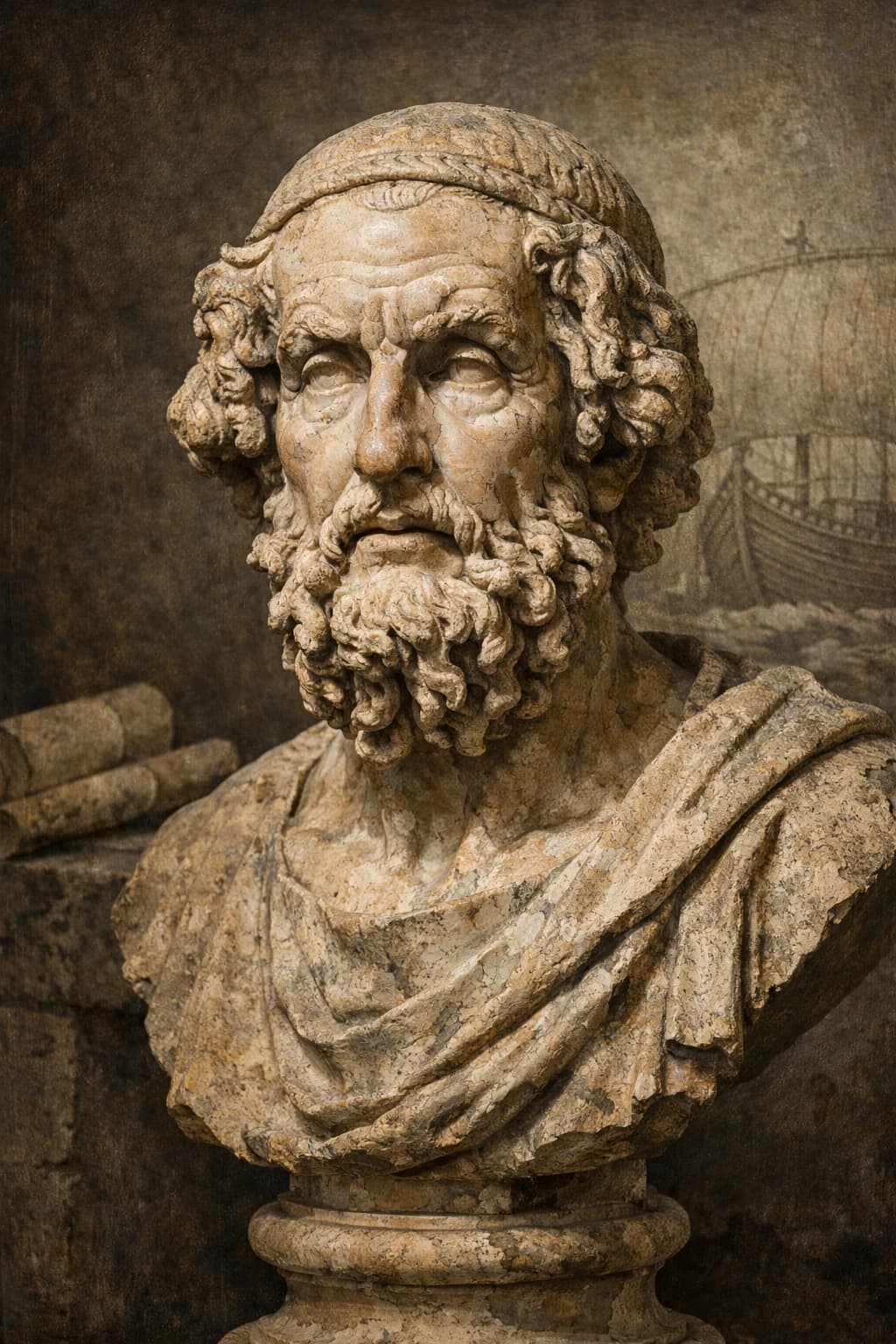
Portrait of Homer
Homer
800-701 BCEGreece
He may have been one poet, many singers, or a name given to an oral tradition, but the Iliad and the Odyssey became the deep grammar of Greek memory and Western storytelling.
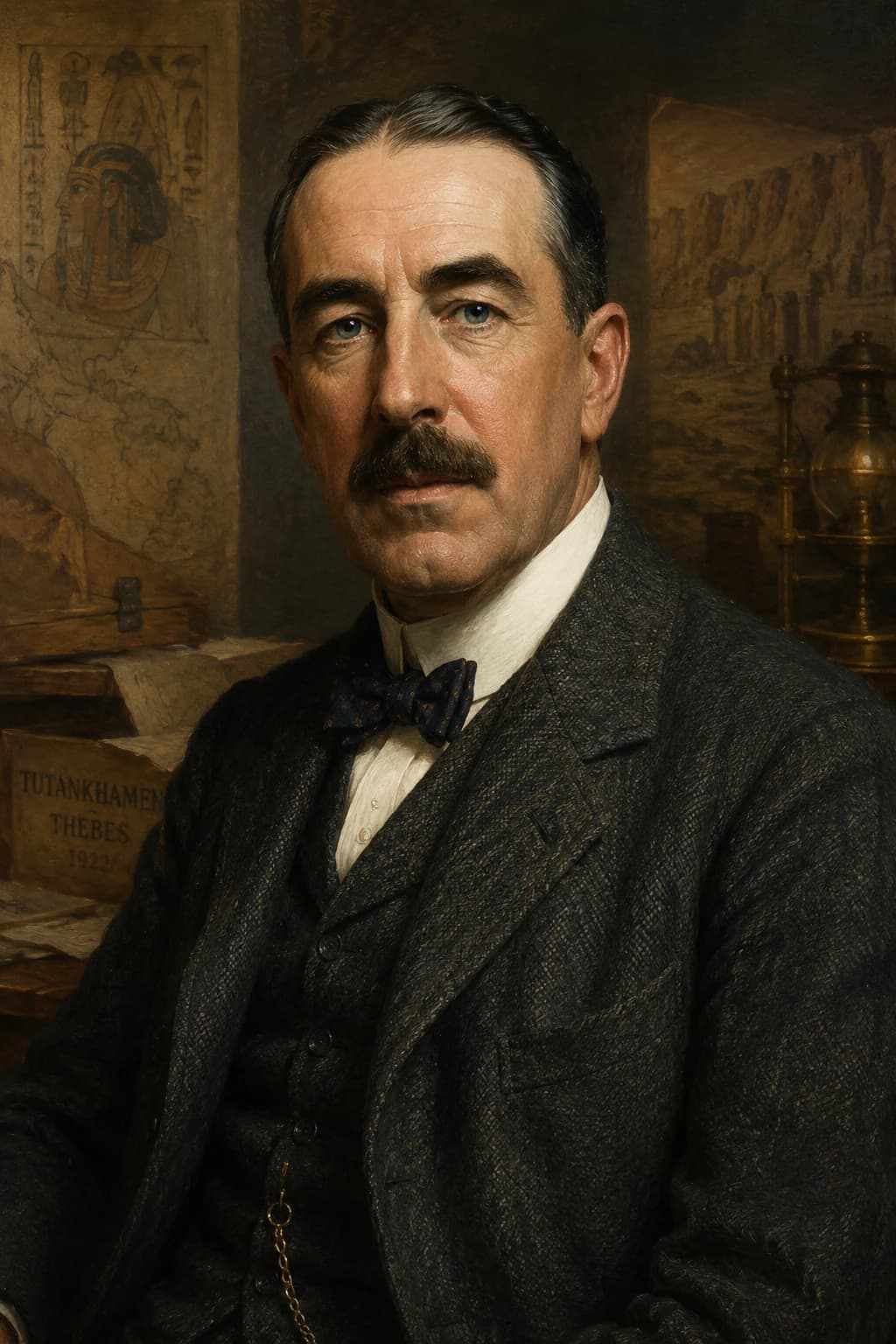
Portrait of Howard Carter
Howard Carter
1874-1939 CEUnited Kingdom
He spent years excavating in Egypt before opening Tutankhamun's tomb in 1922, a discovery that transformed Egyptology, reshaped modern fascination with ancient Egypt, and made a little-known pharaoh famous across the world.
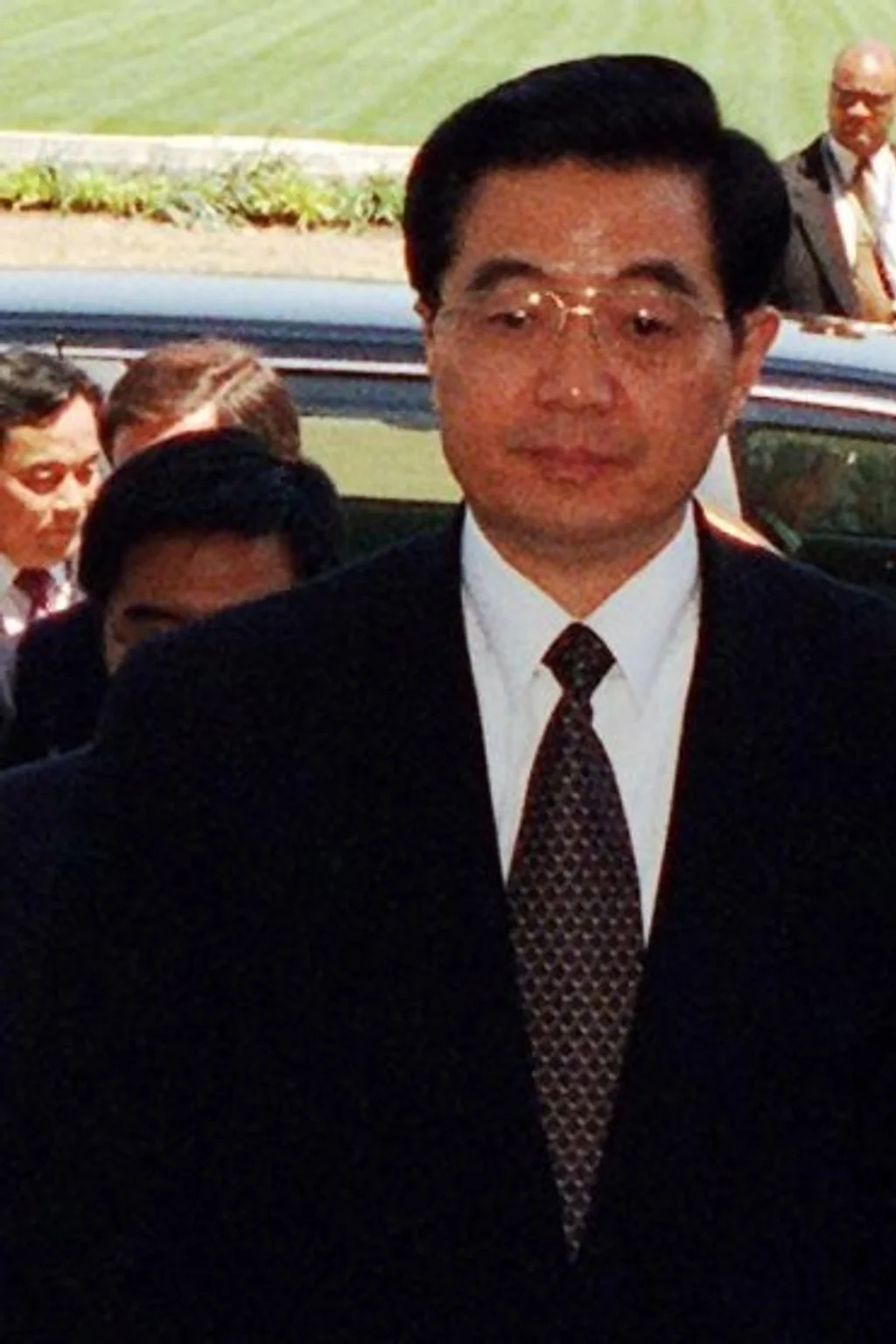
Portrait of Hu Jintao
Hu Jintao
Born 1942 CEChina
He led China through a decade of explosive growth, Olympic spectacle, global financial crisis, and quiet tightening at home, presenting technocratic calm while preserving the Communist Party's monopoly on power.
Portrait of Hugh Dowding
Hugh Dowding
1882-1970 CEUnited Kingdom
He was not the most glamorous commander in wartime Britain, but the air defence system he built helped stop Hitler's invasion plans in 1940.

I

3 figures

J

29 figures

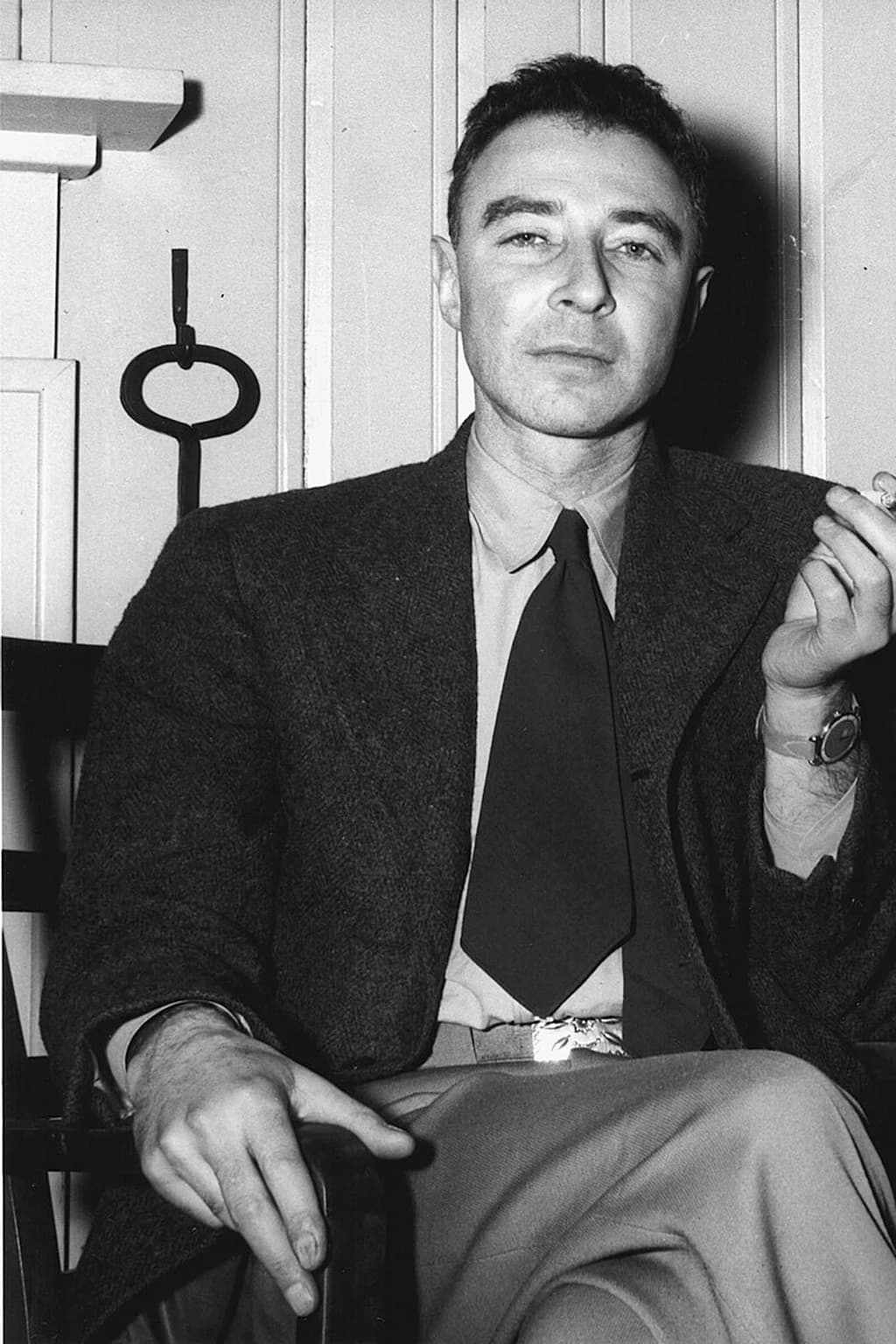
Portrait of J. Robert Oppenheimer
J. Robert Oppenheimer
1904-1967 CEUnited States
He directed the Los Alamos laboratory that built the first atomic bombs, witnessed the Trinity test in July 1945, and became the most famous scientist caught between wartime victory, nuclear fear, and Cold War suspicion.
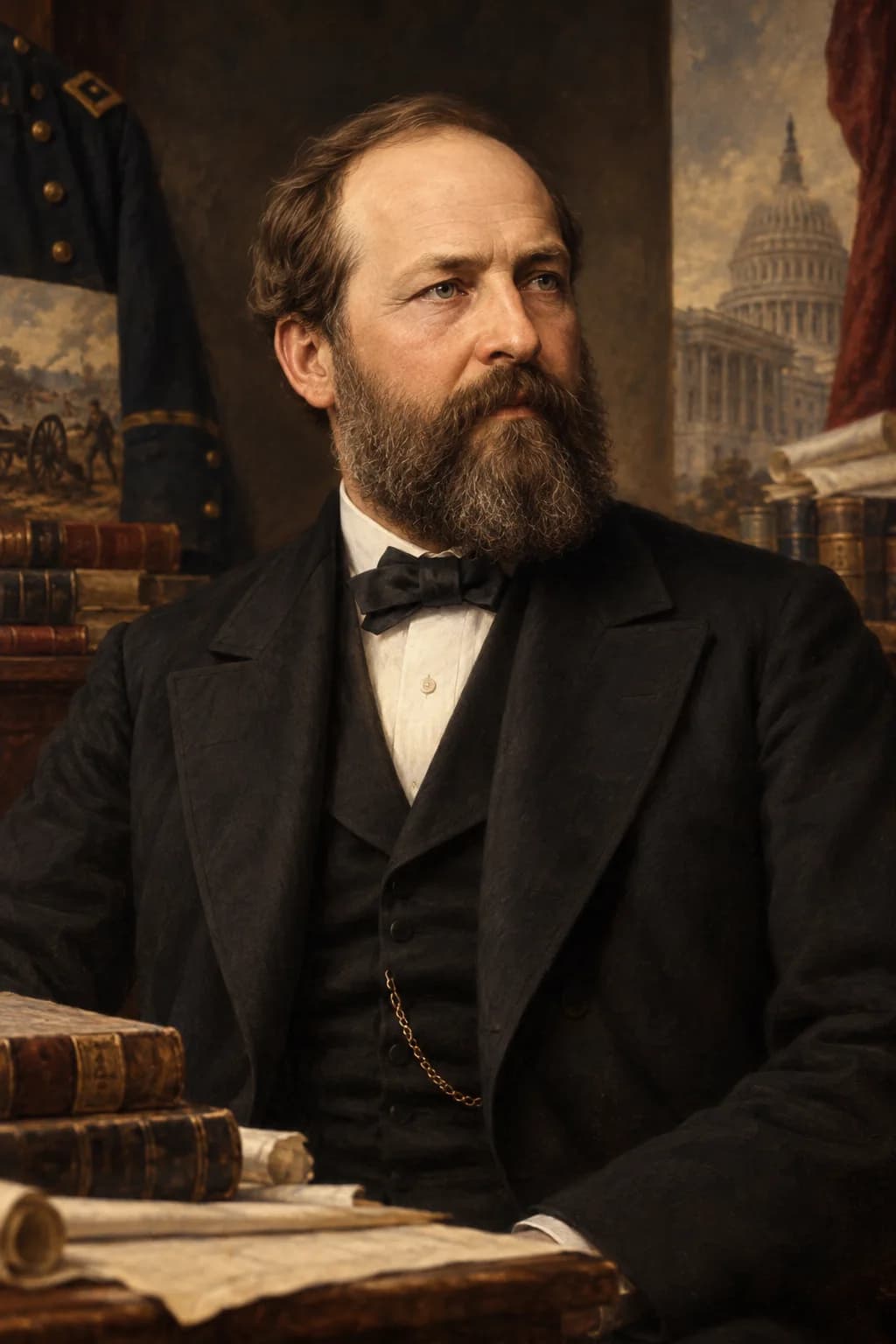
Portrait of James A Garfield
James A Garfield
1831-1881 CEUnited States
He rose from Ohio poverty to Civil War command, Congress and the presidency, then became the second U.S. president assassinated — a tragedy that helped force civil service reform.
Portrait of James Buchanan
James Buchanan
1791-1868 CEUnited States
He entered the White House as one of America's most experienced statesmen, then failed the central test of his age as slavery, secession and constitutional paralysis pulled the Union apart.
Portrait of James Callaghan
James Callaghan
1912-2005 CEUnited Kingdom
He rose from Portsmouth hardship to become Britain's only holder of all four great offices of state, but his premiership was overwhelmed by inflation, union conflict and the Winter of Discontent.
Portrait of James I
James I
1566-1625 CEUnited Kingdom
He survived Scotland's violent court politics, became James VI and I in 1603, sponsored the King James Bible and left his son a monarchy already straining against Parliament.
Portrait of James II
James II
1633-1701 CEUnited Kingdom
He came to the throne with Tory support and military confidence, then lost England, Scotland and Ireland in under four years by pushing Catholic toleration through royal power too fast for a Protestant political nation to accept.
Portrait of James K Polk
James K Polk
1795-1849 CEUnited States
He promised a one-term presidency, drove the United States to the Pacific, cut tariffs, restored an independent treasury and left office exhausted — successful, ruthless and deeply consequential.
Portrait of James Madison
James Madison
1751-1836 CEUnited States
He helped design the Constitution, wrote much of The Federalist, introduced the Bill of Rights and then, as president, watched the War of 1812 test the republic he had built.
Portrait of James Monroe
James Monroe
1758-1831 CEUnited States
He fought in the Revolution, helped secure the Louisiana Purchase, presided over the Era of Good Feelings and gave his name to the Monroe Doctrine, a defining statement of American power in the Americas.
Portrait of James Watt
James Watt
1736-1819 CEUnited Kingdom
He spent years improving a machine that already existed — the adjustments he made were so significant that the world still measures power in his name.
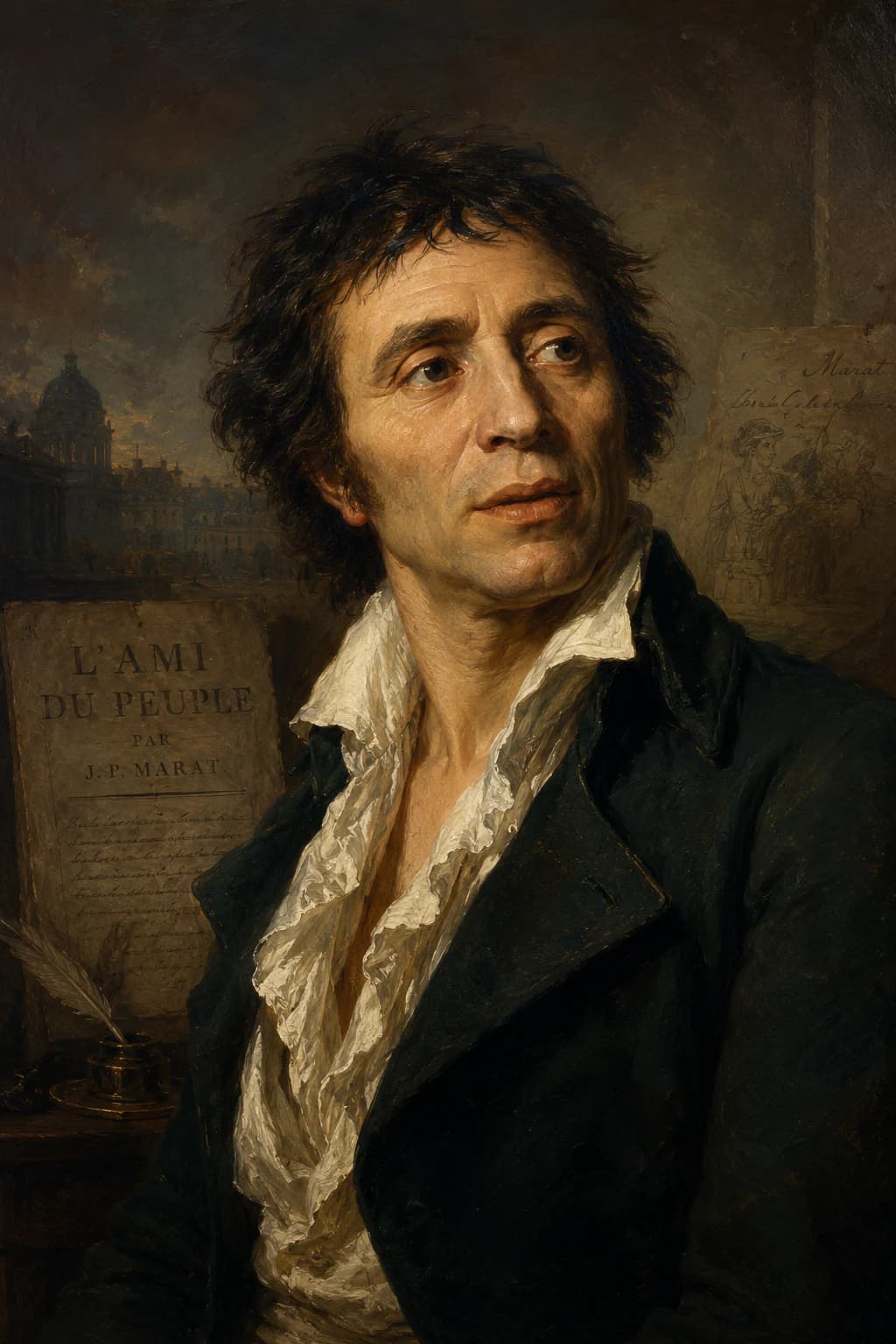
Portrait of Jean-Paul Marat
Jean-Paul Marat
1743-1793 CEFrance
He turned journalism into a weapon of revolution, spoke for the angry streets of Paris, and became a martyr when Charlotte Corday killed him in his bath.
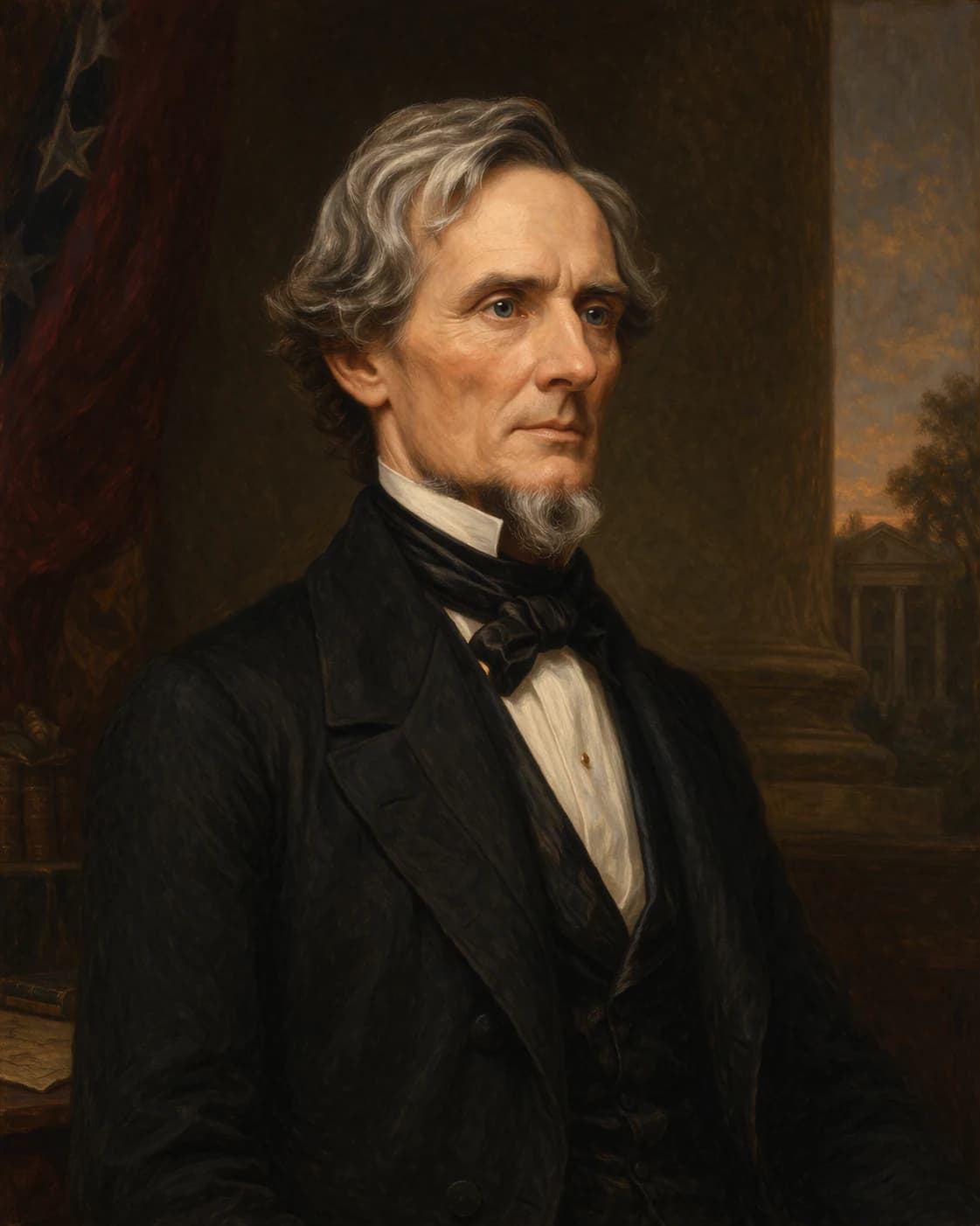
Portrait of Jefferson Davis
Jefferson Davis
1808-1889 CEUnited States
He left the U.S. Senate to become the Confederacy's only president, led a slaveholding republic through defeat, and spent the rest of his life defending a cause built on secession and slavery.
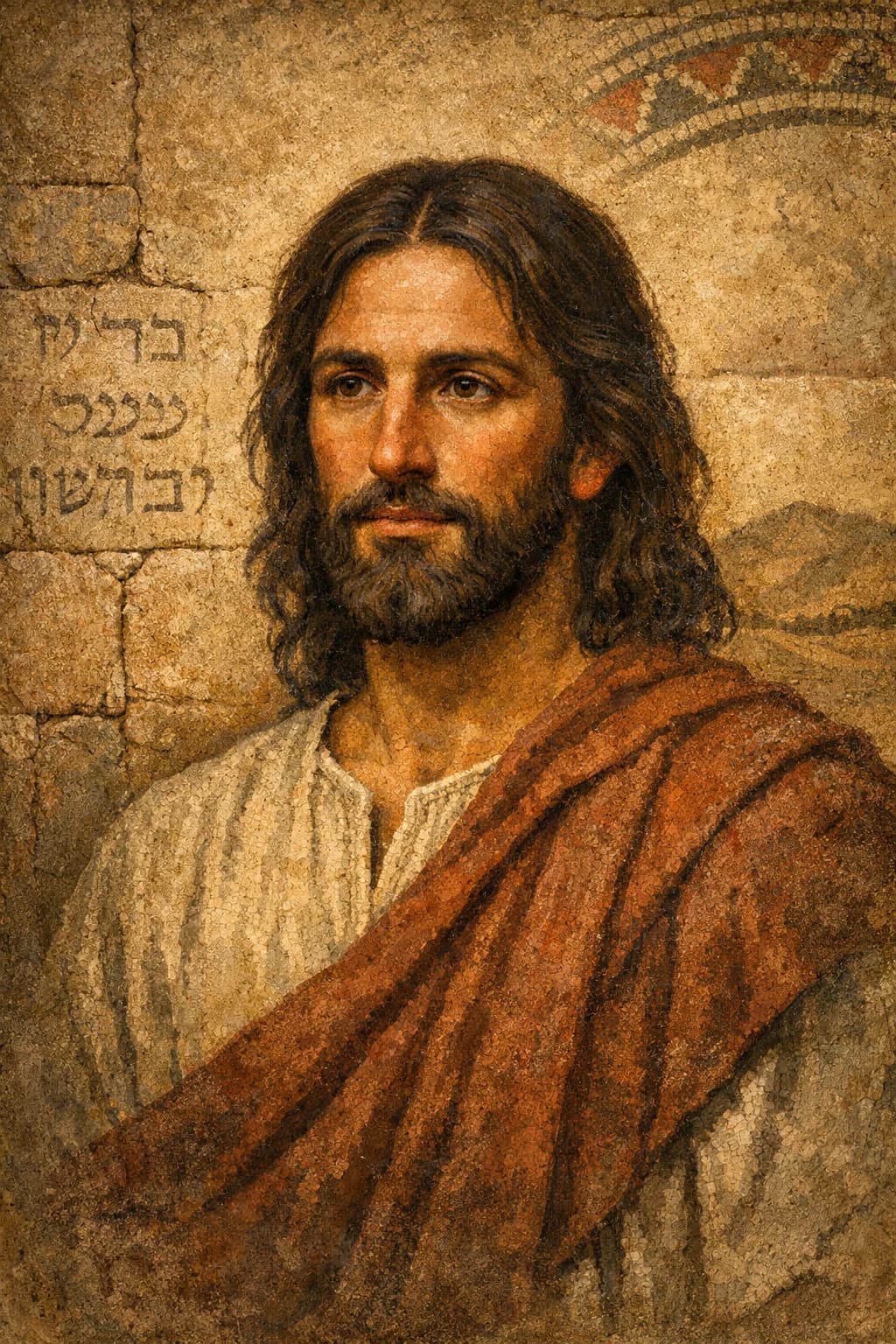
Portrait of Jesus of Nazareth
Jesus of Nazareth
4 BCE-30 CEIsrael
He taught in Roman-ruled Galilee and Judea, announced the kingdom of God, was crucified under Pontius Pilate, and became the central figure of Christianity, the world's largest religion.
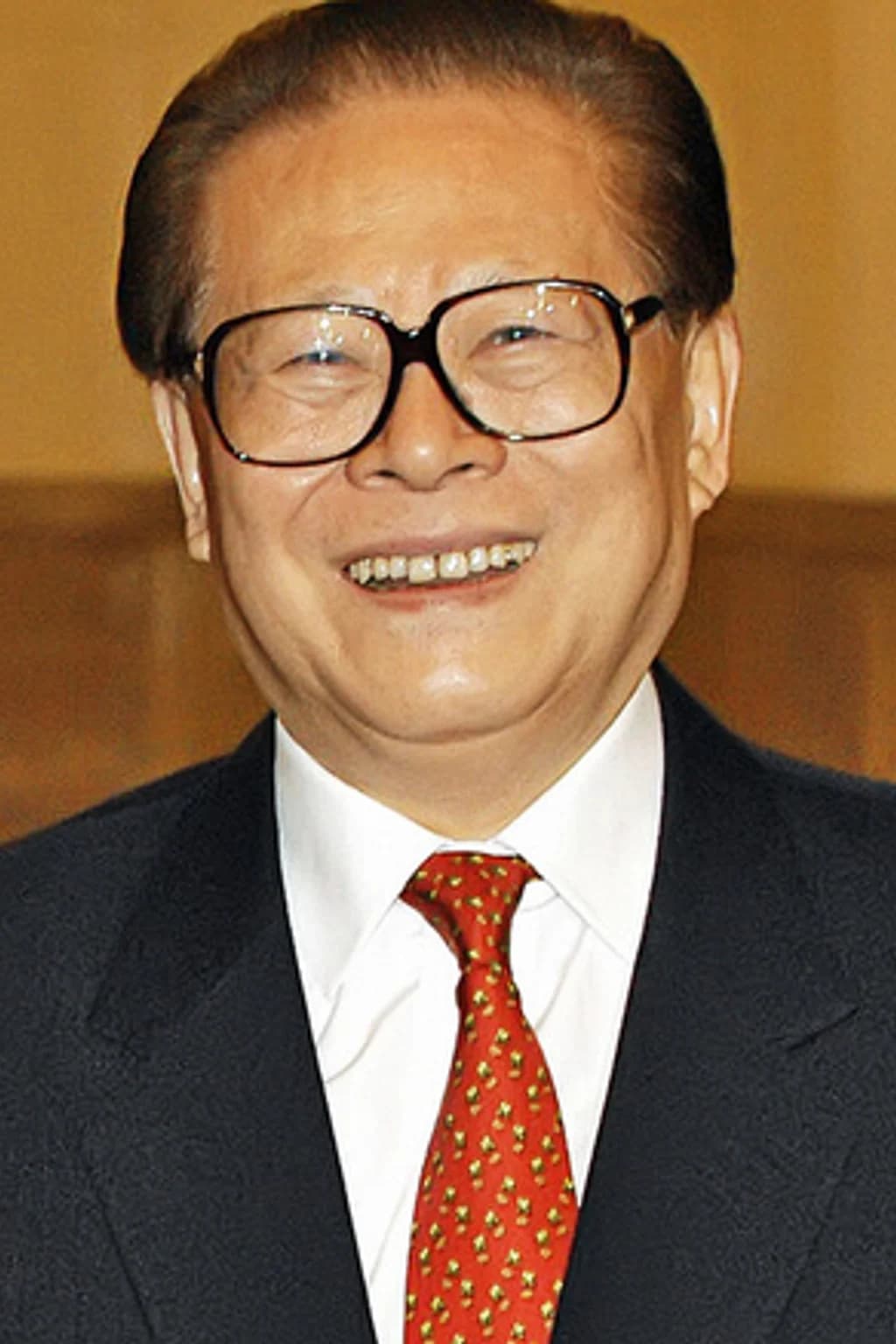
Portrait of Jiang Zemin
Jiang Zemin
1926-2022 CEChina
He was lifted from Shanghai to China's top leadership after Tiananmen, then oversaw market acceleration, Hong Kong's handover, WTO entry and a party-state determined to modernise without political liberalisation.
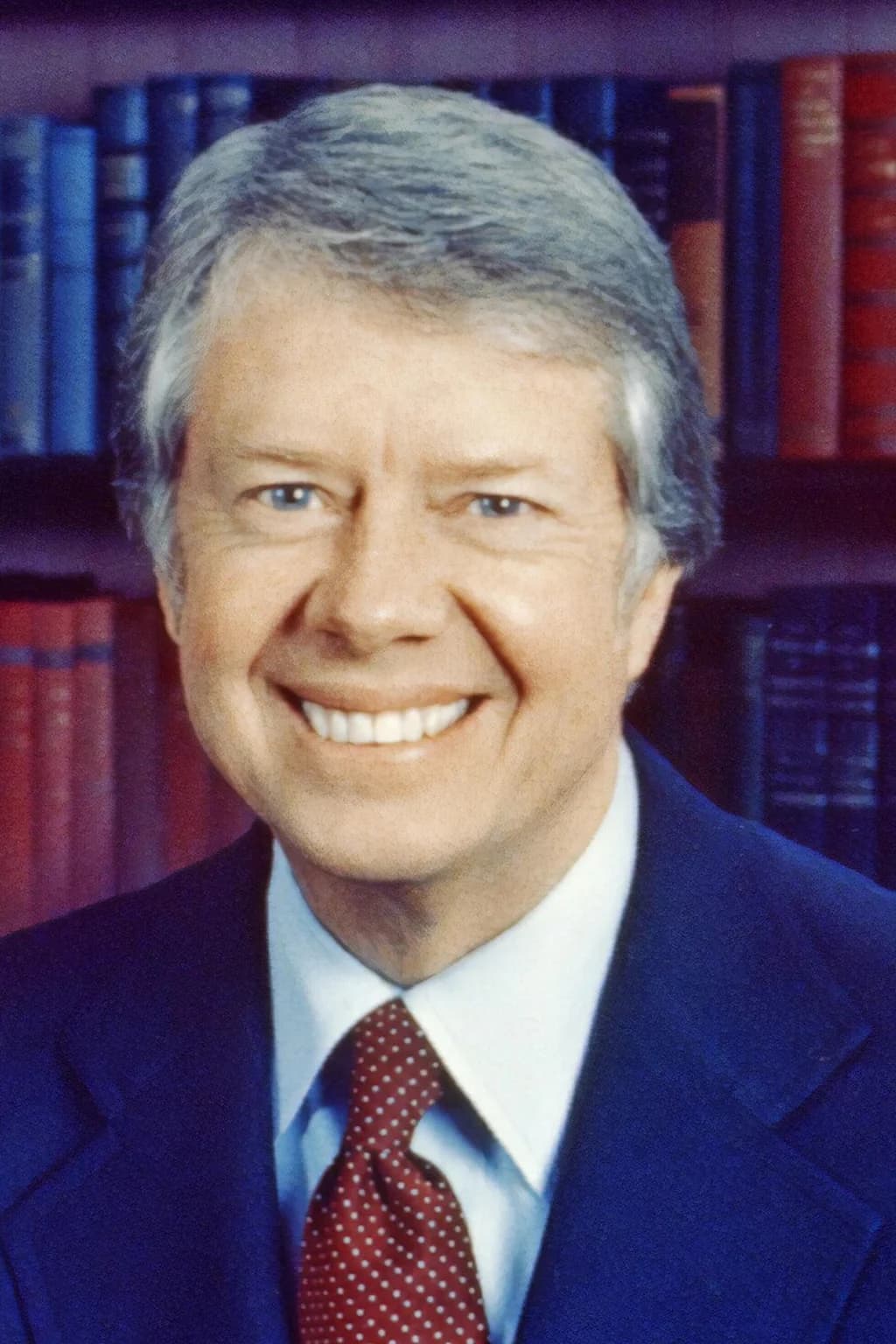
Portrait of Jimmy Carter
Jimmy Carter
1924-2024 CEUnited States
He won the presidency after Watergate promising honesty, brokered the Camp David Accords, struggled with inflation and Iran, then built the most admired post-presidency in modern American history.
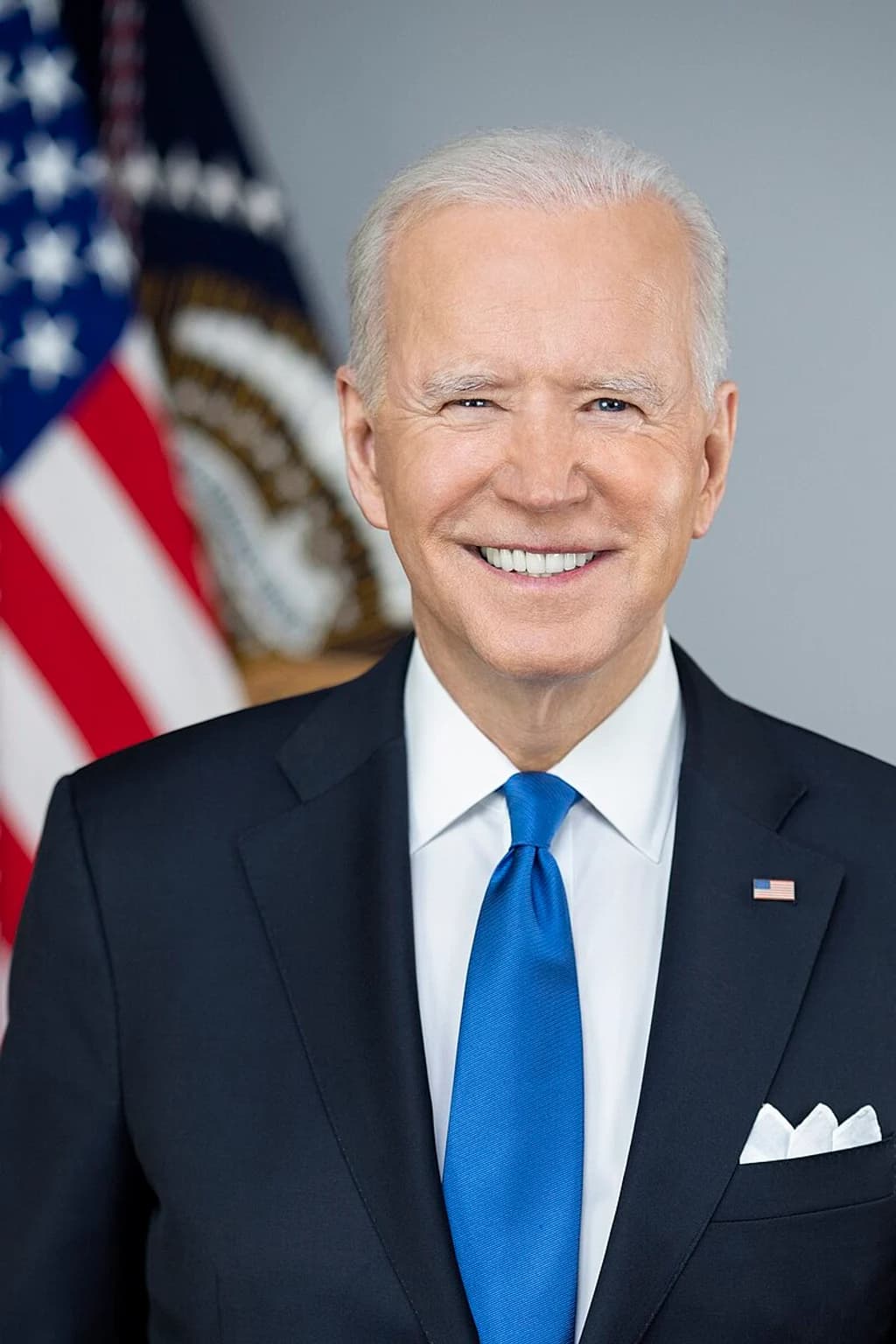
Portrait of Joe Biden
Joe Biden
Born 1942 CEUnited States
He spent decades in the Senate, served as Barack Obama's vice president, defeated Donald Trump in 2020, then governed through pandemic recovery, Ukraine's defense and intense partisan division before leaving office in 2025.
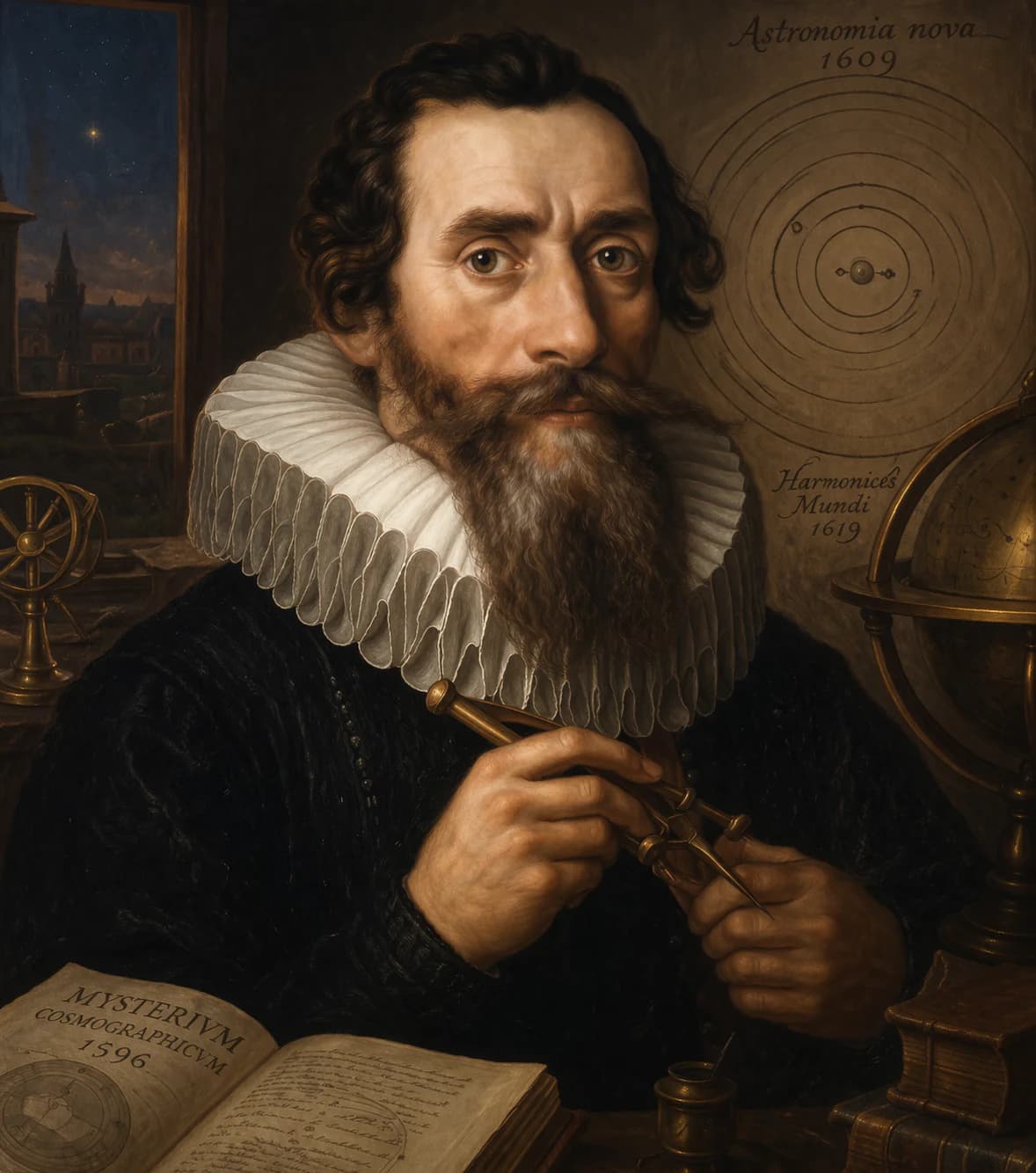
Portrait of Johannes Kepler
Johannes Kepler
1571-1630 CEGermany
He turned Tycho Brahe's unmatched observations into three laws of planetary motion, replacing perfect circles with ellipses and giving Newton the mathematical road toward gravity.
Portrait of John
John
1166-1216 CEUnited Kingdom
He lost Normandy, alienated the Church, taxed England hard, was forced to seal Magna Carta in 1215, and turned royal failure into one of history's great limits on power.
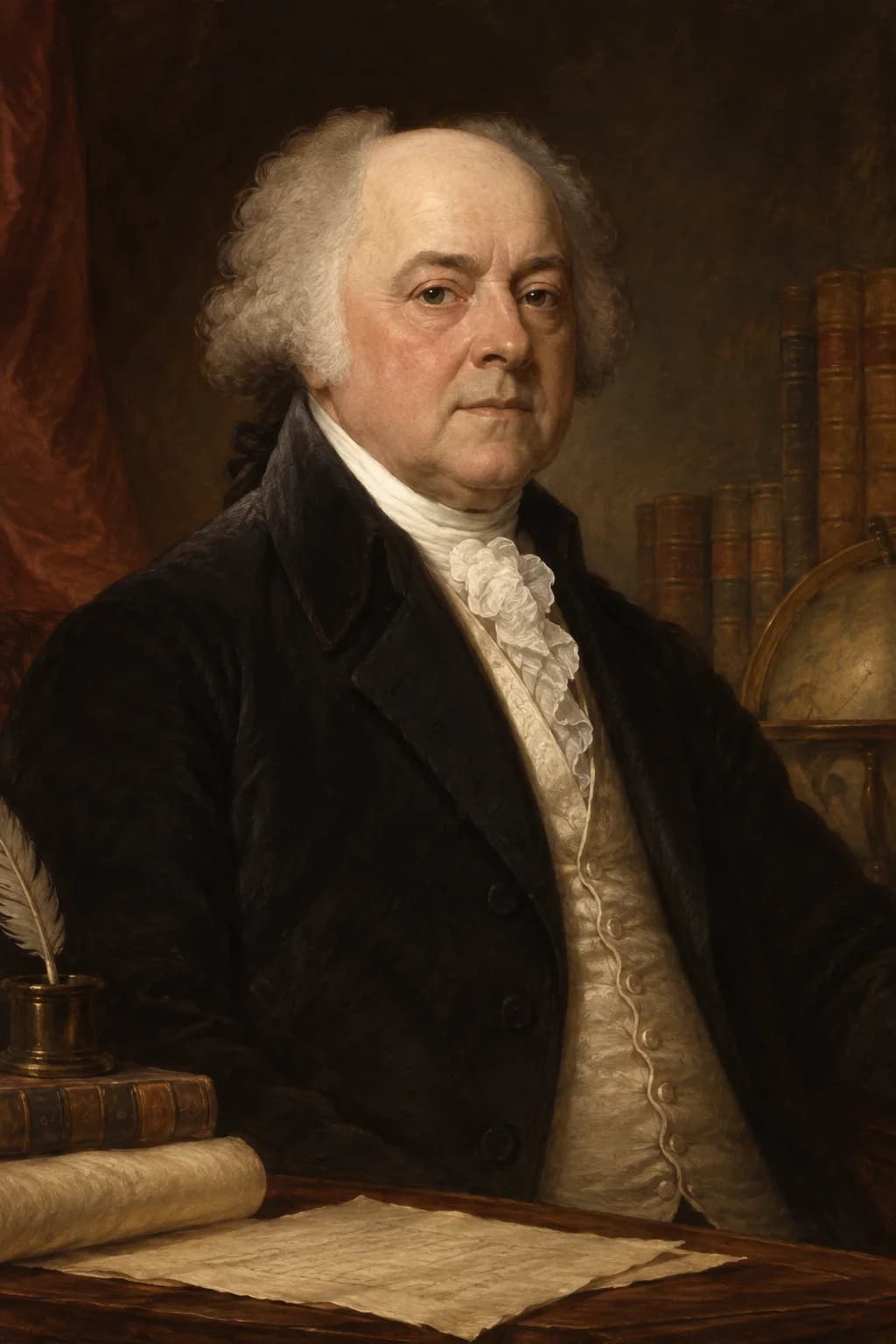
Portrait of John Adams
John Adams
1735-1826 CEUnited States
He defended British soldiers after the Boston Massacre, argued fiercely for independence, helped secure peace with Britain and kept the young United States out of full war with France.
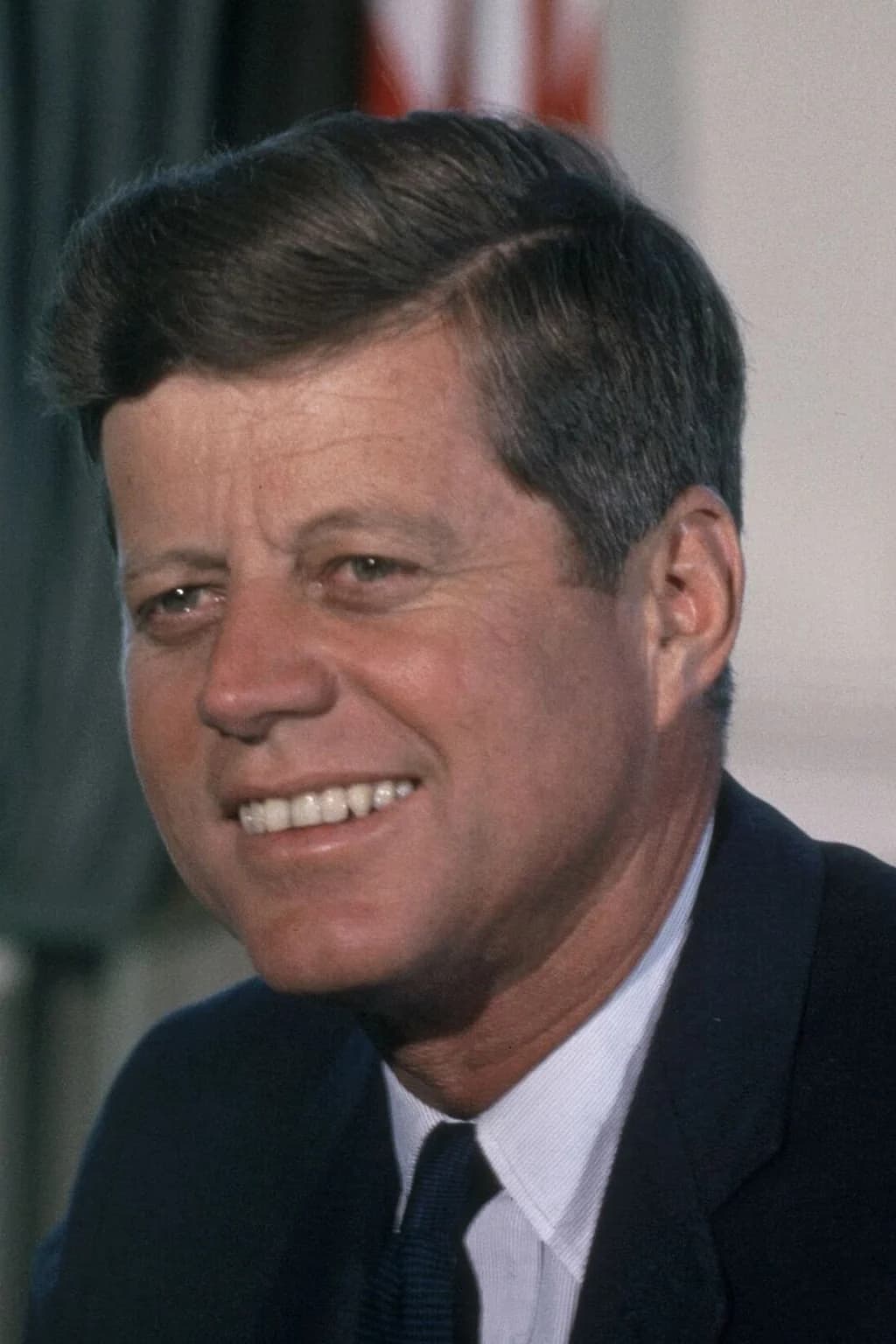
Portrait of John F Kennedy
John F Kennedy
1917-1963 CEUnited States
He brought Cold War urgency, television charisma and generational promise to the White House, faced down the Cuban Missile Crisis, set the moon landing goal and left a presidency forever shaped by assassination and unfinished possibility.
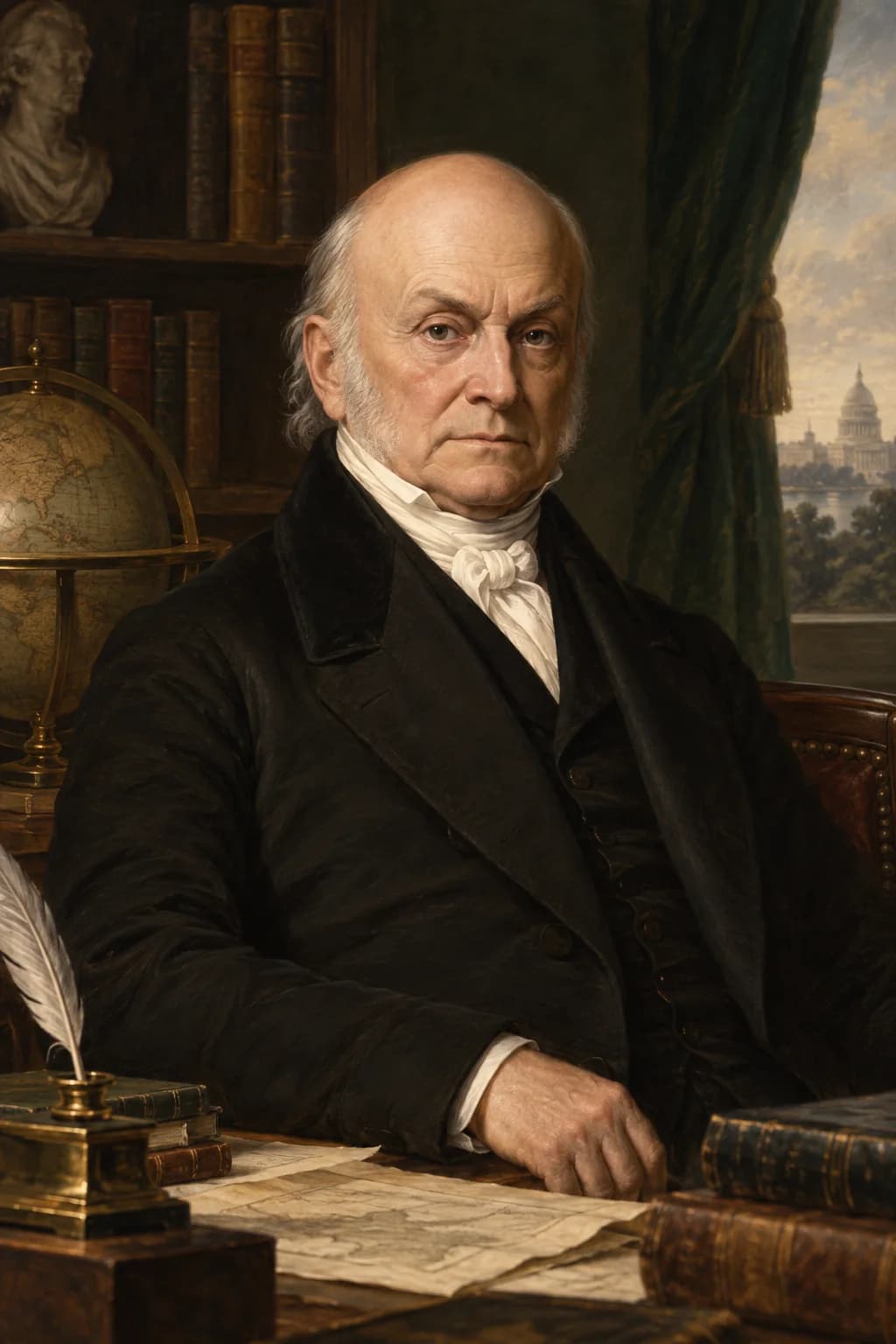
Portrait of John Quincy Adams
John Quincy Adams
1767-1848 CEUnited States
He was a diplomat from childhood, shaped the Monroe Doctrine, won a disputed presidency, then found his greatest voice after the White House as Congress's relentless opponent of the slave power.
Portrait of John Stuart, 3rd Earl of Bute
John Stuart, 3rd Earl of Bute
1713-1792 CEUnited Kingdom
He rose from royal tutor to George III's first trusted minister, ended Britain's Seven Years' War, and fell almost immediately under accusations of favoritism, Scottish influence and secret royal government.
Portrait of John Tyler
John Tyler
1790-1862 CEUnited States
He turned a constitutional ambiguity into the presidential succession rule, broke with the Whigs who elected him, annexed Texas and ended his life siding with the Confederacy.
Portrait of Joseph Goebbels
Joseph Goebbels
1897-1945 CEGermany
He understood repetition, spectacle, resentment, and fear, then used them to sell a regime built on lies, war, persecution, and genocide.
Portrait of Joseph Stalin
Joseph Stalin
1878-1953 CERussia
He turned the Soviet Union into an industrial and military superpower through forced collectivisation, terror, famine, purges and wartime command, leaving a legacy inseparable from mass death and dictatorship.
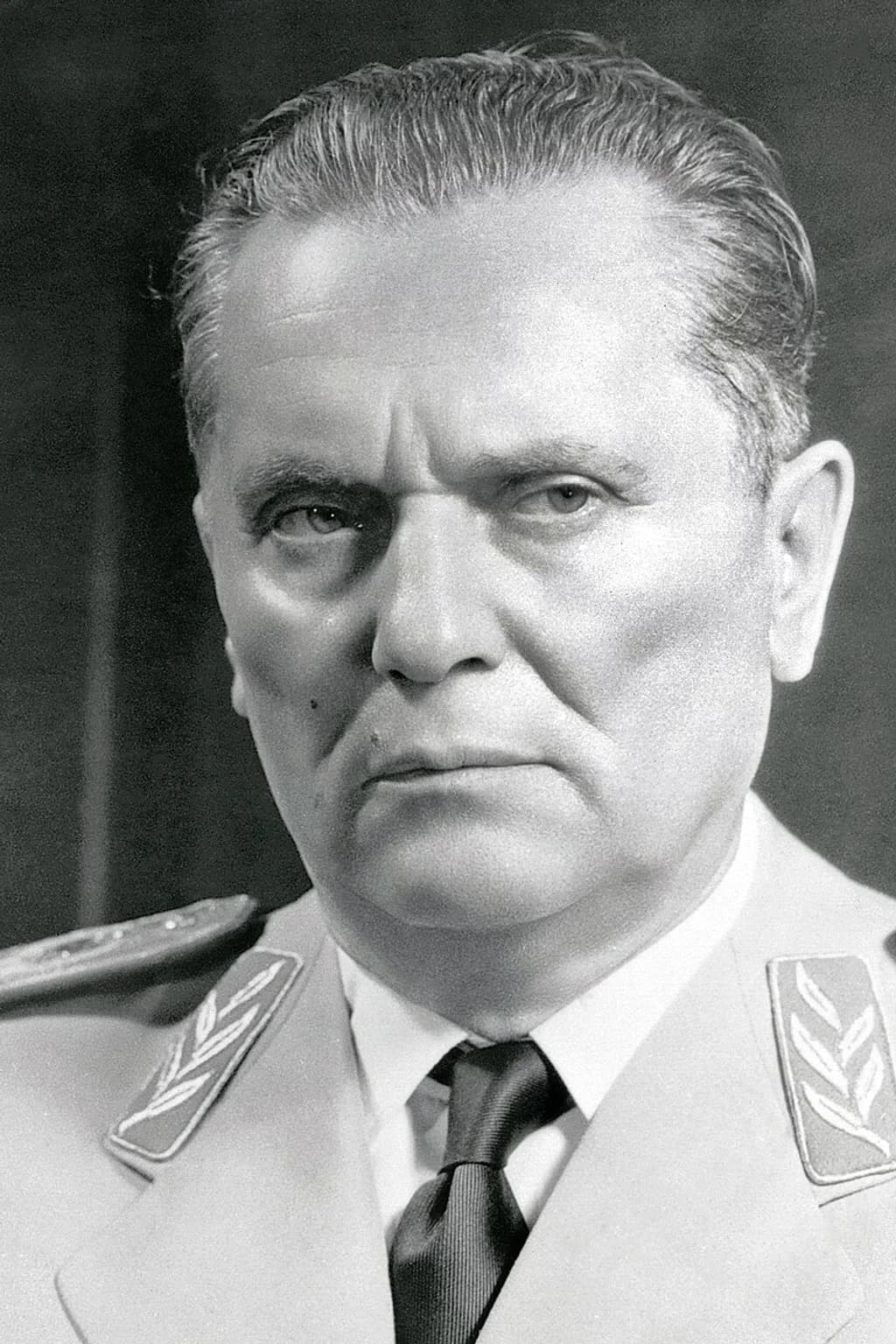
Portrait of Josip Broz Tito
Josip Broz Tito
1892-1980 CESerbia
He held together a country many thought could not hold, defied Stalin, and made Yugoslavia matter by refusing to fit neatly into either Cold War camp.
Portrait of Juan Sebastián Elcano
Juan Sebastián Elcano
1486-1526 CESpain
He survived mutiny, hunger and the Pacific, then brought the battered Victoria back to Spain to complete the first recorded circumnavigation of Earth.
Portrait of Julius Caesar
Julius Caesar
100-44 BCEItaly
He conquered Gaul, crossed the Rubicon, defeated Pompey, became dictator for life and was assassinated by senators who feared he had turned Rome's republic into one-man rule.
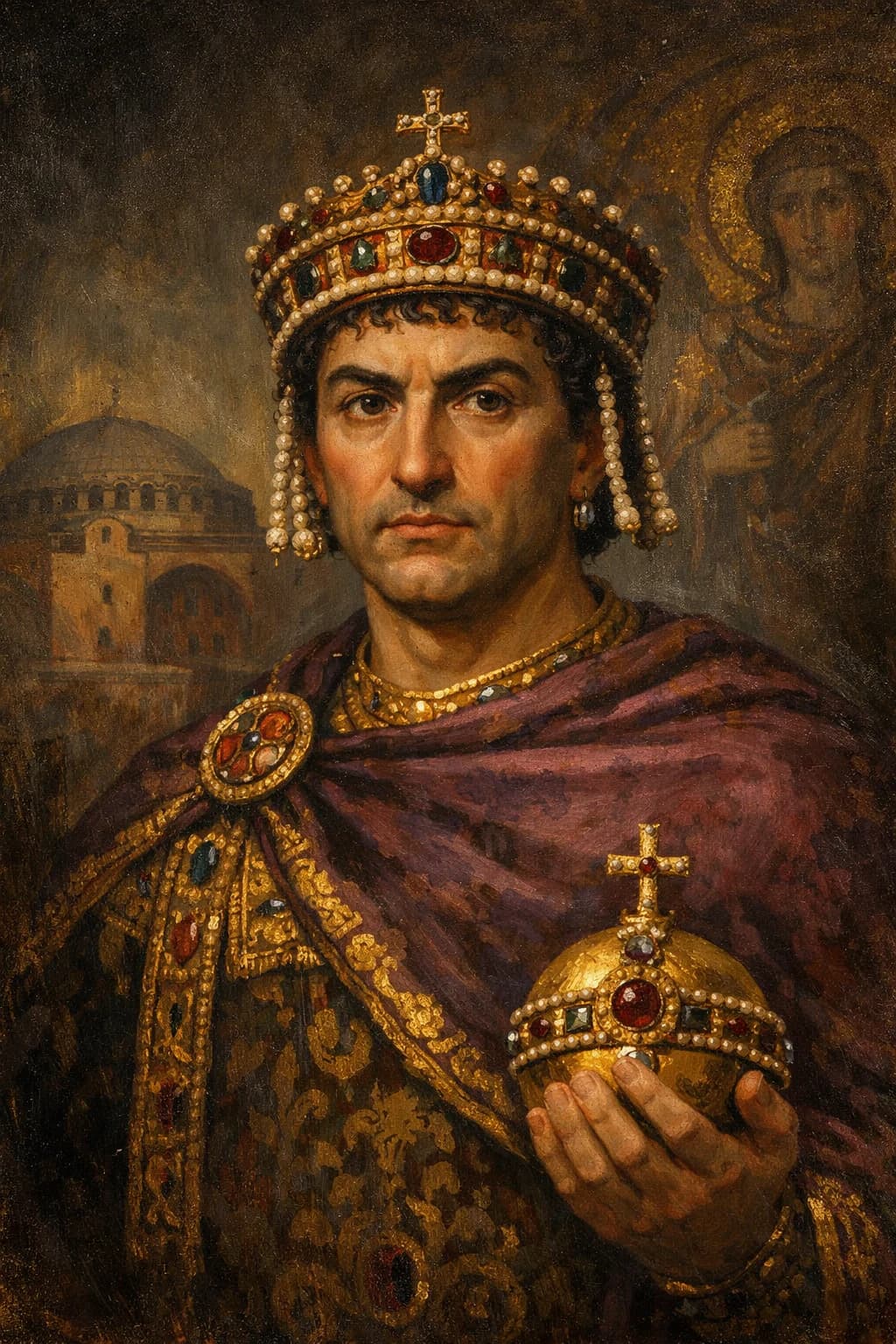
Portrait of Justinian I
Justinian I
482-565 CETurkey
He was the Byzantine emperor who tried to restore the Roman world, reconquered North Africa and Italy, codified Roman law, built Hagia Sophia, and watched plague and overreach test the limits of imperial ambition.

K

16 figures
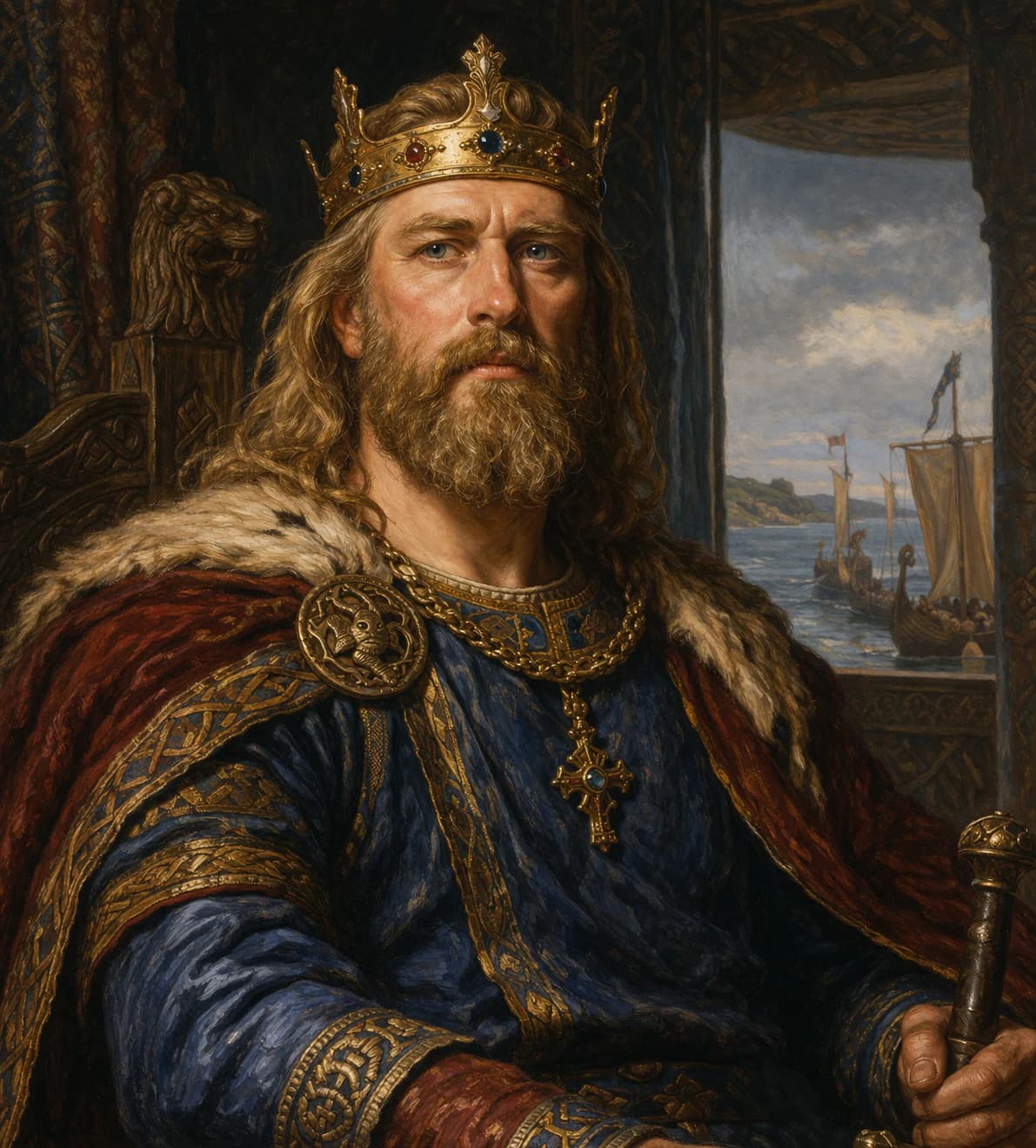
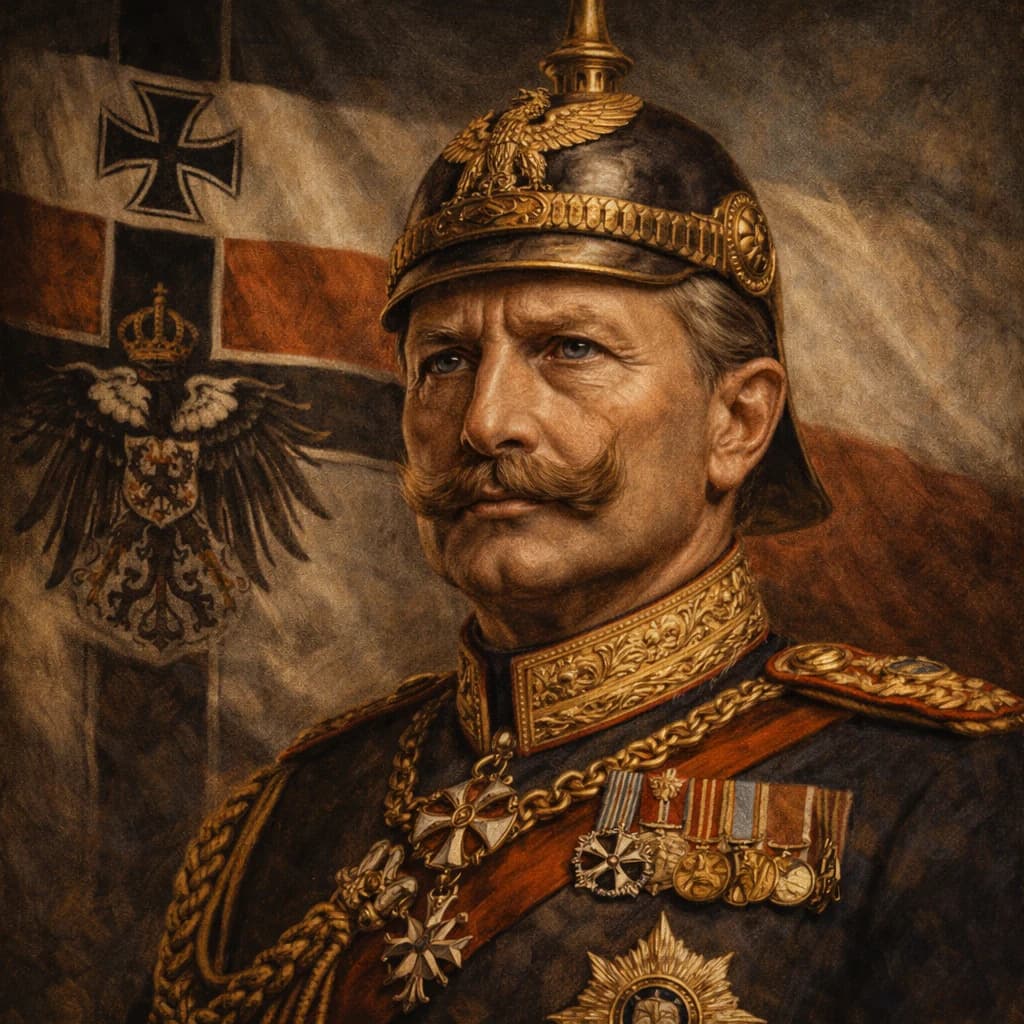
Portrait of Kaiser Wilhelm II
Kaiser Wilhelm II
1859-1941 CEGermany
He was the last German Kaiser, a restless monarch whose naval ambitions, public outbursts and unstable diplomacy helped turn a powerful new empire into one of the central actors in the First World War.
Portrait of Kangxi Emperor
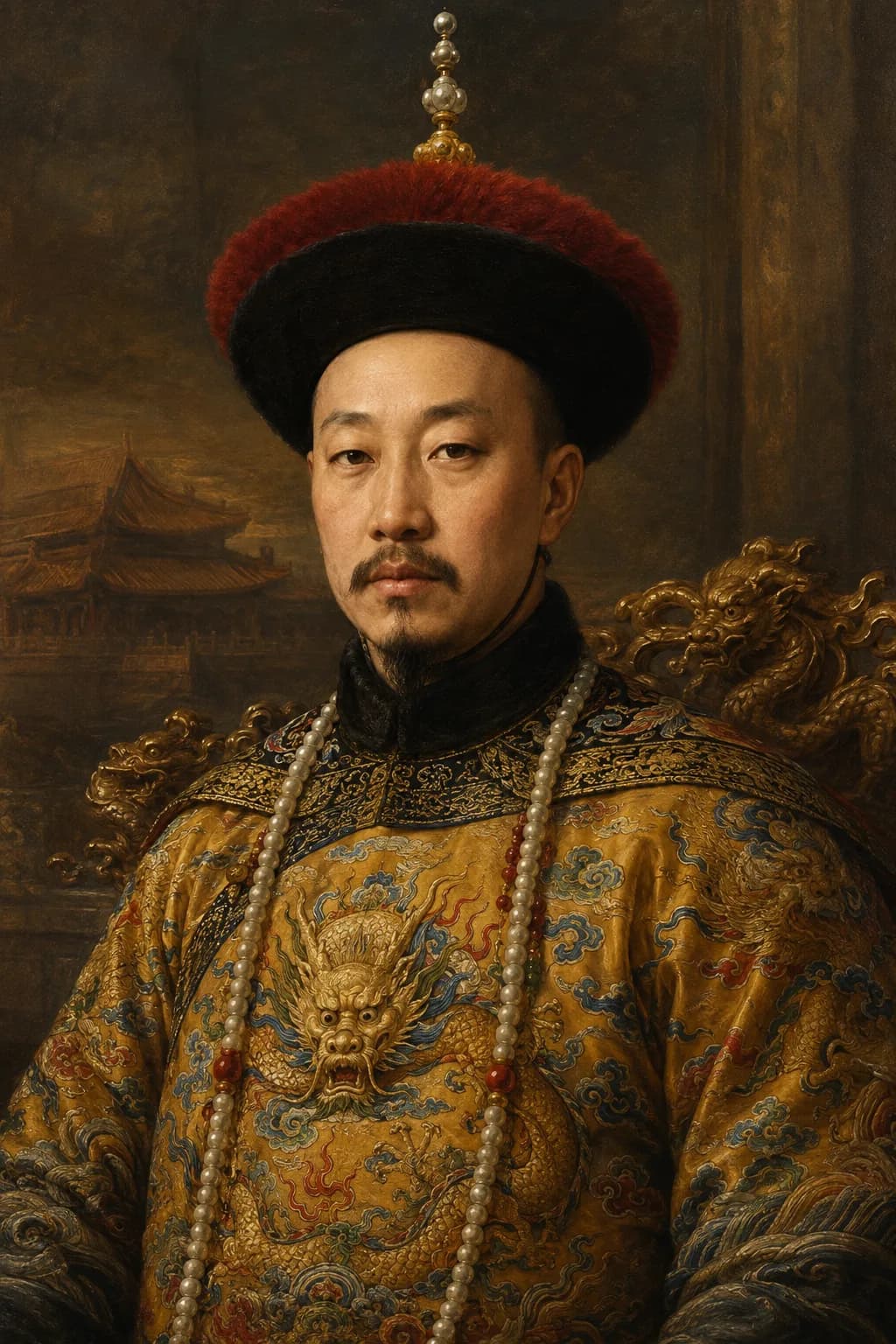
Kangxi Emperor
1654-1722 CEChina
He became emperor as a child, crushed major rebellions, secured Qing rule over China, and presided over one of the longest and most consequential reigns in imperial history.
Portrait of Karl Liebknecht
Karl Liebknecht
1871-1919 CEGermany
He turned opposition to war into open defiance, helped build the Spartacist movement with Rosa Luxemburg, and was murdered as Germany's new republic fought its first revolutionary crisis.
Portrait of Karl Marx
Karl Marx
1818-1883 CEGermany
He turned philosophy, journalism, economics, and exile into one of the most disruptive critiques of modern capitalism, shaping socialist politics, revolutionary movements, and arguments about labor long after his death.
Portrait of Khafre
Khafre
Died 2532 BCEEgypt
He ruled Fourth Dynasty Egypt after Khufu, built the second pyramid at Giza, and helped turn the plateau into the most enduring royal landscape of the Old Kingdom.
Portrait of Khufu
Khufu
2600-2566 BCEEgypt
He ruled Egypt at the height of the Old Kingdom, commanded the building of the Great Pyramid of Giza, and left behind a monument so vast that it has carried his name across more than four thousand years.
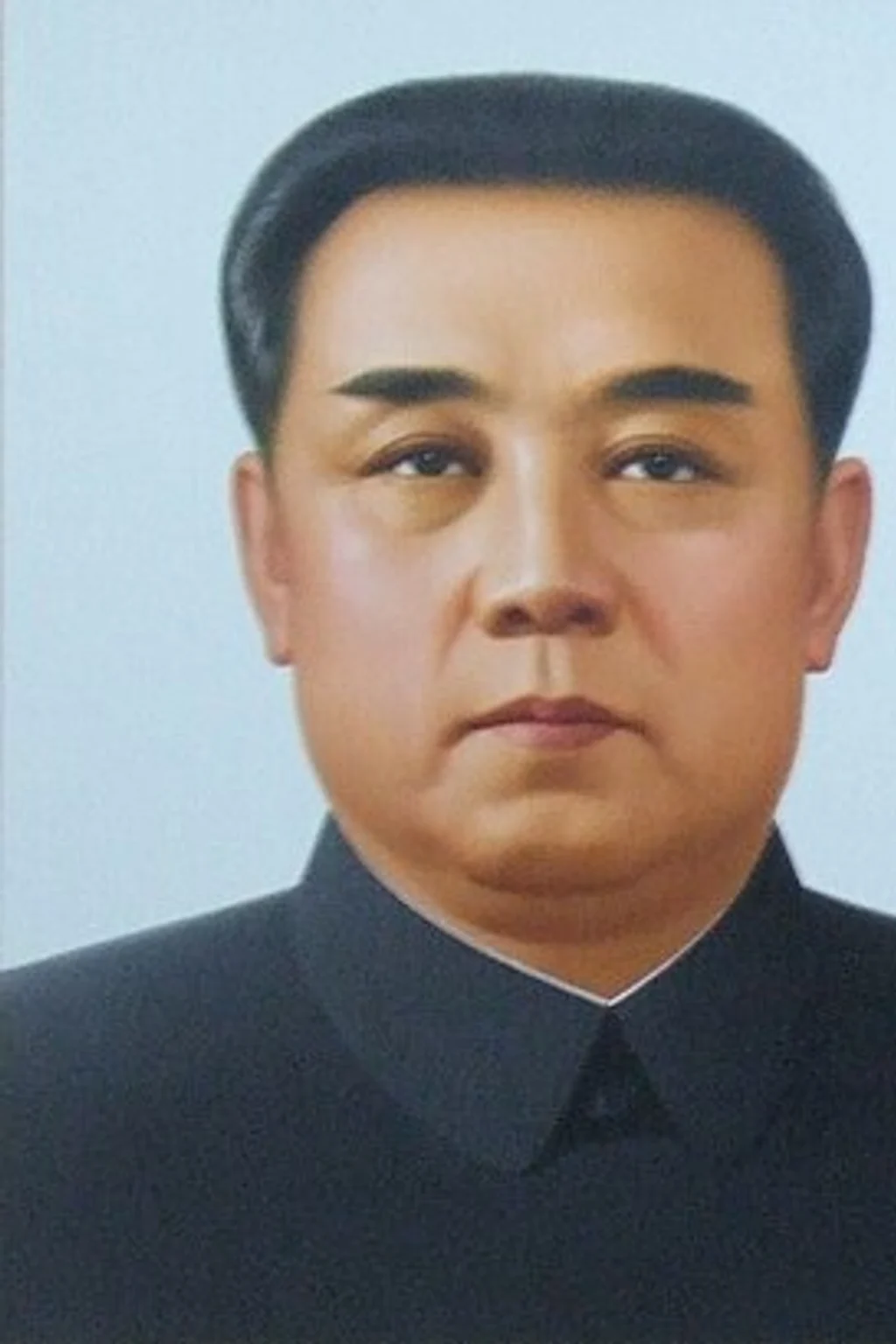
Portrait of Kim Il-sung
Kim Il-sung
1912-1994 CENorth Korea
He founded North Korea, ruled it for nearly half a century, built a totalitarian state around party control and personal mythology, and created the hereditary Kim system that still governs in his name.
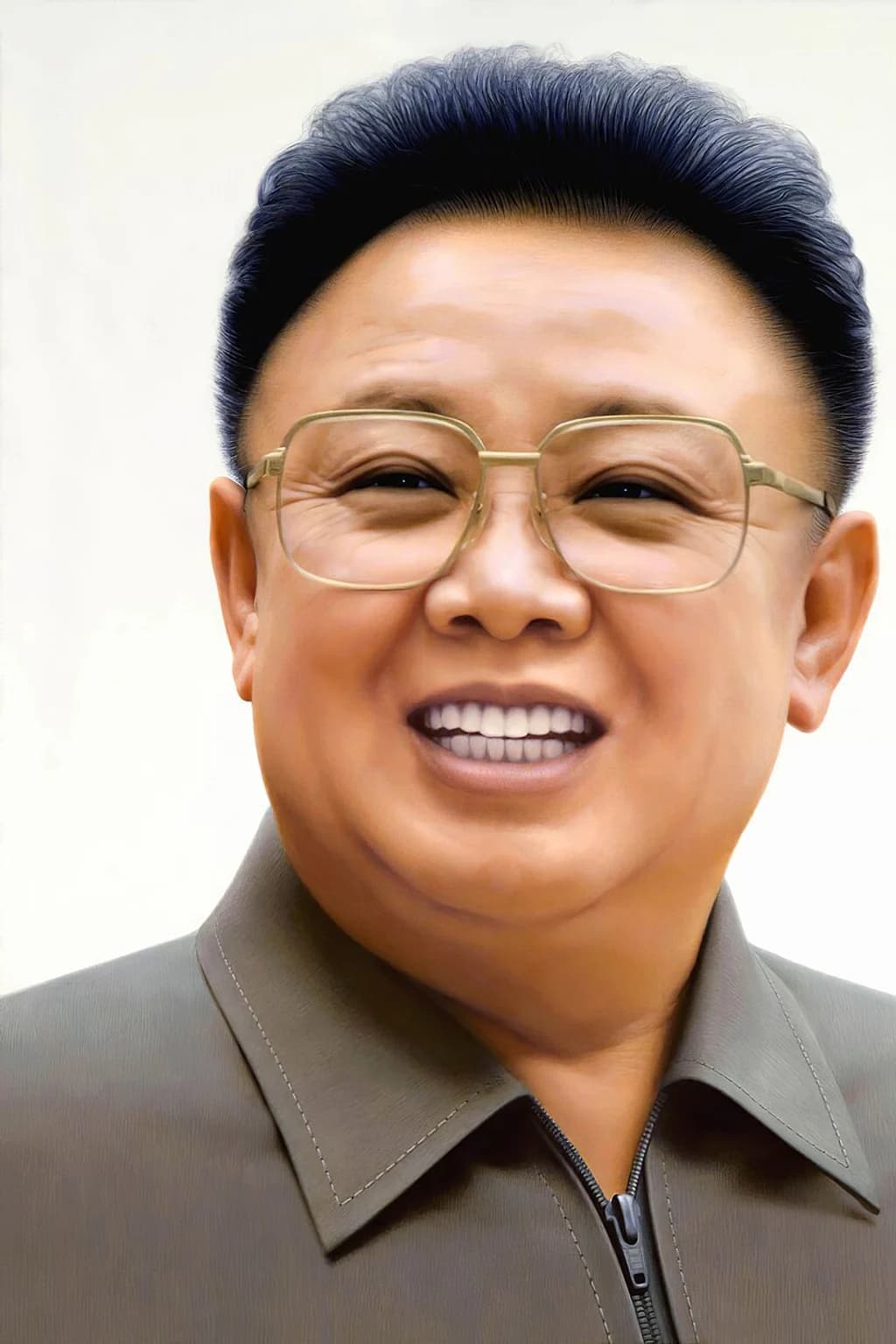
Portrait of Kim Jong Il
Kim Jong Il
1941-2011 CENorth Korea
He turned a revolutionary dictatorship into a hereditary system, survived famine and isolation, and made nuclear weapons central to North Korea's strategy of regime survival.
Portrait of Kim Jong Un
Kim Jong Un
Born 1984 CENorth Korea
He inherited power young and untested, then consolidated control through purges, nuclear acceleration, managed diplomacy, and the relentless preservation of the Kim dynasty.
Portrait of King Aethelberht
King Aethelberht
550-616 CEUnited Kingdom
He ruled Kent when Augustine arrived in 597, protected the Roman mission, converted to Christianity, and helped make Canterbury the first durable centre of the English Church.
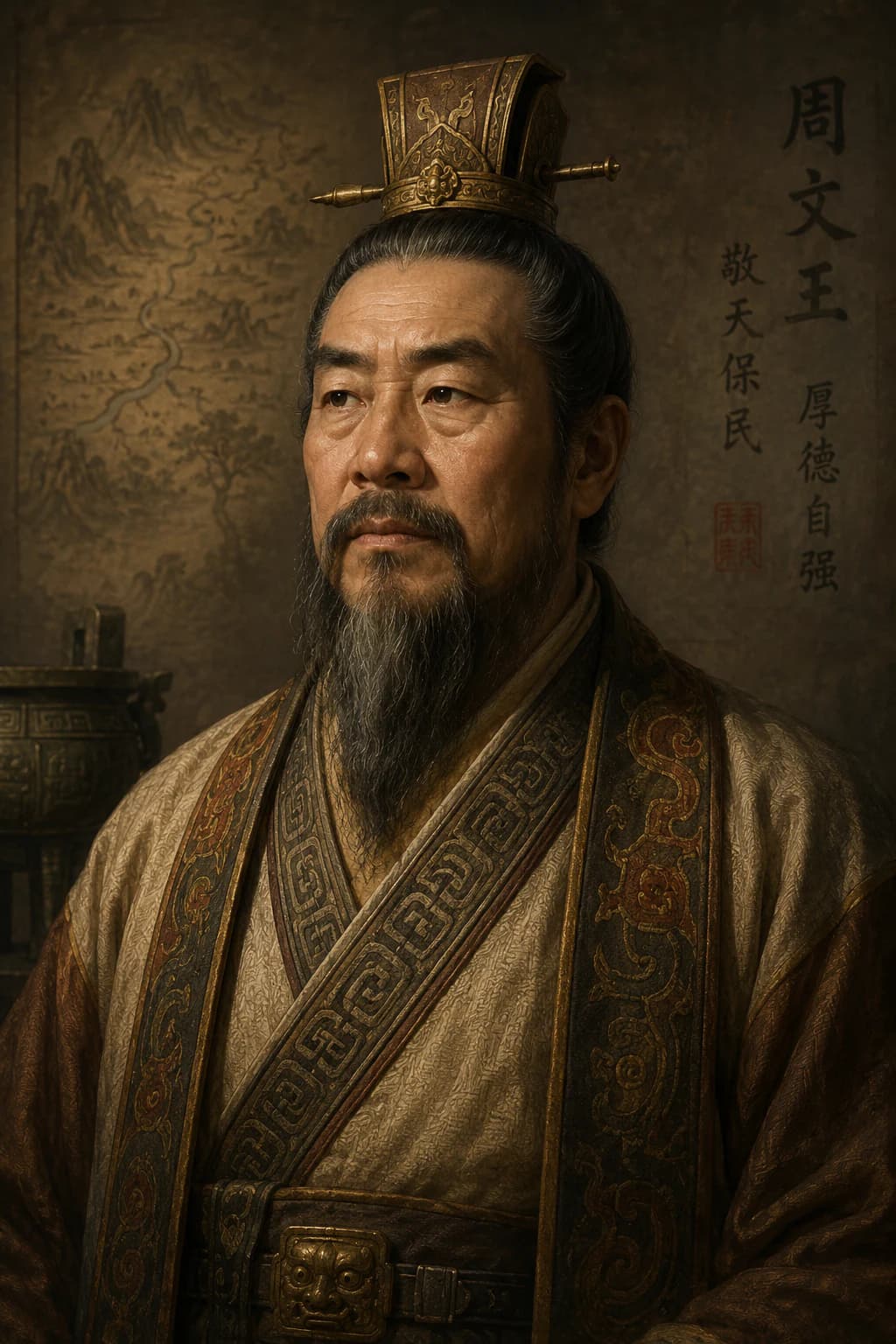
Portrait of King Wen of Zhou
King Wen of Zhou
Died 1056 BCEChina
He built the Zhou state into the moral and military rival that could challenge the Shang, becoming the revered ancestor whose authority made King Wu's conquest possible.
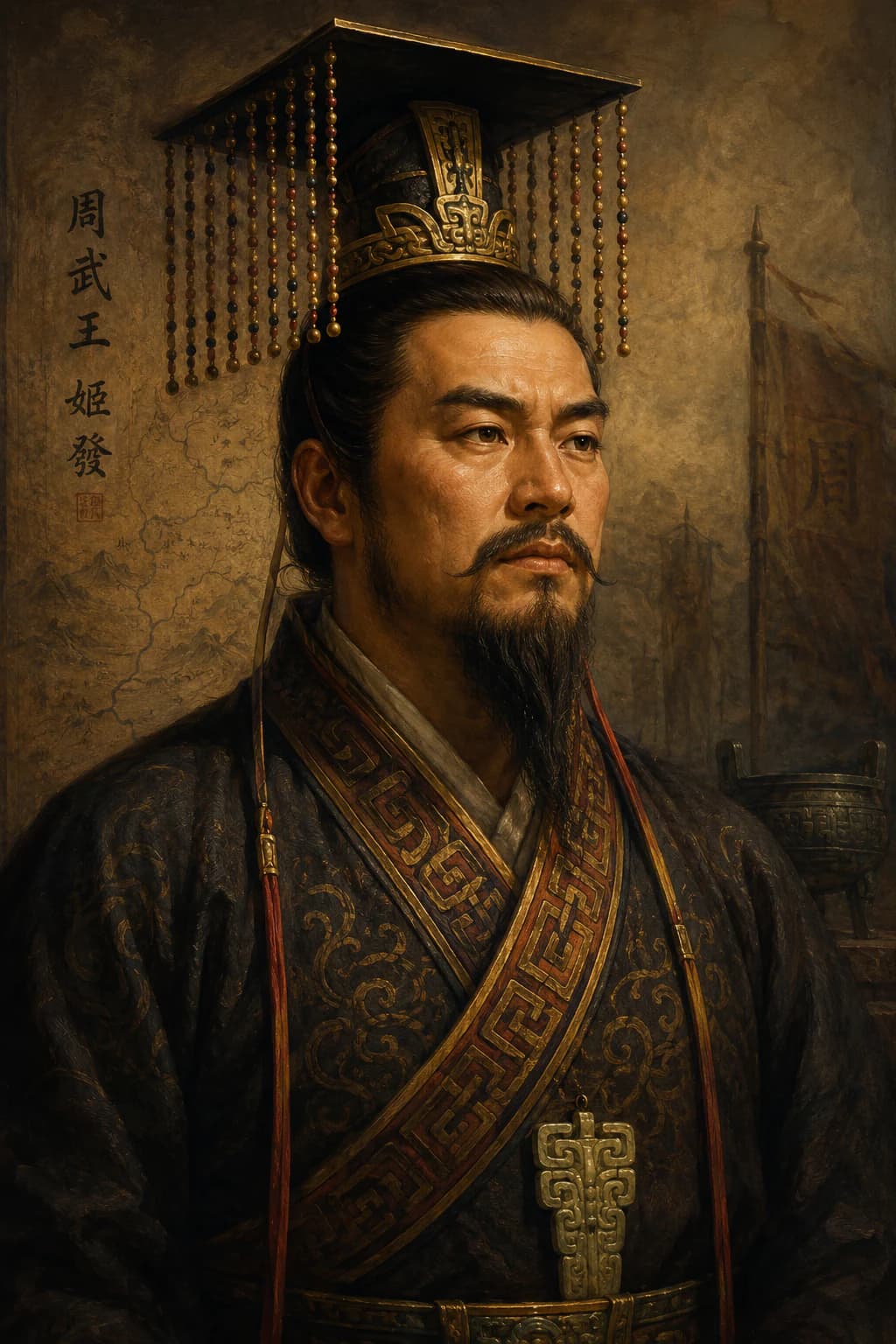
Portrait of King Wu of Zhou
King Wu of Zhou
Died 1043 BCEChina
He led the Zhou conquest of the Shang, defeated Di Xin at Muye, and became the founding king of a dynasty whose political language shaped China for centuries.
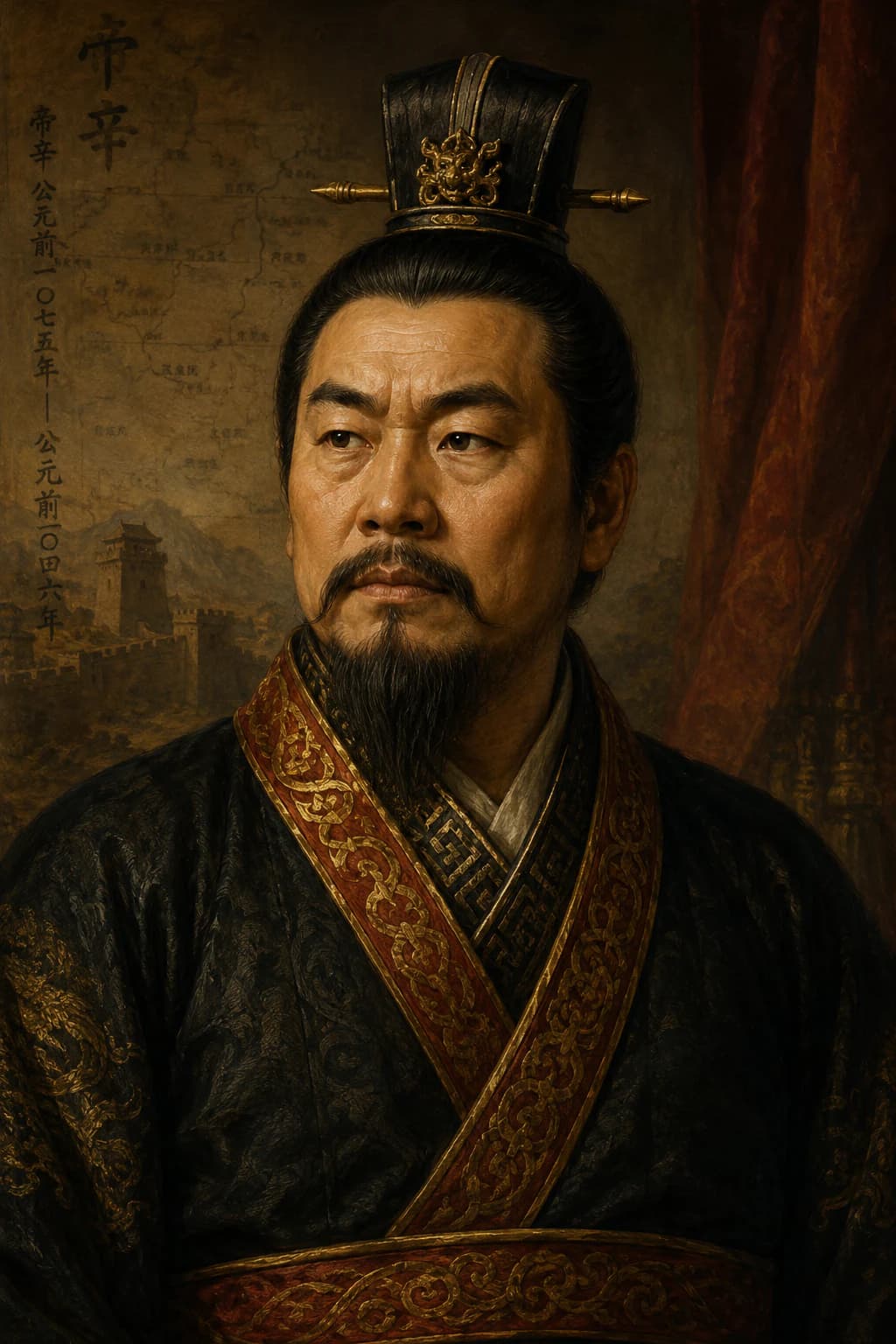
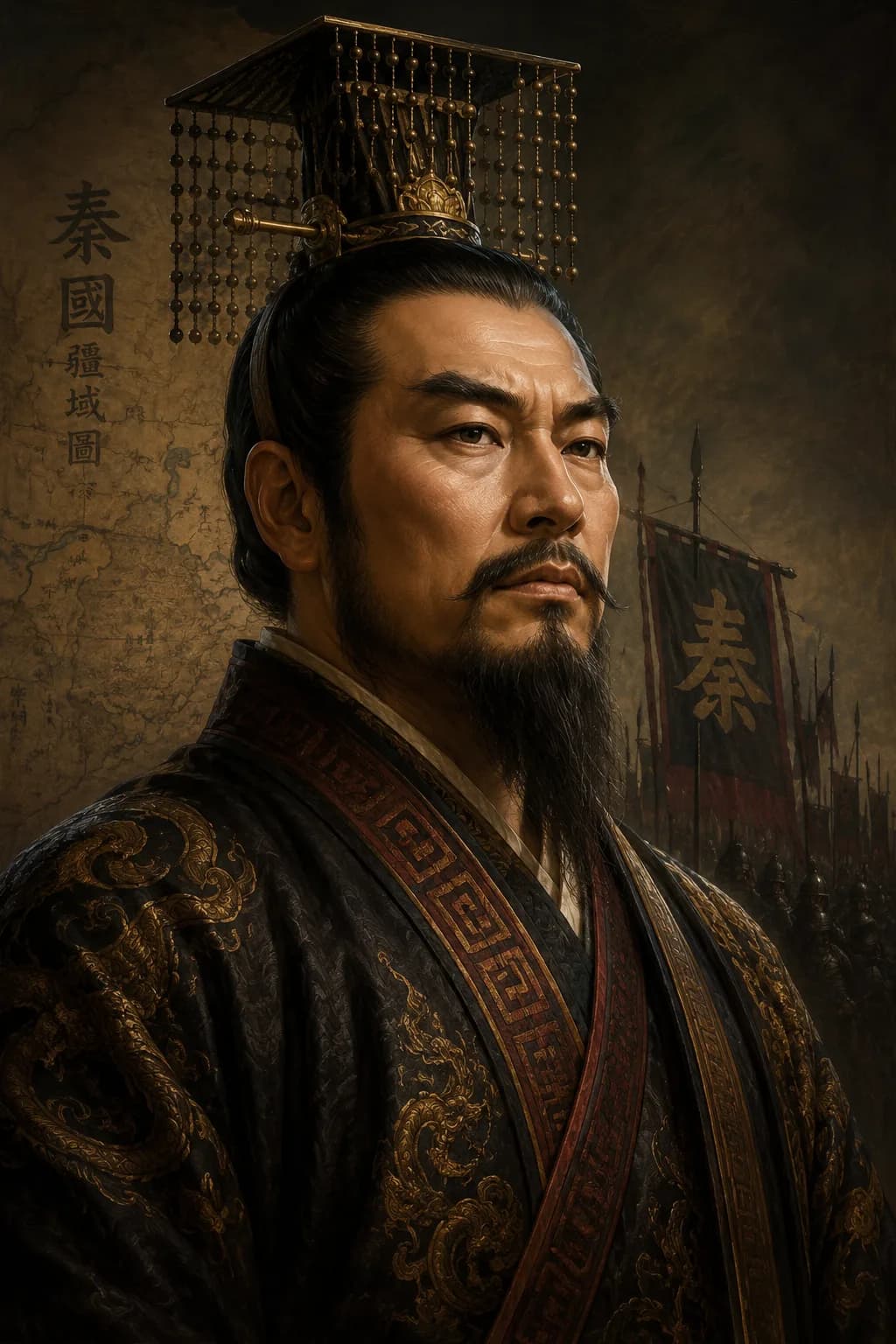
Portrait of King Zheng of Qin
King Zheng of Qin
259-210 BCEChina
He was the Qin king who ended the Warring States period, became Qin Shi Huang, and created the first unified Chinese empire through conquest, standardization, severe law and immense state power.
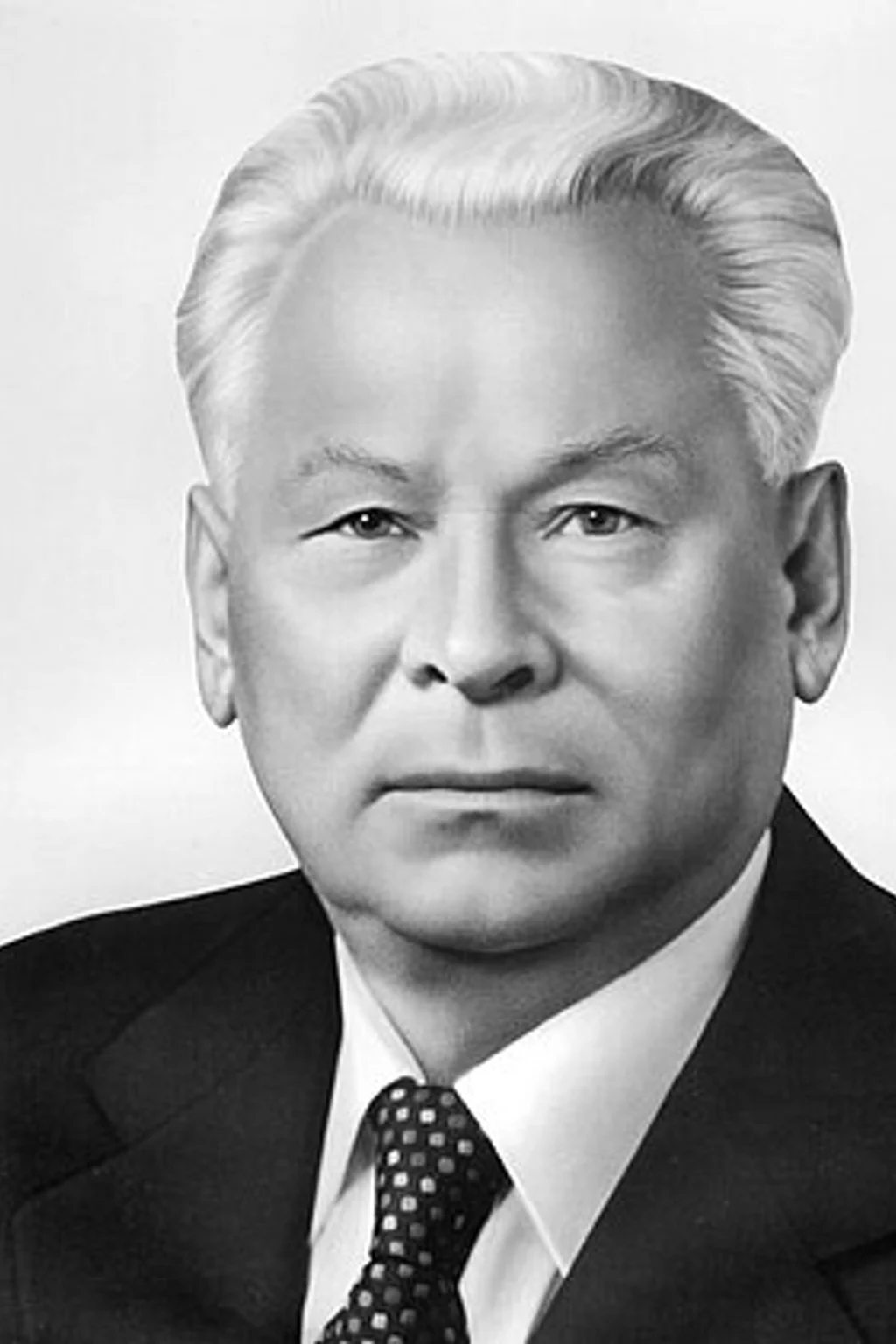
Portrait of Konstantin Chernenko
Konstantin Chernenko
1911-1985 CERussia
He reached the summit of Soviet power only when the system around him was visibly ageing, and his short, fragile rule became the final pause before reform could no longer be postponed.
Portrait of Kublai Khan
Kublai Khan
1215-1294 CEMongolia
He was Genghis Khan's grandson, founder of the Yuan dynasty, conqueror of the Southern Song, and the Mongol ruler who tried to turn steppe empire into a durable Chinese imperial state.
Portrait of Kurt von Schleicher
Kurt von Schleicher
1882-1934 CEGermany
He was the army's political fixer in the last years of Weimar, tried to build an authoritarian alternative to Hitler, and was murdered during the Night of the Long Knives.

L

15 figures
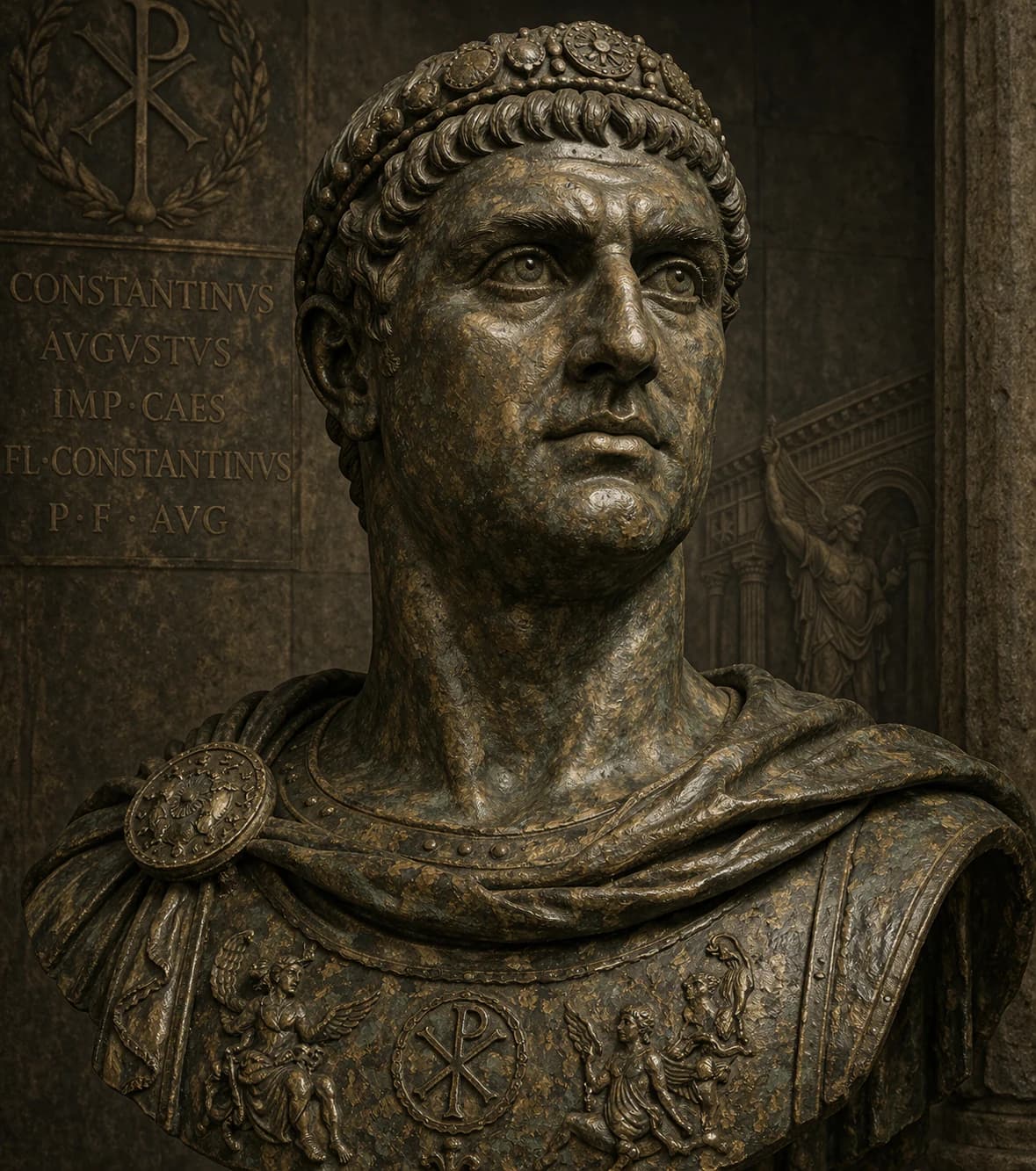
Portrait of Leif Erikson
Leif Erikson
970-1020 CEIceland
He sailed from the Norse Atlantic world to North America around 1000 AD, turning reports of western lands into a real voyage and leaving archaeology to confirm a story preserved for centuries in saga memory.
Portrait of Leon Trotsky
Leon Trotsky
1879-1940 CERussia
He turned revolutionary theory into organised power in 1917, built the Red Army that saved the Bolshevik regime, then became Stalin's most dangerous exiled critic before his assassination in Mexico.
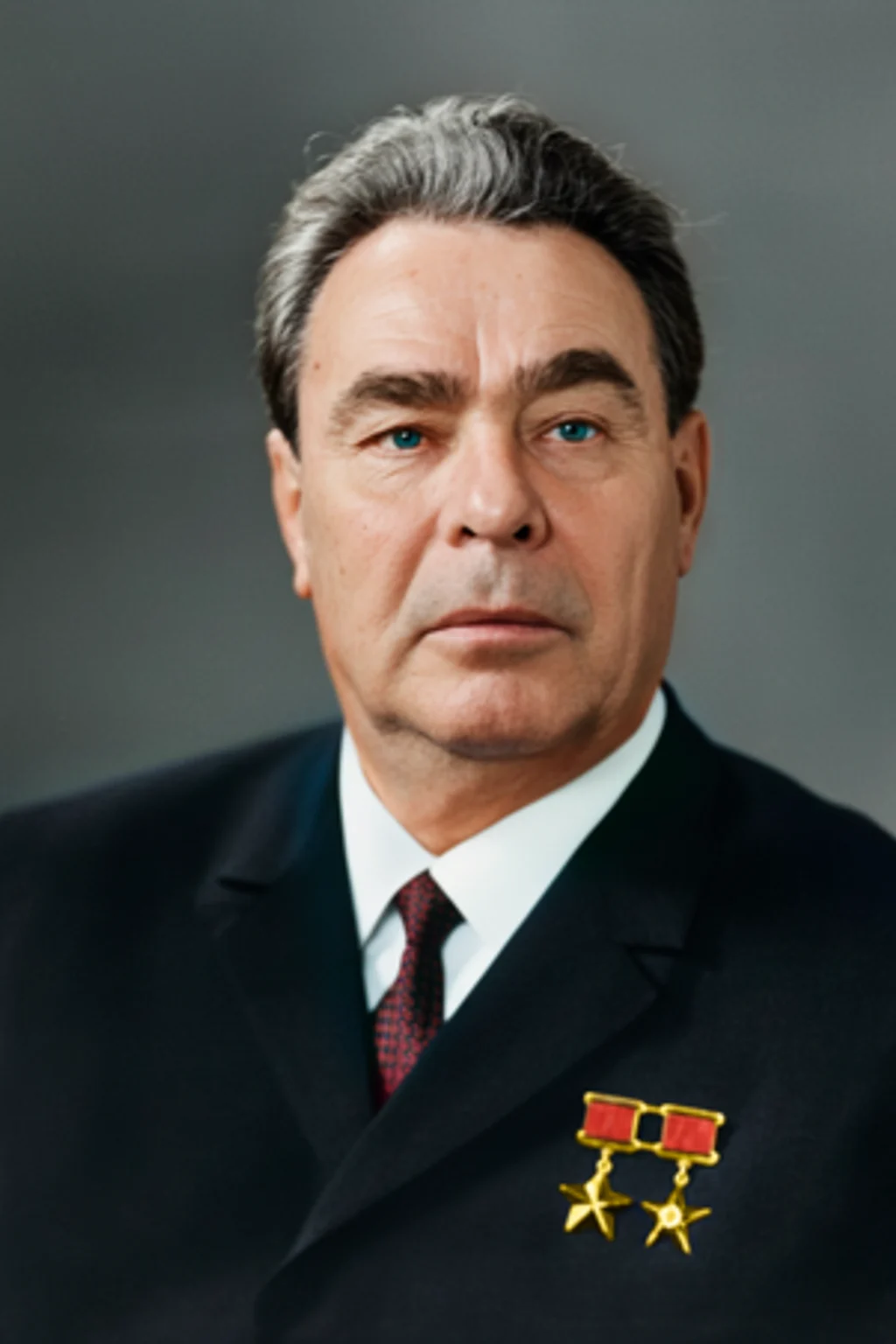
Portrait of Leonid Brezhnev
Leonid Brezhnev
1906-1982 CERussia
He gave the Soviet Union nearly two decades of order, military confidence and superpower status, but the stability he prized hardened into stagnation that later reformers struggled to undo.
Portrait of Leonidas I
Leonidas I
540-480 BCEGreece
He led the Spartans and their Greek allies at Thermopylae in 480 BC, turning a doomed defensive action against Xerxes I into one of history's most enduring stories of duty and sacrifice.
Portrait of Li Xiannian
Li Xiannian
1909-1992 CEChina
He moved from guerrilla struggle to the centre of China's financial state, surviving Mao-era upheaval and serving as president while Deng Xiaoping's reforms remade the country.
Portrait of Liu Shaoqi
Liu Shaoqi
1898-1969 CEChina
He helped build the Chinese Communist Party, became China's head of state after the Great Leap Forward, then was branded a traitor in the Cultural Revolution and died in custody before his rehabilitation.
Portrait of Liz Truss
Liz Truss
Born 1975 CEUnited Kingdom
She rose through a decade of Conservative government to become prime minister in September 2022, but her unfunded tax-cutting agenda shattered market confidence and ended her premiership after 49 days.
Portrait of Lord Grenville
Lord Grenville
1759-1834 CEUnited Kingdom
He was a heavyweight Georgian statesman whose brief premiership secured the abolition of the British slave trade, even as war with Napoleon and conflict with George III cut his government short.
Portrait of Lord John Russell
Lord John Russell
1792-1878 CEUnited Kingdom
He was the aristocratic reformer who helped pass the Great Reform Act, twice served as prime minister, and pushed Victorian Britain toward broader representation while carrying the burden of failures in Ireland.
Portrait of Lord Kitchener
Lord Kitchener
1850-1916 CEUnited Kingdom
He became the face that told Britain it wanted you, but before the poster made him famous his imperial campaigns had already made him a severe symbol of military power.
Portrait of Lord Liverpool
Lord Liverpool
1770-1828 CEUnited Kingdom
He led Britain for fifteen years, from the crisis of the Napoleonic Wars to the uneasy peace that followed, defending order after Peterloo while slowly managing the pressures that would reshape nineteenth-century politics.
Portrait of Lord North
Lord North
1732-1792 CEUnited Kingdom
He tried to preserve parliamentary authority over Britain's American colonies, but a mixture of coercion, delayed compromise, military setbacks and imperial misreading made his premiership inseparable from the American Revolution.
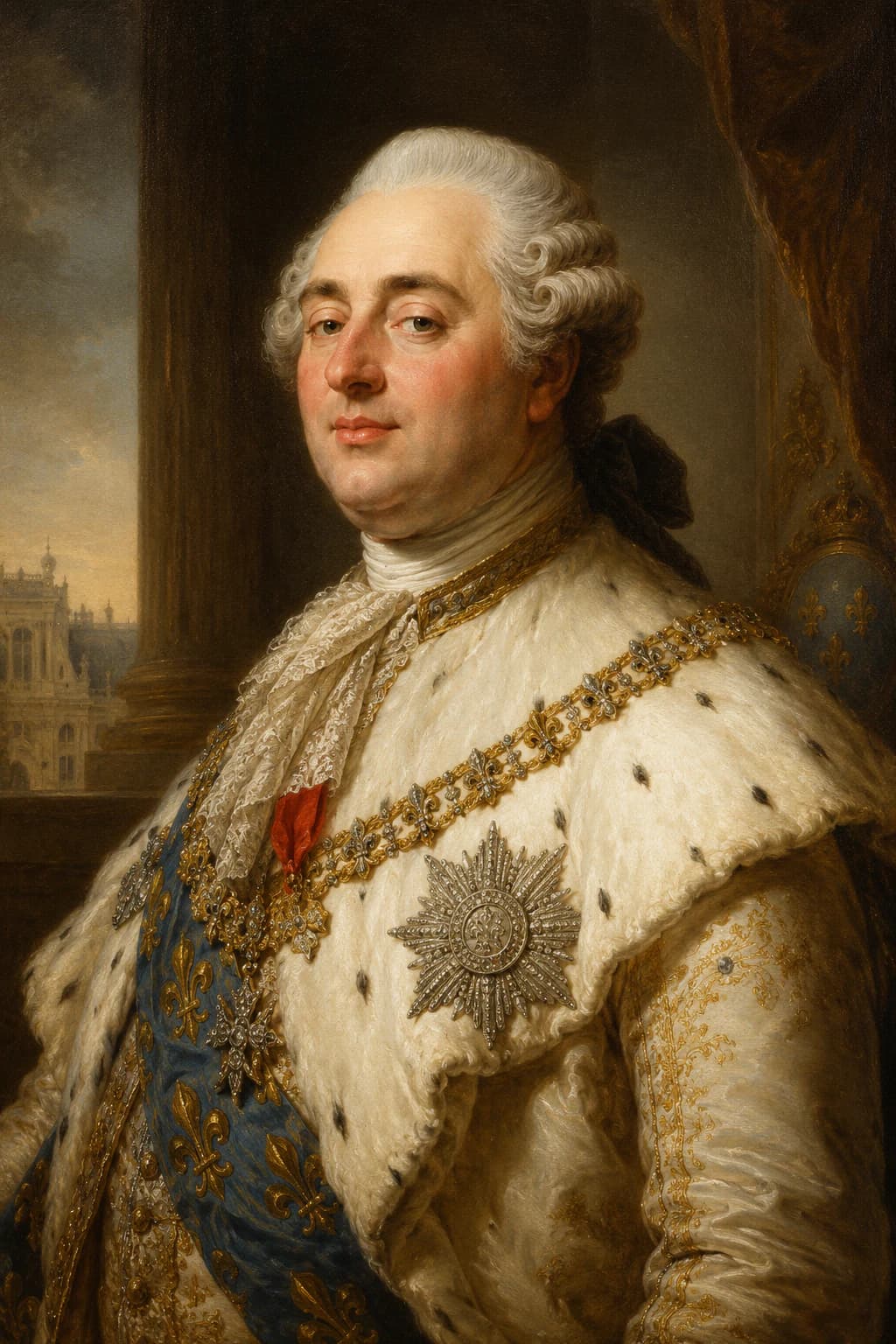
Portrait of Louis XVI
Louis XVI
1754-1793 CEFrance
He inherited an old monarchy in fiscal crisis, tried to reform it too late, and became the king whose execution marked the point of no return in the French Revolution.
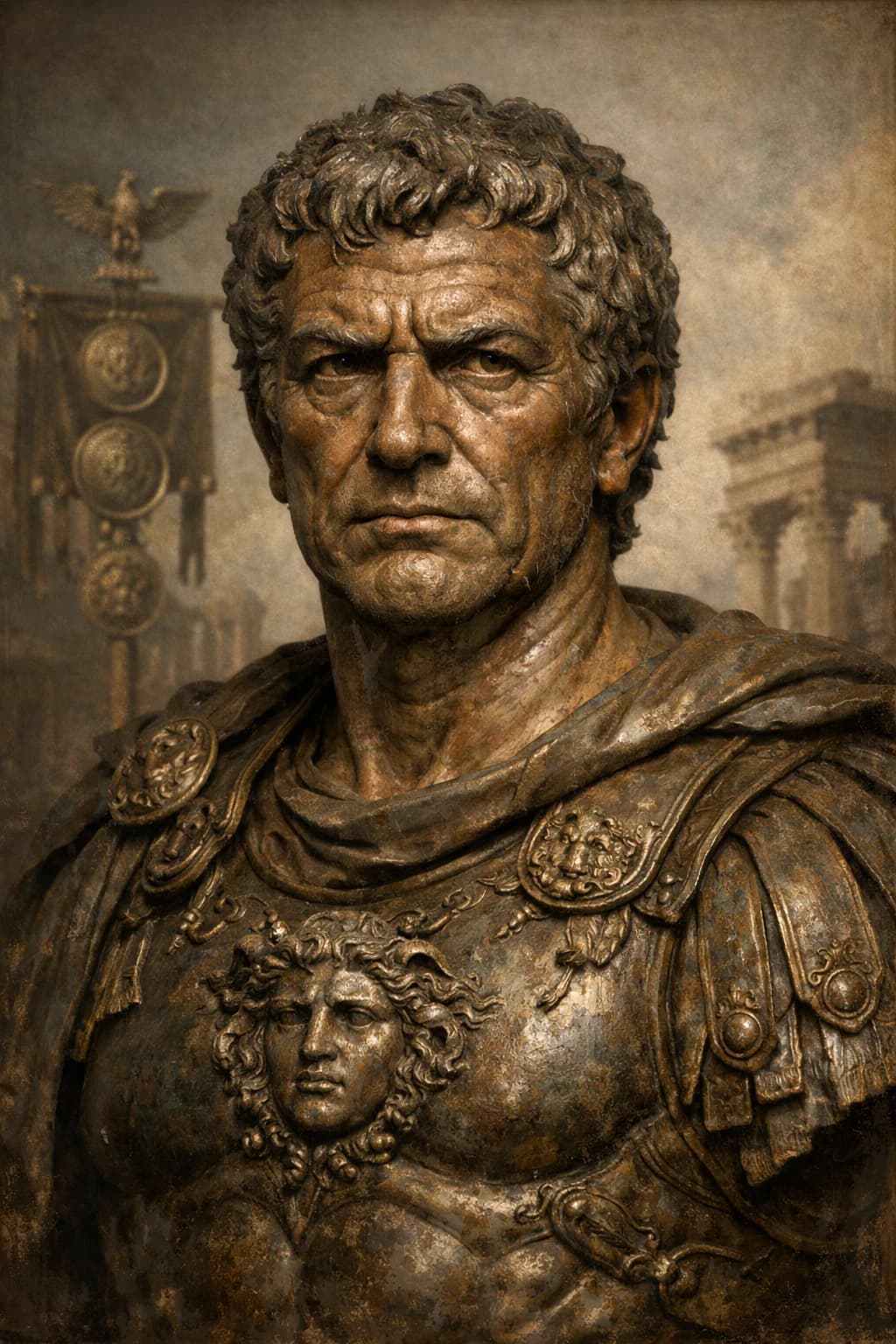
Portrait of Lucius Cornelius Sulla
Lucius Cornelius Sulla
138-78 BCEItaly
He marched Roman legions on Rome itself, won the Republic's first great civil war, ruled as dictator, rewrote the constitution, and then retired, leaving a precedent more dangerous than his reforms were durable.
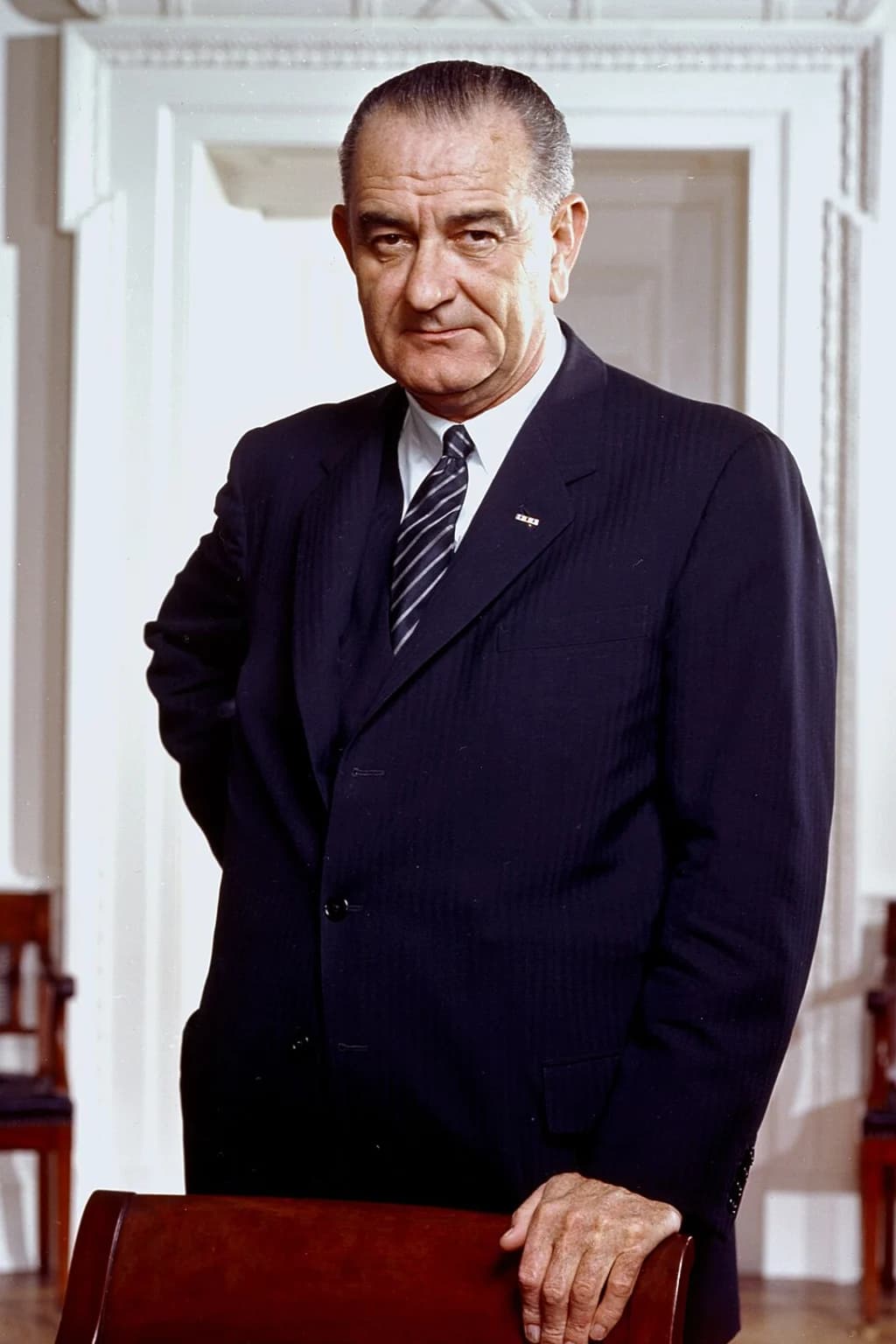
Portrait of Lyndon B Johnson
Lyndon B Johnson
1908-1973 CEUnited States
He used unmatched legislative power to pass civil rights, voting rights, Medicare, Medicaid and the Great Society, but his escalation of the Vietnam War consumed his presidency and divided the country he wanted to reform.

M

20 figures
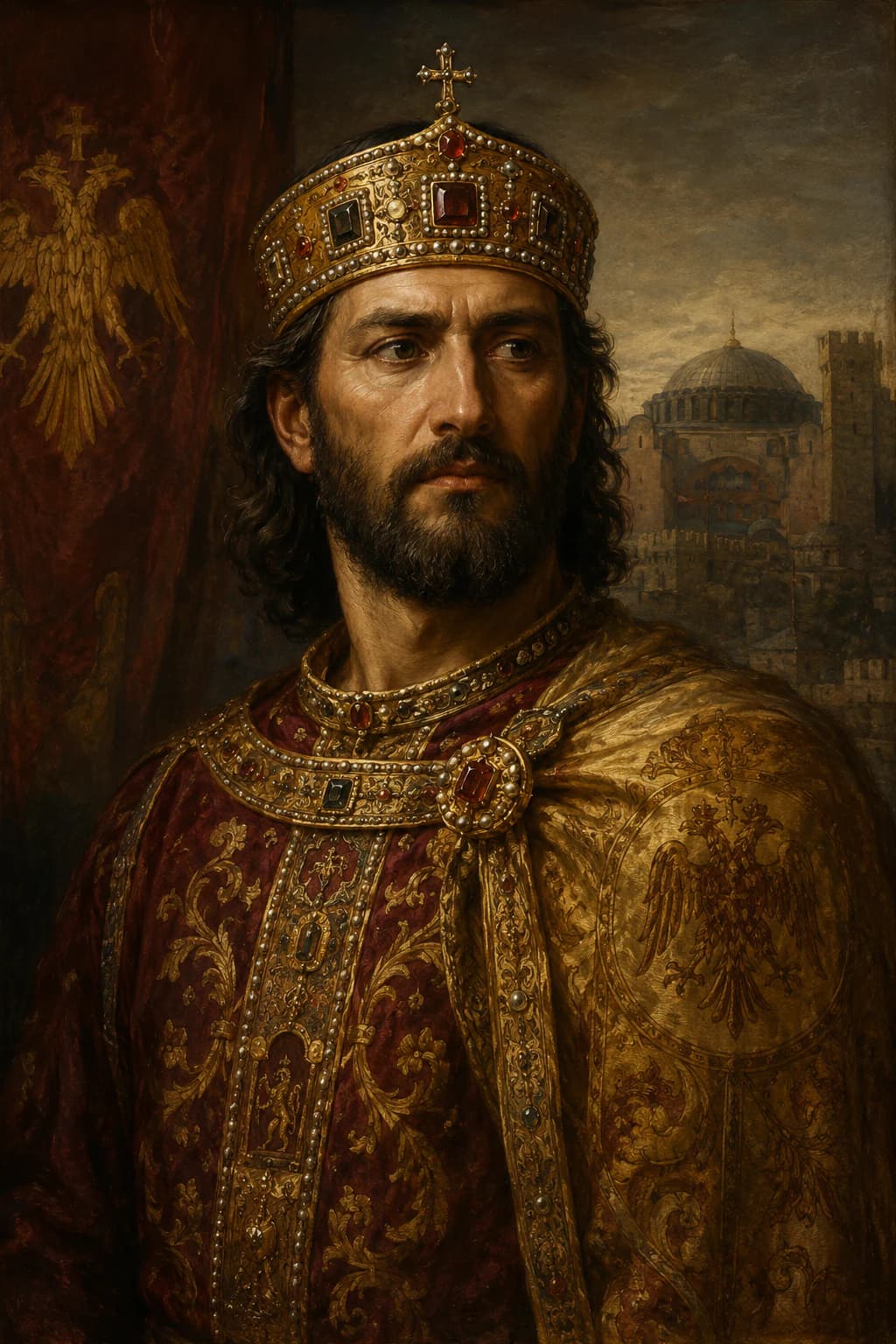
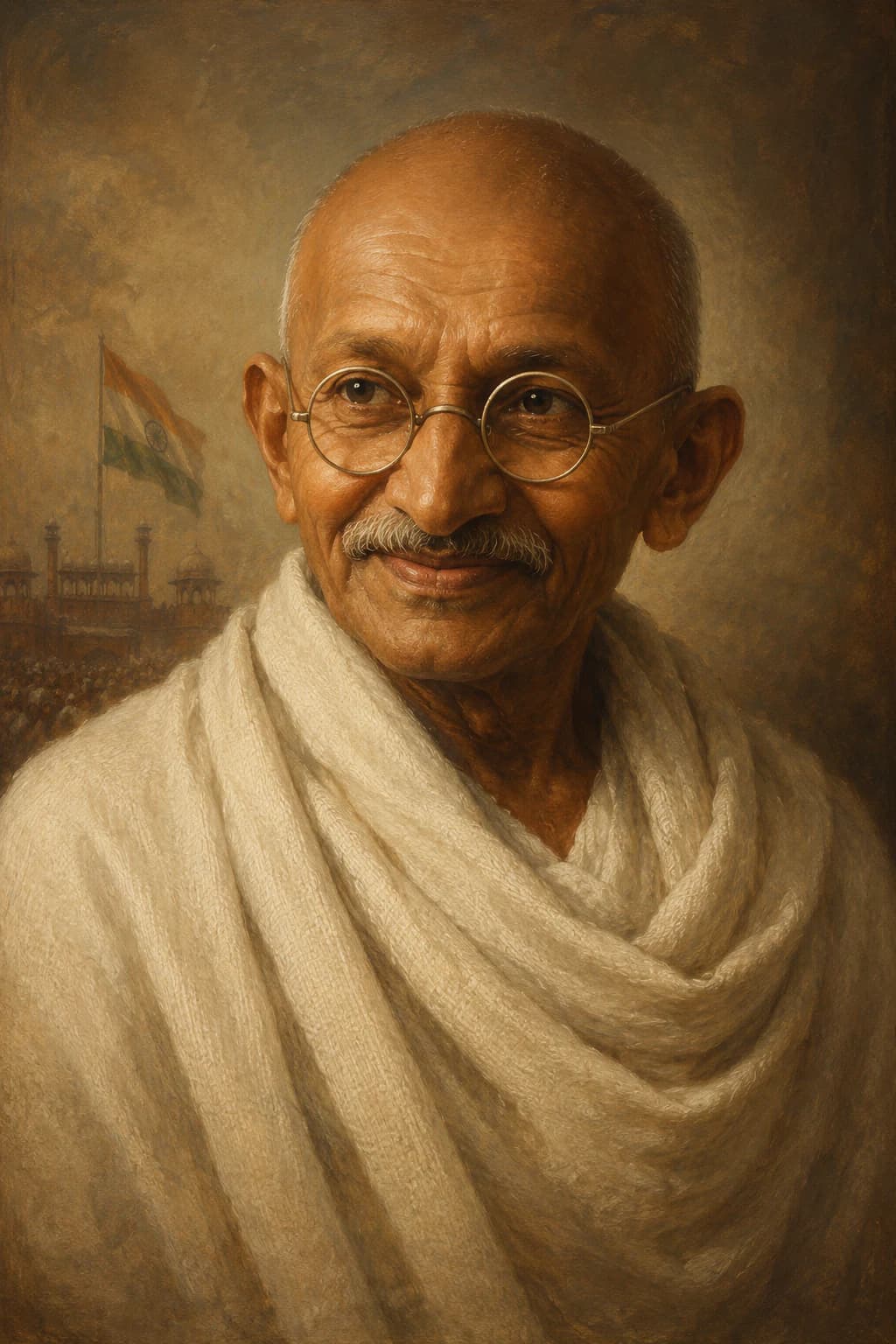
Portrait of Mahatma Gandhi
Mahatma Gandhi
1869-1948 CEIndia
He turned nonviolent resistance into a mass political force, led campaigns against British rule in India, and became a global symbol of moral protest.
Portrait of Mao Zedong
Mao Zedong
1893-1976 CEChina
He led the Communist revolution that founded the People's Republic of China, unified mainland China under one-party rule, and then drove radical campaigns whose famine, persecution and political chaos scarred generations.
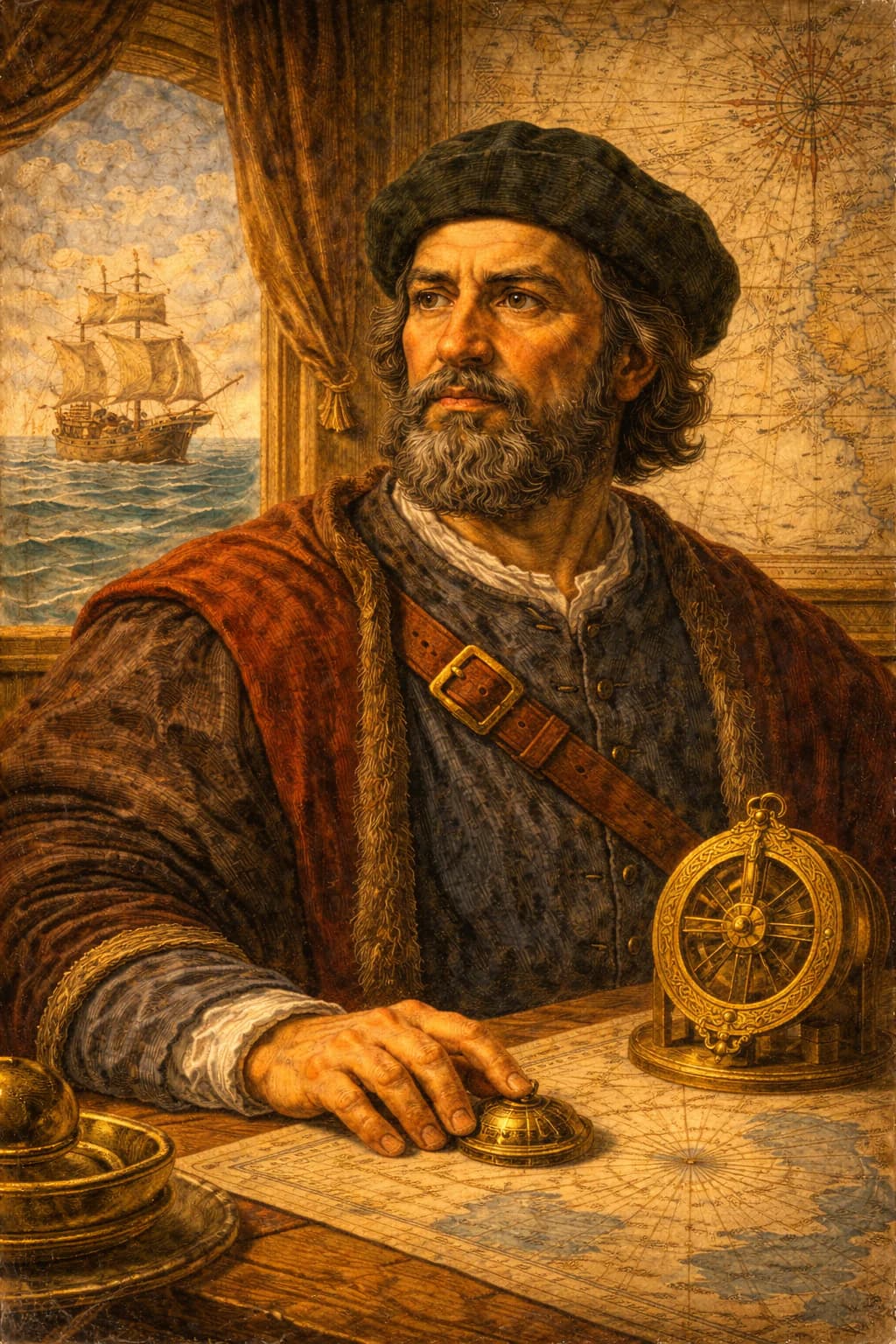
Portrait of Marco Polo
Marco Polo
1254-1324 CEItaly
He travelled from Venice to the Mongol world, spent years around Kublai Khan's Yuan empire, and returned with a travel account that stretched Europe's mental map of Asia even as readers argued over what he really saw.
Portrait of Marcus Aurelius
Marcus Aurelius
121-180 CEItaly
He is remembered as the philosopher emperor, yet most of his reign was spent under pressure from war, plague, succession, and duty, making his private Meditations a record of power tested by hardship.
Portrait of Marcus Livius Drusus
Marcus Livius Drusus
124-91 BCEItaly
He tried to solve Rome's citizenship crisis before it became war, linking senatorial reform, land policy, courts, grain, and Italian rights into one bold programme before assassination turned compromise into revolt.
Portrait of Marcus Tullius Cicero
Marcus Tullius Cicero
106-43 BCEItaly
He rose from outside Rome's old nobility to become its greatest courtroom voice, exposed Catiline, defended the Republic in prose and politics, and was killed when words could no longer restrain armed power.
Portrait of Margaret Thatcher
Margaret Thatcher
1925-2013 CEUnited Kingdom
She became Britain's first female prime minister, won three elections, broke the postwar consensus, confronted unions, privatised state industries, fought the Falklands War, and left a political argument Britain still lives inside.
Portrait of Marie Antoinette
Marie Antoinette
1755-1793 CEFrance
She arrived in France as a diplomatic bride, became the most hated woman of the Revolution, and died carrying blame for a monarchy already breaking under forces larger than herself.
Portrait of Mark Antony
Mark Antony
83-30 BCEItaly
He was Caesar's indispensable lieutenant, Rome's strongest man after the Ides of March, Cleopatra's partner in power, and the defeated rival whose fall cleared Octavian's path to empire.
Portrait of Martin Van Buren
Martin Van Buren
1782-1862 CEUnited States
He built the machinery of Jacksonian democracy, became the first president born after American independence, then watched the Panic of 1837 turn political genius into a one-term presidency.
Portrait of Mary I
Mary I
1516-1558 CEUnited Kingdom
She survived illegitimacy and succession crisis to become England's first queen regnant, restored Catholicism, married Philip of Spain, burned nearly three hundred Protestants, and left a reign still argued over as both pioneering and tragic.
Portrait of Mary II
Mary II
1662-1694 CEUnited Kingdom
She chose Protestant revolution over loyalty to her Catholic father, took the throne jointly with William III, governed capably during his campaigns, and helped make the 1689 constitutional settlement durable.
Portrait of Mary Queen of Scots
Mary Queen of Scots
1542-1587 CEUnited Kingdom
She was queen as a baby, widow as a teenager, prisoner for nearly half her life, and dangerous enough that Elizabeth finally signed her death warrant.
Portrait of Maximilien Robespierre
Maximilien Robespierre
1758-1794 CEFrance
He began as a lawyer demanding rights and virtue, then became the revolutionary leader most closely associated with terror in the name of liberty.
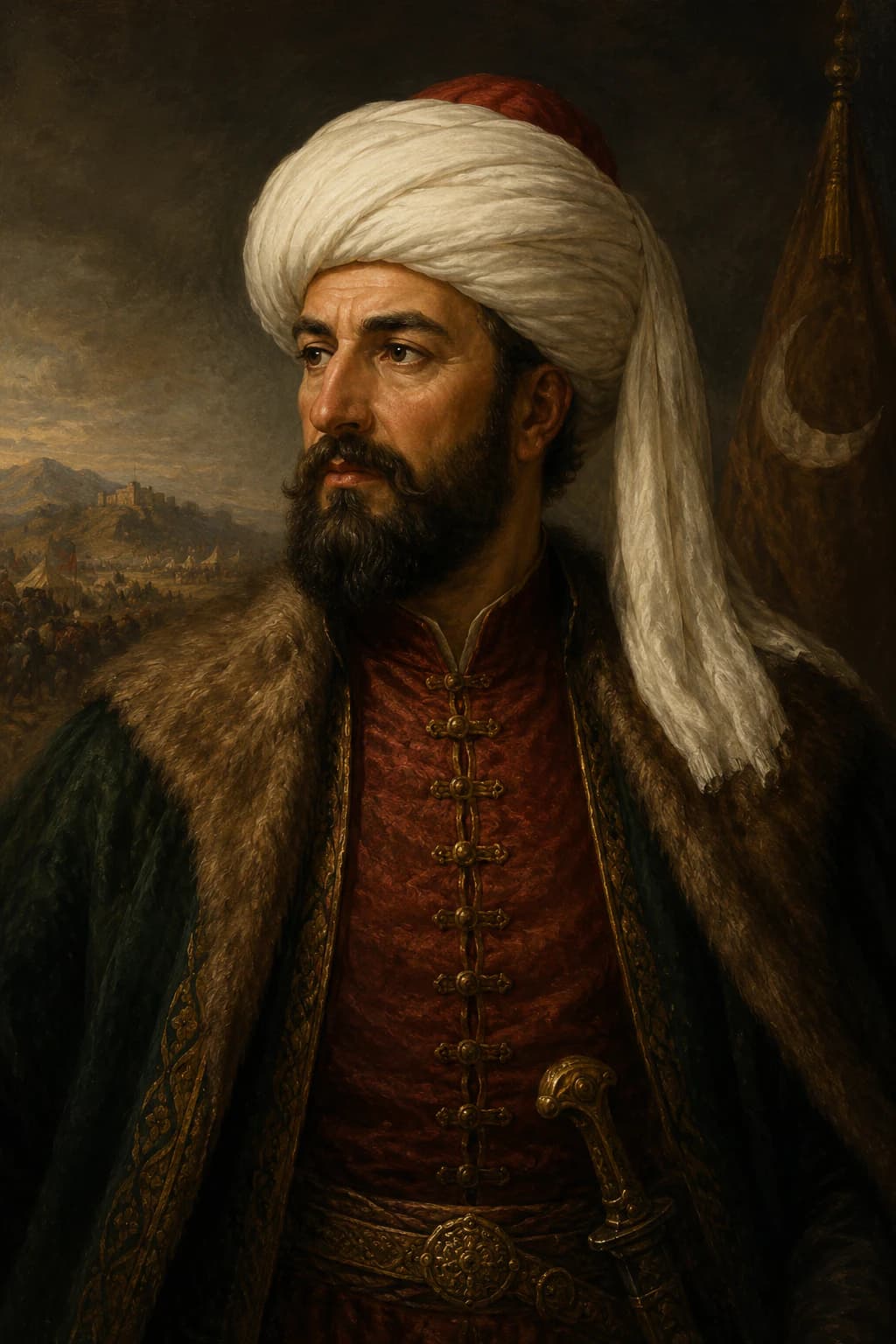
Portrait of Mehmed II
Mehmed II
1432-1481 CETurkey
He captured Constantinople in 1453, ended the Byzantine Empire, and turned the Ottoman state into an imperial power centred on Istanbul.
Portrait of Menkaure
Menkaure
Died 2500 BCEEgypt
He ruled late Fourth Dynasty Egypt, built the third main pyramid at Giza, and left a legacy shaped by royal restraint, elegant sculpture, and the changing resources of the pyramid age.
Portrait of Mikhail Gorbachev
Mikhail Gorbachev
1931-2022 CERussia
He tried to rescue Soviet socialism with openness, restructuring and restraint, helped end the Cold War, refused to hold Eastern Europe by force, and lost the union he wanted to reform.
Portrait of Millard Fillmore
Millard Fillmore
1800-1874 CEUnited States
He rose from frontier poverty to the White House, signed the Compromise of 1850, enforced the Fugitive Slave Act, opened the door to U.S. trade with Japan, and became a symbol of compromise that could delay civil war but not solve slavery.
Portrait of Mithridates VI
Mithridates VI
135-63 BCETurkey
He built Pontus into the strongest Black Sea kingdom of his age, challenged Roman power across Asia Minor and Greece, and became the eastern enemy Rome could defeat only after three long wars.
Portrait of Moctezuma II
Moctezuma II
1466-1520 CEMexico
He ruled Tenochtitlan at the height of Mexica power, faced Hernan Cortes and his Indigenous allies in 1519, and died as Spanish invasion turned imperial strength into sudden crisis.

N

11 figures
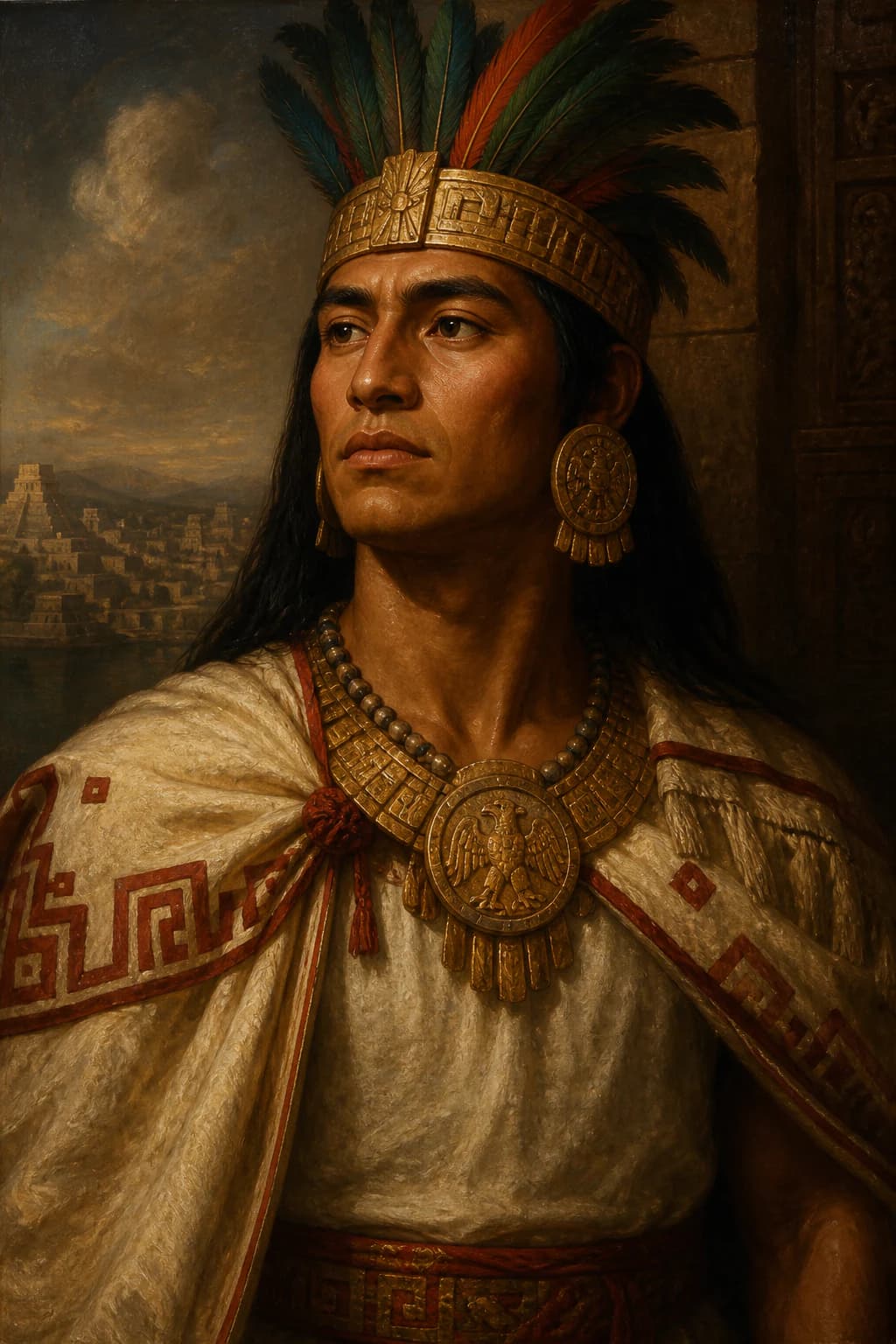
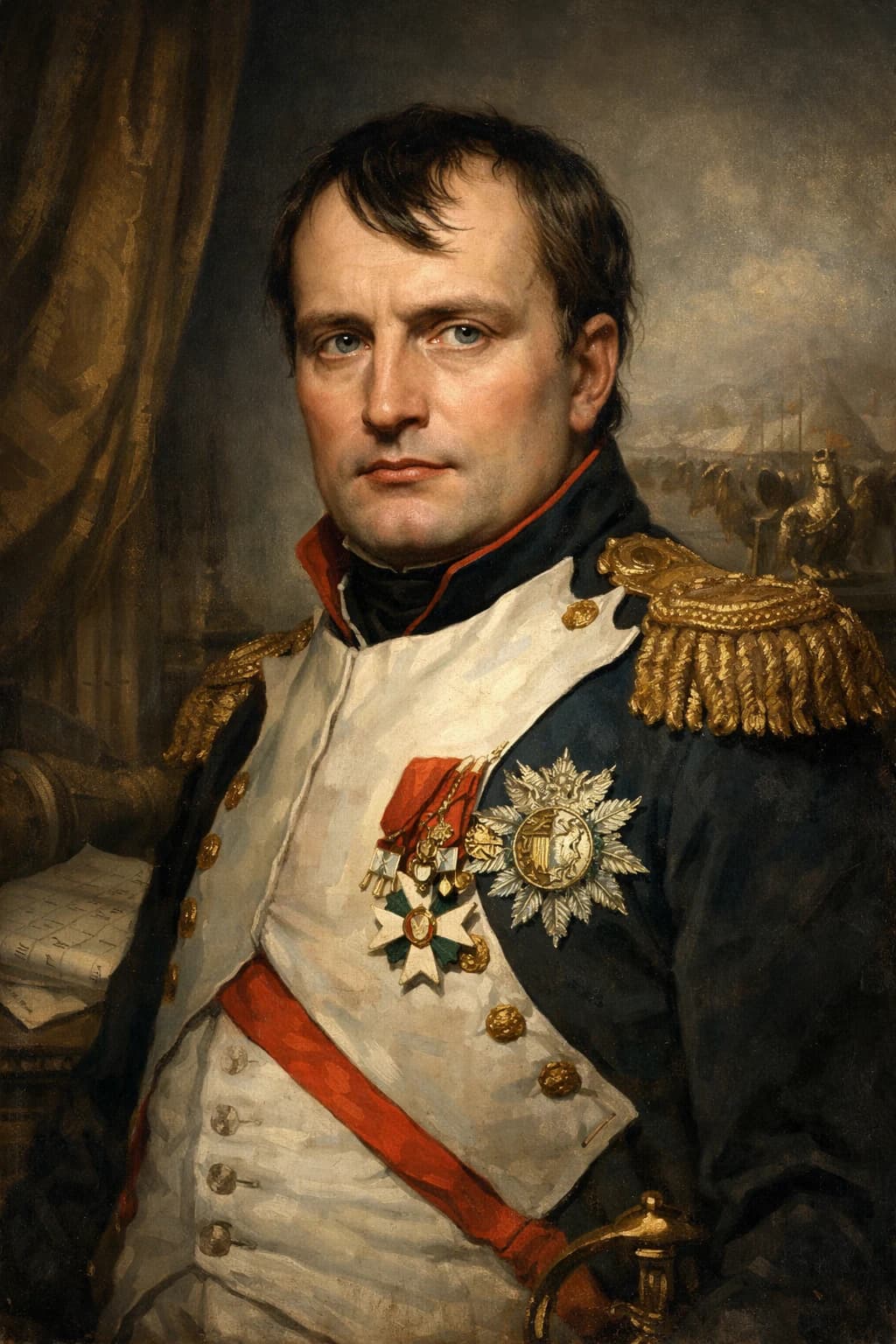
Portrait of Napoleon Bonaparte
Napoleon Bonaparte
1769-1821 CEFrance
He rose from Corsican outsider to French emperor, exported revolution by conquest, remade law and administration, dominated Europe for a decade, and fell when his empire demanded more war than France could sustain.
Portrait of Narmer
Narmer
3150-3100 BCEEgypt
He stands at the threshold of Egyptian history, the king most closely linked with unifying Upper and Lower Egypt, yet known through symbols, tombs and the Narmer Palette rather than a biography in the modern sense.
Portrait of Nebuchadnezzar II
Nebuchadnezzar II
630-562 BCEIraq
He turned Babylon into the dazzling capital of the ancient Near East and made its name unforgettable through conquest, exile, architecture, and biblical memory.
Portrait of Nero
Nero
37-68 CEItaly
He became emperor at sixteen, murdered his mother, performed like an artist-king, rebuilt Rome after the Great Fire, persecuted Christians, and died as rebellion ended the Julio-Claudian dynasty.
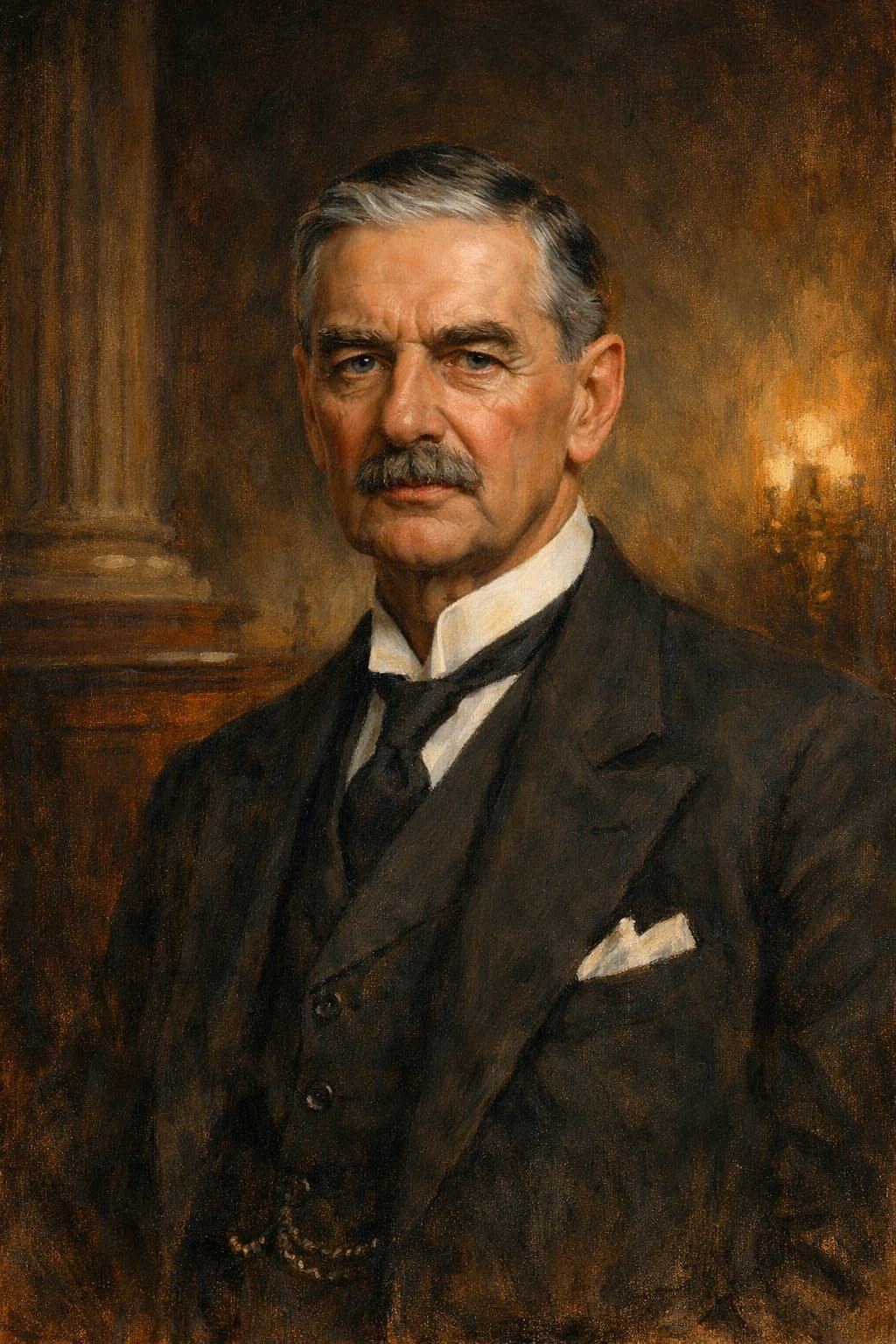
Portrait of Neville Chamberlain
Neville Chamberlain
1869-1940 CEUnited Kingdom
He tried to spare Britain another world war through negotiation with Adolf Hitler, won cheers after Munich, then saw appeasement collapse when Germany invaded Poland and wartime confidence pass to Winston Churchill.
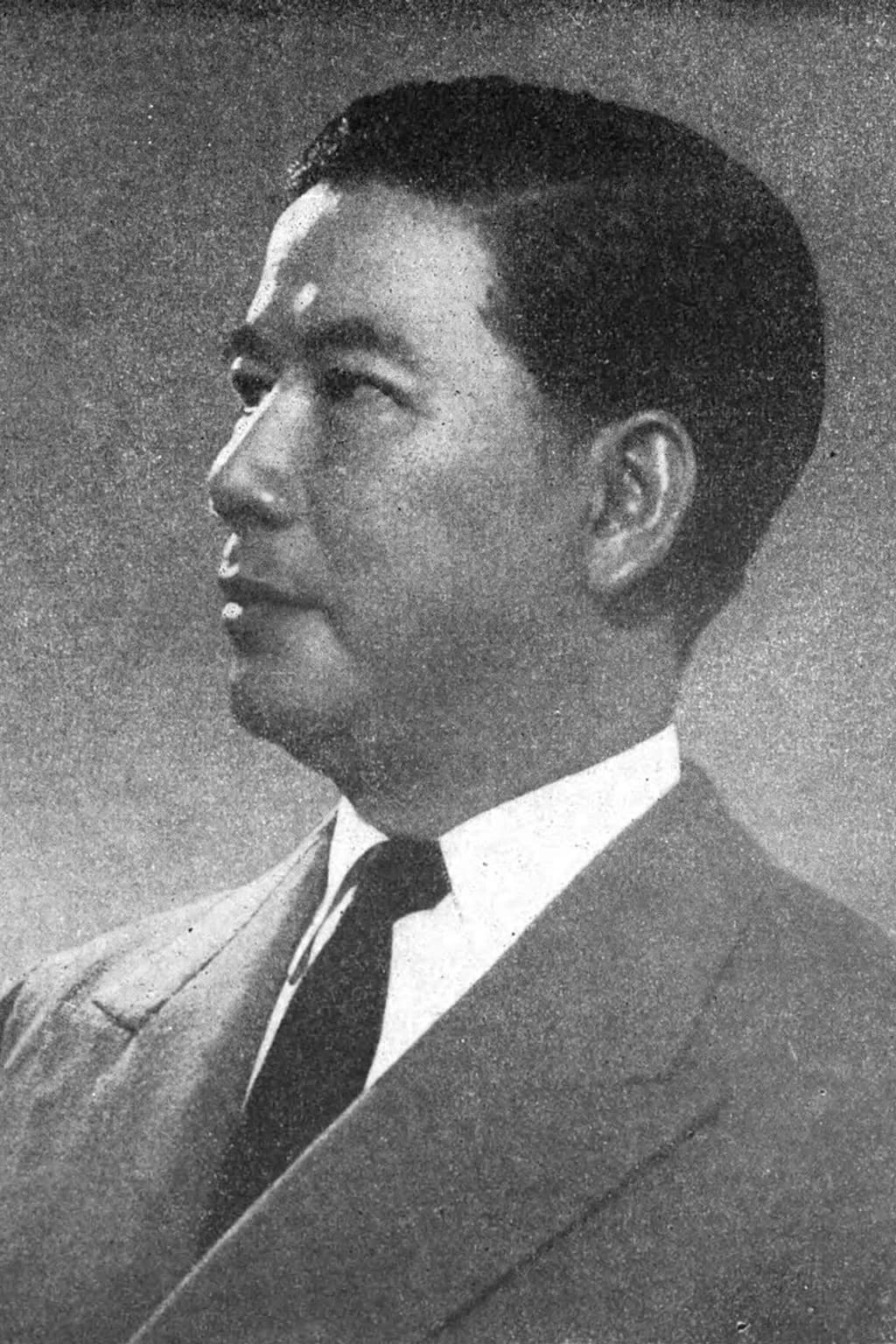
Portrait of Ngo Dinh Diem
Ngo Dinh Diem
1901-1963 CEVietnam
He built South Vietnam as an anti-communist state after partition, relied on American backing and family rule, alienated many Buddhists and opponents, and was overthrown in the 1963 coup that deepened U.S. entanglement in Vietnam.
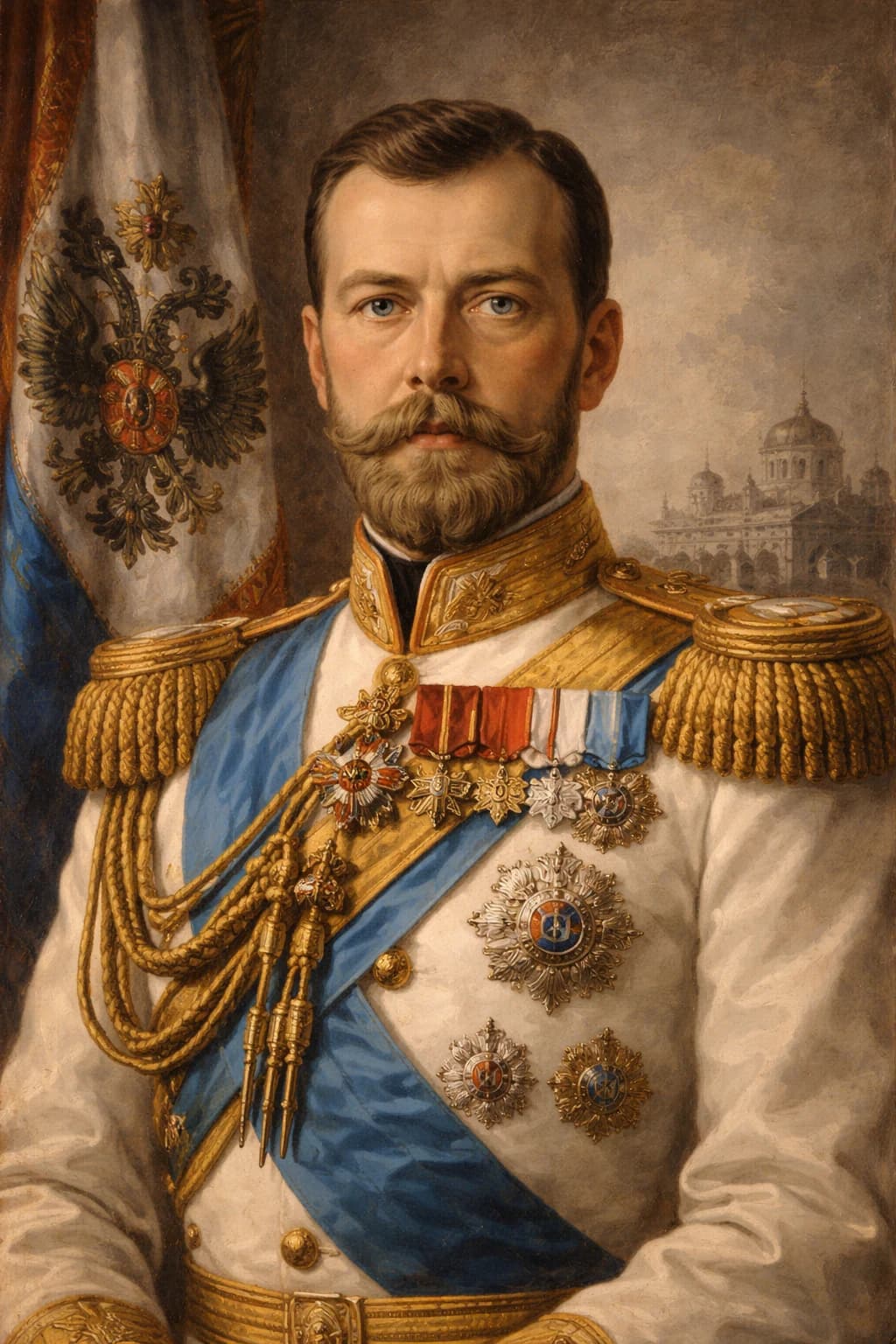
Portrait of Nicholas II
Nicholas II
1868-1918 CERussia
He inherited the Romanov autocracy, resisted constitutional change, led Russia into disastrous wars, and abdicated in 1917 before being executed with his family.
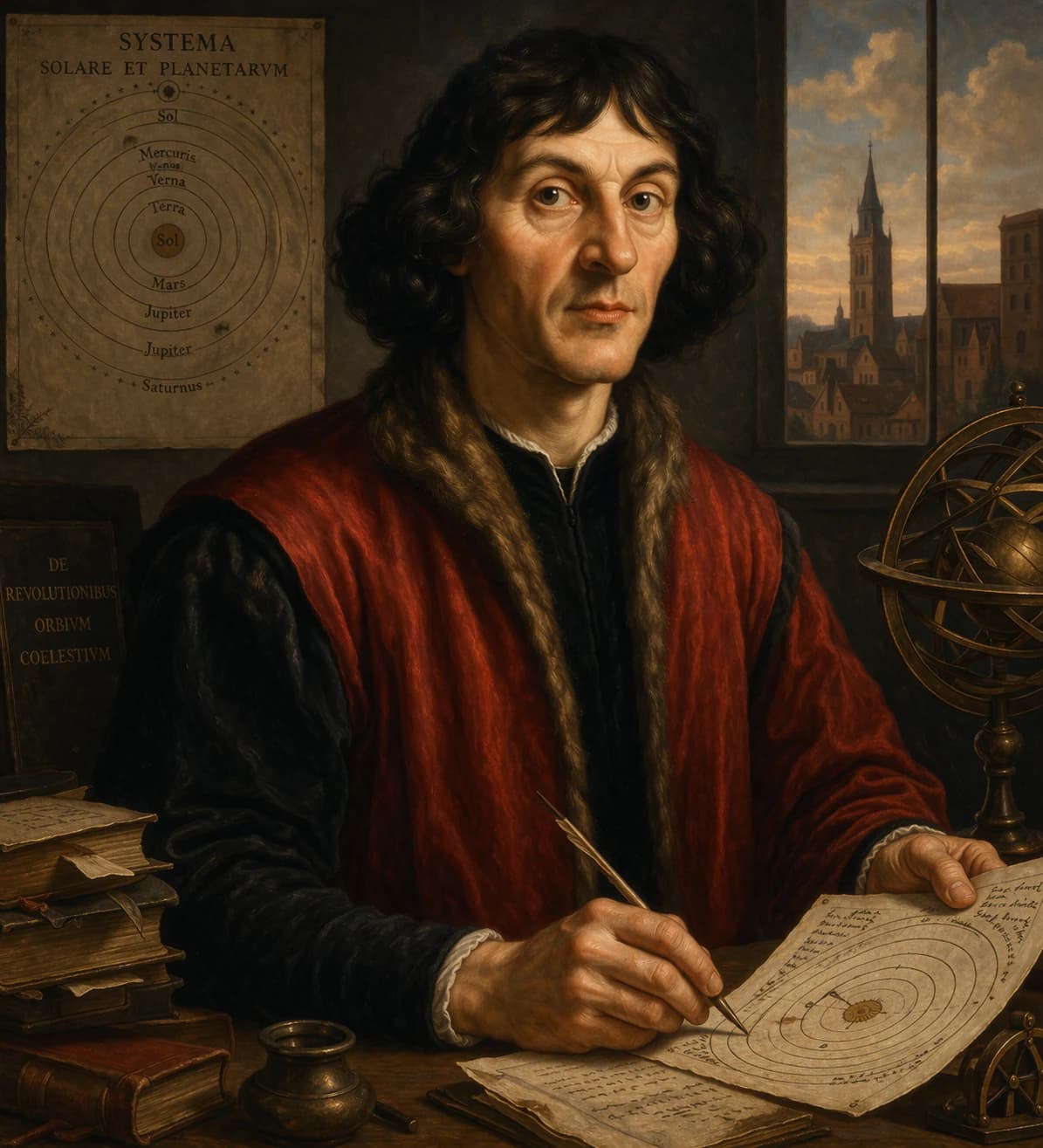
Portrait of Nicolaus Copernicus
Nicolaus Copernicus
1473-1543 CEPoland
He quietly moved Earth from the centre of the cosmos, spent decades refining a Sun-centred model, and published a book in 1543 that helped launch the scientific revolution without looking like a revolution at first glance.
Portrait of Nikita Khrushchev
Nikita Khrushchev
1894-1971 CERussia
He rose from peasant poverty through Stalin's party machine, denounced the terror that had made his career possible, launched Sputnik, gambled over Berlin and Cuba, and was removed by colleagues exhausted by his risks.
Portrait of Nur al-Din
Nur al-Din
1118-1174 CESyrian Arab Republic
He inherited Aleppo from Zengi, took Damascus in 1154, promoted Muslim unity against the Crusader states, and created the political framework that Saladin later expanded.
Portrait of Nurhaci
Nurhaci
1559-1626 CEChina
He turned scattered Jurchen clans into a disciplined Manchu power, founded the Later Jin state, and built the military system that made the Qing conquest of China possible.

O

8 figures
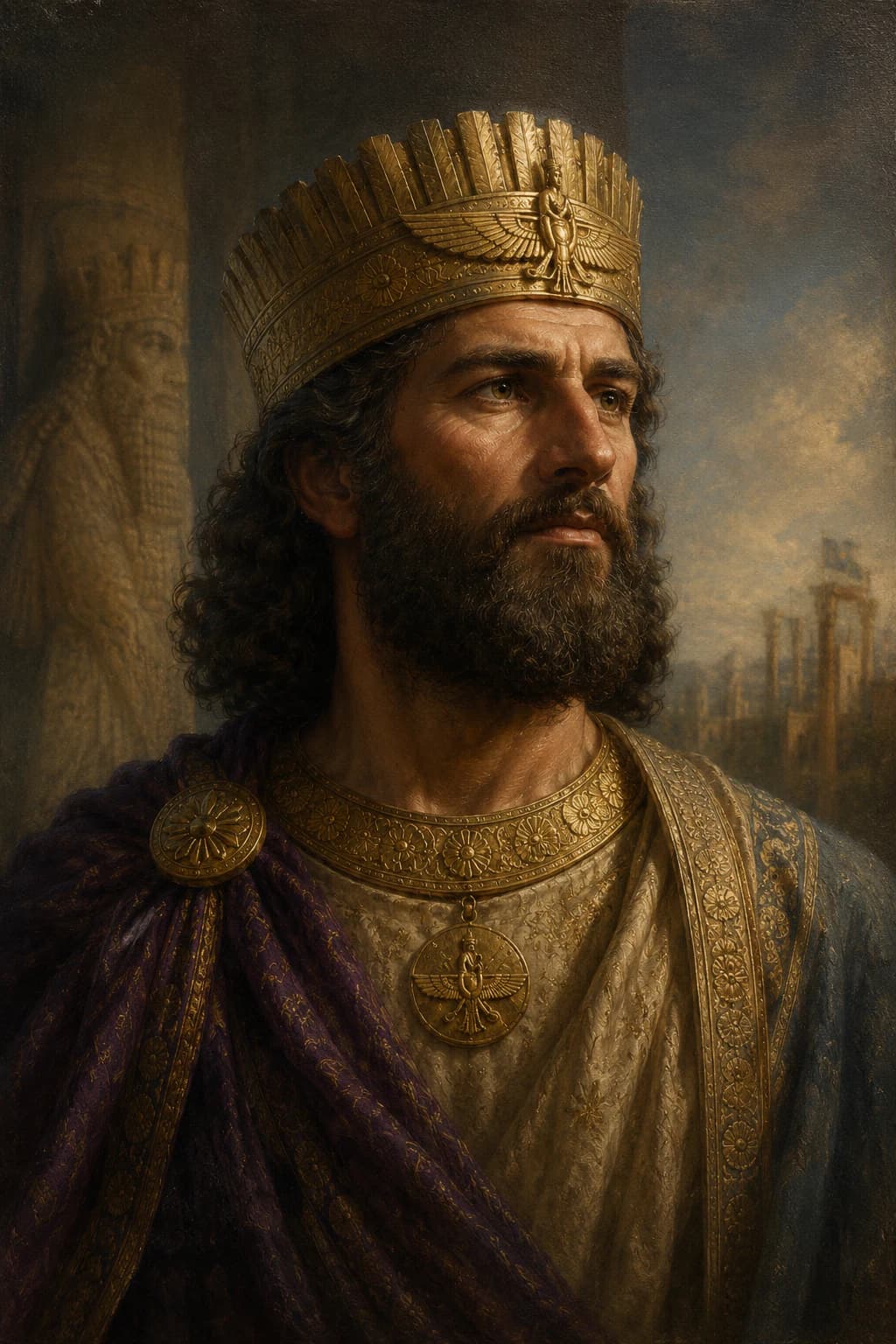
Portrait of Odoacer
Odoacer
433-493 CEItaly
He deposed Romulus Augustulus in 476, sent the western imperial regalia to Constantinople, and ruled Italy through Roman institutions before Theodoric murdered him at a peace banquet.
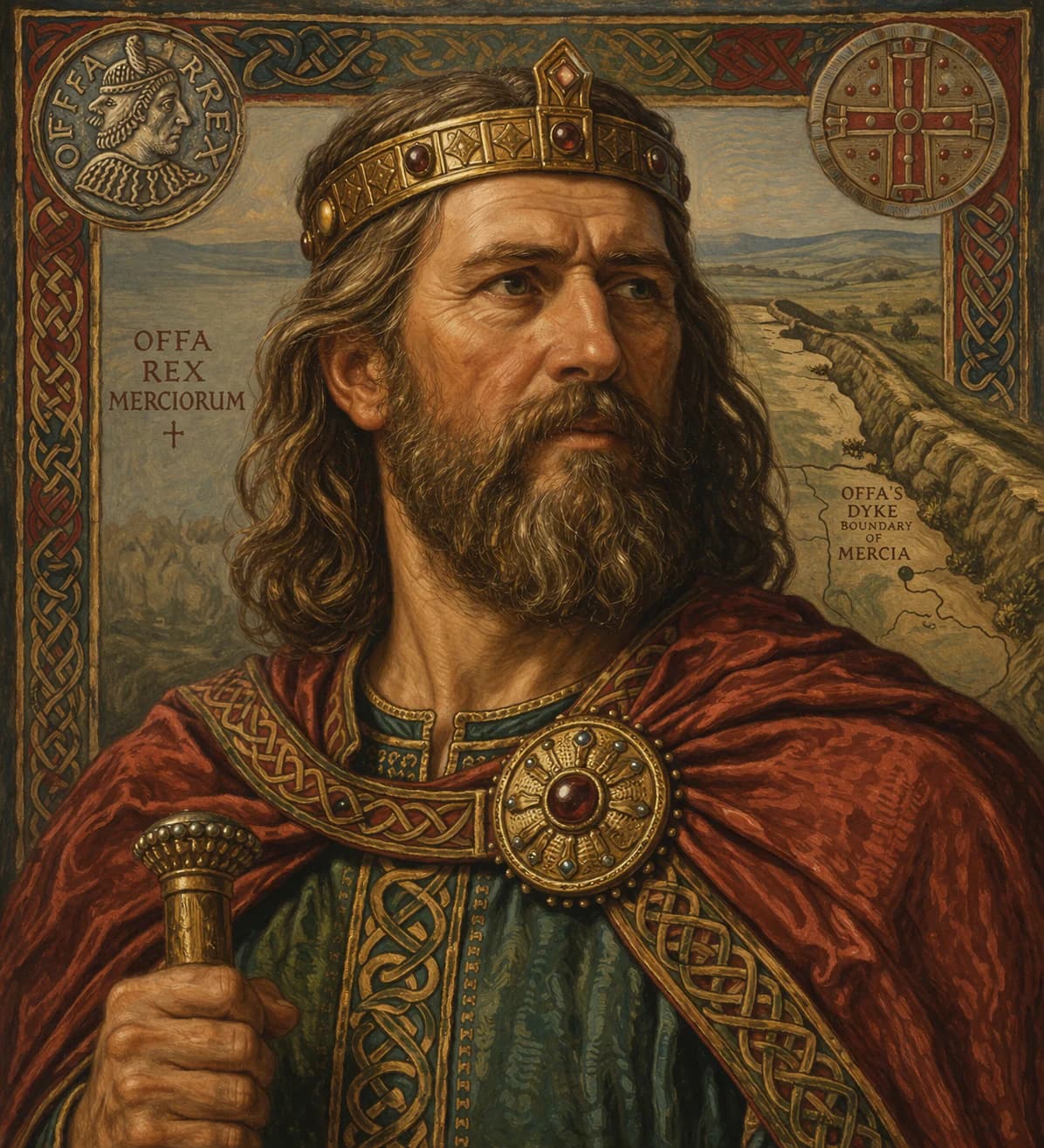
Portrait of Offa of Mercia
Offa of Mercia
730-796 CEUnited Kingdom
He made Mercia the dominant power in Anglo-Saxon England, dealt with Charlemagne, reformed coinage, shaped church politics and left Offa's Dyke as a monumental sign of royal power before England existed.
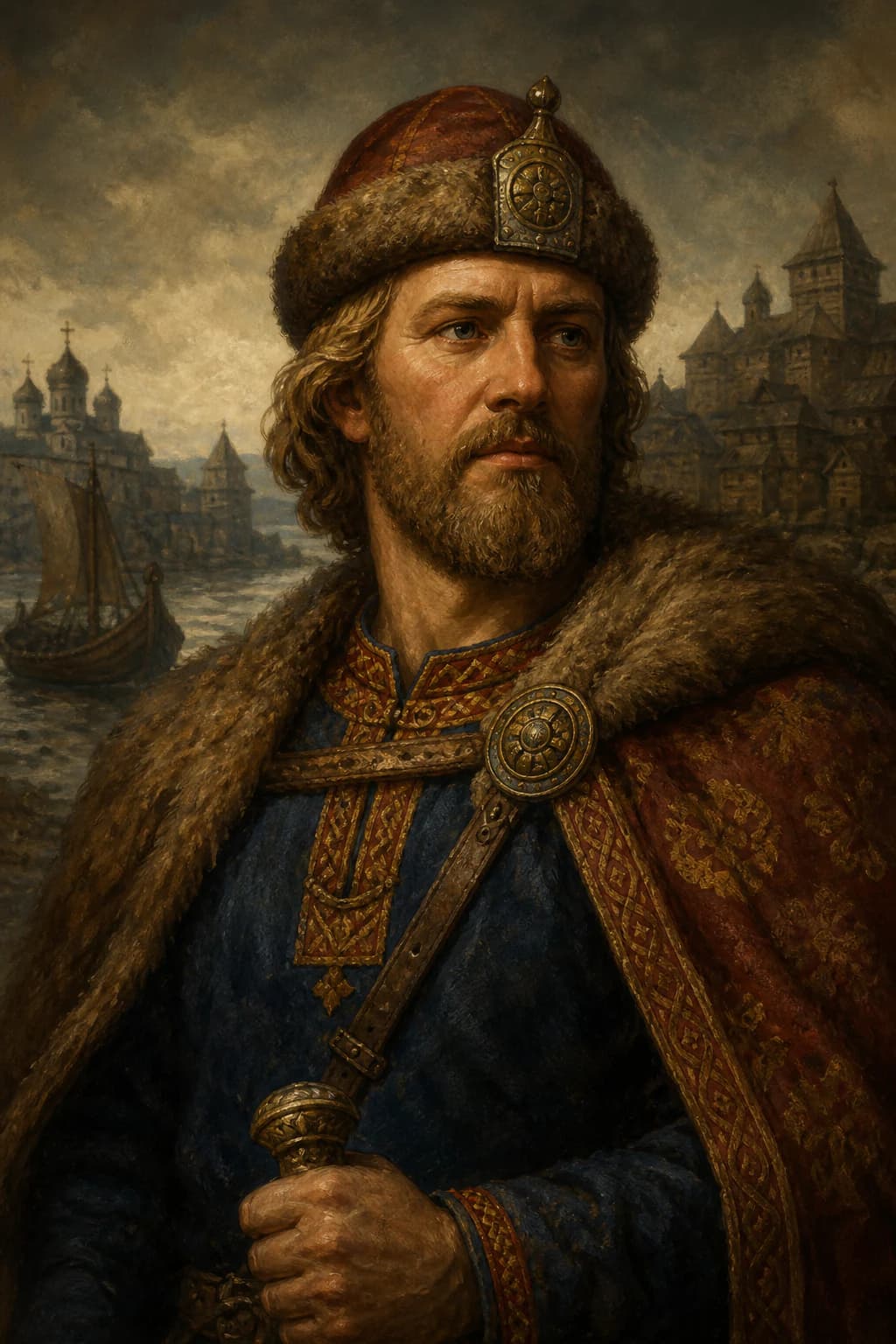
Portrait of Oleg of Novgorod
Oleg of Novgorod
845-912 CEUkraine
He carried Rus power from the northern waterways to Kiev, turning a loose Varangian-Slavic network into a more formidable political centre.
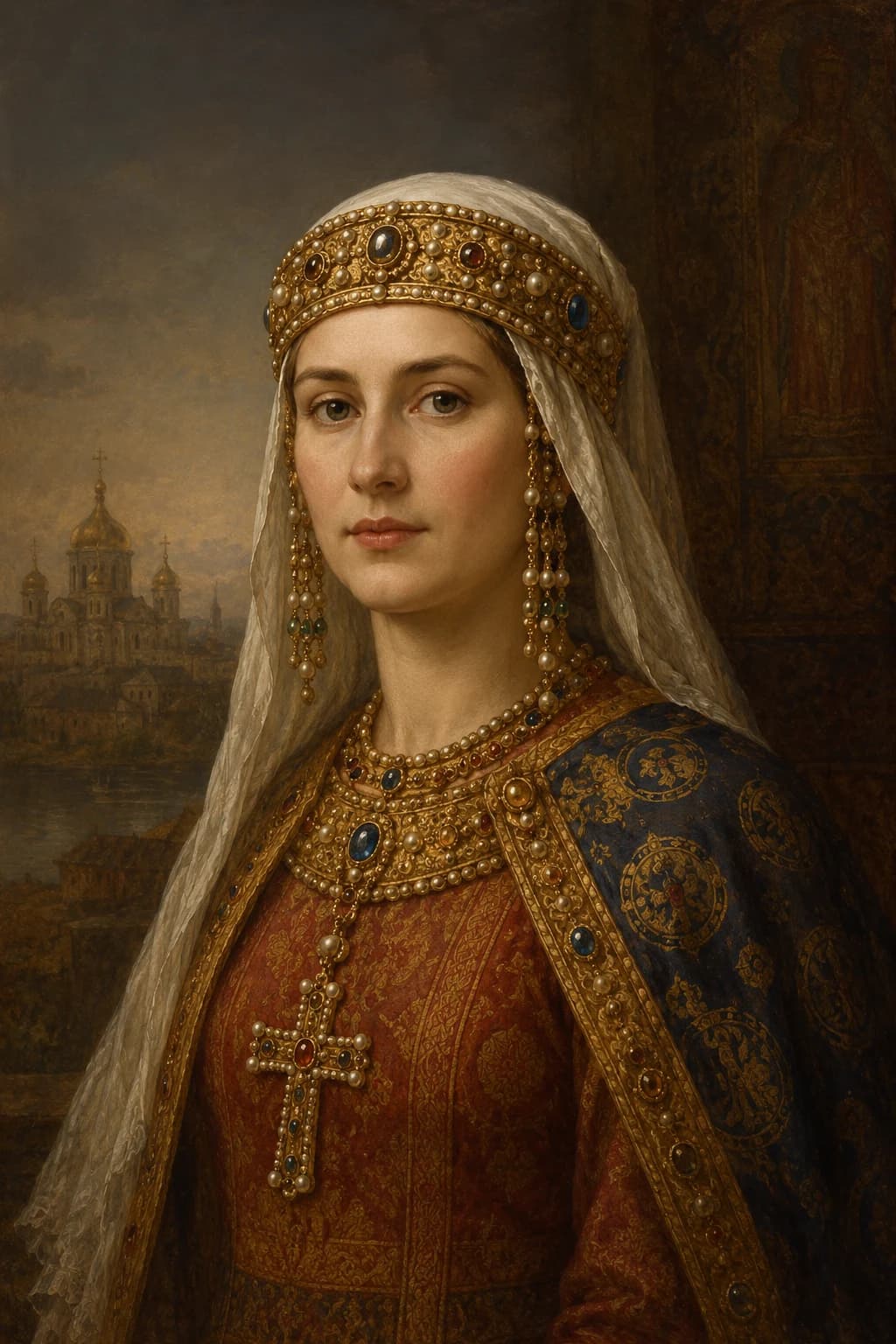
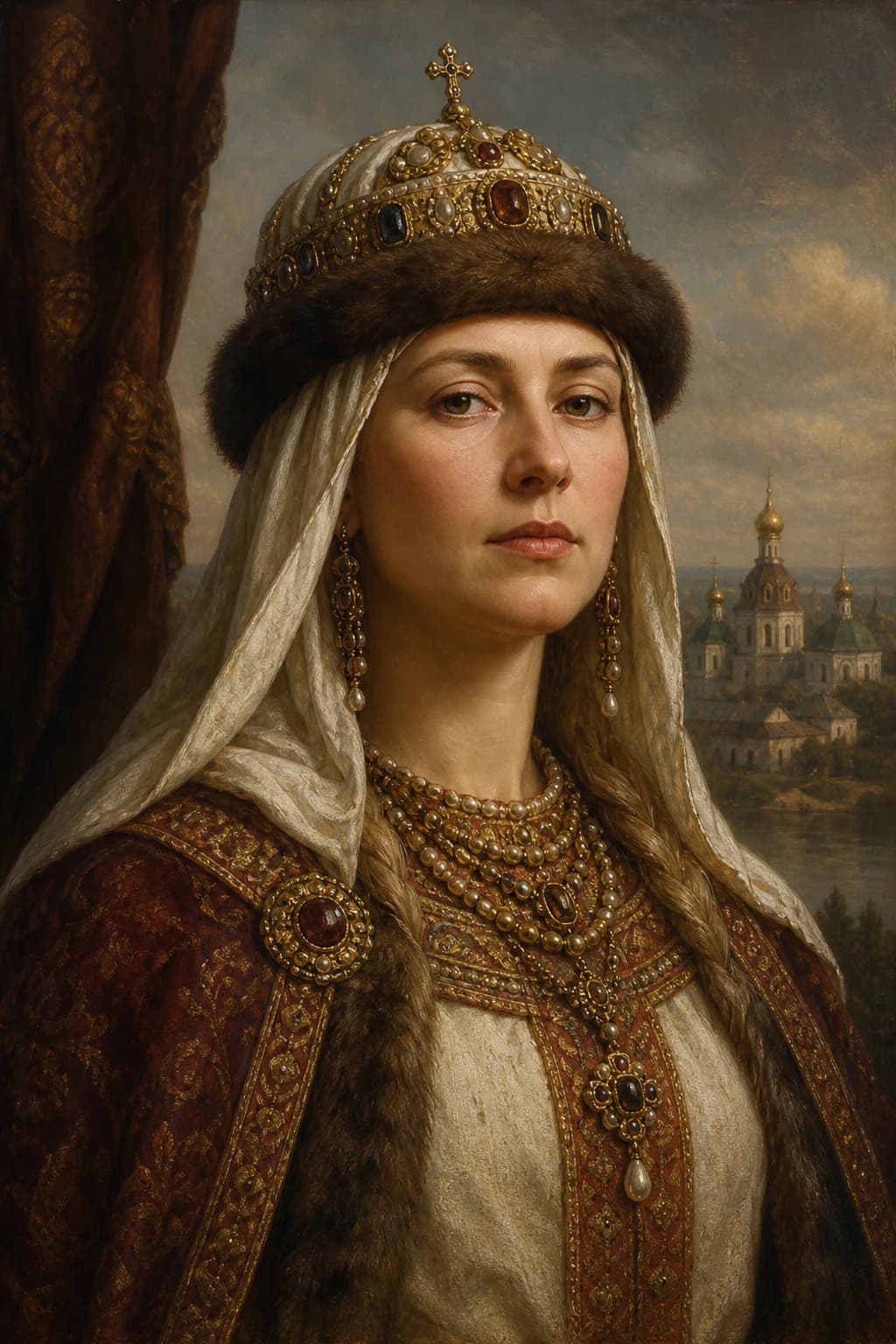
Portrait of Olga of Kiev
Olga of Kiev
890-969 CEUkraine
She ruled as regent after her husband's killing, broke a dangerous rebellion, reformed tribute, and became the most important Christian convert in Rus before Vladimir.
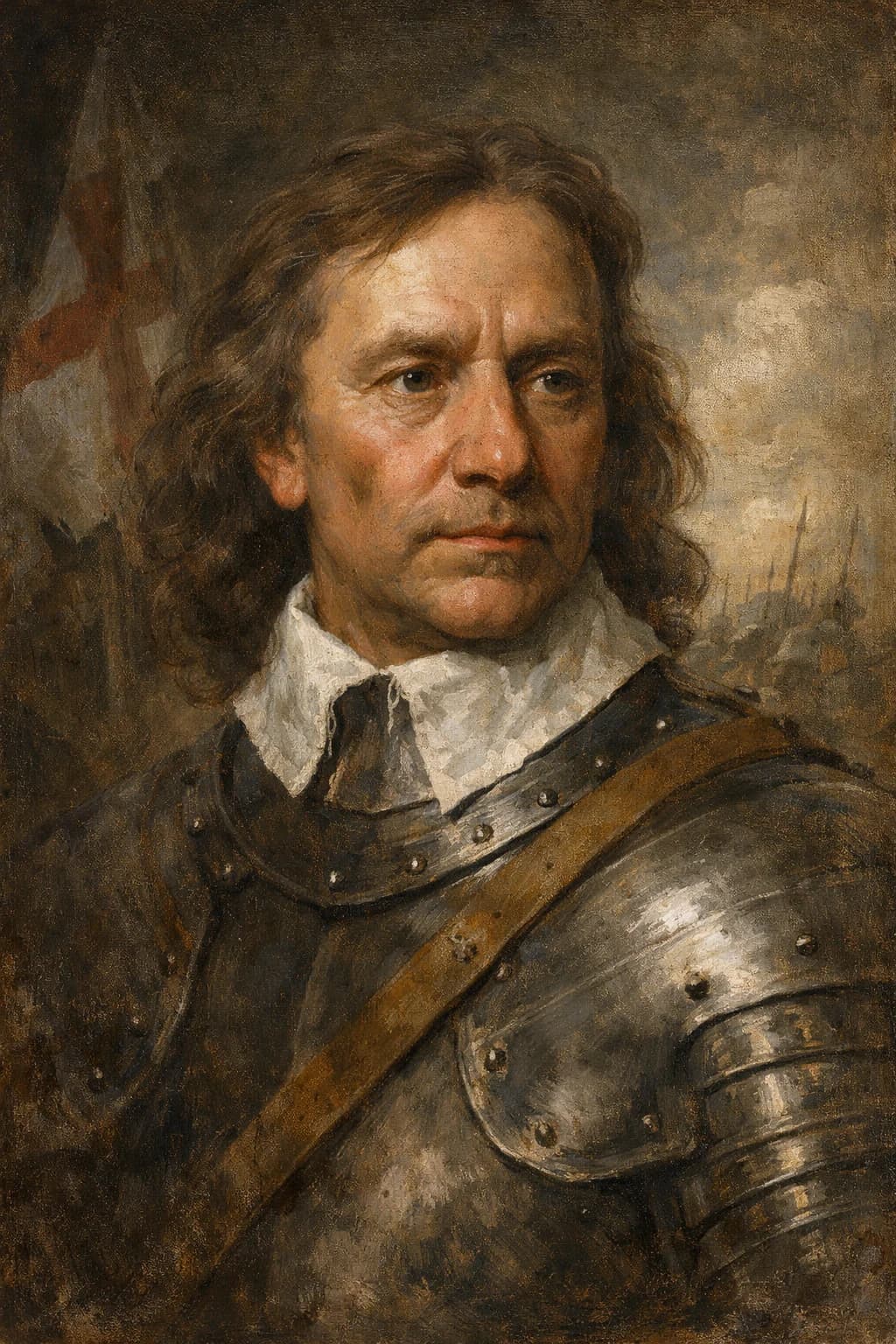
Portrait of Oliver Cromwell
Oliver Cromwell
1599-1658 CEUnited Kingdom
He rose from minor gentry to revolutionary general, helped defeat Charles I, signed the king's death warrant, conquered Ireland brutally, and ruled as Lord Protector in a republic that never solved its fear of monarchy.
Portrait of Orville Wright
Orville Wright
1871-1948 CEUnited States
Orville Wright was an American inventor and aviation pioneer who piloted the first controlled, powered, heavier-than-air flight at Kill Devil Hills on 17 December 1903.
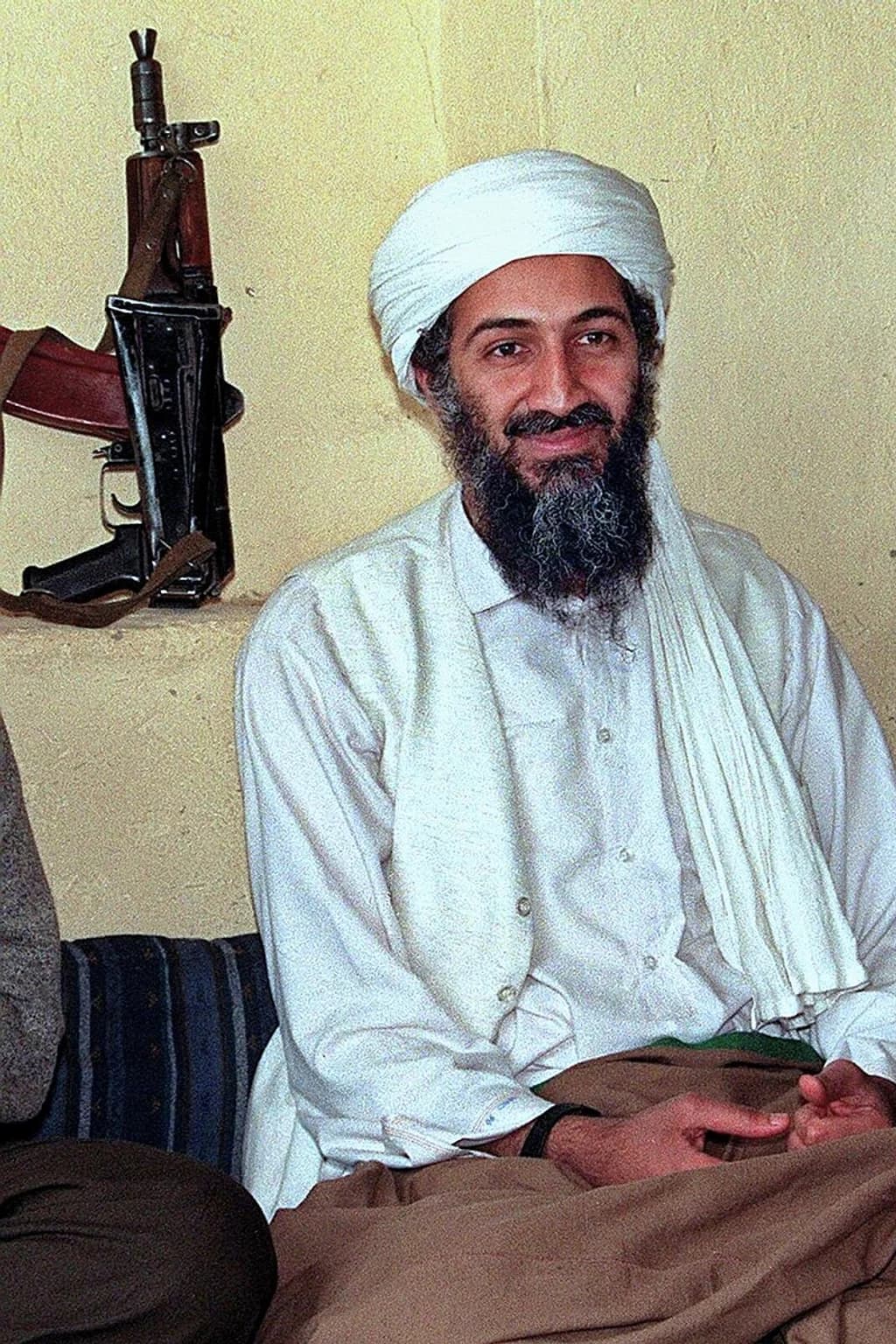
Portrait of Osama bin Laden
Osama bin Laden
1957-2011 CESaudi Arabia
He was the Saudi-born founder of al-Qaeda, the militant network that carried out the September 11 attacks, and his path from wealthy construction-family heir to global terrorist leader reshaped American foreign policy, Afghanistan, Pakistan, intelligence work, airport security, and the politics of Islam and violence after 2001.
Portrait of Osman I
Osman I
1258-1324 CETurkey
He led a frontier principality in northwestern Anatolia that grew after his death into the Ottoman Empire, one of the most durable states in world history.

P

22 figures
Portrait of Pan Geng
Pan Geng
c. 14th-13th century BCEChina
He was the Shang king traditionally credited with moving the royal capital to Yin near Anyang, a relocation that anchored the late Shang world preserved by oracle bones and bronze archaeology.
Portrait of Paul Kruger
Paul Kruger
1825-1904 CESouth Africa
He became the weathered face of Boer independence: a frontier politician, Calvinist patriarch, and president who resisted the British Empire until exile made him a symbol.
Portrait of Paul the Apostle
Paul the Apostle
5-67 CEIsrael
He began as Saul of Tarsus, a Jewish persecutor of the Jesus movement, then became its most important missionary writer, carrying Christianity across the Greek-speaking Roman world and reshaping its theology.
Portrait of Paul von Hindenburg
Paul von Hindenburg
1847-1934 CEGermany
He became Germany's aged symbol of military honour, helped shield the army from blame for defeat, governed Weimar by emergency decree, and appointed Adolf Hitler chancellor in the fatal belief that conservatives could contain him.
Portrait of Perdiccas
Perdiccas
Died 320 BCEGreece
He was one of Alexander's senior commanders and became regent after the king's death, but his attempt to hold the empire together led to war and his murder in Egypt.
Portrait of Pericles
Pericles
495-429 BCEGreece
He led Athens at the height of its democracy and empire, paid citizens to govern, built the Parthenon, turned allied tribute into Athenian splendour, and died as plague and war began to undo his strategy.
Portrait of Peter the Hermit
Peter the Hermit
1050-1115 CEFrance
He was a charismatic preacher associated with the People's Crusade, an early popular movement that set out before the main First Crusade armies and ended in disaster in Anatolia.
Portrait of Philip II of France
Philip II of France
1165-1223 CEFrance
He joined the Third Crusade with Richard I, helped take Acre, then returned to France and became one of the most effective Capetian kings, weakening Angevin power.
Portrait of Philip II of Macedon
Philip II of Macedon
382-336 BCEGreece
He inherited a battered frontier kingdom, rebuilt Macedon's army around the sarissa phalanx and Companion cavalry, defeated Athens and Thebes at Chaeronea, and left Alexander the Great the machine that conquered Persia.
Portrait of Philip II of Spain
Philip II of Spain
1527-1598 CESpain
He ruled Spain at the height of its imperial power, defended Catholic interests across Europe, and launched the Armada against Elizabethan England.
Portrait of Plato
Plato
427-347 BCEGreece
He turned Socrates' questioning into written philosophy, founded the Academy, explored justice, knowledge, love and reality, and gave later thinkers a vocabulary for asking what truth is and how societies should be ruled.
Portrait of Pompey the Great
Pompey the Great
106-48 BCEItaly
He was Rome's most celebrated general before Caesar, crushed pirates, reorganised the eastern Mediterranean, joined the First Triumvirate, and died in Egypt after civil war made his greatness suddenly expendable.
Portrait of Pope Alexander VI
Pope Alexander VI
1431-1503 CESpain
He was the Borgia pope who fused spiritual office with Renaissance power politics, advanced his family through the papacy, and helped give religious cover to Spain's Atlantic empire.
Portrait of Pope Clement VII
Pope Clement VII
1478-1534 CEItaly
He was the Medici pope whose refusal and delay over Henry VIII's annulment, under pressure from Charles V, helped push England toward royal supremacy and schism from Rome.
Portrait of Pope Innocent III
Pope Innocent III
1161-1216 CEItaly
He made the medieval papacy a force above kings, humbled John of England, shaped the Fourth Lateran Council, launched crusades against Muslims and heretics, and revealed both the reach and danger of sacred power.
Portrait of Pope Leo III
Pope Leo III
c. 750-816 CEItaly
He was the pope who crowned Charlemagne emperor on Christmas Day 800, tying Frankish power to Roman Christian authority and reshaping the political imagination of medieval western Europe.
Portrait of Pope Pius V
Pope Pius V
1504-1572 CEItaly
He was a reforming pope of the Counter-Reformation whose excommunication of Elizabeth I hardened the political danger facing English Catholics.
Portrait of Pope Pius VI
Pope Pius VI
1717-1799 CEItaly
He was the pope who condemned the Civil Constitution of the Clergy, deepening the religious split of the French Revolution before dying in French captivity.
Portrait of Pope Urban II
Pope Urban II
1035-1099 CEFrance
He called the First Crusade at Clermont in 1095, turning papal reform, knightly violence and the struggle for Jerusalem into a movement that reshaped medieval history.
Portrait of Prince Henry the Navigator
Prince Henry the Navigator
1394-1460 CEPortugal
He rarely sailed far himself, but as a Portuguese prince, crusader and sponsor of Atlantic voyages he pushed exploration beyond Cape Bojador, opened routes down West Africa, and helped begin both oceanic expansion and the Atlantic slave trade.
Portrait of Ptolemy I Soter
Ptolemy I Soter
c. 367-282 BCEEgypt
He was Alexander's general who secured Egypt, took Alexander's body to Alexandria, and founded the Ptolemaic dynasty that ruled until Cleopatra VII.
Portrait of Puyi
Puyi
1906-1967 CEChina
He became China's last emperor as a toddler, lost the throne before he understood it, returned briefly in a failed restoration, and later ruled Manchukuo as Japan's puppet emperor.

Q

2 figures

R

20 figures

Portrait of Radovan Karadzic
Radovan Karadzic
Born 1945 CEBosnia and Herzegovina
He turned poetry, psychiatry, and nationalism into wartime power, then spent years hiding from the crimes that made his name infamous.
Portrait of Ramesses II
Ramesses II
1303-1213 BCEEgypt
He ruled Egypt for more than sixty years, turned Kadesh into a propaganda victory, made peace with the Hittites, built Abu Simbel and Pi-Ramesses, and became the pharaoh later ages remembered as Ramesses the Great.
Portrait of Ramsay MacDonald
Ramsay MacDonald
1866-1937 CEUnited Kingdom
He rose from rural poverty and illegitimacy to become Britain's first Labour prime minister, proved Labour could govern, then split his own movement in 1931 by leading a National Government during economic crisis.
Portrait of Reinhard Heydrich
Reinhard Heydrich
1904-1942 CEGermany
He turned Nazi ideology into files, police power and organised terror, becoming one of the regime's most feared men and a central architect of the Holocaust.
Portrait of Richard Arkwright
Richard Arkwright
1732-1792 CEUnited Kingdom
He rose from the barber and wig-making trades to become one of the decisive builders of Britain's Industrial Revolution, turning the water frame and Cromford Mill into a repeatable factory system for cotton production.
Portrait of Richard I
Richard I
1157-1199 CEUnited Kingdom
He ruled England for ten years but spent very little of that reign there, becoming famous instead as a crusader, commander and Angevin warlord whose legend as the Lionheart often outshines his record as king.
Portrait of Richard II
Richard II
1367-1400 CEUnited Kingdom
He faced the Peasants' Revolt as a boy king, built a dazzling court around sacred monarchy, and then pushed royal power so far that Henry Bolingbroke could make deposition look like rescue.
Portrait of Richard III
Richard III
1452-1485 CEUnited Kingdom
He was a loyal brother and able soldier who took his nephew's throne, acquired the darkest reputation in English history, and died charging at Bosworth with no one riding to save him.
Portrait of Richard Nixon
Richard Nixon
1913-1994 CEUnited States
He opened China, ended the draft, founded the EPA — and then recorded himself discussing how to cover up a break-in and handed his enemies the evidence they needed.
Portrait of Rishi Sunak
Rishi Sunak
Born 1980 CEUnited Kingdom
He became Britain's first British-Asian prime minister after the Truss crisis, steadied the markets, struggled against economic fatigue, and led the Conservatives into their 2024 defeat.
Portrait of Robert Clive
Robert Clive
1725-1774 CEUnited Kingdom
He helped turn the East India Company from a trading corporation into a territorial power, winning Plassey and opening the path to British rule in Bengal.
Portrait of Robert E. Lee
Robert E. Lee
1807-1870 CEUnited States
He turned down command of the Union army, chose Virginia instead, and spent four years fighting brilliantly for a cause whose central purpose was the preservation of slavery.
Portrait of Robert Gascoyne-Cecil, 3rd Marquess of Salisbury
Robert Gascoyne-Cecil, 3rd Marquess of Salisbury
1830-1903 CEUnited Kingdom
He distrusted democracy yet led Britain repeatedly as prime minister, steering imperial policy with cold realism while quietly shaping the balance of power across Europe.
Portrait of Robert McNamara
Robert McNamara
1916-2009 CEUnited States
He brought systems analysis to the Pentagon, escalated the Vietnam War with terrifying confidence, and spent the rest of his life wrestling with what those numbers had missed.
Portrait of Rollo
Rollo
860-930 CEFrance
He led a Viking raid into northern France, was offered land to stop raiding, and became the founder of Normandy — and the great-great-great-grandfather of William the Conqueror.
Portrait of Romulus Augustulus
Romulus Augustulus
461-511 CEItaly
He was the teenage figurehead of a failing western court, deposed after ten months by Odoacer in 476, and later turned into the convenient final name of the Western Roman Empire.
Portrait of Ronald Reagan
Ronald Reagan
1911-2004 CEUnited States
He was a B-movie actor who became the most consequential American president of the late twentieth century — and the argument about how he managed it has never stopped.
Portrait of Rosa Luxemburg
Rosa Luxemburg
1871-1919 CEPoland
She argued with everyone on the left — Lenin, Kautsky, Bernstein — and was murdered by the government's own paramilitaries at the moment her revolution seemed closest to succeeding.
Portrait of Rurik
Rurik
830-879 CERussia
He stands at the misted edge of Rus history: a Varangian war leader, a dynastic ancestor, and the name around which later rulers built a story of origin.
Portrait of Rutherford B Hayes
Rutherford B Hayes
1822-1893 CEUnited States
He won the most disputed presidential election in American history by a single electoral vote, withdrew federal troops from the South, and effectively ended Reconstruction.

S

30 figures

Portrait of Saddam Hussein
Saddam Hussein
1937-2006 CEIraq
He was Iraq's Ba'athist dictator from 1979 to 2003, a ruler who built a ruthless security state, fought Iran, invaded Kuwait, used violence against Kurdish and Shi'a communities, and became the central target of the U.S.-led Iraq War.
Portrait of Saladin
Saladin
1137-1193 CEEgypt
He rose from Kurdish military service to unite Egypt and Syria, defeat the Crusader kingdom at Hattin, and retake Jerusalem with a reputation that crossed religious lines.
Portrait of Sargon of Akkad
Sargon of Akkad
2334-2279 BCEIraq
He rose from obscurity — possibly a gardener's son — to build the first true empire in recorded history, and the stories told about him echo through legends for millennia.
Portrait of Saul
Saul
1050-1010 BCEIsrael
He was everything the Israelites asked for in a king — tall, strong, from the right tribe — and fell apart under the pressure of a role he couldn't quite figure out how to play.
Portrait of Scipio Africanus
Scipio Africanus
236-183 BCEItaly
He learned from Rome's disasters against Hannibal, carried the war into Spain and Africa, and won the victory at Zama that made Carthage yield.
Portrait of Seleucus I Nicator
Seleucus I Nicator
c. 358-281 BCESyrian Arab Republic
He was Alexander's commander who won Babylon, founded the Seleucid Empire, and built one of the largest Hellenistic kingdoms across Syria, Mesopotamia, Persia, and beyond.
Portrait of Sir Alec Douglas-Home
Sir Alec Douglas-Home
1903-1995 CEUnited Kingdom
He unexpectedly renounced his aristocratic title to become prime minister, led briefly during a turbulent political shift, and later returned as a steady voice in foreign affairs.
Portrait of Sir Anthony Eden
Sir Anthony Eden
1897-1977 CEUnited Kingdom
He spent decades warning about dictatorship abroad, yet his own premiership collapsed when the Suez Crisis exposed the limits of British power in a changing world.
Portrait of Sir Edward Heath
Sir Edward Heath
1916-2005 CEUnited Kingdom
He achieved Britain's entry into the European Economic Community, but his premiership was overwhelmed by inflation, industrial conflict, the oil shock, and a failed attempt to ask voters who governed Britain.
Portrait of Sir Francis Drake
Sir Francis Drake
1540-1596 CEUnited Kingdom
He circled the globe, raided Spain's Atlantic empire, helped fight the Armada, and became exactly the kind of hero England celebrated and Spain called a pirate.
Portrait of Sir Henry Campbell-Bannerman
Sir Henry Campbell-Bannerman
1836-1908 CEUnited Kingdom
He held a divided Liberal Party together, condemned the brutal conduct of the Boer War, won the great 1906 landslide, and helped turn British liberalism toward welfare reform and restraint in empire.
Portrait of Sir John Major
Sir John Major
Born 1943 CEUnited Kingdom
He rose from Brixton and early hardship to become prime minister, won an unexpected election in 1992, endured Black Wednesday and Conservative civil war over Europe, and quietly advanced the Northern Ireland peace process.
Portrait of Sir Keir Starmer
Sir Keir Starmer
Born 1962 CEUnited Kingdom
He moved from human rights law to public prosecution, rebuilt Labour after its 2019 defeat, won the 2024 general election, and now faces the harder test of turning a huge majority into visible renewal.
Portrait of Sir Robert Peel
Sir Robert Peel
1788-1850 CEUnited Kingdom
He built the Metropolitan Police, remade Conservative politics around practical reform, and split his own party by repealing the Corn Laws when famine and economic logic made protectionism indefensible.
Portrait of Sir Robert Walpole
Sir Robert Walpole
1676-1745 CEUnited Kingdom
He did not invent the title of prime minister, but he made the office real by controlling finance, Parliament, patronage, and the confidence of the Hanoverian monarchy for more than twenty years.
Portrait of Sir Thomas More
Sir Thomas More
1478-1535 CEUnited Kingdom
He was a humanist scholar, royal councillor and Lord Chancellor who refused Henry VIII's supremacy oath and was executed for treason in 1535.
Portrait of Sir Tony Blair
Sir Tony Blair
Born 1953 CEUnited Kingdom
He made Labour electable again, won three general elections, expanded public services and devolved power, but the Iraq War left a shadow that still defines arguments over his legacy.
Portrait of Sir Walter Raleigh
Sir Walter Raleigh
1554-1618 CEUnited Kingdom
He chased favour, colonies, gold and glory with the same dangerous confidence, then discovered that a queen's smile was safer than a king's suspicion.
Portrait of Sir Winston Churchill
Sir Winston Churchill
1874-1965 CEUnited Kingdom
He warned about Nazi Germany when many dismissed him, became prime minister in Britain's gravest crisis, and turned defiance, alliance-building, and language into instruments of survival.
Portrait of Slobodan Milosevic
Slobodan Milosevic
1941-2006 CESerbia
He rode nationalist grievance to power and helped turn Yugoslavia's constitutional crisis into a sequence of wars, expulsions, and trials.
Portrait of Socrates
Socrates
470-399 BCEGreece
He left no writings of his own, yet Socrates changed philosophy by turning public conversation into a search for truth, then died in Athens rather than abandon the examined life.
Portrait of Solomon
Solomon
990-931 BCEIsrael
He is remembered as Israel's wise king and builder of the First Temple in Jerusalem, but the splendour associated with Solomon also points to a monarchy strained by labour, taxation and fragile unity.
Portrait of Solon
Solon
638-558 BCEGreece
He defused Athens' social crisis by cancelling debt bondage, reshaping citizenship around wealth rather than birth, and refusing to turn reform into personal tyranny.
Portrait of Spencer Compton
Spencer Compton
1673-1743 CEUnited Kingdom
He rose through patience, patronage and royal favour to become Britain's nominal first minister after Walpole, but his brief premiership showed the difference between holding office and commanding power.
Portrait of Spencer Perceval
Spencer Perceval
1762-1812 CEUnited Kingdom
He led Britain during the Napoleonic Wars with austere Tory discipline, defended controversial wartime policies, and became the only British prime minister assassinated in office.
Portrait of Stanley Baldwin
Stanley Baldwin
1867-1947 CEUnited Kingdom
He turned quietness into political strength, guiding Britain through the General Strike and Abdication Crisis, but his caution over rearmament left a contested legacy as Nazi Germany rose.
Portrait of Stephen
Stephen
1096-1154 CEUnited Kingdom
He seized England's throne after Henry I's death, fought Empress Matilda through the civil war known as the Anarchy, and finally accepted that her son Henry would inherit after him.
Portrait of Stilicho
Stilicho
359-408 CEItaly
He kept the western empire alive with armies, bargains, and nerve, until court politics killed the man Rome could least afford to lose.
Portrait of Suleiman the Magnificent
Suleiman the Magnificent
1494-1566 CETurkey
He ruled the Ottoman Empire at the height of its power, expanding from Hungary to Iraq while shaping law, court culture and imperial identity.
Portrait of Syngman Rhee
Syngman Rhee
1875-1965 CEKorea
He spent decades campaigning for Korean independence, became South Korea's first president in 1948, led through the Korean War, and fell in 1960 after protests against authoritarian rule.

T

18 figures

Portrait of Tarquin the Proud
Tarquin the Proud
550-495 BCEItaly
He was remembered as Rome's last king, a tyrant whose overthrow after the Lucretia crisis became the founding story of the Roman Republic and its hatred of monarchy.
Portrait of Theodore Roosevelt
Theodore Roosevelt
1858-1919 CEUnited States
He turned personal energy into a governing style, becoming the youngest U.S. president, regulating corporate power, conserving public lands, building American influence, and splitting his party in 1912.
Portrait of Theodoric the Great
Theodoric the Great
454-526 CEItaly
He was raised as a hostage in Constantinople, led the Ostrogoths into Italy, ruled through Roman institutions for three decades, and left a brilliant reign shadowed by executions.
Portrait of Theodosius I
Theodosius I
347-395 CEItaly
He held the empire together one last time and bound it more tightly to Christianity, leaving successors an empire both unified in faith and divided in rule.
Portrait of Theresa May
Theresa May
Born 1956 CEUnited Kingdom
She became prime minister after the Brexit referendum, tried to turn a narrow Leave vote into a workable settlement, and resigned after Parliament rejected her deal three times.
Portrait of Thomas Becket
Thomas Becket
1119-1170 CEUnited Kingdom
He rose from London merchant roots to become Henry II's chancellor and Archbishop of Canterbury, then died as a martyr after a bitter struggle over church and royal authority.
Portrait of Thomas Cranmer
Thomas Cranmer
1489-1556 CEUnited Kingdom
He helped Henry VIII break with Rome, gave English Protestantism its liturgy through the Book of Common Prayer, recanted under Mary I, then died rejecting that recantation.
Portrait of Thomas Cromwell
Thomas Cromwell
1485-1540 CEUnited Kingdom
He rose from Putney origins to become Henry VIII's chief minister, engineered royal supremacy and the dissolution of the monasteries, then fell after the failed Anne of Cleves marriage.
Portrait of Thomas Jefferson
Thomas Jefferson
1743-1826 CEUnited States
He wrote the Declaration of Independence, doubled the United States through the Louisiana Purchase, defended republican liberty, and lived within the slavery contradiction America still confronts.
Portrait of Thomas Pelham Holles, Duke of Newcastle
Thomas Pelham Holles, Duke of Newcastle
1693-1768 CEUnited Kingdom
He mastered patronage, elections and Whig management for decades, serving twice as prime minister while proving that influence could matter more than charisma.
Portrait of Thutmose III
Thutmose III
1481-1425 BCEEgypt
He ruled Eighteenth Dynasty Egypt first under Hatshepsut's shadow and then as a formidable sole pharaoh, leading campaigns that made New Kingdom power felt from Nubia to the Levant.
Portrait of Tiberius
Tiberius
42 BCE-37 CEItaly
He was Augustus's adopted heir and Rome's second emperor, a brilliant soldier-administrator whose guarded reign proved the Principate could survive its founder while exposing the fear, isolation, and succession anxiety built into imperial rule.
Portrait of Tiberius Gracchus
Tiberius Gracchus
163-133 BCEItaly
He tried to restore Rome's small farmers through land reform, broke political norms to pass it, and was clubbed to death by senators in a turning point for the Republic.
Portrait of Tiglath-Pileser III
Tiglath-Pileser III
Died 727 BCEIraq
He made Assyria colder, faster, and more systematic, turning conquest into an imperial machine of armies, provinces, tribute, deportation, and permanent control.
Portrait of Timur
Timur
1336-1405 CEUzbekistan
He rose from Transoxiana's tribal politics to build a vast empire from Delhi to Anatolia, making Samarkand magnificent while leaving conquered cities shattered.
Portrait of Tlacaelel
Tlacaelel
1397-1487 CEMexico
He never needed the crown to shape the empire: as counsellor, reformer, and keeper of political memory, he helped teach Tenochtitlan what it was becoming.
Portrait of Trajan
Trajan
53-117 CEItaly
He became Rome's model emperor: a soldier-ruler from Hispania who conquered Dacia, expanded the empire to its greatest extent, and covered Rome with monuments, roads and public works.
Portrait of Tutankhamun
Tutankhamun
1341-1323 BCEEgypt
He became pharaoh as a child after Akhenaten's religious revolution, helped restore Egypt's traditional cults, died young, and became the most famous pharaoh in the modern world after his tomb was found in 1922.

U

1 figure

V

9 figures

Portrait of Valens
Valens
328-378 CECroatia
He ruled the eastern half of the Roman Empire during a dangerous frontier crisis and died at Adrianople, a defeat that exposed how fragile Roman military control had become.
Portrait of Vasco da Gama
Vasco da Gama
1460-1524 CEPortugal
He opened the direct sea route from Europe to India, transforming Portuguese trade and empire, but his voyages also brought coercion, violence and armed competition to the Indian Ocean.
Portrait of Vercingetorix
Vercingetorix
82-46 BCEFrance
He turned fractured Gallic resistance into a coordinated revolt against Julius Caesar in 52 BC, won at Gergovia, endured the siege of Alesia, and died in Rome as the most famous symbol of Gaul's lost independence.
Portrait of Vespasian
Vespasian
9-79 CEItaly
He turned the chaos of 69 CE into the Flavian dynasty, restored Rome's battered finances, began the Colosseum, and proved an emperor did not need Julio-Claudian blood to rule.
Portrait of Victoria
Victoria
1819-1901 CEUnited Kingdom
She became queen at eighteen, ruled through industrial revolution and imperial expansion, mourned Prince Albert for forty years, and gave her name to an age of progress, power, inequality and global British influence.
Portrait of Vitellius
Vitellius
15-69 CEItaly
He rode the support of the Rhine armies into Rome during the chaos of 69 CE, then discovered how quickly one soldier-made emperor could be destroyed by another.
Portrait of Vladimir Lenin
Vladimir Lenin
1870-1924 CERussia
He turned Marxist theory into a disciplined revolutionary party, seized power in 1917, built the first Soviet state, and left structures of one-party rule that reshaped the twentieth century.
Portrait of Vladimir Putin
Vladimir Putin
Born 1952 CERussia
He rose from the KGB and post-Soviet bureaucracy to dominate Russia, centralising authority, crushing opposition, recasting the state around himself, and launching the full-scale invasion of Ukraine.
Portrait of Vladimir the Great
Vladimir the Great
958-1015 CEUkraine
He fought his way to Kiev, chose Byzantine Christianity, and changed the spiritual and political direction of eastern Europe.

W

18 figures

Portrait of Warren G. Harding
Warren G. Harding
1865-1923 CEUnited States
He promised a 'return to normalcy' after war and reform, won a landslide, eased America into the 1920s, and died before scandals like Teapot Dome defined his reputation.
Portrait of Wilbur Wright
Wilbur Wright
1867-1912 CEUnited States
Wilbur Wright was an American inventor and aviation pioneer who, with Orville Wright, solved controlled powered flight and helped make the airplane practical.
Portrait of William Cavendish-Bentinck, 3rd Duke of Portland
William Cavendish-Bentinck, 3rd Duke of Portland
1738-1809 CEUnited Kingdom
He twice became prime minister as a compromise aristocrat, first fronting the Fox-North coalition and later presiding over an anti-Catholic, wartime ministry he never truly dominated.
Portrait of William Cavendish, 4th Duke of Devonshire
William Cavendish, 4th Duke of Devonshire
1720-1764 CEUnited Kingdom
He was a great Whig aristocrat whose brief premiership held government together during wartime crisis, before Pitt and Newcastle forged the ministry that won the Seven Years' War.
Portrait of William Ewart Gladstone
William Ewart Gladstone
1809-1898 CEUnited Kingdom
He dominated Victorian Liberalism through moral intensity, free-trade finance, institutional reform and Irish Home Rule, returning as prime minister four times across six decades.
Portrait of William Henry Harrison
William Henry Harrison
1773-1841 CEUnited States
He became famous as the victor of Tippecanoe, rode that frontier image to the presidency in 1840, and died after only thirty-one days in office.
Portrait of William Howard Taft
William Howard Taft
1857-1930 CEUnited States
He was Theodore Roosevelt's chosen successor, a trust-busting president in his own right, and the only American to serve both as President of the United States and Chief Justice of the Supreme Court.
Portrait of William I
William I
1028-1087 CEUnited Kingdom
He turned a disputed Norman succession into the conquest of England, defeated Harold Godwinson at Hastings in 1066, and remade English landholding, government and aristocratic culture through force.
Portrait of William II
William II
1056-1100 CEUnited Kingdom
He ruled England as William Rufus, defended his father's conquest with force and money, fought nobles and churchmen, and died in the New Forest from an arrow whose meaning has never been settled.
Portrait of William III
William III
1650-1702 CEUnited Kingdom
He was the Dutch prince who turned England's Glorious Revolution into part of a wider European struggle against Louis XIV, reshaping monarchy, finance and war-making in Britain.
Portrait of William IV
William IV
1765-1837 CEUnited Kingdom
He was the former naval prince who unexpectedly became king at sixty-four and helped carry Britain through the Reform Act crisis, bridging the Georgian monarchy and Victoria's reign.
Portrait of William Lamb, Viscount Melbourne
William Lamb, Viscount Melbourne
1779-1848 CEUnited Kingdom
He was the urbane Whig prime minister who survived Regency scandal, steadied Britain after the Reform Act, and became Queen Victoria's first political tutor at the start of her reign.
Portrait of William McKinley
William McKinley
1843-1901 CEUnited States
He carried Civil War discipline into Republican politics, won the realigning election of 1896, led the United States through the Spanish-American War, and died by assassination as America entered a new imperial age.
Portrait of William Petty-Fitzmaurice, Earl of Shelburne
William Petty-Fitzmaurice, Earl of Shelburne
1737-1805 CEUnited Kingdom
He was the reform-minded Anglo-Irish statesman who accepted American independence, negotiated the Peace of Paris, and lost power just as Britain began rethinking empire after defeat.
Portrait of William Pitt the Elder
William Pitt the Elder
1708-1778 CEUnited Kingdom
He was Britain's great wartime orator, the minister who turned the Seven Years' War into imperial victory over France, and the elder statesman who warned that coercing America could break the empire he helped build.
Portrait of William Pitt the Younger
William Pitt the Younger
1759-1806 CEUnited Kingdom
He became prime minister at twenty-four, rebuilt British finance after the American war, governed through the French Revolution and Napoleon's rise, and died exhausted after Austerlitz shattered his coalition.
Portrait of William Shakespeare
William Shakespeare
1564-1616 CEUnited Kingdom
He turned the commercial theatre of Elizabethan and Jacobean London into the most durable body of drama in English, leaving plays and poems that still shape how the world speaks about power, love, ambition and grief.
Portrait of Woodrow Wilson
Woodrow Wilson
1856-1924 CEUnited States
He was the scholar-president who built the New Freedom at home, led the United States into World War I, imagined the League of Nations, and left a legacy shadowed by segregation, repression and political failure.

X

1 figure

Y

3 figures
Z

2 figures
Top

A weekly route through history

Find out first about the latest published stories, feature notes and occasional Premium offers in one weekly email.