People

Constantine XI

Constantine XI Palaiologos was the last Byzantine emperor. His final defense of Constantinople in 1453 ended with the Ottoman conquest and the fall of Byzantium.

Born
1405 CE
Died
1453 CE
Role
Byzantine emperor

Last Byzantine emperor (1405-1453)

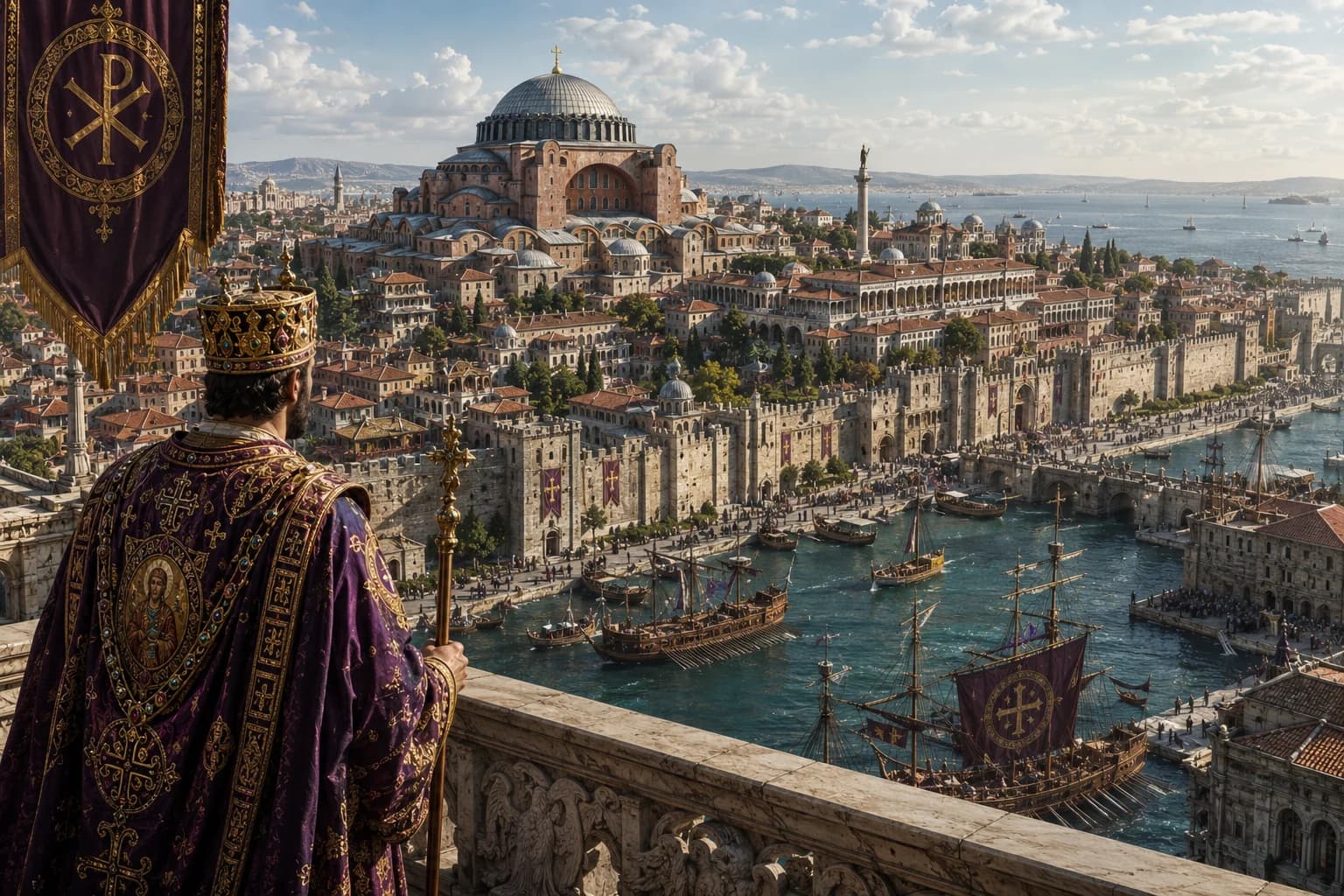
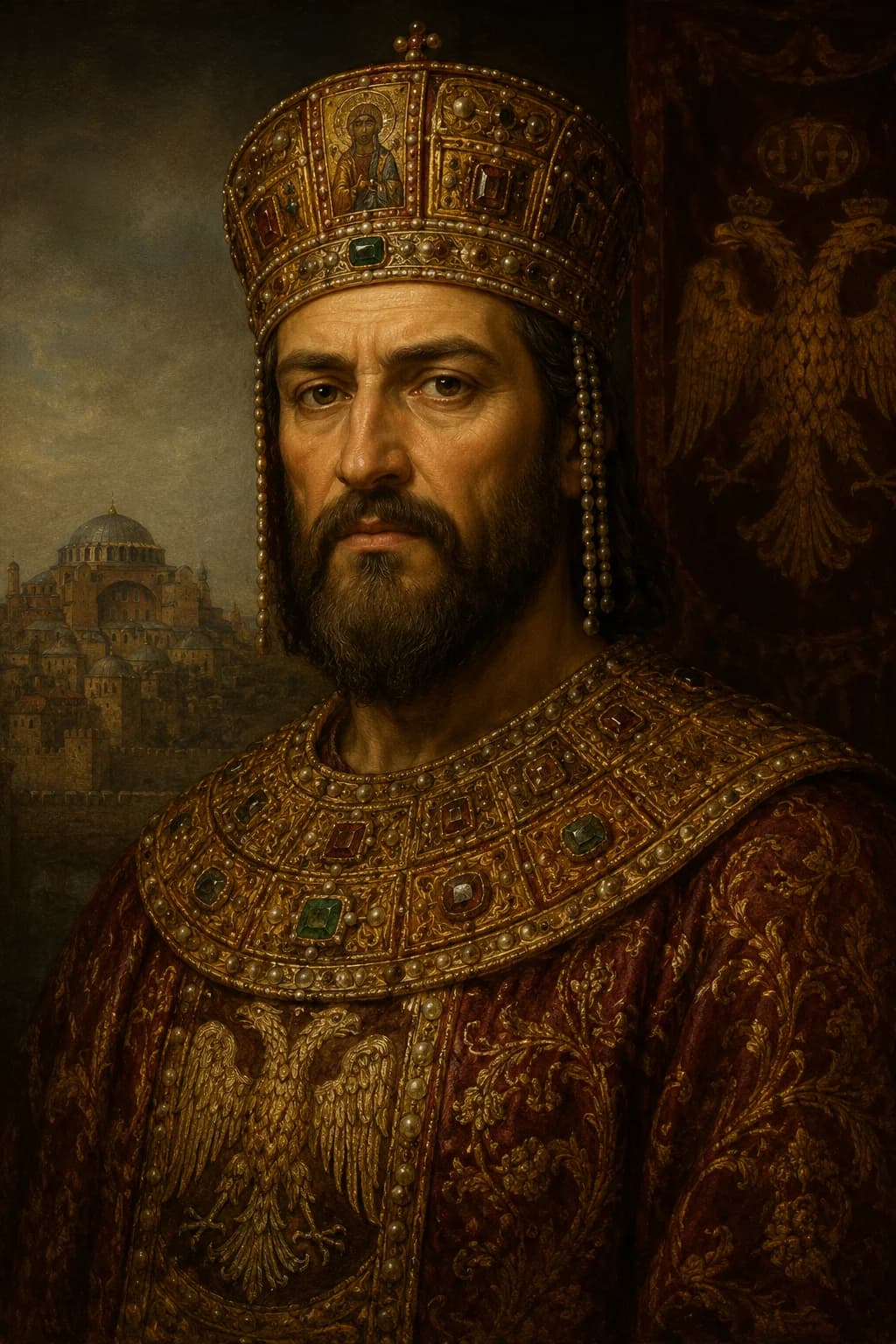
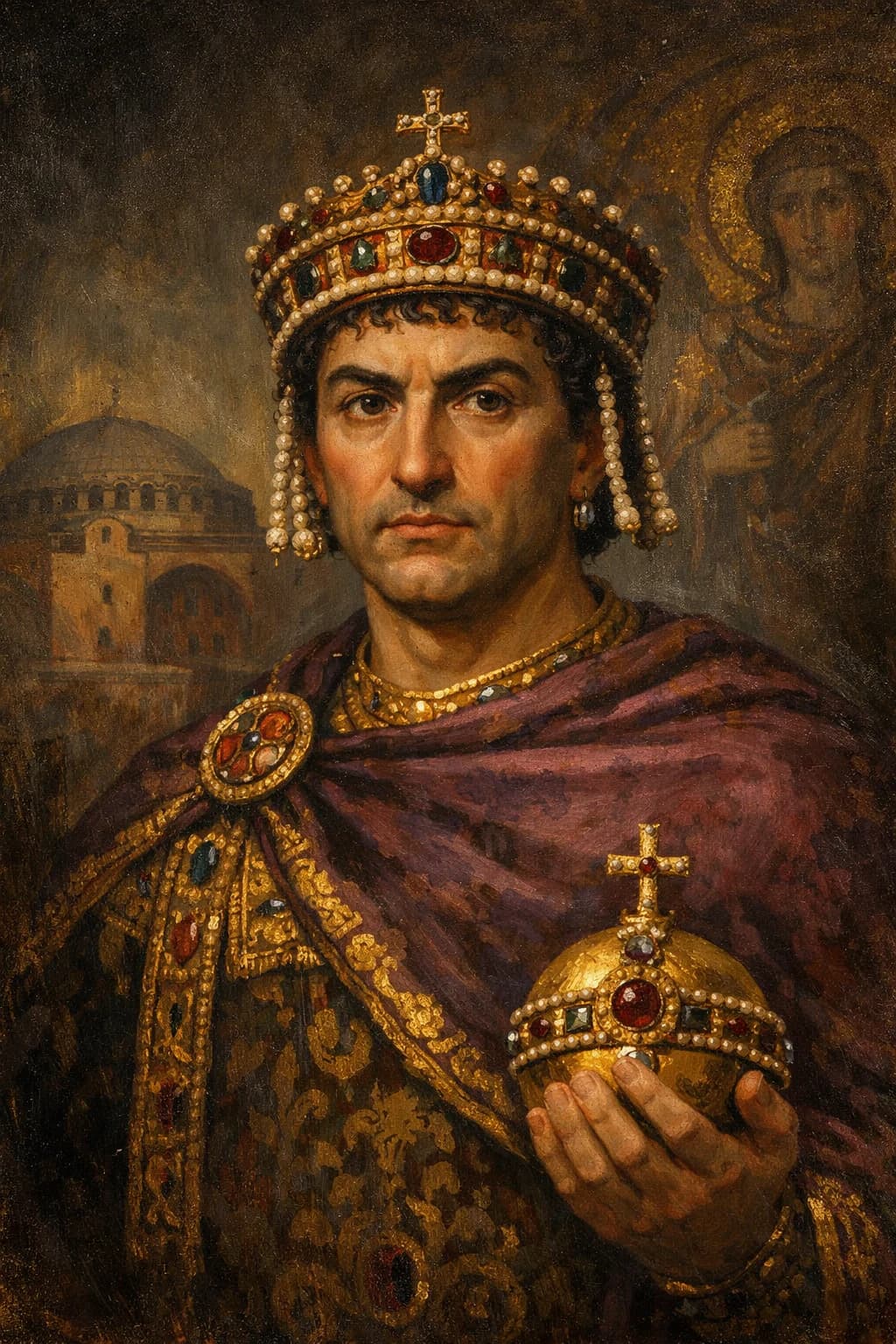
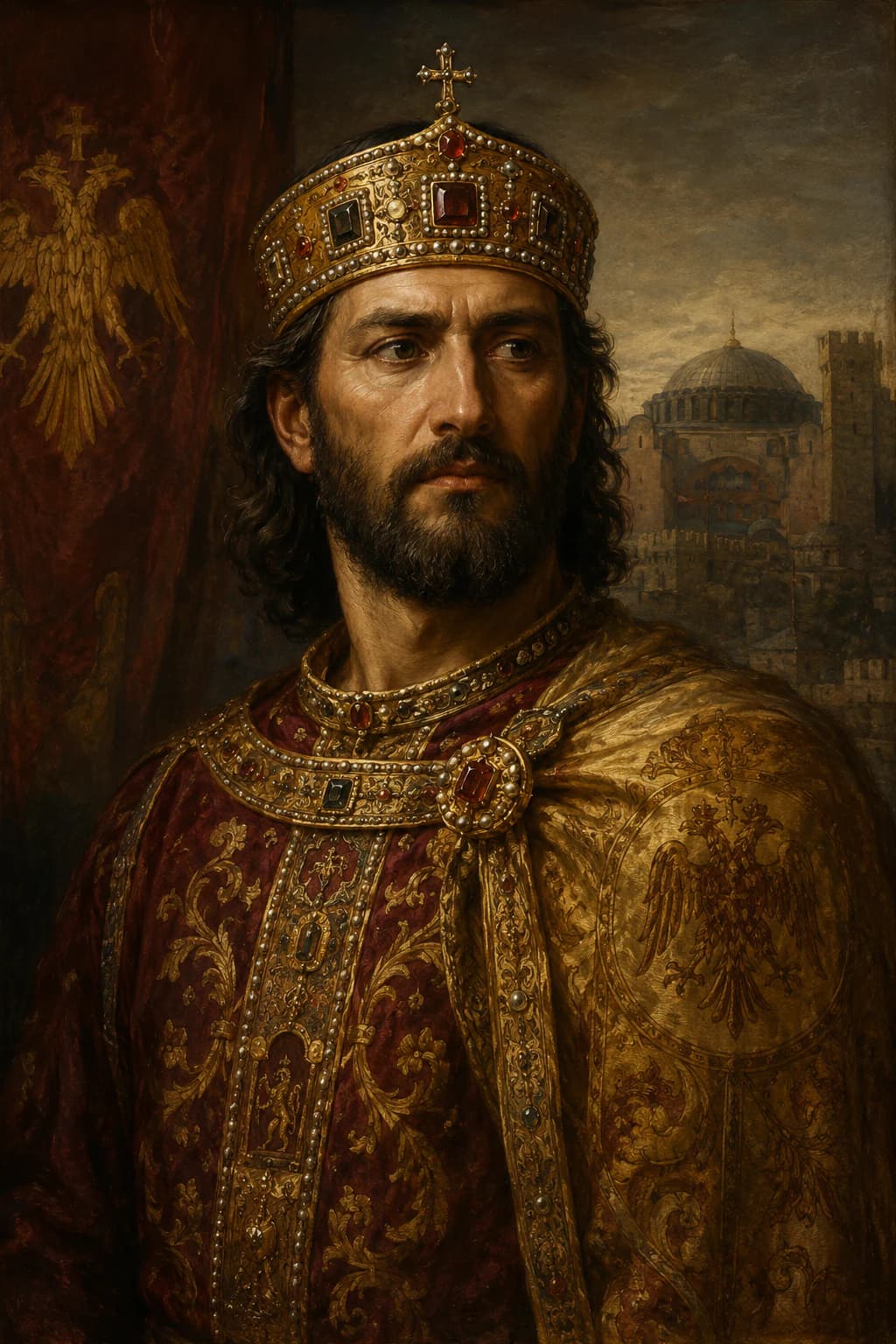
Portrait of Constantine XI Palaiologos in Byzantine imperial dress
Quick facts

Profile details

Additional identity and tagging details that are not already covered in the introduction.

Full name
Constantine XI Palaiologos
Also known as
Constantine Palaiologos, Constantine XI Dragases Palaiologos
Facts

Constantine XI timeline facts

Selected specifics from this profile's life story.

1405
Born into a shrinking empire

Constantine XI Palaiologos was born into the last age of Byzantium, when the empire still carried Roman prestige but controlled only fragments of its former world.

1449
An emperor without abundance

Constantine became emperor in 1449 after the death of his brother John VIII, inheriting prestige, danger, and very limited resources.

April 1453
The siege begins

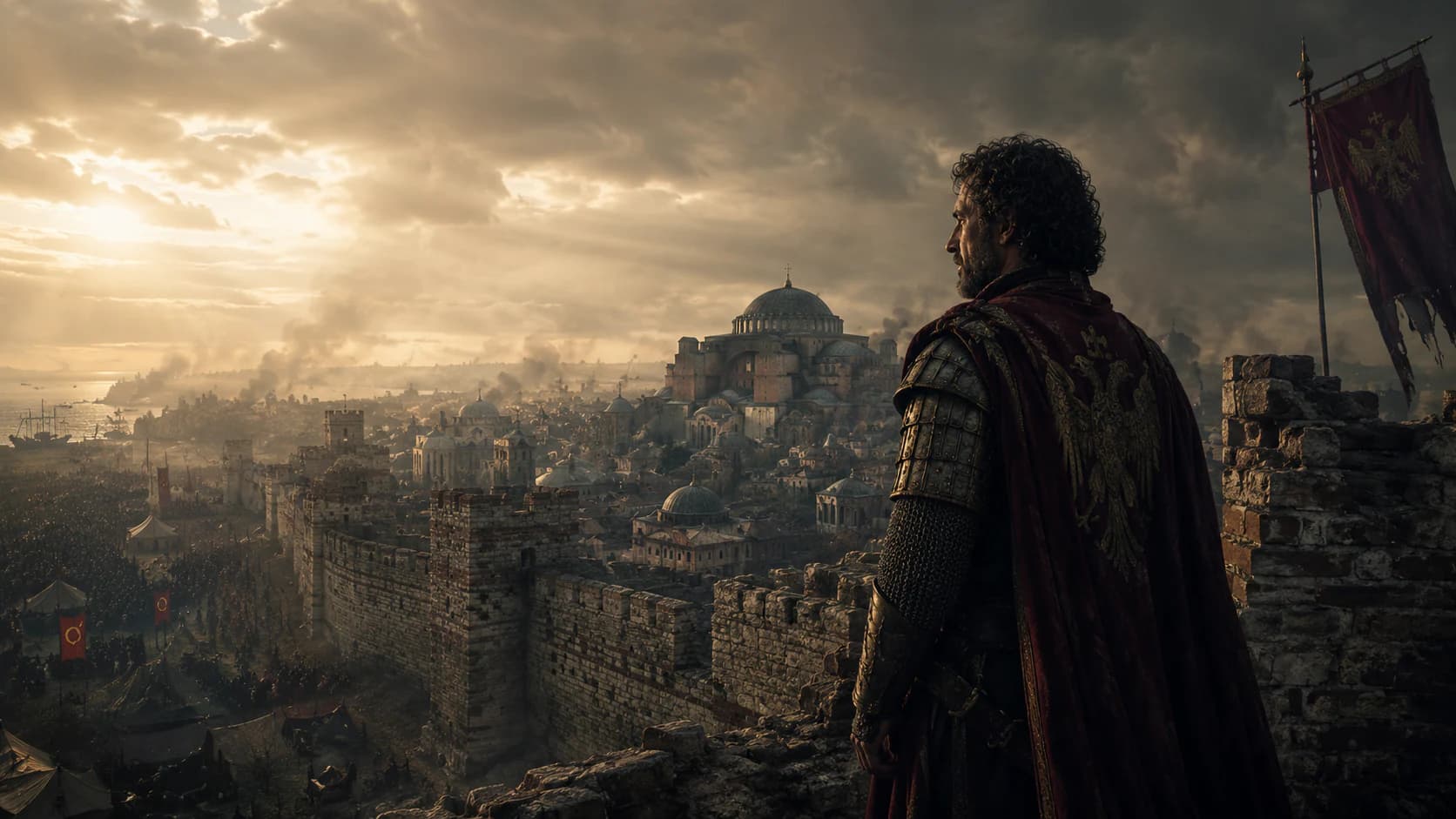
In April 1453, Ottoman forces surrounded Constantinople by land and sea, beginning the final siege of the Byzantine Empire.

After 1453
Memory and legend

After his death, Constantine XI became a figure of Greek memory, Orthodox loss, and later legend as the final emperor of Byzantium.

Life Journey

A timeline of the last Byzantine emperor

Follow Constantine XI from Palaiologos prince to the final defense of Constantinople.

1405

Born into a shrinking empire

Constantine XI Palaiologos was born into the last age of Byzantium, when the empire still carried Roman prestige but controlled only fragments of its former world.

1420s-1440s

Prince in the Morea

Before becoming emperor, Constantine ruled in the Morea, where he defended and expanded Byzantine authority in the Peloponnese.

1449

An emperor without abundance

Constantine became emperor in 1449 after the death of his brother John VIII, inheriting prestige, danger, and very limited resources.

1451-1452

Facing Mehmed II

The accession of Mehmed II transformed Constantinople's danger, because the young Ottoman sultan made the city a central goal of his reign.

April 1453

The siege begins

In April 1453, Ottoman forces surrounded Constantinople by land and sea, beginning the final siege of the Byzantine Empire.

29 May 1453

The final assault

On 29 May 1453, Ottoman troops broke through Constantinople's defenses, and Constantine XI disappeared in the fighting near the walls.

After 1453

Memory and legend

After his death, Constantine XI became a figure of Greek memory, Orthodox loss, and later legend as the final emperor of Byzantium.

Continue in context

Connected stories

Move from the profile into the wider events and settings this figure belongs to.

Tertiary paths

Content note

This profile is written for educational use and connects to related Stories of History pages. Illustrations are original artistic interpretations.

References

Sources & Further Reading

Reliable reference works, archives and reading paths connected to this profile.

Further reading

  1. Encyclopaedia Britannica, Search results for Constantine XI,” accessed June 2026.Open source
  2. WorldCat, Books and library holdings for Constantine XI,” accessed June 2026.Open source

Primary sources

  1. Library of Congress, Search results for Constantine XI,” accessed June 2026.Open source

A weekly route through history

Find out first about the latest published stories, feature notes and occasional Premium offers in one weekly email.