People

Tiberius

Tiberius was Roman emperor from 14 to 37 CE, the adopted son and successor of Augustus. A skilled Roman general and administrator, he preserved the early Principate after Augustus's death, but his reign became associated with political suspicion, treason trials, the rise and fall of Sejanus, and his withdrawal to Capri.

Born
42 BCE
Died
37 CE
Role
Roman emperor

Roman emperor (42 BCE-37 CE)

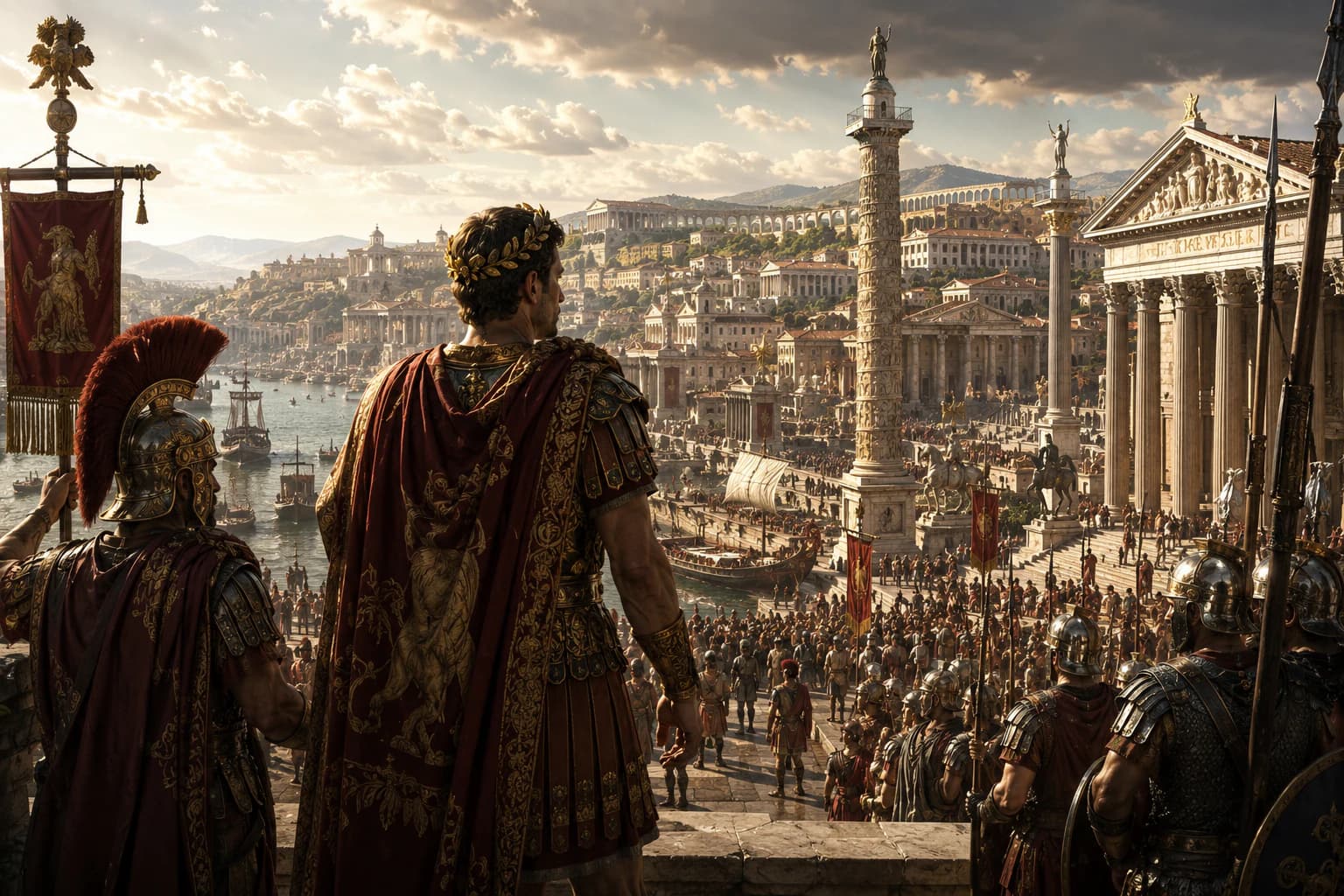
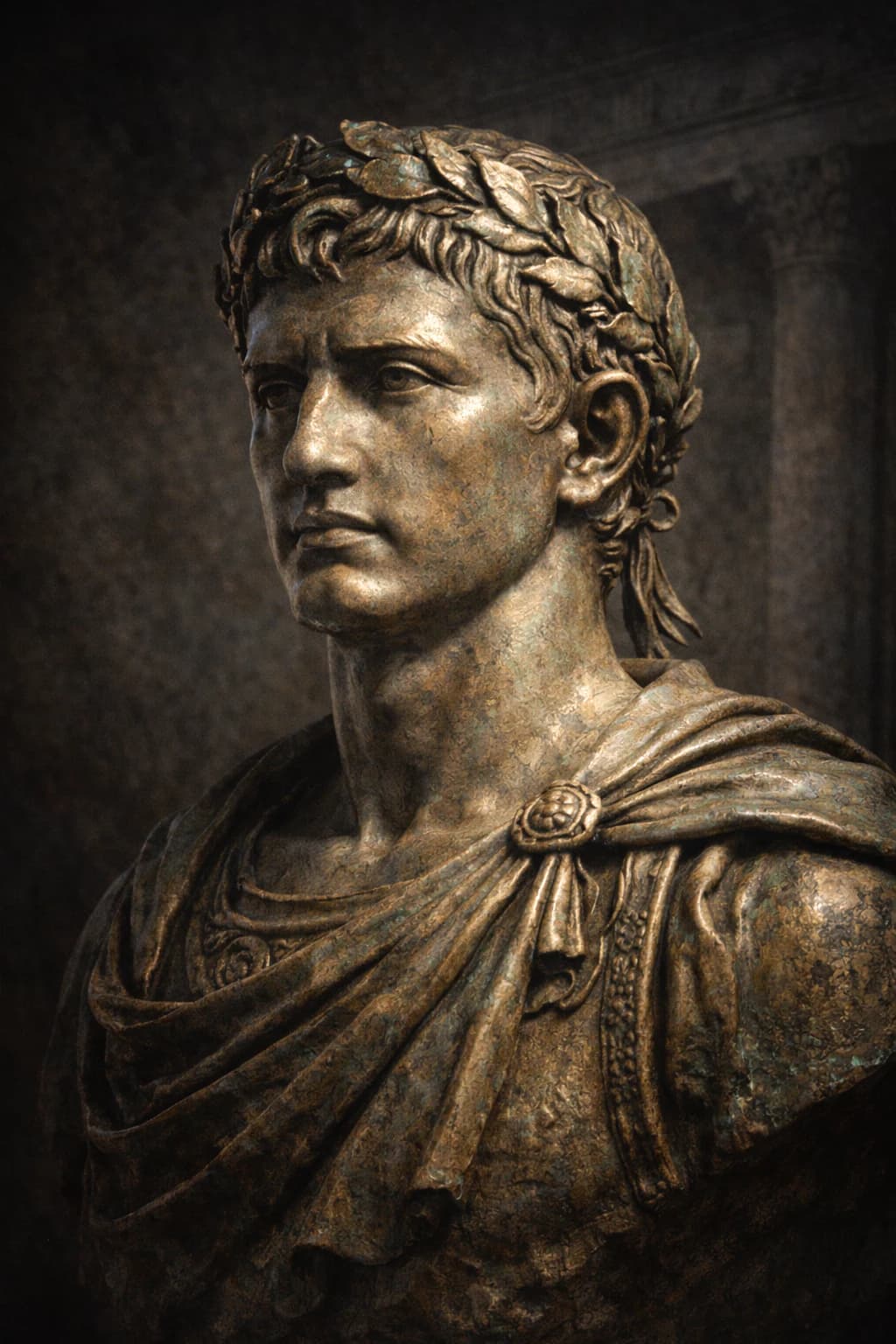
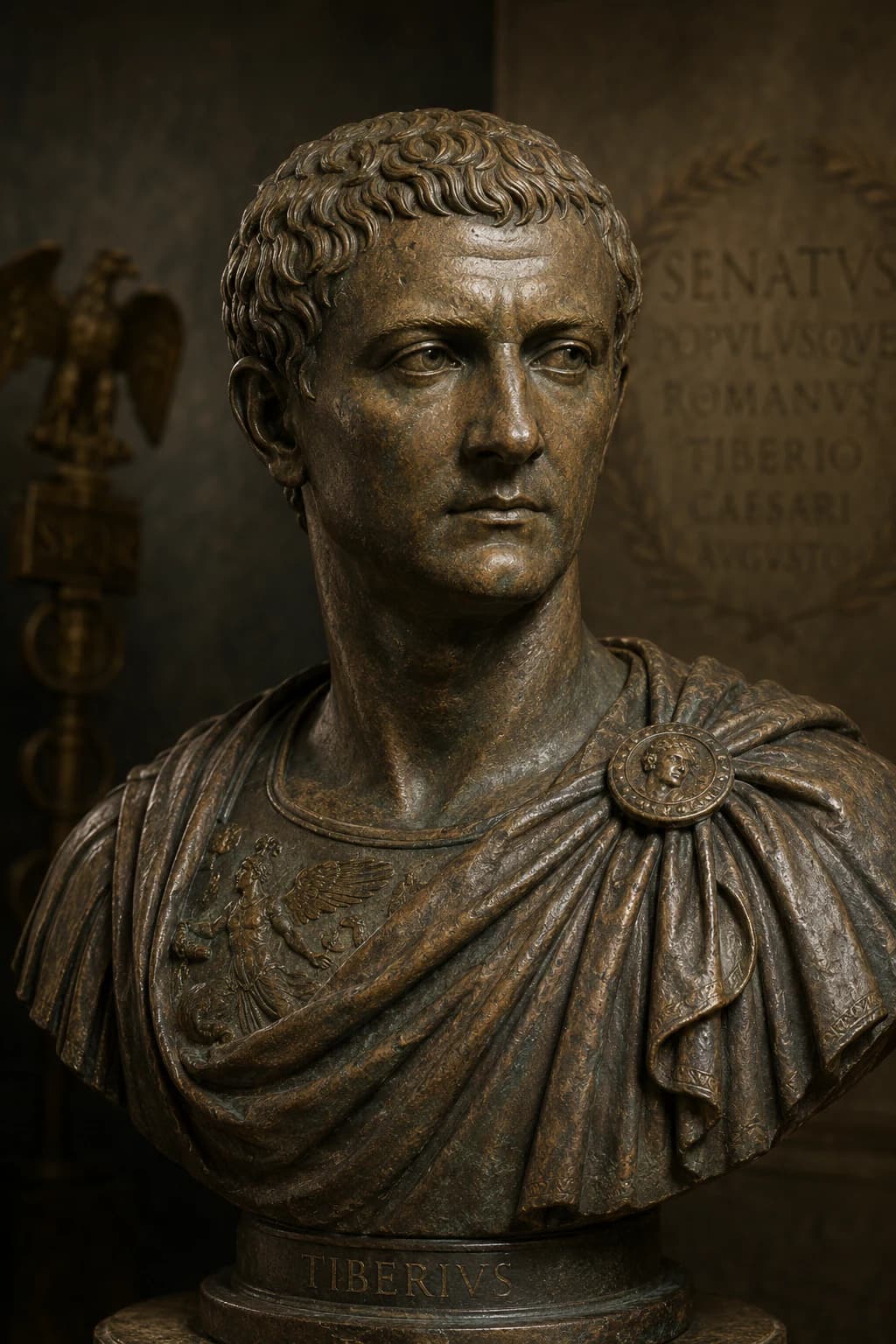
Portrait of Tiberius in Roman imperial military attire
Quick facts

Profile details

Additional identity and tagging details that are not already covered in the introduction.

Full name
Tiberius Julius Caesar Augustus
Facts

Tiberius timeline facts

Selected specifics from this profile's life story.

42 BCE
Born into the Claudian elite

Tiberius was born in 42 BCE into the Claudian aristocracy, while Rome was still being torn apart by the civil wars that followed Julius Caesar's assassination.

20s-10s BCE
Commander on the frontiers

Before he became emperor, Tiberius earned his authority in the field. He campaigned in Armenia, the Balkans, Germany, and along the Danube, showing the discipline and patience Roman armies needed on...

20s-30s CE
Suspicion and withdrawal

Tiberius could govern carefully. He kept finances under control, avoided reckless expansion, and respected the machinery Augustus had built. But his reign darkened as suspicion grew inside the ruling elite.

After 37 CE
An uneasy legacy

Tiberius died in 37 CE and was succeeded by Caligula. His legacy is uncomfortable because it contains two truths at once.

Life Journey

The reluctant heir of Augustus

Follow Tiberius from military commander to the emperor who tested whether Augustus's system could survive succession.

42 BCE

Born into the Claudian elite

Tiberius was born in 42 BCE into the Claudian aristocracy, while Rome was still being torn apart by the civil wars that followed Julius Caesar's assassination. His mother Livia later married Octavian, the future Augustus, drawing Tiberius into the household that would dominate the Roman Empire. He was not born as the obvious heir. His rise came through adoption, family deaths, military service, and Augustus's need for a successor strong enough to protect the new imperial system.

20s-10s BCE

Commander on the frontiers

Before he became emperor, Tiberius earned his authority in the field. He campaigned in Armenia, the Balkans, Germany, and along the Danube, showing the discipline and patience Roman armies needed on difficult frontiers. Augustus could present him as more than a dynastic placeholder: Tiberius was a proven commander with enough military credibility to reassure soldiers, governors, and senators after the founder's death.

14 CE

Augustus's successor

When Augustus died in 14 CE, Tiberius became emperor and faced the first great test of Roman imperial succession. He did not overthrow the Augustan system; he preserved it. The Senate still met, republican language still mattered, and the emperor still avoided the title of king. Beneath those forms, Tiberius held the real levers of power: armies, provinces, finances, and the authority Augustus had spent decades building.

20s-30s CE

Suspicion and withdrawal

Tiberius could govern carefully. He kept finances under control, avoided reckless expansion, and respected the machinery Augustus had built. But his reign darkened as suspicion grew inside the ruling elite. Treason trials, informers, and the influence of the Praetorian prefect Sejanus made Roman politics feel dangerous. Tiberius's move to Capri in 26 CE left the capital to rumor and fear, even while the empire itself continued to function.

After 37 CE

An uneasy legacy

Tiberius died in 37 CE and was succeeded by Caligula. His legacy is uncomfortable because it contains two truths at once. He was the emperor who proved Rome could survive Augustus, and he was also the ruler whose later years showed how secrecy, fear, and court politics could poison the Principate. He matters because he made imperial continuity possible while revealing its emotional and constitutional cost.

Continue in context

Connected stories

Move from the profile into the wider events and settings this figure belongs to.

Tertiary paths

Content note

This profile is written for educational use and connects to related Stories of History pages. Illustrations are original artistic interpretations.

References

Sources & Further Reading

Reliable reference works, archives and reading paths connected to this profile.

Further reading

  1. Encyclopaedia Britannica, Search results for Tiberius,” accessed June 2026.Open source
  2. WorldCat, Books and library holdings for Tiberius,” accessed June 2026.Open source

Primary sources

  1. Library of Congress, Search results for Tiberius,” accessed June 2026.Open source

A weekly route through history

Find out first about the latest published stories, feature notes and occasional Premium offers in one weekly email.