People

Diocletian

Diocletian was Roman emperor from 284 to 305. He stabilized the empire after the Crisis of the Third Century, created the Tetrarchy, reformed taxation and administration, issued the Edict on Maximum Prices, persecuted Christians, and became one of the few emperors to abdicate voluntarily.

Born
244 CE
Died
311 CE
Role
Roman emperor

Roman emperor (244–311)

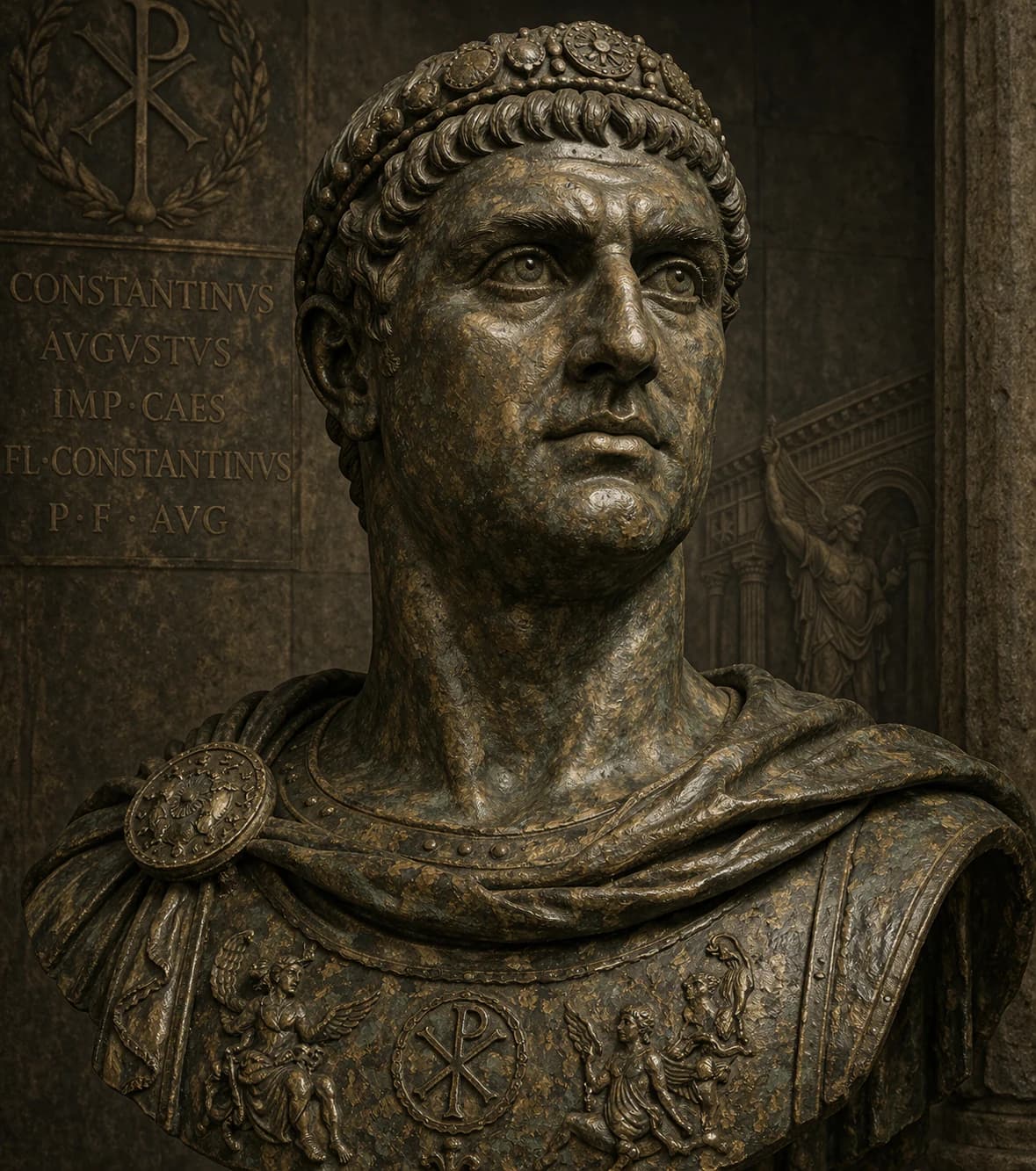
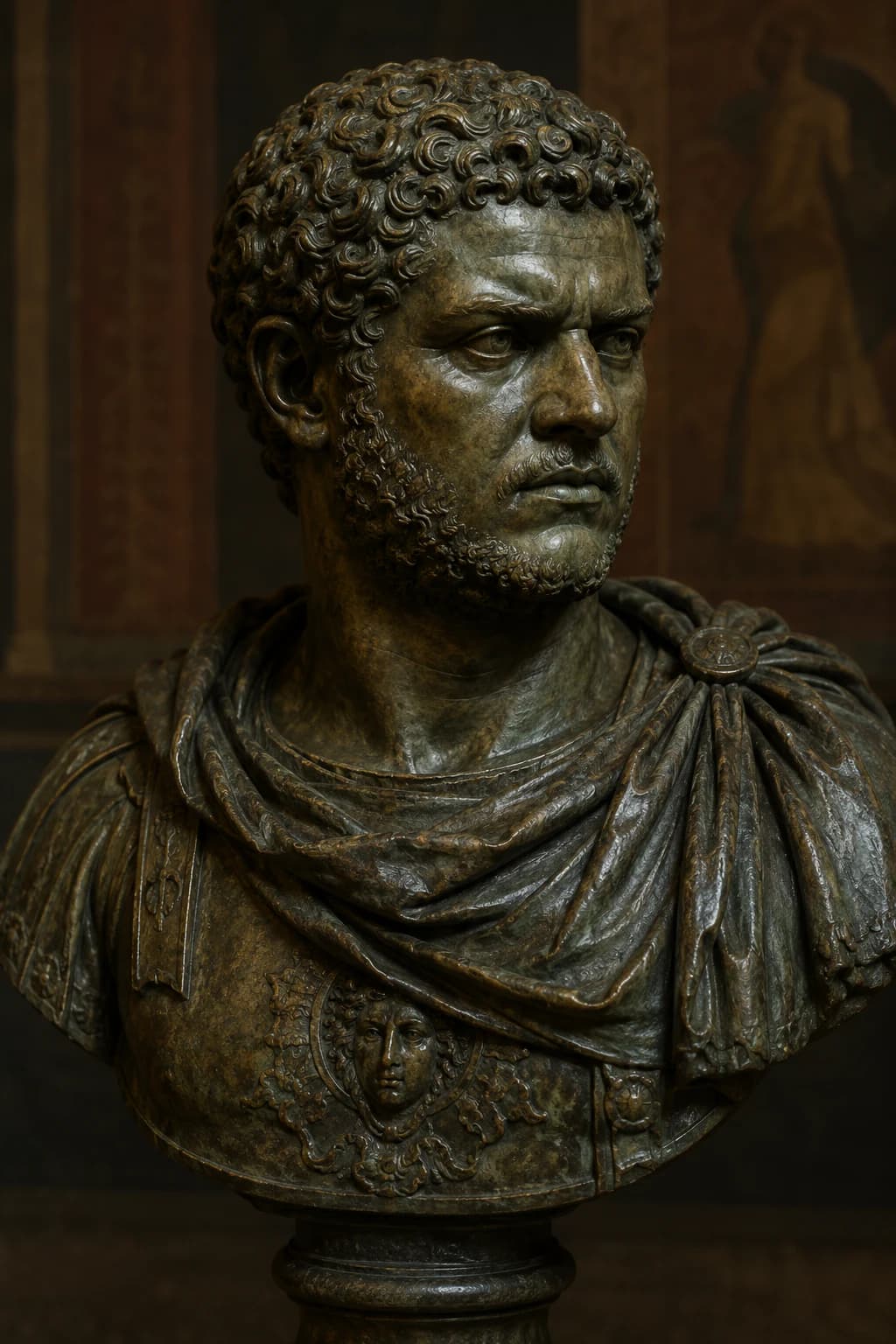
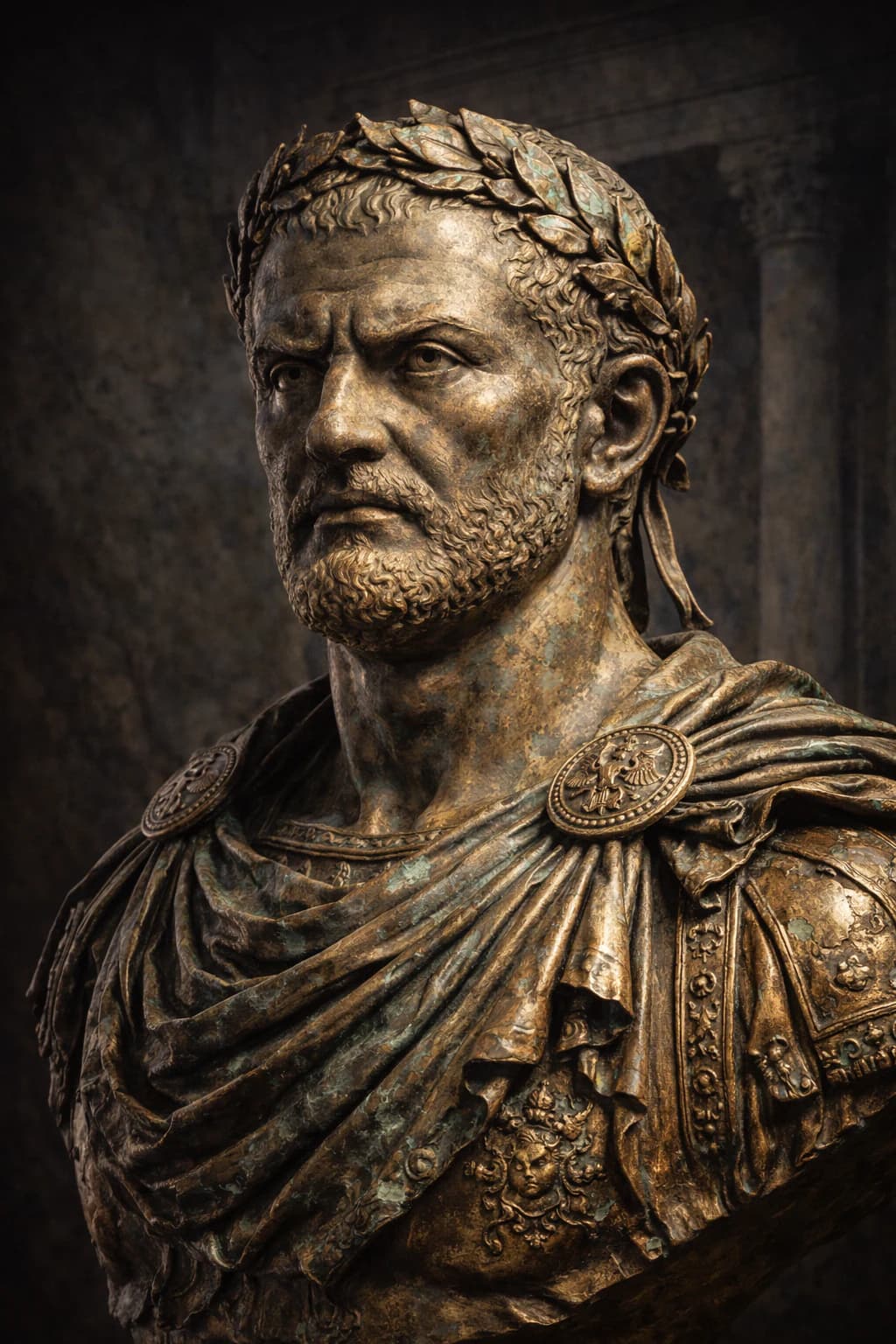
Portrait of Diocletian in Roman imperial military attire
Facts

Diocletian timeline facts

Selected specifics from this profile's life story.

244
Humble Origins

Diocletian was born into modest circumstances, rising through military ranks in a period of instability within the Roman Empire.

293
Creating the Tetrarchy

Diocletian introduced a system of shared rule, dividing authority among multiple emperors to manage the vast empire.

303–311
Religious Policies

Diocletian enforced traditional religious practices and initiated persecutions aimed at strengthening unity within the empire.

After 311
Lasting Transformation

Diocletian’s reforms reshaped the Roman Empire, influencing its structure and governance long after his reign.

Life Journey

Reform, control and the restructuring of empire

Follow the story in a more continuous narrative, with a reading mode that matches how much depth you want.

244

Humble Origins

Diocletian was born into modest circumstances, rising through military ranks in a period of instability within the Roman Empire.

284

Seizing Power

After a period of turmoil, Diocletian was proclaimed emperor by his troops, beginning a new phase of leadership.

284–293

Stabilizing the Empire

He worked to restore order by addressing military threats and reinforcing central control across the empire.

293

Creating the Tetrarchy

Diocletian introduced a system of shared rule, dividing authority among multiple emperors to manage the vast empire.

290s

Administrative Reforms

He reorganized the empire’s administrative structure, creating smaller units to improve efficiency and control.

301

Economic Measures

He introduced economic policies, including price controls, to address inflation and stabilize the empire’s economy.

303–311

Religious Policies

Diocletian enforced traditional religious practices and initiated persecutions aimed at strengthening unity within the empire.

305

Voluntary Abdication

Diocletian voluntarily stepped down from power, an unusual act that marked the end of his direct rule.

After 311

Lasting Transformation

Diocletian’s reforms reshaped the Roman Empire, influencing its structure and governance long after his reign.

Continue in context

Connected stories

Move from the profile into the wider events and settings this figure belongs to.

Tertiary paths

Content note

This profile is written for educational use and connects to related Stories of History pages. Illustrations are original artistic interpretations.

References

Sources & Further Reading

Reliable reference works, archives and reading paths connected to this profile.

Further reading

  1. Encyclopaedia Britannica, Search results for Diocletian,” accessed June 2026.Open source
  2. WorldCat, Books and library holdings for Diocletian,” accessed June 2026.Open source

Primary sources

  1. Library of Congress, Search results for Diocletian,” accessed June 2026.Open source

A weekly route through history

Find out first about the latest published stories, feature notes and occasional Premium offers in one weekly email.