Complete chronology
Full overview and deeper context for every journey step.
1712
Political family roots
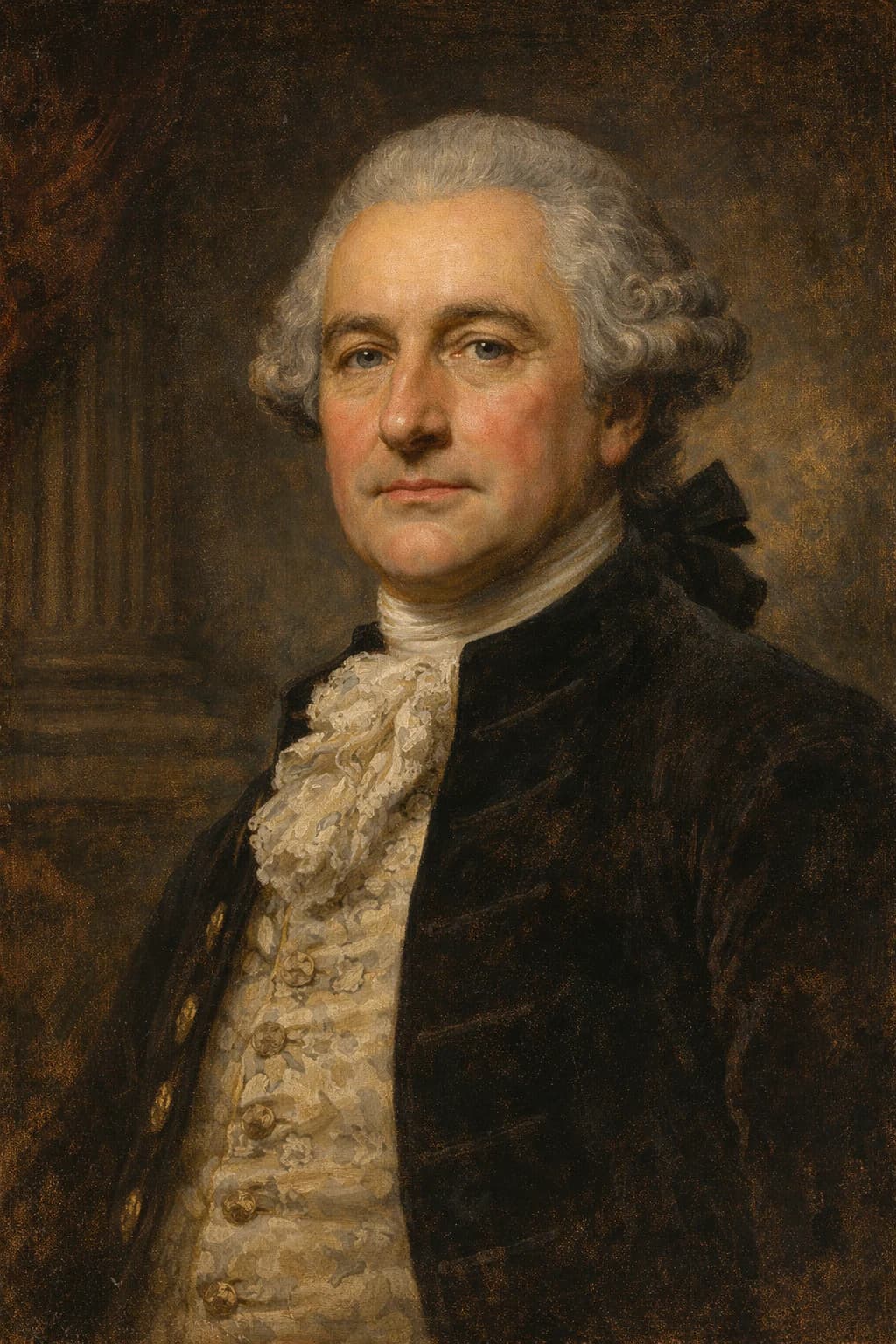
George Grenville was born on 14 October 1712 into one of the great political families of eighteenth-century Britain. The Grenvilles were connected to the Temple and Pitt circles, and family ambition ran through parliamentary life. This background gave Grenville access to office, but it also gave him a particular view of public duty: government existed to be managed carefully, finances should be orderly, and authority should not apologize for enforcing law. He was not a visionary imperial theorist. He was a diligent member of the ruling class, trained to believe that British power worked when rules, revenue and hierarchy were respected.
His upbringing did not just open doors, it trained him to see authority as something to be enforced rather than negotiated.
1730s
Education and discipline
Educated at Eton and Christ Church, Oxford, and trained in law at the Inner Temple, Grenville developed the habits of a precise administrator. He liked facts, statutes, accounts and procedure. In Parliament this made him useful, especially when debates turned to finance or the mechanics of legislation. It also made him hard to move once he believed the law was on his side. Grenville's intelligence was real, but it was narrow in a politically dangerous way. He could see the fairness of a tax in Treasury terms without grasping how differently the same measure would be understood by colonists who claimed the rights of Englishmen.
His precision gave him authority in numbers, but left him less prepared for the unpredictability of people.
1741
Entering Parliament
Grenville entered Parliament in 1741 as MP for Buckingham and spent the next two decades building a reputation for industry rather than charm. He served in offices including Treasurer of the Navy and became associated with his brother-in-law William Pitt the Elder before political alignments shifted. Grenville was capable in the Commons, but not loved there. He could be painstaking, legalistic and severe. These qualities helped him master detail, yet they made him less effective at reading political emotion. In the mid-eighteenth century, when empire, war debt and royal influence were changing the balance of politics, that limitation would matter profoundly.
He rose not through charm, but through persistence and a belief that being correct was enough.
1750s
Climbing government ranks
The Seven Years' War made Grenville's financial competence more valuable. Britain defeated France across the globe, but victory brought debt, new territories and the question of who would pay to defend the enlarged empire. Grenville moved through senior posts during this transition, including Secretary of State and First Lord of the Admiralty. He believed smuggling had to be checked, customs enforced and imperial administration made more rational. These were not foolish concerns. Britain did face real costs. The tragedy of Grenville's career is that his diagnosis of fiscal pressure was stronger than his understanding of imperial consent.
His rise was built on competence, but also on a narrowing view of how power should be exercised.
1763
Becoming Prime Minister
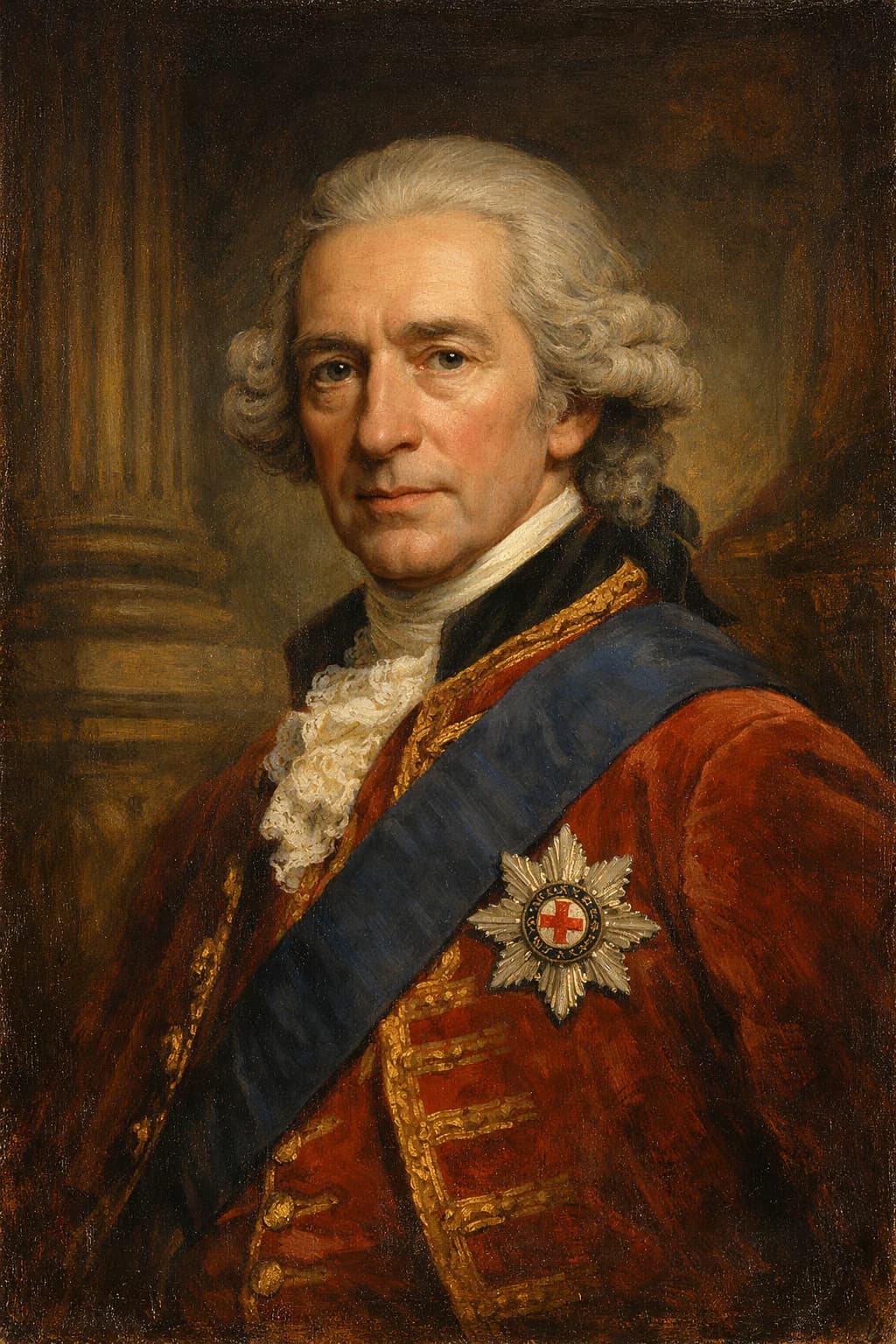
Grenville became First Lord of the Treasury and effectively prime minister in April 1763 after a period of turbulence around George III, Lord Bute and the peace settlement ending the Seven Years' War. He inherited a victorious but indebted Britain. His answer was administrative discipline: reduce smuggling, enforce the Navigation Acts, keep troops in North America, and ask the colonies to contribute to imperial defense. From London, the case looked logical. American colonists had benefited from the defeat of France; British taxpayers were heavily burdened; colonial revenue was small. But empire was not a ledger. It was a political relationship, and Grenville treated it as if legality alone could carry legitimacy.
He took power at a moment that required flexibility, but brought a mindset shaped by control.
1765
Taxing the colonies
Grenville's American program included the Sugar Act of 1764, stricter customs enforcement and, most famously, the Stamp Act of 1765. The Stamp Act required printed materials such as legal documents, newspapers and licenses to carry taxed stamps. Grenville believed the measure was moderate, familiar within Britain, and constitutionally valid because Parliament was sovereign over the empire. Many colonists saw something far more dangerous: internal taxation imposed by a legislature in which they had no elected representatives. The slogan 'no taxation without representation' condensed a larger argument about rights, consent and the nature of British liberty overseas. Grenville had meant to raise revenue. He helped create a constitutional language of resistance.
What seemed logical in London felt illegitimate across the Atlantic.
1765–1766
Colonial resistance grows
Colonial reaction shocked British officials. Stamp distributors were intimidated into resigning, crowds attacked symbols of authority, merchants organized non-importation agreements, and the Stamp Act Congress coordinated intercolonial protest. Grenville was no longer in office when repeal came in 1766, but his policy had already revealed how connected and politically alert the colonies had become. The resistance was not simply dislike of paying money. It was a dispute over whether Parliament could tax colonists directly without their consent. British politicians who defended parliamentary sovereignty and colonists who defended representative rights were speaking languages that increasingly could not be reconciled.
Resistance was not just about tax, it was about who had the right to decide.
1765
Loss of power
Grenville fell from power in July 1765 after losing George III's confidence. The king found him tiresome, overbearing and politically constraining. Grenville's handling of the Regency Bill and his insistence on ministerial control deepened royal dislike. His dismissal did not end the crisis. The Rockingham ministry repealed the Stamp Act in 1766 but paired repeal with the Declaratory Act, asserting Parliament's authority over the colonies in all cases whatsoever. That combination revealed the unresolved heart of the matter: British governments might retreat from a specific tax, but few were ready to abandon the principle of parliamentary supremacy. Grenville had left office, but the argument he sharpened remained.
He left office, but the problems he shaped continued to grow without him.
1770 and beyond
Lasting consequences
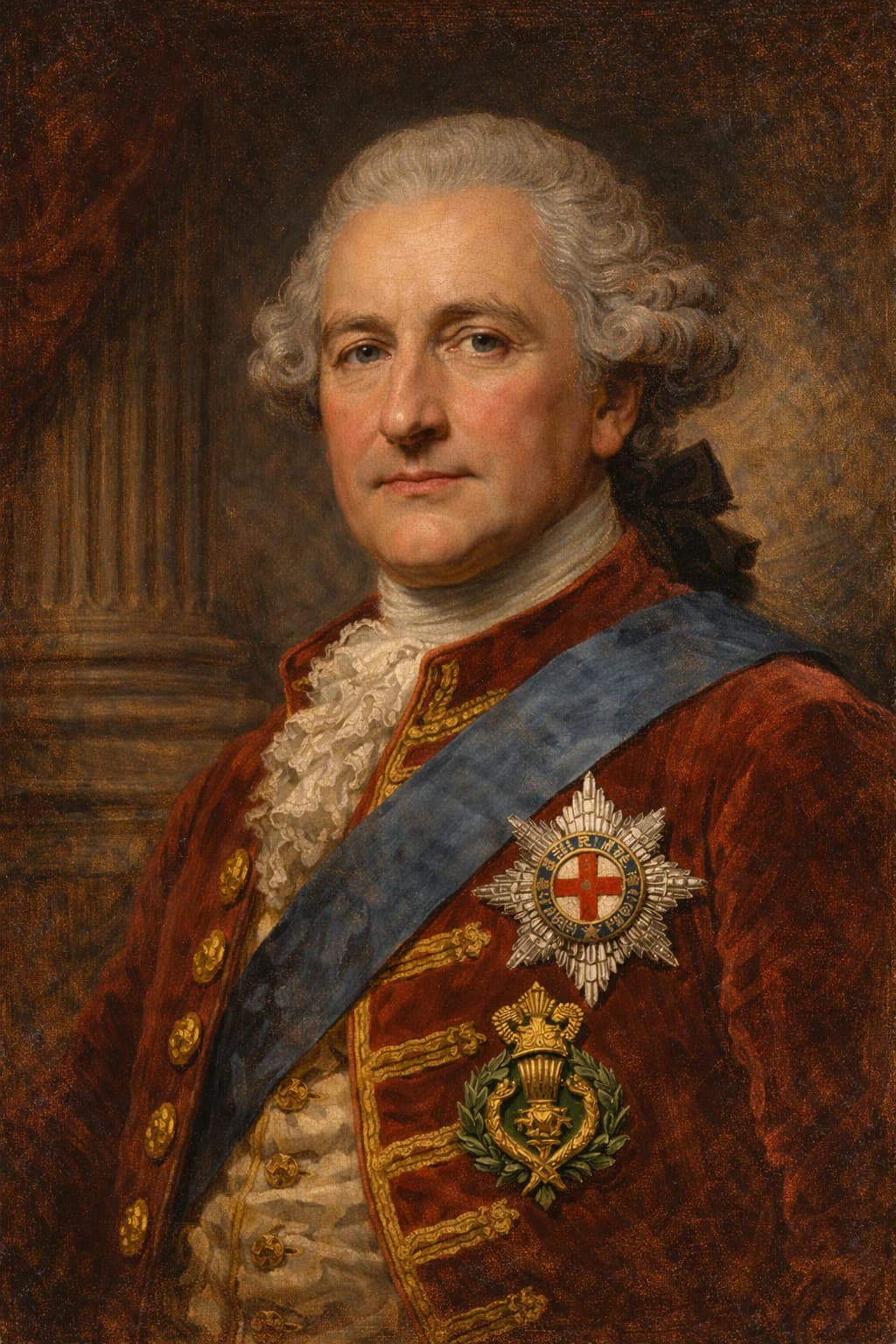
Grenville died on 13 November 1770, before the American Revolution broke into war. His legacy has often been reduced to the Stamp Act, and not unfairly: it was the measure that first unified colonial resistance on a broad scale. Yet he should not be treated as a cartoon villain who intended revolution. He was a serious, hardworking minister trying to solve postwar imperial finance through policies he believed lawful and reasonable. His failure was political imagination. He did not see that the American colonies had developed a strong sense of local rights inside the British constitutional tradition. To ask why George Grenville was important is to see how a technically defensible policy can become historically disastrous when it ignores consent.
His attempt to strengthen an empire instead revealed the forces that would pull it apart.