Complete chronology
Full overview and deeper context for every journey step.
1708
Merchant family roots
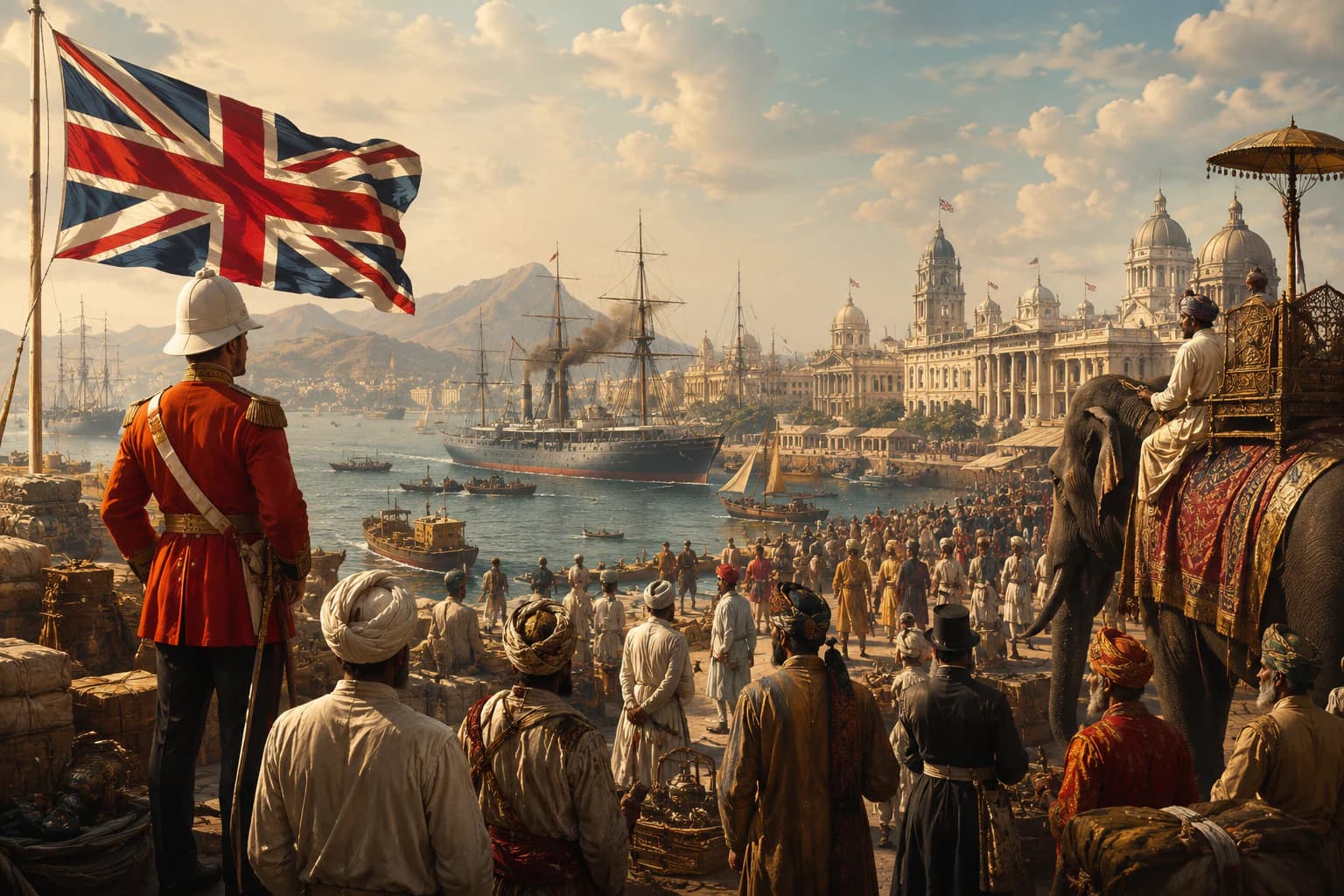
Pitt's family wealth came from commerce, including the fortune of his grandfather Thomas Pitt, whose dealings in India produced the famous Pitt Diamond. This background mattered. Pitt was connected enough for elite schooling at Eton and Oxford, but he was not the effortless product of the landed aristocracy he later challenged with such theatrical force. Chronic gout and a difficult temperament made him restless, intense and often physically fragile. Yet from early life he absorbed the idea that Britain was a commercial and imperial power whose future would be decided at sea, in colonies and in rivalry with France. His political imagination was global before many ministers had learned to think beyond Europe.
His background tied him to commerce rather than land, shaping a worldview that saw empire as opportunity rather than inheritance.
1735
Entering Parliament
Pitt first made his name not by holding office but by making government uncomfortable. In the Commons he denounced corruption, Hanoverian priorities and timid foreign policy with a force that turned speech into political weaponry. His attacks on Sir Robert Walpole and later on ministers who seemed too cautious toward Spain and France made him a hero to the so-called Patriot opposition. They also slowed his advancement, because George II disliked him and court politicians distrusted his independence. Pitt's early career established the pattern of his life: he could mobilise opinion beyond the court, but he was difficult to absorb into ordinary government.
His willingness to challenge power early on made him both isolated and unforgettable.
1740s
Champion of war policy
Pitt's strategic instincts developed before he controlled strategy. He believed Britain's strength lay in naval power, commerce, colonial expansion and selective support for continental allies rather than endless direct commitment to European land war. France, in his view, was not merely another rival but the obstacle to British global security. This made him attractive when older policies failed. He could sound extravagant, but he gave anxious Britons a clear story: defeat came from half-measures, victory would come from national energy directed at the real enemy. His rhetoric prepared the way for his later authority because it made imperial war feel purposeful rather than accidental.
He understood that conviction, repeated with force, can reshape what seems politically possible.
1757
Power in Wartime
The early Seven Years' War had gone badly for Britain, but Pitt gave it direction. Working with the Duke of Newcastle's parliamentary machine, he supplied the energy, language and priorities of victory. He funded Frederick the Great of Prussia to keep France occupied in Europe, while Britain struck at French colonies, trade and naval power. The strategy was expensive and risky, but it matched Britain's strengths. Victories followed: Louisbourg, Quebec, Guadeloupe, Lagos, Quiberon Bay and success in India. Pitt did not personally command armies or fleets. His achievement was political-strategic: he made a global war coherent and persuaded Parliament and public opinion that sacrifice would produce empire.
He transformed war from a defensive struggle into an opportunity for global dominance.
1763
Architect of Victory
By 1760-1761, Pitt's name was fused with victory. Britain had broken French power in Canada, expanded influence in India and proved the reach of the Royal Navy. Yet triumph created political strain. Pitt wanted to widen war against Bourbon Spain before Spain could join France; colleagues feared overreach. He resigned in 1761 when his advice was rejected. The Treaty of Paris in 1763 gave Britain Canada, Florida and other gains, but Pitt criticised parts of the settlement as too lenient. His reputation nevertheless soared. He became the symbol of a Britain that could win on a world scale, even as the costs of that victory planted the tax and governance problems that later shook America.
Victory elevated him to near-legendary status, but it also set expectations no leader could easily sustain.
1766
Becoming Earl
Chatham's return to office in 1766 looked like restoration but quickly became frustration. By accepting an earldom, he moved from the House of Commons to the Lords, abandoning the chamber where his voice had carried almost physical force. Supporters who had loved 'the Great Commoner' felt betrayed or confused. Worse, illness soon removed him from active management. His ministry contained talented figures but lacked coherent direction during his absence. Issues such as the Townshend Duties deepened imperial tension with America while Chatham was too unwell to impose his own line. The title crowned him, but it also distanced him from the source of his power.
The very honor that crowned his career also quietly reduced his political power.
1767–1775
Struggles with Illness
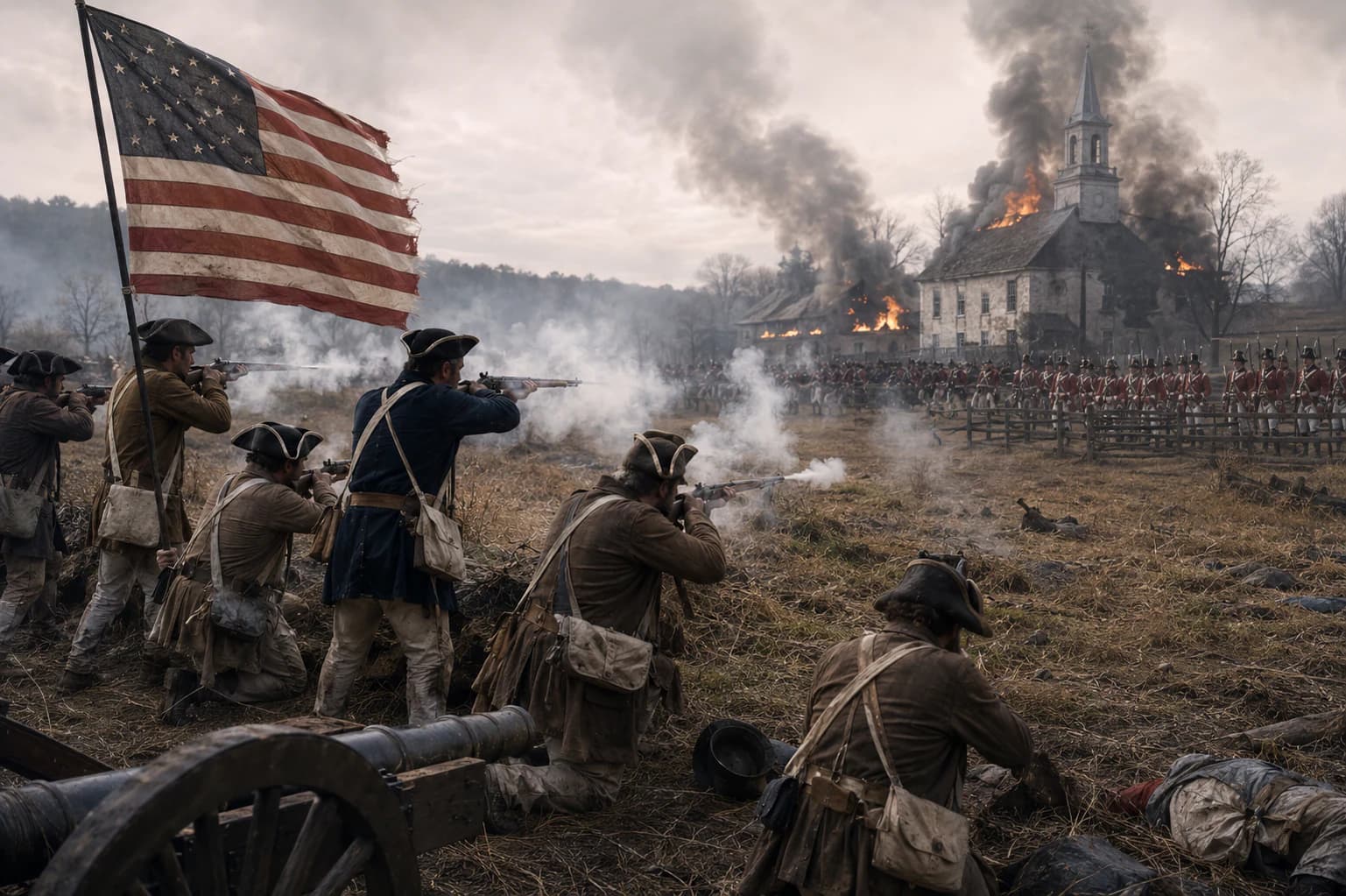
Chatham's physical and mental health made his later career painfully intermittent. He could still electrify Parliament when present, but he could not supply continuous leadership. That absence mattered because Britain was entering the imperial crisis created by victory. Ministers sought revenue from America through stamps, duties and parliamentary assertion; colonists resisted what they saw as unconstitutional taxation. Chatham opposed the Stamp Act and defended American arguments against taxation without representation, while still insisting Parliament remained sovereign. His position was subtle and hard to translate into policy. Without sustained leadership, subtlety lost to escalation.
His greatest limitation was not opposition, but the inability to remain present when it mattered most.
1778
Last Stand in Parliament
Chatham's last political act was dramatic and tragic. Britain was losing the American war, France had entered the conflict, and proposals for recognising American independence were becoming unavoidable. Chatham opposed independence because he believed the empire should be preserved, yet he had long warned against the coercion that helped destroy colonial loyalty. In April 1778, frail and wrapped in flannel, he rose in the House of Lords to speak against dismembering the empire. He collapsed shortly afterwards and died weeks later. The scene captured the contradiction of his legacy: he had helped build Britain's imperial confidence, but he could not save that empire from the consequences of victory mishandled.
Even at the end, he chose to spend his remaining strength on a cause he believed would shape Britain’s future.
Post-1778
Enduring reputation
Chatham's legacy is immense because his career sits at the hinge of Britain's eighteenth-century rise. He helped defeat France as a North American and Indian imperial rival, elevated naval-colonial strategy and showed how public opinion could be mobilised behind war. He also understood, more clearly than many successors, that empire could not be held by parliamentary theory alone if colonists believed their liberties were being violated. His warnings did not prevent the American rupture. His son, William Pitt the Younger, inherited the name and the burden of governing through another era of crisis. Pitt the Elder matters because he embodied both the grandeur and the danger of British imperial confidence: the power to win a world war, and the difficulty of governing what victory brought.
His life shows how a leader can define an era, yet still leave its consequences unresolved.