People

Enheduanna

Enheduanna was an Akkadian high priestess of the moon god Nanna at Ur and the daughter of Sargon of Akkad. Living in the 23rd century BC, she is often regarded as the earliest named author in world history because hymns and poems were transmitted under her name.

Born
2285 BCE
Died
2250 BCE
Role
Akkadian high priestess and poet

Akkadian high priestess and poet (23rd century BC)

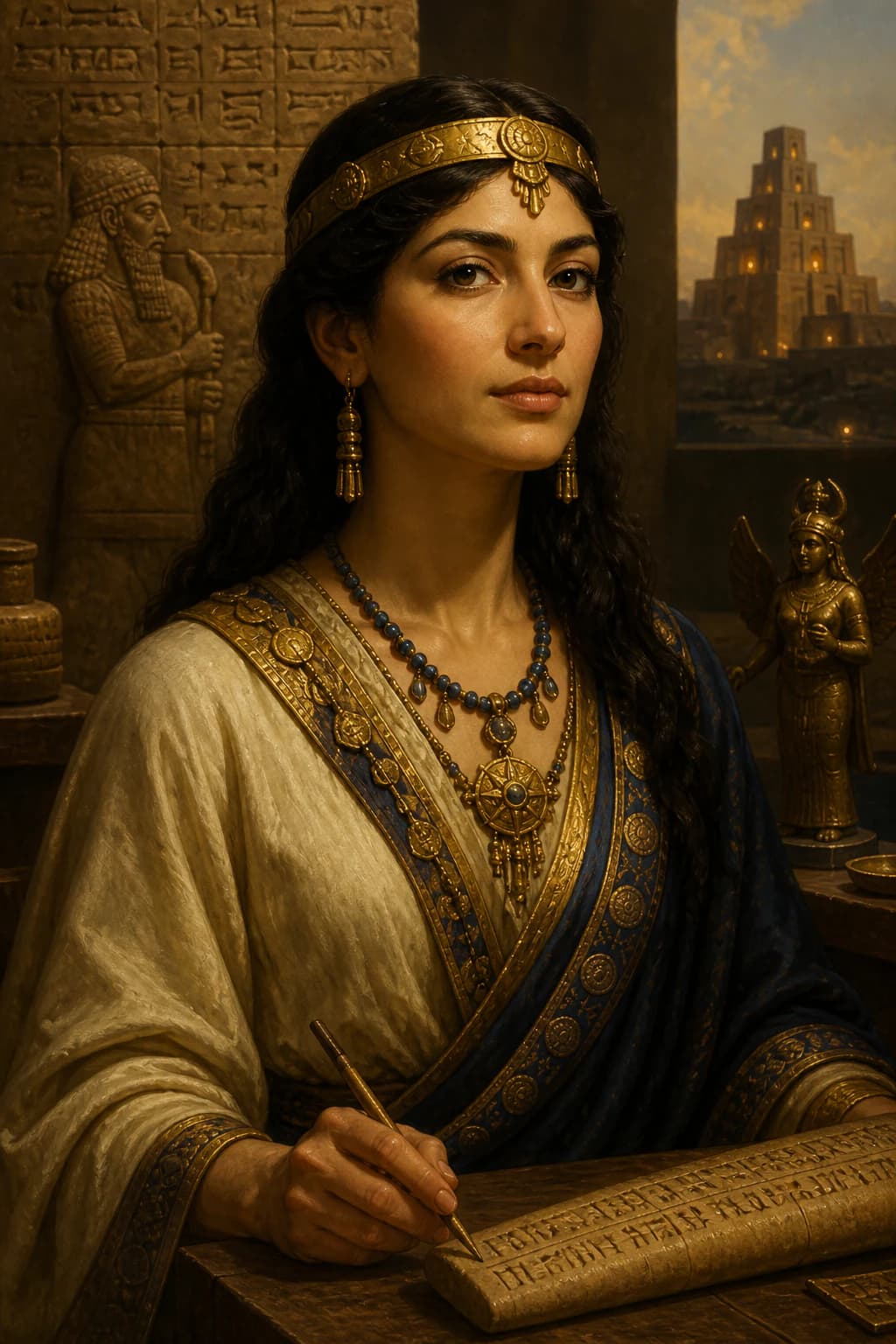
AI-generated portrait of Enheduanna writing before Mesopotamian inscriptions and a ziggurat
AI-assisted historical reconstruction

An illustrative reconstruction based on historical context. It is not a photograph or documentary likeness. Image policy

Quick answer

Enheduanna was an Akkadian high priestess of the moon god Nanna at Ur and the daughter of Sargon of Akkad. Living in the 23rd century BC, she is often regarded as the earliest named author in world history because hymns and poems were transmitted under her name.

Born
2285 BCE
Died
2250 BCE
Role
Akkadian high priestess and poet
Years
2285-2250 BCE
Quick facts

Profile details

Additional identity and tagging details that are not already covered in the introduction.

Also known as
En-hedu-anna
Facts

Enheduanna timeline facts

Selected specifics from this profile's life story.

23rd century BC
Daughter of empire

Enheduanna was a daughter of Sargon of Akkad, the conqueror whose empire joined Sumerian city-states and Akkadian royal power.

c. 2300 BC
High priestess of Ur

She served as high priestess of Nanna, the moon god, at Ur, one of Sumer's most important sacred cities.

23rd century BC
Exile and return

The poems associated with her describe a crisis in which she was driven from office and later restored, probably reflecting political unrest under the Akkadian dynasty.

Ancient memory
Earliest named author

Enheduanna is often called the earliest named author because later scribal tradition preserved major compositions under her name.

Life Journey

The first named voice in literature

Follow the story in a more continuous narrative, with a reading mode that matches how much depth you want.

Complete chronology

23rd century BC

Daughter of empire

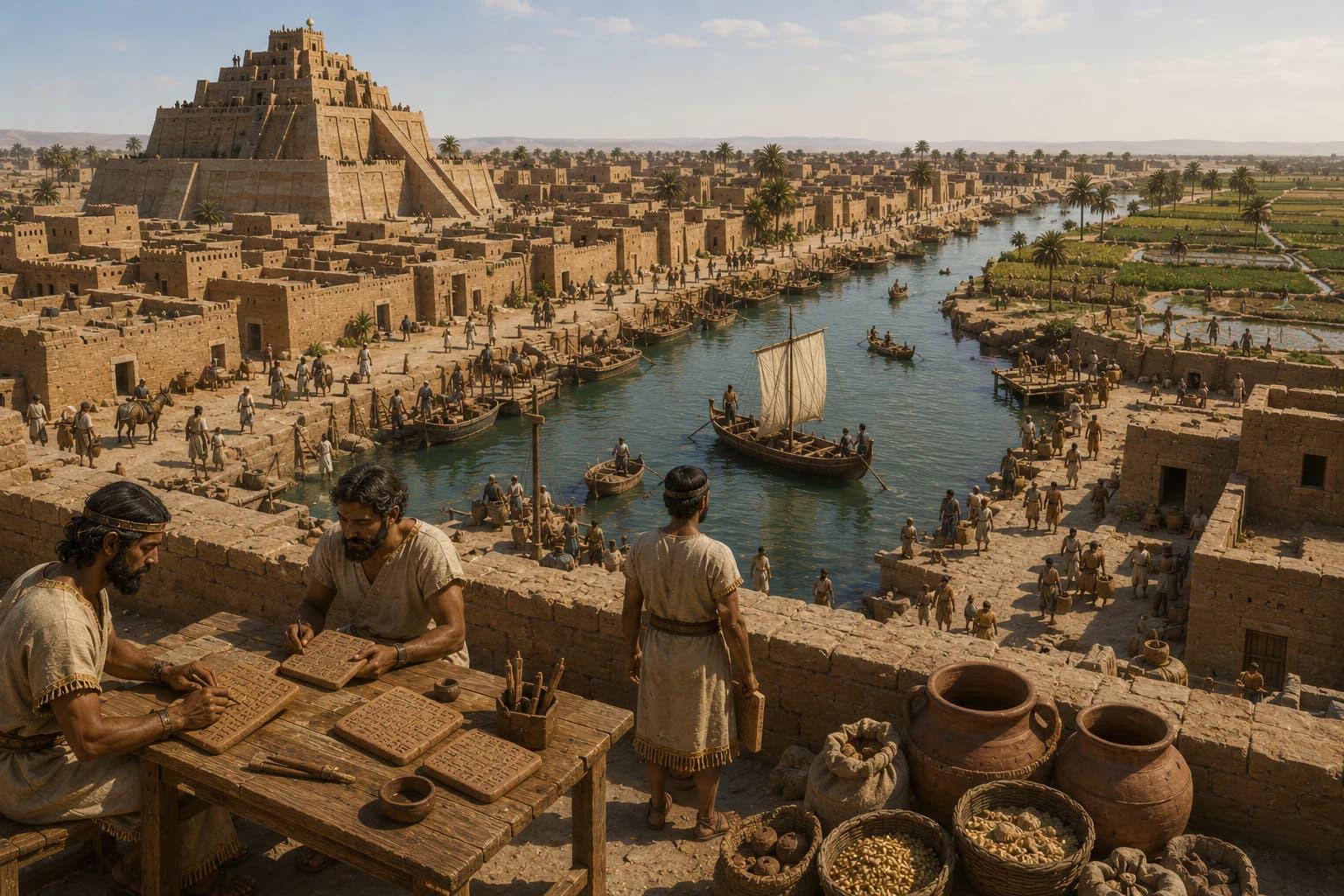
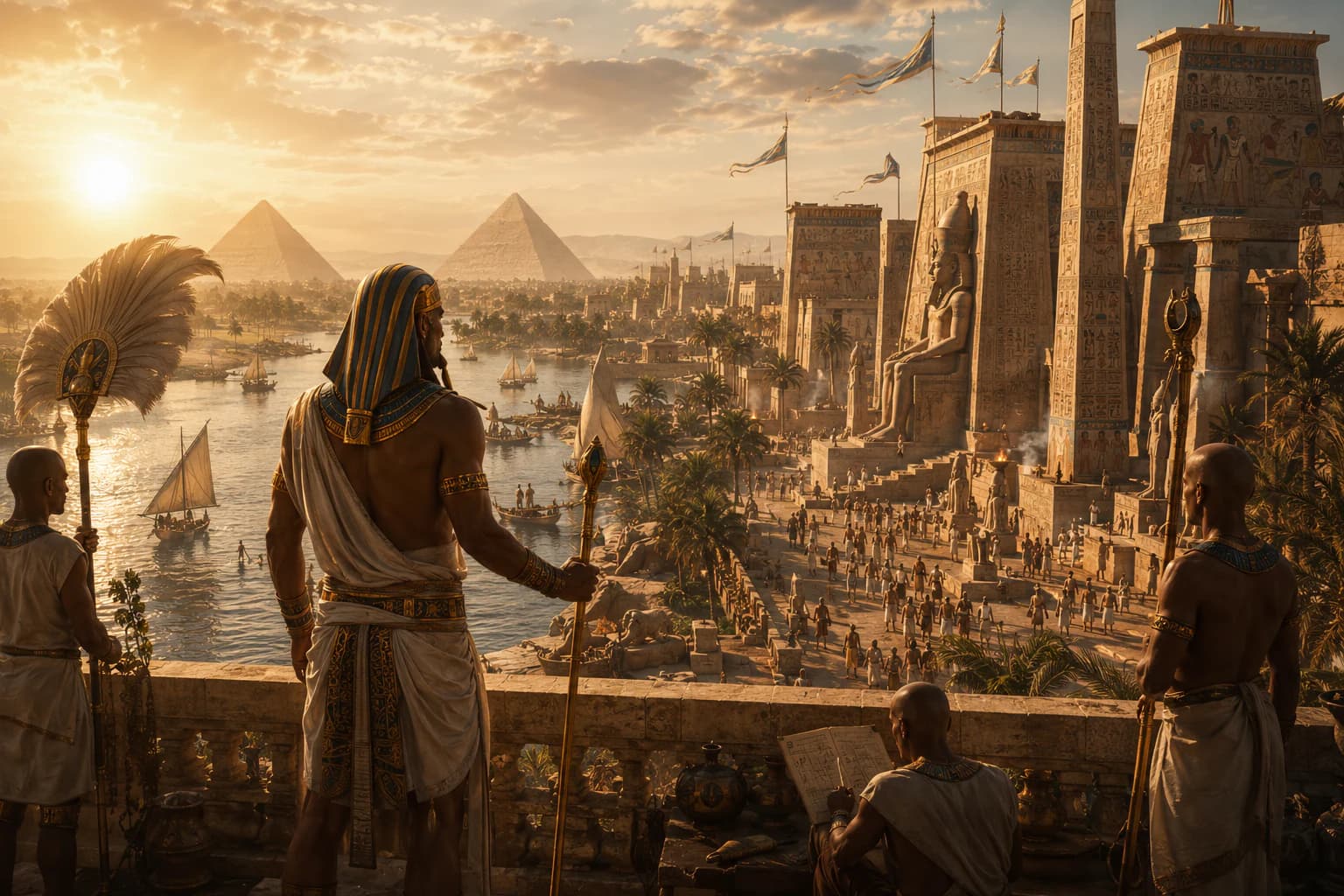
Enheduanna lived in the world created by Sargon of Akkad, one of history's earliest empire-builders. Her exact birth and death dates are uncertain, but she belonged to the 23rd century BC and was almost certainly a royal daughter. Sargon's empire had to govern older Sumerian cities with deep temple traditions, local elites, and their own sacred languages. Placing Enheduanna in a major priestly office was therefore not merely a family honour. It was statecraft.
c. 2300 BC

High priestess of Ur

Enheduanna's title placed her at the centre of temple power. As high priestess of Nanna at Ur, she occupied an institution that connected economics, ritual, astronomy, landholding, and political legitimacy. Temples were major centres of wealth, labour, learning, and authority. A royal woman in that office could mediate between Akkadian rule and Sumerian sacred tradition. Her name itself is usually understood as a title or sacred name, though exact interpretation is debated.

23rd century BC

Poet of Inanna

Enheduanna is associated with works including the Exaltation of Inanna and a body of temple hymns. The surviving manuscripts are later copies, so scholars debate the exact relationship between the historical Enheduanna and every text transmitted under her name. Even with that caution, the tradition is extraordinary. The poems speak in a named voice that praises, pleads, remembers humiliation, and claims restoration. Enheduanna's literary significance lies in that fusion of public theology and personal utterance.

23rd century BC

Exile and return

One of the most vivid traditions around Enheduanna is the account of her expulsion by a rebel named Lugalanne and her plea to Inanna for vindication. Historians treat the details cautiously, but the political setting is plausible: the Akkadian Empire faced resistance from Sumerian cities, and temple offices could become targets in struggles against royal control. If the text preserves memory of a real crisis, Enheduanna experienced empire not as abstraction but as danger.

Ancient memory

Earliest named author

Calling Enheduanna the first author does not mean nobody composed literature before her. Anonymous songs, myths, administrative texts, and oral traditions preceded her by centuries. What makes Enheduanna different is the survival of a named literary identity attached to substantial compositions. She stands at the meeting point of writing, authorship, gender, empire, and religious authority. She forces the history of literature to begin with a woman in a temple, inside an empire, addressing a goddess with political urgency.

Continue in context

Connected stories

Move from the profile into the wider events and settings this figure belongs to.

Tertiary paths

Content note

This profile is written for educational use and connects to related Stories of History pages. The main portrait is an AI-assisted historical reconstruction, included as an illustrative aid rather than documentary evidence. Image policy

References

Sources & Further Reading

Reliable reference works, archives and reading paths connected to this profile.

Further reading

  1. Encyclopaedia Britannica, Search results for Enheduanna,” accessed June 2026.Open source
  2. WorldCat, Books and library holdings for Enheduanna,” accessed June 2026.Open source

Primary sources

  1. Library of Congress, Search results for Enheduanna,” accessed June 2026.Open source

Reviewed claim sources

Loading reviewed claim sources...

A weekly route through history

Find out first about the latest published stories, feature notes and occasional Premium offers in one weekly email.