People

King John of England

King John of England was the Angevin king forced to seal Magna Carta in 1215 after baronial revolt, creating a landmark in limits on royal power.

Born
1166 CE
Died
1216 CE
Role
English king forced to seal Magna Carta in 1215

English king forced to seal Magna Carta in 1215 (1166–1216)

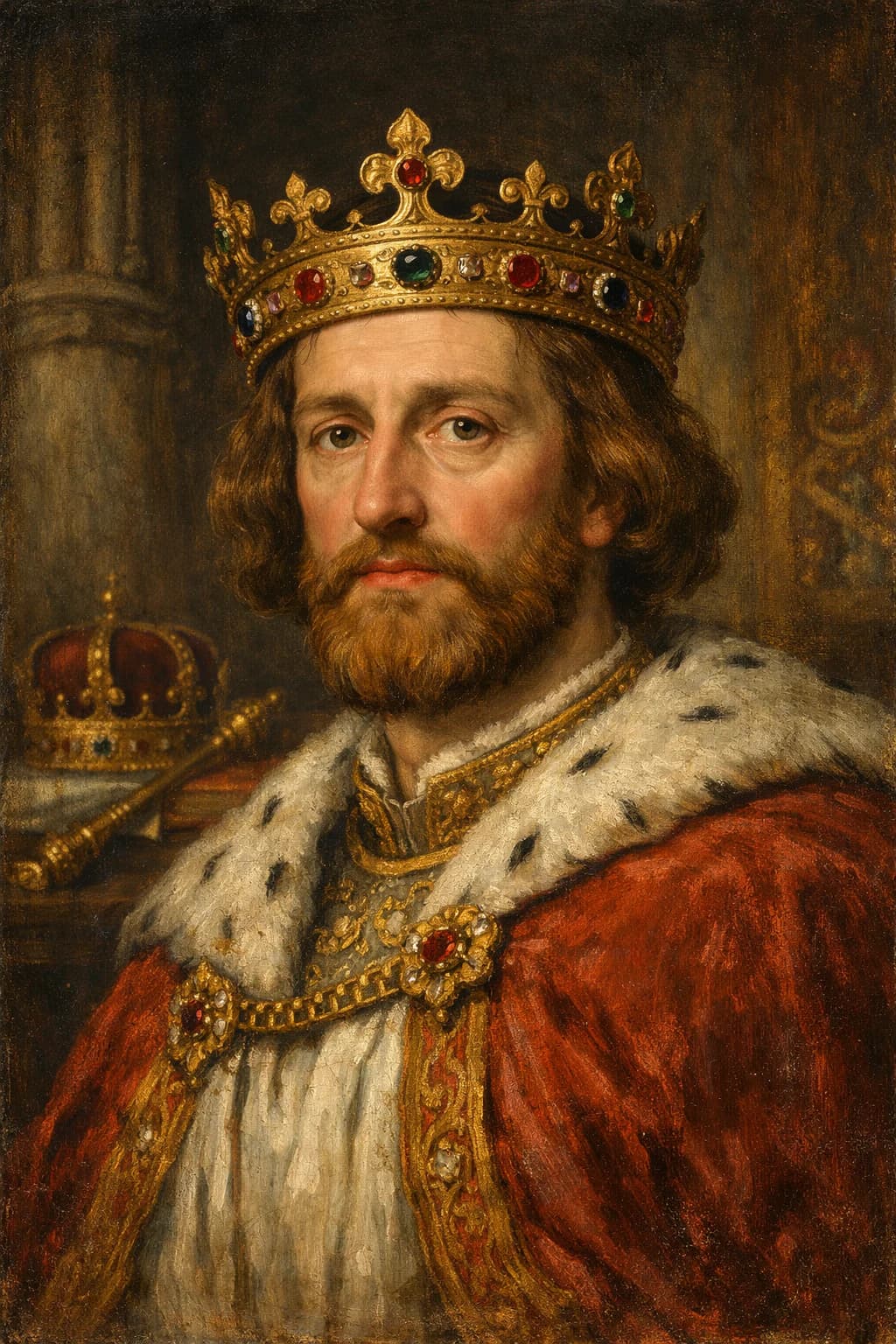
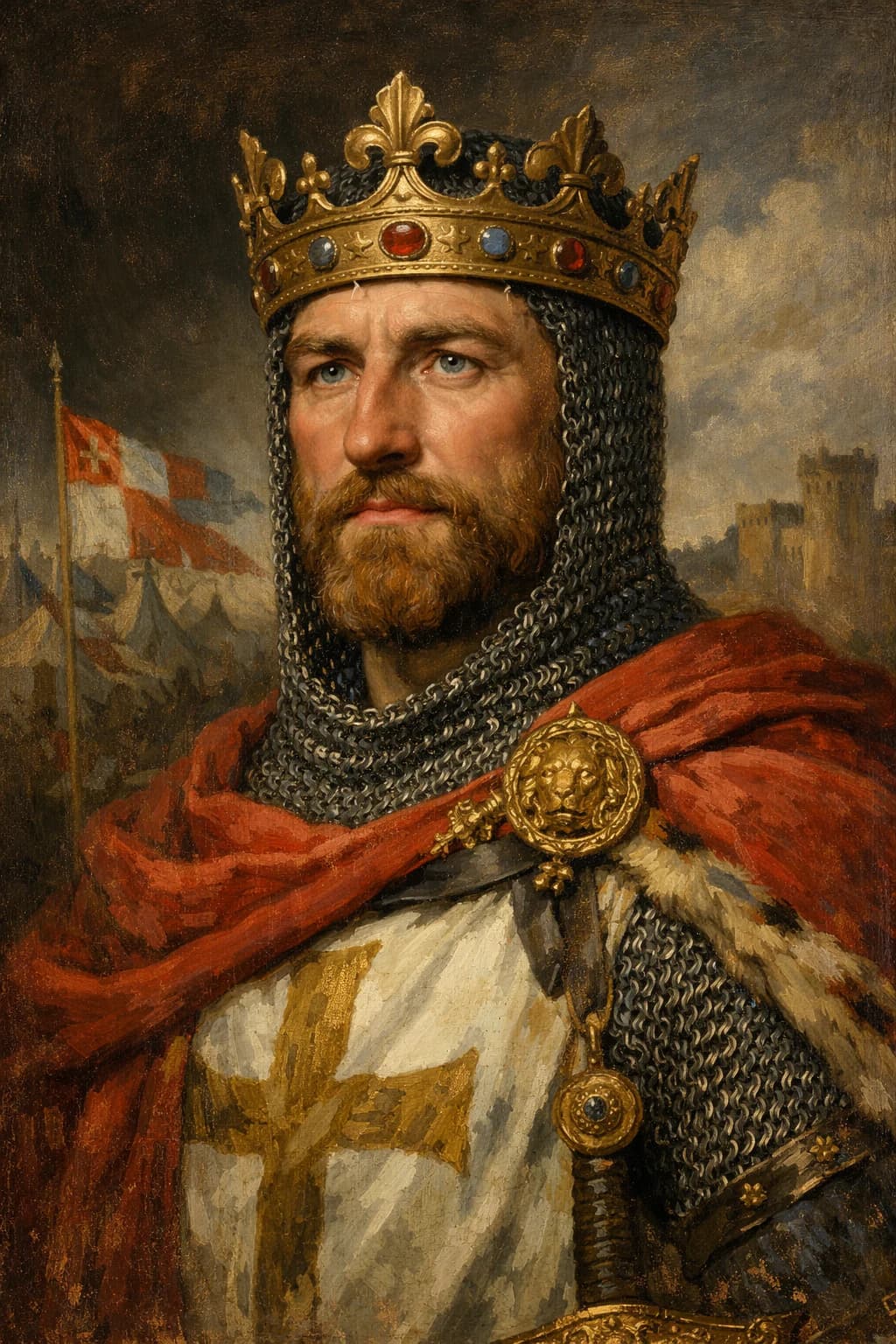
Portrait of King John in medieval royal attire
Facts

King John of England timeline facts

Selected specifics from this profile's life story.

1166–1185
Youngest son

King John was born in 1166, the youngest son of Henry II and Eleanor of Aquitaine, with little expectation of inheriting the Angevin empire.

1200–1204
Loss of territories

By 1204, John had lost Normandy and much of the Angevin continental empire to Philip II of France.

1215
Magna Carta

At Runnymede in June 1215, John sealed Magna Carta, accepting that even the king was bound by law and custom.

1216
End and legacy

John died in October 1216, but Magna Carta was reissued under Henry III and became far more enduring than John intended.

Life Journey

A reign of conflict, resistance and constitutional change

Follow the story in a more continuous narrative, with a reading mode that matches how much depth you want.

1166–1185

Youngest son

King John was born in 1166, the youngest son of Henry II and Eleanor of Aquitaine, with little expectation of inheriting the Angevin empire.

1185–1199

Struggles for position

John rebelled, shifted loyalties and tried to carve out power while his brothers Henry, Richard and Geoffrey stood ahead of him.

1199

Becoming king

John became king in 1199 after Richard I died, but his nephew Arthur of Brittany gave rivals an alternative claimant.

1200–1204

Loss of territories

By 1204, John had lost Normandy and much of the Angevin continental empire to Philip II of France.

1205–1214

Rising tensions

John's quarrel with Pope Innocent III and heavy financial demands deepened resentment before his failed campaign to recover French lands.

1215

Baronial revolt

After Bouvines, rebellious barons organized against John and demanded written limits on royal exploitation and arbitrary rule.

1215

Magna Carta

At Runnymede in June 1215, John sealed Magna Carta, accepting that even the king was bound by law and custom.

1215–1216

Renewed conflict

John quickly repudiated Magna Carta with papal support, plunging England into the First Barons' War and a French invasion.

1216

End and legacy

John died in October 1216, but Magna Carta was reissued under Henry III and became far more enduring than John intended.

Continue in context

Connected stories

Move from the profile into the wider events and settings this figure belongs to.

British Monarchs lineage
Lineage42 rulers
British Monarchs
1066 CE–present

Trace the English and later British monarchy from William I to today.

View lineage
Tertiary paths

Content note

This profile is written for educational use and connects to related Stories of History pages. Illustrations are original artistic interpretations.

References

Sources & Further Reading

Reliable reference works, archives and reading paths connected to this profile.

Further reading

  1. Encyclopaedia Britannica, Search results for King John of England,” accessed June 2026.Open source
  2. WorldCat, Books and library holdings for King John of England,” accessed June 2026.Open source

Primary sources

  1. Library of Congress, Search results for King John of England,” accessed June 2026.Open source

A weekly route through history

Find out first about the latest published stories, feature notes and occasional Premium offers in one weekly email.