People

Itzcoatl

Itzcoatl was tlatoani of Tenochtitlan from 1427 to 1440. With allies from Texcoco and Tlacopan, and with the counsel of Tlacaelel, he defeated the Tepanec power of Azcapotzalco and helped create the Aztec Triple Alliance.

Born
1380 CE
Died
1440 CE
Role
Tlatoani of Tenochtitlan

Tlatoani of Tenochtitlan (1427-1440)

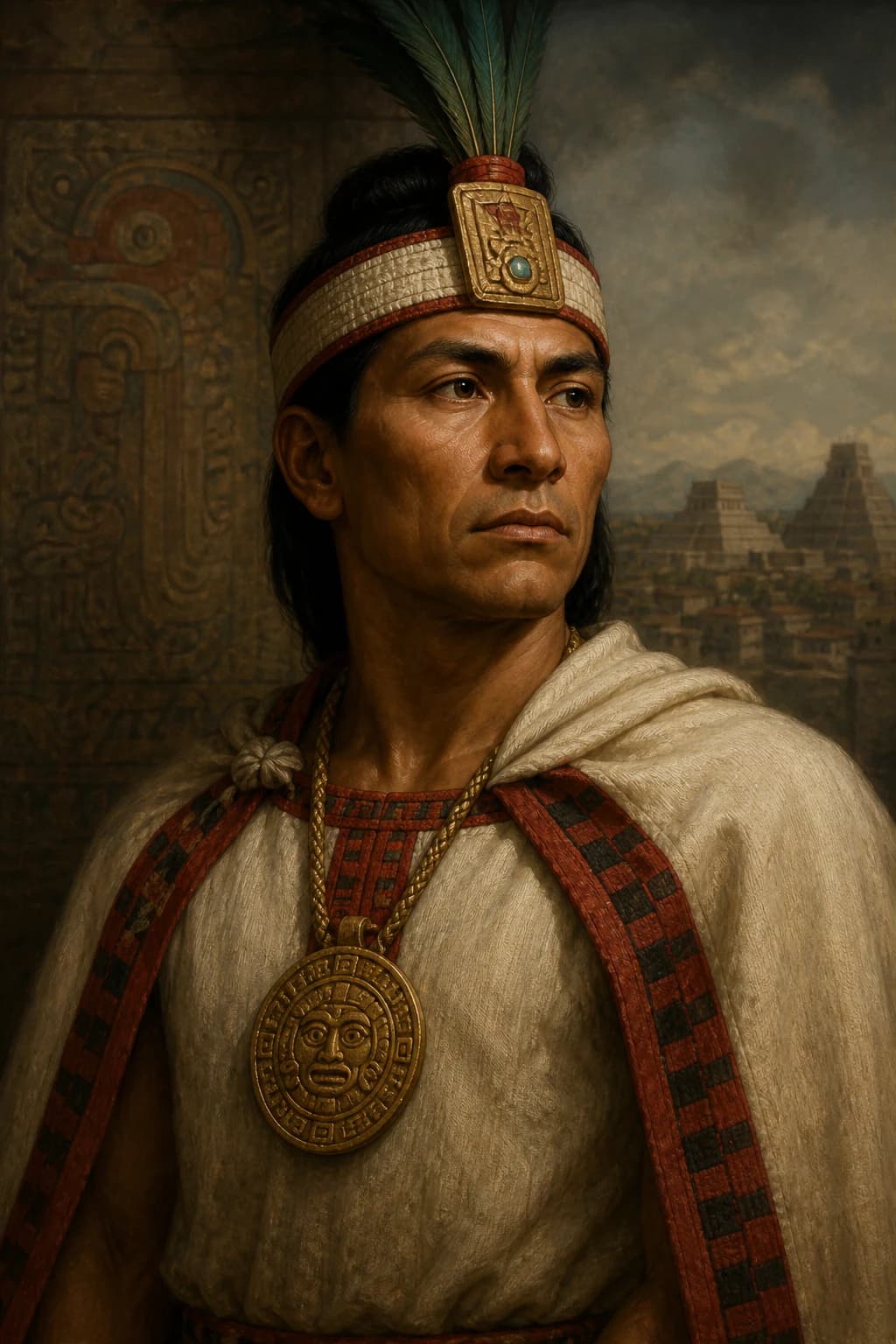
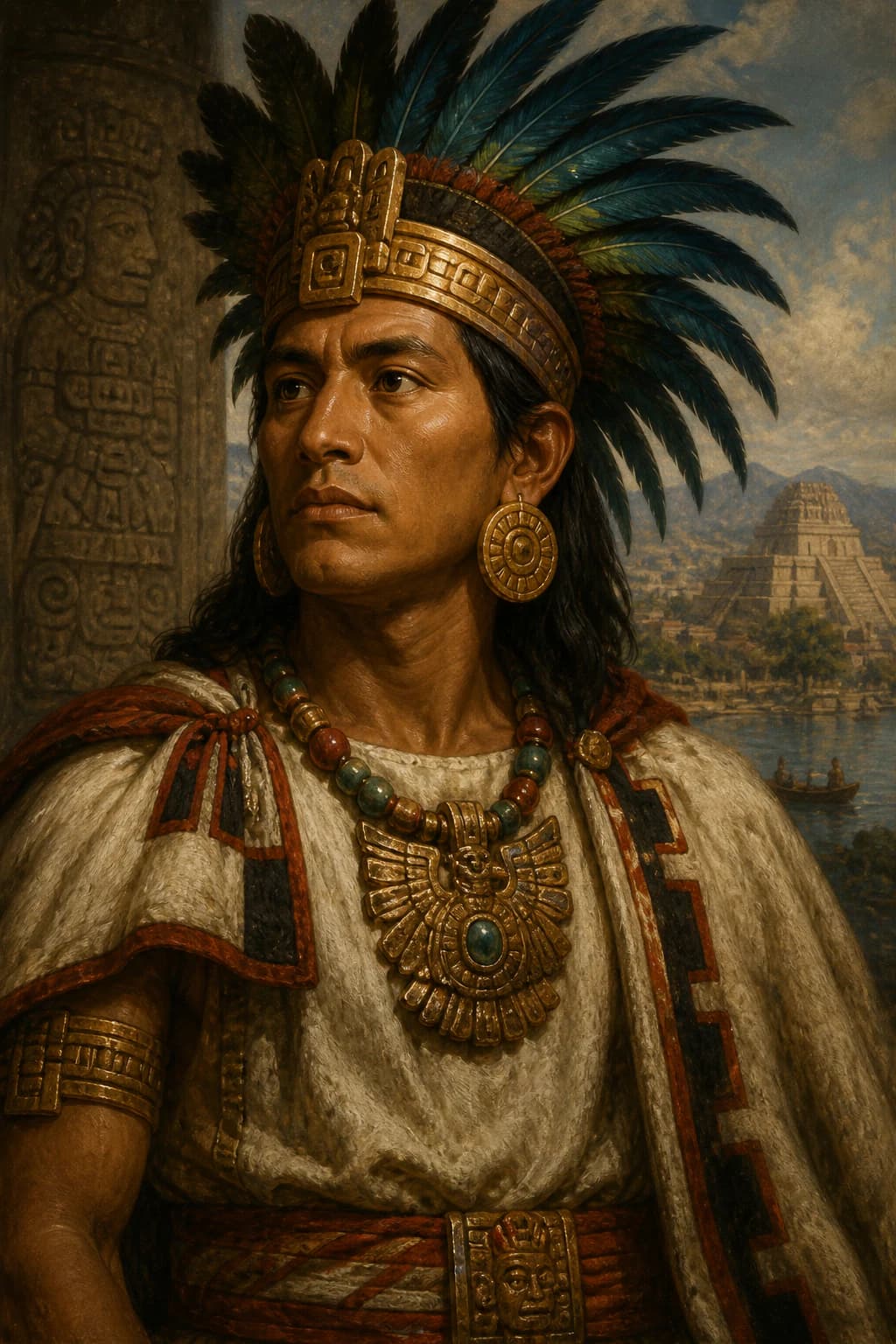
AI-generated portrait of Itzcoatl in a feathered headdress before the temples of Tenochtitlan
AI-assisted historical reconstruction

An illustrative reconstruction based on historical context. It is not a photograph or documentary likeness. Image policy

Quick answer

Itzcoatl was tlatoani of Tenochtitlan from 1427 to 1440. With allies from Texcoco and Tlacopan, and with the counsel of Tlacaelel, he defeated the Tepanec power of Azcapotzalco and helped create the Aztec Triple Alliance.

Born
1380 CE
Died
1440 CE
Role
Tlatoani of Tenochtitlan
Years
1380-1440 CE
Quick facts

Profile details

Additional identity and tagging details that are not already covered in the introduction.

Also known as
Itzcohuatl
Facts

Itzcoatl timeline facts

Selected specifics from this profile's life story.

c. 1380-1427
Mexica noble

Itzcoatl was born into the Mexica ruling house when Tenochtitlan was still rising under the shadow of Tepanec power.

1427
Crisis of succession

After the death of Chimalpopoca, Itzcoatl became tlatoani of Tenochtitlan during a dangerous conflict with Azcapotzalco.

1430s
Tlacaelel and memory

Tradition links Itzcoatl's reign with Tlacaelel's reforms, including efforts to reshape Mexica historical memory and imperial ideology.

1430s-1440
Imperial foundations

Itzcoatl expanded Mexica power around the Basin of Mexico, strengthened tribute systems, and left his successors a state ready for further conquest.

Life Journey

The ruler who made Tenochtitlan imperial

Follow the story in a more continuous narrative, with a reading mode that matches how much depth you want.

Complete chronology

c. 1380-1427

Mexica noble

Itzcoatl belonged to the Mexica elite before the Mexica were masters of central Mexico. Tenochtitlan was growing in strength, but it remained entangled with the Tepanec empire centred on Azcapotzalco. The Mexica had served as warriors, clients, and political partners within a world where city-states competed for tribute, land, and prestige. Itzcoatl's ancestry connected him to the ruling line, but his importance came from the crisis he inherited.
1427

Crisis of succession

The death of Chimalpopoca, Itzcoatl's predecessor, came amid severe tension with the Tepanec ruler Maxtla of Azcapotzalco. Accounts differ in detail and were later shaped by Mexica memory, but the political reality is clear: Tenochtitlan faced a hostile overlord at precisely the moment when its own leadership changed. Itzcoatl's accession in 1427 was therefore not ceremonial routine. It was a wartime decision.

1428

Triple Alliance

Itzcoatl's decisive achievement was the formation of the coalition that destroyed Tepanec dominance. Tenochtitlan allied with Texcoco, whose ruler Nezahualcoyotl had his own reasons to oppose Azcapotzalco, and with Tlacopan, a Tepanec city that aligned against Maxtla. The resulting victory around 1428 transformed central Mexican politics. Tribute that had once flowed to Azcapotzalco was redistributed among the partners, with Tenochtitlan increasingly becoming the strongest member.

1430s

Tlacaelel and memory

Itzcoatl ruled with the support of powerful counsellors, most famously Tlacaelel, whose later reputation made him the intellectual architect of Mexica imperial identity. Sources written after the conquest credit this circle with burning or suppressing older records and replacing them with a history that elevated the Mexica and their god Huitzilopochtli. The details are difficult to verify, but the larger process is plausible: new powers often rewrite memory to make their rise appear destined.

1430s-1440

Imperial foundations

After the defeat of Azcapotzalco, Itzcoatl and his allies turned victory into structure. Tribute rights were allocated, defeated communities were subordinated, and Tenochtitlan's military prestige rose sharply. The Mexica capital expanded its influence across the Basin of Mexico, while the ruling elite developed the institutions and rituals that later rulers would enlarge. Itzcoatl died in 1440, succeeded by Moctezuma I. By then Tenochtitlan was no longer a client city. It was the most dynamic centre of a new imperial system.

Continue in context

Connected stories

Move from the profile into the wider events and settings this figure belongs to.

Tertiary paths

Content note

This profile is written for educational use and connects to related Stories of History pages. The main portrait is an AI-assisted historical reconstruction, included as an illustrative aid rather than documentary evidence. Image policy

References

Sources & Further Reading

Reliable reference works, archives and reading paths connected to this profile.

Further reading

  1. Encyclopaedia Britannica, Search results for Itzcoatl,” accessed June 2026.Open source
  2. WorldCat, Books and library holdings for Itzcoatl,” accessed June 2026.Open source

Primary sources

  1. Library of Congress, Search results for Itzcoatl,” accessed June 2026.Open source

Reviewed claim sources

Loading reviewed claim sources...

A weekly route through history

Find out first about the latest published stories, feature notes and occasional Premium offers in one weekly email.