People

Ashurbanipal

Ashurbanipal was king of Assyria from 669 to about 631 BC. He was the last great ruler of the Neo-Assyrian Empire, famous for campaigns against Egypt, Elam, and Babylon, and for the royal library at Nineveh that preserved works such as the Epic of Gilgamesh.

Born
685 BCE
Died
631 BCE
Role
King of Assyria

King of Assyria (669-c. 631 BC)

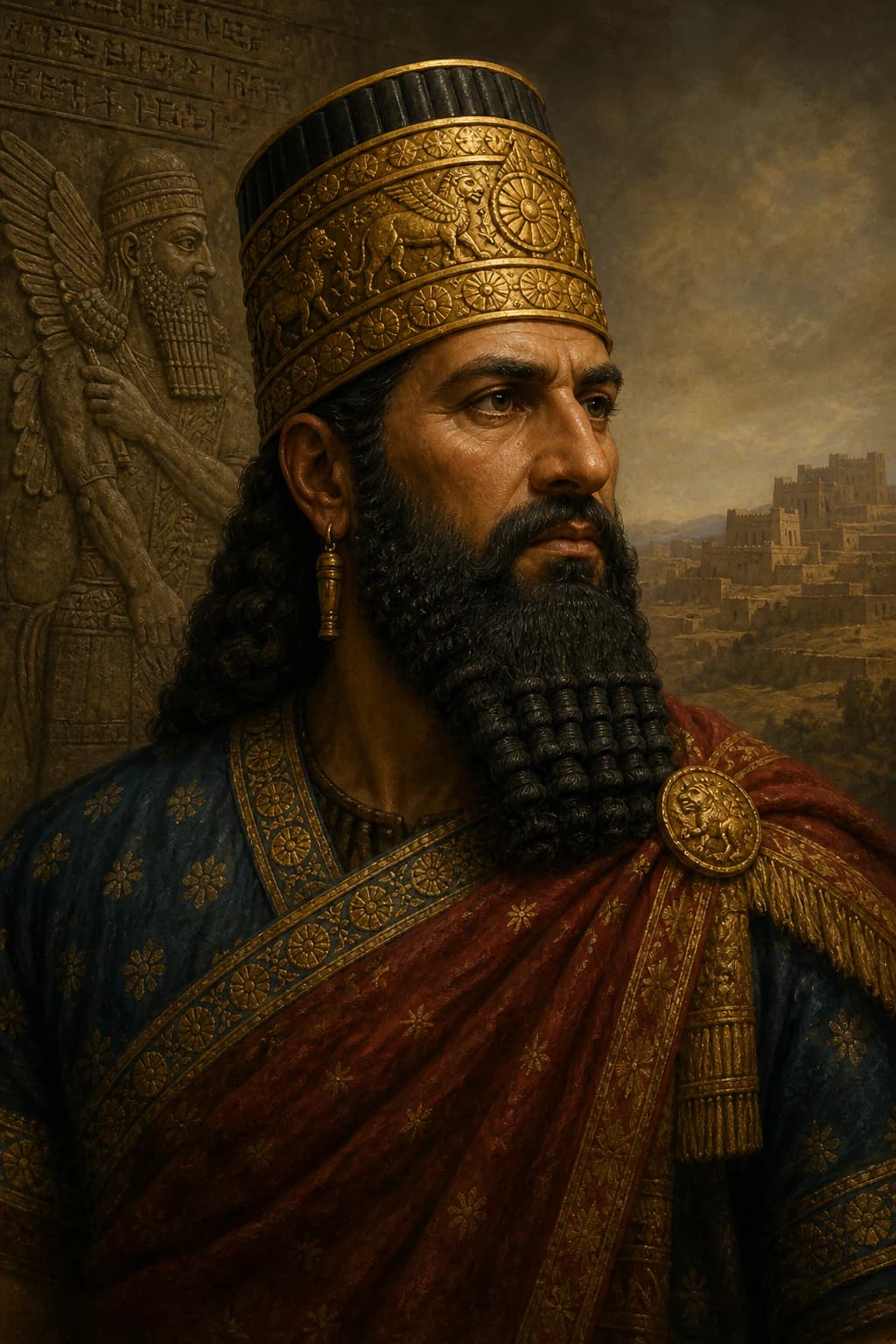
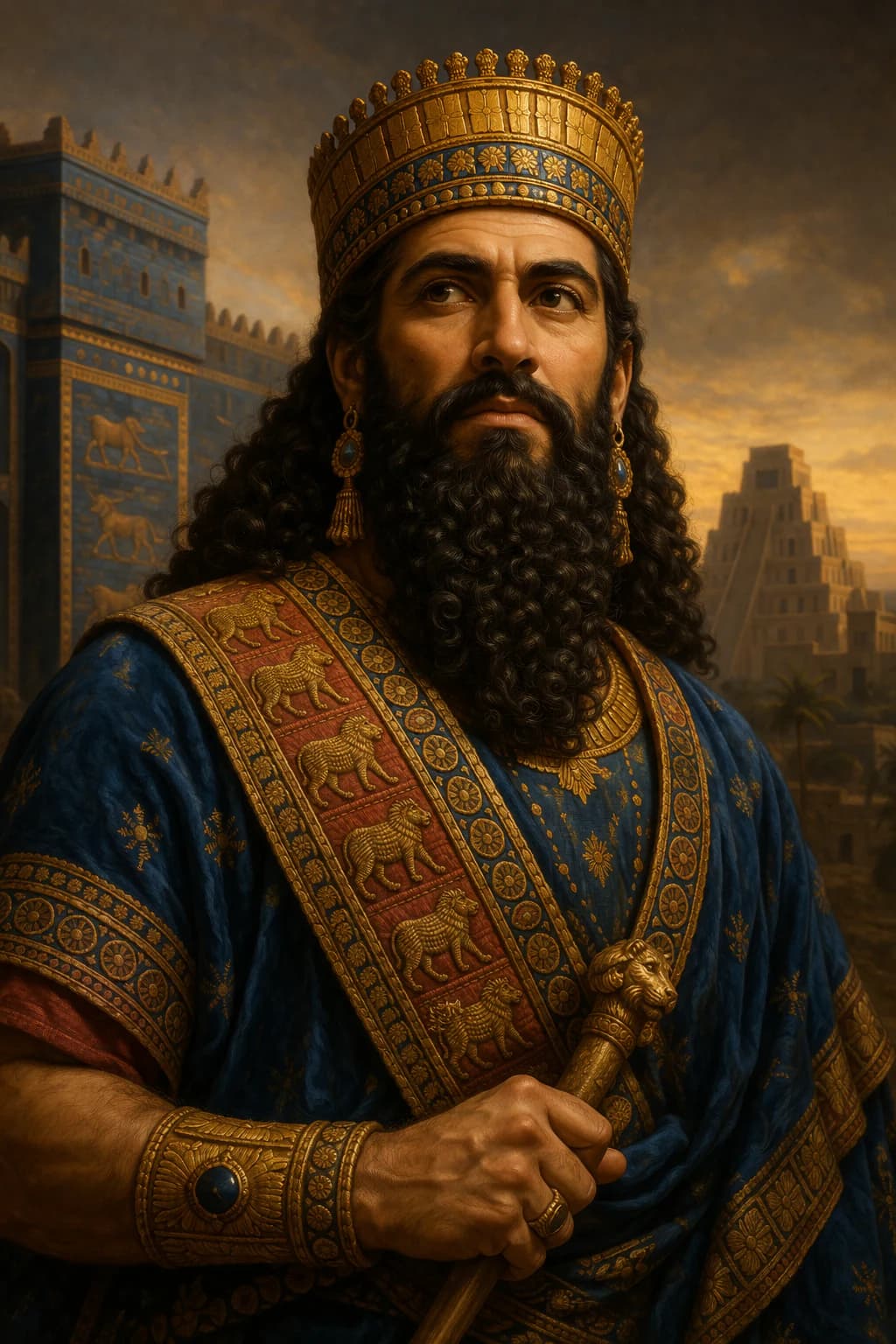
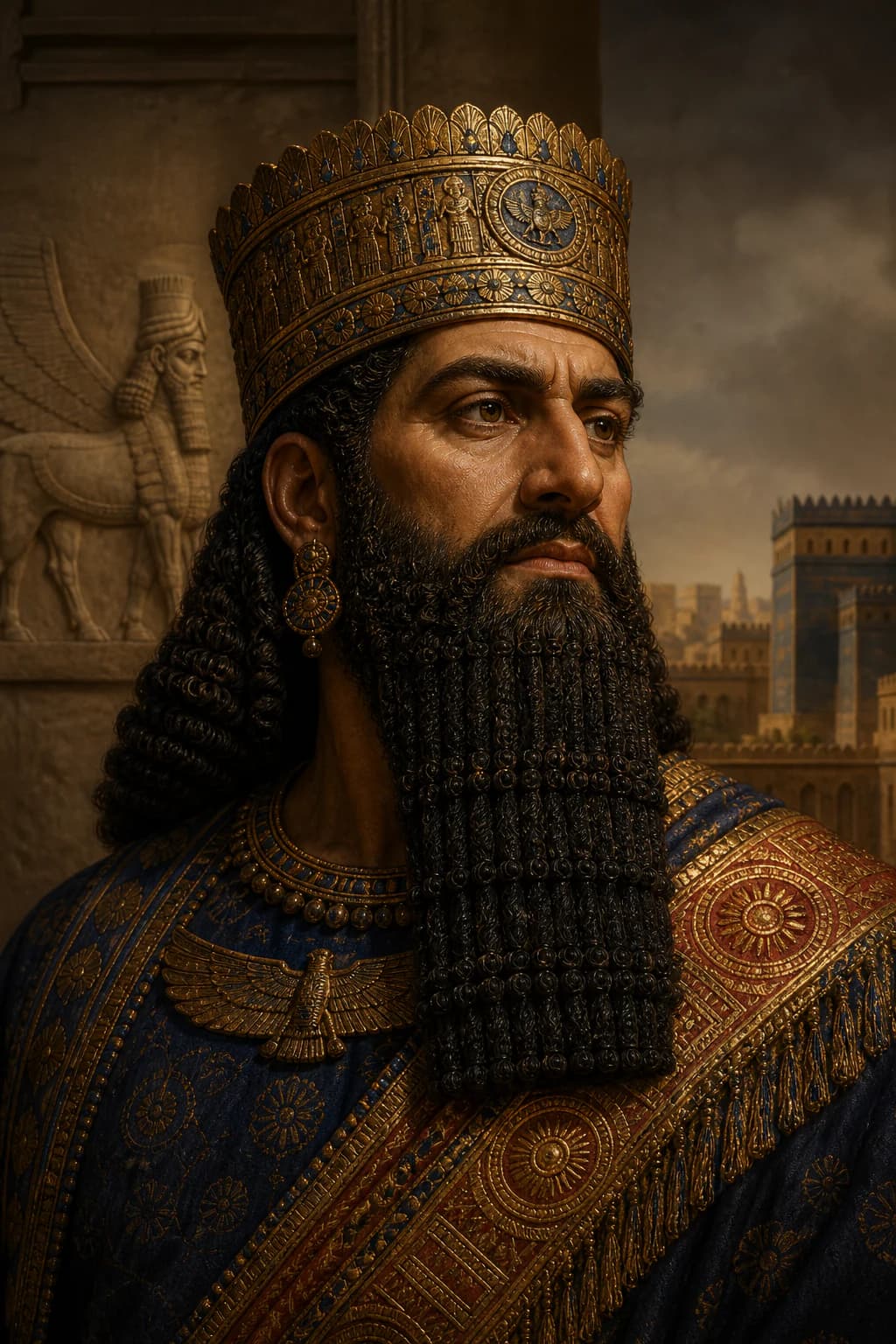
AI-generated portrait of Ashurbanipal in an ornate Assyrian crown before Nineveh
AI-assisted historical reconstruction

An illustrative reconstruction based on historical context. It is not a photograph or documentary likeness. Image policy

Quick answer

Ashurbanipal was king of Assyria from 669 to about 631 BC. He was the last great ruler of the Neo-Assyrian Empire, famous for campaigns against Egypt, Elam, and Babylon, and for the royal library at Nineveh that preserved works such as the Epic of Gilgamesh.

Born
685 BCE
Died
631 BCE
Role
King of Assyria
Years
685-631 BCE
Quick facts

Profile details

Additional identity and tagging details that are not already covered in the introduction.

Also known as
Ashur-bani-apli, Assurbanipal
Facts

Ashurbanipal timeline facts

Selected specifics from this profile's life story.

c. 685 BC-669 BC
Royal training

Ashurbanipal was a younger son of Esarhaddon, trained for kingship after his father arranged a succession that divided Assyria and Babylon between two brothers.

667 BC-663 BC
War in Egypt

Ashurbanipal campaigned in Egypt against Taharqa and Tanutamun, briefly restoring Assyrian dominance before Egypt recovered under the Saite dynasty.

640s BC
Destruction of Elam

Ashurbanipal waged devastating campaigns against Elam, destroying Susa and presenting the victory as righteous punishment against a persistent rival.

After c. 631 BC
The last great Assyrian

After Ashurbanipal's death, Assyria rapidly weakened, and within decades Nineveh fell to the Babylonians and Medes.

Life Journey

The scholar-king of Assyrian terror

Follow the story in a more continuous narrative, with a reading mode that matches how much depth you want.

Complete chronology

c. 685 BC-669 BC

Royal training

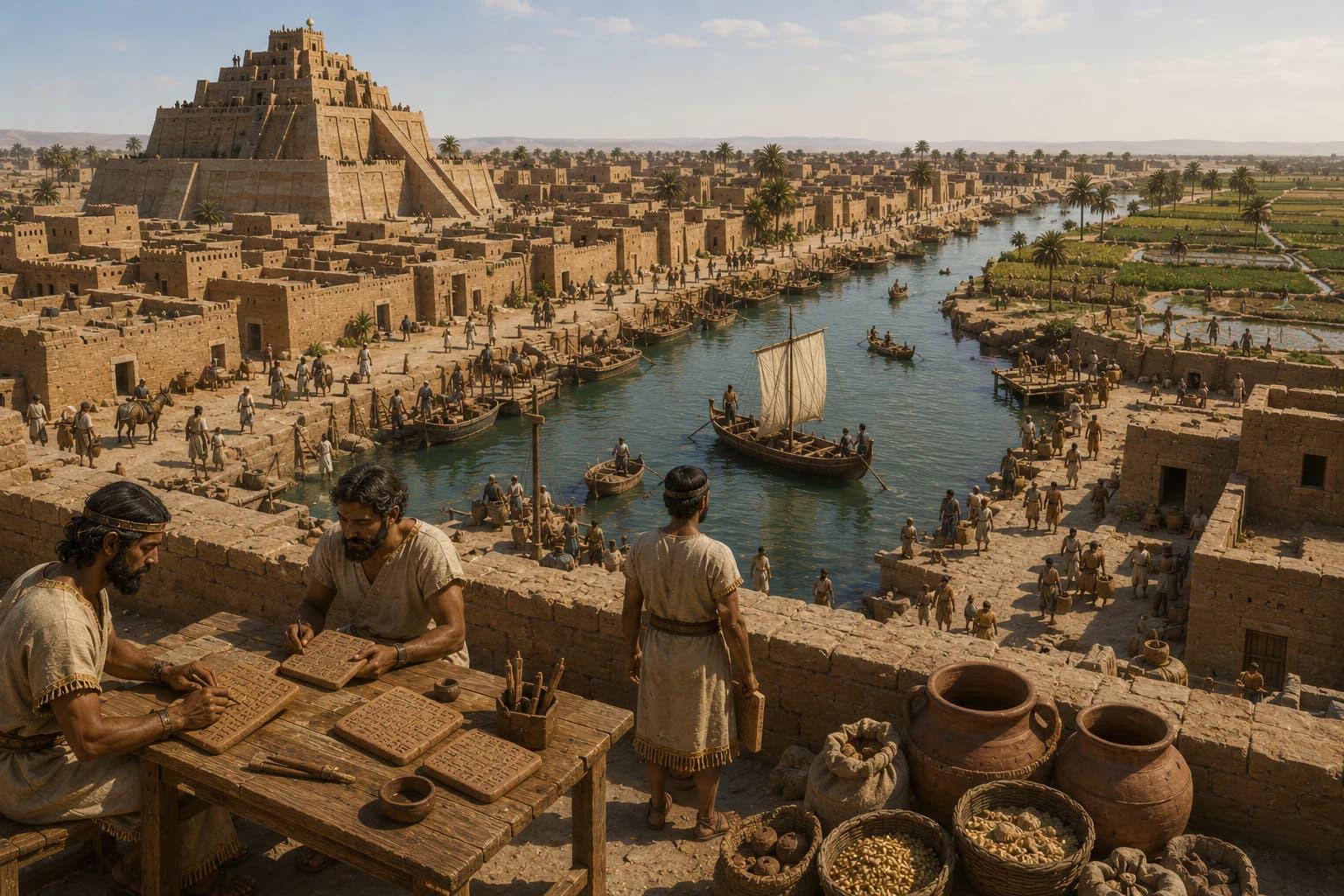
Ashurbanipal was not originally the obvious heir. His father, Esarhaddon, had to manage the dangerous politics of an Assyrian royal house where succession could provoke violence. He arranged for Ashurbanipal to inherit Assyria while his older brother Shamash-shum-ukin would rule Babylon under Assyrian supremacy. Ashurbanipal's own inscriptions emphasise a rare royal accomplishment: literacy and scribal learning. Whether idealised or genuine, it shaped his image as a king who could command armies and read tablets.

669 BC

Taking the throne

When Ashurbanipal came to the throne, Assyria dominated a vast imperial system stretching from Mesopotamia into Syria, the Levant, Anatolia's edges, and Egypt's contested territory. Its strength was formidable, but it was not self-sustaining. Assyrian power depended on military campaigns, tribute extraction, deportation, terror, provincial administration, and the careful management of vassal rulers. Revolt was not an exception; it was a recurring condition of empire.

667 BC-663 BC

War in Egypt

Egypt was Assyria's most prestigious and difficult western prize. Esarhaddon had invaded Egypt, but control remained unstable. Ashurbanipal led campaigns against the Kushite pharaohs Taharqa and Tanutamun, and Assyrian forces reached Thebes, which was sacked in 663 BC. Yet Egypt could not be held like a Mesopotamian province. Distance, local resilience, and the rise of Psamtik I of the Saite dynasty gradually pushed Assyria out. Ashurbanipal could devastate Egypt, intervene in its politics, and claim supremacy; he could not make the Nile valley a permanent Assyrian possession.

652 BC-648 BC

War with his brother

The most dangerous crisis of Ashurbanipal's reign came from within his own family. Shamash-shum-ukin, installed as king of Babylon, rebelled against Assyrian overlordship and attracted support from Elam, Chaldean groups, Arabs, and others hostile to Nineveh. Ashurbanipal besieged Babylon, and the city fell in 648 BC after severe suffering. Shamash-shum-ukin died, likely in the final destruction or by suicide, and Ashurbanipal reasserted control. The victory preserved the empire, but it deepened the violence at its core.

640s BC

Destruction of Elam

Elam, in southwestern Iran, had long been one of Mesopotamia's major powers and a frequent participant in anti-Assyrian coalitions. After Elam supported rebellion against him, Ashurbanipal responded with campaigns of extraordinary severity. Assyrian accounts describe the devastation of cities, the desecration of royal tombs, and the humiliation of Elamite kings. The language of his inscriptions turns violence into cosmic order, making revenge appear as divine justice. Modern readers have to hold both realities together: these texts are propaganda, and they also testify to real destruction.

7th century BC

Library at Nineveh

The library of Ashurbanipal is one of the great accidents of historical survival. His agents collected and copied texts from across Mesopotamia: myths, lexical lists, omen series, medical writings, prayers, rituals, royal inscriptions, and literary works. Among the tablets later recovered from Nineveh were versions of the Epic of Gilgamesh. The library was not a public library in the modern sense; it was a royal scholarly archive tied to divination, ritual knowledge, and statecraft. Yet its survival after Nineveh's destruction turned Ashurbanipal into an unlikely guardian of the civilisation his empire ruled through fear.

After c. 631 BC

The last great Assyrian

Ashurbanipal died around 631 BC, though the final years of his reign and exact death date remain debated. What followed was swift deterioration. Succession disputes, overextension, internal exhaustion, Babylonian resurgence, and Median pressure combined to break the empire. Nineveh fell in 612 BC, less than twenty years after Ashurbanipal's probable death. That collapse shapes how he is remembered: not simply as a successful ruler, but as the last great king before the system came apart.

Continue in context

Connected stories

Move from the profile into the wider events and settings this figure belongs to.

Tertiary paths

Content note

This profile is written for educational use and connects to related Stories of History pages. The main portrait is an AI-assisted historical reconstruction, included as an illustrative aid rather than documentary evidence. Image policy

References

Sources & Further Reading

Reliable reference works, archives and reading paths connected to this profile.

Further reading

  1. Encyclopaedia Britannica, Search results for Ashurbanipal,” accessed June 2026.Open source
  2. WorldCat, Books and library holdings for Ashurbanipal,” accessed June 2026.Open source

Primary sources

  1. Library of Congress, Search results for Ashurbanipal,” accessed June 2026.Open source

Reviewed claim sources

Loading reviewed claim sources...

A weekly route through history

Find out first about the latest published stories, feature notes and occasional Premium offers in one weekly email.