c. 1554
Devon beginnings
Walter Raleigh was born at Hayes Barton in Devon, probably in 1554, into a Protestant gentry family connected to seafaring, war and Elizabethan expansion.
Sir Walter Raleigh, also spelled Walter Ralegh, was an English courtier, explorer, writer and favourite of Elizabeth I. Knighted in 1585, he promoted English colonisation in North America, sponsored the Roanoke ventures, searched for Guiana and El Dorado, wrote The History of the World in the Tower of London, and was executed under James I in 1618.
English courtier, explorer and writer (c. 1554-1618)

Additional identity and tagging details that are not already covered in the introduction.
Selected specifics from this profile's life story.
Walter Raleigh was born at Hayes Barton in Devon, probably in 1554, into a Protestant gentry family connected to seafaring, war and Elizabethan expansion.
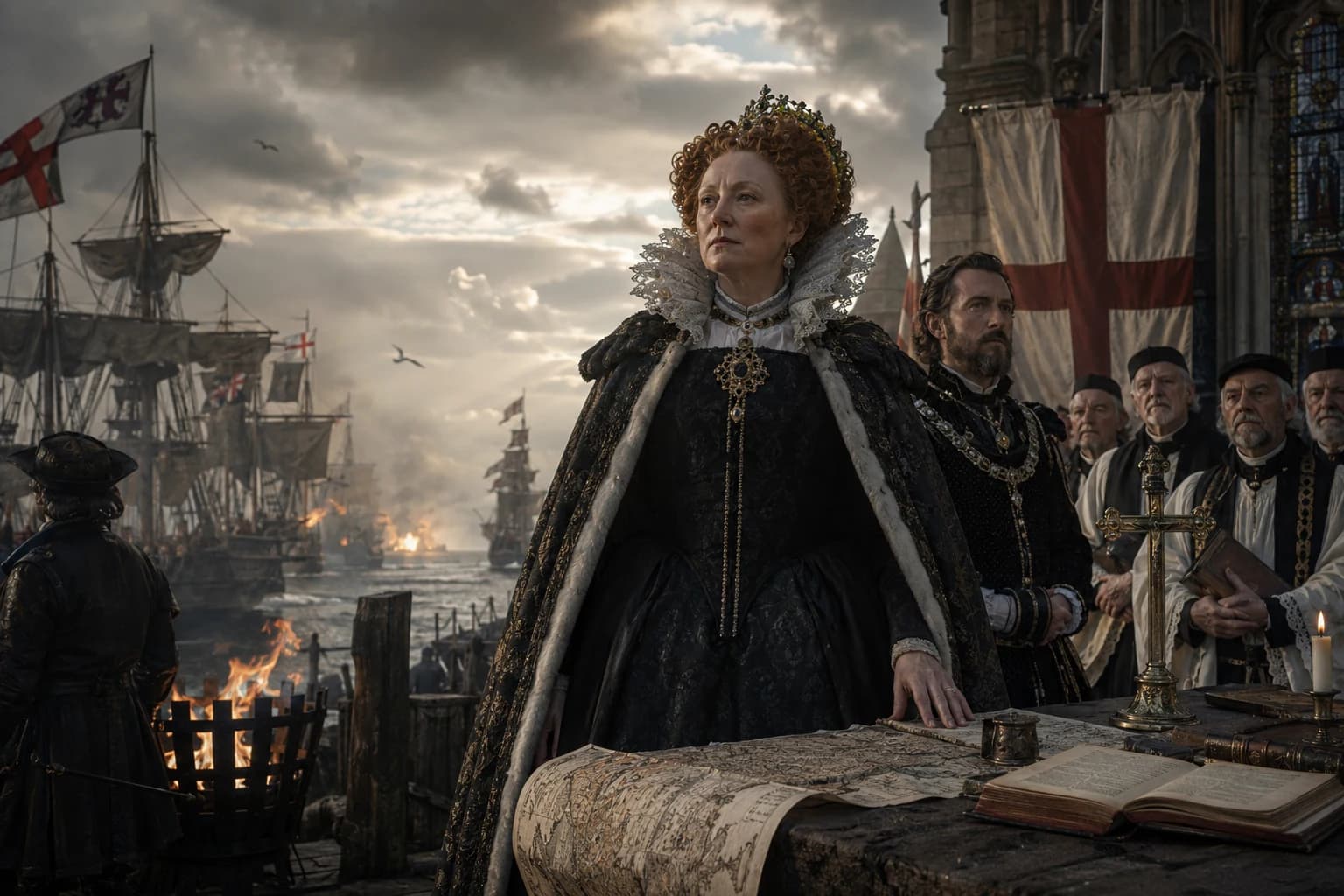
Raleigh rose quickly at Elizabeth I's court, gaining favour, monopolies, offices and a knighthood in 1585.
In 1595 Raleigh led an expedition to the Orinoco region, searching for gold and promoting the possibility of an English foothold in Guiana.
Released but not pardoned, Raleigh led a final expedition to Guiana. After failure and conflict with Spain, James I revived the old sentence and Raleigh was executed on October 29, 1618.
Follow the story in a more continuous narrative, with a reading mode that matches how much depth you want.
Walter Raleigh was born at Hayes Barton in Devon, probably in 1554, into a Protestant gentry family connected to seafaring, war and Elizabethan expansion.
As a young man, Raleigh fought for the Huguenots in France and later served in Ireland during the brutal suppression of rebellion in Munster.
Raleigh rose quickly at Elizabeth I's court, gaining favour, monopolies, offices and a knighthood in 1585.
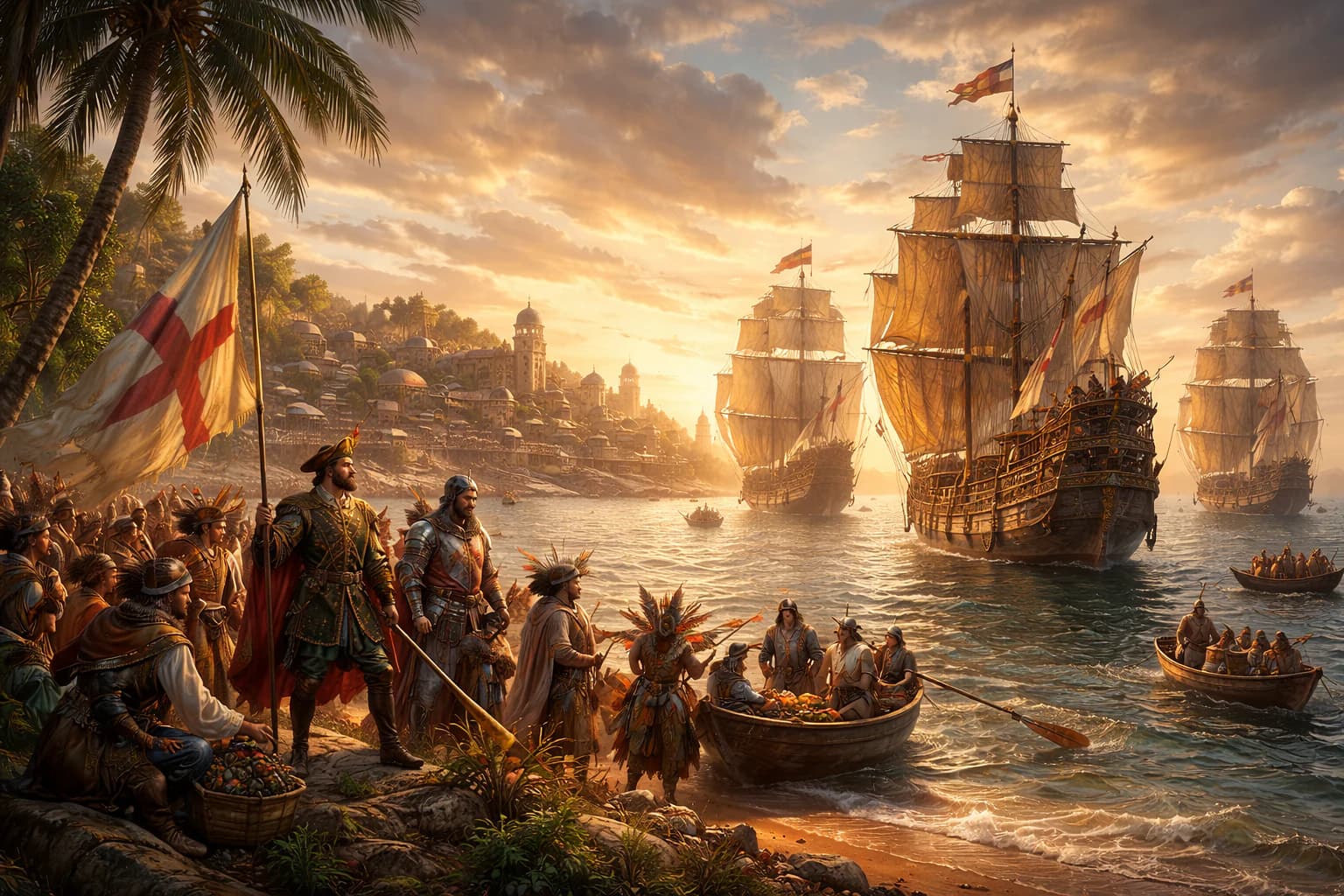
Raleigh sponsored English attempts to explore and colonise the coast of North America, naming Virginia in honour of Elizabeth and backing the Roanoke ventures.
Raleigh's secret marriage to Elizabeth Throckmorton, one of the queen's attendants, angered Elizabeth I and led to imprisonment in the Tower of London.
In 1595 Raleigh led an expedition to the Orinoco region, searching for gold and promoting the possibility of an English foothold in Guiana.
After Elizabeth died, Raleigh lost protection under James I. Accused of treason in 1603, he was condemned but reprieved and imprisoned in the Tower.
Released but not pardoned, Raleigh led a final expedition to Guiana. After failure and conflict with Spain, James I revived the old sentence and Raleigh was executed on October 29, 1618.
Move from the profile into the wider events and settings this figure belongs to.
This profile is written for educational use and connects to related Stories of History pages. Illustrations are original artistic interpretations.
Find out first about the latest published stories, feature notes and occasional Premium offers in one weekly email.