People

Belisarius

Belisarius was a sixth-century Roman general under Justinian I. He helped suppress the Nika riots, defeated the Vandals in North Africa, fought the Ostrogoths in Italy, and became one of the best-known commanders of the Byzantine Empire.

Born
c. 500 CE
Died
565 CE
Role
Eastern Roman general

Eastern Roman general (c. 500-565)

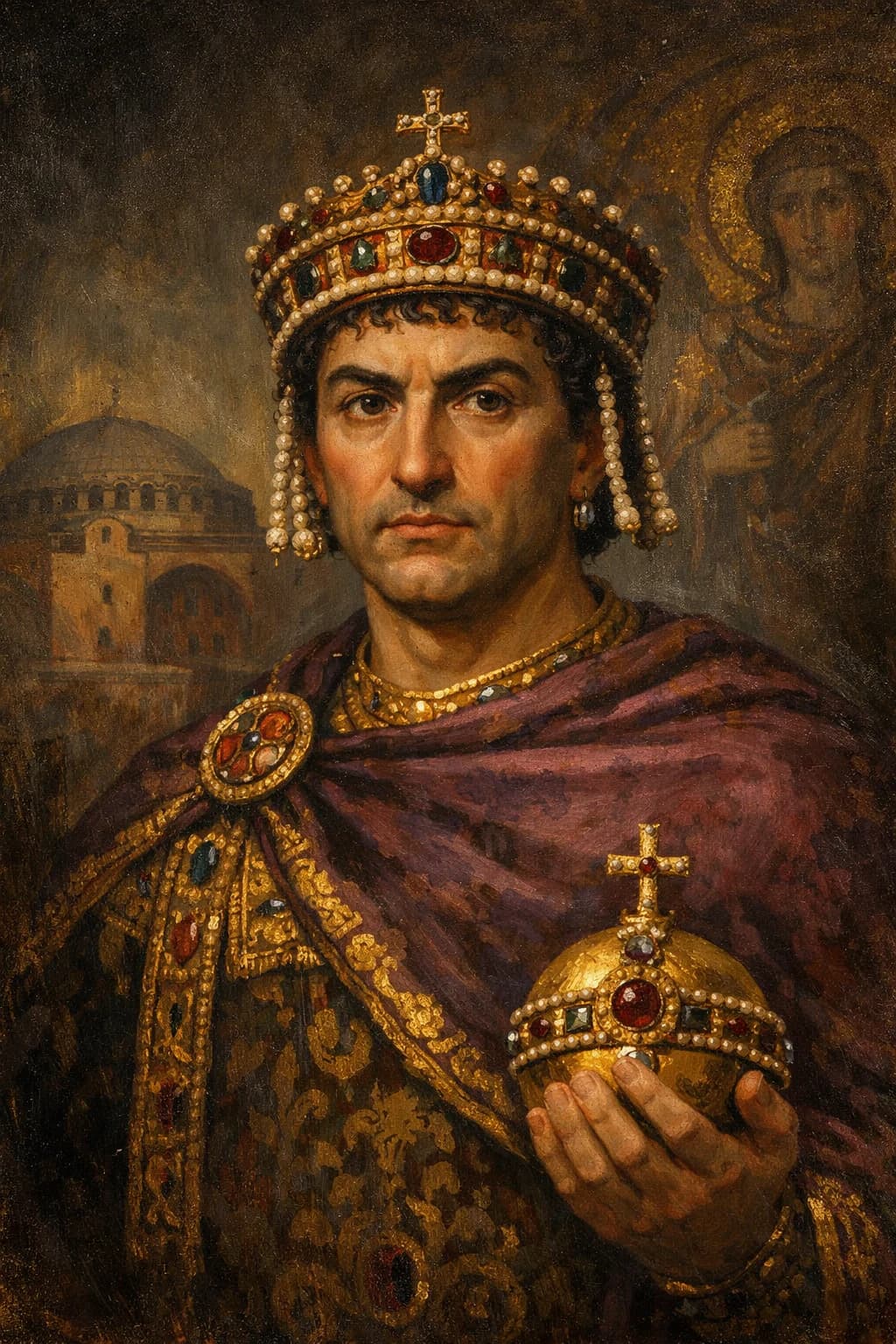
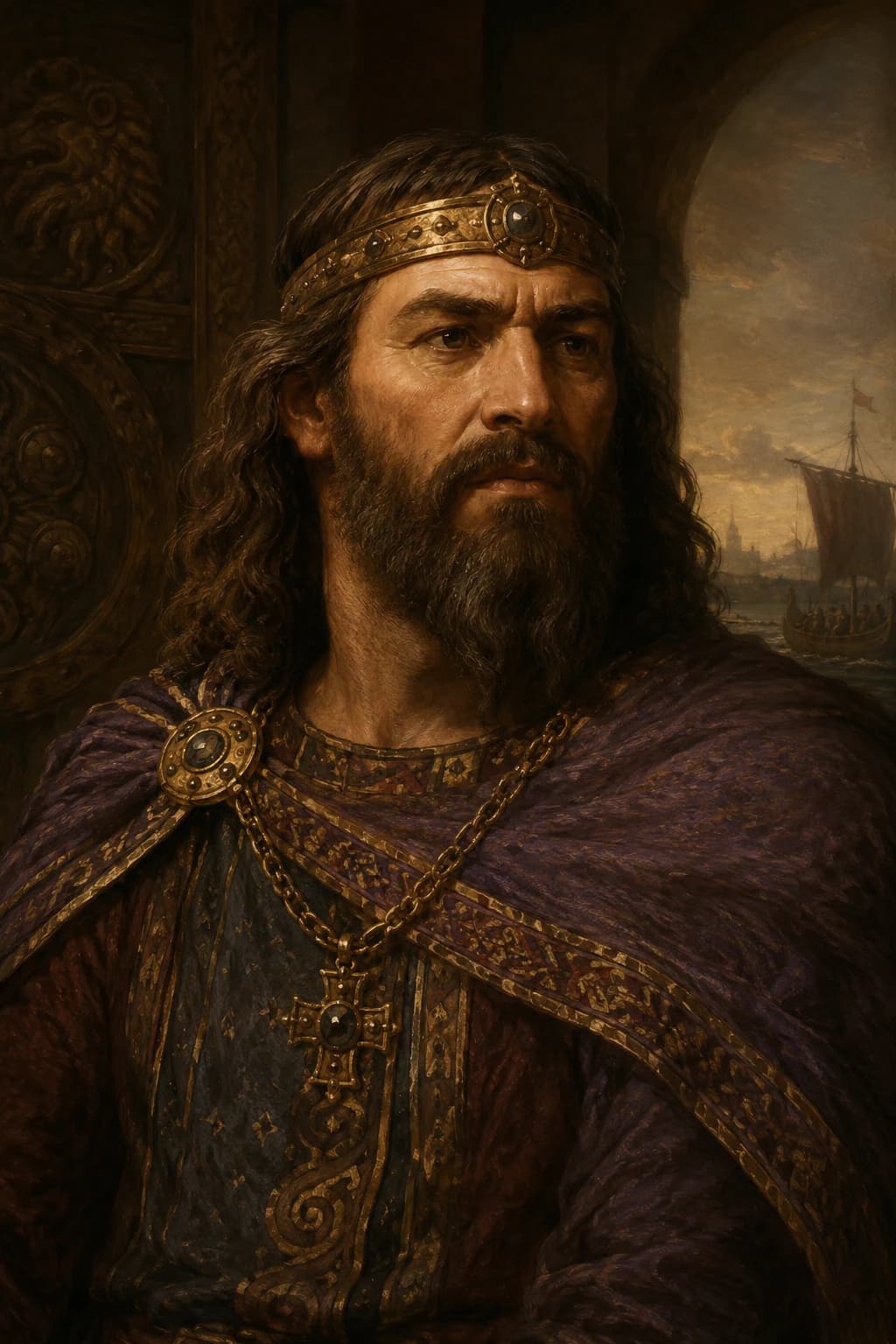
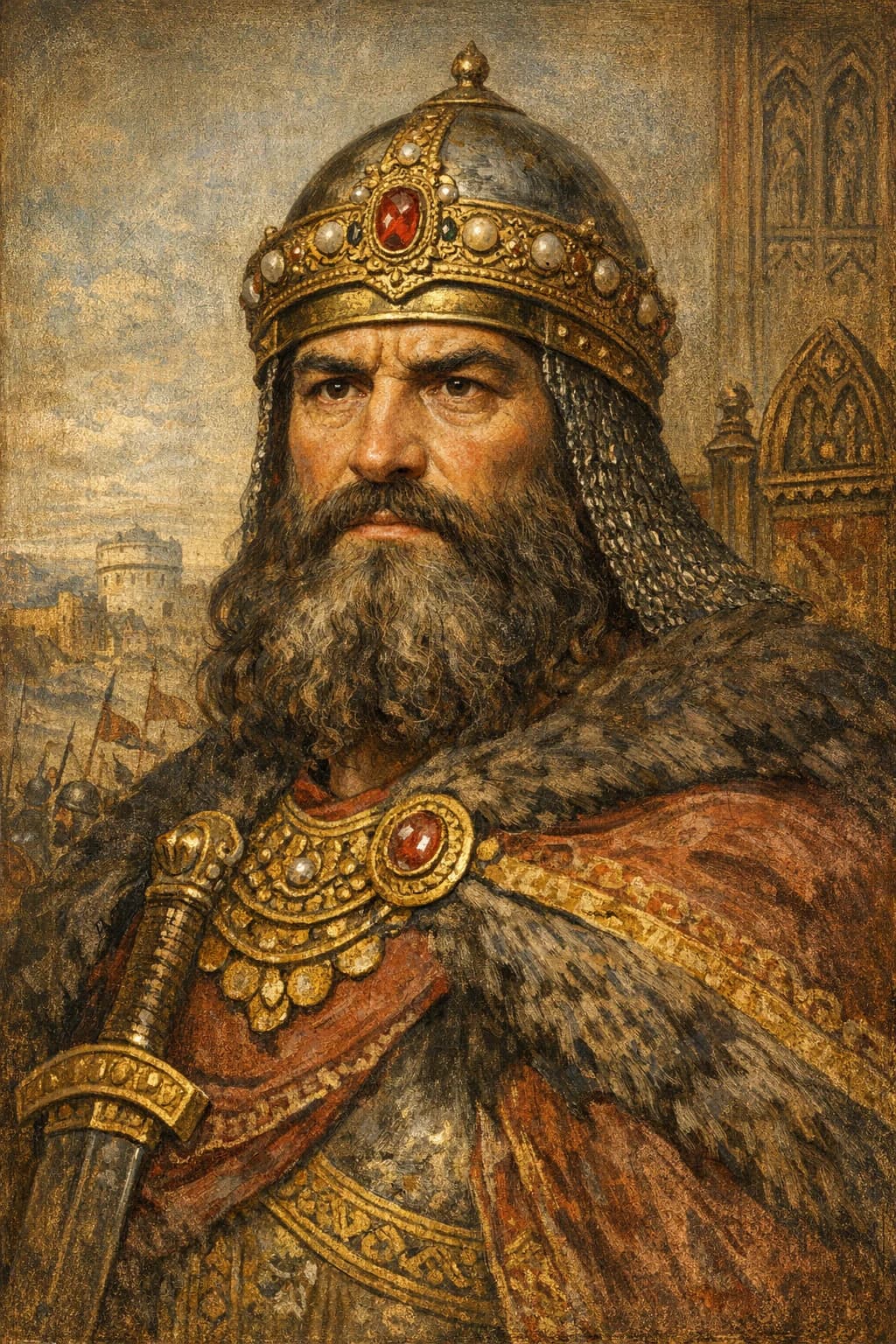
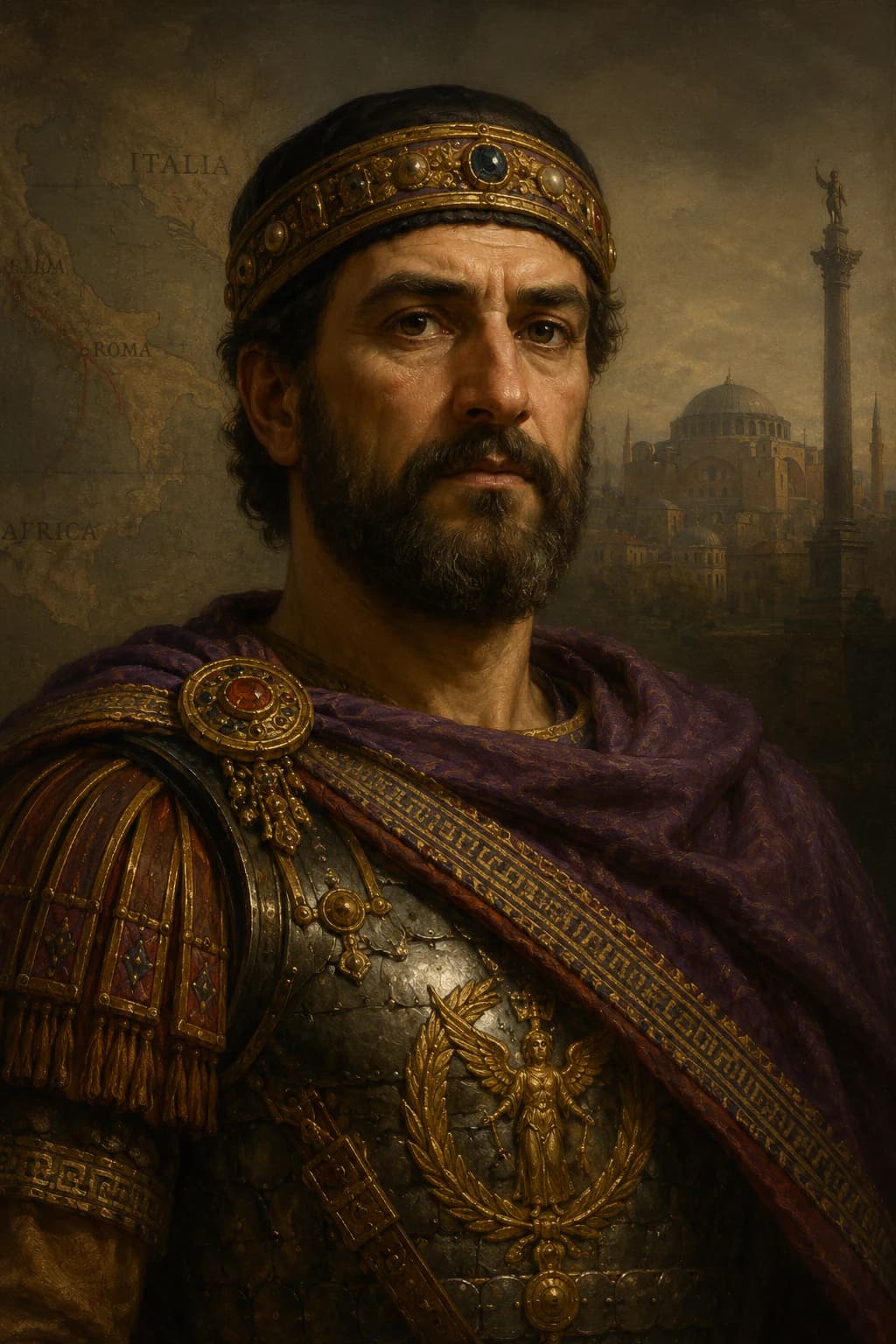
AI-generated portrait of Belisarius, Eastern Roman general
AI-assisted historical reconstruction

An illustrative reconstruction based on historical context. It is not a photograph or documentary likeness. Image policy

Quick answer

Belisarius was a sixth-century Roman general under Justinian I. He helped suppress the Nika riots, defeated the Vandals in North Africa, fought the Ostrogoths in Italy, and became one of the best-known commanders of the Byzantine Empire.

Born
c. 500 CE
Died
565 CE
Role
Eastern Roman general
Years
c. 500-565 CE
Quick facts

Profile details

Additional identity and tagging details that are not already covered in the introduction.

Full name
Flavius Belisarius
Facts

Belisarius timeline facts

Selected specifics from this profile's life story.

c. 500
Frontier origins

Belisarius was probably born around 500 in the Balkans, a military frontier world tied closely to the eastern Roman army.

532
Nika riots

During the Nika riots in Constantinople, Belisarius helped crush the revolt that nearly drove Justinian from power.

535-540
War in Italy

Belisarius then fought the Ostrogoths in Italy, taking Sicily, Naples, Rome, and Ravenna, but the war proved far harder than Africa.

After 565
A complicated legacy

Belisarius became a symbol of brilliant generalship, but his victories also showed the limits of restoring the western empire by force.

Life Journey

Justinian's brilliant and costly instrument

Follow Belisarius from imperial commander to the general whose victories revealed both the power and limits of reconquest.

Complete chronology

c. 500

Frontier origins

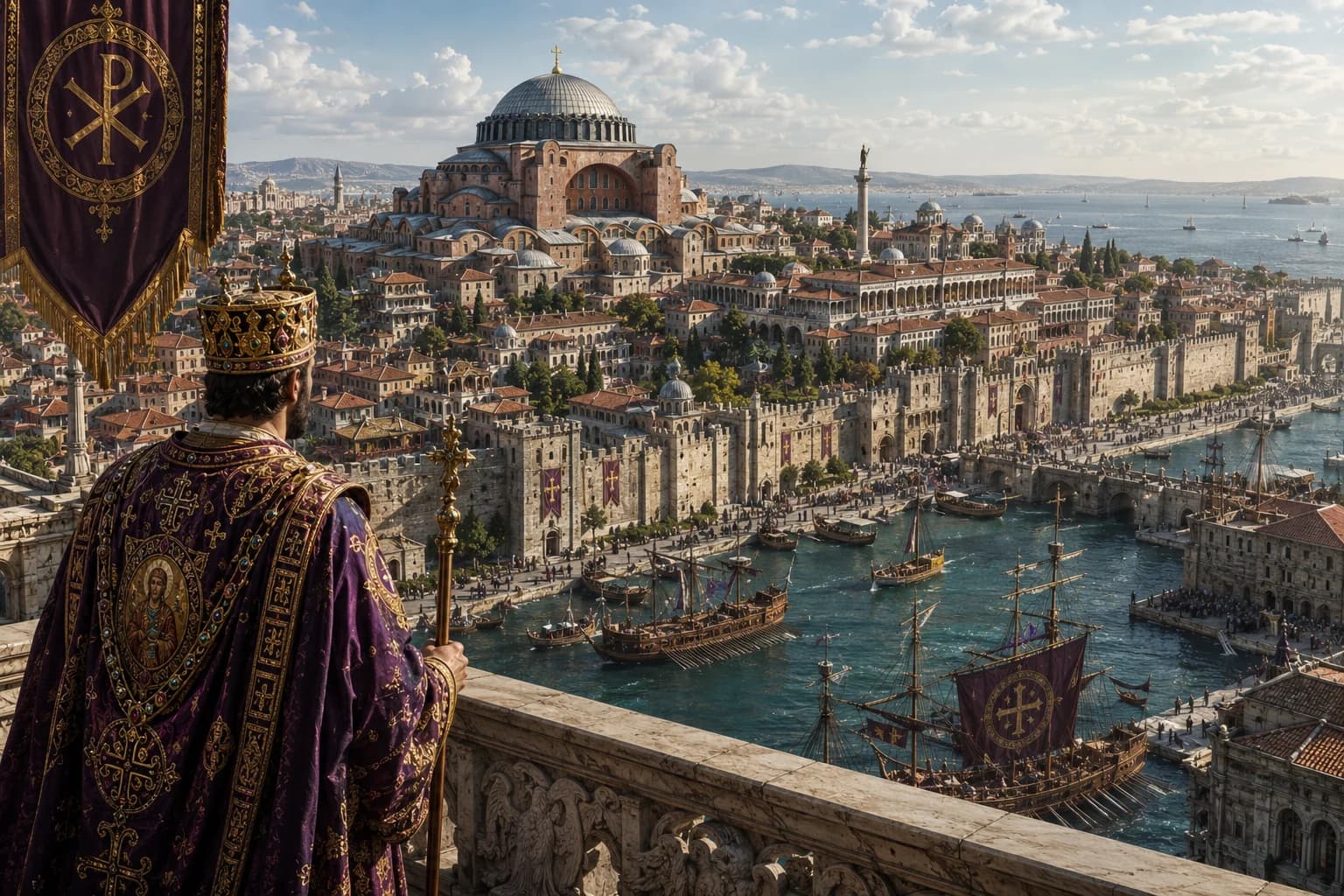
Belisarius was probably born around 500 in the Balkans, in or near the world of Thrace and Illyricum that supplied many soldiers to the eastern Roman state. His early life is poorly documented, but his career shows the path available to talented military men in Justinian's empire. Skill, loyalty, patronage, and battlefield success could carry a commander from provincial obscurity into the centre of imperial policy.
520s

Imperial service

Belisarius first became prominent in the wars against Sasanian Persia, where eastern Roman commanders had to manage fortresses, cavalry, diplomacy, and quick changes of fortune. He was not always victorious, but he showed enough ability to become one of Justinian's most trusted military instruments. His career depended on a difficult balance: he needed independent judgement in the field while remaining visibly loyal to an emperor who watched powerful generals carefully.

532

Nika riots

In 532, the Nika riots nearly destroyed Justinian's government. Crowds in Constantinople rebelled, buildings burned, and a rival emperor was proclaimed. Belisarius, alongside other commanders, helped suppress the revolt in the Hippodrome. The repression was brutal, but it saved Justinian's throne. Without that survival, the western reconquests would never have happened.

533-534

Vandal War

In 533, Justinian sent Belisarius against the Vandal kingdom in North Africa. The campaign was astonishingly fast. Belisarius landed with a relatively small force, defeated the Vandals in two major engagements, entered Carthage, and captured the Vandal king Gelimer. The victory restored one of the old western empire's richest provinces to Roman rule and made Justinian's dream of restoration seem plausible.

535-540

War in Italy

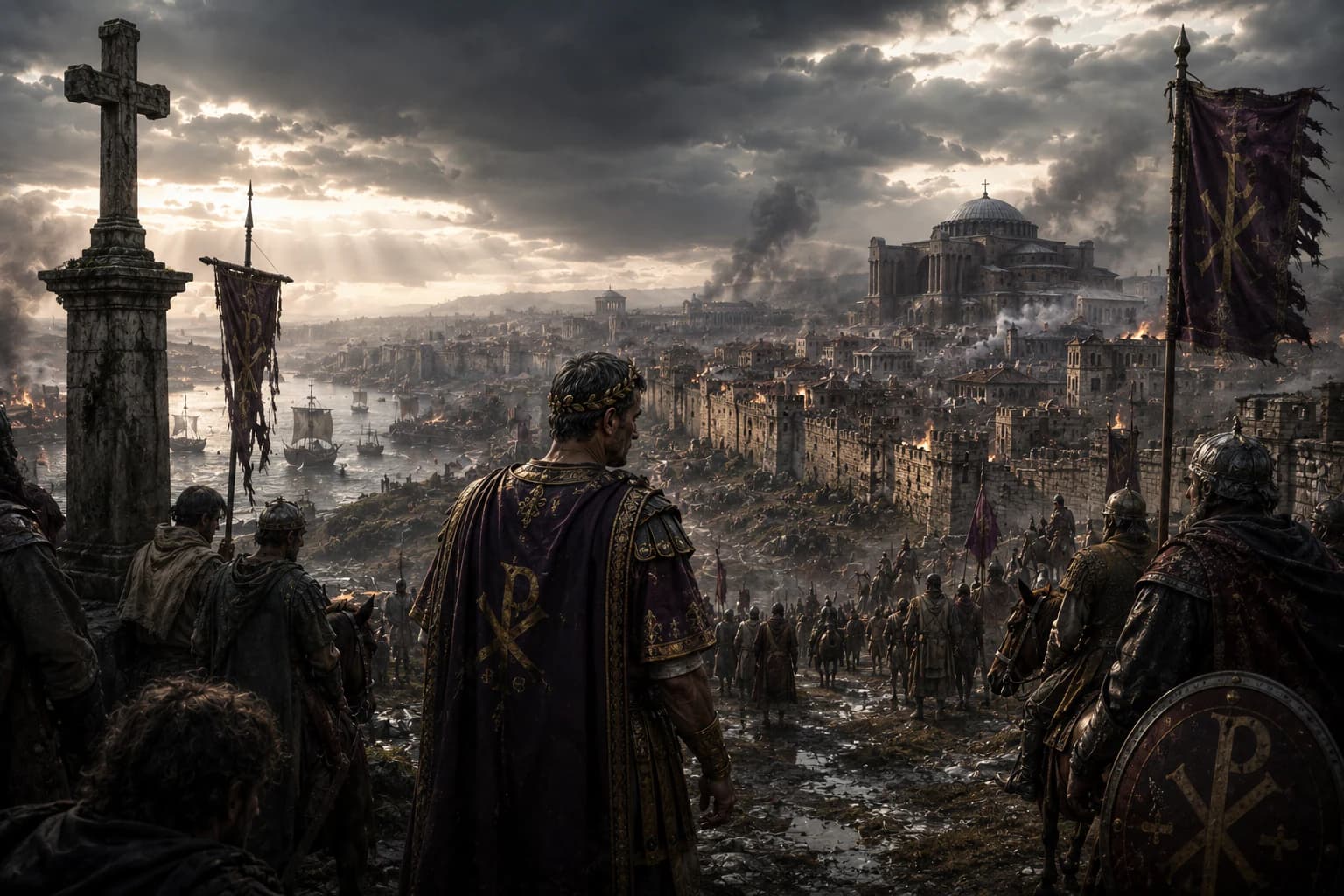
The Italian campaign began in 535 and quickly became a very different kind of war. Belisarius took Sicily, Naples, Rome, and eventually Ravenna, but the Ostrogothic kingdom was resilient and Italy was much harder to control. Sieges, supply problems, shifting loyalties, and the scale of the peninsula turned victory into exhaustion. What had looked like restoration became a grinding struggle over cities, roads, food, and legitimacy.

540s

Recalled and reused

Belisarius' success made him indispensable, but also potentially uncomfortable for the imperial court. Justinian recalled and redeployed him across different fronts, including renewed conflict with Persia and later phases of the Gothic War. The pattern reveals the tension at the heart of late Roman command: the empire needed brilliant generals, yet emperors had reason to fear any commander whose prestige grew too large.

After 565

A complicated legacy

Belisarius died in 565, the same year as Justinian. Later legends exaggerated his fall from favour, but his historical importance is already large without them. He showed that the eastern empire could still project military power across the Mediterranean. Yet the long Italian war also showed the limits of that power. North Africa could be recovered quickly; Italy could be won only at terrible cost. Belisarius' career therefore sits at the heart of Justinian's paradox: extraordinary victories that helped exhaust the world they were meant to restore.

Continue in context

Connected stories

Move from the profile into the wider events and settings this figure belongs to.

Tertiary paths

Content note

This profile is written for educational use and connects to related Stories of History pages. The main portrait is an AI-assisted historical reconstruction, included as an illustrative aid rather than documentary evidence. Image policy

References

Sources & Further Reading

Reliable reference works, archives and reading paths connected to this profile.

Further reading

  1. Encyclopaedia Britannica, Search results for Belisarius,” accessed June 2026.Open source
  2. WorldCat, Books and library holdings for Belisarius,” accessed June 2026.Open source

Primary sources

  1. Library of Congress, Search results for Belisarius,” accessed June 2026.Open source

Reviewed claim sources

Loading reviewed claim sources...

A weekly route through history

Find out first about the latest published stories, feature notes and occasional Premium offers in one weekly email.