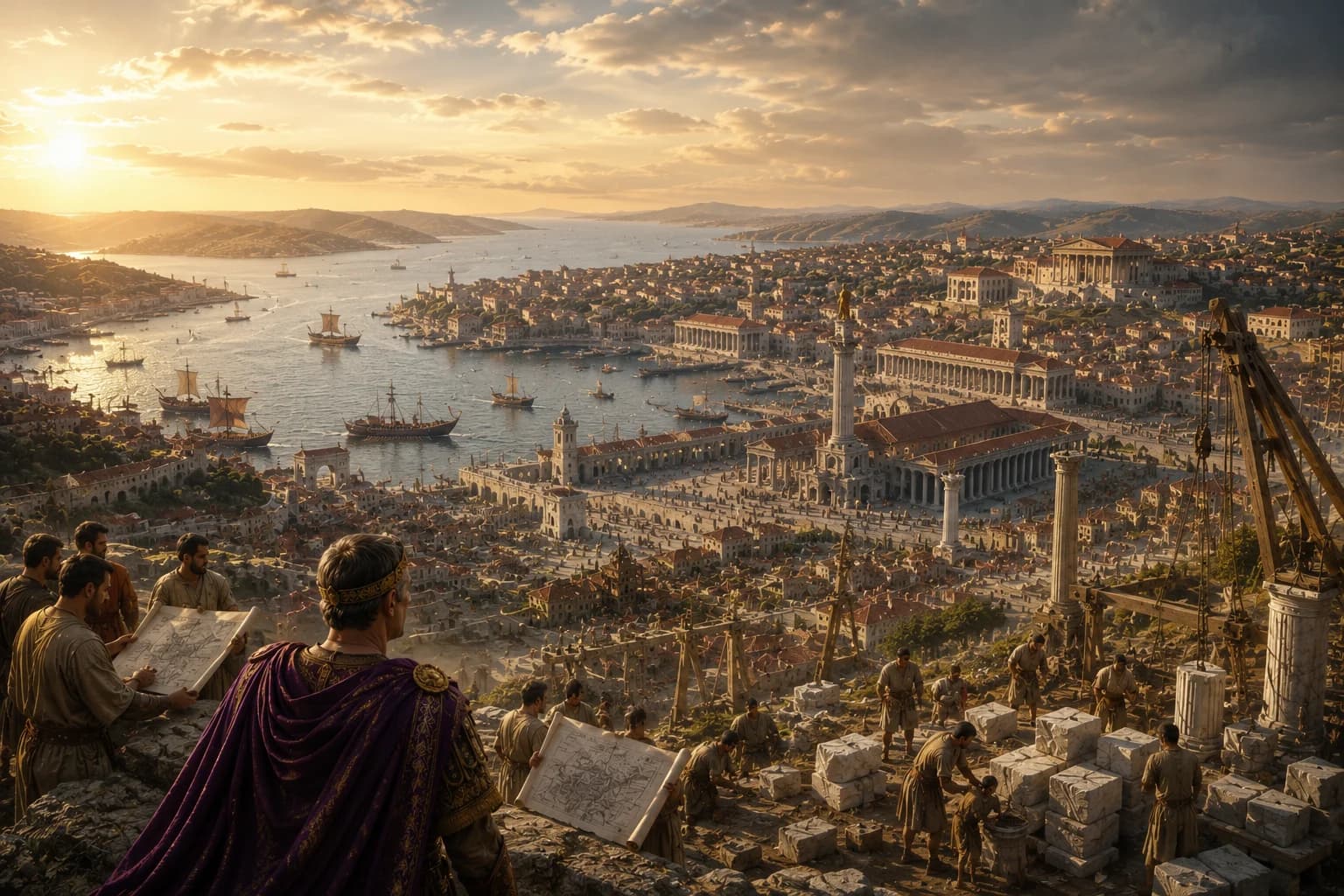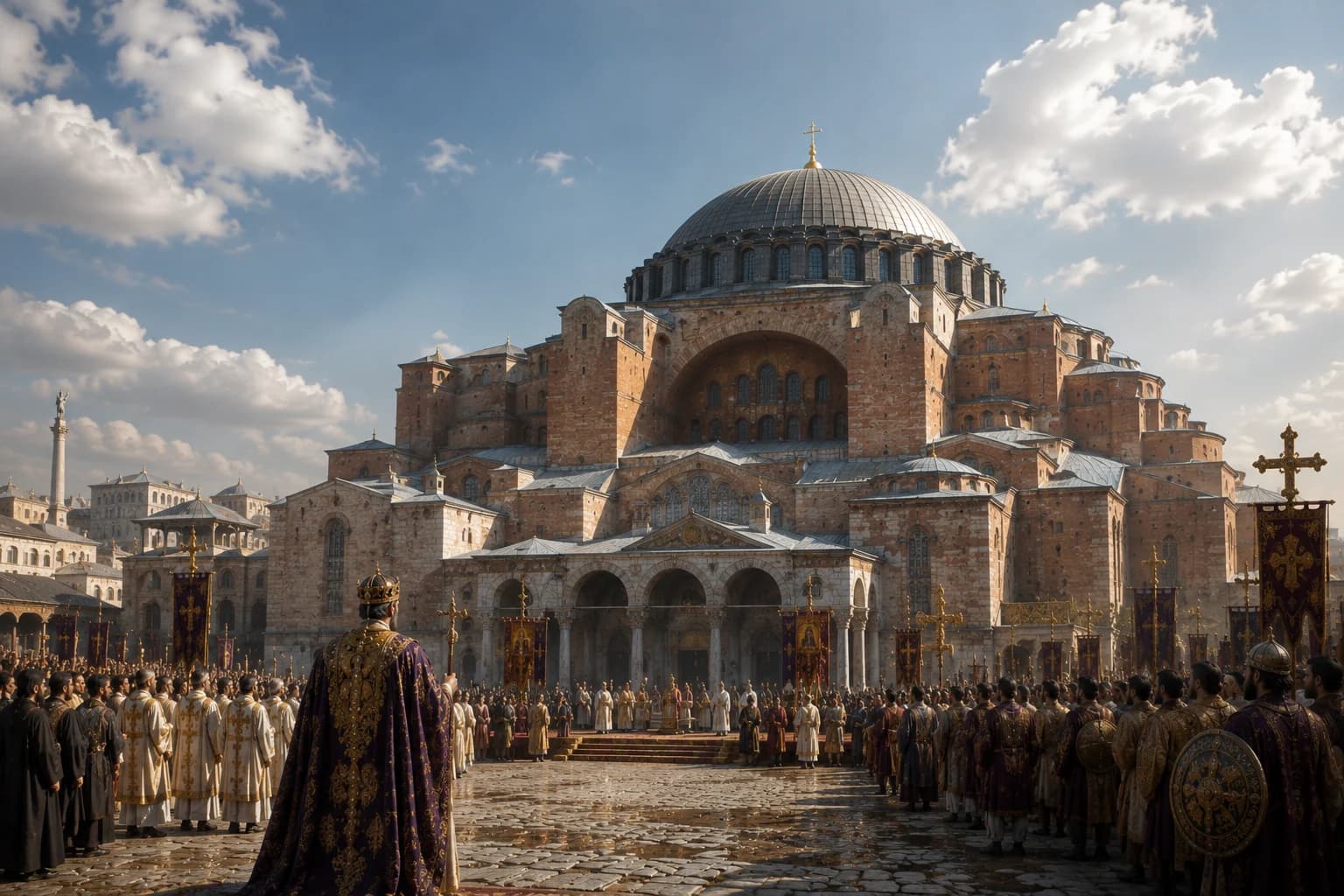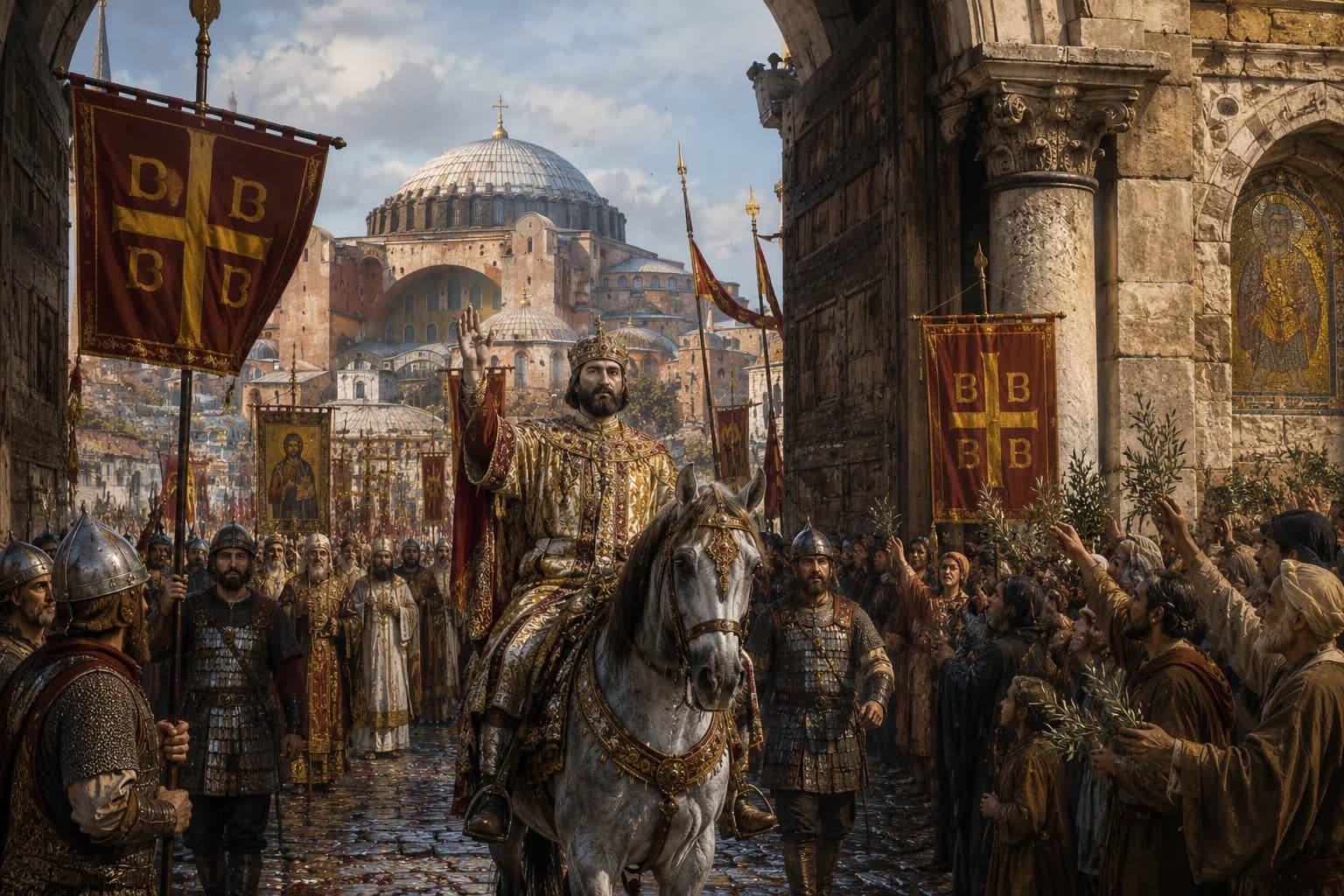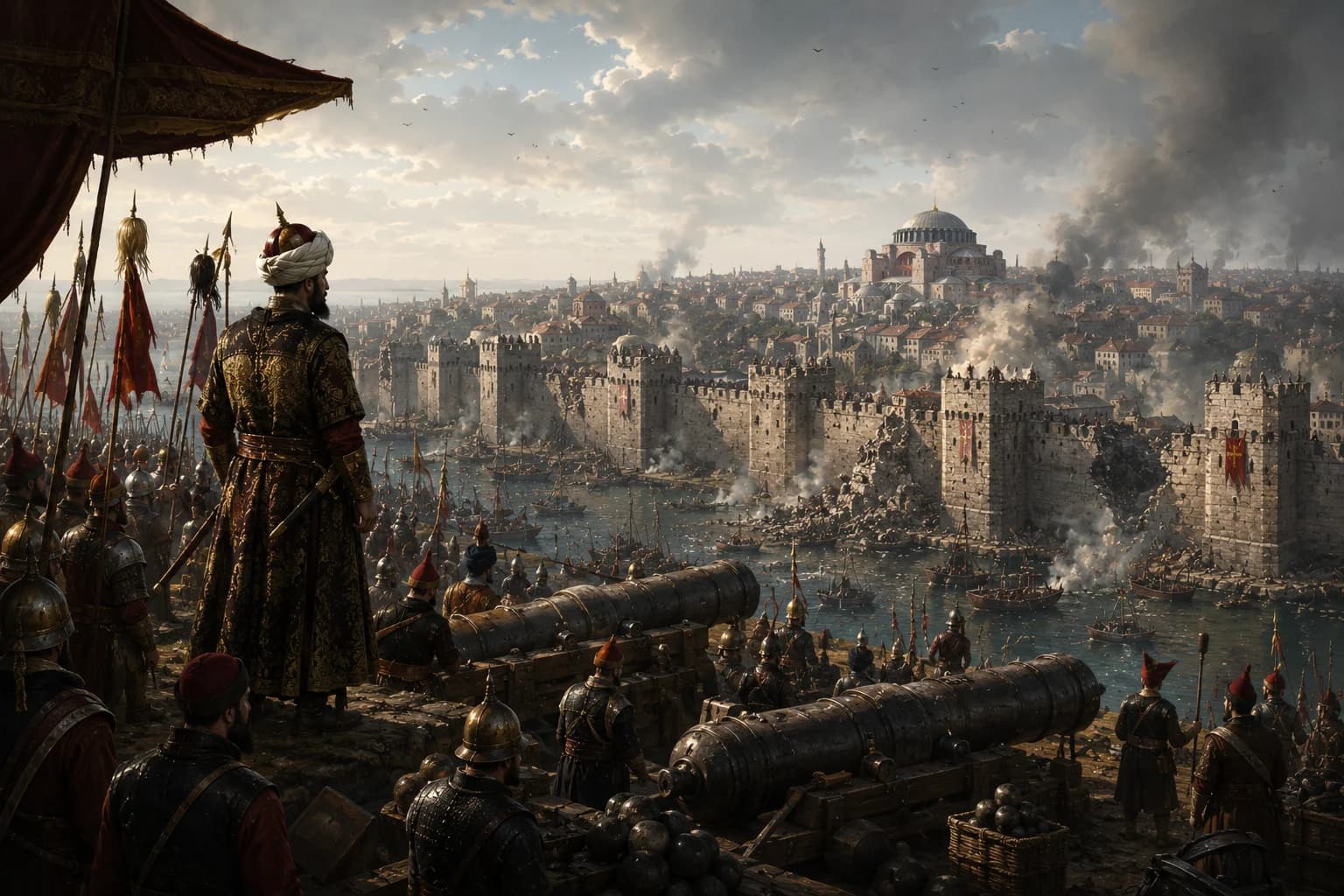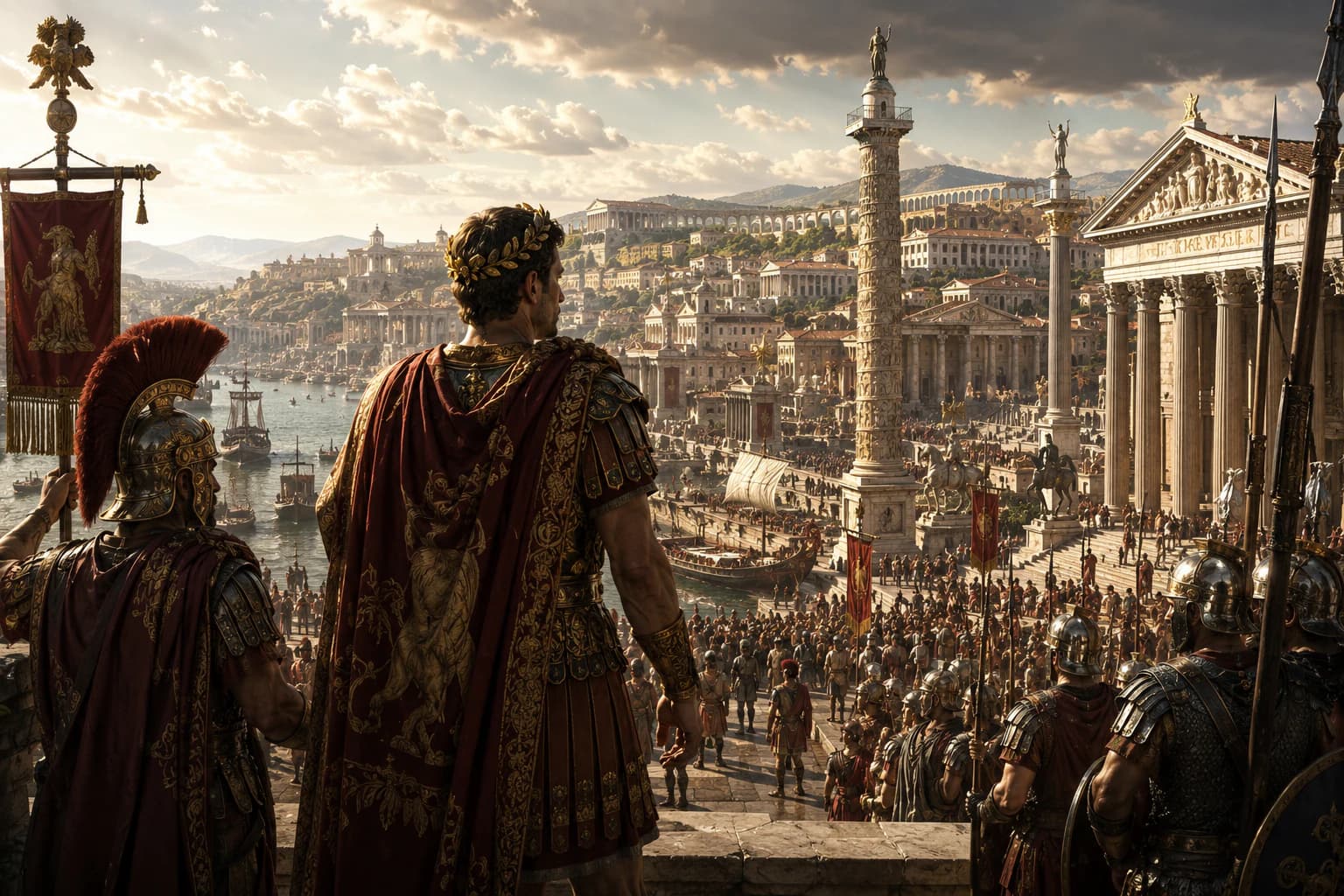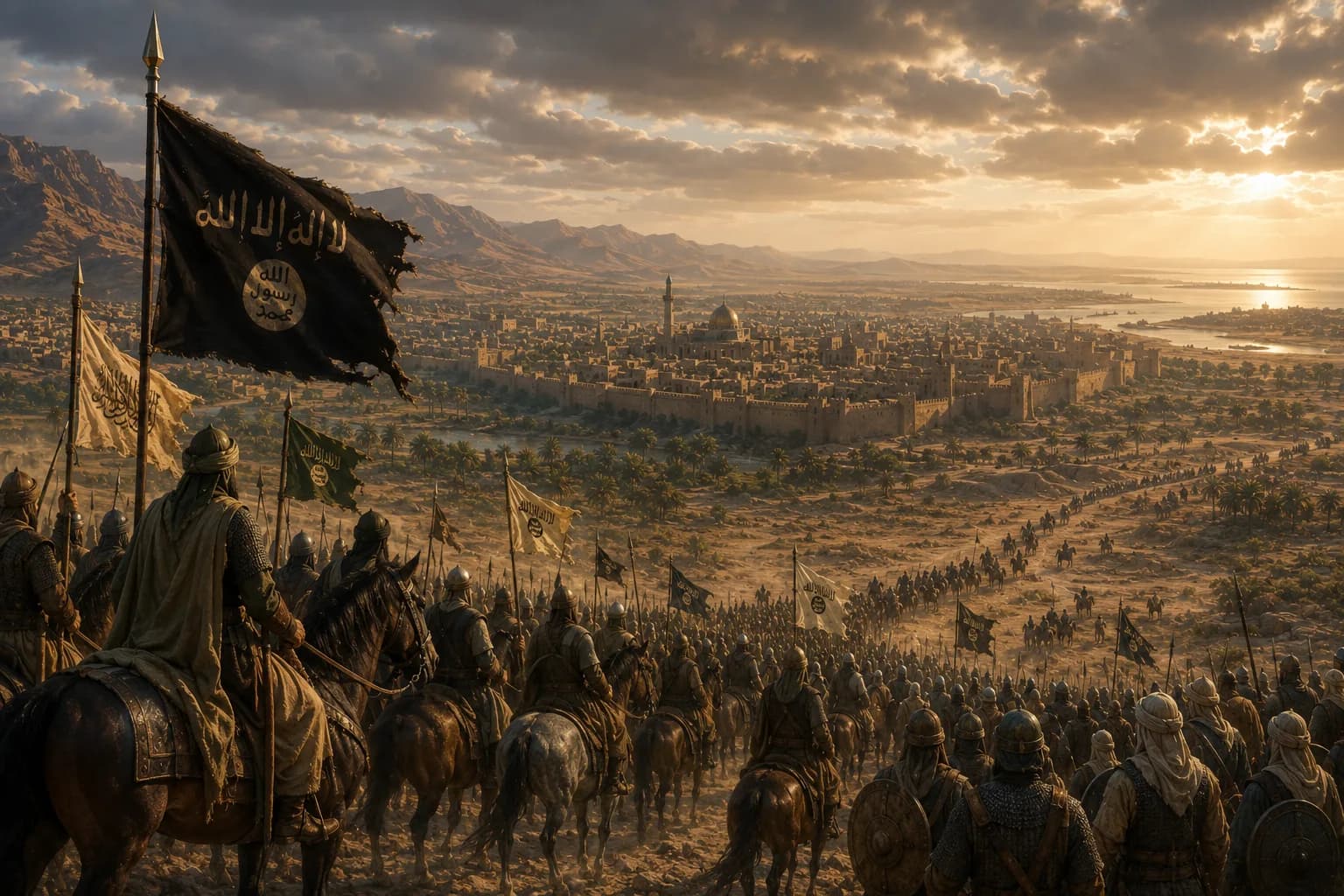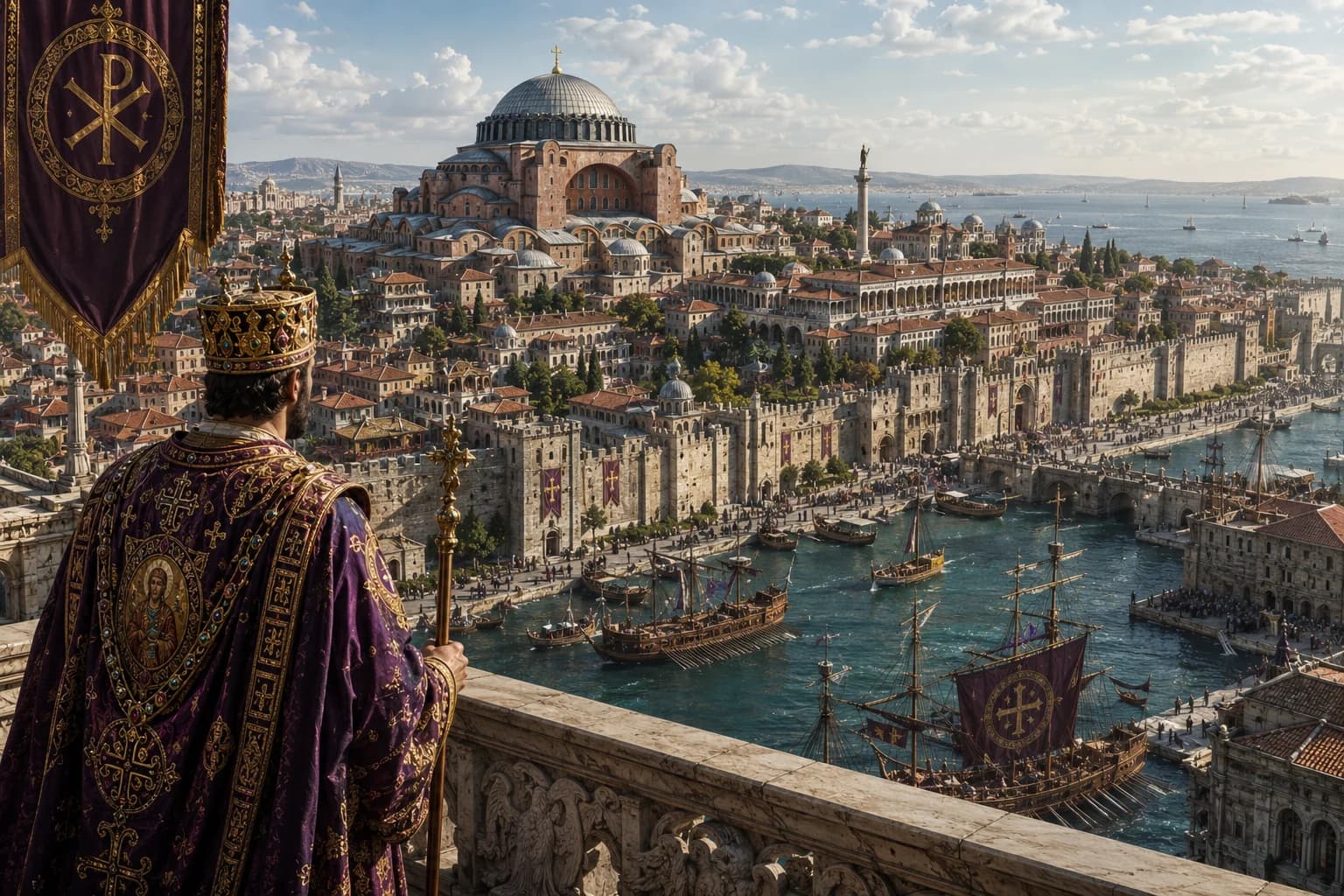
A Byzantine ruler overlooking Constantinople, Hagia Sophia and ships on the Bosporus beneath imperial purple banners.
Premium Story

The Byzantine Empire

Byzantium survived because it learned how to make Roman power work in a changing medieval world.

11 chapters · 20 min read

Next
Context

Introduction

Overview

The Byzantine Empire was the eastern continuation of the Roman Empire, centred on and shaped by imperial government, Orthodox Christianity, Greek learning, Roman law, diplomacy, warfare and trade. From Constantine's new capital in 330 to the Ottoman conquest in 1453, preserved and transformed the Roman inheritance while linking the ancient Mediterranean world to medieval Europe and the Islamic Near East.

What you'll learn: You will follow how the eastern Roman Empire became , why mattered so much, and how an empire could decline politically while still leaving a vast cultural inheritance.

Key forces

The Founding of Constantinople
330 CE
Step 1 of 10330 CEAccessible mode

The Founding of Constantinople

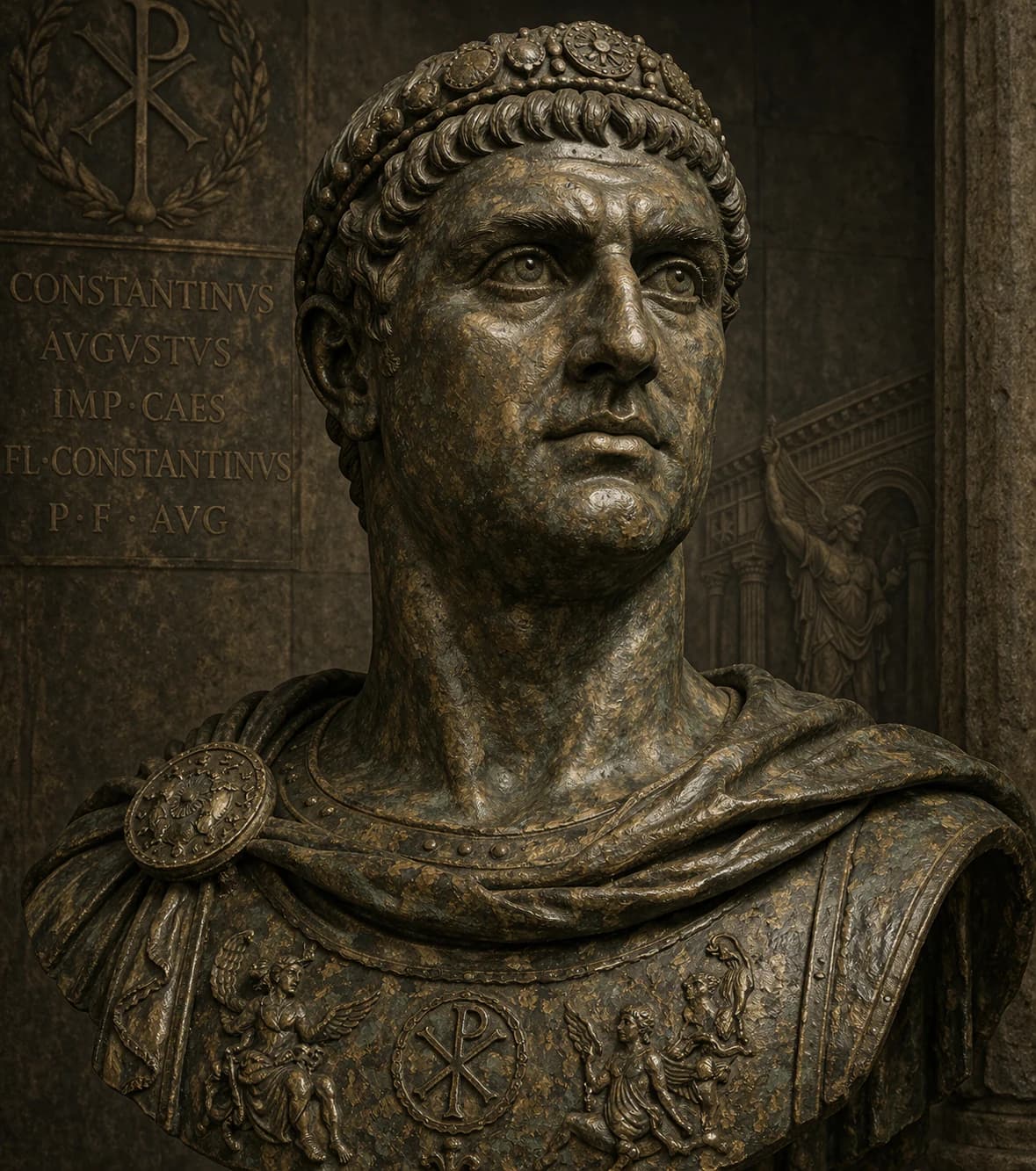
In 330, Constantine dedicated as a new Roman capital on the site of .

The location was the key. sat beside the , controlling movement between the Black Sea and the Mediterranean.

It also stood close to the empire's most urgent frontiers. From there, emperors could watch the Balkans, Anatolia, the eastern provinces and sea routes at the same time.

Rome remained powerful in memory, but it was far from the empire's newer military and economic centre of gravity. Constantine wanted a capital that matched where power now had to operate.

The city was built with imperial ceremony, palaces, forums, churches and walls. It made Christian monarchy visible in stone.

did not create the Byzantine Empire overnight. But it gave the eastern Roman world the capital that would anchor its survival for more than a thousand years.

The Fall of the Western Empire
476 CE
Step 2 of 10476 CEAccessible mode

The Fall of the Western Empire

In 476, the last western emperor was removed in Italy, but Roman imperial government did not disappear.

The eastern empire still had an emperor, a capital, armies, laws, tax systems, court offices and provincial administration.

That continuity mattered. While western territories became ruled by Germanic successor kingdoms, remained the main heir to Roman authority.

Eastern emperors still claimed universal Roman legitimacy. Western kings often sought recognition from them, because the idea of Rome still carried political weight.

The empire in the East was changing in language, religion and geography, but it did not see itself as a new state.

After 476, the eastern Roman Empire became the place where Roman government survived most clearly.

Justinian's Imperial Revival
527 CE
Step 3 of 10527 CEAccessible mode

Justinian's Imperial Revival

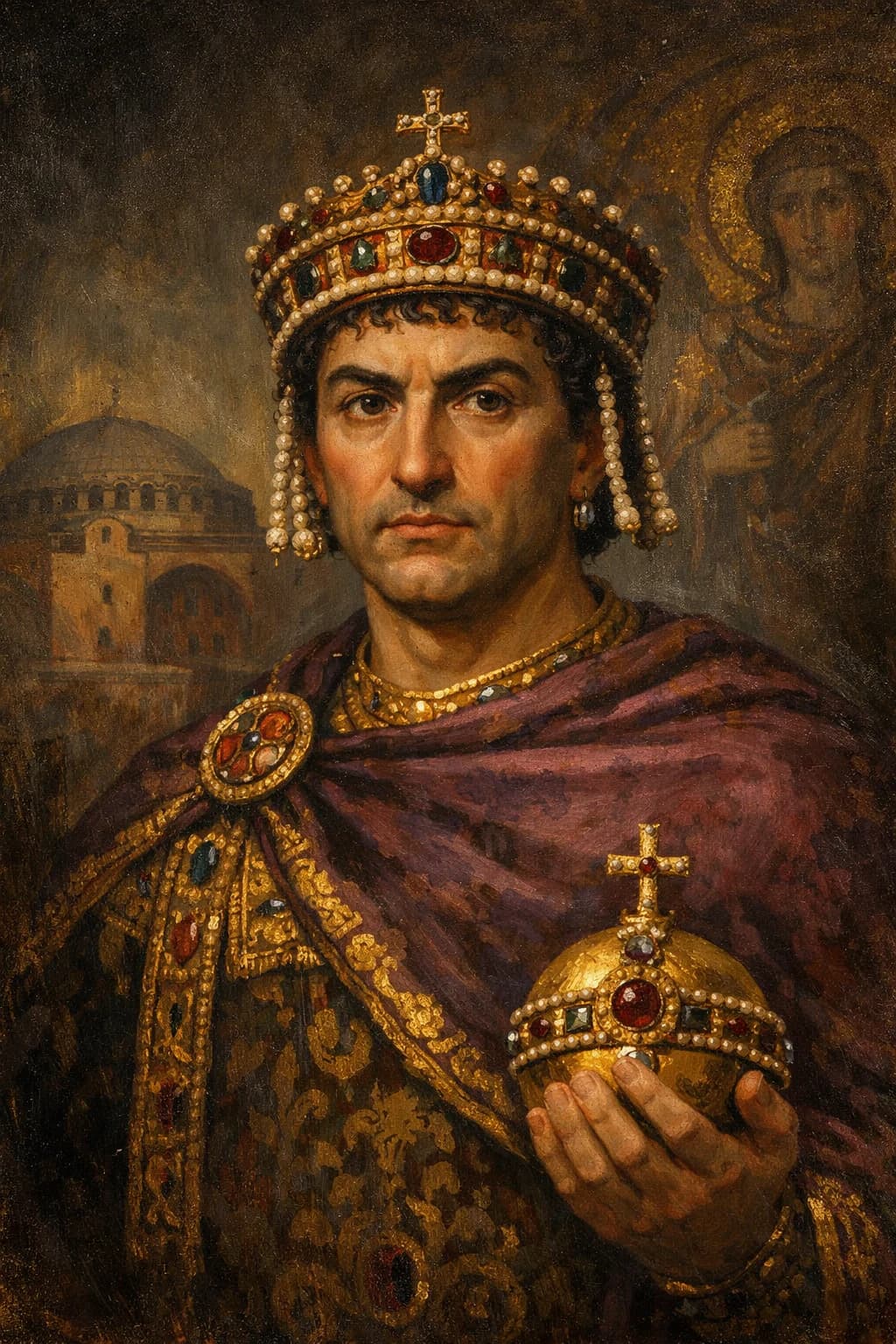
In 527, Justinian became emperor and began one of 's most ambitious reigns.

Justinian wanted more than survival. He believed the emperor should restore Roman greatness in territory, law, religion and public life.

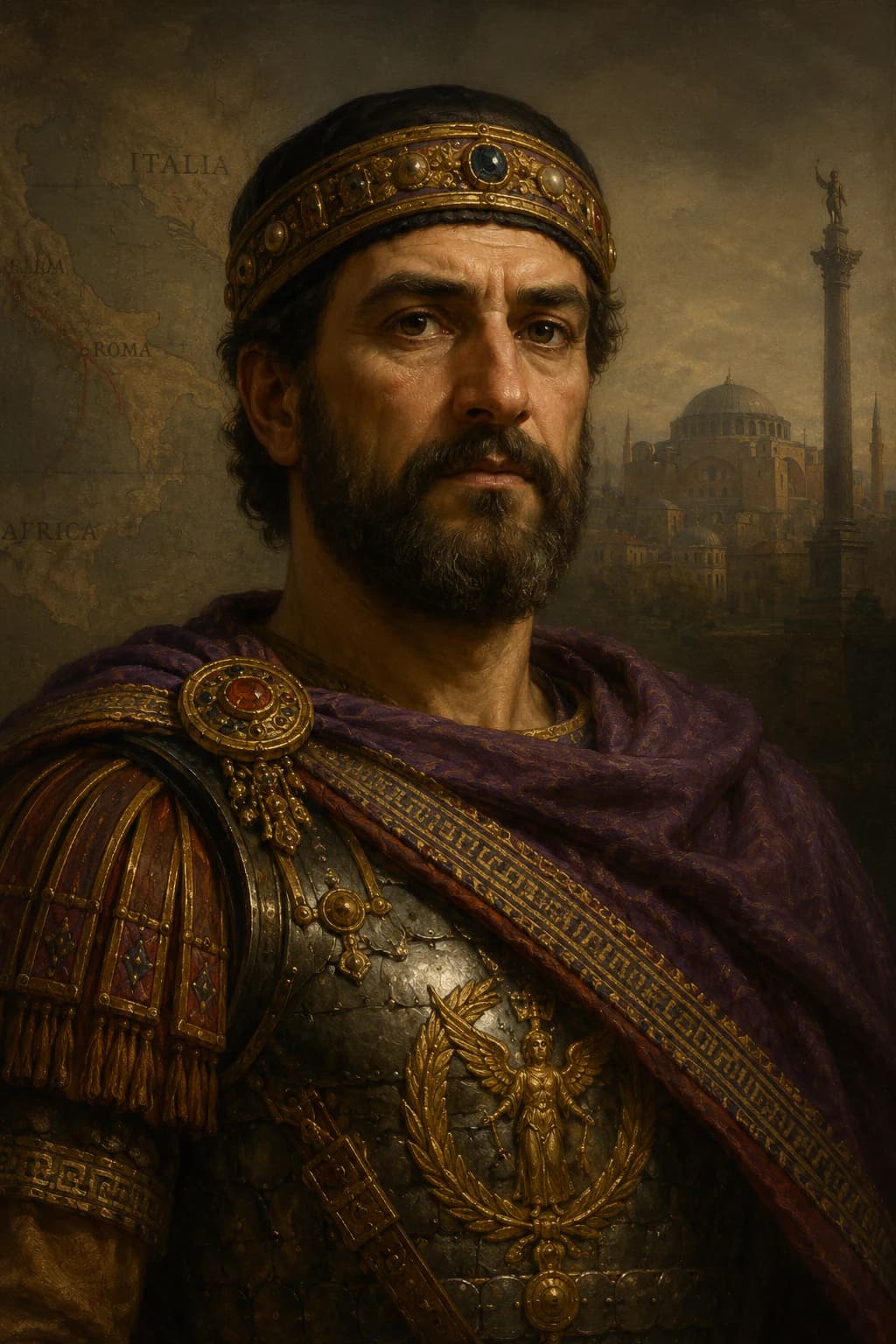
His generals, especially Belisarius, reconquered Vandal North Africa and fought long wars in Italy against the Ostrogoths.

These victories briefly returned major western lands to imperial rule, but they were costly. War, plague and taxation strained the empire heavily.

Justinian also rebuilt after the Nika riots, sponsored churches and strengthened the image of the emperor as God's ruler on earth.

His revival showed the reach of Byzantine ambition. It also revealed the limits of trying to restore the old Roman world by force.

Premium

You've reached the turning point

The opening chapters show Constantinople becoming the Roman Empire's eastern anchor. Premium follows Byzantium under pressure: Justinian's revival, Roman law, Hagia Sophia, Arab expansion, religious division, crusader catastrophe, restoration and the final Ottoman conquest.

Continue into the reversals, crises and human stakes that make the story matter.

Unlock full story

What Premium unlocks next

  1. 4The Corpus Juris Civilis
  2. 5Hagia Sophia Completed
  3. 6The Arab Conquests
  4. 7The Great Schism
  5. 8The Fourth Crusade
  6. 9The Restoration of Constantinople
  7. 10The Fall of Constantinople

Browse stories

Browse stories for free

Explore the people connected to this turning point or enjoy one of our free stories.

Unlock full storyBrowse stories

References

Sources & Further Reading

Reliable sources, primary-source collections and reading paths connected to this page.

A weekly route through history

Find out first about the latest published stories, feature notes and occasional Premium offers in one weekly email.