People
Historical Figures
Explore famous historical figures and important people in history, from rulers and generals to thinkers, scientists, reformers and religious leaders. Use this hub to browse influential historical figures by era, region, role and country, or follow their biographies, timelines and connected stories.
Ancient Civilisations Historical Figures
Use the filters on the right to narrow the figure index while keeping the main results in view.
22 results
A
2 figures
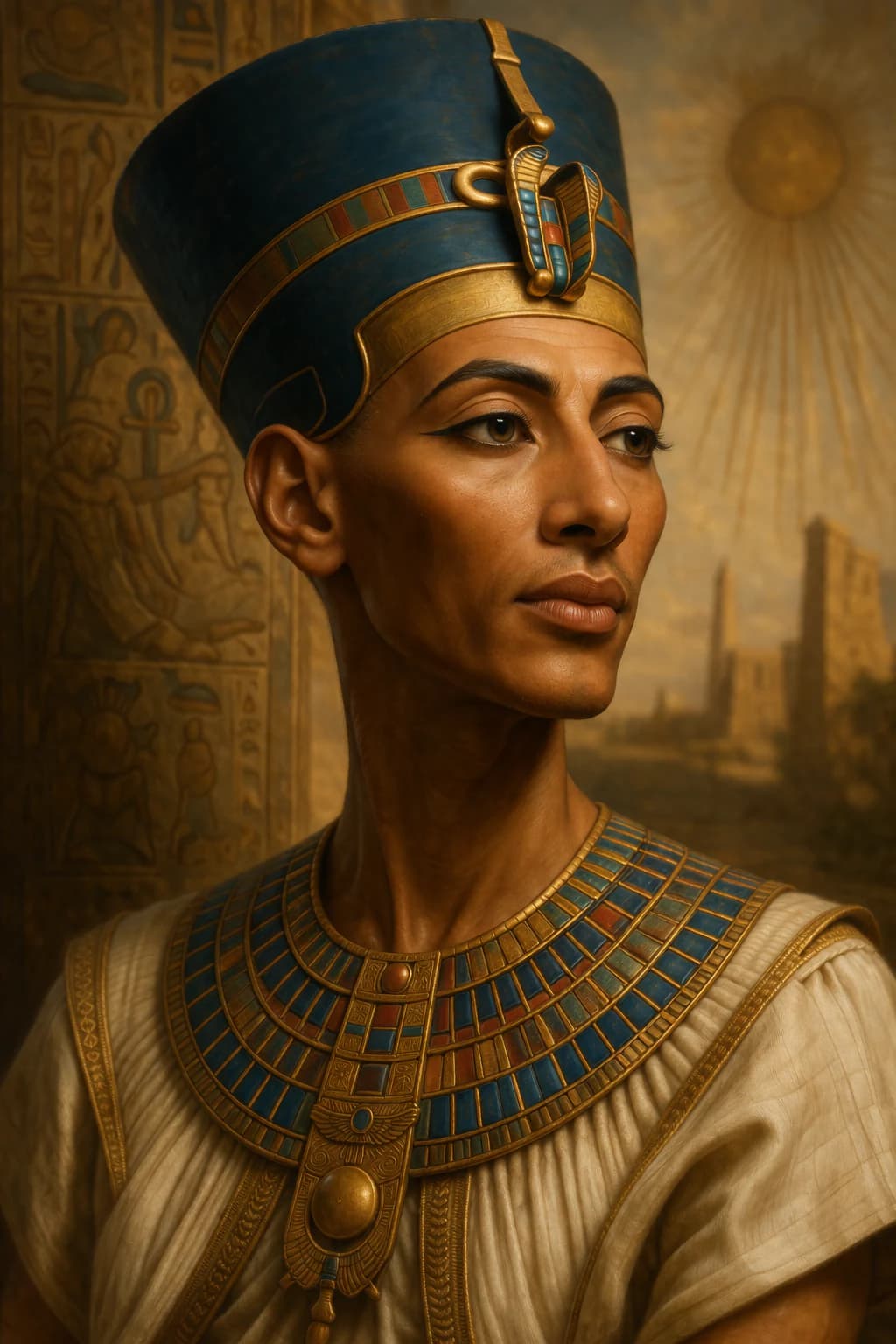
Akhenaten
He was the Eighteenth Dynasty pharaoh who broke with Egypt's old gods, made the Aten the center of royal religion, built the city of Akhetaten, and was later erased as a dangerous memory.

Ashurbanipal
He hunted lions, crushed rebellions, destroyed Elam, and gathered thousands of tablets at Nineveh, leaving one of antiquity's sharpest portraits of imperial power.
C
3 figures
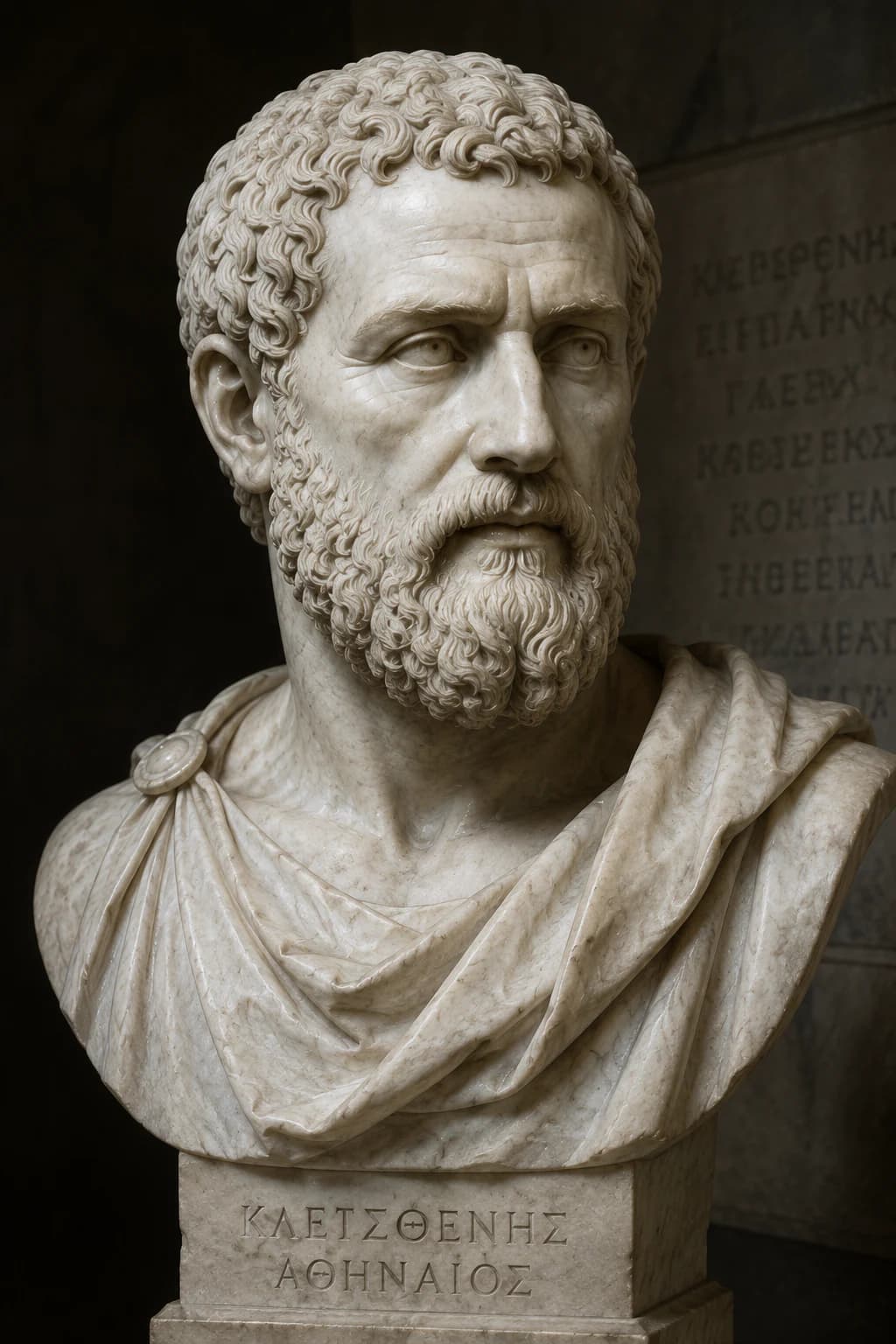
Cleisthenes
He reorganized Athens after tyranny, breaking old aristocratic loyalties into demes, tribes, the Council of 500 and a stronger citizen Assembly — the political architecture that made Athenian democracy possible.

Confucius
He spent much of his life trying, and failing, to persuade rulers to govern through virtue — then became the teacher whose ideas shaped East Asian politics, family life, education, and ethics for millennia.
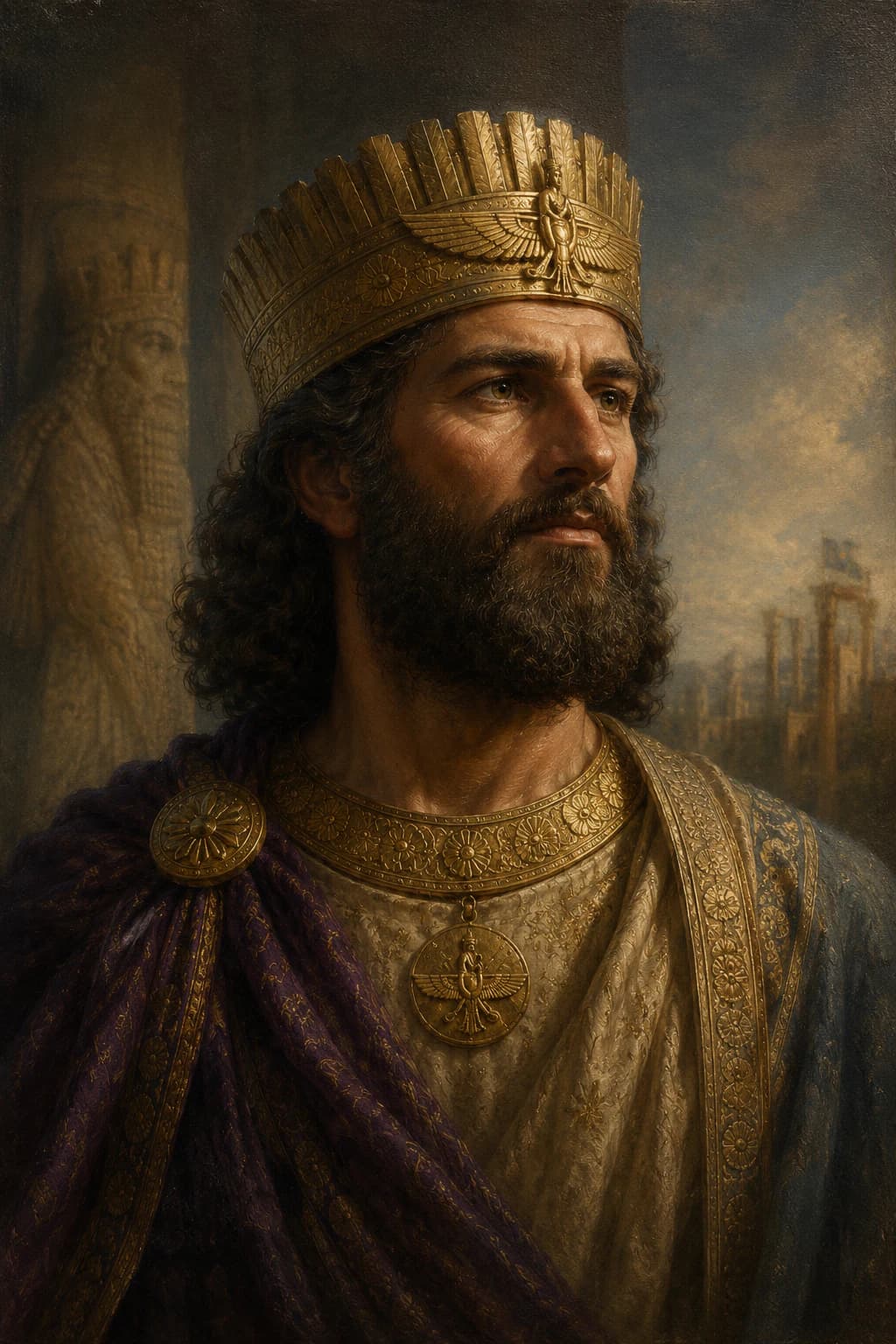
Cyrus the Great
He transformed a small Persian kingdom into the Achaemenid Empire, conquered Media, Lydia, and Babylon, and created a model of imperial rule that joined conquest with restraint, local cooperation, and lasting prestige.
E
1 figure
G
1 figure

H
3 figures
Hammurabi
He turned Babylon from a rising city-state into the strongest power in Mesopotamia, then carved royal justice into stone so his authority looked orderly, divine, and knowable.

Hatshepsut
She rose from queen regent to full pharaoh, ruled Egypt through prosperity, trade, and monumental building, and then became the target of one of the ancient world's most famous attempts at erasure.

Homer
He may have been one poet, many singers, or a name given to an oral tradition, but the Iliad and the Odyssey became the deep grammar of Greek memory and Western storytelling.
K
1 figure
L
1 figure
N
2 figures
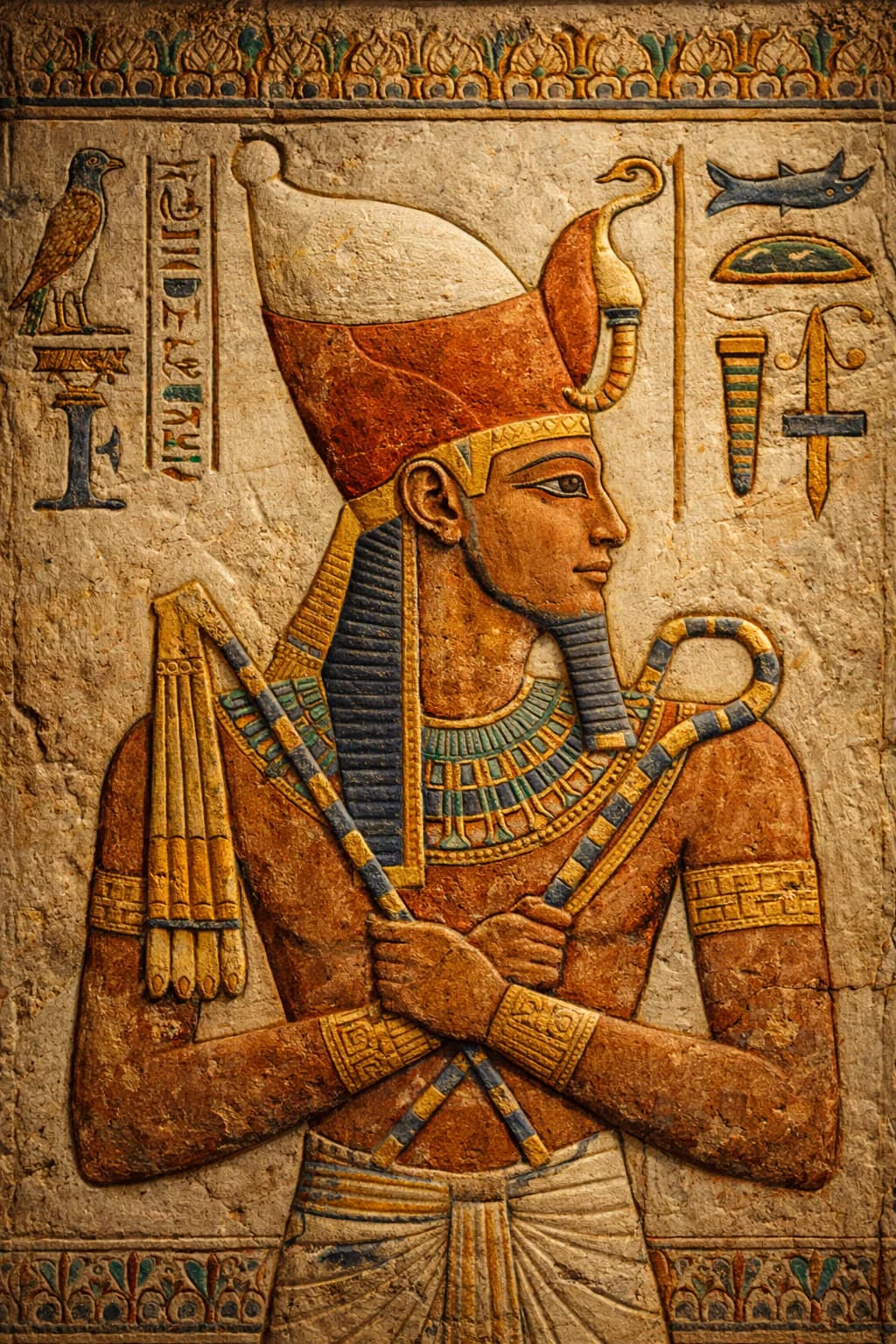
Narmer
He stands at the threshold of Egyptian history, the king most closely linked with unifying Upper and Lower Egypt, yet known through symbols, tombs and the Narmer Palette rather than a biography in the modern sense.
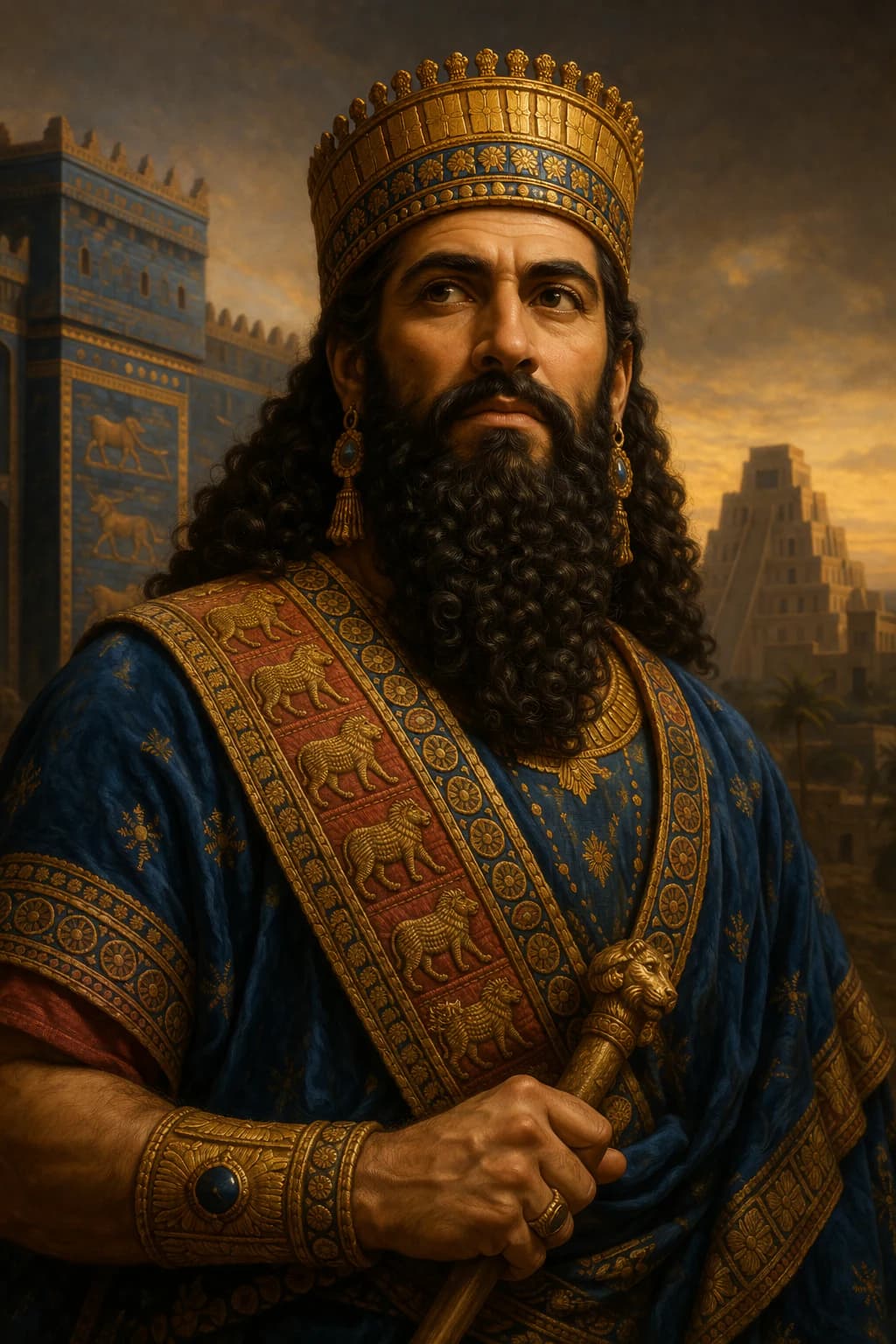
Nebuchadnezzar II
He turned Babylon into the dazzling capital of the ancient Near East and made its name unforgettable through conquest, exile, architecture, and biblical memory.
R
1 figure
S
4 figures
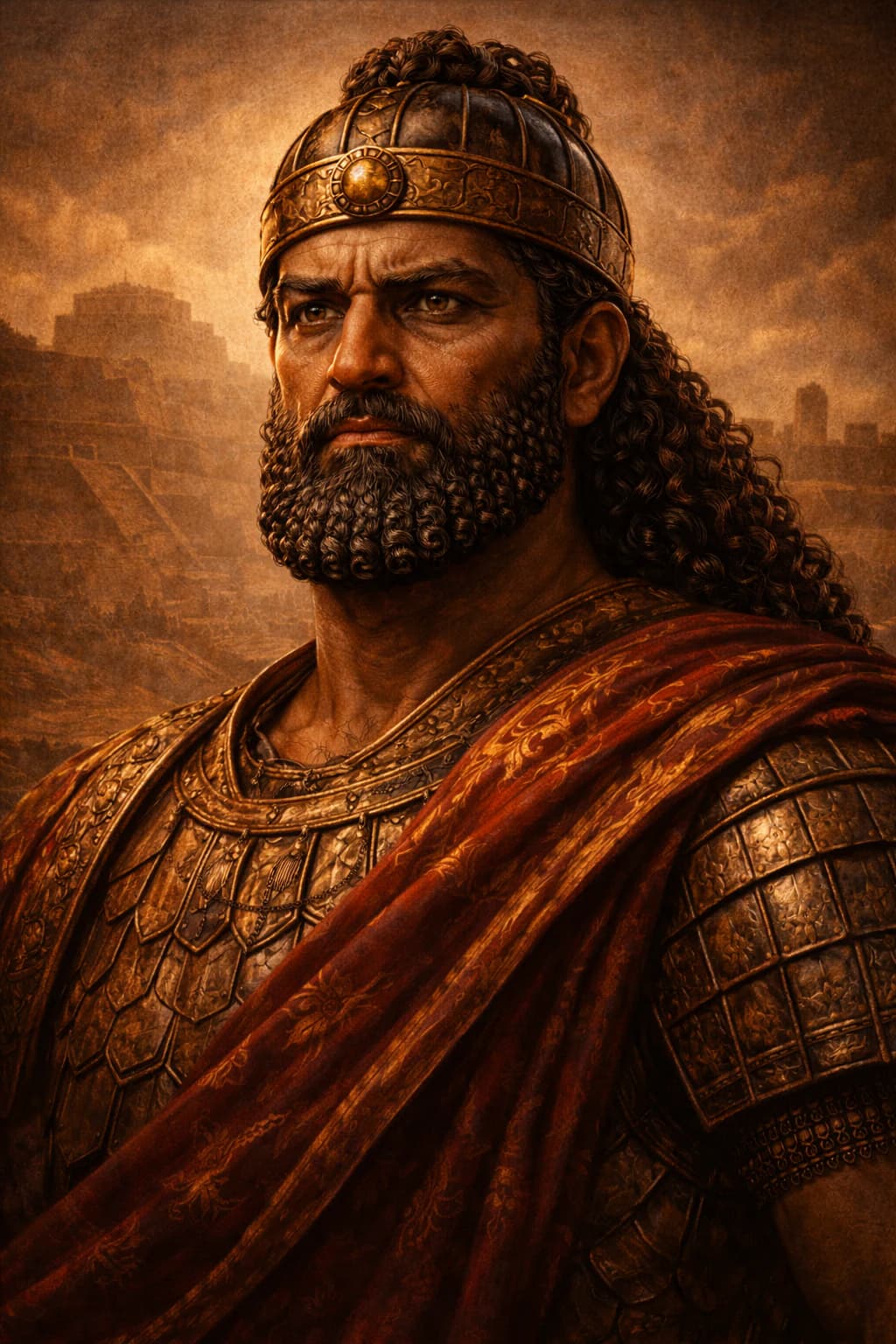
Sargon of Akkad
He rose from obscurity — possibly a gardener's son — to build the first true empire in recorded history, and the stories told about him echo through legends for millennia.
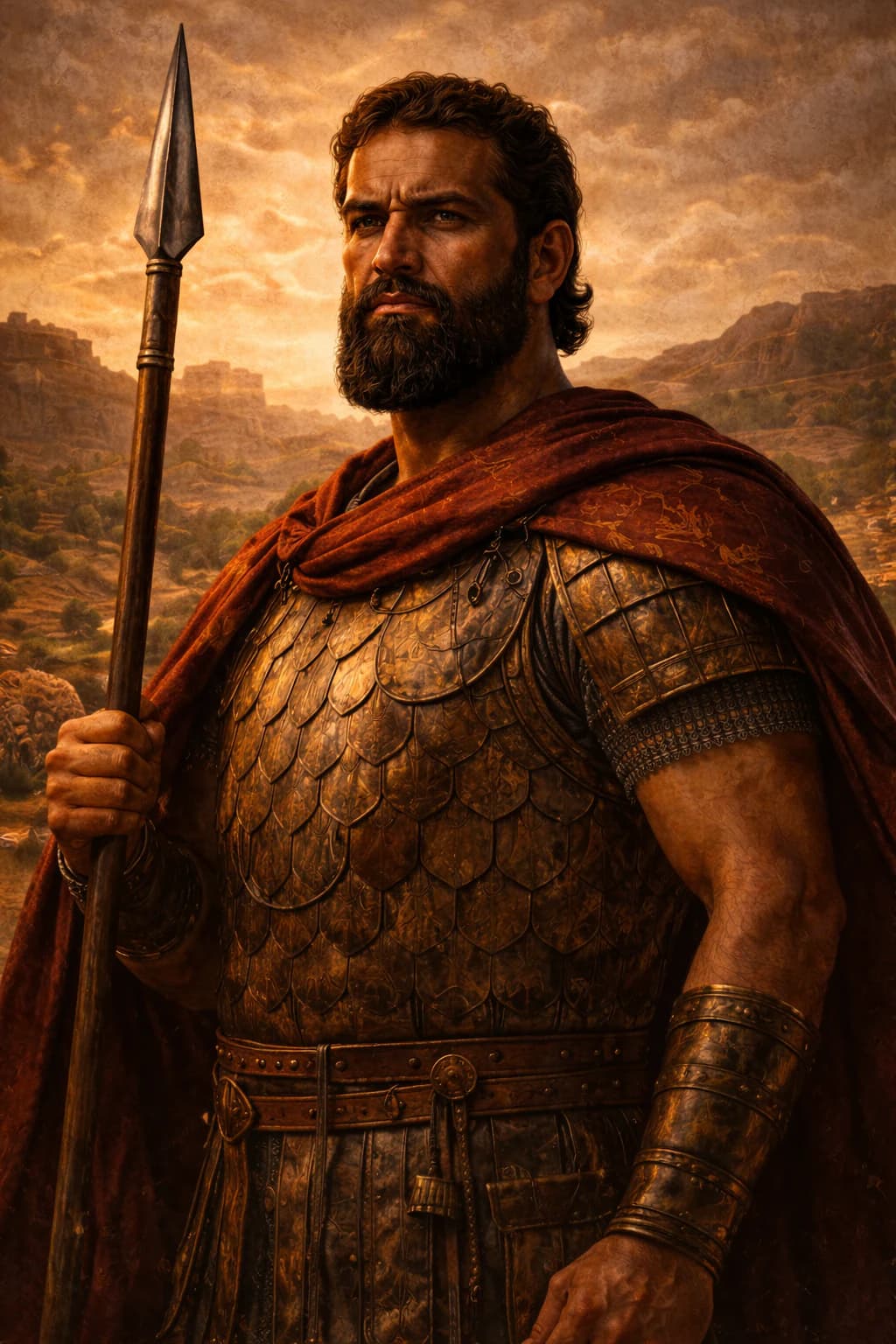
Saul
He was everything the Israelites asked for in a king — tall, strong, from the right tribe — and fell apart under the pressure of a role he couldn't quite figure out how to play.
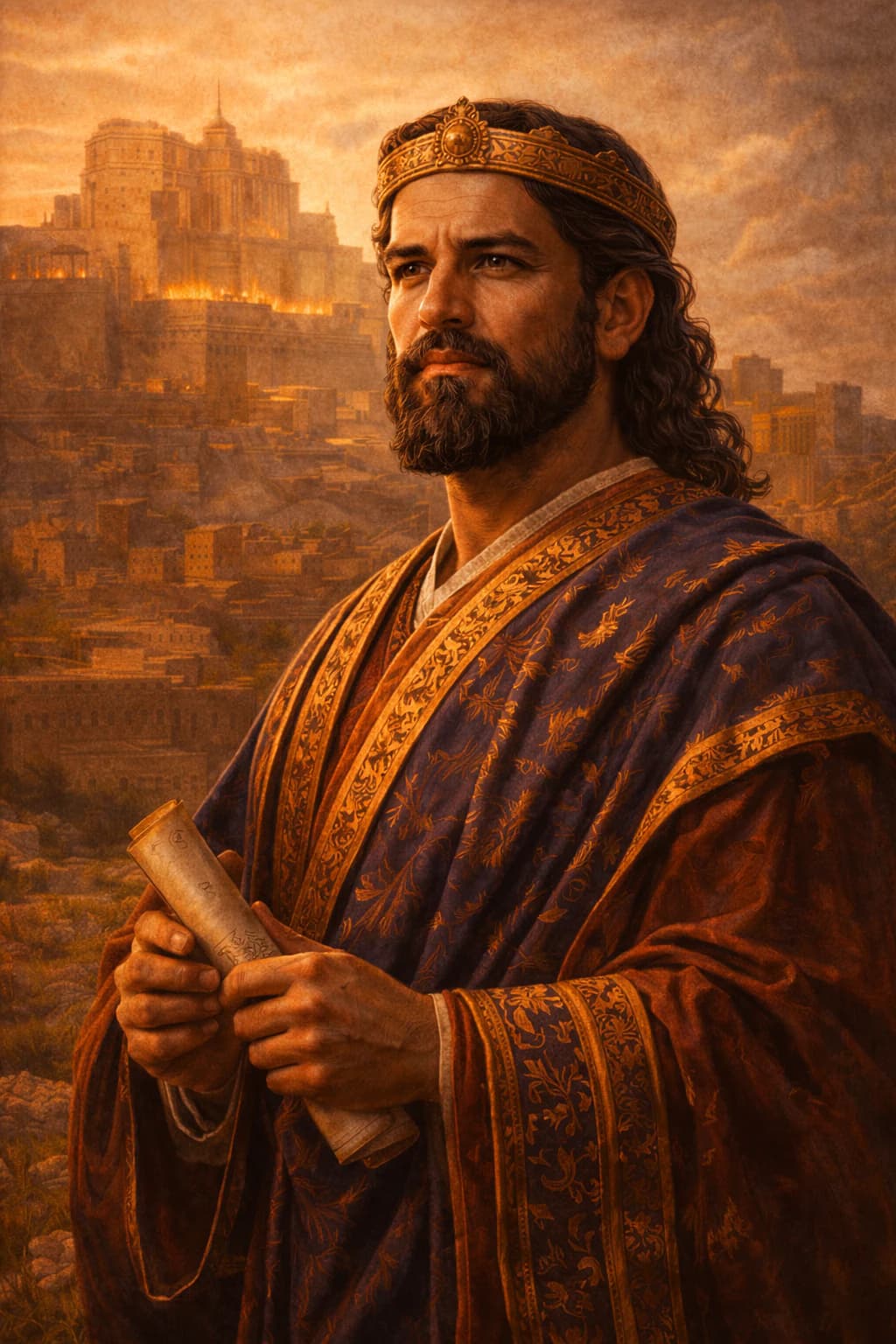
Solomon
He is remembered as Israel's wise king and builder of the First Temple in Jerusalem, but the splendour associated with Solomon also points to a monarchy strained by labour, taxation and fragile unity.
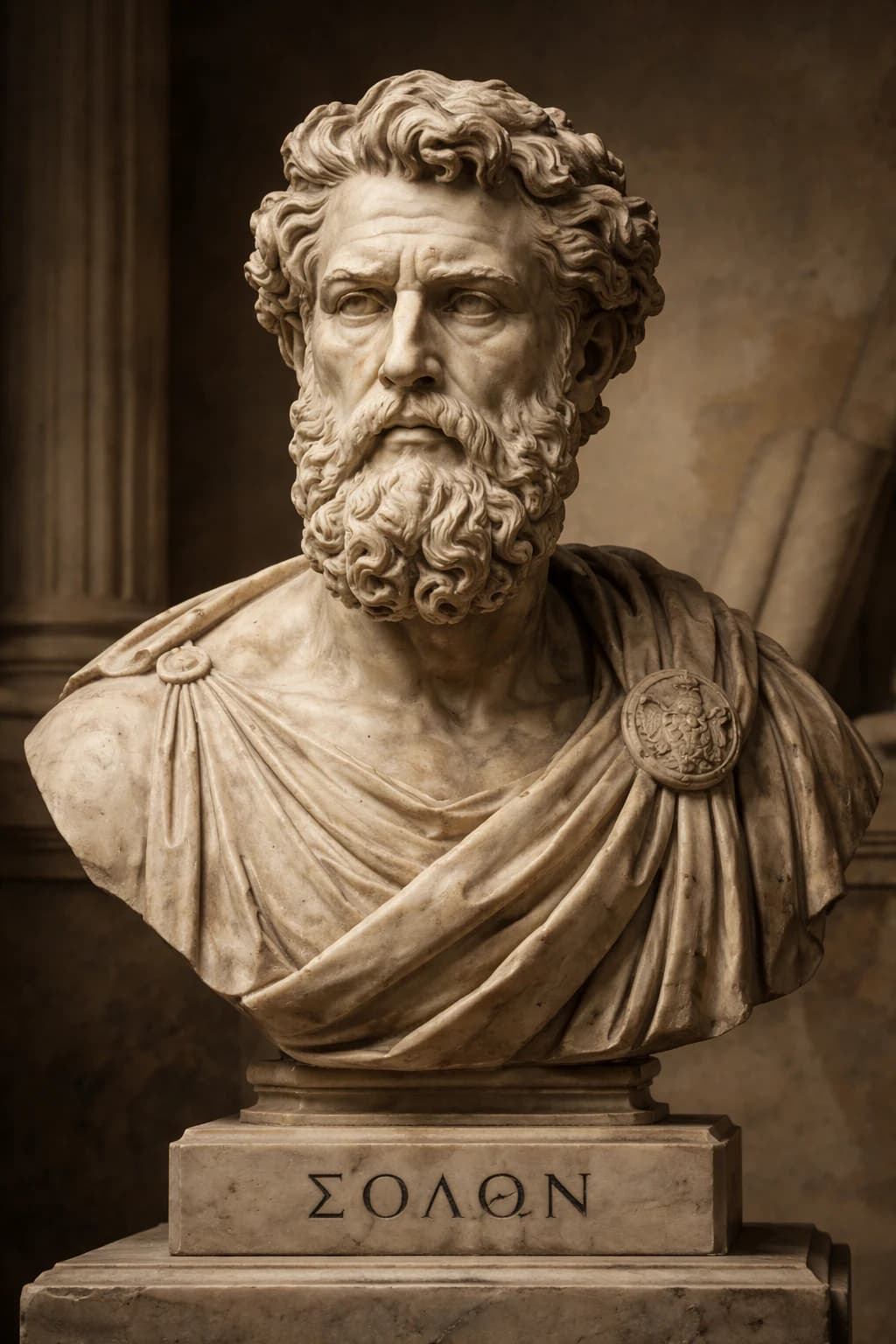
Solon
He defused Athens' social crisis by cancelling debt bondage, reshaping citizenship around wealth rather than birth, and refusing to turn reform into personal tyranny.
T
3 figures
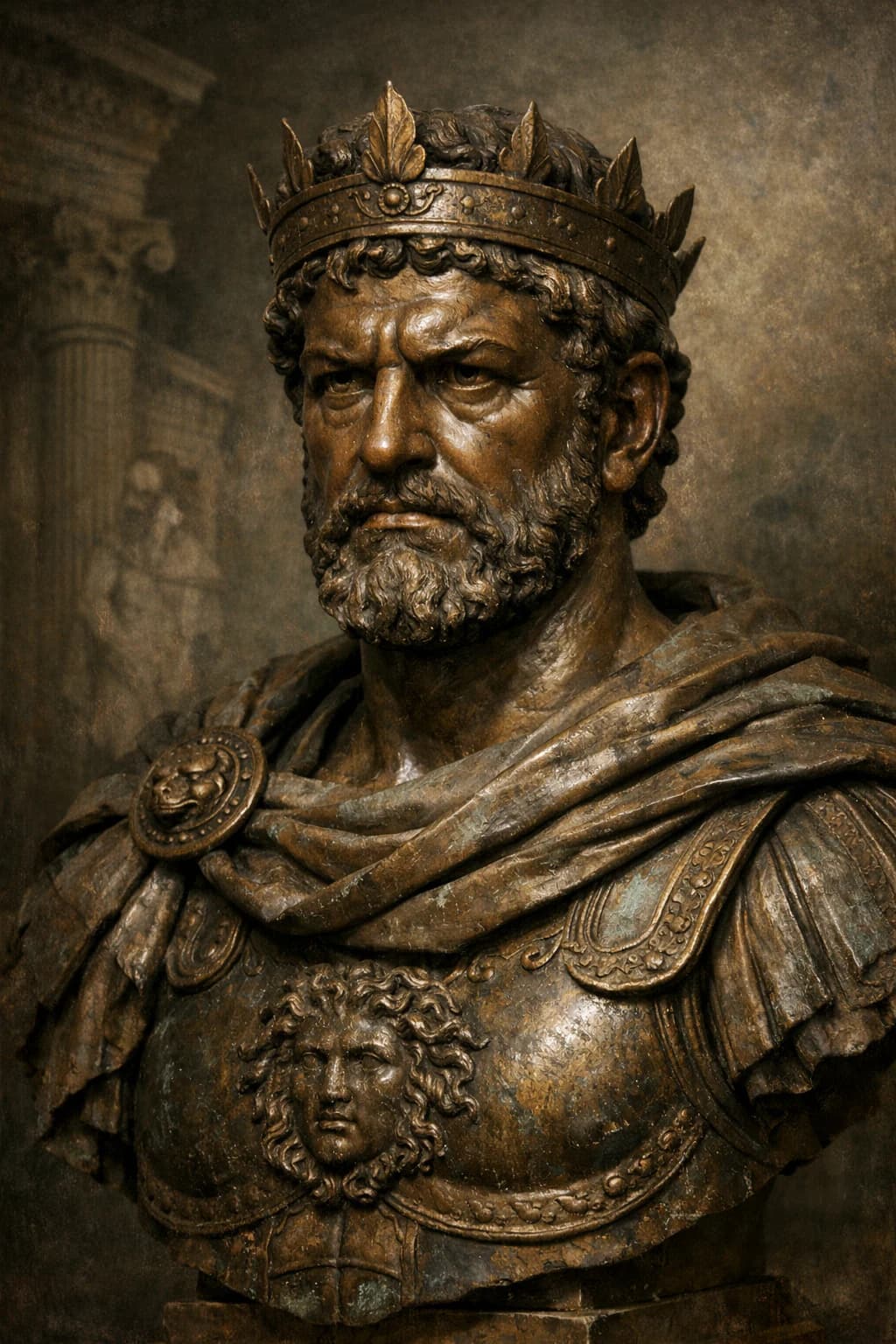
Tarquin the Proud
He was remembered as Rome's last king, a tyrant whose overthrow after the Lucretia crisis became the founding story of the Roman Republic and its hatred of monarchy.
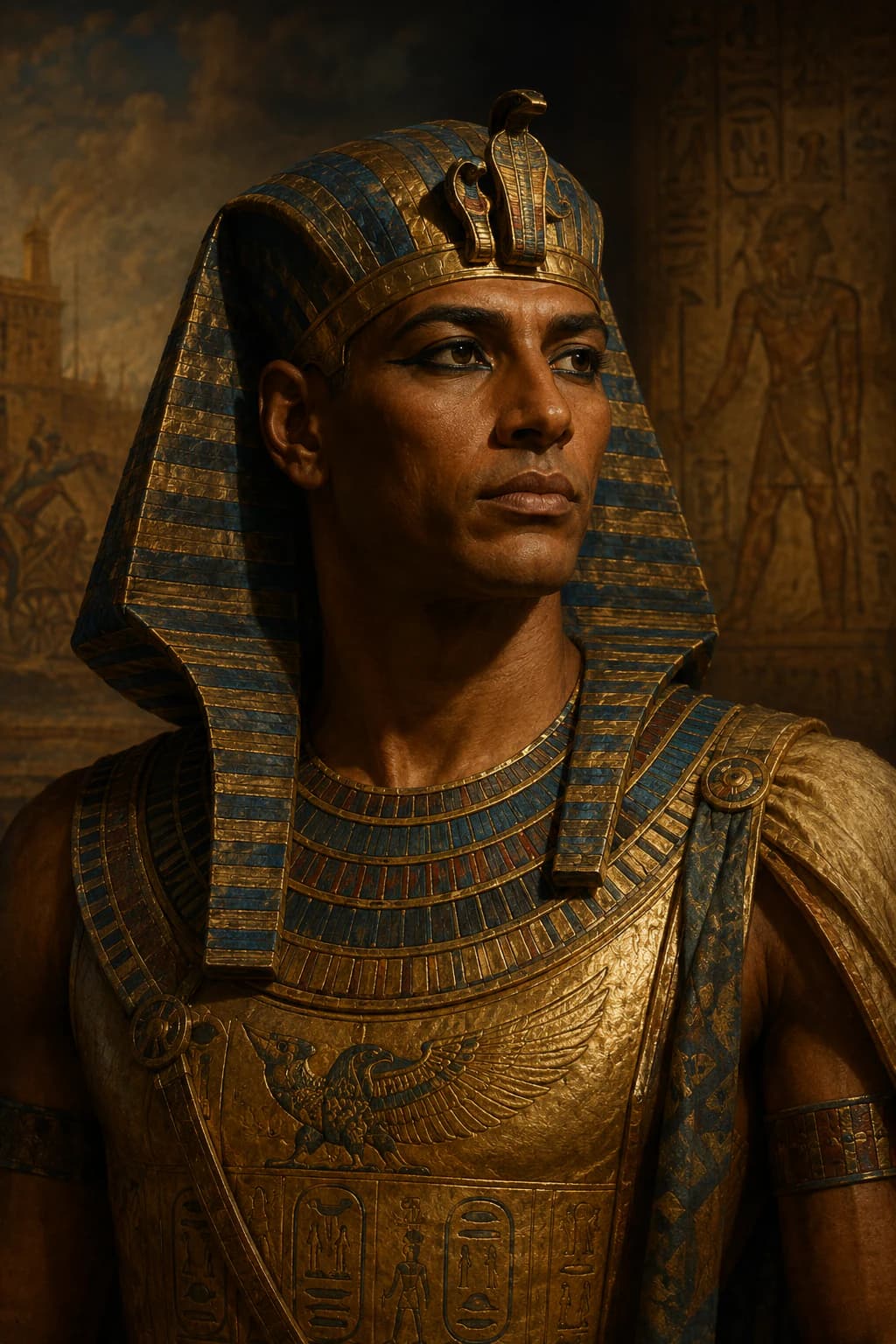
Thutmose III
He ruled Eighteenth Dynasty Egypt first under Hatshepsut's shadow and then as a formidable sole pharaoh, leading campaigns that made New Kingdom power felt from Nubia to the Levant.

Tutankhamun
He became pharaoh as a child after Akhenaten's religious revolution, helped restore Egypt's traditional cults, died young, and became the most famous pharaoh in the modern world after his tomb was found in 1922.