People

Hatshepsut

Hatshepsut was an 18th Dynasty pharaoh of Egypt who ruled in the 15th century BC. She governed as king during the New Kingdom, built Deir el-Bahri, sent the Punt expedition, and was later erased from many monuments.

Born
1507 BCE
Died
1458 BCE
Role
Pharaoh of Egypt

Pharaoh of Egypt (1507 BC–1458 BC)

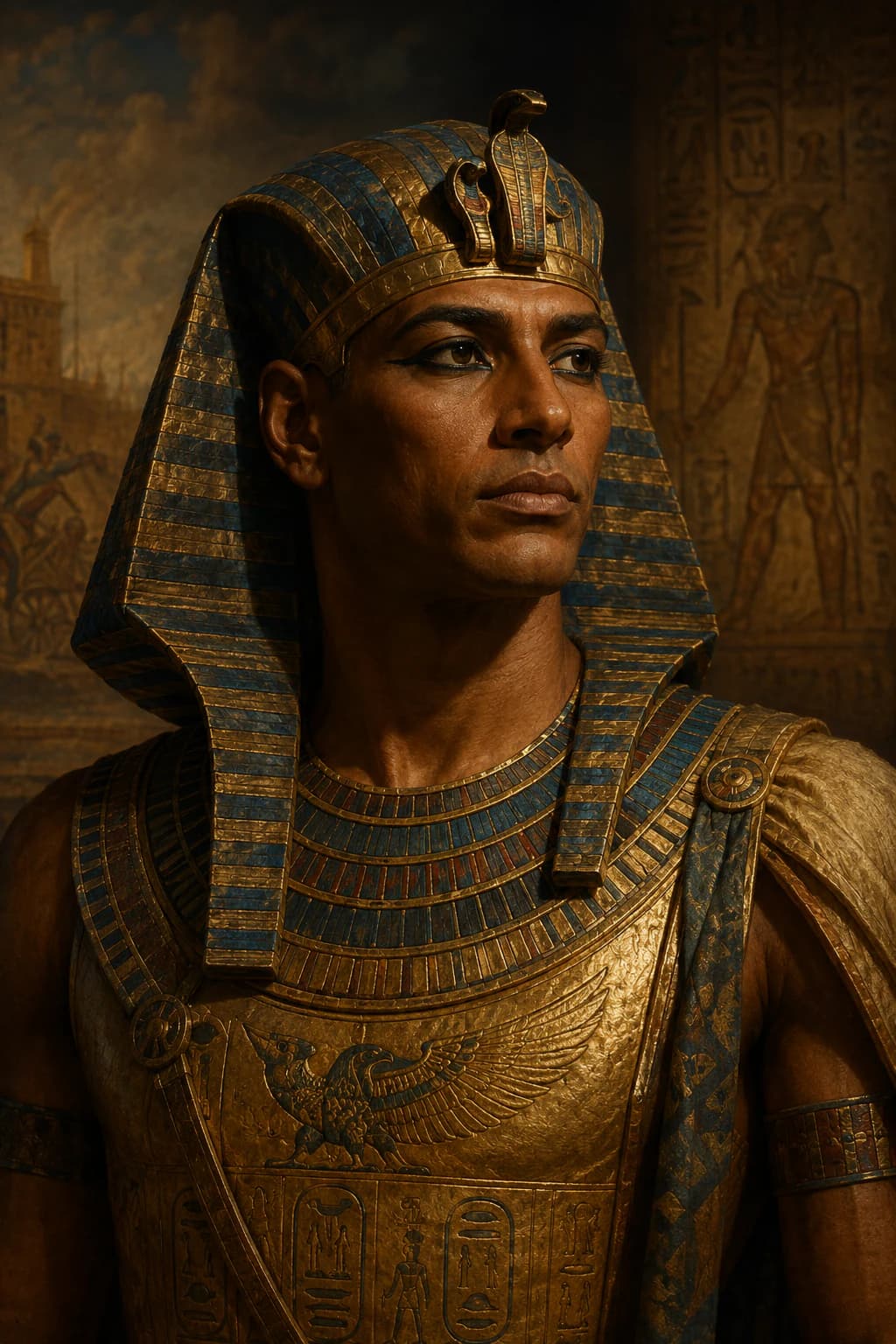
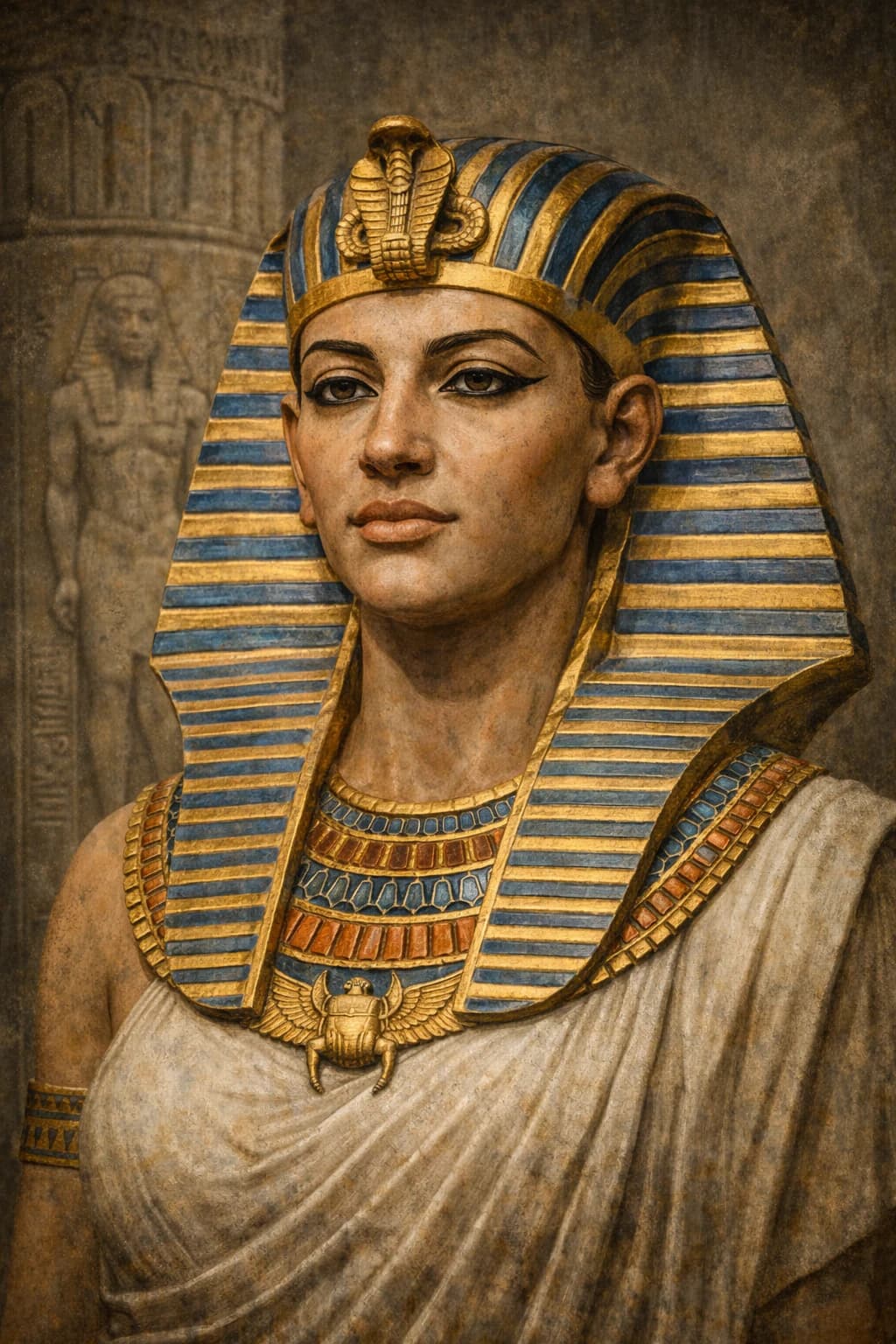
Portrait of Hatshepsut in ancient Egyptian royal attire
Facts

Hatshepsut timeline facts

Selected specifics from this profile's life story.

c. 1507 BC
Daughter of a pharaoh

Hatshepsut was born into Egypt's 18th Dynasty, the daughter of Thutmose I, at a time when the New Kingdom was expanding in wealth and confidence.

c. 1479 BC–1458 BC
Building programme

She commissioned one of Egypt's great building programmes, including her terraced temple at Deir el-Bahri and towering obelisks at Karnak.

c. 1458 BC
Death of a pharaoh

Hatshepsut died after more than twenty years as pharaoh, with the full honours of Egyptian kingship, leaving Thutmose III as sole ruler.

After 1458 BC
Rediscovery and legacy

Rediscovered by archaeologists in the 19th and 20th centuries, Hatshepsut is now recognised as one of the most capable rulers in Egyptian history and a defining figure of the New Kingdom.

Life Journey

Reign, monument, and erasure

Follow the story in a more continuous narrative, with a reading mode that matches how much depth you want.

c. 1507 BC

Daughter of a pharaoh

Hatshepsut was born into Egypt's 18th Dynasty, the daughter of Thutmose I, at a time when the New Kingdom was expanding in wealth and confidence.

c. 1492 BC–1479 BC

Queen and regent

After her husband Thutmose II died, Hatshepsut became regent for her young stepson Thutmose III, initially governing on his behalf while he was too young to rule.

c. 1479 BC

Full pharaoh

Hatshepsut declared herself pharaoh, adopting male royal titles, the double crown, and the false beard — governing Egypt as its undisputed ruler alongside the nominal co-regent Thutmose III.

c. 1479 BC–1458 BC

Building programme

She commissioned one of Egypt's great building programmes, including her terraced temple at Deir el-Bahri and towering obelisks at Karnak.

c. 1470 BC

Expedition to Punt

She sent a major trading expedition to the land of Punt, returning with exotic goods including myrrh trees, incense, ebony, and live animals — an achievement she commemorated in elaborate relief carvings.

c. 1479 BC–1458 BC

Justifying the reign

Hatshepsut actively constructed the religious and ceremonial justifications for her rule, including a divine birth narrative depicting her as the daughter of Amun himself.

c. 1458 BC

Death of a pharaoh

Hatshepsut died after more than twenty years as pharaoh, with the full honours of Egyptian kingship, leaving Thutmose III as sole ruler.

c. 1430 BC–1420 BC

Erasure from history

Decades after her death, images and inscriptions of Hatshepsut were systematically removed from her monuments, her name replaced and her figure chiselled out across Egypt.

After 1458 BC

Rediscovery and legacy

Rediscovered by archaeologists in the 19th and 20th centuries, Hatshepsut is now recognised as one of the most capable rulers in Egyptian history and a defining figure of the New Kingdom.

Continue in context

Connected stories

Move from the profile into the wider events and settings this figure belongs to.

Tertiary paths

Content note

This profile is written for educational use and connects to related Stories of History pages. Illustrations are original artistic interpretations.

References

Sources & Further Reading

Reliable reference works, archives and reading paths connected to this profile.

Further reading

  1. Encyclopaedia Britannica, Search results for Hatshepsut,” accessed June 2026.Open source
  2. WorldCat, Books and library holdings for Hatshepsut,” accessed June 2026.Open source

Primary sources

  1. Library of Congress, Search results for Hatshepsut,” accessed June 2026.Open source

A weekly route through history

Find out first about the latest published stories, feature notes and occasional Premium offers in one weekly email.