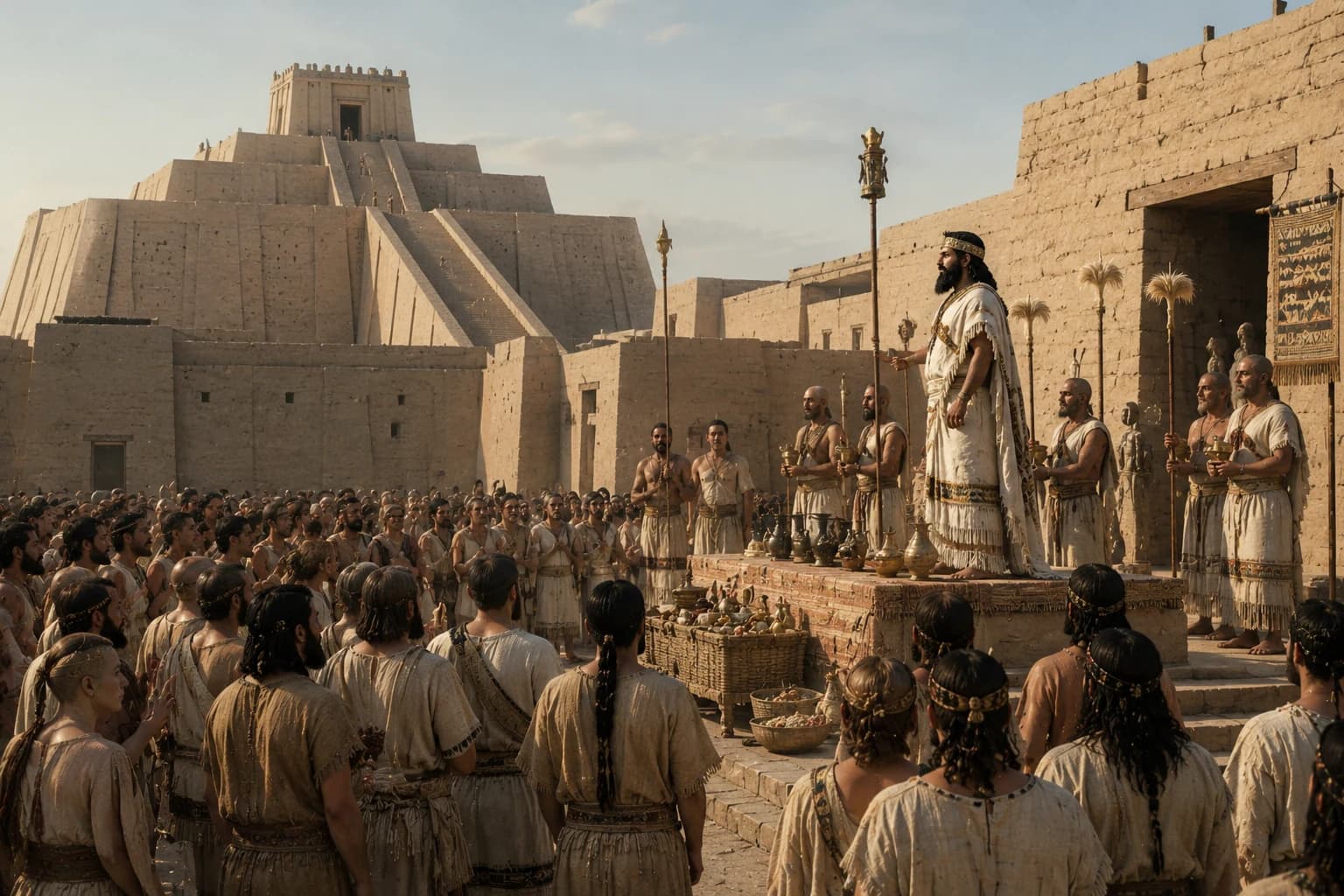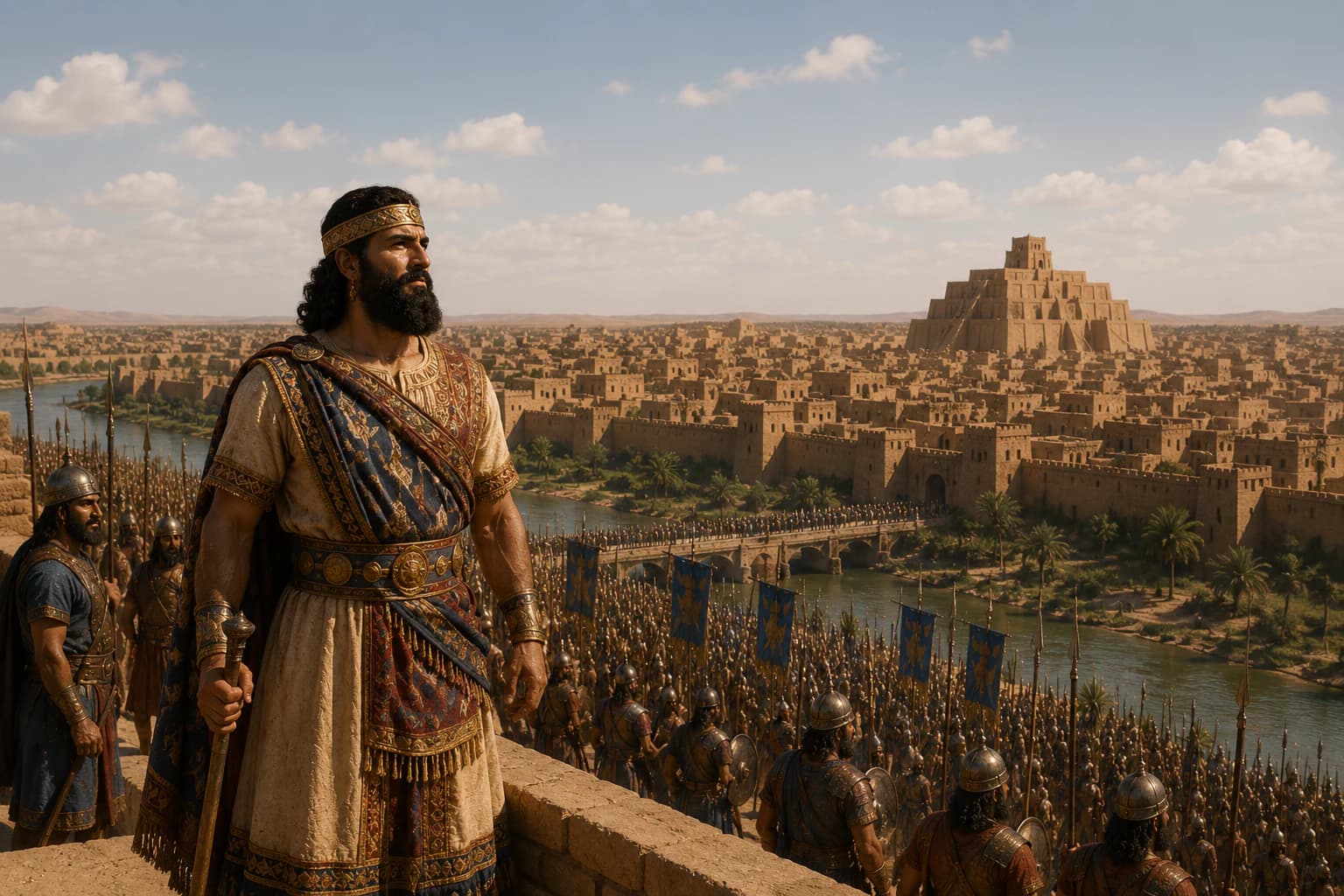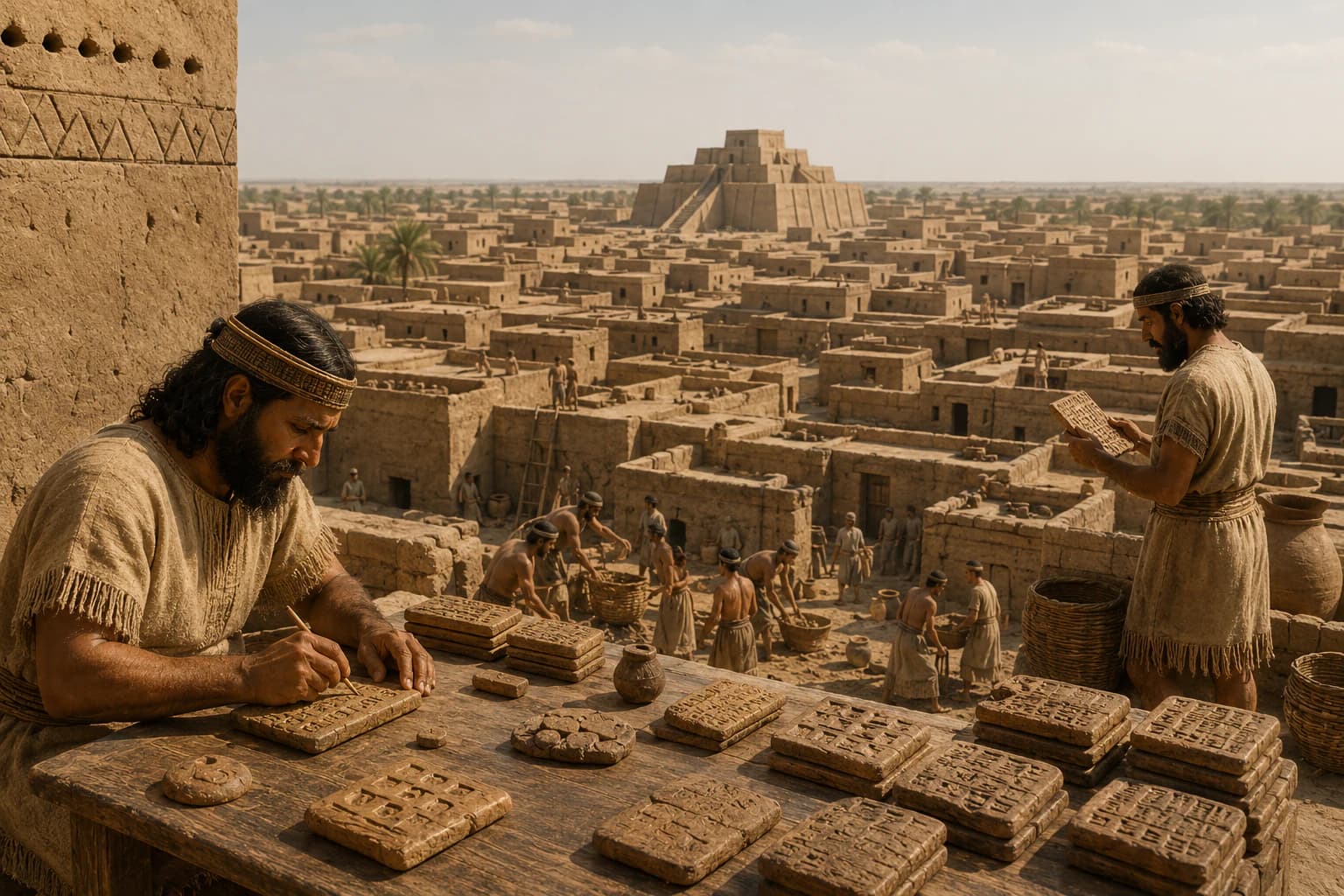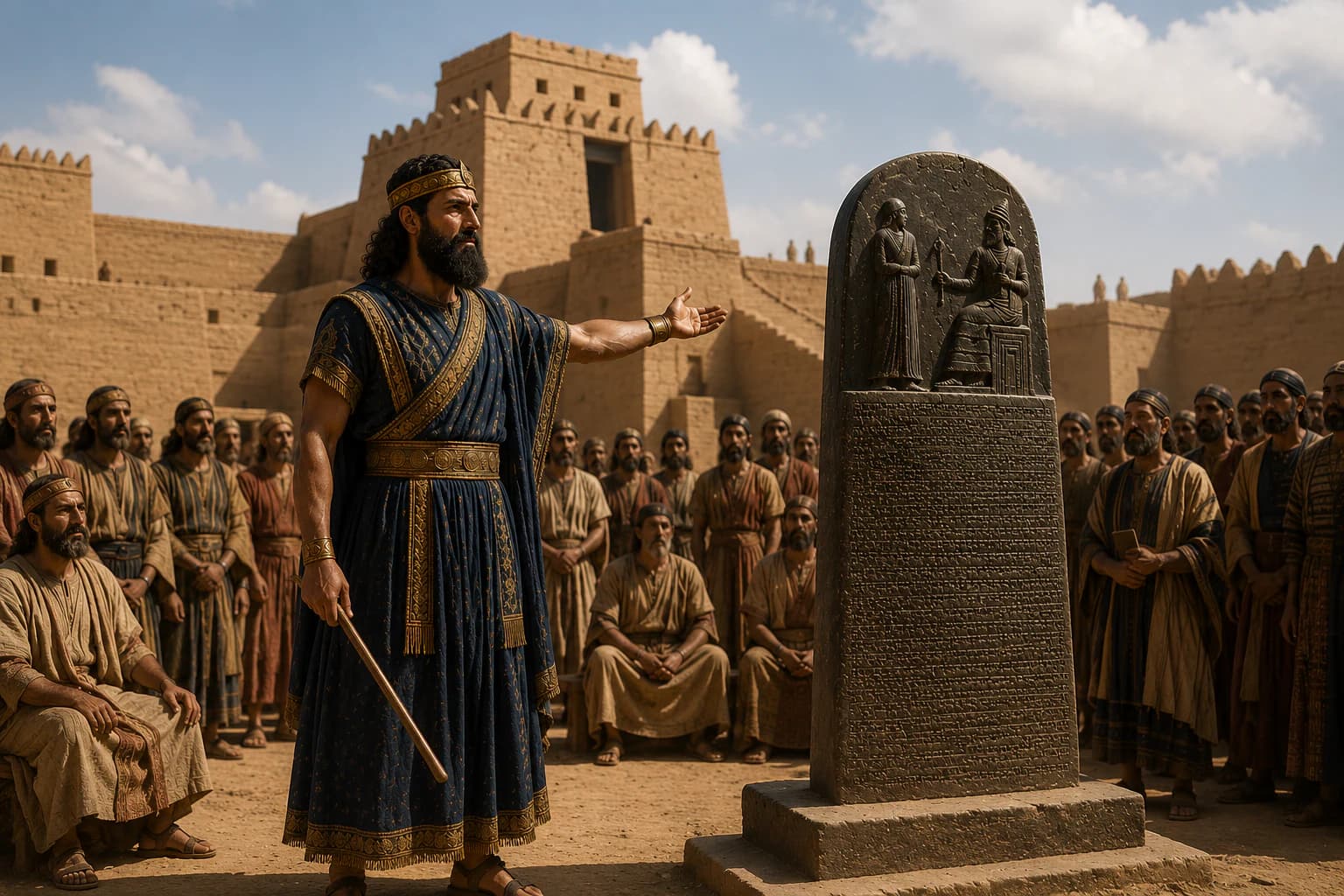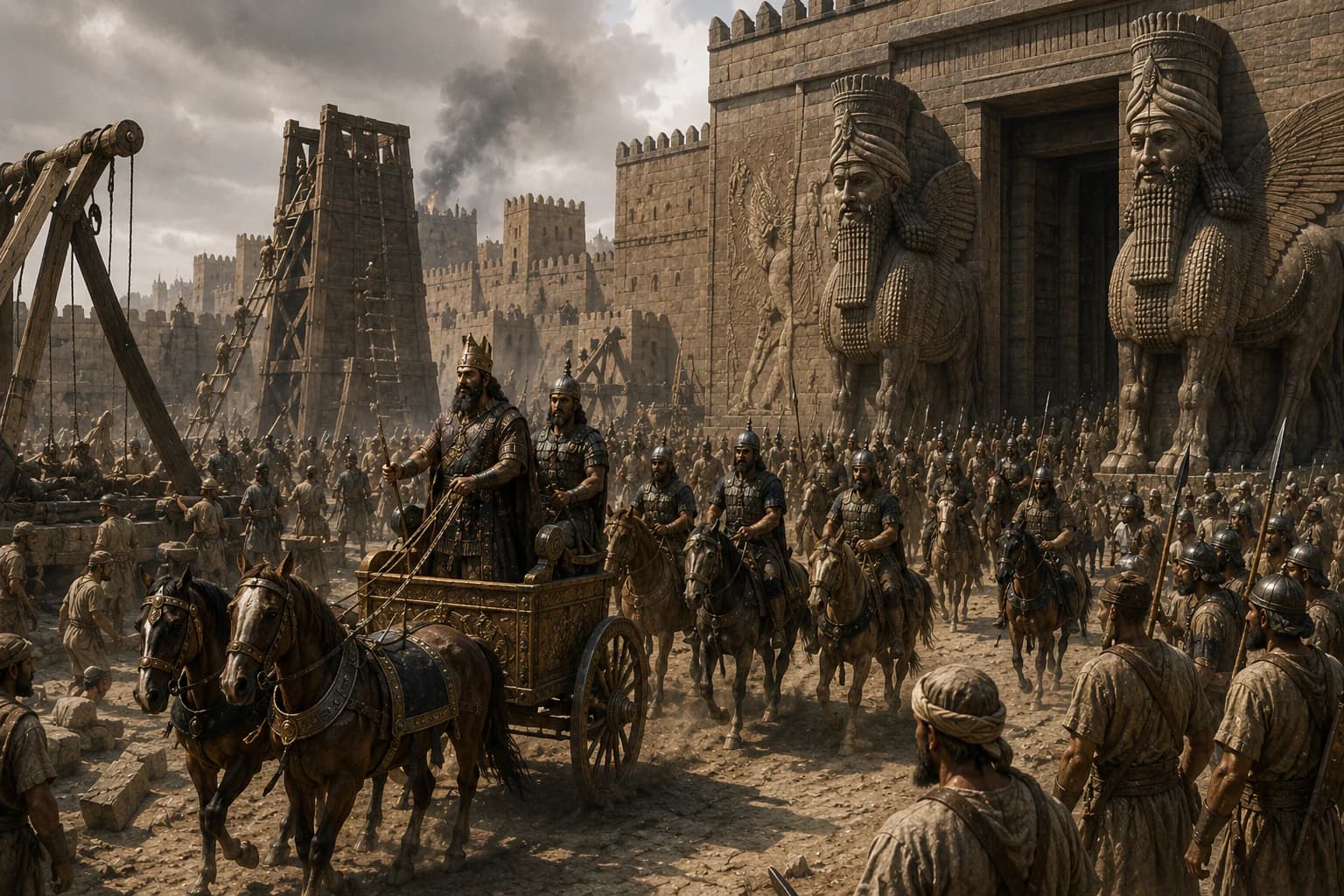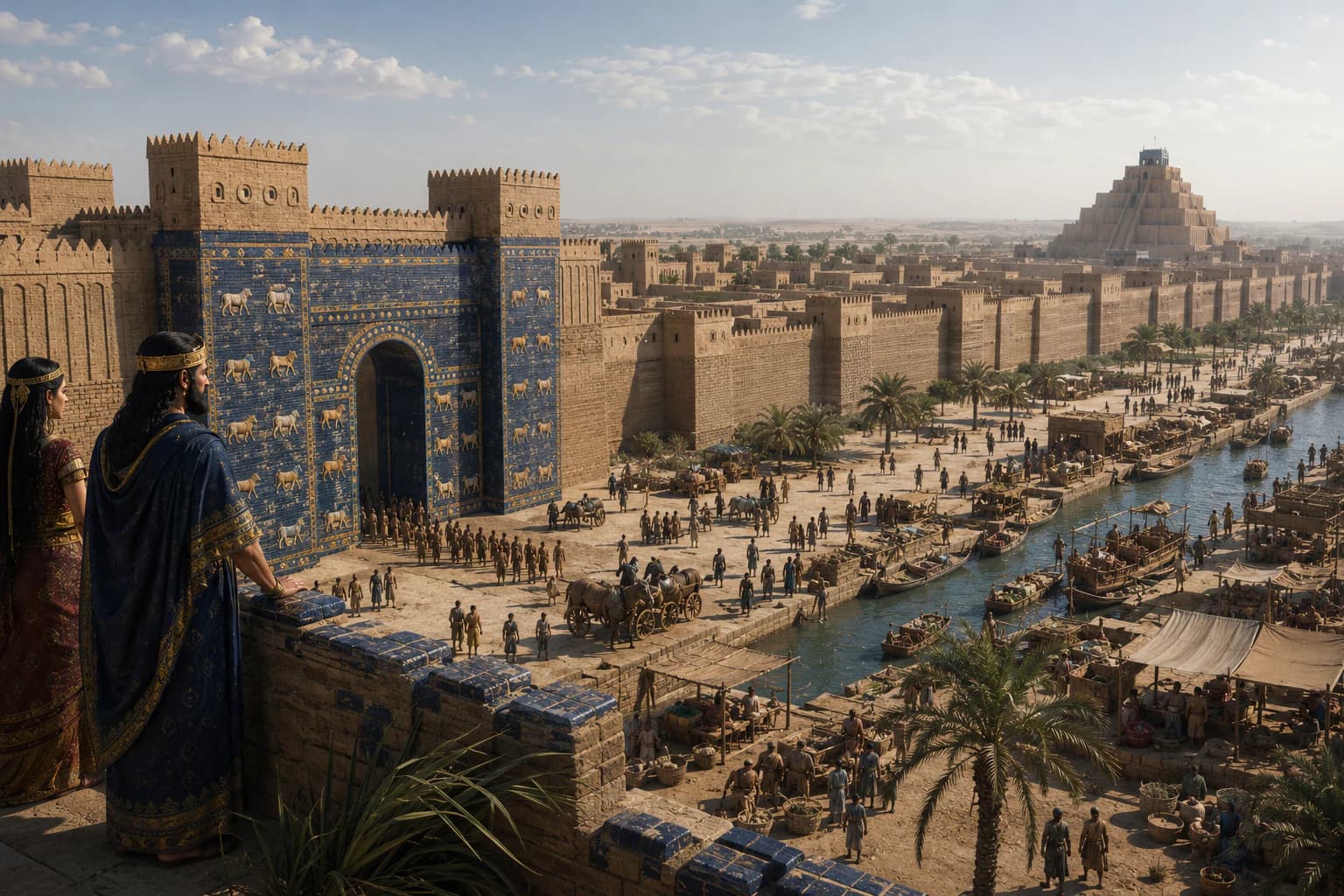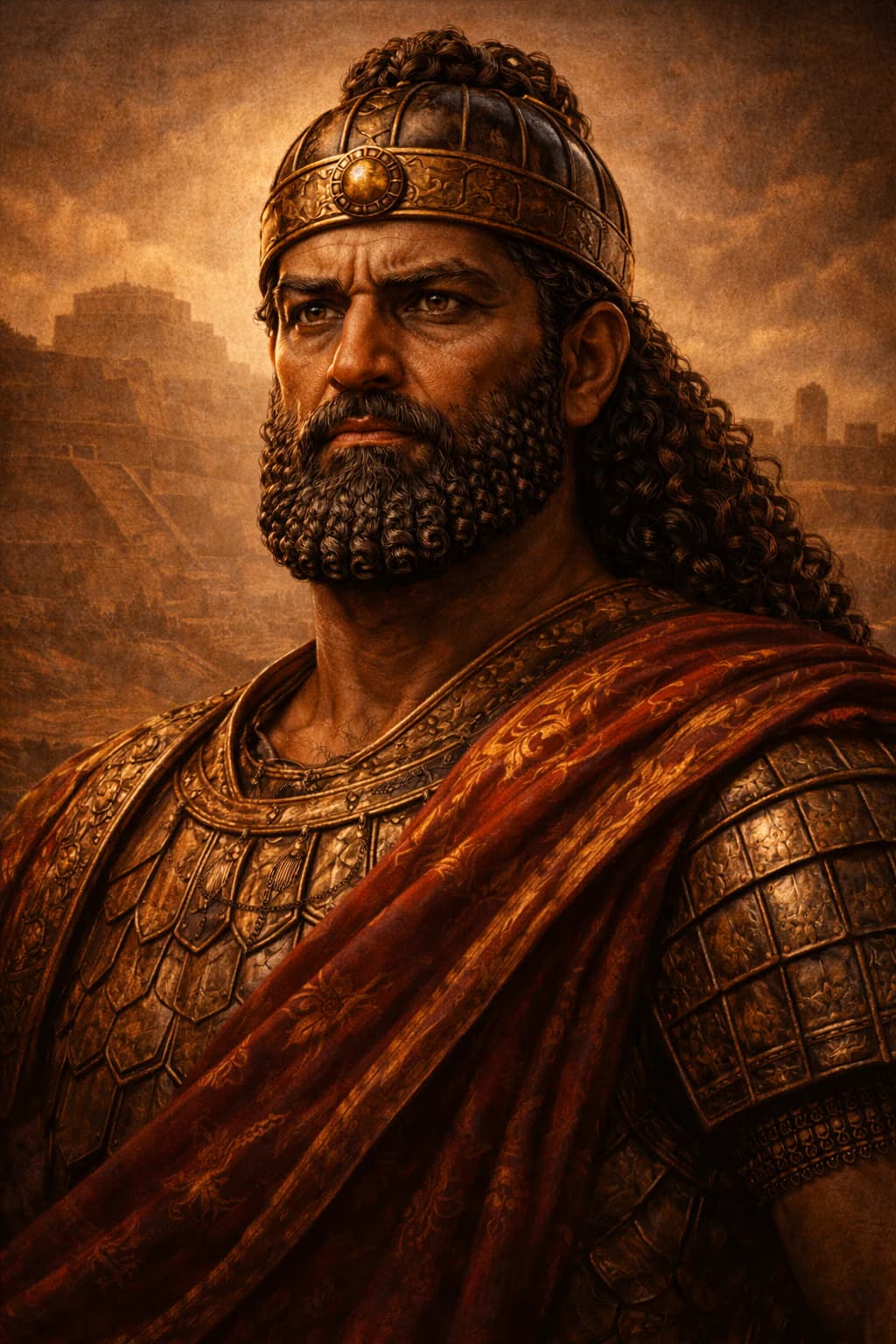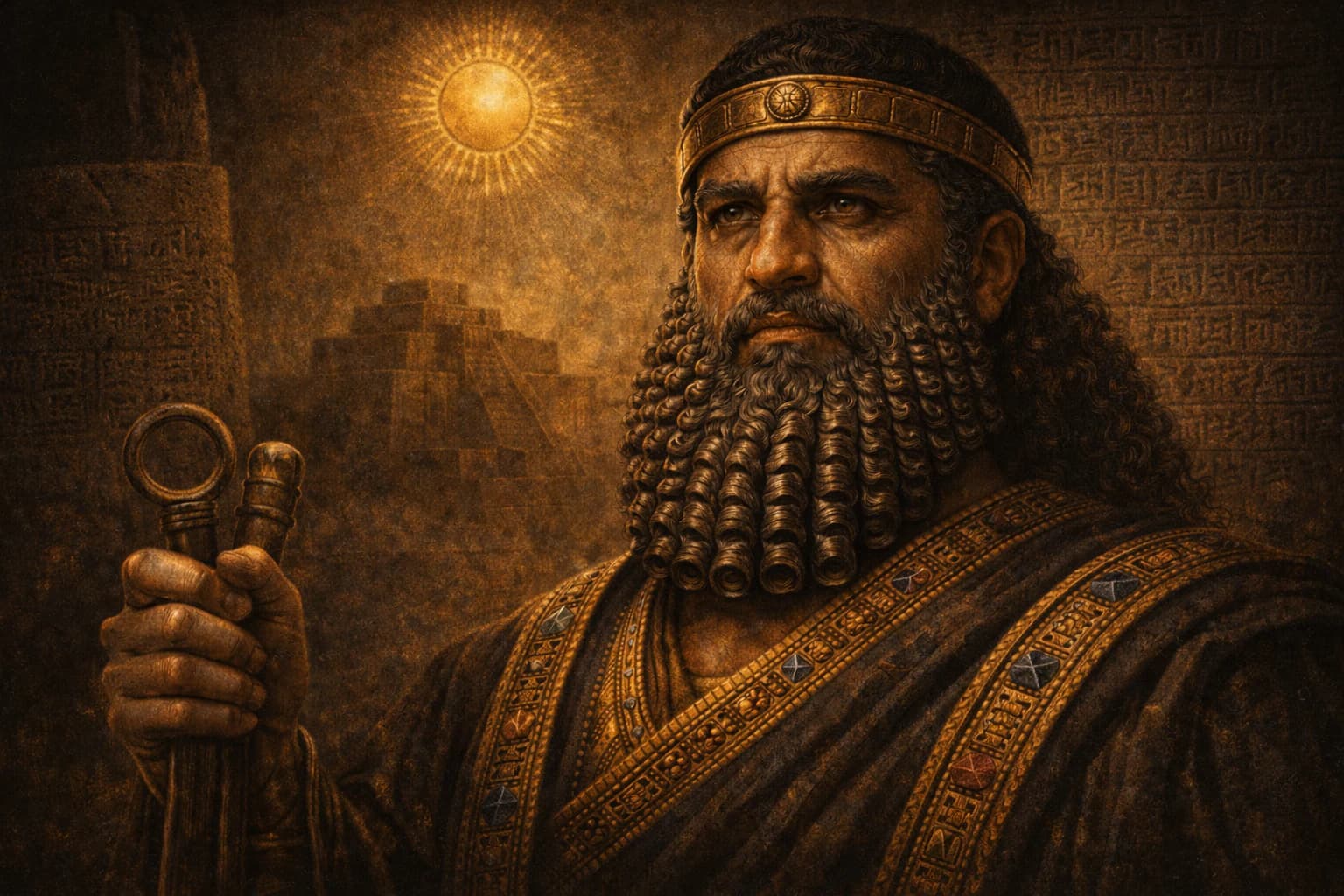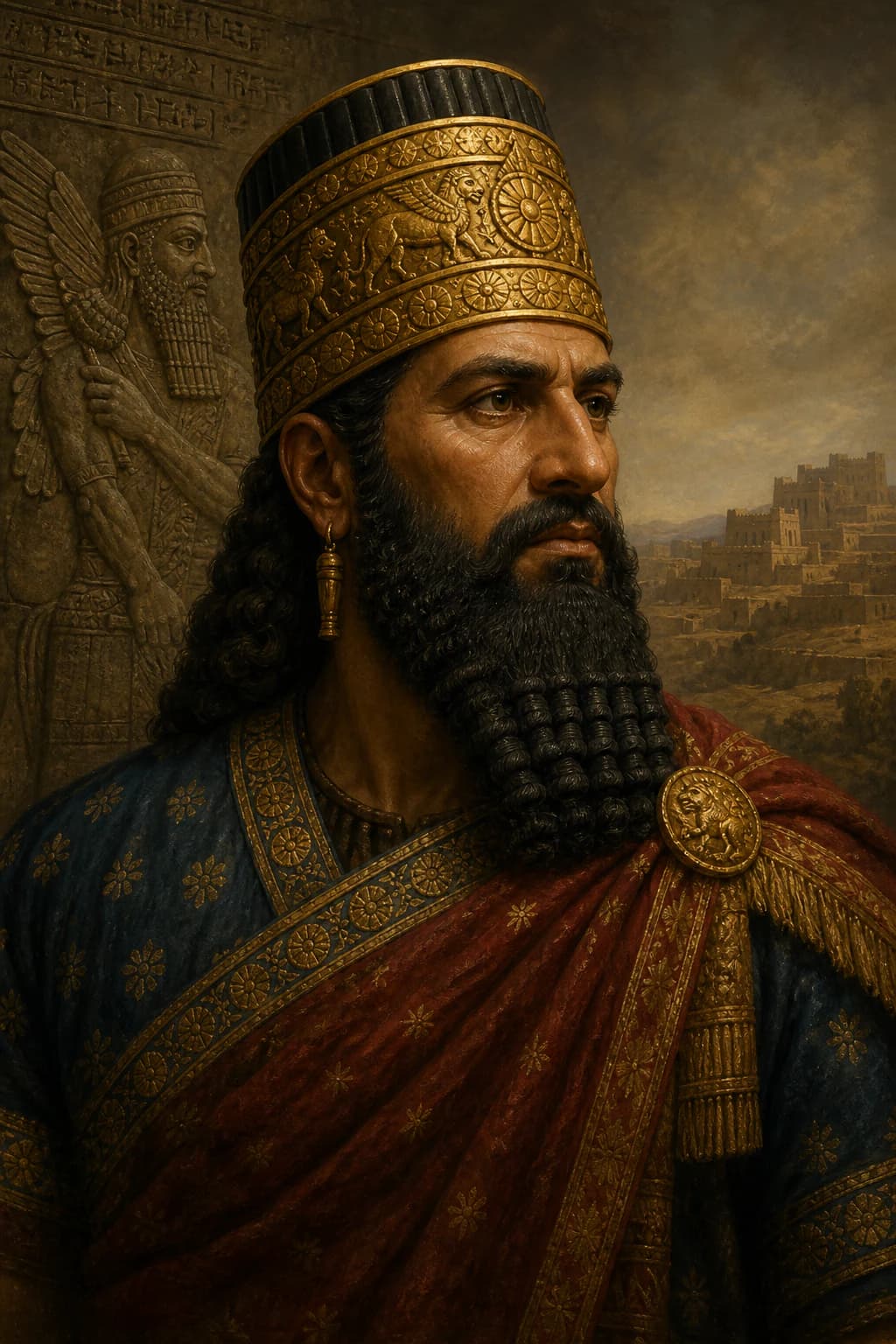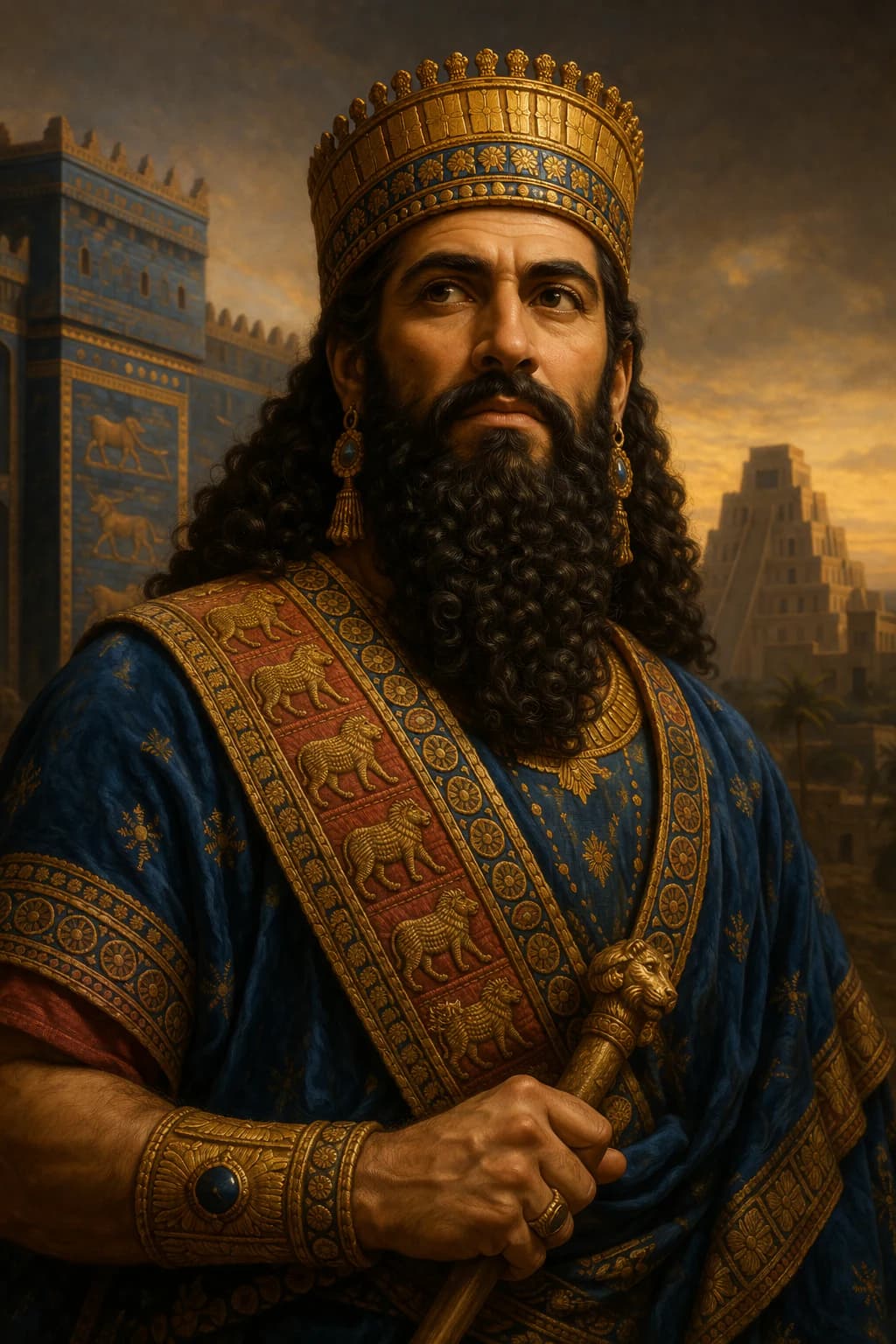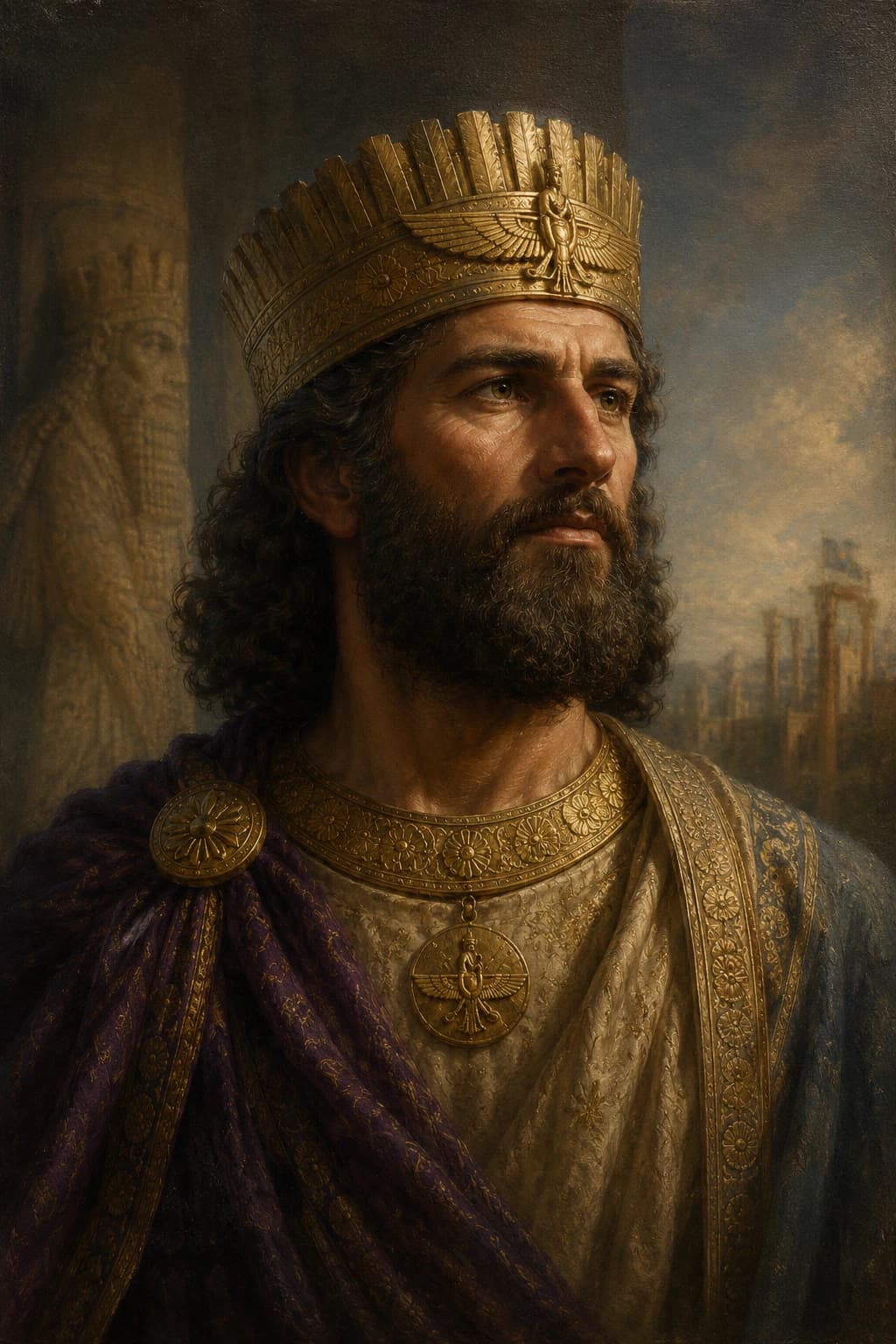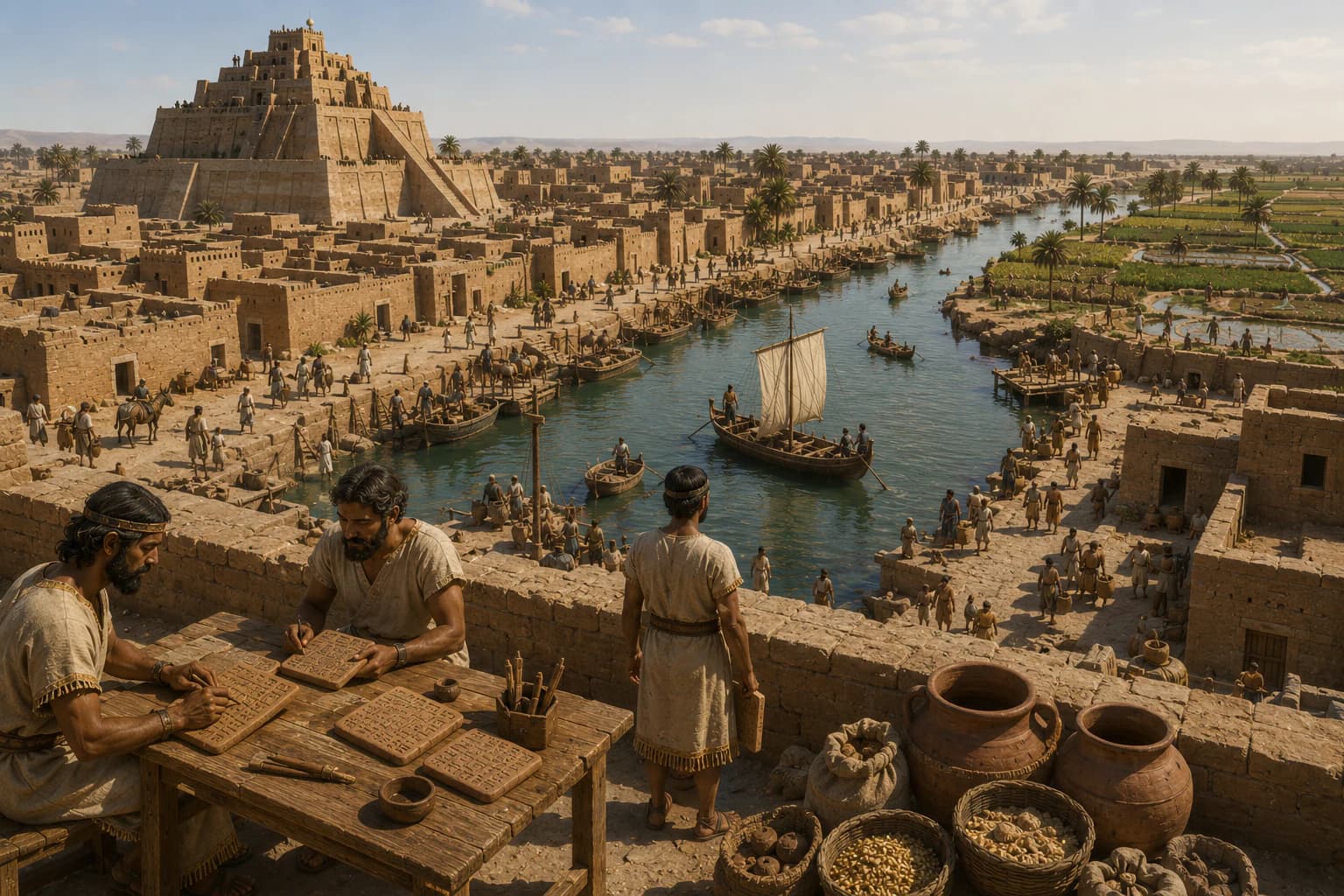
The ancient cities of Mesopotamia rising from the floodplains of the Tigris and Euphrates.
Free Story

Ancient Mesopotamia

Discover ancient Mesopotamia, the land between rivers where cities, cuneiform writing, law, and empire began.

10 chapters

Next
Context

Introduction

Overview

Ancient , the land between the and rivers, was one of the birthplaces of urban civilisation. In this and civilization, communities built some of the first cities, developed cuneiform writing, organised law codes, and created early empires. From Sumer and to and Assyria, this history of shows how farming, irrigation, temples, kingship, trade, and record-keeping helped create the structures of complex society. It also works as a timeline and civilization overview, with clear facts tracing how civilization grew from villages into states and empires.

What you'll learn: You will follow how environmental pressure, surplus agriculture, temple organization, and political competition turned into the cradle of cities, writing, law, and empire.

Key forces

The First Farming Settlements
6500 BCE
Step 1 of 106500 BCEAccessible mode

The First Farming Settlements

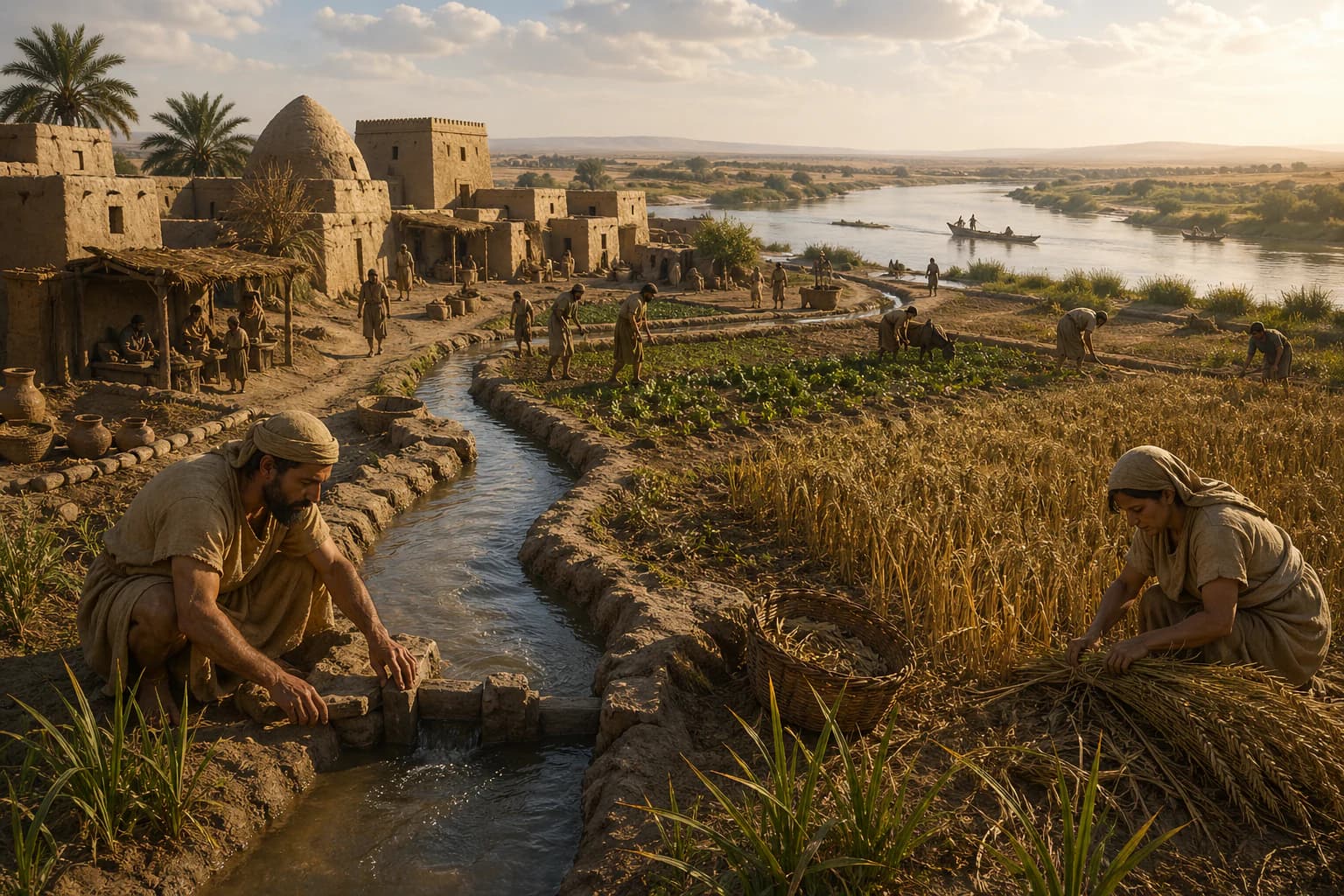
Around 6500 BCE, farming villages in southern began using irrigation to survive in a difficult environment.

The region between the and rivers received very little rain. But the rivers flooded each year, and that water could be redirected onto fields.

Irrigation took cooperation. Digging and maintaining canals required people to work together beyond their own family or village.

When farming worked well, communities produced more food than they needed. That surplus could be stored, traded, and used to support people who were not farmers.

This is important: surplus food made specialization possible. Some people could become priests, craftsmen, or administrators instead of growing their own food.

Managing surpluses also required organization. Who stored the grain? Who decided how it was shared? These questions pushed communities toward leadership structures.

The pressures of irrigation and surplus were the starting conditions for everything that came later in , including cities, writing, and government.

The Rise of Uruk
4000 BCE
Step 2 of 104000 BCEAccessible mode

The Rise of Uruk

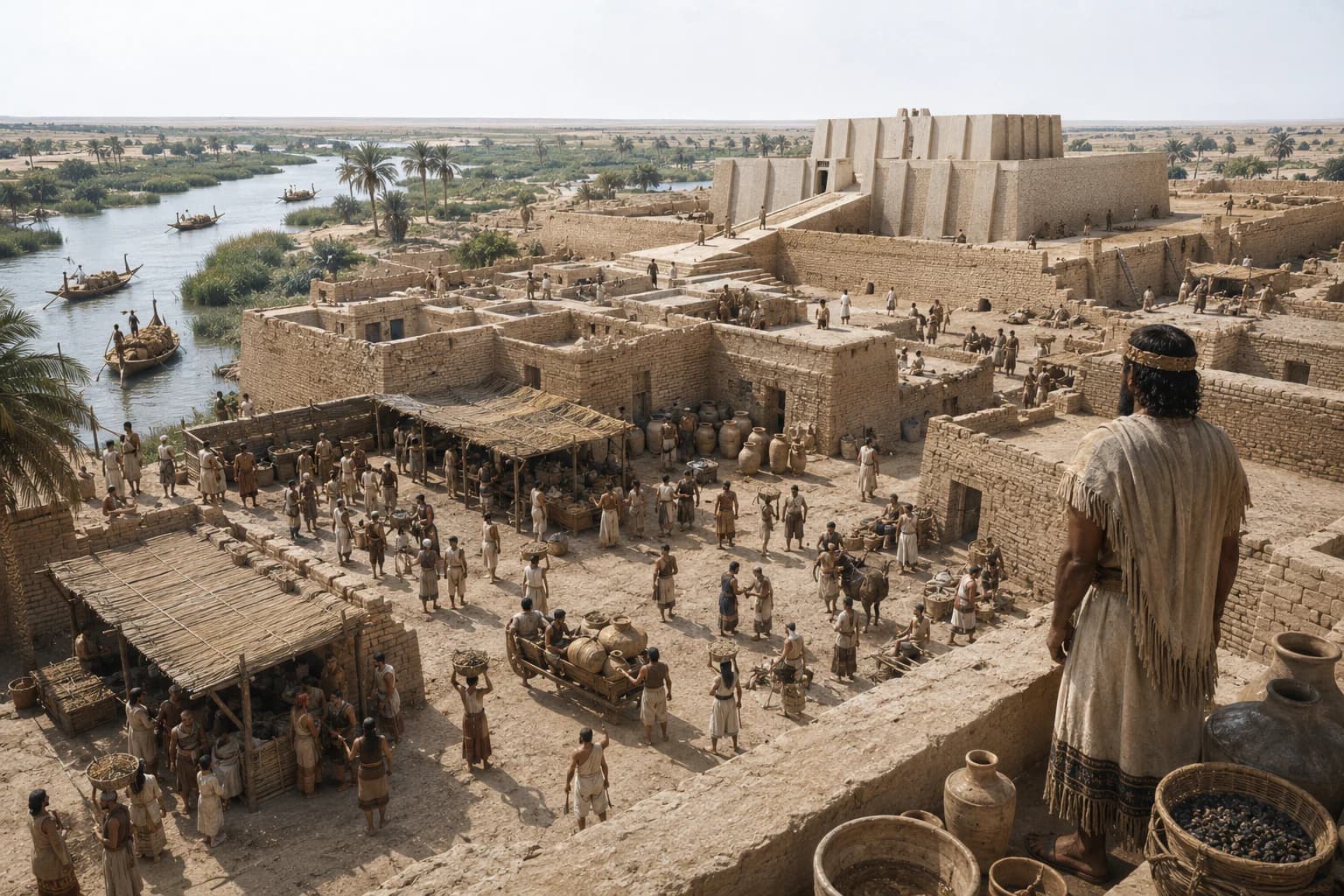
Around 4000 BCE, grew into one of the first true cities the world had ever seen.

It was not just a large village. had tens of thousands of people, large temples, specialized workers, and trading connections across a wide region.

The temples at its center were not just religious places. They were economic institutions that collected goods, organized labor, and distributed food to workers.

As grew, people specialized. Some made pottery, some worked metal, some managed accounts. This division of labor made the city far more productive than a village.

also traded across long distances, exchanging goods with communities in what is now Syria, Iran, and Turkey. Its influence shaped a wide region.

This matters because showed that a city could function as a complex system, with different groups depending on each other to survive and prosper.

Later cities followed the same basic pattern: temples at the center, specialists throughout, and trade networks reaching outward.

Cuneiform Writing and the Birth of Records
3200 BCE
Step 3 of 103200 BCEAccessible mode

Cuneiform Writing and the Birth of Records

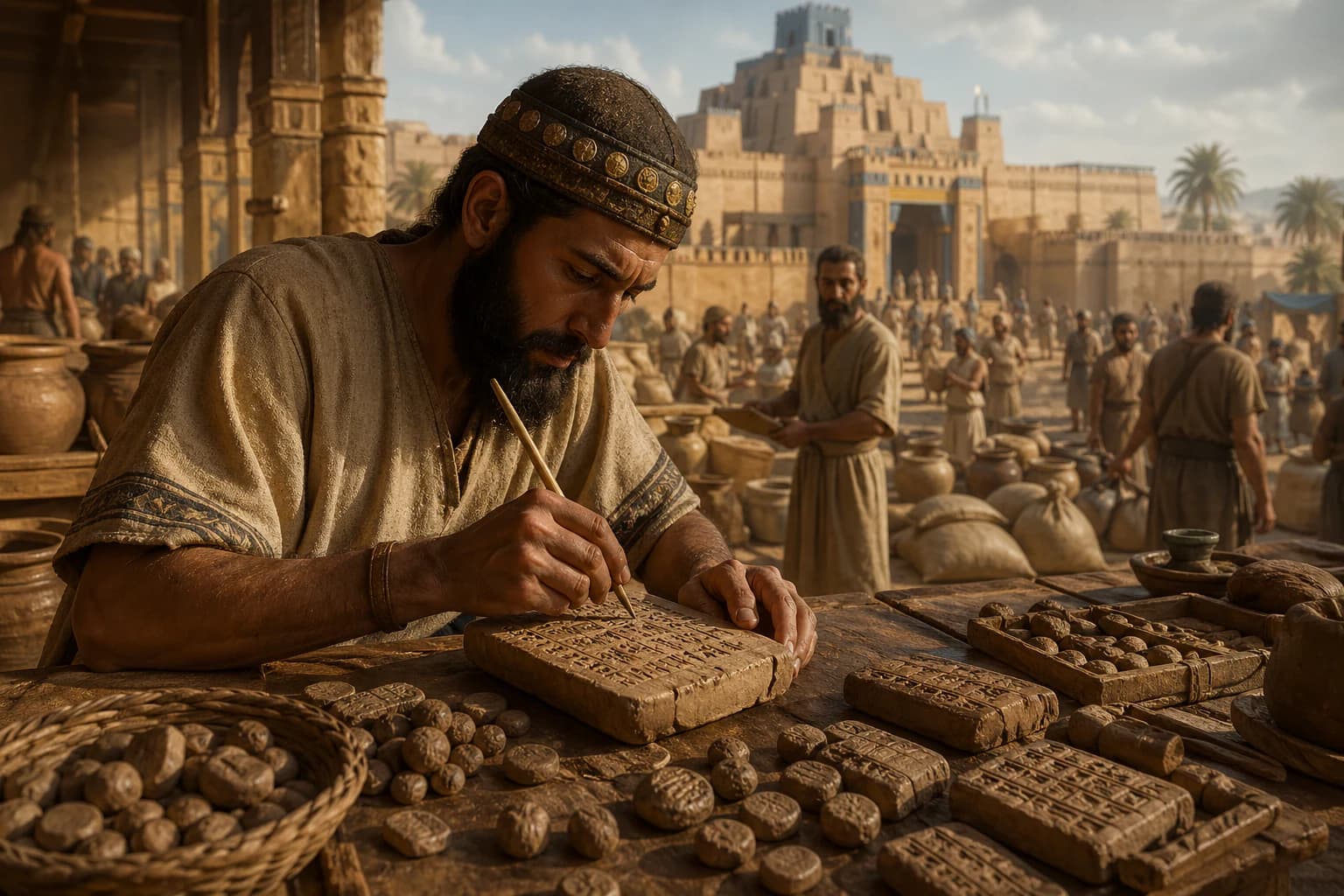
Around 3200 BCE, cuneiform writing appeared at as one of the world's first writing systems, invented to keep track of goods.

As 's economy grew more complex, managing thousands of transactions in memory became impossible. Administrators needed a reliable way to record deliveries, labor, and storage.

At first, writing was just accounting. Scribes pressed wedge-shaped symbols into clay tablets to record quantities of grain, livestock, labor, land, and temple resources.

Over time, the system developed. Signs came to represent sounds as well as things, allowing scribes to write names, instructions, and eventually stories.

This script, called cuneiform, changed what a state could do. Records could now outlast memory. Instructions could travel with messengers. Decisions could be checked and confirmed.

Writing also created a class of trained scribes, which became a powerful group. Controlling written records meant controlling information and therefore power.

Cuneiform writing is one of the most important inventions in history. It started here as a practical tool for keeping accounts, then grew into a system for laws, letters, myths, royal inscriptions, and stories such as the Epic of Gilgamesh.

The Rise of Sumerian Civilization
2900 BCE
Step 4 of 102900 BCEAccessible mode

The Rise of Sumerian Civilization

From around 2900 BCE, Sumerian civilization developed in southern as a world of rival city-states, each one centered on its own temples and its own gods.

Sumerian cities like , , , , and each controlled their own farmland, canals, and resources. The Sumerians competed intensely with each other, but they also shared language, religious ideas, scribal habits, and urban institutions.

Disputes were often about water. Canals fed agriculture, and if one city controlled a canal needed by another, conflict followed.

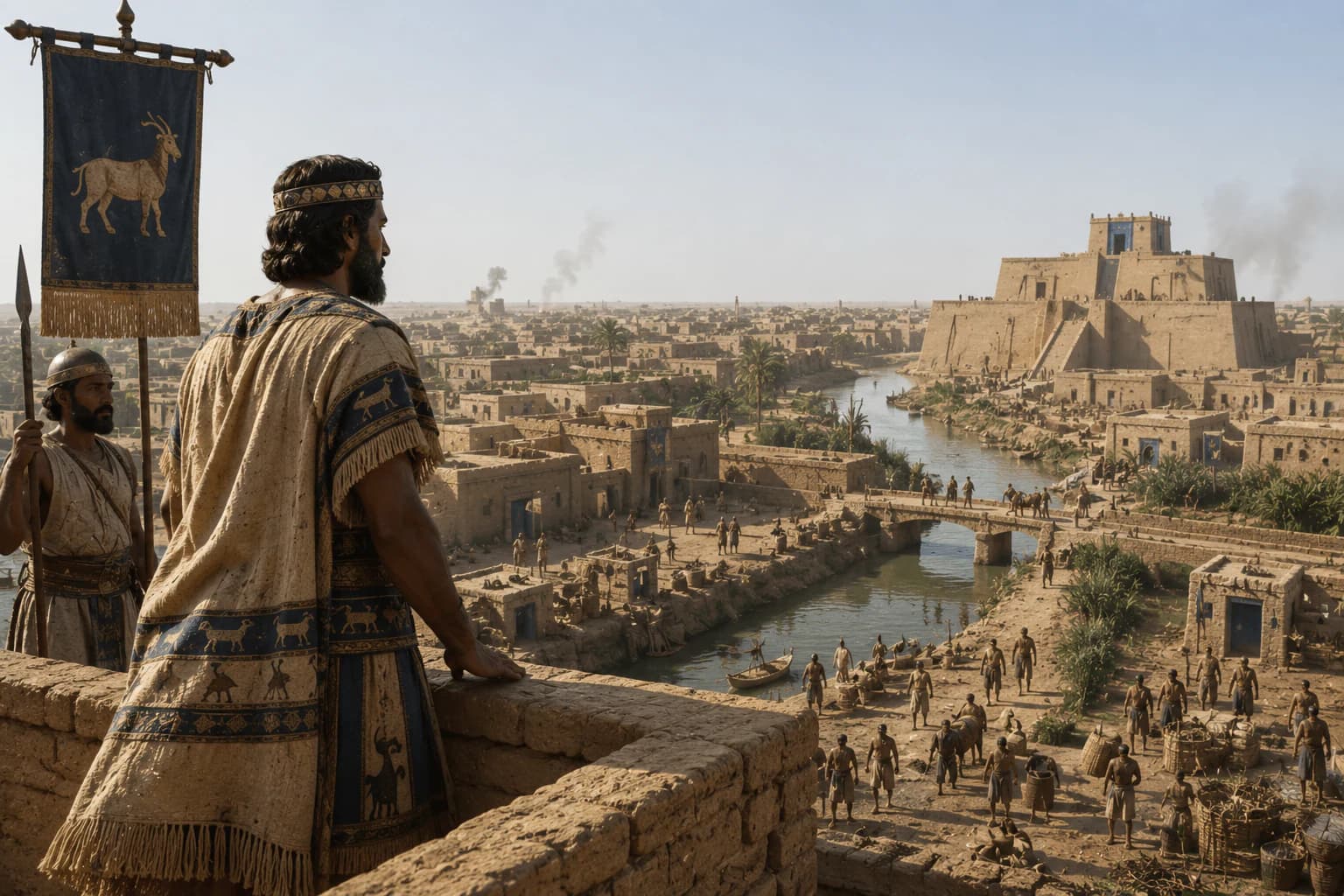
To manage these pressures, cities developed kings. A king organized the army, administered resources, and presented himself as the favorite of the city's patron god.

The god did not just bless the king. In Sumerian belief, the god owned the city. The king managed the land on the god's behalf. This made politics inseparable from religion.

Wars between city-states were therefore partly religious competitions, a test of whose god was stronger and whose king had earned divine support.

This system established a political pattern that would repeat for centuries: Sumerian city-states tied kingship to divine authority and justified rule through military success, temple administration, irrigation, trade, and writing.

Kingship Becomes Sacred
2600 BCE
Step 5 of 102600 BCEAccessible mode

Kingship Becomes Sacred

Around 2600 BCE, rulers began cementing their power through monuments, religion, and elaborate ritual.

A king's authority was not just military. It had to be seen, performed, and felt. Grand temples, royal burials, and public ceremonies all communicated that the king was chosen by the gods.

Temple complexes grew larger and more elaborate. The ziggurat, a stepped tower dedicated to the city's god, became the visual symbol of royal piety and divine presence.

Royal burials at show extreme wealth, with kings and queens interred alongside retinues of servants, musicians, and soldiers, sometimes sacrificed to accompany their rulers into the afterlife.

These rituals sent a clear message: this ruler was not ordinary. Their connection to the divine placed them above normal society.

The king was also portrayed as the protector of the city, defending it from enemies and interceding with the gods during crisis or drought.

This fusion of religious authority and political power set a template that later rulers across the ancient world would copy.

Sargon Builds an Empire
2334 BCE
Step 6 of 102334 BCEAccessible mode

Sargon Builds an Empire

Around 2334 BCE, a ruler named Sargon of Akkad did something entirely new: he conquered city after city and kept them under a single government.

Before Sargon, rulers might defeat rivals, but they rarely held territory beyond their own city and its region for long.

Sargon built a permanent military force and loyal administrators who governed conquered cities in his name, not their own.

He also extended his reach far beyond , campaigning into Syria, , and possibly even further, linking trade routes and resources under one authority.

To hold this empire together, Sargon promoted a new ideology: he was not just the king of one city, he was ruler of all the land, chosen by the gods to govern everywhere.

He installed his own daughter as high priestess of the moon god at , using religion as a political tool to bind conquered cities to his dynasty.

Sargon created a model of empire that later rulers would copy for centuries: military expansion, centralized administration, and ideology designed to make vast rule feel legitimate.

The Third Dynasty of Ur
2112 BCE
Step 7 of 102112 BCEAccessible mode

The Third Dynasty of Ur

After the Akkadian Empire collapsed, a new dynasty based at rebuilt centralized power, this time through administration rather than just conquest.

The Third Dynasty of Ur, beginning around 2112 BCE, created one of history's most documented early bureaucracies. Tens of thousands of clay tablets survive recording its activities.

The state organized labor teams to build canals, temples, and city walls. Workers were assigned tasks, given rations, and their output was carefully tracked.

Taxation was systematic. Produce from across the kingdom flowed into state storehouses, which then redistributed resources to temples, palaces, and workers.

The king also sponsored major building projects, especially great ziggurats at and other cities, visible expressions of royal power and divine favor.

This period shows that state power is not just about armies. Controlling information, managing labor, and recording resources can be just as important.

The Ur III state was so intensively managed that historians sometimes describe it as resembling a planned economy, organized from the top down with remarkable detail.

Hammurabi and Written Law
1754 BCE
Step 8 of 101754 BCEAccessible mode

Hammurabi and Written Law

Around 1754 BCE, the Babylonian king Hammurabi had his laws carved onto a tall stone pillar and placed in a public temple for all to see.

Hammurabi's Code was not the first set of laws in , but it was the most comprehensive and the most famous. It covered property, trade, debt, family, and crime.

The punishments varied by social status. A free citizen, a dependent worker, and a slave were treated differently for the same offence.

The code also regulated everyday economic life: wages for workers, fees for doctors, prices for services. Society was presented as an ordered system with rules for everyone.

The political message was clear. Hammurabi declared that the god Marduk had chosen him to bring justice to the land. Law was presented as divine will enacted through a worthy king.

This was important: by making law public and permanent, Hammurabi claimed that his authority rested on justice, not just force.

The idea that rulers should govern by written law, and that law should be knowable and consistent, is one of 's lasting contributions to human civilization.

Assyria Perfects Imperial Power
745 BCE
Step 9 of 10745 BCEAccessible mode

Assyria Perfects Imperial Power

From around 745 BCE, the Neo-Assyrian Empire became the most powerful state the ancient Near East had ever seen.

Under kings like Tiglath-Pileser III, the Assyrians reformed their military into a professional, permanent army equipped with siege weapons, cavalry, and iron weapons.

When they conquered a territory, they did not simply raid and leave. They installed governors, collected taxes, and integrated the region into a permanent administrative system.

They also practised mass deportation, moving conquered populations to different parts of the empire to break local loyalties and mix communities.

Royal propaganda played a central role. Enormous carved palace reliefs showed the king hunting lions, defeating enemies, and receiving tribute, declaring his power visually and permanently.

Fear was a deliberate tool. The Assyrians publicized their brutality in inscriptions to discourage resistance, making reputation part of their military strategy.

Assyria shows how empire can be systematized: not just conquest, but permanent occupation, administration, propaganda, and the deliberate management of subject populations.

Babylon Becomes a World Capital
605 BCE
Step 10 of 10605 BCEAccessible mode

Babylon Becomes a World Capital

After the Assyrian Empire fell, rose to become one of the greatest cities in the ancient world under Nebuchadnezzar II.

Nebuchadnezzar rebuilt on a monumental scale. The city had great walls, palaces, temples, and the famous Ishtar Gate decorated with glazed blue tiles.

At its center stood the great ziggurat of Marduk, called Etemenanki, a stepped tower so impressive it may have inspired the biblical story of the Tower of Babel.

was a world capital in more than size. It was a center of trade, scholarship, astronomy, and religion, drawing people from across the known world.

The city's scholars preserved and advanced knowledge: mathematical tables, astronomical records, medical texts, and literary works including the Epic of Gilgamesh.

When the Persian king Cyrus conquered in 539 BCE, he did not destroy it. He presented himself as its liberator and worshipper of Marduk, recognizing its cultural authority.

's legacy did not end with 's fall. Its cities, writing, law, and ideas of kingship shaped civilizations for centuries and still echo in how we organize states today.

Continue reading

Finished Ancient Mesopotamia?

Choose the next story, explore the people behind this one, or trace the line of power that shaped this world.

Browse stories

References

Sources & Further Reading

Reliable sources, primary-source collections and reading paths connected to this page.

Sources used

  1. World History Encyclopedia, Mesopotamia,” Open source
  2. The British Museum, Mesopotamia,” Open source

Further reading

  1. Marc Van De Mieroop, A History of the Ancient Near East, Wiley Blackwell.

Primary sources

  1. Cuneiform Digital Library Initiative, CDLI collections,” Open source

A weekly route through history

Find out first about the latest published stories, feature notes and occasional Premium offers in one weekly email.