People

Saul

Saul was the first king of Israel in the biblical tradition. His reign marked the move from tribal judges to monarchy, his conflict with Samuel and David, and his death fighting the Philistines at Mount Gilboa.

Born
1050 BCE
Died
1010 BCE
Role
First King of Israel

First King of Israel (1050 BC–1010 BC)

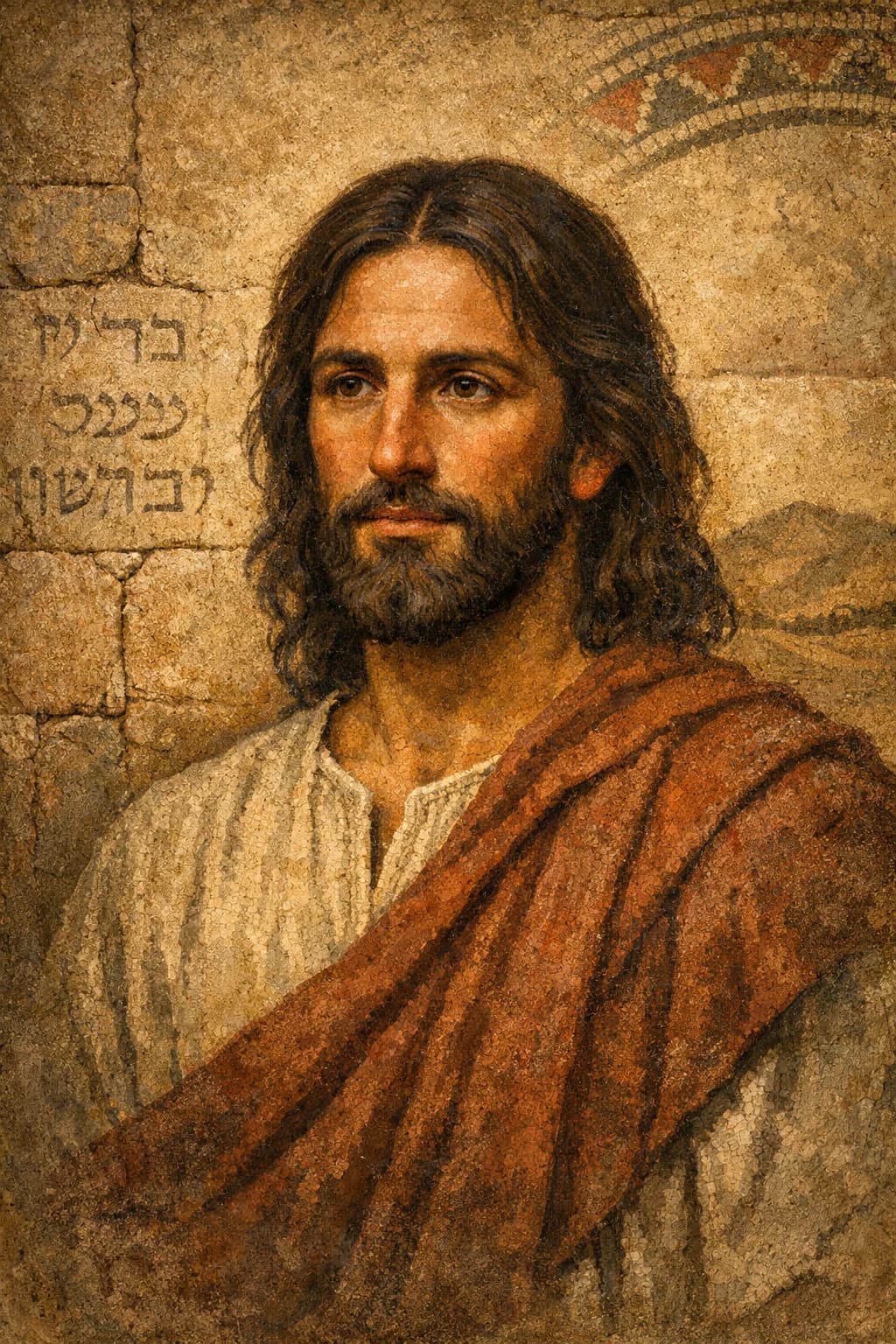
Portrait of Saul in ancient Israelite royal attire
Facts

Saul timeline facts

Selected specifics from this profile's life story.

c. 1050 BCE
Humble Origins

Saul is presented in the Hebrew Bible as a Benjaminite from Gibeah, emerging from a small tribal world before Israel had a stable monarchy.

later reign
Growing Pressure

Saul struggled to define kingship under prophetic authority, especially in stories where Samuel condemned his sacrifices and incomplete obedience.

late reign
Decline in Stability

Saul's later reign is marked by paranoia, violence, the killing of priests at Nob, and a desperate consultation with the medium of Endor.

after 1010 BCE
Legacy of First King

Saul's legacy is that of Israel's first king: a necessary founder in the biblical story, but also a warning about fear, obedience, legitimacy, and power.

Life Journey

From chosen leader to a reign marked by struggle and decline

Follow the story in a more continuous narrative, with a reading mode that matches how much depth you want.

c. 1050 BCE

Humble Origins

Saul is presented in the Hebrew Bible as a Benjaminite from Gibeah, emerging from a small tribal world before Israel had a stable monarchy.

c. 1020 BCE

Chosen as King

According to the biblical account, the prophet Samuel anointed Saul after the people demanded a king to lead them like other nations.

c. 1010s BCE

Early Success

Saul's rescue of Jabesh-Gilead from the Ammonites gave his kingship immediate legitimacy and showed why central military leadership appealed to Israel.

later reign

Growing Pressure

Saul struggled to define kingship under prophetic authority, especially in stories where Samuel condemned his sacrifices and incomplete obedience.

later reign

Conflict with Authority

Samuel's rejection of Saul shifted the story from royal foundation to royal failure, opening the way for David's secret anointing.

late reign

Rival Emerges

David's victory over Goliath and growing popularity made him both Saul's servant and perceived rival, intensifying the king's fear of replacement.

late reign

Decline in Stability

Saul's later reign is marked by paranoia, violence, the killing of priests at Nob, and a desperate consultation with the medium of Endor.

c. 1010 BCE

Final Battle

Saul died after defeat by the Philistines on Mount Gilboa, where his sons, including Jonathan, were also killed.

after 1010 BCE

Legacy of First King

Saul's legacy is that of Israel's first king: a necessary founder in the biblical story, but also a warning about fear, obedience, legitimacy, and power.

Continue in context

Connected stories

Move from the profile into the wider events and settings this figure belongs to.

Tertiary paths

Content note

This profile is written for educational use and connects to related Stories of History pages. Illustrations are original artistic interpretations.

References

Sources & Further Reading

Reliable reference works, archives and reading paths connected to this profile.

Further reading

  1. Encyclopaedia Britannica, Search results for Saul,” accessed June 2026.Open source
  2. WorldCat, Books and library holdings for Saul,” accessed June 2026.Open source

Primary sources

  1. Library of Congress, Search results for Saul,” accessed June 2026.Open source

A weekly route through history

Find out first about the latest published stories, feature notes and occasional Premium offers in one weekly email.