People

Solon

Solon was an Athenian lawgiver, poet and statesman of the early 6th century BC. His reforms abolished debt slavery, reorganised citizenship, widened legal participation and helped prepare the ground for Athenian democracy.

Born
638 BCE
Died
558 BCE
Role
Athenian lawgiver

Athenian lawgiver (c. 638–558 BC)

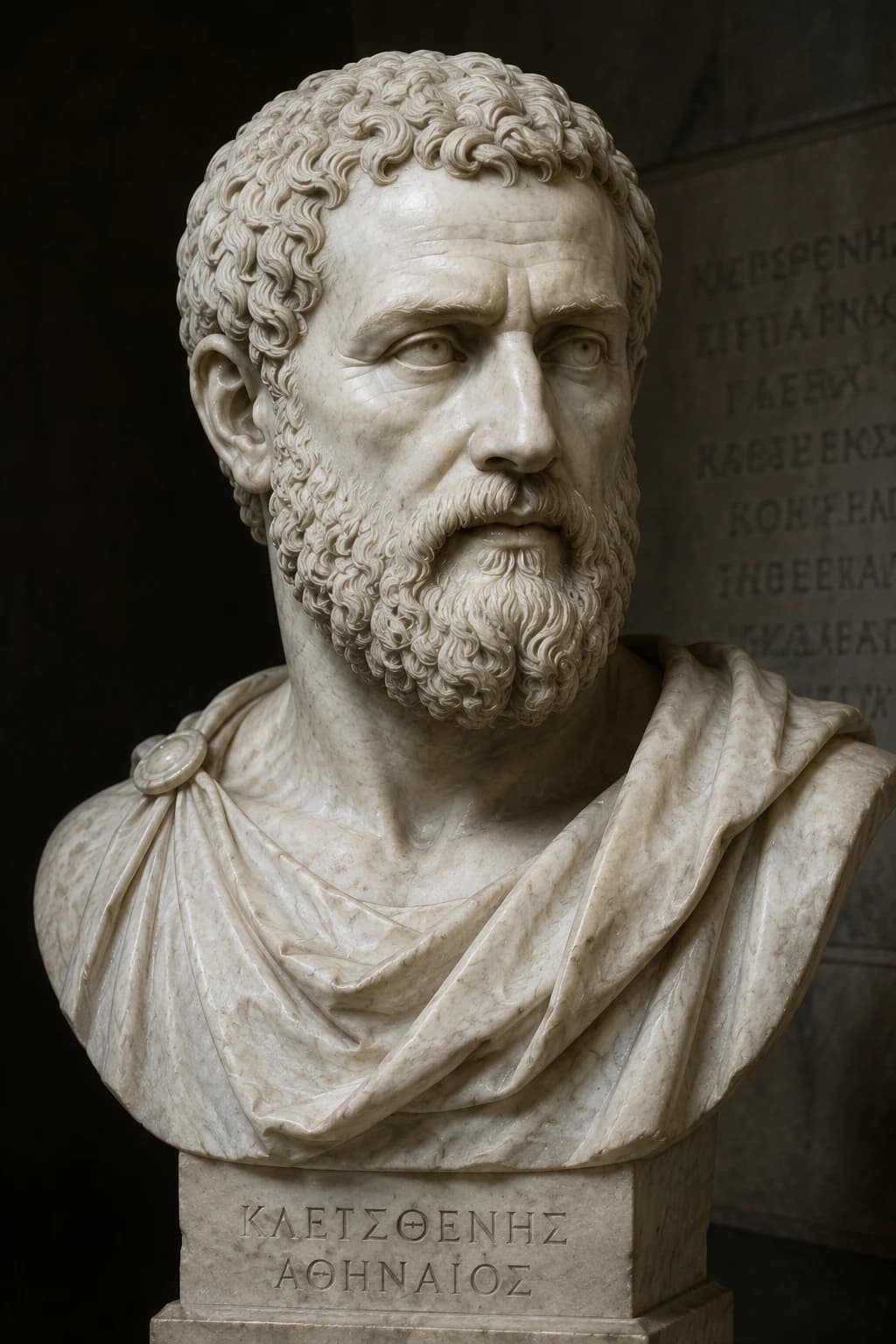
Portrait of Solon, Athenian lawgiver
Quick facts

Profile details

Additional identity and tagging details that are not already covered in the introduction.

Also known as
Solon of Athens
Facts

Solon timeline facts

Selected specifics from this profile's life story.

c. 638 BC–600 BC
Poet and merchant

Solon was born into a respected but not lavishly wealthy Athenian family, becoming known as a merchant, traveller and poet before his political career.

594 BC
The Seisachtheia

Solon's most dramatic reform — the Seisachtheia, or 'shaking off of burdens' — cancelled all debts secured on the person of the debtor and freed those who had been enslaved for debt.

c. 590 BC–580 BC
Solon and Croesus

Ancient tradition records Solon's visit to the court of Croesus of Lydia, where his refusal to call Croesus the happiest of men became a famous parable about the fragility of fortune.

After 558 BC
Father of Athenian democracy

Solon is remembered as one of the Seven Sages of Greece and as the reformer whose laws made later Athenian democracy possible, though not inevitable.

Life Journey

Reform, restraint, and the roots of democracy

Follow the story in a more continuous narrative, with a reading mode that matches how much depth you want.

c. 638 BC–600 BC

Poet and merchant

Solon was born into a respected but not lavishly wealthy Athenian family, becoming known as a merchant, traveller and poet before his political career.

c. 600 BC

The Salamis episode

Solon rallied Athenian morale through his poetry during a dispute with Megara over the island of Salamis, establishing his public reputation as a patriotic and persuasive voice.

594 BC

Elected archon and reformer

In 594 BC, with Athens near civil conflict, Solon was chosen as archon and mediator by factions that each hoped he would settle the crisis in their favour.

594 BC

The Seisachtheia

Solon's most dramatic reform — the Seisachtheia, or 'shaking off of burdens' — cancelled all debts secured on the person of the debtor and freed those who had been enslaved for debt.

594 BC

Constitutional reforms

Solon widened Athenian civic life by strengthening the assembly, opening appeal to popular courts and making officials more answerable to citizens.

594 BC–584 BC

Voluntary departure

After enacting his reforms, Solon left Athens for ten years of travel, reportedly to prevent anyone from pressuring him to change or interpret his laws.

c. 590 BC–580 BC

Solon and Croesus

Ancient tradition records Solon's visit to the court of Croesus of Lydia, where his refusal to call Croesus the happiest of men became a famous parable about the fragility of fortune.

c. 584 BC–558 BC

Return and final years

Solon returned to Athens and spent his final years as an elder statesman, reportedly speaking out against the rise of Pisistratus while acknowledging that the Athenians had brought it on themselves.

After 558 BC

Father of Athenian democracy

Solon is remembered as one of the Seven Sages of Greece and as the reformer whose laws made later Athenian democracy possible, though not inevitable.

Continue in context

Connected stories

Move from the profile into the wider events and settings this figure belongs to.

Tertiary paths

Content note

This profile is written for educational use and connects to related Stories of History pages. Illustrations are original artistic interpretations.

References

Sources & Further Reading

Reliable reference works, archives and reading paths connected to this profile.

Further reading

  1. Encyclopaedia Britannica, Search results for Solon,” accessed June 2026.Open source
  2. WorldCat, Books and library holdings for Solon,” accessed June 2026.Open source

Primary sources

  1. Library of Congress, Search results for Solon,” accessed June 2026.Open source

A weekly route through history

Find out first about the latest published stories, feature notes and occasional Premium offers in one weekly email.