1916-1937
California ambition
Robert Strange McNamara was born in San Francisco on June 9, 1916, and came of age in a world where business, engineering and public policy were beginning to speak the language of measurement.
Robert McNamara was an American defense secretary and World Bank president who served John F. Kennedy and Lyndon B. Johnson from 1961 to 1968. He modernised Pentagon management, shaped nuclear strategy during the Cold War, became central to the escalation of the Vietnam War, and later tried to redirect his reputation through global development work at the World Bank.
American defense secretary and World Bank president (1916-2009)

Additional identity and tagging details that are not already covered in the introduction.
Selected specifics from this profile's life story.
Robert Strange McNamara was born in San Francisco on June 9, 1916, and came of age in a world where business, engineering and public policy were beginning to speak the language of measurement.
After the war, McNamara joined Ford Motor Company as one of the Whiz Kids and became Ford president in 1960, the first person outside the Ford family to hold the post.
By the mid-1960s, McNamara privately questioned whether the war could be won at acceptable cost, but publicly defended administration policy.
McNamara died in Washington, D.C., on July 6, 2009. His legacy remains bound to the promise and danger of technocratic power.
Follow the story in a more continuous narrative, with a reading mode that matches how much depth you want.
Robert Strange McNamara was born in San Francisco on June 9, 1916, and came of age in a world where business, engineering and public policy were beginning to speak the language of measurement.
During World War II, McNamara served in the U.S. Army Air Forces, where he worked on statistical control for bombing operations.
After the war, McNamara joined Ford Motor Company as one of the Whiz Kids and became Ford president in 1960, the first person outside the Ford family to hold the post.
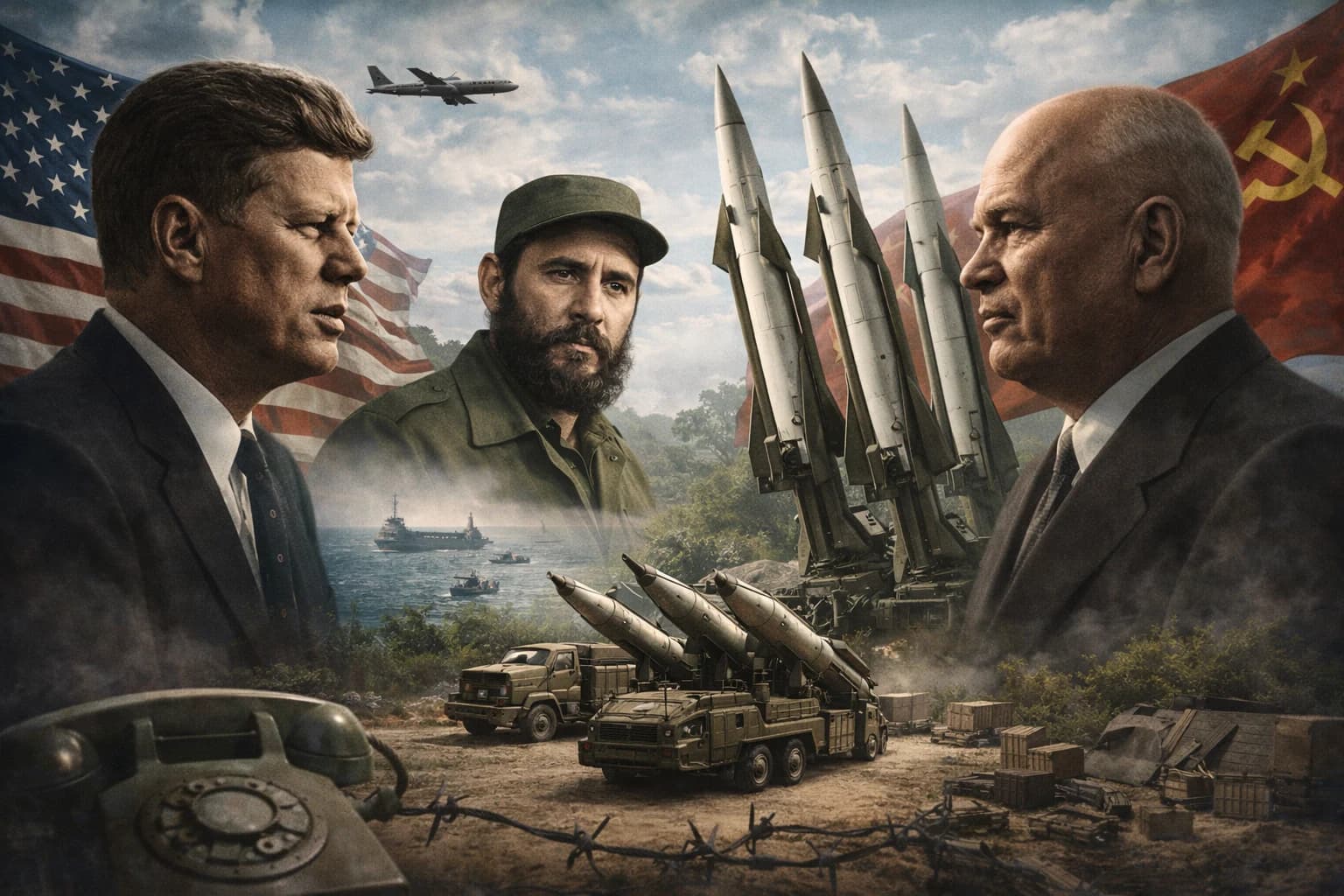
Kennedy appointed McNamara secretary of defense in January 1961. He reorganised Pentagon decision-making and became one of the most powerful civilian defense chiefs in U.S. history.
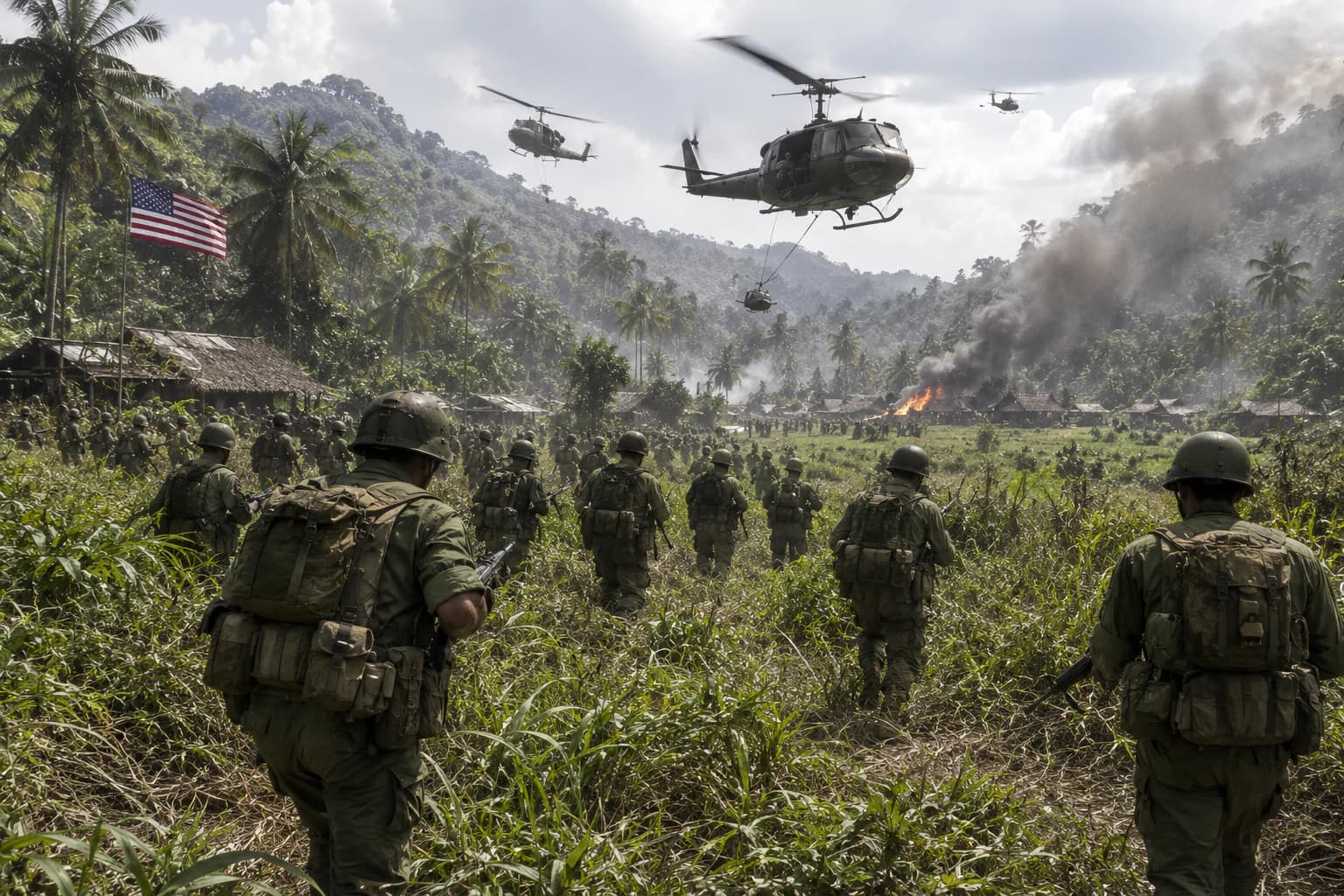
McNamara became one of the chief architects of deeper American involvement in Vietnam, first through advisers and then through large-scale military escalation under Johnson.
By the mid-1960s, McNamara privately questioned whether the war could be won at acceptable cost, but publicly defended administration policy.
After leaving the Pentagon, McNamara became president of the World Bank, where he shifted attention toward poverty reduction, development lending and global inequality.
McNamara died in Washington, D.C., on July 6, 2009. His legacy remains bound to the promise and danger of technocratic power.
Move from the profile into the wider events and settings this figure belongs to.
This profile is written for educational use and connects to related Stories of History pages. Illustrations are original artistic interpretations.
Find out first about the latest published stories, feature notes and occasional Premium offers in one weekly email.