People

Perdiccas

Perdiccas was a Macedonian general under Alexander the Great and regent after Alexander's death in 323 BC. His authority over the empire was contested by other Successors, and he was murdered during a failed campaign against Ptolemy in Egypt in 320 BC.

Died
320 BCE
Role
Macedonian general

Macedonian regent (d. 320 BC)

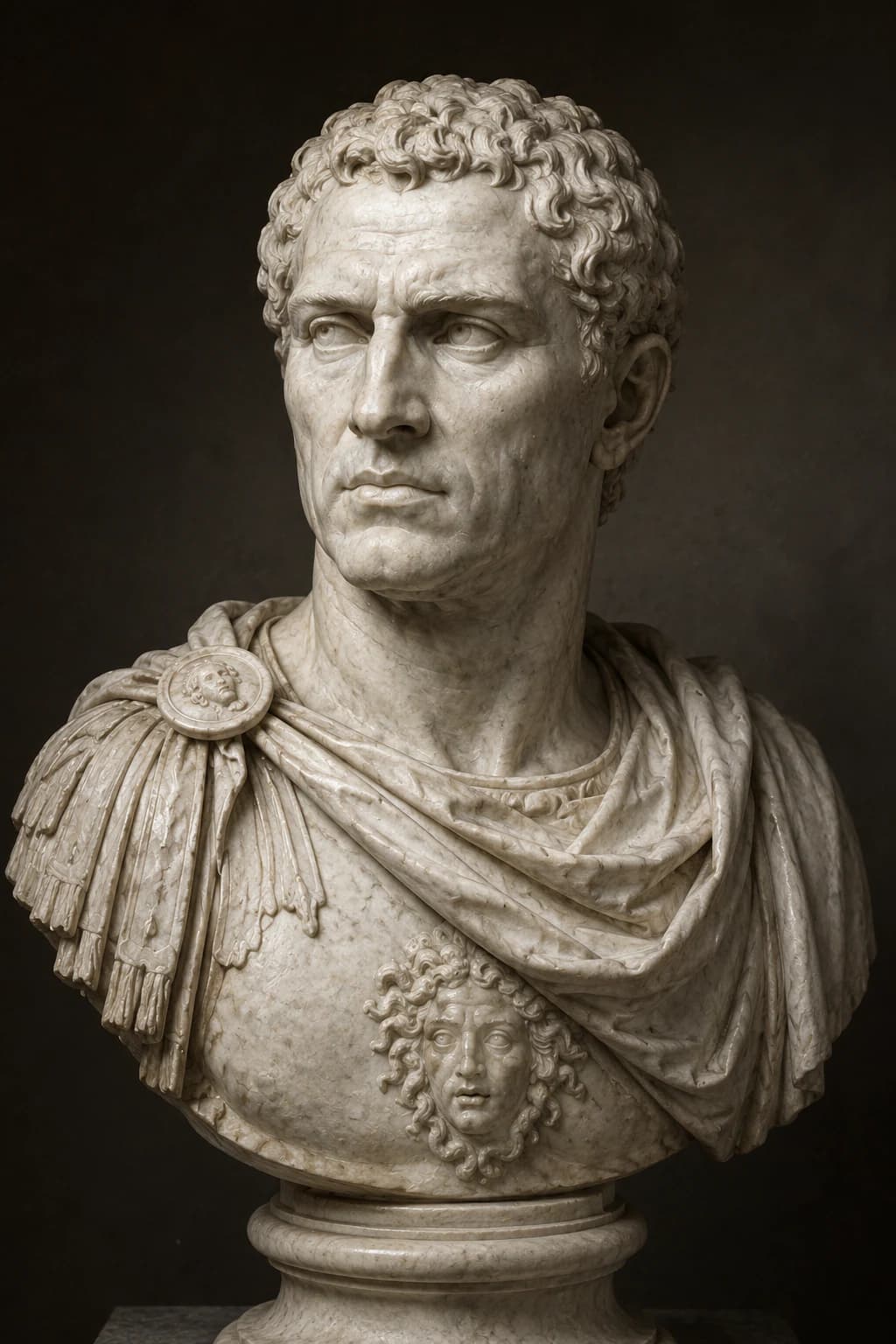
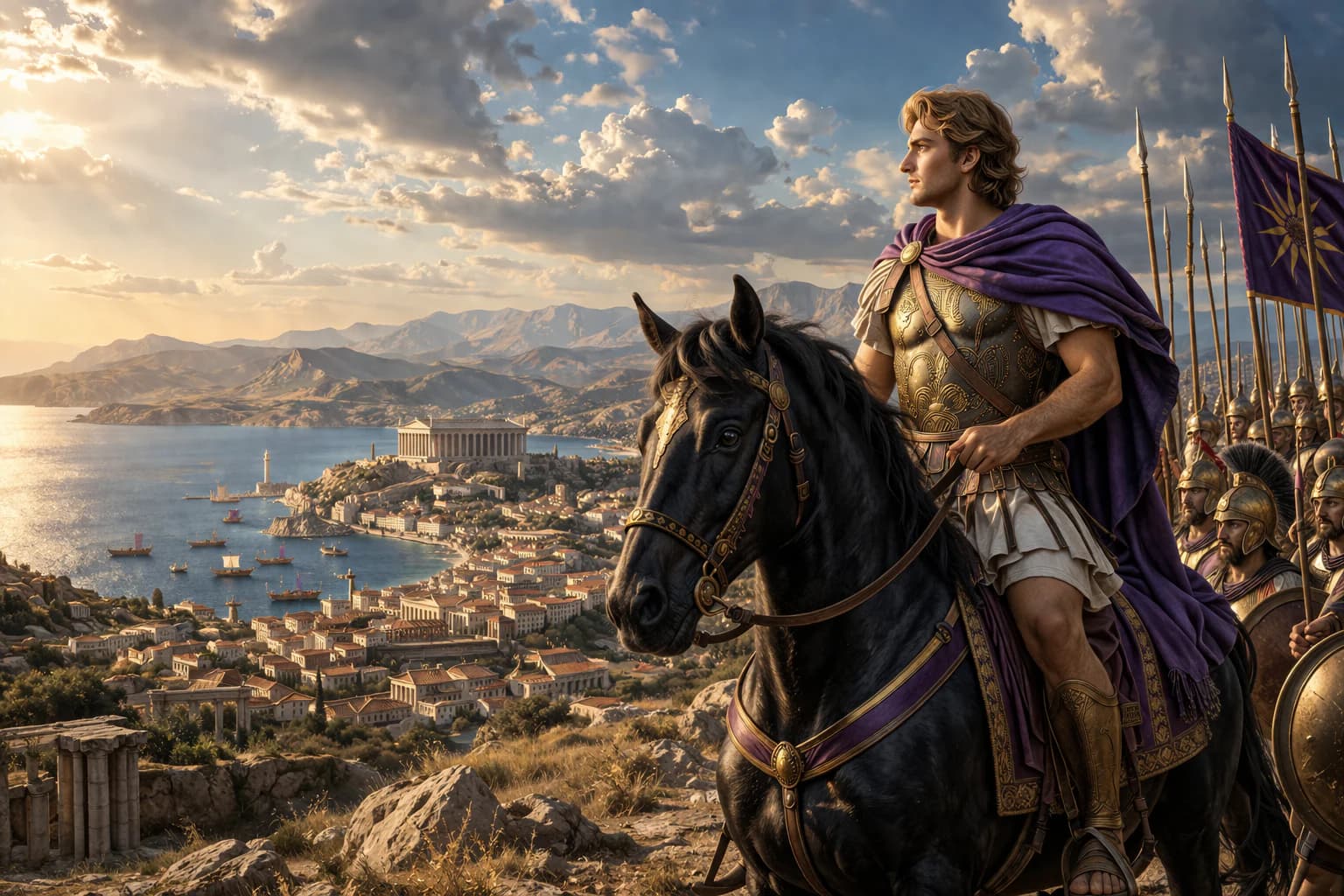
AI-generated portrait of Perdiccas in Macedonian military dress
AI-assisted historical reconstruction

An illustrative reconstruction based on historical context. It is not a photograph or documentary likeness. Image policy

Quick answer

Perdiccas was a Macedonian general under Alexander the Great and regent after Alexander's death in 323 BC. His authority over the empire was contested by other Successors, and he was murdered during a failed campaign against Ptolemy in Egypt in 320 BC.

Died
320 BCE
Role
Macedonian general
Years
Died 320 BCE
Quick facts

Profile details

Additional identity and tagging details that are not already covered in the introduction.

Region
Macedon, Egypt, Asia, Macedonian Empire
Facts

Perdiccas timeline facts

Selected specifics from this profile's life story.

334-323 BC
Alexander's officer

Perdiccas served as one of Alexander's important officers during the campaigns that destroyed the Persian Empire.

323 BC
Regent after Babylon

After Alexander died at Babylon, Perdiccas became regent for the nominal kings Philip III Arrhidaeus and Alexander IV.

322-321 BC
Against the Successors

Perdiccas tried to defend central authority, but powerful commanders such as Ptolemy treated their territories as personal power bases.

320 BC
Failure in Egypt

Perdiccas invaded Egypt to defeat Ptolemy, but the campaign failed and his own officers murdered him.

Life Journey

The regent who could not hold Alexander's empire

Follow Perdiccas from trusted commander to the first major casualty of the Successor wars.

Complete chronology

334-323 BC

Alexander's officer

Perdiccas rose within the Macedonian command structure during Alexander's campaigns. Like other senior officers, he gained authority through battlefield service, proximity to the king, and command over troops who had marched from Macedon to the edges of India. His standing mattered in 323 BC because Alexander's empire had no settled rules for succession. Men like Perdiccas were not simply generals anymore; they were the people who controlled armies, treasuries, and access to the royal family.
323 BC

Regent after Babylon

Alexander died in Babylon in 323 BC without an adult heir. The settlement that followed tried to preserve unity by naming Alexander's half-brother Philip III Arrhidaeus and unborn son Alexander IV as kings. Real power, however, fell to senior commanders. Perdiccas emerged as regent, a position that made him guardian of the royal authority but also the chief obstacle to every general who wanted independent control of a province.

322-321 BC

Against the Successors

Perdiccas's regency depended on convincing other generals that the empire still had a center. That was increasingly unrealistic. Ptolemy secured Egypt and seized Alexander's body, turning the dead king into a symbol of legitimacy for his own regime. Antigonus, Antipater, and others also resisted any arrangement that made them subordinate. Perdiccas had authority in theory, but the Successors had armies and territory in practice.

320 BC

Failure in Egypt

Perdiccas's campaign against Egypt exposed the weakness of his position. Crossing into Ptolemy's territory was difficult, and failed operations near the Nile damaged morale. His officers lost confidence and murdered him in 320 BC. His death removed the strongest advocate of imperial unity and accelerated the fragmentation of Alexander's empire. After Perdiccas, the Successor wars became openly about rival kingdoms rather than preserving one empire.

Continue in context

Connected stories

Move from the profile into the wider events and settings this figure belongs to.

Tertiary paths

Content note

This profile is written for educational use and connects to related Stories of History pages. The main portrait is an AI-assisted historical reconstruction, included as an illustrative aid rather than documentary evidence. Image policy

References

Sources & Further Reading

Reliable reference works, archives and reading paths connected to this profile.

Further reading

  1. Encyclopaedia Britannica, Search results for Perdiccas,” accessed June 2026.Open source
  2. WorldCat, Books and library holdings for Perdiccas,” accessed June 2026.Open source

Primary sources

  1. Library of Congress, Search results for Perdiccas,” accessed June 2026.Open source

Reviewed claim sources

Loading reviewed claim sources...

A weekly route through history

Find out first about the latest published stories, feature notes and occasional Premium offers in one weekly email.