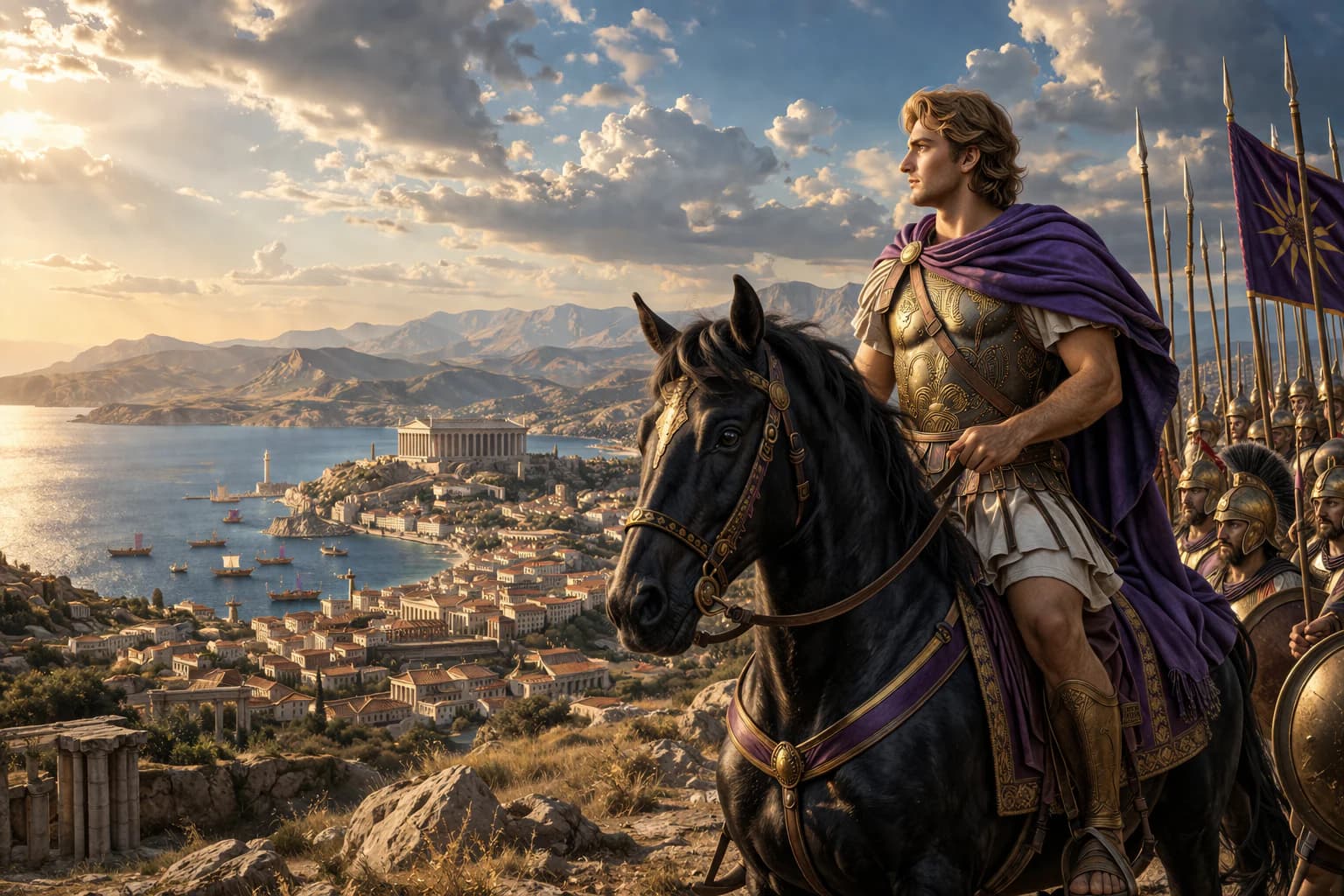
334-323 BC
In Alexander's army
Seleucus served in Alexander's campaigns and became one of the commanders positioned to inherit power after 323 BC.
Seleucus I Nicator was a Macedonian general and Successor of Alexander the Great. He recovered Babylon in 312 BC, founded the Seleucid Empire, created new cities including Seleucia and Antioch, and died in 281 BC.
Founder of the Seleucid Empire (c. 358 BC-281 BC)
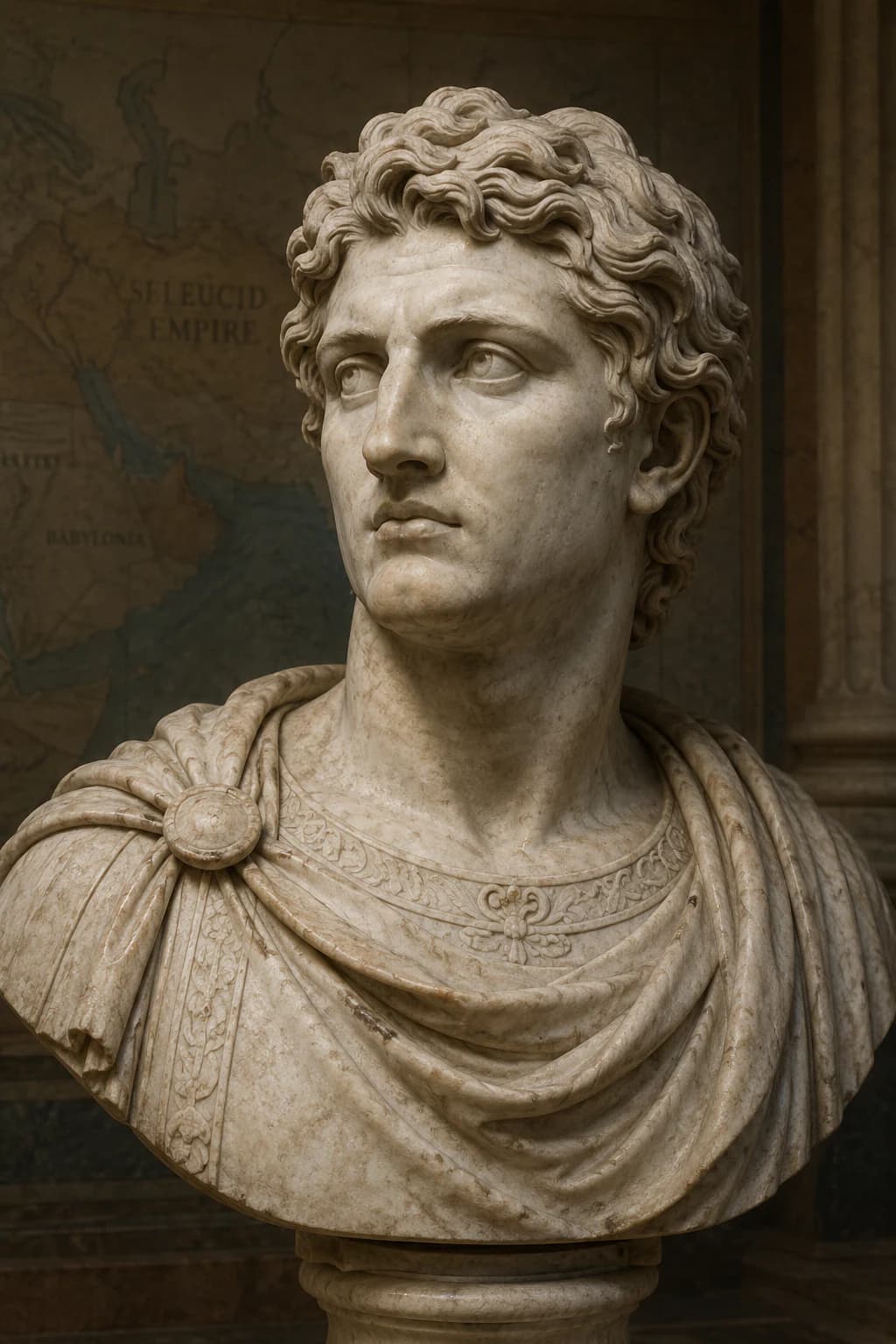
Additional identity and tagging details that are not already covered in the introduction.
Selected specifics from this profile's life story.
Seleucus served in Alexander's campaigns and became one of the commanders positioned to inherit power after 323 BC.
Seleucus regained Babylon in 312 BC, a date later treated as the beginning of the Seleucid era.
Seleucus founded cities and governed a vast kingdom that stretched through Syria, Mesopotamia, Persia, and parts of Central Asia.
Seleucus died in 281 BC, but his dynasty shaped western Asia for generations through cities, armies, courts, and cultural exchange.
Follow Seleucus from Alexander's army to the creation of the Seleucid Empire.
Seleucus served in Alexander's campaigns and became one of the commanders positioned to inherit power after 323 BC.
Seleucus regained Babylon in 312 BC, a date later treated as the beginning of the Seleucid era.
Seleucus founded cities and governed a vast kingdom that stretched through Syria, Mesopotamia, Persia, and parts of Central Asia.
Seleucus died in 281 BC, but his dynasty shaped western Asia for generations through cities, armies, courts, and cultural exchange.
Move from the profile into the wider events and settings this figure belongs to.
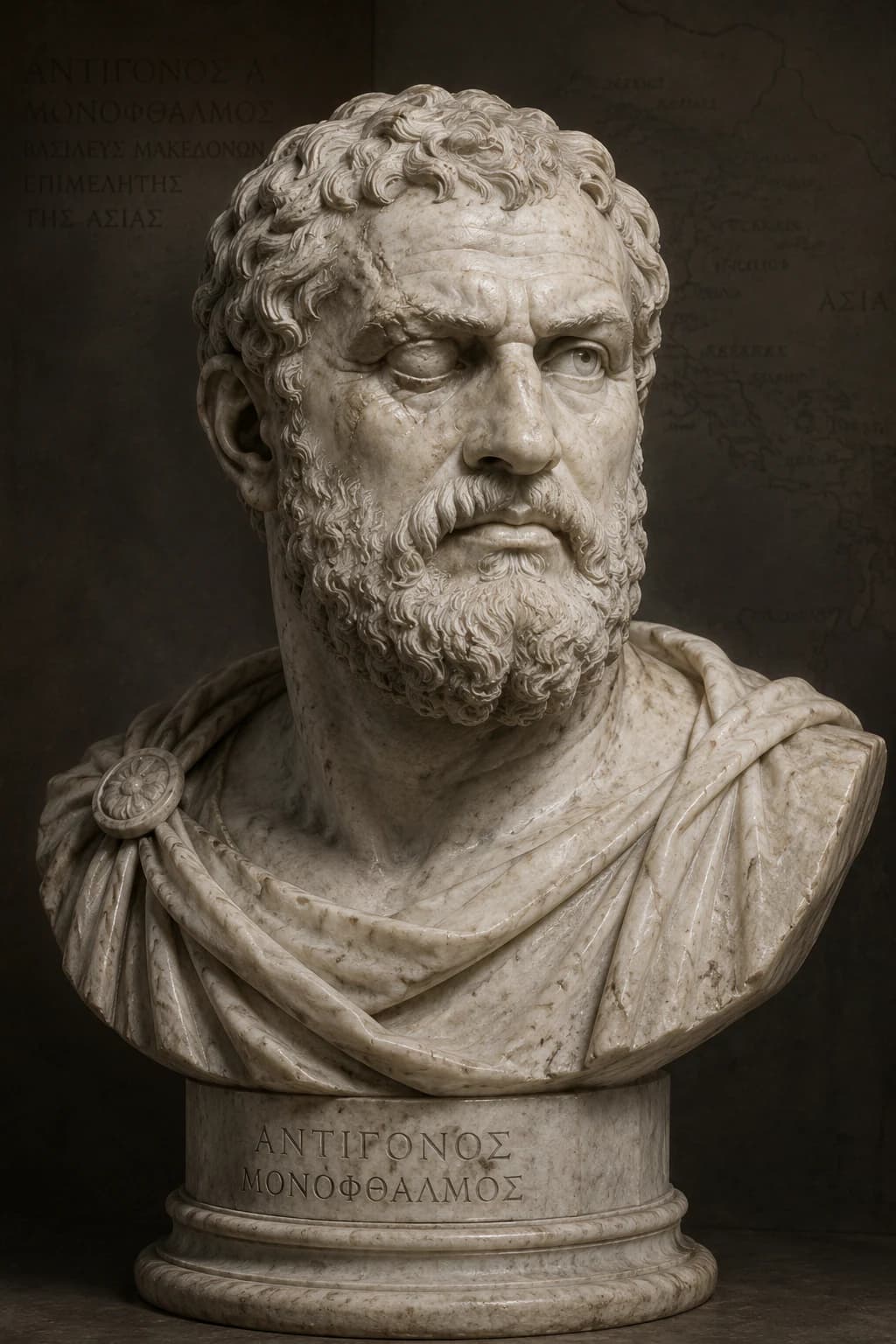
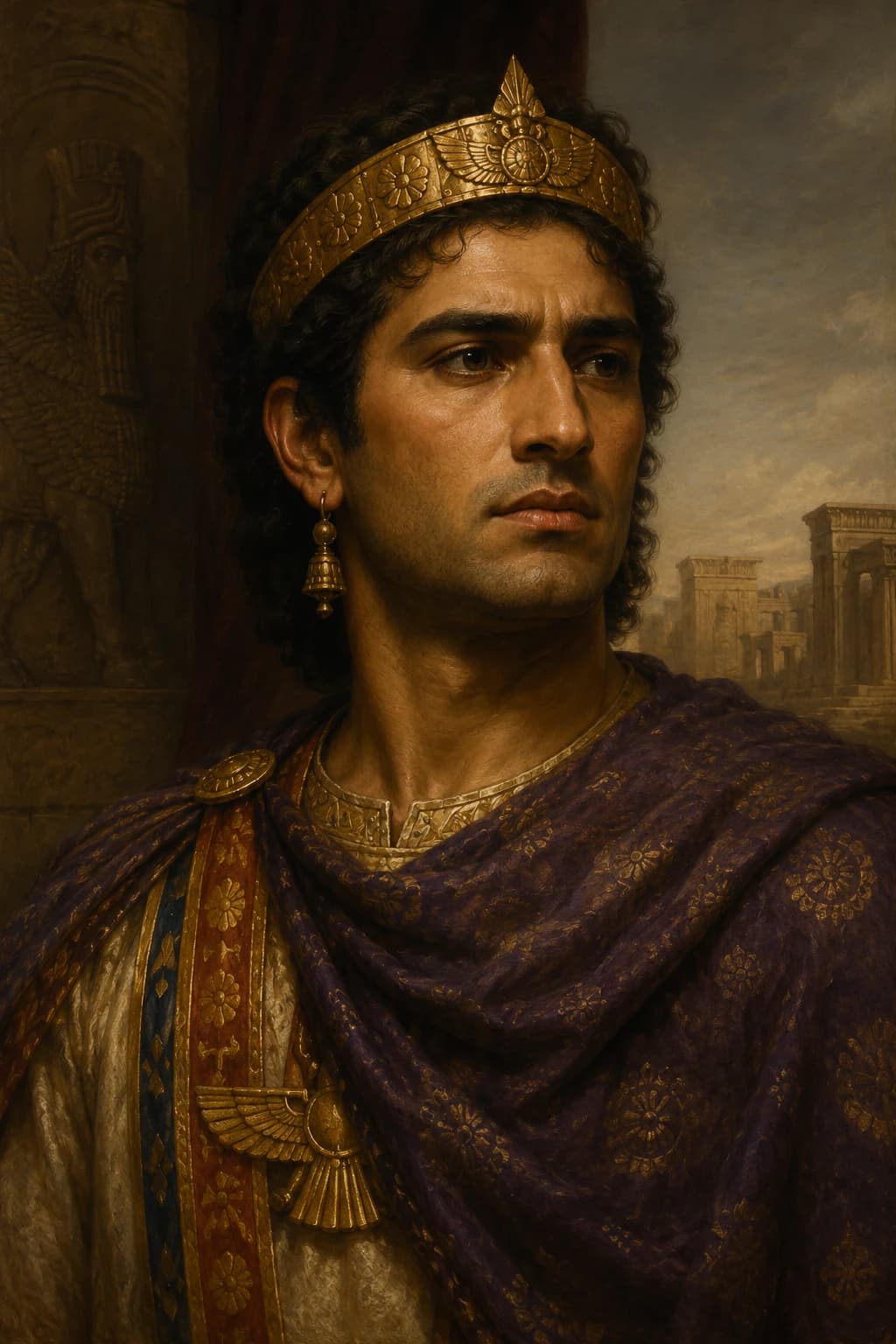
This profile is written for educational use and connects to related Stories of History pages. Illustrations are original artistic interpretations.
Find out first about the latest published stories, feature notes and occasional Premium offers in one weekly email.