People
Historical Figures
Explore famous historical figures and important people in history, from rulers and generals to thinkers, scientists, reformers and religious leaders. Use this hub to browse influential historical figures by era, region, role and country, or follow their biographies, timelines and connected stories.
Medieval Period Historical Figures
Use the filters on the right to narrow the figure index while keeping the main results in view.
84 results
A
4 figures
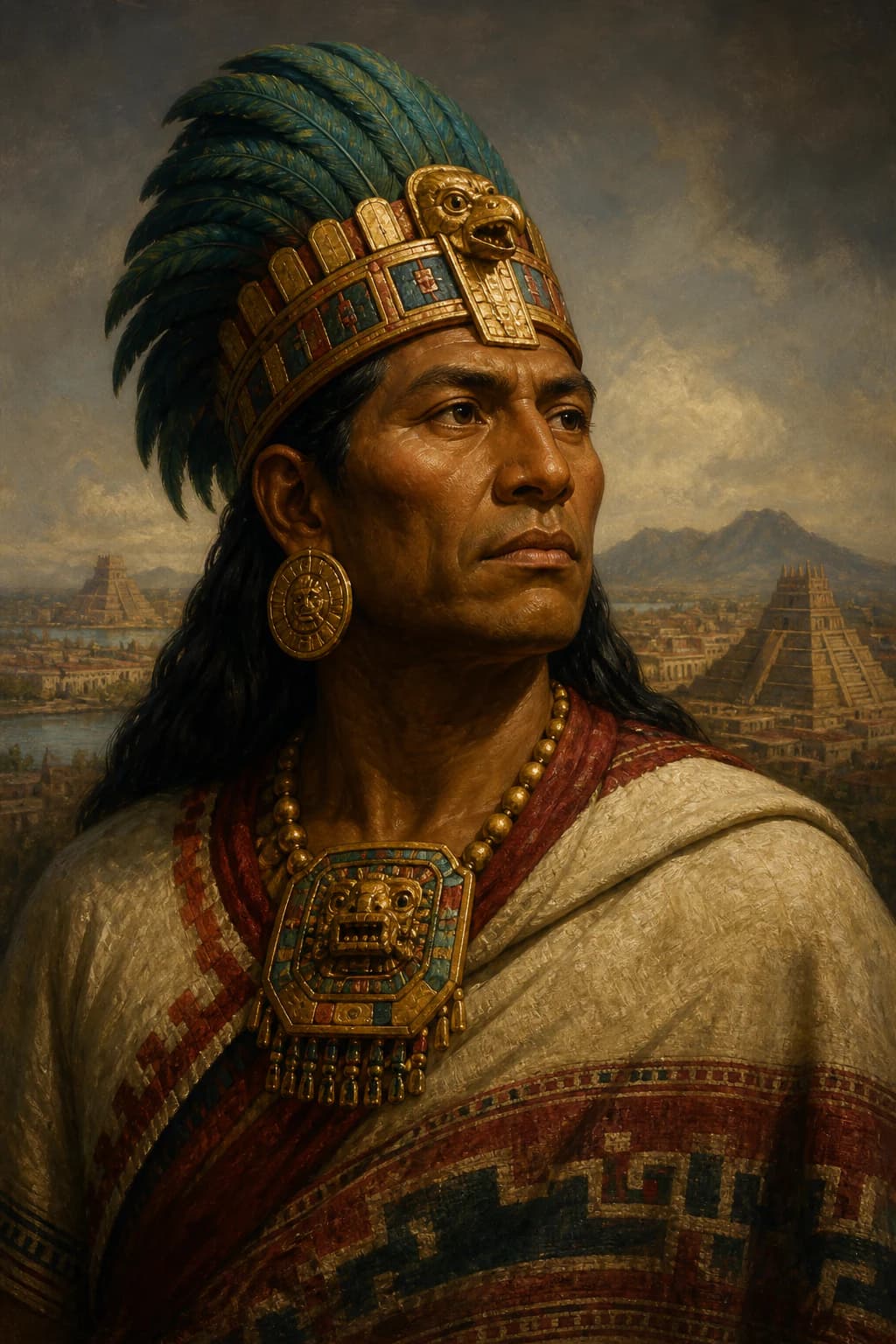
Ahuitzotl
He drove Aztec power farther than any ruler before him, expanding tribute, sacrifice, wealth, and the imperial pressures Moctezuma II would inherit.
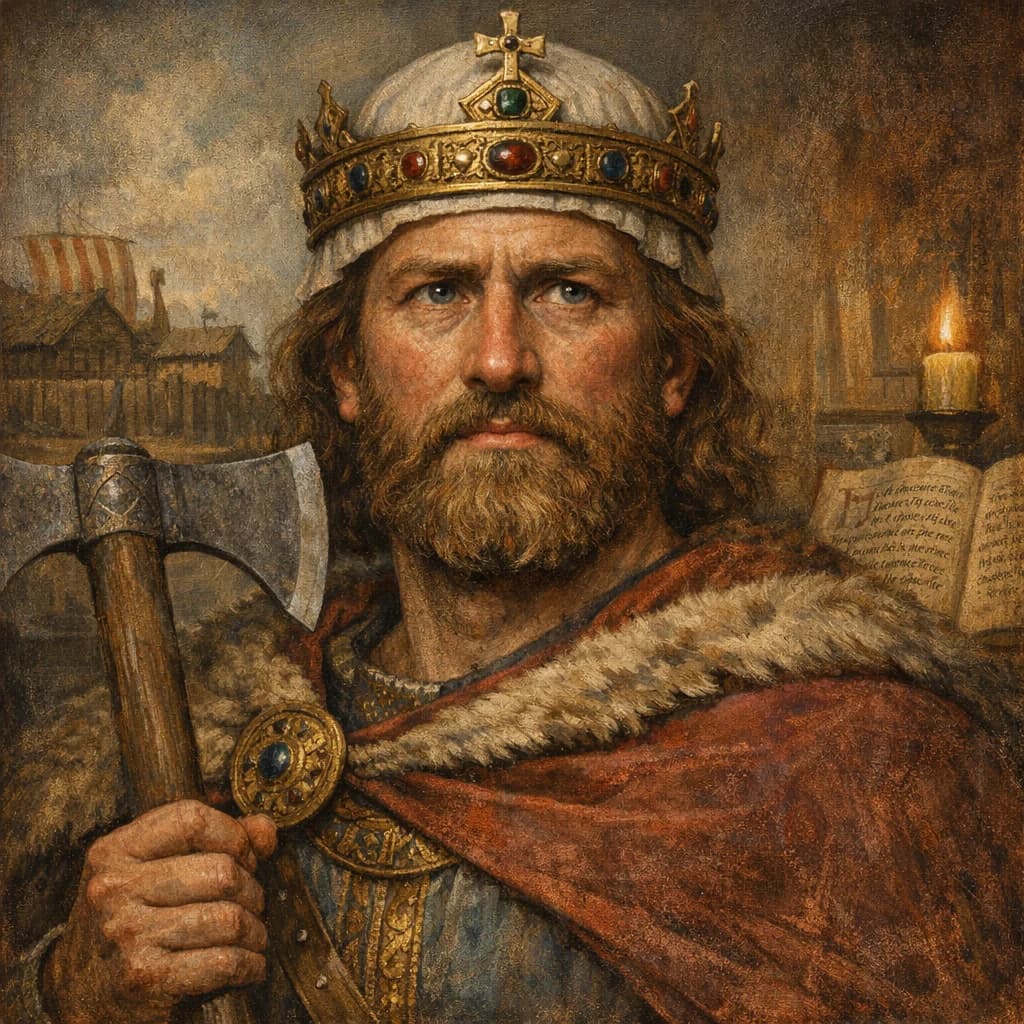
Alfred the Great
He survived a near-collapse of Wessex, defeated the Viking Great Army, reorganized defense and law, and helped lay foundations for the later kingdom of England.
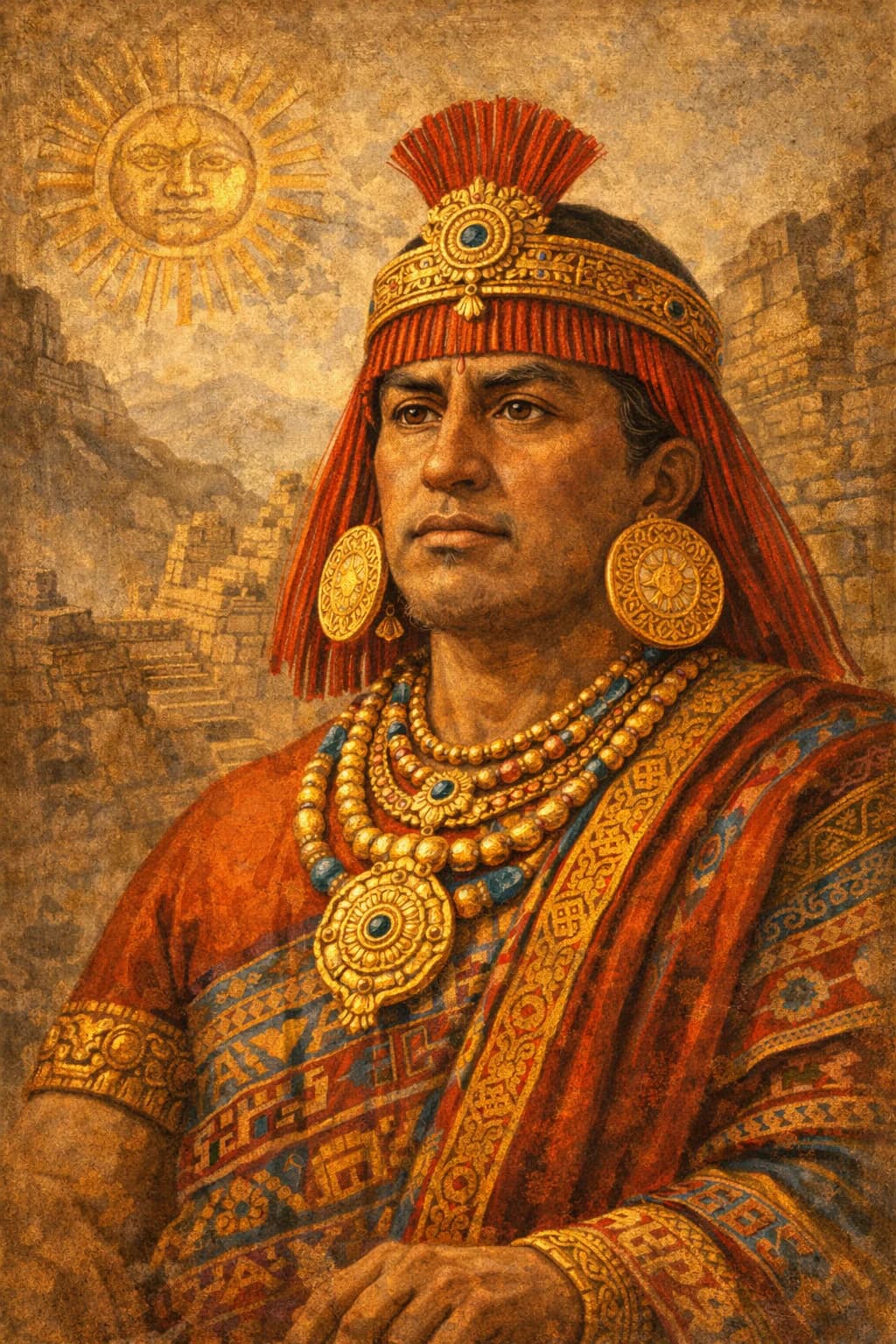
Atahualpa
He had just won a civil war for control of the largest empire in the Americas when Francisco Pizarro's small Spanish force seized him in the plaza at Cajamarca.

Augustine of Canterbury
He was sent by Pope Gregory I to convert Anglo-Saxon Kent, arrived expecting resistance, and found that Queen Bertha had already opened a Christian doorway.
B
2 figures

Bartolomeu Dias
He rounded Africa's southern tip in 1488, proved the Atlantic opened into the Indian Ocean, and gave Portugal the route Vasco da Gama would turn into an oceanic empire.
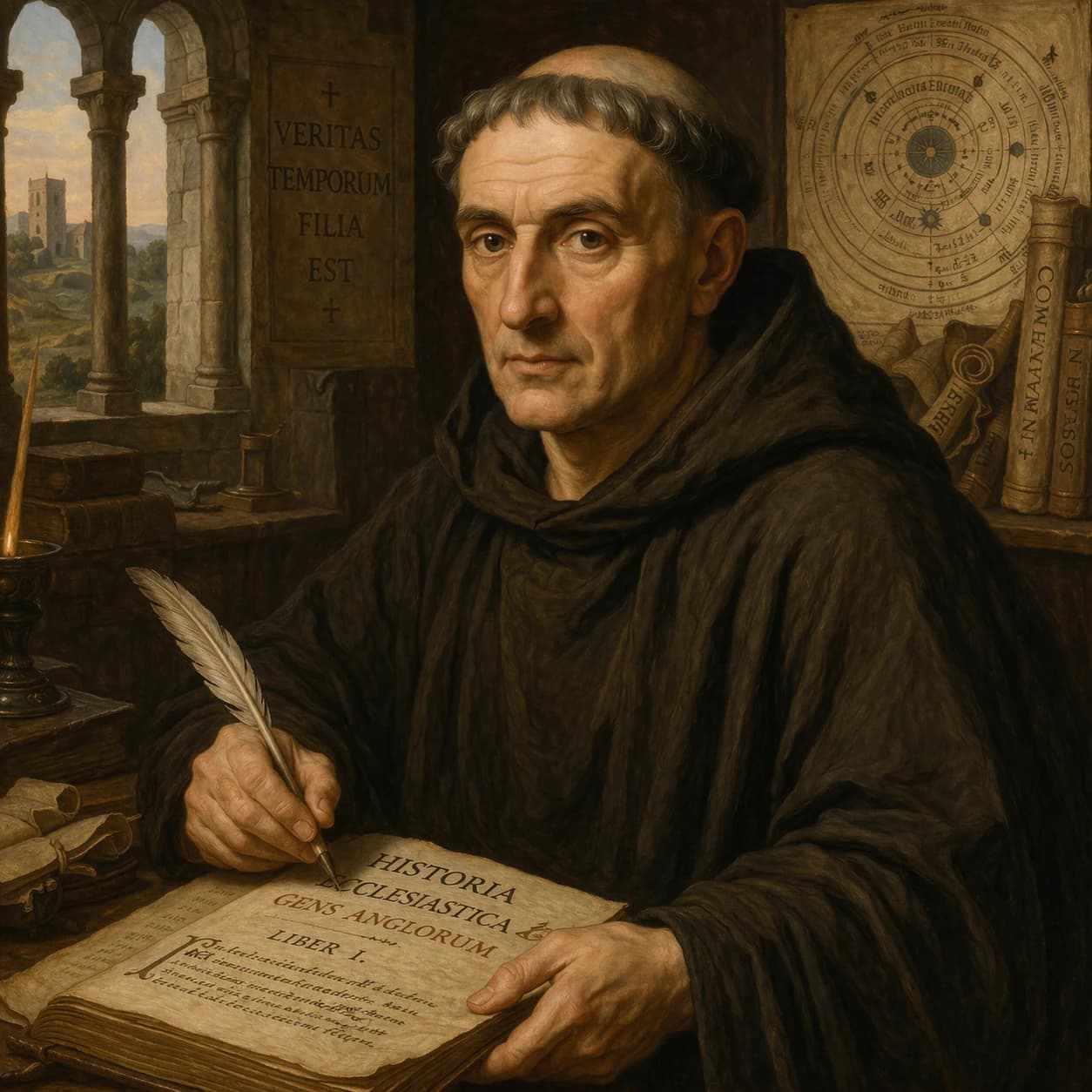
Bede
He never left his monastery and never sought power — yet the history he wrote in a Northumbrian cell shaped how an entire nation understood itself.
C
7 figures
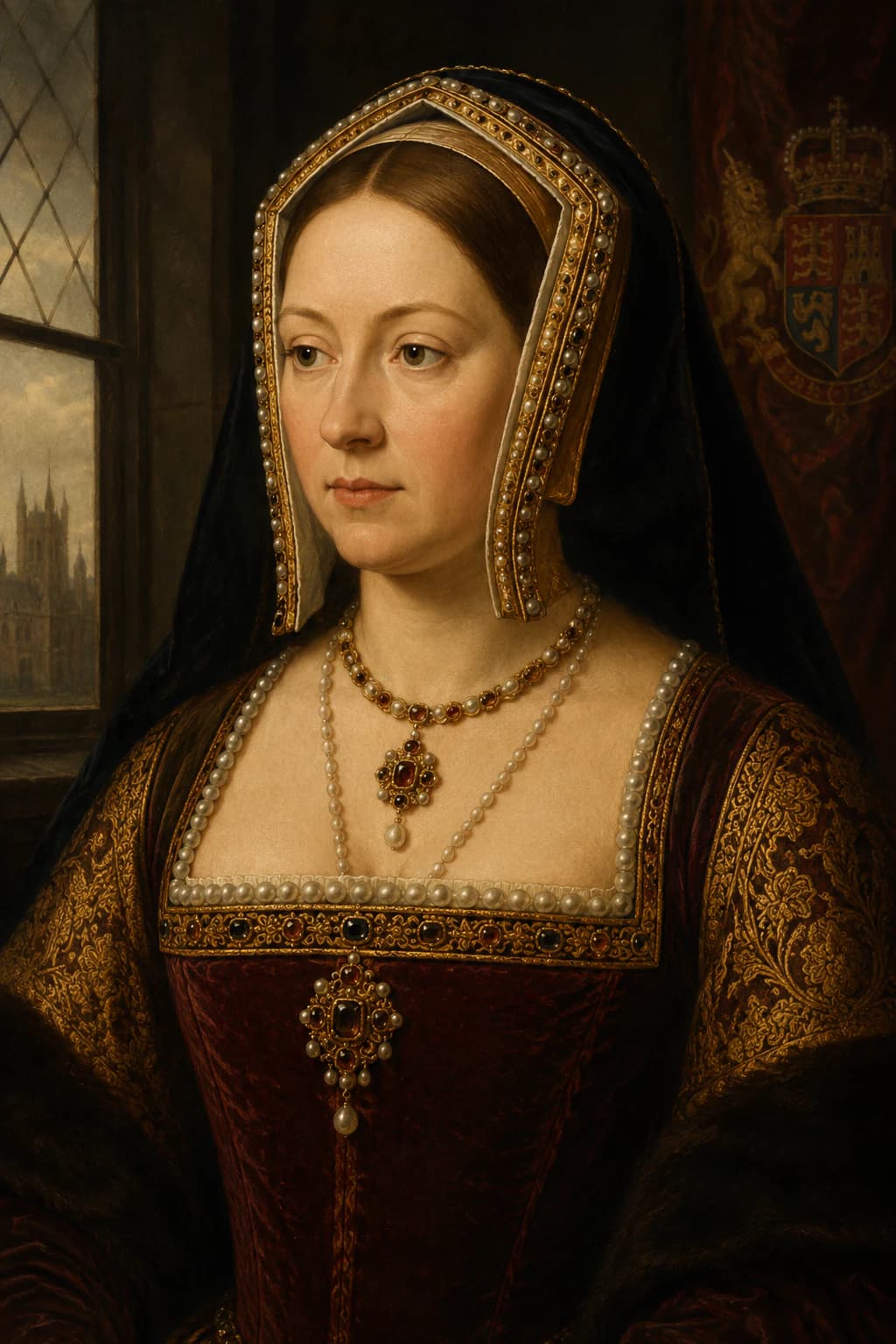
Catherine of Aragon
She was Henry VIII's first queen, Mary I's mother, and the determined defender of a marriage whose annulment crisis helped trigger England's break with Rome.
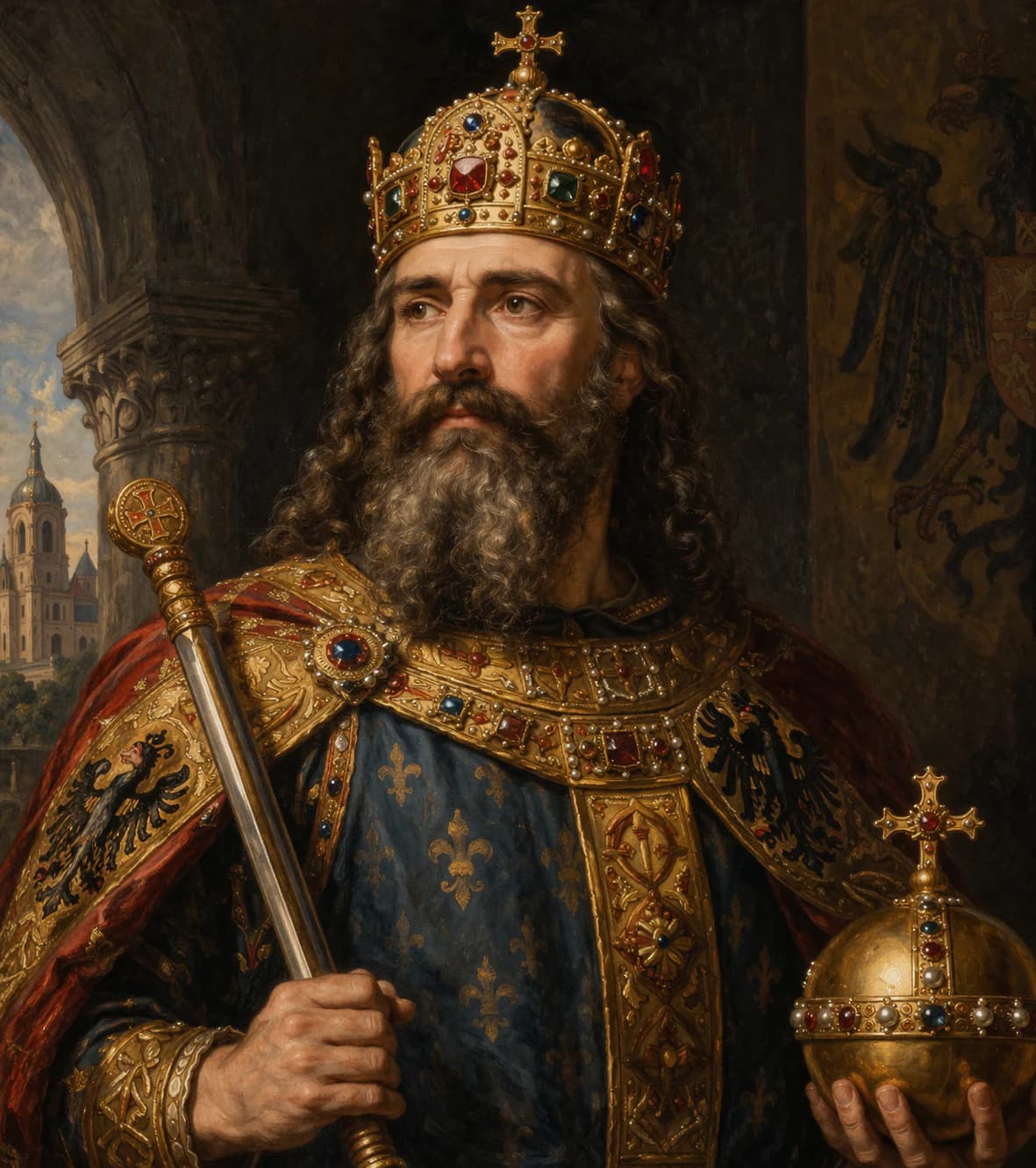
Charlemagne
He could barely read but built an empire that stretched across western Europe — and the coronation that defined his legacy was apparently a surprise even to him.
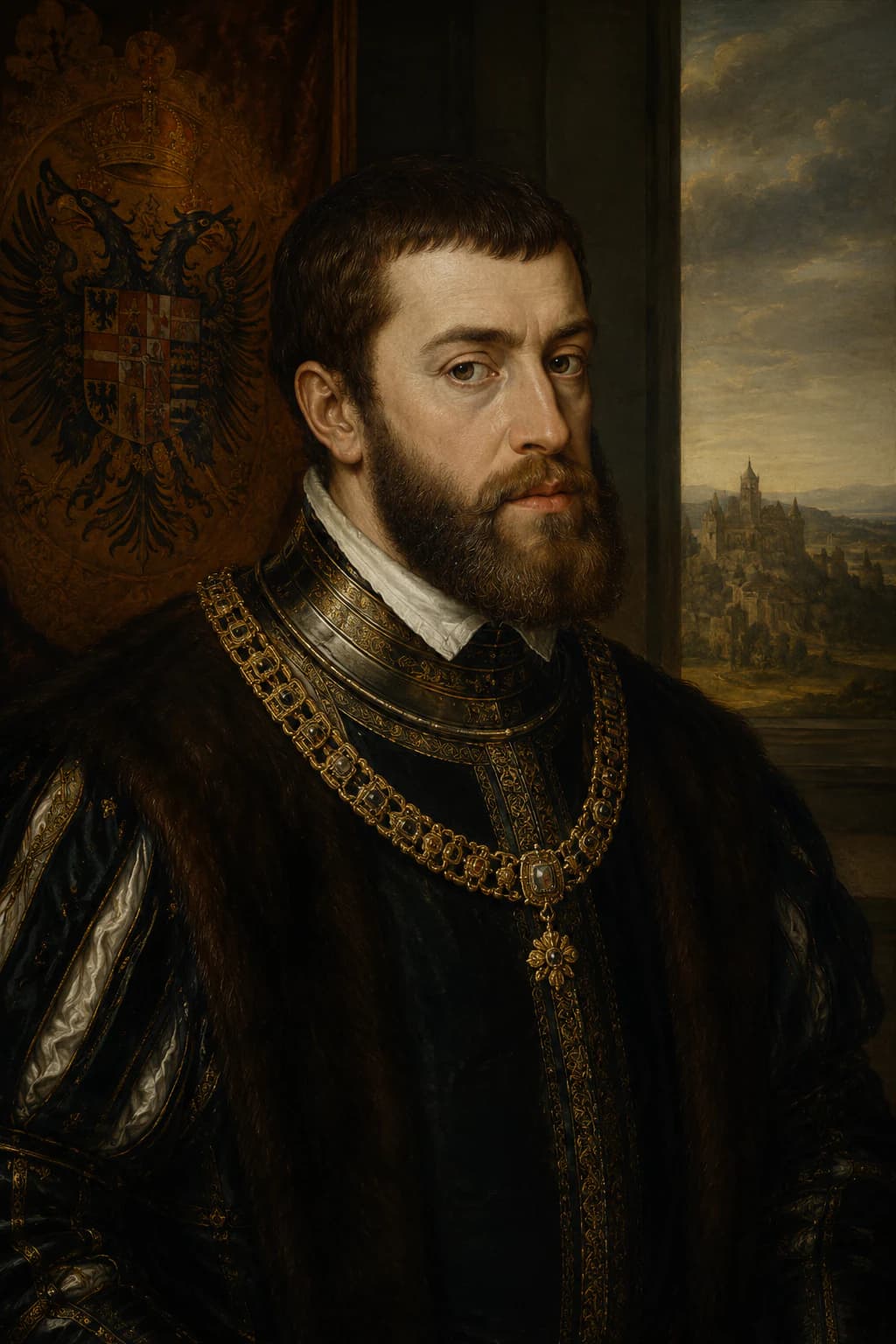
Charles V
He ruled a vast Habsburg empire, fought the Protestant Reformation on the continent, and protected his aunt Catherine of Aragon's cause during Henry VIII's annulment crisis.
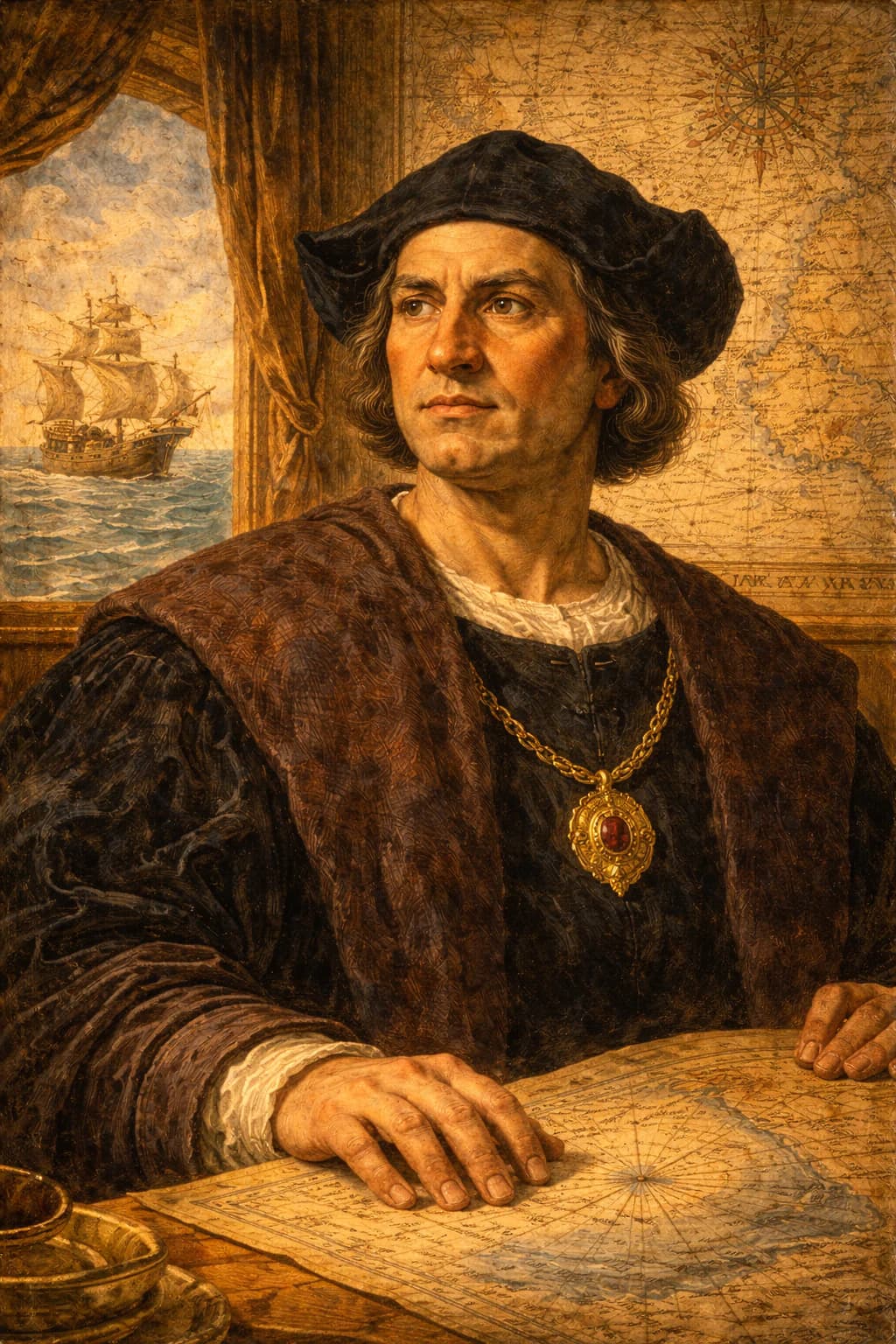
Christopher Columbus
He sailed west looking for Asia, reached the Caribbean instead, and opened a permanent Atlantic connection whose consequences transformed Europe, Africa, and the Americas.

Cnut the Great
He conquered England as a Danish prince, ruled it with surprising skill, and built a North Sea empire whose reach showed both the power and fragility of Viking kingship.
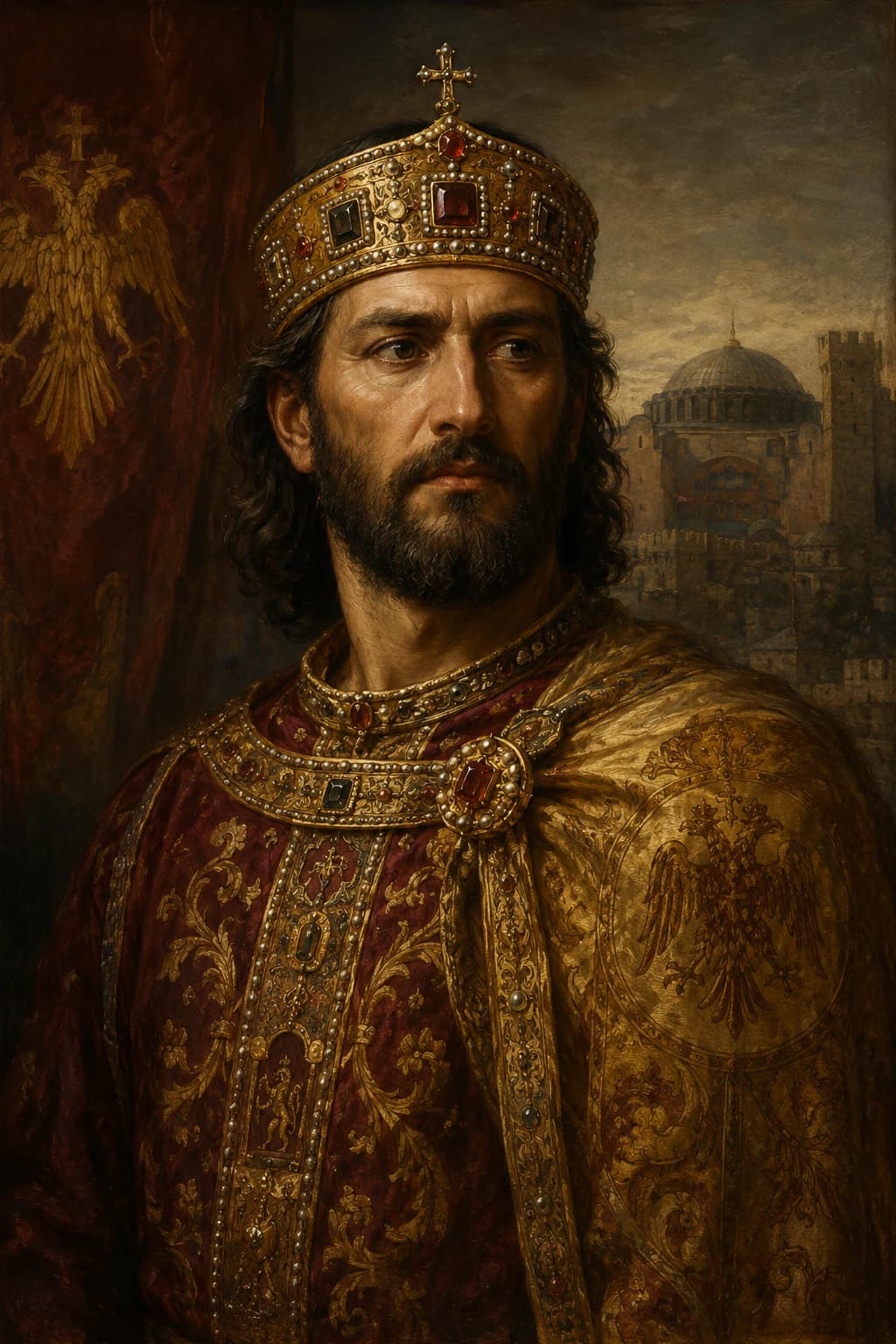
Constantine XI Palaiologos
He was the last Byzantine emperor, a Palaiologos ruler who defended Constantinople against Mehmed II's Ottoman army until the city fell on 29 May 1453.

Cuauhtemoc
He inherited Tenochtitlan after disease, massacre, and political collapse, then defended the city street by street until the last imperial capital of the Mexica fell.
E
8 figures

Edward I of England
He was determined to bring the whole of Britain under English rule — and came close enough that Scotland has been pushing back ever since.

Edward II of England
He was king of England at a time of deep instability, but his father-conquered gains in Scotland were shattered at Bannockburn by a smaller but better-led force.

Edward III of England
He started the Hundred Years' War over a claim to the French throne that even his own lawyers found unconvincing, and then made it look plausible by winning every battle for a decade.

Edward IV
He fought his way to the throne at nineteen, lost it, won it back, and then died unexpectedly at forty leaving two young sons whose fate would haunt the Yorkist dynasty to extinction.
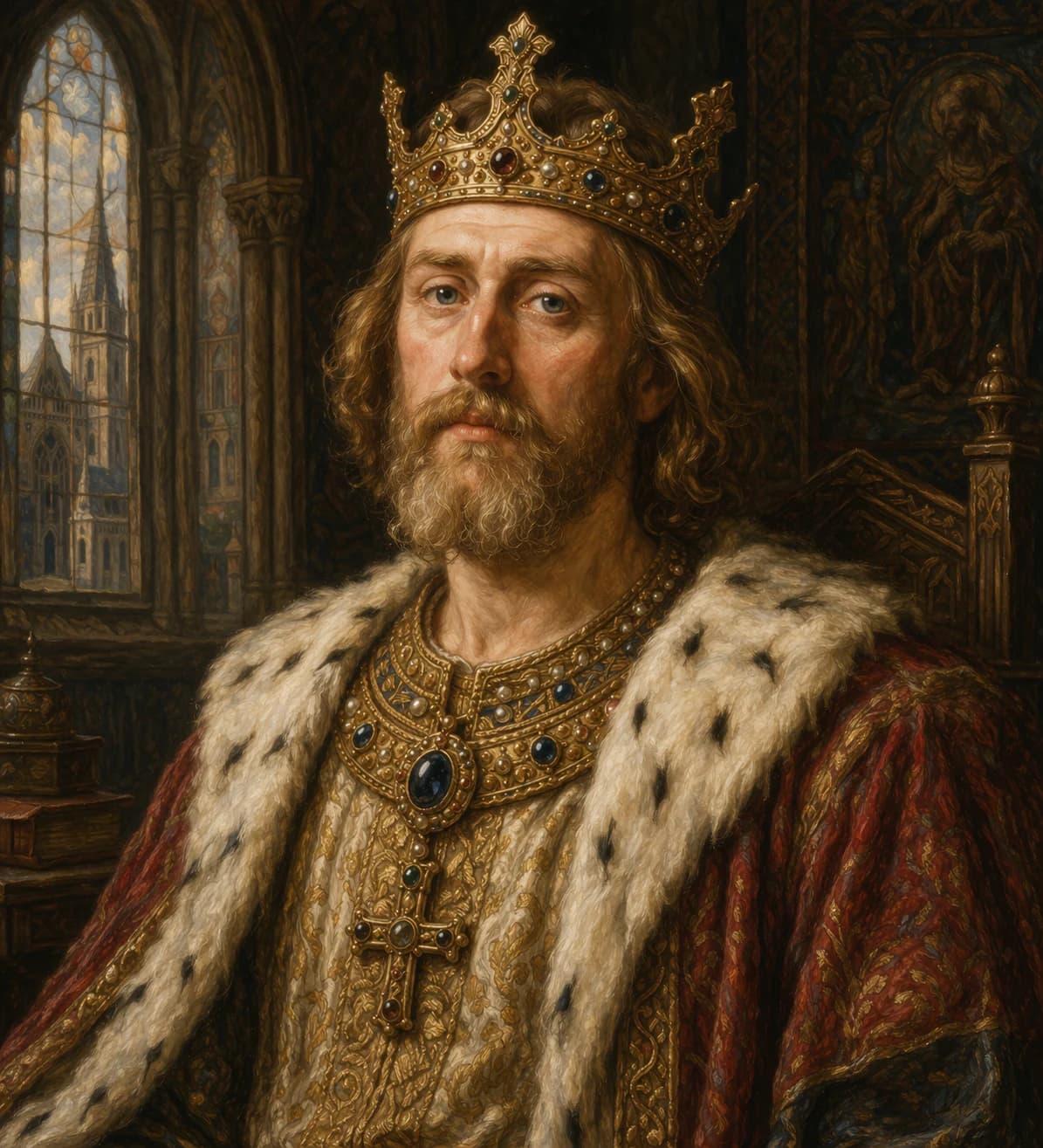
Edward the Confessor
He reigned for twenty-three years without producing an heir, and the war over who came next transformed England more completely than anything he had done while alive.

Edward V
He was king for eleven weeks, never crowned, taken from his guardians by his uncle, placed in the Tower of London, and never seen alive again.
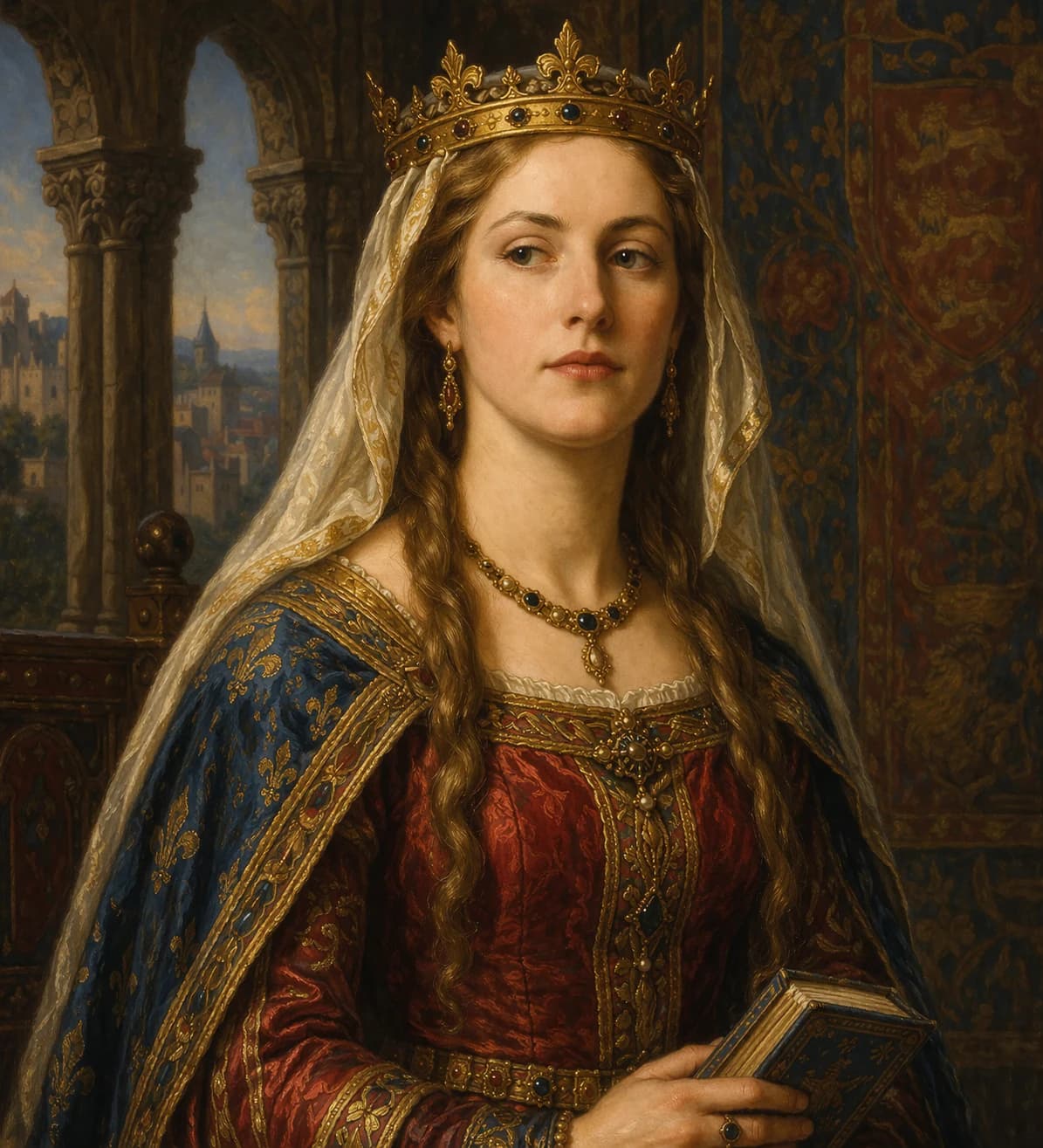
Eleanor of Aquitaine
She was queen of France, then queen of England, was imprisoned by her own husband, outlived him, and spent her eighties managing European diplomacy on behalf of her sons.
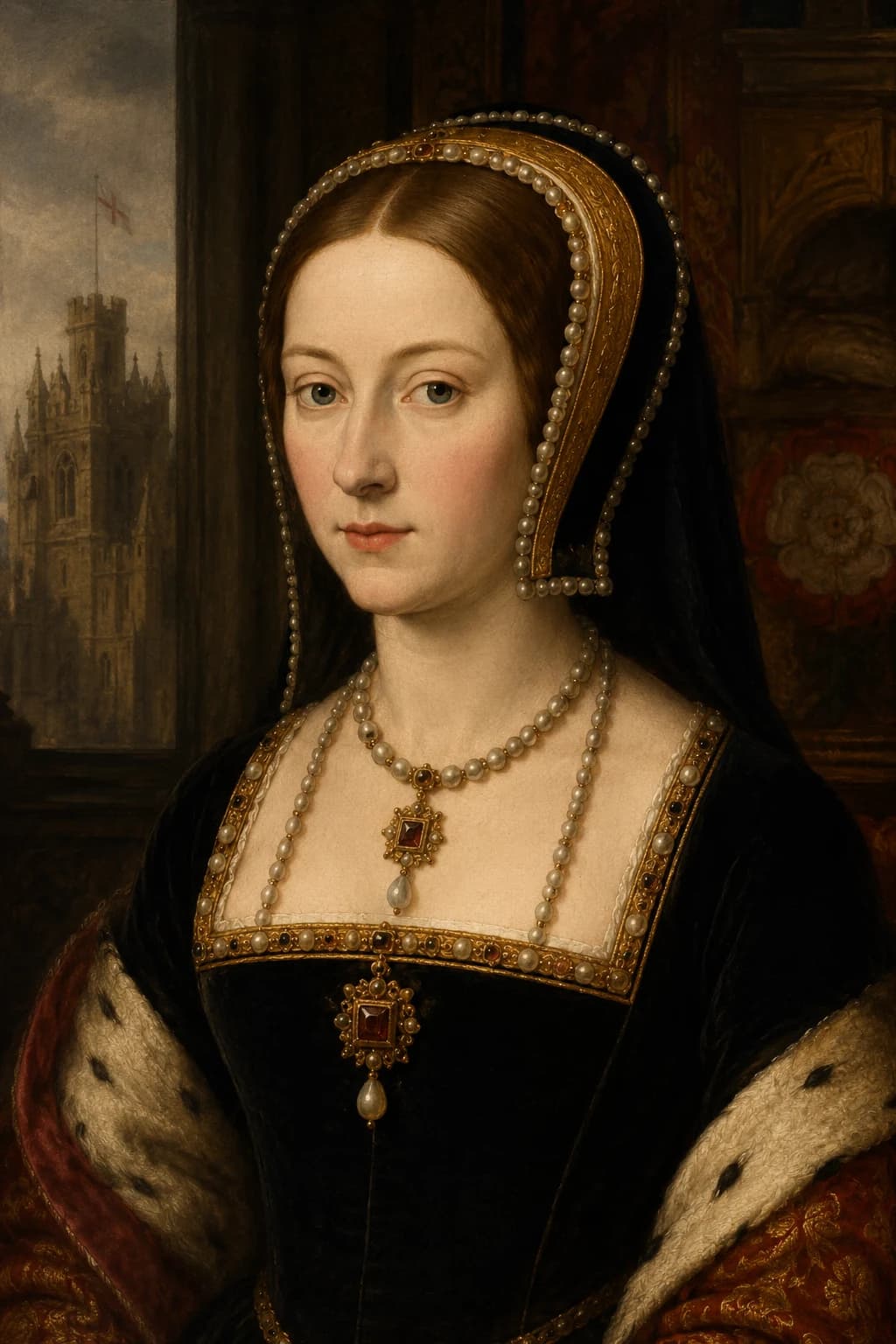
Elizabeth of York
She was Edward IV's daughter, Henry VII's queen, and the Yorkist princess whose marriage helped give the Tudor dynasty its claim to reconciliation after the Wars of the Roses.
F
3 figures
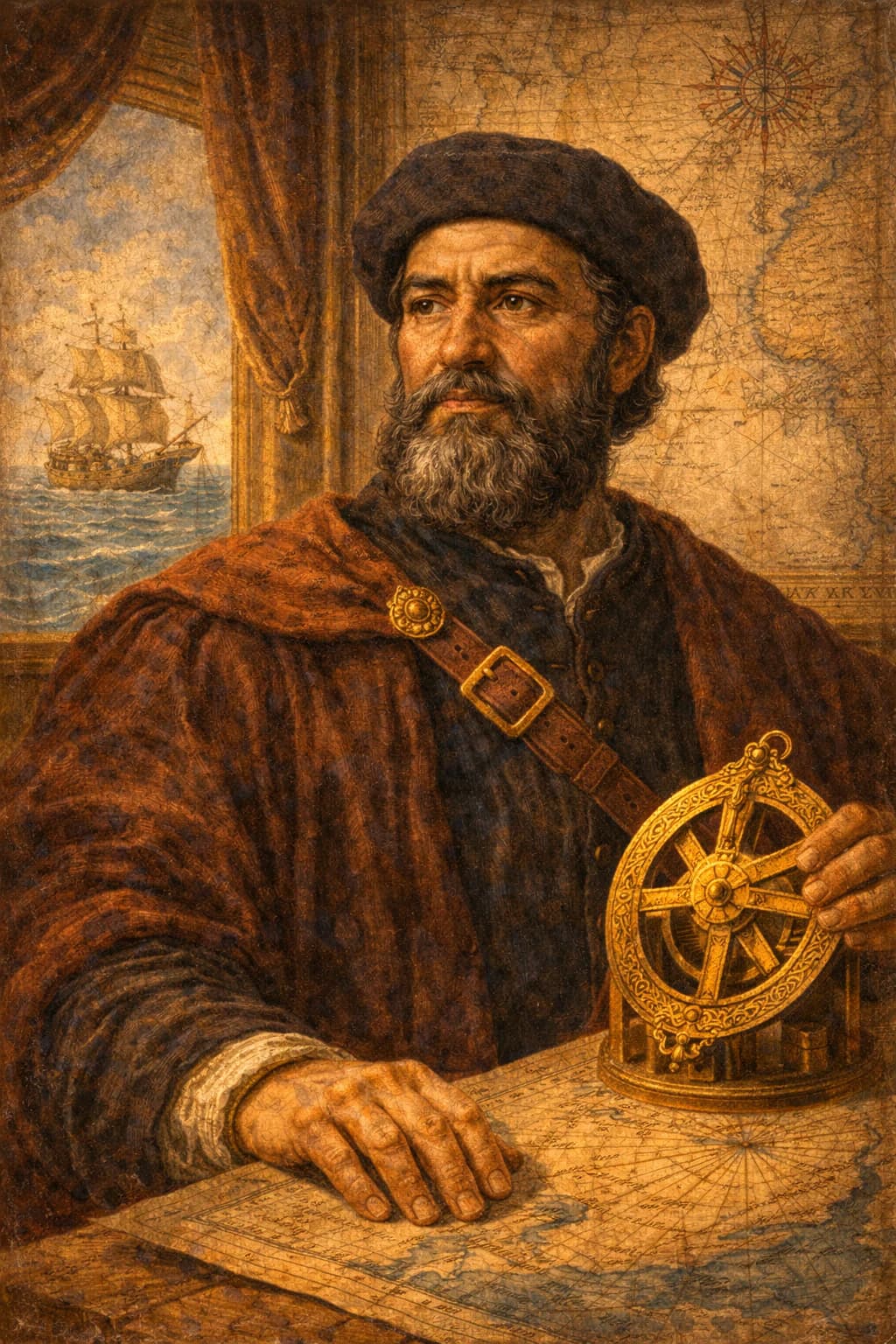
Ferdinand Magellan
He pushed a Spanish fleet through the strait at South America's tip and across the Pacific, then died before the voyage he began became the first circumnavigation of Earth.
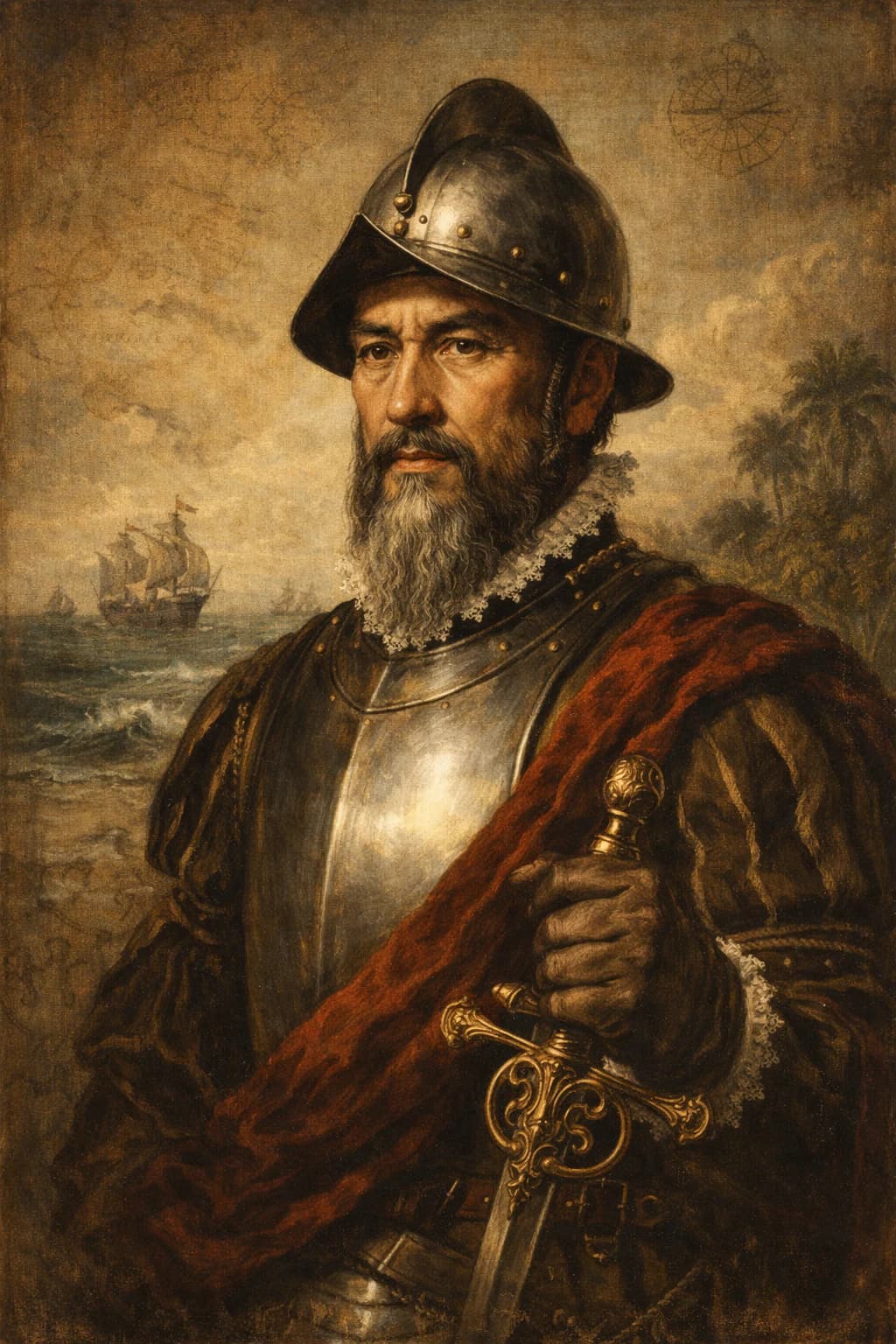
Francisco Pizarro
He arrived in Peru with 168 men, took the Inca emperor hostage at a diplomatic meeting, and used that leverage to destroy the most powerful empire in the Americas.
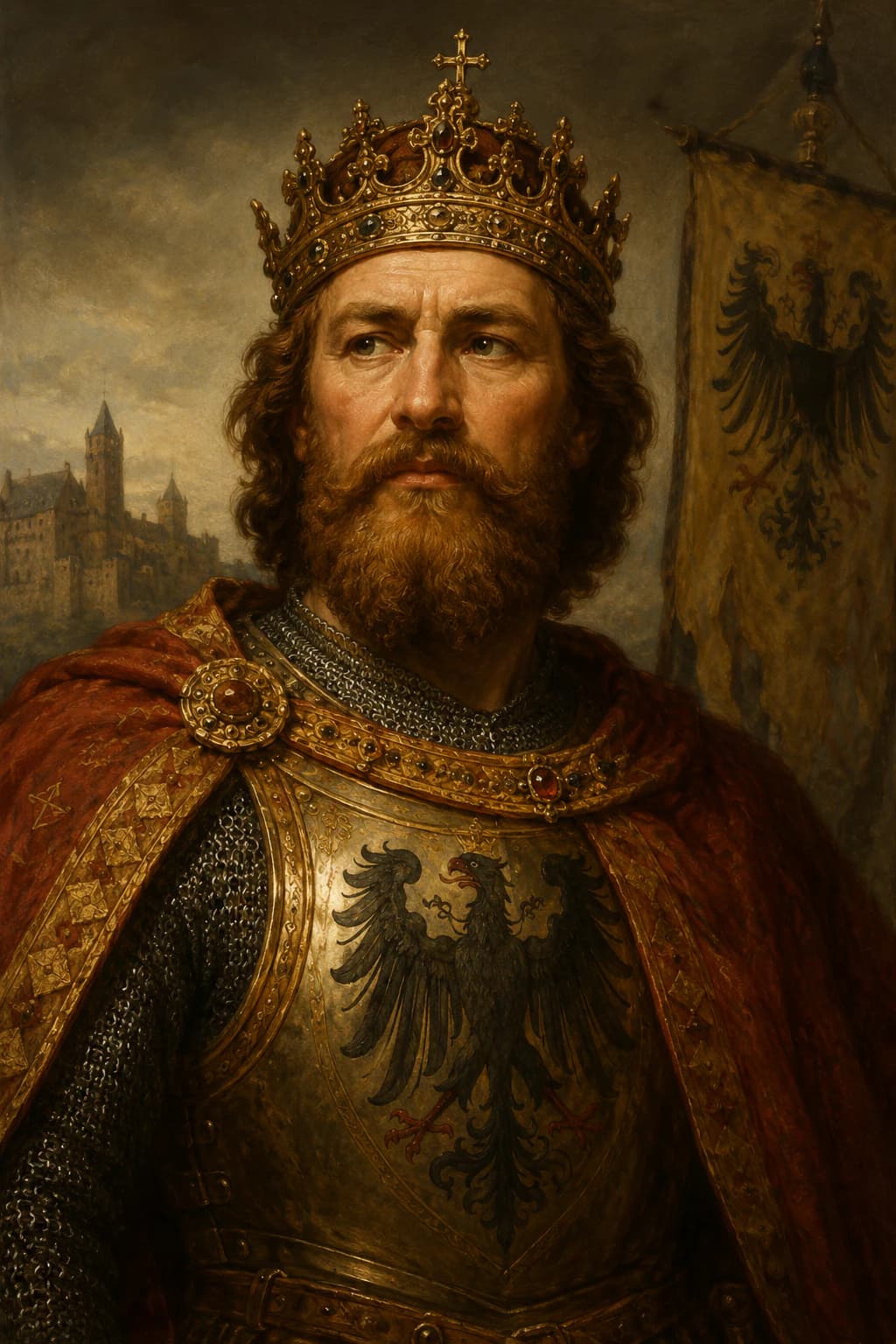
Frederick I Barbarossa
He turned the German kingship into an imperial project, battled Italian cities and the papacy, and died on crusade before reaching Jerusalem.
G
5 figures
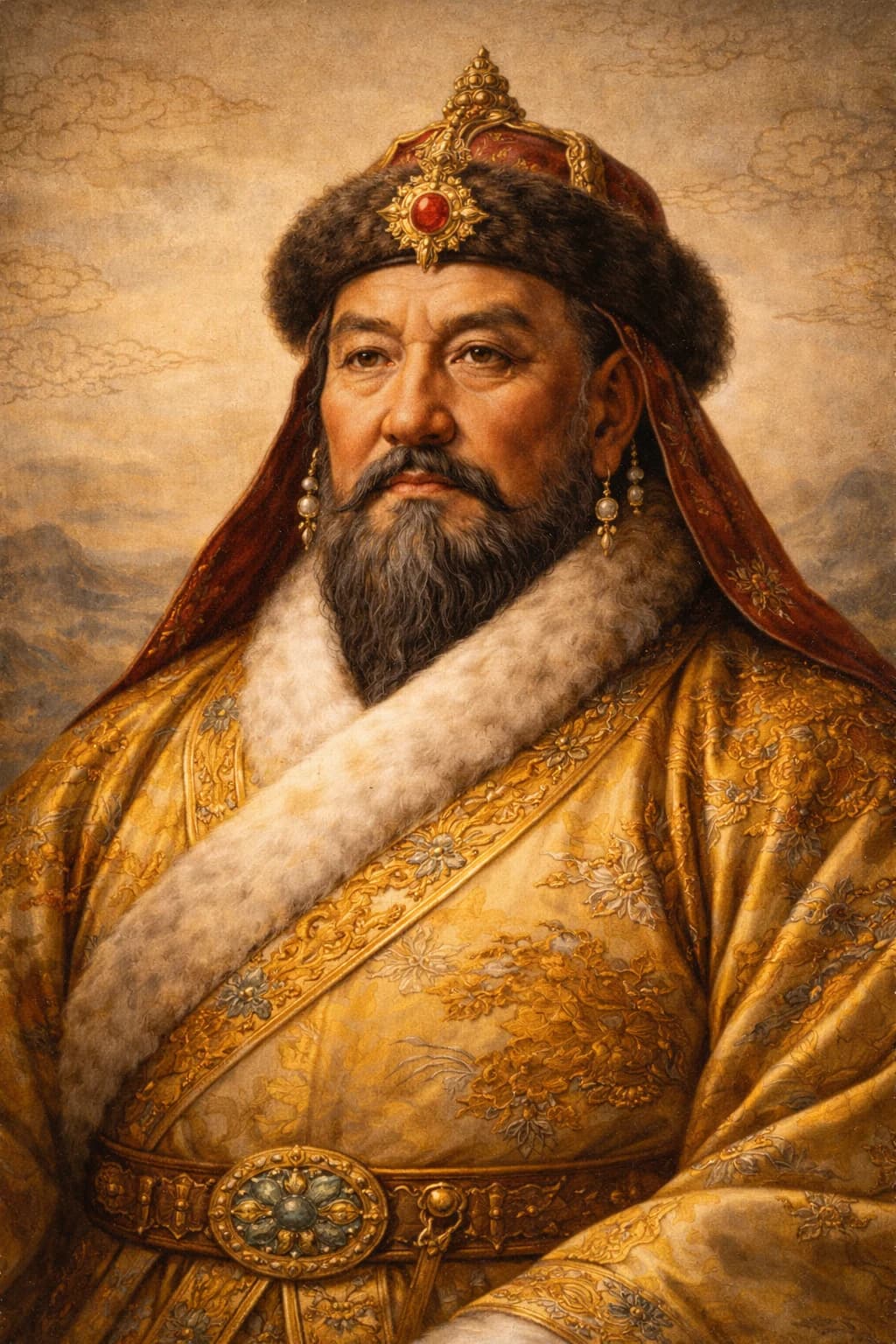
Genghis Khan
He was born Temujin on the Mongolian steppe, survived exile and betrayal, united rival clans through discipline and reward, and founded the Mongol Empire, the largest contiguous land empire in history.
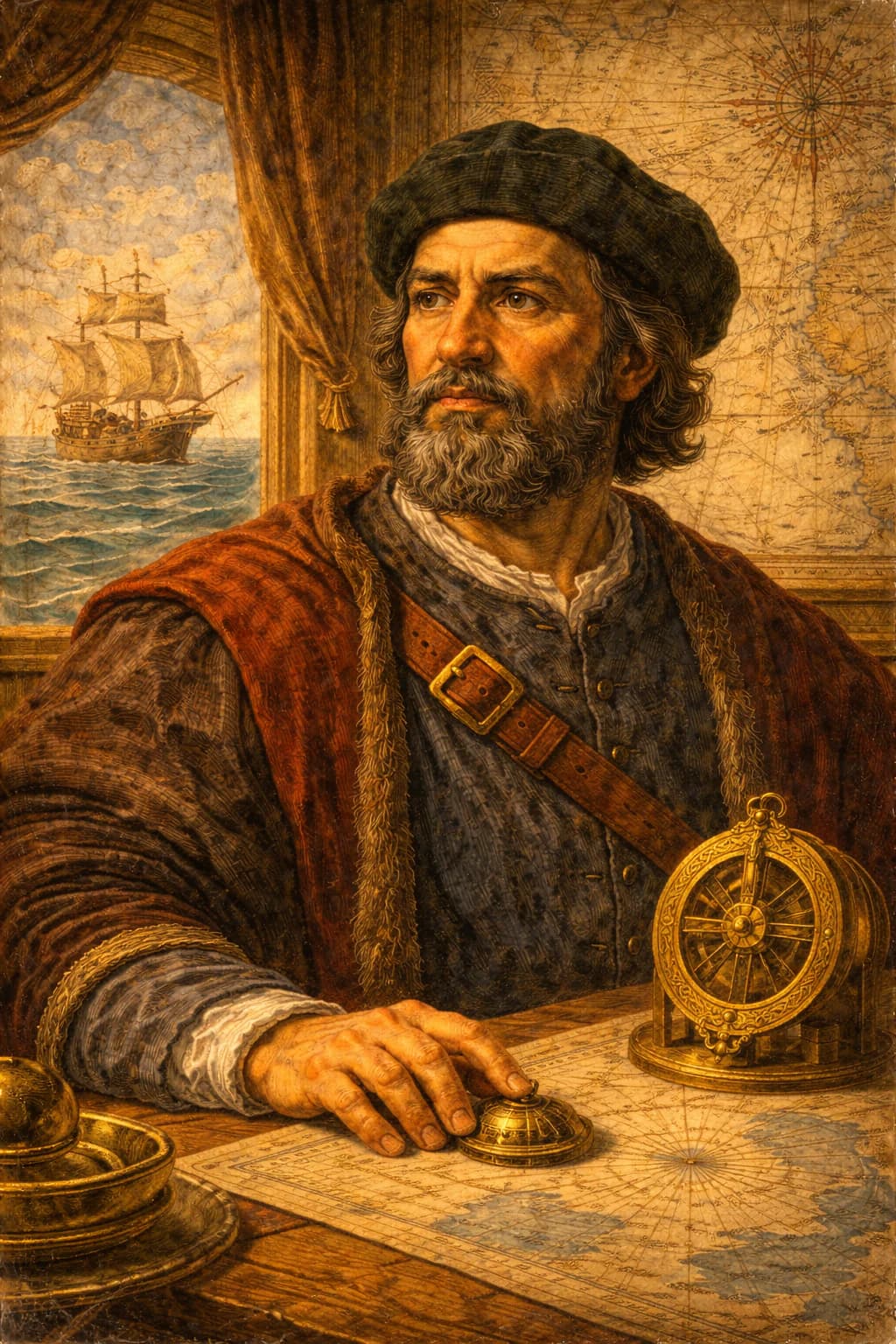
Gil Eanes
He sailed beyond Cape Bojador in 1434, breaking a feared Atlantic barrier and opening the West African coast to sustained Portuguese exploration.
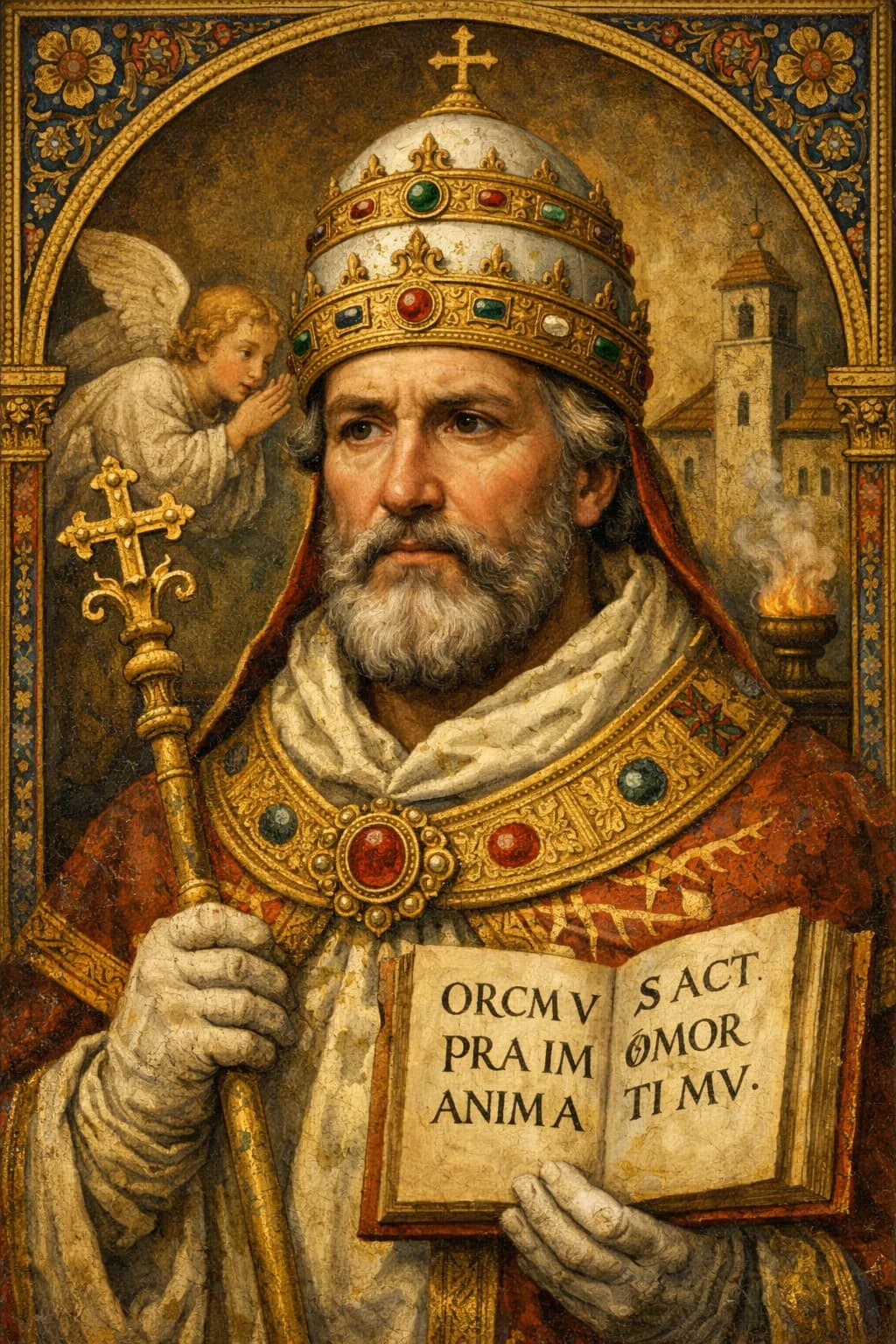
Gregory I
He governed Rome through crisis, strengthened church administration, wrote enduring pastoral works, and helped turn the papacy into a practical medieval power.
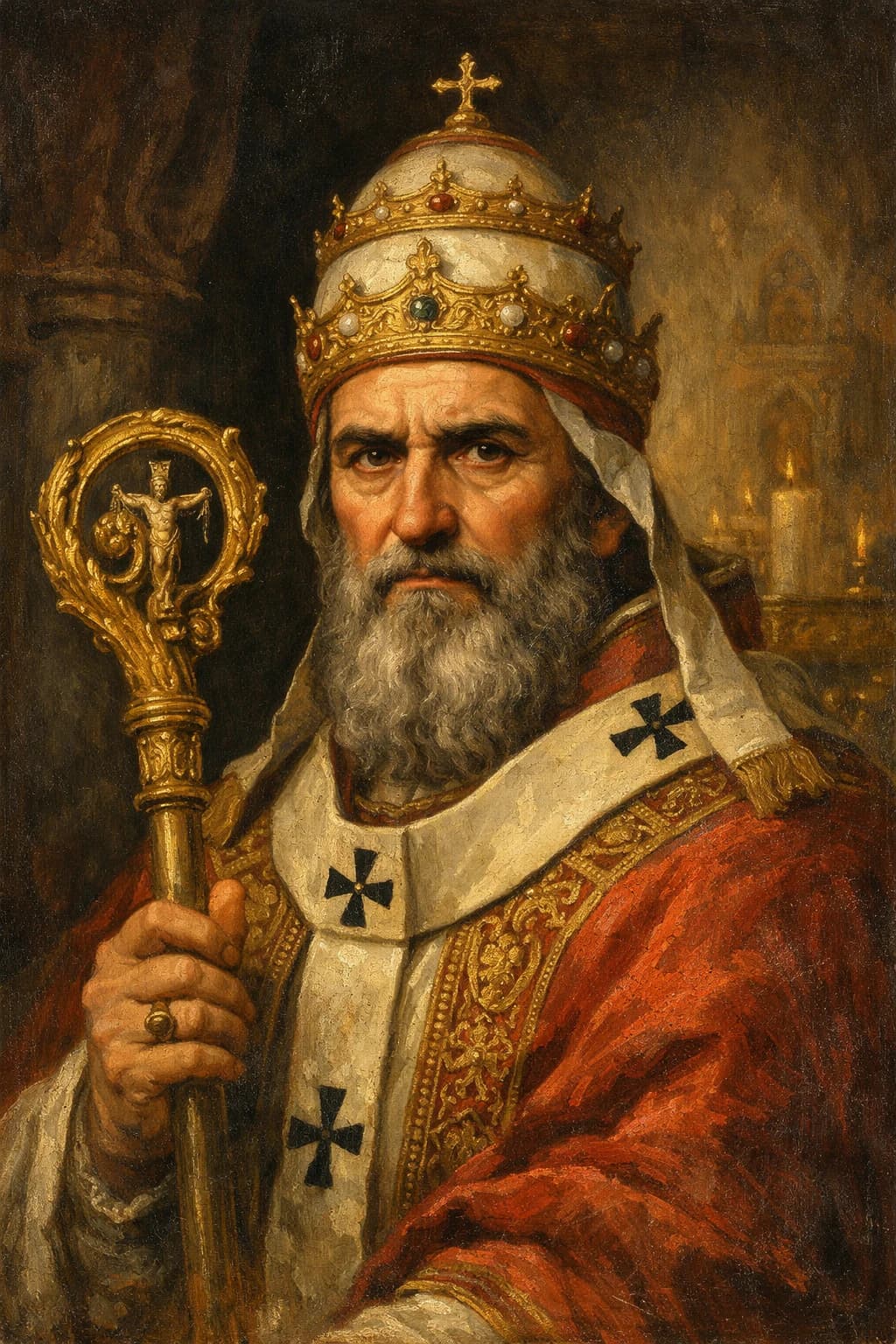
Gregory VII
He challenged imperial control of the Church, excommunicated Henry IV, and made papal independence one of medieval Europe's central political questions.
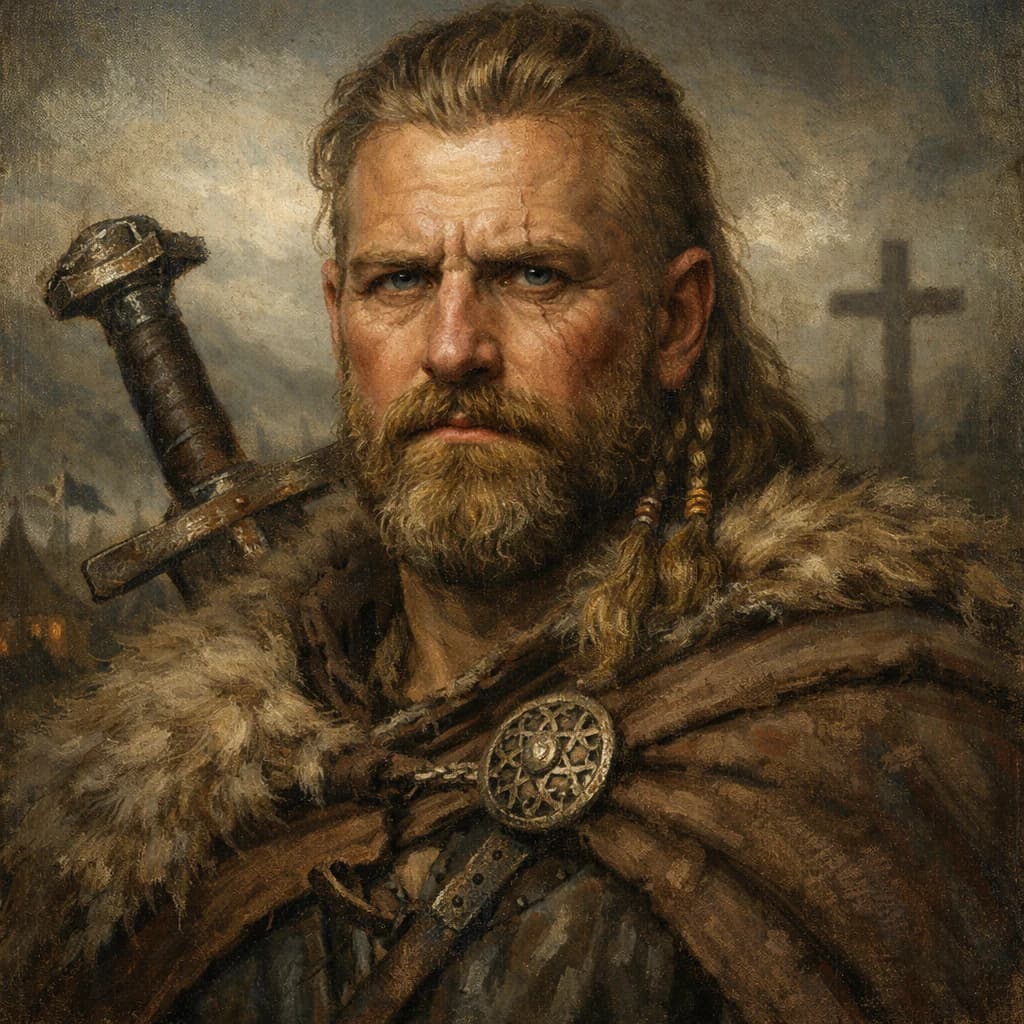
Guthrum
He nearly broke Wessex, lost to Alfred the Great at Edington, accepted baptism, and ruled East Anglia as Viking power became settled kingship.
H
11 figures

Harald Hardrada
He fought at Stiklestad as a teenager, served the Byzantine emperor in distant campaigns, seized Norway's throne, and died at Stamford Bridge chasing the English crown.
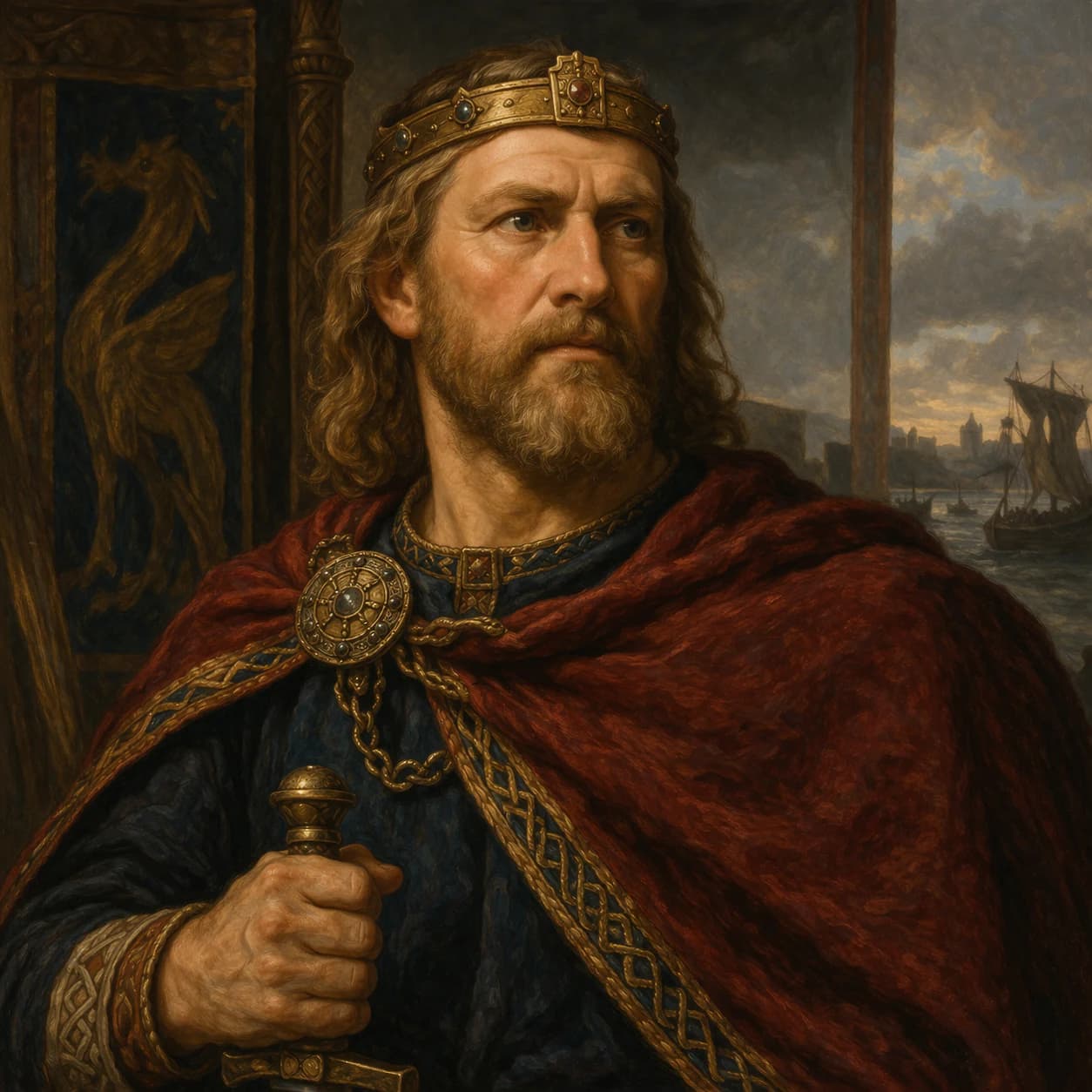
Harold Godwinson
He was England's most powerful earl, became king in a disputed succession, destroyed Harald Hardrada at Stamford Bridge, and died weeks later at Hastings as Norman rule began.

Henry I
He seized England after a hunting accident, mastered the machinery of Norman rule, defeated his elder brother for Normandy, and then watched his dynasty unravel after the White Ship drowned his only legitimate son.

Henry II
He inherited a kingdom damaged by civil war, built the vast Angevin empire, transformed English royal justice, and then saw his authority scarred by Thomas Becket's murder and rebellions by his own sons.

Henry III
He inherited the throne as a child after King John's disaster, rebuilt royal ceremony around Westminster, and then lost control to baronial reformers whose revolt pushed England toward parliamentary government.

Henry IV
He returned from exile to reclaim his inheritance, deposed Richard II, founded the Lancastrian monarchy, and spent his reign proving that a crown taken by force had to be defended every year afterward.

Henry V
He turned a disputed Lancastrian inheritance into a warrior kingship, crushed the French at Agincourt, forced the Treaty of Troyes, and came closer than any English king to ruling both England and France.
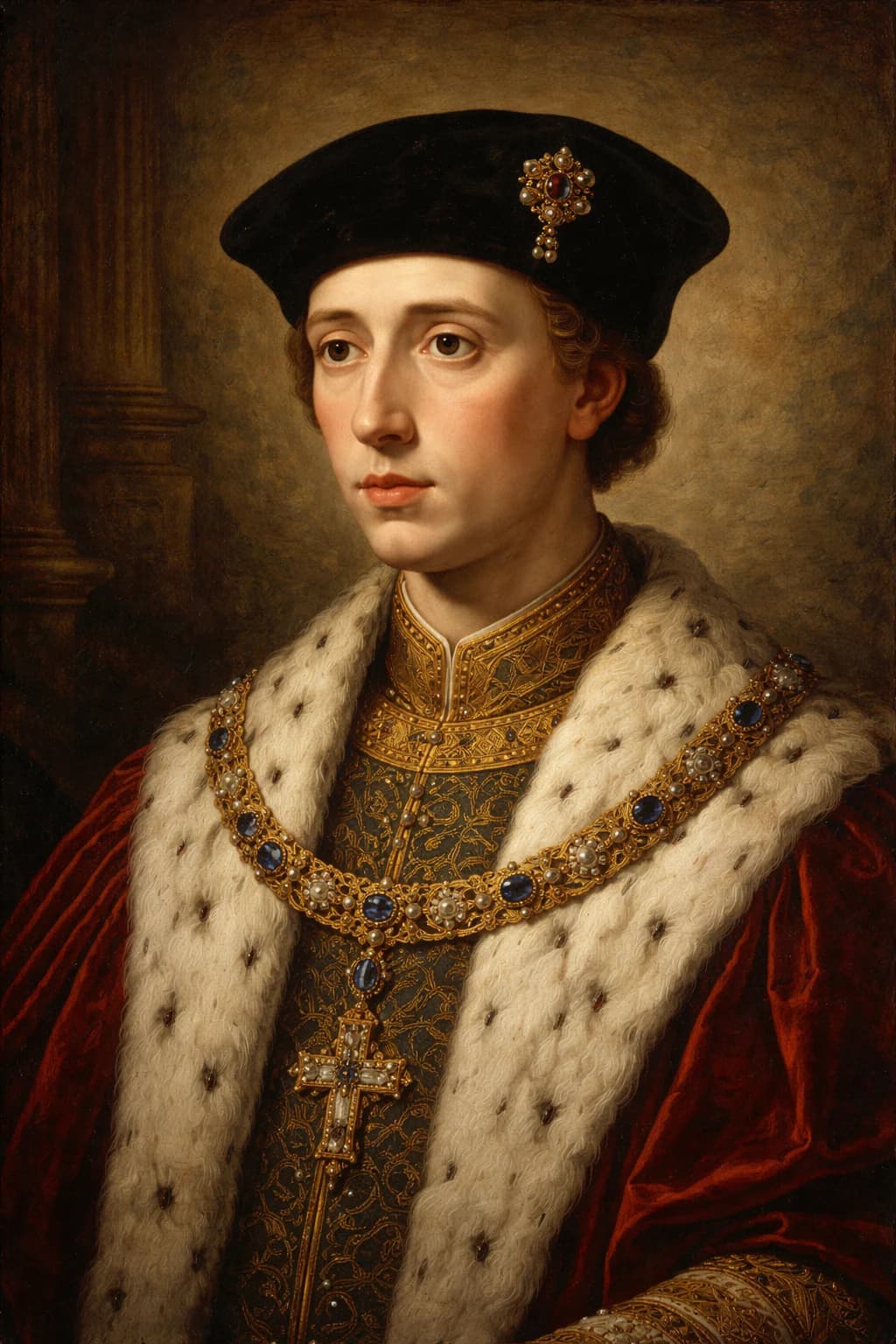
Henry VI
He inherited England and the claim to France as a baby, grew into a devout but politically fragile king, lost the conquests of Henry V, and became the helpless centre of the Wars of the Roses.

Henry VII
He survived exile, defeated Richard III at Bosworth, married Elizabeth of York, and founded the Tudor dynasty by turning a fragile battlefield victory into a cautious, solvent, and durable monarchy.
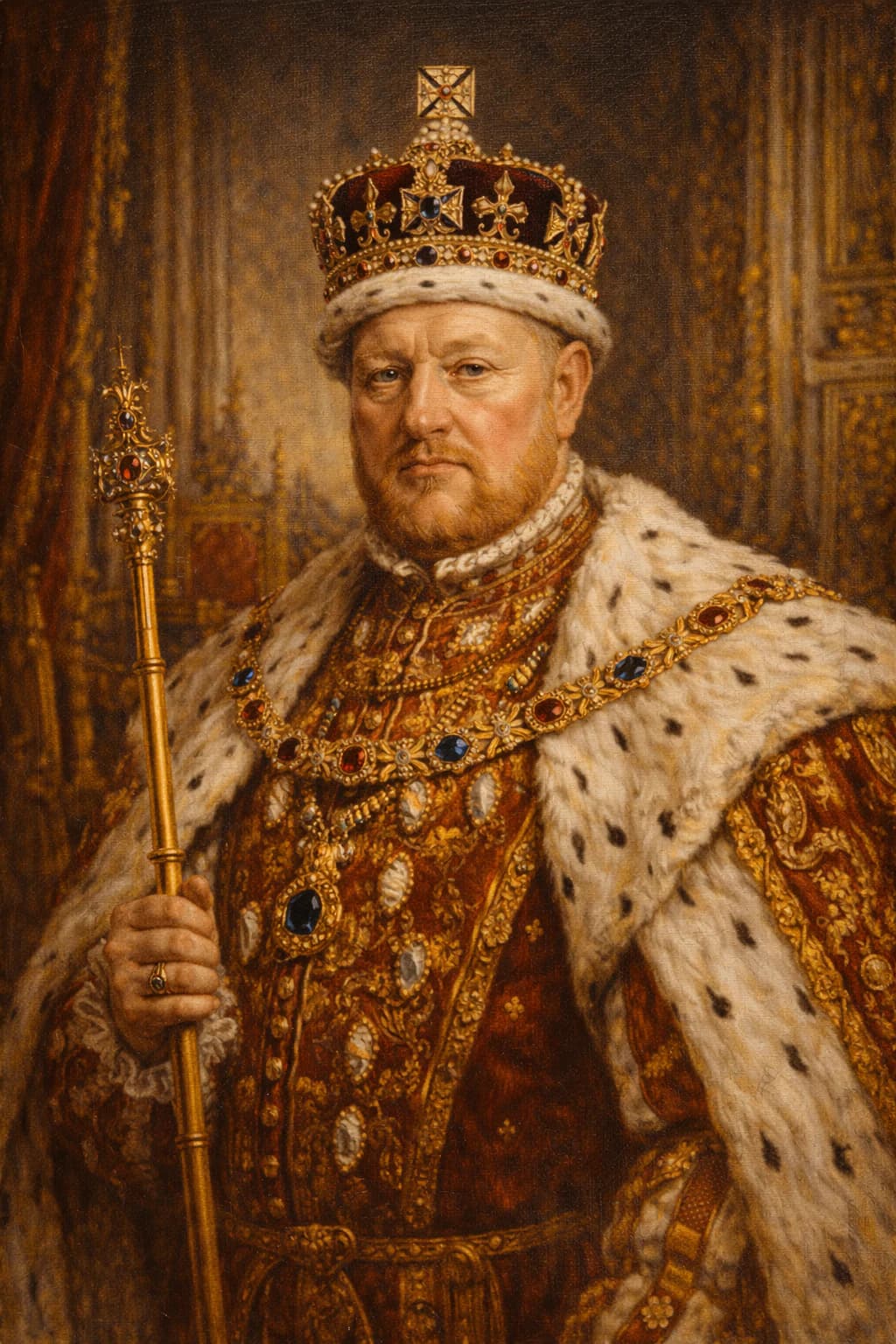
Henry VIII
He began as a dazzling Renaissance prince, ended as a feared Tudor patriarch, and in pursuit of dynasty, obedience, and a male heir broke with Rome, dissolved the monasteries, and remade English religion and monarchy.

Hernan Cortes
He defied his governor, marched inland with Indigenous allies, entered Tenochtitlan, and helped destroy the Mexica Empire, creating New Spain through ambition, diplomacy, violence, disease, and devastating colonial transformation.
I
1 figure
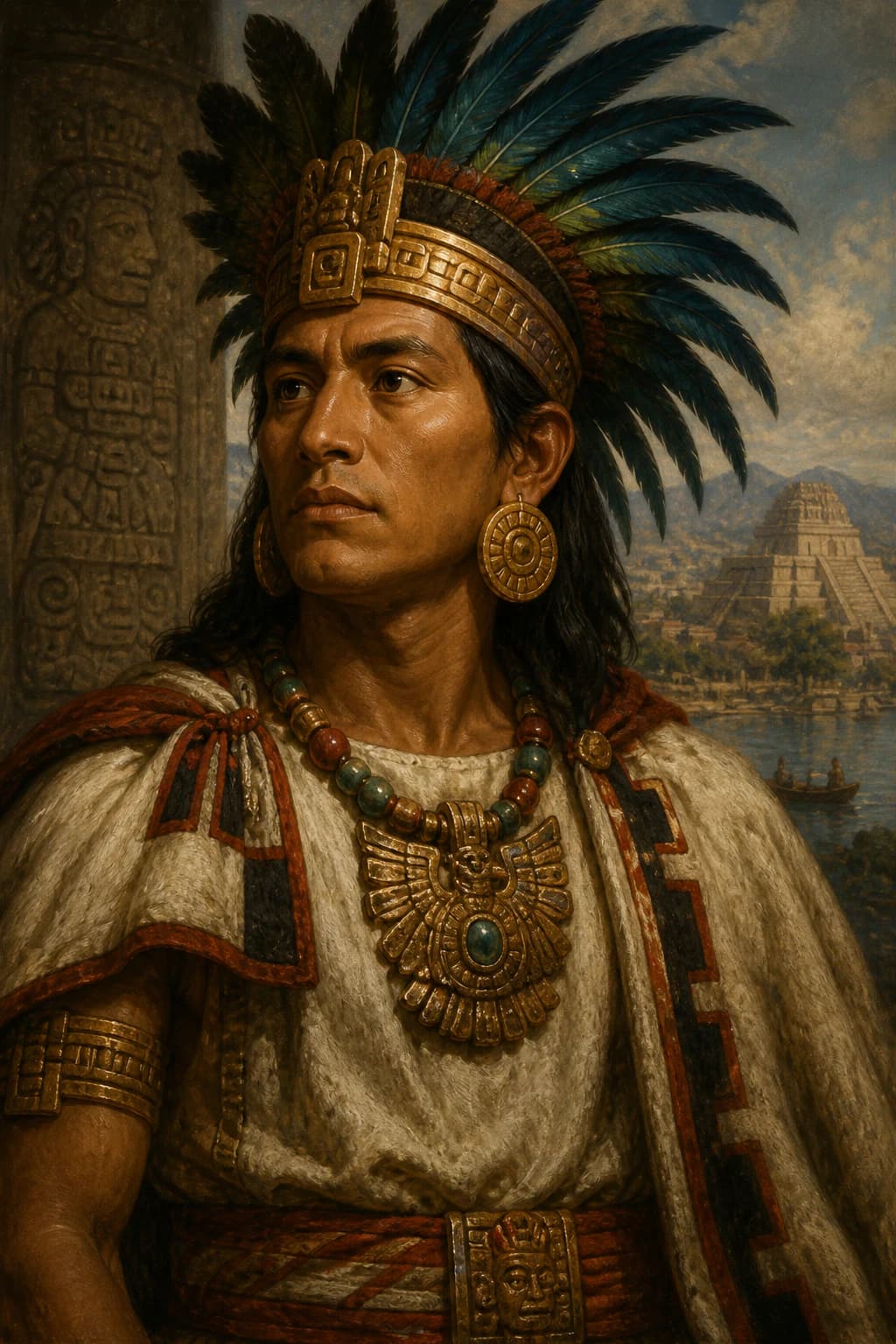
J
2 figures
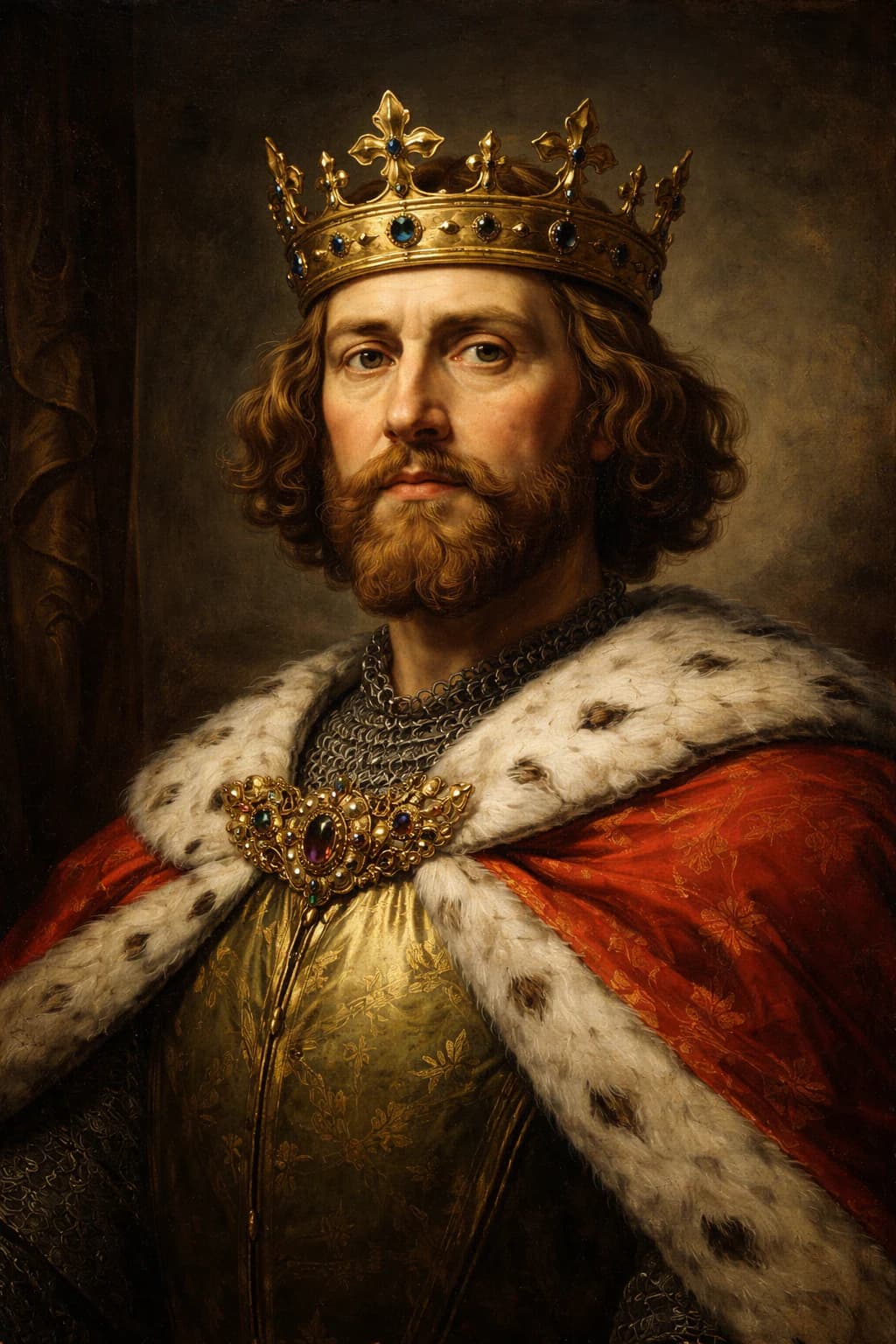
John
He lost Normandy, alienated the Church, taxed England hard, was forced to seal Magna Carta in 1215, and turned royal failure into one of history's great limits on power.
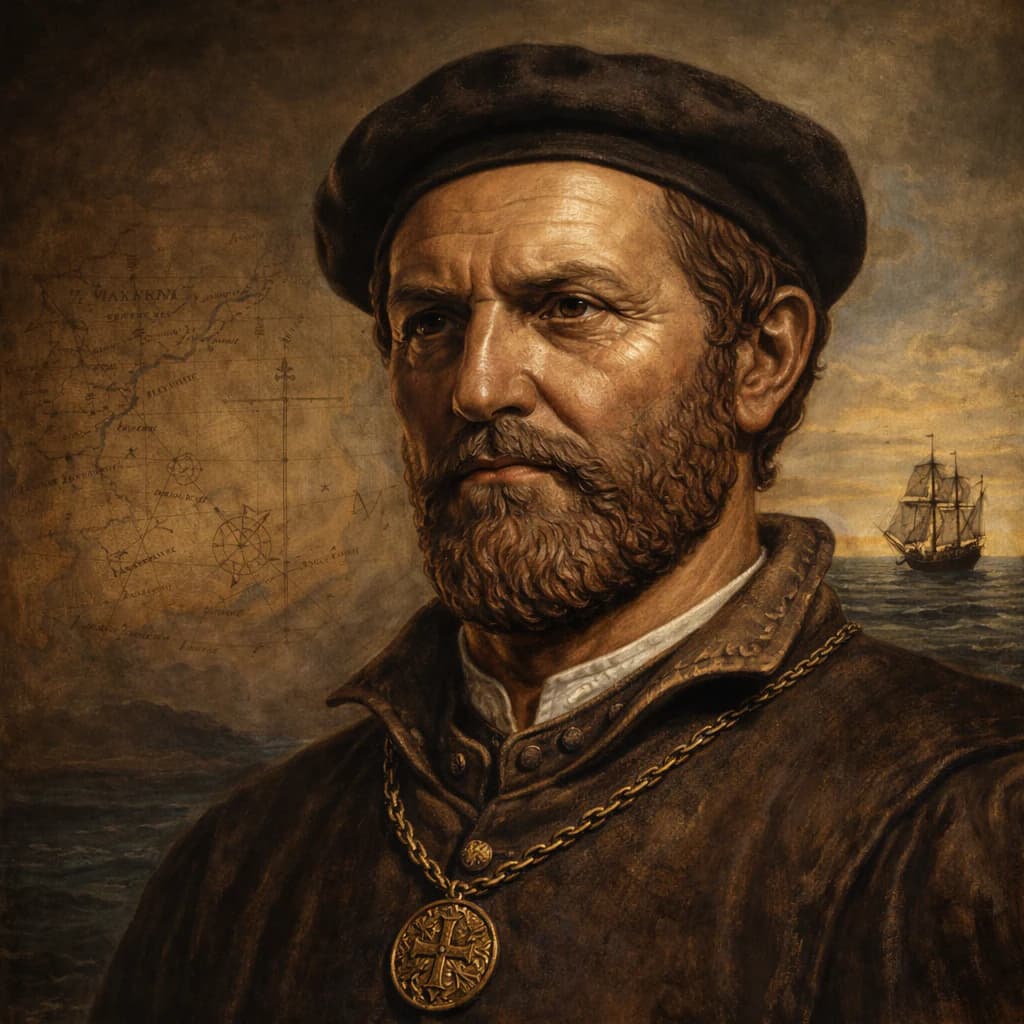
Juan Sebastián Elcano
He survived mutiny, hunger and the Pacific, then brought the battered Victoria back to Spain to complete the first recorded circumnavigation of Earth.
K
2 figures
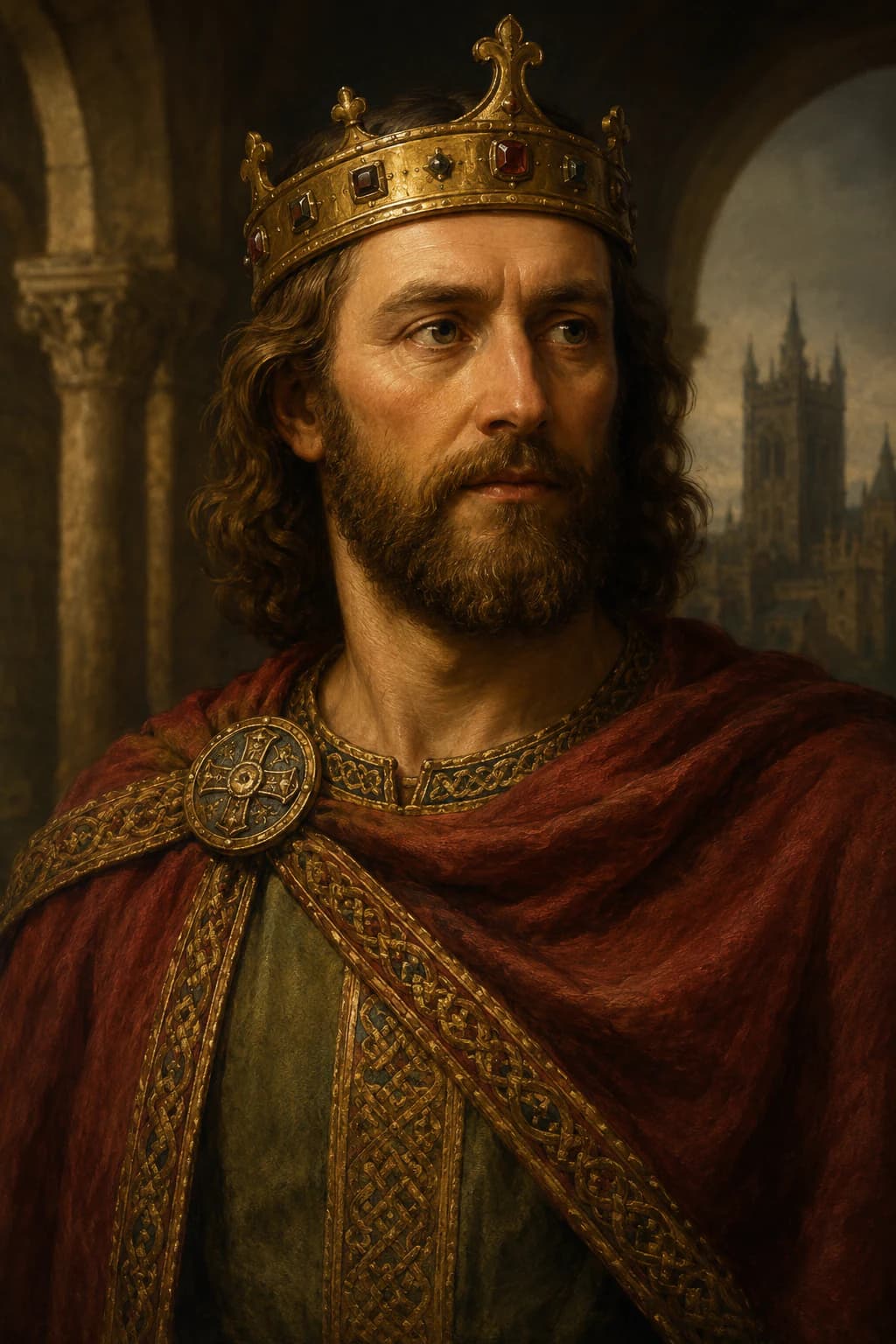
King Aethelberht
He ruled Kent when Augustine arrived in 597, protected the Roman mission, converted to Christianity, and helped make Canterbury the first durable centre of the English Church.

Kublai Khan
He was Genghis Khan's grandson, founder of the Yuan dynasty, conqueror of the Southern Song, and the Mongol ruler who tried to turn steppe empire into a durable Chinese imperial state.
L
1 figure
M
3 figures
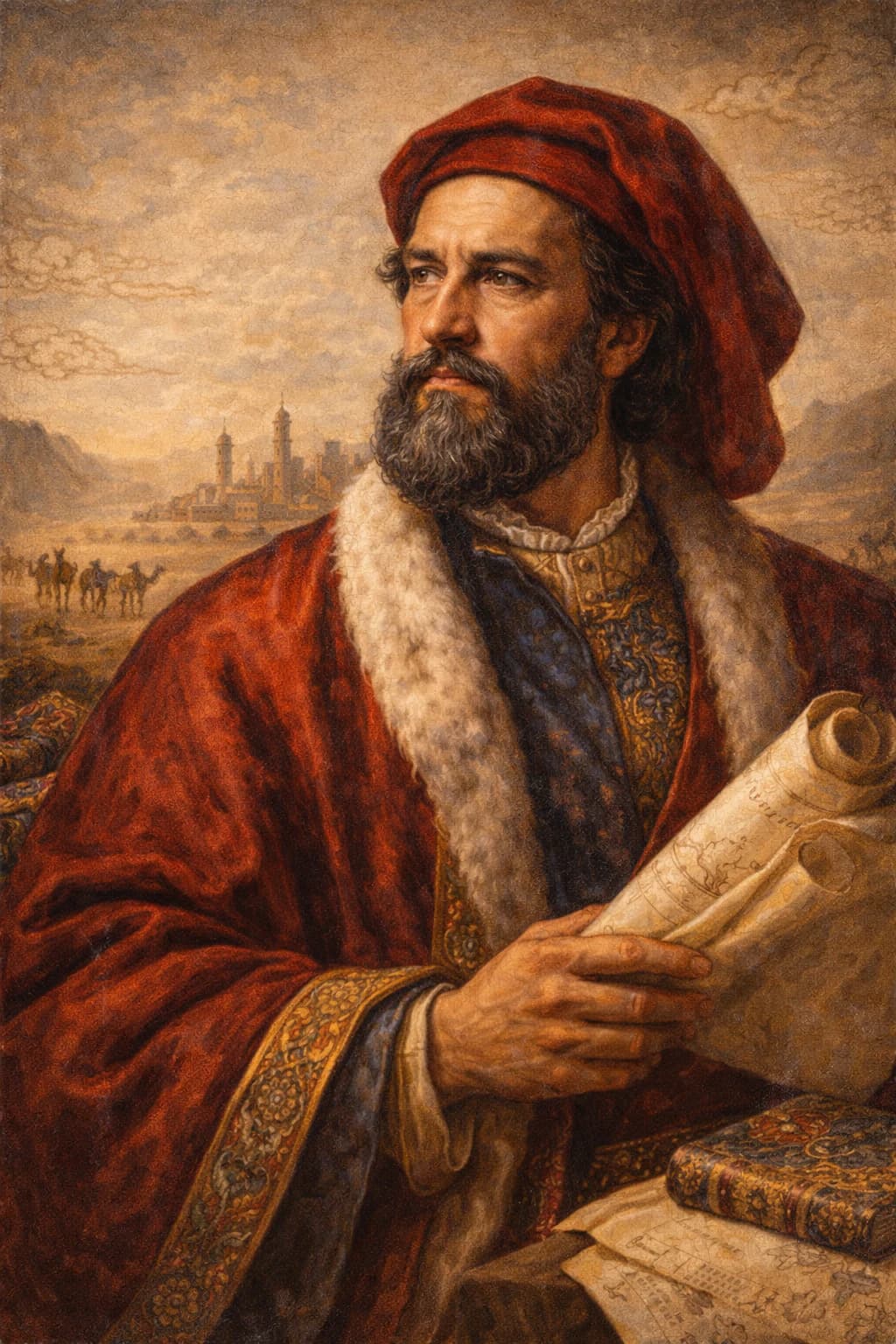
Marco Polo
He travelled from Venice to the Mongol world, spent years around Kublai Khan's Yuan empire, and returned with a travel account that stretched Europe's mental map of Asia even as readers argued over what he really saw.
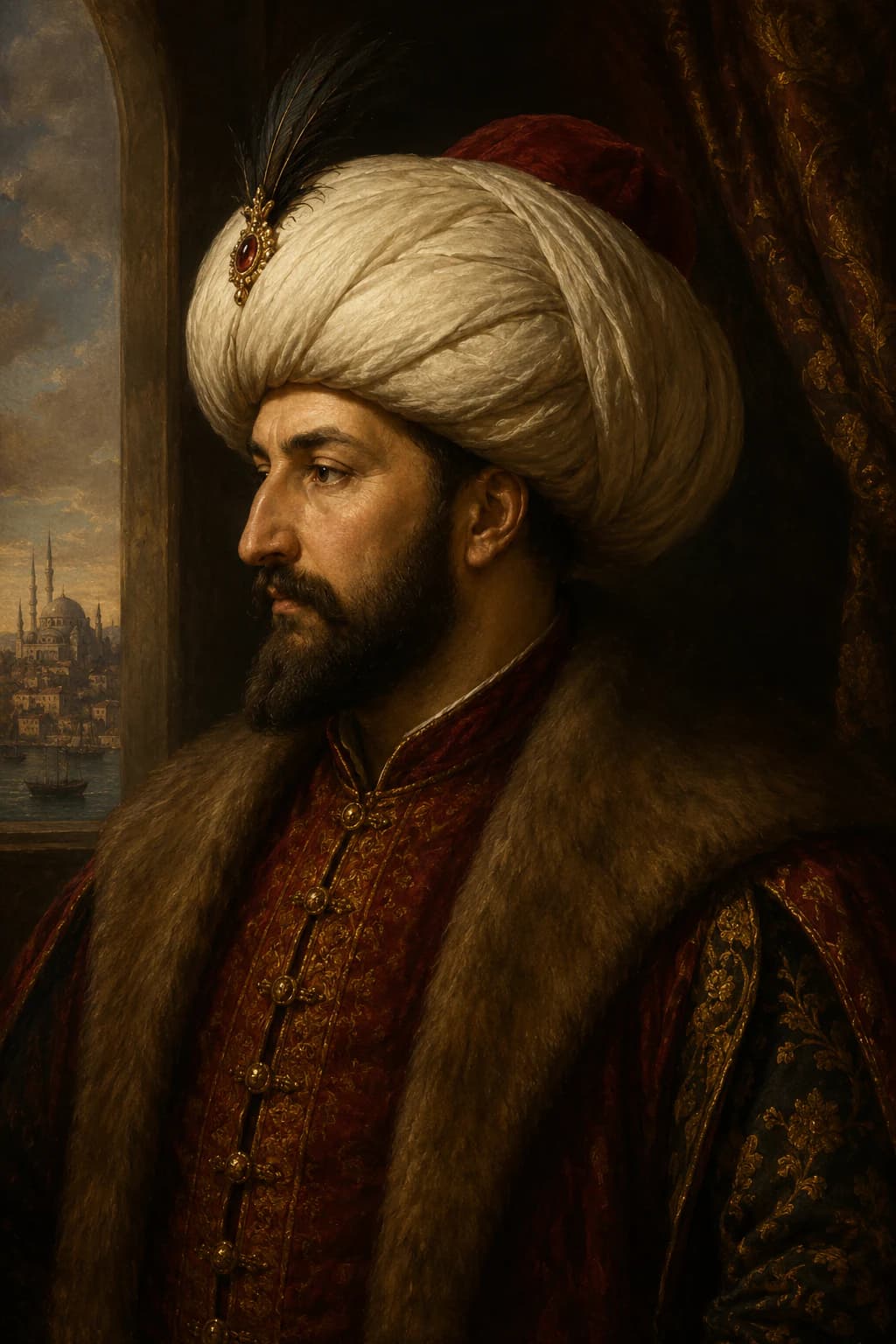
Mehmed II
He captured Constantinople in 1453, ended the Byzantine Empire, and turned the Ottoman state into an imperial power centred on Istanbul.

Moctezuma II
He ruled Tenochtitlan at the height of Mexica power, faced Hernan Cortes and his Indigenous allies in 1519, and died as Spanish invasion turned imperial strength into sudden crisis.
N
2 figures

Nicolaus Copernicus
He quietly moved Earth from the centre of the cosmos, spent decades refining a Sun-centred model, and published a book in 1543 that helped launch the scientific revolution without looking like a revolution at first glance.
Nur al-Din
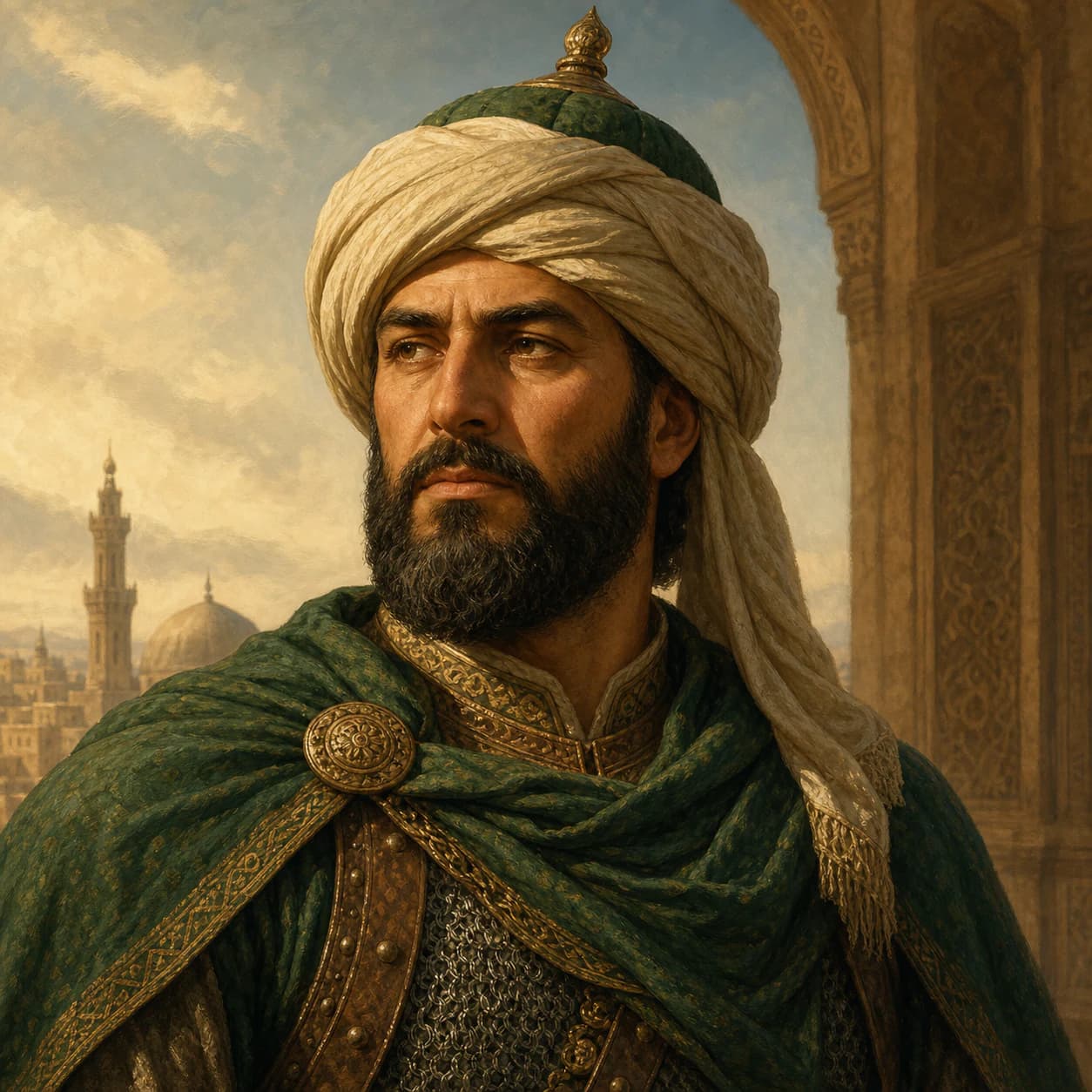
He inherited Aleppo from Zengi, took Damascus in 1154, promoted Muslim unity against the Crusader states, and created the political framework that Saladin later expanded.
O
4 figures
Offa of Mercia
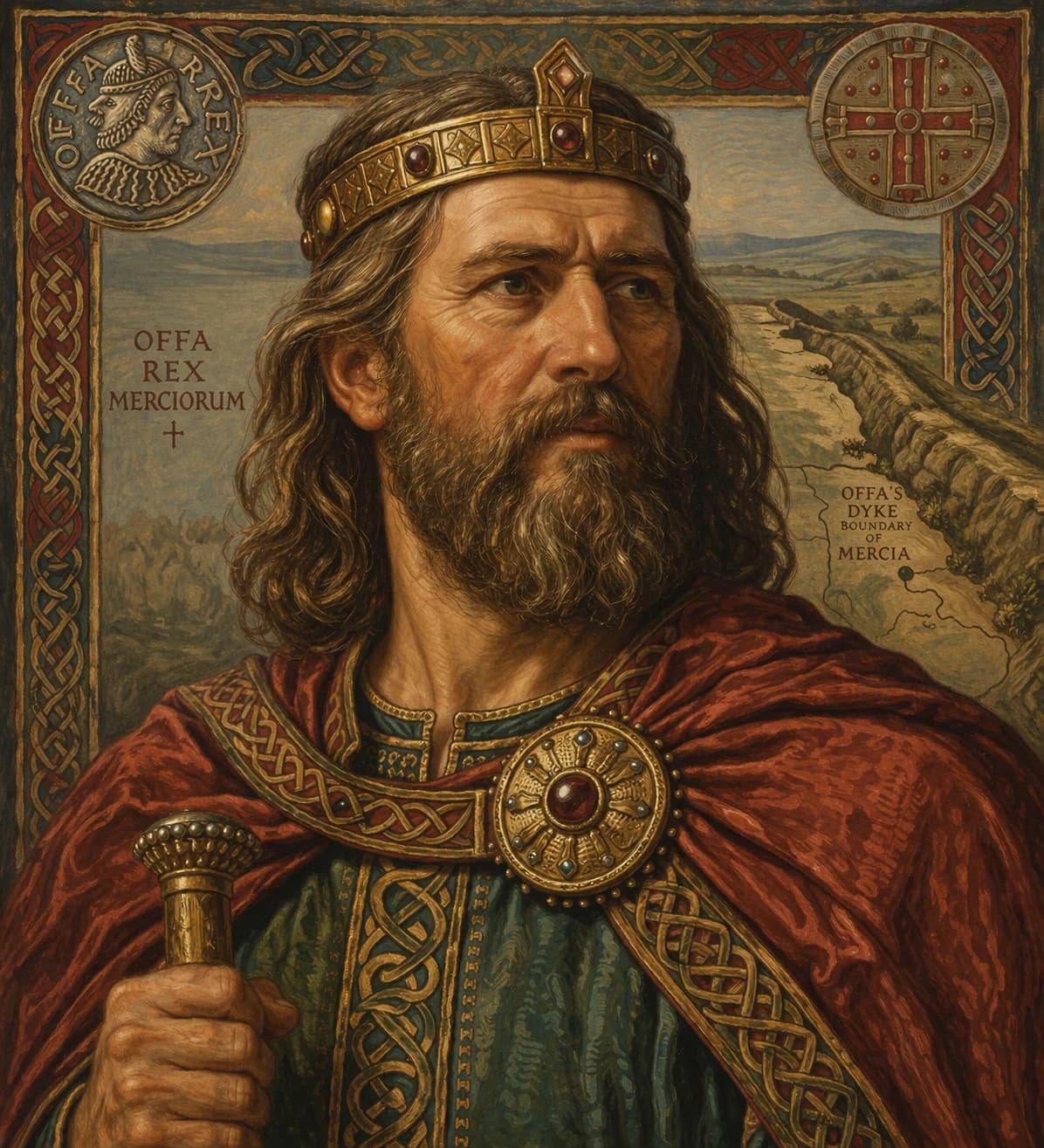
He made Mercia the dominant power in Anglo-Saxon England, dealt with Charlemagne, reformed coinage, shaped church politics and left Offa's Dyke as a monumental sign of royal power before England existed.
Oleg of Novgorod
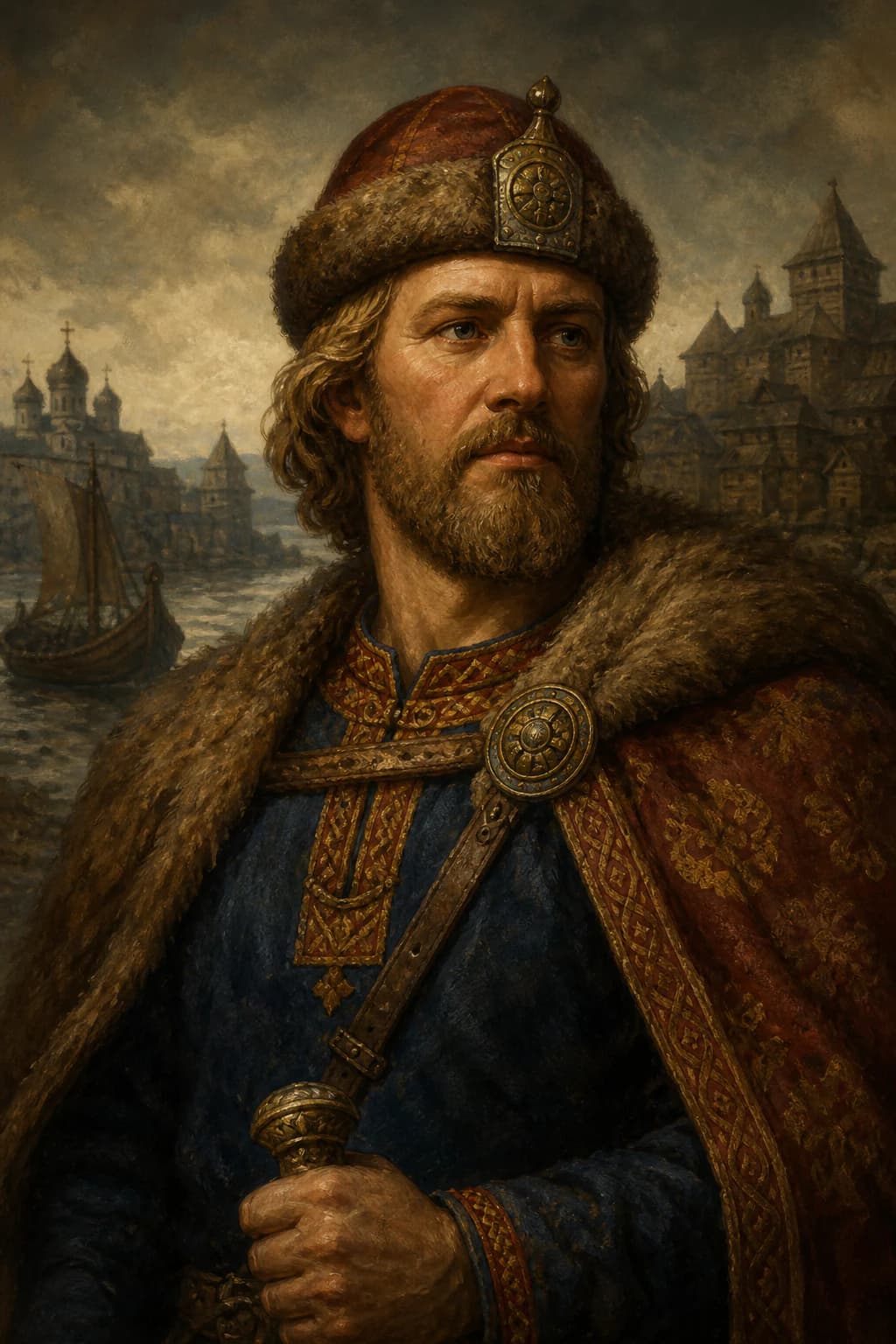
He carried Rus power from the northern waterways to Kiev, turning a loose Varangian-Slavic network into a more formidable political centre.
Olga of Kiev
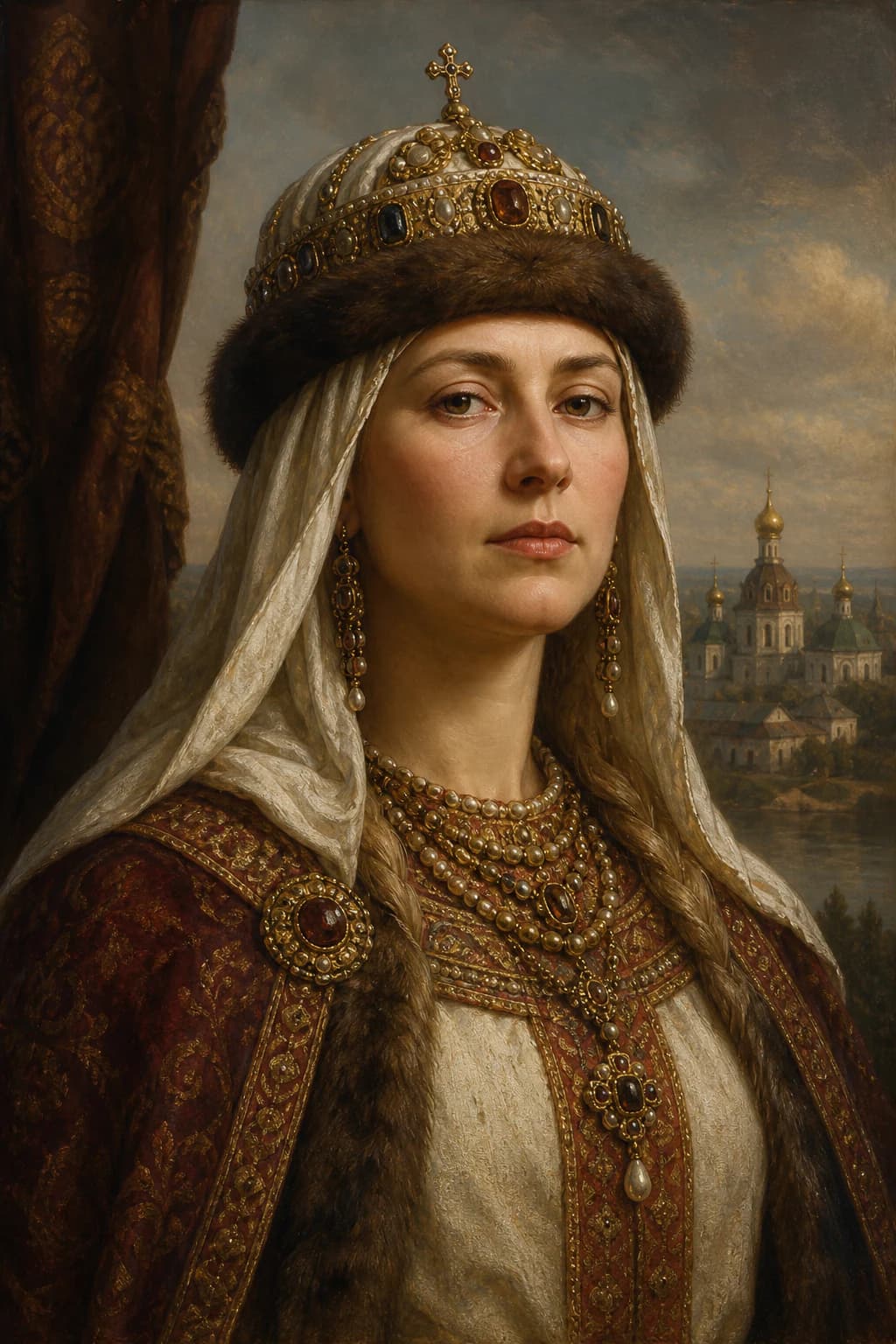
She ruled as regent after her husband's killing, broke a dangerous rebellion, reformed tribute, and became the most important Christian convert in Rus before Vladimir.

Osman I
He led a frontier principality in northwestern Anatolia that grew after his death into the Ottoman Empire, one of the most durable states in world history.
P
8 figures

Peter the Hermit
He was a charismatic preacher associated with the People's Crusade, an early popular movement that set out before the main First Crusade armies and ended in disaster in Anatolia.
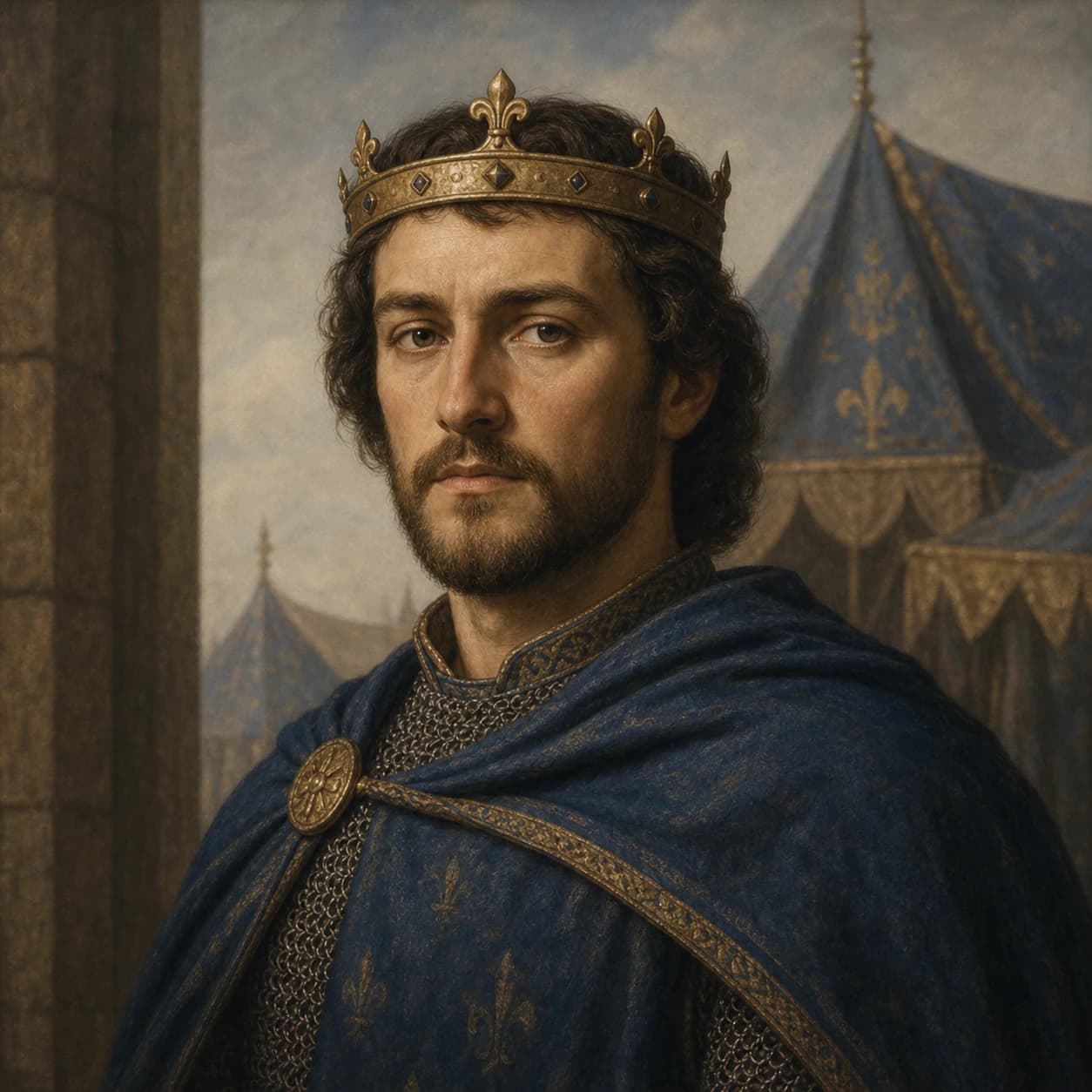
Philip II of France
He joined the Third Crusade with Richard I, helped take Acre, then returned to France and became one of the most effective Capetian kings, weakening Angevin power.
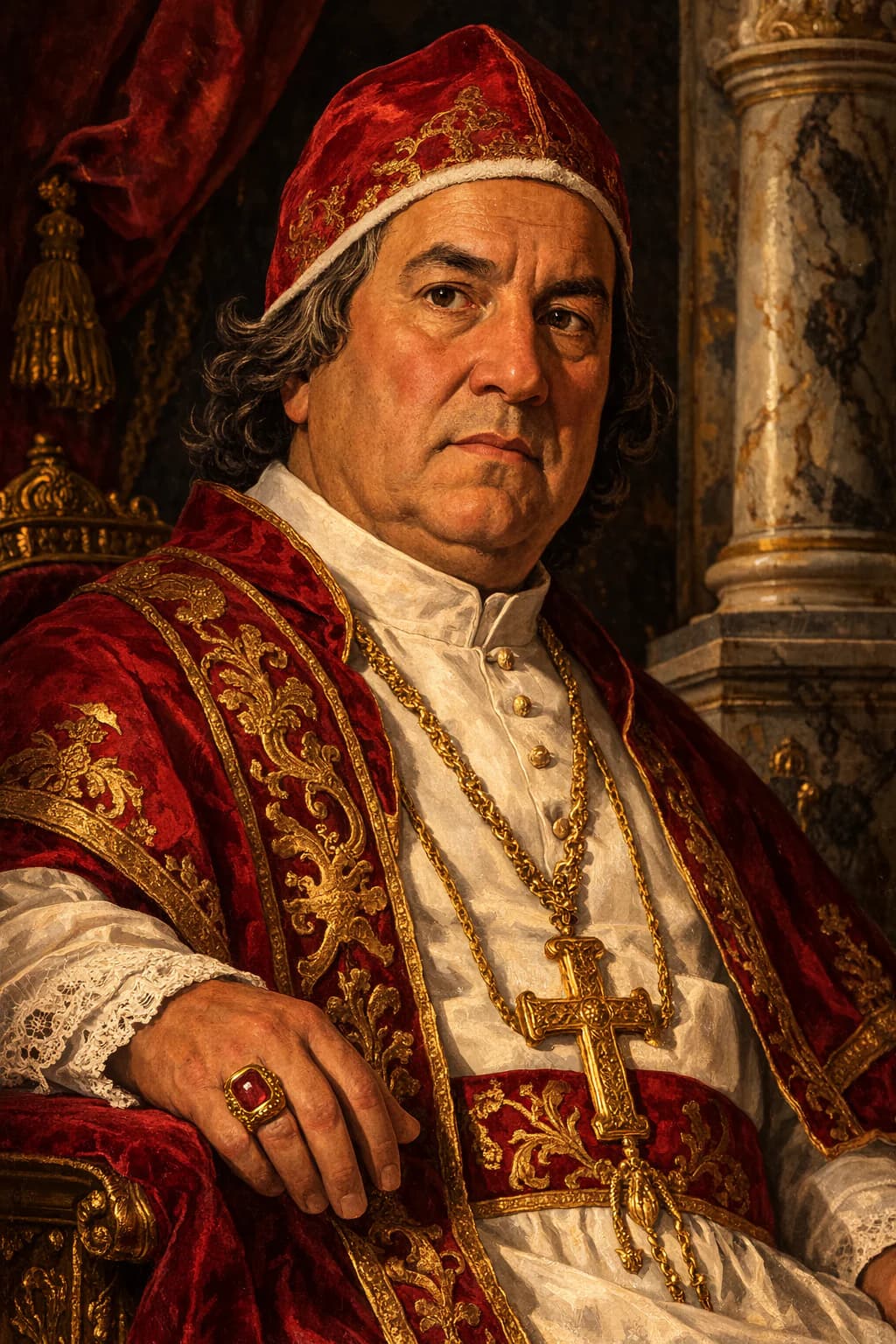
Pope Alexander VI
He was the Borgia pope who fused spiritual office with Renaissance power politics, advanced his family through the papacy, and helped give religious cover to Spain's Atlantic empire.
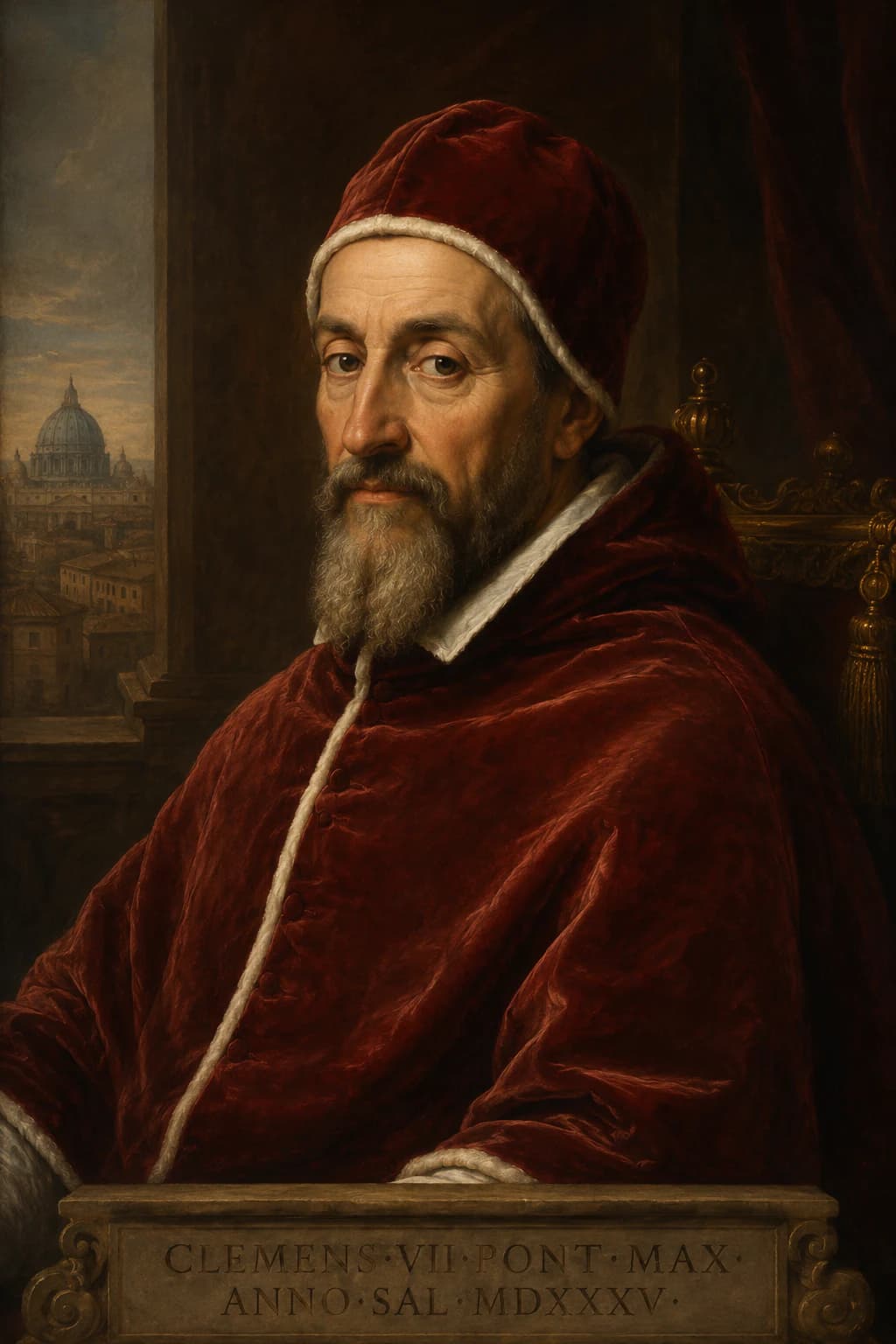
Pope Clement VII
He was the Medici pope whose refusal and delay over Henry VIII's annulment, under pressure from Charles V, helped push England toward royal supremacy and schism from Rome.
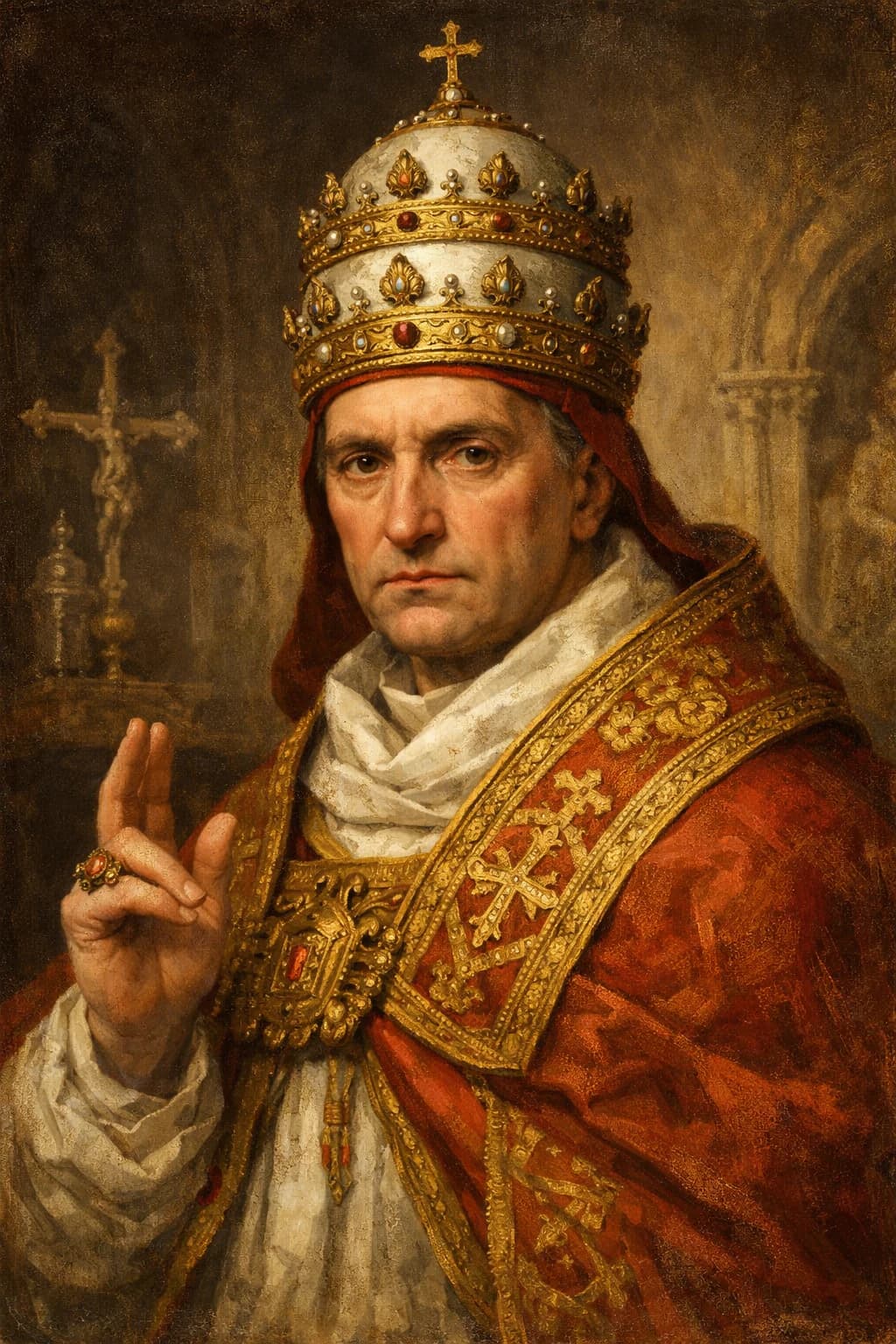
Pope Innocent III
He made the medieval papacy a force above kings, humbled John of England, shaped the Fourth Lateran Council, launched crusades against Muslims and heretics, and revealed both the reach and danger of sacred power.
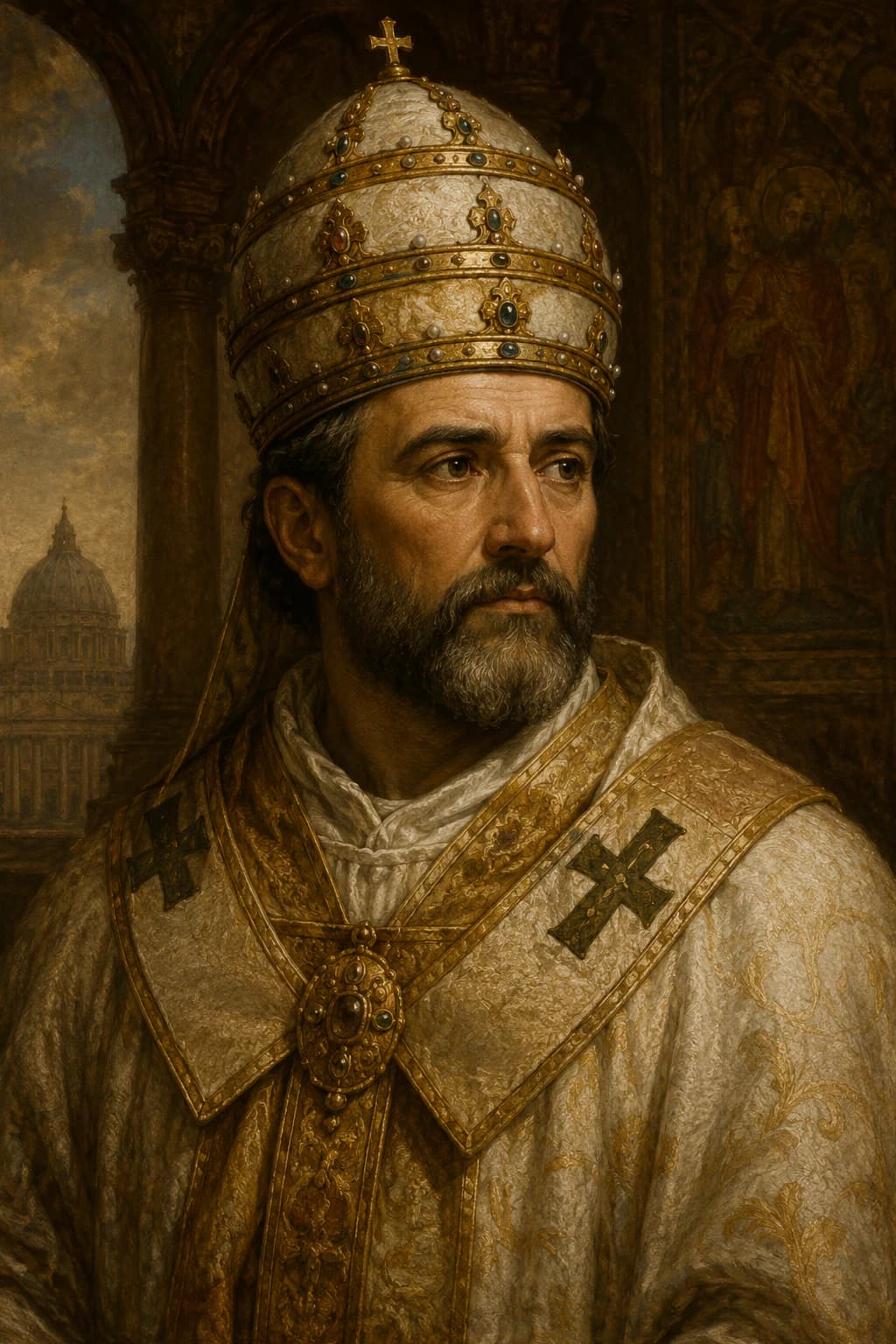
Pope Leo III
He was the pope who crowned Charlemagne emperor on Christmas Day 800, tying Frankish power to Roman Christian authority and reshaping the political imagination of medieval western Europe.
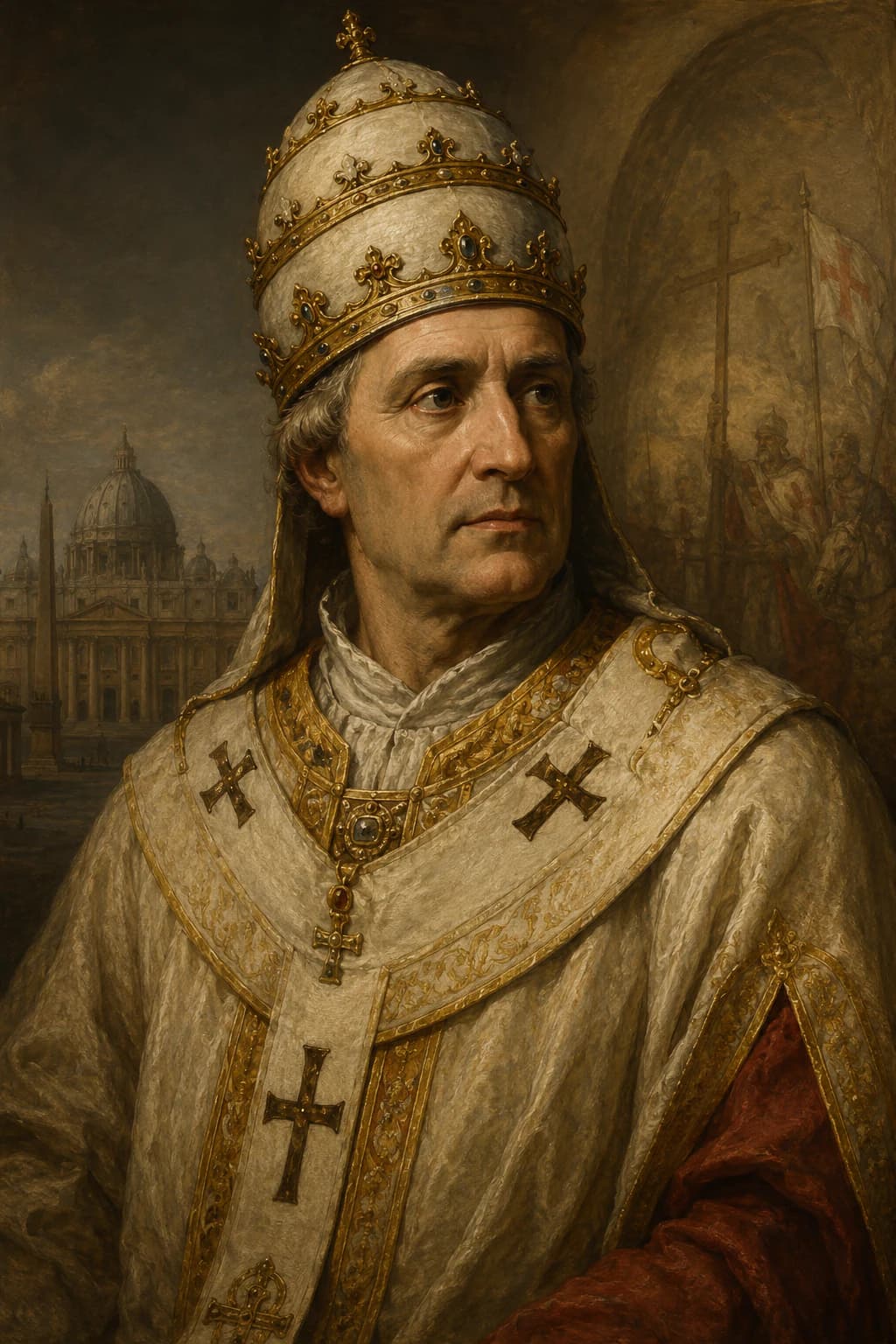
Pope Urban II
He called the First Crusade at Clermont in 1095, turning papal reform, knightly violence and the struggle for Jerusalem into a movement that reshaped medieval history.
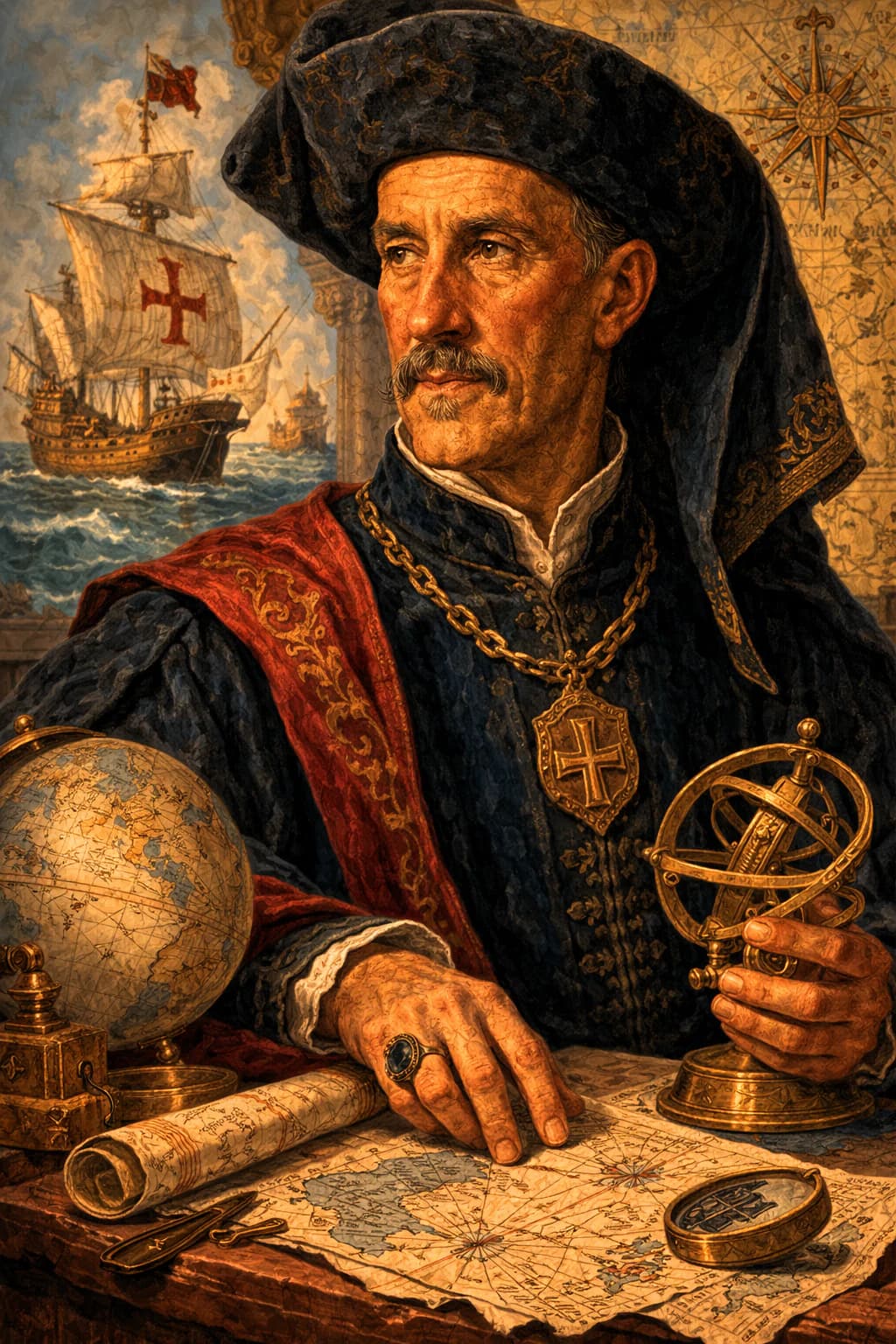
Prince Henry the Navigator
He rarely sailed far himself, but as a Portuguese prince, crusader and sponsor of Atlantic voyages he pushed exploration beyond Cape Bojador, opened routes down West Africa, and helped begin both oceanic expansion and the Atlantic slave trade.
Q
1 figure
R
5 figures
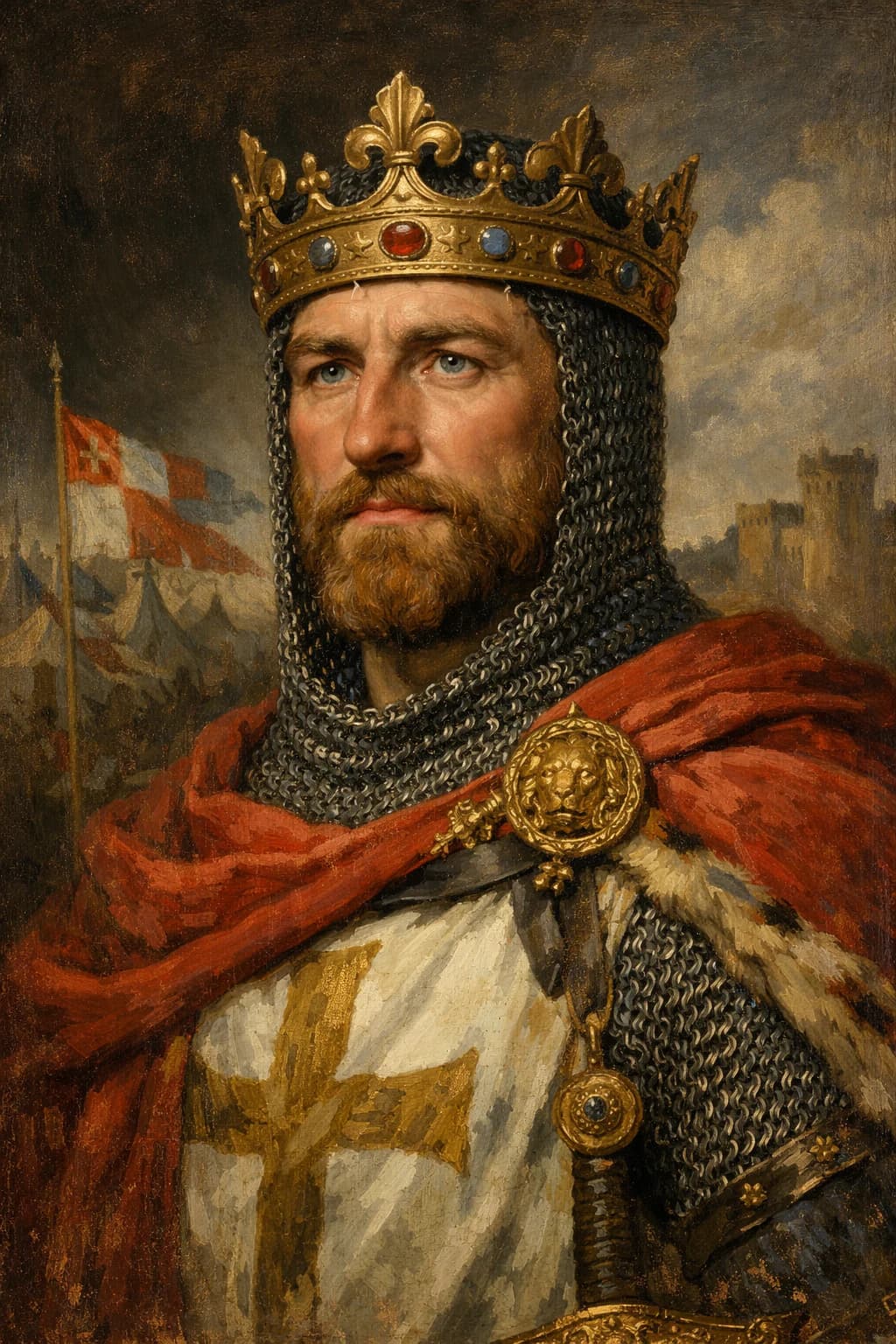
Richard I
He ruled England for ten years but spent very little of that reign there, becoming famous instead as a crusader, commander and Angevin warlord whose legend as the Lionheart often outshines his record as king.
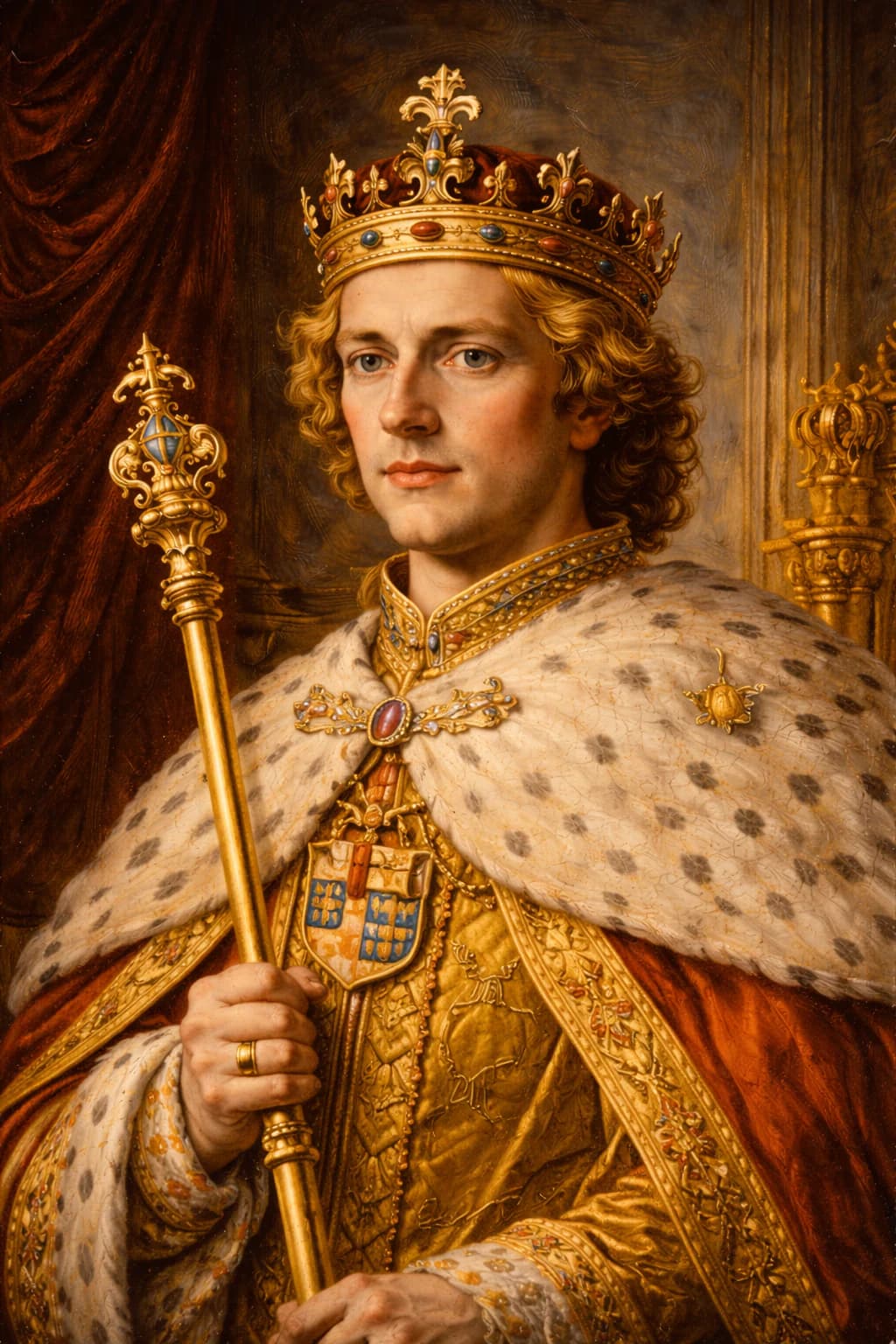
Richard II
He faced the Peasants' Revolt as a boy king, built a dazzling court around sacred monarchy, and then pushed royal power so far that Henry Bolingbroke could make deposition look like rescue.

Richard III
He was a loyal brother and able soldier who took his nephew's throne, acquired the darkest reputation in English history, and died charging at Bosworth with no one riding to save him.
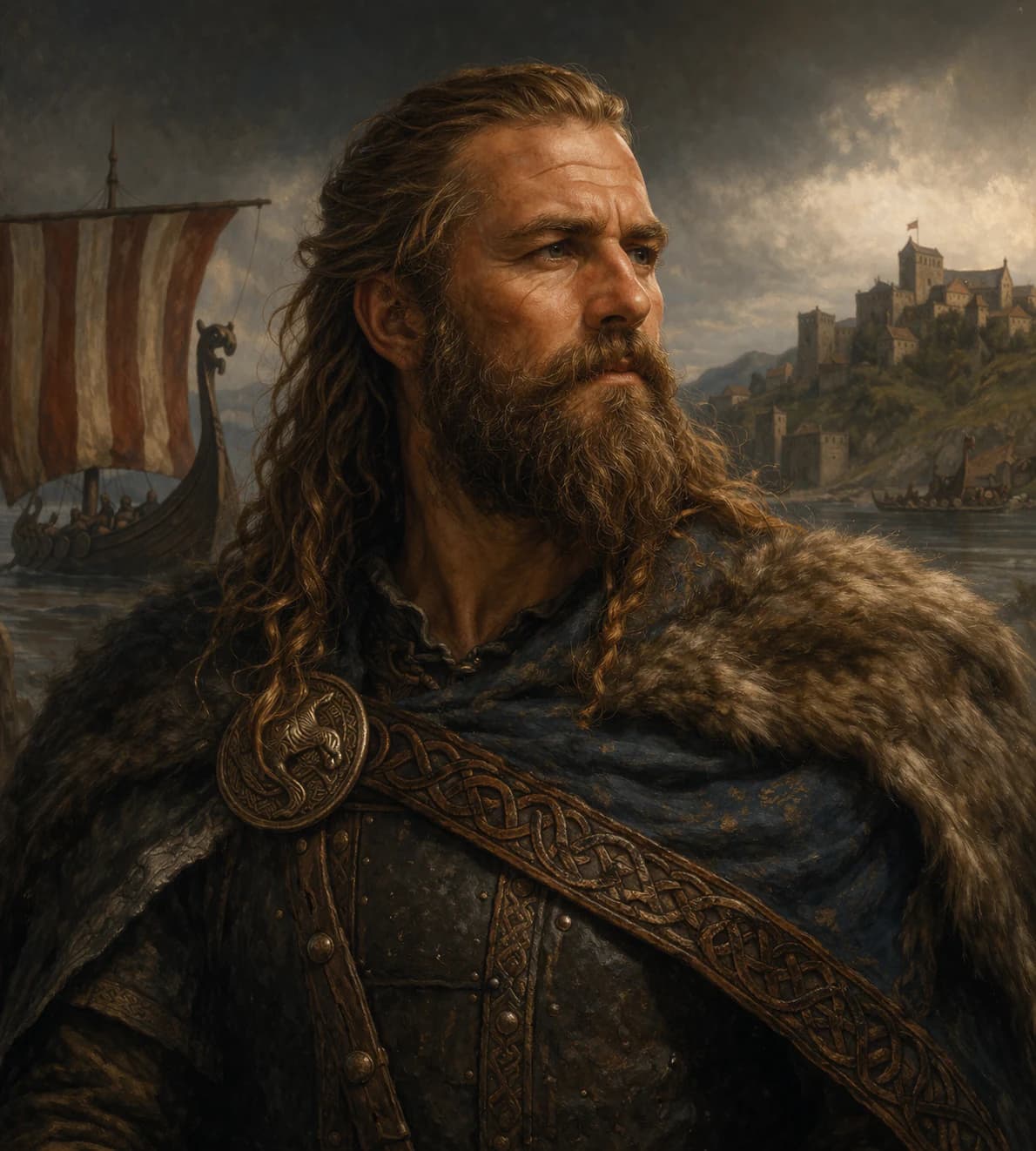
Rollo
He led a Viking raid into northern France, was offered land to stop raiding, and became the founder of Normandy — and the great-great-great-grandfather of William the Conqueror.
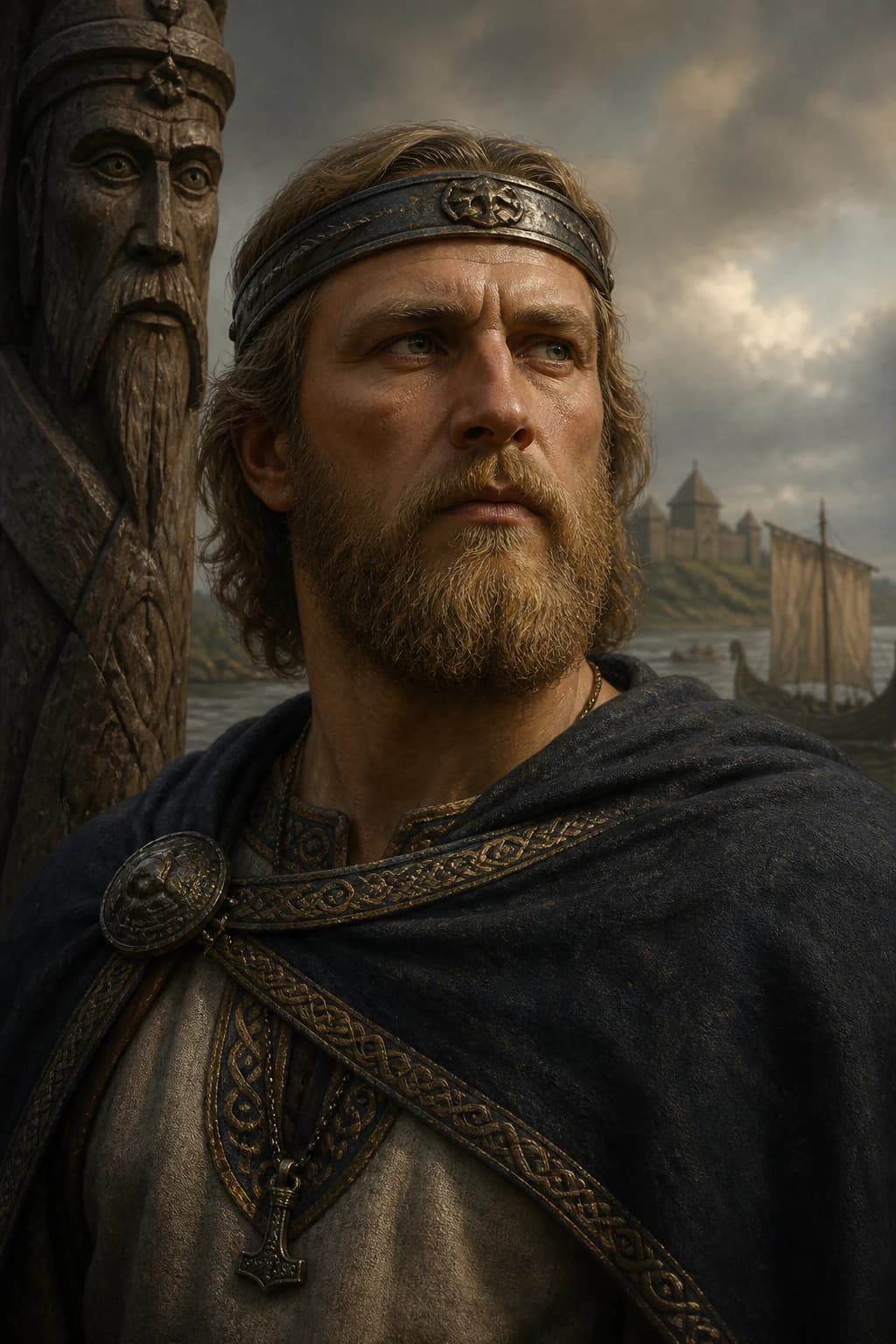
Rurik
He stands at the misted edge of Rus history: a Varangian war leader, a dynastic ancestor, and the name around which later rulers built a story of origin.
S
4 figures

Saladin
He rose from Kurdish military service to unite Egypt and Syria, defeat the Crusader kingdom at Hattin, and retake Jerusalem with a reputation that crossed religious lines.
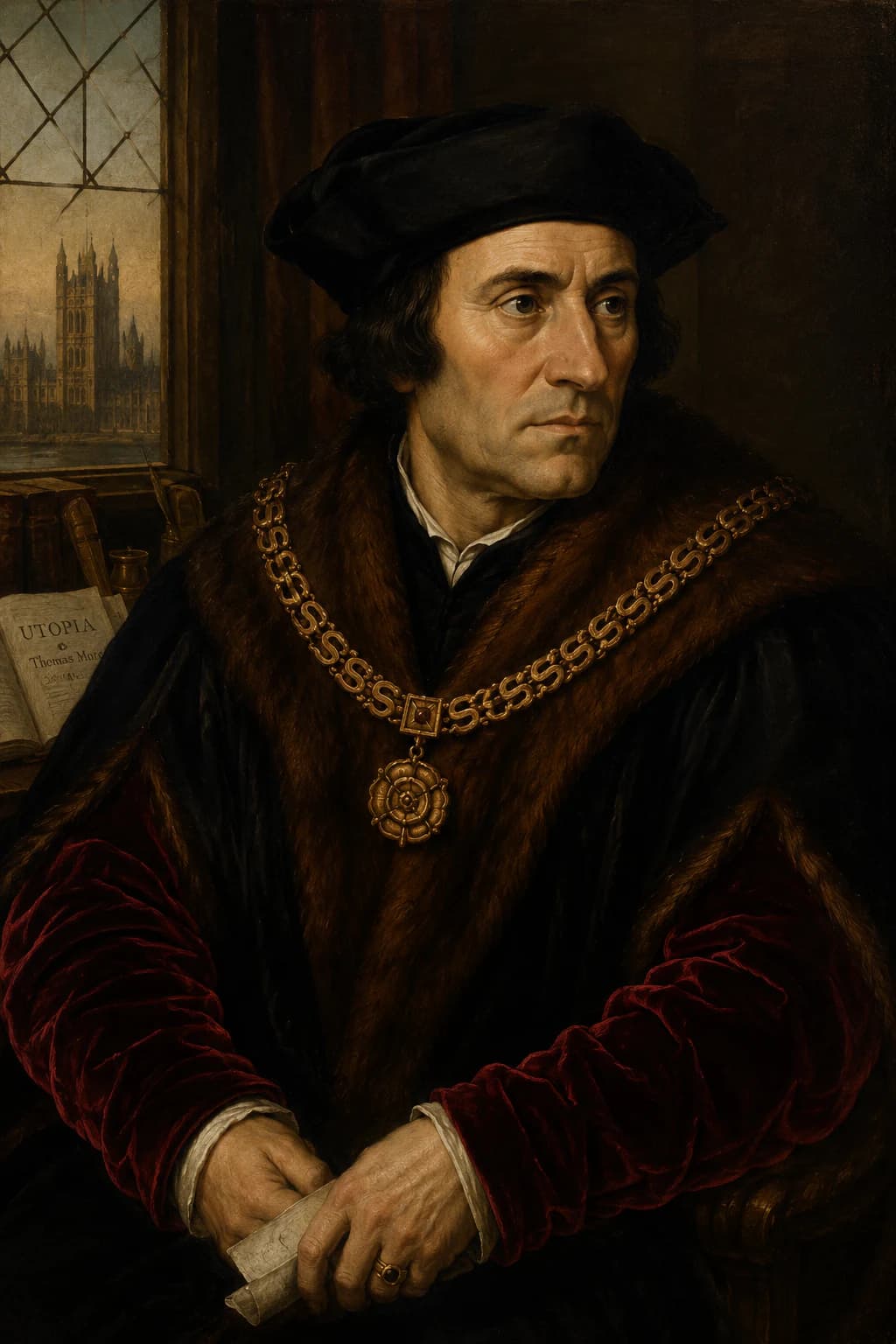
Sir Thomas More
He was a humanist scholar, royal councillor and Lord Chancellor who refused Henry VIII's supremacy oath and was executed for treason in 1535.
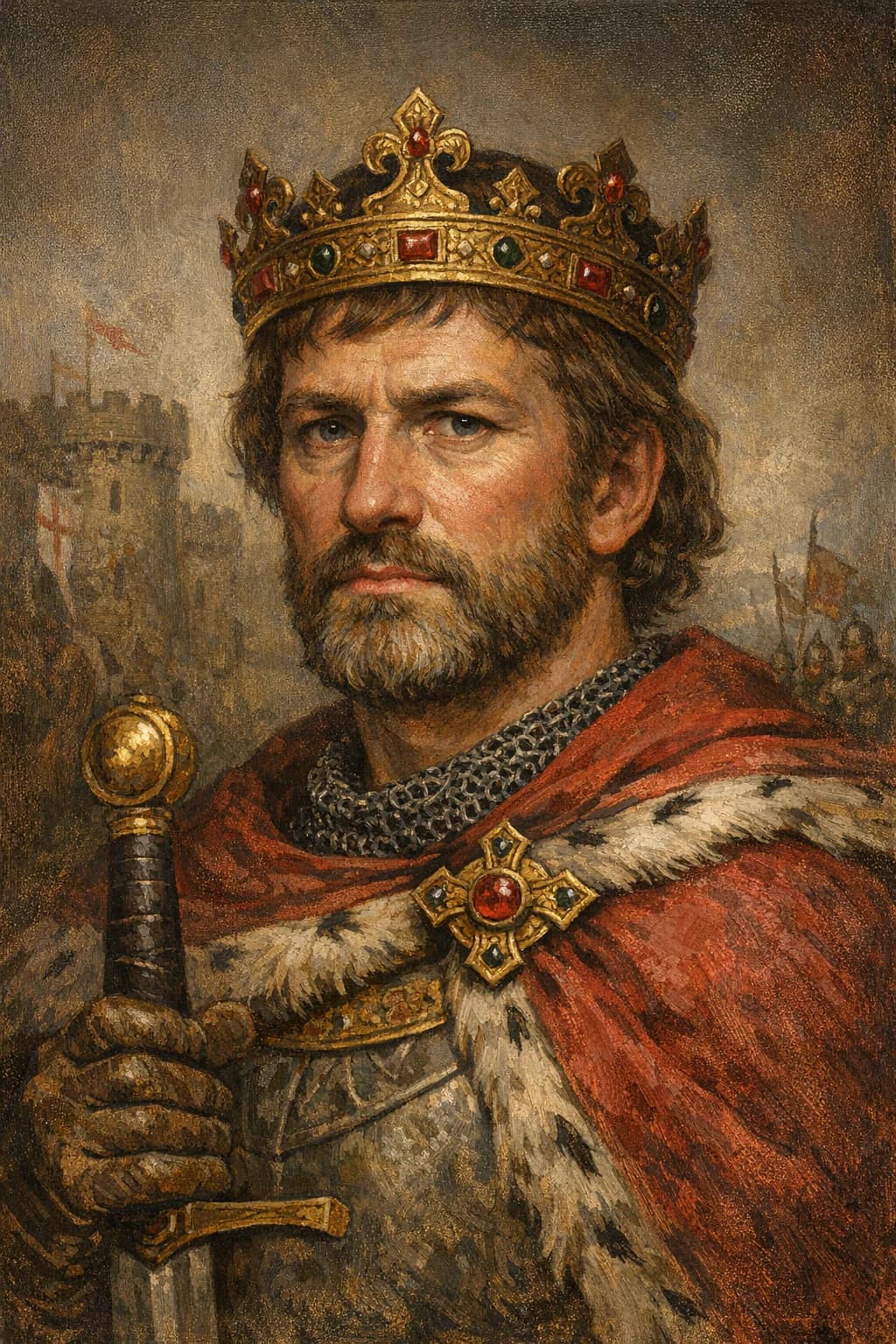
Stephen
He seized England's throne after Henry I's death, fought Empress Matilda through the civil war known as the Anarchy, and finally accepted that her son Henry would inherit after him.
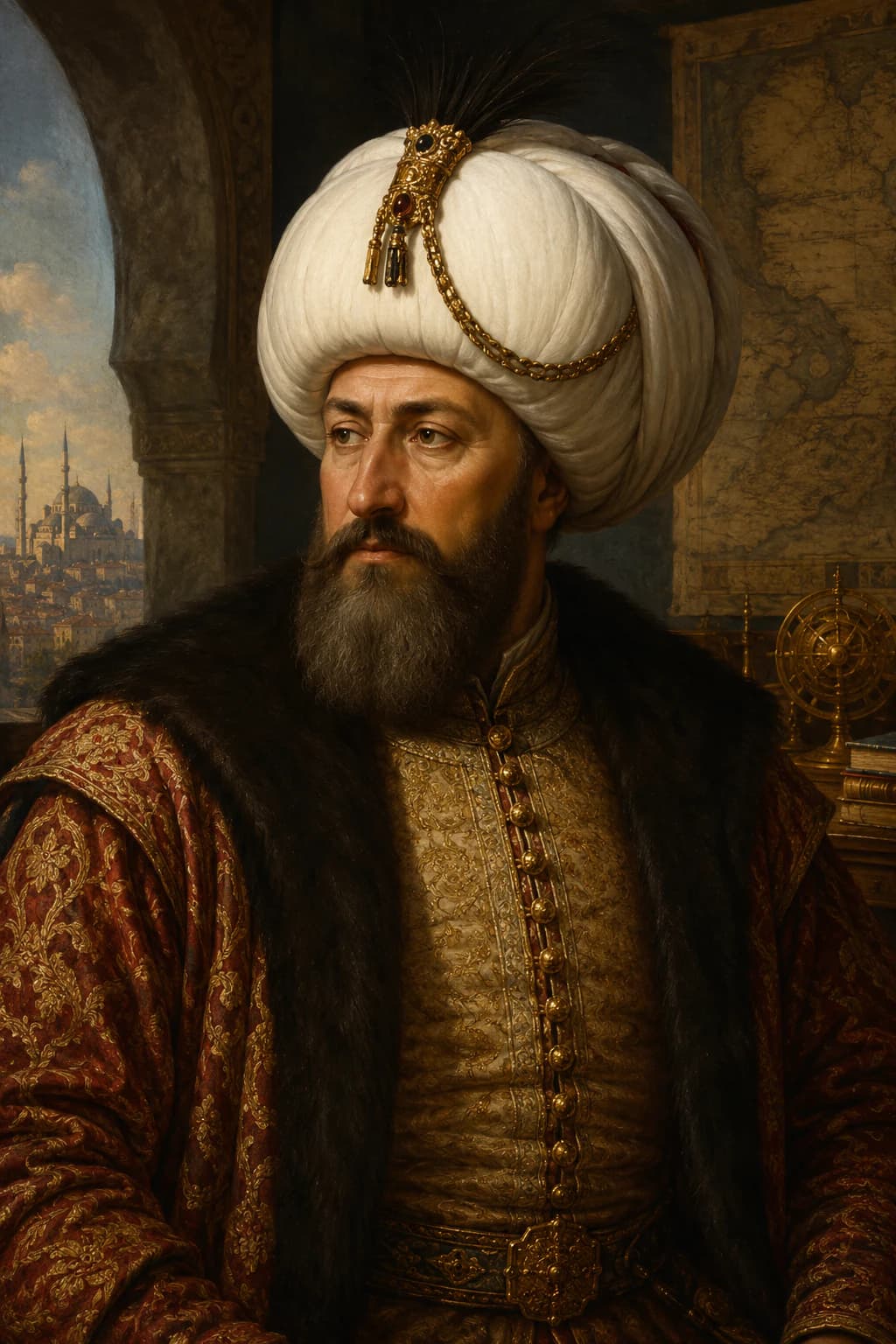
Suleiman the Magnificent
He ruled the Ottoman Empire at the height of its power, expanding from Hungary to Iraq while shaping law, court culture and imperial identity.
T
5 figures
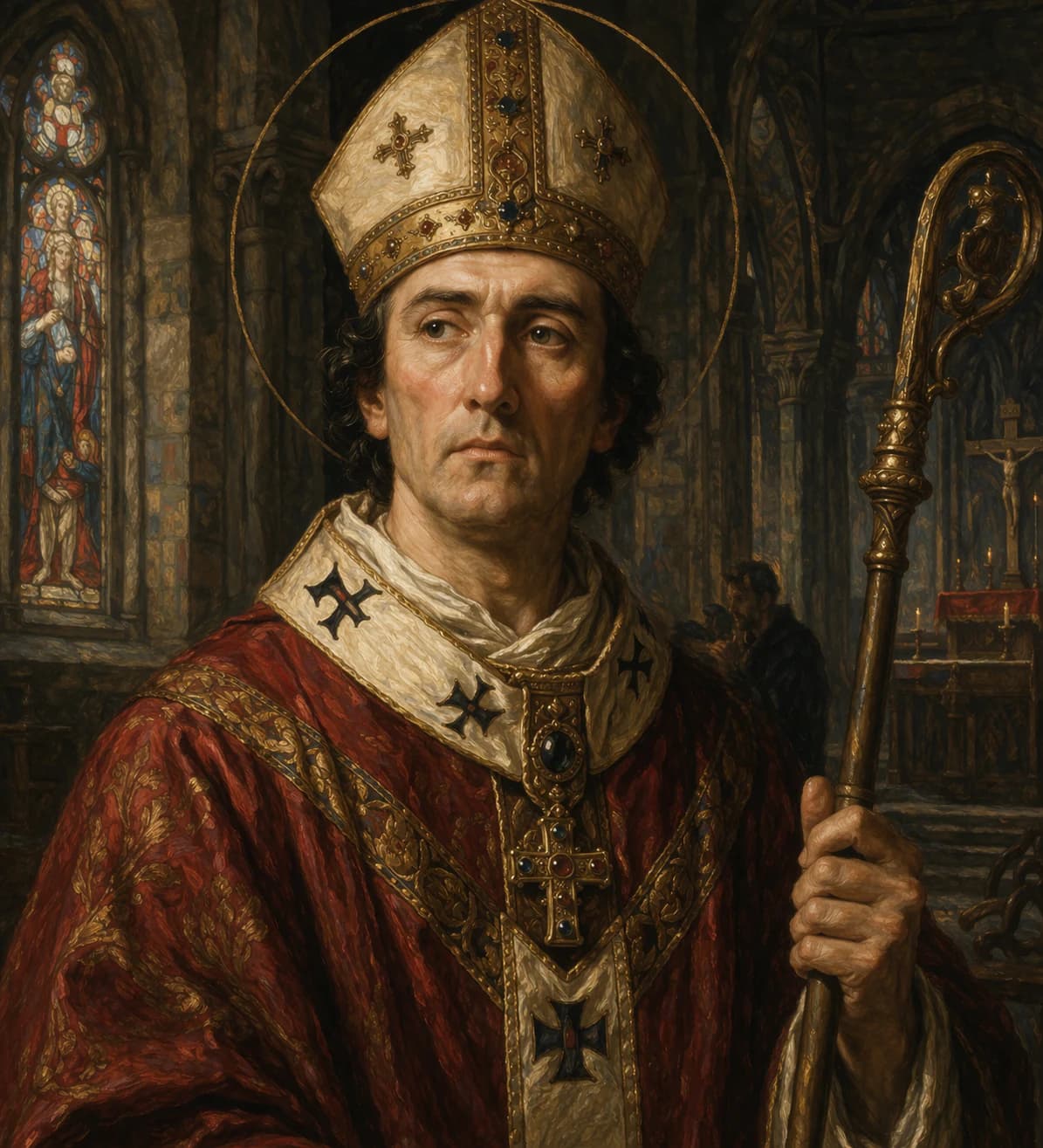
Thomas Becket
He rose from London merchant roots to become Henry II's chancellor and Archbishop of Canterbury, then died as a martyr after a bitter struggle over church and royal authority.
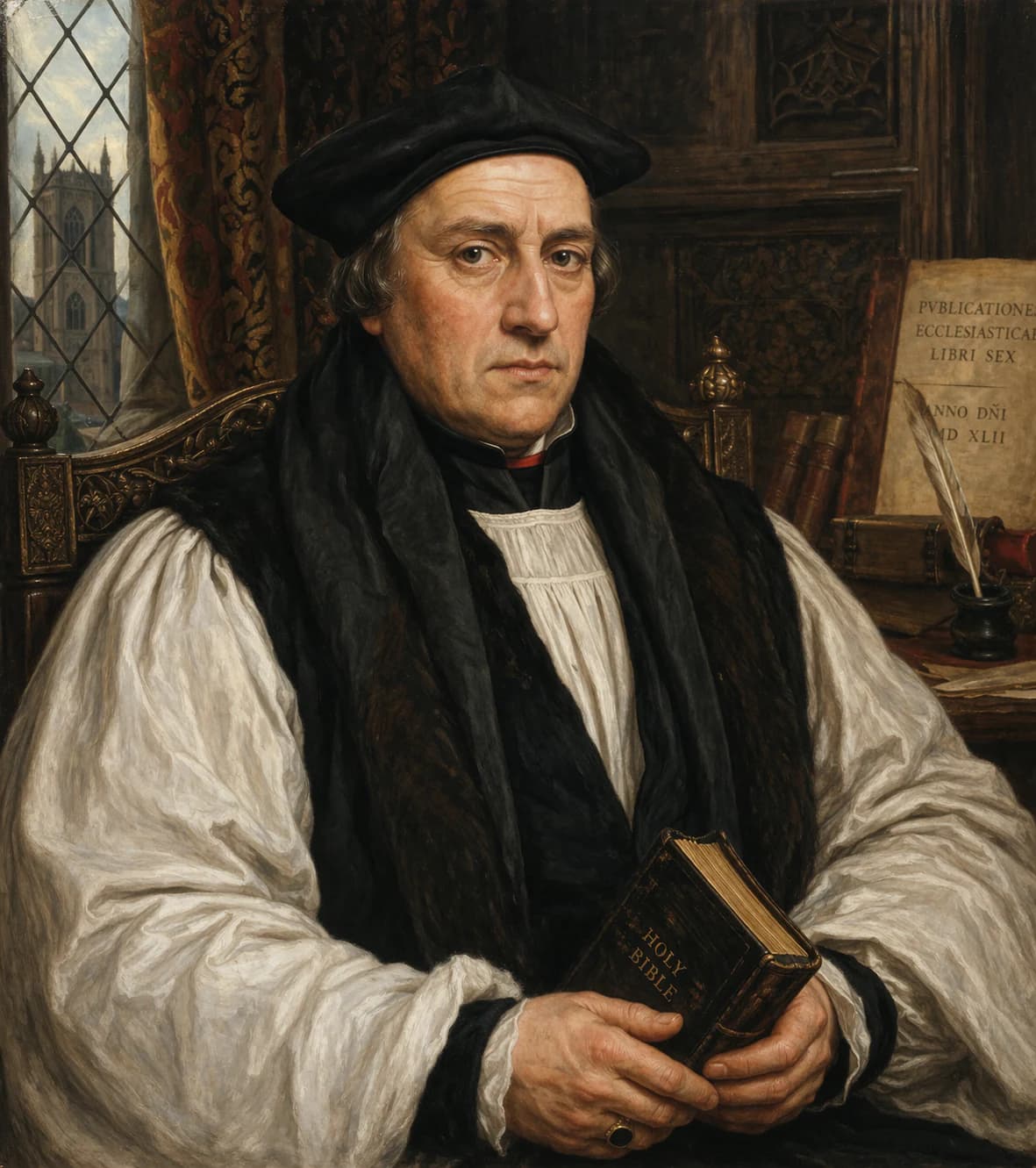
Thomas Cranmer
He helped Henry VIII break with Rome, gave English Protestantism its liturgy through the Book of Common Prayer, recanted under Mary I, then died rejecting that recantation.
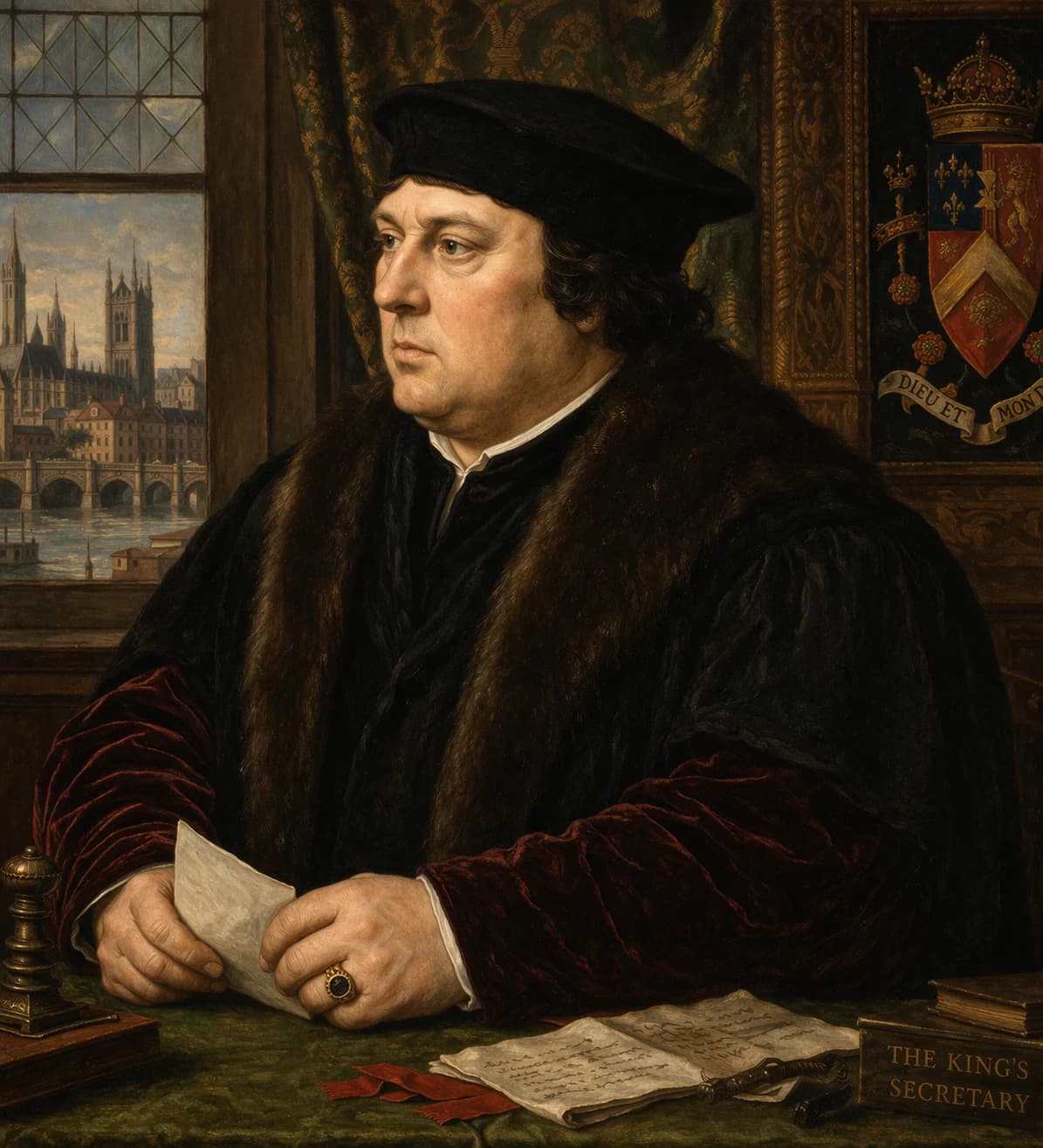
Thomas Cromwell
He rose from Putney origins to become Henry VIII's chief minister, engineered royal supremacy and the dissolution of the monasteries, then fell after the failed Anne of Cleves marriage.
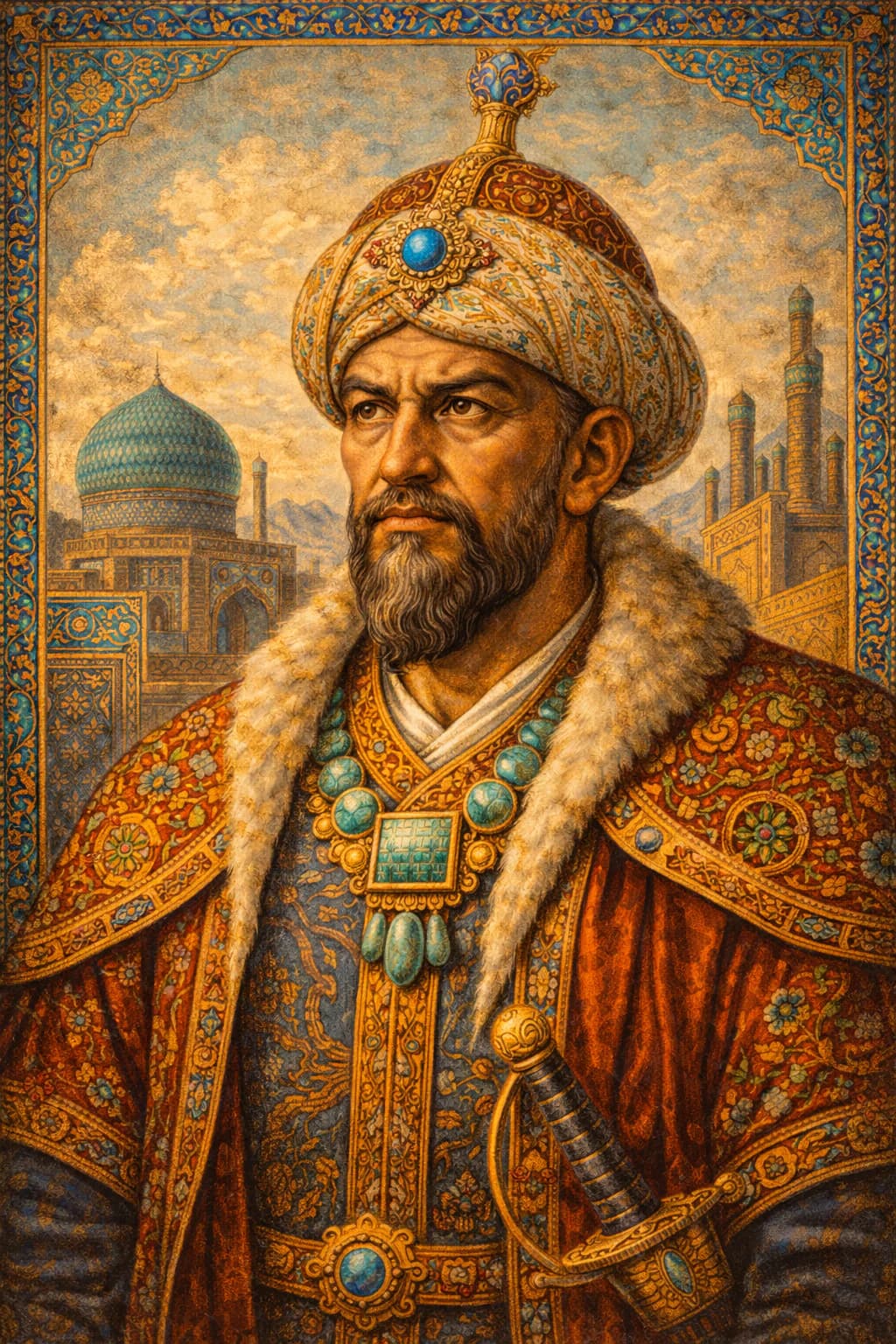
Timur
He rose from Transoxiana's tribal politics to build a vast empire from Delhi to Anatolia, making Samarkand magnificent while leaving conquered cities shattered.

Tlacaelel
He never needed the crown to shape the empire: as counsellor, reformer, and keeper of political memory, he helped teach Tenochtitlan what it was becoming.
V
2 figures

Vasco da Gama
He opened the direct sea route from Europe to India, transforming Portuguese trade and empire, but his voyages also brought coercion, violence and armed competition to the Indian Ocean.
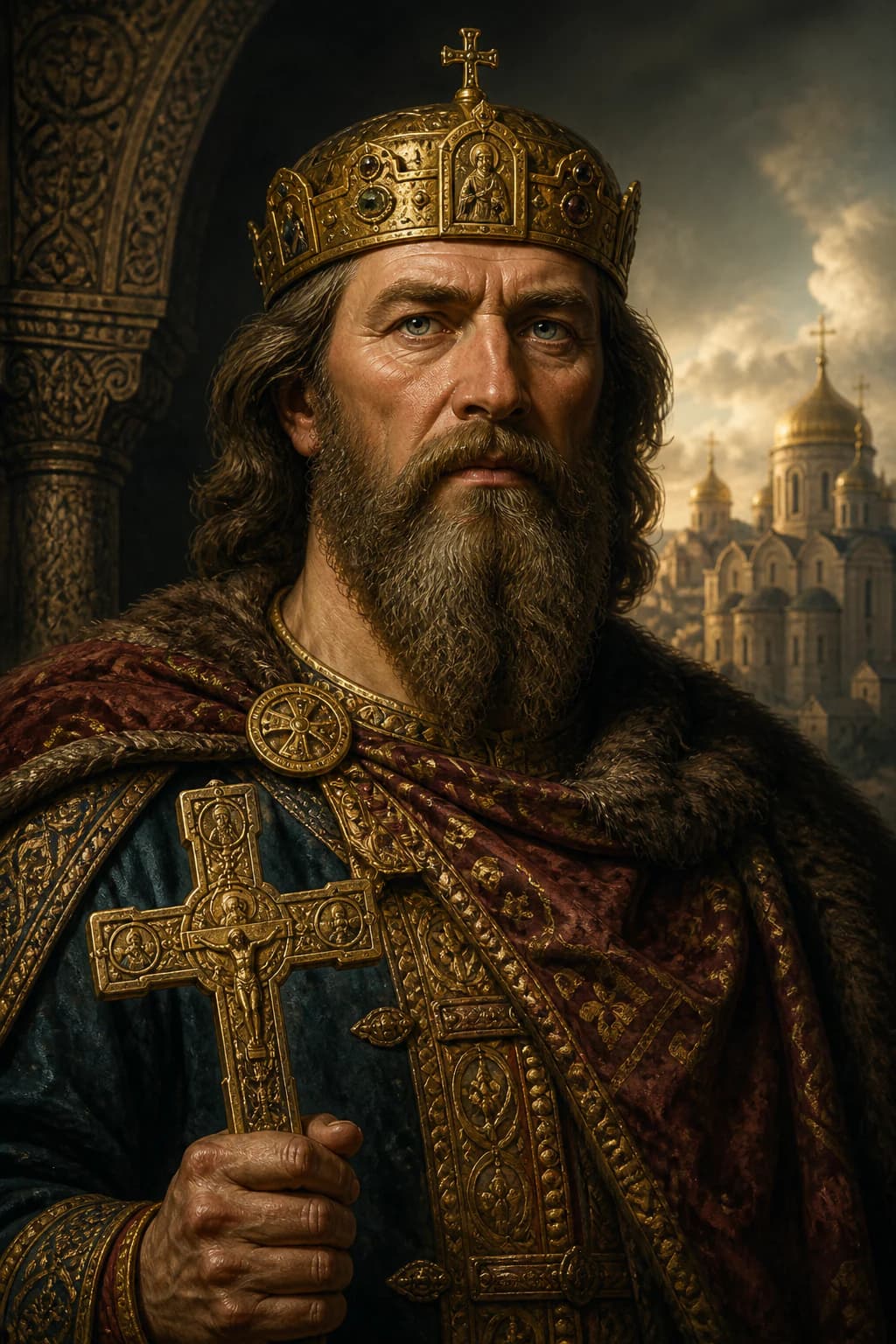
Vladimir the Great
He fought his way to Kiev, chose Byzantine Christianity, and changed the spiritual and political direction of eastern Europe.
W
2 figures
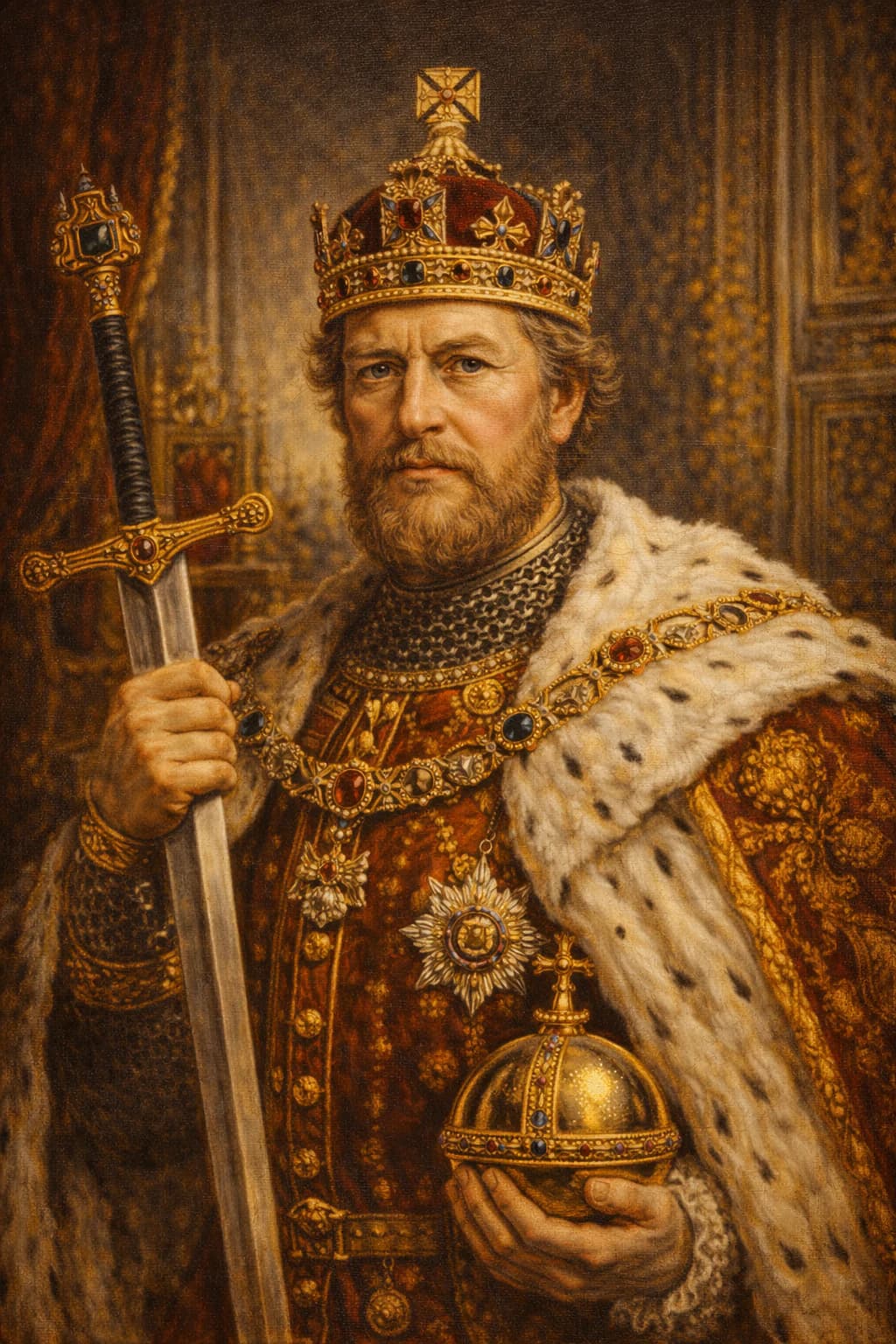
William I
He turned a disputed Norman succession into the conquest of England, defeated Harold Godwinson at Hastings in 1066, and remade English landholding, government and aristocratic culture through force.
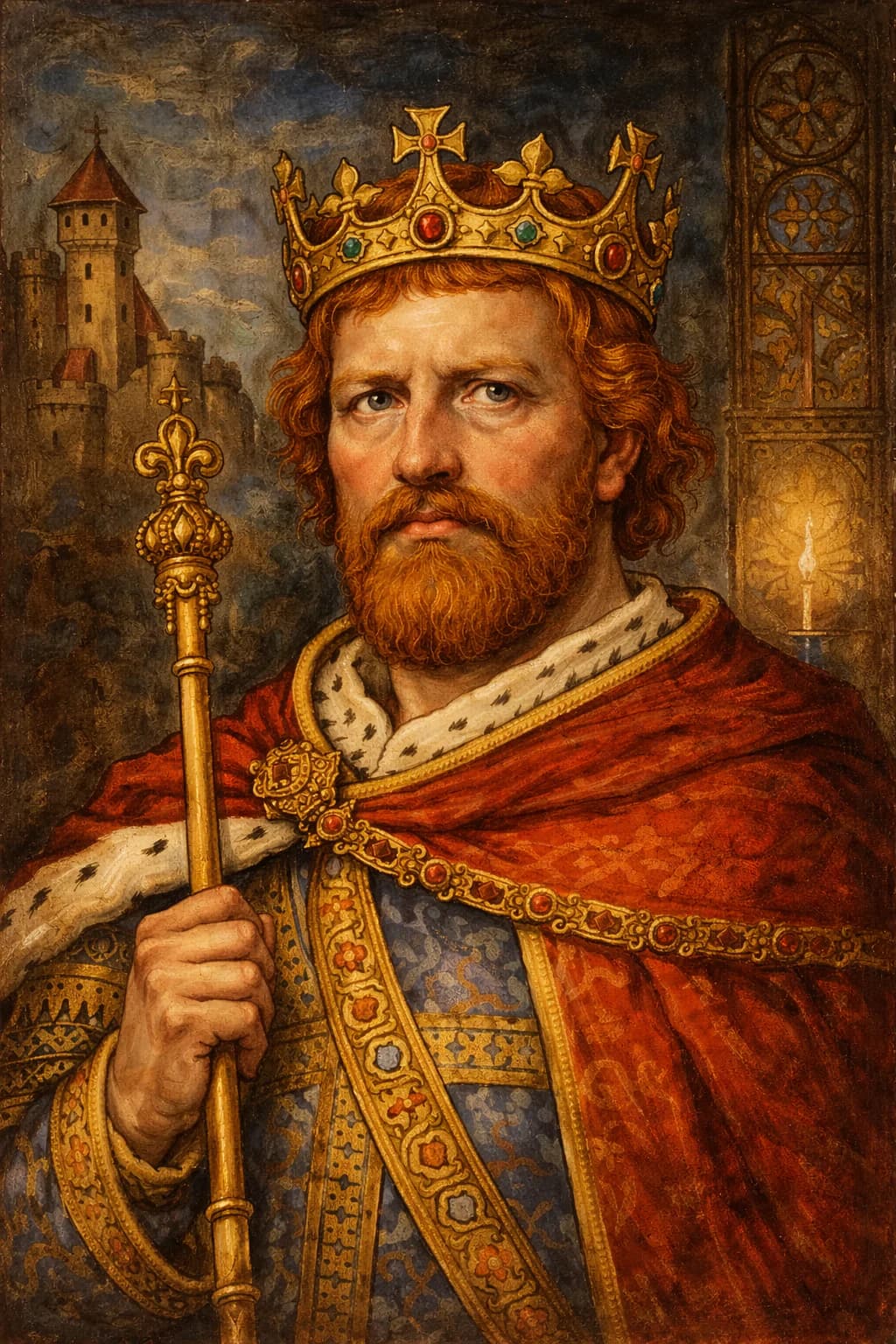
William II
He ruled England as William Rufus, defended his father's conquest with force and money, fought nobles and churchmen, and died in the New Forest from an arrow whose meaning has never been settled.
Y
1 figure

Z
1 figure