People

Galba

Galba was Roman emperor from 68 to 69 CE, the first ruler after Nero and the Julio-Claudian dynasty. Proclaimed during revolt against Nero, he was overthrown and killed after alienating the Praetorian Guard, mishandling succession, and losing support to Otho and Vitellius.

Born
3 BCE
Died
69 CE
Role
Roman emperor

Roman emperor (3 BCE-69 CE)

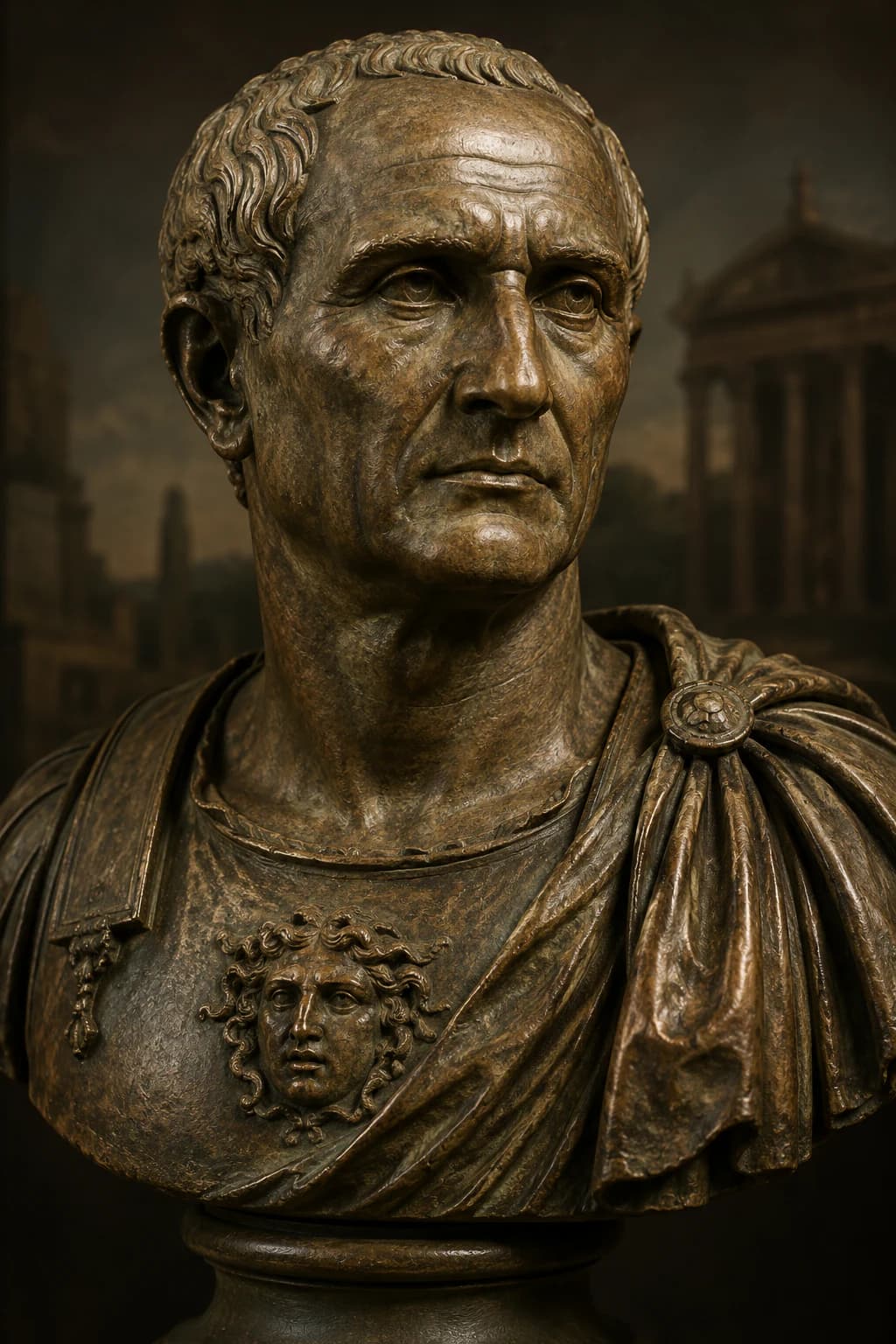
Portrait of Galba in Roman imperial military attire
Quick facts

Profile details

Additional identity and tagging details that are not already covered in the introduction.

Full name
Servius Sulpicius Galba
Facts

Galba timeline facts

Selected specifics from this profile's life story.

3 BCE-60s CE
An old aristocrat

Galba was born in 3 BCE into an old and wealthy Roman aristocratic family. He built a long career under several emperors, serving in high office and provincial command.

68 CE
Challenge to Nero

In 68 CE, revolt against Nero spread from Gaul and Spain. Galba did not begin as a universal savior, but he became a useful alternative for those who wanted Nero removed.

68-69 CE
Support collapses

Galba's rule unraveled almost immediately. He refused the payments expected by the Praetorian Guard, saying he chose soldiers rather than bought them.

69 CE
Murdered in the Forum

Otho won over the Praetorians, and Galba was murdered in the Roman Forum in January 69 CE. His death opened the Year of the Four Emperors in full.

Life Journey

The austere emperor who could not hold power

Follow Galba from provincial governor to the first casualty of Rome's 69 CE succession crisis.

3 BCE-60s CE

An old aristocrat

Galba was born in 3 BCE into an old and wealthy Roman aristocratic family. He built a long career under several emperors, serving in high office and provincial command. By the time Nero's regime began to collapse, Galba was governor of Hispania Tarraconensis. His age, noble birth, and reputation for discipline made him look like an antidote to Nero's theatrical rule. But the same severity that made him respectable would also make him politically brittle.

68 CE

Challenge to Nero

In 68 CE, revolt against Nero spread from Gaul and Spain. Galba did not begin as a universal savior, but he became a useful alternative for those who wanted Nero removed. When Nero lost the Praetorian Guard and the Senate declared against him, Galba's claim suddenly mattered. Nero died by suicide in June 68 CE, and Galba entered the imperial story as the man who replaced the last Julio-Claudian emperor.

68-69 CE

Support collapses

Galba's rule unraveled almost immediately. He refused the payments expected by the Praetorian Guard, saying he chose soldiers rather than bought them. The phrase sounded principled, but in Rome it was disastrous politics. He also chose Piso Licinianus as heir, disappointing Otho, who had expected advancement. At the same time, legions on the Rhine rejected Galba and proclaimed Vitellius. Galba had the title, but not the loyalty needed to keep it.

69 CE

Murdered in the Forum

Otho won over the Praetorians, and Galba was murdered in the Roman Forum in January 69 CE. His death opened the Year of the Four Emperors in full. Galba matters because his brief reign exposed the weakness of imperial legitimacy after Nero: noble birth, Senate recognition, and moral language could not save an emperor who lost the soldiers and disappointed the men who had made him possible.

Continue in context

Connected stories

Move from the profile into the wider events and settings this figure belongs to.

Tertiary paths

Content note

This profile is written for educational use and connects to related Stories of History pages. Illustrations are original artistic interpretations.

References

Sources & Further Reading

Reliable reference works, archives and reading paths connected to this profile.

Further reading

  1. Encyclopaedia Britannica, Search results for Galba,” accessed June 2026.Open source
  2. WorldCat, Books and library holdings for Galba,” accessed June 2026.Open source

Primary sources

  1. Library of Congress, Search results for Galba,” accessed June 2026.Open source

A weekly route through history

Find out first about the latest published stories, feature notes and occasional Premium offers in one weekly email.