People
Historical Figures
Explore famous historical figures and important people in history, from rulers and generals to thinkers, scientists, reformers and religious leaders. Use this hub to browse influential historical figures by era, region, role and country, or follow their biographies, timelines and connected stories.
Modern History Historical Figures
Use the filters on the right to narrow the figure index while keeping the main results in view.
64 results
A
3 figures
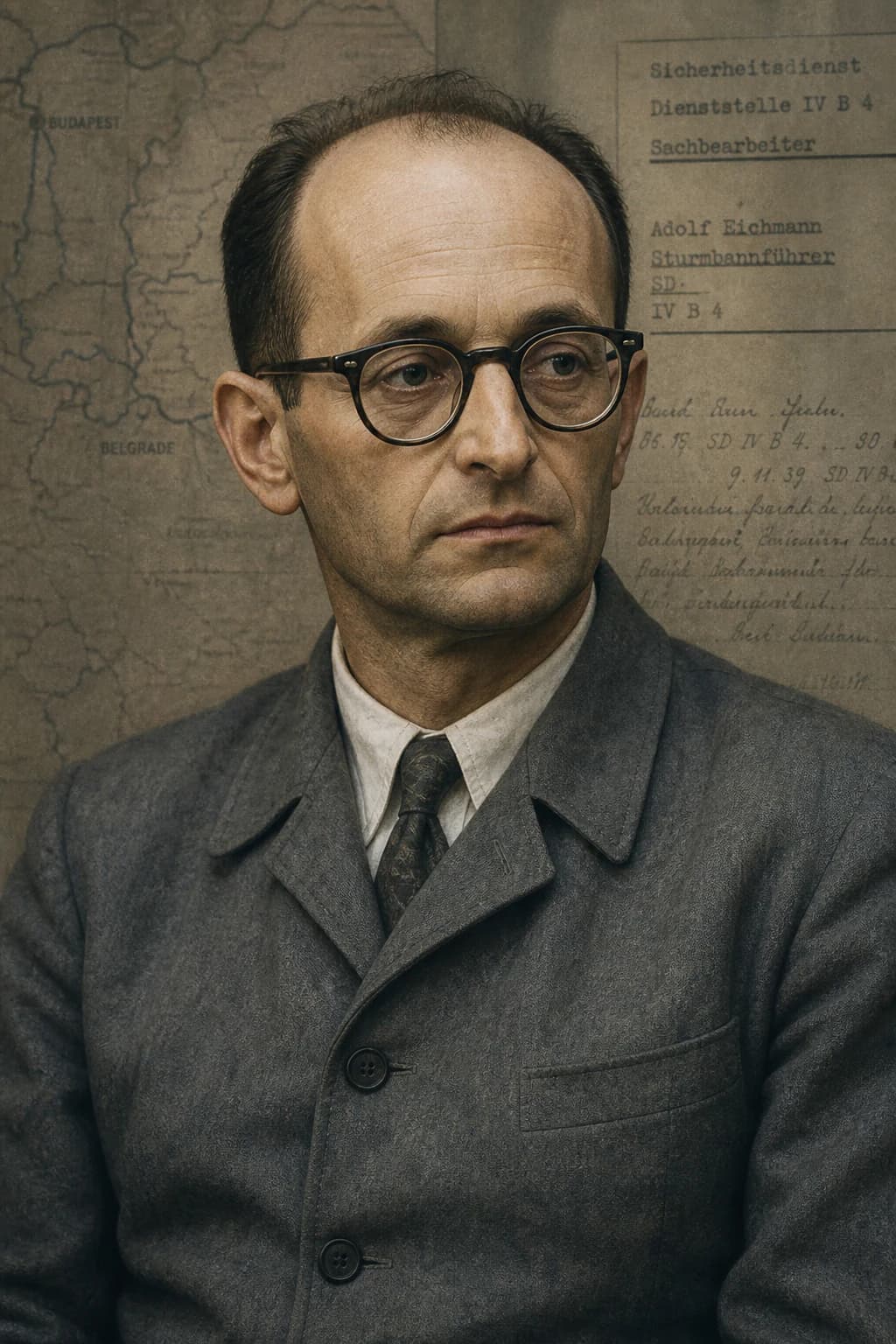
Adolf Eichmann
He made mass murder look like timetables, paperwork, and transport logistics, which is exactly why his Jerusalem trial became so chilling.
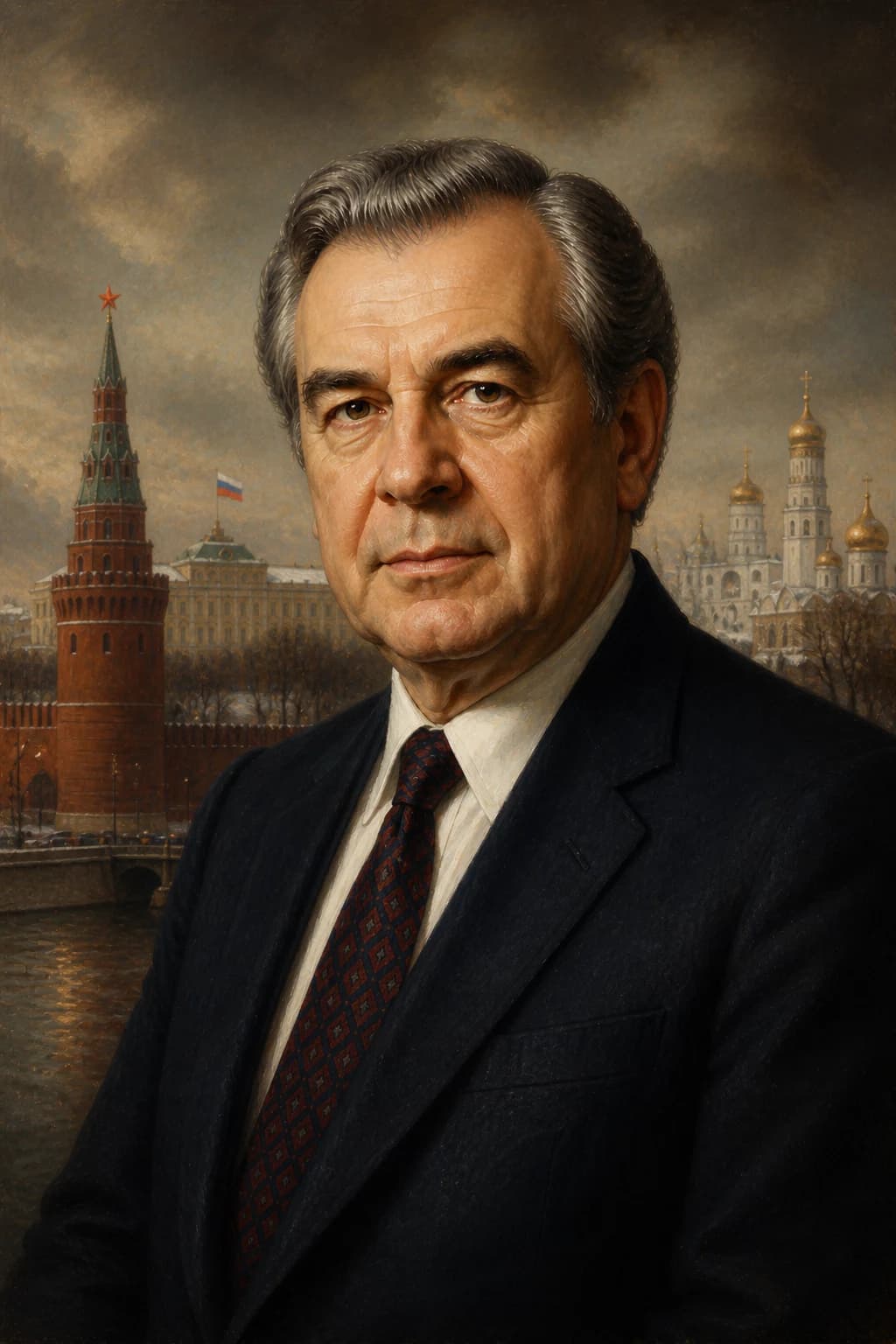
Anatoly Dobrynin
He spent a quarter-century in Washington, carrying messages through the most dangerous Cold War moments with a calm that probably mattered more than anyone could admit.
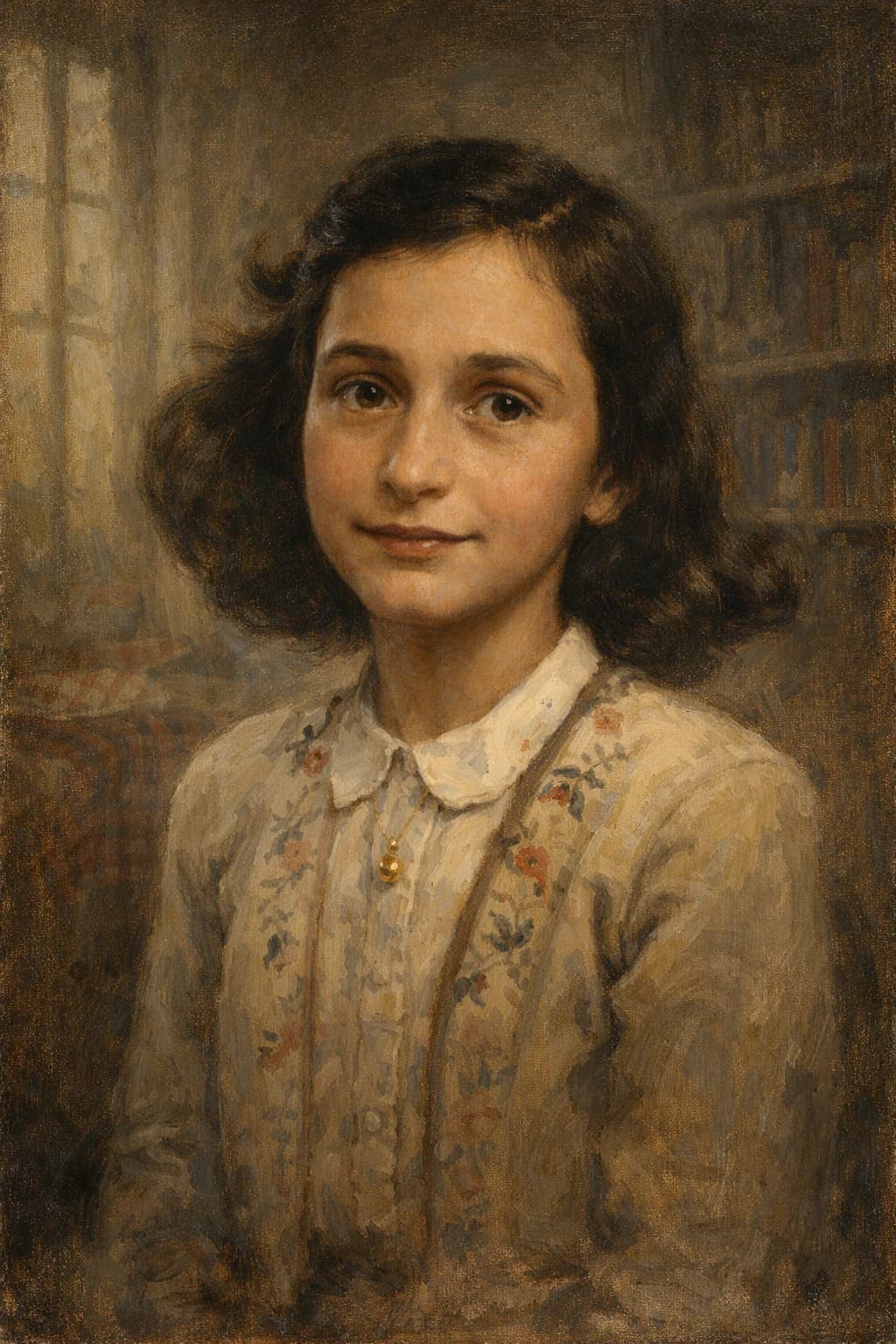
Anne Frank
She was a German-Jewish teenager who hid from Nazi persecution in occupied Amsterdam, wrote one of history's most intimate wartime diaries, and became a lasting voice for the human lives destroyed in the Holocaust.
B
4 figures
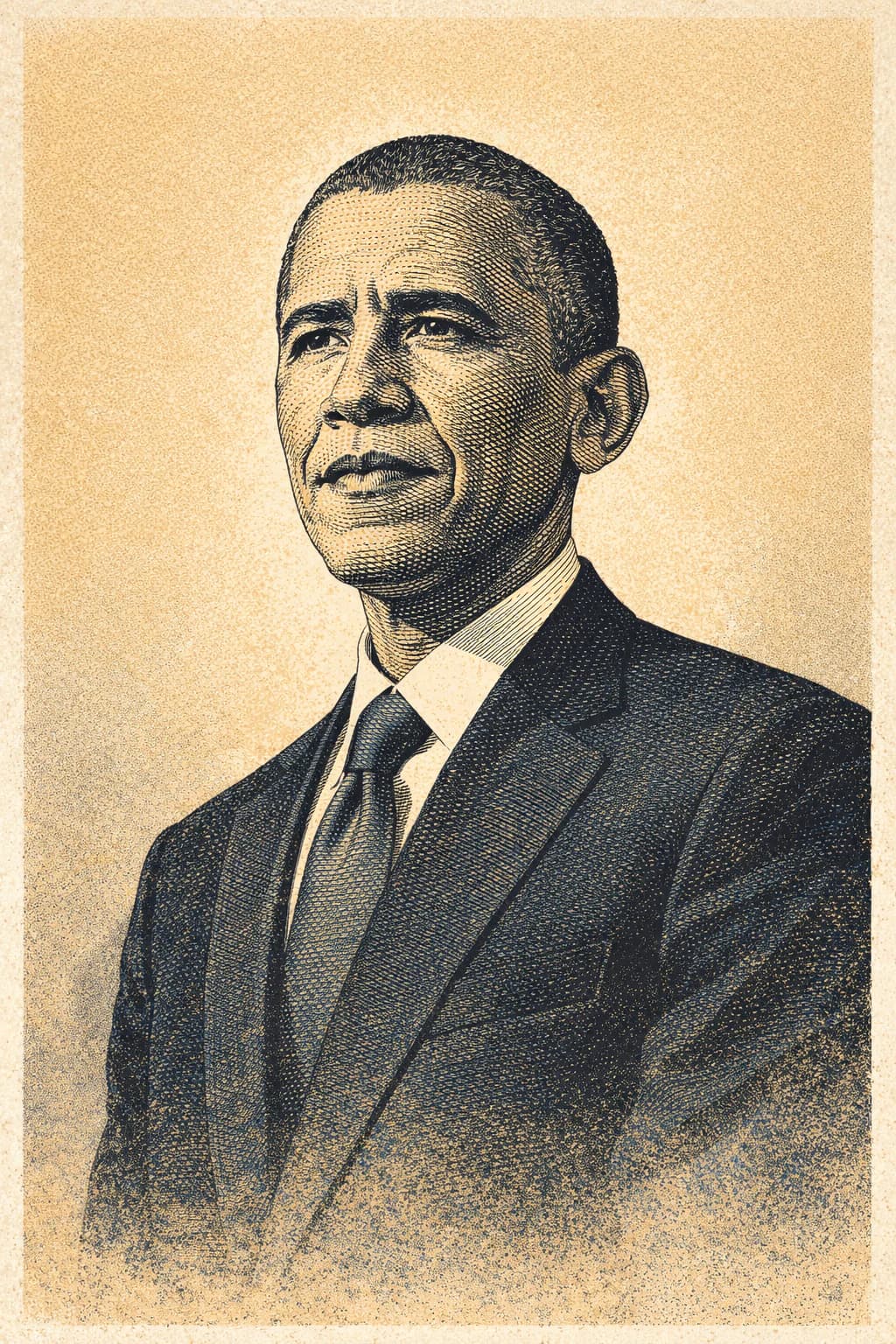
Barack Obama
He ran for president two years into his first Senate term, won on a message of hope, and spent eight years discovering what hope costs in practice.
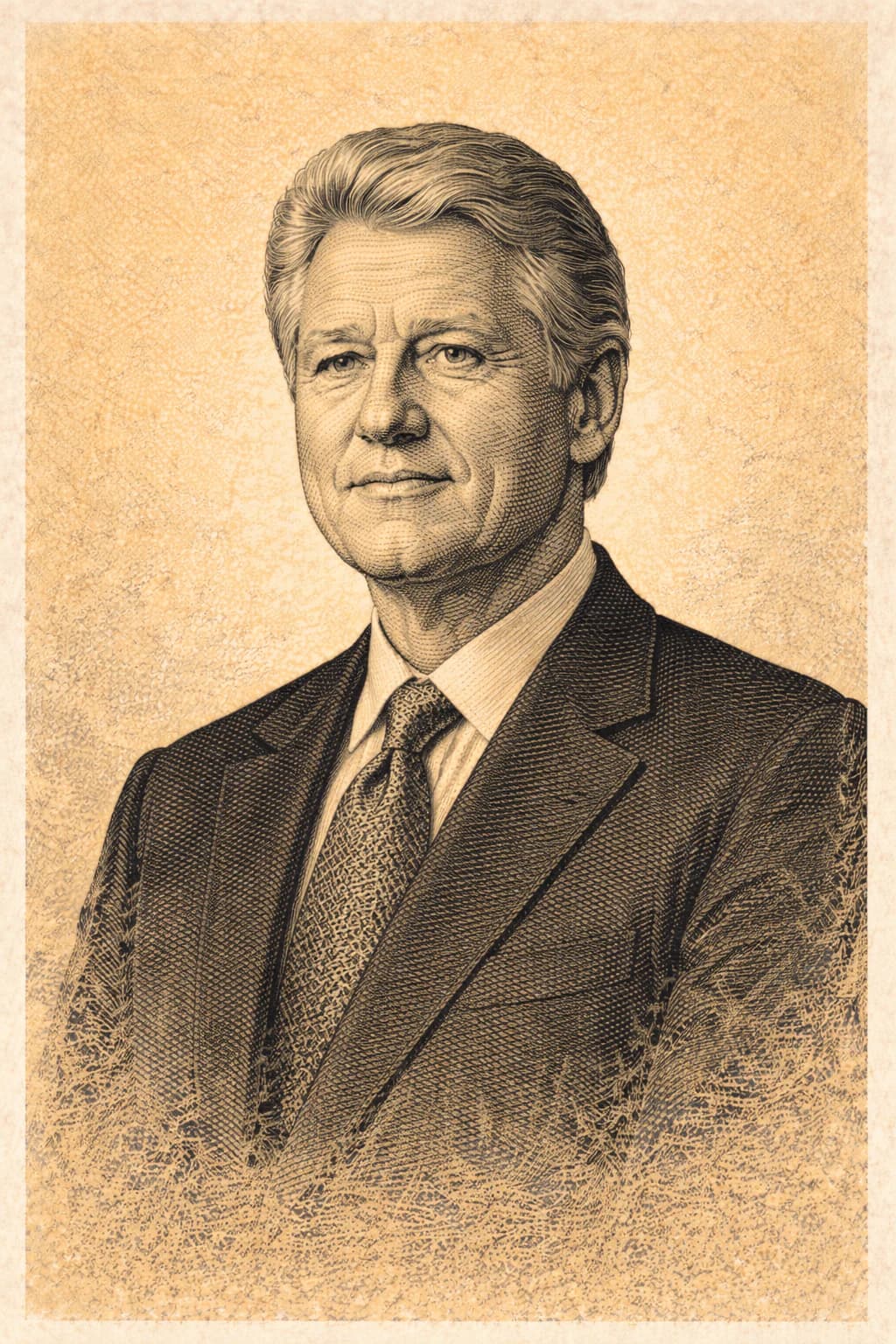
Bill Clinton
He governed through a decade of prosperity, repositioned the Democrats for a post-Cold War age, survived impeachment, and left office with a legacy that still refuses to settle.
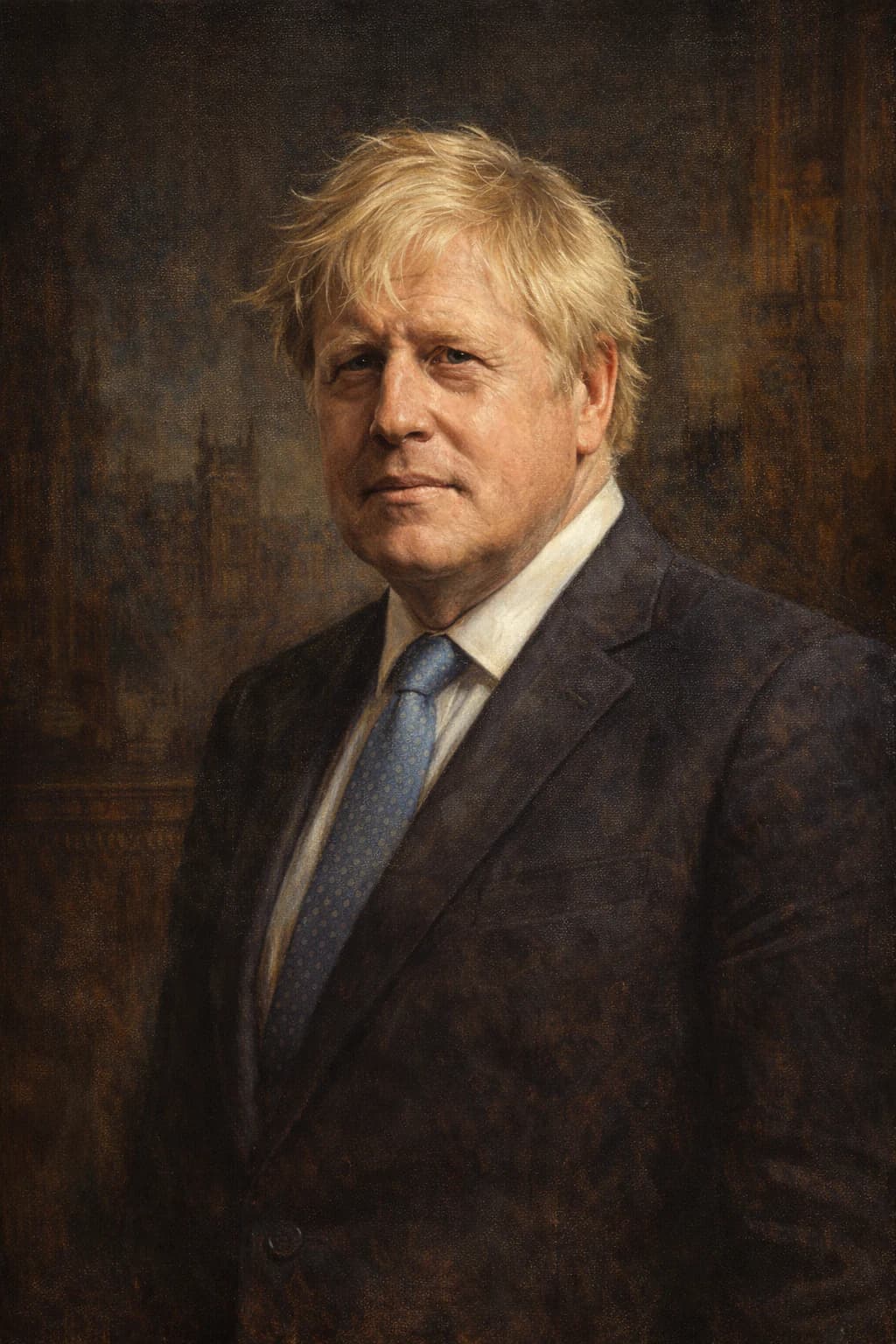
Boris Johnson
He turned journalism into political celebrity, made Brexit the engine of his rise, won a landslide in 2019, then lost power when charisma could no longer outrun questions of truth and trust.
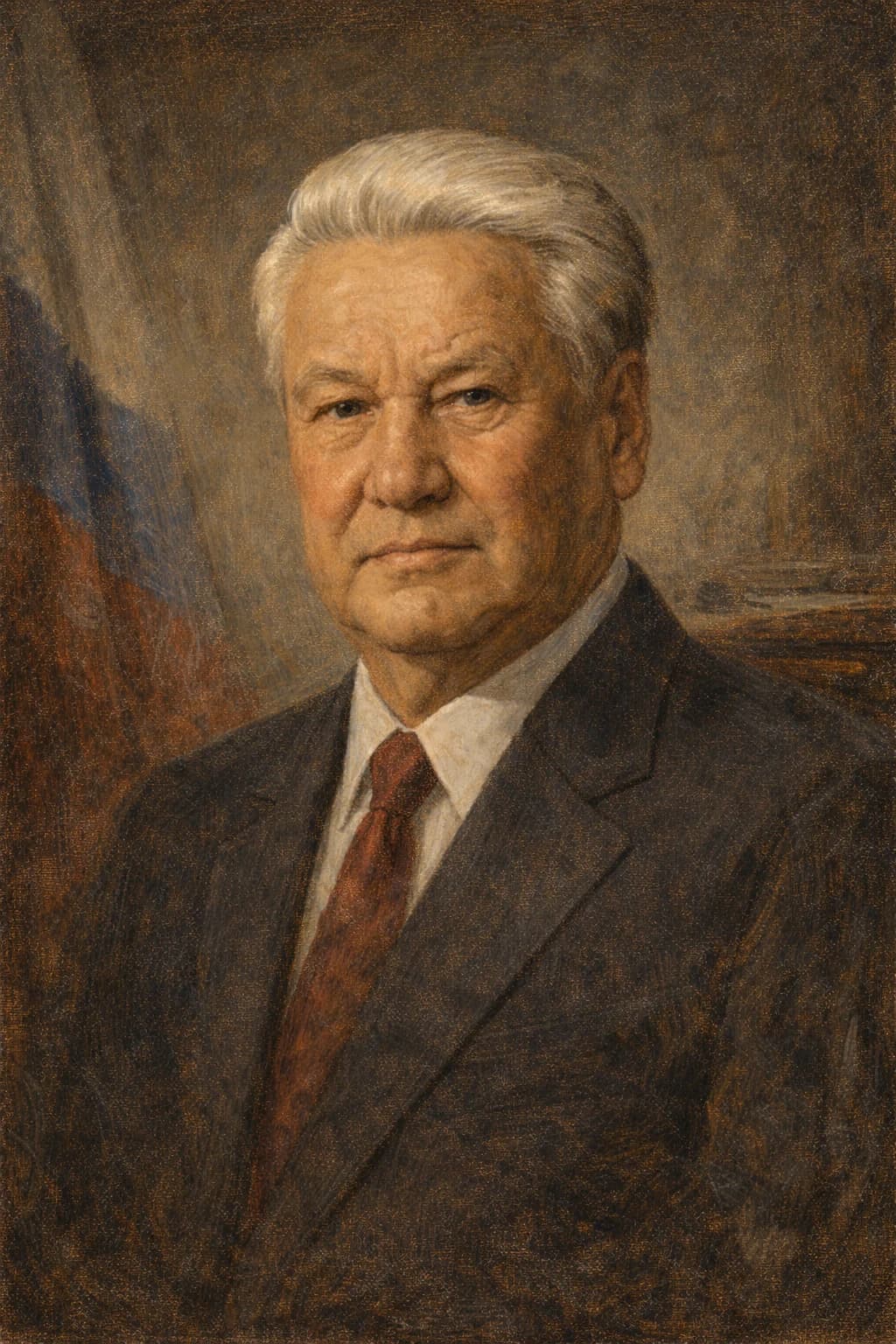
Boris Yeltsin
He stood on a tank to face down a Soviet coup, became the first president of post-Soviet Russia, then watched freedom, hardship, oligarchic wealth and state weakness collide under his own rule.
C
2 figures
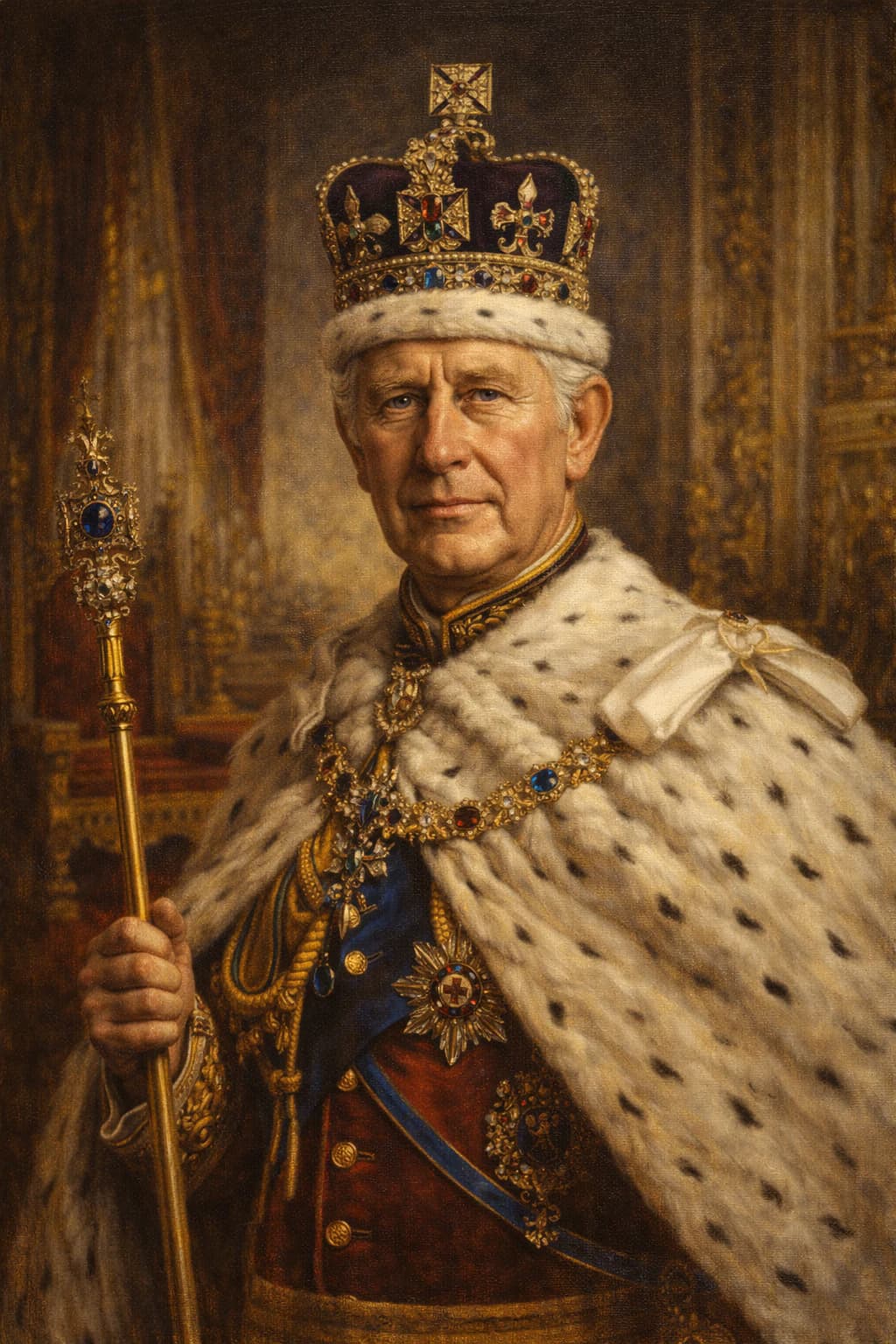
Charles III
He waited longer to become king than almost anyone in British history — and arrived on the throne with decades of opinions about the world already fully formed.
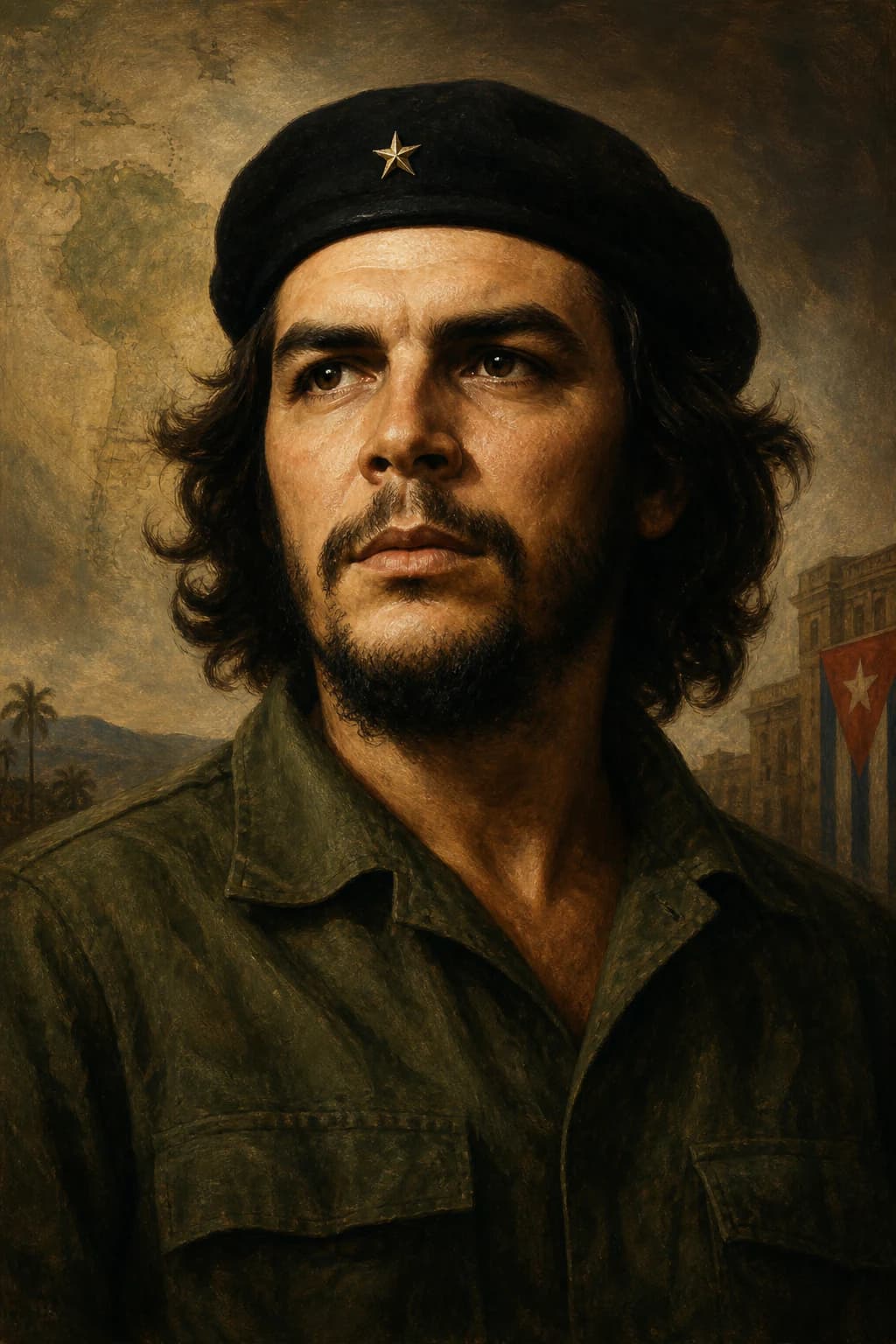
Che Guevara
He became the face of revolution on posters across the world, but behind the image was a restless guerrilla who kept chasing revolutions until one killed him.
D
5 figures
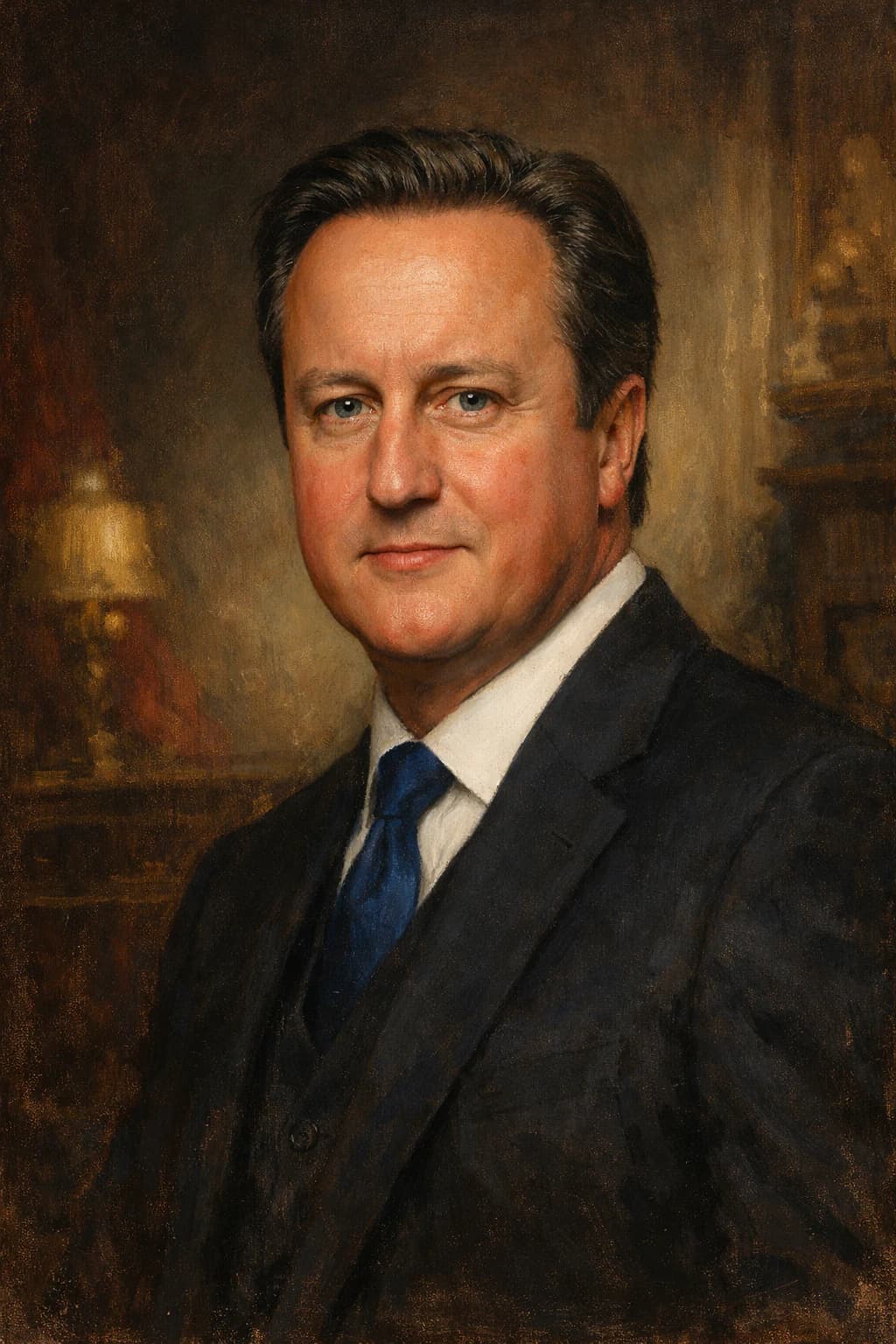
David Cameron
He modernised the Conservatives, governed through coalition and austerity, won a surprise majority, then lost the referendum gamble that took Britain out of the European Union.

Dean Rusk
He was calm, loyal, and almost painfully steady, which made him invaluable in crisis and inseparable from the long escalation in Vietnam.
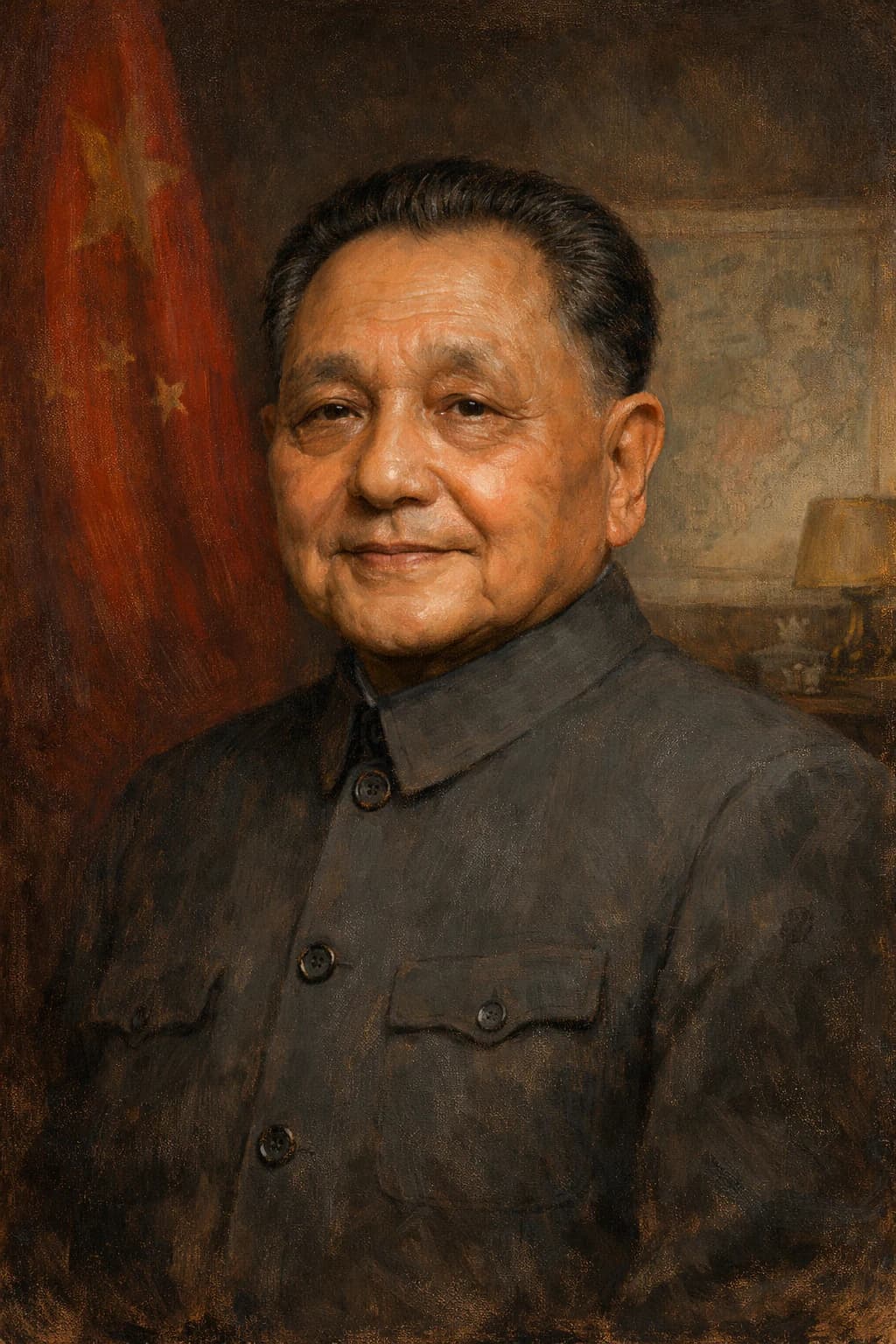
Deng Xiaoping
He survived Maoist purges, returned from political exile, opened China to markets and foreign investment, and built the bargain that paired economic transformation with one-party control.
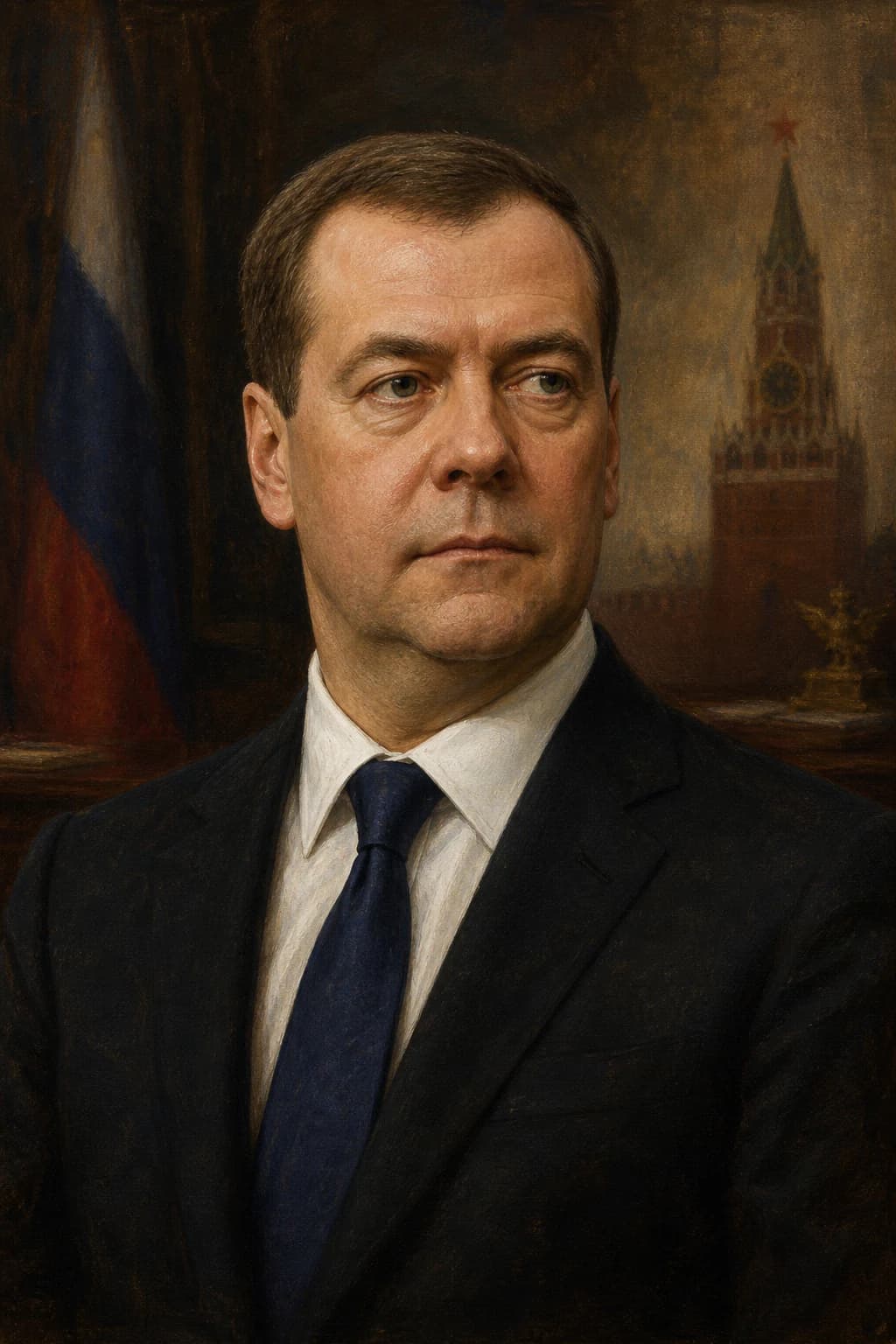
Dmitry Medvedev
He was presented as the modernising face of Russia's future, but his presidency became remembered above all for how carefully it preserved Vladimir Putin's power.
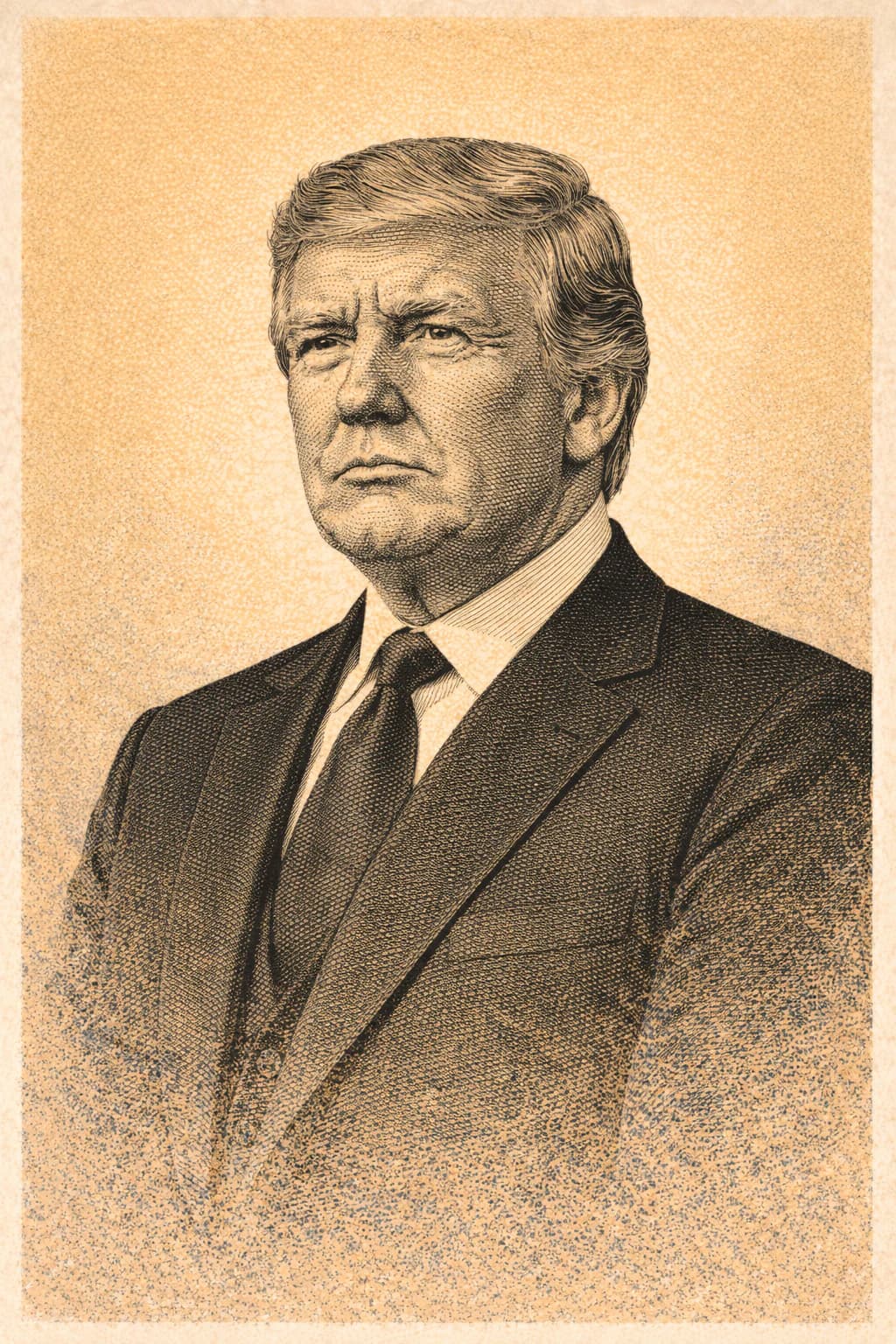
Donald Trump
He turned celebrity and grievance into a political movement, won the presidency twice in non-consecutive terms, and reshaped American conservatism around populism, loyalty, media conflict, and institutional strain.
E
3 figures

Edward Snowden
He was an American intelligence contractor whose 2013 disclosures exposed the scale of post-9/11 surveillance, forcing a global argument over secrecy, privacy, national security and democratic oversight.

Elizabeth II
She became queen at twenty-five and reigned for seventy years — watching fourteen prime ministers come and go while the empire that shaped her childhood quietly disappeared.
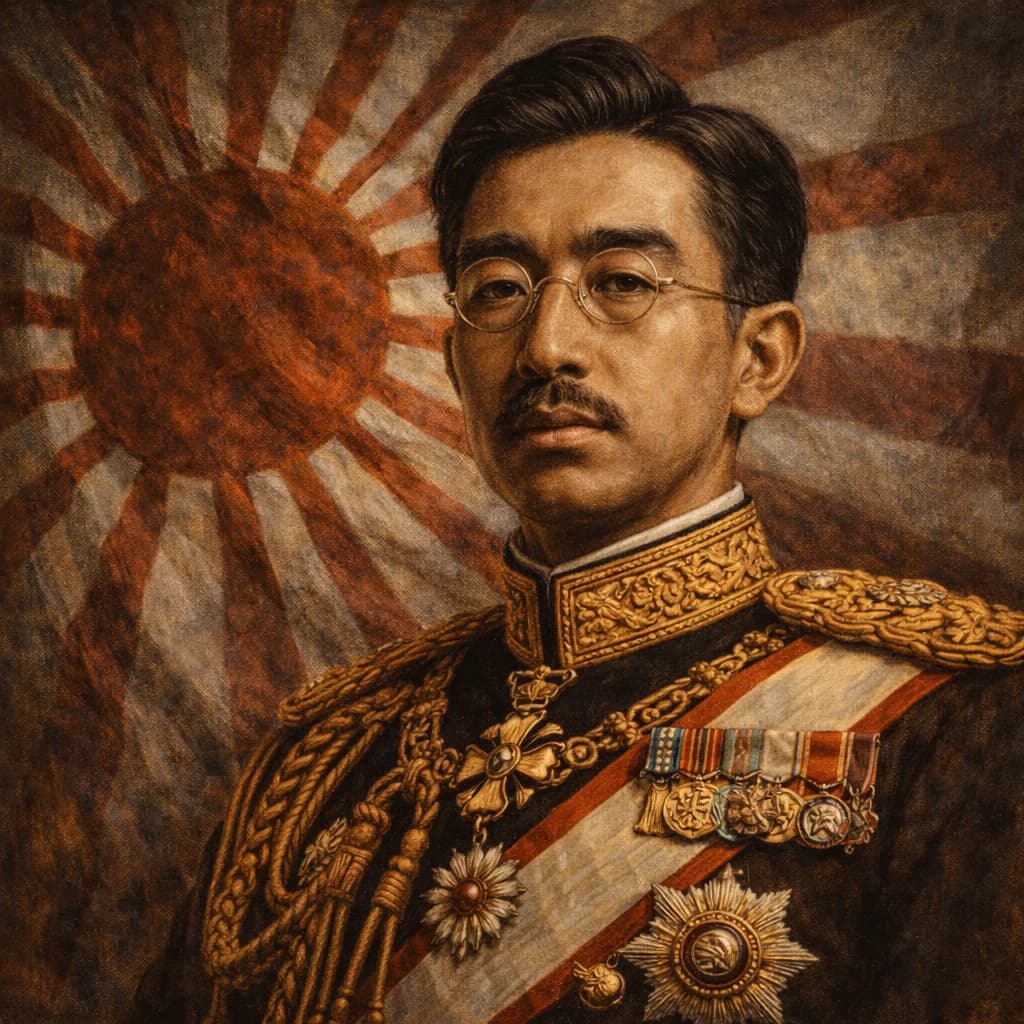
Emperor Hirohito
He presided over Japan's most aggressive imperial expansion, accepted its most complete defeat, and then spent the next forty years as a constitutional figurehead — and nobody could quite agree how much responsibility he bore.
F
2 figures

Fidel Castro
He outlasted nine American presidents, survived hundreds of alleged assassination attempts, and governed Cuba for nearly fifty years without ever once winning what most people would call a free election.
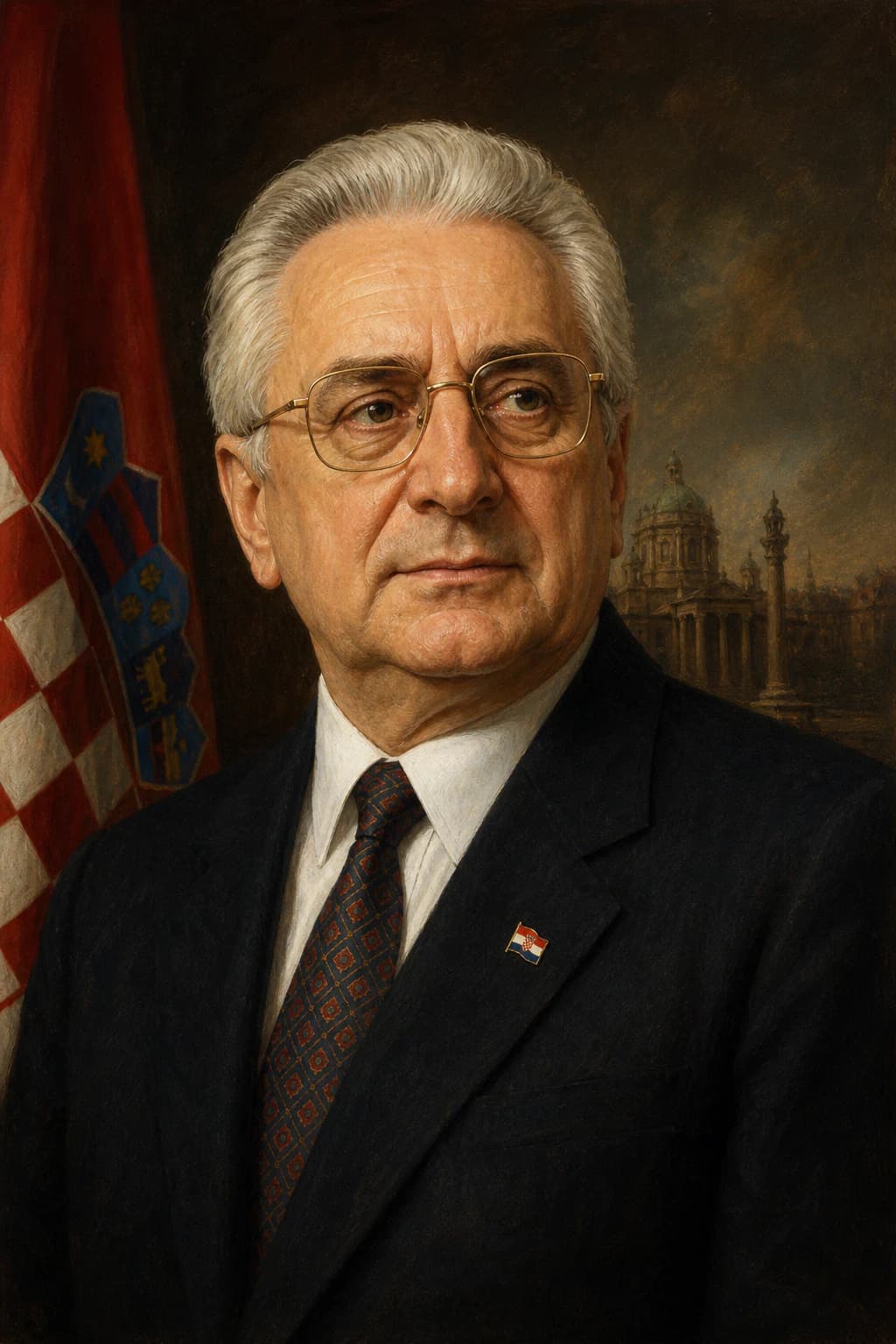
Franjo Tudman
He helped make Croatia independent, but the state he built emerged through war, nationalism, and compromises that still divide memory.
G
5 figures
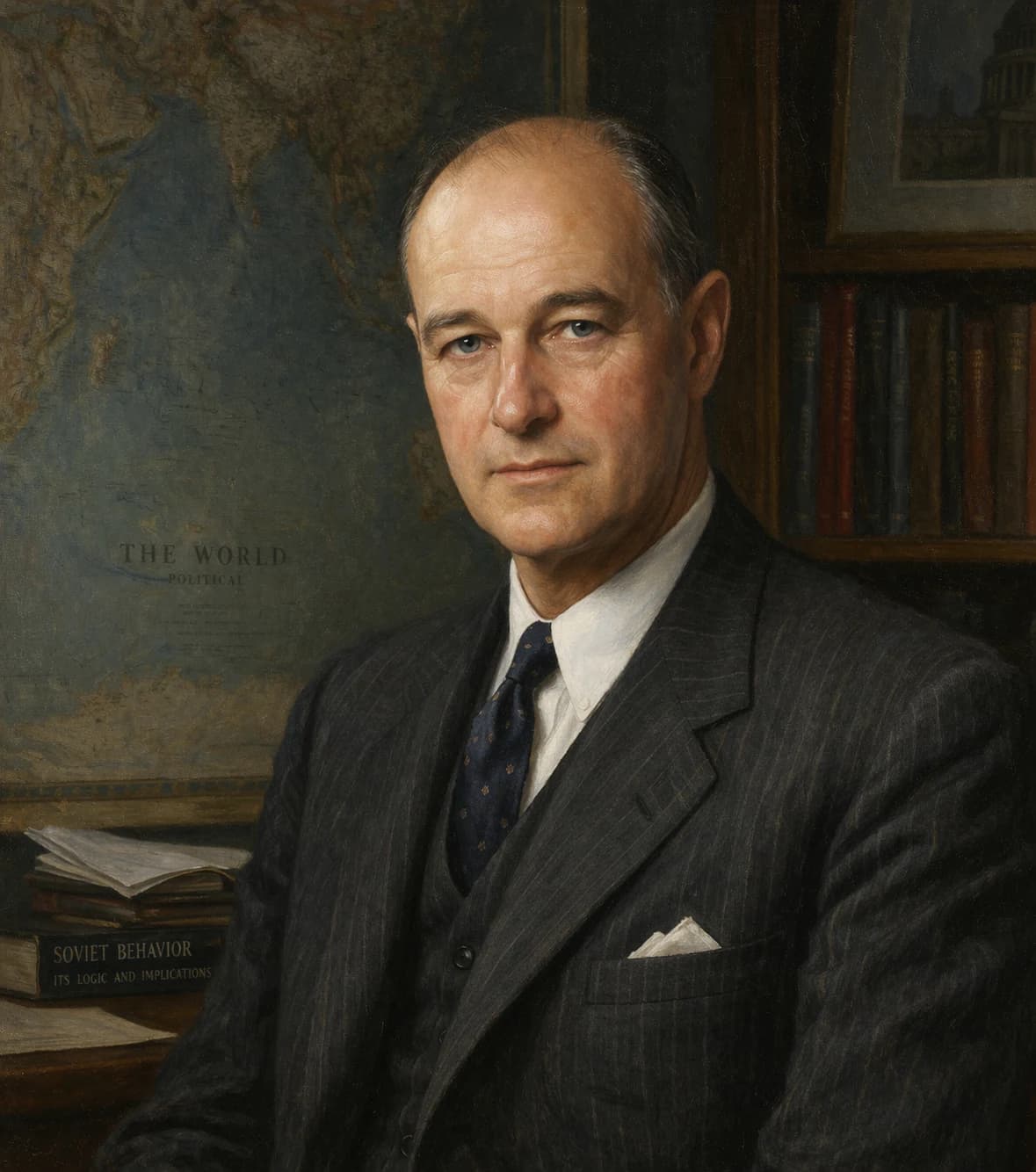
George F. Kennan
He read Stalin's Soviet Union with rare patience, wrote the Long Telegram and the X Article, and gave Washington the language of containment, then spent much of his long life warning that America had militarized his idea.
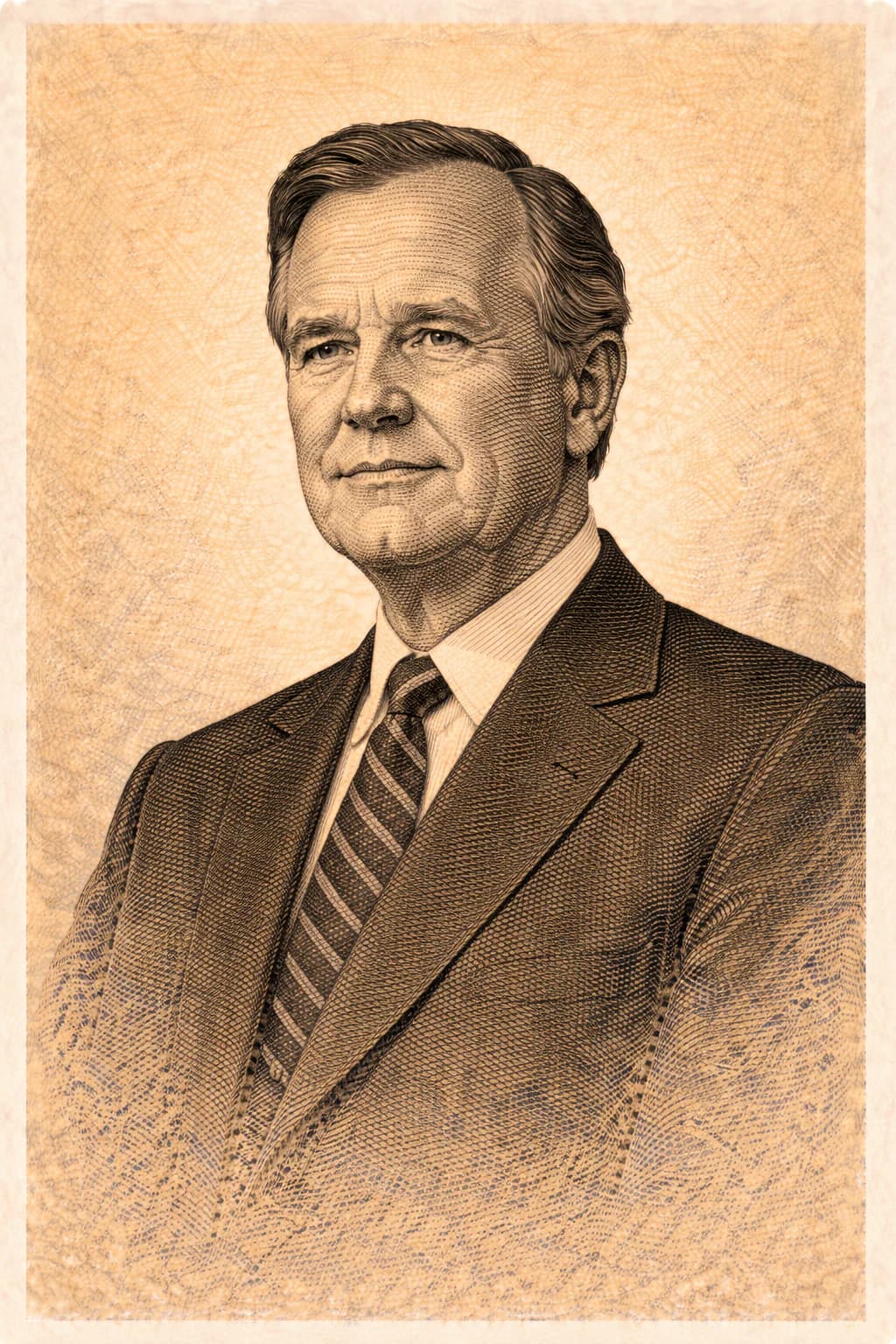
George H. W. Bush
He brought a lifetime of service to the presidency, managed the Cold War's end with unusual restraint, built the coalition that expelled Iraq from Kuwait, and lost re-election when foreign-policy success could not answer domestic economic frustration.
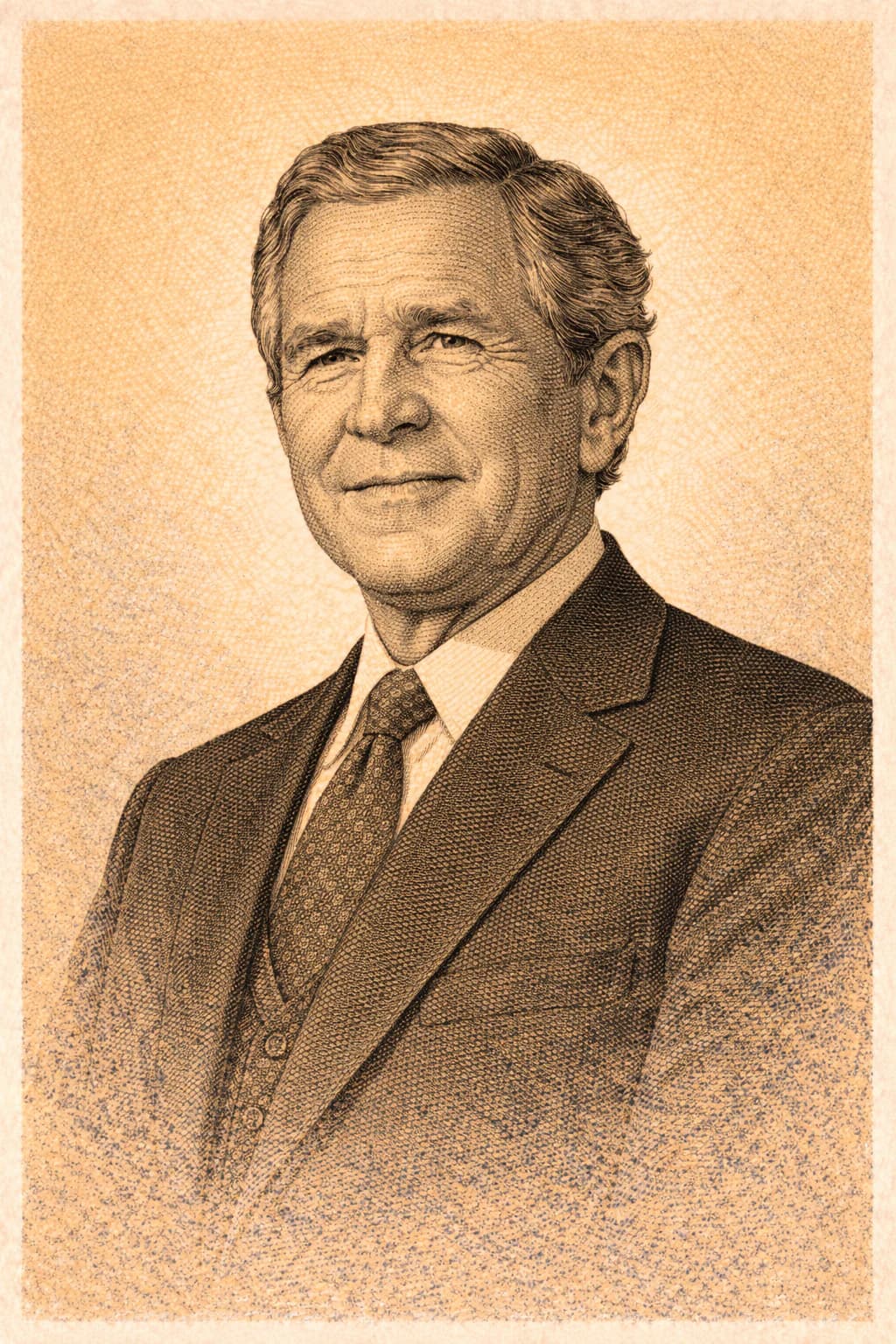
George W. Bush
He entered office after the disputed 2000 election, was transformed by the September 11 attacks, launched the War on Terror and the invasions of Afghanistan and Iraq, then left amid financial crisis and fierce debate over American power.
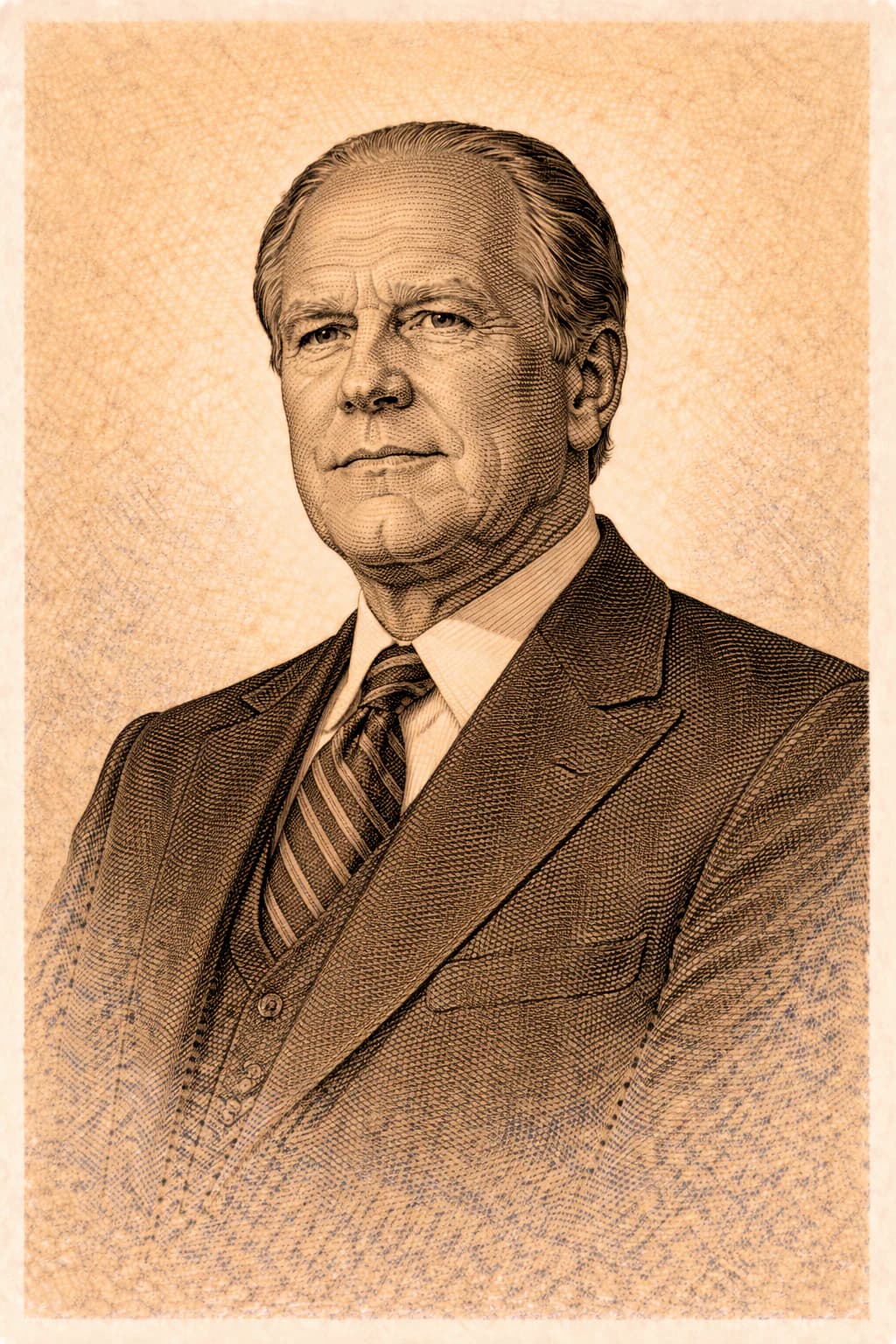
Gerald Ford
He became vice president and president without being elected to either office, inherited Watergate, pardoned Richard Nixon, and spent a brief presidency trying to restore trust while inflation, recession and Vietnam's aftermath battered the country.

Gordon Brown
He spent a decade shaping Britain's economy as Chancellor before becoming Prime Minister on the eve of the global financial crisis.
H
3 figures

Harold Wilson
He sold Britain a future of science and modernisation, won four elections, kept the country out of Vietnam, and spent much of his premiership wrestling with economic limits he could not wish away.
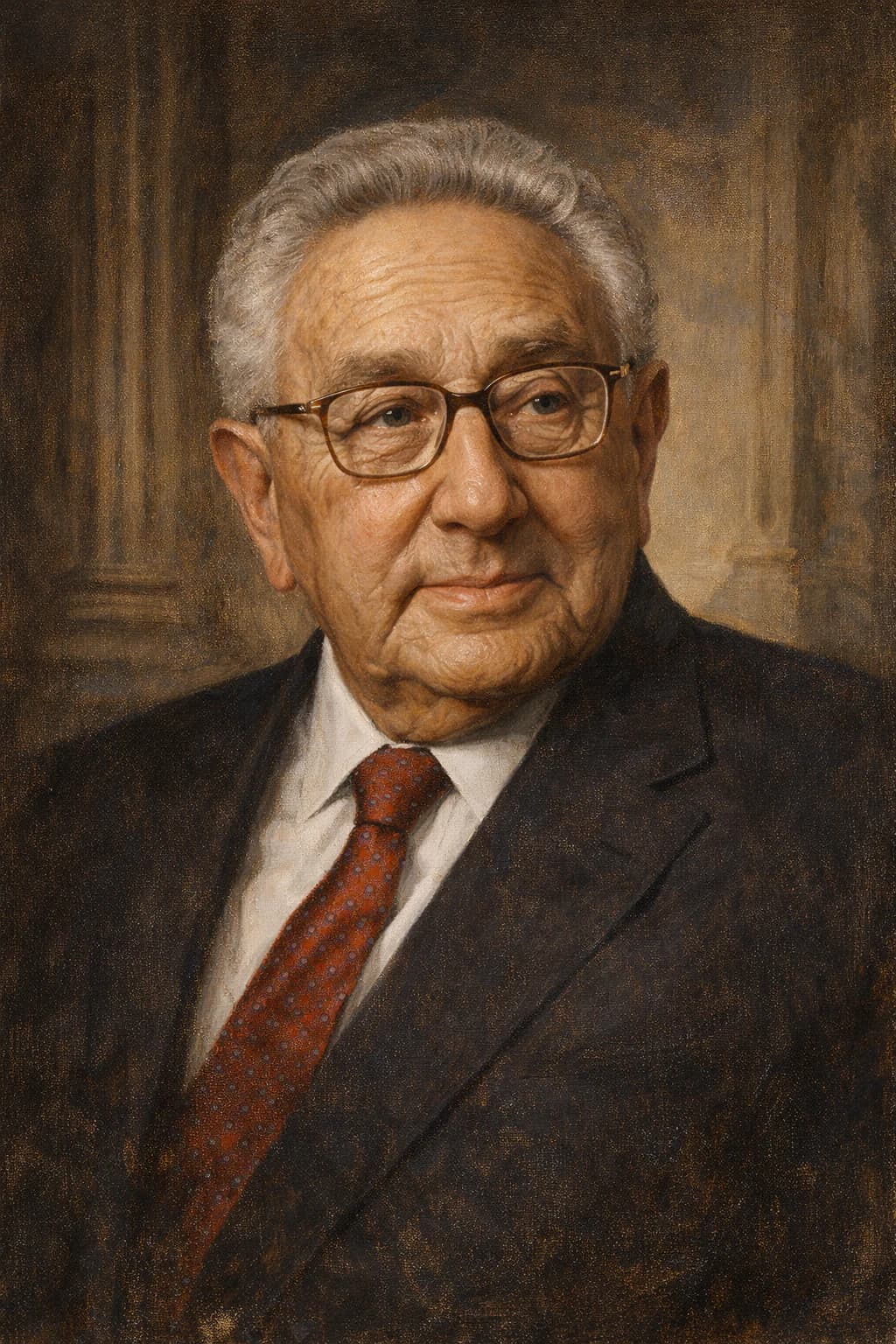
Henry Kissinger
He fled Nazi Germany as a child, became America's most powerful Cold War diplomat, opened the door to China, pursued detente with the Soviet Union, and left a legacy still fought over because strategy and human cost were never far apart.
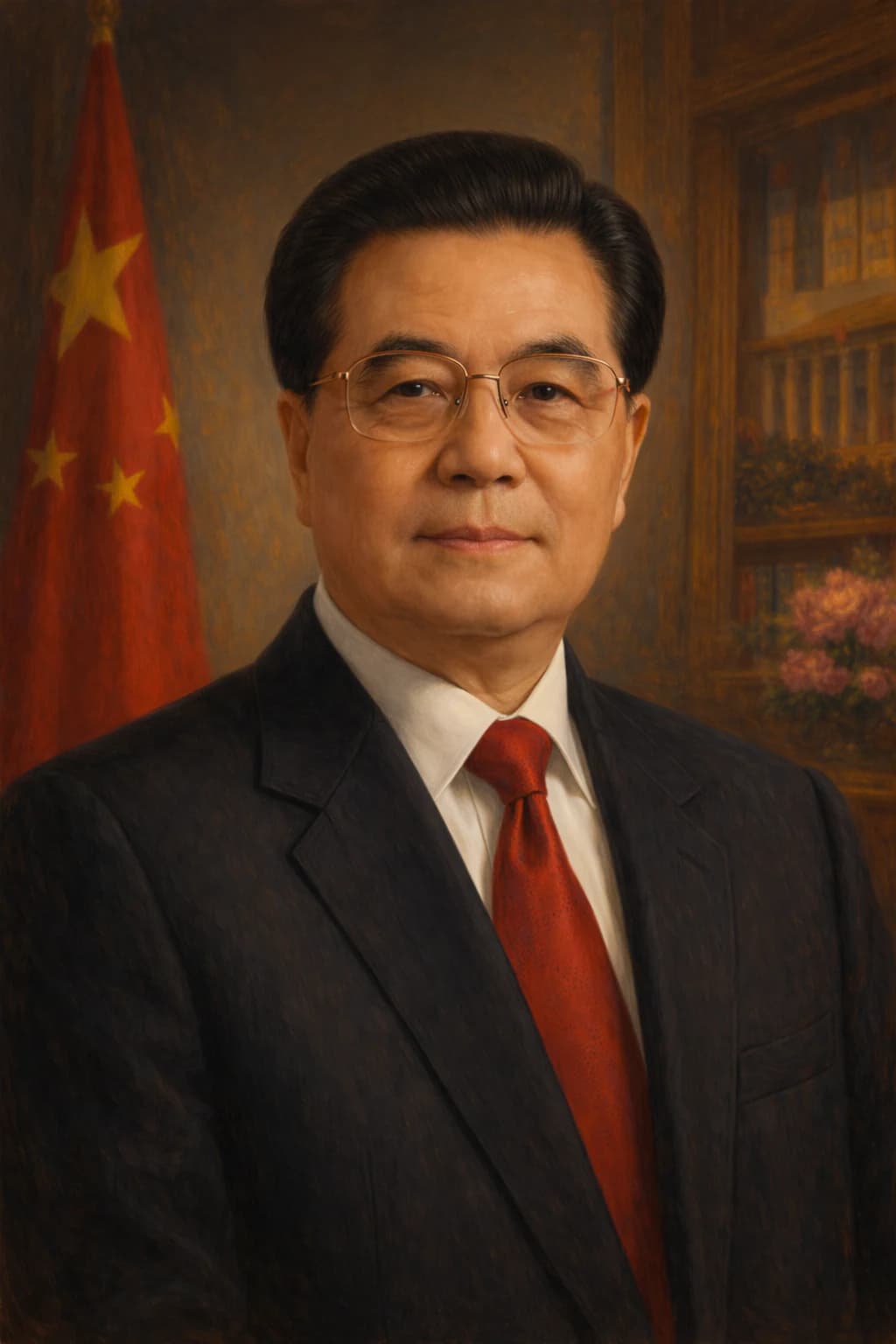
Hu Jintao
He led China through a decade of explosive growth, Olympic spectacle, global financial crisis, and quiet tightening at home, presenting technocratic calm while preserving the Communist Party's monopoly on power.
J
6 figures
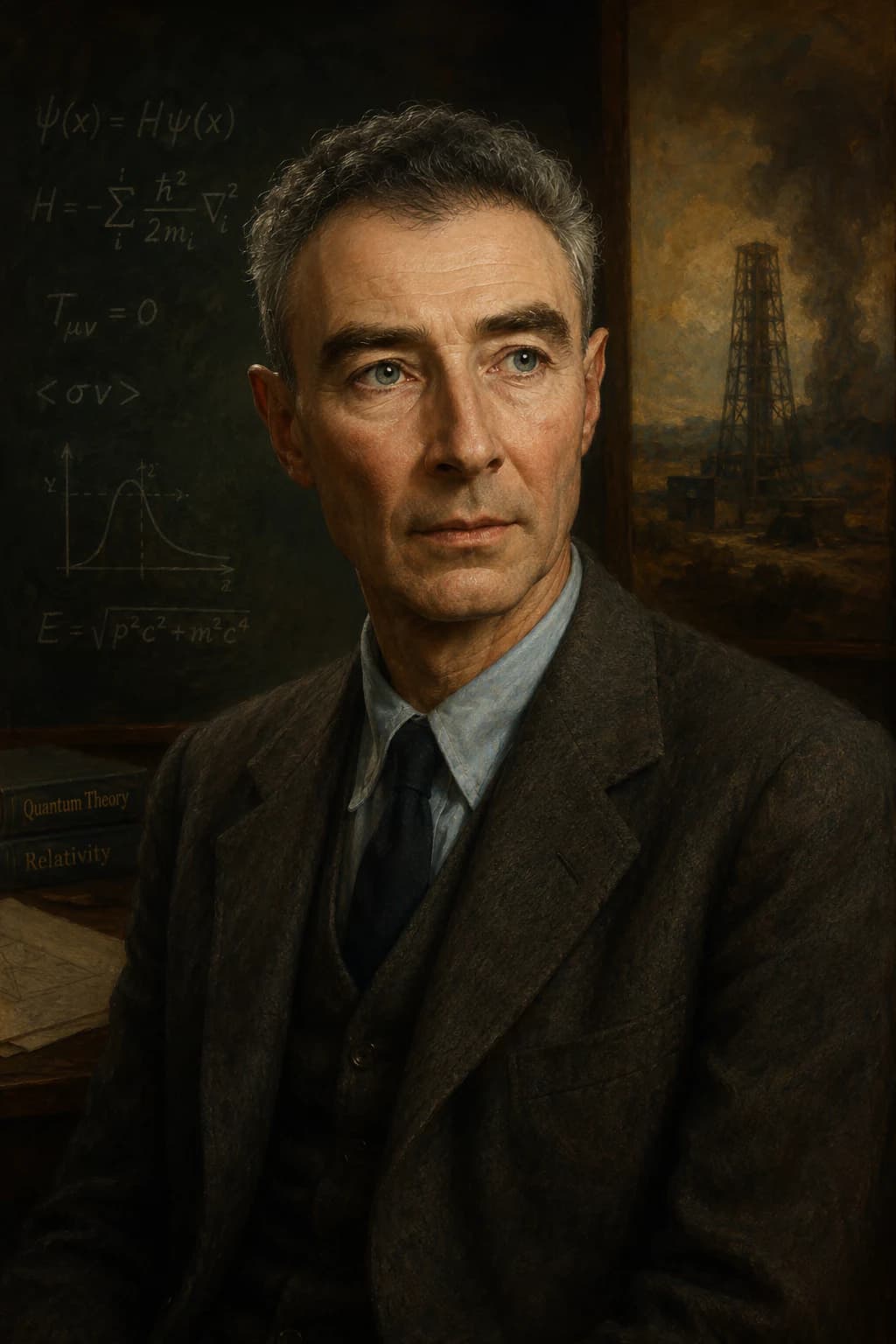
J. Robert Oppenheimer
He directed the Los Alamos laboratory that built the first atomic bombs, witnessed the Trinity test in July 1945, and became the most famous scientist caught between wartime victory, nuclear fear, and Cold War suspicion.
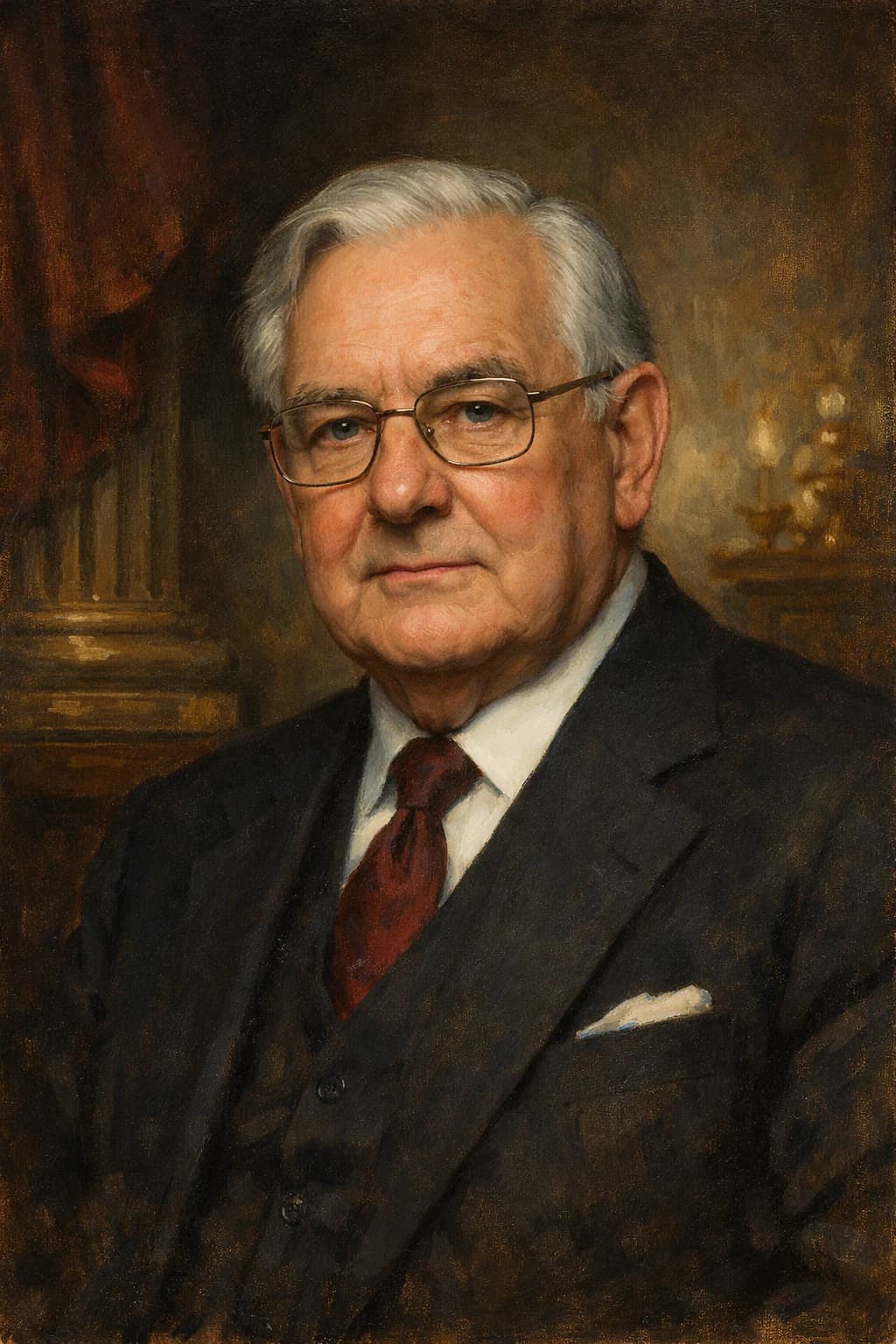
James Callaghan
He rose from Portsmouth hardship to become Britain's only holder of all four great offices of state, but his premiership was overwhelmed by inflation, union conflict and the Winter of Discontent.
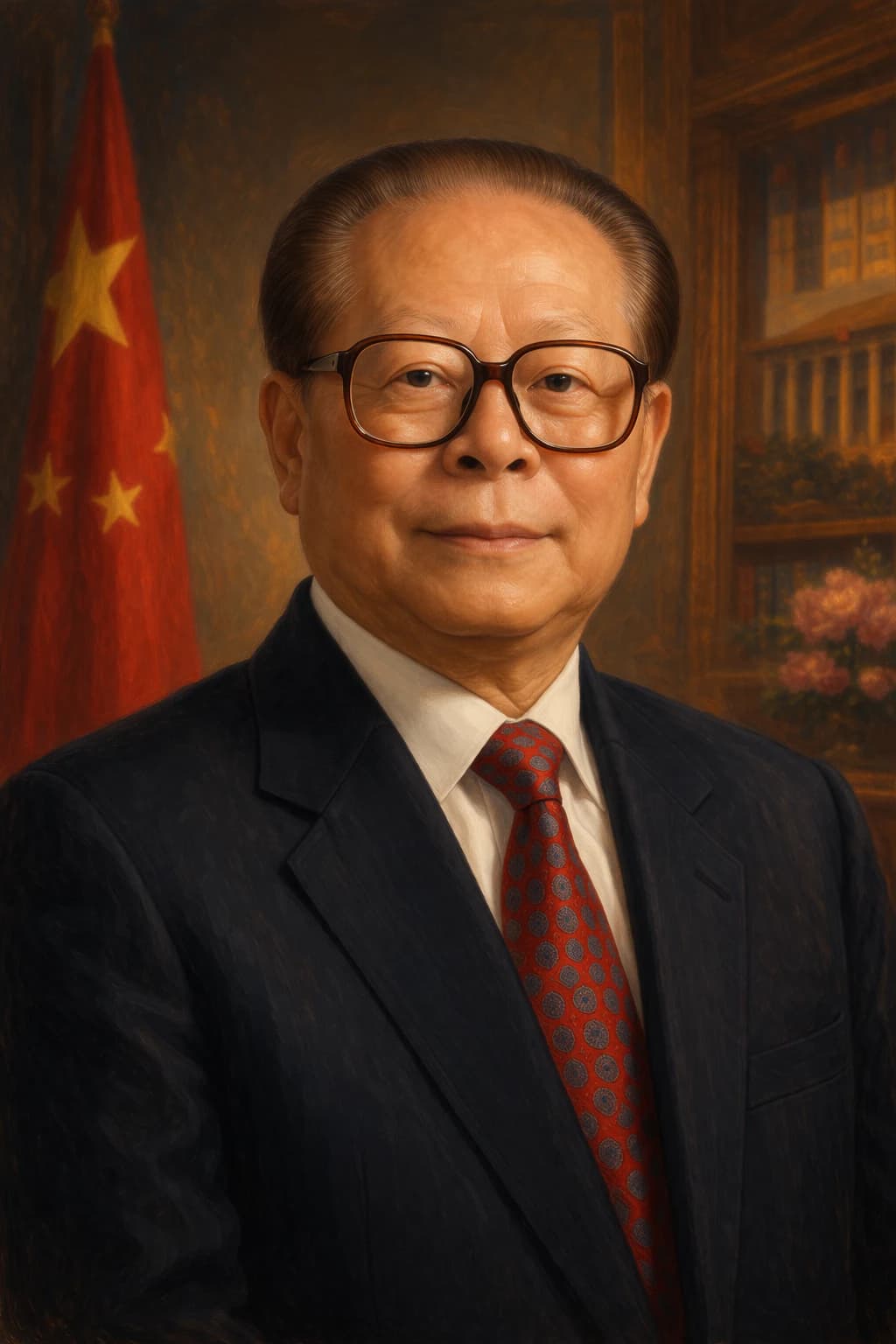
Jiang Zemin
He was lifted from Shanghai to China's top leadership after Tiananmen, then oversaw market acceleration, Hong Kong's handover, WTO entry and a party-state determined to modernise without political liberalisation.
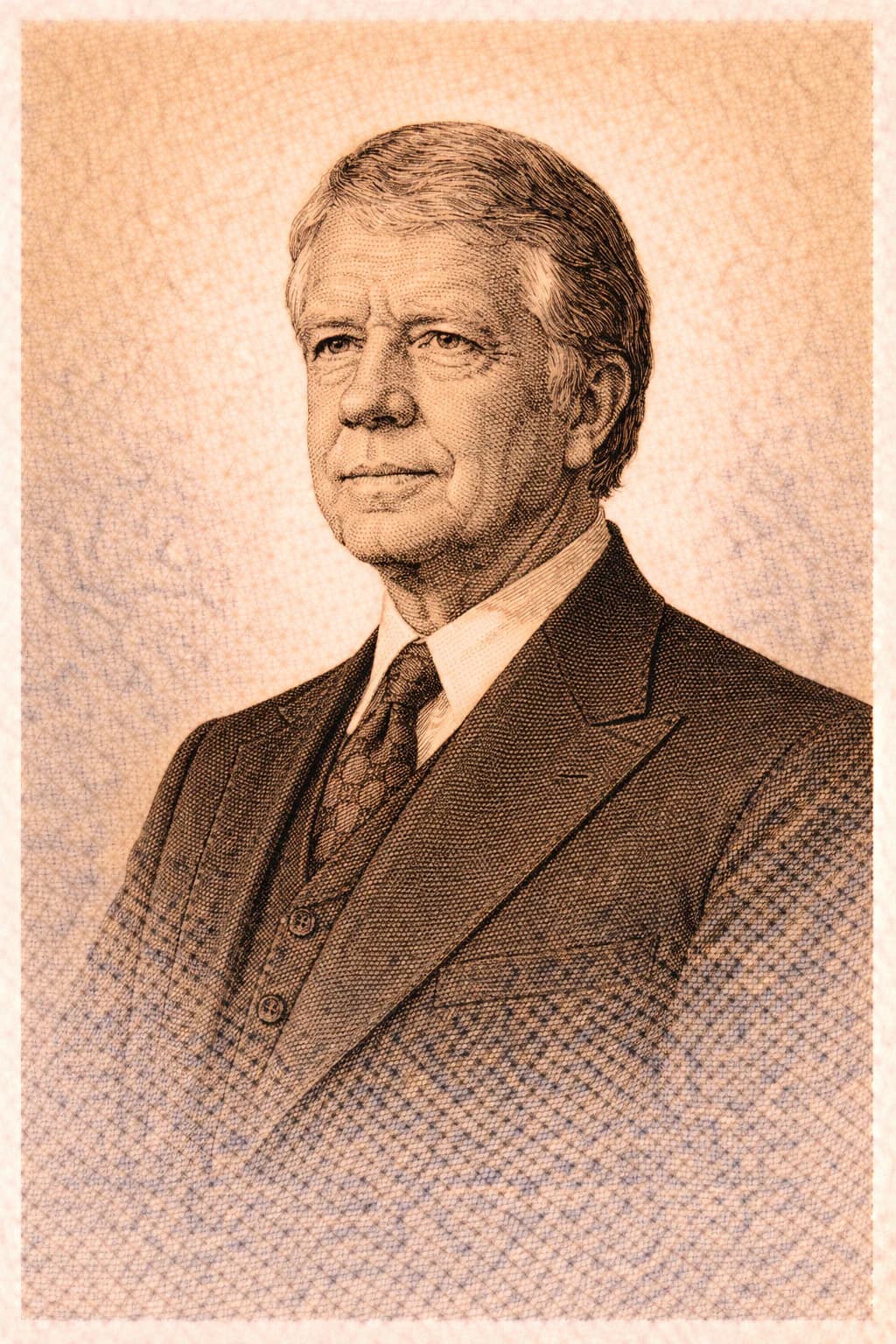
Jimmy Carter
He won the presidency after Watergate promising honesty, brokered the Camp David Accords, struggled with inflation and Iran, then built the most admired post-presidency in modern American history.

Joe Biden
He spent decades in the Senate, served as Barack Obama's vice president, defeated Donald Trump in 2020, then governed through pandemic recovery, Ukraine's defense and intense partisan division before leaving office in 2025.
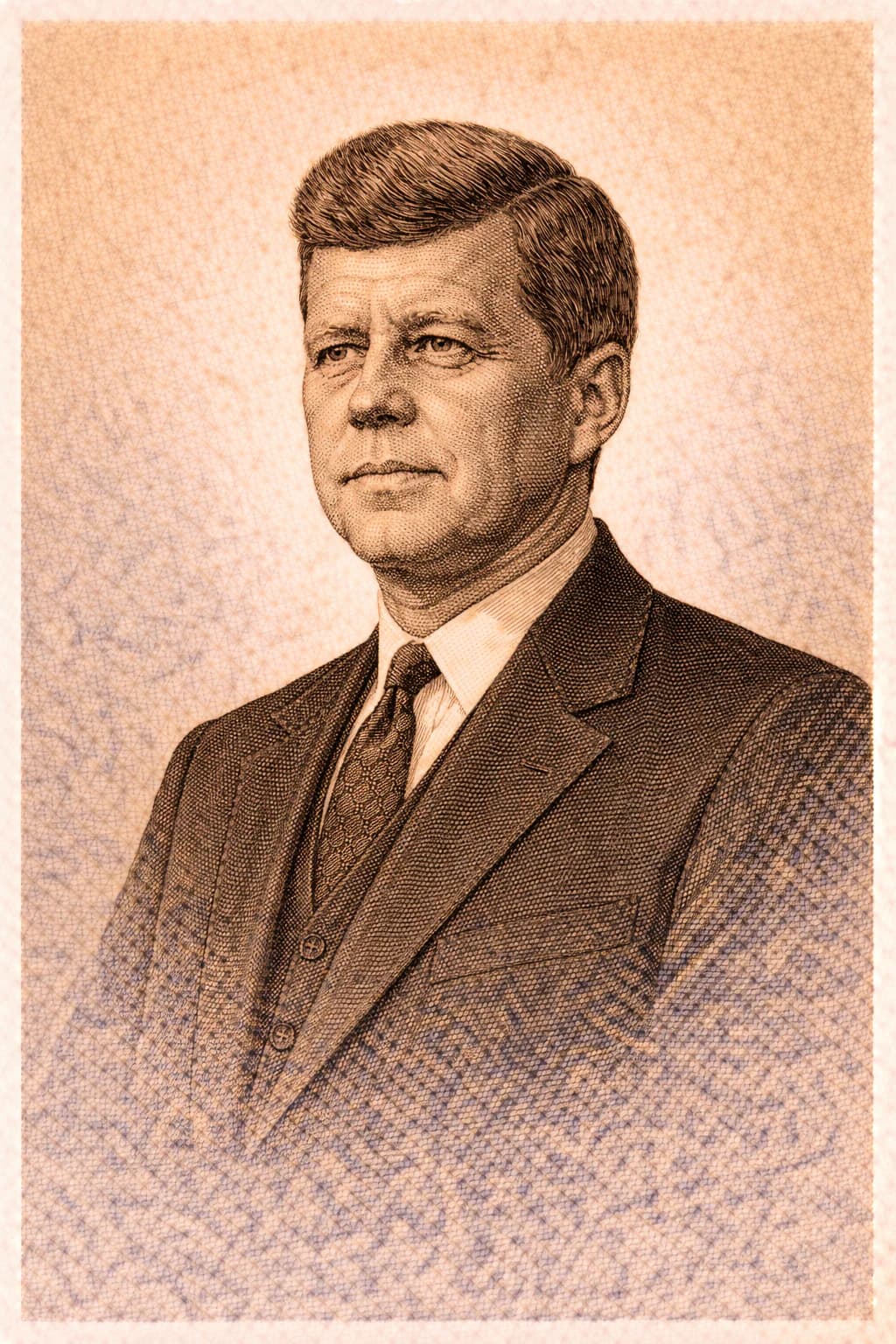
John F Kennedy
He brought Cold War urgency, television charisma and generational promise to the White House, faced down the Cuban Missile Crisis, set the moon landing goal and left a presidency forever shaped by assassination and unfinished possibility.
K
4 figures
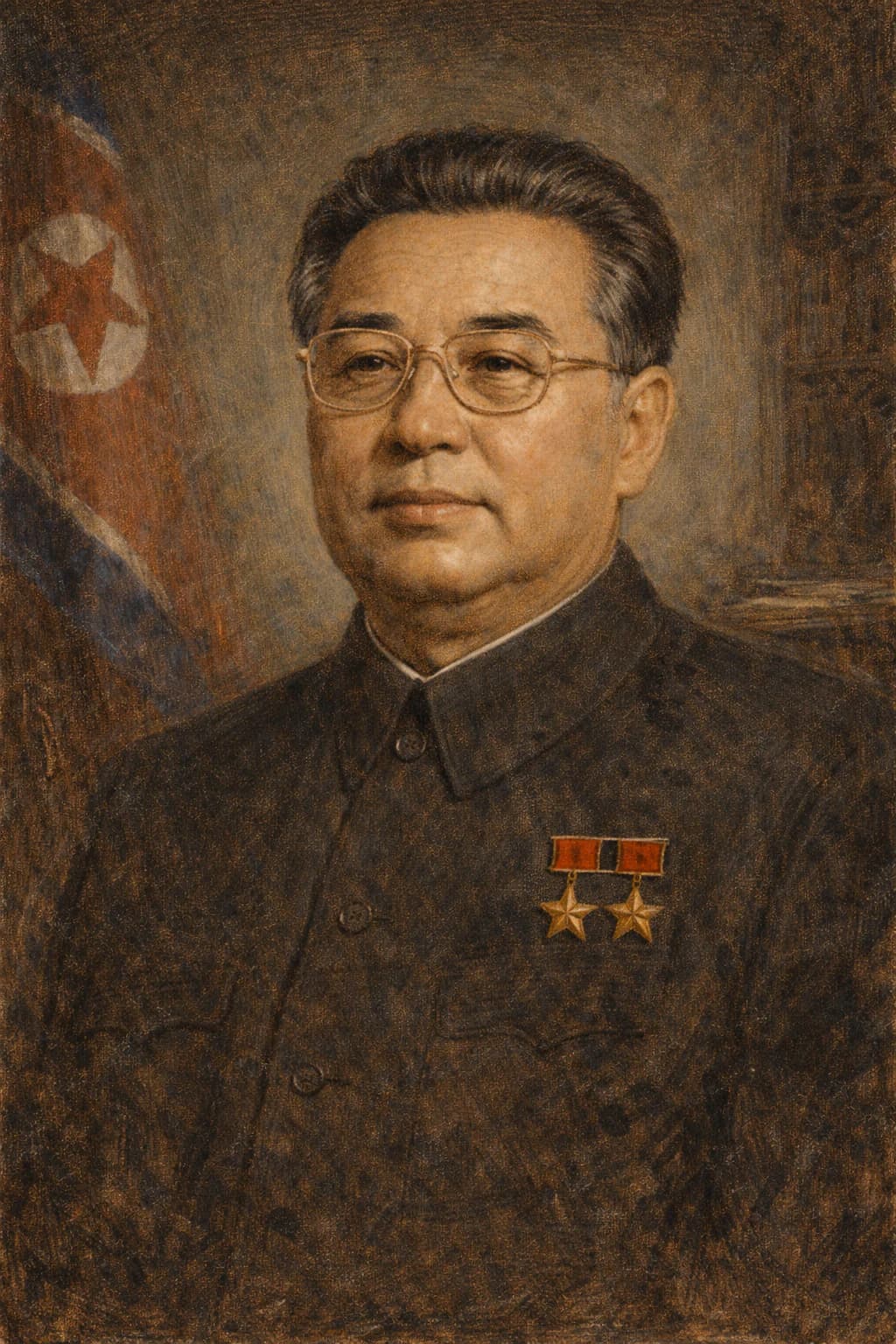
Kim Il-sung
He founded North Korea, ruled it for nearly half a century, built a totalitarian state around party control and personal mythology, and created the hereditary Kim system that still governs in his name.
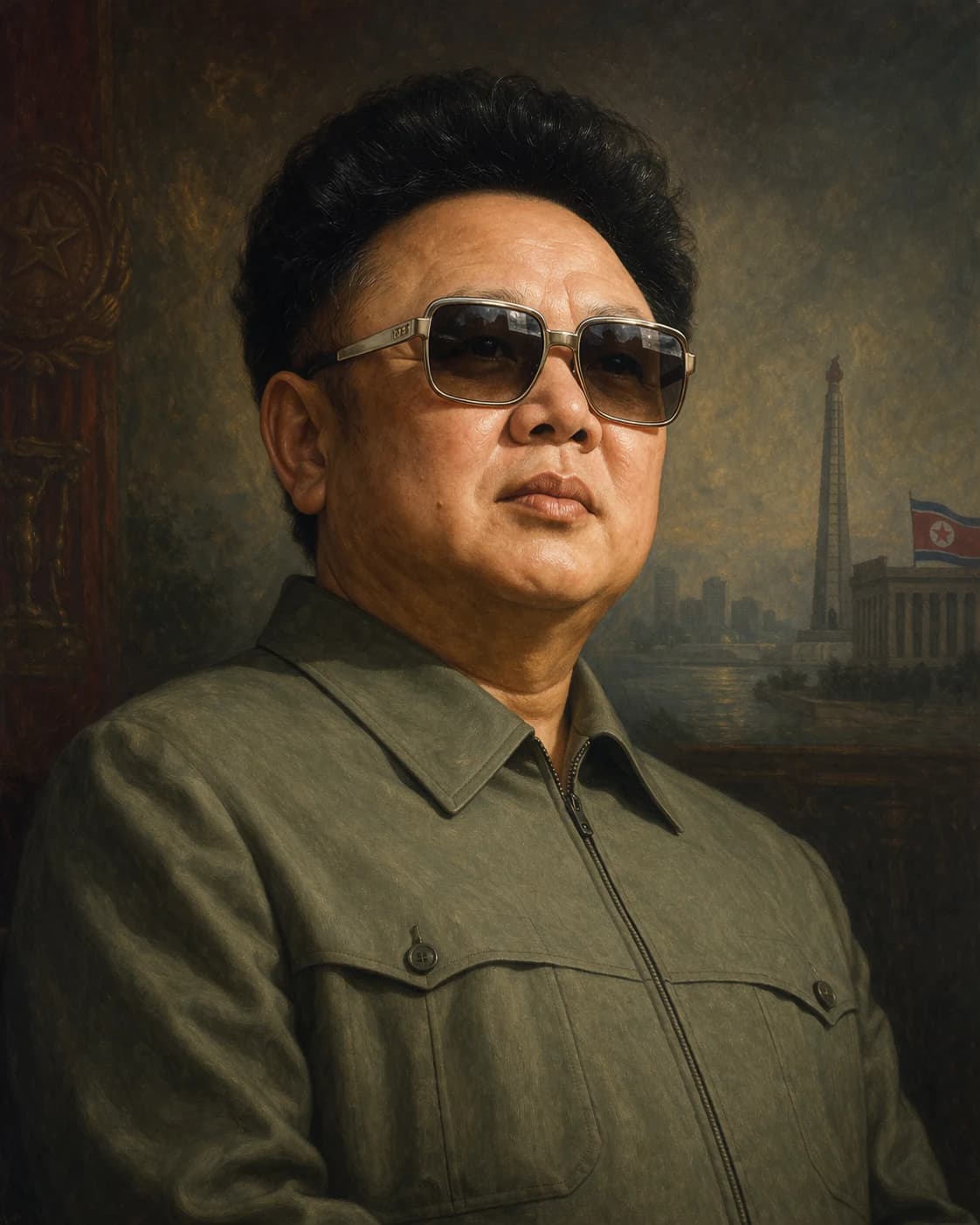
Kim Jong Il
He turned a revolutionary dictatorship into a hereditary system, survived famine and isolation, and made nuclear weapons central to North Korea's strategy of regime survival.
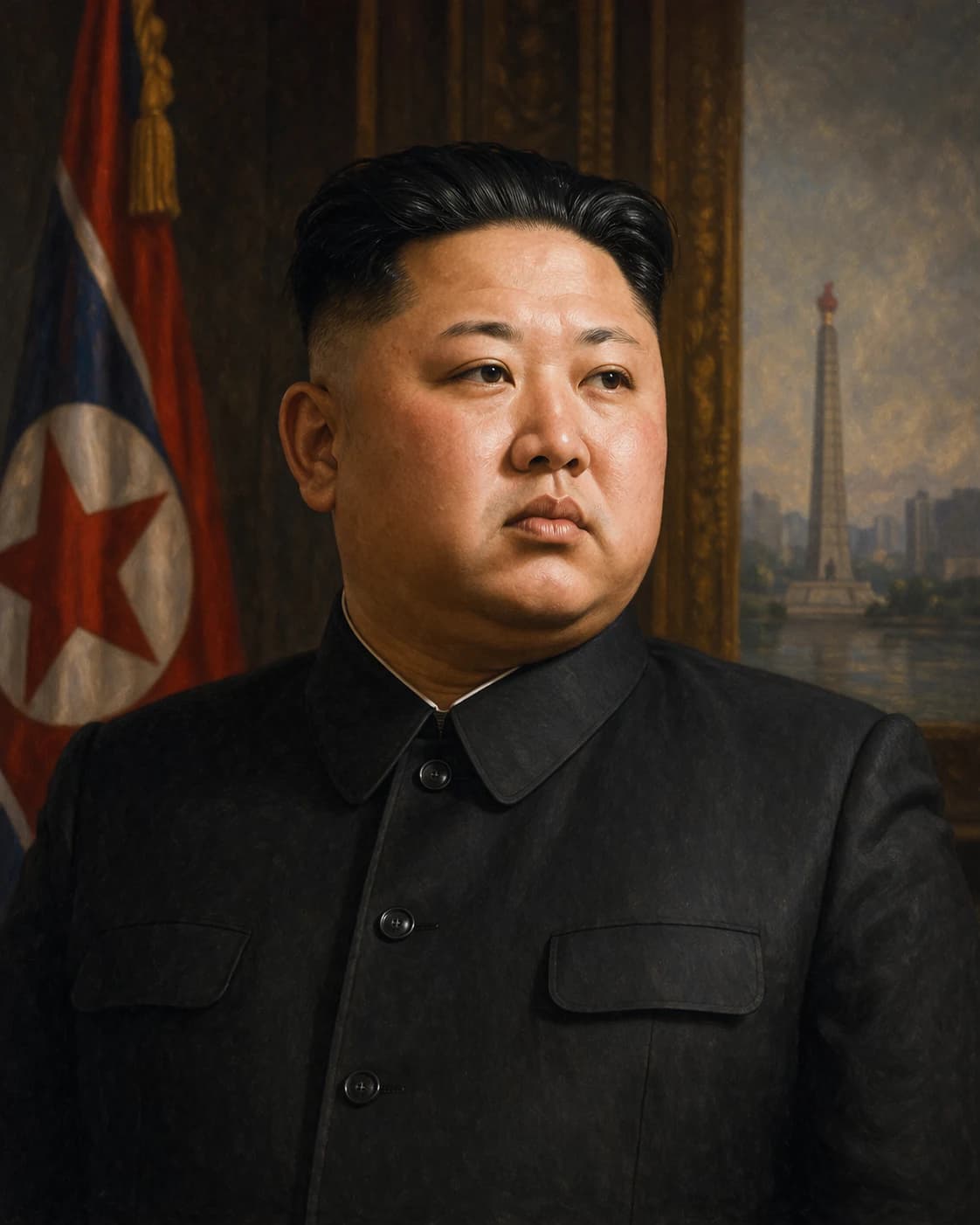
Kim Jong Un
He inherited power young and untested, then consolidated control through purges, nuclear acceleration, managed diplomacy, and the relentless preservation of the Kim dynasty.

Konstantin Chernenko
He reached the summit of Soviet power only when the system around him was visibly ageing, and his short, fragile rule became the final pause before reform could no longer be postponed.
L
4 figures
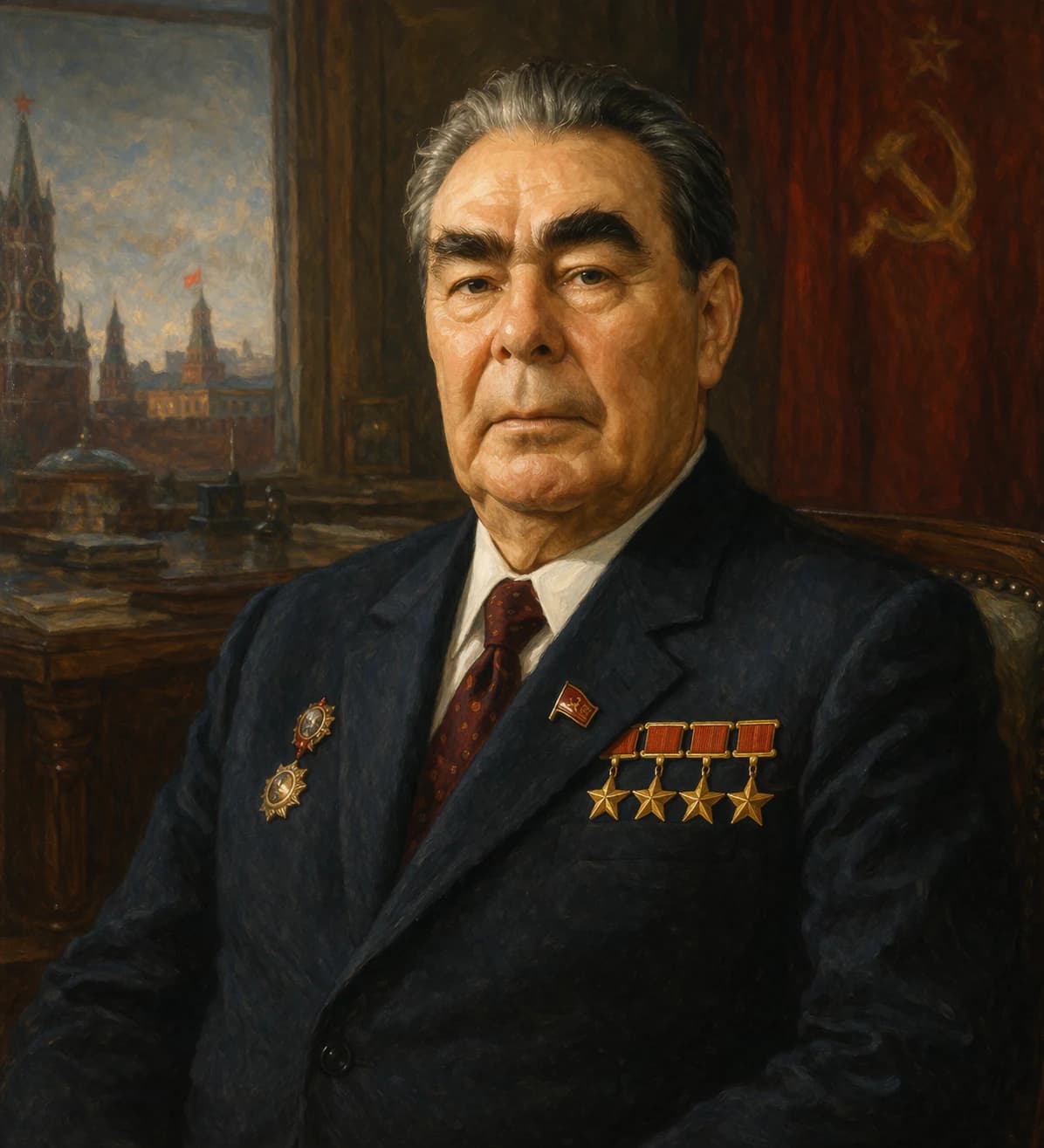
Leonid Brezhnev
He gave the Soviet Union nearly two decades of order, military confidence and superpower status, but the stability he prized hardened into stagnation that later reformers struggled to undo.
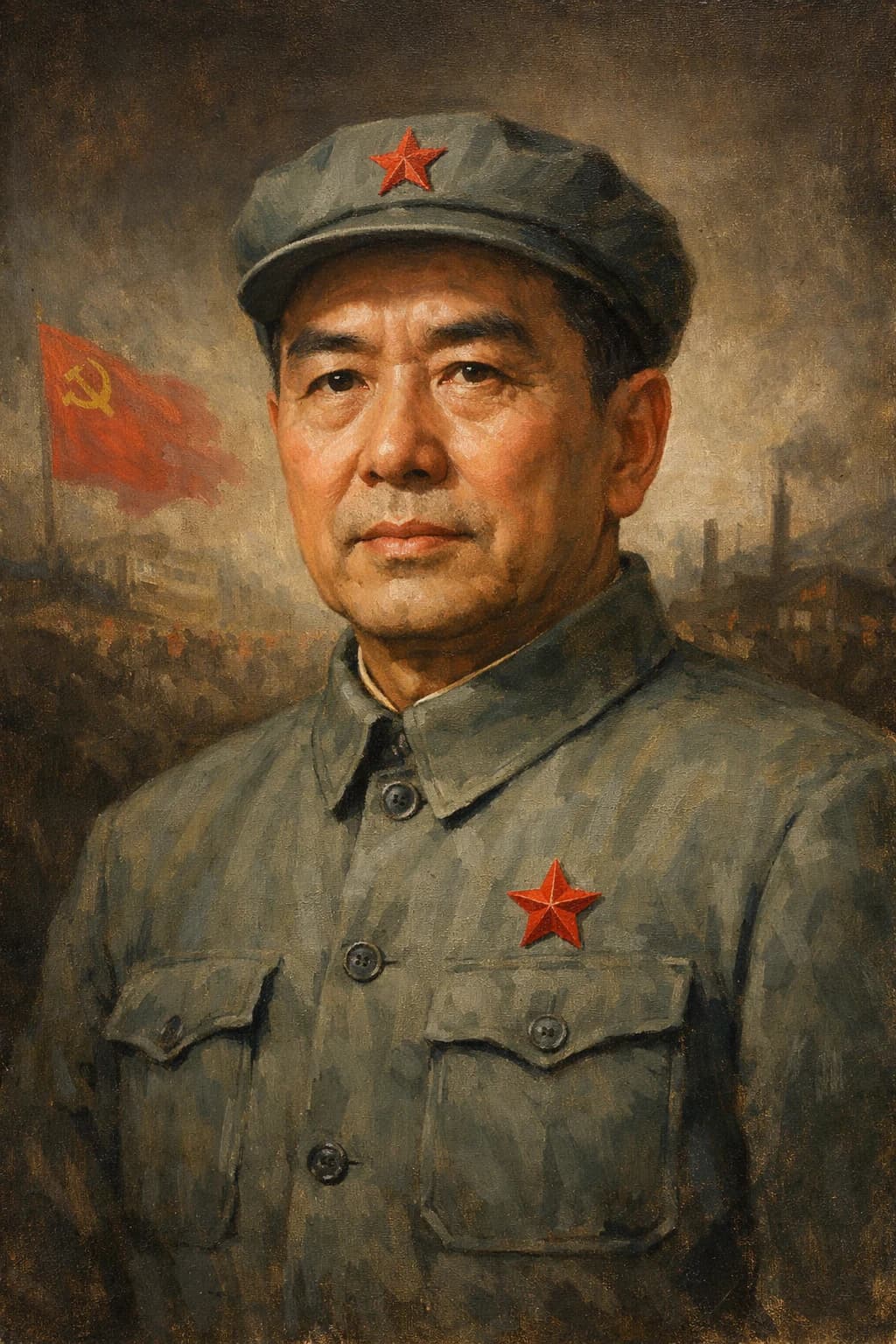
Li Xiannian
He moved from guerrilla struggle to the centre of China's financial state, surviving Mao-era upheaval and serving as president while Deng Xiaoping's reforms remade the country.

Liz Truss
She rose through a decade of Conservative government to become prime minister in September 2022, but her unfunded tax-cutting agenda shattered market confidence and ended her premiership after 49 days.

Lyndon B Johnson
He used unmatched legislative power to pass civil rights, voting rights, Medicare, Medicaid and the Great Society, but his escalation of the Vietnam War consumed his presidency and divided the country he wanted to reform.
M
2 figures

Margaret Thatcher
She became Britain's first female prime minister, won three elections, broke the postwar consensus, confronted unions, privatised state industries, fought the Falklands War, and left a political argument Britain still lives inside.
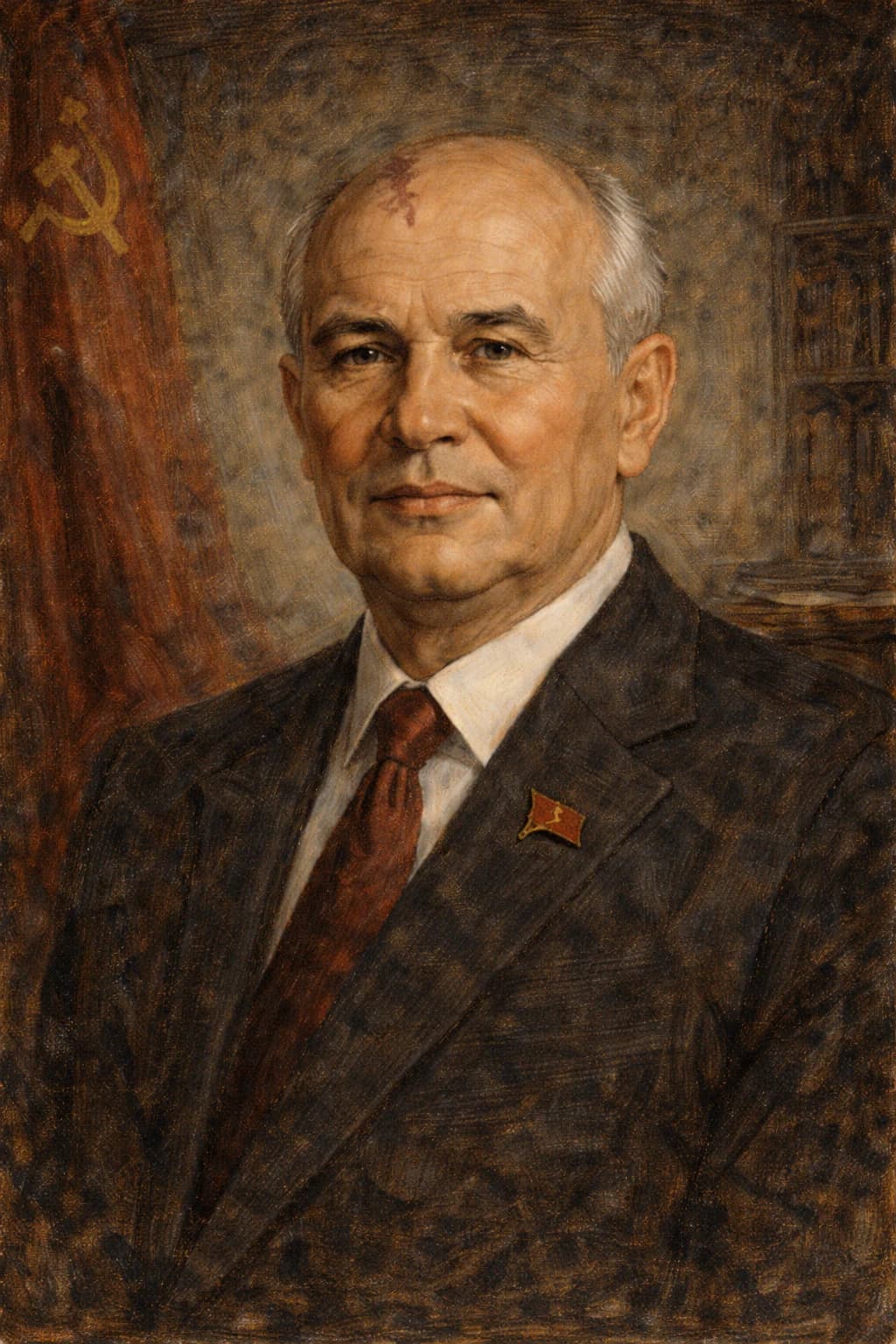
Mikhail Gorbachev
He tried to rescue Soviet socialism with openness, restructuring and restraint, helped end the Cold War, refused to hold Eastern Europe by force, and lost the union he wanted to reform.
N
1 figure
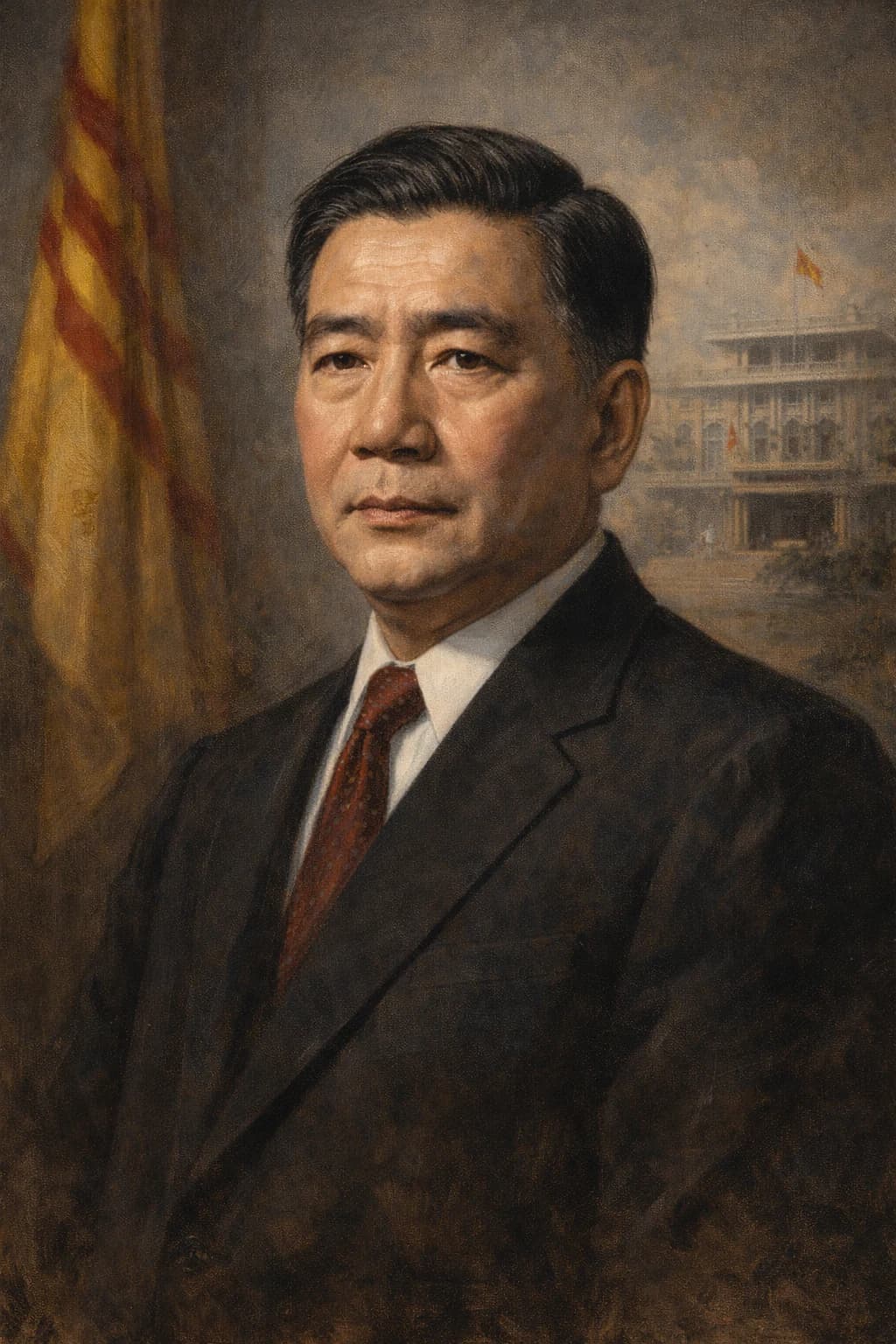
O
1 figure

P
1 figure
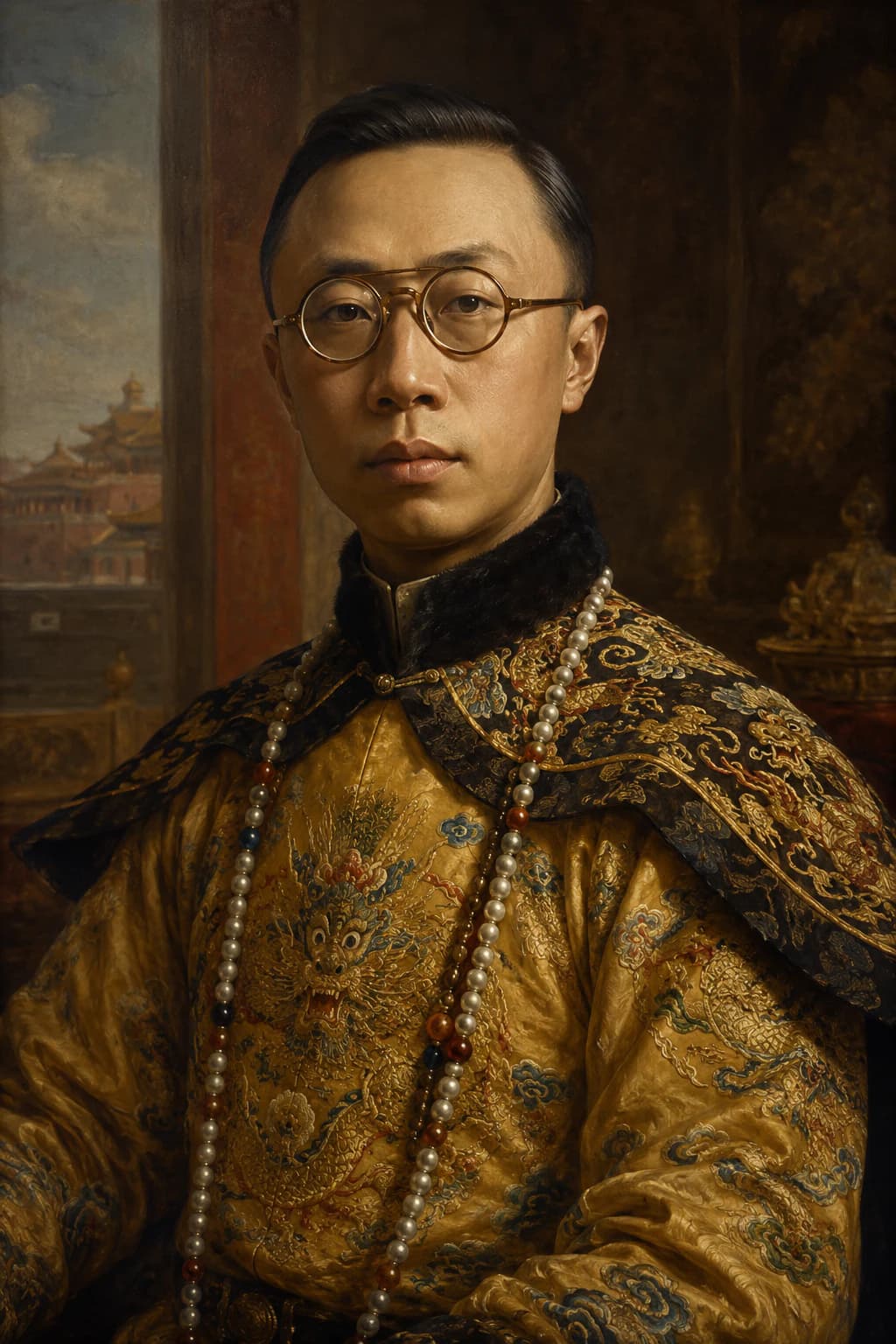
R
6 figures
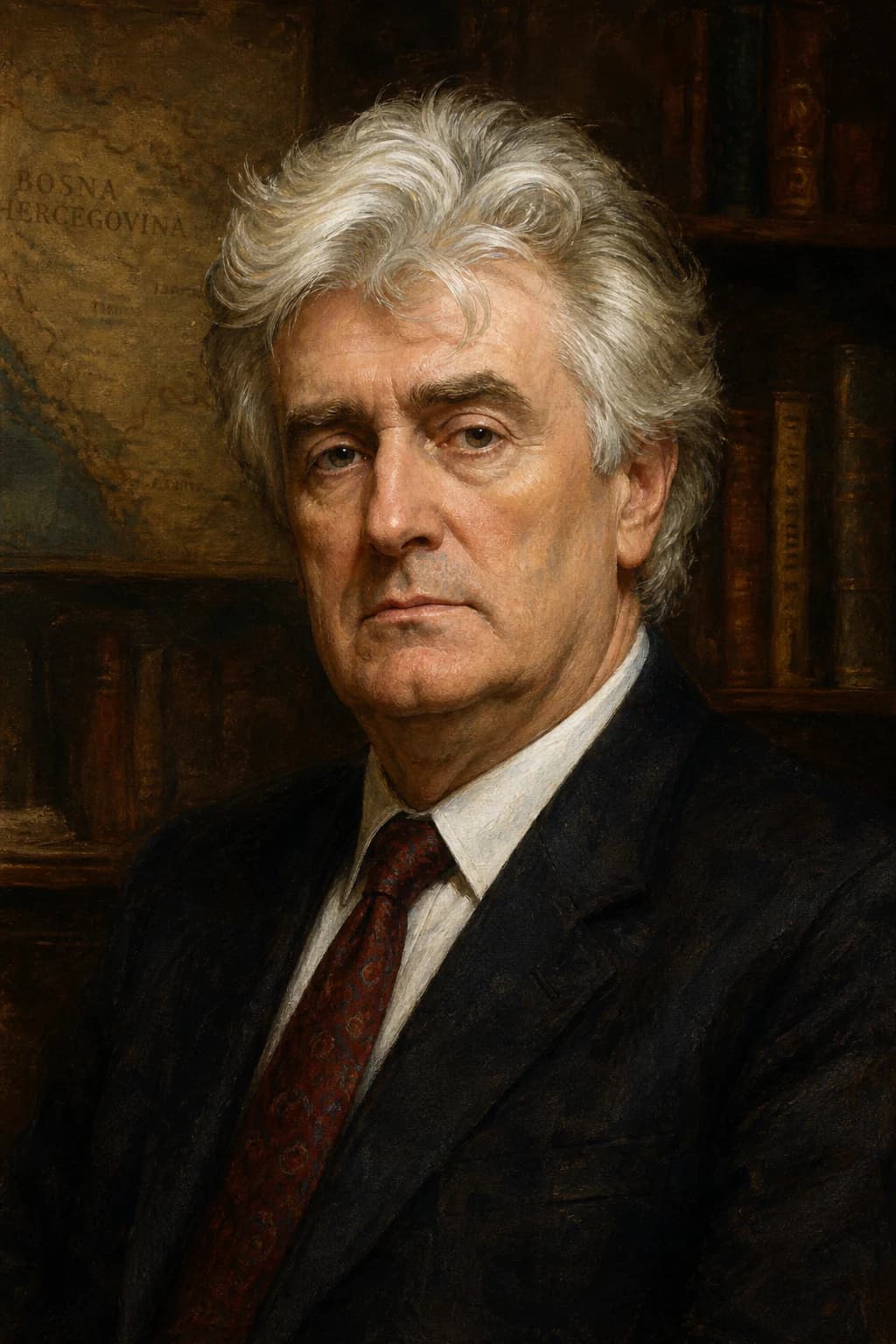
Radovan Karadzic
He turned poetry, psychiatry, and nationalism into wartime power, then spent years hiding from the crimes that made his name infamous.
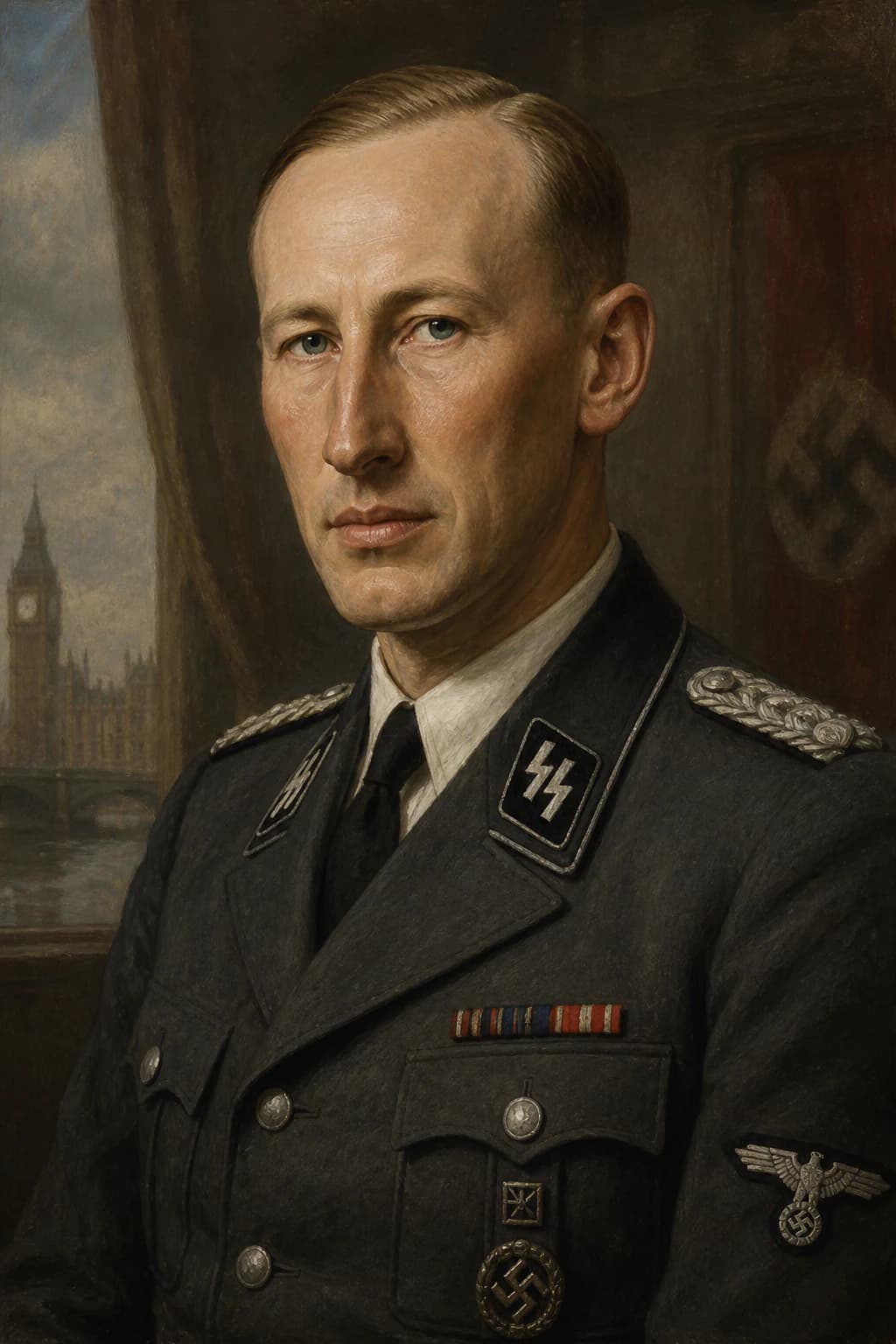
Reinhard Heydrich
He turned Nazi ideology into files, police power and organised terror, becoming one of the regime's most feared men and a central architect of the Holocaust.

Richard Nixon
He opened China, ended the draft, founded the EPA — and then recorded himself discussing how to cover up a break-in and handed his enemies the evidence they needed.

Rishi Sunak
He became Britain's first British-Asian prime minister after the Truss crisis, steadied the markets, struggled against economic fatigue, and led the Conservatives into their 2024 defeat.

Robert McNamara
He brought systems analysis to the Pentagon, escalated the Vietnam War with terrifying confidence, and spent the rest of his life wrestling with what those numbers had missed.
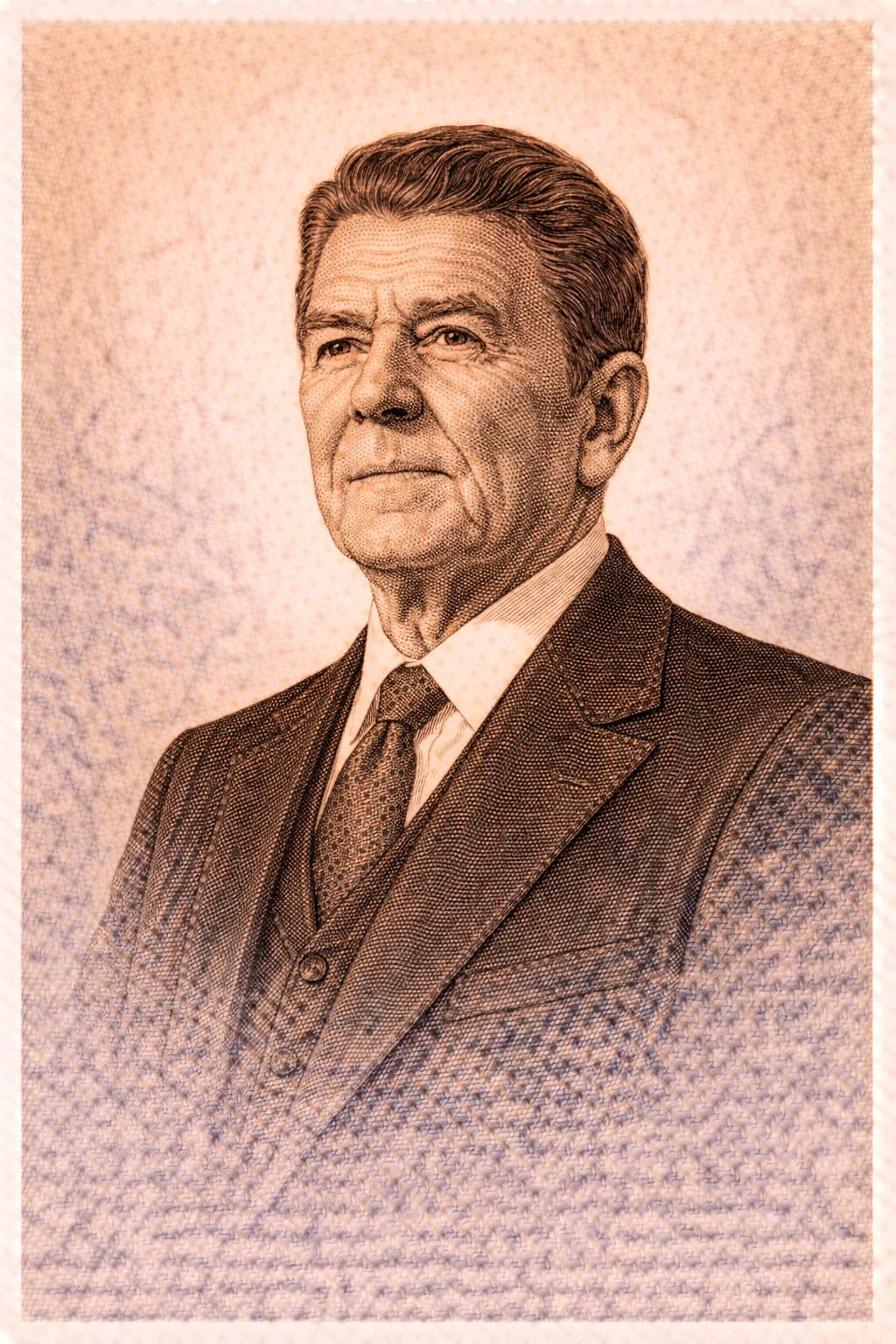
Ronald Reagan
He was a B-movie actor who became the most consequential American president of the late twentieth century — and the argument about how he managed it has never stopped.
S
7 figures
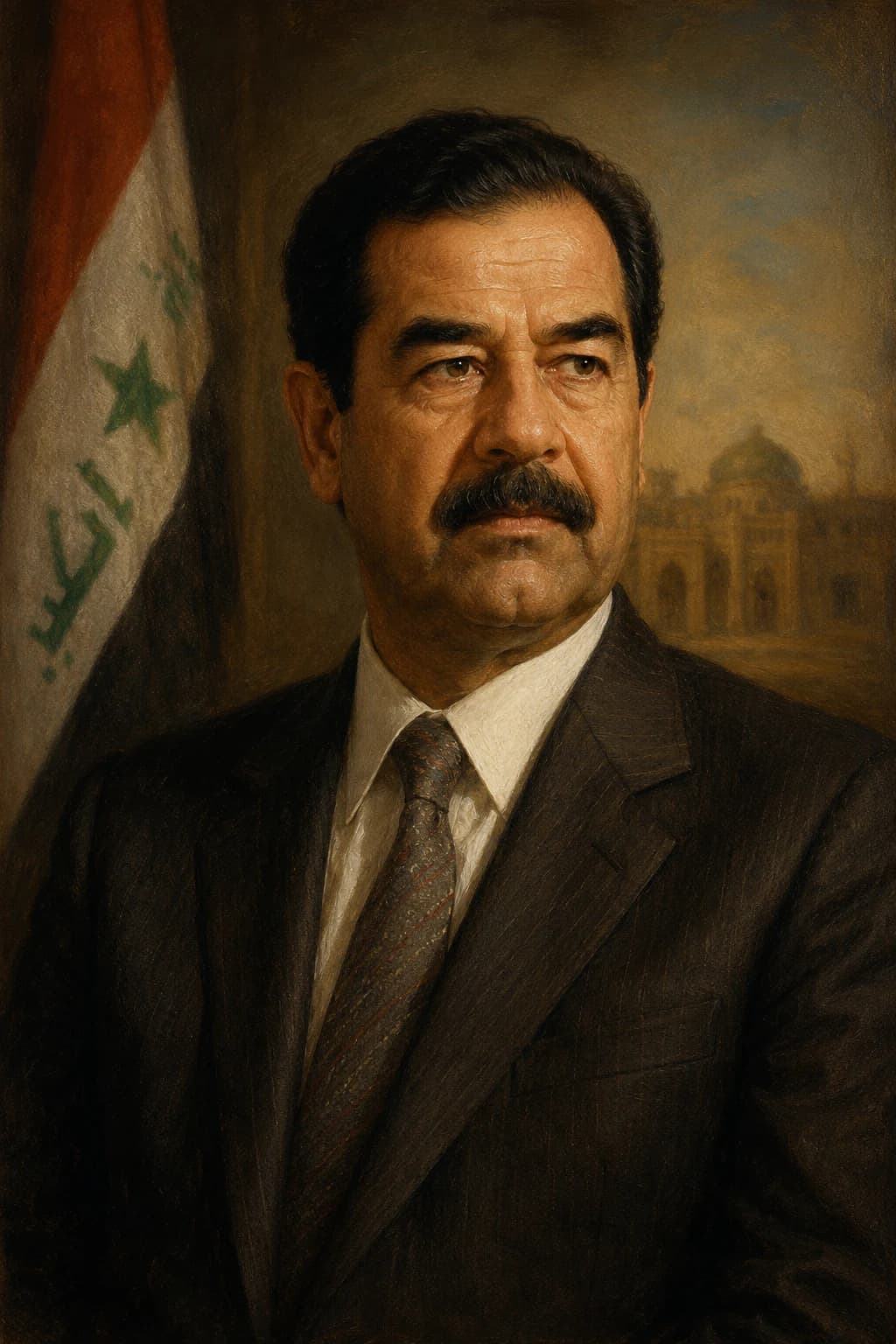
Saddam Hussein
He was Iraq's Ba'athist dictator from 1979 to 2003, a ruler who built a ruthless security state, fought Iran, invaded Kuwait, used violence against Kurdish and Shi'a communities, and became the central target of the U.S.-led Iraq War.
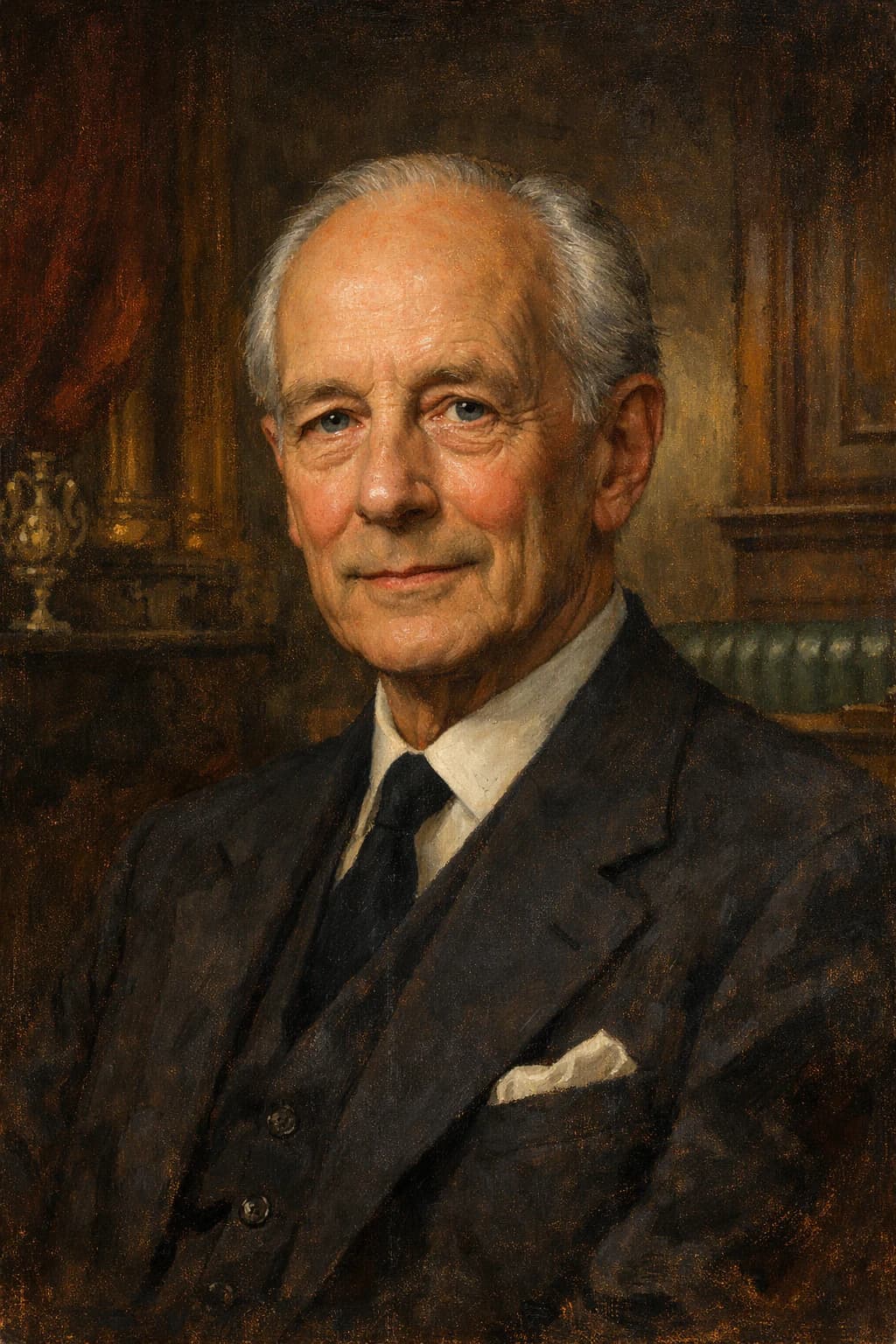
Sir Alec Douglas-Home
He unexpectedly renounced his aristocratic title to become prime minister, led briefly during a turbulent political shift, and later returned as a steady voice in foreign affairs.
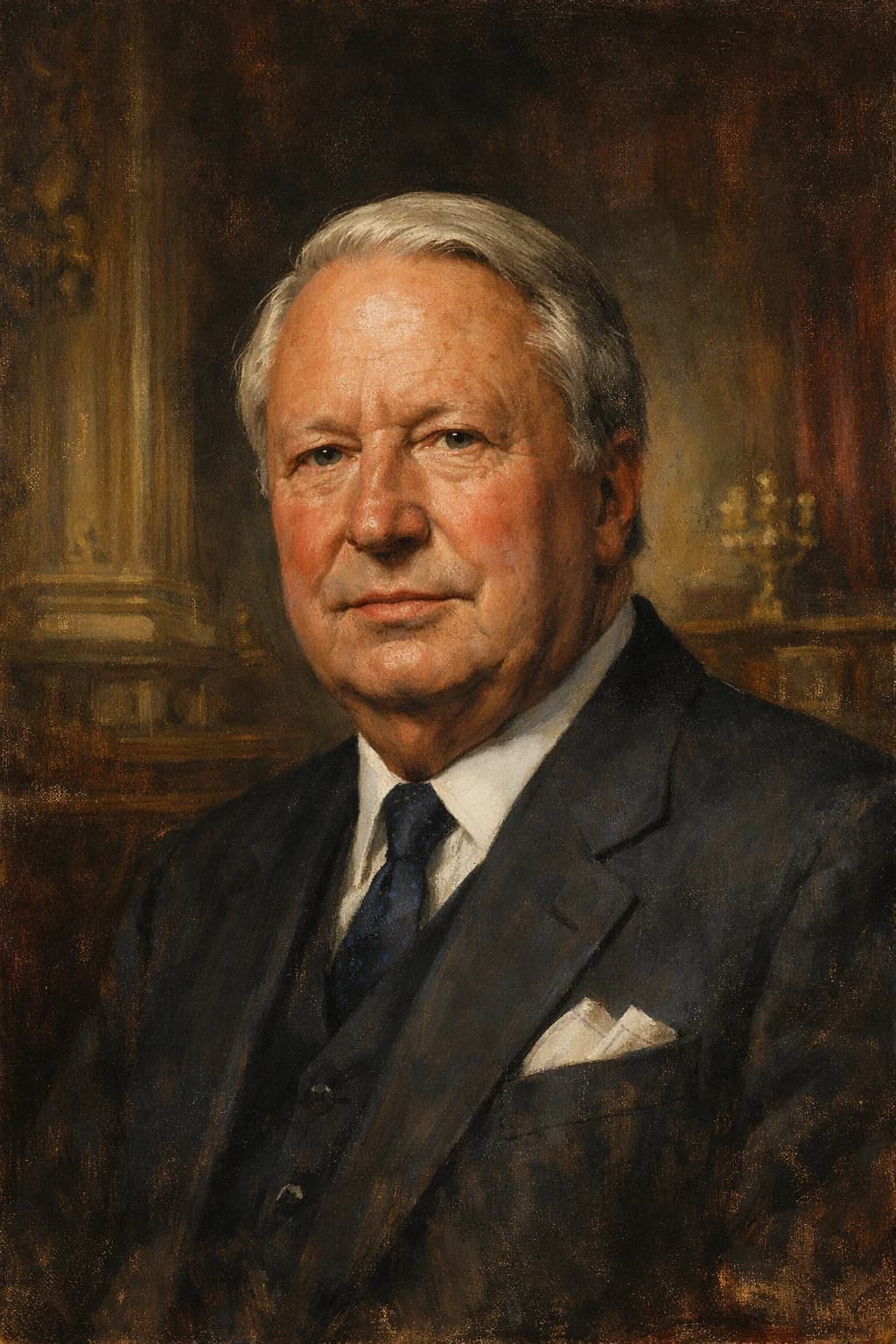
Sir Edward Heath
He achieved Britain's entry into the European Economic Community, but his premiership was overwhelmed by inflation, industrial conflict, the oil shock, and a failed attempt to ask voters who governed Britain.
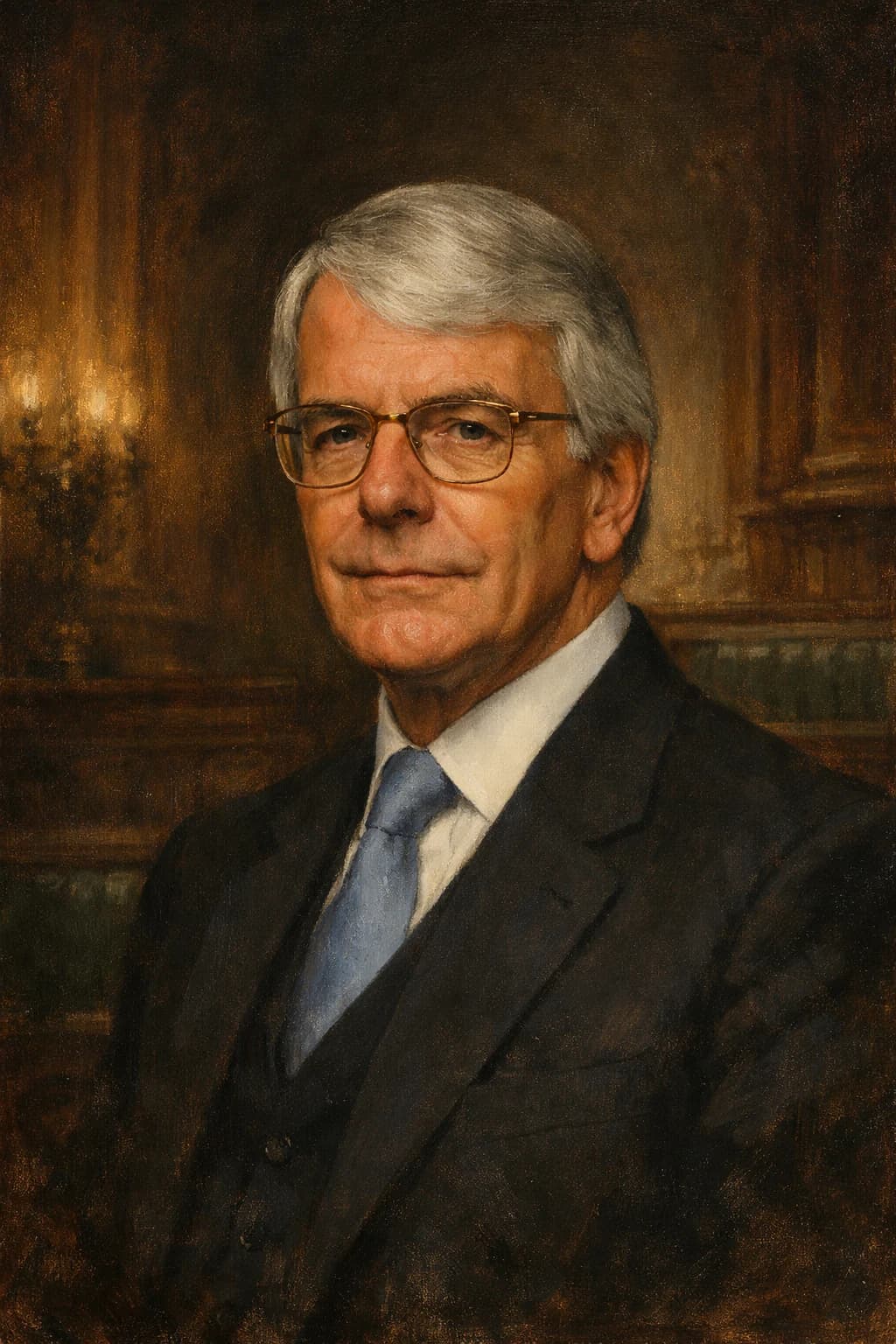
Sir John Major
He rose from Brixton and early hardship to become prime minister, won an unexpected election in 1992, endured Black Wednesday and Conservative civil war over Europe, and quietly advanced the Northern Ireland peace process.
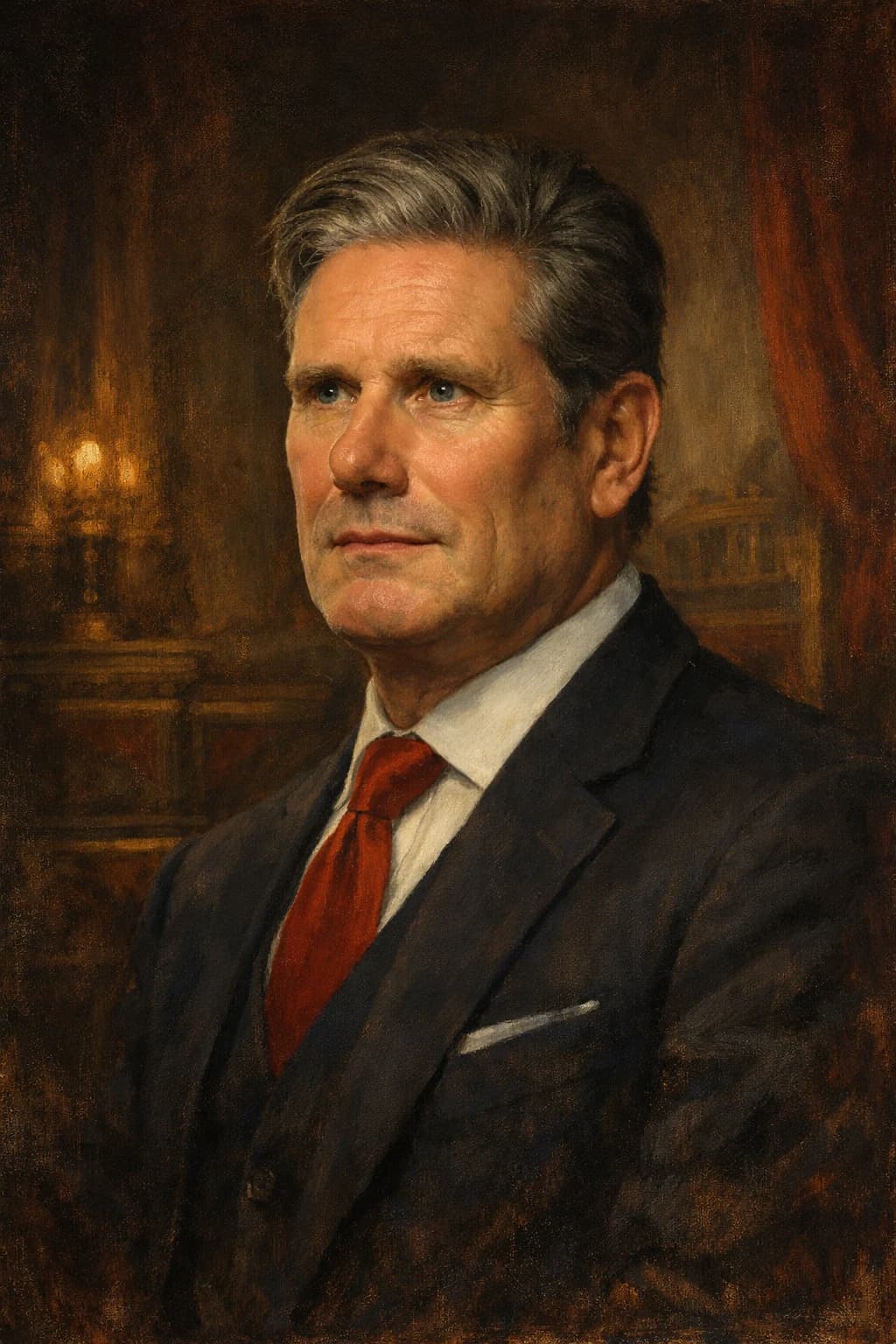
Sir Keir Starmer
He moved from human rights law to public prosecution, rebuilt Labour after its 2019 defeat, won the 2024 general election, and now faces the harder test of turning a huge majority into visible renewal.
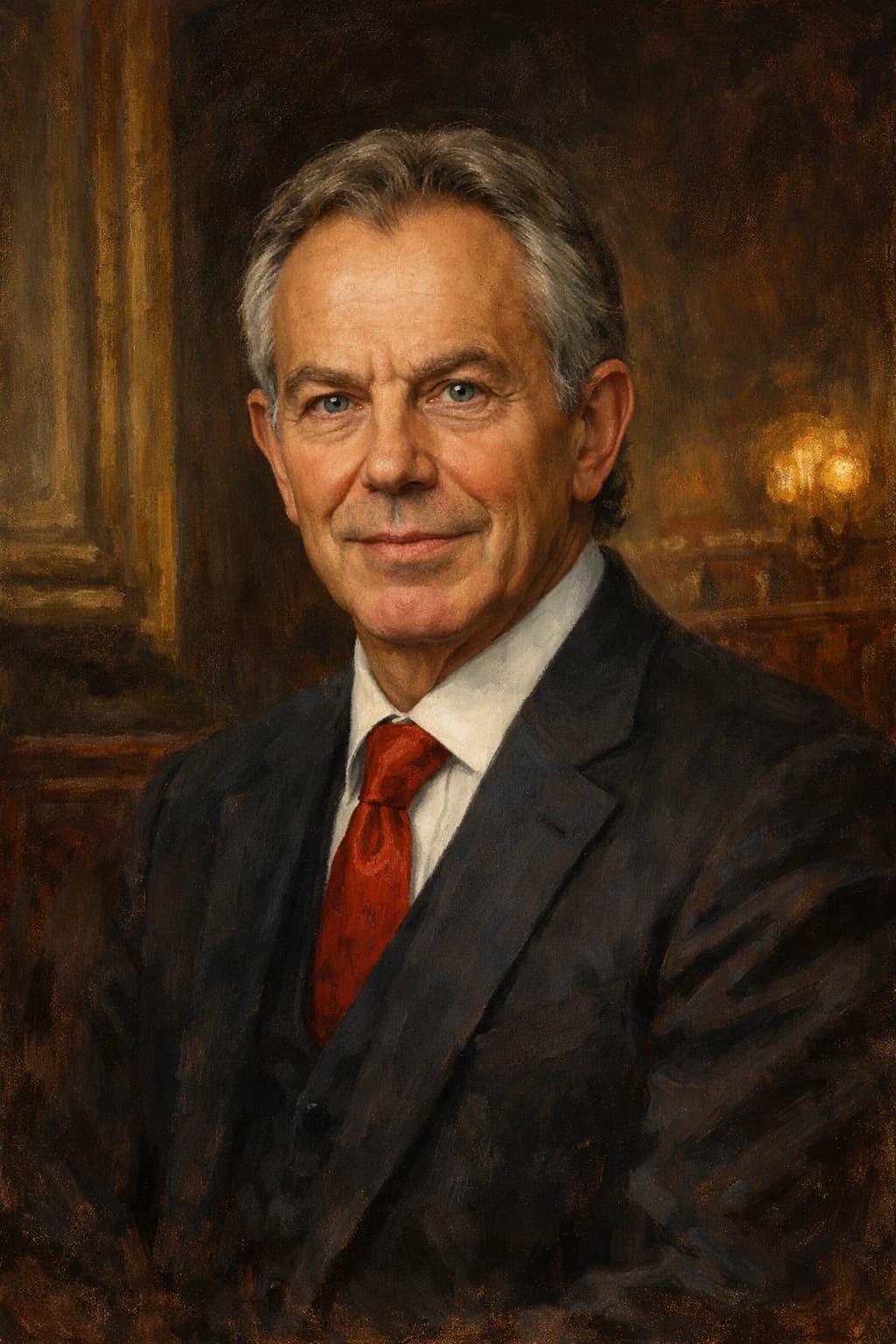
Sir Tony Blair
He made Labour electable again, won three general elections, expanded public services and devolved power, but the Iraq War left a shadow that still defines arguments over his legacy.
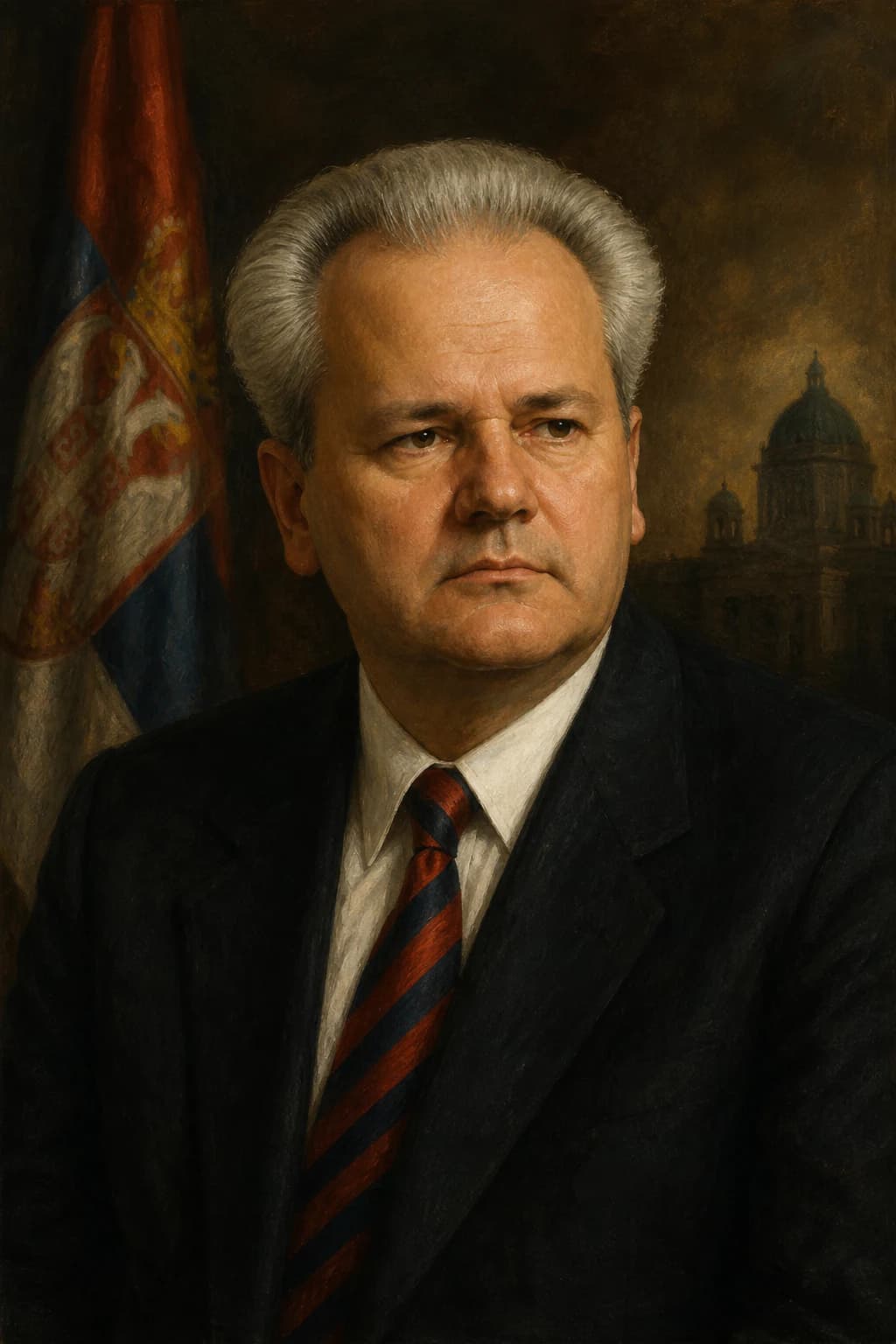
Slobodan Milosevic
He rode nationalist grievance to power and helped turn Yugoslavia's constitutional crisis into a sequence of wars, expulsions, and trials.
T
1 figure
V
1 figure
X
1 figure

Y
2 figures

Yang Shangkun
He survived the Long March, party purges and the Cultural Revolution to become China's president, then used his military influence during the 1989 Tiananmen crisis, fixing his legacy in one of modern China's most contested moments.
Yuri Andropov
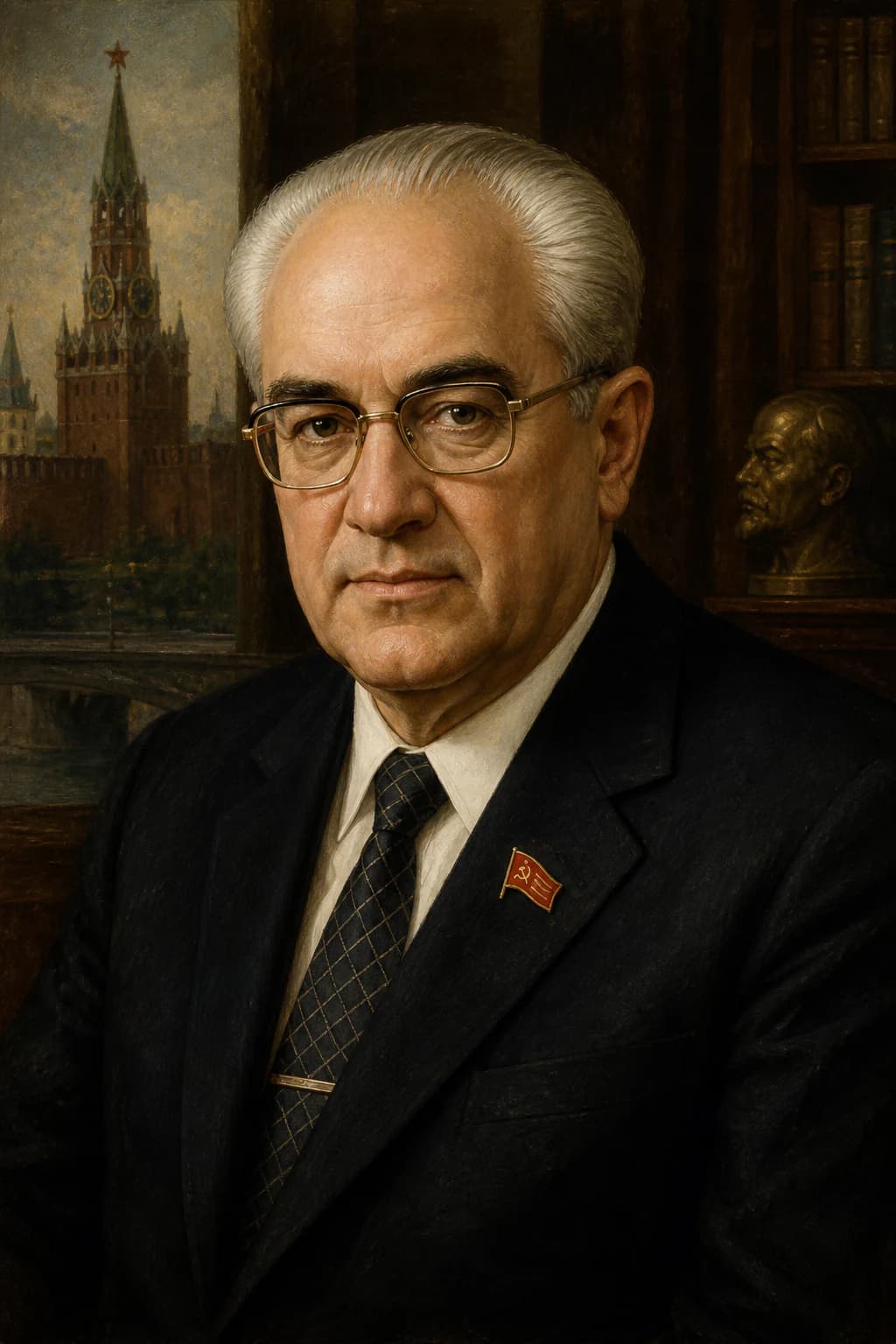
He spent fifteen years running the KGB before inheriting the Soviet Union itself, bringing a hard intelligence officer's eye to a state already showing signs of exhaustion.
