People

Robert Clive

Robert Clive was an East India Company officer and administrator whose victory at Plassey in 1757 helped establish British political power in Bengal.

Born
1725 CE
Died
1774 CE
Role
Governor of Bengal

East India Company commander and administrator (1725-1774)

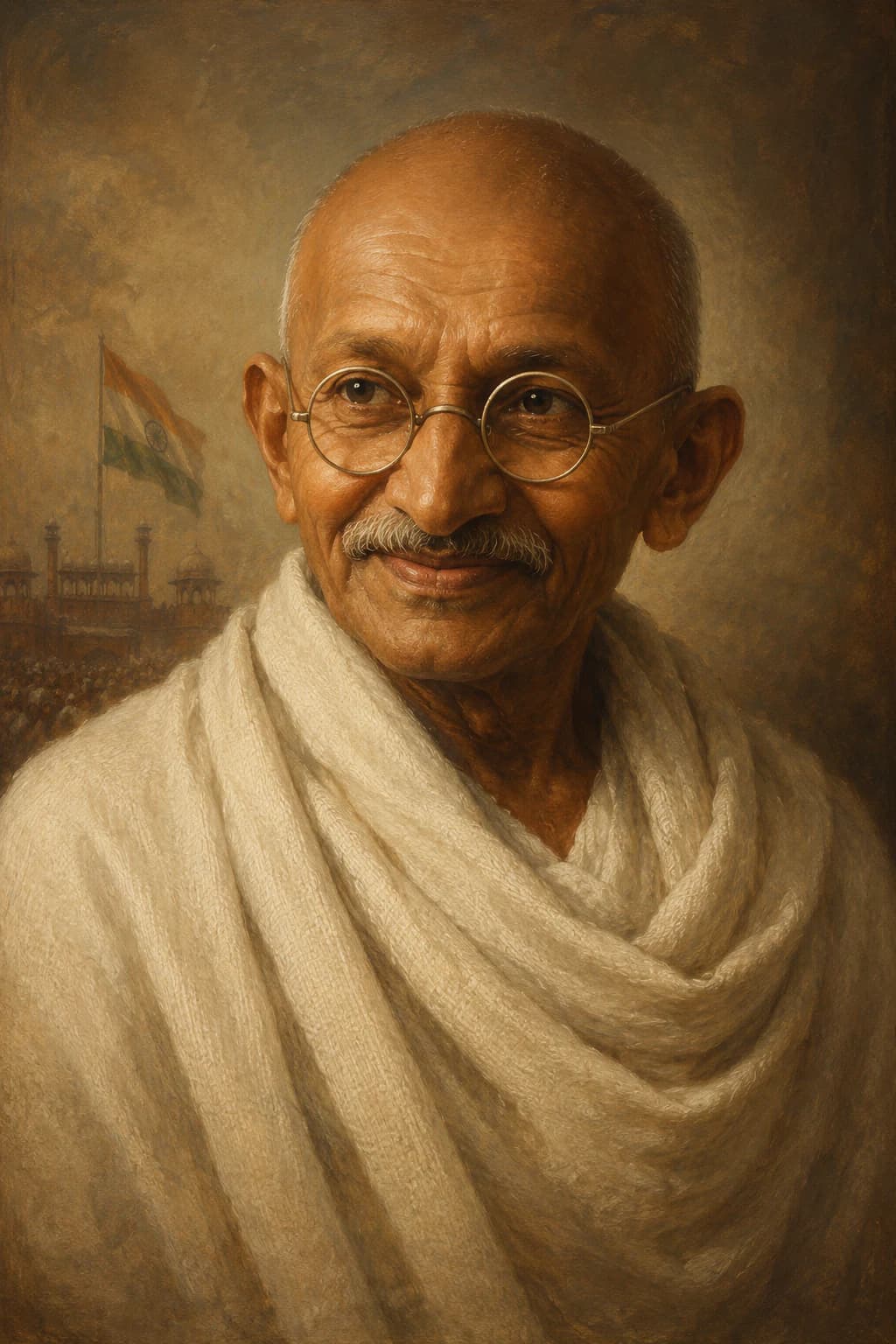
AI-generated portrait of Robert Clive in eighteenth-century British military dress
AI-assisted historical reconstruction

An illustrative reconstruction based on historical context. It is not a photograph or documentary likeness. Image policy

Quick answer

Robert Clive was an East India Company officer and administrator whose victory at Plassey in 1757 helped establish British political power in Bengal.

Born
1725 CE
Died
1774 CE
Role
Governor of Bengal
Years
1725-1774 CE
Quick facts

Profile details

Additional identity and tagging details that are not already covered in the introduction.

Full name
Robert Clive, 1st Baron Clive
Also known as
Clive of India, Lord Clive
Facts

Robert Clive timeline facts

Selected specifics from this profile's life story.

1725
Shropshire beginnings

Robert Clive was born in Shropshire and grew up as a restless, difficult child before entering East India Company service.

1756
Crisis in Bengal

The capture of Calcutta by Siraj ud-Daulah drew Clive into the conflict that would define his career.

1765
Return to Bengal

Clive returned to India and secured the diwani of Bengal, Bihar and Orissa from the Mughal emperor.

1774
Death and legacy

Clive died in 1774, leaving a legacy tied to military brilliance, corporate corruption and the origins of British rule in India.

Life Journey

The company officer who changed the fate of Bengal

Follow the story in a more continuous narrative, with a reading mode that matches how much depth you want.

Complete chronology

1725

Shropshire beginnings

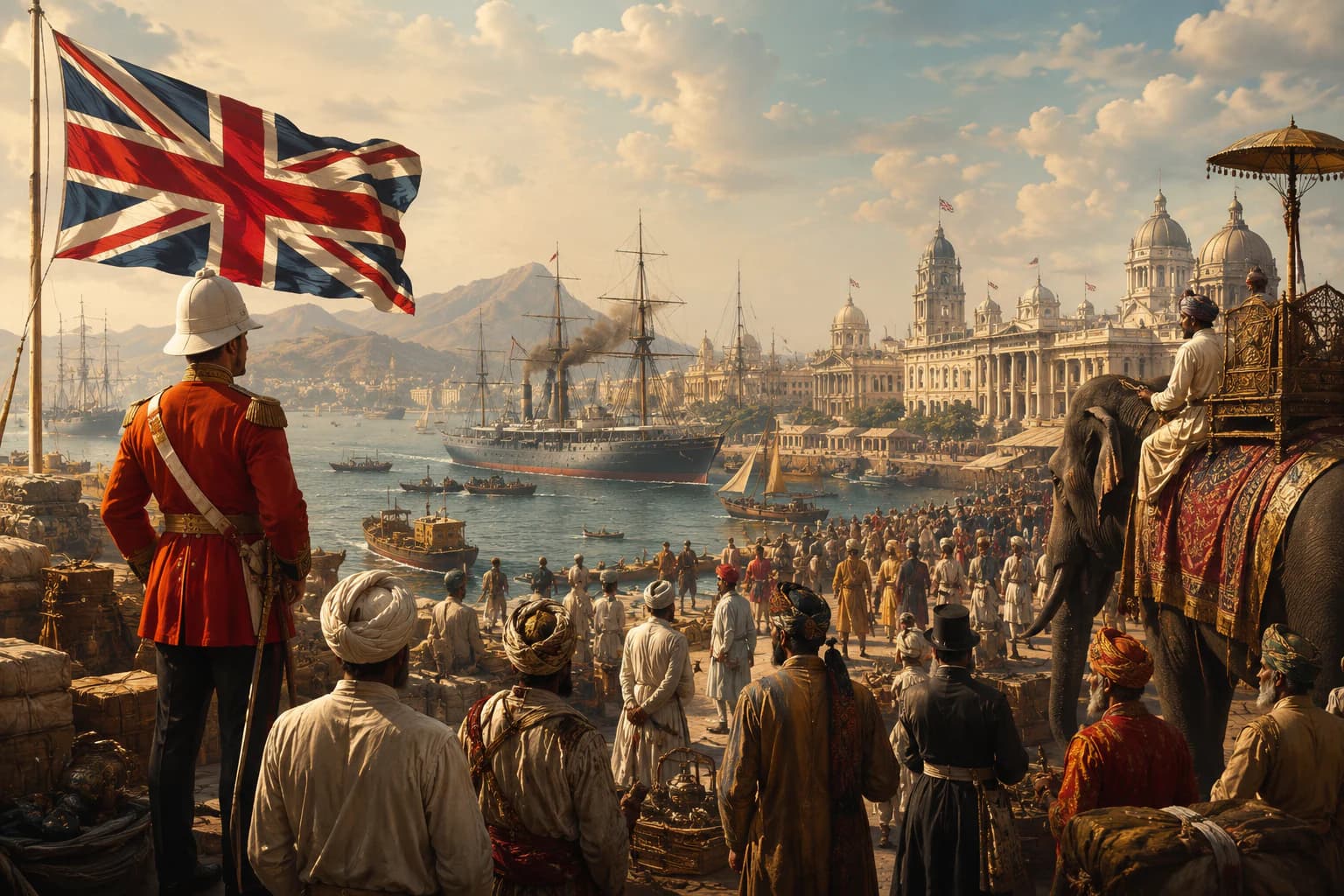
Robert Clive was born at Styche in Shropshire in 1725, into a gentry family with limited fortune and ambitious expectations. His youth became famous for unruliness, though later stories about his boyhood should be treated carefully because they were shaped by the legend of Clive of India. In 1744, he arrived in Madras as a writer, or clerk, for the East India Company. He entered India not as a conqueror but as a young company servant in a commercial world being transformed by European rivalry, Indian politics and military opportunity.

1740s

Carnatic warfare

The War of the Austrian Succession and later regional struggles in southern India drew the East India Company and its French rival into local politics. Clive found his route out of clerical obscurity during these conflicts. He joined the company's military forces and showed nerve under pressure, especially during the struggle around Madras and the Carnatic. European companies were still dependent on Indian allies, revenue networks and court politics, but their disciplined infantry and artillery could become decisive when used at the right moment. Clive learned that Indian power could be influenced by alliance as much as conquest.

1751

Arcot

In 1751, Clive led a daring move against Arcot, capital of the Carnatic, to relieve pressure on the British-backed claimant Muhammad Ali. The seizure and defence of Arcot became the foundation of his reputation. The operation was small by later imperial standards, but psychologically powerful. Clive used speed, surprise and endurance to compensate for limited numbers. His success did not mean Britain already controlled India; it showed that company forces could intervene effectively in succession disputes and convert military audacity into diplomatic leverage.

1756

Crisis in Bengal

Bengal was one of the richest regions in the world, and the East India Company's settlement at Calcutta sat inside a political order ruled by the nawab. In 1756, Siraj ud-Daulah captured Calcutta after disputes over fortification, privilege and company behaviour. Clive returned from Madras with naval support under Admiral Charles Watson and retook the city in early 1757. The crisis quickly became more than a dispute over a trading post. Company leaders, Bengali bankers and disaffected court figures began exploring a change of regime that would protect their interests.

1757

Plassey

The Battle of Plassey on 23 June 1757 was less a simple clash of armies than a political coup fought under battlefield conditions. Clive's force was much smaller than Siraj ud-Daulah's, but the nawab's command was undermined by conspiracy, especially the defection of Mir Jafar and other powerful figures. Rain, discipline and hesitation shaped the fighting, and the result ended Siraj's rule. Mir Jafar became nawab, while the East India Company gained enormous influence and rewards. Plassey did not create the British Raj overnight, but it opened the door to company dominance in Bengal.

1757-1760

Power and fortune

Clive emerged from Bengal with immense personal wealth, including jagir income and gifts that later became politically controversial. The company's position also changed. It was no longer merely negotiating trading privileges; it was influencing succession, extracting resources and shaping government. This new power created instability. Company servants sought private fortunes, Indian rulers tried to manage or resist them, and Bengal's administration came under growing strain. Clive's supporters saw him as the man who secured British interests. Critics saw the beginnings of corruption, coercion and conquest by a corporation.

1765

Return to Bengal

In 1765, Clive returned as governor and helped formalise company authority after the Battle of Buxar, which had confirmed British military strength against a coalition including the nawab of Awadh and the Mughal emperor Shah Alam II. Through the Treaty of Allahabad, the East India Company obtained the diwani, or right to collect revenue, in Bengal, Bihar and Orissa. This was a constitutional turning point. A trading corporation now held fiscal power over a vast population while still operating within layers of Mughal and regional legitimacy. Clive also tried to curb private corruption, though the system remained deeply conflicted.

1772-1773

Parliamentary scrutiny

By the 1770s, the East India Company's affairs had become a British political crisis. Reports of famine, corruption and corporate misrule in Bengal intensified scrutiny. Clive was investigated by Parliament over the fortune he had acquired and the methods by which company power had expanded. He defended himself as a servant who had saved British interests in a dangerous world, but the hearings exposed public unease about private empire. Parliament stopped short of condemning him personally in the strongest terms, yet the debate made clear that Bengal had changed British politics as well as Indian history.

1774

Death and legacy

Robert Clive died in London in 1774, aged forty-nine. His death followed years of ill health, pain and political pressure. His legacy remains fiercely contested. He was a capable commander and a bold strategist who operated in a complex Indian political landscape, not a lone conqueror of a passive subcontinent. Yet his victories and settlements helped transform the East India Company into a territorial power, with consequences for Bengal, Britain and the later British Empire. To understand Clive is to see how empire could grow from trade, alliance, violence, debt, ambition and administrative improvisation.

Continue in context

Connected stories

Move from the profile into the wider events and settings this figure belongs to.

Tertiary paths

Content note

This profile is written for educational use and connects to related Stories of History pages. The main portrait is an AI-assisted historical reconstruction, included as an illustrative aid rather than documentary evidence. Image policy

References

Sources & Further Reading

Reliable reference works, archives and reading paths connected to this profile.

Further reading

  1. Encyclopaedia Britannica, Search results for Robert Clive,” accessed June 2026.Open source
  2. WorldCat, Books and library holdings for Robert Clive,” accessed June 2026.Open source

Primary sources

  1. Library of Congress, Search results for Robert Clive,” accessed June 2026.Open source

Reviewed claim sources

Loading reviewed claim sources...

A weekly route through history

Find out first about the latest published stories, feature notes and occasional Premium offers in one weekly email.