Complete chronology
Full overview and deeper context for every journey step.
1875
Aristocratic beginnings
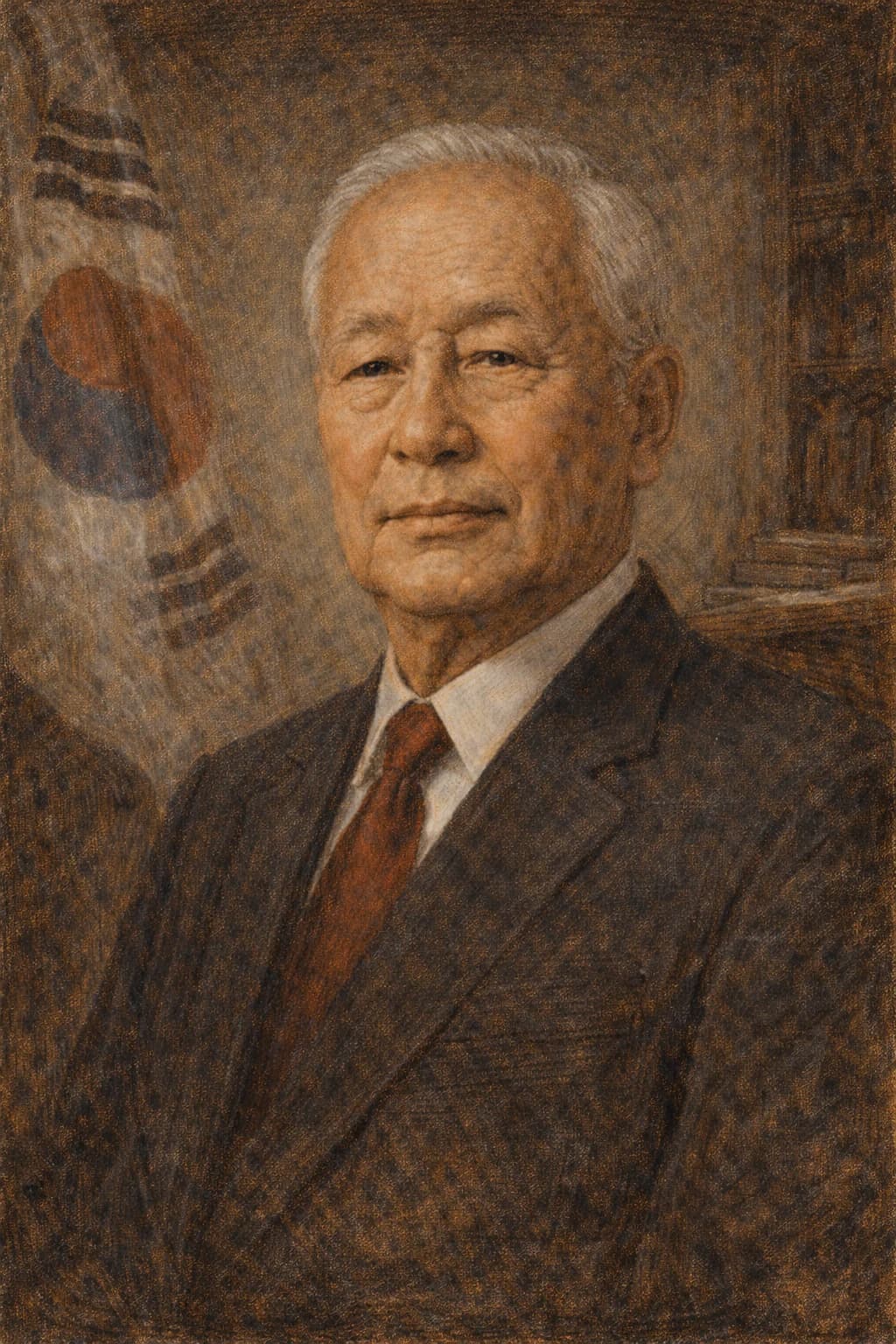
Rhee's early life unfolded as the Joseon kingdom struggled to survive in a changing East Asia. Korea's old Confucian order still shaped education, status and political imagination, but foreign powers were forcing the peninsula into new diplomatic and military realities. Rhee came from a family that valued traditional learning, yet his youth coincided with reform movements that challenged monarchy, hierarchy and isolation. That collision between old order and modern crisis shaped him deeply. He would spend his life presenting himself as a guardian of Korean sovereignty, but also as a leader who believed national survival required discipline, centralised authority and international backing.
Early exposure to a collapsing system often drives individuals to seek new forms of power and legitimacy.
1890s–1904
Western education
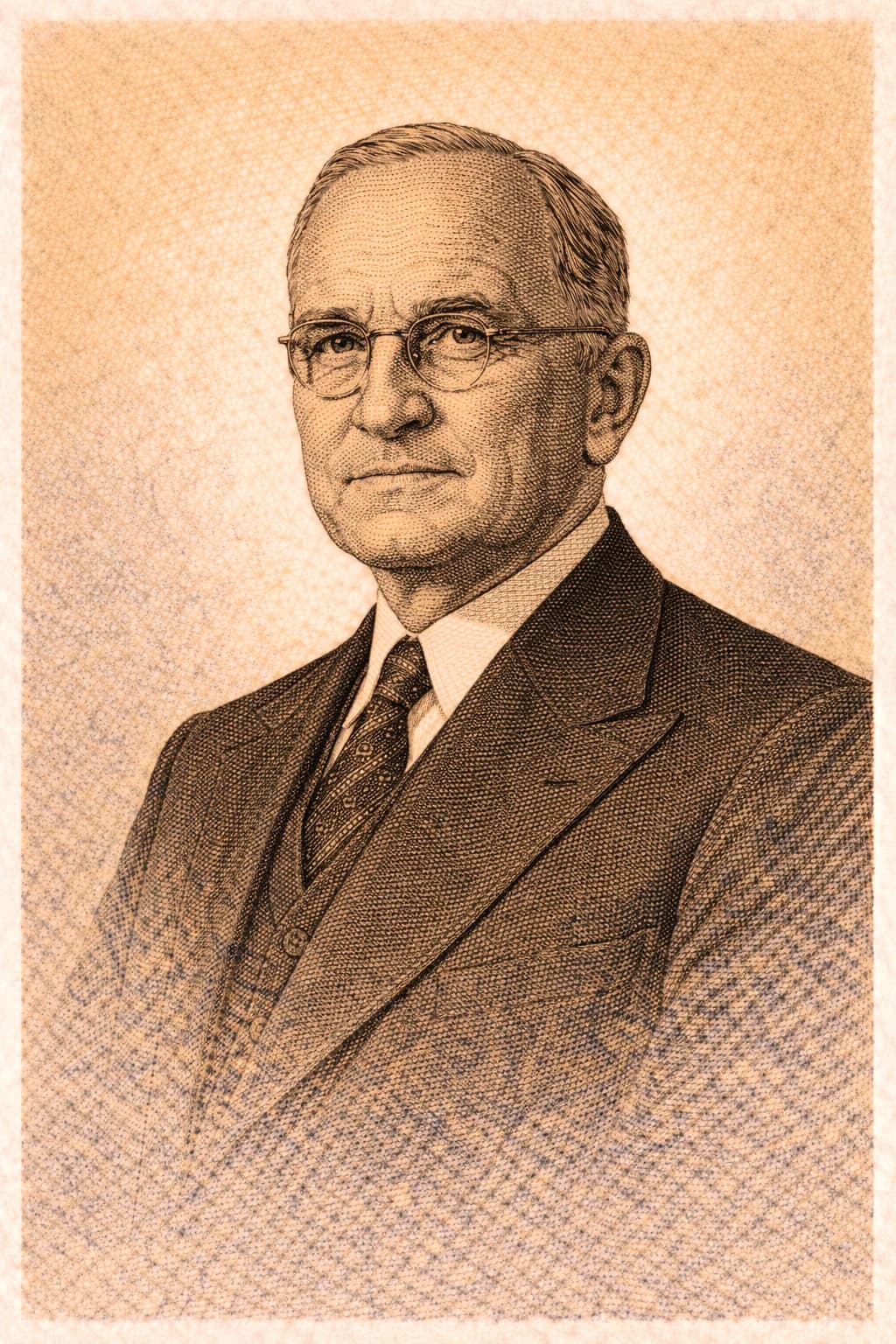
Rhee's education made him unusual among Korean nationalists of his generation. He attended Pai Chai school, encountered Protestant Christianity and absorbed ideas about constitutional government and national self-determination. His activism brought imprisonment under the Korean monarchy, and prison became a formative political classroom rather than a pause in ambition. After release, he travelled to the United States, where he studied at George Washington University, Harvard and Princeton, earning a doctorate. American education strengthened his fluency in the language of democracy and diplomacy, but it did not make him a liberal democrat in practice. He learned how to speak to Western power, a skill that later became central to his career.
Education abroad can transform personal ambition into a broader political mission.
1900s–1910s
Independence advocate
Japanese colonial rule turned Rhee's nationalism into a lifelong mission. From Hawaii, Washington and other exile centres, he tried to place Korea on the agenda of powerful states that had little incentive to act. He wrote, lobbied, organised and appealed to the language of self-determination that became especially potent after the First World War. His strategy differed from armed resistance inside Korea and from socialist or communal nationalist movements. Rhee believed diplomacy with the United States was essential. The approach produced limited immediate results, but it gave him visibility, English-language fluency and a reputation as a persistent, uncompromising spokesman for Korean independence.
Advocacy on the global stage requires both persistence and strategic messaging.
1919–1920s
Exile leadership
The March First Movement of 1919 electrified Korean nationalism, and the Korean Provisional Government formed in Shanghai as a symbolic government-in-exile. Rhee's international profile helped him become its president, but the office exposed his weaknesses as well as his strengths. He often preferred personal diplomacy and executive authority to collective strategy. Other nationalists criticised his distance, methods and unilateral style, and he was eventually removed from the provisional presidency. The episode foreshadowed his later rule in South Korea. Rhee could powerfully embody national independence, but he struggled to share authority with rivals who claimed the same patriotic cause.
Leadership in exile can expose both vision and rigidity in equal measure.
1945
Return to Korea
Liberation did not bring immediate unity. Korea was divided at the 38th parallel, with Soviet influence in the north and American occupation in the south. Rhee returned as an elderly but famous nationalist whose anti-communism made him useful to many U.S. officials and conservative Korean groups. His long exile meant he lacked some domestic organisational roots, but it also let him present himself as above local faction. He opposed trusteeship and pushed for a separate southern state when peninsula-wide settlement failed. This was a decisive and controversial turn. To supporters, Rhee was defending independence from communism. To critics, he helped harden division.
Moments of political vacuum often reward those already positioned with visibility and connections.
1948
First president
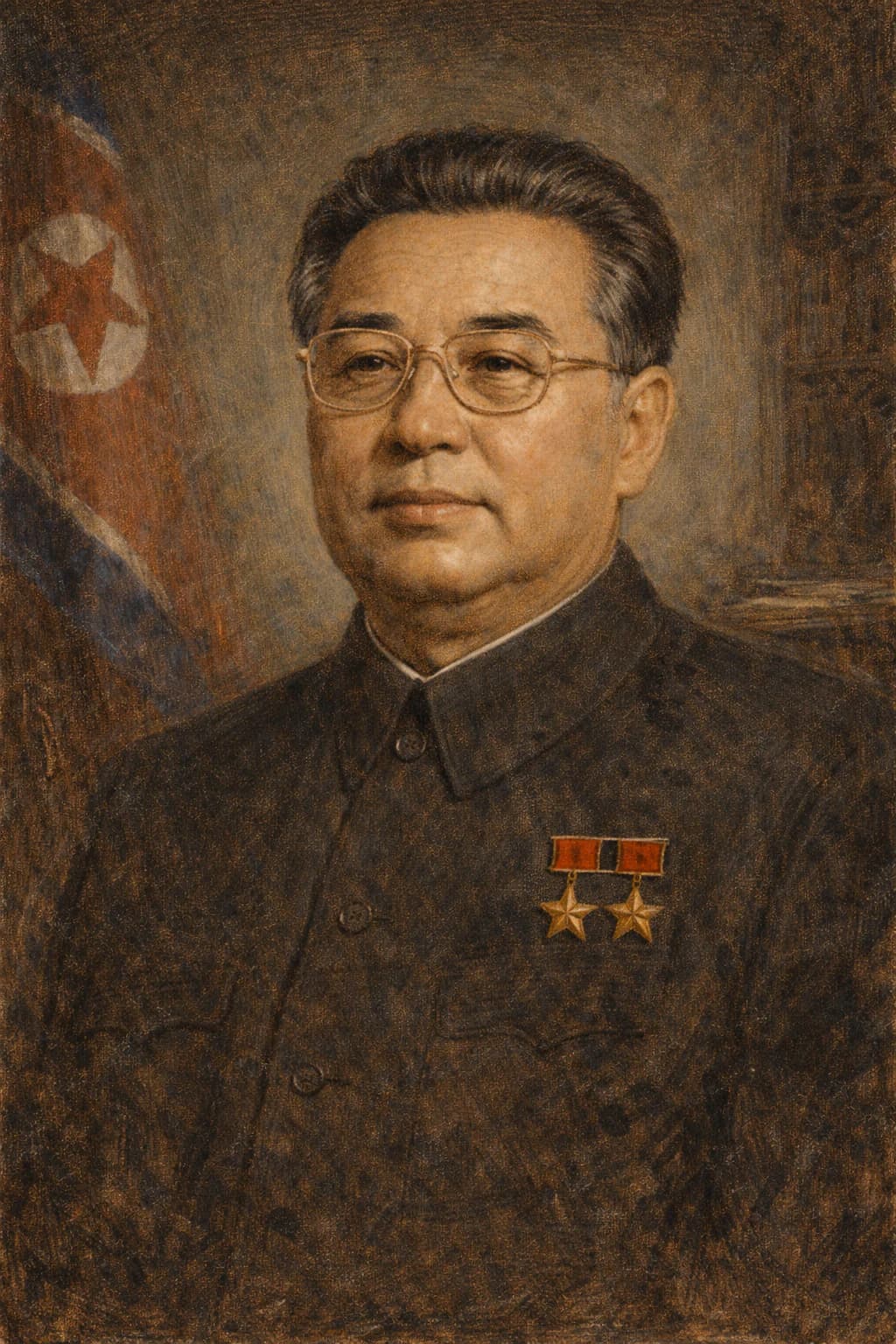
The Republic of Korea was proclaimed in August 1948, and Rhee became its first president. The new state faced immediate danger: left-wing uprisings, right-wing violence, disputes over legitimacy and the rival Democratic People's Republic of Korea in the north. Rhee's government pursued anti-communism with severe methods, including repression of opponents and brutal counterinsurgency campaigns. At the same time, the administration built institutions, sought American support and tried to claim authority over all Korea. The contradiction was present from the beginning. South Korea's founding under Rhee combined genuine state-building with coercion, democratic forms with authoritarian habits, and independence rhetoric with deep dependence on U.S. power.
Founding leaders often imprint both strengths and constraints on emerging states.
1950–1953
Korean War leadership
The Korean War was the central crisis of Rhee's presidency. North Korean forces rapidly drove south, Seoul fell, and the Republic of Korea survived only through U.S.-led United Nations intervention and the resilience of Korean soldiers and civilians. Rhee was uncompromising throughout the war. He wanted reunification on anti-communist terms and opposed any armistice that accepted permanent division. His release of anti-communist prisoners in 1953 was intended to disrupt negotiations and force stronger American commitments. The war devastated the peninsula, killed millions and entrenched the division Rhee had long resisted in theory. It also made the U.S.-South Korean alliance indispensable to the republic's survival.
War can strengthen leadership authority while simultaneously deepening national trauma.
1950s–1960
Authoritarian rule
Rhee's later rule became increasingly authoritarian. He changed constitutional rules to extend his presidency, pressured opponents and relied on security forces and loyalist networks to preserve power. The Liberal Party system around him became associated with corruption, intimidation and electoral manipulation. South Korea remained poor and insecure, and the threat from the north was real, but Rhee used national security to justify personal rule. Younger Koreans, students and opposition figures grew less willing to accept the bargain. The president who had once symbolised independence now appeared to many as the obstacle to constitutional government.
Authority maintained through control often weakens when legitimacy fades.
1960–1965
Fall and legacy
Rhee's fall came when election fraud and police violence triggered nationwide protests, led especially by students. The April Revolution forced him to resign in 1960, ending twelve years of rule. He left for exile in Hawaii, where he died in 1965. His legacy remains difficult because it contains both founding and failure. Rhee helped internationalise Korea's independence cause, presided over the creation of South Korea and kept the state alive during war. He also normalised authoritarian methods, damaged democratic institutions and left office only after popular revolt. Modern South Korea's later democratic achievement makes that contrast sharper: Rhee helped found the republic, but citizens had to fight him to reclaim it.
A leader’s legacy often reflects both the foundations they build and the freedoms they limit.