Complete chronology
Full overview and deeper context for every journey step.
1884–1900s
Rural upbringing
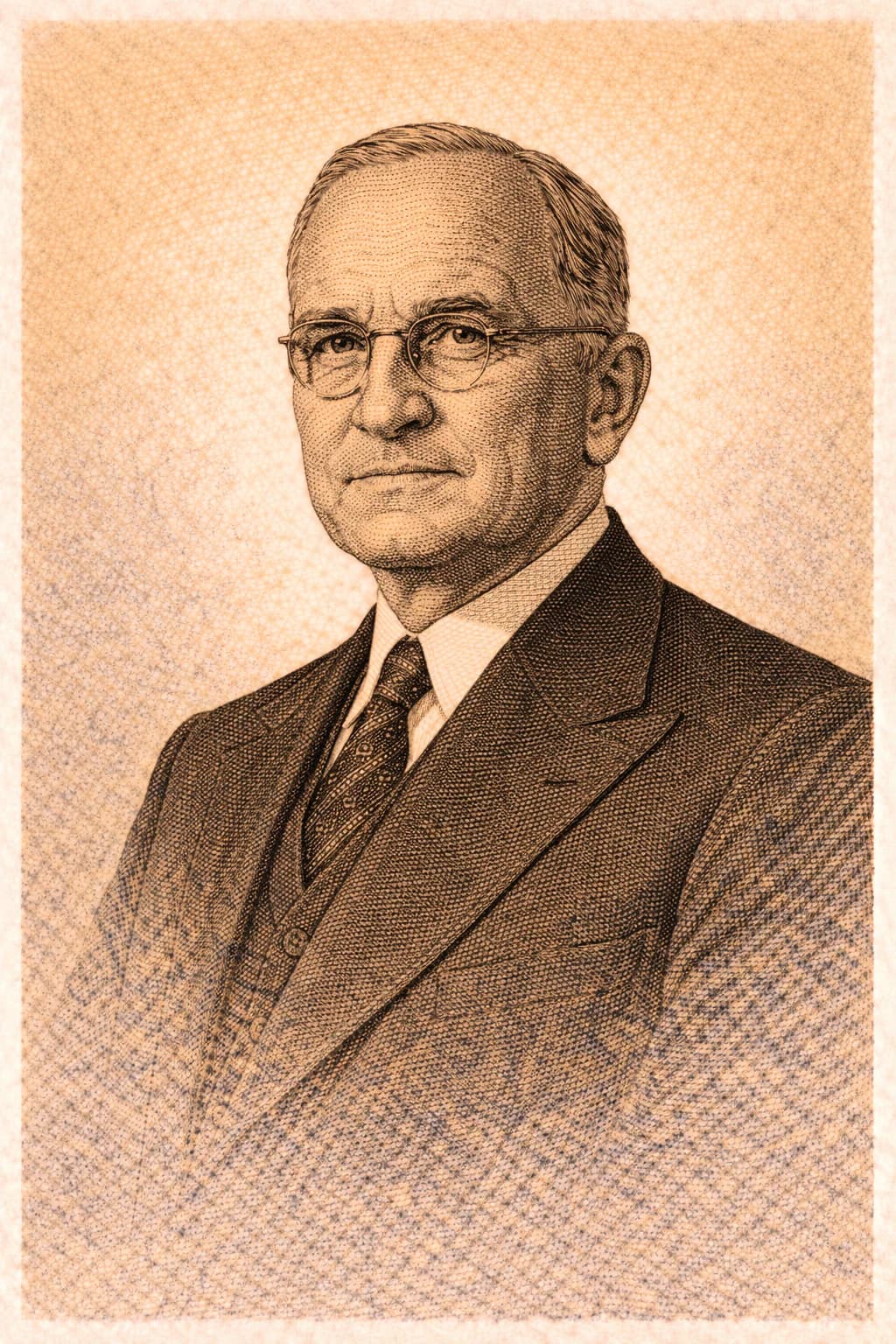
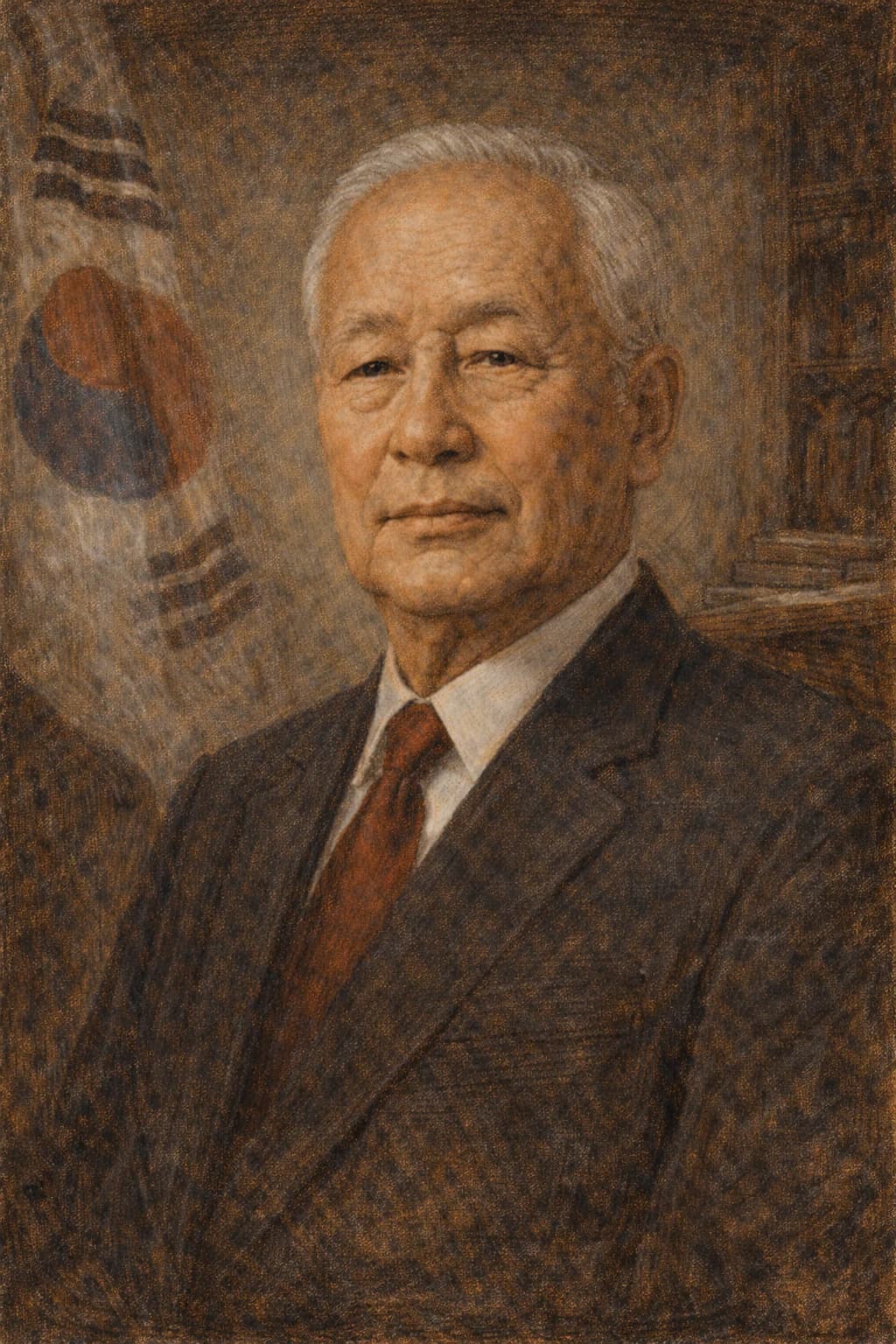
Harry S Truman's beginnings were ordinary in a way that later became central to his political identity. Born in Lamar, Missouri, and raised around Independence and family farms, he grew up in a household shaped by work, debt, local loyalty, reading, and self-discipline. Poor eyesight kept him from some boyhood roughness, but it pushed him toward books, especially history. Unlike many presidents, Truman did not attend college. He learned through jobs, military service, business failure, county politics, and the habits of close observation. That background gave him a plain style that supporters admired and critics sometimes mistook for simplicity. Truman's later presidency would involve nuclear weapons, Soviet power, civil rights, and global reconstruction, but his instincts were formed in a local world where reputation, obligation, and decisiveness mattered.
A grounded upbringing can shape a leader’s practical approach to complex challenges.
1900s–1917
Early struggles
Truman's early adulthood was full of false starts. He worked in Kansas City banks, returned to help run the family farm, and later opened a men's clothing store in Independence with an army friend. The shop failed during the postwar downturn, leaving him with debts he worked for years to repay. These experiences did not make him an economic theorist, but they gave him a concrete feel for credit, prices, work, and insecurity. He knew what it meant when a business did not survive and when public policy reached ordinary households indirectly through jobs, banks, roads, and markets. That mattered in the New Deal era, when the Democratic Party increasingly spoke to people battered by economic instability. Truman's route to politics was not glamorous. It was practical, local, and built through relationships.
Personal setbacks can create a deeper connection to the struggles of others.
1917–1919
World War I service
World War I changed Truman's sense of himself. He joined the Missouri National Guard and served as an artillery officer in France, commanding Battery D, a unit with a reputation for unruliness. Truman was not physically imposing, but he proved steady, fair, and firm. He learned how to give orders, absorb fear, keep discipline, and earn loyalty from men who did not automatically respect him. The war also created the veteran network that helped his later career. More deeply, it gave him confidence in crisis. Truman's presidential style often rested on a belief that decisions had to be made, owned, and defended even when every option was ugly. That habit did not begin in the Oval Office. It began in uniform, with responsibility for other people's lives.
Leadership is often forged in moments of intense pressure and uncertainty.
1920s–1930s
Entry into politics
Truman's political rise came through a system that was morally complicated. The Pendergast machine in Kansas City gave him the backing needed to win office, and machine politics involved patronage, favours, and corruption. Truman did not float above that world, but he also did not become its caricature. As a Jackson County judge, an administrative rather than judicial role, he oversaw roads, public works, and budgets with enough integrity to be taken seriously even by later critics of the machine. His career shows an important truth about American politics in the early twentieth century: reform and patronage were often entangled. Truman learned how organisation worked, how votes were mobilised, and how public improvements could build trust. He also learned the lifelong cost of association with imperfect allies.
Maintaining integrity within imperfect systems can build lasting trust.
1935–1945
U.S. Senate role
Truman entered the Senate in 1935 under the shadow of Pendergast support, but he gradually built an independent national reputation. His most important work came during the Second World War, when he chaired the Senate Special Committee to Investigate the National Defense Program. The Truman Committee exposed waste, inefficiency, and profiteering while avoiding the appearance of undermining the war effort itself. That balance was politically powerful. Truman looked tough, patriotic, and fair. The committee saved money, improved accountability, and showed that democratic oversight could function even during emergency mobilisation. It also placed Truman on the list of serious national figures just as Franklin Roosevelt needed a running mate in 1944 acceptable to party leaders. Truman became vice president almost by compromise. Within months, compromise became succession.
Effective oversight can strengthen both government performance and public confidence.
1945
Becoming president
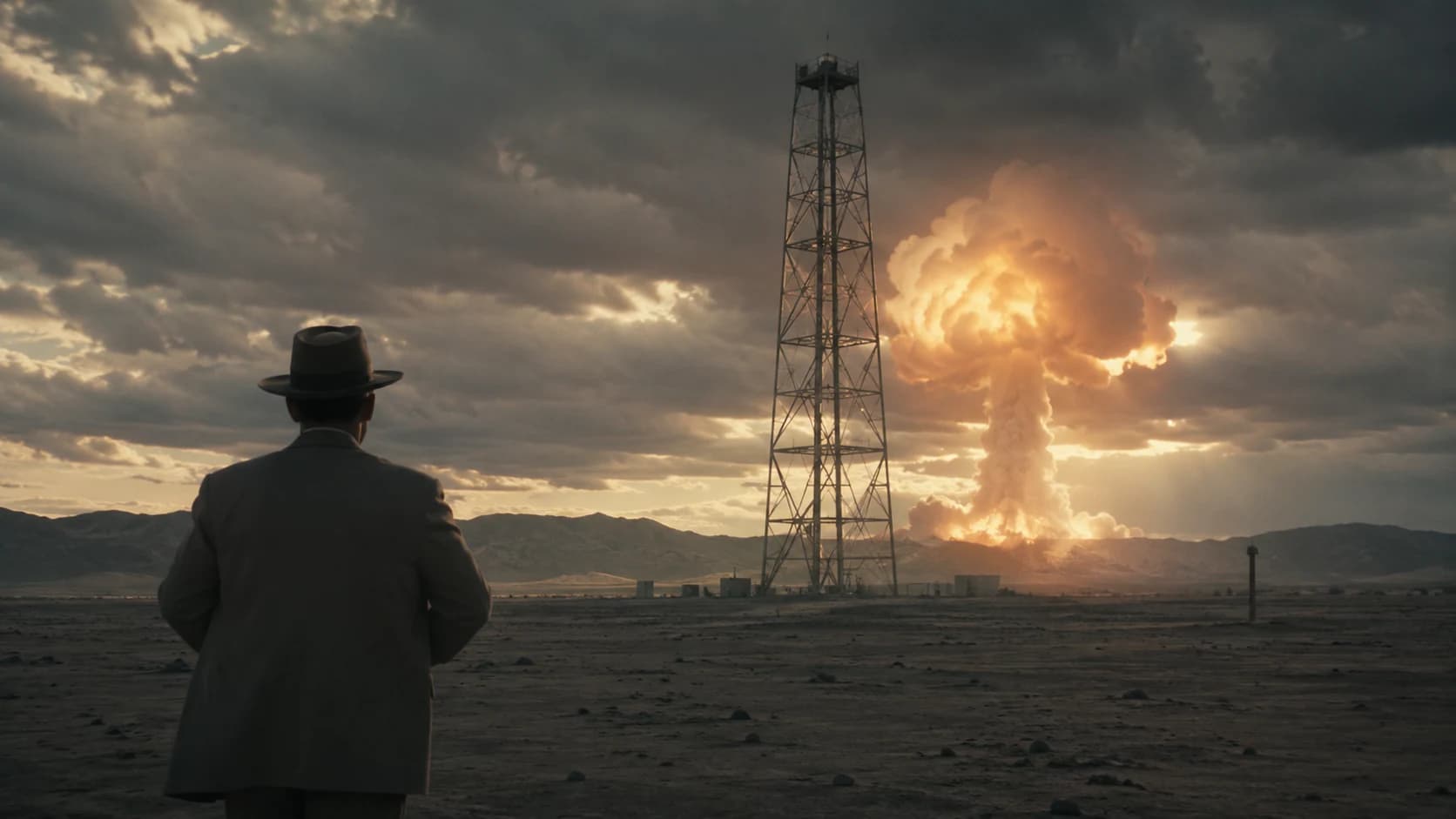
Few presidents have entered office with less preparation for more consequential decisions. Roosevelt had kept Truman poorly informed, including about the Manhattan Project. Within weeks Truman was dealing with Germany's surrender, the Potsdam Conference, Soviet power in eastern Europe, and the war against Japan. His decision to use atomic bombs on Hiroshima and Nagasaki in August 1945 remains one of the most debated acts in modern history. Truman and his advisers saw the bombs as a way to force Japanese surrender and avoid a costly invasion; critics have questioned the necessity, timing, morality, and diplomatic meaning of the attacks. Any serious biography must hold both facts together: Truman made the decision within the brutal logic of total war, and that decision opened the nuclear age with civilian destruction on a scale that still troubles historical judgment.
Leadership sometimes demands rapid decisions without the luxury of full preparation.
late 1940s
Shaping postwar policy
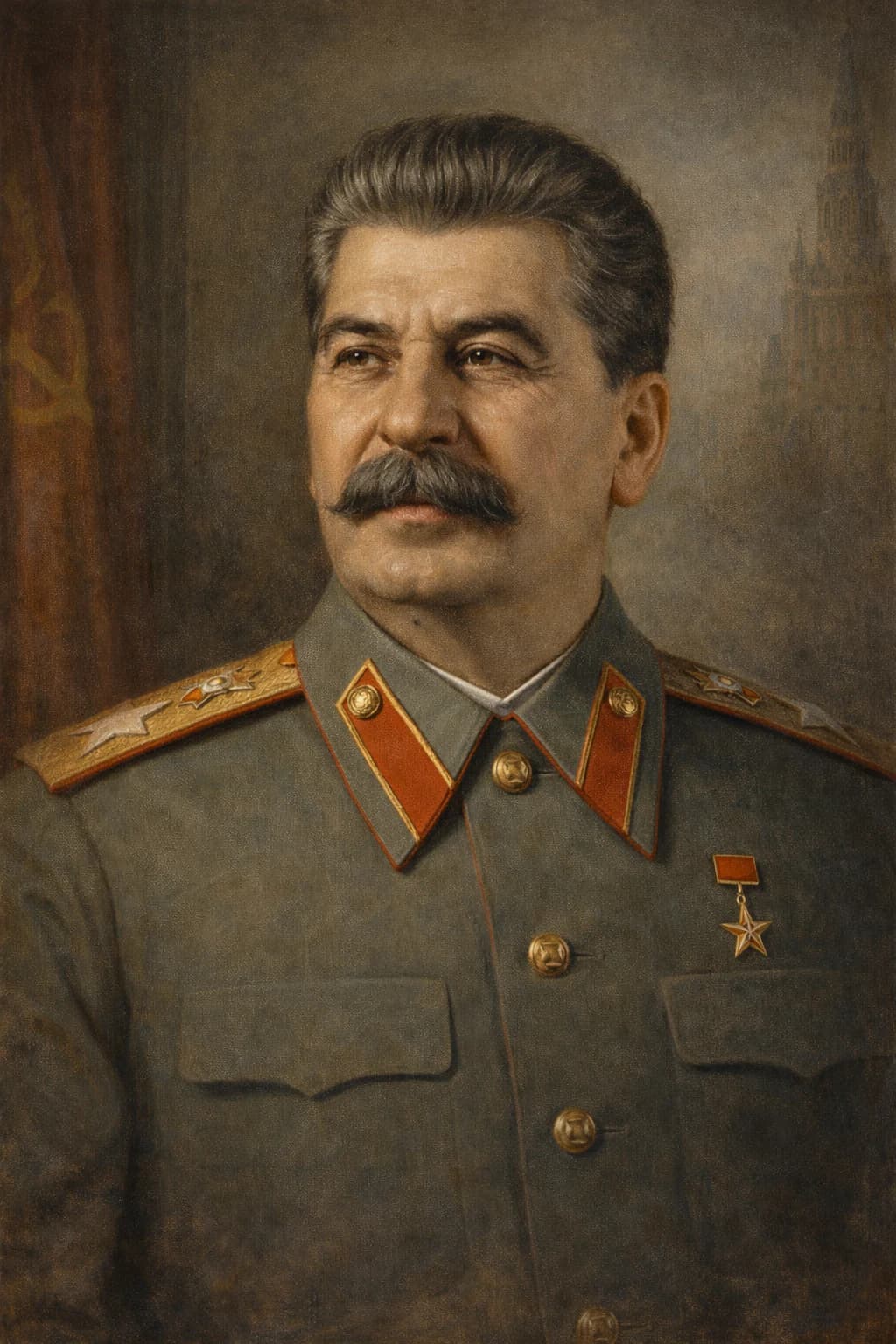
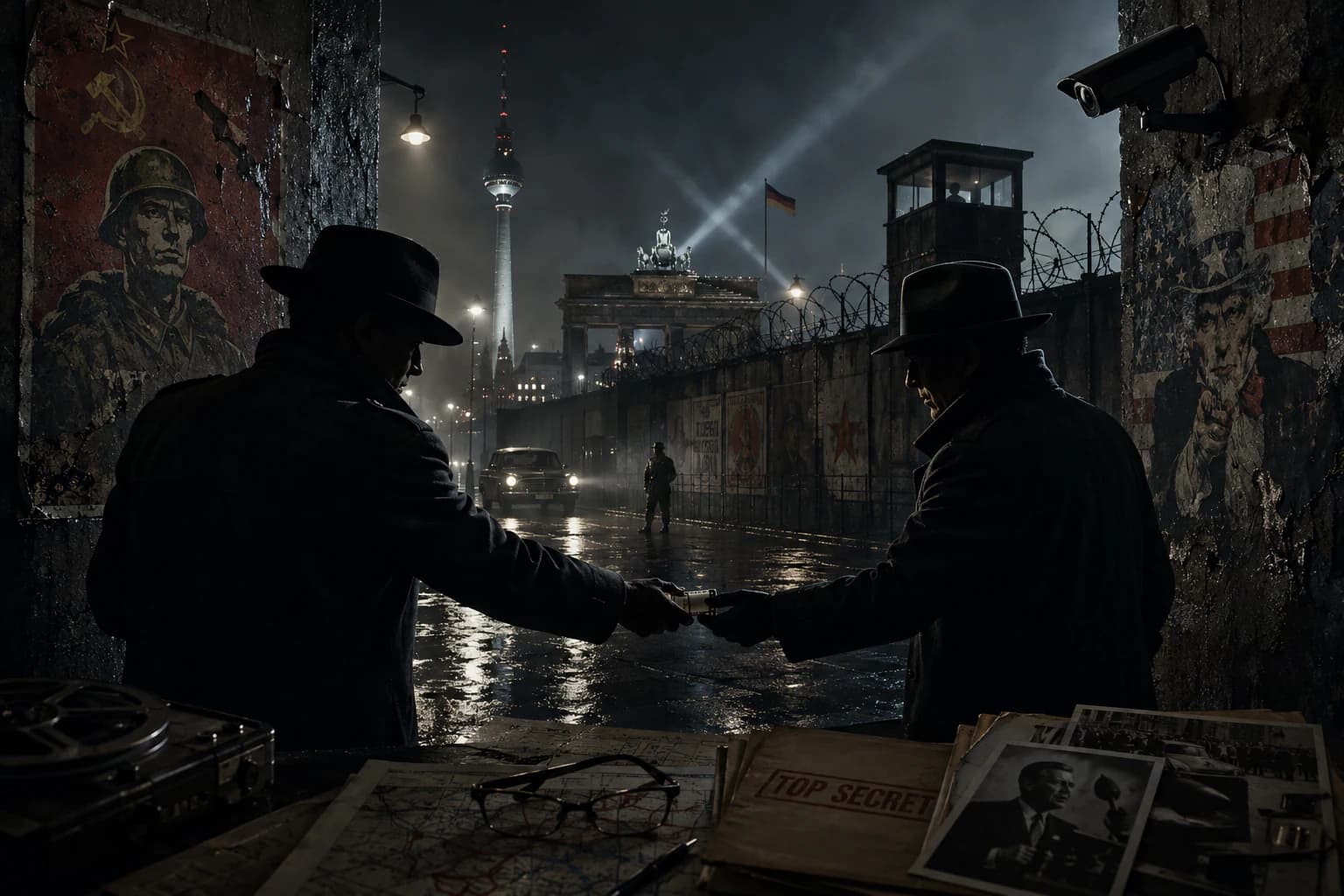
Truman's greatest long-term importance may lie in the early Cold War order he helped create. In 1947 the Truman Doctrine pledged support for countries resisting communist pressure, first in the context of Greece and Turkey. The Marshall Plan poured American aid into European recovery, tying economic reconstruction to political stability. When the Soviet Union blockaded West Berlin, Truman backed the Berlin Airlift rather than abandon the city or force a direct war. In 1949 the United States joined NATO, a peacetime alliance that would have seemed extraordinary before the war. Truman also recognised the state of Israel in 1948, a decision shaped by humanitarian, domestic, strategic, and political pressures. Containment was not a single policy memo. It became a worldview: the United States would use money, alliances, bases, diplomacy, and sometimes force to resist Soviet expansion.
Early decisions in uncertain times can define global dynamics for generations.
1950–1953
Korean War
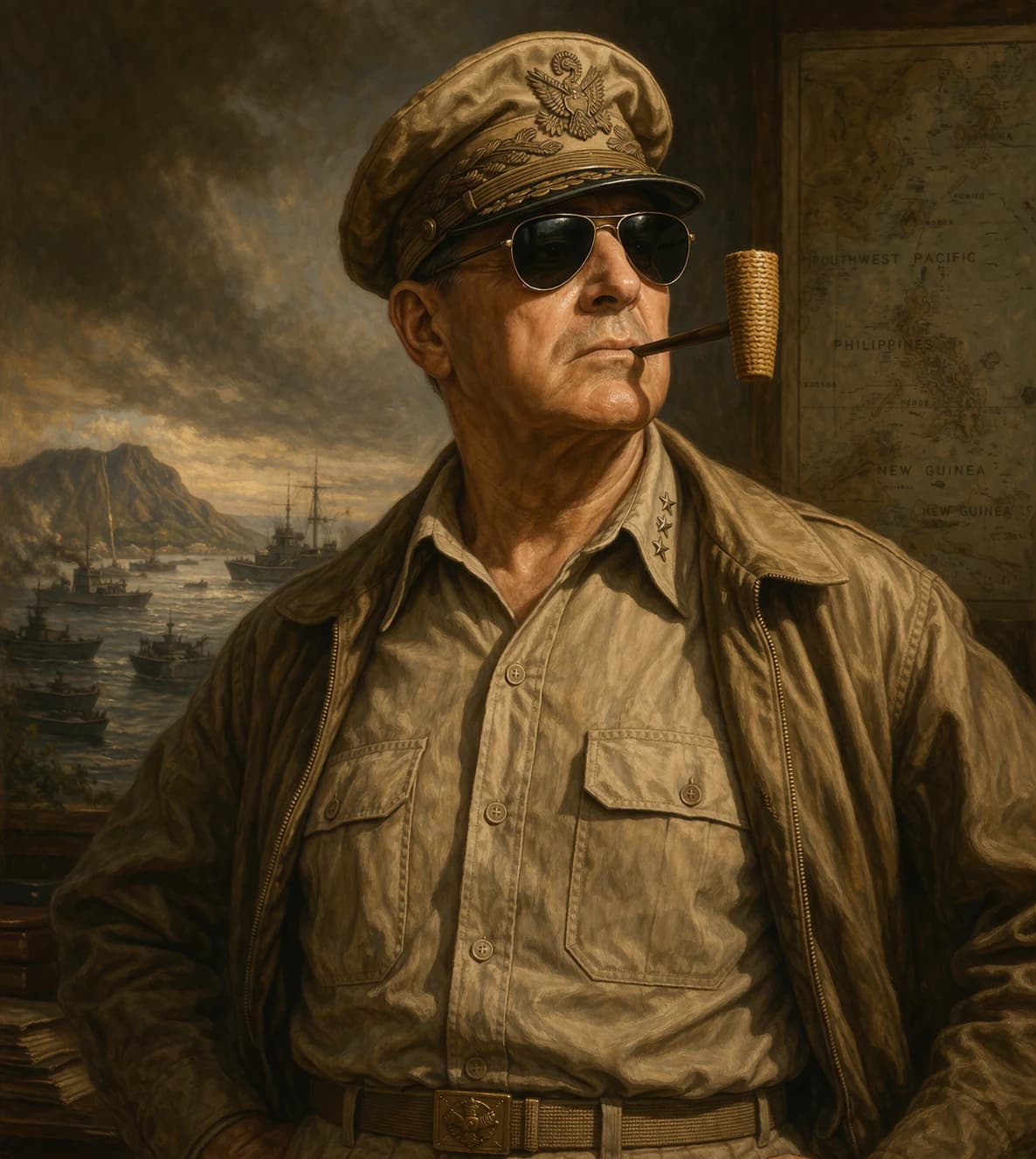
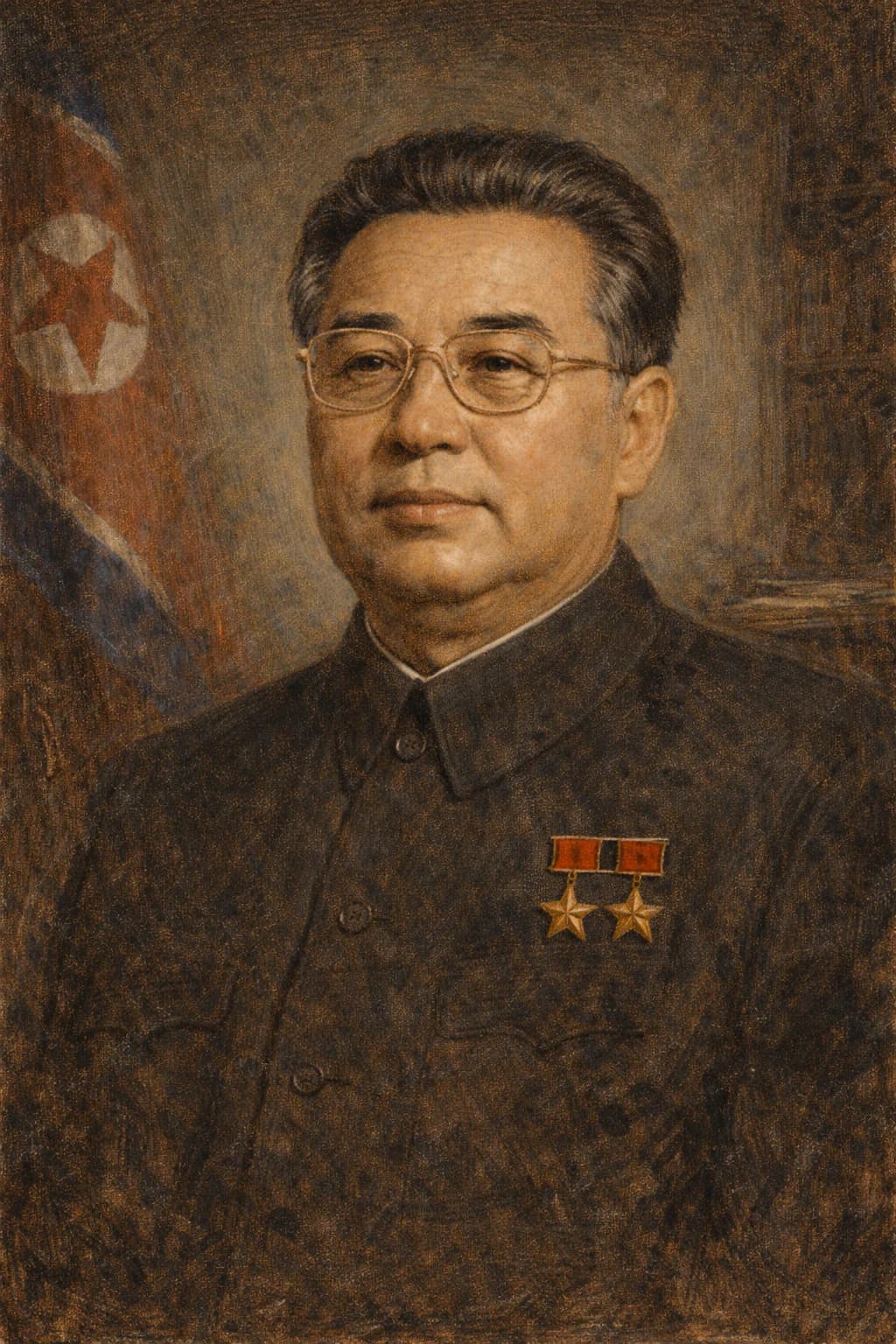
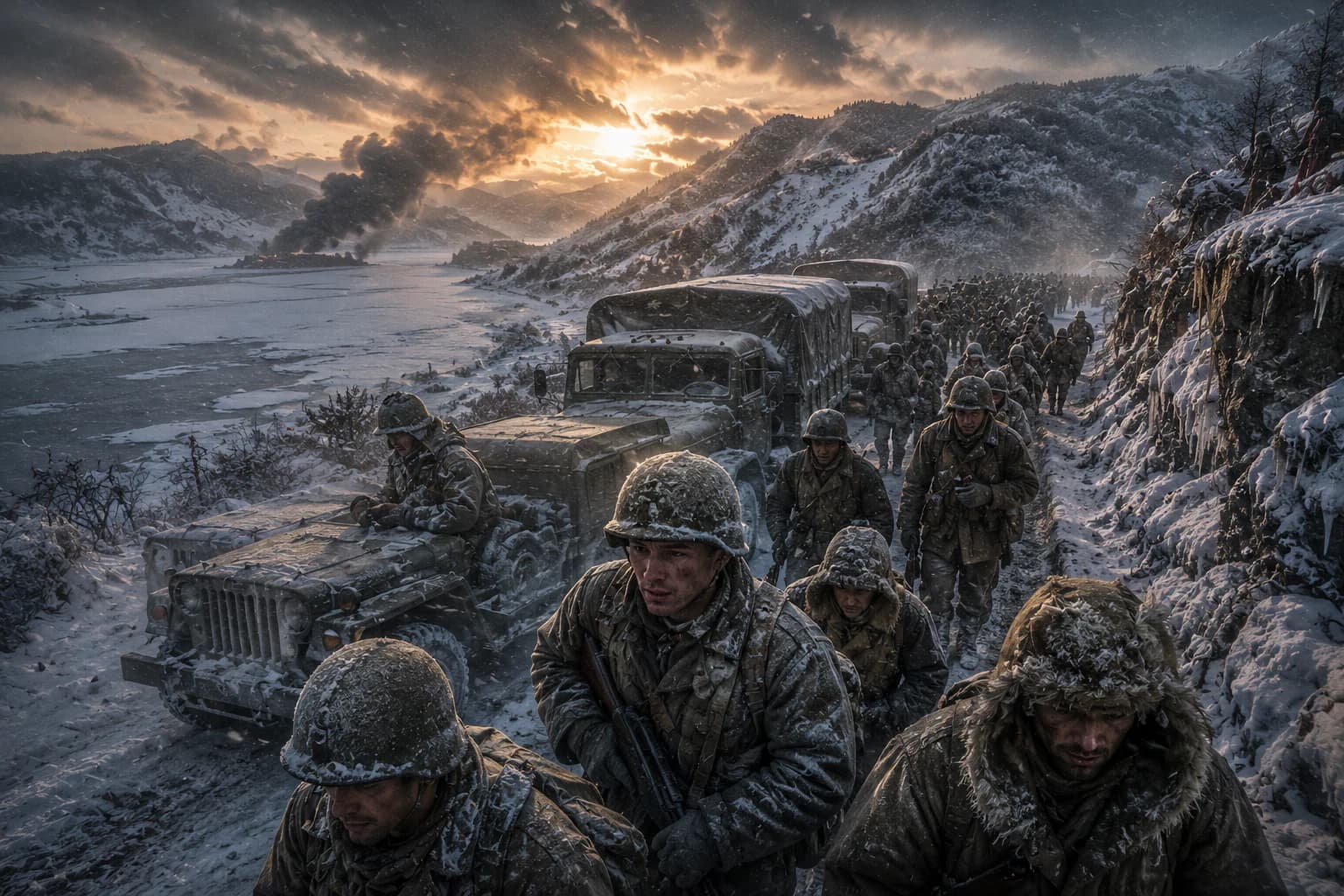
When North Korea invaded South Korea in June 1950, Truman treated it as a test of the postwar order. The United States intervened under United Nations authority, first to repel the invasion and then, after success, to push north. China's entry transformed the war and exposed the danger of escalation in a nuclear age. General Douglas MacArthur wanted a wider conflict, including pressure on China, but Truman insisted on limited war and civilian control. His dismissal of MacArthur in 1951 was politically costly but constitutionally significant. The war settled into stalemate, casualties mounted, and Truman's popularity collapsed. Yet the decision to resist aggression in Korea made containment global and militarised. It also showed the central dilemma of Cold War leadership: how to use enormous power without triggering catastrophe.
Balancing military action with restraint became a defining challenge of modern leadership.
post-1953
Lasting impact
Truman's domestic record matters alongside the Cold War. He proposed the Fair Deal, defended elements of the New Deal state, and in 1948 ordered the desegregation of the armed forces, a major step in federal civil-rights action even though broader legislation stalled. That same year he won one of the most famous upsets in American electoral history, defeating Thomas Dewey after many expected him to lose. By 1953, however, Korea, inflation, anti-communist politics, and fatigue left him deeply unpopular. His reputation rose later because historians saw the durability of his decisions: NATO, containment, European recovery, civilian control in Korea, recognition of Israel, and executive action on military desegregation. Truman's legacy remains morally complex, especially because of the atomic bomb. But to ask why Harry S Truman was important is to confront the presidency at a hinge of history, when the United States became a permanent global power and the nuclear age began.
A leader’s legacy often grows clearer as the long-term effects of their decisions unfold.