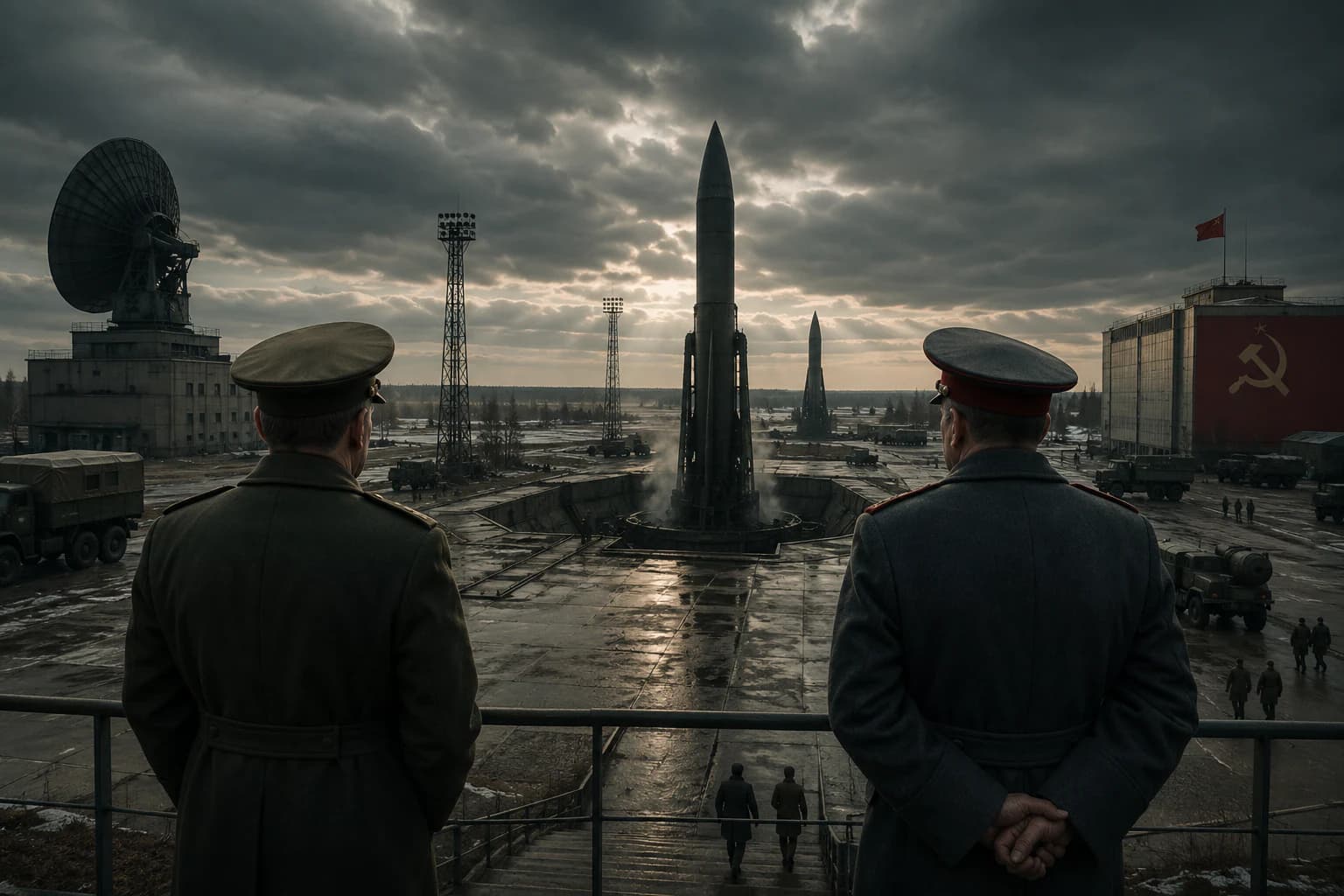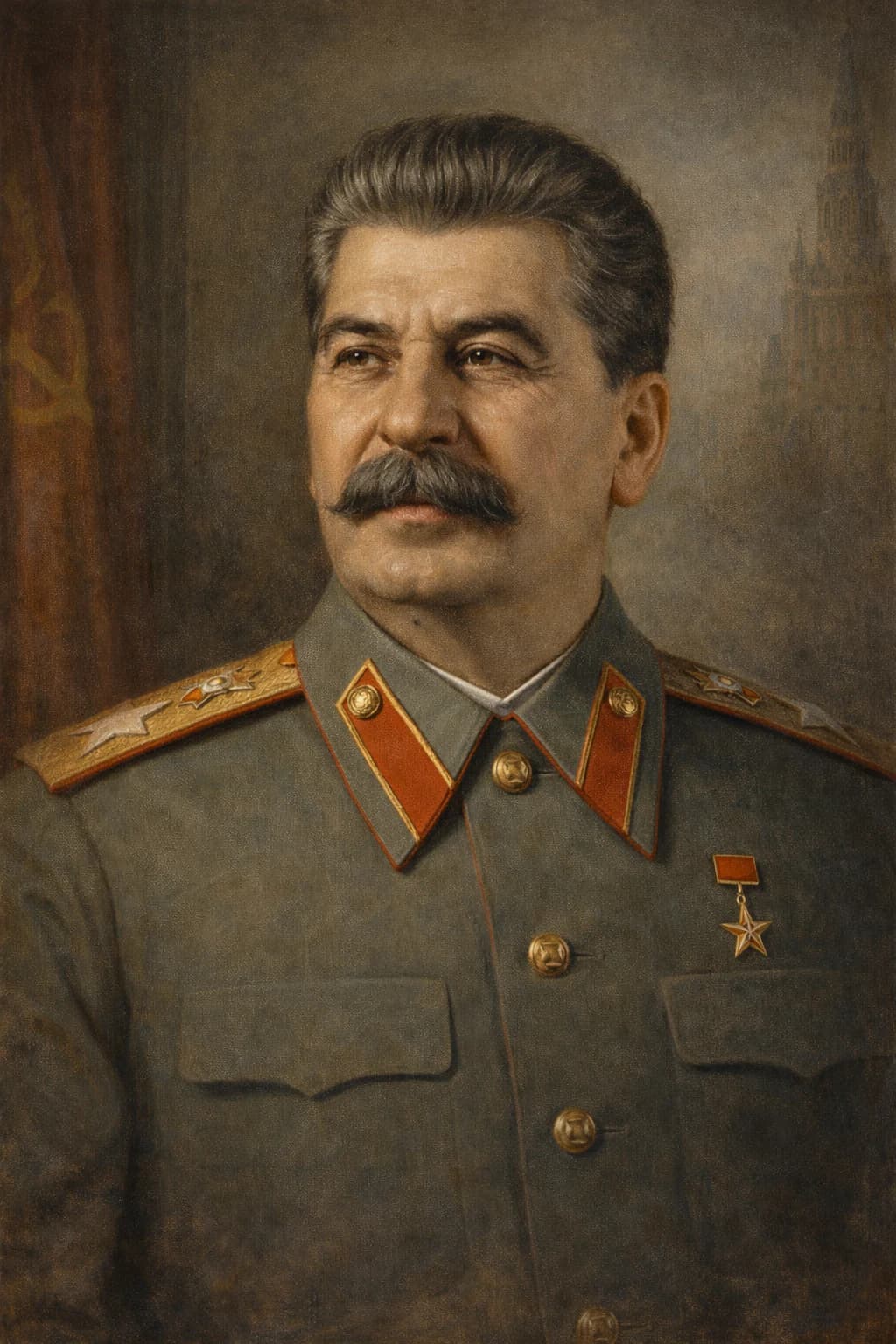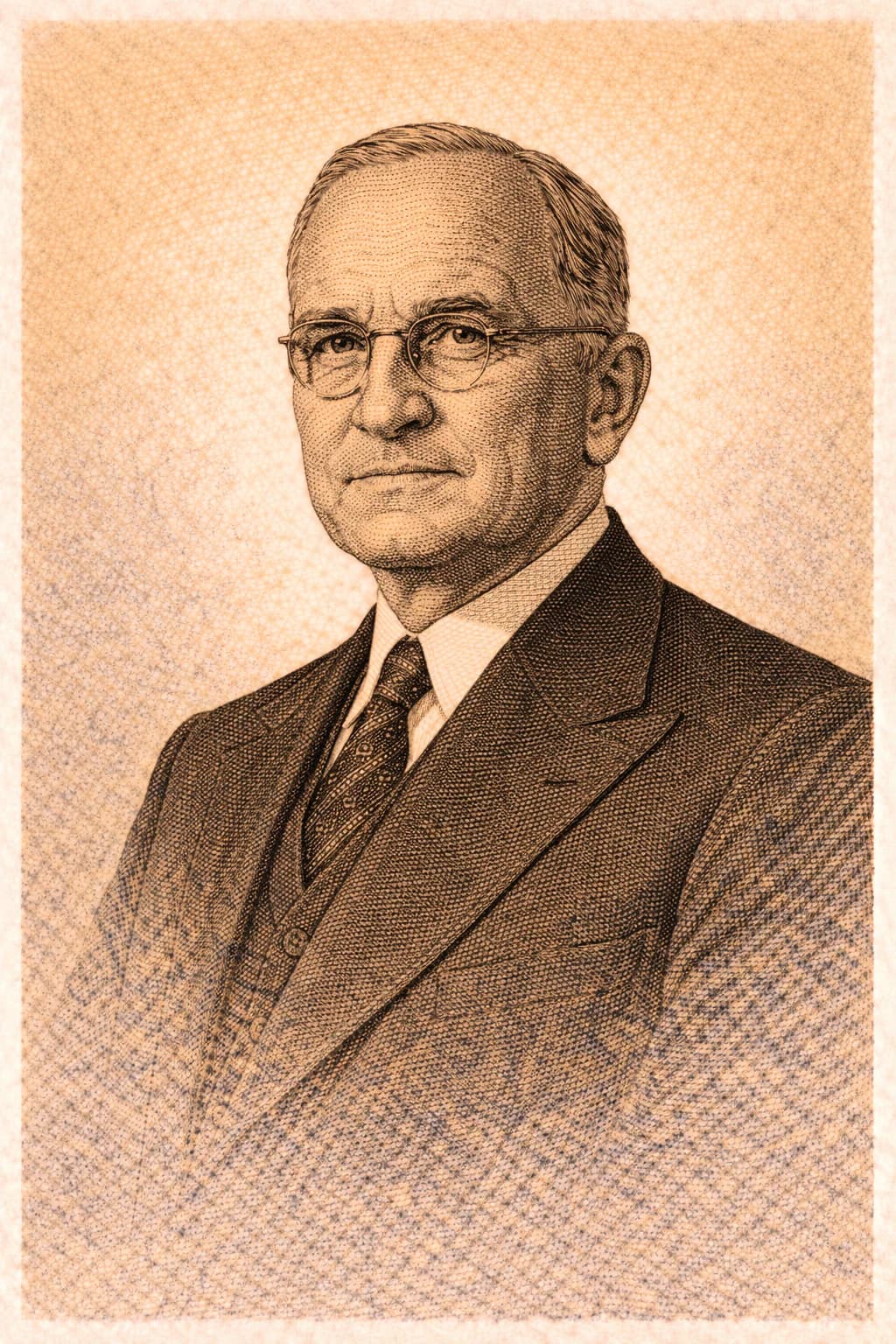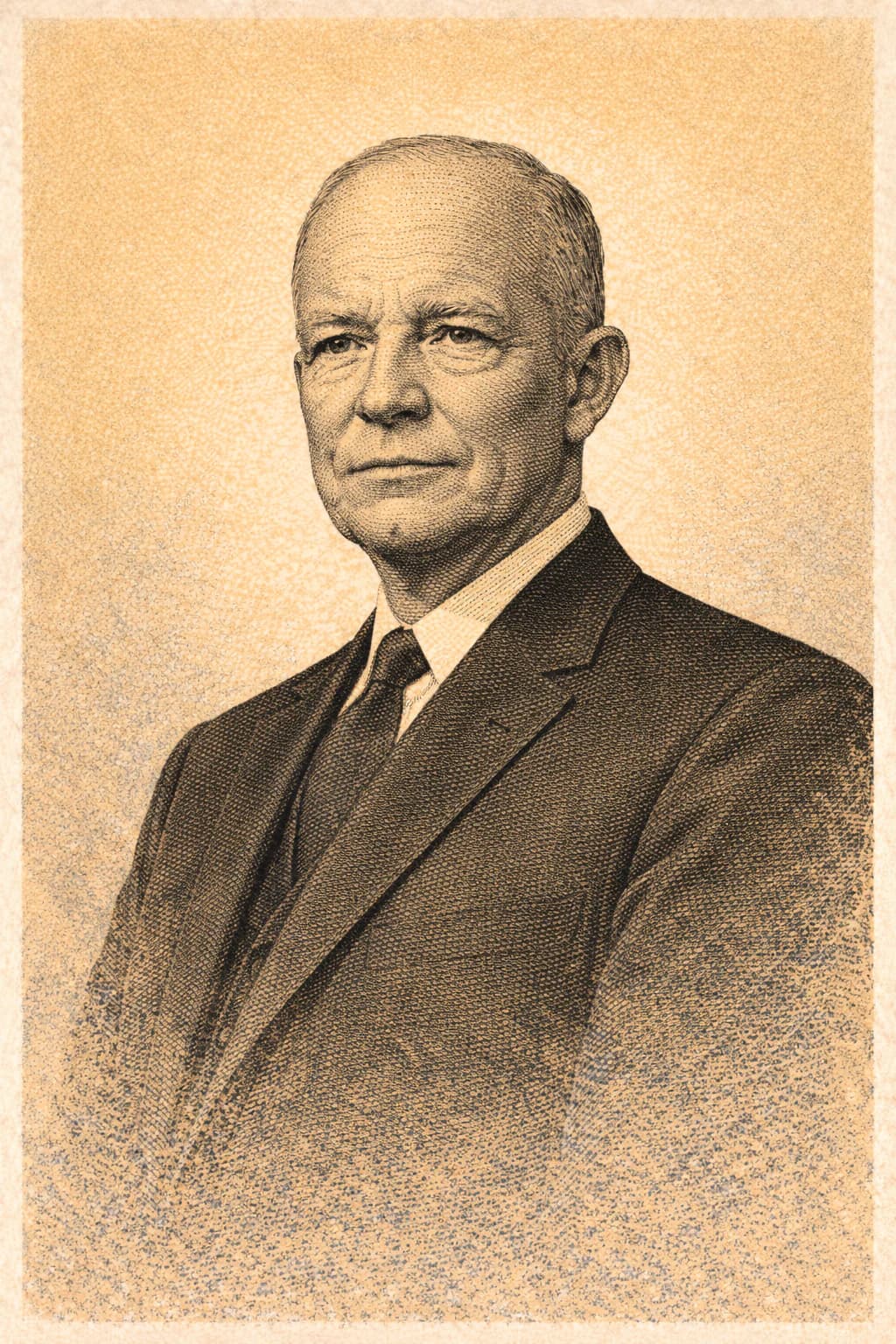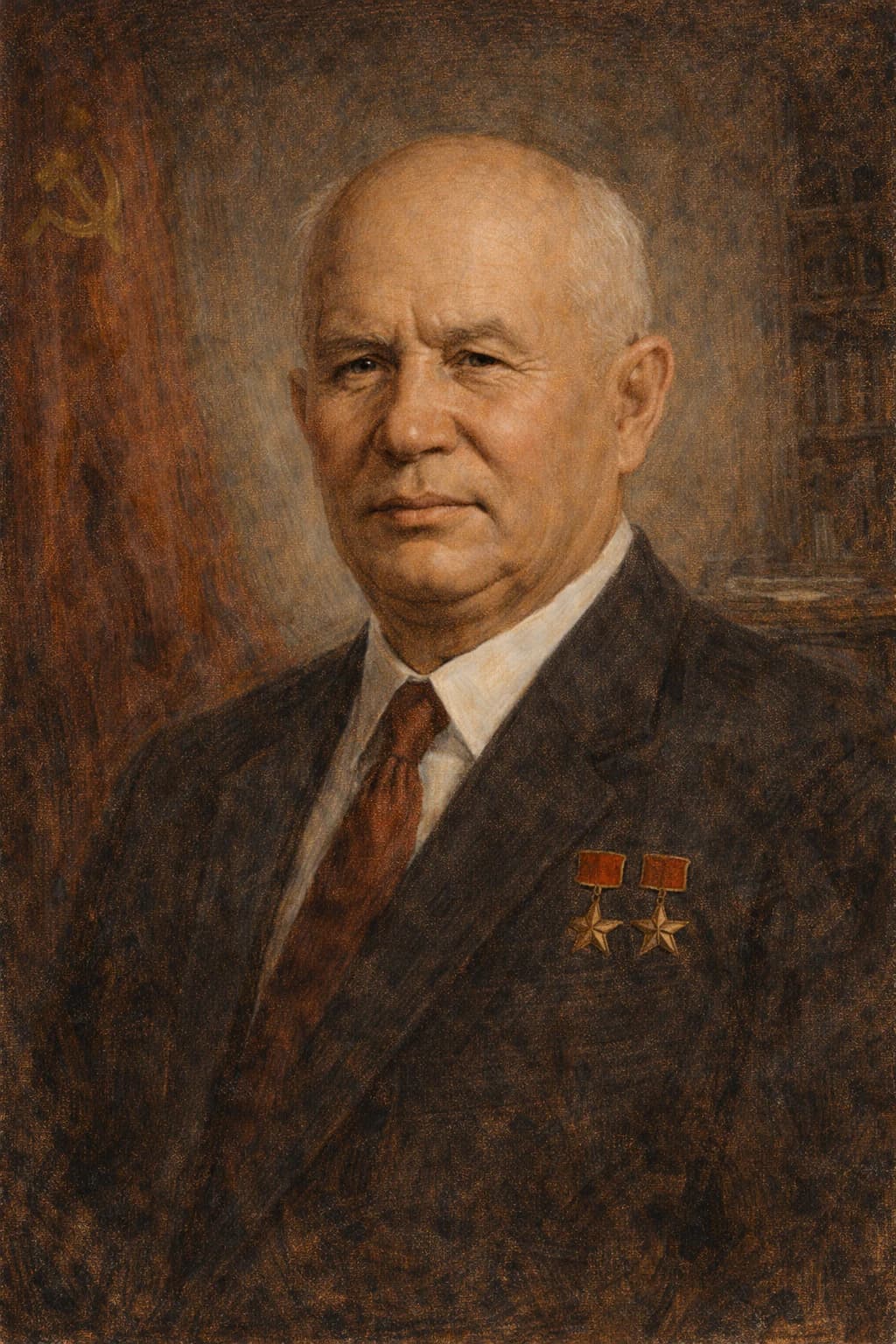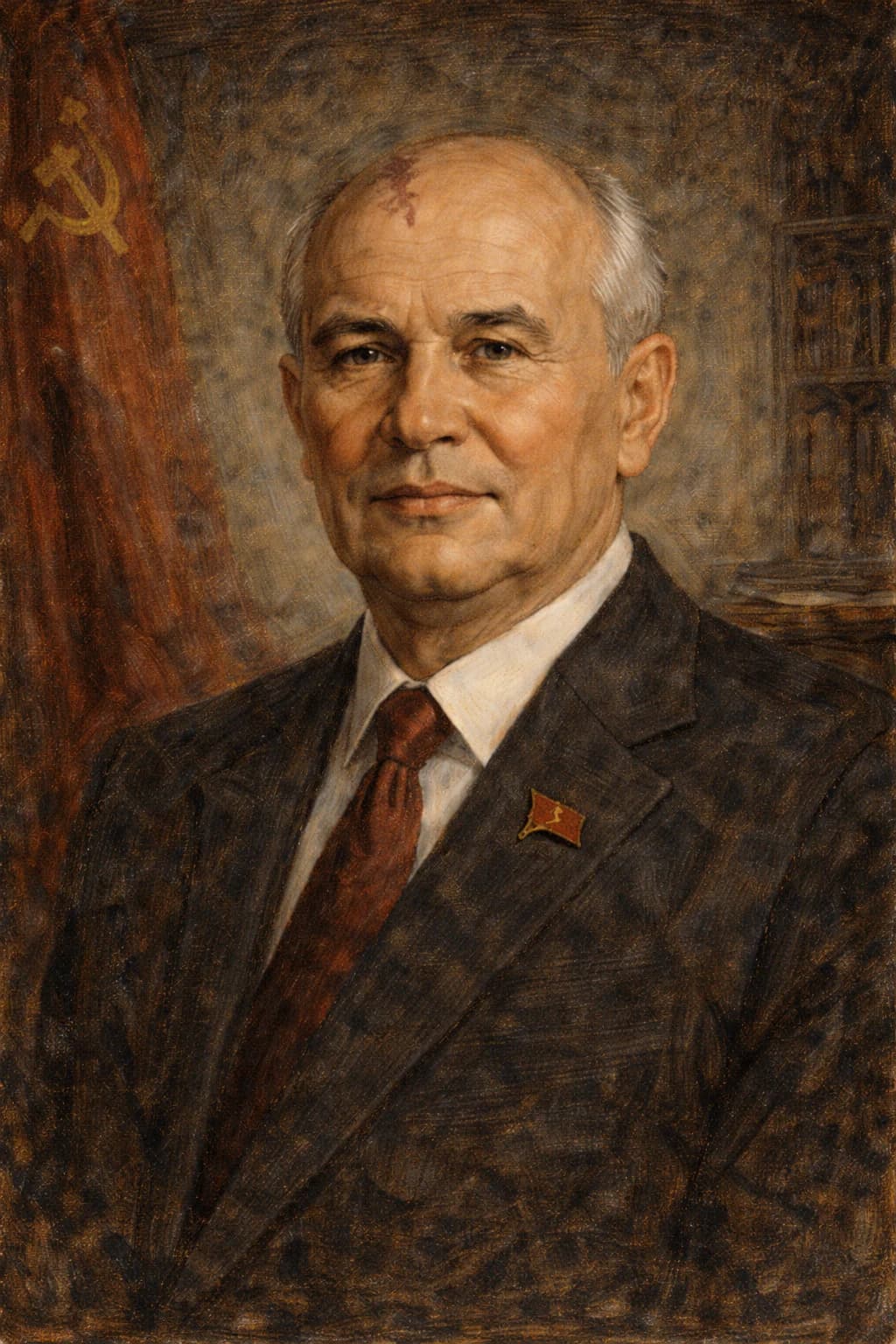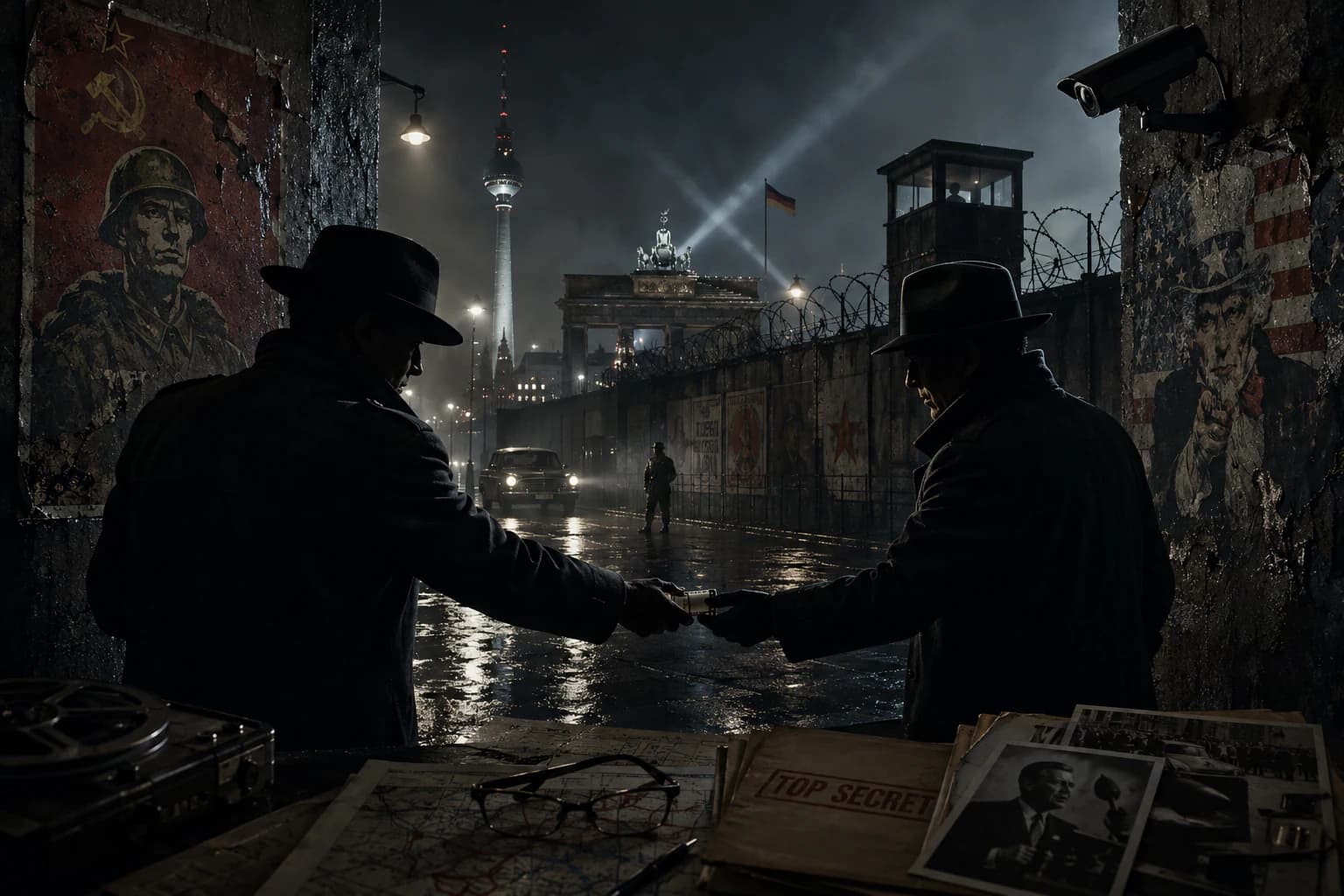
Missiles under floodlights, divided cities, spy exchanges and rival superpowers facing each other across a tense nuclear world.
Free Story

The Cold War

After the Second World War, two superpowers avoided direct war while pulling the whole world into nuclear fear, proxy conflicts, and ideological rivalry.

10 chapters · 20 min read

Next
Context

Introduction

Overview

This Cold War timeline follows the rivalry between the United States, the Soviet Union and their allies from 1947 to 1991. It explains the causes of the Cold War, the key events that shaped it, the proxy wars fought around the world, and how the conflict ended with the collapse of the Soviet Union.

What you’ll learn: You’ll understand how a rivalry without a direct superpower war still dominated the world for nearly half a century. This story explains how ideology, nuclear fear, regional conflict, and global alliances shaped everyday politics across the planet.

Key forces

Causes of the Cold War
1945 CE
Step 1 of 101945 CEAccessible mode

Causes of the Cold War

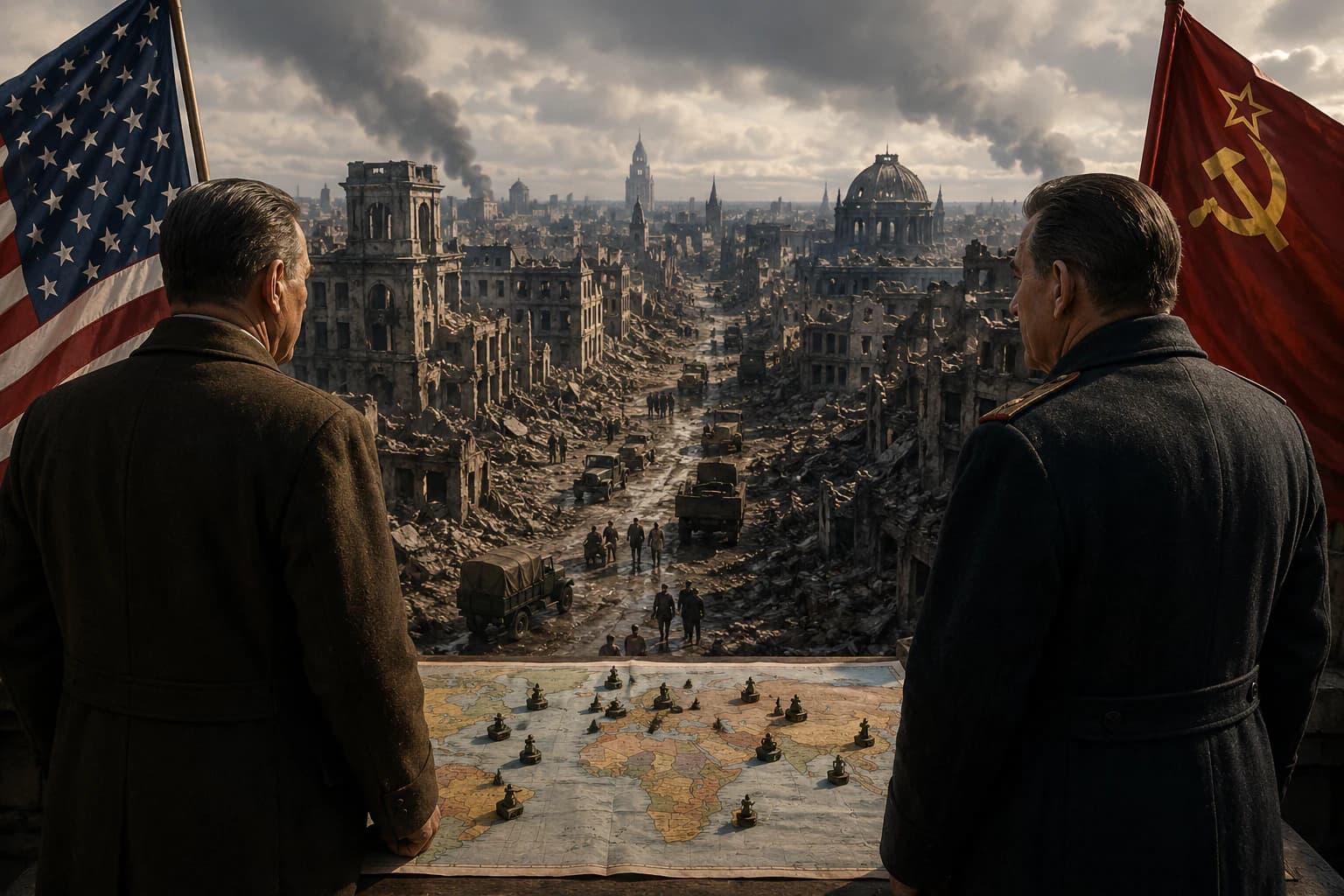
World War II ended, but peace did not feel simple for long. Two former allies were already starting to see the future in completely different ways.

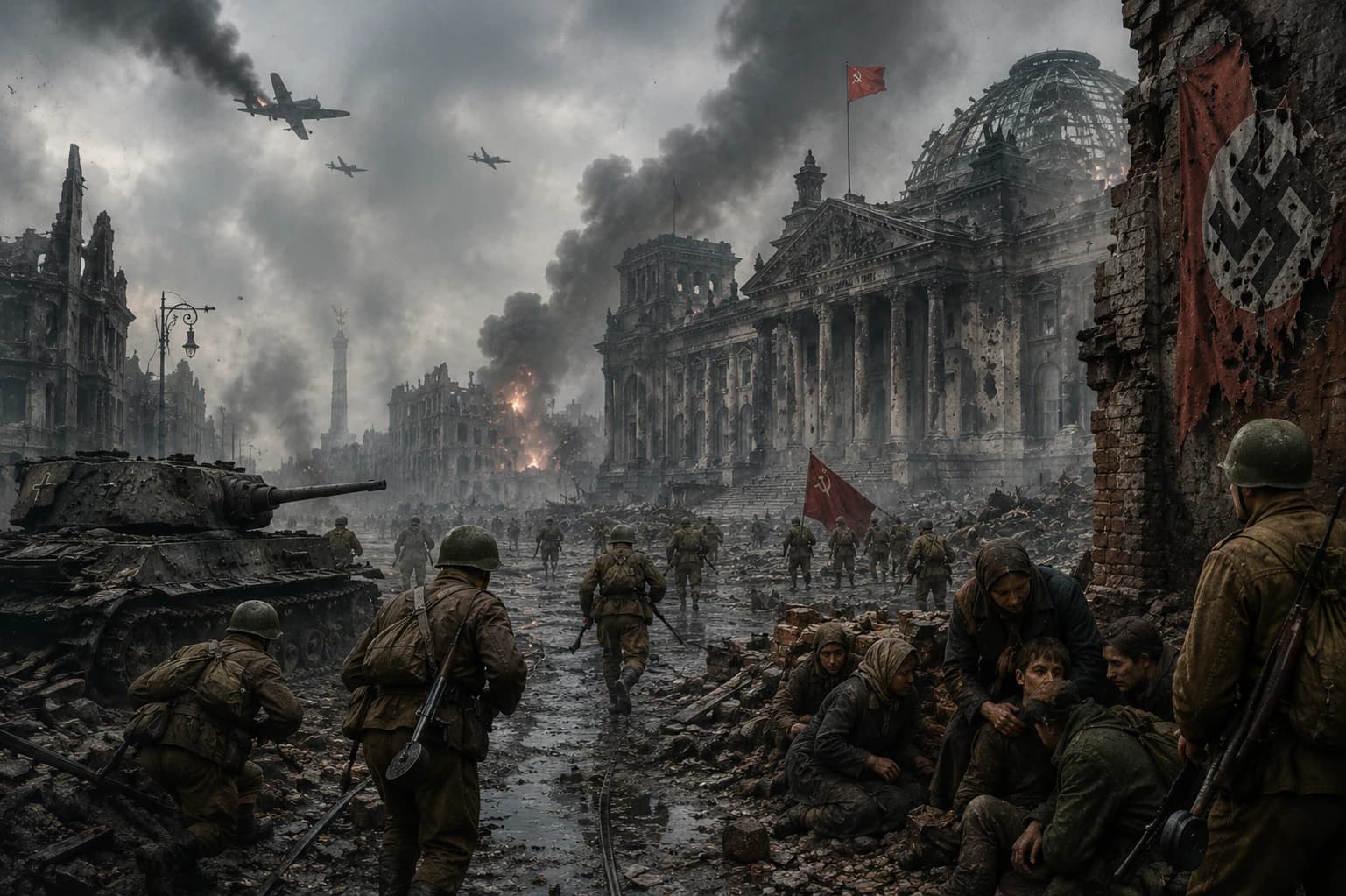
Europe was shattered in 1945. Cities were ruined, millions were dead, and old governments had collapsed.

That left a huge power gap. The United States and the Soviet Union were the strongest countries left standing, and both wanted to shape what came next.

The war ended, but the argument over the future had just begun.

The United States backed elections, open trade, and capitalist economies. The Soviet Union pushed communist systems and friendly governments on its borders.

Each side said it was protecting itself. Each side also feared the other was spreading its model across Europe and beyond.

That is how a wartime partnership turned into the Cold War: not direct battle at first, but a global struggle over power, ideas, and control that still shapes world politics.

The Truman Doctrine and Containment
1947 CE
Step 2 of 101947 CEAccessible mode

The Truman Doctrine and Containment

In 1947, the Cold War started to look less like a temporary disagreement and more like a long struggle. The United States decided it could not just watch events unfold.

After World War II, Europe was damaged, poor, and politically unstable. Many people feared that communist movements, backed by Soviet power, would grow in that chaos.

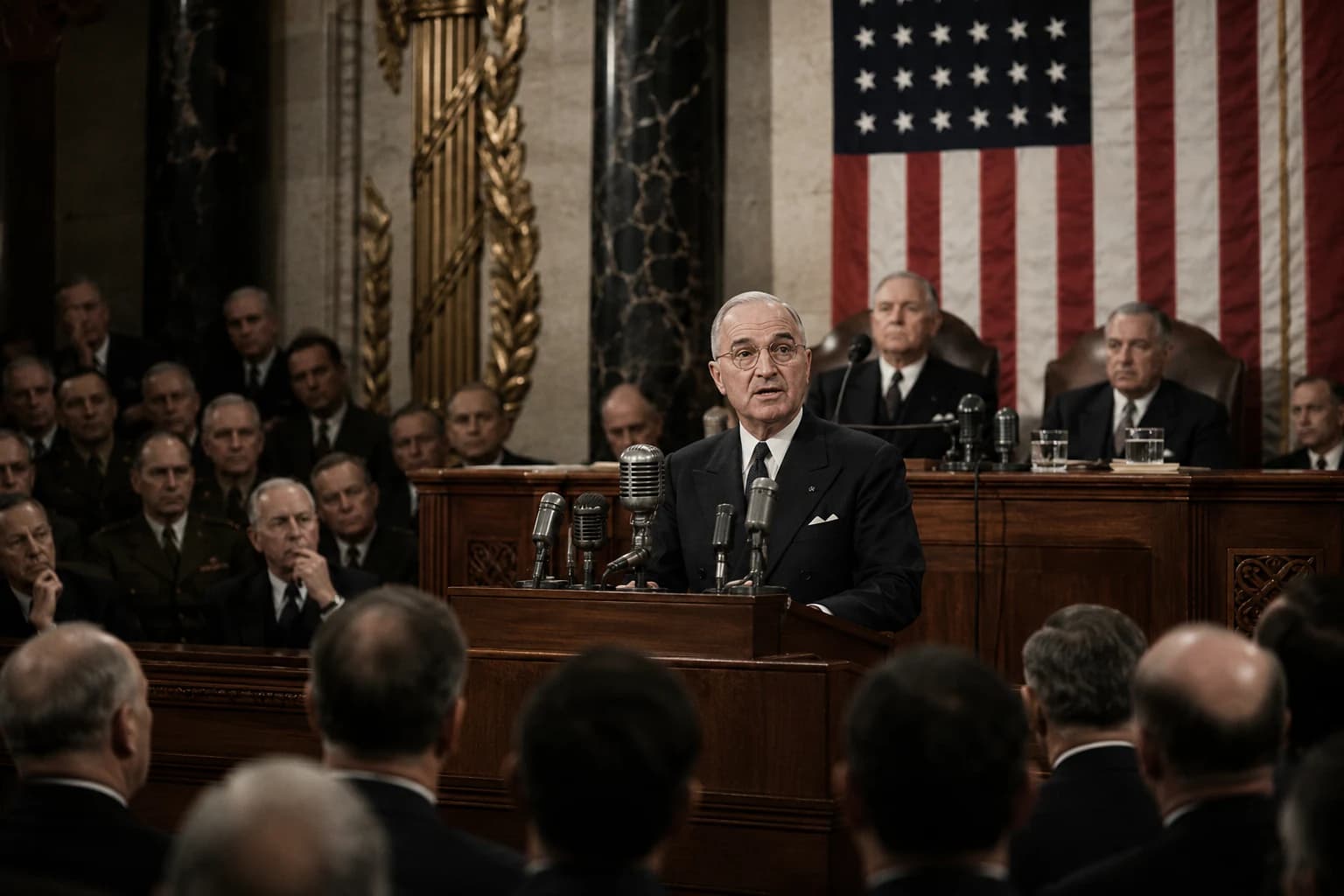
The crisis came first in Greece and Turkey. Britain could no longer afford to support them, so President Harry Truman told Congress the United States had to step in.

Containment meant stopping Soviet influence from spreading further.

Truman asked for aid to Greece and Turkey in 1947. Soon after, the Marshall Plan offered huge economic help to rebuild Western Europe and make political collapse less likely.

This changed daily life by tying American money, power, and military support to Europe’s future. It also divided the continent more clearly into rival camps.

That is why 1947 stands out. It was the year the United States turned fear of Soviet expansion into a clear strategy, shaping alliances and global politics for decades.

The Berlin Blockade
1948 CE
Step 3 of 101948 CEAccessible mode

The Berlin Blockade

was a city trapped inside Soviet-controlled territory. In 1948, it became the first big showdown of the Cold War.

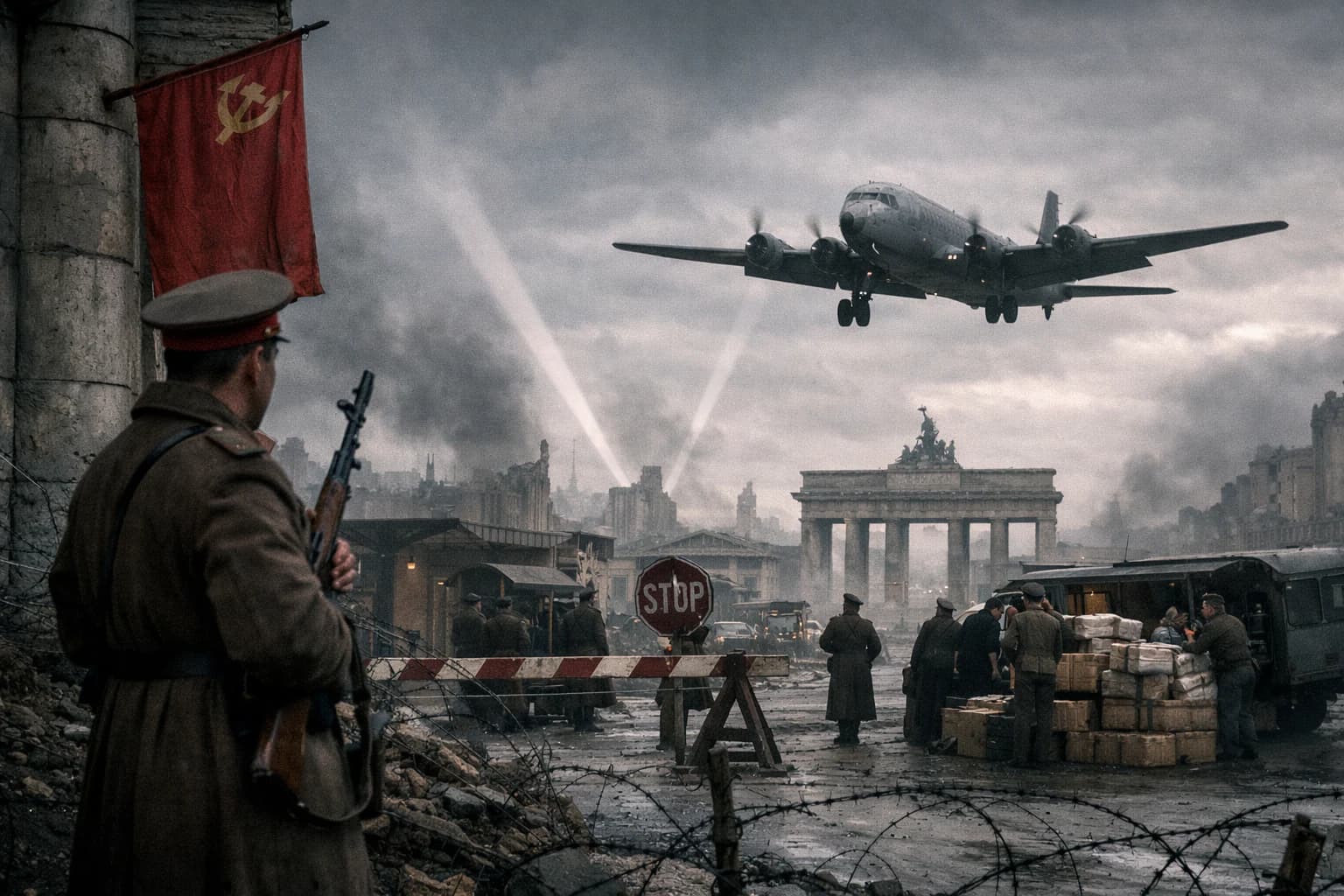
After World War II, Germany was split into zones run by the Soviet Union, the United States, Britain, and France. was split too, even though it sat deep inside the Soviet zone.

Tension rose when the Western powers worked to rebuild their parts of Germany and introduced a new currency. Stalin saw this as a threat and tried to force them out of .

Instead of firing shots, both sides tested power through pressure, supply, and nerve.

The Soviets blocked roads, railways, and canals into West . Rather than leave, the Western allies flew in food, coal, and other supplies for months in a huge airlift.

People in West survived because planes kept coming. The crisis showed that the United States and its allies would stay, and that the Soviet Union would push hard without starting a full war.

became a symbol of a divided Europe. It showed how the Cold War would often work: not open battle between superpowers, but dangerous standoffs with the whole world watching.

War in Korea
1950 CE
Step 4 of 101950 CEAccessible mode

War in Korea

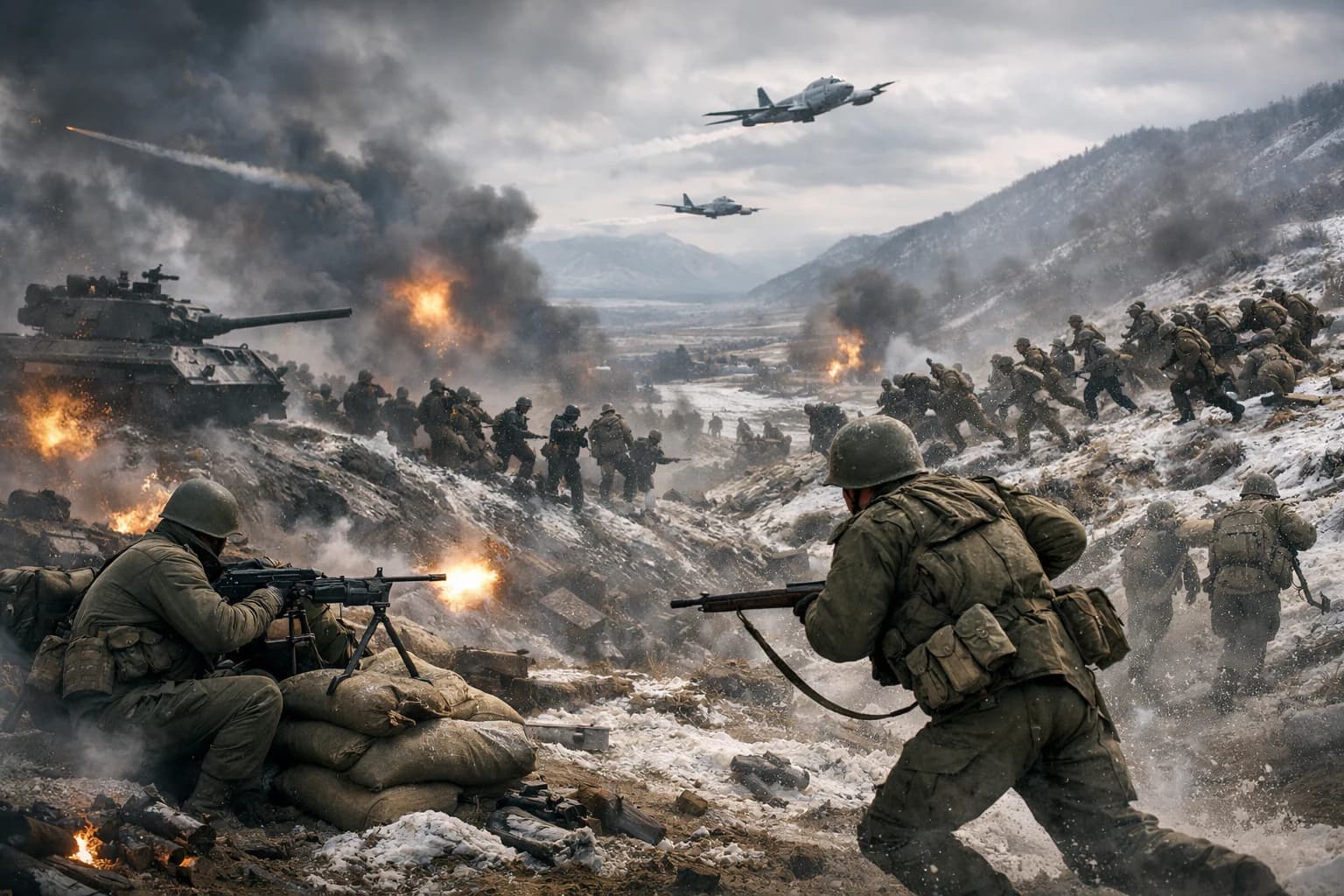
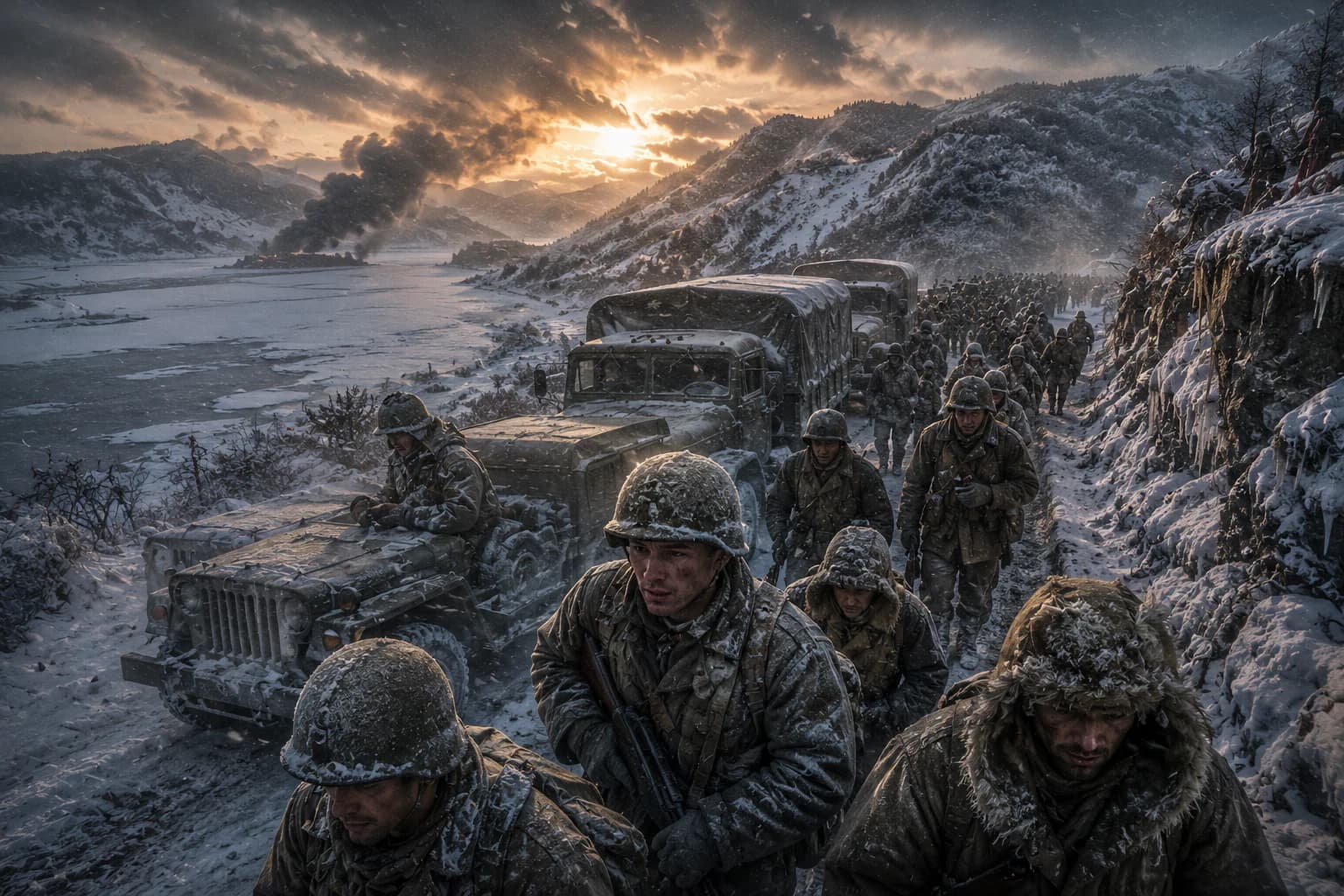
In 1950, the Cold War stopped feeling distant. In Korea, it turned into a real shooting war.

After World War II, Korea was split in two. The Soviet Union backed the North, and the United States backed the South.

Both sides claimed they should rule all Korea. Tension kept rising as each superpower tried to spread its system and block the other.

Korea showed that the Cold War could kill on a huge scale.

In June 1950, North Korea invaded South Korea. The United States led a United Nations force to defend the South, and later China entered the war for the North.

Millions of Koreans were caught in the middle. Cities were destroyed, families were split, and the fighting dragged on without a clear winner.

The war changed the Cold War everywhere. It pushed the United States and its allies to build bigger armies, and Korea is still divided today.

The Nuclear Arms Race
1952 CE
Step 5 of 101952 CEAccessible mode

The Nuclear Arms Race

By the early 1950s, the United States and the Soviet Union had built weapons powerful enough to destroy whole cities in moments. The Cold War became a struggle shaped by fear as much as force.

Before hydrogen bombs, atomic weapons were already terrifying. But these new bombs were far stronger, and both sides knew a future war could kill millions very quickly.

This changed strategy. Instead of planning only to win a war, leaders tried to stop one from starting. The idea was simple and chilling: if both sides could destroy each other, neither would dare strike first.

Peace now rested on the threat of total destruction.

That logic became known as deterrence, and later as mutually assured destruction. Missiles, bombers, and submarines were built to guarantee that even after being attacked, a country could still hit back.

Nuclear weapons shaped diplomacy, military planning, and everyday life. Governments built shelters, schools held drills, and families lived with the thought that world politics could end in catastrophe.

The shadow of this system still hangs over the modern world. Nuclear powers still rely on deterrence, and the basic problem of how to prevent disaster has never fully gone away.

The Cuban Missile Crisis
1962 CE
Step 6 of 101962 CEAccessible mode

The Cuban Missile Crisis

In October 1962, the United States and the Soviet Union came terrifyingly close to nuclear war. For thirteen days, the world watched two superpowers test how far they would go.

Before this, the Cold War was already tense. The US and the Soviet Union had huge nuclear arsenals, but most Soviet missiles were far from American cities.

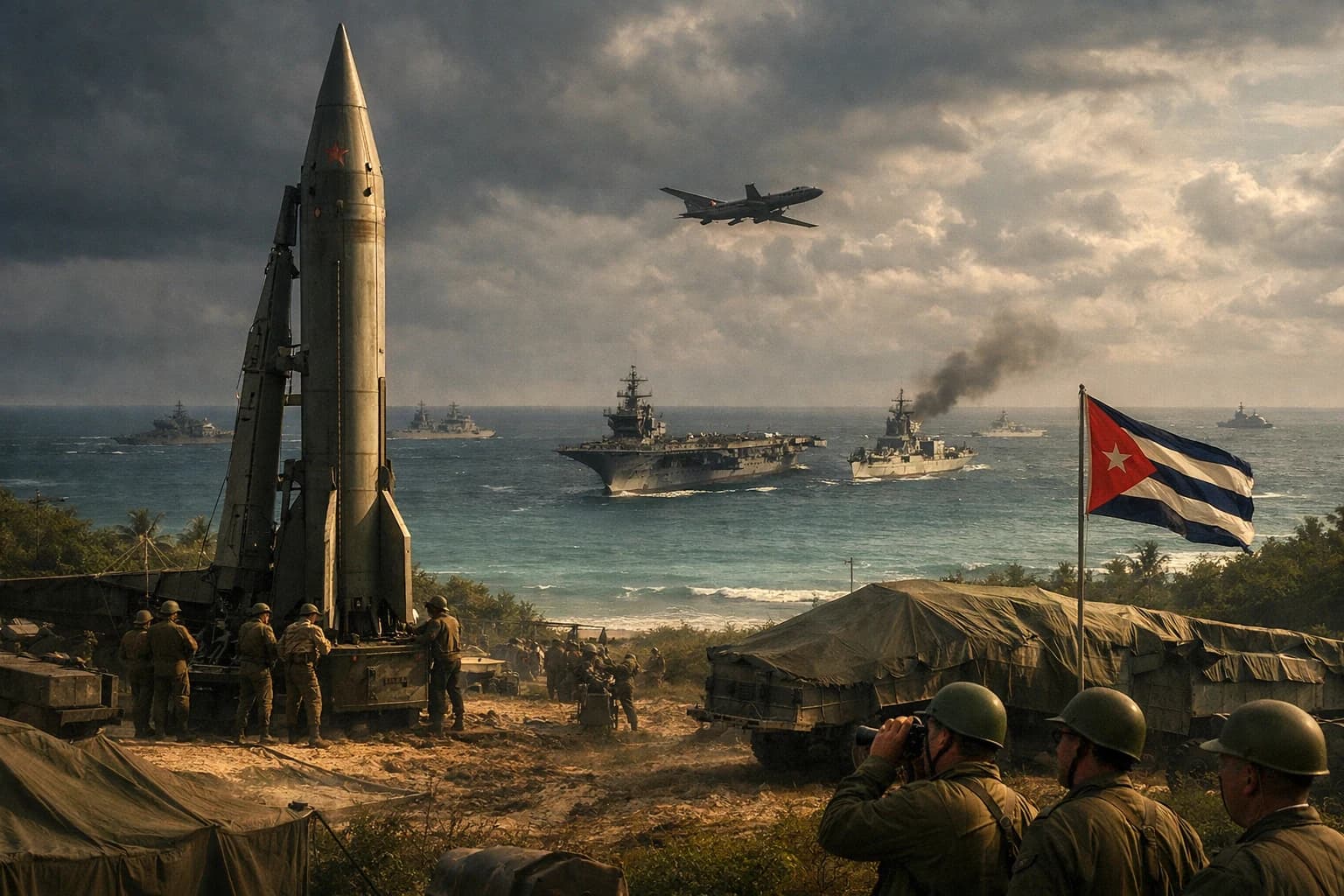
That changed when the Soviet Union secretly placed nuclear missiles in Cuba, just ninety miles from Florida. Cuba had turned to after its revolution and after failed US efforts to remove Fidel Castro.

The crisis showed how quickly fear, pride, and weapons could push the world to the edge.

After American spy planes found the missile sites, President John F. Kennedy announced a naval quarantine to stop more Soviet weapons reaching Cuba. Soviet ships approached, and both sides prepared for the worst.

In the end, the Soviets agreed to remove the missiles. The US promised not to invade Cuba and later pulled some missiles out of Turkey. People saw that one misstep could destroy millions of lives.

Afterward, both sides took crisis control more seriously. Direct communication links and calmer planning grew from this scare, shaping how nuclear powers still handle danger today.

Vietnam and the Limits of Power
1968 CE
Step 7 of 101968 CEAccessible mode

Vietnam and the Limits of Power

By 1968, the Vietnam War had become a turning point in the Cold War. It showed that even a superpower could struggle badly in a long and brutal conflict.

Before this, US leaders believed they could stop communism by backing South Vietnam with troops, money, and weapons.

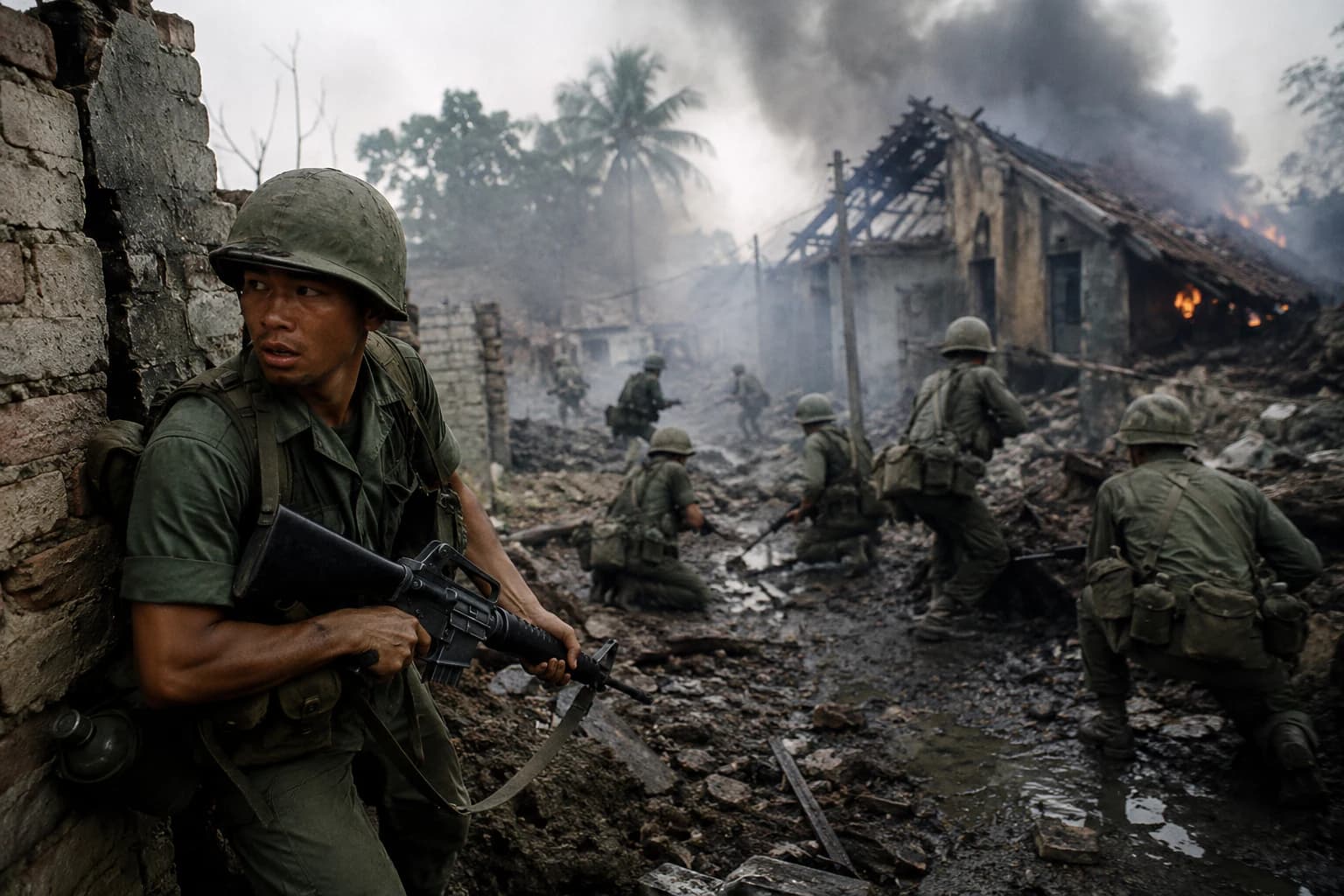
Then came the Tet Offensive. North Vietnamese and Viet Cong forces attacked locations across South Vietnam, shocking Americans who had been told the war was being won.

Military strength did not guarantee political control.

The attacks were costly for communist forces, but they changed public opinion in the United States. Antiwar protests grew, trust in government fell, and President Lyndon B. Johnson chose not to seek re-election.

For Vietnamese civilians and soldiers on all sides, the price was terrible. Towns were ruined, families were torn apart, and thousands kept dying in a war shaped by outside powers.

Today, Vietnam is still remembered as a warning about intervention, public trust, and the human cost of proxy war.

Détente and Strategic Competition
1972 CE
Step 8 of 101972 CEAccessible mode

Détente and Strategic Competition

In 1972, the United States and the Soviet Union tried to cool things down. They did not become friends, but they did try to make the Cold War less dangerous.

For years, both sides had built huge nuclear arsenals. The fear was simple: one mistake could start a disaster no one could stop.

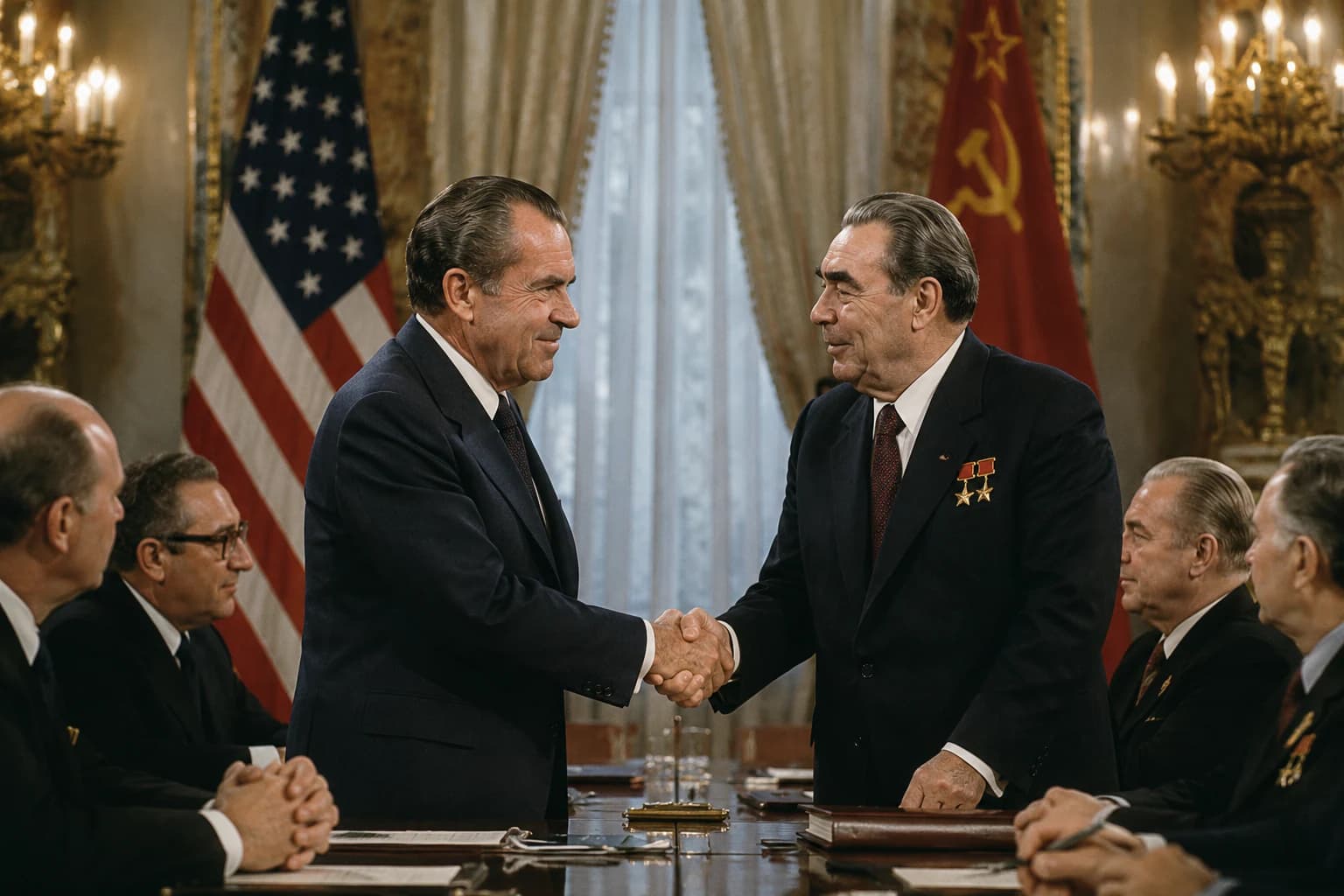
President Richard Nixon and his adviser Henry Kissinger pushed for a new approach. They wanted talks, deals, and pressure all at once.

The Cold War cooled, but it did not end.

That year, Nixon visited , and the two superpowers signed SALT I. The agreement put limits on some nuclear weapons and was meant to reduce the risk of sudden war.

Still, the rivalry stayed alive. Both sides kept building power, competing for allies, and backing opposite sides in conflicts around the world.

That is why détente still feels familiar today. Big powers can negotiate rules and lower tensions while still competing hard for influence and security.

The Soviet War in Afghanistan
1979 CE
Step 9 of 101979 CEAccessible mode

The Soviet War in Afghanistan

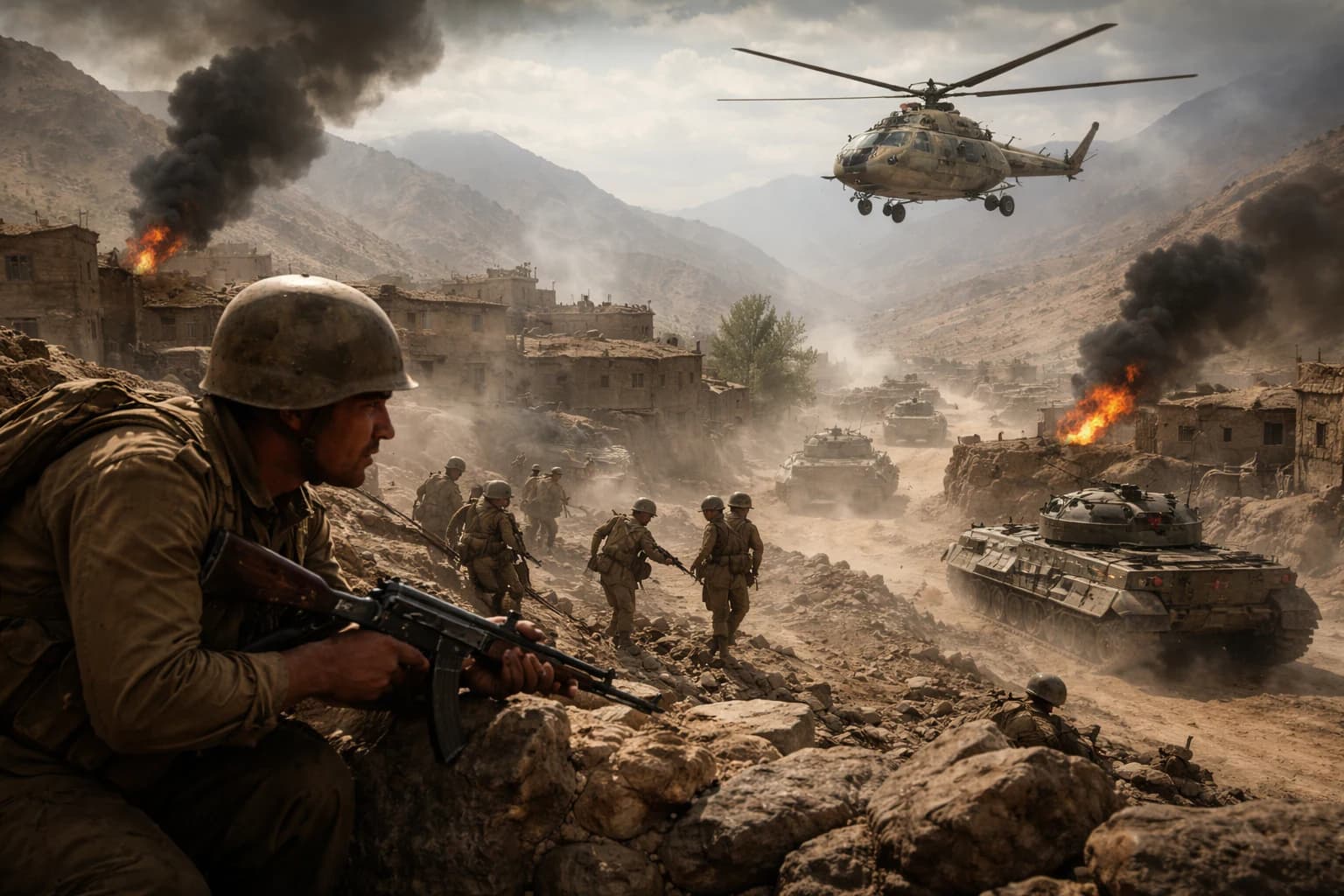
In 1979, became one of the Cold War's hardest battlefields. What looked like a quick Soviet intervention turned into a long, exhausting war.

Before the invasion, was already unstable. A communist government backed by was trying to force major changes on a mostly rural and religious society.

When rebellion spread and the government began to fail, Soviet leaders feared losing control near their southern border. They sent troops to keep a friendly regime in power.

became a trap where Cold War rivalry turned into a grinding local war.

The United States, Pakistan, Saudi Arabia, and others then supported fighters, often called the mujahideen. They supplied money, weapons, and training to bleed the Soviet army.

The war killed huge numbers of people, forced millions to flee, and drained Soviet strength. It also pulled more of the Islamic world into anti-Soviet struggle.

Today, this war is remembered as a turning point. It deepened Cold War tensions, weakened the Soviet Union, and helped shape later conflicts in and the wider region.

The Soviet Union Collapses
1991 CE
Step 10 of 101991 CEAccessible mode

The Soviet Union Collapses

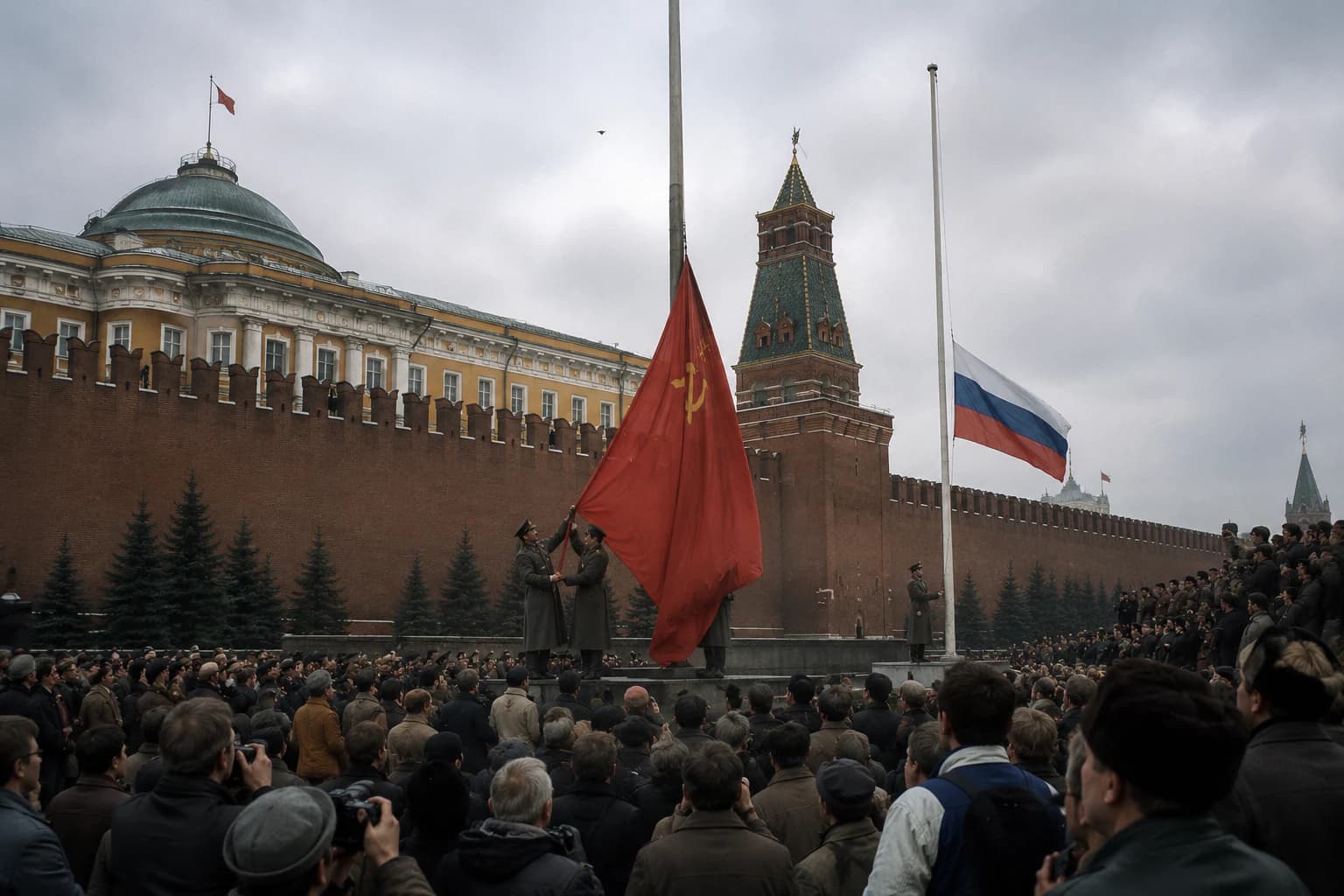
The Cold War did not end with one side conquering the other. It ended because the Soviet system began to fall apart from within.

For decades, the world was split between two superpowers: the United States and the Soviet Union. The Soviet Union controlled Eastern Europe and kept tight political control at home.

In the 1980s, Soviet leader Mikhail Gorbachev tried to save the system with reforms. He allowed more openness and tried to modernize the economy, but the changes exposed deep weakness instead.

The Cold War ended because Soviet power cracked, not because armies met in a final battle.

As loosened its grip, communist governments in Eastern Europe fell in 1989. Then the Soviet republics themselves pushed for independence, and in 1991 the Soviet Union broke apart.

People saw old controls vanish almost overnight. Some gained freedom and elections. Others faced confusion, shortages, and economic pain.

This changed world politics completely. The long two-sided rivalry ended, the United States stood alone as the main superpower, and the map of Europe and Eurasia was redrawn.

Continue reading

Finished The Cold War?

Move into Korea as the first major hot war of the rivalry, step back to the Second World War, or follow the consequences after 1991.

Browse stories

References

Sources & Further Reading

Reliable sources, primary-source collections and reading paths connected to this page.

Sources used

  1. Office of the Historian, U.S. Department of State, The Cold War Begins,” Open source
  2. Wilson Center Digital Archive, Cold War International History Project,” Open source

Further reading

  1. John Lewis Gaddis, The Cold War: A New History, Penguin.

Primary sources

  1. Yale Law School, Avalon Project: 20th Century Documents,” Open source

A weekly route through history

Find out first about the latest published stories, feature notes and occasional Premium offers in one weekly email.