People

Queen Victoria

Queen Victoria was British monarch from 1837 to 1901 and Empress of India from 1876. Her reign saw industrialisation, constitutional monarchy, imperial expansion, Prince Albert's influence and the Victorian era.

Born
1819 CE
Died
1901 CE
Role
British monarch

British monarch (1819–1901)

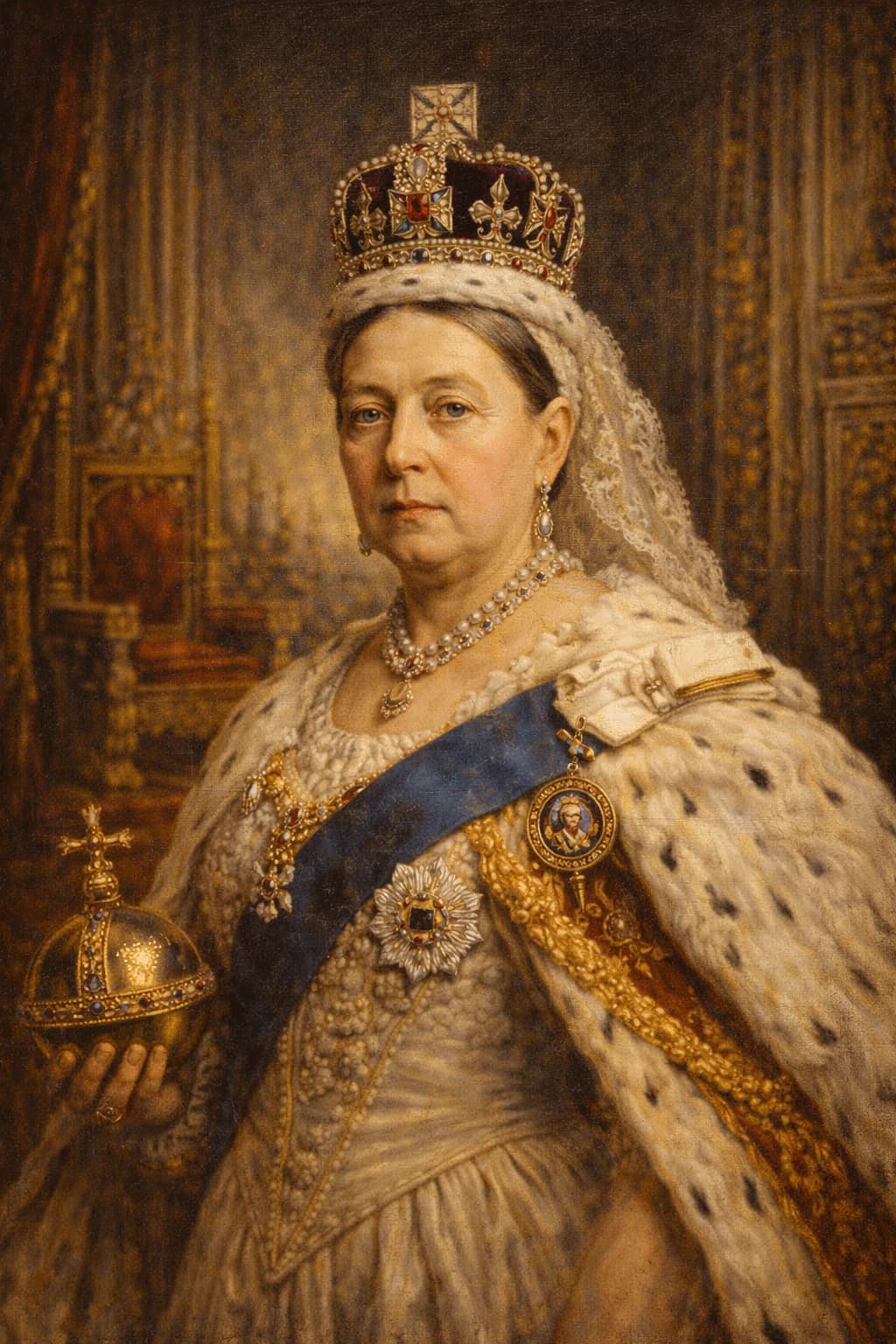
Portrait of Queen Victoria in formal royal attire
Family tree

Queen Victoria family tree

Queen Victoria and Prince Albert had nine children. Their marriages connected the British monarchy to royal houses across Europe, which is why Victoria is often called the Grandmother of Europe.

Portrait of Queen Victoria in formal royal attire
Root figure
Queen Victoria
Queen of the United Kingdom and Empress of India
1819-1901Britain
PA
Husband
Prince Albert
Prince Consort
1819-1861Saxe-Coburg and Gotha

Albert's partnership with Victoria helped define the public image of the Victorian royal family.

Victoria and Albert's nine children

The next generation

VP
Eldest child
Victoria, Princess Royal
German Empress and Queen of Prussia
1840-1901Britain / Germany
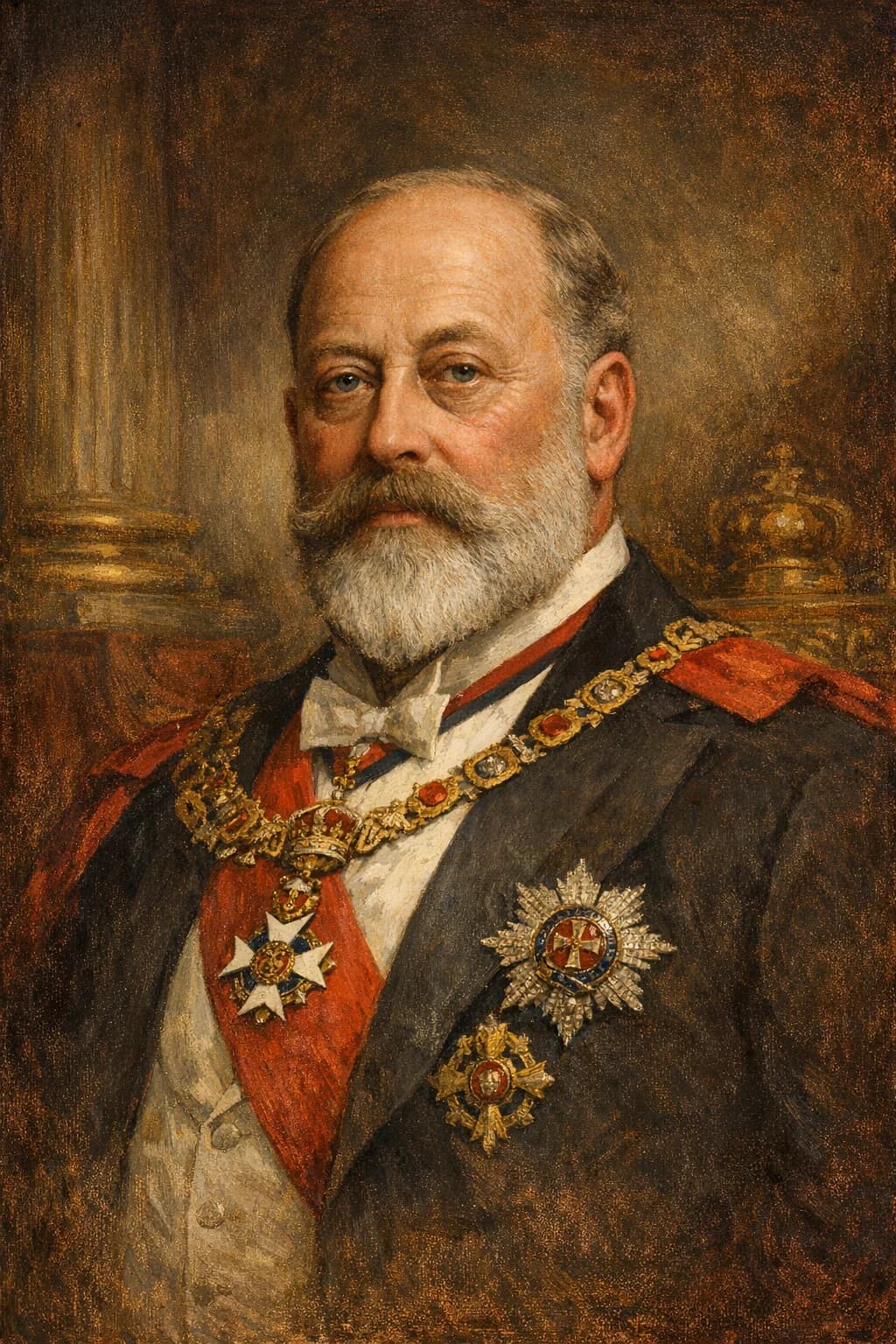
Portrait of Edward VII in Edwardian royal attire
Eldest son
Edward VII
King of the United Kingdom
1841-1910Britain
PA
Daughter
Princess Alice
Grand Duchess of Hesse and by Rhine
1843-1878Britain / Hesse
PA
Son
Prince Alfred
Duke of Edinburgh and Duke of Saxe-Coburg and Gotha
1844-1900Britain / Germany
PH
Daughter
Princess Helena
Princess Christian of Schleswig-Holstein
1846-1923Britain
PL
Daughter
Princess Louise
Duchess of Argyll
1848-1939Britain
PA
Son
Prince Arthur
Duke of Connaught and Strathearn
1850-1942Britain
PL
Son
Prince Leopold
Duke of Albany
1853-1884Britain
PB
Youngest child
Princess Beatrice
Princess Henry of Battenberg
1857-1944Britain
Descendant explorer

Branches of Queen Victoria's descendants

Descendant branch

British royal line

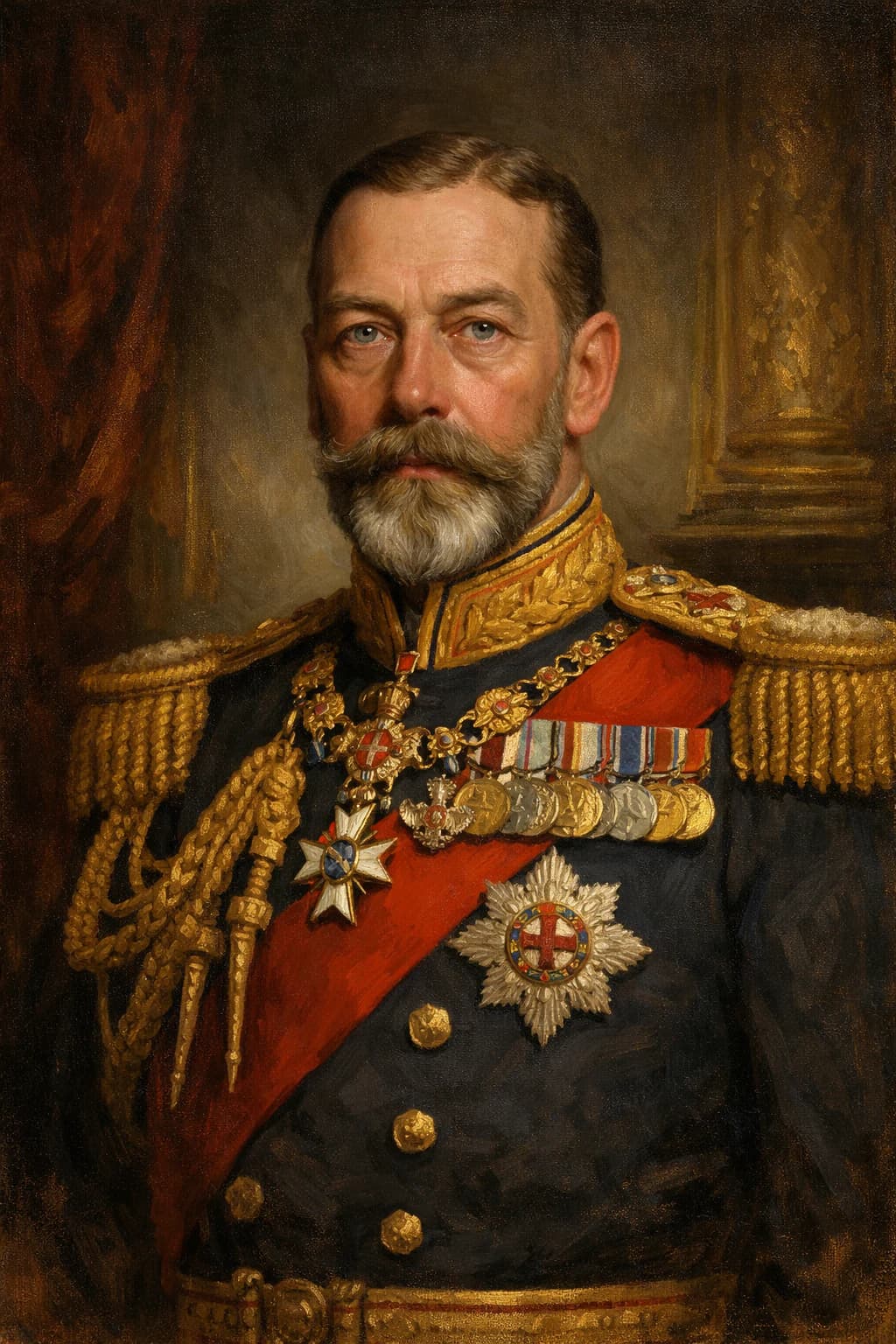
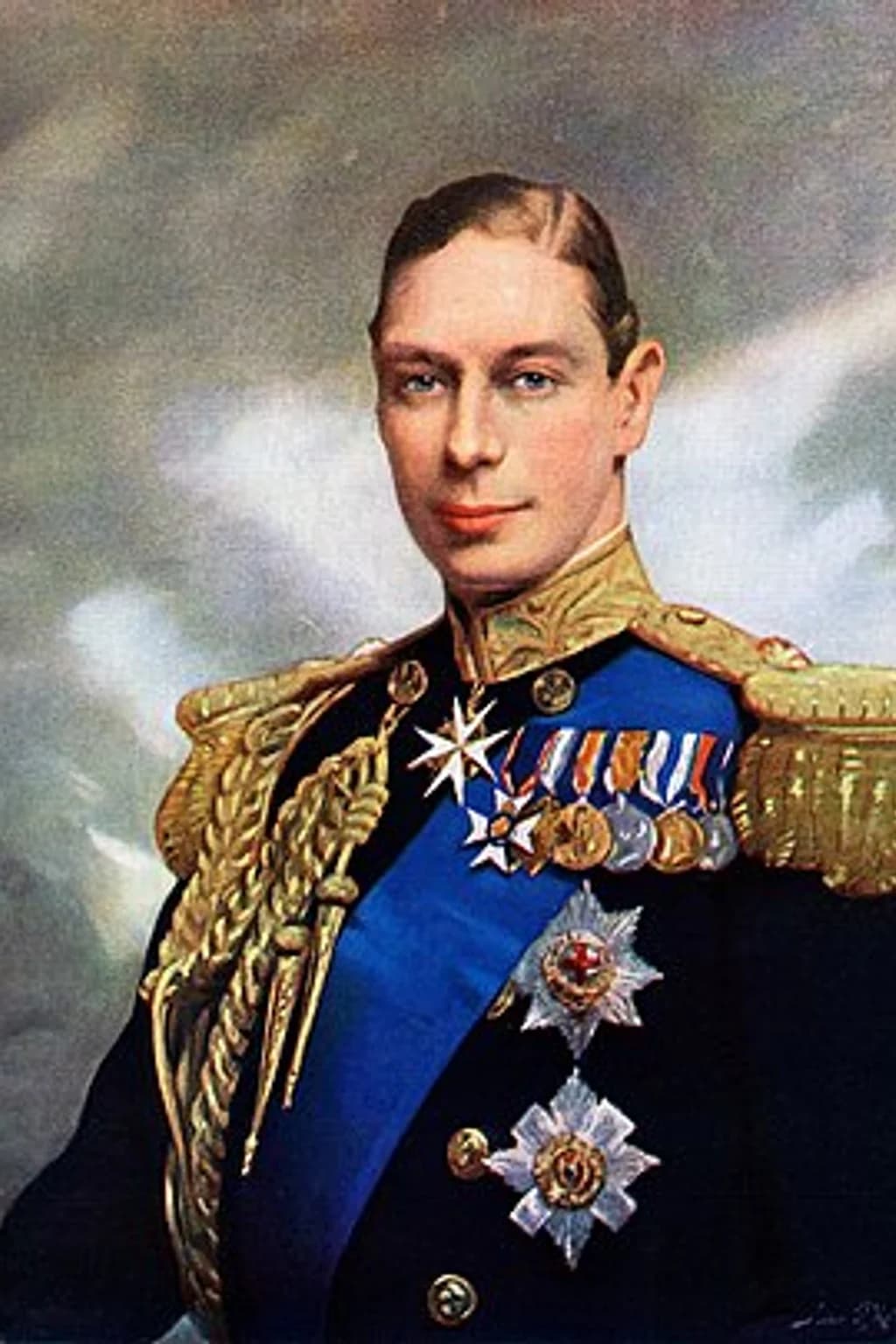
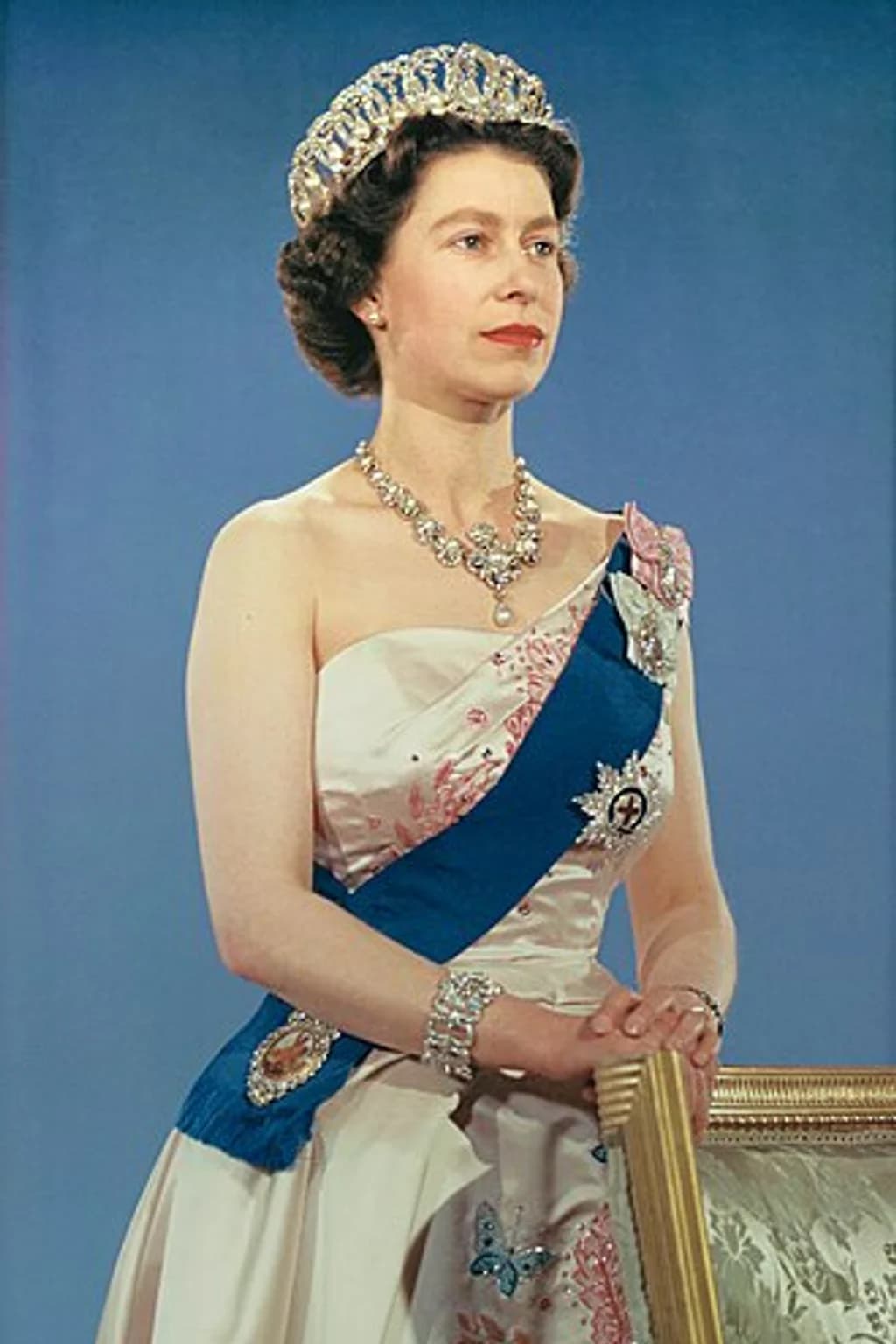
Edward VII carried Victoria's line into the twentieth-century British monarchy through George V, George VI, Elizabeth II and Charles III.

Portrait of George V in royal attire
+
Descendant branch

German imperial line

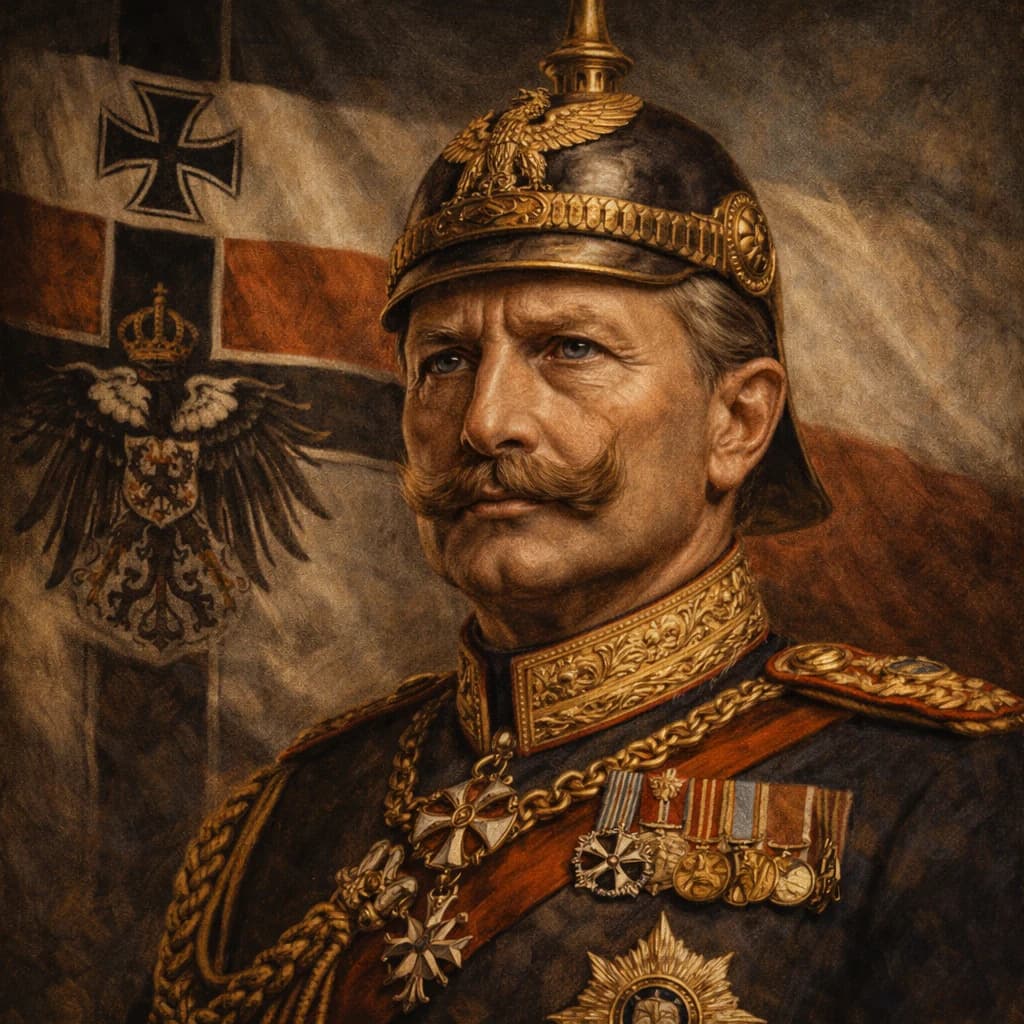
Victoria, Princess Royal married the future Frederick III of Germany. Their son Wilhelm II became German Emperor and a central monarch of the First World War era.

Portrait of Kaiser Wilhelm II in German imperial military uniform
+
Victoria, Princess Royal married the future Frederick III of Germany. Their son Wilhelm II became German Emperor and a central monarch of the First World War era.
VP
Daughter
Victoria, Princess Royal
German Empress and Queen of Prussia
1840-1901
Descendant branch

Russian Romanov connection

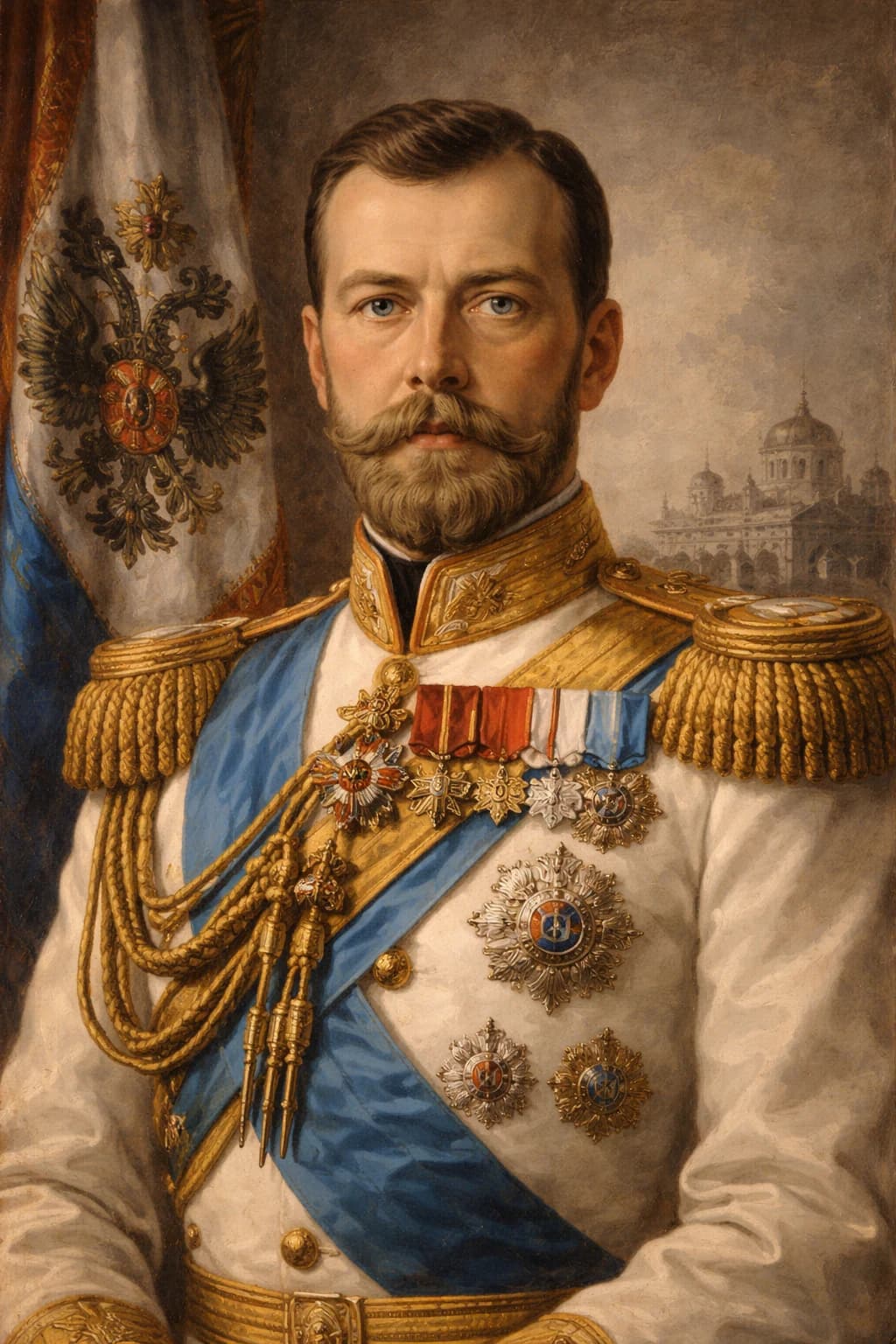
Princess Alice's daughter Alexandra married Nicholas II, making Victoria grandmother to Russia's last empress.

AF
+
Princess Alice's daughter Alexandra married Nicholas II, making Victoria grandmother to Russia's last empress.
PA
Daughter
Princess Alice
Grand Duchess of Hesse and by Rhine
1843-1878
AF
Granddaughter
Alexandra Feodorovna
Last Empress of Russia
1872-1918Russia

Queen Victoria family tree FAQ

How many children did Queen Victoria have?+

Queen Victoria and Prince Albert had nine children: Victoria, Edward, Alice, Alfred, Helena, Louise, Arthur, Leopold and Beatrice.

Why was Queen Victoria called the Grandmother of Europe?+

Victoria earned the nickname because her children and grandchildren married into several European royal families, including the British, German and Russian dynastic worlds.

Is Elizabeth II descended from Queen Victoria?+

Yes. Elizabeth II descended from Queen Victoria through Edward VII, George V and George VI.

This module highlights the main dynastic lines most useful for understanding Queen Victoria's descendants. It is not intended to list every descendant.

Facts

Queen Victoria facts

Key facts about Queen Victoria's life, reign, family and historical setting.

Reign
1837-1901

Victoria ruled for more than 63 years, one of the longest reigns in British history.

Born
24 May 1819

She was born at Kensington Palace in London.

Died
22 January 1901

She died at Osborne House on the Isle of Wight.

Spouse
Prince Albert

Their marriage shaped the monarchy's public image as a moral and domestic royal family.

Children
Nine

Her children married into European royal houses, giving Victoria the nickname Grandmother of Europe.

Major title
Empress of India

The title was added in 1876 during Benjamin Disraeli's government.

Why she matters
She became the symbol of the Victorian era

Her reign connected industrial growth, constitutional monarchy, imperial expansion, family monarchy and the contradictions of empire.

Life Journey

A reign that shaped an empire and an era

Follow the story in a more continuous narrative, with a reading mode that matches how much depth you want.

1819–1837

Royal childhood

Victoria grew up under strict supervision within the royal household, experiencing a controlled upbringing that limited her independence but prepared her for future responsibility.

1837

Becoming queen

At eighteen, Victoria became queen, suddenly assuming authority and stepping into a role that required balancing tradition with the changing demands of society.

1840

Marriage and partnership

Victoria married Prince Albert, forming a partnership that influenced both her personal life and her approach to governance and public image.

1840s–1850s

Industrial transformation

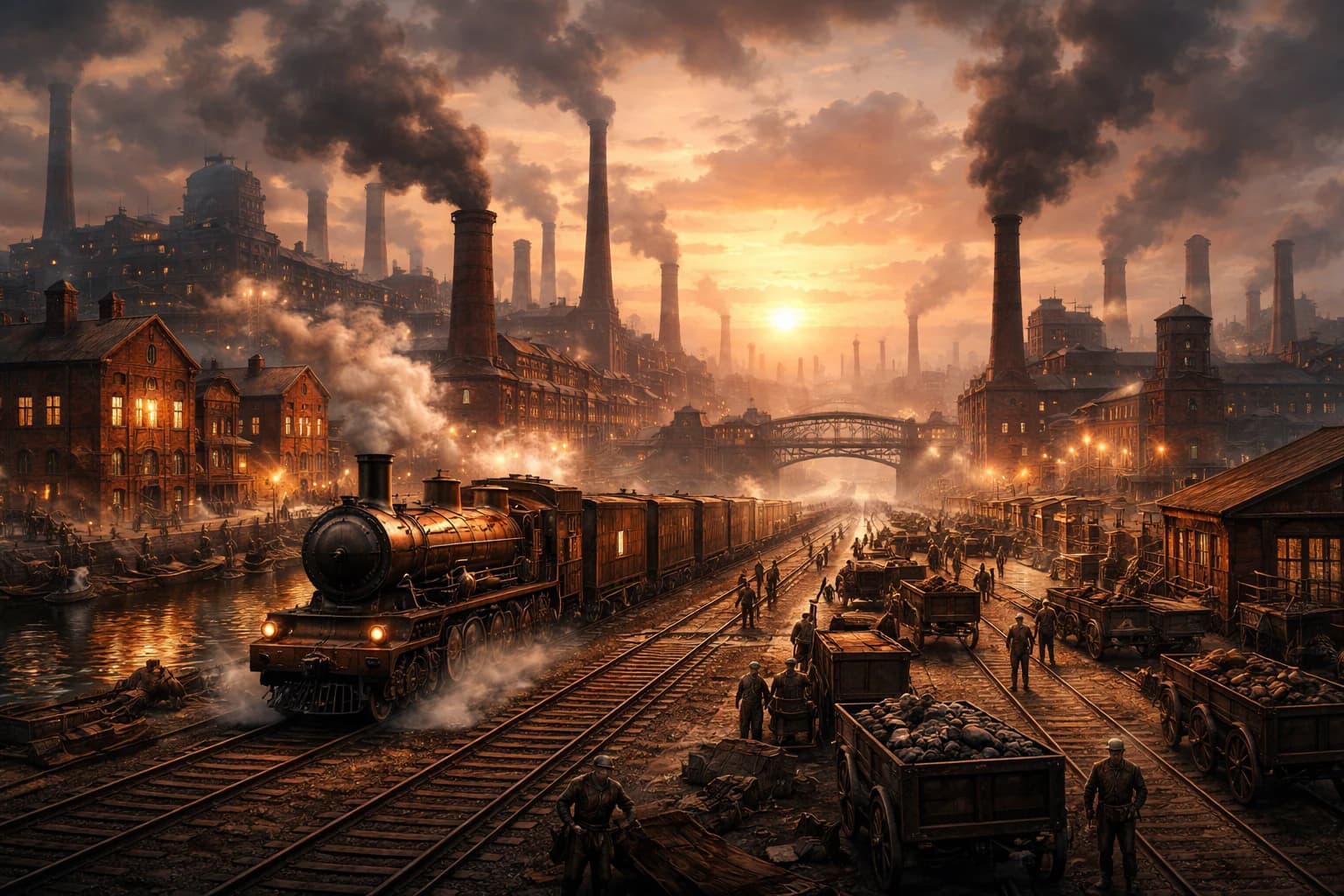
During Victoria’s reign, Britain underwent rapid industrial growth, changing daily life and strengthening the nation’s economic and technological power.

1850s–1870s

Empire expands

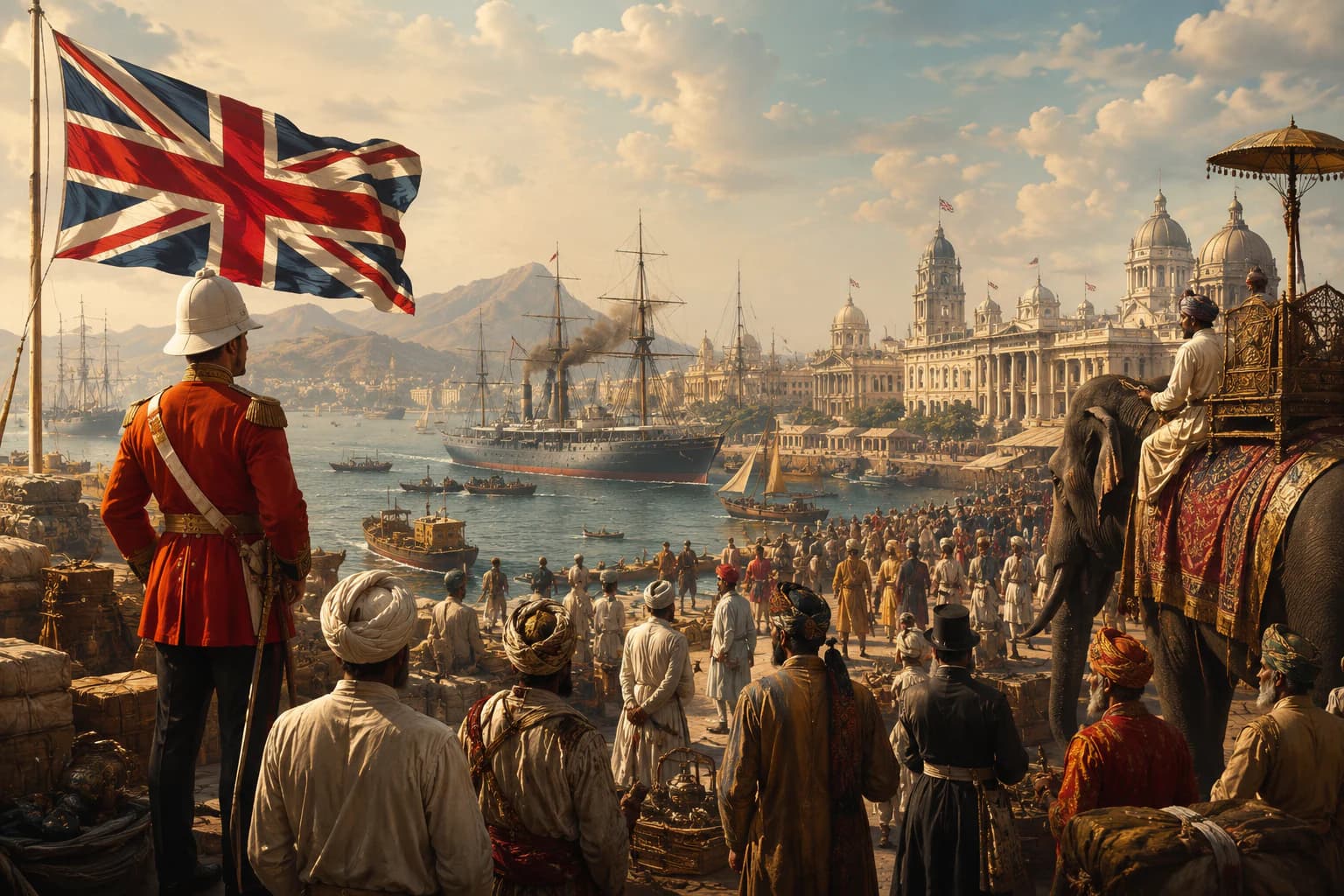
Britain’s empire expanded significantly under Victoria, extending influence across continents and shaping global trade, governance, and cultural exchange.

1861

Personal loss

The death of Prince Albert deeply affected Victoria, leading her into prolonged mourning that changed her public presence and personal life.

1870s–1890s

Later authority

In her later years, Victoria reasserted her presence, maintaining influence and becoming a symbol of continuity during a period of political and social change.

1901

End of an era

Victoria’s death marked the end of a long reign, closing a period closely associated with industrial progress, imperial power, and cultural change.

Post-1901

Lasting influence

Victoria’s legacy endures through the institutions, cultural values, and global connections that developed during her reign and continued to shape modern Britain.

Continue in context

Connected stories

Move from the profile into the wider events and settings this figure belongs to.

British Monarchs lineage
Lineage42 rulers
British Monarchs
1066 CE–present

Trace the English and later British monarchy from William I to today.

View lineage
Tertiary paths

Content note

This profile is written for educational use and connects to related Stories of History pages. Illustrations are original artistic interpretations.

References

Sources & Further Reading

Reliable reference works, archives and reading paths connected to this profile.

Sources used

  1. Encyclopaedia Britannica, Victoria,” accessed June 2026.Open source
  2. The Royal Household, Queen Victoria,” accessed June 2026.Open source

Further reading

  1. A. N. Wilson, Victoria: A Life, Penguin, 2014.

Image references

  1. Royal Collection Trust, Queen Victoria,” accessed June 2026.Open source

A weekly route through history

Find out first about the latest published stories, feature notes and occasional Premium offers in one weekly email.