People

George V

George V was King of the United Kingdom from 1910 to 1936. He renamed the royal house Windsor during World War I, navigated Labour government, Irish independence, imperial change and the Great Depression, and began the royal Christmas broadcast.

Born
1865 CE
Died
1936 CE
Role
King of Great Britain

King of Great Britain (1865–1936)

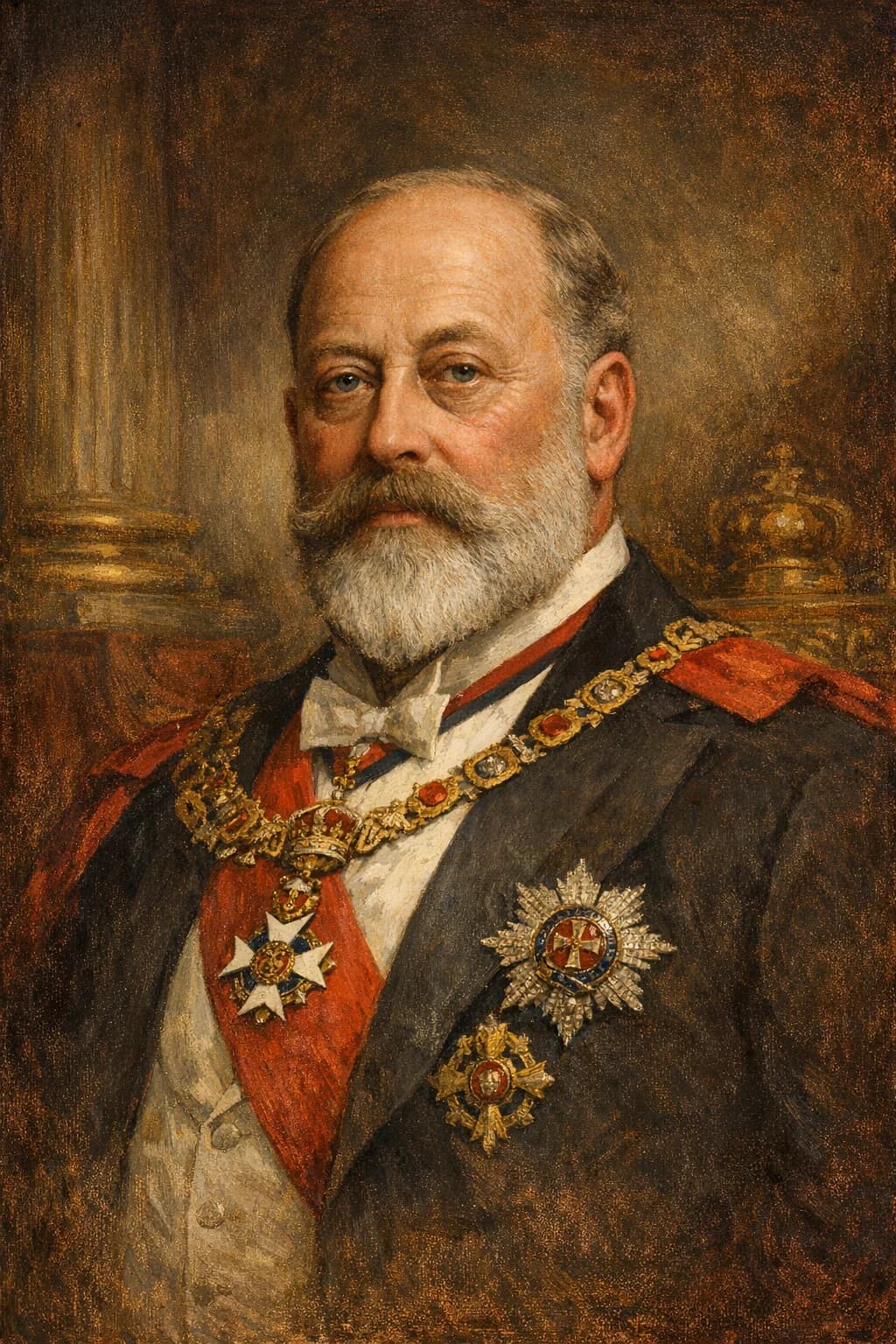
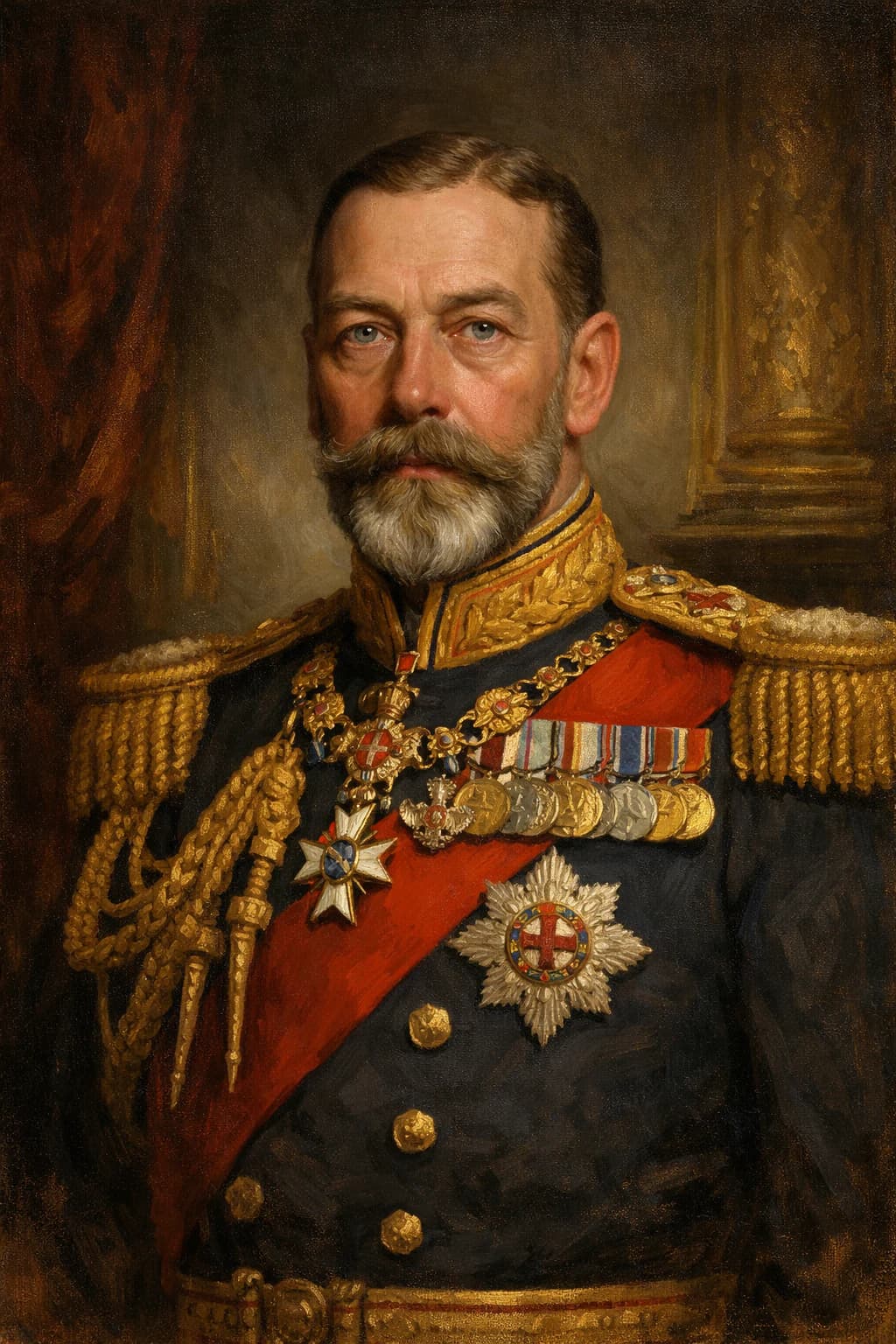
AI-generated portrait of George V in early 20th-century royal attire
AI-assisted historical reconstruction

An illustrative reconstruction based on historical context. It is not a photograph or documentary likeness. Image policy

Quick answer

George V was King of the United Kingdom from 1910 to 1936. He renamed the royal house Windsor during World War I, navigated Labour government, Irish independence, imperial change and the Great Depression, and began the royal Christmas broadcast.

Born
1865 CE
Died
1936 CE
Role
King of Great Britain
Years
1865-1936 CE
Facts

George V timeline facts

Selected specifics from this profile's life story.

1865–1890s
Naval prince

George was the second son of the Prince of Wales, trained for the navy rather than the throne, serving as a genuine officer through his twenties in conditions that valued competence over rank.

1914–1918
World War I

George V's conduct during World War I, including renaming the royal house to Windsor and visiting the troops, reinforced the monarchy's identification with the national effort.

1936
Abdication crisis averted

George V died in January 1936, two months before his son Edward VIII would meet Wallis Simpson in circumstances that George had privately and prophetically feared.

Post-1936
The House of Windsor

George V's greatest achievement was transforming the British monarchy into a genuinely national institution that could survive the collapse of its aristocratic and imperial context.

Life Journey

The dutiful king who saved the monarchy by never risking it

Follow the story in a more continuous narrative, with a reading mode that matches how much depth you want.

Complete chronology

1865–1890s

Naval prince

George Frederick Ernest Albert was born on 3 June 1865, the second son of the future Edward VII and Queen Alexandra. He was not raised as the primary heir. Like William IV before him, he was sent to the navy, where routine, discipline, hierarchy and practical service shaped him more deeply than court display. The death of his older brother, Prince Albert Victor, in 1892 changed everything. George suddenly became heir presumptive, exchanging naval life for constitutional preparation. That accident of succession mattered. He came to kingship with fewer intellectual gifts than some, but with habits of duty, punctuality and self-control that proved perfectly suited to a dangerous age.
1893

Marriage and family

George married Princess Mary of Teck in 1893. She had been engaged to his late brother, making the match dynastically practical before it became personally secure. The marriage became one of the monarchy's stabilizing partnerships. Mary was intelligent, disciplined, historically minded and devoted to the institution with almost religious seriousness. George was less subtle but equally committed to duty. Together they projected domestic order at a time when royal families across Europe were increasingly vulnerable. Their parenting was emotionally stiff by modern standards, and their children did not experience an easy household. Yet the image of family seriousness helped the monarchy move away from Edwardian glamour toward twentieth-century reliability.

1910–1911

Accession and constitutional crisis

George V succeeded in May 1910 during the constitutional struggle between the Liberal government and the House of Lords. The Parliament Bill sought to limit the Lords' veto, and Prime Minister H. H. Asquith needed the king's promise to create enough Liberal peers if the Lords blocked it. George disliked being drawn into partisan conflict, but he accepted that a constitutional monarch must ultimately support the elected government's ability to govern. The threat of mass peer creation helped secure the Parliament Act of 1911 without actually flooding the Lords. The episode established the pattern of his reign: private discomfort, public neutrality and a disciplined refusal to make the crown the center of political combat.

1914–1918

World War I

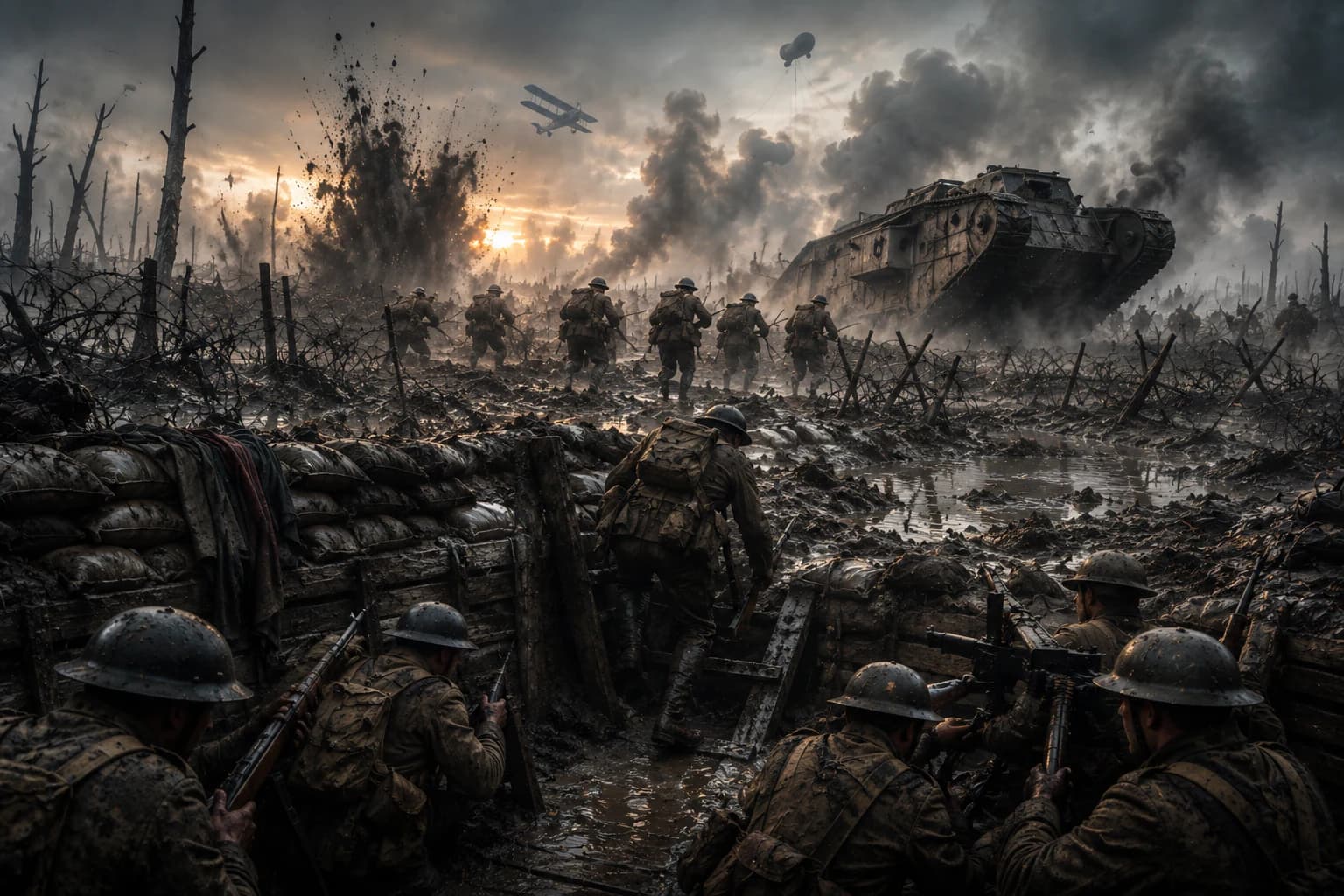
World War I forced George V to solve a problem of identity. He was a British king from the House of Saxe-Coburg and Gotha, related to Kaiser Wilhelm II and many of Europe's ruling dynasties. Anti-German feeling made that inheritance dangerous. In 1917 he renounced German titles and renamed the royal house Windsor, a brilliantly simple act of political branding rooted in an English castle rather than a German duchy. He visited troops, hospitals, shipyards and factories, presenting the monarchy as part of national endurance rather than aristocratic detachment. The war killed old Europe. George's achievement was making the British monarchy look national enough to survive it.

1918–1920s

Post-war turbulence

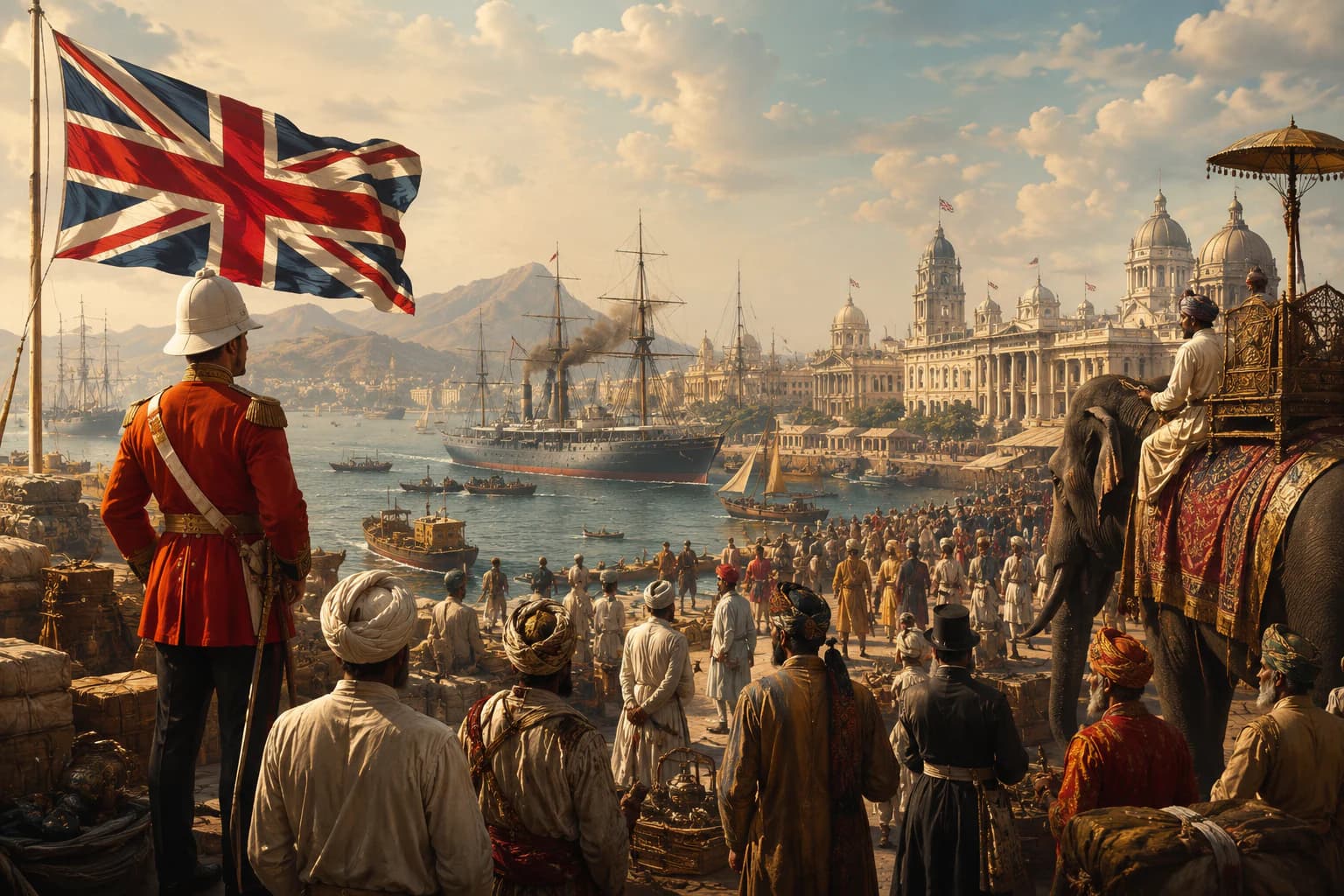
After 1918 George watched cousin dynasties fall in Russia, Germany and Austria-Hungary. The refusal to provide asylum to Tsar Nicholas II and his family remains one of the most painful controversies of his reign; responsibility was shared with ministers and wartime political realities, but the decision has never lost its moral weight. Ireland brought another rupture. The Anglo-Irish Treaty created the Irish Free State in 1922, reducing the union over which George had been crowned. At home, Labour entered government in 1924. George treated Ramsay MacDonald correctly and respectfully, proving that the crown could work with a democratic socialist party without panic. That mattered enormously for monarchical survival.

1932 onwards

Christmas broadcasts

On Christmas Day 1932 George V delivered the first royal Christmas broadcast, organized by BBC director John Reith with words by Rudyard Kipling. The king was nervous about radio, but the message reached listeners across Britain and the empire in a new, intimate way. For centuries monarchy had been seen in ceremony, procession, portrait and proclamation. Radio allowed it to be heard at home. The broadcast helped transform the crown from distant institution into familiar presence, a shift later monarchs would refine through radio, television and digital media. George did not love novelty for its own sake. He accepted it when it served continuity.

1936

Abdication crisis averted

George V died at Sandringham on 20 January 1936. Decades later, Lord Dawson's diary revealed that the king's death had been hastened with morphine and cocaine, partly to ensure the announcement reached the morning newspapers. The revelation complicates the carefully managed dignity of his final hours. His death came just before the abdication crisis of Edward VIII, whose relationship with Wallis Simpson confirmed many of George's fears about his eldest son's judgment. He did not live to see the crisis, but his instincts about duty and self-denial became the standard by which Edward was judged. The monarchy George had protected was about to be tested by the son least suited to its rules.

1935

Silver Jubilee

The Silver Jubilee of 1935 revealed the depth of public affection George had accumulated. The celebrations were not merely official choreography. Crowds in London, including the East End, moved him by their warmth. He reportedly admitted that he had not known people felt that way about him. The affection came from no single dramatic achievement. It came from twenty-five years of visible duty: war visits, constitutional restraint, family stability, broadcasts and a sense that the king stood with ordinary people through strain. George V was not charismatic in the modern sense. He was reliable, and in the 1930s reliability had emotional power.

Post-1936

The House of Windsor

George V's legacy is the creation of the modern Windsor monarchy. He inherited a crown still shadowed by German dynastic identity and aristocratic distance; he left one that could speak as British, domestic, constitutional and emotionally connected to the public. He did this without brilliance, ideology or dramatic reform. He did it through timing, instinct and discipline: renaming the house, accepting Labour, adapting to radio, showing himself during war and refusing to let the crown become partisan property. To ask why George V was important is to see that survival can be active statesmanship. In an age when thrones fell across Europe, his did not.

Continue in context

Connected stories

Move from the profile into the wider events and settings this figure belongs to.

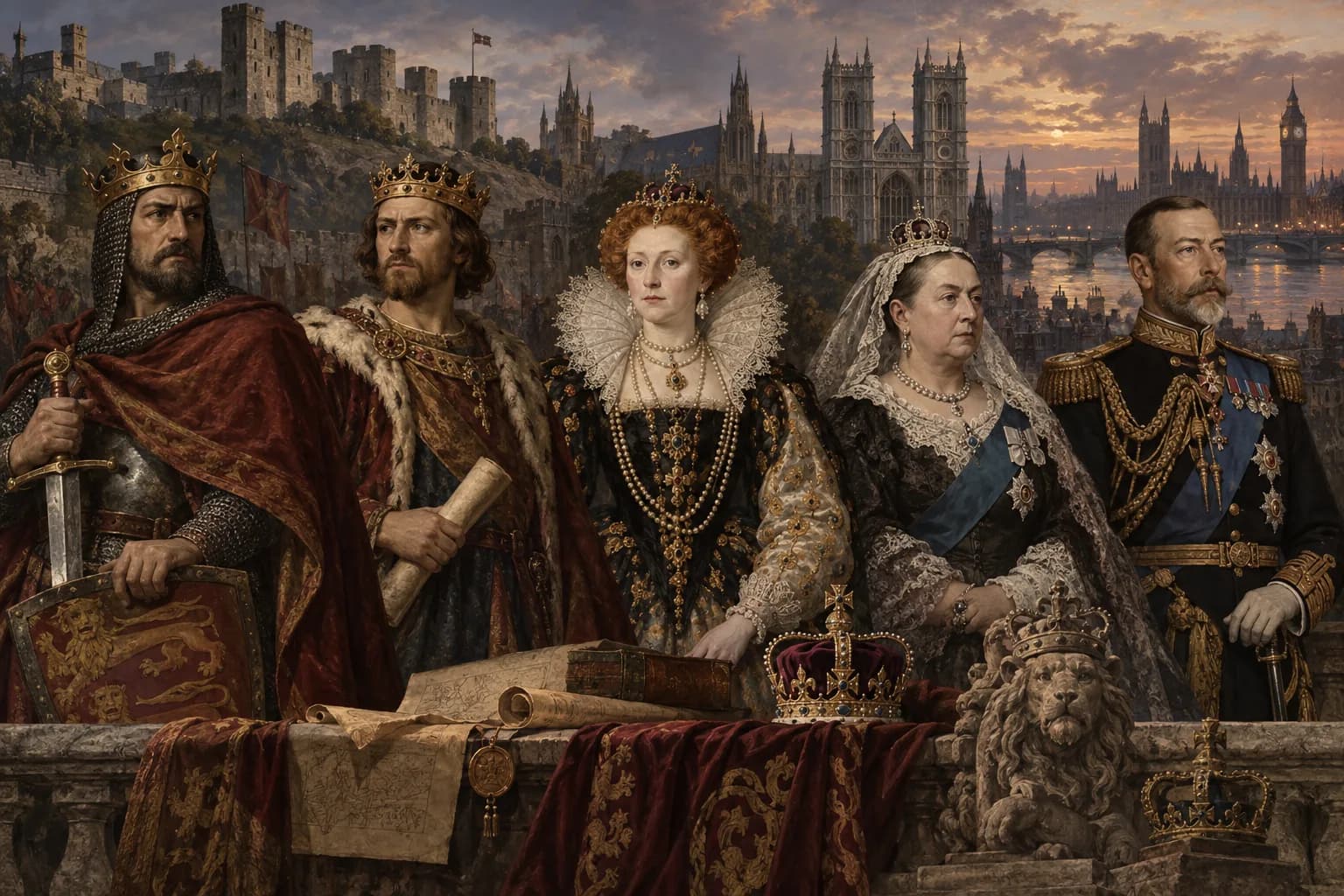
British Monarchs lineage
Lineage42 rulers
British Monarchs
1066 CE–present

Trace the English and later British monarchy from William I to today.

View lineage
Tertiary paths

Content note

This profile is written for educational use and connects to related Stories of History pages. The main portrait is an AI-assisted historical reconstruction, included as an illustrative aid rather than documentary evidence. Image policy

References

Sources & Further Reading

Reliable reference works, archives and reading paths connected to this profile.

Further reading

  1. Encyclopaedia Britannica, Search results for George V,” accessed June 2026.Open source
  2. WorldCat, Books and library holdings for George V,” accessed June 2026.Open source

Primary sources

  1. Library of Congress, Search results for George V,” accessed June 2026.Open source

Reviewed claim sources

Loading reviewed claim sources...

A weekly route through history

Find out first about the latest published stories, feature notes and occasional Premium offers in one weekly email.