People

Edward VIII

Edward VIII was King of the United Kingdom for 326 days in 1936 before abdicating to marry Wallis Simpson. As Duke of Windsor, his exile, Nazi Germany visit and unresolved relationship with the royal family made him one of the most controversial modern British monarchs.

Born
1894 CE
Died
1972 CE
Role
King of the United Kingdom

King of the United Kingdom (1894–1972)

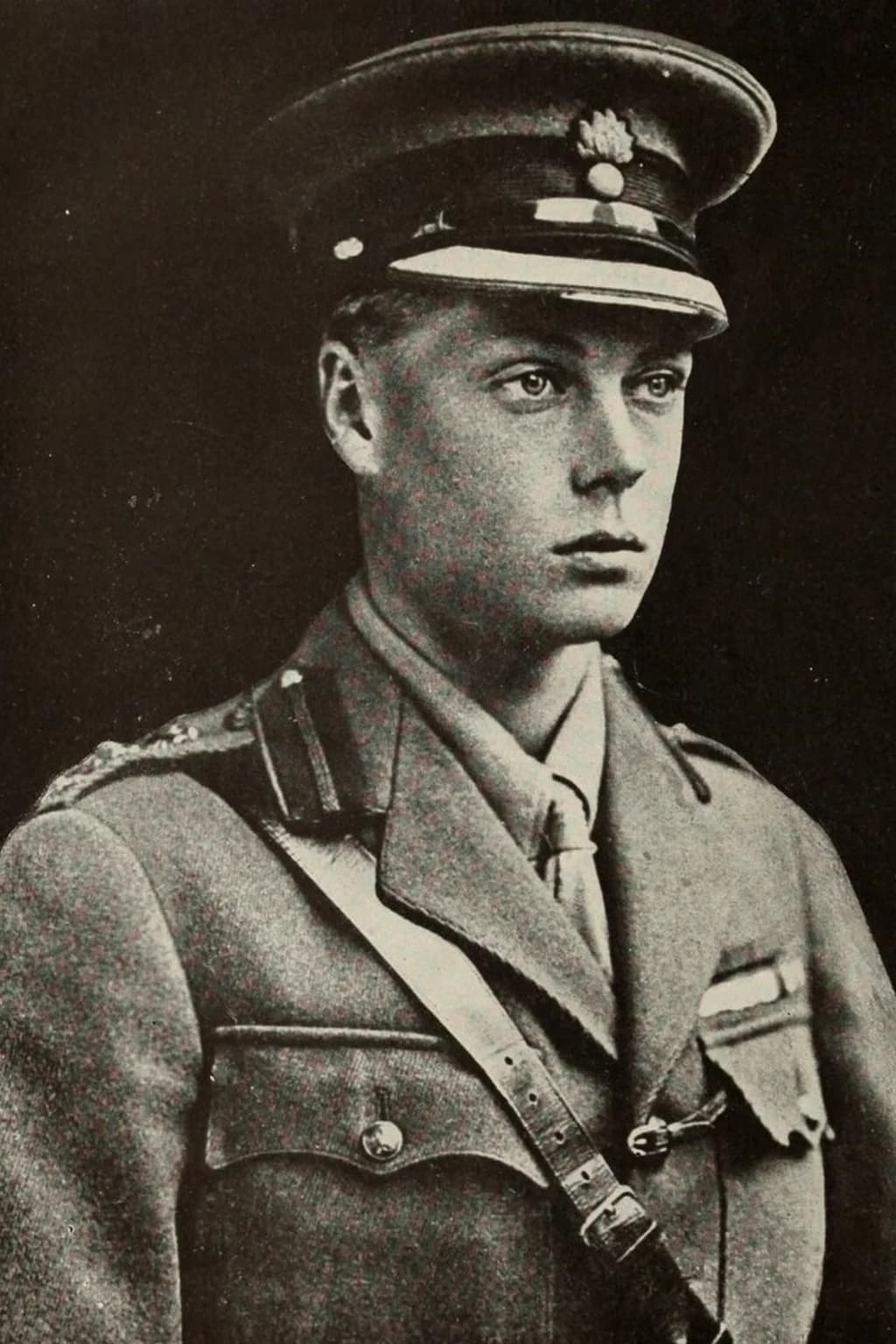
Portrait photograph of Edward VIII
Historical photograph

A real historical or editorial image is used here. Source, licence and transformation details are publicly recorded. Image policy Attribution

Quick answer

Edward VIII was King of the United Kingdom for 326 days in 1936 before abdicating to marry Wallis Simpson. As Duke of Windsor, his exile, Nazi Germany visit and unresolved relationship with the royal family made him one of the most controversial modern British monarchs.

Born
1894 CE
Died
1972 CE
Role
King of the United Kingdom
Years
1894-1972 CE
Quick facts

Profile details

Additional identity and tagging details that are not already covered in the introduction.

Also known as
Duke of Windsor
Facts

Edward VIII timeline facts

Selected specifics from this profile's life story.

1894–1910
The golden prince

Edward grew up as the eldest son of the future George V, charming and intensely public, yet increasingly resistant to the discipline expected of a king.

1920s–1930s
Social concern

Edward's expressed concern for unemployment and the social conditions of industrial workers gave him a populist reputation that was real in feeling if inconsistent in action.

1937–1945
The Duke of Windsor

Edward and Wallis married in France in 1937, visited Nazi Germany and met Hitler, and spent the war years in the Bahamas in a colonial appointment that kept Edward safely away from Europe.

Post-1972
What the abdication meant

Edward VIII's abdication established that the monarchy could survive a king's departure and that the institution mattered more than any individual occupant.

Life Journey

The king who chose the woman over the throne

Follow the story in a more continuous narrative, with a reading mode that matches how much depth you want.

Complete chronology

1894–1910

The golden prince

Edward Albert Christian George Andrew Patrick David, known within the family as David, was born at White Lodge, Richmond Park, in June 1894 as the eldest son of the future George V and Queen Mary. His childhood prepared him for monarchy in the formal sense: tutors, naval training, ceremonies and constant awareness of rank. It did not produce a temperament naturally suited to constitutional restraint. Edward was attractive, informal and unusually good at making crowds feel personally noticed. Those gifts made him a brilliant Prince of Wales. They also fed his impatience with the role's limits. From early adulthood, the central problem was visible: he liked being adored more than being governed by duty.
1914–1918

World War I

Edward served in the war but not in the way he wanted. His requests to serve in the trenches alongside the troops were consistently refused on the grounds that the capture or death of the heir would be a propaganda disaster. He was assigned to staff duties in France, which allowed him to visit the front lines but not to fight in them. The frustration this caused was real: he wrote to his father asking to be allowed to risk his life alongside men who had no such protection and apparently felt genuine guilt about the safety afforded by his position. His wartime visits to the troops generated a personal connection with working-class and middle-class men that informed the social conscience he expressed, sometimes inconsistently, in the years that followed.

1920s

Imperial tours

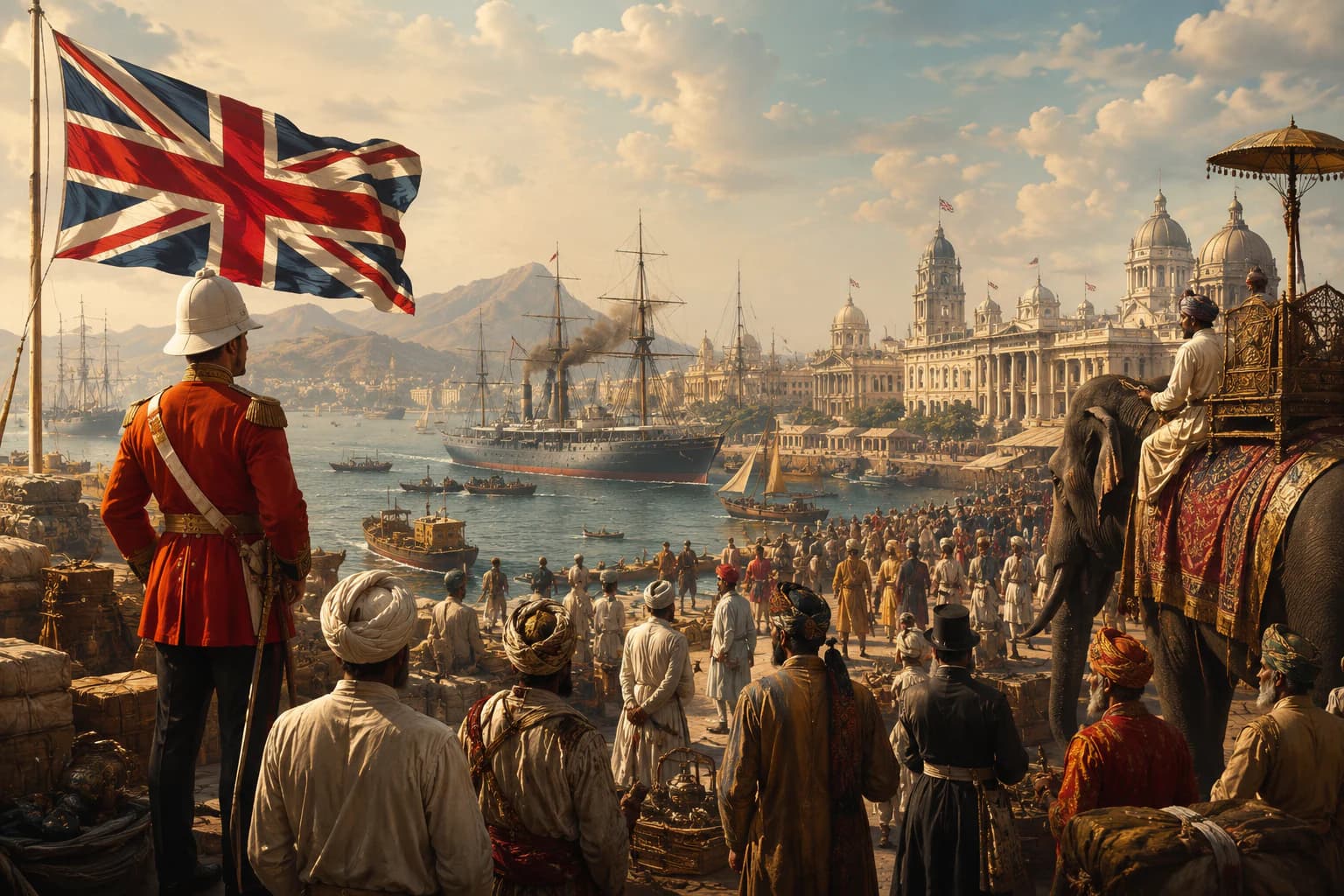
The tours of Canada, Australia, New Zealand, India, and other territories that Edward undertook in the 1920s were a phenomenon. He was twenty-six when the first major tour began, and his combination of good looks, informality, and genuine curiosity about the people he met created scenes of public enthusiasm that the Foreign Office and Colonial Office found both gratifying and slightly alarming. He shook more hands, talked to more ordinary people, and generated more newspaper column inches than any previous member of the royal family on tour. He was also conducting a series of affairs with married women, which a cooperative press kept carefully unreported. The gap between the public image and the private reality was maintained by the institutional machinery of the time, but it was already a large one.

1920s–1930s

Social concern

During the Depression years, Edward made several visits to the distressed industrial areas of Wales and northeast England, including the famous visit to the Rhondda Valley in 1936 where he reportedly said that something must be done about the conditions he observed. The phrase, whatever its precise wording, captured a genuine quality: Edward was moved by what he saw and was willing to say so in ways that embarrassed both the government and his own family. Whether his concern translated into any actual policy pressure or structural reform is much less clear. He expressed sympathy; he exercised no power to change anything. His social concern was real but operated entirely within the aesthetic rather than the political sphere.

1934–1936

Wallis Simpson

Wallis Warfield Simpson was an American-born woman who had divorced her first husband and was in the process of divorcing her second when she became the central relationship of Edward's life. She was not conventionally beautiful, but she was sharp, socially confident, and evidently capable of engaging Edward's attention in a way that no previous attachment had managed. The British establishment — the political class, the Church of England, the press — regarded the relationship with deepening anxiety as it became clear that Edward's attachment was not the transient affair that previous royal indiscretions had been. The foreign press reported the relationship extensively; the British press maintained a silence that made the eventual revelation to the British public even more startling.

December 1936

Abdication

Edward came to the throne on 20 January 1936 and abdicated on 11 December, a reign of 326 days. The crisis was constitutional as much as romantic. As king, Edward was Supreme Governor of the Church of England, whose teaching at the time opposed remarriage after divorce while a former spouse was still living. Prime Minister Stanley Baldwin also made clear that the elected government would not support Wallis Simpson becoming queen, and the Dominions rejected Edward's proposed morganatic compromise, under which she would be his wife but not queen. Edward chose abdication. His broadcast about the impossibility of carrying the burden of kingship without the woman he loved gave the decision emotional force, but the institution read it differently: a king had placed private desire above public duty.

1937–1945

The Duke of Windsor

Edward was created Duke of Windsor and married Wallis Simpson in France in June 1937. Their visit to Germany in the autumn of that year, during which they met Adolf Hitler and various senior Nazi officials, was a public relations catastrophe that permanently damaged Edward's reputation. Whether the visit reflected genuine Nazi sympathies or merely naïve curiosity remains debated, but the images of the Duke meeting Hitler were not easily explained away. During the war, Edward was appointed Governor of the Bahamas, a posting that effectively exiled him from Europe and removed him from any sensitive position. He administered the colony with varying degrees of engagement, was involved in covering up a suspicious death, and spent the war in the Caribbean apparently not entirely aware of how his situation looked to those at home.

1945–1972

Decades of exile

The post-war years for the Windsors were comfortable and somewhat aimless. They lived primarily in Paris, moving between France, the United States, and other locations, maintaining an active social life among the wealthy international set. Edward sought repeatedly, and unsuccessfully, to be given a role that would give substance to his position, while the royal family maintained a careful distance that precluded Wallis from being given the title Her Royal Highness. The question of whether the abdication had been the right choice was one Edward kept returning to, in conversation and in memoir. The two memoirs he published suggested a man who had not fully resolved the question, which perhaps suggested the answer. He died in Paris in May 1972, Queen Elizabeth II visiting him twelve days before his death.

Post-1972

What the abdication meant

Edward VIII's legacy is less about what he did as king — he was never crowned and passed no significant legislation — than about what his abdication demonstrated about the monarchy as an institution. It showed that the monarchy could remove a king without destroying itself; that the constitutional and social requirements of the role could not be set aside by personal preference; and that the institution was more durable than any individual. His brother George VI, who succeeded him, proved in the following years that the right person in the role at the right moment could repair whatever damage had been done. Edward's story also raises persistent questions about duty, love, and the extent to which any institution has the right to determine the conditions of a person's private life. Those questions have not been settled.

Continue in context

Connected stories

Move from the profile into the wider events and settings this figure belongs to.

British Monarchs lineage
Lineage42 rulers
British Monarchs
1066 CE–present

Trace the English and later British monarchy from William I to today.

View lineage
Tertiary paths

Content note

This profile is written for educational use and connects to related Stories of History pages. The main portrait uses a real historical or editorial image, with source and licence details recorded for attribution review. Image policy Image attribution

References

Sources & Further Reading

Reliable reference works, archives and reading paths connected to this profile.

Further reading

  1. Encyclopaedia Britannica, Search results for Edward VIII,” accessed June 2026.Open source
  2. WorldCat, Books and library holdings for Edward VIII,” accessed June 2026.Open source

Primary sources

  1. Library of Congress, Search results for Edward VIII,” accessed June 2026.Open source

Reviewed claim sources

Loading reviewed claim sources...

A weekly route through history

Find out first about the latest published stories, feature notes and occasional Premium offers in one weekly email.