People

Elizabeth II

Elizabeth II was Queen of the United Kingdom from 1952 to 2022 and Britain's longest-reigning monarch. Her 70-year reign spanned decolonisation, the Commonwealth, social change, media scrutiny, family crisis and the modernisation of constitutional monarchy.

Born
1926 CE
Died
2022 CE
Role
Queen of the United Kingdom

Britain's longest-reigning monarch (1926–2022)

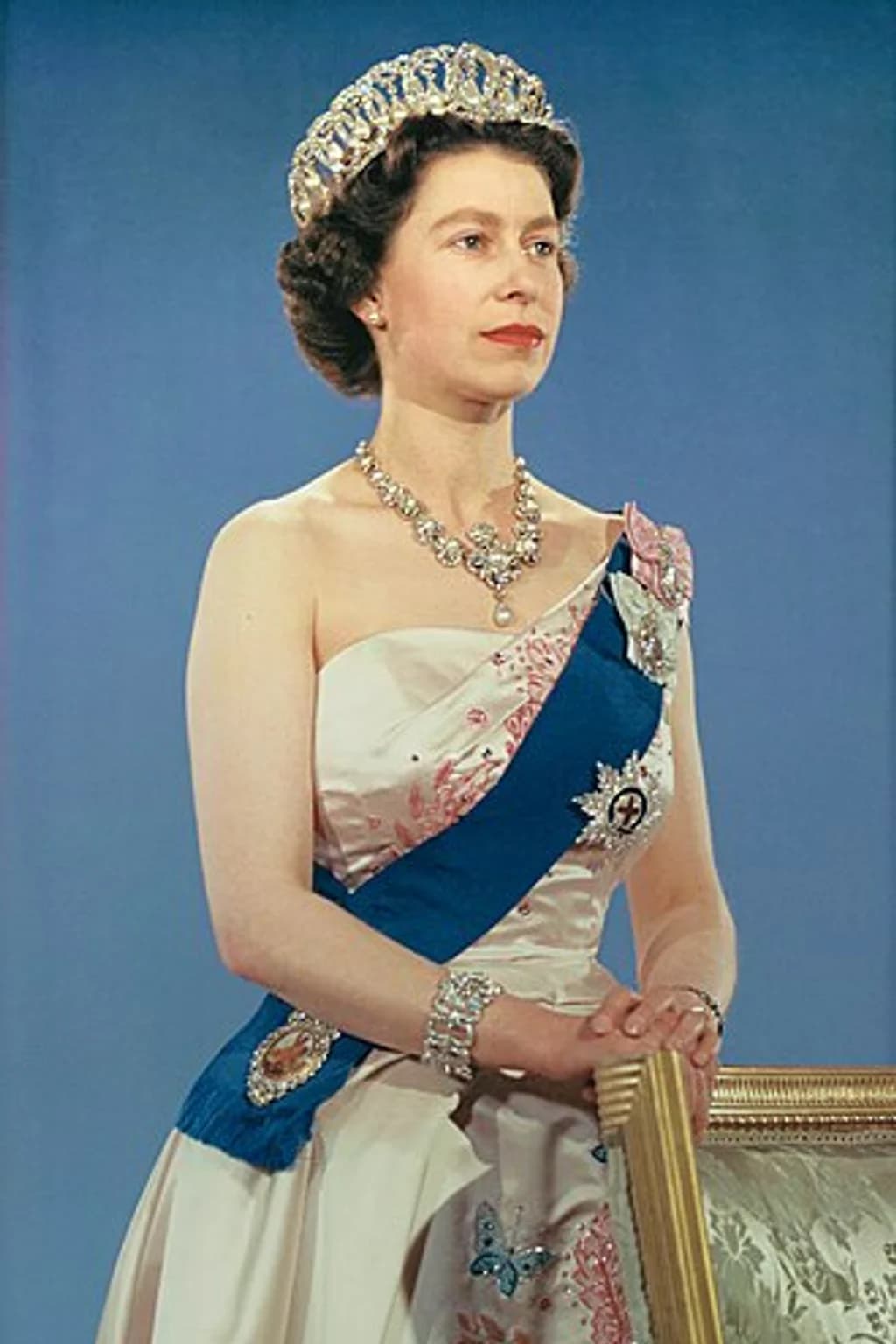
Portrait photograph of Elizabeth II
Historical photograph

A real historical or editorial image is used here. Source, licence and transformation details are publicly recorded. Image policy Attribution

Quick answer

Elizabeth II was Queen of the United Kingdom from 1952 to 2022 and Britain's longest-reigning monarch. Her 70-year reign spanned decolonisation, the Commonwealth, social change, media scrutiny, family crisis and the modernisation of constitutional monarchy.

Born
1926 CE
Died
2022 CE
Role
Queen of the United Kingdom
Years
1926-2022 CE
Facts

Elizabeth II timeline facts

Selected specifics from this profile's life story.

1926–1936
Unexpected Heir

Elizabeth was born in 1926 with no expectation of becoming queen, until Edward VIII's abdication made her father king and placed her next in line.

1952
Becoming Queen

Elizabeth became queen on 6 February 1952 after George VI's death, returning from Kenya to begin a reign that would last seventy years.

1990s
Public Challenges

The 1990s brought royal divorces, fire at Windsor Castle and the death of Diana, Princess of Wales, testing Elizabeth's reserved style against a more emotional public culture.

2022
A Lasting Presence

Elizabeth died at Balmoral on 8 September 2022, leaving Charles III an institution both strengthened by her service and challenged by a less deferential age.

Life Journey

A lifetime of duty in an evolving world

Follow the story in a more continuous narrative, with a reading mode that matches how much depth you want.

Complete chronology

1926–1936

Unexpected Heir

Elizabeth Alexandra Mary was born on 21 April 1926, the first child of the Duke and Duchess of York. Her early life was sheltered, affectionate and not designed around immediate succession. That changed in 1936 when Edward VIII abdicated to marry Wallis Simpson. Elizabeth's father became George VI, and the ten-year-old princess became heir presumptive. The abdication shaped her understanding of monarchy more deeply than any lesson book could. It showed that personal desire could threaten institutional stability, and that duty could fall suddenly on someone not raised to seek it. From that point, Elizabeth's education became more constitutional, more public and more disciplined.

1939–1945

War and Service

The war years gave Elizabeth's generation its moral vocabulary: service, restraint, endurance and shared sacrifice. The royal family stayed in Britain during the Blitz, turning visibility into a form of morale. Elizabeth made her first radio broadcast in 1940, speaking to children separated from their families, and in 1945 joined the Auxiliary Territorial Service, training as a driver and mechanic. The practical military role was limited, but symbolically powerful. She was not governing, yet she was learning what public duty felt like in a national emergency. Later in life, her style often seemed formed by that wartime world: steady, unsentimental, careful with emotion and suspicious of drama for its own sake.

1947

Marriage and Partnership

Elizabeth married Philip Mountbatten on 20 November 1947, at a moment when postwar Britain was still rationed and imperial confidence was beginning to fade. Philip brought naval experience, energy and impatience with some court habits. He also had to accept a constitutionally secondary role once Elizabeth became queen, a difficult adjustment for a man trained for command. Their marriage became a working partnership as well as a family relationship. Philip supported tours, charities and household reform, sometimes pushing modernization faster than the institution liked. The marriage gave Elizabeth private steadiness, but it also revealed a recurring truth of her reign: personal life was never merely personal when lived inside the Crown.

1952

Becoming Queen

Elizabeth was in Kenya when her father died in February 1952. At twenty-five she instantly became queen, inheriting a monarchy still wrapped in imperial ceremony but facing a world of decolonisation, Cold War pressure and domestic change. Her coronation in 1953 was televised, against some hesitation, and turned ancient ritual into a shared modern spectacle. The young queen's task was not to rule politically; it was to embody continuity while elected governments changed around her. Winston Churchill was her first prime minister, born in 1874. Liz Truss was her last, born in 1975. That span explains why Elizabeth's biography is also a timeline of modern Britain.

1950s–1970s

Global Role

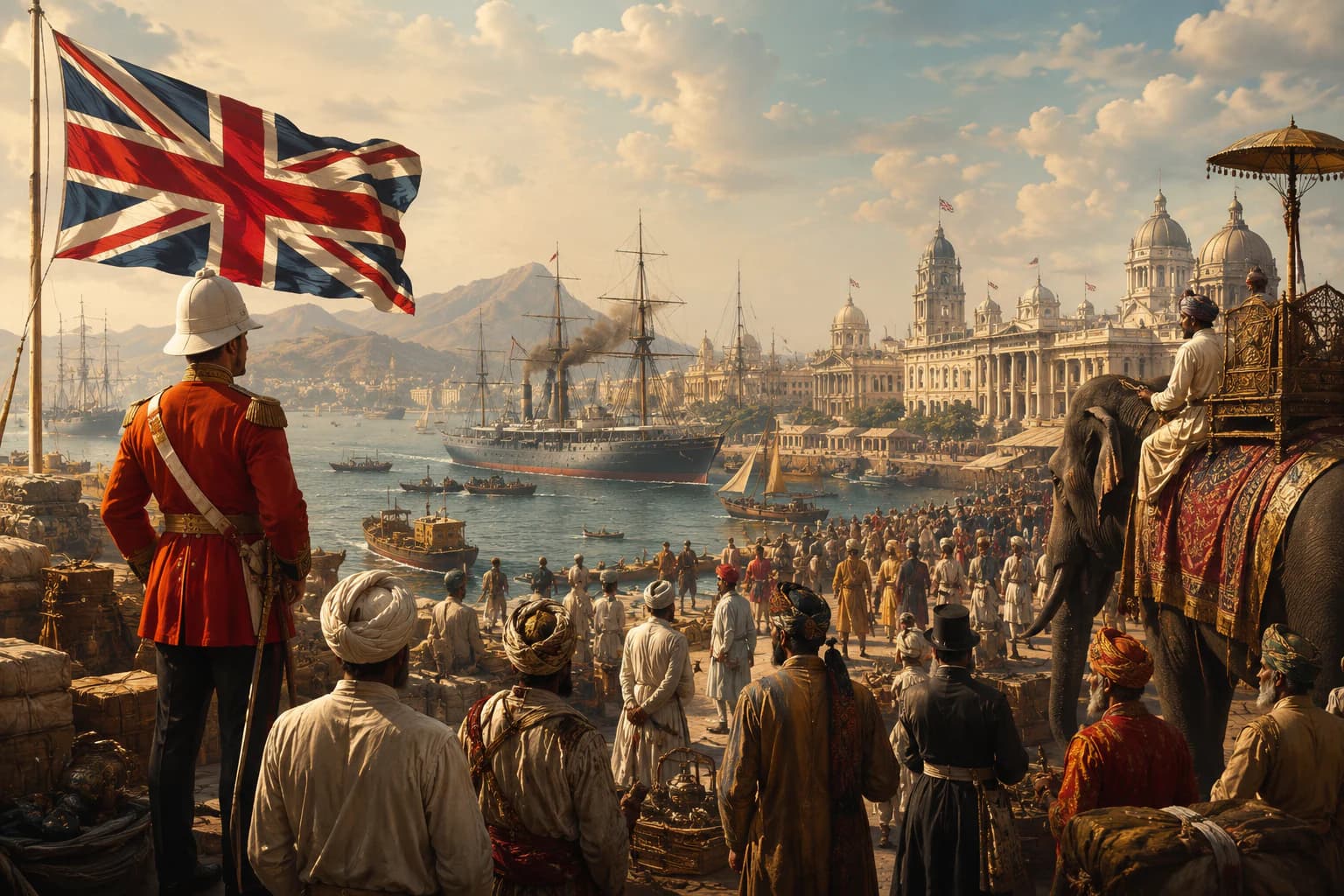
Elizabeth had been formed in an imperial world, but her reign unfolded through its dismantling. India and Pakistan were already independent before she became queen; across Africa, the Caribbean and Asia, more territories followed. The monarchy could either cling to imperial nostalgia or seek a different role. Elizabeth chose the Commonwealth as one of her central commitments. Through repeated tours, meetings and personal relationships with leaders, she helped give the association symbolic continuity even when political interests diverged. This did not erase the violence, exploitation and inequality of empire, nor did it make every Commonwealth relationship warm. But it allowed the Crown to survive a historic contraction of British power by changing the language from command to connection.

1960s–1980s

Adapting the Crown

Elizabeth's reign coincided with the transformation of public life by television. The 1953 coronation created a national viewing experience; later broadcasts, Christmas messages and carefully managed documentaries brought the royal family into living rooms. The monarchy became less remote, but exposure carried risk. The 1969 documentary Royal Family attracted huge audiences yet later seemed to have surrendered too much mystique. Elizabeth's instinct was controlled adaptation: enough access to remain relevant, not enough to become ordinary celebrity. The walkabout, the televised ceremony and the international tour all made monarchy more public-facing. Yet she rarely confused visibility with emotional self-disclosure. That restraint became both her strength and, in moments of crisis, her weakness.

1990s

Public Challenges

The monarchy's hardest modern decade came in the 1990s. The marriages of Charles and Diana, Andrew and Sarah, and Anne and Mark Phillips broke down under intense media scrutiny. In 1992, the year Elizabeth called her annus horribilis, Windsor Castle burned and public debate over royal taxation sharpened. The death of Diana in 1997 created the most serious public-relations crisis of the reign. Elizabeth's first response was familial and private: protecting her grandsons at Balmoral. Much of the public wanted visible mourning from the sovereign. Her eventual broadcast and return to London helped steady the moment, but the crisis forced the palace to understand that constitutional dignity no longer worked without emotional intelligence.

2000s–2015

Record Reign

As Elizabeth aged, the meaning of her reign changed. She was no longer simply a monarch performing inherited duties; she became a living link across generations. The Golden, Diamond and Platinum Jubilees turned duration into public ritual. In 2015 she surpassed Queen Victoria as Britain's longest-reigning monarch. Her authority rested less on intervention than on repetition: weekly audiences, state openings, remembrance ceremonies, tours, messages, small gestures of continuity. This steadiness could look old-fashioned, but it also gave the monarchy a rare asset in a restless media age. People who disagreed about politics could still recognize the same figure standing above party conflict.

2022

A Lasting Presence

Elizabeth II died on 8 September 2022 after seventy years on the throne. Her death produced an immediate sense of historical closure because her reign had outlasted most political careers, cultural fashions and personal memories. Her legacy rests on constitutional discipline. She did not govern policy, but she preserved the habits of nonpartisan monarchy through decolonisation, European integration and withdrawal, social liberalisation, terrorism, war, pandemic and family turmoil. Criticism remains part of the record: monarchy under Elizabeth still carried questions about privilege, empire, wealth and relevance. Yet her personal achievement was considerable. She made duty feel less like a slogan than a daily practice. The challenge for her successors is that no one else can inherit the accumulated trust created by seventy years of showing up.

Continue in context

Connected stories

Move from the profile into the wider events and settings this figure belongs to.

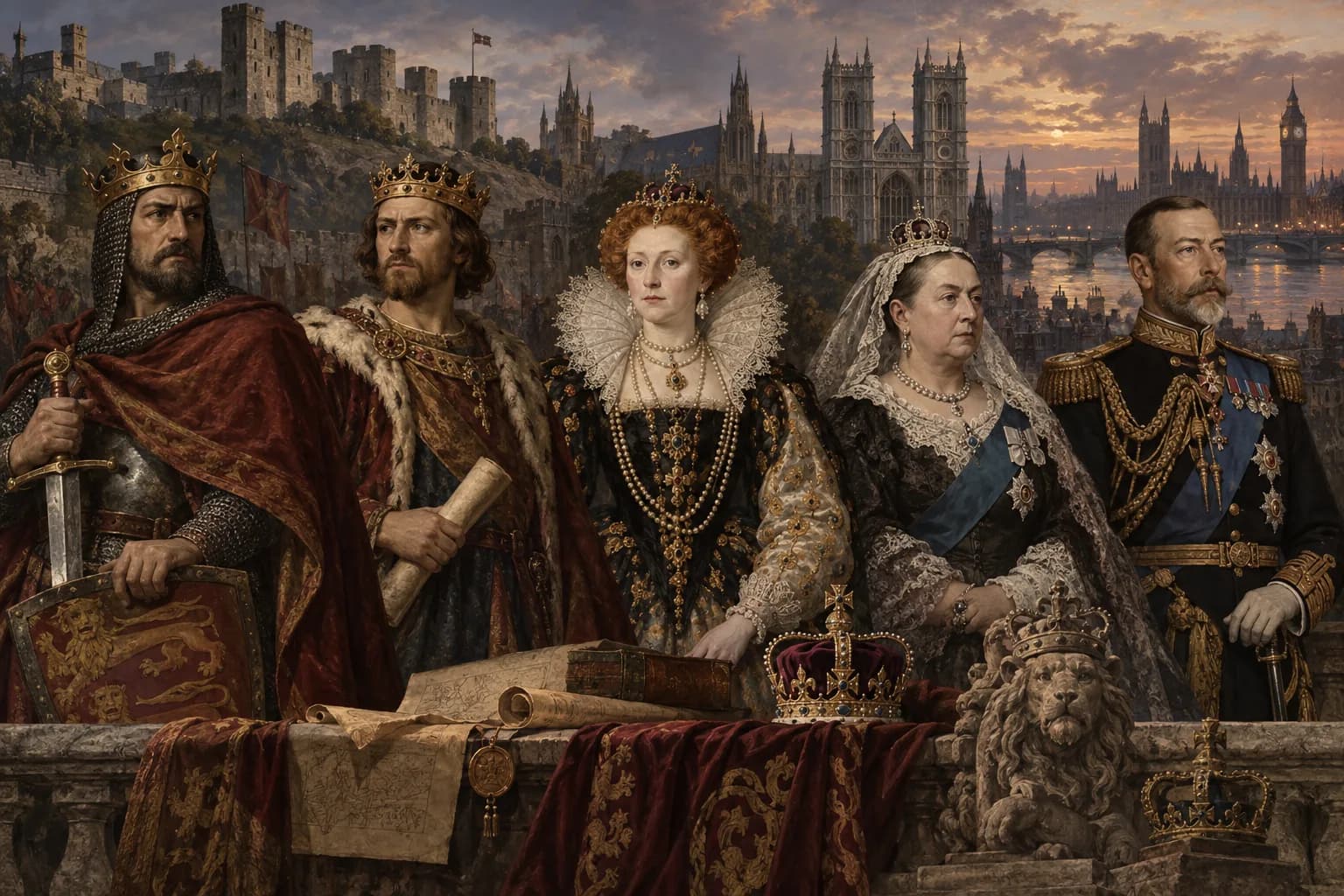
British Monarchs lineage
Lineage42 rulers
British Monarchs
1066 CE–present

Trace the English and later British monarchy from William I to today.

View lineage
Tertiary paths

Content note

This profile is written for educational use and connects to related Stories of History pages. The main portrait uses a real historical or editorial image, with source and licence details recorded for attribution review. Image policy Image attribution

References

Sources & Further Reading

Reliable reference works, archives and reading paths connected to this profile.

Further reading

  1. Encyclopaedia Britannica, Search results for Elizabeth II,” accessed June 2026.Open source
  2. WorldCat, Books and library holdings for Elizabeth II,” accessed June 2026.Open source

Primary sources

  1. Library of Congress, Search results for Elizabeth II,” accessed June 2026.Open source

Reviewed claim sources

Loading reviewed claim sources...

A weekly route through history

Find out first about the latest published stories, feature notes and occasional Premium offers in one weekly email.