Context
Introduction
Overview
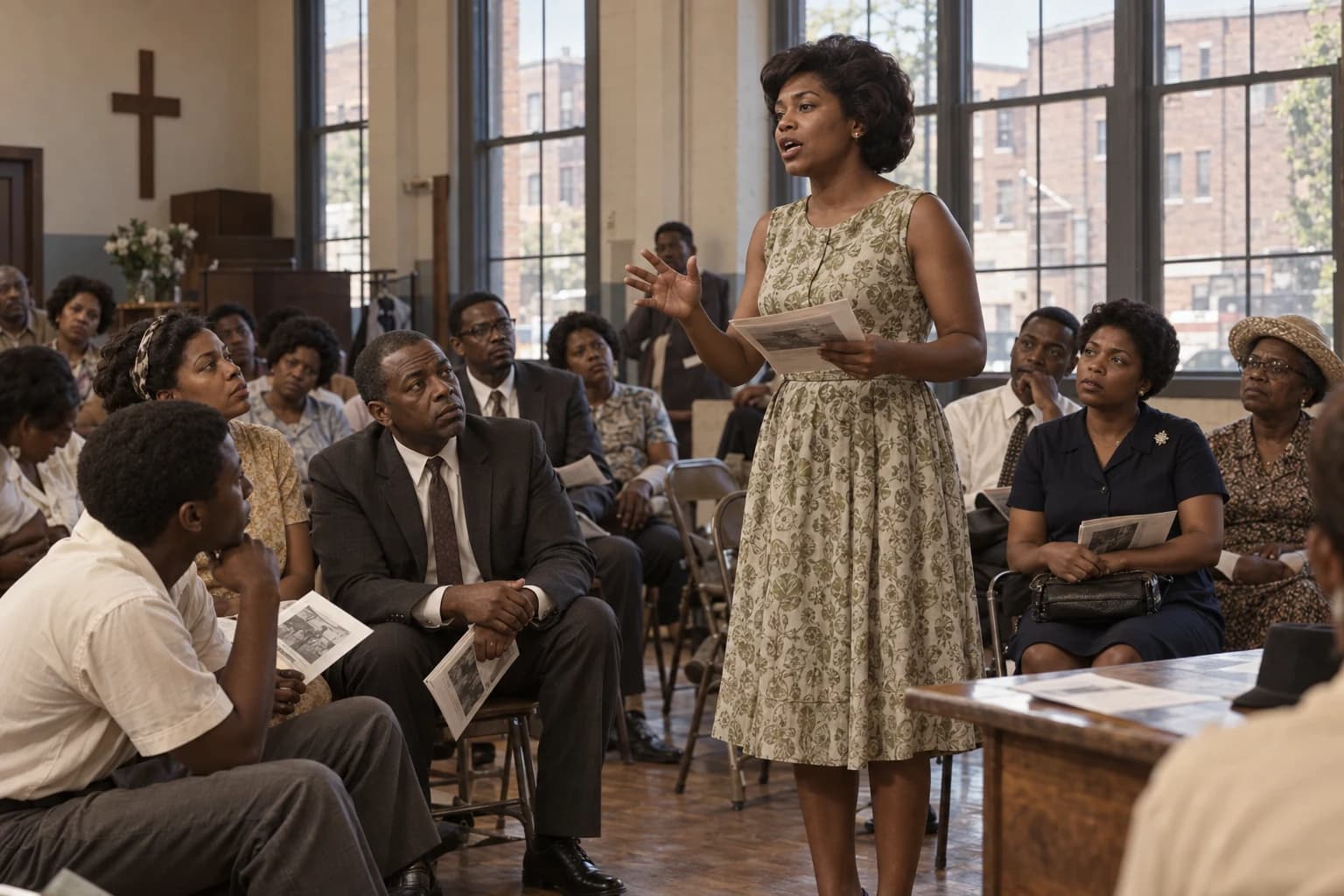
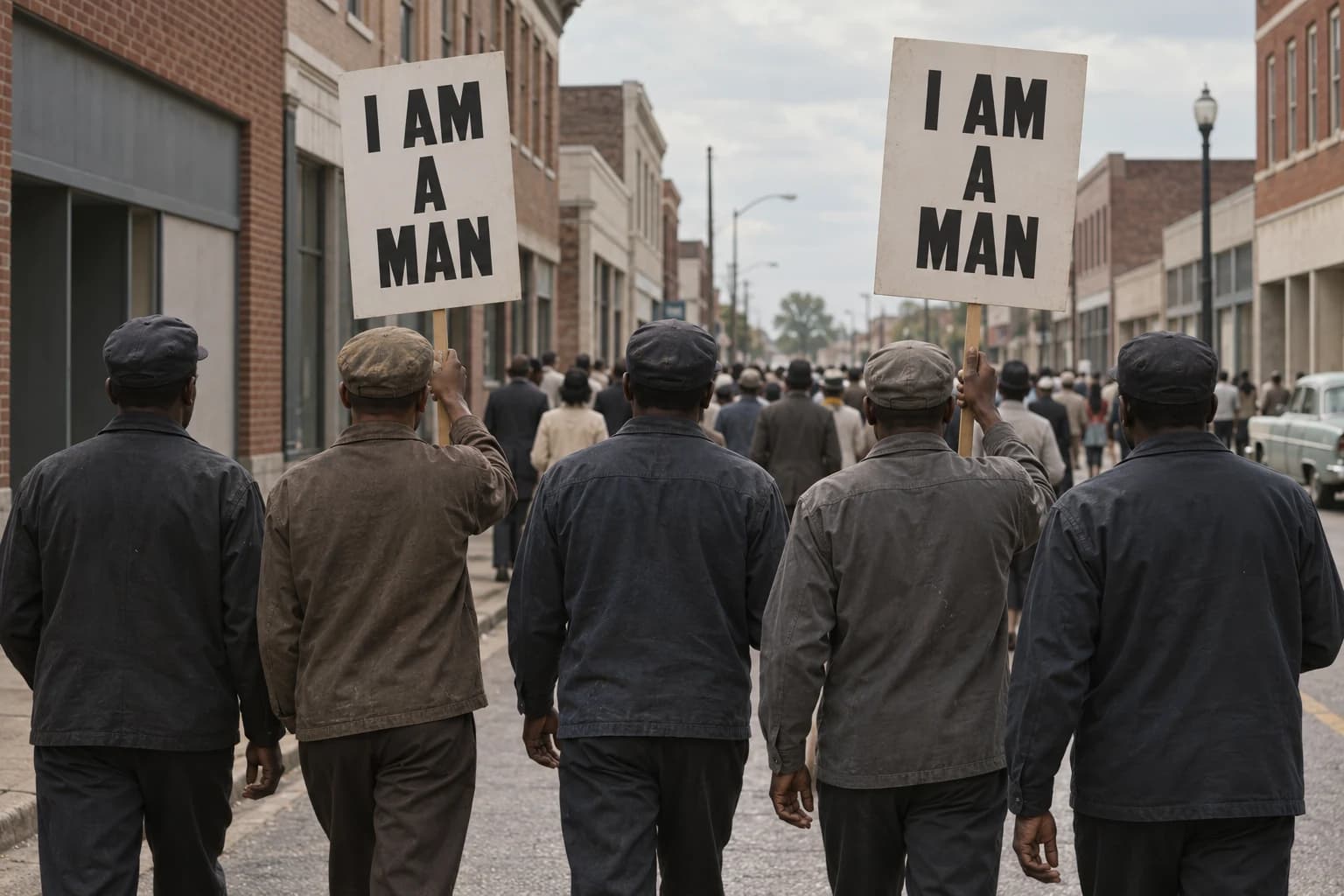
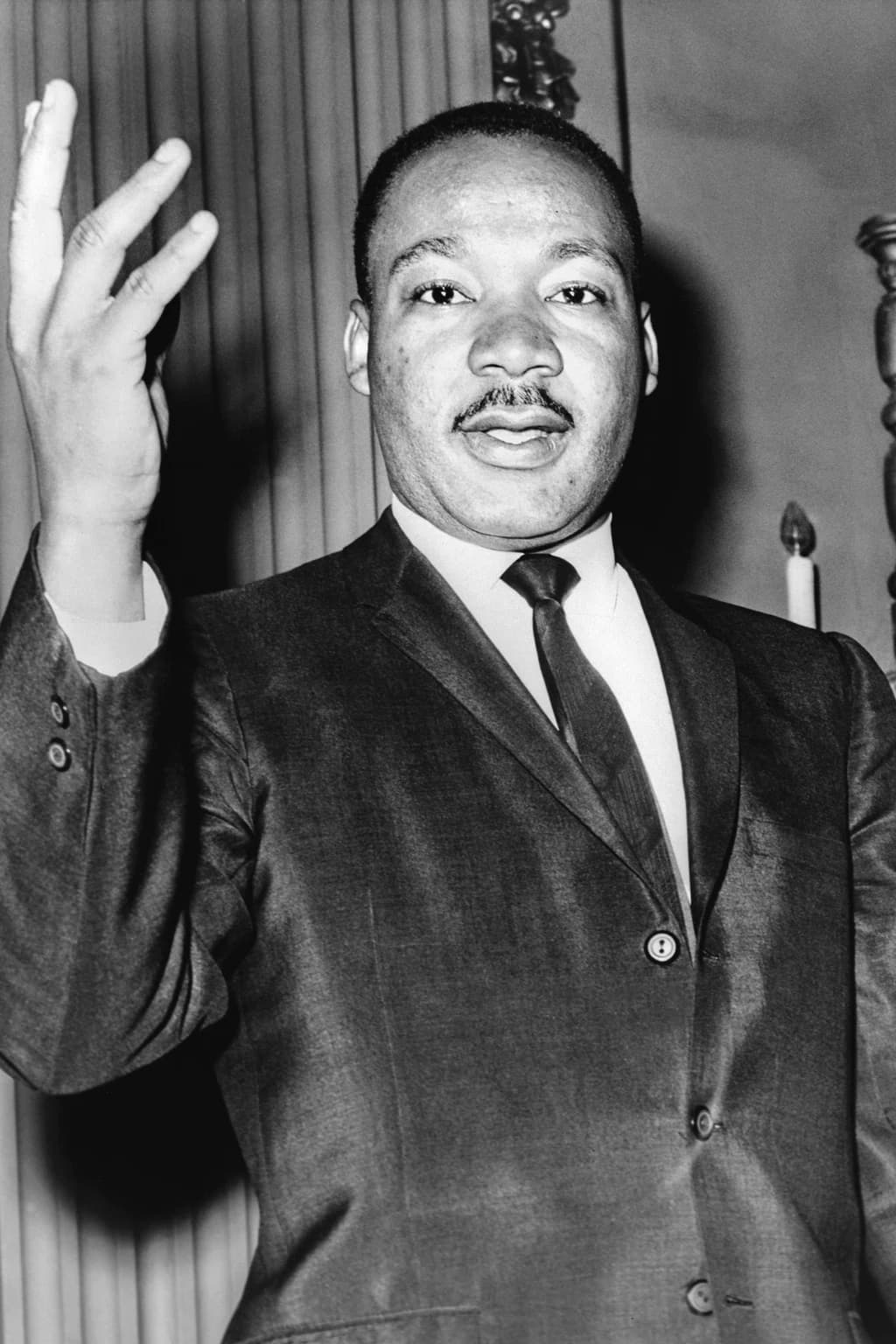
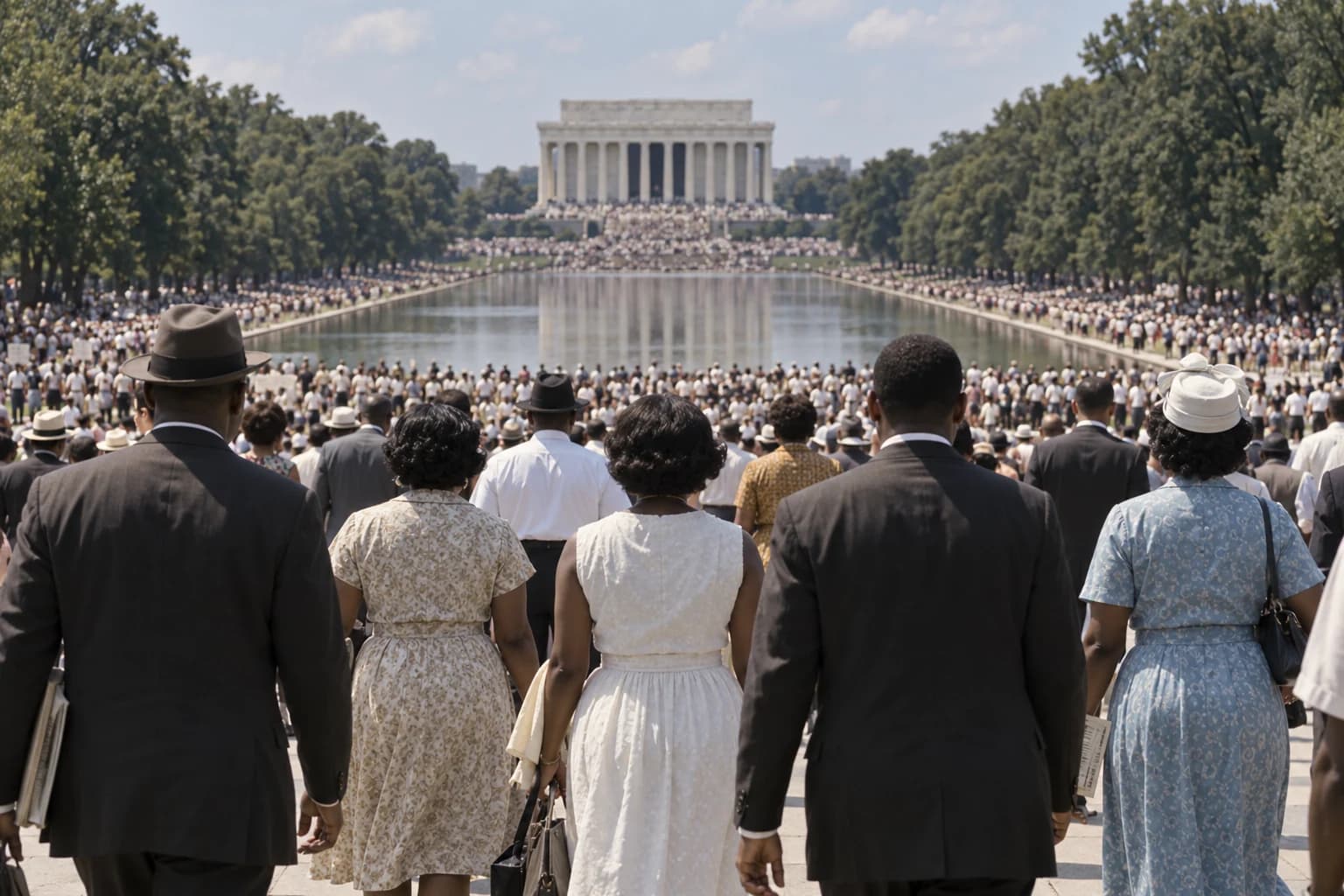
The American Civil Rights Movement challenged racial segregation and the denial of equal citizenship. From 1954 to 1968, court cases, local organising and mass protest helped win major civil rights and voting rights laws while exposing the continuing struggle over jobs, housing and political power.
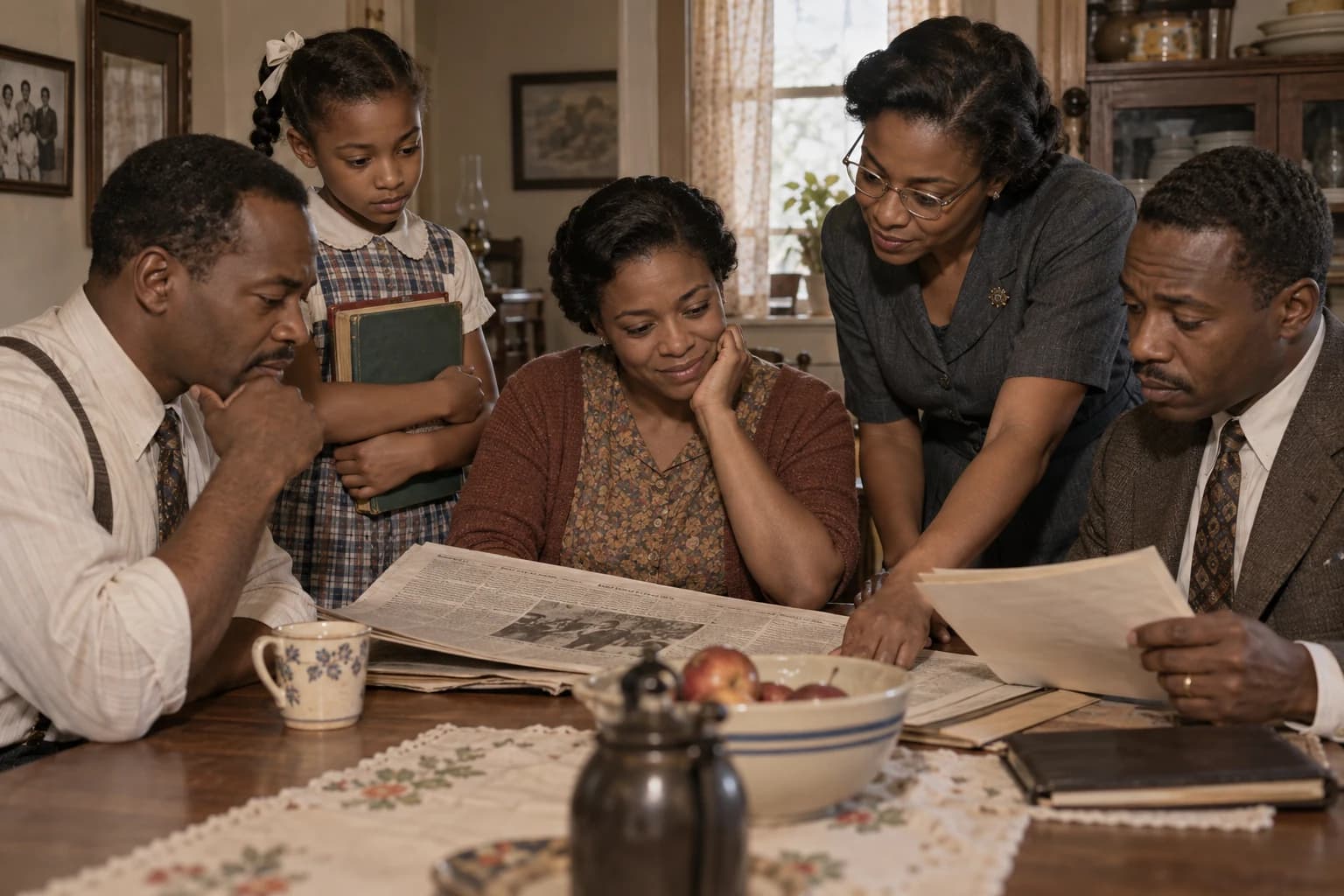
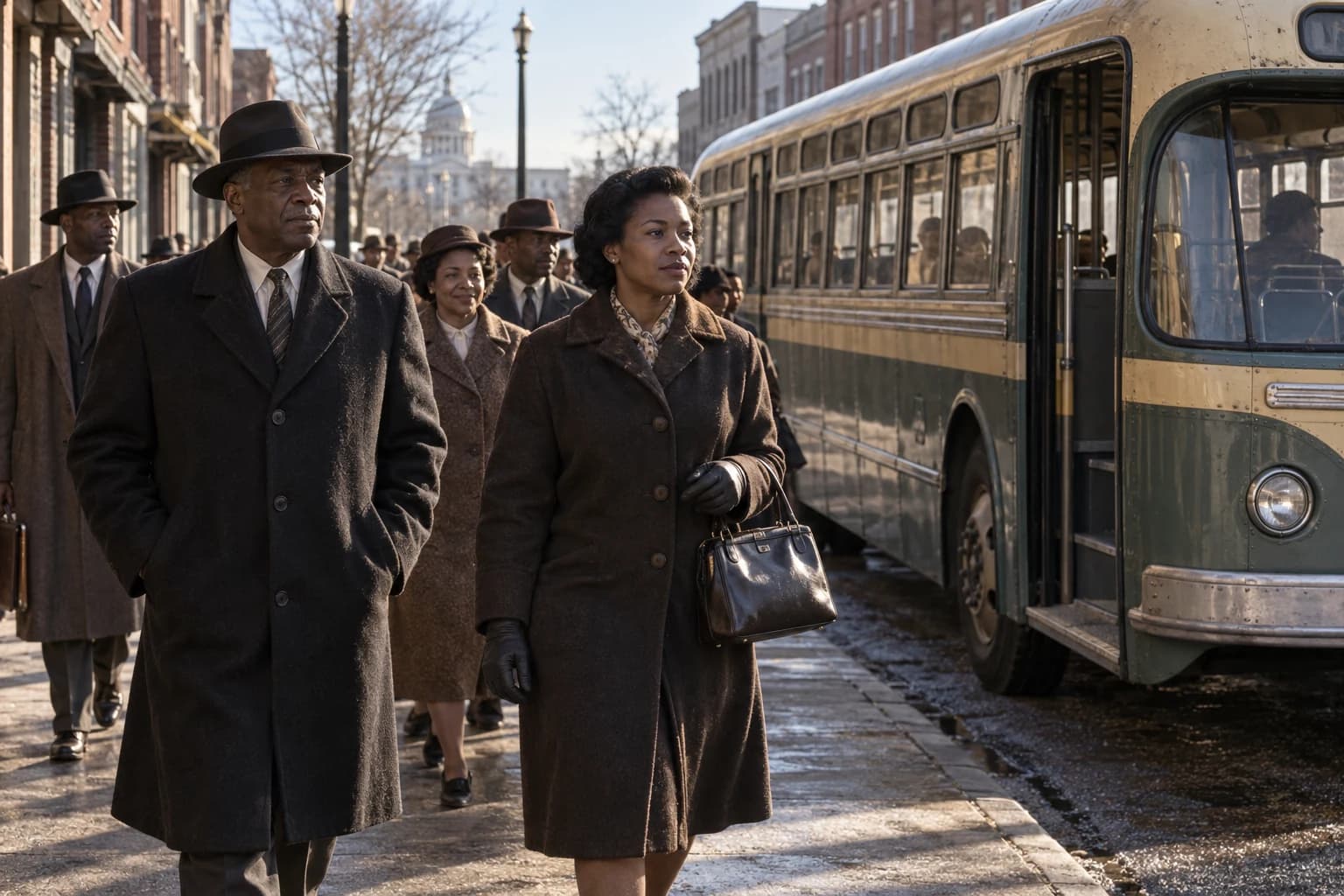
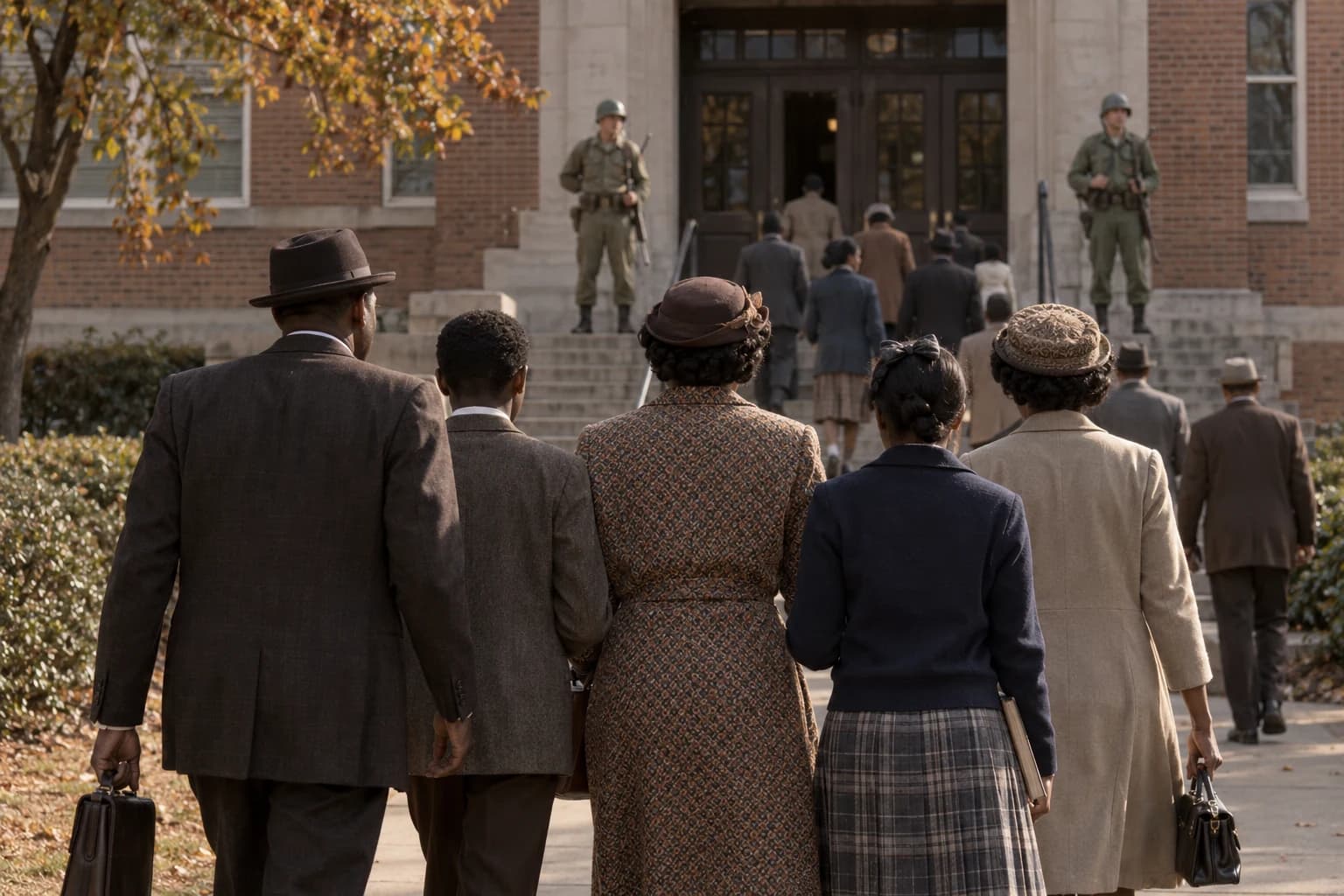
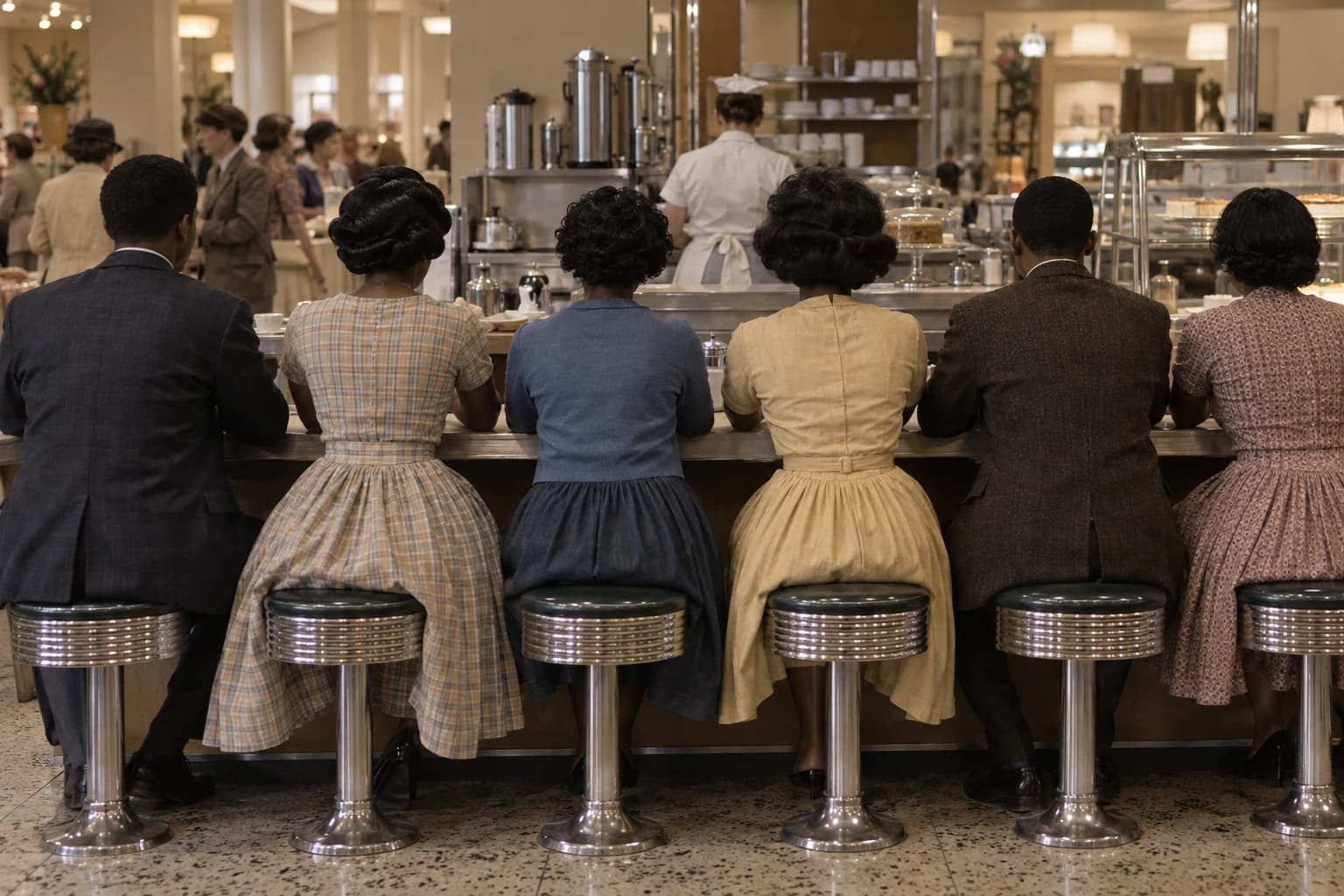
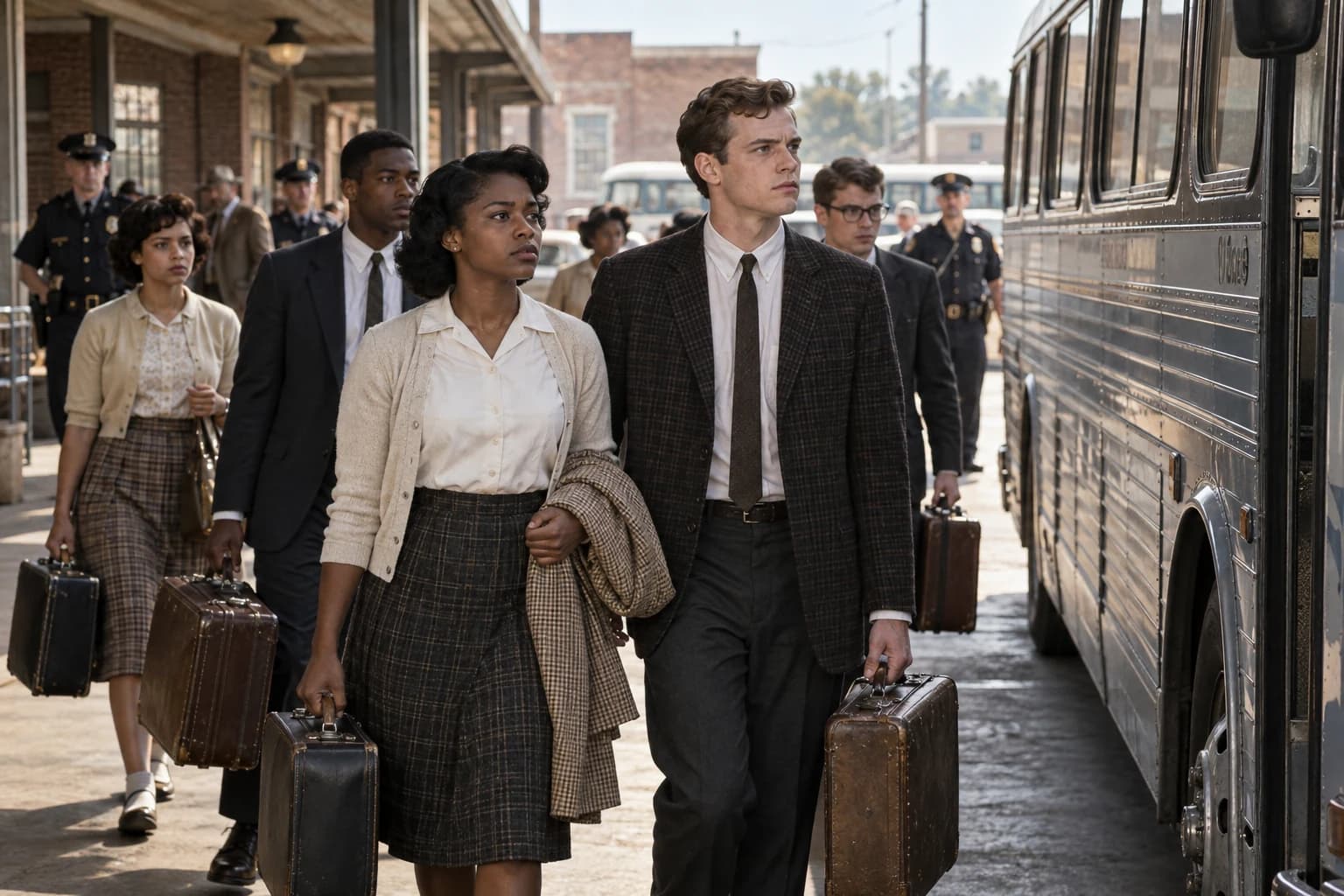
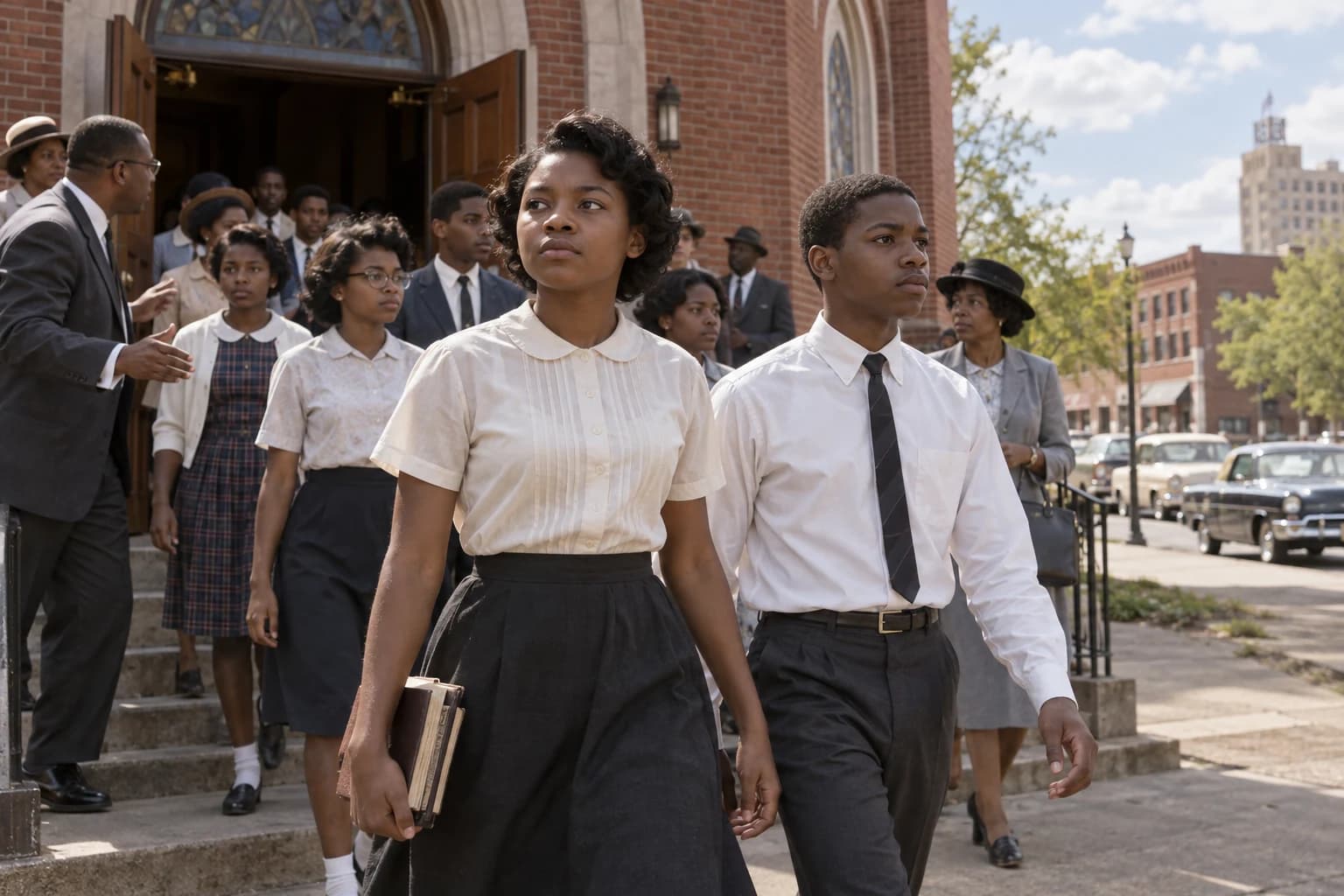
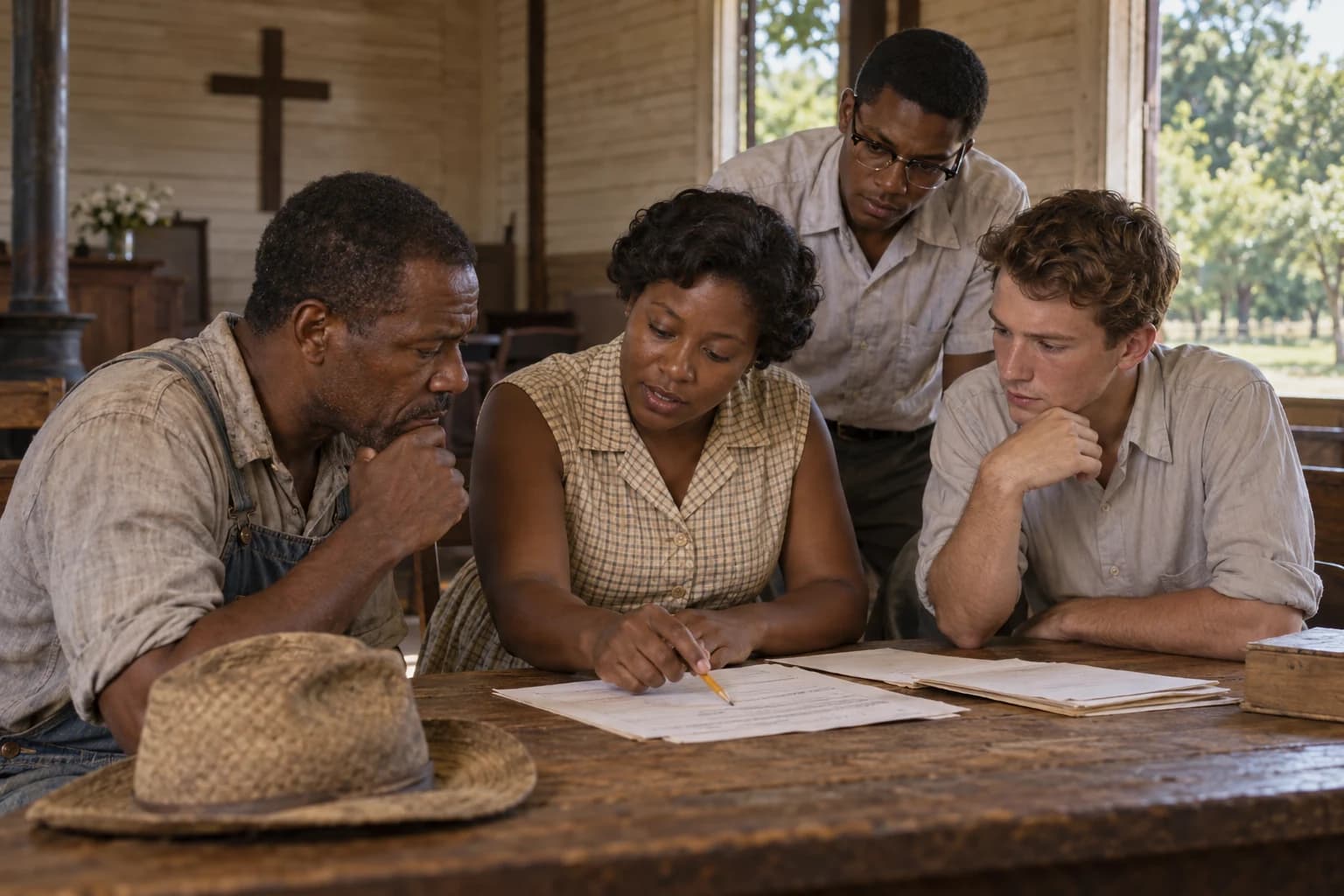
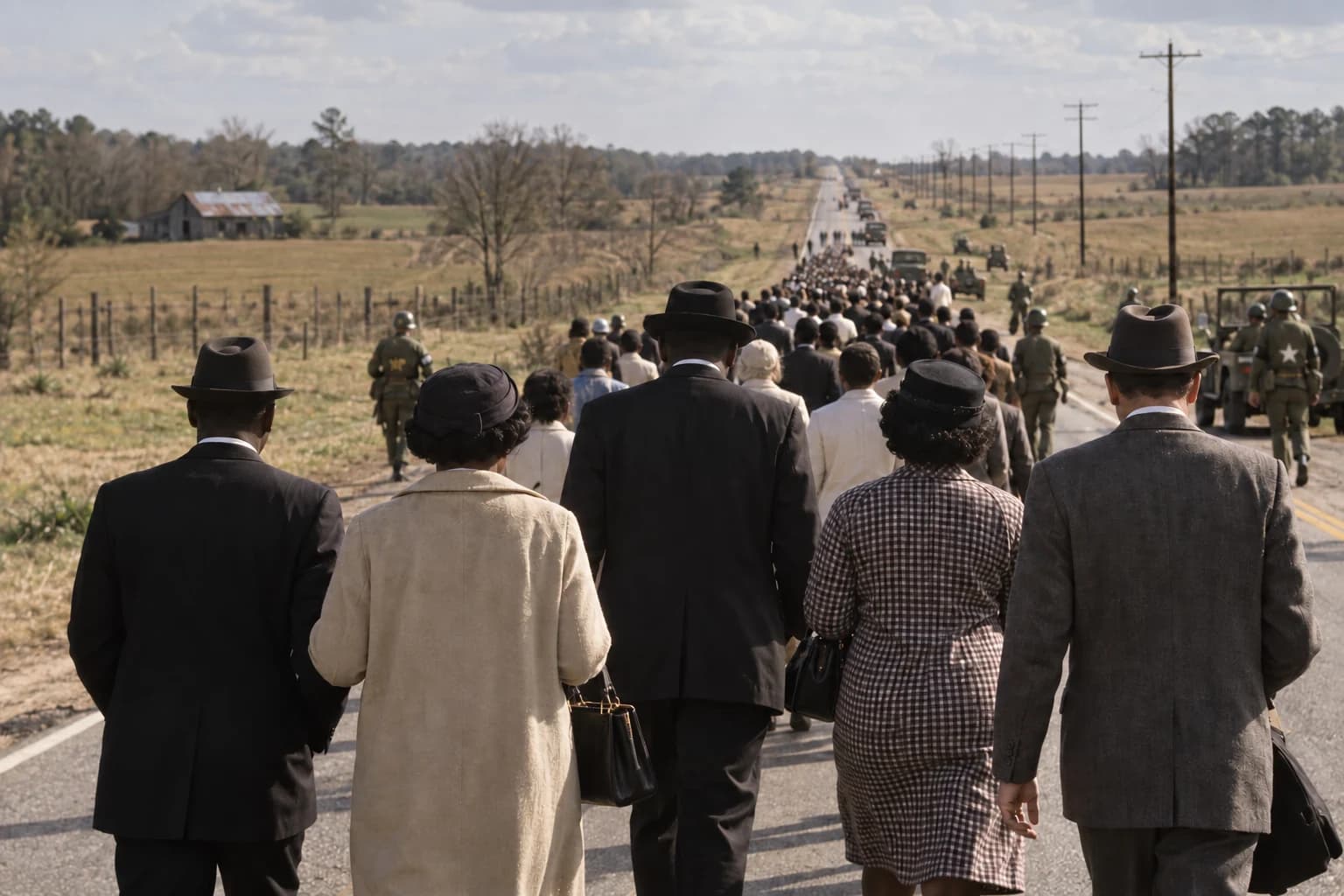
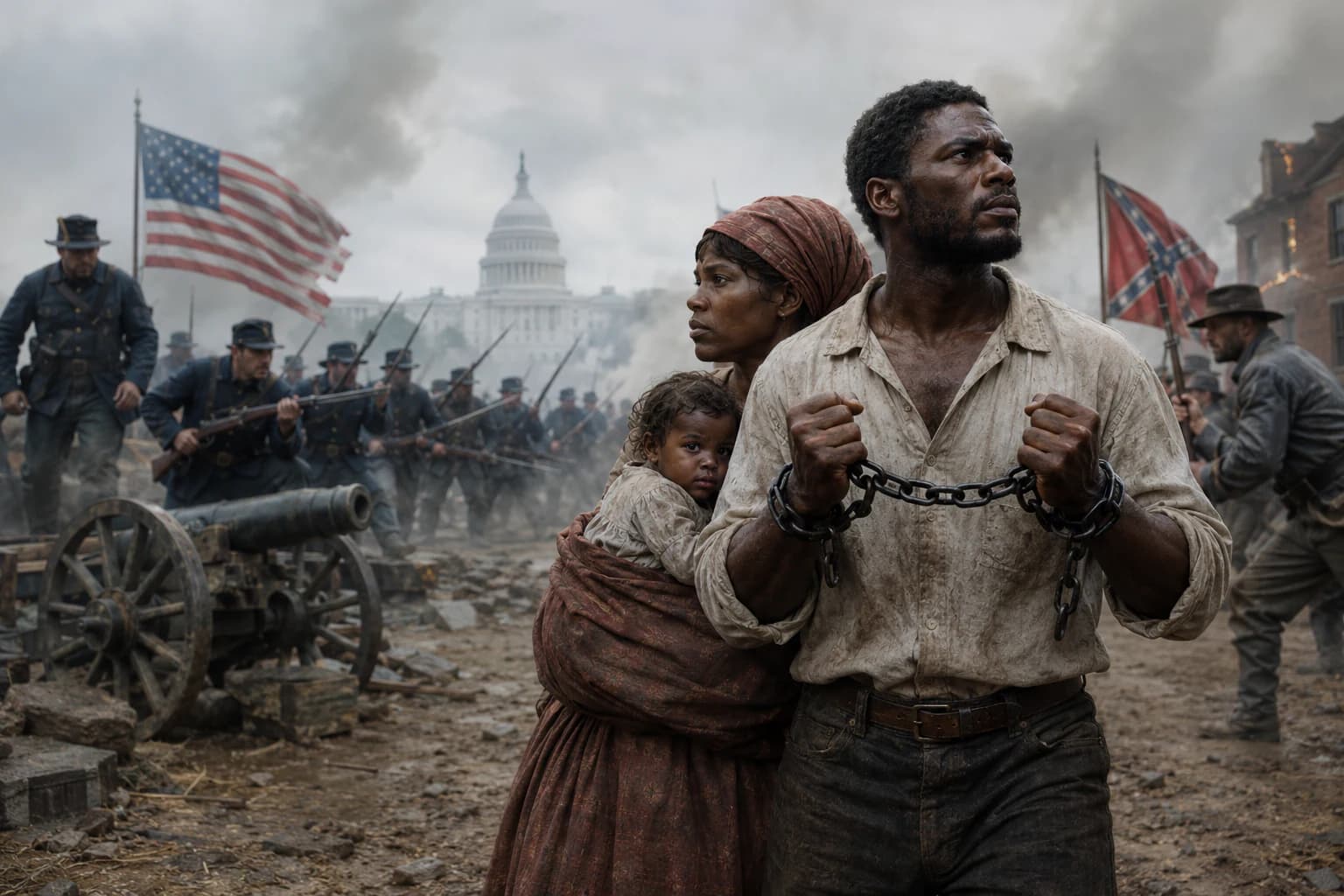
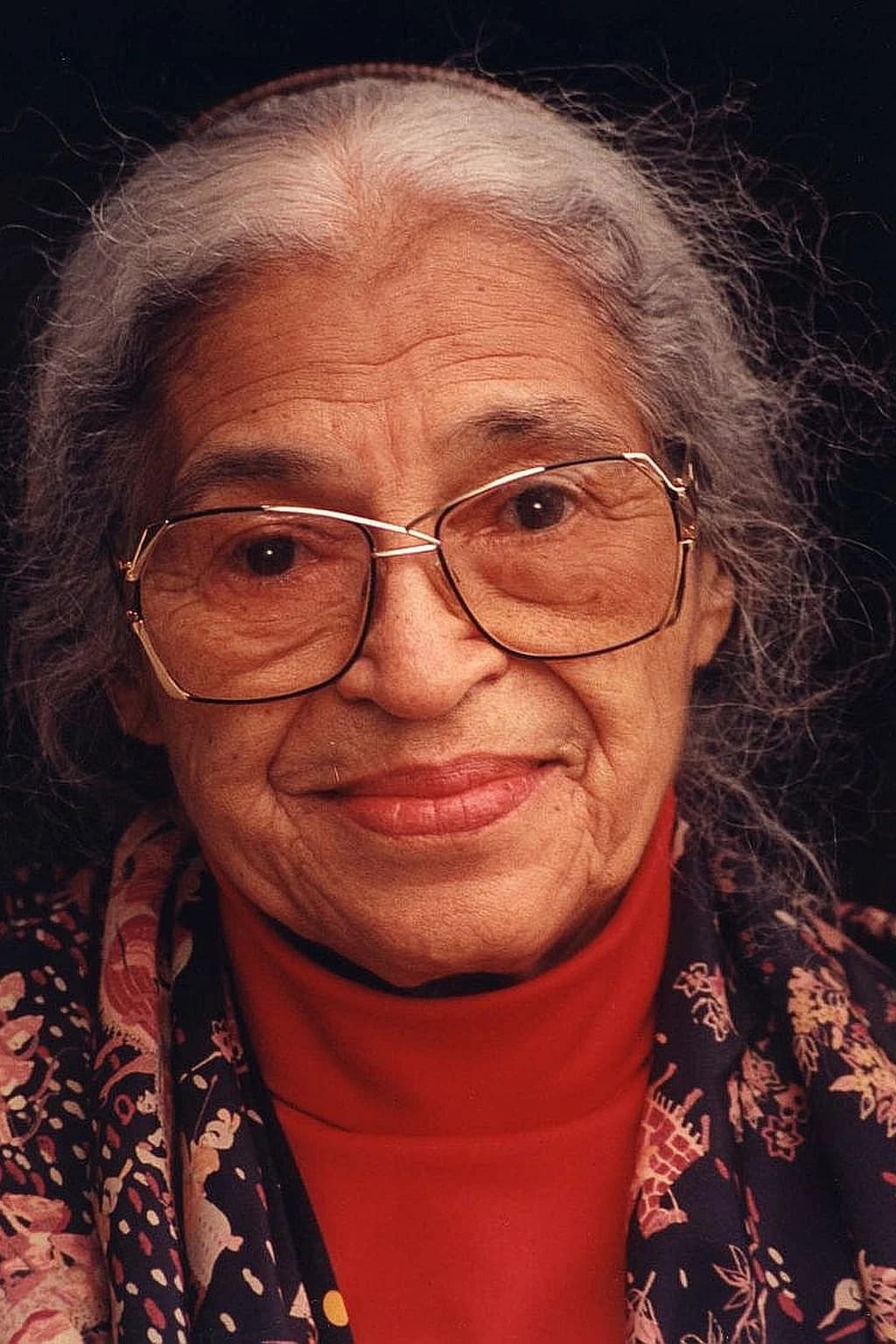
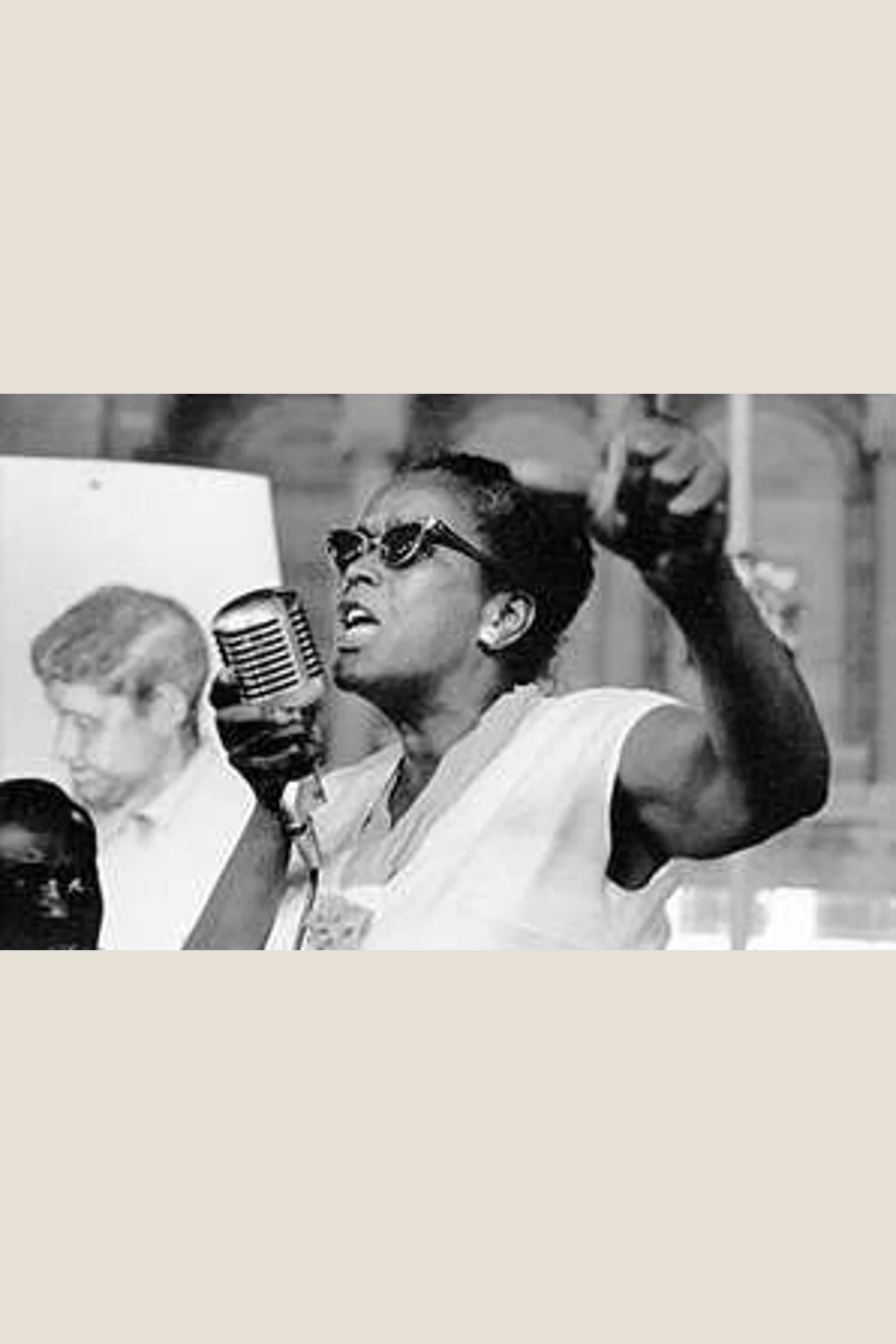
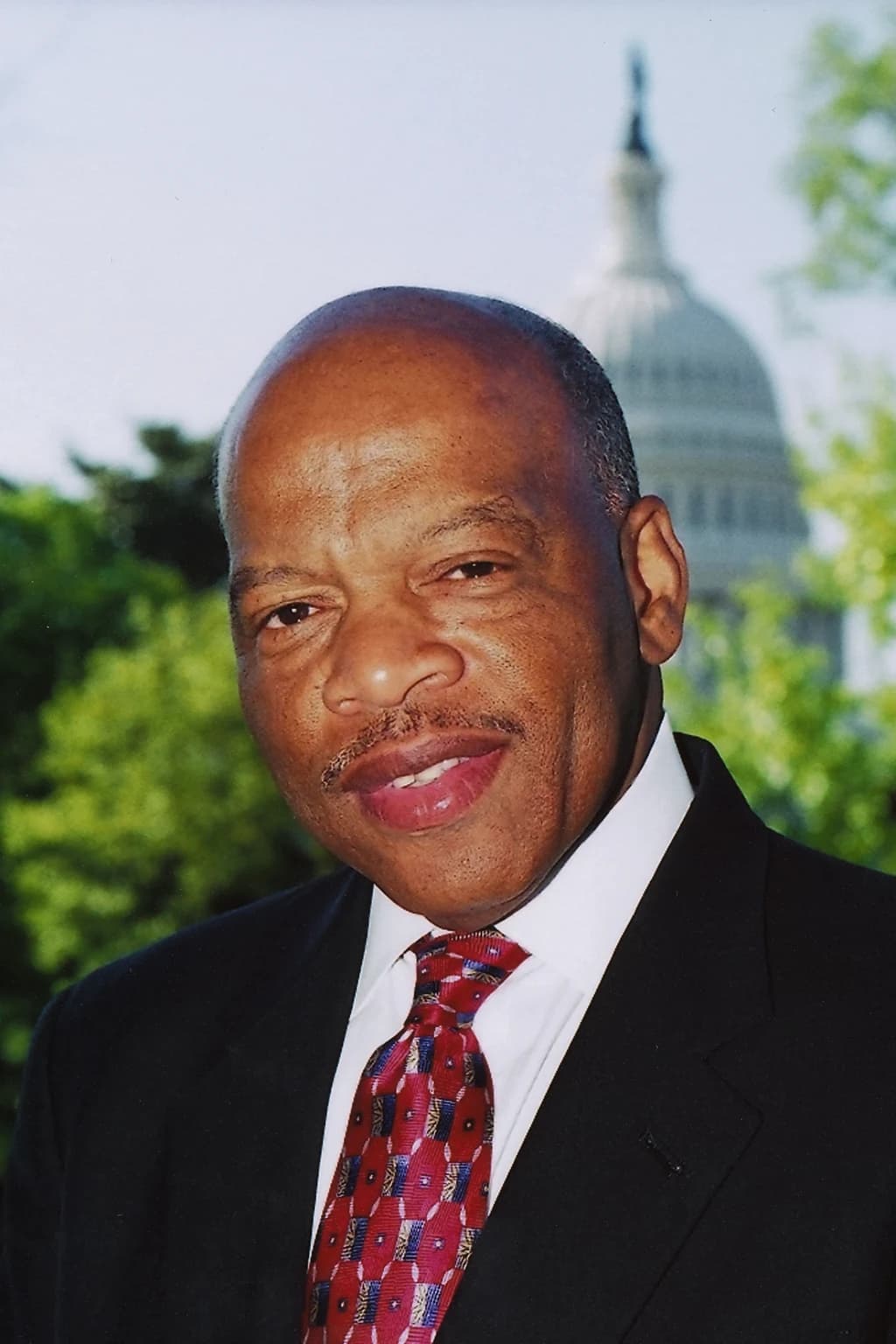
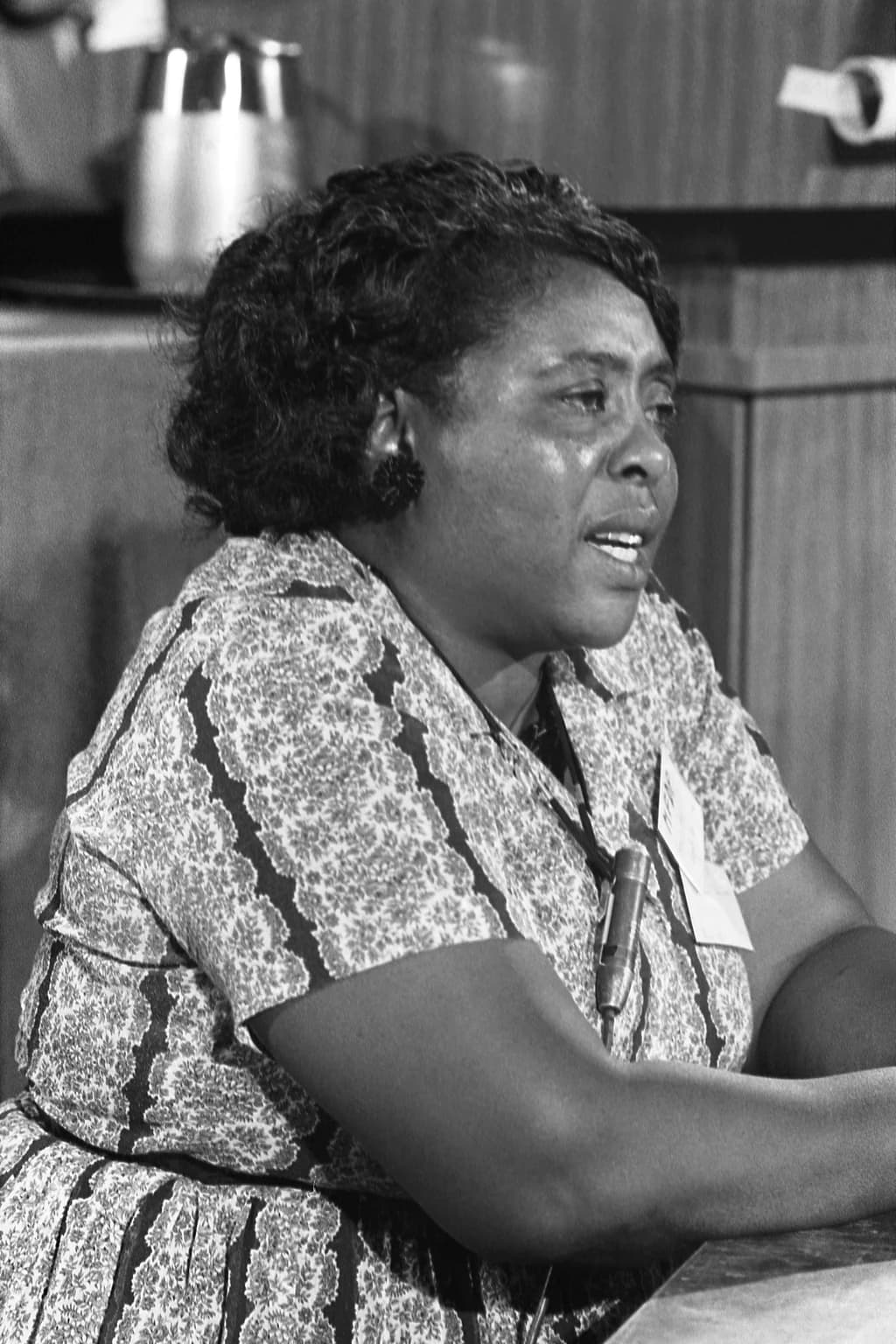
What you'll learn: Follow how ordinary people built a movement, forced federal action and widened the meaning of equal citizenship. All story images are AI-generated historical reconstructions with representative participants, not archival photographs or portraits of named people.
Key forces
- The modern campaigns grew from generations of Black resistance and community organising.
- Court cases and mass protest reinforced each other but required continuing enforcement.
- Women, students, workers and local communities were essential to the movement.
- The 1964 Civil Rights Act and 1965 Voting Rights Act changed federal responsibility for equality.