1912–1940s
A politics shaped by conscience
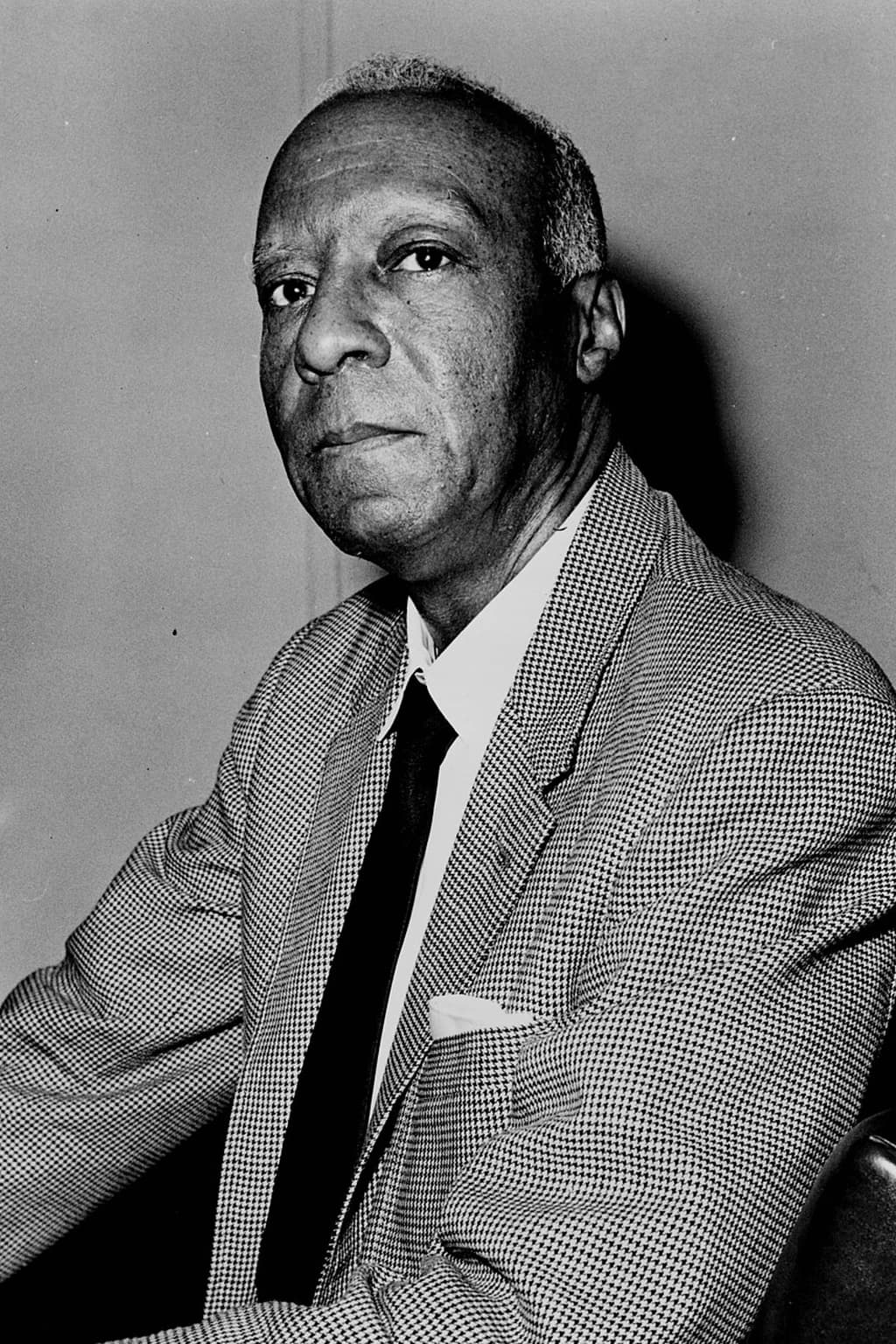
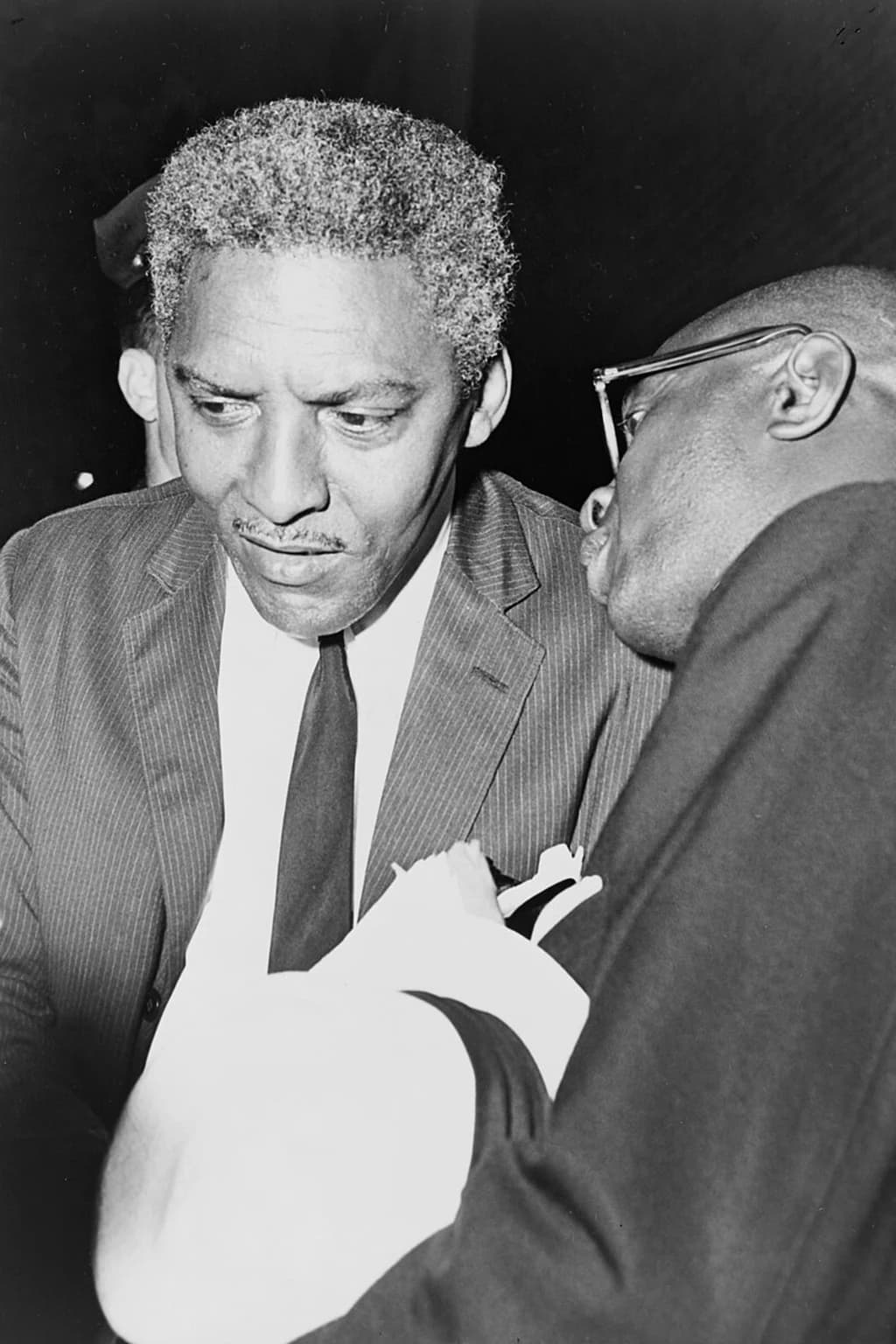
Born in West Chester in 1912, Rustin grew up in a family connected with civil rights activism. Quaker influences helped shape his opposition to war. Moving into activist networks in New York widened his political experience and brought him into contact with A. Philip Randolph. His convictions carried personal costs, including imprisonment for refusing military service during the Second World War. For Rustin, conscience required organised public action as well as private belief.