← People

A. Philip Randolph

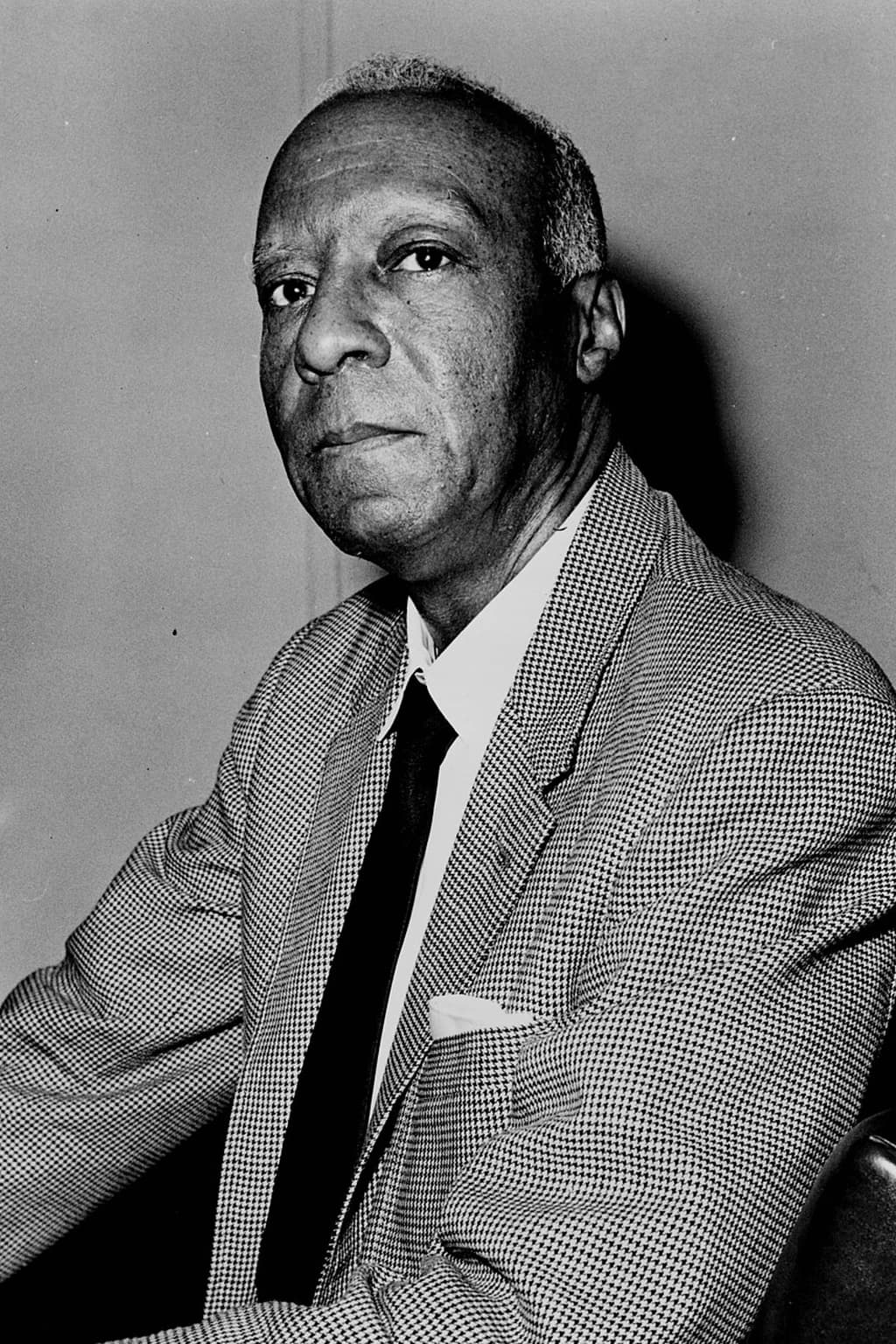
A. Philip Randolph was a labour organiser and civil rights leader. He organised sleeping-car porters, used the threat of mass protest to challenge discrimination and helped bring the March on Washington’s demand for jobs and freedom to life.

Born
1889 CE
Died
1979 CE
Role
Labour organiser and civil rights leader
Full name
Asa Philip Randolph
Also known as
A Philip Randolph

Labour organiser and civil rights leader (1889–1979)

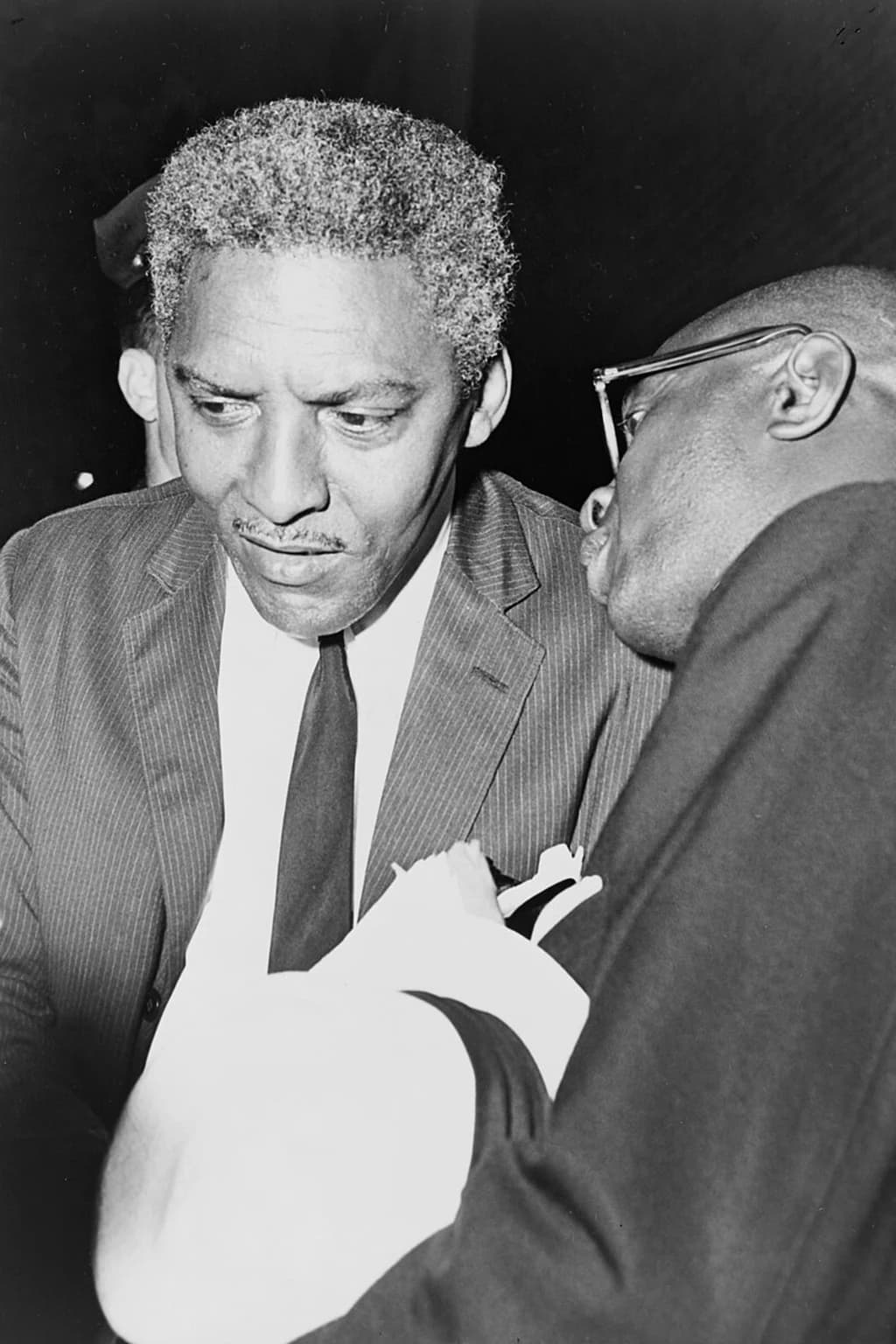
A. Philip Randolph in a 1963 photograph by John Bottega.
Historical photograph

A real historical or editorial image is used here. Source, licence and transformation details are publicly recorded. Image policy Attribution

Life Journey

Joining jobs with freedom

Follow Randolph from organising railway workers to wartime protest and the March on Washington for Jobs and Freedom.

Complete chronology

1889–1920s

Finding a public voice

Asa Philip Randolph was born in Florida in 1889 and moved to New York in 1911. In Harlem he entered debates about labour, race and political change. Journalism offered a platform, including The Messenger, which he founded with Chandler Owen. Randolph argued that racial equality also required workers able to bargain collectively. His later civil rights strategy grew from this connection between citizenship and the power people could exercise in their working lives.
1925–1937

The porters organise

Sleeping-car porters served railway passengers while facing demanding hours, low pay and racial discrimination. Randolph became leader of their union in 1925. Organising against the Pullman Company required years of persistence and carried risks for workers who joined. The union secured a collective bargaining agreement in 1937. Its achievement gave Black workers an important organisation of their own and showed how economic pressure could challenge a powerful employer.

1941–1948

A march that changed policy before it happened

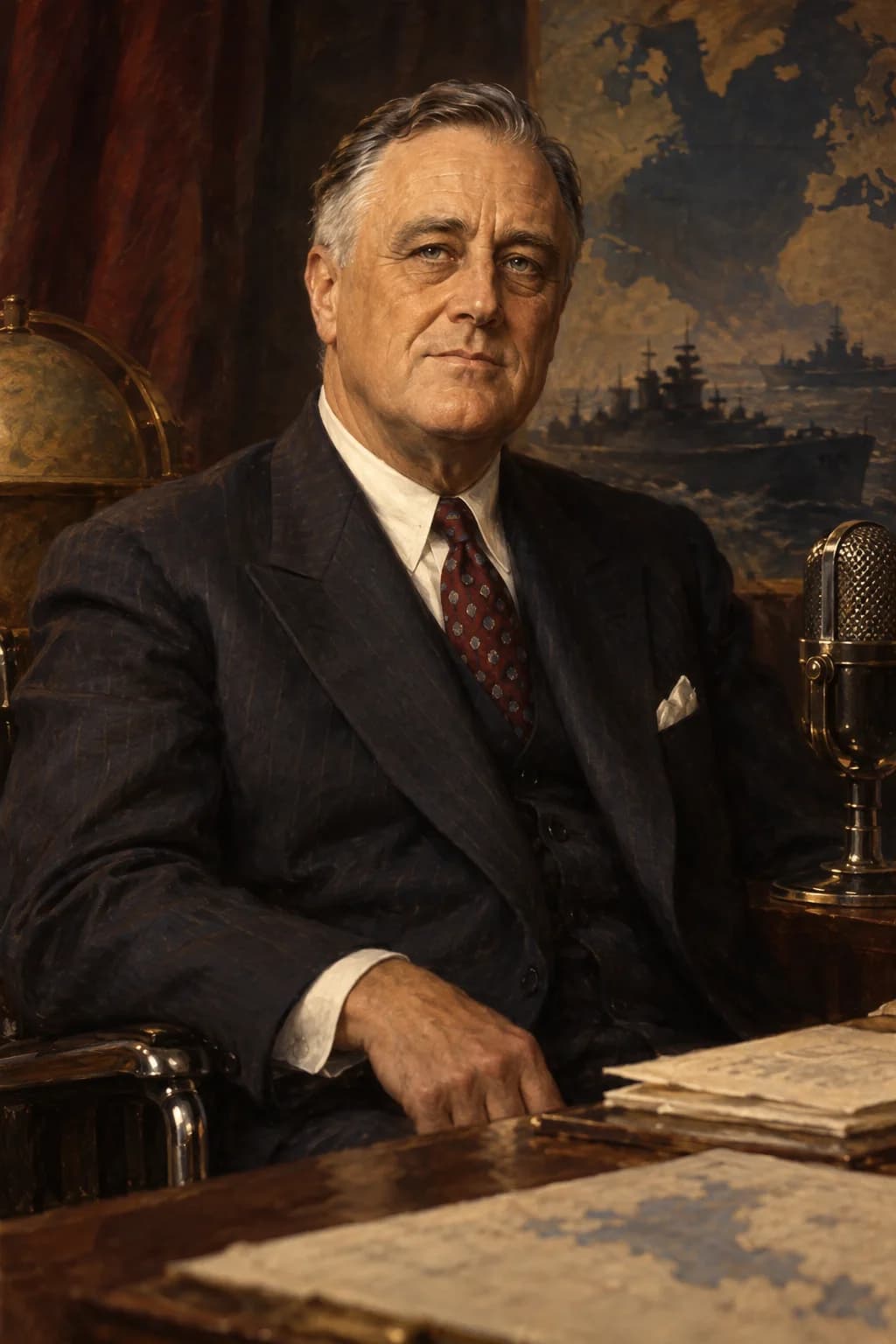
Wartime mobilisation created jobs while leaving many Black workers excluded. Randolph’s threat of a mass march helped pressure Franklin D. Roosevelt to issue Executive Order 8802 in 1941, banning discrimination in defence industries and creating an enforcement committee. Randolph called off the march but kept organising. Later pressure for military desegregation formed part of the setting for Harry Truman’s Executive Order 9981 in 1948. Federal promises still required continued scrutiny and enforcement.

1963

The march finally reaches Washington

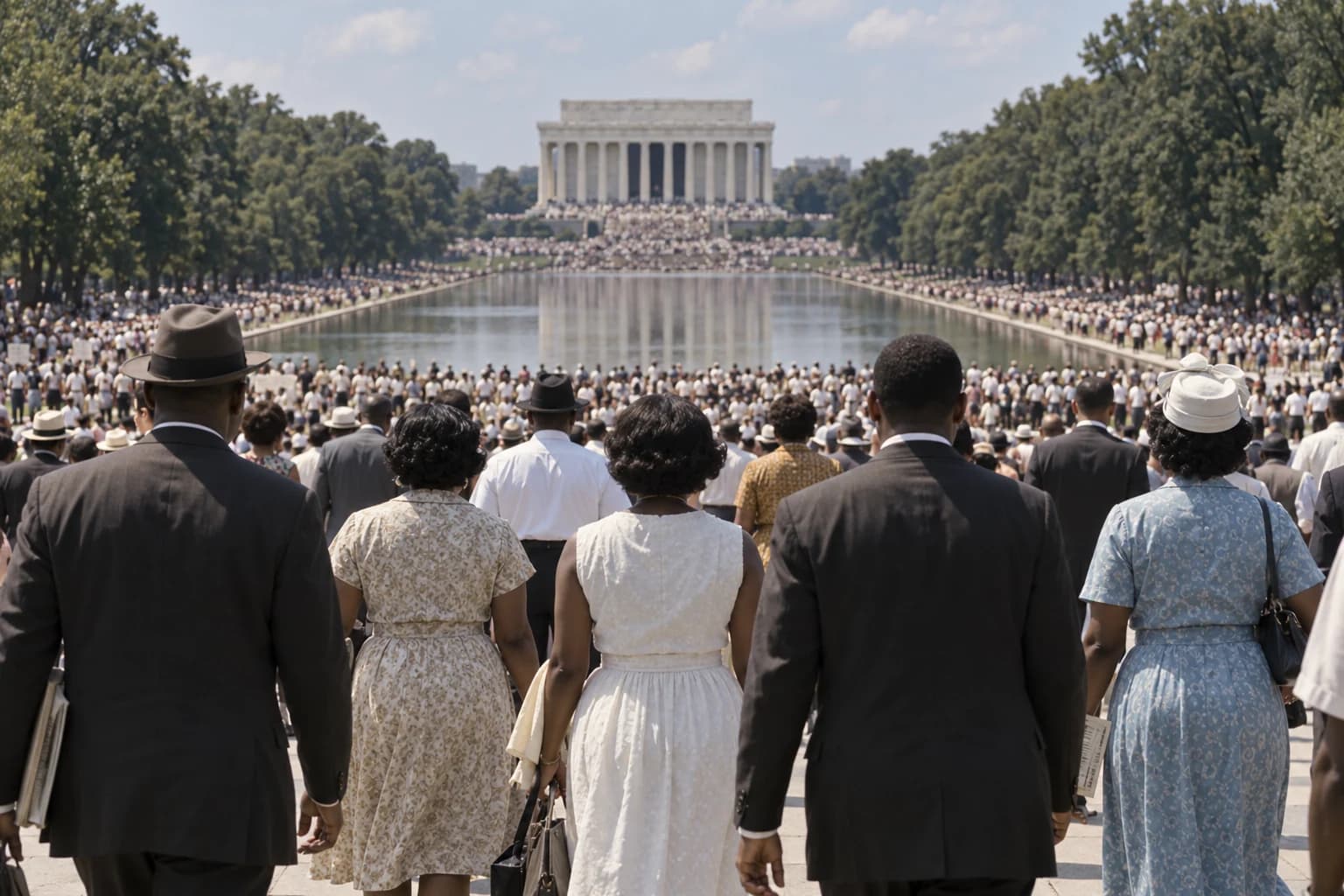
The 1963 march joined established civil rights organisations, trade unionists and younger activists around a shared national demonstration. Randolph gave the coalition a link to decades of campaigning over employment and citizenship. Rustin managed the practical organisation. The gathering’s full title mattered: jobs and freedom belonged together. Speeches against segregation stood alongside demands for work, wages and federal action, keeping the material conditions of life within the movement’s public programme.

1965–1979

Building an alliance that could last

Randolph and Rustin established the A. Philip Randolph Institute in 1965. Its work sought to strengthen the alliance between Black communities and organised labour through political participation and economic demands. Randolph’s health later limited his public activity, and he died in New York in 1979. His long career linked the period before the modern civil rights movement with its landmark campaigns, leaving an argument that dignity required collective power in politics and the workplace.

Continue in context

Connected stories

Move from the profile into the wider events and settings this figure belongs to.

Tertiary paths

Content note

This profile is written for educational use and connects to related Stories of History pages. The main portrait uses a real historical or editorial image, with source and licence details recorded for attribution review. Image policy Image attribution

References

Sources & Further Reading

Reliable reference works, archives and reading paths connected to this profile.

Sources used

  1. National Park Service, “A. Philip Randolph,” accessed October 2026.Open source
  2. National Archives, “Executive Order 8802,” accessed October 2026.Open source
  3. A. Philip Randolph Institute, “Our History,” accessed October 2026.Open source
  4. National Archives, “Executive Order 9981,” accessed October 2026.Open source

Further reading

  1. Encyclopaedia Britannica, “Search results for A. Philip Randolph,” accessed June 2026.Open source
  2. WorldCat, “Books and library holdings for A. Philip Randolph,” accessed June 2026.Open source

Primary sources

  1. Library of Congress, “Search results for A. Philip Randolph,” accessed June 2026.Open source

Reviewed claim sources

Loading reviewed claim sources...

A monthly route through history

Find out first about the latest published stories, feature notes and occasional Premium offers in one monthly email.