← People

Ella Baker

Ella Baker was a civil rights organiser. She built networks across the South, helped students create SNCC and argued that lasting change depended on people learning to lead themselves.

Born
1903 CE
Died
1986 CE
Role
Civil rights organiser
Full name
Ella Josephine Baker
Also known as
Ella Jo Baker

Civil rights organiser (1903–1986)

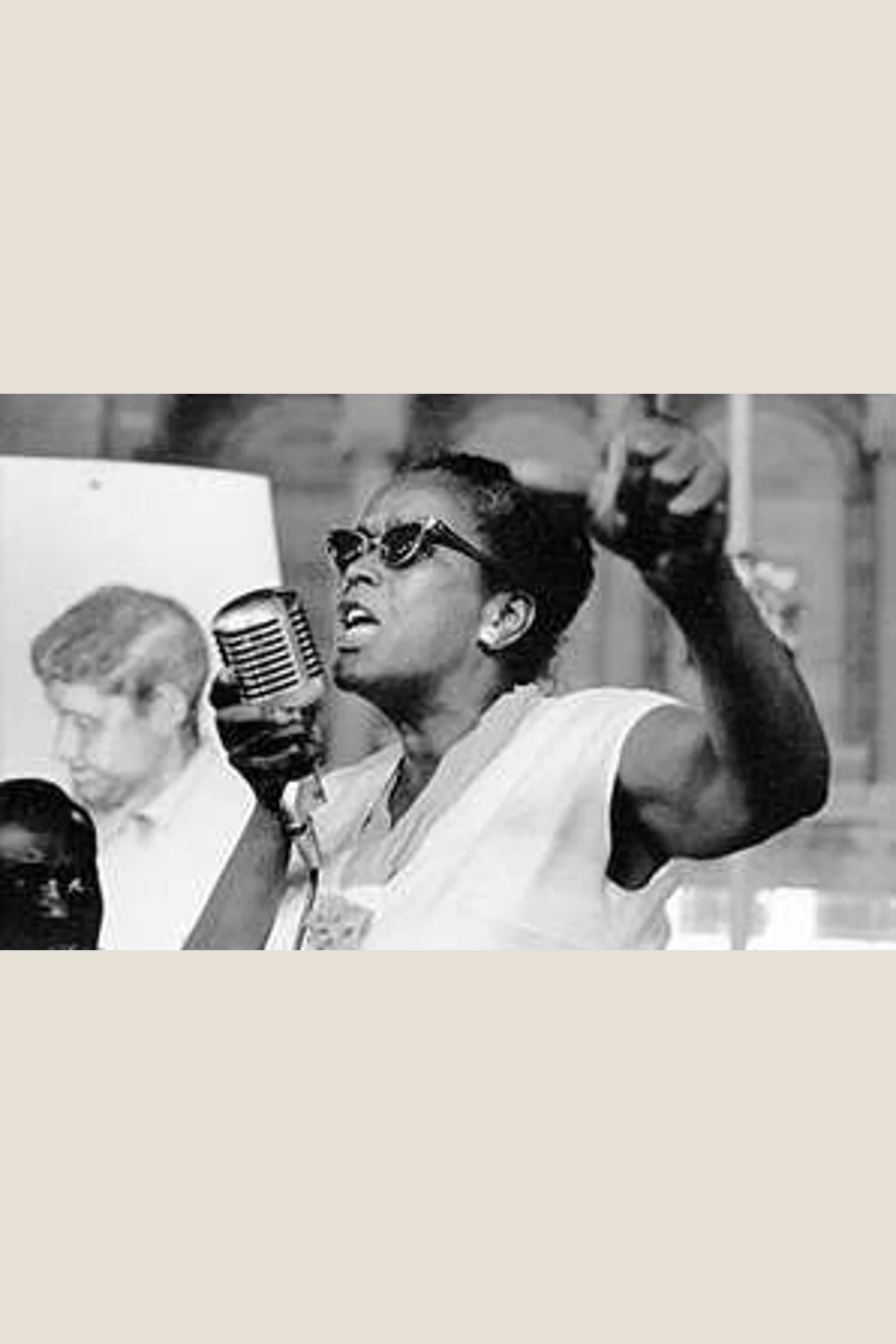
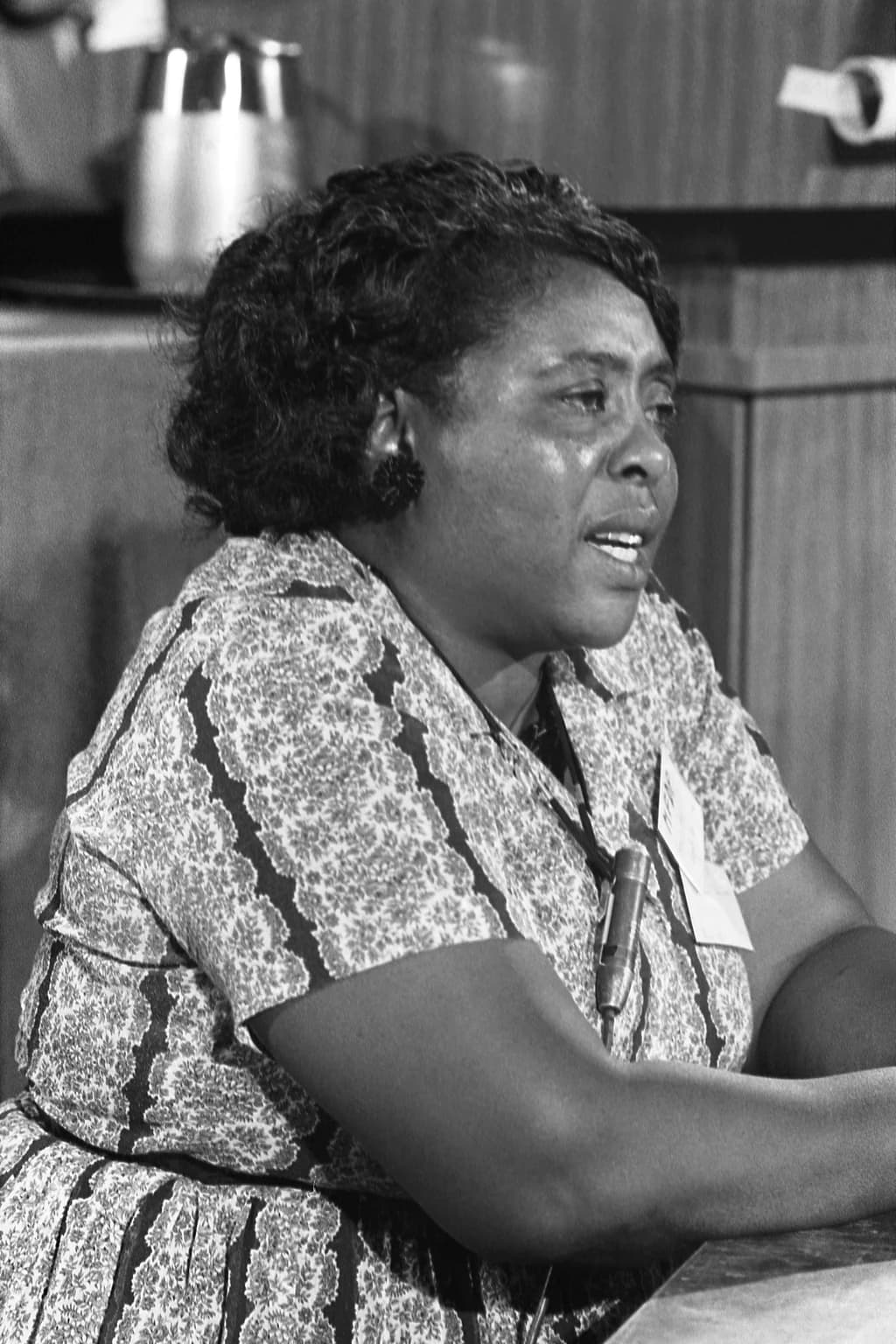
Ella Baker speaking into a microphone with one arm raised in an archival photograph supplied by the Ella Baker Center for Human Rights.
Licensed archival image

A real historical or editorial image is used here. Source, licence and transformation details are publicly recorded. Image policy Attribution

Life Journey

Building leadership from below

Follow Baker through cooperative politics, local organising and the student movement she helped bring into being.

Complete chronology

1903–1930s

A different idea of leadership

Born in Norfolk in 1903 and raised in North Carolina, Ella Jo Baker heard family memories of slavery and resistance. She graduated from Shaw University in 1927 and moved to New York. Harlem’s political debates and cooperative projects offered ways of thinking about power beyond a single prominent leader. Her work with the Young Negroes’ Cooperative League connected economic independence with collective action, a concern that stayed with her throughout her career.
1940–1950s

The network beneath the headlines

Baker’s NAACP work took her through communities where campaigning required trust as well as courage. She listened, recruited members and encouraged local people to develop their own organisations. This brought her into contact with activists whose knowledge seldom reached national headlines. Her approach made organisation a continuing relationship, rather than a visit from a famous speaker. Later campaigns would draw on the people and connections built through this patient work.

1957–1960

Helping a new organisation grow

The Montgomery bus boycott suggested that local nonviolent campaigns could become a broader Southern movement. Baker helped develop the SCLC’s organisation, working with church leaders and supporting citizenship and voting efforts. Yet she questioned structures that concentrated authority in celebrated ministers. The tension was practical: a movement needed coordination, but it also needed people able to decide and act for themselves. Student protest would soon give that argument a new setting.

1960

Students make their own movement

The sit-ins of 1960 showed that young people were already creating their own momentum. Baker helped bring student activists together at Shaw University in April. SNCC emerged from the meeting and developed independently rather than becoming a youth wing of another organisation. Baker offered advice and connections without trying to control it. The result was a movement organisation able to experiment with grassroots voter registration and forms of shared decision-making.

1960s–1986

Staying with the unfinished work

Baker’s work extended beyond SNCC’s founding meeting. She supported organisers in Mississippi and the challenge mounted by the Mississippi Freedom Democratic Party in 1964. Later causes continued to connect racial justice with economic and political freedom. She died in 1986, having spent much of her life outside the spotlight. Her influence can be traced through the people she encouraged: organisers who treated participation itself as part of the change they sought.

Continue in context

Connected stories

Move from the profile into the wider events and settings this figure belongs to.

Tertiary paths

Content note

This profile is written for educational use and connects to related Stories of History pages. The main portrait uses a real historical or editorial image, with source and licence details recorded for attribution review. Image policy Image attribution

References

Sources & Further Reading

Reliable reference works, archives and reading paths connected to this profile.

Sources used

  1. SNCC Legacy Project and Duke University, “Ella Baker,” accessed October 2026.Open source
  2. Ella Baker Center for Human Rights, “Who Was Ella Baker?,” accessed October 2026.Open source
  3. Stanford University, King Institute, “Baker, Ella Josephine,” accessed October 2026.Open source

Further reading

  1. Encyclopaedia Britannica, “Search results for Ella Baker,” accessed June 2026.Open source
  2. WorldCat, “Books and library holdings for Ella Baker,” accessed June 2026.Open source

Primary sources

  1. Library of Congress, “Search results for Ella Baker,” accessed June 2026.Open source

Reviewed claim sources

Loading reviewed claim sources...

A monthly route through history

Find out first about the latest published stories, feature notes and occasional Premium offers in one monthly email.