← People

John Lewis

John Lewis was a civil rights organiser and congressman. He carried the discipline of student protest through the Freedom Rides and Selma, then took a lifelong argument for equal citizenship into Congress.

Born
1940 CE
Died
2020 CE
Role
Civil rights organiser and congressman
Full name
John Robert Lewis

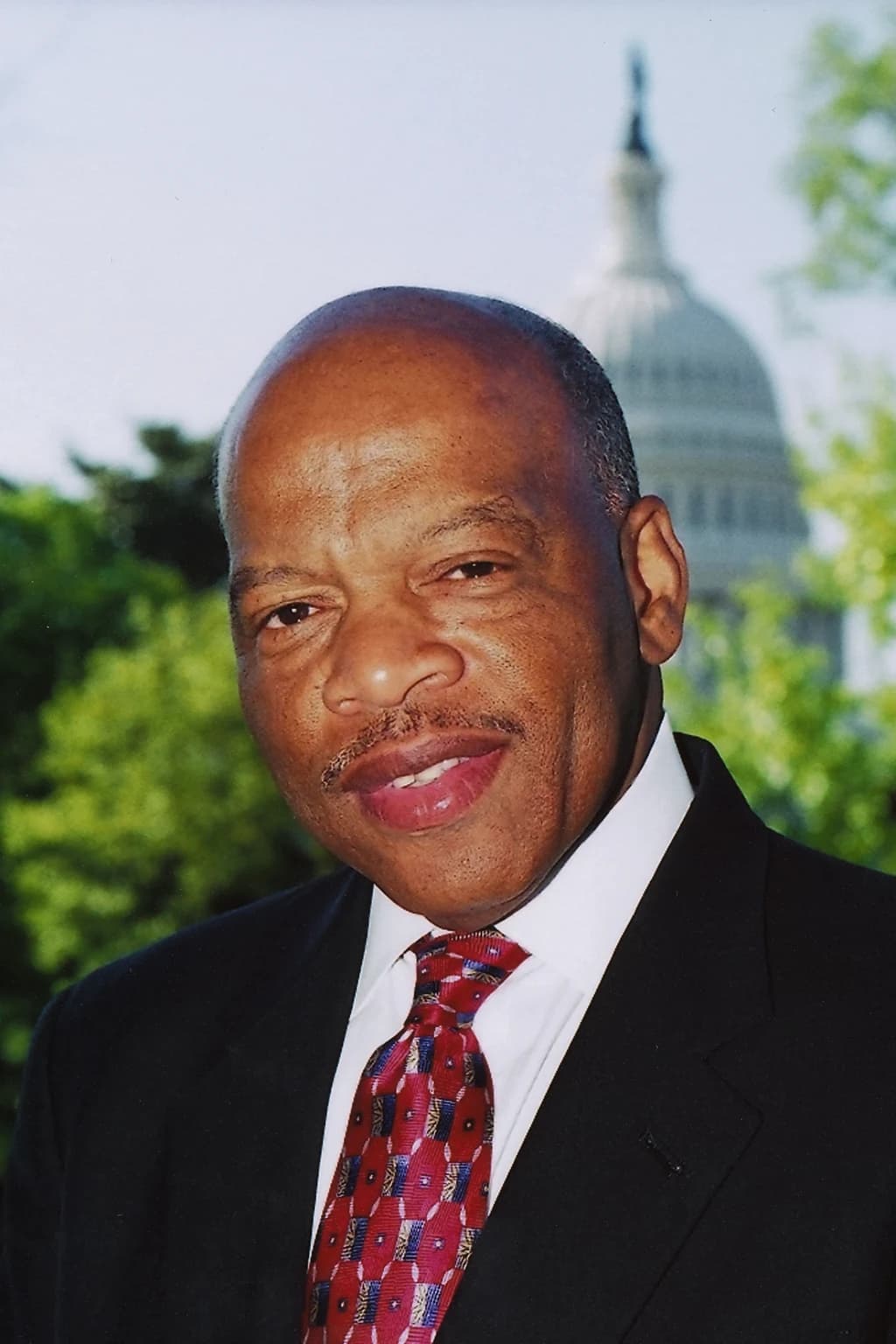
Civil rights organiser and congressman (1940–2020)

John Lewis in his official congressional portrait.
Historical photograph

A real historical or editorial image is used here. Source, licence and transformation details are publicly recorded. Image policy Attribution

Life Journey

From the front line to Congress

Follow Lewis through Nashville, the Freedom Rides, Selma and his long career in Congress.

Complete chronology

1940–1960

Finding a way to act

Born near Troy, Alabama, in 1940, Lewis grew up within the restrictions of segregation. Education took him to Nashville, where nonviolence workshops offered a method for confronting it. Student activists rehearsed how to remain disciplined under abuse before entering segregated lunch counters. In 1960 Lewis joined the sit-ins. The experience turned a young person’s anger at injustice into organised action undertaken with others who were learning to lead.
1961

Taking the Freedom Rides forward

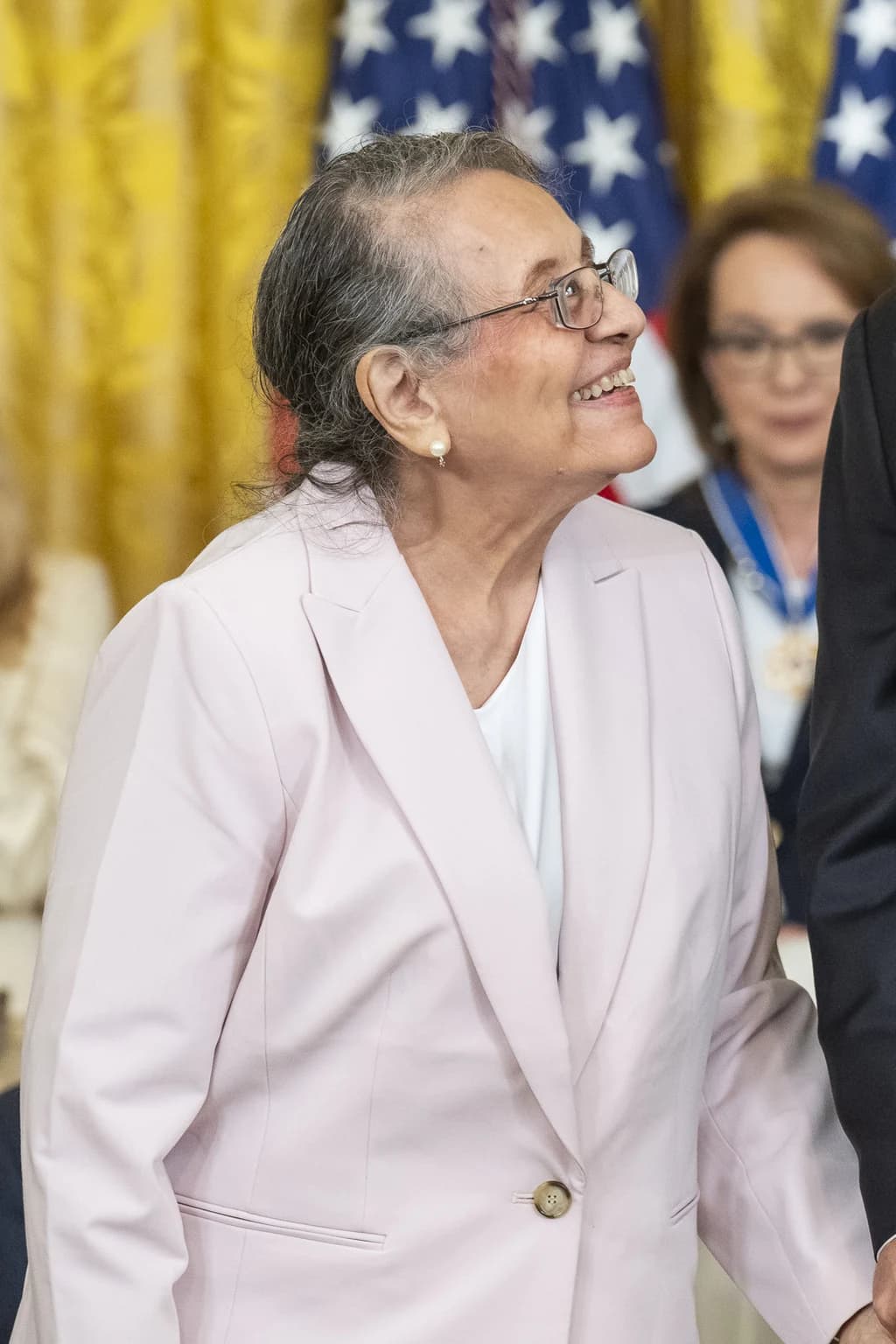
The Freedom Rides tested whether federal rulings against segregated interstate transport would be enforced. Lewis was among the original riders in 1961. Attacks made the cost of the journey brutally clear, yet further riders kept the campaign alive. Nashville students, supported by Diane Nash’s coordination, helped ensure that violence did not end it. Lewis’s participation tied nonviolence to persistence: returning to the struggle after the first confrontation, rather than expecting one dramatic act to settle it.

1963–1966

A student leader on a national stage

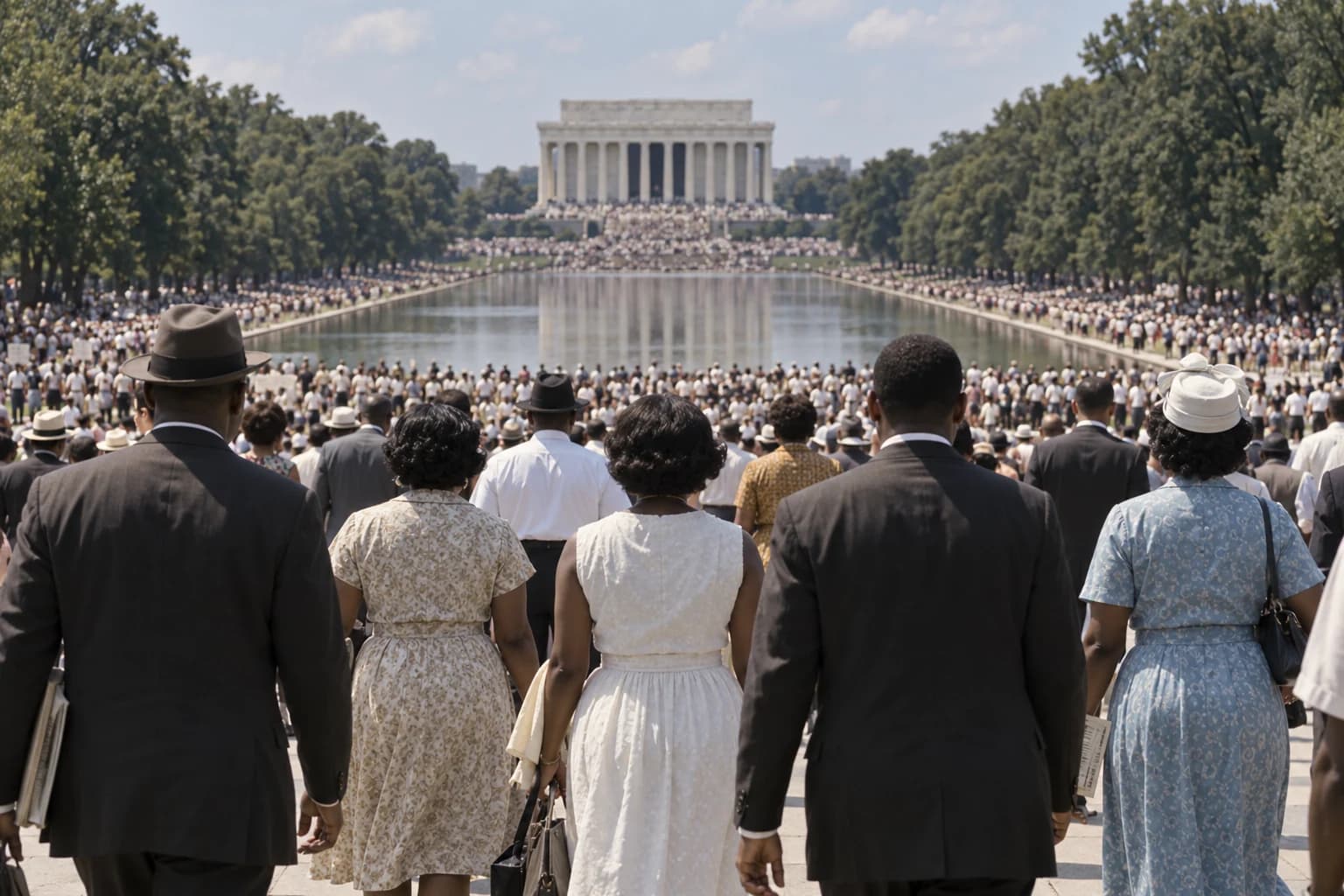
Lewis became chairman of SNCC in 1963. At the March on Washington he spoke as the youngest of the major speakers, expressing the impatience of activists confronting violence and slow federal action. His leadership also belonged to the less visible work of registration campaigns. SNCC contained different views about strategy, organisation and interracial cooperation; chairing it meant living with those arguments. In 1966 Stokely Carmichael succeeded him as its direction changed.

1965

Across the bridge at Selma

On 7 March 1965, marchers set out from Selma towards Montgomery. Lewis, alongside SCLC’s Hosea Williams, led the procession across the Edmund Pettus Bridge. State troopers attacked the marchers; Lewis suffered a fractured skull. The violence helped create pressure for federal action, but the campaign rested on years of local organising. The Voting Rights Act followed that August. The bridge became a national symbol of a struggle whose foundations extended well beyond that day.

1966–2020

Carrying the movement into government

After SNCC, Lewis worked on voter participation and entered elected politics in Atlanta. He won election to Congress in 1986 and took office the following year, representing Georgia’s Fifth District. His service connected memories of movement violence with continuing debates over voting, opportunity and the responsibilities of government. He died in 2020. His career resisted a tidy division between protest and politics: the demand for equal citizenship continued inside the institutions protest had helped change.

Continue in context

Connected stories

Move from the profile into the wider events and settings this figure belongs to.

Tertiary paths

Content note

This profile is written for educational use and connects to related Stories of History pages. The main portrait uses a real historical or editorial image, with source and licence details recorded for attribution review. Image policy Image attribution

References

Sources & Further Reading

Reliable reference works, archives and reading paths connected to this profile.

Sources used

  1. US House of Representatives, “LEWIS, John R.,” accessed October 2026.Open source
  2. SNCC Legacy Project and Duke University, “John Lewis,” accessed October 2026.Open source
  3. National Archives, “John Lewis,” accessed October 2026.Open source

Further reading

  1. Encyclopaedia Britannica, “Search results for John Lewis,” accessed June 2026.Open source
  2. WorldCat, “Books and library holdings for John Lewis,” accessed June 2026.Open source

Primary sources

  1. Library of Congress, “Search results for John Lewis,” accessed June 2026.Open source

Reviewed claim sources

Loading reviewed claim sources...

A monthly route through history

Find out first about the latest published stories, feature notes and occasional Premium offers in one monthly email.