← People

Stokely Carmichael

Stokely Carmichael was a sncc organiser and pan-african activist. He moved from the Freedom Rides to grassroots organising in Lowndes County, made Black Power a national rallying cry and later pursued Pan-African politics as Kwame Ture.

Born
1941 CE
Died
1998 CE
Role
SNCC organiser and Pan-African activist
Full name
Stokely Standiford Churchill Carmichael
Also known as
Kwame Ture

SNCC organiser and Pan-African activist (1941–1998)

Life Journey

From voter organising to Black Power

Follow Carmichael through voter registration, Black Power and the Pan-African politics he pursued as Kwame Ture.

Complete chronology

1941–1961

Trinidad, New York and Howard

Born in Port of Spain in 1941, Carmichael moved to the United States as a child. New York and then Howard University brought him into a world of student debate and political organising. The sit-ins showed that young people could intervene directly in the struggle over segregation. In 1961 he joined the Freedom Rides and was imprisoned in Mississippi. The experience linked political education with the risks of confronting state-backed racial exclusion.
1961–1965

Learning from local people

SNCC’s work brought Carmichael into communities where registration could threaten employment, housing and safety. After the 1964 convention refused the MFDP’s demand, independent Black political power seemed increasingly necessary to him. In Lowndes County he worked alongside local leaders, including John Hulett, to build the Lowndes County Freedom Organization. Its black panther symbol represented a local effort to turn a large Black population into an organised political force.

1966

Black Power enters the national debate

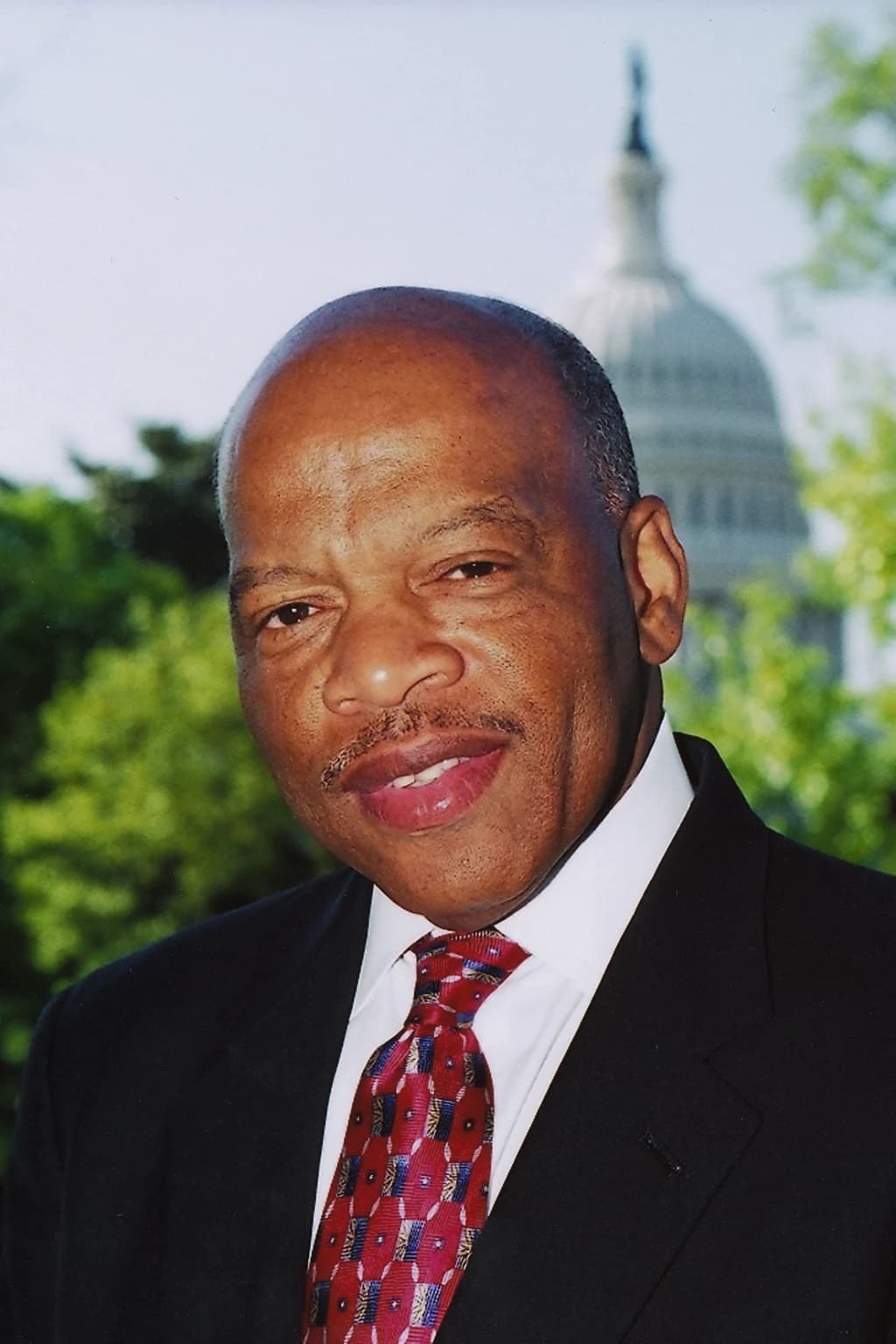
Carmichael became SNCC chairman in 1966, succeeding John Lewis. During the Meredith March Against Fear in Mississippi, his call for Black Power carried arguments about self-determination into national headlines. The slogan alarmed some allies, while speaking to frustration with continuing violence and limited change. It also drew on practical organising: the question of who controlled institutions, resources and decisions in Black communities. A national argument grew from work already taking place locally.

1966–1968

Arguments within a changing movement

The civil rights coalition became harder to hold together after the landmark laws. Carmichael argued that Black communities needed independent organisation, while white activists should confront racism within white communities. These positions divided former allies and reflected wider disputes about nonviolence, integration and political control. His association with the Black Panther Party placed him within another developing movement, but that relationship also proved temporary. Black Power contained competing strategies rather than a single agreed programme.

1969–1998

Kwame Ture and Pan-African politics

After moving to Guinea in 1969, Carmichael increasingly connected the Black struggle in America with African liberation and socialist politics. He later adopted the name Kwame Ture, honouring Kwame Nkrumah and Ahmed Sékou Touré. Organising for Pan-African unity remained central to his later life. He died in Conakry in 1998. The international career extended the question that had animated his local work: how could people denied power gain control over their collective future?

Continue in context

Connected stories

Move from the profile into the wider events and settings this figure belongs to.

Tertiary paths

Content note

This profile is written for educational use and connects to related Stories of History pages. Visuals are reviewed for educational context and may include historical images, archival material, or interpretive reconstructions. Image policy

References

Sources & Further Reading

Reliable reference works, archives and reading paths connected to this profile.

Sources used

  1. SNCC Legacy Project and Duke University, “Stokely Carmichael,” accessed October 2026.Open source
  2. Stanford University, King Institute, “Carmichael, Stokely,” accessed October 2026.Open source
  3. National Archives, “Stokely Carmichael [Kwame Ture],” accessed October 2026.Open source

Further reading

  1. Encyclopaedia Britannica, “Search results for Stokely Carmichael,” accessed June 2026.Open source
  2. WorldCat, “Books and library holdings for Stokely Carmichael,” accessed June 2026.Open source

Primary sources

  1. Library of Congress, “Search results for Stokely Carmichael,” accessed June 2026.Open source

Reviewed claim sources

Loading reviewed claim sources...

A monthly route through history

Find out first about the latest published stories, feature notes and occasional Premium offers in one monthly email.