← People

Malcolm X

Malcolm X was a black nationalist and human rights activist. He made racial injustice and Black self-determination urgent national questions, then widened his politics through travel and a break with the Nation of Islam.

Born
1925 CE
Died
1965 CE
Role
Black nationalist and human rights activist
Also known as
Malcolm Little, El-Hajj Malik El-Shabazz, Malik El-Shabazz

Black nationalist and human rights activist (1925–1965)

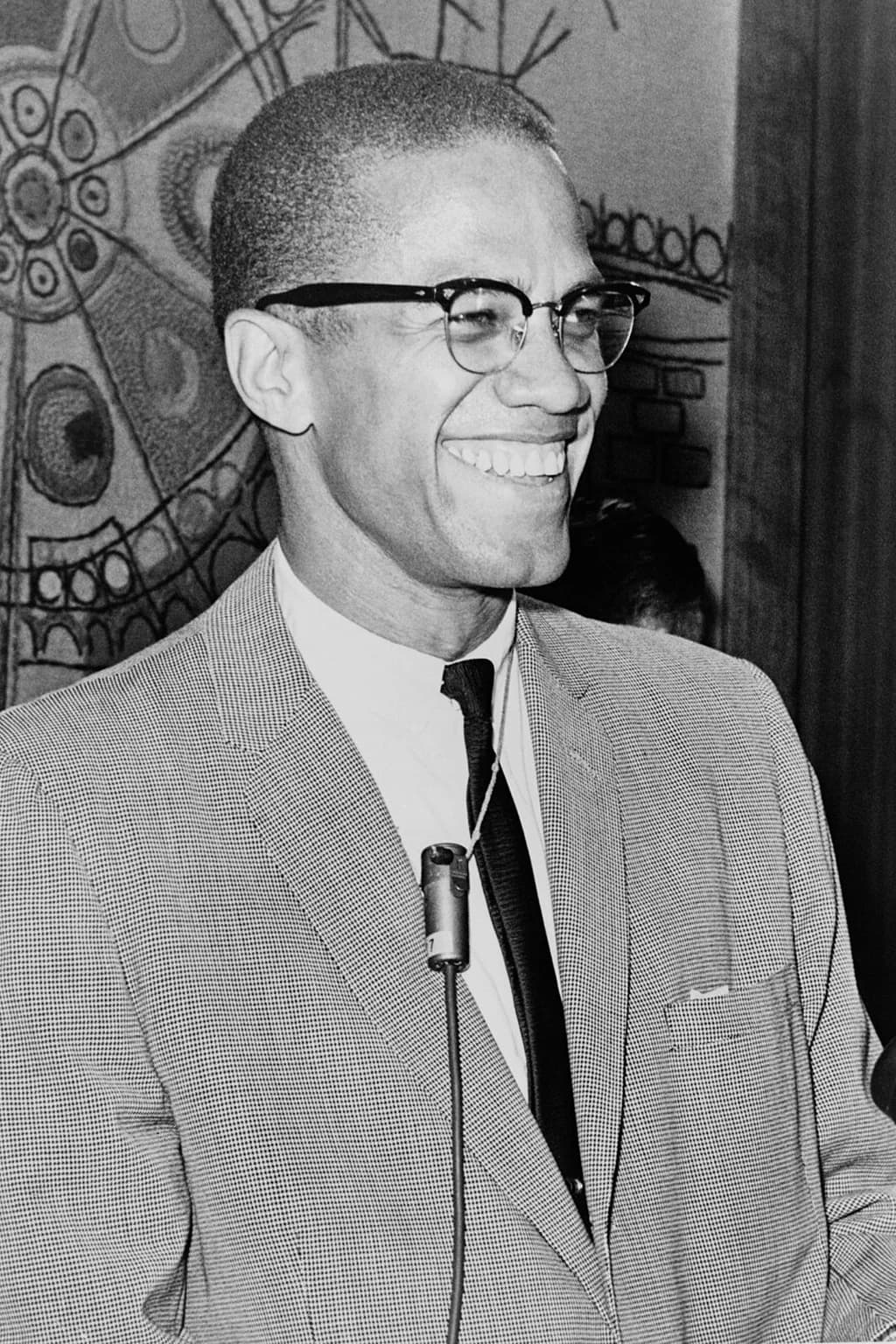
Malcolm X in a March 1964 photograph by Ed Ford.
Historical photograph

A real historical or editorial image is used here. Source, licence and transformation details are publicly recorded. Image policy Attribution

Life Journey

A changing argument for freedom

Follow Malcolm through the Nation of Islam, independent organising and his widening international vision.

Complete chronology

1925–1946

Growing up under racial violence

Born in Omaha in 1925, Malcolm Little experienced a childhood marked by racial hostility and severe disruption to his family. His father died while he was young, and the family was later separated. As a young man, Malcolm moved through Boston and Harlem. Imprisonment in 1946 brought another decisive change. Reading and religious study offered a route towards a different public identity, from which his later political influence would grow.
1952–1963

A powerful voice for the Nation of Islam

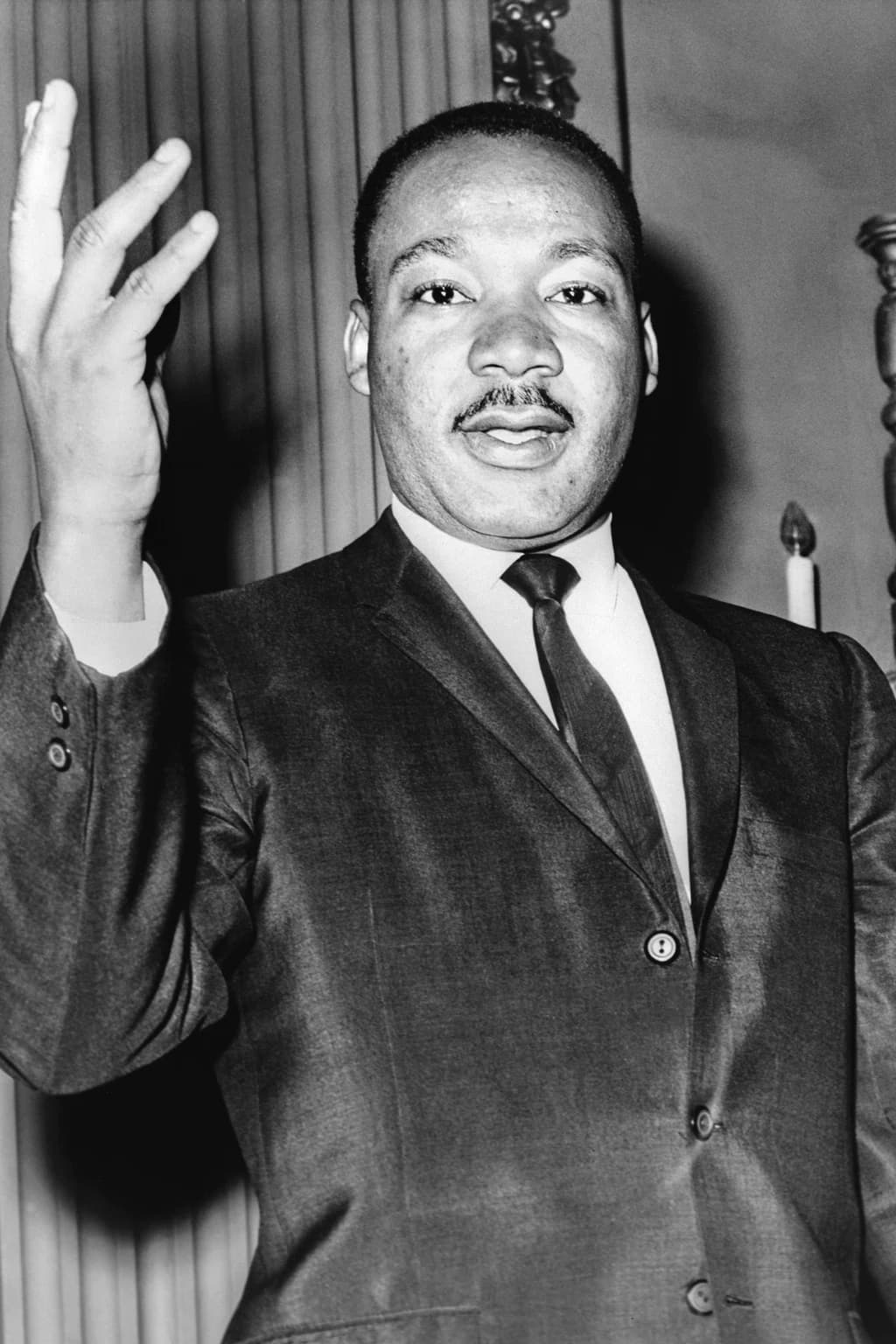
Malcolm adopted the name X and rose within the Nation of Islam after his release in 1952. As a minister and speaker, he connected religious discipline with criticism of white supremacy. His language of Black pride and self-reliance reached audiences frustrated by poverty, policing and slow change. He rejected integration as the movement’s central goal and challenged the assumption that Black people should accept violence without defending themselves. His position differed sharply from King’s strategy.

1964

Breaking with the organisation

Relations with the Nation of Islam’s leadership deteriorated, and Malcolm announced his departure in March 1964. He established Muslim Mosque, Inc. and later the Organization of Afro-American Unity. Independence created room for new alliances and a broader political programme, while also intensifying tensions with former associates. This period was a change in direction rather than a settled final position. His public thinking continued to develop as he travelled and reconsidered earlier arguments.

1964

Looking beyond the United States

Malcolm’s pilgrimage to Mecca brought encounters that challenged his earlier account of racial separation. He adopted Sunni Islam and used the name El-Hajj Malik El-Shabazz. Travel in Africa strengthened his interest in connecting the American struggle with anticolonial movements and international human rights. These changes did not erase his demand for Black self-determination. They widened the possible alliances and forums through which he believed that demand could be pursued.

1965

A life cut short, an influence extended

Malcolm was killed while preparing to address a meeting at the Audubon Ballroom. His death ended a period of rapid political change before its possibilities could be fully tested. The autobiography published after his assassination helped carry his life and ideas to new readers. Later activists drew on his emphasis on dignity, self-determination and international solidarity. Remembering that influence requires attention to the changing Malcolm, rather than treating every position he held as identical.

Continue in context

Connected stories

Move from the profile into the wider events and settings this figure belongs to.

Tertiary paths

Content note

This profile is written for educational use and connects to related Stories of History pages. The main portrait uses a real historical or editorial image, with source and licence details recorded for attribution review. Image policy Image attribution

References

Sources & Further Reading

Reliable reference works, archives and reading paths connected to this profile.

Sources used

  1. Stanford University, King Institute, “Malcolm X,” accessed October 2026.Open source
  2. National Archives, “Malcolm X,” accessed October 2026.Open source

Further reading

  1. Encyclopaedia Britannica, “Search results for Malcolm X,” accessed June 2026.Open source
  2. WorldCat, “Books and library holdings for Malcolm X,” accessed June 2026.Open source

Primary sources

  1. Library of Congress, “Search results for Malcolm X,” accessed June 2026.Open source

Reviewed claim sources

Loading reviewed claim sources...

A monthly route through history

Find out first about the latest published stories, feature notes and occasional Premium offers in one monthly email.