← People

Diane Nash

Diane Nash is a civil rights strategist and organiser. She helped lead Nashville’s student movement, kept the Freedom Rides moving after violent attacks and brought disciplined nonviolence into campaigns for voting rights.

Born
1938 CE
Role
Civil rights strategist and organiser
Full name
Diane Judith Nash
Also known as
Diane Nash Bevel

Civil rights strategist and organiser (1938–present)

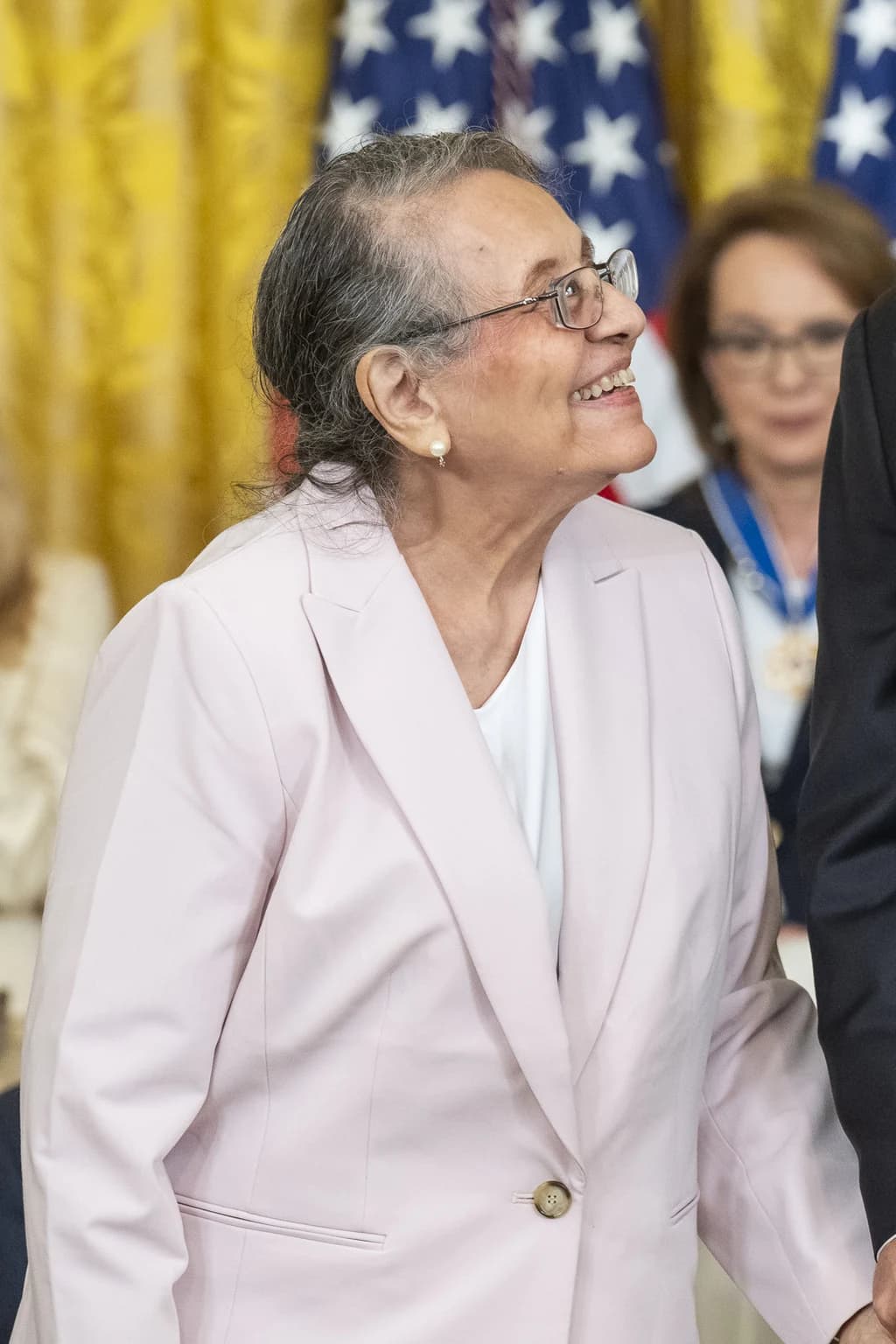
Diane Nash at the White House Presidential Medal of Freedom ceremony on 7 July 2022, cropped from a photograph by Adam Schultz.
Historical photograph

A real historical or editorial image is used here. Source, licence and transformation details are publicly recorded. Image policy Attribution

Life Journey

Keeping a campaign moving

Follow Nash through Nashville’s sit-ins, the continuing Freedom Rides and campaigns for voting rights.

Complete chronology

1938–1959

Chicago to Nashville

Born in Chicago in 1938, Nash arrived at Fisk University in Nashville in 1959. The city’s segregated facilities made racial hierarchy an immediate part of everyday life. Searching for a way to resist, she joined James Lawson’s workshops on nonviolence. These meetings offered more than a belief in peaceful conduct. They taught participants to prepare for confrontation, support one another and treat coordinated action as a means of changing a system.
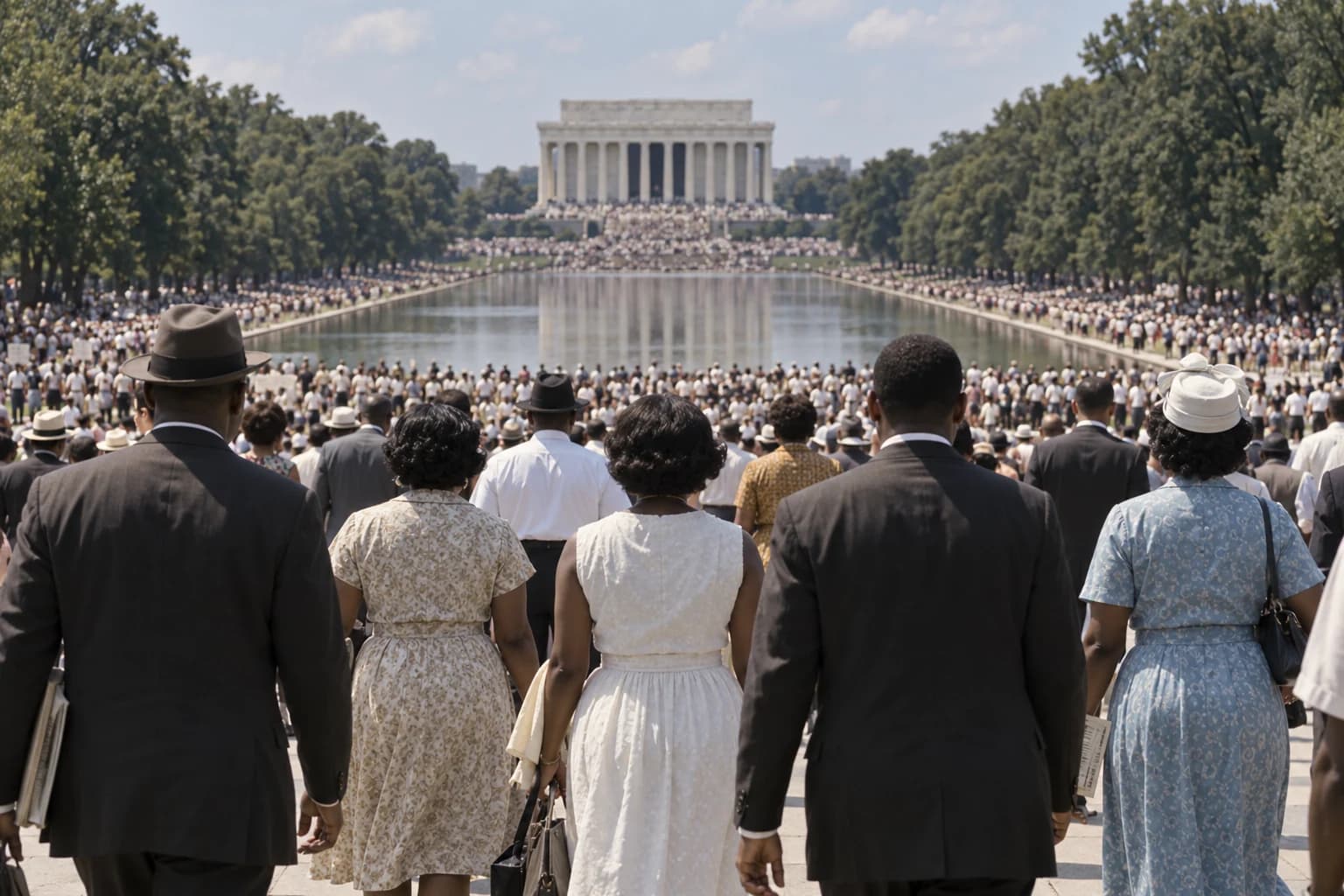
1960

The students and the city

Nashville’s student campaign combined sit-ins with community support, a downtown boycott and negotiation. Nash helped organise participants and pressed officials to confront the moral question behind segregation. The campaign also planned how newly desegregated counters could withstand opposition. These details mattered: securing an agreement and making it work were different tasks. In April 1960 Nash joined other student activists at the meeting from which SNCC emerged.

1961

The rides must continue

Mob violence in Alabama threatened to stop the Freedom Rides. Nash and other Nashville activists decided that abandoning the campaign would allow violence to dictate its outcome. Working from Nashville, she coordinated replacement riders and communications with officials and movement leaders. This role made her central to the campaign without placing her at the centre of every photograph. The continuation carried the challenge through arrests and towards stronger federal enforcement of interstate desegregation.

1961–1965

From workshops to voting rights

Nash’s work moved from student protest into sustained Southern organising. Arrest and the threat of prison accompanied her nonviolence workshops in Mississippi. She later worked with SCLC and helped develop strategy for campaigns in Birmingham and Alabama. Her contribution to the voting-rights struggle included planning as well as public protest. Nonviolence remained an active method: studying the problem, identifying pressure points and giving participants a shared purpose before they faced the authorities.

Later life

Remembering the work accurately

Later recognition brought Nash’s contribution to a wider audience. In 2022 she received the Presidential Medal of Freedom for her civil rights work. That honour can also serve as an invitation to look more closely at the movement itself. Calls, meetings, training and coordination sustained the actions that entered national memory. Her public career shows why a history built only around speeches and prominent male leaders misses much of the work that made change possible.

Continue in context

Connected stories

Move from the profile into the wider events and settings this figure belongs to.

Tertiary paths

Content note

This profile is written for educational use and connects to related Stories of History pages. The main portrait uses a real historical or editorial image, with source and licence details recorded for attribution review. Image policy Image attribution

References

Sources & Further Reading

Reliable reference works, archives and reading paths connected to this profile.

Sources used

  1. SNCC Legacy Project and Duke University, “Diane Nash,” accessed October 2026.Open source
  2. Stanford University, King Institute, “Nash, Diane Judith,” accessed October 2026.Open source
  3. White House, Biden Presidential Archive, “President Biden Announces Recipients of the Presidential Medal of Freedom,” accessed October 2026.Open source

Further reading

  1. Encyclopaedia Britannica, “Search results for Diane Nash,” accessed June 2026.Open source
  2. WorldCat, “Books and library holdings for Diane Nash,” accessed June 2026.Open source

Primary sources

  1. Library of Congress, “Search results for Diane Nash,” accessed June 2026.Open source

Reviewed claim sources

Loading reviewed claim sources...

A monthly route through history

Find out first about the latest published stories, feature notes and occasional Premium offers in one monthly email.