← People

Thurgood Marshall

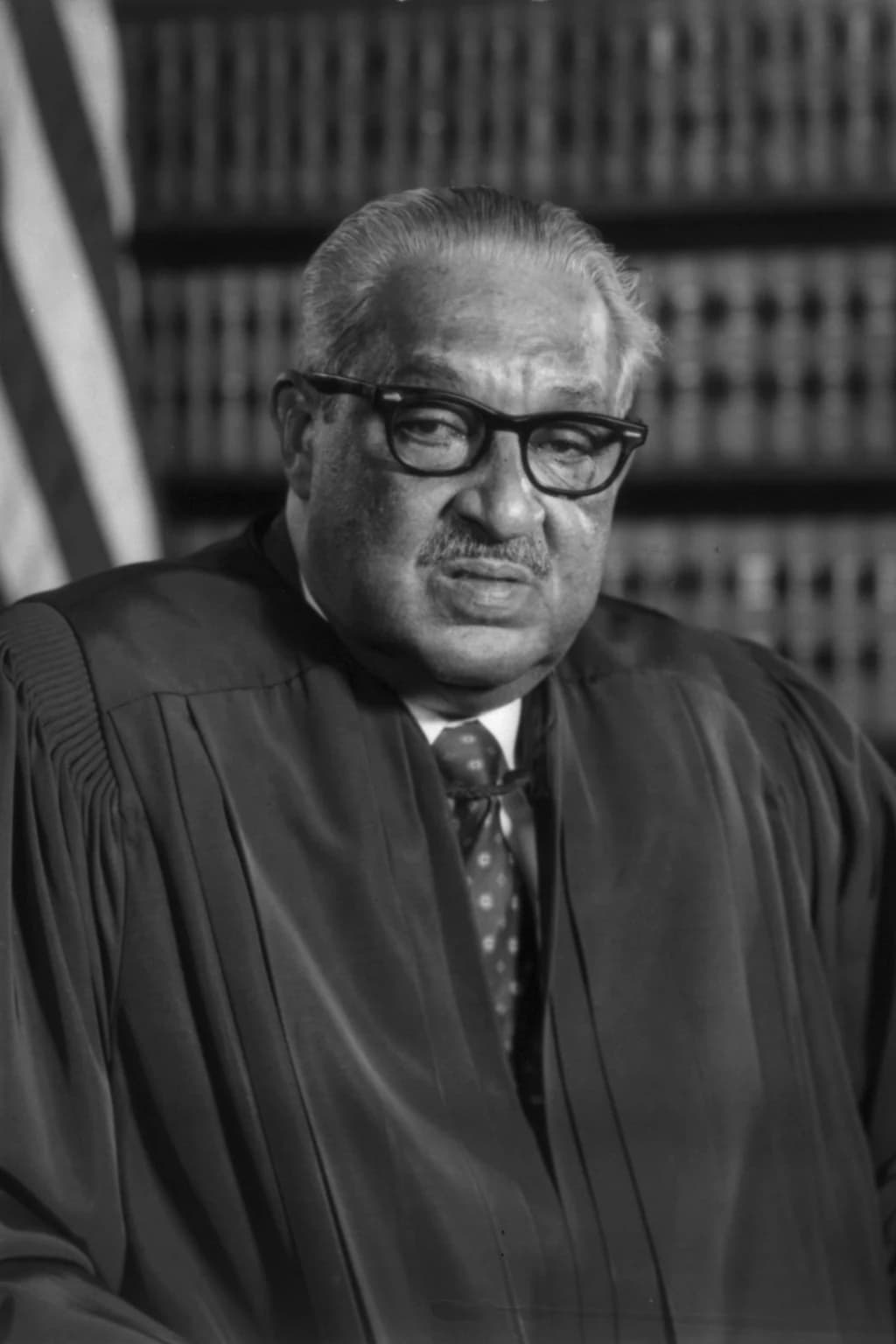
Thurgood Marshall was a civil rights lawyer and supreme court justice. He challenged segregation case by case, helped win Brown v. Board of Education and became the first Black justice of the United States Supreme Court.

Born
1908 CE
Died
1993 CE
Role
Civil rights lawyer and Supreme Court justice

Civil rights lawyer and Supreme Court justice (1908–1993)

Thurgood Marshall in judicial robes in his official 1976 portrait.
Historical photograph

A real historical or editorial image is used here. Source, licence and transformation details are publicly recorded. Image policy Attribution

Life Journey

Taking segregation to court

Follow Marshall from legal training and the NAACP’s courtroom campaigns to Brown and the Supreme Court.

Complete chronology

1908–1933

Learning the law in a divided country

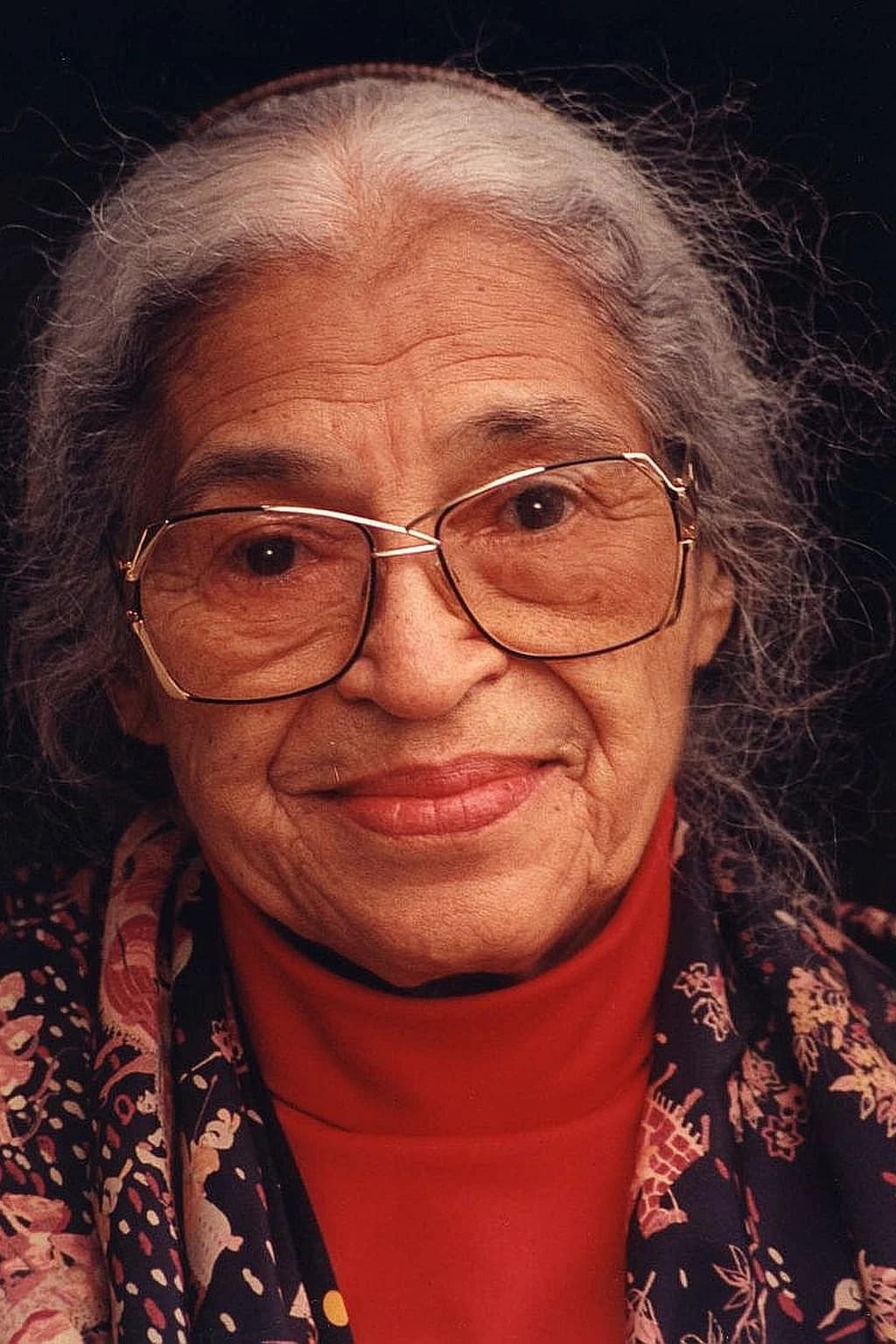
Born in Baltimore in 1908, Marshall came of age in a country where education and opportunity were separated by race. After Lincoln University, he studied law at Howard, graduating in 1933. Charles Hamilton Houston’s teaching connected legal skill with a systematic challenge to racial exclusion. Marshall’s career would depend on that combination: close attention to individual cases and a strategy for attacking the rules behind them.
1930s–1940s

Building a legal campaign

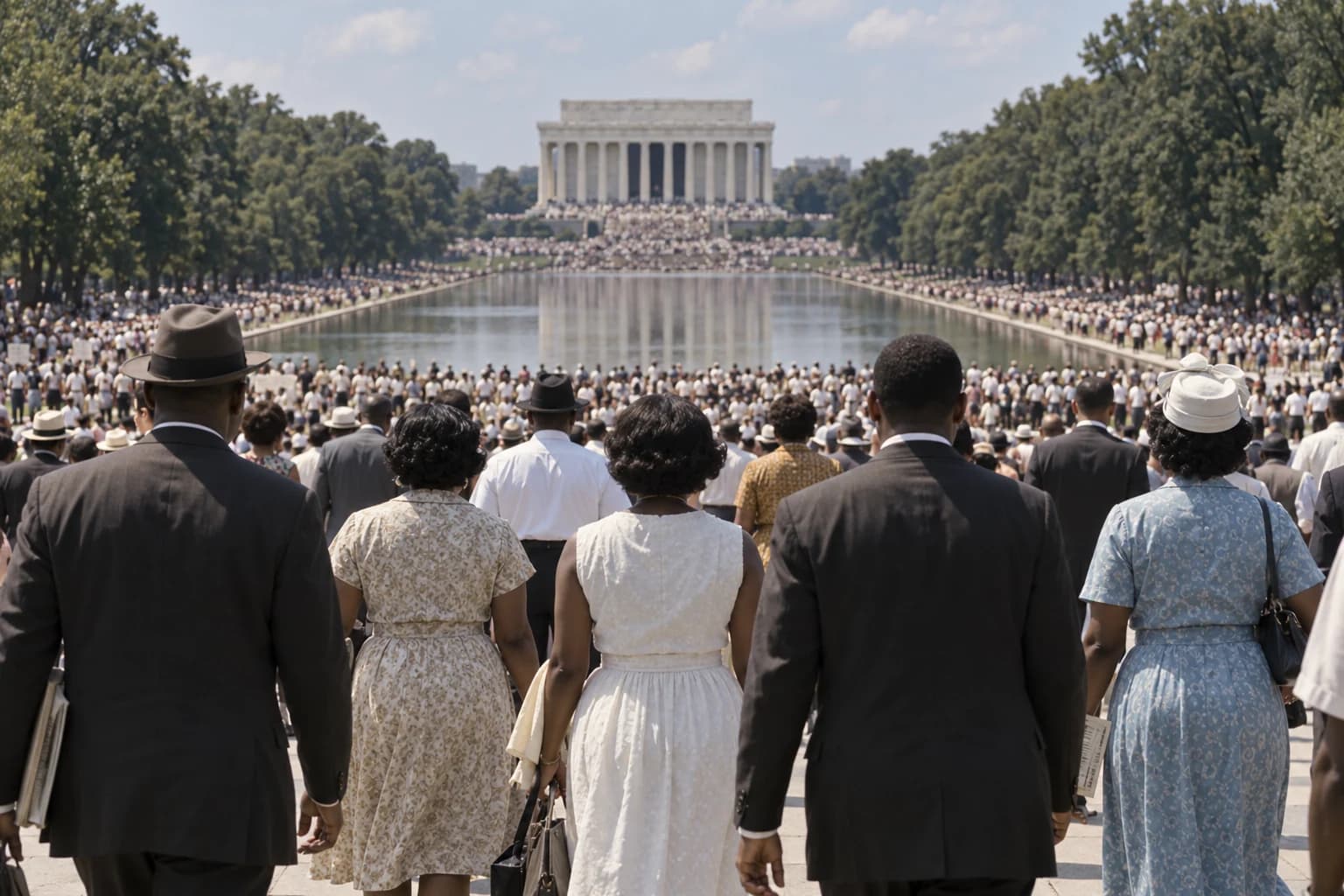
Marshall’s work took him into courtrooms where Black clients faced hostile officials and serious danger. He joined the NAACP’s national legal work and became the first director-counsel of its Legal Defense Fund in 1940. The campaign challenged exclusion from education and restrictions on political participation. Each case demanded witnesses, evidence and legal argument; each successful judgment could make the next challenge stronger. Litigation was patient movement work, with consequences far beyond the courtroom.

1954

Brown reaches the Supreme Court

Brown v. Board of Education brought together challenges from several communities whose children were excluded from equal schooling. Marshall helped present the argument against legally segregated public education before the Supreme Court. In May 1954 the Court rejected the doctrine that separate schools could be constitutionally equal. The judgment changed the legal ground, but resistance to implementation showed that winning an argument in Washington did not automatically open a school door elsewhere.

1961–1967

From advocate to federal office

President John F. Kennedy appointed Marshall to the federal appeals court in 1961. Under Lyndon B. Johnson, he became solicitor general in 1965, representing the United States before the Supreme Court. In 1967 he became its first Black justice. The progression carried a lawyer who had challenged government-backed segregation into positions responsible for interpreting and defending federal law. His appointment was historic, but the meaning of constitutional equality remained contested.

1967–1993

The long view from the bench

During more than two decades on the Court, Marshall brought the experience of civil rights litigation to constitutional questions. He opposed the death penalty and defended protections for people with little power. As the Court’s direction changed, dissent became an important part of his work. He retired in 1991 and died in 1993. His career joined two kinds of change: dismantling discriminatory law and arguing over the protections that should replace it.

Continue in context

Connected stories

Move from the profile into the wider events and settings this figure belongs to.

Tertiary paths

Content note

This profile is written for educational use and connects to related Stories of History pages. The main portrait uses a real historical or editorial image, with source and licence details recorded for attribution review. Image policy Image attribution

References

Sources & Further Reading

Reliable reference works, archives and reading paths connected to this profile.

Sources used

  1. National Park Service, “Thurgood Marshall,” accessed October 2026.Open source
  2. NAACP Legal Defense Fund, “Thurgood Marshall,” accessed October 2026.Open source
  3. Supreme Court of the United States, “Members of the Supreme Court,” accessed October 2026.Open source

Further reading

  1. Encyclopaedia Britannica, “Search results for Thurgood Marshall,” accessed June 2026.Open source
  2. WorldCat, “Books and library holdings for Thurgood Marshall,” accessed June 2026.Open source

Primary sources

  1. Library of Congress, “Search results for Thurgood Marshall,” accessed June 2026.Open source

Reviewed claim sources

Loading reviewed claim sources...

A monthly route through history

Find out first about the latest published stories, feature notes and occasional Premium offers in one monthly email.