Lineage

Presidents of China in Order

Explore the full list of Presidents and heads of state of the People's Republic of China in chronological order, from Mao Zedong in 1949 to Xi Jinping today.

This Chinese leaders timeline covers the first President of China, the current President of China, the Cultural Revolution gap, the reform era, and China's rise as a global superpower. Switch between a visual timeline and a structured era view to understand how leadership in China has changed over the decades.

8 heads of state
1949 to present
Two viewing modes
Collage of Chinese heads of state from Mao Zedong to Xi Jinping

Key facts about China's heads of state

  • First President of China: Mao Zedong (1949–1959 as formal head of state)
  • Current President: Xi Jinping (2013–present)
  • Longest dominant leader: Mao Zedong (led the party from 1949 until his death in 1976)
  • Total heads of state listed: 8
  • Ruling party: Chinese Communist Party (since 1949)

How the role of head of state developed in China

The People's Republic of China was founded in 1949 after the Communist Party's victory in the Civil War. Mao Zedong held the formal title of Chairman of the Central People's Government and later Chairman of the PRC, making him the dominant figure of the republic's founding decades.

The office of head of state was abolished under the 1975 constitution during the Cultural Revolution, following the purge of Liu Shaoqi. It was re-established by the 1982 constitution as the Presidency, a title held by Li Xiannian from 1983 onward.

Since the reform era began under Deng Xiaoping's influence in the late 1970s, the presidency has been held alongside leadership of the Communist Party and the Central Military Commission. Under Xi Jinping, who took office in 2013, presidential term limits were removed in 2018, concentrating power in ways not seen since Mao's era.

Founding Era

2 presidents

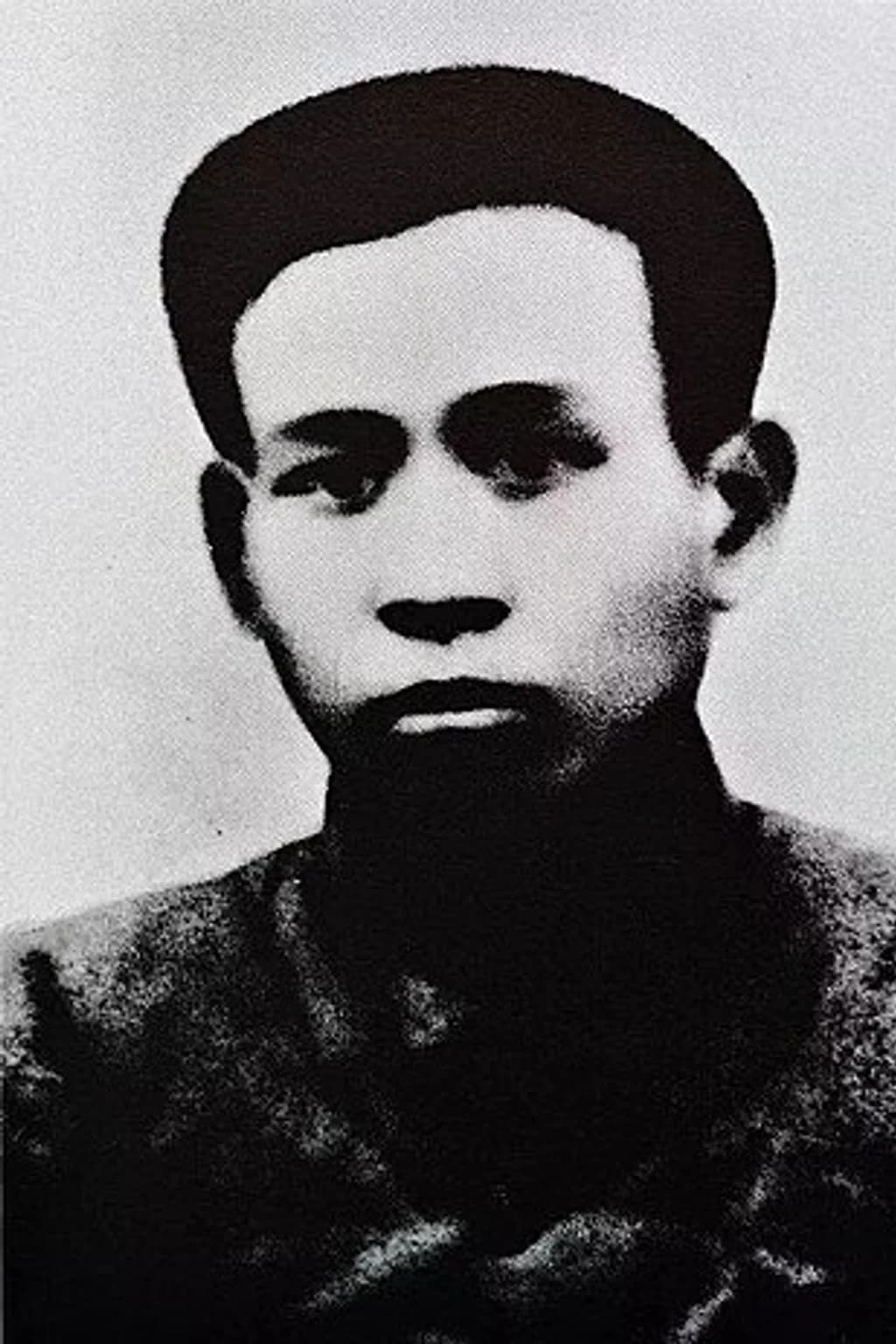
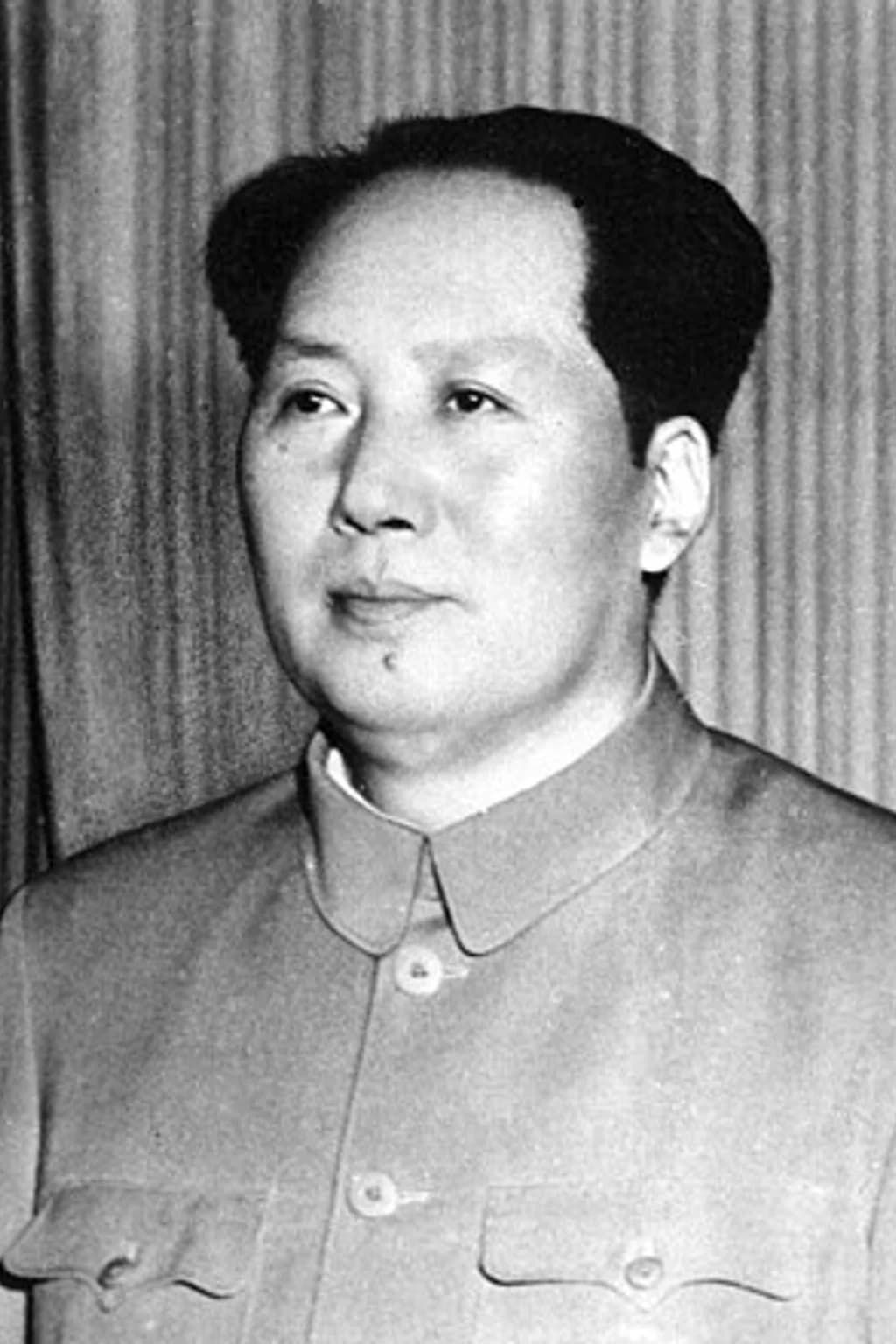
Portrait of Mao Zedong in Chinese military attire
Founding Era1949–1959

Mao Zedong

Mao Zedong led the Chinese Communist Party to victory in the Civil War and proclaimed the People's Republic of China in 1949. As Chairman of the Central People's Government and later Chairman of the PRC, he oversaw land reform, the Korean War, and the turbulent campaigns of the Great Leap Forward.

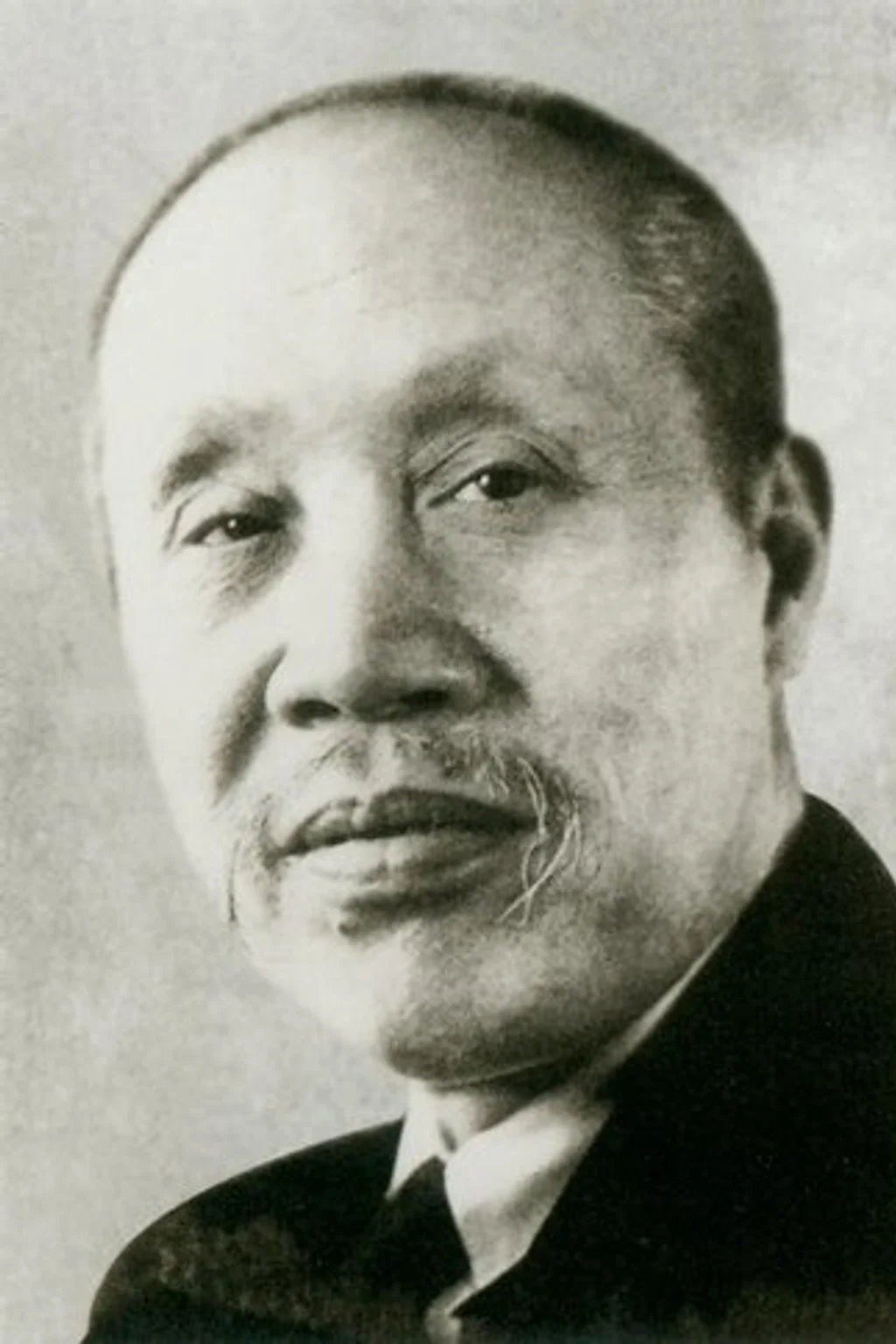
Portrait of Liu Shaoqi in formal attire
Founding Era1959–1968

Liu Shaoqi

A senior party theorist and close ally of Mao, Liu Shaoqi became Chairman of the PRC in 1959. He pursued pragmatic economic recovery after the Great Leap Forward, but was denounced as a 'capitalist roader' during the Cultural Revolution and removed from office.

Cultural Revolution

1 president

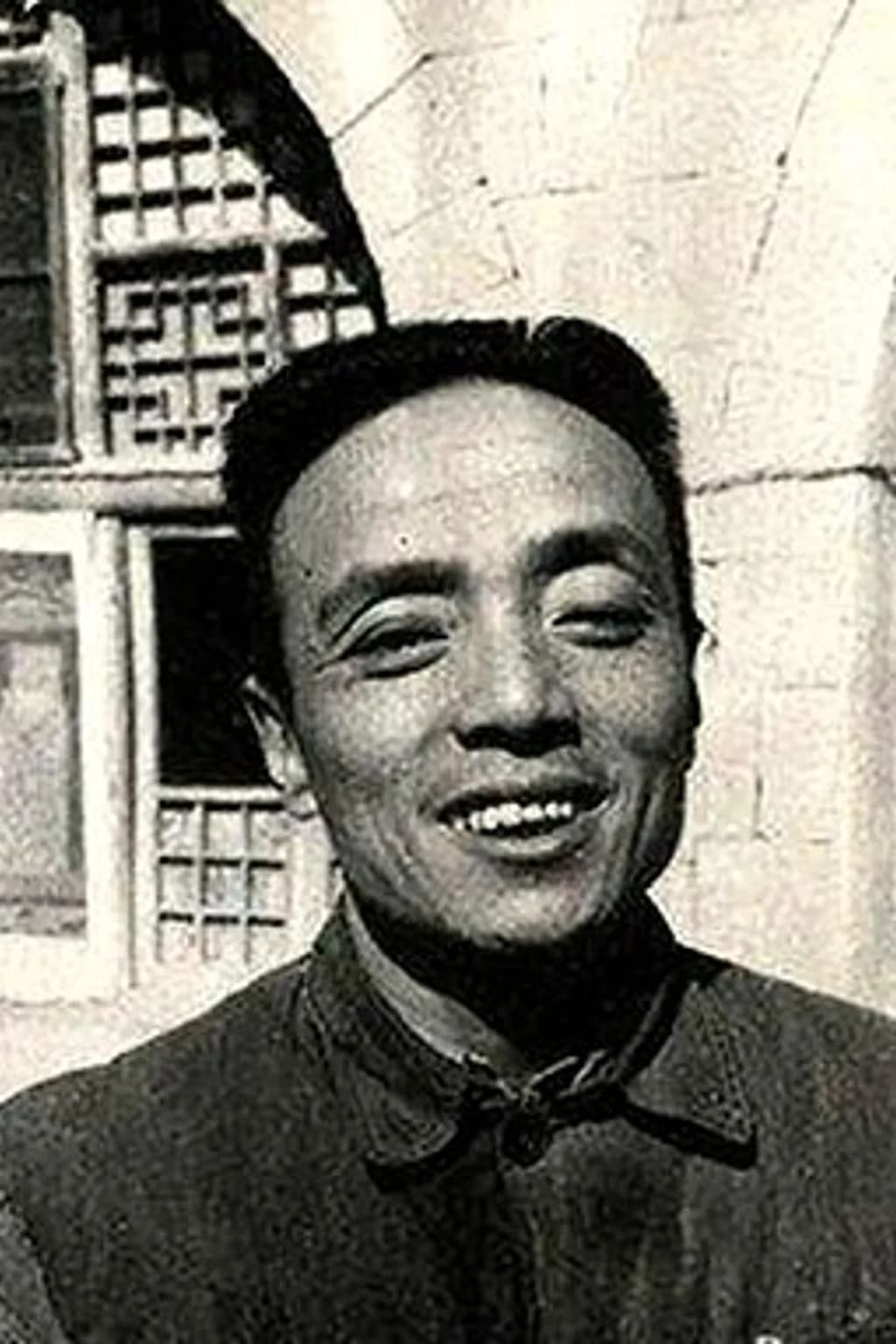
Portrait of Dong Biwu in formal Chinese revolutionary attire
Cultural Revolution1968–1975

Dong Biwu

After Liu Shaoqi's removal, Dong Biwu served as Acting Chairman during the turbulent years of the Cultural Revolution. A veteran revolutionary and legal theorist, he held the formal role of head of state until the 1975 constitution abolished the position.

Reform Era

3 presidents

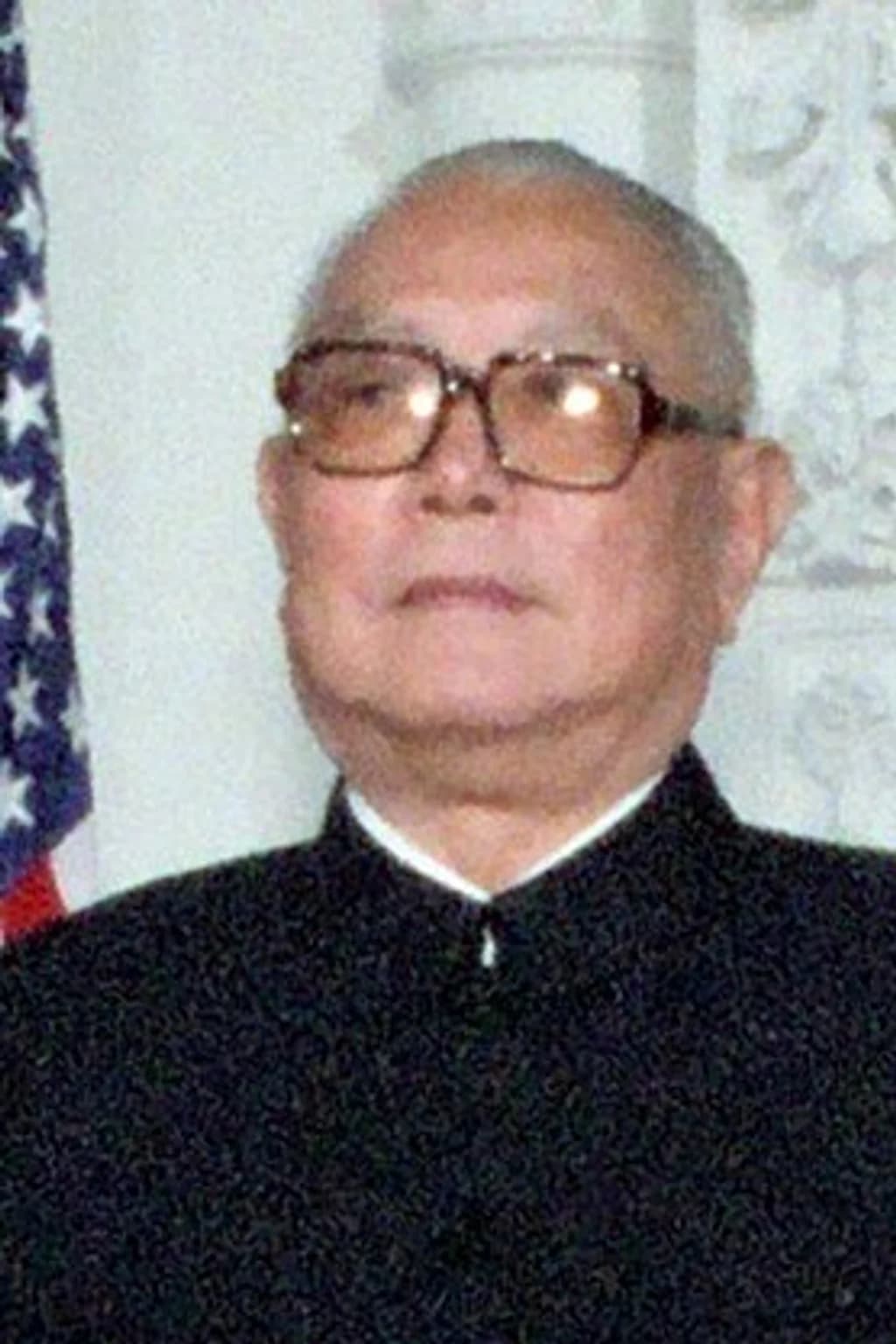
Portrait of Li Xiannian in formal attire
Reform Era1983–1988

Li Xiannian

Li Xiannian became the first President under the 1982 constitution, which re-established the office after nearly a decade of vacancy. A veteran communist and economic administrator, his presidency coincided with the opening phase of Deng Xiaoping's reform programme.

Portrait of Yang Shangkun in formal attire
Reform Era1988–1993

Yang Shangkun

Yang Shangkun served as President during a pivotal and turbulent period, which included the Tiananmen Square protests of 1989 and the continued acceleration of market-oriented reforms that reshaped China's economy through the early 1990s.

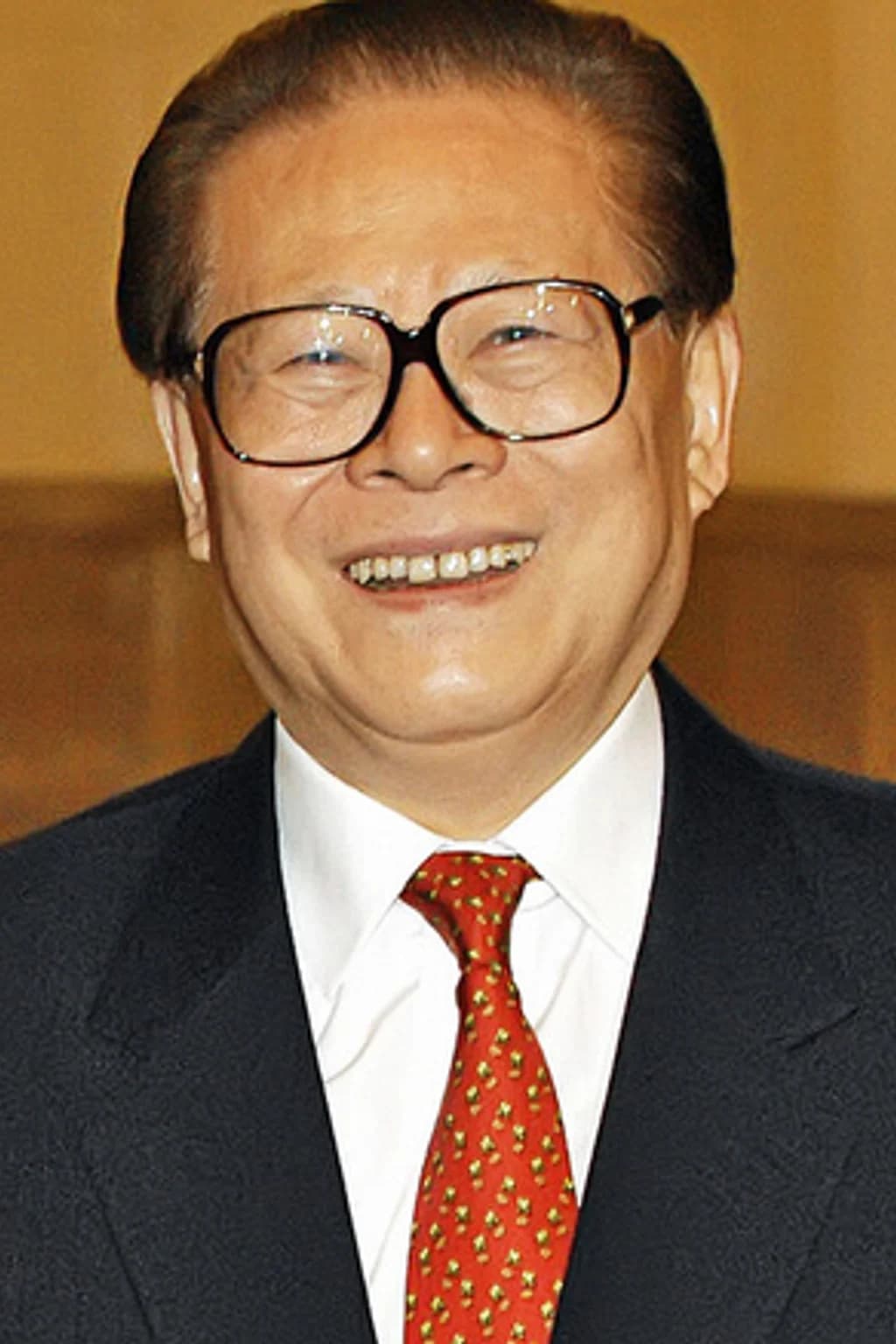
Portrait of Jiang Zemin in formal attire
Reform Era1993–2003

Jiang Zemin

Jiang Zemin oversaw China's rapid economic growth and its integration into the global economy, including accession to the World Trade Organisation in 2001. His 'Three Represents' theory broadened the CCP's ideological base and his tenure saw Hong Kong's return from British rule.

Modern Era

2 presidents

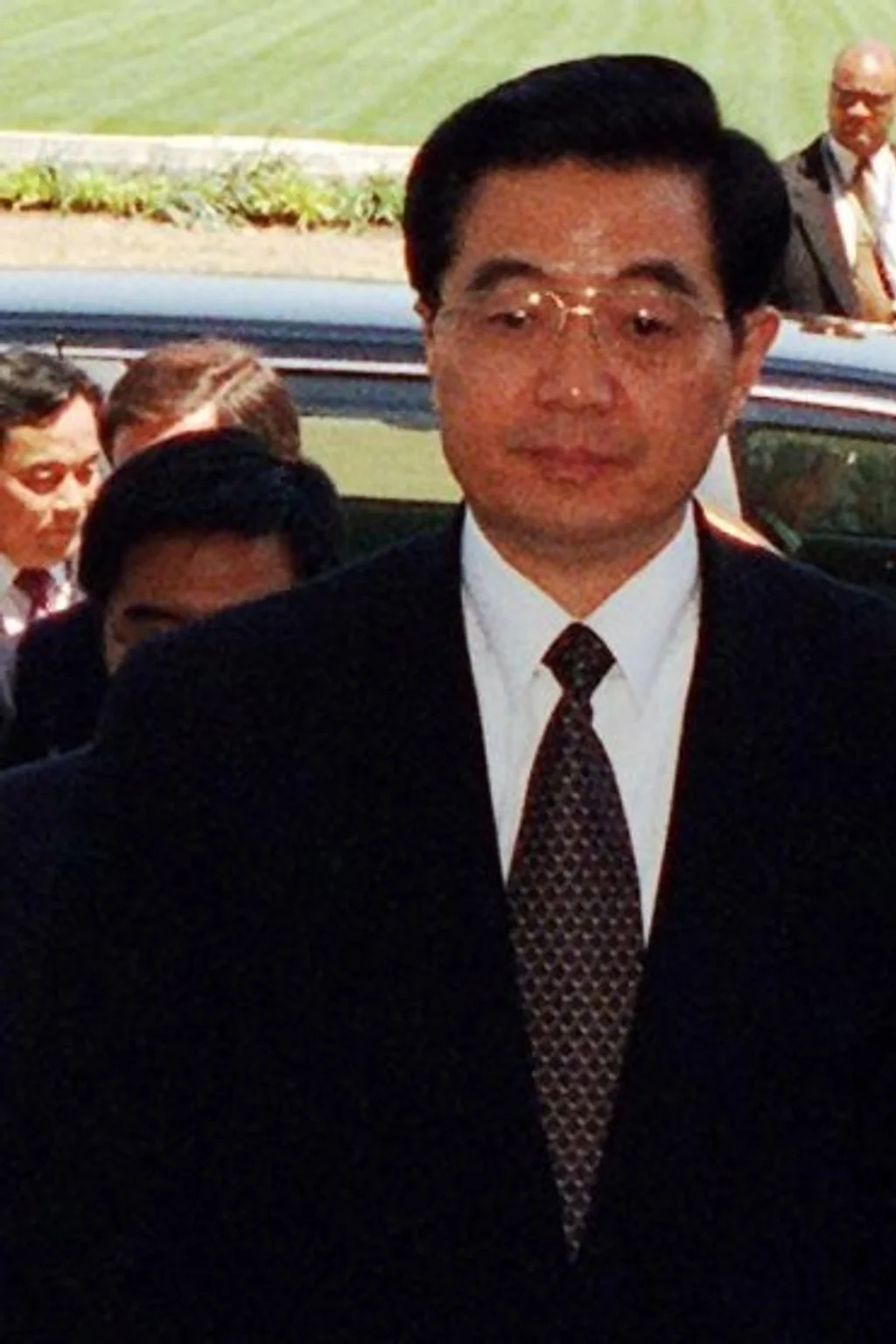
Portrait of Hu Jintao in formal attire
Modern Era2003–2013

Hu Jintao

Hu Jintao guided China through its emergence as a global economic superpower, overseeing the 2008 Beijing Olympics and continued double-digit growth. He promoted the 'Harmonious Society' concept and managed China's expanding international role during the global financial crisis.

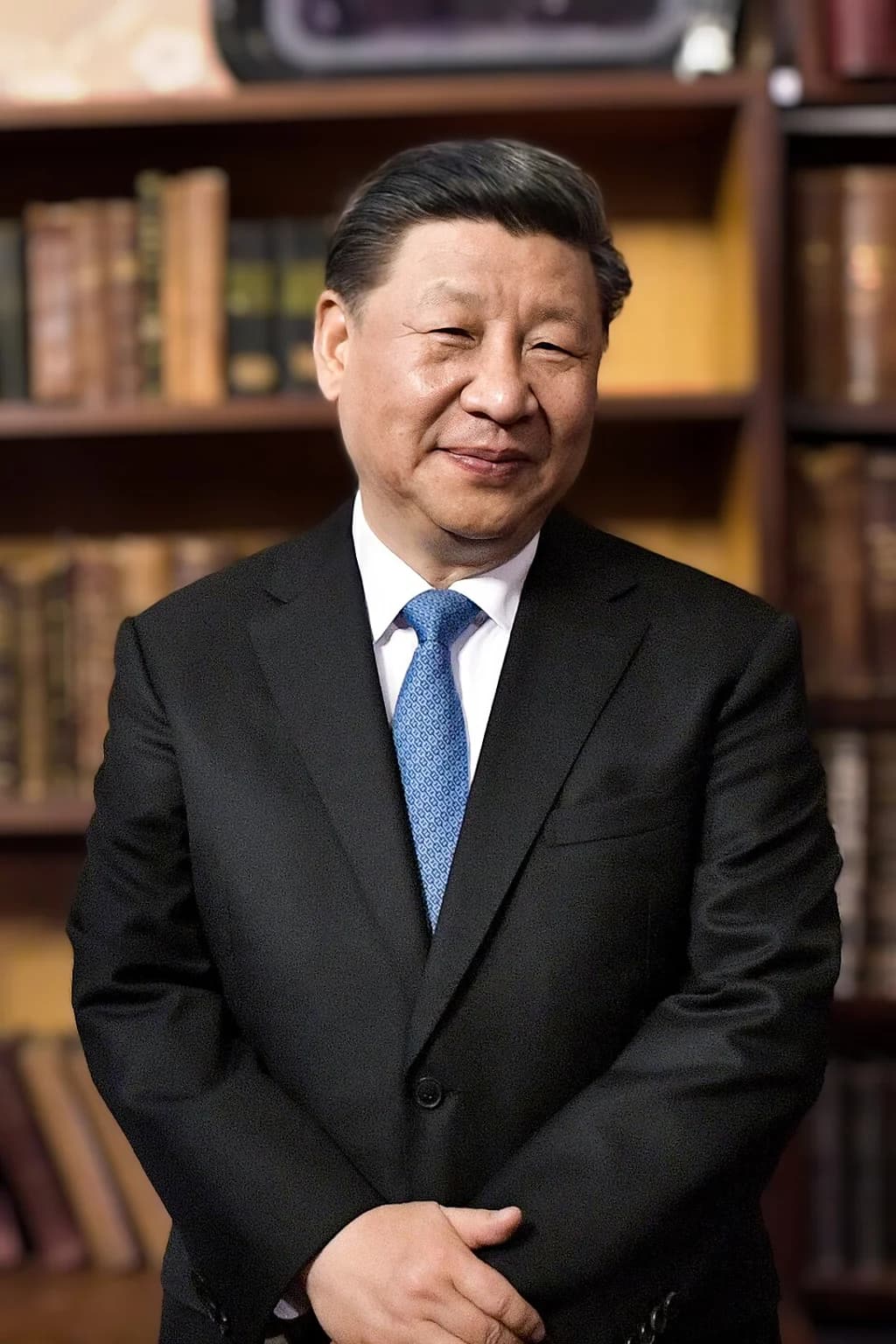
Portrait of Xi Jinping in formal attire
Modern Era2013–present

Xi Jinping

Xi Jinping has consolidated political power more thoroughly than any leader since Mao, eliminating presidential term limits in 2018. He has pursued an assertive foreign policy, the Belt and Road Initiative, and a sweeping anti-corruption campaign, while overseeing China's rise as a global technological and military power.

Frequently asked questions

Who was the first President of China?

Mao Zedong was the first head of state of the People's Republic of China, serving as Chairman of the Central People's Government from 1949 and then as Chairman of the PRC from 1954 until 1959.

Who is the current President of China?

Xi Jinping has served as President since 2013. Following the removal of presidential term limits in 2018, he is set to remain in office indefinitely.

Why was there no President of China between 1975 and 1983?

The 1975 constitution abolished the office of head of state entirely, following the removal of Liu Shaoqi during the Cultural Revolution. The position was re-established by the 1982 constitution, and Li Xiannian became the first President under the restored title in 1983.

Are all Chinese Presidents members of the Communist Party?

Yes. All heads of state of the People's Republic of China have been senior members of the Chinese Communist Party, which has governed China as the sole ruling party since 1949.

What happened to China's presidential term limits?

China's presidential term limits were removed in 2018, ending the two-term limit that had applied to the presidency and allowing Xi Jinping to continue serving beyond two terms.

Who held power the longest in China?

Mao Zedong dominated Chinese politics from 1949 until his death in 1976, the longest continuous period of political dominance, though he held the formal head-of-state title only until 1959. Among those holding the presidency itself, Jiang Zemin served the longest term at ten years (1993–2003).
A weekly route through history

Find out first about the latest published stories, feature notes and occasional Premium offers in one weekly email.