People

Jiang Zemin

Jiang Zemin was General Secretary of the Chinese Communist Party and President of China, leading after 1989 through market reforms, Hong Kong's handover and WTO entry.

Born
1926 CE
Died
2022 CE
Role
Chinese President and General Secretary

Chinese President and General Secretary (1926–2022)

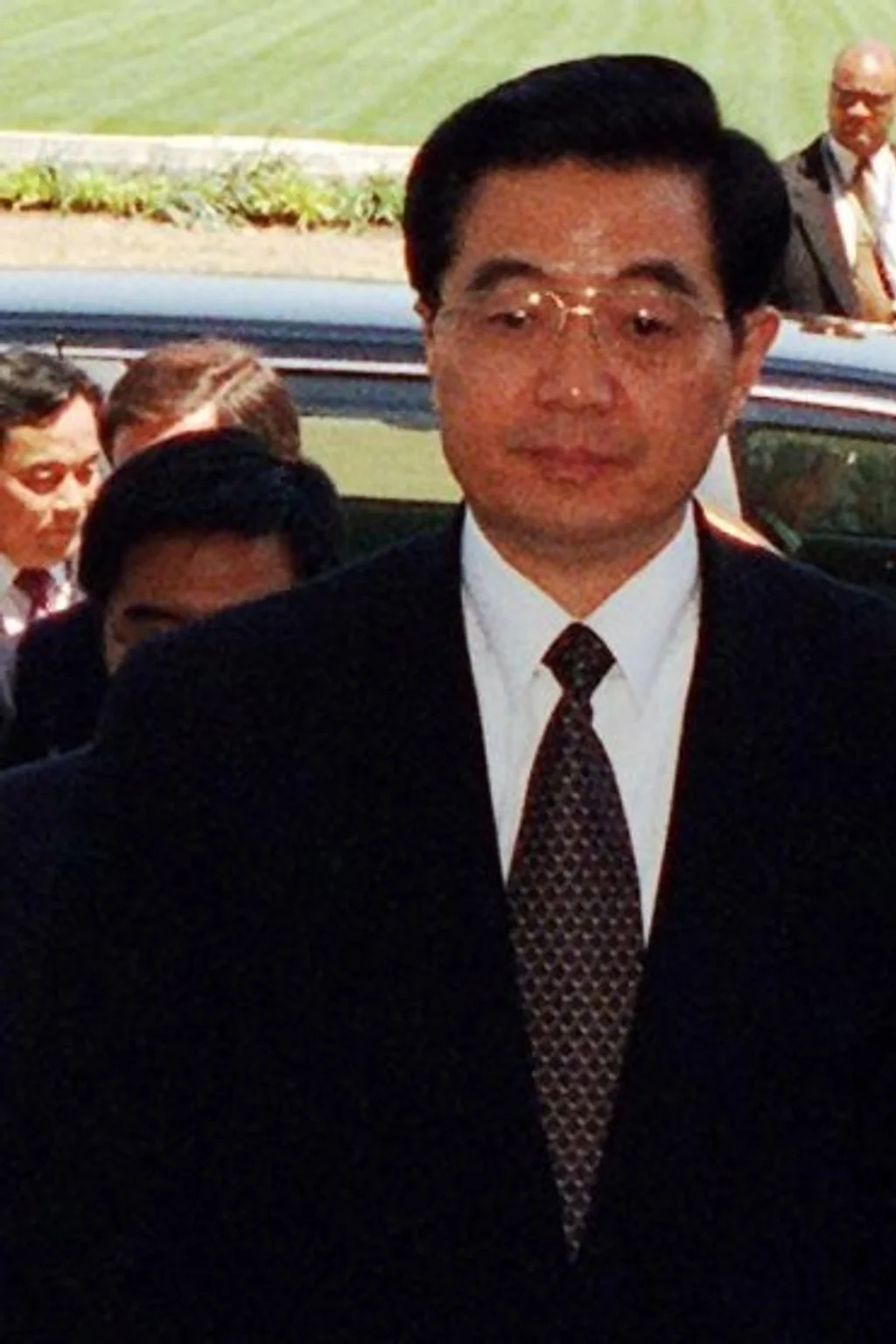
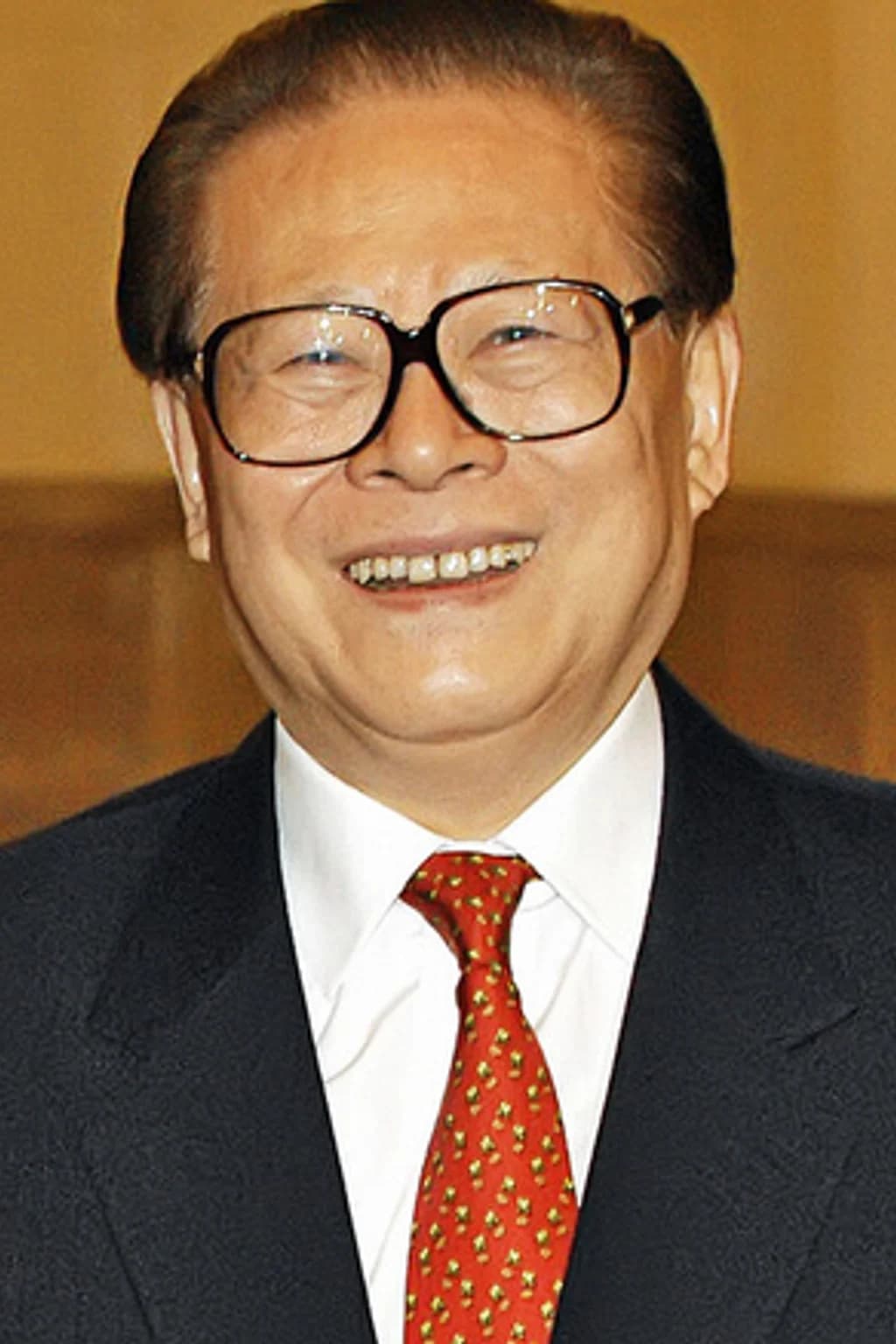
Portrait photograph of Jiang Zemin
Licensed archival image

A real historical or editorial image is used here. Source, licence and transformation details are publicly recorded. Image policy Attribution

Quick answer

Jiang Zemin was General Secretary of the Chinese Communist Party and President of China, leading after 1989 through market reforms, Hong Kong's handover and WTO entry.

Born
1926 CE
Died
2022 CE
Role
Chinese President and General Secretary
Years
1926-2022 CE
Quick facts

Profile details

Additional identity and tagging details that are not already covered in the introduction.

Also known as
President Jiang, General Secretary Jiang, Chairman Jiang
Facts

Jiang Zemin timeline facts

Selected specifics from this profile's life story.

1926–1949
Early Years

Jiang Zemin was born in Yangzhou in 1926, studied electrical engineering and came of age during war, occupation and revolution.

1989
Sudden Elevation

After the Tiananmen crackdown, Deng Xiaoping and senior elders elevated Jiang to General Secretary of the Communist Party in 1989.

2001
Global Integration

Hong Kong's 1997 handover and China's 2001 entry into the World Trade Organization became defining milestones of Jiang's era.

2000s–2022
Lasting Impact

Jiang died in 2022, leaving a legacy of global economic integration, party adaptation and continued political repression.

Life Journey

From engineer to steward of a transforming state

Follow the story in a more continuous narrative, with a reading mode that matches how much depth you want.

Complete chronology

1926–1949

Early Years

Jiang Zemin was born on 17 August 1926 in Yangzhou, Jiangsu, into a China marked by warlord politics, Japanese invasion and the struggle between Nationalists and Communists. He studied electrical engineering at Shanghai Jiao Tong University, training that shaped his later image as a technocratic modernizer rather than a revolutionary guerrilla. Jiang joined the Communist Party before the founding of the People's Republic, but his early career was rooted less in battlefield legend than in technical expertise, factories and administration. That background mattered. He belonged to the generation that made Communist rule work through ministries, production targets and industrial systems.

1950s–1970s

Technical Career

After 1949, Jiang worked through the industrial and bureaucratic ranks of the new state. He spent time in automobile and electrical machinery sectors and was sent to the Soviet Union for technical training, a formative experience when Soviet models still carried enormous weight in China. Like many officials of his generation, he survived political turbulence by combining competence, caution and ideological reliability. He was not a charismatic mass leader. He was a systems man, comfortable with planning, technology and institutional hierarchy. That made him well suited to a China trying to recover from Maoist upheaval and make reform administratively manageable.

1985–1989

Shanghai Leadership

Jiang rose to national visibility through Shanghai, first as mayor and then as party secretary. The city was a laboratory of reform, foreign contact and urban ambition, but also a place where student and citizen protest could become politically dangerous. During the 1989 protest movement, Jiang handled Shanghai with a mixture of censorship, negotiation and control, shutting down the World Economic Herald while avoiding the kind of bloodshed that later occurred in Beijing. To senior leaders searching for stability after Tiananmen, this mattered. Jiang looked disciplined, loyal and not personally threatening. He was acceptable because he seemed safe.

1989

Sudden Elevation

Jiang's elevation in 1989 was sudden and revealing. Zhao Ziyang, the reformist General Secretary, was purged for sympathizing with student demonstrators, and the party needed a successor who would restore authority without igniting another internal struggle. Deng Xiaoping remained the decisive elder, and Jiang initially governed under the shadow of older revolutionaries. His first task was survival: reassure hardliners, prevent political opening, restore party discipline and manage international isolation after the crackdown. He did not come to power through popular mandate or revolutionary conquest. He came through elite selection at a moment when the party's greatest fear was loss of control.

Early 1990s

Consolidating Authority

Jiang's early leadership was cautious, partly because his authority was not yet secure. Conservatives wanted political tightening; reformers wanted economic momentum restored. Deng's 1992 southern tour decisively revived market-oriented reform, and Jiang adjusted. He learned to present economic opening as compatible with party rule, not a threat to it. Over time he accumulated the top titles: party General Secretary, state President and chairman of the Central Military Commission. He also promoted allies later associated with the Shanghai clique. Jiang's power was built by alignment, patience and institutional positioning rather than by a single dramatic victory.

1990s

Economic Expansion

The 1990s under Jiang were years of extraordinary economic change. Coastal cities expanded, foreign investment surged, consumer culture grew and state-owned enterprises faced painful restructuring that cost many workers their old guarantees. Premier Zhu Rongji drove much of the economic overhaul, but Jiang provided the political umbrella. His theory of the Three Represents later justified admitting private entrepreneurs into the Communist Party, a striking shift for a party founded in the name of workers and peasants. The bargain was clear: growth, opportunity and national strength would expand, but organized political opposition would not be tolerated. Modernization was real; liberalization had limits.

2001

Global Integration

Jiang presided over two events that announced China's changing place in the world. In 1997, Britain handed Hong Kong back to Chinese sovereignty under the one country, two systems formula, a moment heavy with post-imperial symbolism and future uncertainty. In 2001, China entered the World Trade Organization after long negotiations, binding its economy far more deeply into global trade. WTO accession accelerated exports, investment and industrial transformation, reshaping not only China but the world economy. Jiang also managed tense relations with the United States, including the 1999 bombing of China's embassy in Belgrade and the 2001 EP-3 spy plane incident. His China was more open to markets, but also more assertive about sovereignty.

2002–2004

Stepping Down

Jiang's retirement was staged rather than simple. He gave up the post of General Secretary to Hu Jintao in 2002 and the presidency in 2003, but kept chairmanship of the Central Military Commission until 2004. The sequence reflected both institutionalization and lingering personal power. Compared with Maoist purges or sudden leadership crises, the transition looked orderly. Yet Jiang's continued influence showed that Chinese succession remained negotiated through elite networks, not automatic rules. His departure helped create the impression of term-bound collective leadership, an impression later developments in Chinese politics would complicate.

2000s–2022

Lasting Impact

Jiang Zemin died on 30 November 2022, long after the China he helped shape had become central to the global economy. His legacy is not one-dimensional. He guided the party through the post-Tiananmen danger zone, supported reforms that lifted growth and urban wealth, oversaw Hong Kong's return and helped bring China into the WTO. He also presided over censorship, repression of dissent and the harsh campaign against Falun Gong. His leadership showed how the Communist Party could adapt without democratizing: absorb entrepreneurs, use markets, court global capital and keep political monopoly intact. To ask why Jiang Zemin was important is to see the hinge between Deng's reform era and China's twenty-first-century rise as a richer, more connected and still tightly controlled power.

Continue in context

Connected stories

Move from the profile into the wider events and settings this figure belongs to.

China Presidents lineage
Lineage8 heads of state
China Presidents
1949 CE–present

Heads of state of the People's Republic of China from Mao Zedong to Xi Jinping.

View lineage
Tertiary paths

Content note

This profile is written for educational use and connects to related Stories of History pages. The main portrait uses a real historical or editorial image, with source and licence details recorded for attribution review. Image policy Image attribution

References

Sources & Further Reading

Reliable reference works, archives and reading paths connected to this profile.

Further reading

  1. Encyclopaedia Britannica, Search results for Jiang Zemin,” accessed June 2026.Open source
  2. WorldCat, Books and library holdings for Jiang Zemin,” accessed June 2026.Open source

Primary sources

  1. Library of Congress, Search results for Jiang Zemin,” accessed June 2026.Open source

Reviewed claim sources

Loading reviewed claim sources...

A weekly route through history

Find out first about the latest published stories, feature notes and occasional Premium offers in one weekly email.