People

Yang Shangkun

Yang Shangkun was President of China from 1988 to 1993, a veteran Communist revolutionary, Long March participant, military power broker and key figure in the 1989 Tiananmen crackdown.

Born
1907 CE
Died
1998 CE
Role
Chinese President

Chinese President (1907–1998)

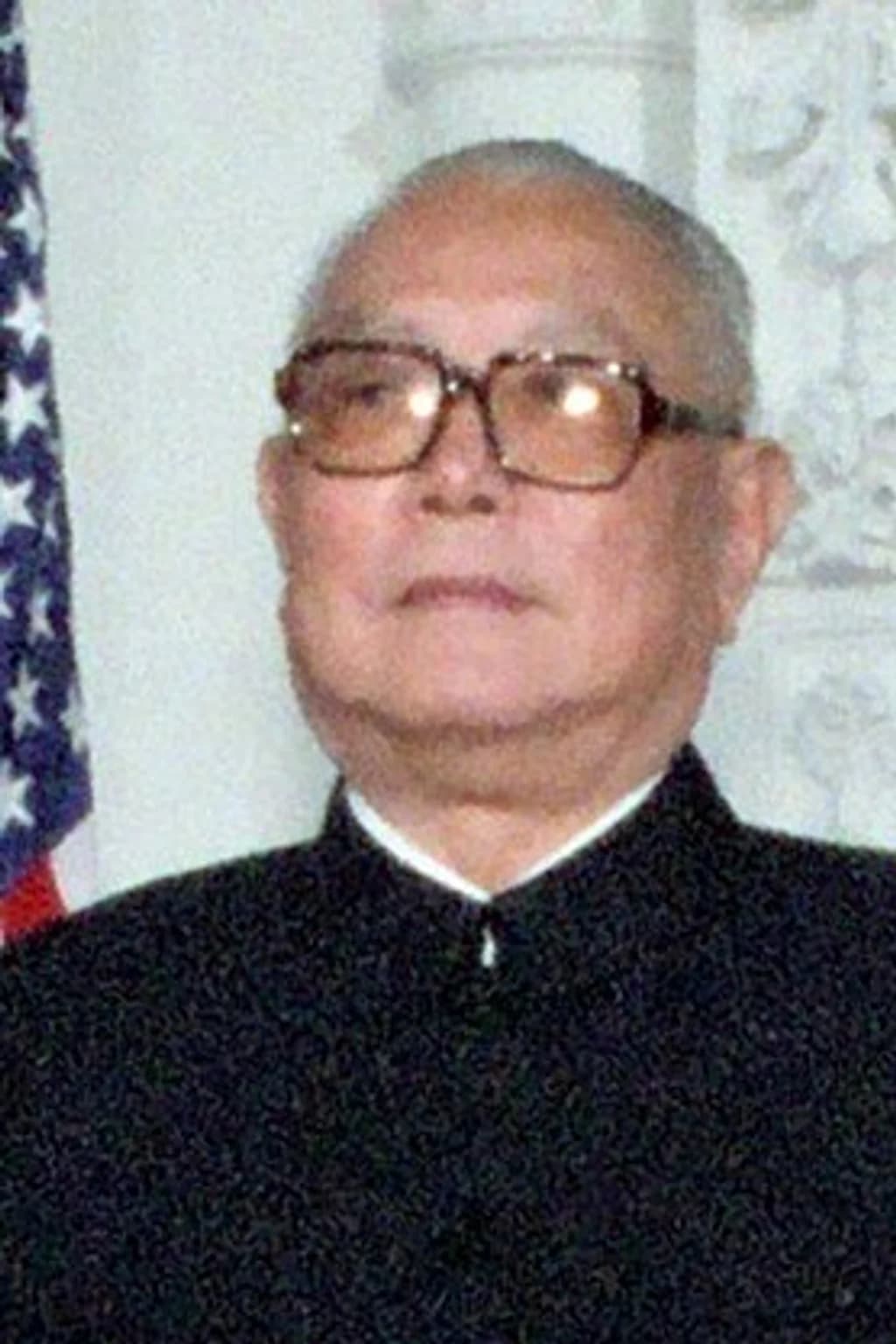
Portrait photograph of Yang Shangkun
Historical photograph

A real historical or editorial image is used here. Source, licence and transformation details are publicly recorded. Image policy Attribution

Quick answer

Yang Shangkun was President of China from 1988 to 1993, a veteran Communist revolutionary, Long March participant, military power broker and key figure in the 1989 Tiananmen crackdown.

Born
1907 CE
Died
1998 CE
Role
Chinese President
Years
1907-1998 CE
Quick facts

Profile details

Additional identity and tagging details that are not already covered in the introduction.

Also known as
President Yang, Yang Shangkun of China
Facts

Yang Shangkun timeline facts

Selected specifics from this profile's life story.

1907
Rural beginnings

Yang Shangkun was born in Sichuan in 1907, growing up as imperial China gave way to warlordism, republican politics and revolutionary movements.

1950s
Rise in government

After 1949, Yang became a senior party administrator, working close to the centre of the new People's Republic rather than as a mass public figure.

1988
Becoming president

Yang became President of China in 1988, a formally limited office, but his military ties gave him influence far beyond ceremony.

1990s
Final years

Yang left the presidency in 1993 and died in 1998, remembered as both a revolutionary survivor and a hard-line figure of the Tiananmen era.

Life Journey

Revolutionary survival, military influence, and Tiananmen

Follow the story in a more continuous narrative, with a reading mode that matches how much depth you want.

Complete chronology

1907

Rural beginnings

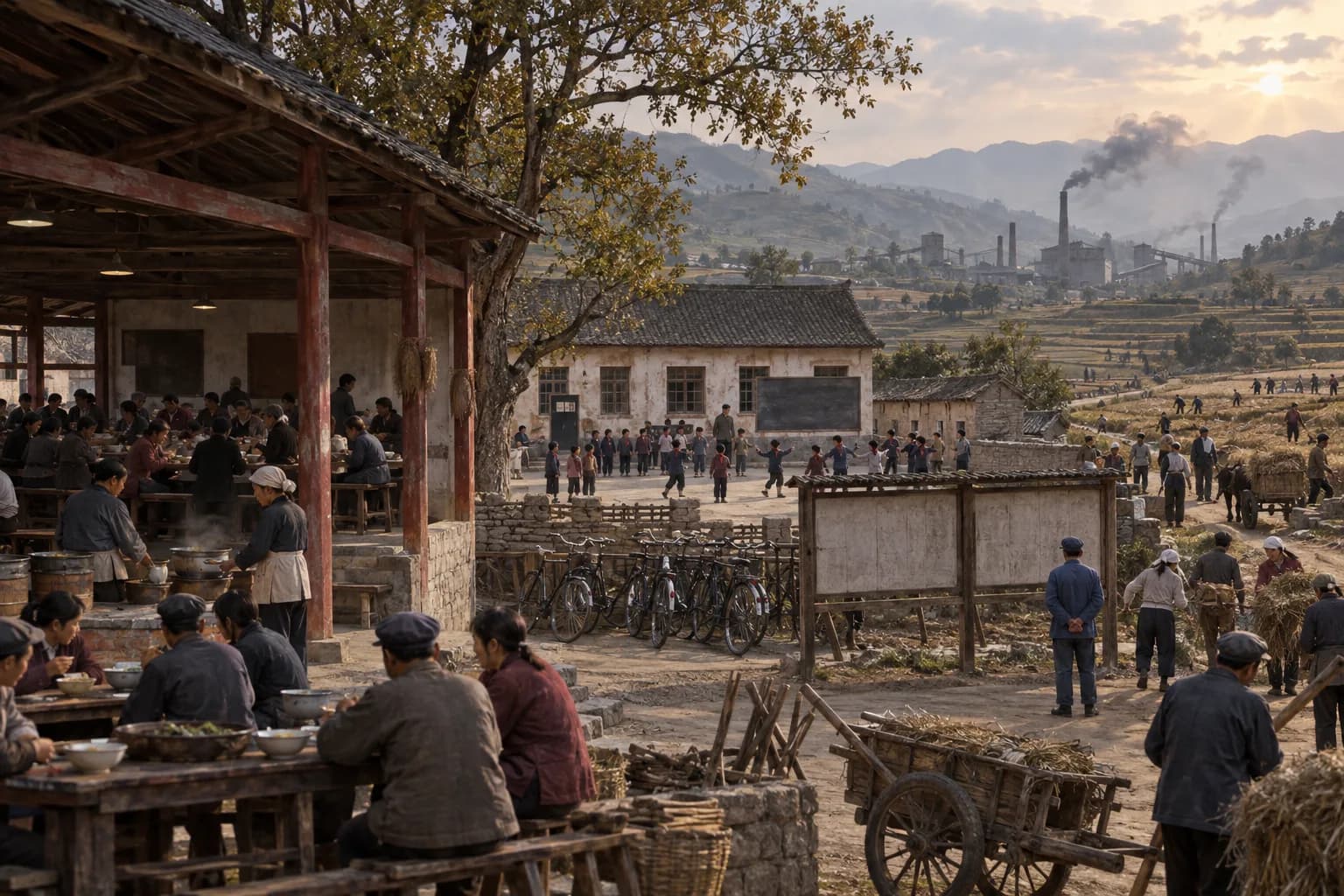
Yang was born in Tongnan, then part of Sichuan, into a China whose old order was collapsing. The Qing dynasty fell when he was a child, but the Republic that followed did not bring stability. Warlords, student activism, nationalism and radical politics all competed to define China's future. Yang's education exposed him to currents far beyond village life, and like many ambitious young people of his generation, he found the old political language inadequate. Revolution promised discipline, national salvation and a role for those willing to risk themselves. Yang's long career began in that atmosphere of fragmentation and possibility.
1920s

Joining revolution

Joining the Chinese Communist Party in the 1920s was not a safe career move. The alliance with the Nationalists broke down, Communist organisers were purged and underground work demanded secrecy as well as conviction. Yang spent time studying in the Soviet Union, absorbing the organisational habits of Leninist politics: discipline, hierarchy, ideological training and party loyalty. He became the kind of cadre revolutionary movements depend on but do not always celebrate publicly: organiser, communicator, administrator and survivor. Those skills made him valuable across decades because revolutions are not sustained by slogans alone. They need people who can keep systems functioning under pressure.

1930s

Long March era

Yang took part in the Long March, the great Communist retreat that later became a founding myth of party legitimacy. His importance lay less in battlefield command than in political and administrative work close to the leadership. In Yan'an, the Communist base became a school of revolutionary government as well as military resistance. Cadres who survived these years shared hardship, suspicion, ideological campaigns and the practical business of building a party-state before it possessed the state. Yang's proximity to central organs gave him durable connections. In Chinese Communist politics, revolutionary seniority became a form of capital that could be spent decades later.

1950s

Rise in government

Communist victory transformed Yang from revolutionary cadre into state-builder. He held senior roles in the party's central offices, where paperwork, personnel, communications and access to leaders could matter as much as public speeches. This kind of power was quiet but real. Yang helped manage the machinery through which decisions moved. In the 1950s and early 1960s, such administrative skill was essential as the new state consolidated authority, launched campaigns and tried to govern a vast country after decades of war. Yet proximity to the centre also brought danger. Officials who controlled information could become suspect when factional struggle intensified.

1960s

Political downfall

The Cultural Revolution turned Yang's central position into liability. He was associated with leaders and institutions attacked by Maoist radicals, removed from office and imprisoned. Like many veteran cadres, he discovered that revolutionary history did not guarantee protection when the party devoured its own administrative class. Years of detention cut him off from power, but they did not erase his networks or seniority. The experience also reinforced a lesson shared by many rehabilitated elders: disorder could destroy the party from within. That memory shaped the hard line many old revolutionaries later took when they believed political protest threatened Communist rule.

1970s

Return to power

Yang's rehabilitation came with the broader reversal of Cultural Revolution politics. Deng Xiaoping needed experienced officials who could restore order, revive administration and reassert party discipline. Yang returned to high-level work and became especially important in military affairs. His family connections, including the influence of his brother Yang Baibing in the People's Liberation Army, later added to the perception of a Yang network inside the armed forces. In the Deng era, formal titles did not always reveal real power. Yang's authority came from revolutionary seniority, personal relationships and influence over the military establishment.

1988

Becoming president

The presidency of the People's Republic was not the supreme office in China's system; party and military posts mattered more. Yet Yang's elevation in 1988 gave him public status at a moment when reform, inflation, corruption and political debate were creating tension. He was close to Deng Xiaoping and had significant influence with the People's Liberation Army. That made him more than a ceremonial head of state. He stood among the revolutionary elders whose authority could override younger institutional leaders when crisis came. His career embodied the layered nature of Chinese power: state title, party seniority, military connection and personal trust all mattered.

1989

1989 crisis

The 1989 protests began with mourning for Hu Yaobang and expanded into demands for accountability, press freedom and action against corruption. The leadership split over how to respond. Yang sided with Deng and other elders who viewed the movement as a threat to party rule and state stability. Because of his military relationships, his role mattered in translating political decision into armed force. The crackdown in Beijing on 3-4 June killed civilians and soldiers; the exact death toll remains disputed and politically sensitive. Internationally, Yang became associated with repression. Domestically, the leadership framed the action as necessary to restore order. His legacy has never escaped that divide.

1990s

Final years

Yang's final years coincided with Jiang Zemin's consolidation and the gradual retirement of Deng-era elders. He left office in 1993, while the influence of the Yang family within the military was reduced as later leaders rebalanced power. When Yang died in 1998, official memory emphasised revolutionary service, Long March credentials and loyalty to socialism. Outside official narratives, his name remained tied to Tiananmen. Both dimensions are necessary. Yang Shangkun's life crossed nearly the whole arc of twentieth-century Chinese communism: underground struggle, Long March survival, state-building, purge, rehabilitation, high office and coercive crisis. He shows how revolutionary legitimacy could become governing authority, and how governing authority could end in decisions that remain morally contested.

Continue in context

Connected stories

Move from the profile into the wider events and settings this figure belongs to.

China Presidents lineage
Lineage8 heads of state
China Presidents
1949 CE–present

Heads of state of the People's Republic of China from Mao Zedong to Xi Jinping.

View lineage
Tertiary paths

Content note

This profile is written for educational use and connects to related Stories of History pages. The main portrait uses a real historical or editorial image, with source and licence details recorded for attribution review. Image policy Image attribution

References

Sources & Further Reading

Reliable reference works, archives and reading paths connected to this profile.

Further reading

  1. Encyclopaedia Britannica, Search results for Yang Shangkun,” accessed June 2026.Open source
  2. WorldCat, Books and library holdings for Yang Shangkun,” accessed June 2026.Open source

Primary sources

  1. Library of Congress, Search results for Yang Shangkun,” accessed June 2026.Open source

Reviewed claim sources

Loading reviewed claim sources...

A weekly route through history

Find out first about the latest published stories, feature notes and occasional Premium offers in one weekly email.