People

Li Xiannian

Li Xiannian was a Chinese Communist revolutionary, finance leader and President of the People's Republic of China from 1983 to 1988. His career linked guerrilla survival, Mao-era planning and Deng-era reform.

Born
1909 CE
Died
1992 CE
Role
Chinese revolutionary and President

Chinese revolutionary and President (1909–1992)

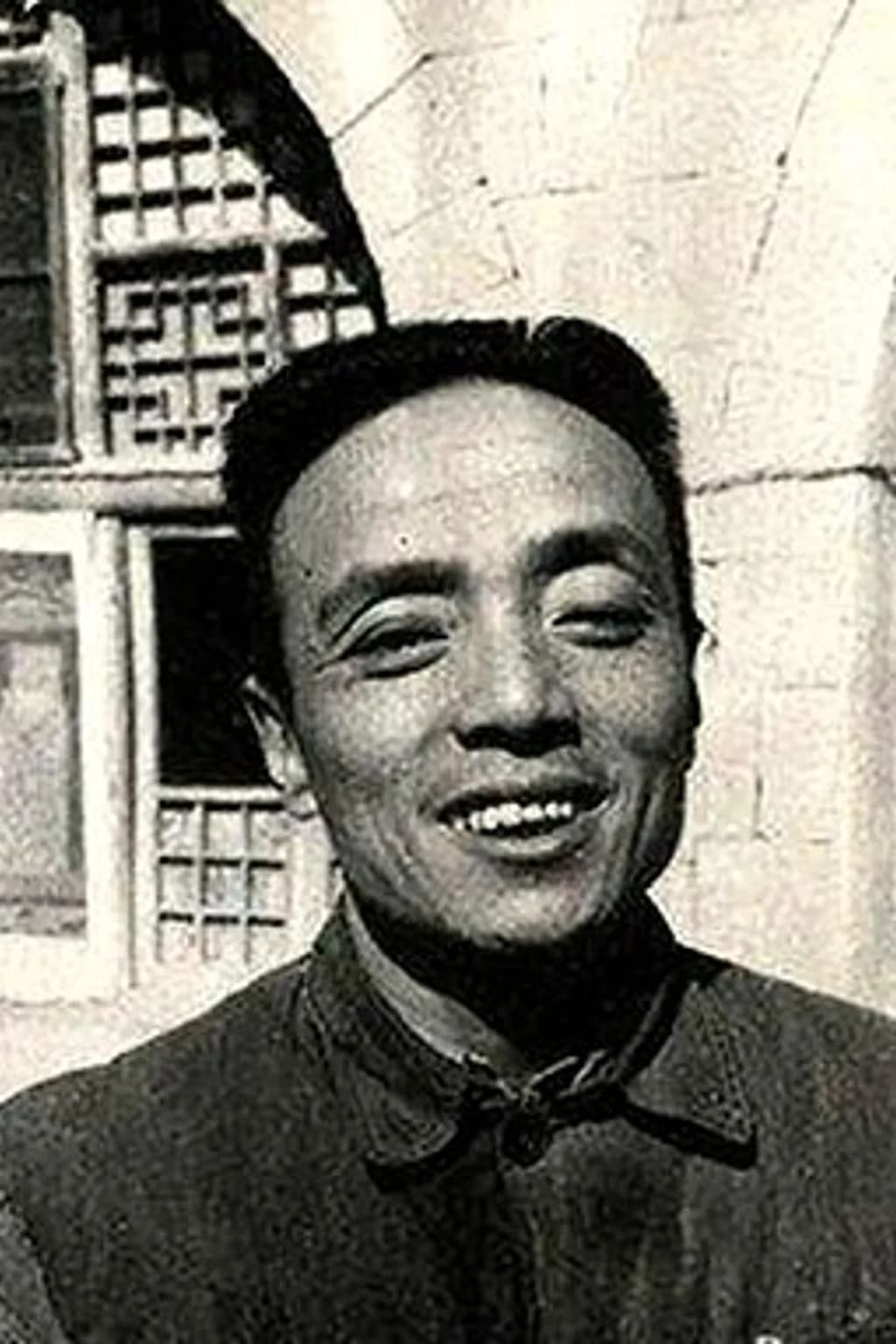
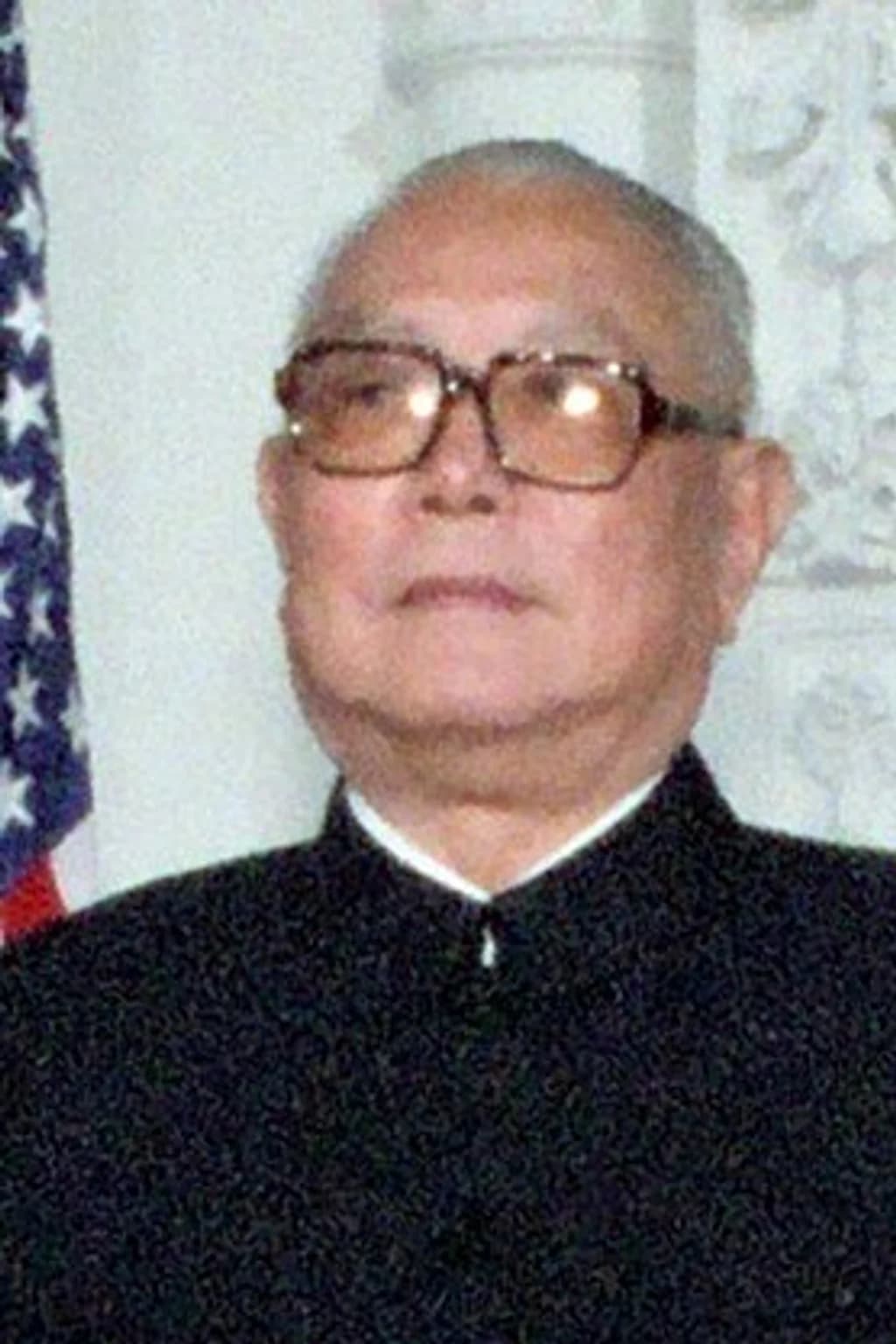
Portrait photograph of Li Xiannian
Historical photograph

A real historical or editorial image is used here. Source, licence and transformation details are publicly recorded. Image policy Attribution

Quick answer

Li Xiannian was a Chinese Communist revolutionary, finance leader and President of the People's Republic of China from 1983 to 1988. His career linked guerrilla survival, Mao-era planning and Deng-era reform.

Born
1909 CE
Died
1992 CE
Role
Chinese revolutionary and President
Years
1909-1992 CE
Quick facts

Profile details

Additional identity and tagging details that are not already covered in the introduction.

Also known as
President Li Xiannian
Facts

Li Xiannian timeline facts

Selected specifics from this profile's life story.

1909
Humble beginnings

Li Xiannian was born in Hubei into rural poverty, a background that gave him firsthand knowledge of the insecurity that fed China's revolutionary politics.

1937–1949
War leadership

During the war against Japan and the renewed civil war, Li became an important military-political organiser, especially in central China.

1966–1976
Cultural Revolution survival

During the Cultural Revolution, Li was pressured and criticised but survived politically, unlike many senior officials destroyed by factional campaigns.

1992
Enduring legacy

Li died in 1992 after a career that stretched from rural guerrilla struggle to the politics of reform, leaving a legacy of endurance and administrative steadiness.

Life Journey

A life shaped by revolution, survival and cautious power

Follow the story in a more continuous narrative, with a reading mode that matches how much depth you want.

Complete chronology

1909

Humble beginnings

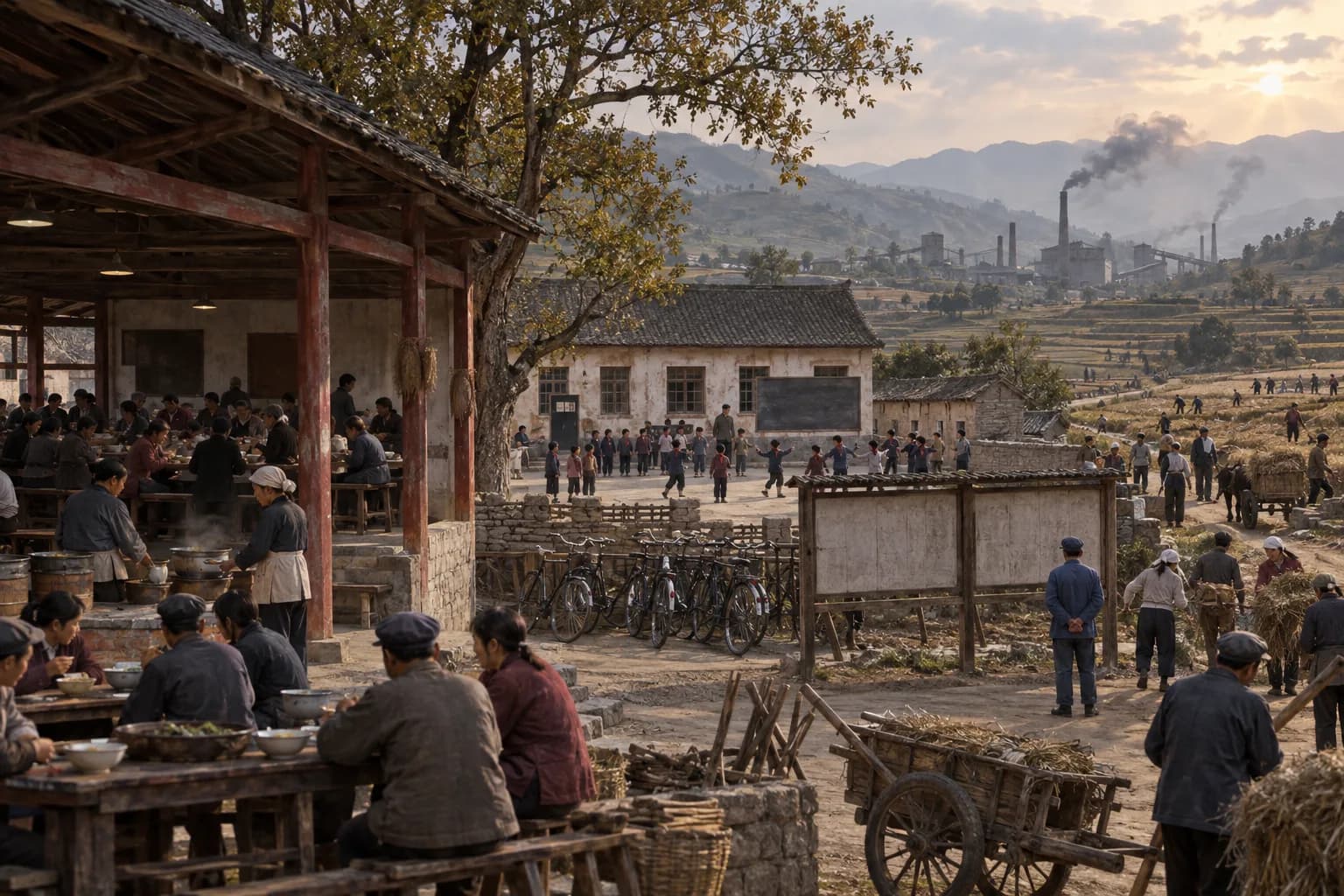
Li Xiannian was born in 1909 in Huang'an County, Hubei, in a rural world where poverty, debt and local disorder shaped political consciousness long before ideology did. His youth coincided with the collapse of the Qing dynasty's aftermath, warlord competition and the weakness of central authority. Unlike leaders whose path began in elite schools, Li's early formation came from the countryside that the Chinese Communist movement later claimed to represent. Limited formal education did not prevent political advancement, but it influenced the kind of official he became: practical, cautious and alert to material realities. For Li, revolution was not only an abstract promise of class liberation. It was also a route out of a fractured society in which ordinary families had little protection against violence or hunger.

1927–1930

Joining revolution

Li entered revolutionary politics after the violent breakdown of the first united front between the Nationalists and Communists. In 1927, Chiang Kai-shek's forces and allied authorities turned on Communists and labour organisers, forcing the movement into underground survival and rural armed struggle. Li joined the Communist Party in this dangerous moment. His early work was tied to local mobilisation and military organisation in the Hubei-Henan-Anhui border region, one of the revolutionary base areas that sustained the party after urban organising had been crushed. These years made him part of a generation whose authority rested on endurance rather than polish. To remain with the Communists in the late 1920s was not a career move in any ordinary sense. It was a wager that a hunted movement could become the future state.

1934–1935

Long March survival

The Long March was the defining ordeal of the Communist elite, and Li's survival gave him a credential no later office could easily replace. His route and responsibilities were connected to the Fourth Front Army associated with Zhang Guotao, whose forces endured brutal campaigns, internal disputes and catastrophic losses. The Long March was not a single heroic procession but a series of retreats, escapes and political struggles in which hunger, disease and command conflict could be as deadly as enemy action. Li's later reputation for steadiness was built in these conditions. He learned that revolutionary survival depended on logistics, discipline and the ability to keep functioning when plans collapsed. The experience also taught caution. Those who survived not only armies but also factional danger understood that political judgement could decide life or death.

1937–1949

War leadership

From the late 1930s through the civil war, Li worked in the hard middle ground between battlefield command, party discipline and resource management. In the anti-Japanese war, Communist forces expanded influence through base areas, guerrilla networks and claims to patriotic resistance. After Japan's defeat in 1945, the civil war with the Nationalists resumed on a larger scale. Li held senior roles in central China, helping turn scattered revolutionary strength into durable control. His importance lay less in public charisma than in the ability to manage men, supplies and local authority across unstable territory. By the time the People's Republic was founded in 1949, Li belonged to the veteran cadre group whose legitimacy came from having kept the movement alive through its most dangerous decades.

1949–1950s

Building a new state

The Communist victory transformed Li from revolutionary organiser into state builder. The new People's Republic inherited inflation, ruined infrastructure, regional fragmentation and the immense task of turning military victory into governing capacity. Li became associated with finance and economic administration, eventually serving for many years in senior financial roles, including as finance minister and vice premier. His work was not glamorous, but it was central to the regime's survival. Currency stabilisation, budget discipline, state procurement and planned allocation mattered as much as speeches about socialism. Li represented a type of Communist power often hidden behind larger names: the cadre who made policy administratively possible. In a state that sought to command grain, steel, prices and labour, financial management was political power in practical form.

1958–1966

Navigating upheaval

The Great Leap Forward placed officials like Li in an almost impossible position. Mao's campaign promised rapid industrial and agricultural transformation through communes, mass mobilisation and inflated production targets. The result was economic dislocation and famine on a catastrophic scale. Li, as a senior economic administrator, had to work within a political atmosphere that punished open scepticism while confronting shortages that could not be solved by slogans. After the worst of the crisis, more pragmatic measures associated with leaders such as Liu Shaoqi, Zhou Enlai, Chen Yun and Deng Xiaoping restored elements of material incentive and administrative realism. Li's role was part of that wider effort to regain fiscal and productive order. His career shows the dilemma of technocratic survival under Mao: practical correction was necessary, but it had to be framed as loyalty rather than opposition.

1966–1976

Cultural Revolution survival

The Cultural Revolution shattered the routines of party and state administration. Senior officials were denounced, ministries paralysed, and revolutionary rhetoric became a weapon in elite and mass struggles. Li did not escape pressure, but he avoided the total destruction that befell figures such as Liu Shaoqi. His survival reflected a combination of veteran status, political caution, useful administrative expertise and the shifting protection of higher leaders who still needed experienced hands to keep the state from complete dysfunction. Survival should not be mistaken for control. Li was navigating danger rather than directing events. The decade reinforced his instinct for guarded politics: remain useful, avoid ideological flamboyance, and wait for the political weather to change. When the Mao era ended, cadres with Li's combination of revolutionary legitimacy and administrative experience were badly needed again.

1983–1988

Unexpected presidency

In 1983 Li Xiannian became President of the People's Republic of China, the first to hold the restored office under the 1982 constitution after the presidency had been abolished during the Cultural Revolution period. The post was less powerful than the party and military positions that defined ultimate authority, and Deng Xiaoping remained China's paramount leader. Even so, Li's presidency mattered symbolically. It signalled institutional repair after the chaos of the previous decade and placed an old revolutionary at the head of state while younger reform policies gathered momentum. Li was not an uncritical champion of market-oriented change. He belonged to a cautious group that accepted reform while worrying about inflation, inequality and loss of party control. His presence embodied the balancing act of the 1980s: open the economy, but preserve revolutionary legitimacy and one-party rule.

1992

Enduring legacy

Li Xiannian died in 1992, the same year Deng Xiaoping's southern tour pushed China more firmly back toward market reform after the political chill that followed 1989. Li's life had spanned almost every phase of Chinese Communist history: underground danger, base-area warfare, the Long March, Japanese invasion, civil war, early socialist planning, famine, Cultural Revolution survival and reform-era reconstruction. He is not remembered as the architect of a single grand doctrine. His significance lies in continuity. Li was one of the men who kept systems operating when ideology outran capacity, and who gave the post-Mao state a link to revolutionary legitimacy while it moved in directions the early revolutionaries had not imagined. His legacy is therefore quieter than Mao's or Deng's, but still revealing: modern China was shaped not only by charismatic leaders, but by durable administrators who survived enough upheaval to carry institutional memory from one era into the next.

Continue in context

Connected stories

Move from the profile into the wider events and settings this figure belongs to.

China Presidents lineage
Lineage8 heads of state
China Presidents
1949 CE–present

Heads of state of the People's Republic of China from Mao Zedong to Xi Jinping.

View lineage
Tertiary paths

Content note

This profile is written for educational use and connects to related Stories of History pages. The main portrait uses a real historical or editorial image, with source and licence details recorded for attribution review. Image policy Image attribution

References

Sources & Further Reading

Reliable reference works, archives and reading paths connected to this profile.

Further reading

  1. Encyclopaedia Britannica, Search results for Li Xiannian,” accessed June 2026.Open source
  2. WorldCat, Books and library holdings for Li Xiannian,” accessed June 2026.Open source

Primary sources

  1. Library of Congress, Search results for Li Xiannian,” accessed June 2026.Open source

Reviewed claim sources

Loading reviewed claim sources...

A weekly route through history

Find out first about the latest published stories, feature notes and occasional Premium offers in one weekly email.