People

Dong Biwu

Dong Biwu was a founding member of the Chinese Communist Party, a veteran of the 1911 Revolution, and a senior legal and state figure in the People’s Republic of China. He served as acting head of state in the 1970s and helped shape early PRC institutions.

Born
1886 CE
Died
1975 CE
Role
Founding member of the Chinese Communist Party

Founding member of the Chinese Communist Party (1886–1975)

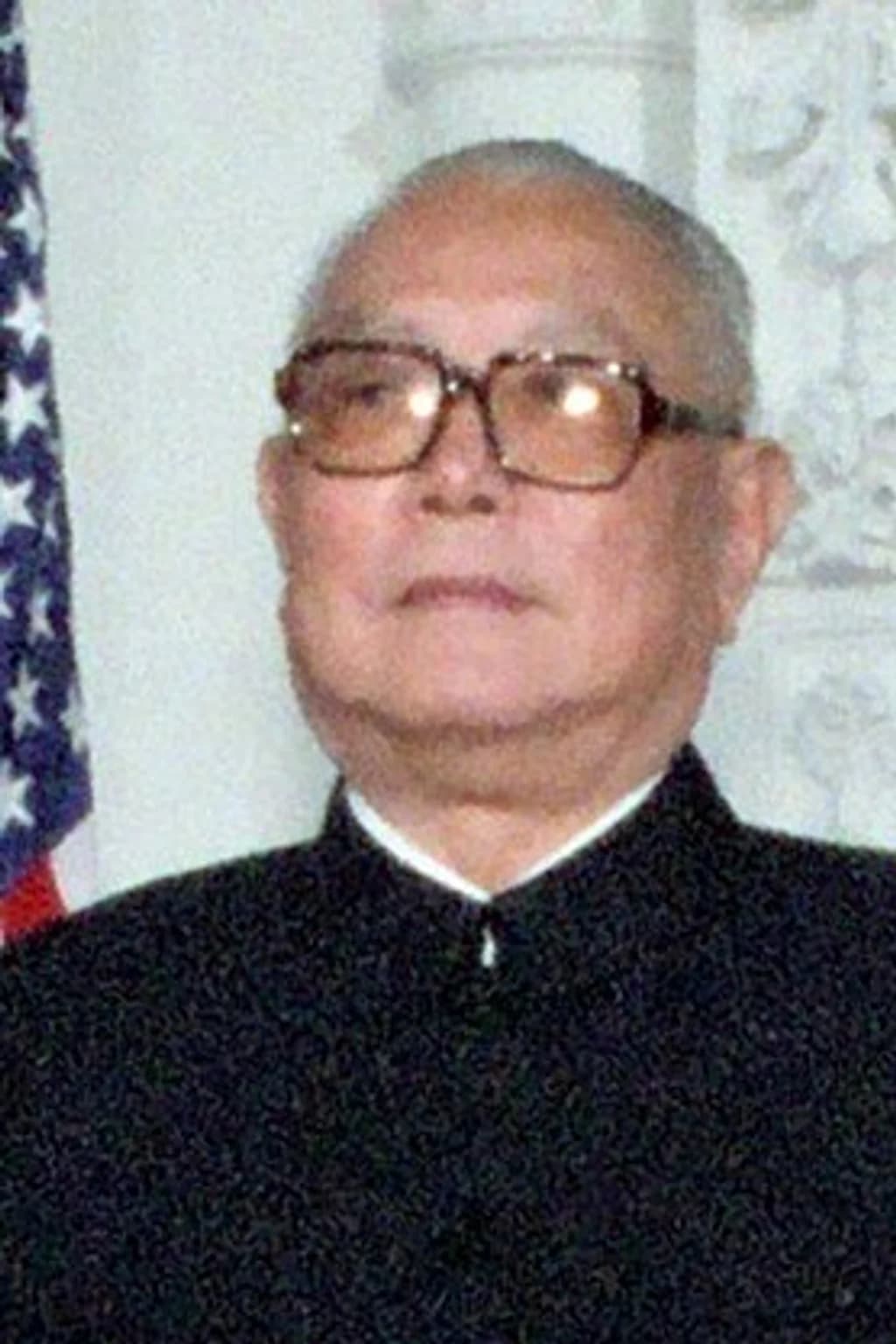
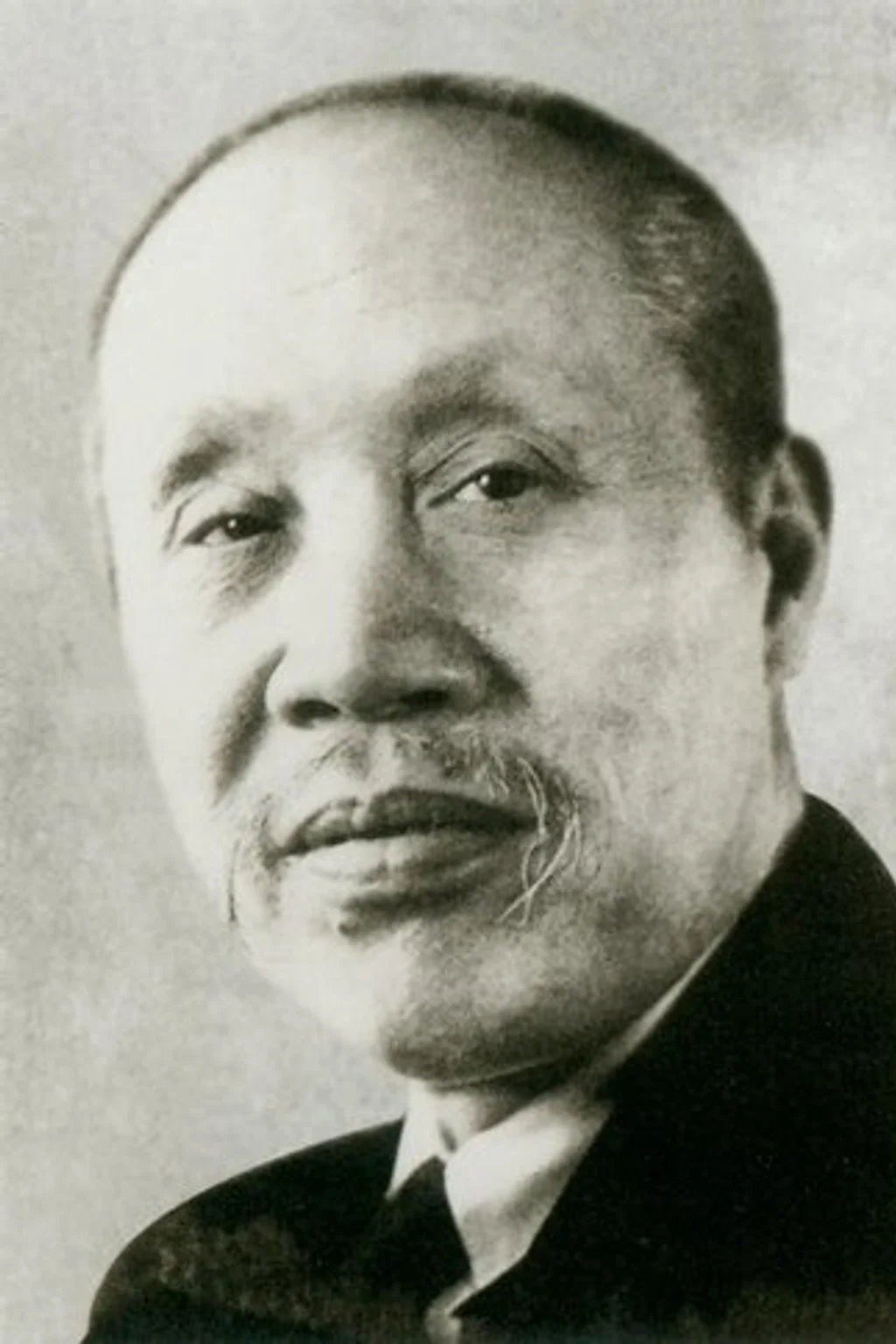
Portrait photograph of Dong Biwu
Historical photograph

A real historical or editorial image is used here. Source, licence and transformation details are publicly recorded. Image policy Attribution

Quick answer

Dong Biwu was a founding member of the Chinese Communist Party, a veteran of the 1911 Revolution, and a senior legal and state figure in the People’s Republic of China. He served as acting head of state in the 1970s and helped shape early PRC institutions.

Born
1886 CE
Died
1975 CE
Role
Founding member of the Chinese Communist Party
Years
1886-1975 CE
Quick facts

Profile details

Additional identity and tagging details that are not already covered in the introduction.

Also known as
Tung Pi-wu
Facts

Dong Biwu timeline facts

Selected specifics from this profile's life story.

1886
Humble beginnings

Dong Biwu was born in Hubei province into a modest family, where traditional education shaped his early outlook and ambitions.

1921
Founding involvement

Dong Biwu participated in the founding meeting of a new political party that would later reshape China’s future.

1950s–1960s
Senior leadership

He rose to high-ranking positions within the government, becoming a respected elder figure involved in national decision-making.

1975
Enduring legacy

He died after a long public career, remembered as a founding participant and a key contributor to the institutional development of modern China.

Life Journey

From local scholar to founding revolutionary

Follow the story in a more continuous narrative, with a reading mode that matches how much depth you want.

Complete chronology

1886

Humble beginnings

Dong Biwu was born in Hubei in 1886, during the last decades of the Qing dynasty. His early education was rooted in the classical world of texts, examinations, and moral discipline, but the China around him was changing faster than that old training could contain. Foreign pressure, failed reforms, local unrest, and the shock of military weakness made national survival an urgent question for educated young men. Dong’s generation stood between two orders: imperial institutions that still claimed legitimacy and revolutionary ideas that promised renewal. That tension shaped his life. He never became a simple destroyer of tradition. He carried the habits of disciplined study, law, and institutional seriousness into a revolutionary career that would last through empire, republic, civil war, and Communist rule.

1900s

Education and awakening

Dong pursued modern education at a time when Chinese students were searching for answers beyond the old examination system. He studied law and political thought, spent time in Japan, and encountered the currents that animated early twentieth-century Chinese nationalism: constitutionalism, republicanism, anti-Manchu revolution, and the belief that national weakness had institutional causes. Education became a form of political preparation. The young Dong saw that legal forms, party organization, and state capacity mattered as much as patriotic feeling. This helps explain his later role in the People’s Republic. Unlike revolutionaries known mainly for military command or mass mobilization, Dong’s importance lay partly in law, procedure, and the translation of revolutionary authority into state institutions.

1911

Early revolutionary ties

The 1911 Revolution began in Wuchang, in Dong’s home province of Hubei, and overthrew the Qing dynasty. Dong supported the revolutionary cause and became part of the republican political world that followed. The fall of the monarchy seemed to open a national future, but the early Republic quickly revealed how hard revolution was to institutionalize. Yuan Shikai’s authoritarian ambitions, warlord fragmentation, weak parliaments, and foreign pressure disappointed many who had hoped constitutional politics would save China. For Dong, this period was an education in both possibility and failure. He learned that replacing a dynasty did not automatically create a strong, just, or unified state. Organization, ideology, and disciplined political movements would be needed if China was to be remade.

1921

Founding involvement

In 1921 Dong Biwu participated in the First National Congress of the Chinese Communist Party, representing the Wuhan communist group. The meeting was tiny compared with the scale of the state the party would later build. Its members were teachers, students, organizers, and intellectuals operating on the margins of Chinese politics. Dong was older than many participants and brought experience from the 1911 generation, linking republican revolution to communist organization. At the time, the CCP’s future was deeply uncertain. It depended on fragile urban networks, Comintern influence, and cooperation that would later collapse with the Nationalists. Dong’s presence at the founding made him one of the few figures who could claim direct continuity from the party’s birth to its rule over China.

1920s–1930s

Years of struggle

The 1920s and 1930s forced Dong through the dangerous realities of revolutionary politics. The Communist alliance with the Nationalists broke down in 1927, bringing repression and pushing the party toward underground work, rural bases, and armed struggle. Dong’s path included organizing, legal and political work, imprisonment, and service within Communist-controlled areas. He was not the movement’s most famous battlefield commander, but he was part of the cadre infrastructure that allowed the CCP to survive repeated disaster. During the war against Japan and the later civil war, figures like Dong helped give the party institutional memory and administrative depth. Revolutions are remembered through dramatic battles, but they survive through people able to keep records, maintain discipline, negotiate policy, and preserve continuity.

1949

Role in governance

After the People’s Republic of China was founded in 1949, Dong became one of the senior figures tasked with turning revolutionary victory into government. He held important posts connected to law, state administration, and political consultation, including leadership in judicial and supervisory institutions. The new regime claimed to be revolutionary, but it still needed courts, procedures, cadres, constitutions, and formal offices through which authority could operate. Dong’s legal background and long party service made him valuable in this transition. His work should not be mistaken for liberal constitutionalism; the party remained supreme. But within that system, Dong represented the effort to make Communist rule institutional rather than purely military or charismatic.

1950s–1960s

Senior leadership

Through the 1950s and 1960s, Dong became an elder of the Communist state. He served in high-ranking positions, including Vice President of the People’s Republic of China, and remained associated with legal and constitutional work. His authority came from longevity, revolutionary credentials, and reliability rather than mass popularity. He had seen the Qing fall, the Republic fail, the Nationalists rise and retreat, Japan invade, and the CCP take power. That experience gave him symbolic weight inside a regime that valued founding legitimacy. Yet he also lived through the turbulence of Maoist campaigns, when institutions were repeatedly subordinated to political mobilization. Dong’s career therefore shows a central tension in PRC history: the desire to build stable state structures within a revolutionary party that often distrusted restraints.

1960s–1970s

Later years

Dong’s later years unfolded during the Cultural Revolution and its aftermath, a period that damaged many of the legal and administrative institutions he had helped support. In 1972, after the fall of Liu Shaoqi and amid unusual constitutional arrangements, Dong became acting head of state in practice as Acting Chairman of the People’s Republic, sharing the late Mao era’s blurred and fragile institutional landscape with other senior figures. The title reflected both his seniority and the disrupted state structure of the time. He was very old, but his presence gave continuity to a government shaken by purges and factional struggle. Dong’s survival did not mean he controlled events. It meant that the regime still needed founding elders to embody legitimacy when normal procedures had been badly weakened.

1975

Enduring legacy

Dong Biwu died in 1975, one year before Mao Zedong and the end of the Cultural Revolution. His life had spanned one of the most violent transformations in modern history: empire to republic, warlordism to party struggle, Japanese invasion to civil war, revolution to socialist state. He is important less because he dominated events than because he connected them. As a founder of the CCP, he embodied the party’s earliest origins. As a legal and state figure, he helped give the People’s Republic institutional form. As an elder statesman, he represented continuity when Chinese politics repeatedly broke its own rules. Dong’s legacy is quieter than Mao’s or Deng’s, but it is essential for understanding how revolutionary movements become states: not only through ideology and armies, but through cadres who build the machinery of rule.

Continue in context

Connected stories

Move from the profile into the wider events and settings this figure belongs to.

China Presidents lineage
Lineage8 heads of state
China Presidents
1949 CE–present

Heads of state of the People's Republic of China from Mao Zedong to Xi Jinping.

View lineage
Tertiary paths

Content note

This profile is written for educational use and connects to related Stories of History pages. The main portrait uses a real historical or editorial image, with source and licence details recorded for attribution review. Image policy Image attribution

References

Sources & Further Reading

Reliable reference works, archives and reading paths connected to this profile.

Further reading

  1. Encyclopaedia Britannica, Search results for Dong Biwu,” accessed June 2026.Open source
  2. WorldCat, Books and library holdings for Dong Biwu,” accessed June 2026.Open source

Primary sources

  1. Library of Congress, Search results for Dong Biwu,” accessed June 2026.Open source

Reviewed claim sources

Loading reviewed claim sources...

A weekly route through history

Find out first about the latest published stories, feature notes and occasional Premium offers in one weekly email.