People

Liu Shaoqi

Liu Shaoqi was President of the People's Republic of China from 1959 to 1968, a senior Communist organiser and Mao ally turned victim of the Cultural Revolution. He was posthumously rehabilitated in 1980.

Born
1898 CE
Died
1969 CE
Role
President of China

President of China (1898–1969)

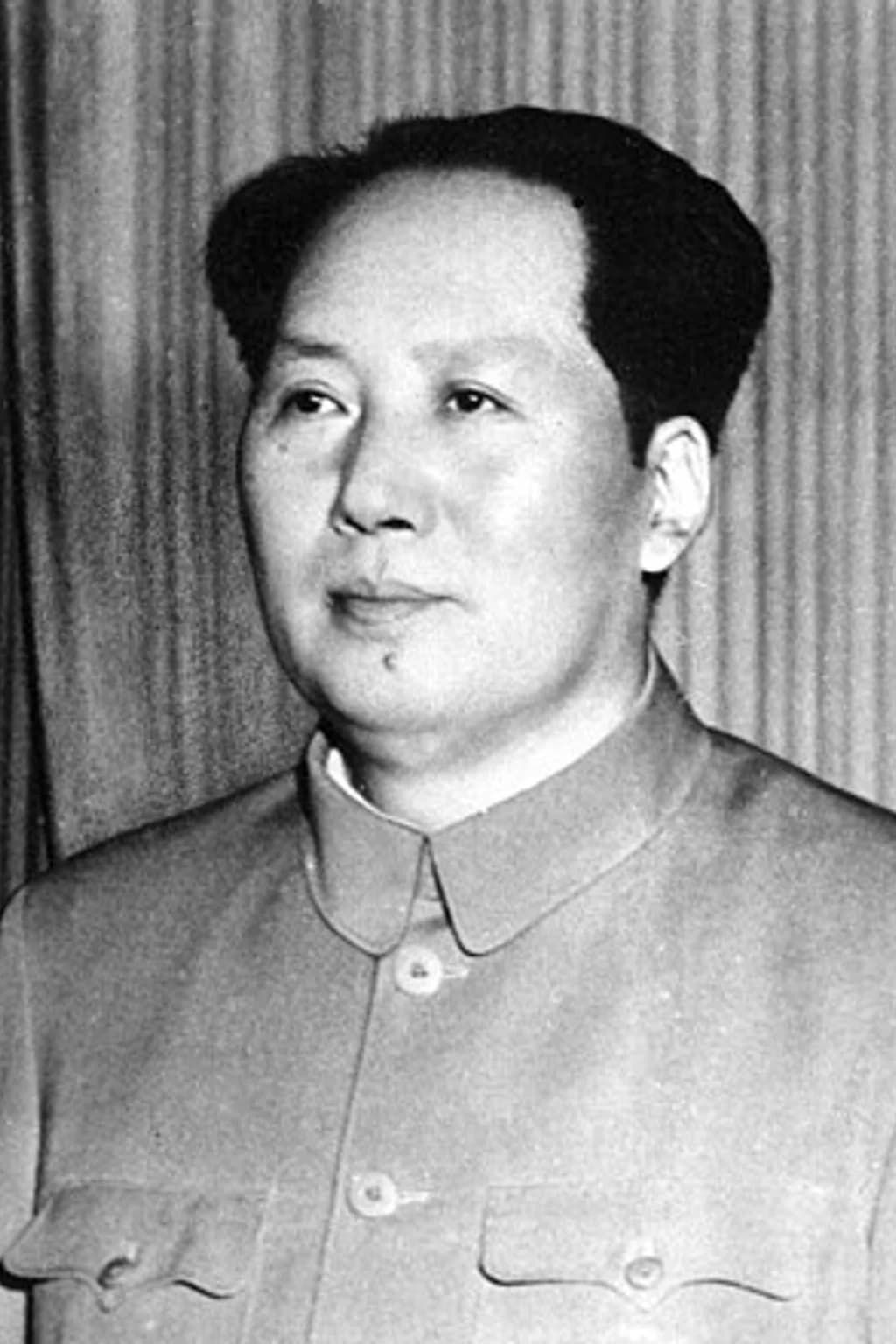
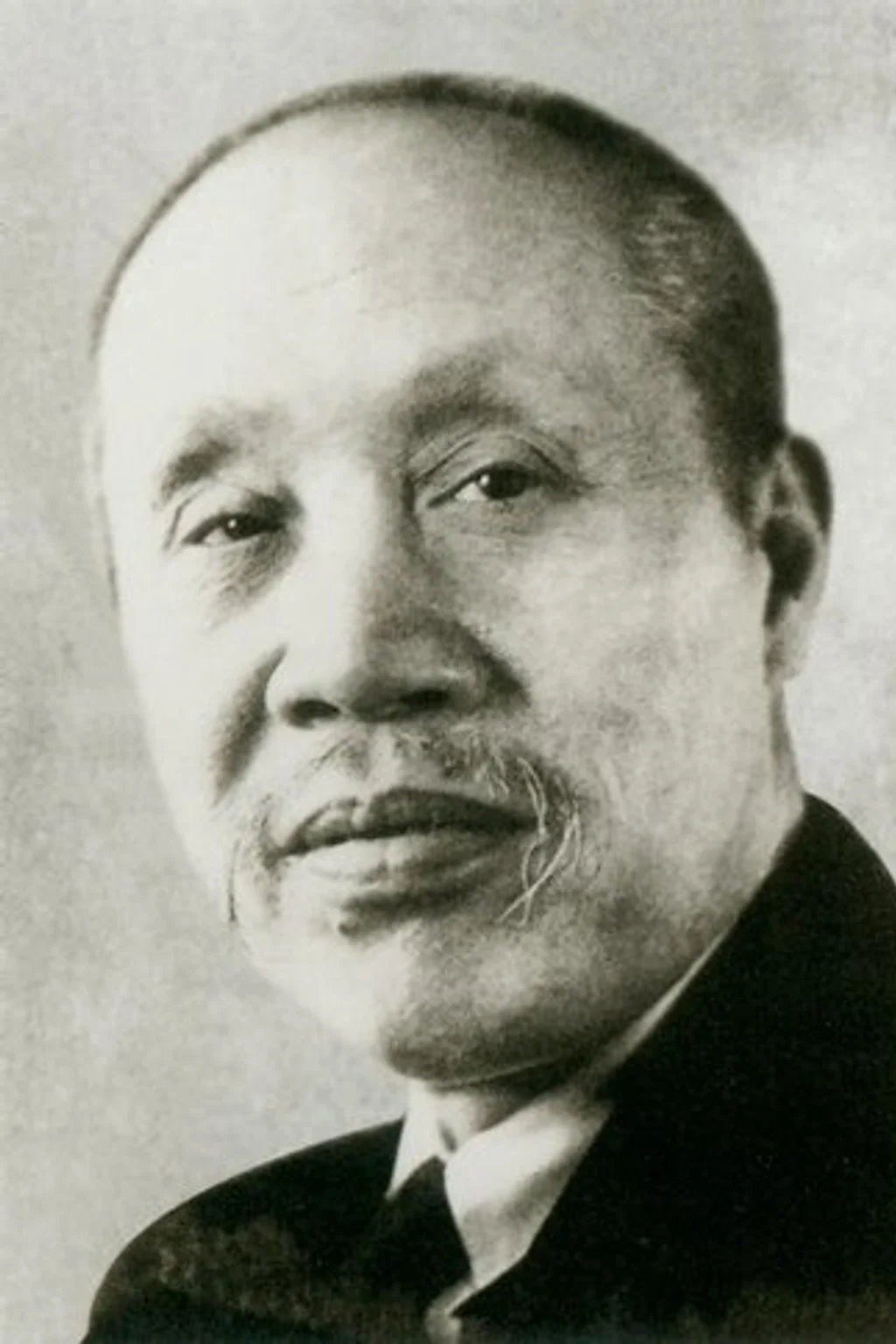
Portrait photograph of Liu Shaoqi
Historical photograph

A real historical or editorial image is used here. Source, licence and transformation details are publicly recorded. Image policy Attribution

Quick answer

Liu Shaoqi was President of the People's Republic of China from 1959 to 1968, a senior Communist organiser and Mao ally turned victim of the Cultural Revolution. He was posthumously rehabilitated in 1980.

Born
1898 CE
Died
1969 CE
Role
President of China
Years
1898-1969 CE
Quick facts

Profile details

Additional identity and tagging details that are not already covered in the introduction.

Also known as
President Liu Shaoqi
Facts

Liu Shaoqi timeline facts

Selected specifics from this profile's life story.

1898
Rural beginnings

Liu Shaoqi was born in Hunan in 1898, growing up in a rural society where education, hierarchy and political breakdown shaped his disciplined temperament.

1930s–1940s
Rise to leadership

By the Yan'an years and the civil war, Liu had entered the top leadership, helping define party discipline and the conduct expected of Communist cadres.

1966–1967
Political downfall

During the Cultural Revolution, Liu was denounced as China's leading capitalist roader, stripped of office and subjected to public humiliation.

After 1969
Posthumous legacy

After Mao's death, Liu was rehabilitated in 1980, recast as a major party and state leader wrongfully persecuted during the Cultural Revolution.

Life Journey

From revolutionary organiser to condemned leader

Follow the story in a more continuous narrative, with a reading mode that matches how much depth you want.

Complete chronology

1898

Rural beginnings

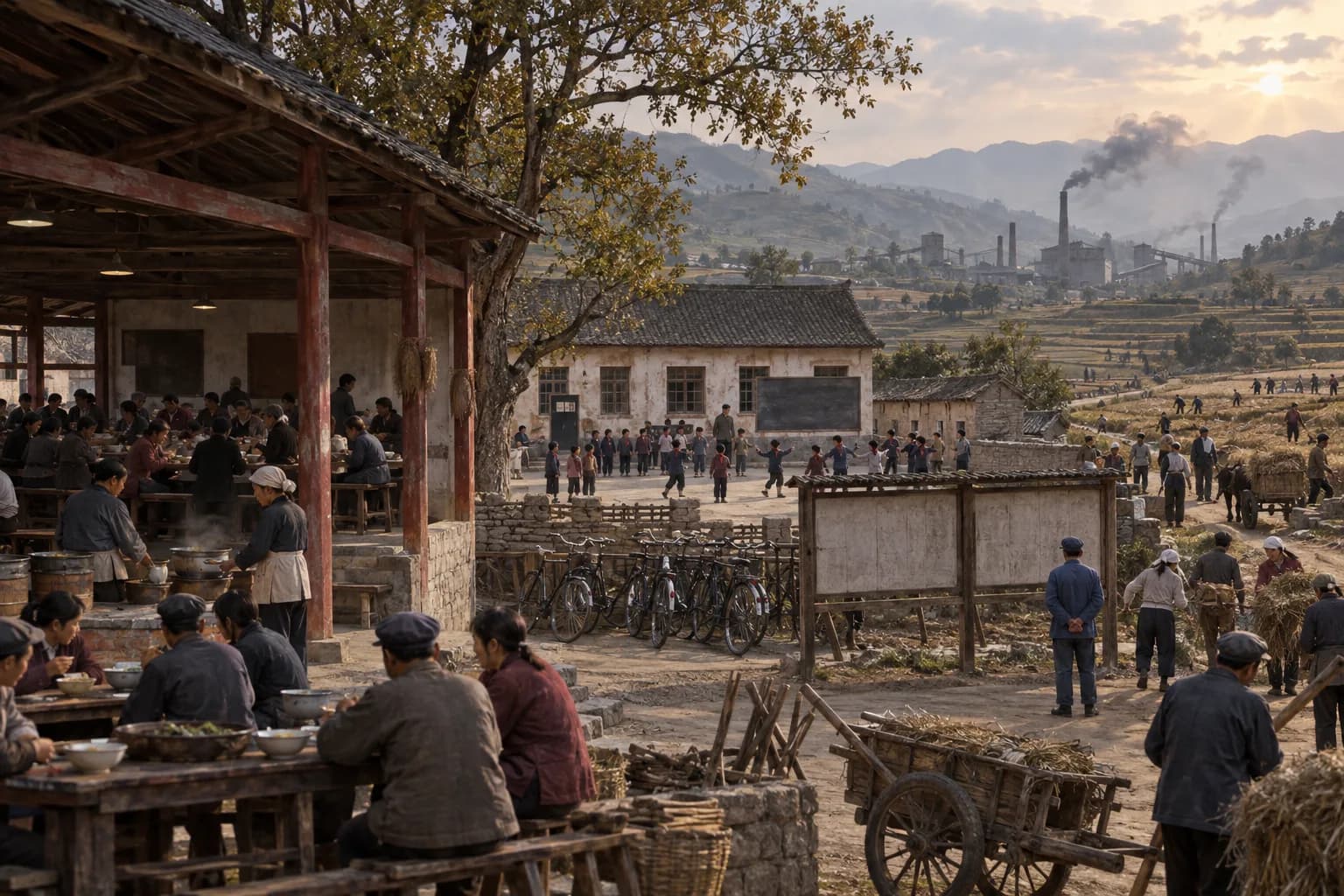
Liu Shaoqi was born in 1898 in Ningxiang, Hunan, the same province that produced Mao Zedong. His family was rural but sufficiently established to value schooling, giving Liu a path into the world of books, examinations and public argument. He came of age as the Qing dynasty collapsed and the early republic failed to deliver stable government. Warlords, foreign pressure and social inequality made politics feel urgent rather than abstract. Liu's later style was shaped by this background. He was not a romantic guerrilla leader in the Mao mould, nor a public performer of revolutionary charisma. He became a disciplined organiser, drawn to systems, rules and party training. That temperament would make him indispensable in building Communist power, but also vulnerable in a movement where ideological drama could suddenly outrank institutional competence.
1920–1921

Education abroad

In the early 1920s Liu studied in Soviet Russia at a time when the Bolshevik Revolution still appeared to many radicals as proof that a disciplined party could seize history by the throat. The experience strengthened his commitment to Marxism-Leninism and taught him the value of hierarchy, secrecy and professional revolutionary work. For Liu, communism was not simply a language of anger against injustice. It was a method of organisation. Returning to China, he brought back an emphasis on cadre education, labour mobilisation and the internal discipline needed to survive repression. This Soviet training helped distinguish him from activists who relied on local enthusiasm alone. Liu understood that a revolutionary party had to reproduce itself through habits, doctrine and obedience. That belief guided his career for decades, even when the party's discipline later turned against him.

1920s

Party organiser

Liu's early Communist career centred on labour organisation, especially in the dangerous aftermath of the Nationalist-Communist split of 1927. He worked with unions, strikes and underground party structures when Communist affiliation could bring imprisonment or death. His strength lay in making fragile networks durable: recruiting members, enforcing discipline, writing instructions and keeping political work alive under pressure. As the party shifted from urban labour hopes toward rural revolutionary bases, Liu remained valuable because he understood structure. He helped train cadres and think through how a party could survive illegality, defeat and internal disagreement. This made him less visible than battlefield commanders but no less important. The Chinese Communist Party did not become powerful through peasant mobilisation alone. It also required organisers like Liu who could turn loyalty into institutions.

1930s–1940s

Rise to leadership

During the Yan'an period, Liu became one of the party's leading theorists of organisation. His writings on how to be a good Communist stressed self-cultivation, discipline, obedience to the party and moral seriousness. These ideas suited a movement trying to transform scattered revolutionary experience into a governing elite. Liu rose within the central leadership and worked closely with Mao, though his authority came from organisation more than battlefield legend. During the war against Japan and the renewed civil war against the Nationalists, he helped consolidate the party's internal order and political education. This phase made him a builder of the very political culture that later condemned him: a culture in which loyalty was public, criticism could become ritualised, and ideological deviation could be treated as moral failure.

1959

State leadership

Liu became Chairman of the People's Republic of China in 1959, succeeding Mao in the formal state presidency while Mao retained decisive authority as party chairman. The timing was grave. The Great Leap Forward, launched in 1958, had produced inflated production claims, commune disruption and famine on a catastrophic scale. Liu did not stand outside the system that created the disaster; like other senior leaders, he had supported the regime and operated within its constraints. But in the early 1960s he became associated with efforts to restore economic order. Alongside Deng Xiaoping, Chen Yun, Zhou Enlai and others, he supported more pragmatic policies, including adjustments to communes, revived material incentives and more realistic production management. These measures helped recovery, but they also implied that Maoist mobilisation had failed. That implication would prove politically explosive.

Early 1960s

Policy tensions

The conflict between Liu and Mao was not a simple argument between capitalism and socialism, despite later propaganda. It was a struggle over authority, method and the meaning of revolution after catastrophe. Liu believed the party-state needed order, production and disciplined administration. Mao feared that bureaucracy, expertise and material incentives could drain the revolution of class struggle and create a new privileged elite. The early 1960s recovery gave Liu real stature, but it also made him a symbol of the policies Mao wanted to attack. As Mao rebuilt his position through ideological campaigns, Liu became exposed. The Socialist Education Movement and later the Cultural Revolution shifted criticism from policy errors to accusations of class betrayal. In a system without independent institutions, political disagreement could be transformed into existential guilt.

1966–1967

Political downfall

The Cultural Revolution turned Liu from head of state into chief target. Mao and radical allies presented him as the leading capitalist roader inside the party, a phrase that condensed policy disagreement, personal rivalry and ideological accusation into a charge of betrayal. Red Guards and rebel groups attacked symbols of established authority, and Liu's earlier status offered no protection. He was publicly denounced, removed from effective power and formally expelled from the party in 1968. The spectacle was central to the politics of the moment. A man who had written about party discipline and Communist self-cultivation was now portrayed as the enemy within. His fall showed how the Cultural Revolution weaponised revolutionary legitimacy against the party's own builders, making proof less important than mobilisation.

1967–1969

Final years

Liu's last years were brutal. Stripped of office and identity, he was held in harsh conditions, denied adequate medical care and separated from normal political life. He died in Kaifeng in November 1969, reportedly under the name Liu Weihuang, his death concealed from the public. The details are stark because they reveal the depth of his political erasure. This was not merely retirement after defeat. It was an attempt to remove him from the moral history of the revolution. His wife, Wang Guangmei, was also persecuted, and his family suffered under the wider campaign. Liu's death exposed the human cost of a system in which personal loyalty to the supreme leader could override law, office and basic decency. The head of state had become a non-person.

After 1969

Posthumous legacy

Liu's posthumous rehabilitation in 1980 was one of the clearest signs that post-Mao China was trying to restore institutional order without abandoning Communist rule. The party reversed the verdict against him, honoured his contributions and acknowledged that he had been wrongfully persecuted. This reassessment served several purposes. It gave justice, belatedly, to a destroyed leader; it helped delegitimise the excesses of the Cultural Revolution; and it supported Deng Xiaoping's argument that China needed practical governance, not permanent ideological upheaval. Liu's legacy remains complicated. He was a victim of Maoist radicalism, but also a central architect of the party-state that made such campaigns possible. He matters because his life traces both the construction of Communist China and the terrifying vulnerability of its own highest officials when politics became purification.

Continue in context

Connected stories

Move from the profile into the wider events and settings this figure belongs to.

China Presidents lineage
Lineage8 heads of state
China Presidents
1949 CE–present

Heads of state of the People's Republic of China from Mao Zedong to Xi Jinping.

View lineage
Tertiary paths

Content note

This profile is written for educational use and connects to related Stories of History pages. The main portrait uses a real historical or editorial image, with source and licence details recorded for attribution review. Image policy Image attribution

References

Sources & Further Reading

Reliable reference works, archives and reading paths connected to this profile.

Further reading

  1. Encyclopaedia Britannica, Search results for Liu Shaoqi,” accessed June 2026.Open source
  2. WorldCat, Books and library holdings for Liu Shaoqi,” accessed June 2026.Open source

Primary sources

  1. Library of Congress, Search results for Liu Shaoqi,” accessed June 2026.Open source

Reviewed claim sources

Loading reviewed claim sources...

A weekly route through history

Find out first about the latest published stories, feature notes and occasional Premium offers in one weekly email.