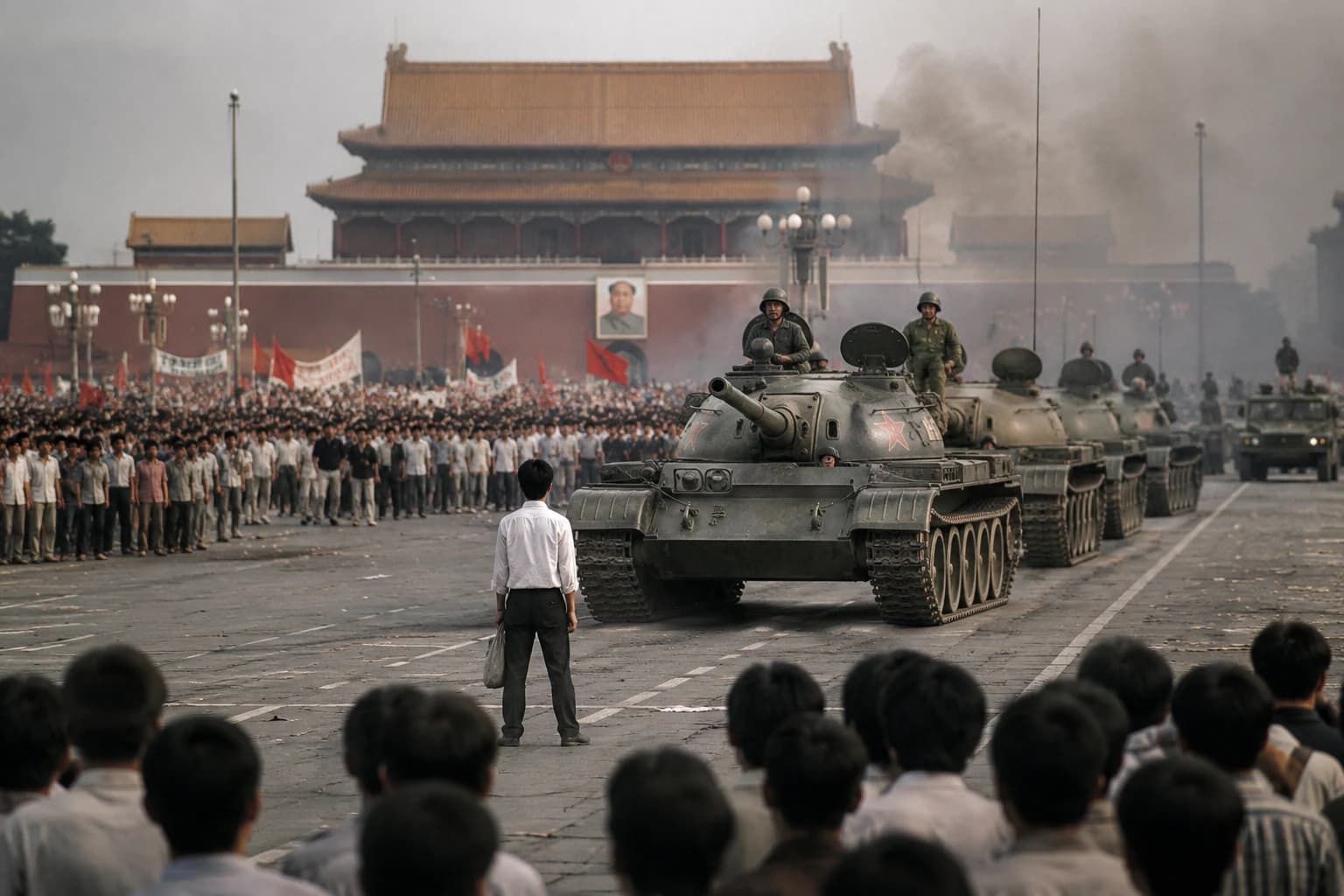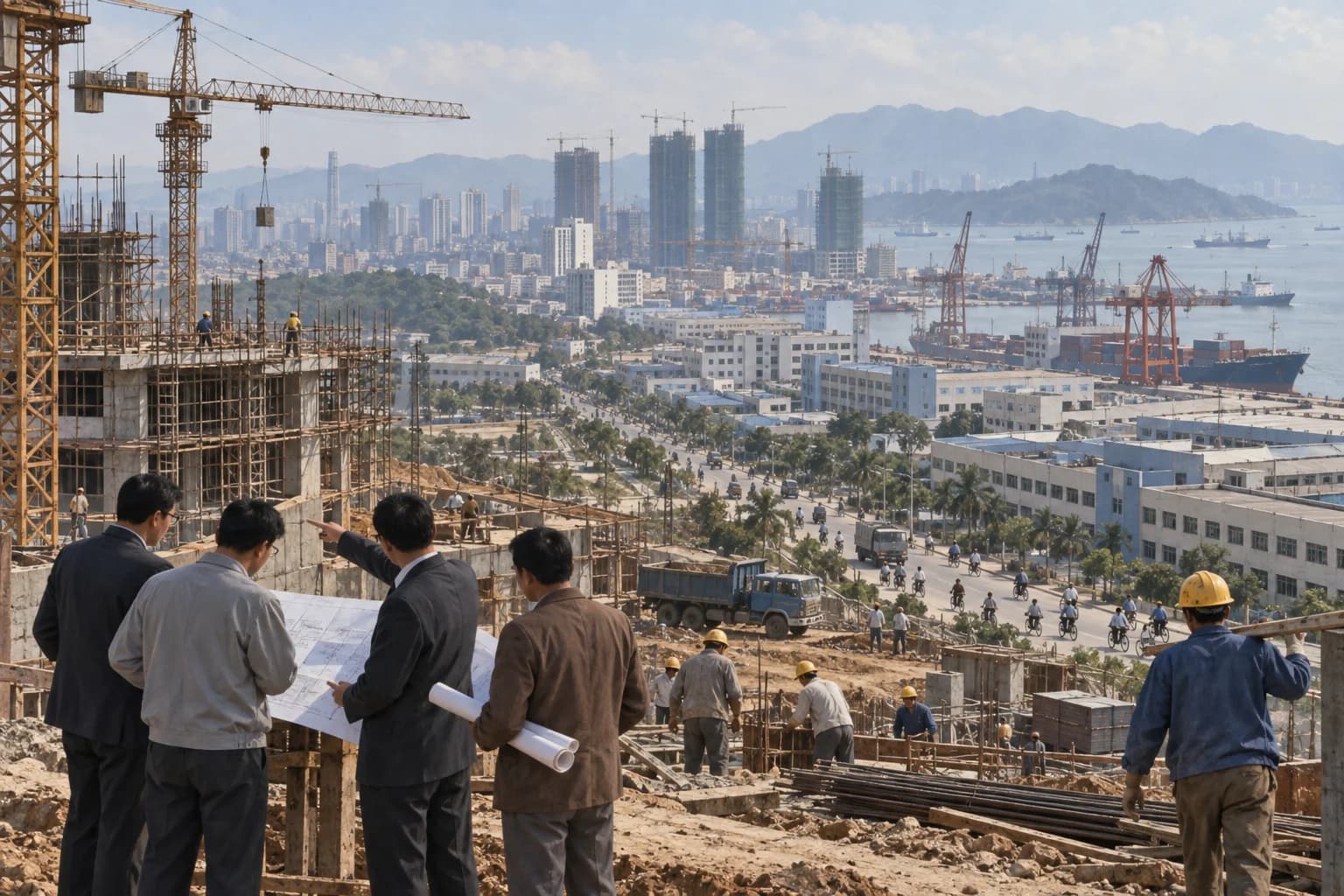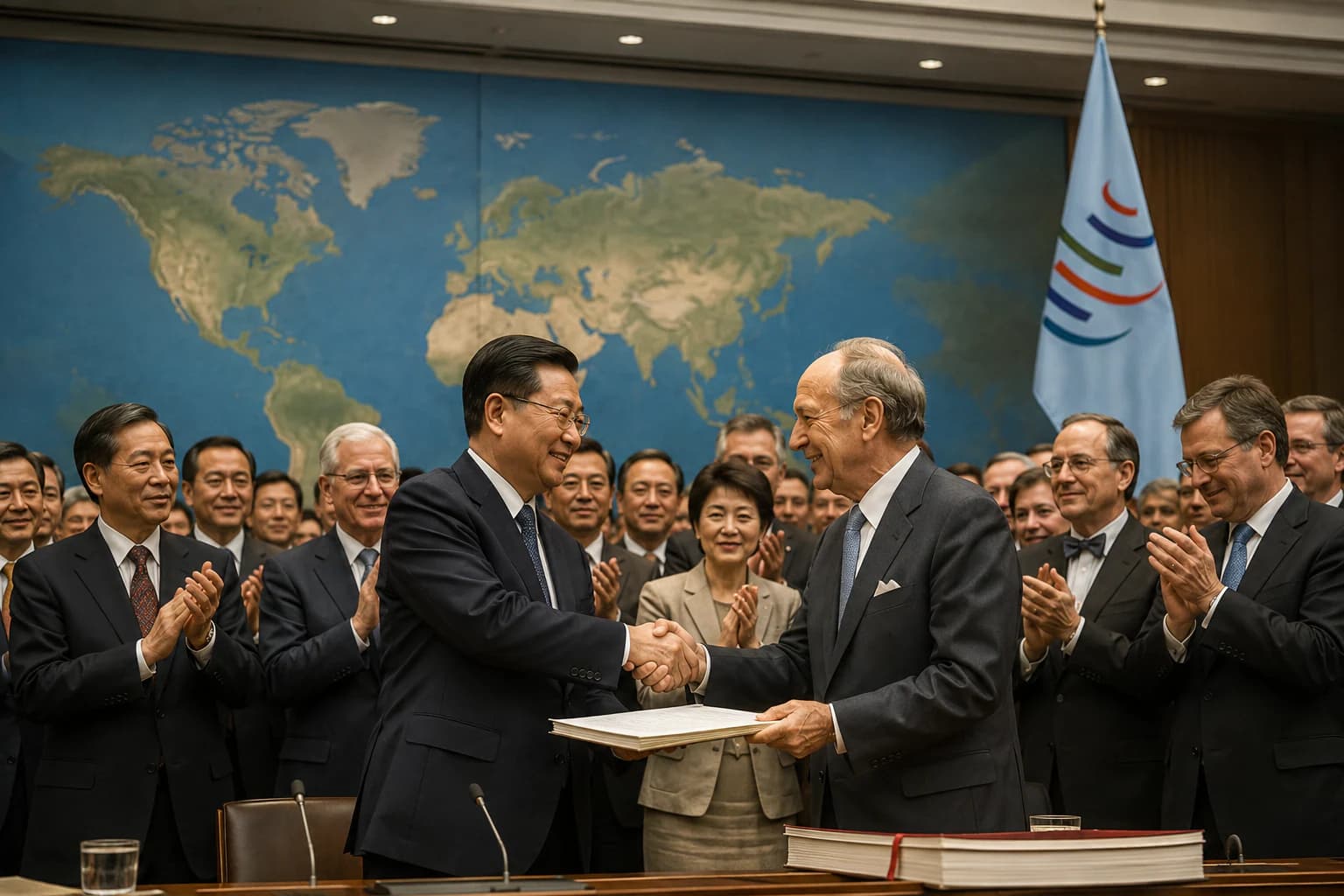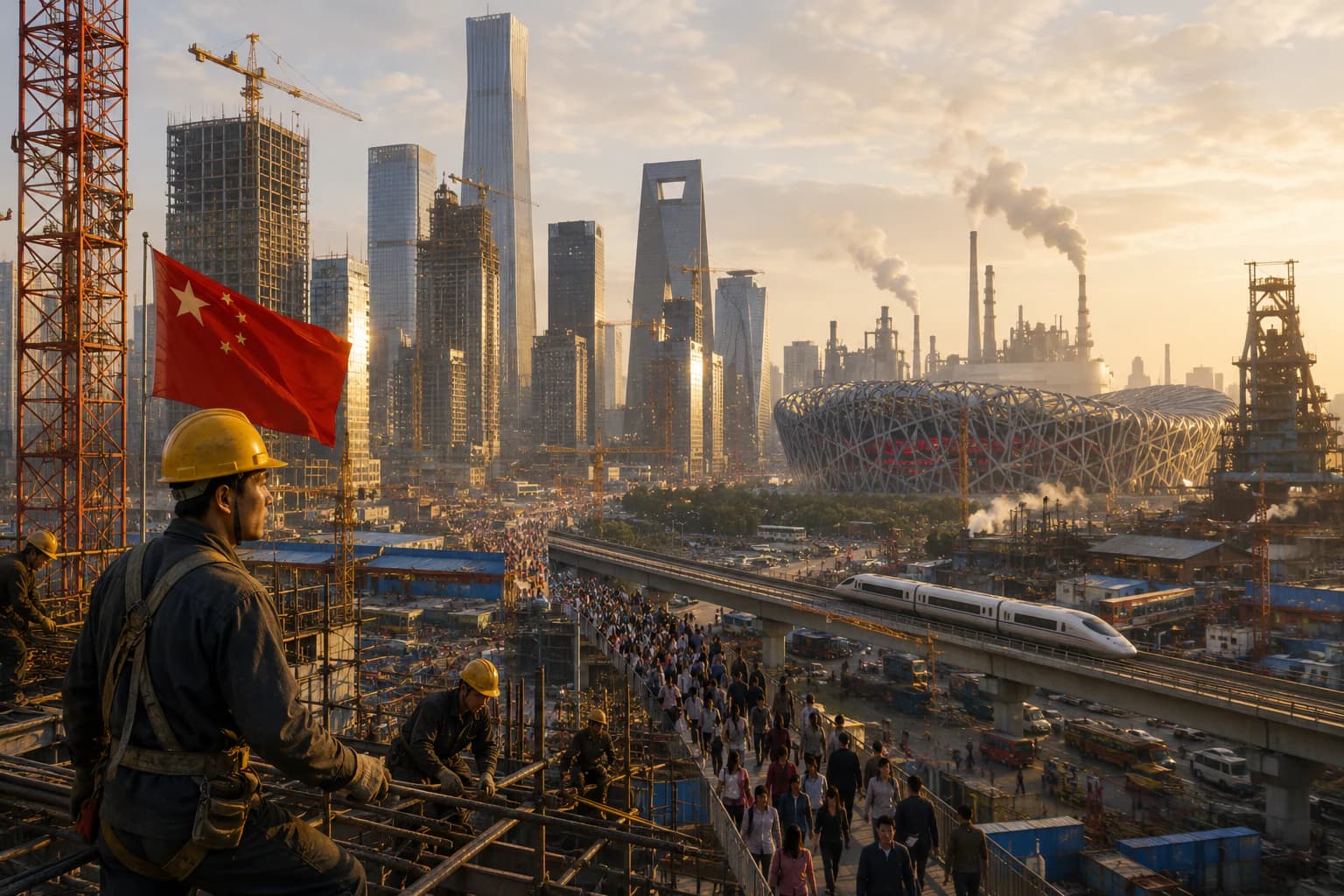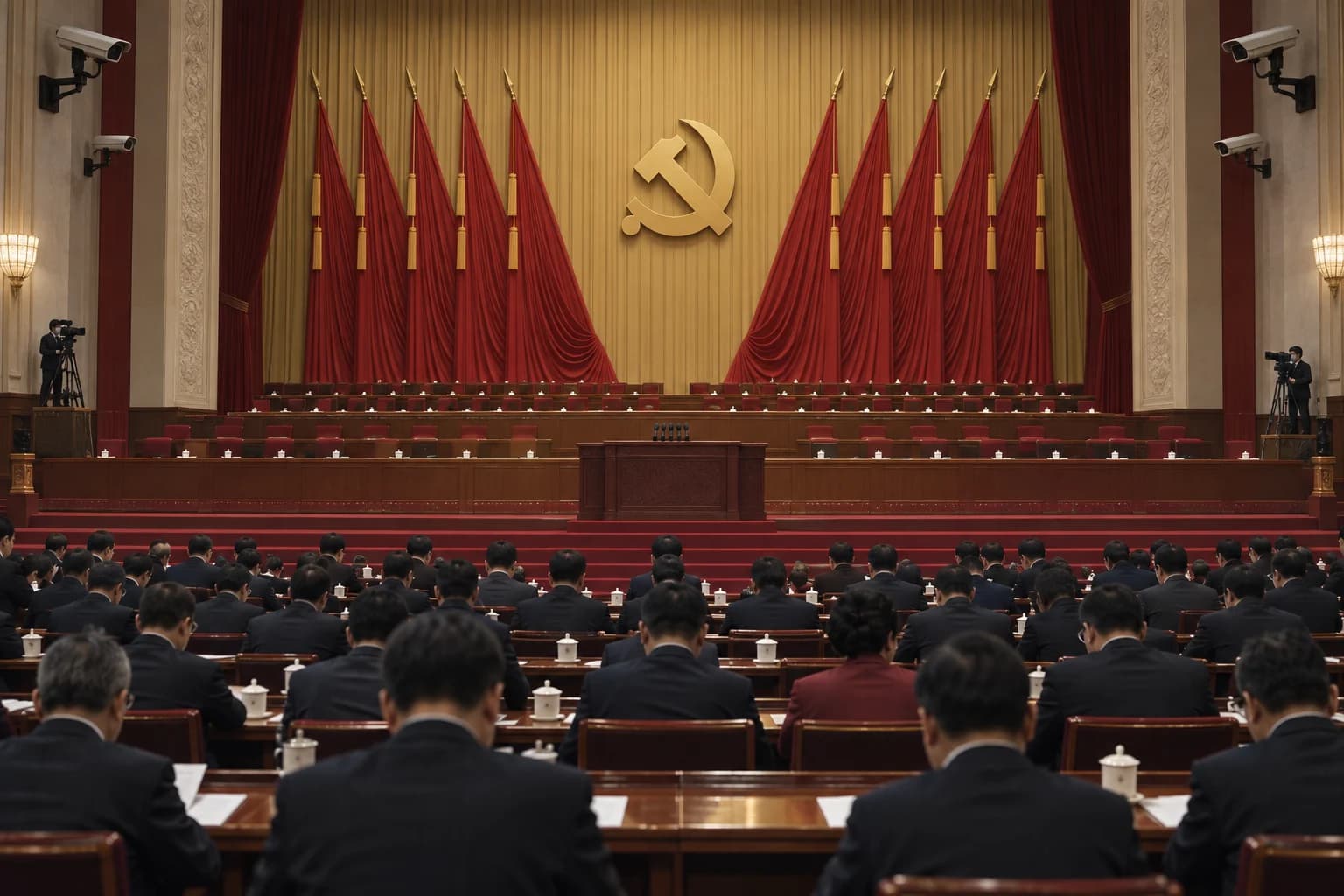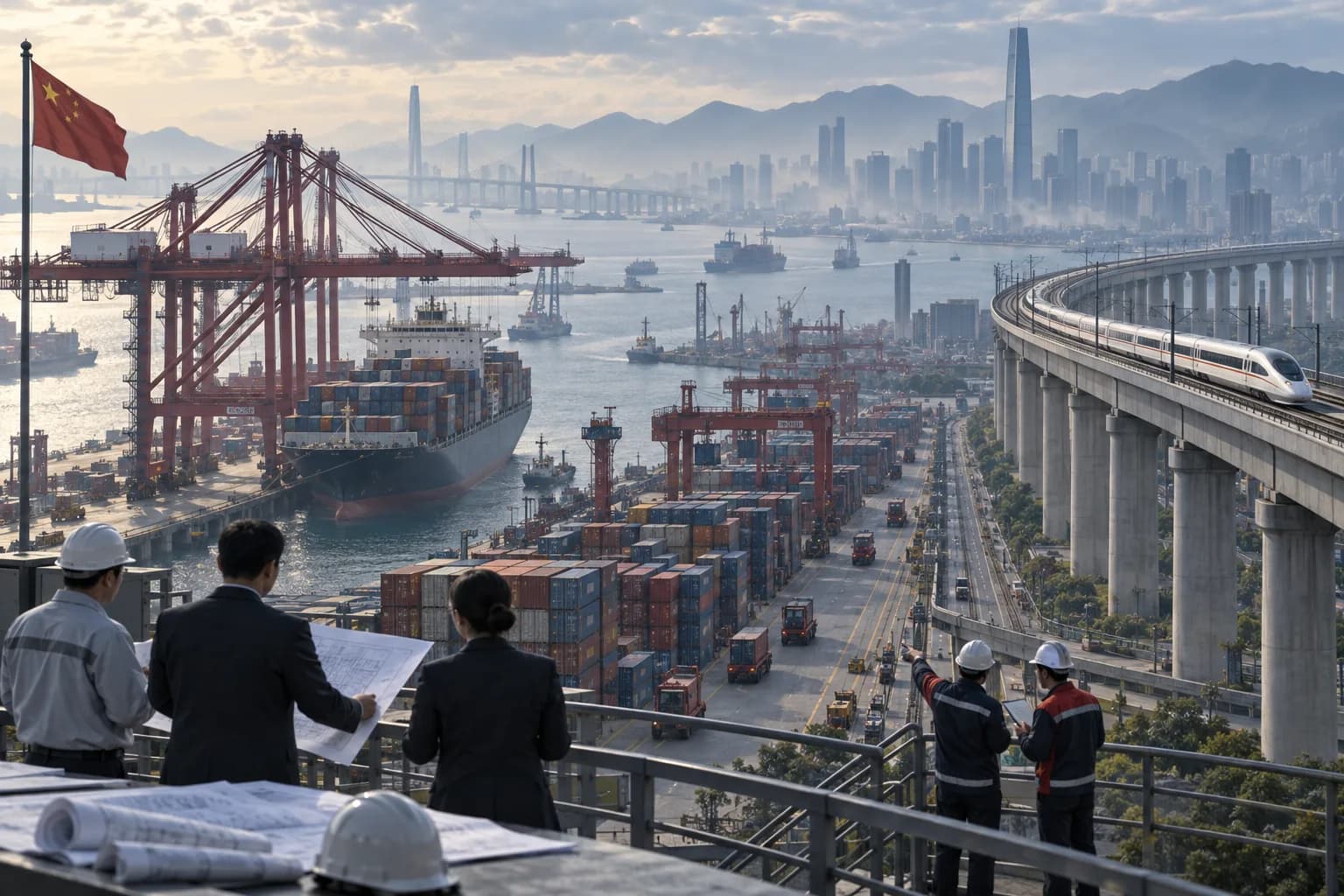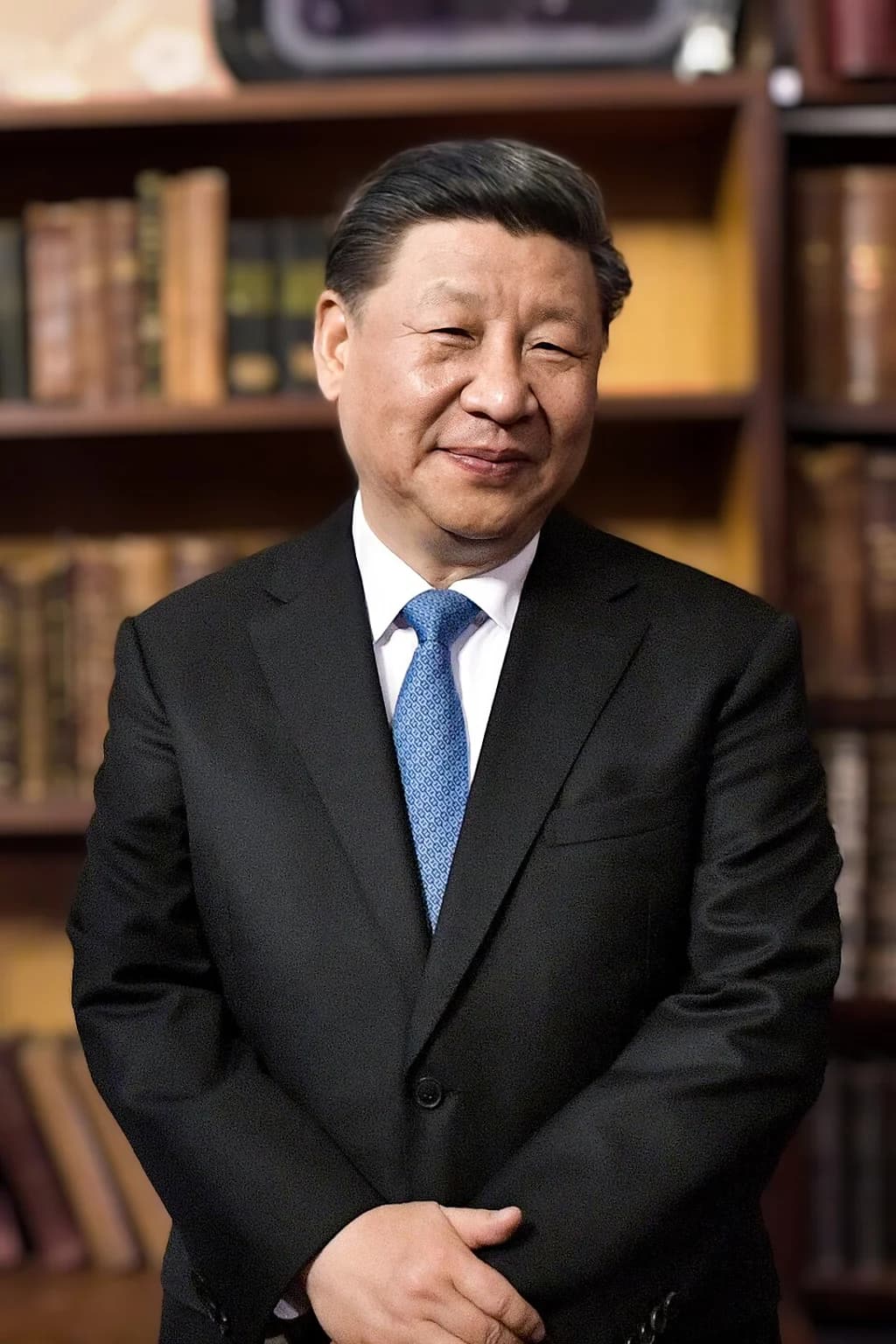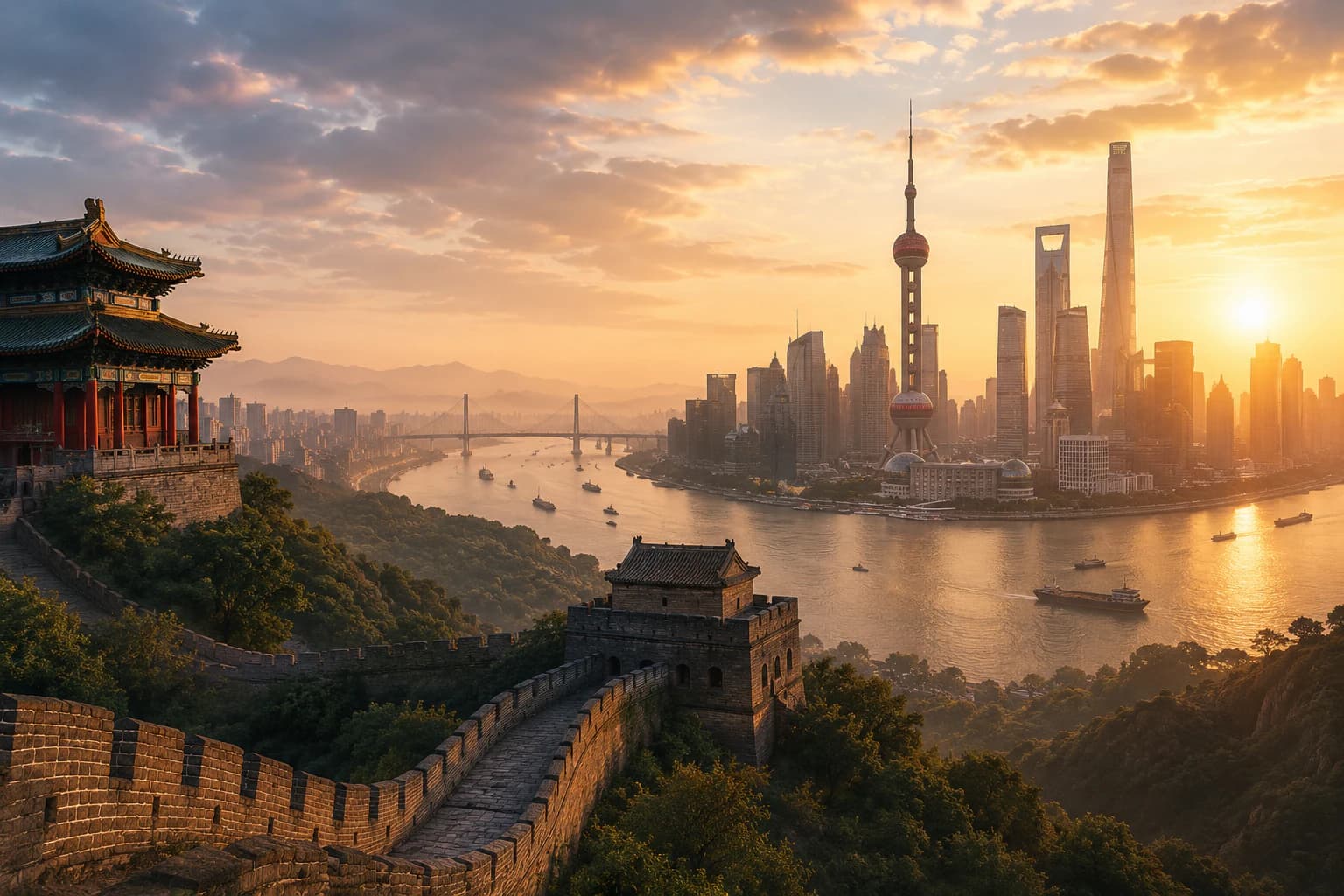
Skylines, cranes, container ports, and party symbolism representing China's rise from post-Mao recovery to global power.
Premium Story

The Rise of China

Follow China from Mao's death through reform, manufacturing, urban growth, party control, and rivalry with the United States.

11 chapters

Next
Context

Introduction

What you'll learn: You will see how China combined market reform, mass urban growth, industrial power, and party control to become a global heavyweight—and why that rise created new tensions at home and abroad.

Key forces

The End of the Mao Era
1976 CE
Step 1 of 101976 CEAccessible mode

The End of the Mao Era

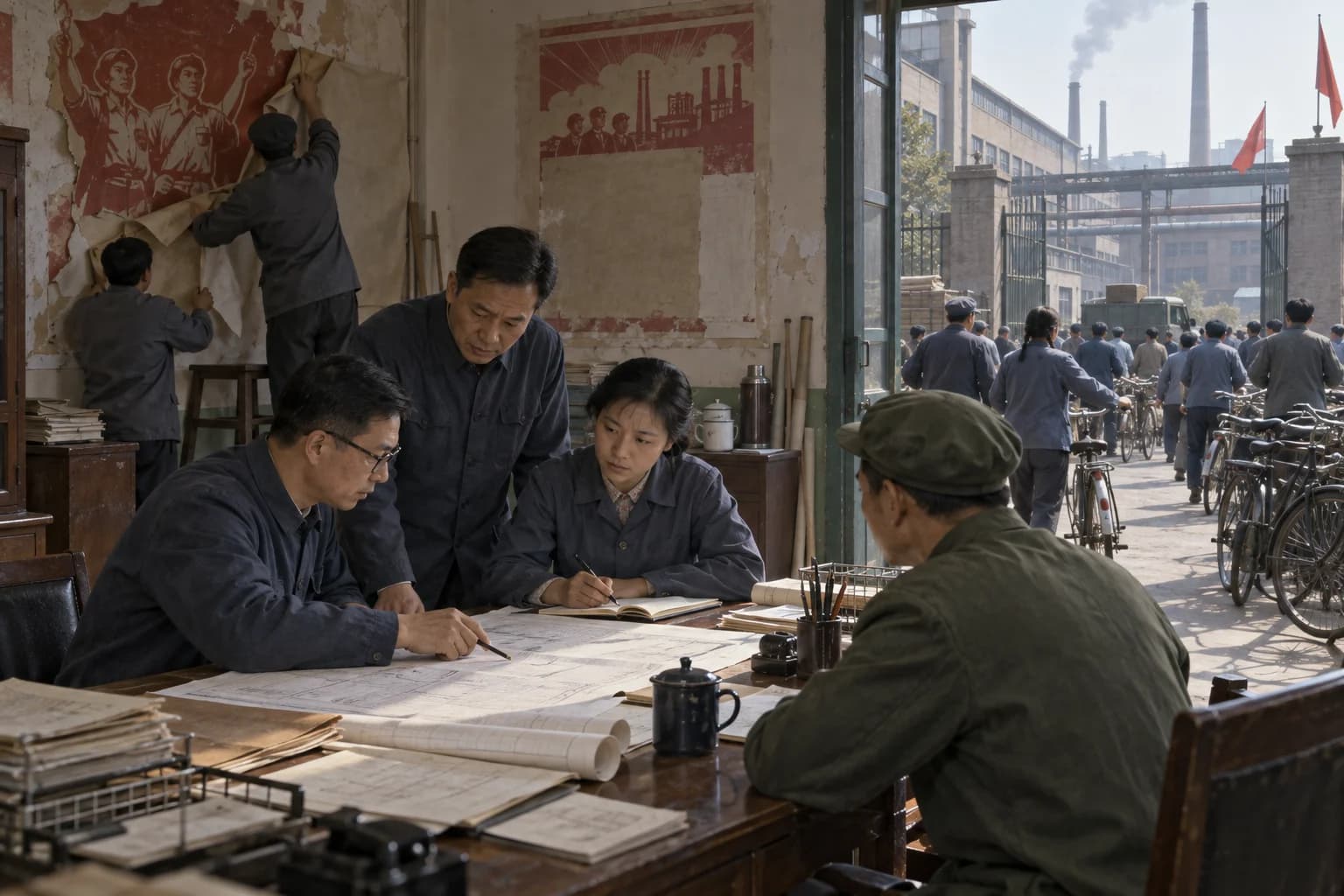
In 1976, Mao Zedong died and China faced a hard truth: decades of revolution had left the country exhausted.

The Cultural Revolution had torn through schools, offices, factories, and families. Many officials were humiliated. Many educated people were punished or sent away.

The economy was not broken everywhere, but it was weak, rigid, and far behind richer countries. China had political slogans, not a clear plan for better daily life.

After Mao's death, leaders fought over what came next. Radicals around the Gang of Four wanted to protect the old revolutionary line. Others wanted calm and reconstruction.

When the Gang of Four were arrested, the immediate political storm eased. That did not solve China's deeper problems, but it opened space for change.

By the late 1970s, many inside the party and outside it wanted stability, competence, and growth. China was ready to move in a new direction.

Deng Xiaoping Takes Control
1978 CE
Step 2 of 101978 CEAccessible mode

Deng Xiaoping Takes Control

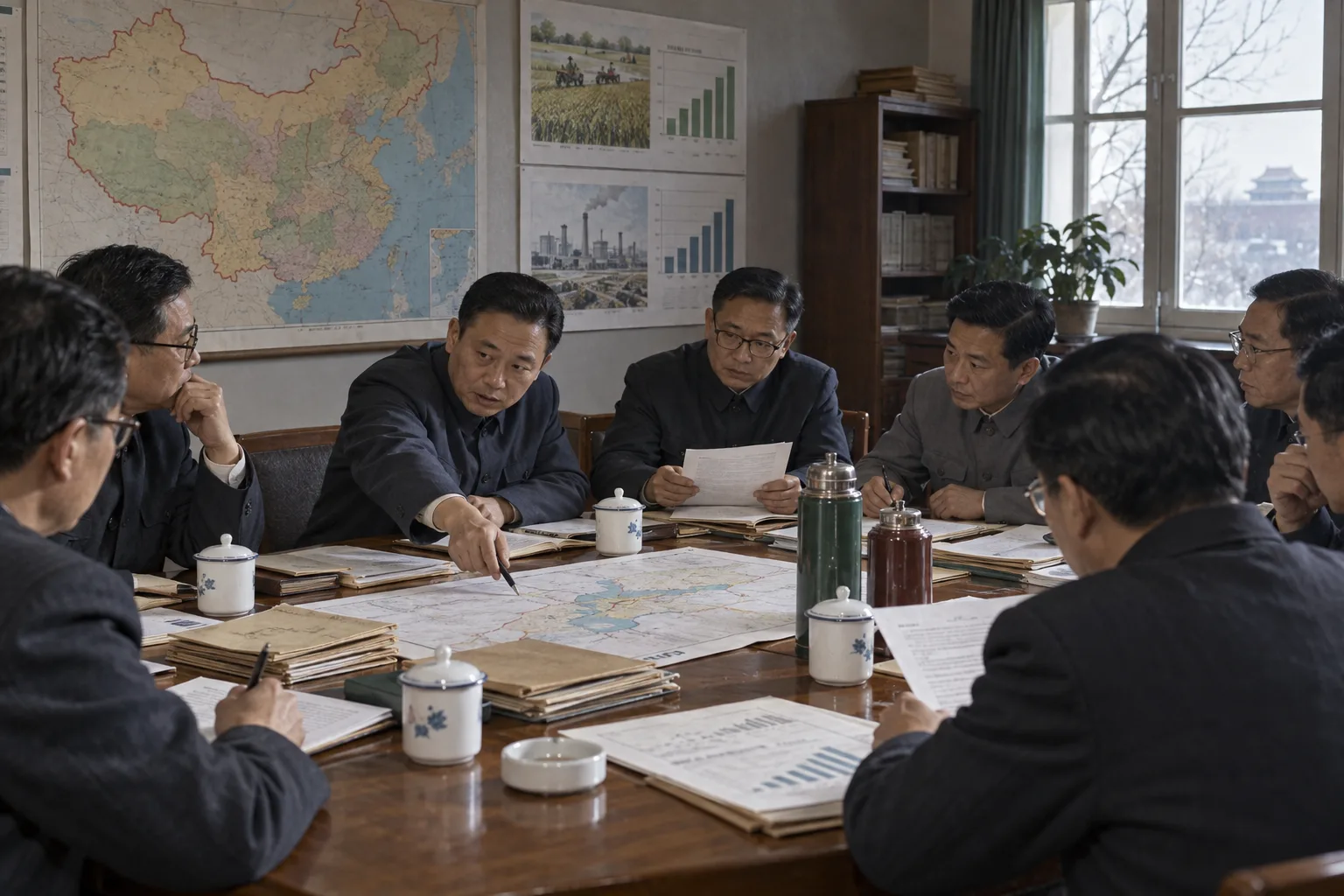
In 1978, Deng Xiaoping became the key figure in Chinese politics and pushed the country toward reform.

Deng did not reject Communist Party rule. He rejected the idea that ideology mattered more than results. China, he argued, needed growth, order, and practical policies.

At the Third Plenum in late 1978, party leaders shifted their focus from class struggle to economic development. That was a major turning point.

New experiments began. Local officials were given more room to test ideas. Farmers and businesses were allowed more incentives than before.

The new approach became known as reform and opening. China would stay under one-party control, but it would no longer stay closed and rigid.

This mattered because it changed the country's goal. The state now measured success less by revolutionary purity and more by whether life was actually improving.

The Countryside Opens First
1980 CE
Step 3 of 101980 CEAccessible mode

The Countryside Opens First

China's first big reform success did not begin in the stock market or the city. It began in the countryside.

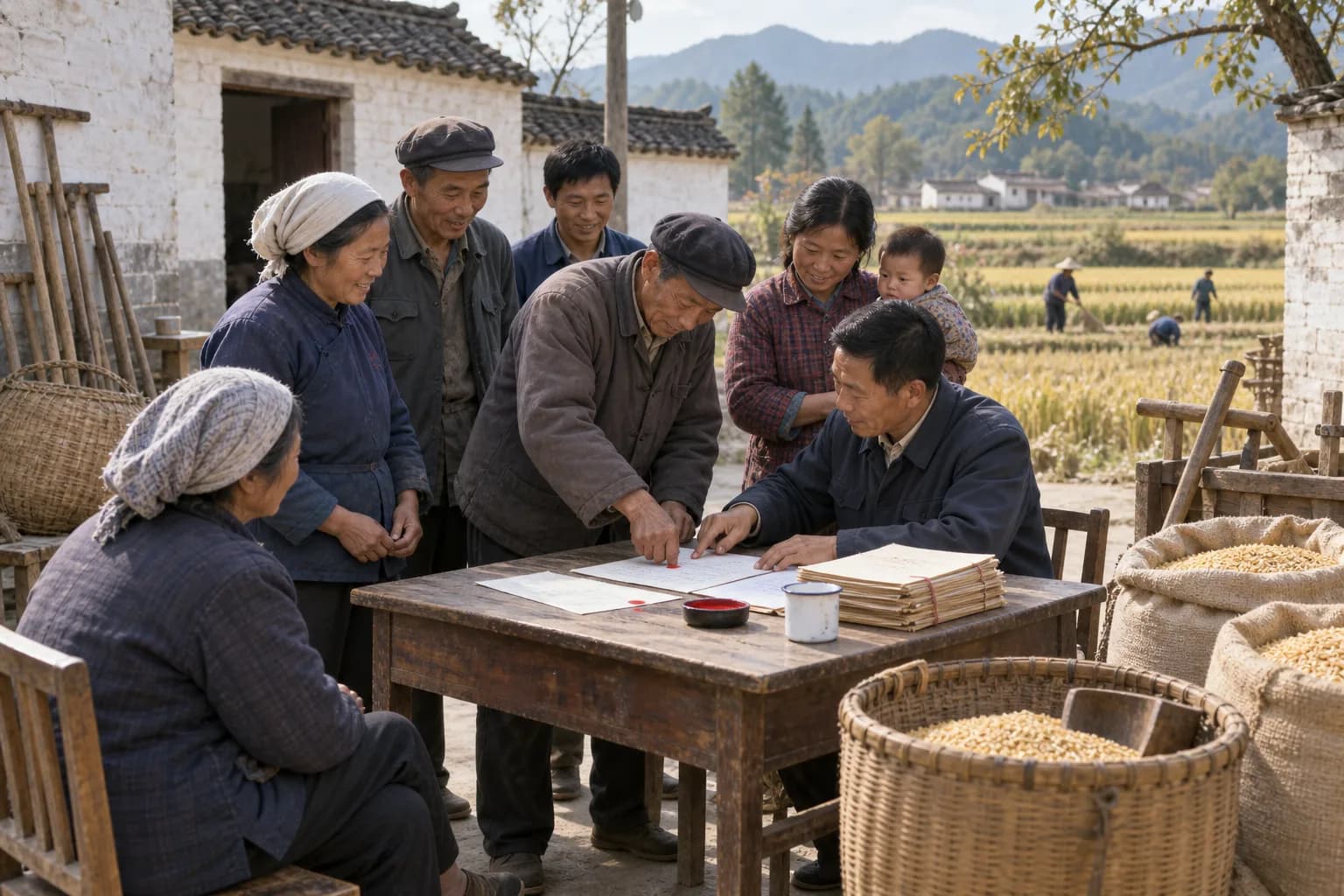
Under the household responsibility system, farming families could work land contracted from the collective and keep more of what they produced after meeting state quotas.

That changed incentives quickly. Farmers worked harder because extra effort now brought direct rewards. Harvests rose and rural incomes improved.

Change did not stop with crops. Township and village enterprises expanded in many areas, making goods, processing materials, and creating non-farm jobs.

This mattered because reform now had proof. Leaders could see that loosening rigid controls did not destroy the system. It made it work better.

The countryside opened first, but its success encouraged wider experiments. Rural China gave reform its first real momentum.

Premium

You've reached the turning point

The opening chapters show China stepping out of Mao's shadow without surrendering party rule. Premium follows the bargain that reshapes the world: markets open, dissent is crushed, cities boom and a stronger China begins to challenge the global order.

Continue into the reversals, crises and human stakes that make the story matter.

Unlock full story

What Premium unlocks next

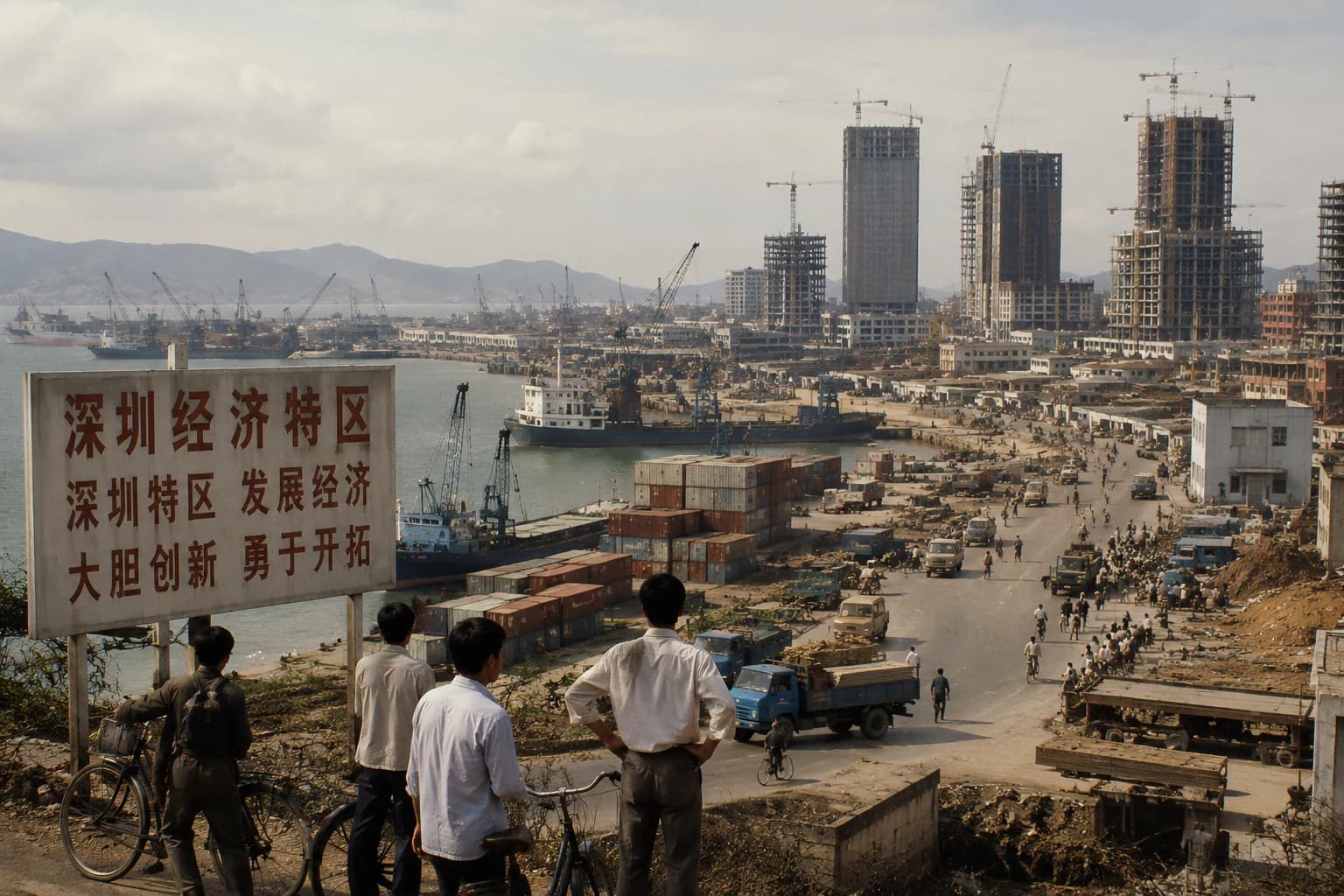
  1. 4Special Economic Zones
  2. 5Tiananmen and Party Control
  3. 6The Southern Tour
  4. 7China Joins the World Economy
  5. 8The Urban Industrial Boom
  6. 9Xi Jinping Centralises Power
  7. 10China Challenges the Global Order

Browse stories

Browse stories for free

Explore the people connected to this turning point or enjoy one of our free stories.

Unlock full storyBrowse stories

References

Sources & Further Reading

Reliable sources, primary-source collections and reading paths connected to this page.

Sources used

  1. Encyclopaedia Britannica, China,” Open source
  2. Wilson Center Digital Archive, China,” Open source

Further reading

  1. Odd Arne Westad, Restless Empire: China and the World Since 1750, Basic Books.

Primary sources

  1. Chinese Text Project, Modern Chinese texts and classics,” Open source

A weekly route through history

Find out first about the latest published stories, feature notes and occasional Premium offers in one weekly email.