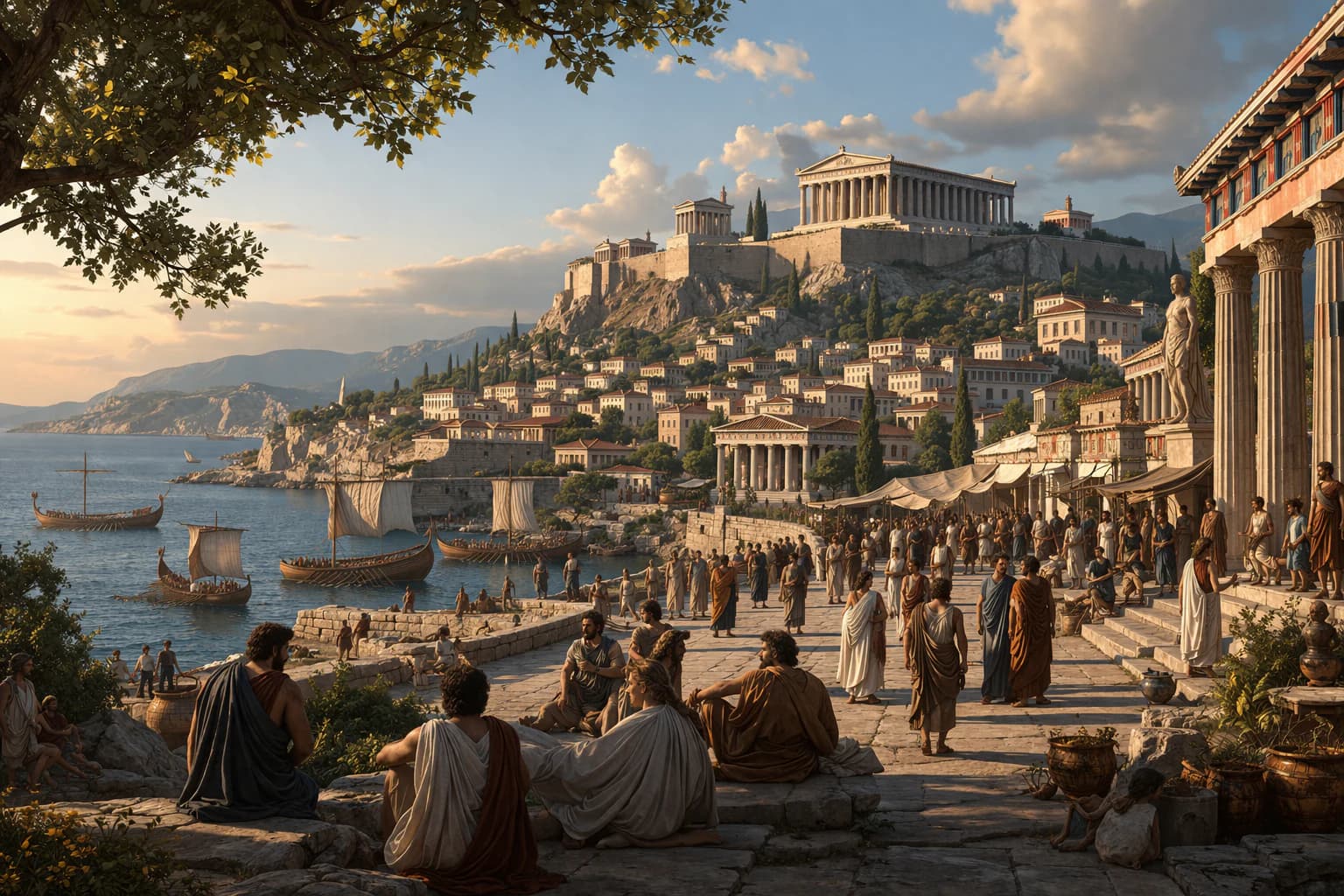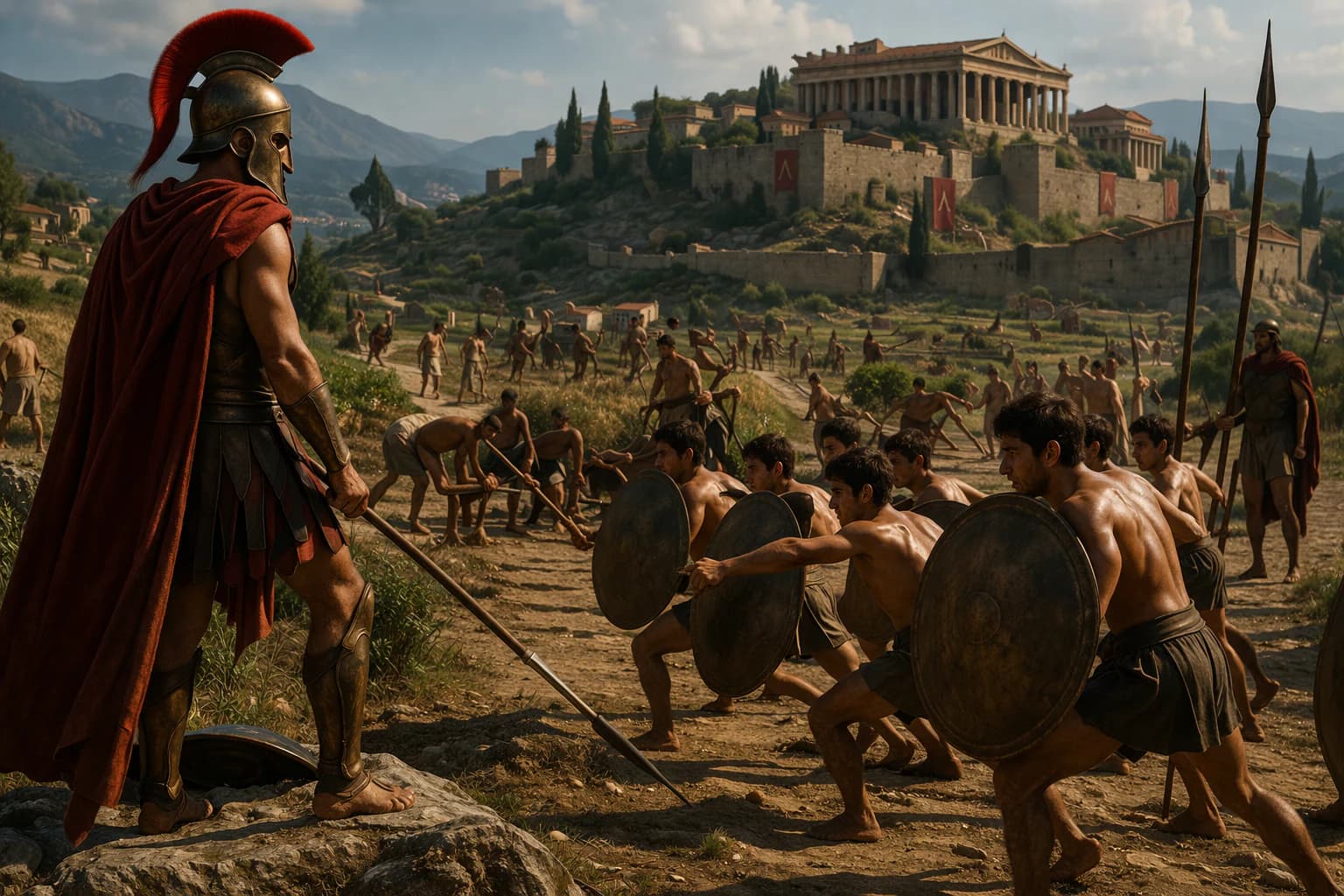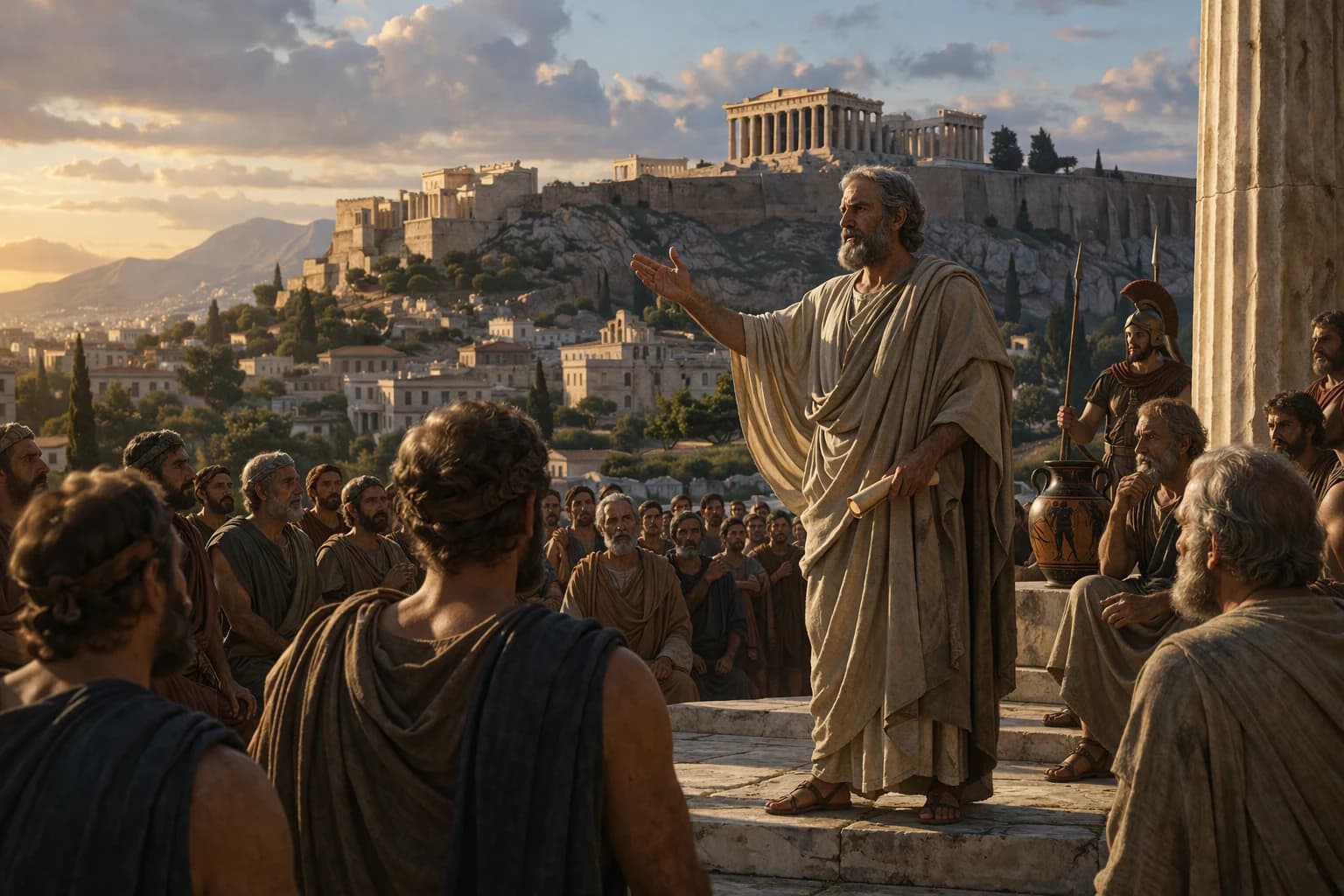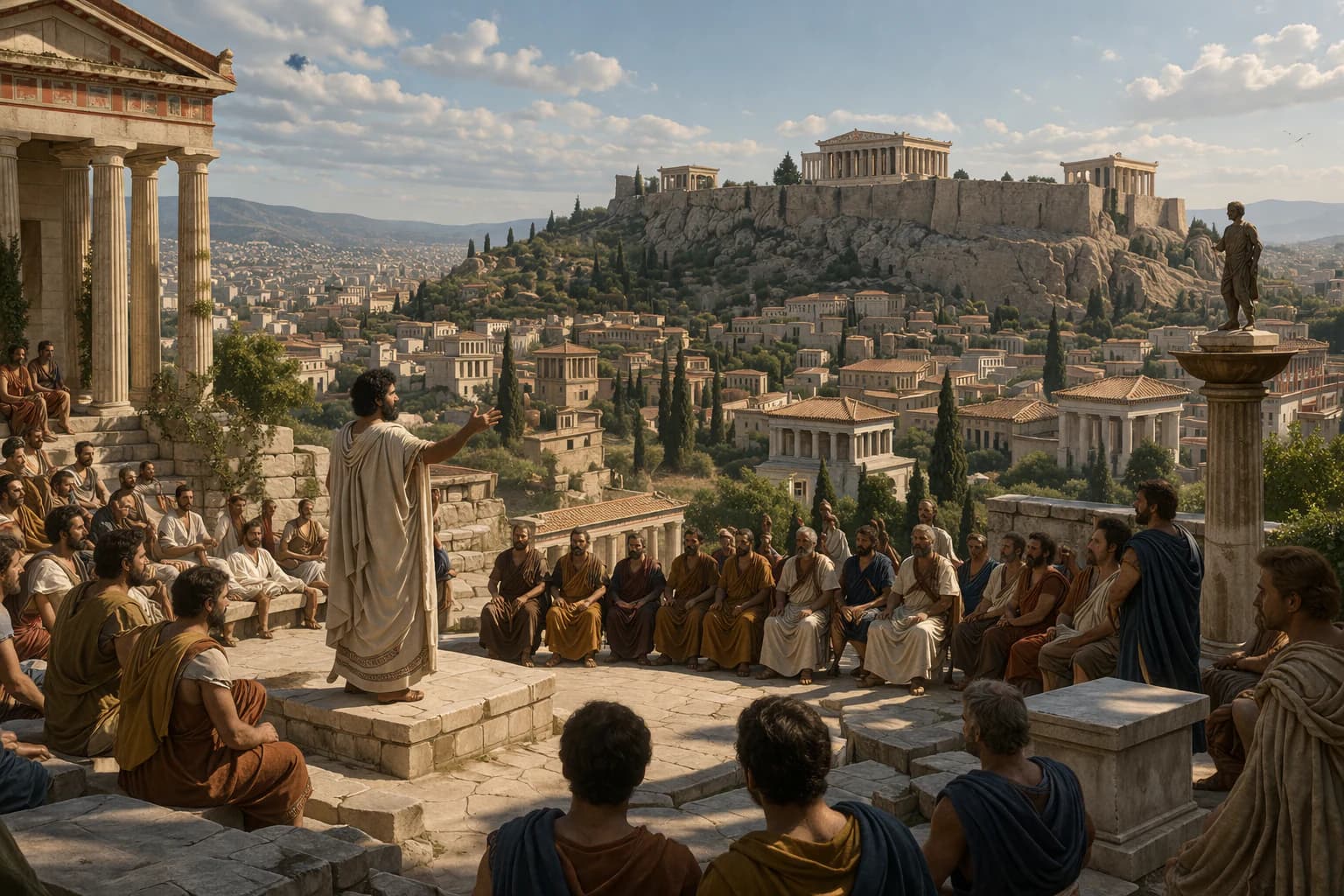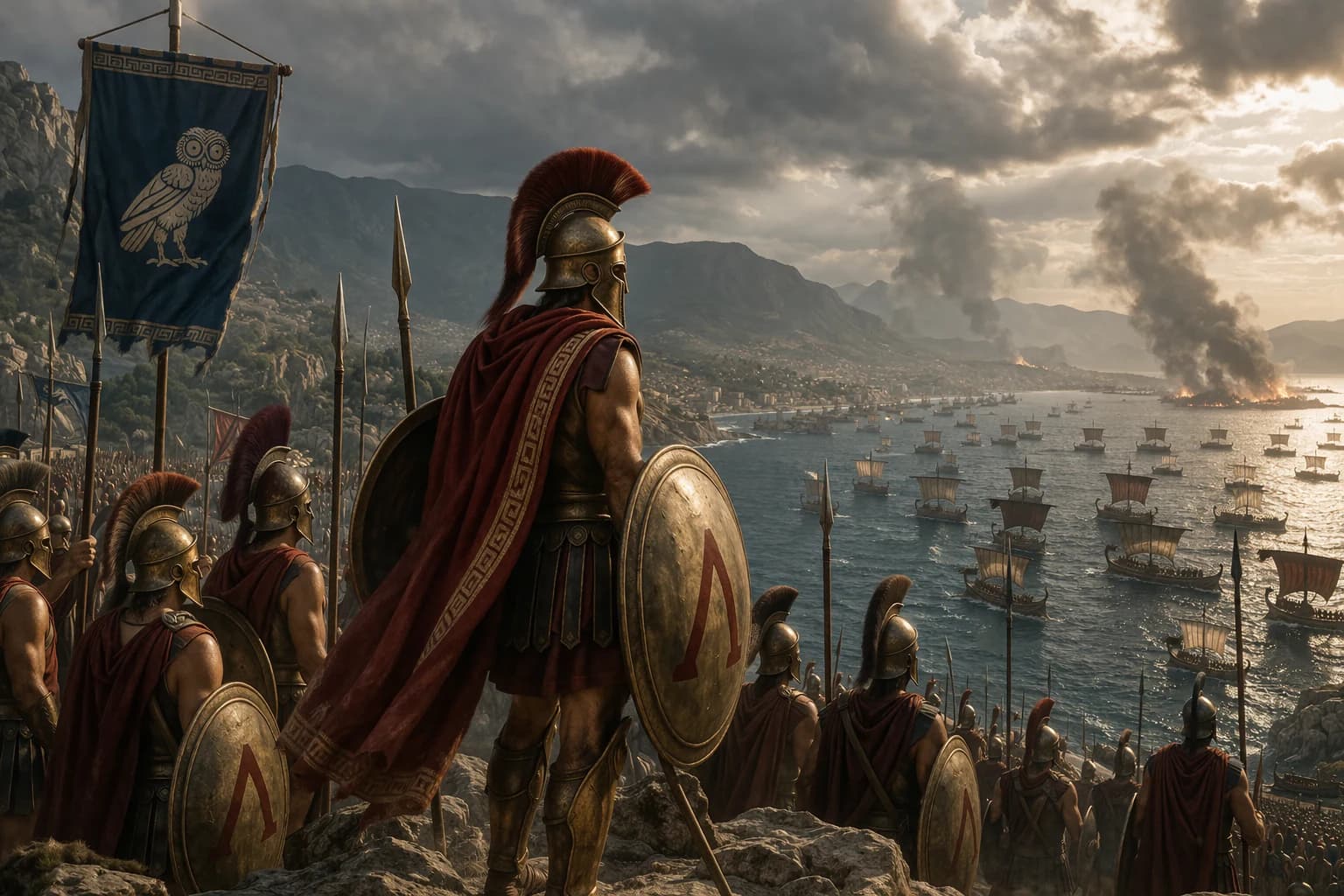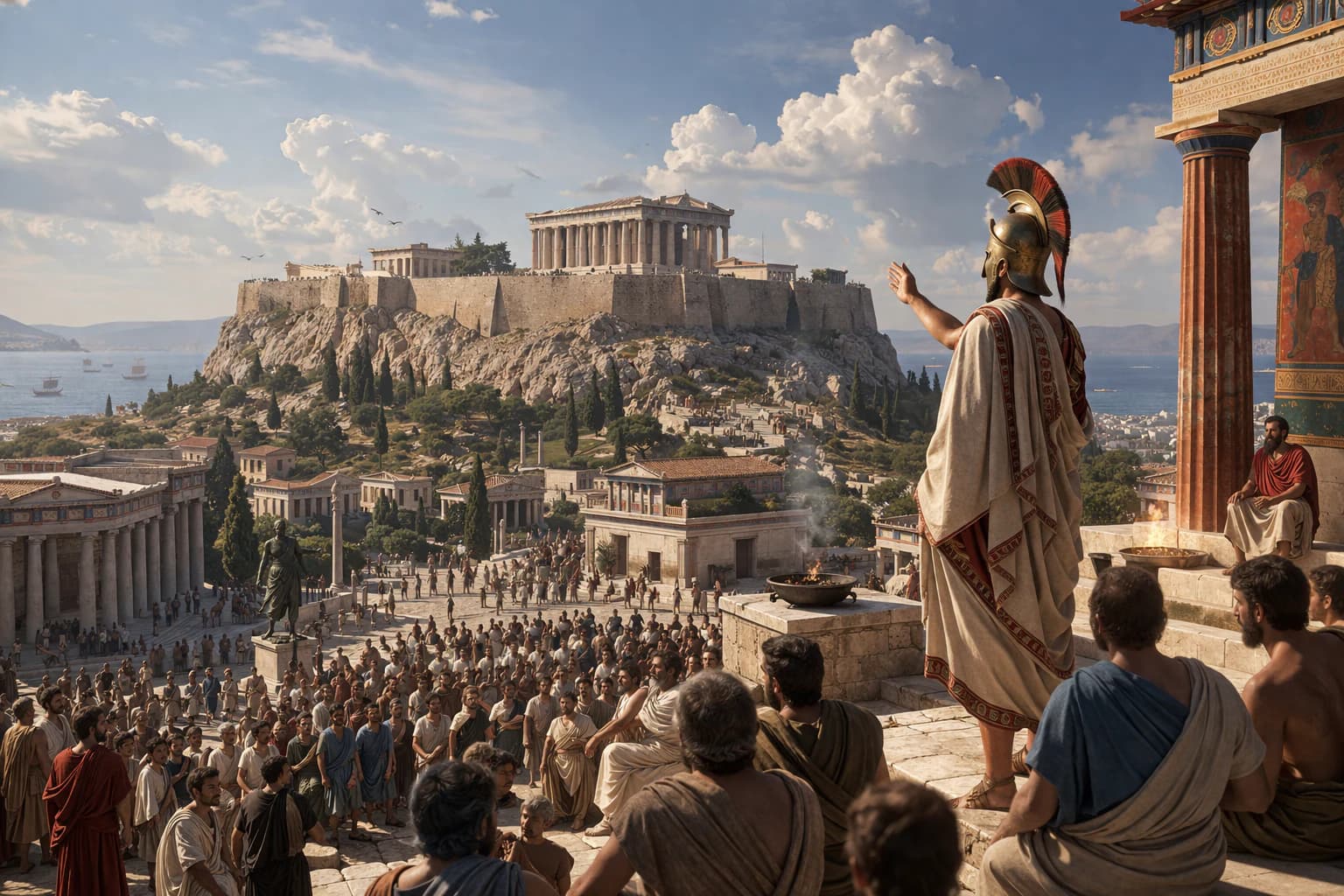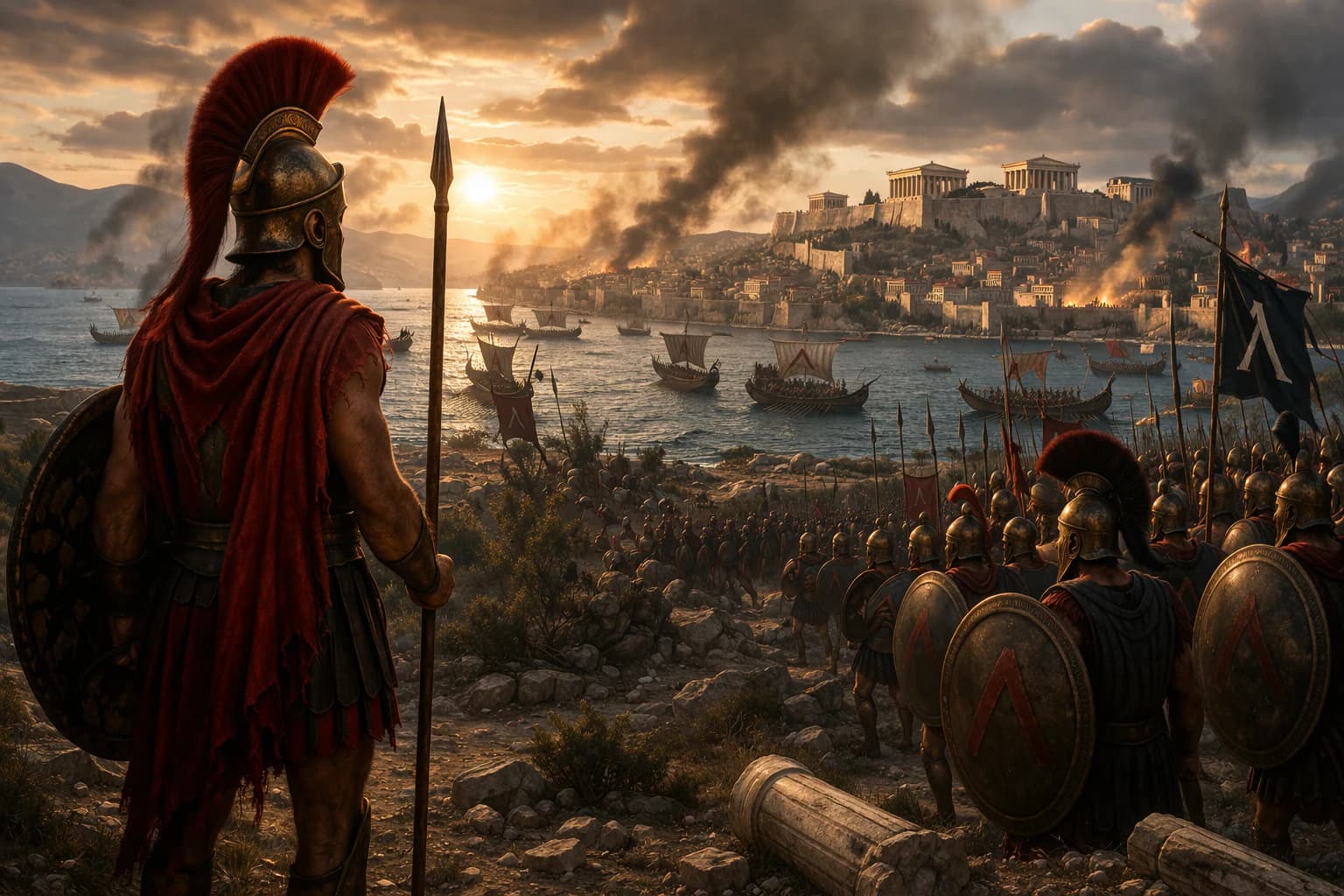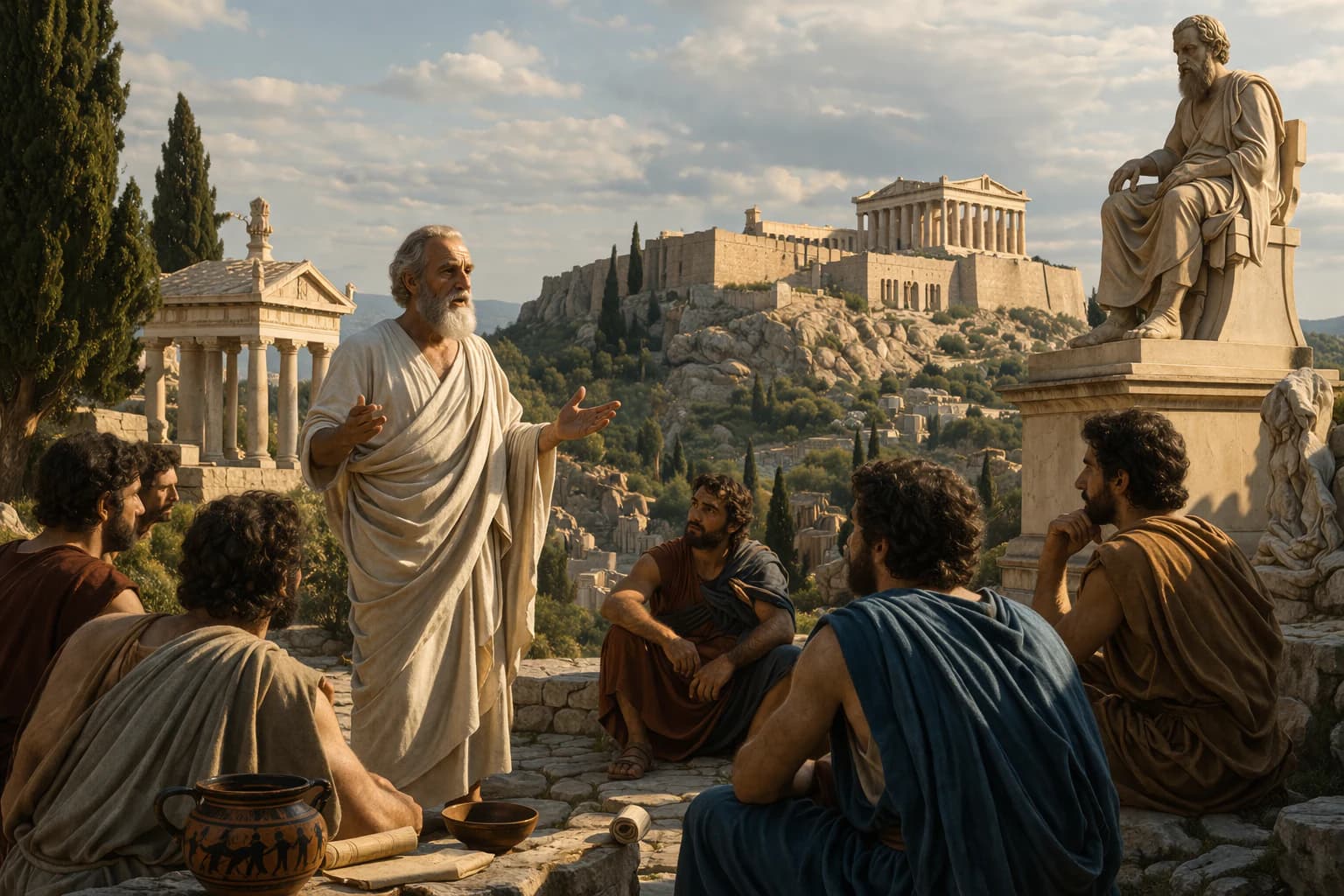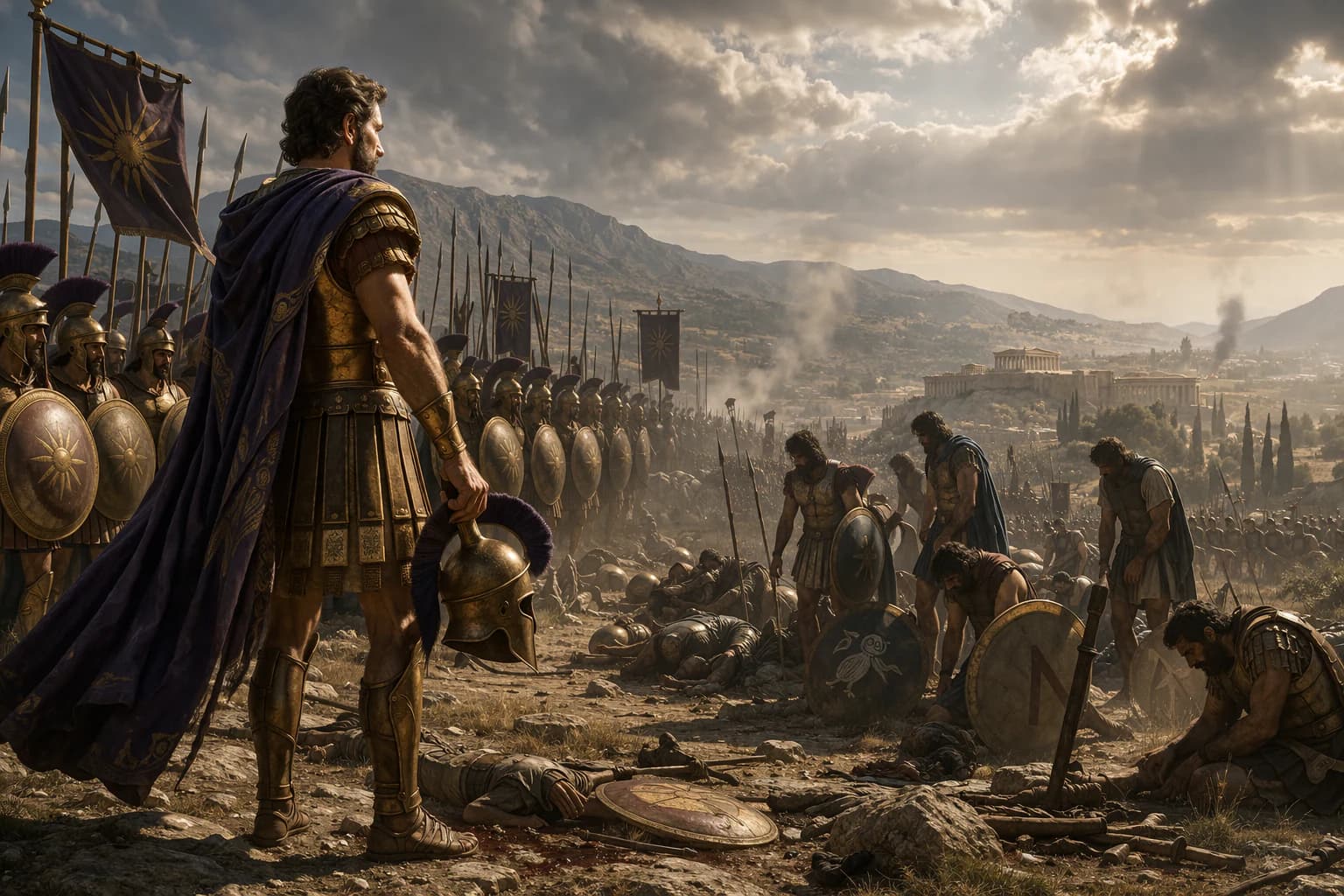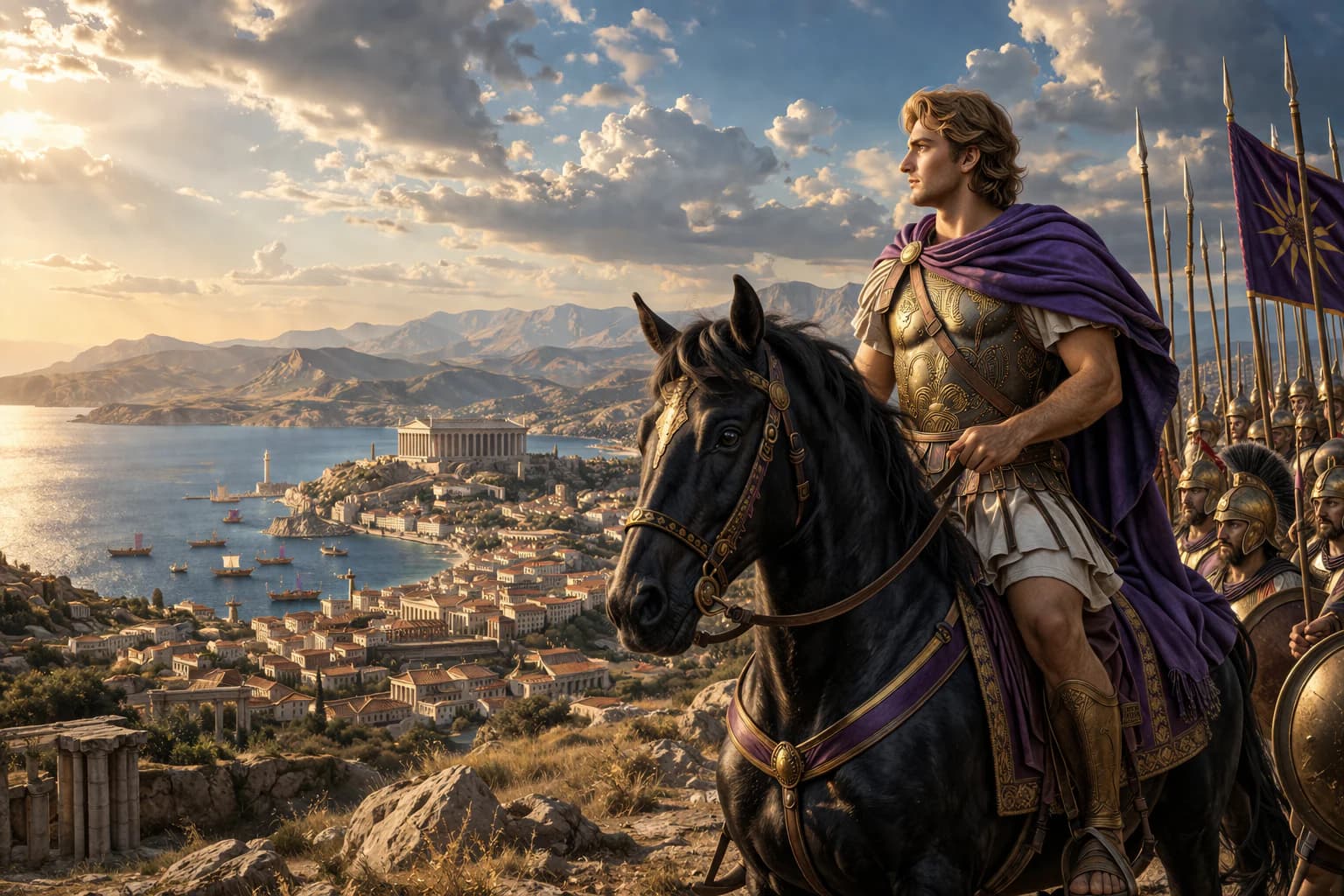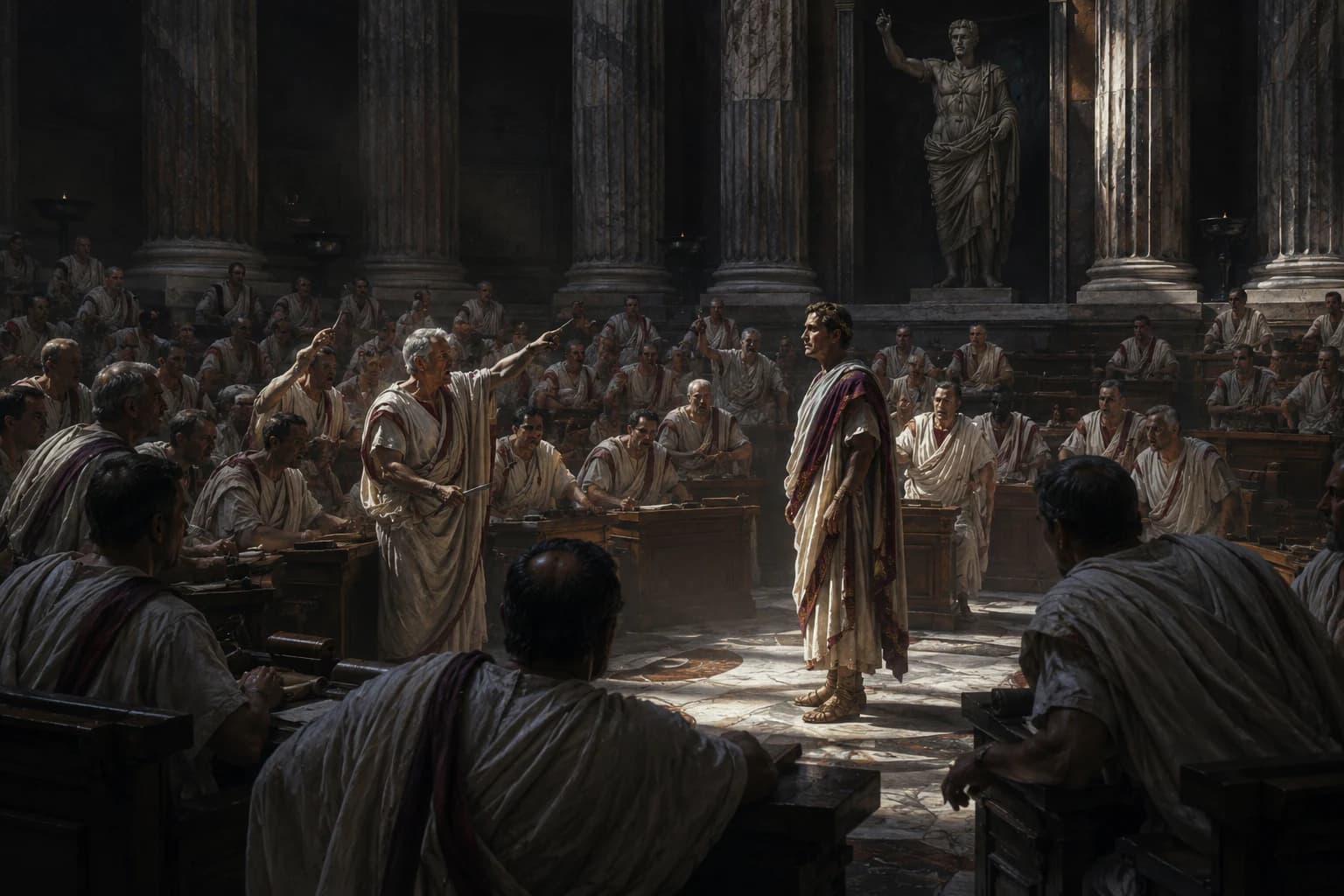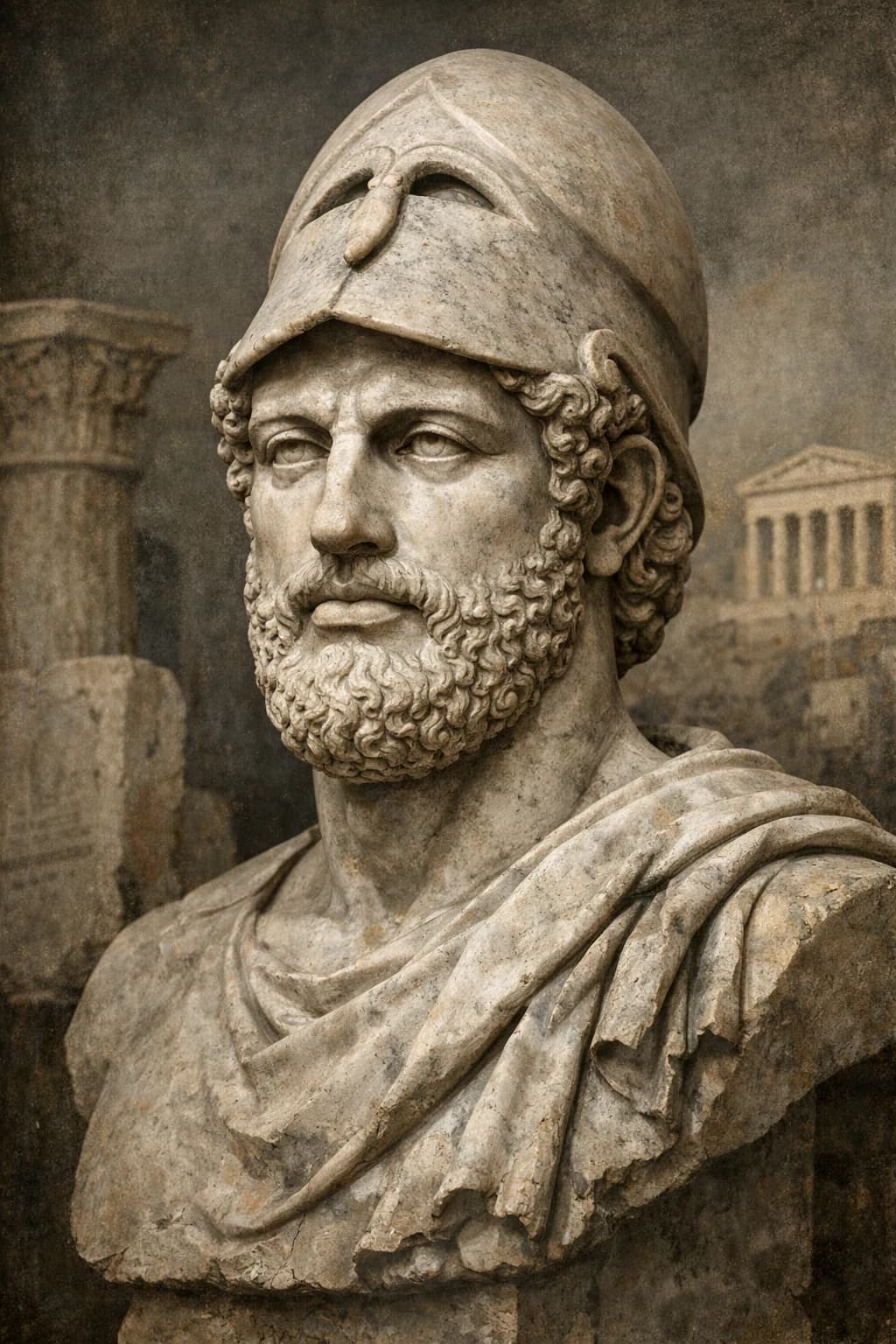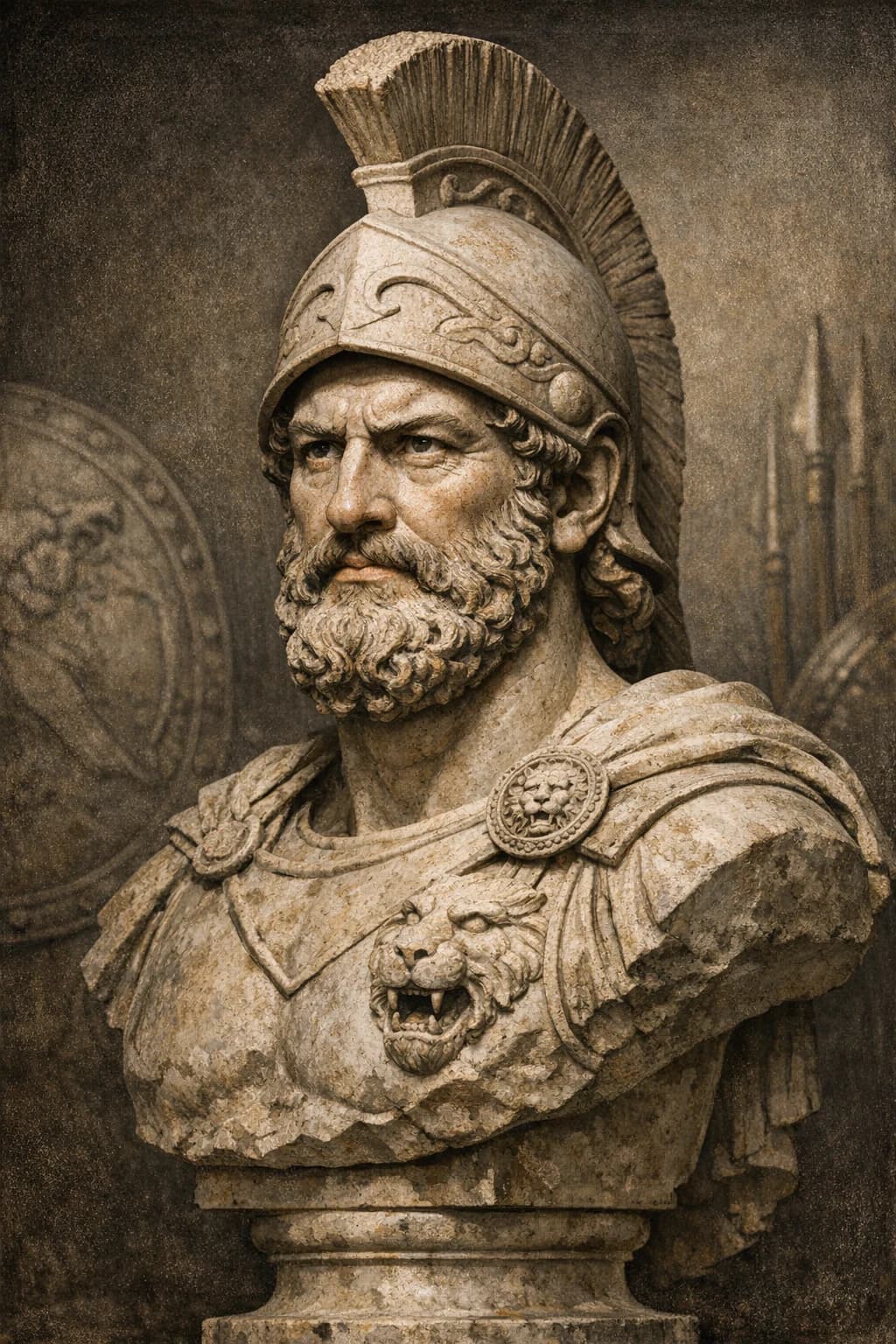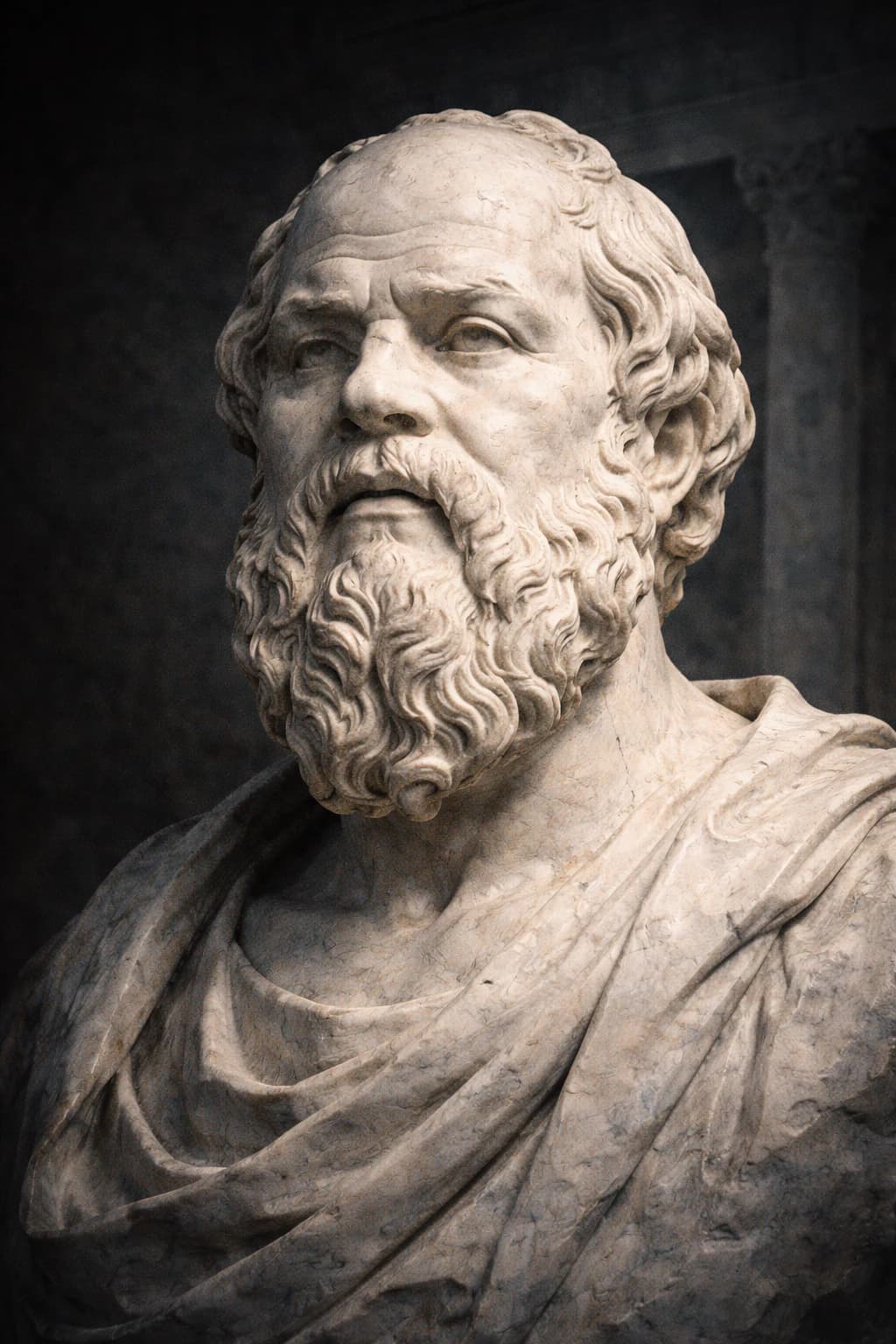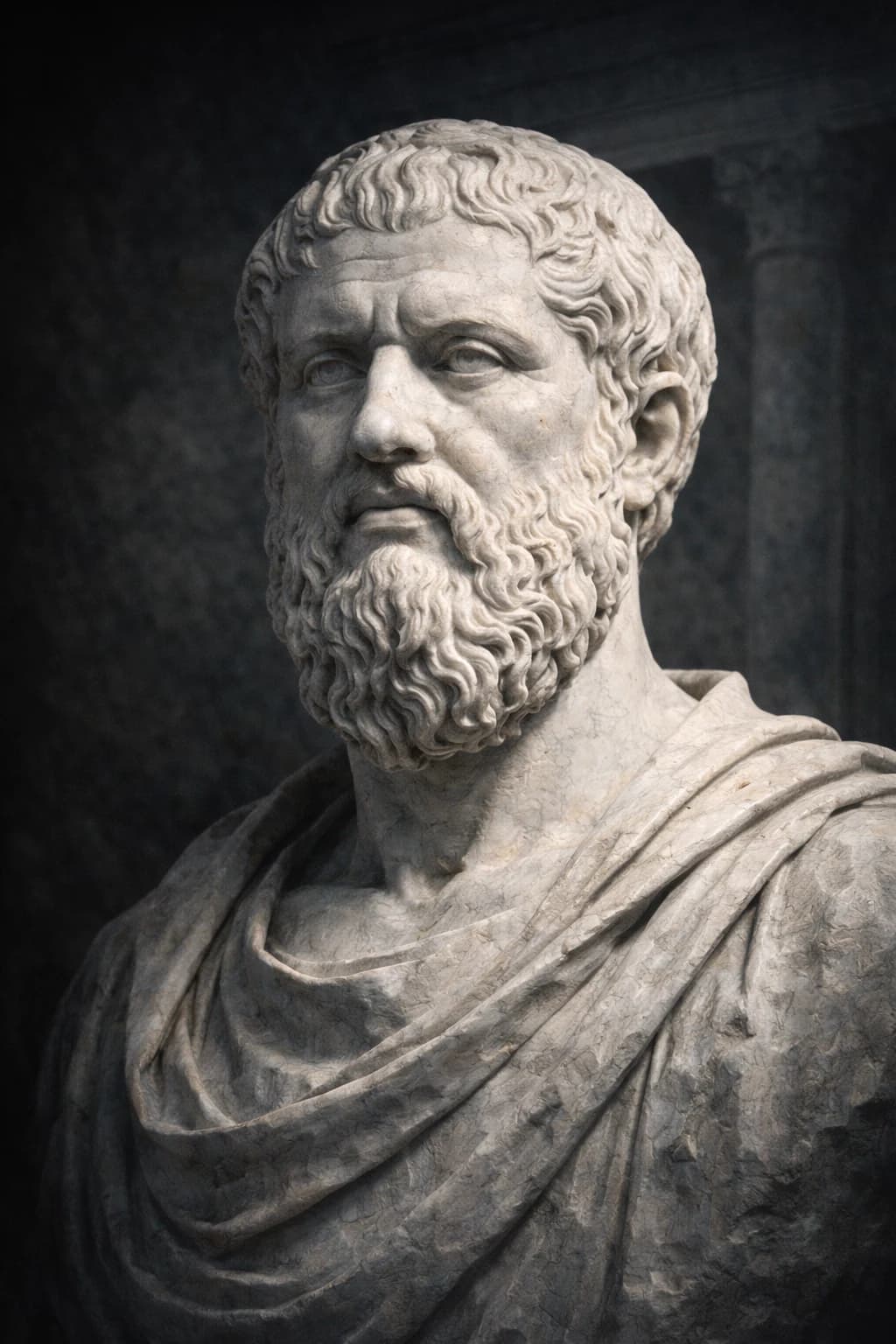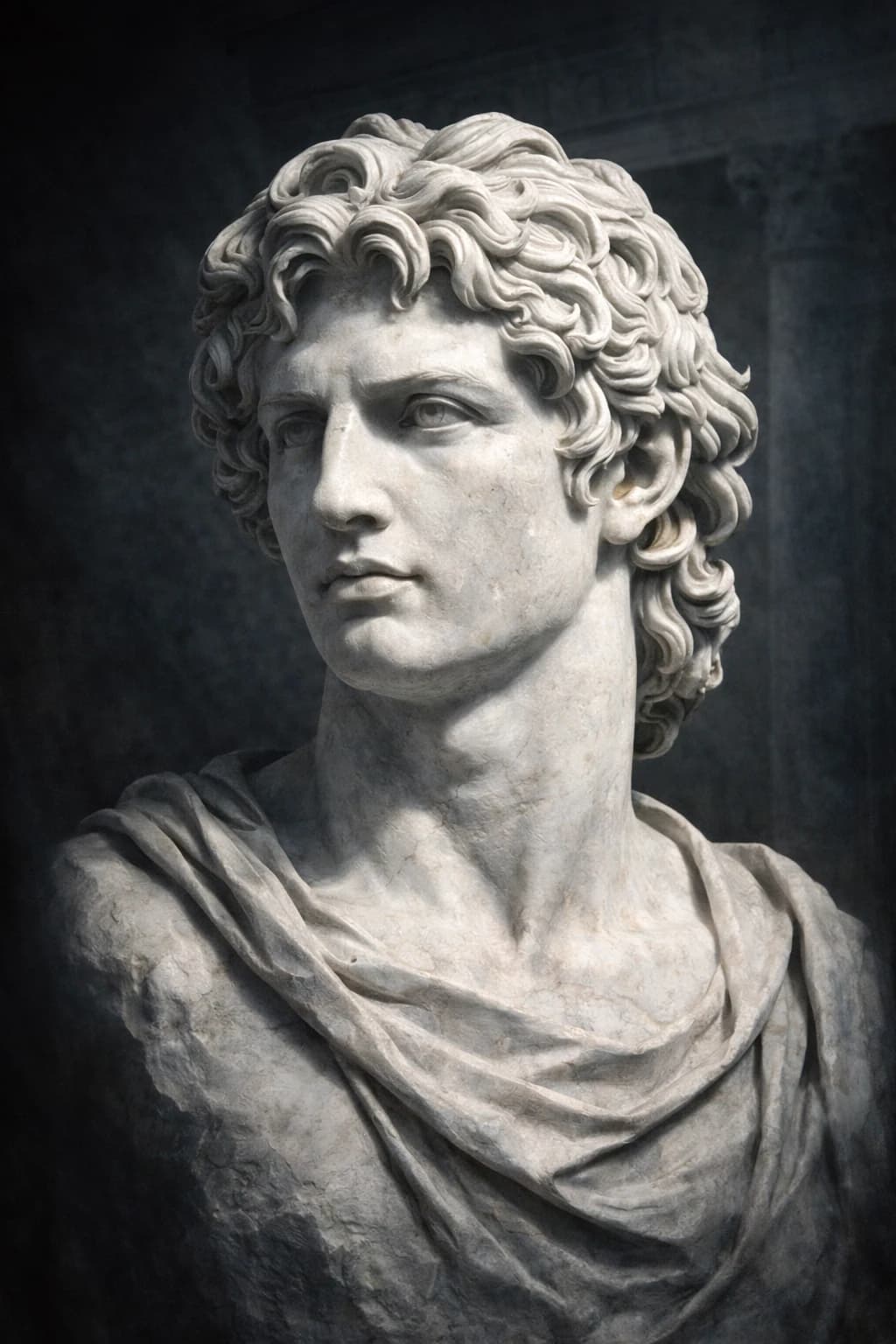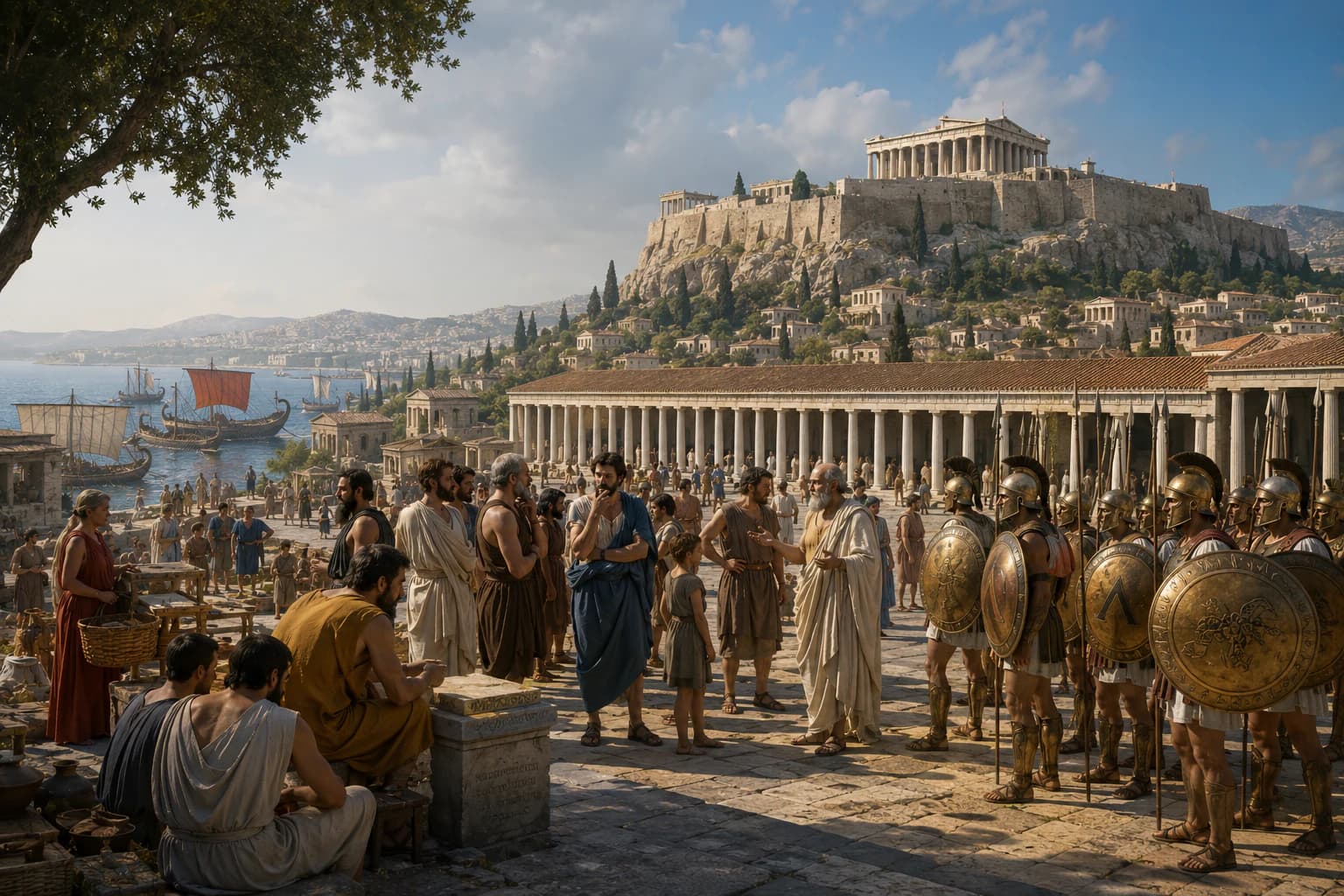
Sunlit temples above a bustling Greek polis, hoplites assembling below as philosophers debate in a colonnaded square
Free Story

Ancient Greece

Small city-states around the Aegean argued, fought, traded, and experimented their way into a legacy far larger than Greece itself.

10 chapters · 20 min read

Next
Context

Introduction

Overview

Ancient Greece was a civilisation of city-states, sailors, philosophers, soldiers, artists, and political experiments whose influence reached far beyond the Aegean world. From and to the Persian Wars, democracy, philosophy, drama, and Alexander the Great, Greek history helped shape ideas about citizenship, empire, knowledge, and culture. Its legacy survived through Rome, Byzantium, Islam, and modern Europe, making Ancient Greece central to the story of the classical world.

What you’ll learn: You’ll see how the Greek city-states worked, why and became so important, and how conflict, politics, and philosophy shaped a legacy that lasted far beyond ancient Greece.

Key forces

Ancient Greek City-States and the Rise of the Polis
800 BCE
Step 1 of 10800 BCEAccessible mode

Ancient Greek City-States and the Rise of the Polis

After years of decline, small communities in Greece began to grow again. These places would become the heart of Greek life.

Before this, Greece was in a Dark Age. Large kingdoms had collapsed, trade was limited, and people lived in scattered villages.

Over time, farming improved and populations grew. Mountains separated communities, so each area developed on its own.

Geography kept the Greeks divided, but also made them unique.

These growing communities became city-states, called poleis. Each had its own government, army, and identity.

People now felt loyalty to their polis. They took part in decisions, defended their land, and built shared traditions.

Today, ideas about citizenship and local identity still come from this early Greek system.

Sparta and the Warrior State
650 BCE
Step 2 of 10650 BCEAccessible mode

Sparta and the Warrior State

did not become famous by accident. It turned itself into a place where war, obedience, and teamwork shaped everyday life.

Before this system was fully formed, was one Greek city among many in . Its people farmed, worshipped, and competed with nearby rivals.

Everything changed after conquered neighboring . That gave land and a huge population of helots, people forced to work the farms for Spartan citizens.

's strength rested on hard training, but also on the labor of people it had conquered.

Because the helots greatly outnumbered them, Spartan leaders built a strict system to keep control. Boys were raised for discipline and endurance, men trained as soldiers, and citizens were expected to put the group before themselves.

also created powerful institutions. Kings led in war, elders advised, magistrates enforced order, and common meals tied citizens into a single military culture.

That system made seem strong and fearless to other Greeks. It still shapes how people imagine a tough, disciplined state, even though it depended on inequality and constant pressure.

Athens Begins Political Reform
594 BCE
Step 3 of 10594 BCEAccessible mode

Athens Begins Political Reform

was in trouble. In 594 BCE, new reforms tried to calm a city split by anger, debt, and fear.

Before this, a few powerful families controlled most political life. Many small farmers struggled to survive.

Debt became a crisis. People who could not repay loans could lose their land or even their freedom.

did not become a democracy at once, but it stopped standing still.

Solon was chosen to fix the conflict. He canceled many debts, ended debt slavery for Athenians, and reorganized citizens into classes based partly on wealth.

These changes gave more men a role in public life, even if the richest still held the top offices. Tension did not vanish, but the rules began to open.

This was an early step toward broader political participation. It helped shape later ideas about citizenship, law, and reform.

Athenian Democracy Takes Shape
508 BCE
Step 4 of 10508 BCEAccessible mode

Athenian Democracy Takes Shape

did not become democratic all at once. Around 508 BCE, new rules gave more citizens a real voice in government.

Before this, powerful families often controlled politics. Ordinary male citizens had less say, and was unstable after bitter struggles for power.

Cleisthenes tried to break that old control. He reorganized the people of so loyalty would shift away from family clans and toward the city.

began to define power by citizenship, not just by birth.

He created new tribes made from different regions, expanded the Council, and gave the Assembly a stronger role. More citizens could now take part in decisions.

This changed daily political life. Citizens debated, voted, and served in public roles, helping build a shared identity unlike most other Greek city-states.

Modern democracy is very different and far more inclusive, but helped introduce the idea that government could be shaped by the participation of citizens.

The Persian Wars
480 BCE
Step 5 of 10480 BCEAccessible mode

The Persian Wars

A huge empire came for Greece, and the Greeks somehow held it back. The fight changed how the Greeks saw themselves.

Before the wars, Greece was not one country. It was a patchwork of city-states like and , and they often argued with each other.

Then the Persian Empire pushed west. Some Greeks submitted, but others chose to resist, even though they did not fully trust one another.

Rivals became allies when survival was on the line.

The biggest moments came at , , and . led famous land fighting. used its fleet to help trap and defeat the Persians at sea.

Victory gave the Greeks new confidence. It also raised higher than before, because its ships and leaders had played such an important part.

These wars became a lasting story about freedom, unity, and identity. They helped shape the rise of classical Greece, whose ideas still influence politics, art, and public life today.

Athens at Its Height
447 BCE
Step 6 of 10447 BCEAccessible mode

Athens at Its Height

In 447 BCE, looked like the most impressive city in Greece. It was rich, busy, creative, and full of confidence.

After defeating Persia, led a league of Greek allies. Over time, that alliance started to look more like an empire controlled by .

Under Pericles, the city used money and power to rebuild and expand. Huge building projects, including , turned into a showcase of strength.

shone brightly, but its glow was powered by empire.

Citizens gathered in the assembly, voted on major decisions, served on juries, and watched new plays by famous dramatists. Democracy and culture were part of daily civic life.

Yet this freedom did not include everyone. Women, enslaved people, and foreigners had no political voice, and allied cities often had to obey .

That mix of brilliance and control still feels familiar today. shows how a society can produce great art and bold politics while also using power in unfair ways.

The Peloponnesian War
431 BCE
Step 7 of 10431 BCEAccessible mode

The Peloponnesian War

Ancient Greece was not one country. It was a patchwork of city-states, and two of the strongest, and , finally turned their rivalry into war.

Before the fighting, led a naval empire and grew rich from trade and tribute. was a land power with a tough army and cautious leaders.

Both sides feared each other. kept expanding its influence, while and its allies thought the balance of power was slipping away.

The war showed that Greek strength could also become Greek weakness.

The conflict dragged on for years. Armies marched, fleets fought, cities changed sides, and suffered plague, political chaos, and major defeats.

People paid the price. Farms were ruined, citizens died, and trust inside many city-states broke down. Even democracy in came under heavy strain.

The war weakened the whole Greek world. It helps explain why divided states, even brilliant ones, can damage themselves when rivalry becomes obsession.

Greek Philosophy: Socrates, Plato and Aristotle
399 BCE
Step 8 of 10399 BCEAccessible mode

Greek Philosophy: Socrates, Plato and Aristotle

In ancient Greece, some people stopped asking only how to win power or honor. They began asking how to live well and think clearly.

Before this shift, Greek life centered on war, politics, religion, and public debate. Ideas were important, but they were often tied to reputation and success.

Socrates pushed something new. He questioned everyday beliefs about justice, courage, and truth, and he urged people to test their own thinking.

A city could praise debate and still fear the questions it unleashed.

In 399 BCE, put Socrates on trial and executed him. His death showed the tension between free inquiry and civic authority.

His example shaped Plato, who explored politics and knowledge, and Aristotle, who studied ethics, logic, and the natural world in a more systematic way.

Their questions still shape schools, law, science, and public life today. When people argue about truth, fairness, or the best kind of government, they are still walking Greek ground.

Macedon Unites the Greek World
338 BCE
Step 9 of 10338 BCEAccessible mode

Macedon Unites the Greek World

For centuries, Greek city states fought each other. In 338 BCE, that rivalry came to an end.

Before this moment, places like and competed for power. Each city ruled itself and often went to war with its neighbors. This constant fighting weakened them over time.

Meanwhile, , a kingdom to the north, grew stronger under King Philip II. He built a disciplined army and used new tactics that made his soldiers more effective.

The age of competing city states was ending.

At the Battle of Chaeronea, Philip defeated the combined forces of and . His victory proved that no single city state could stand against him.

After this, most Greek cities accepted his leadership. They kept some local control, but major decisions were now made within a larger system led by .

This shift changed Greek life. Instead of small rival states, Greece became part of a bigger political world, paving the way for future empires.

The Legacy of Ancient Greece
146 BCE
Step 10 of 10146 BCEAccessible mode

The Legacy of Ancient Greece

Greece lost its freedom, but not its influence. After Rome conquered Greece, Greek ideas kept traveling far beyond the old city-states.

Before the conquest, Greek life was built around independent cities like and . Greeks had created debates about citizenship, drama, philosophy, and schooling.

Rome defeated Greece in 146 BCE, but Roman elites admired Greek learning. They wanted Greek teachers, books, and art.

Greece was conquered by armies, but its ideas conquered time.

Greek philosophy shaped Roman thinkers. Greek literature became model reading. Greek education trained young Romans in speaking, reasoning, and public life.

That changed daily life for generations. People across the Roman world studied Homer, Plato, and other Greek writers even when Greek states were gone.

Later European thinkers returned to Greek ideas about politics, logic, ethics, and learning. That is why ancient Greece still sits inside modern schools, governments, and public debate.

Continue reading

Finished Ancient Greece?

Follow Greek ideas into Alexander's empire, compare them with Rome's republic, or step back to Egypt's older Mediterranean world.

Browse stories

References

Sources & Further Reading

Reliable sources, primary-source collections and reading paths connected to this page.

Sources used

  1. The Metropolitan Museum of Art, Ancient Greek Colonization and Trade and their Influence on Greek Art,” Open source
  2. The British Museum, Greece: Parthenon,” Open source

Further reading

  1. Robin Osborne, Greece in the Making, 1200-479 BC, Routledge.

Primary sources

  1. Tufts University, Perseus Digital Library,” Open source

A weekly route through history

Find out first about the latest published stories, feature notes and occasional Premium offers in one weekly email.