Context
Introduction
Overview
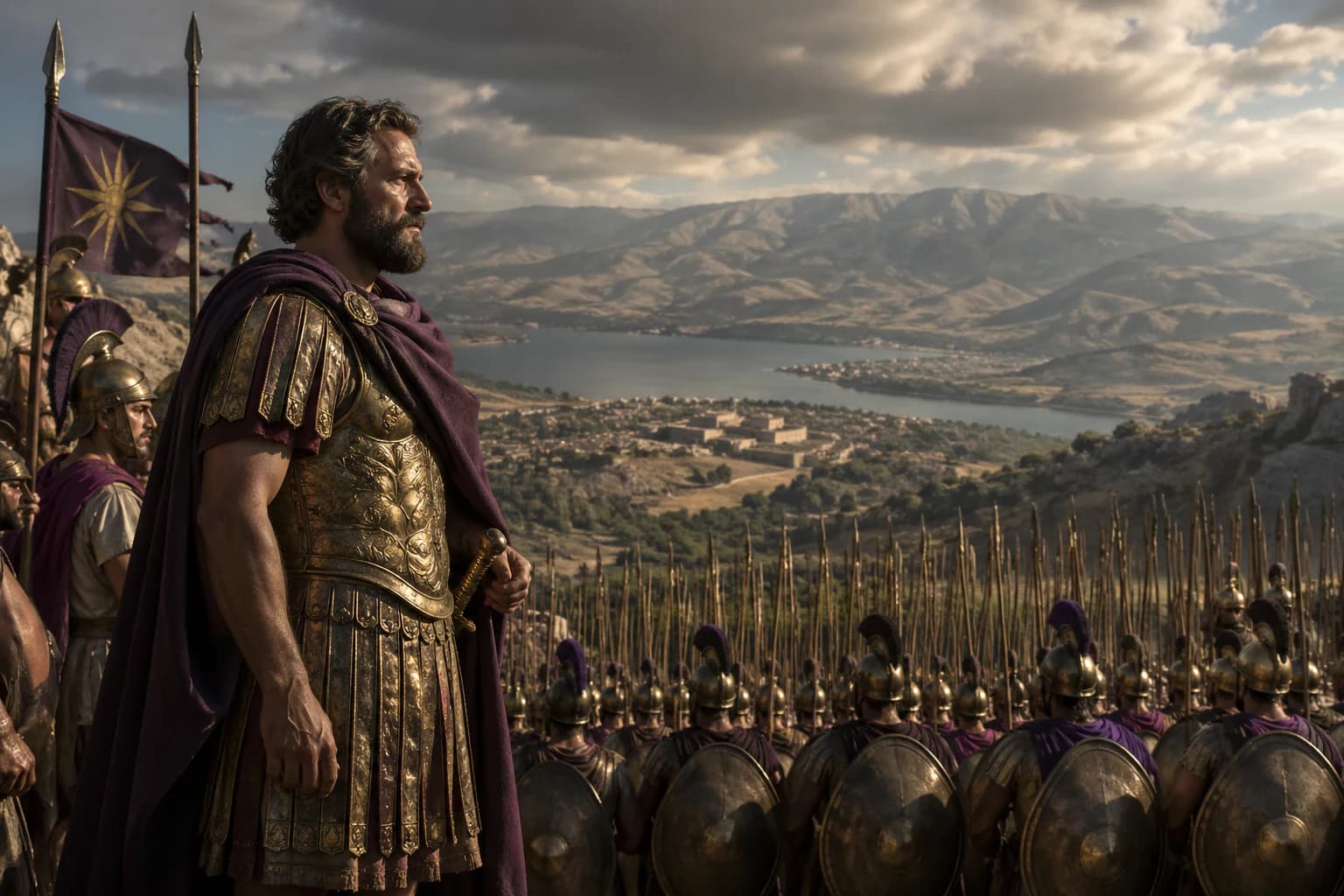
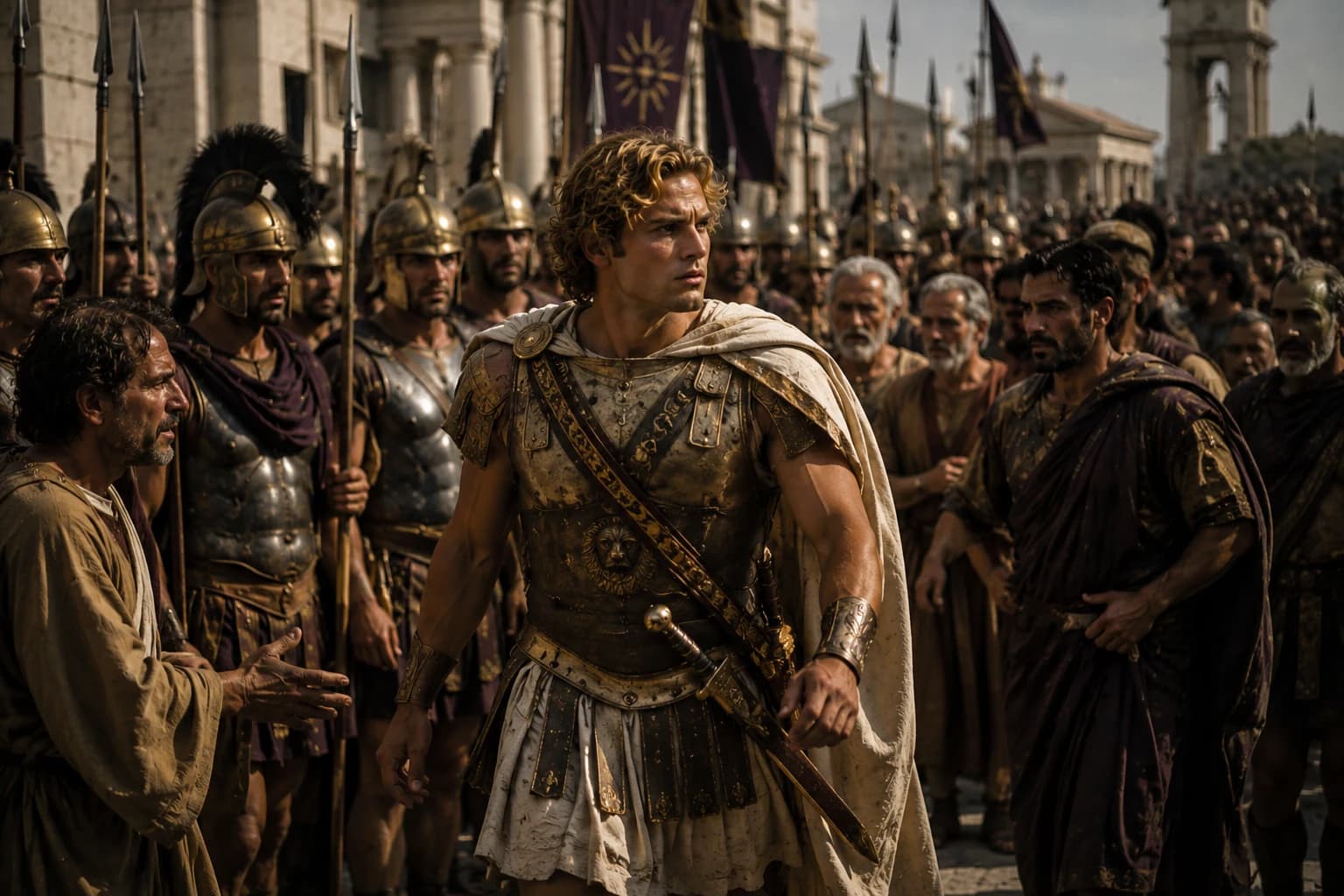
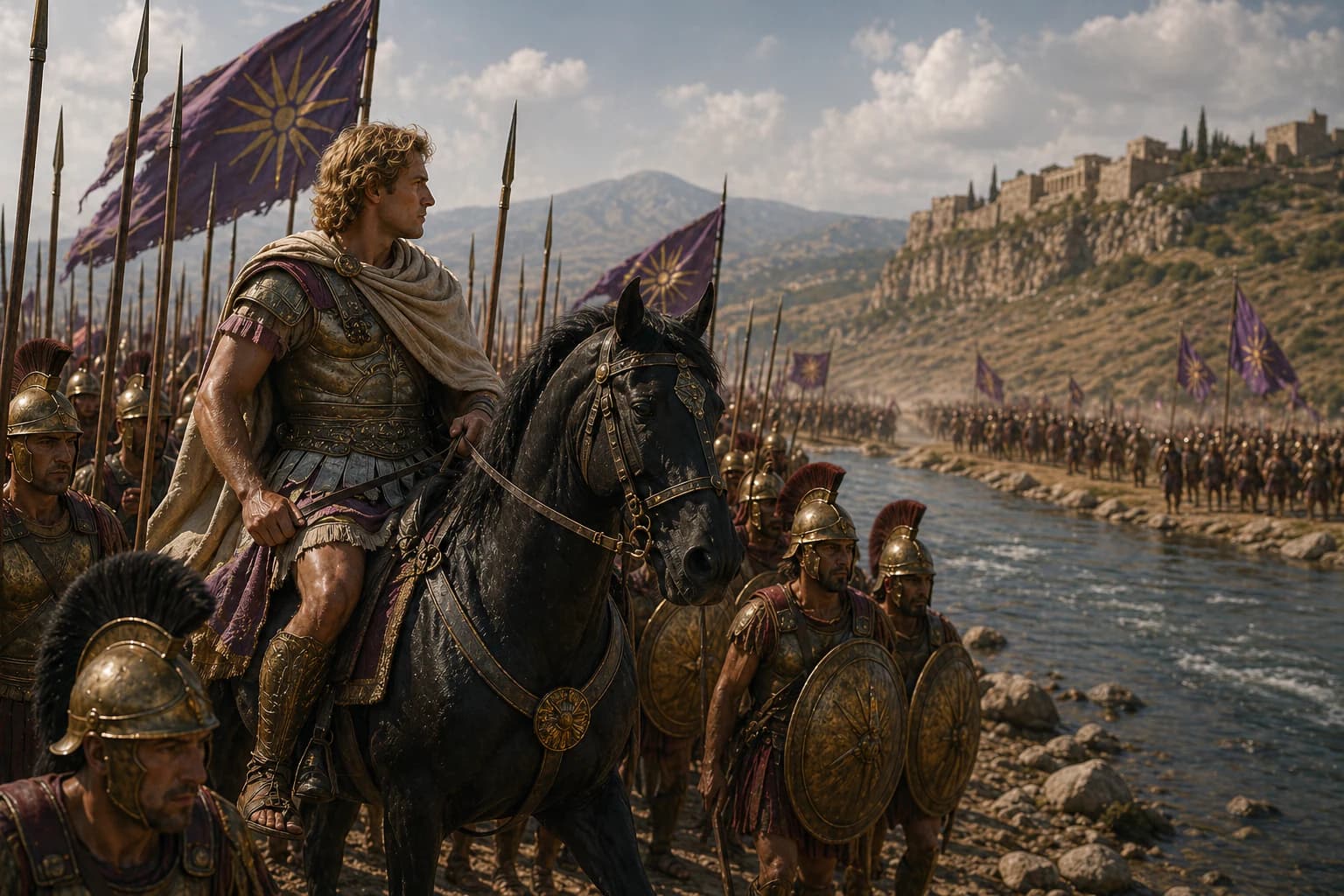
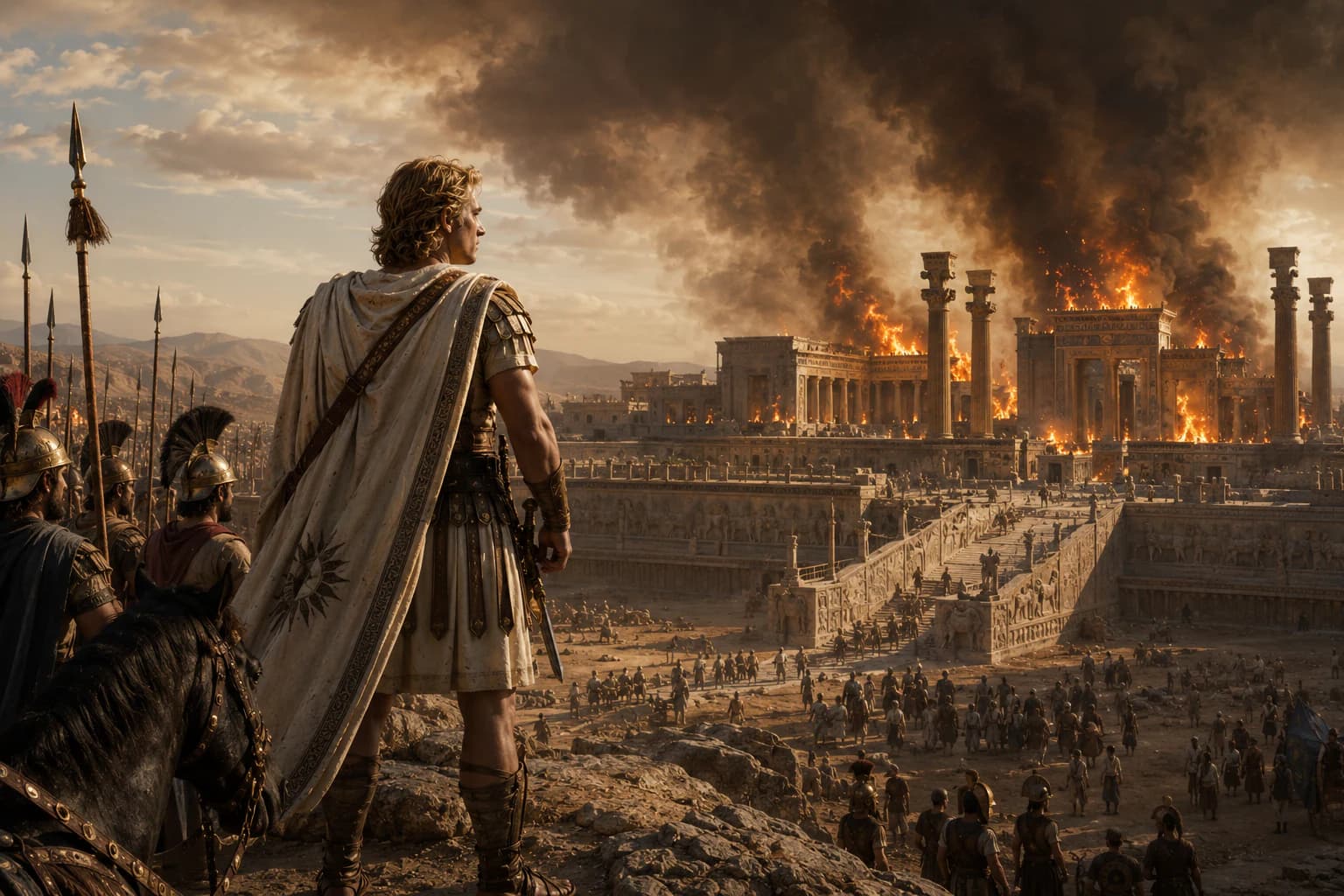
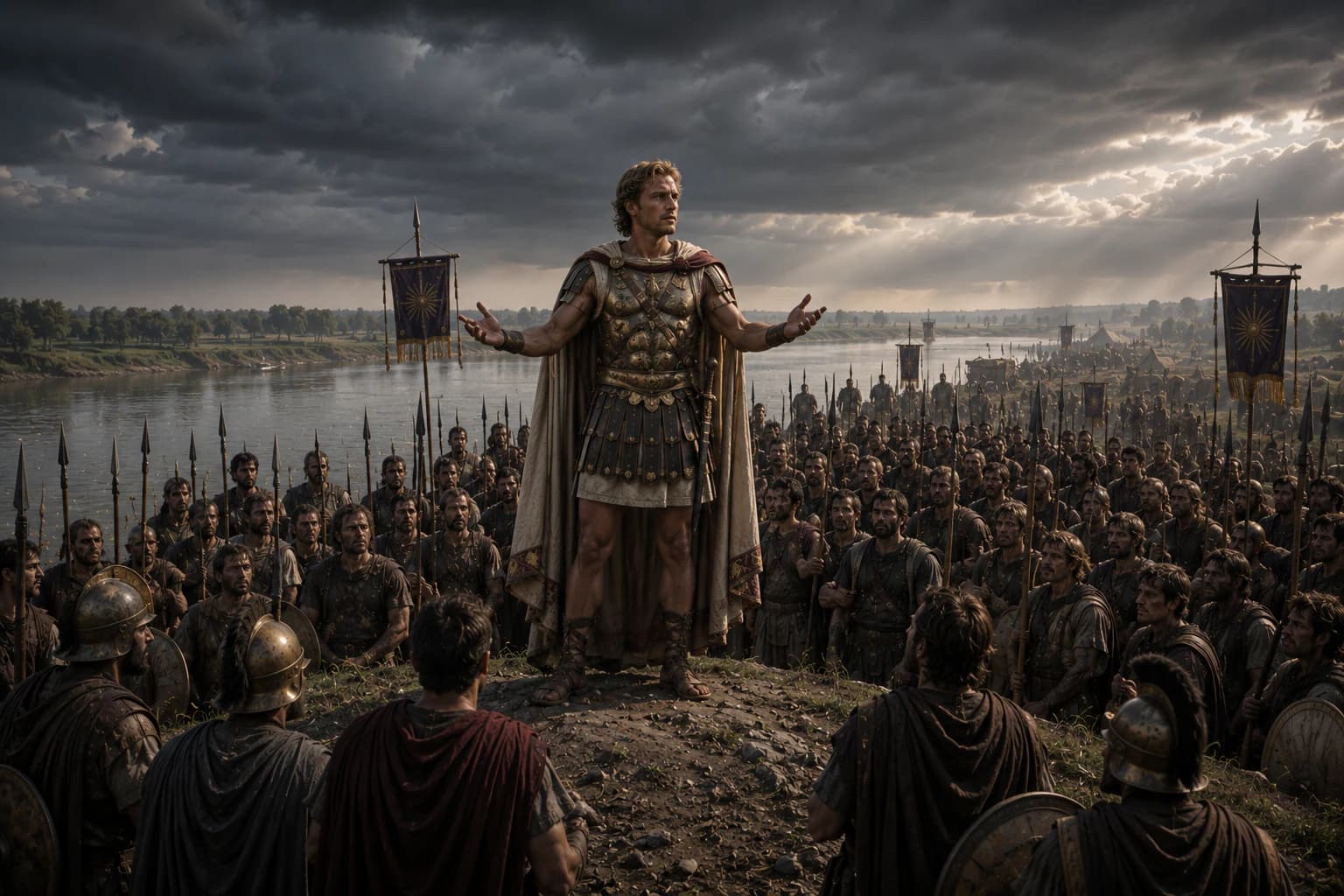
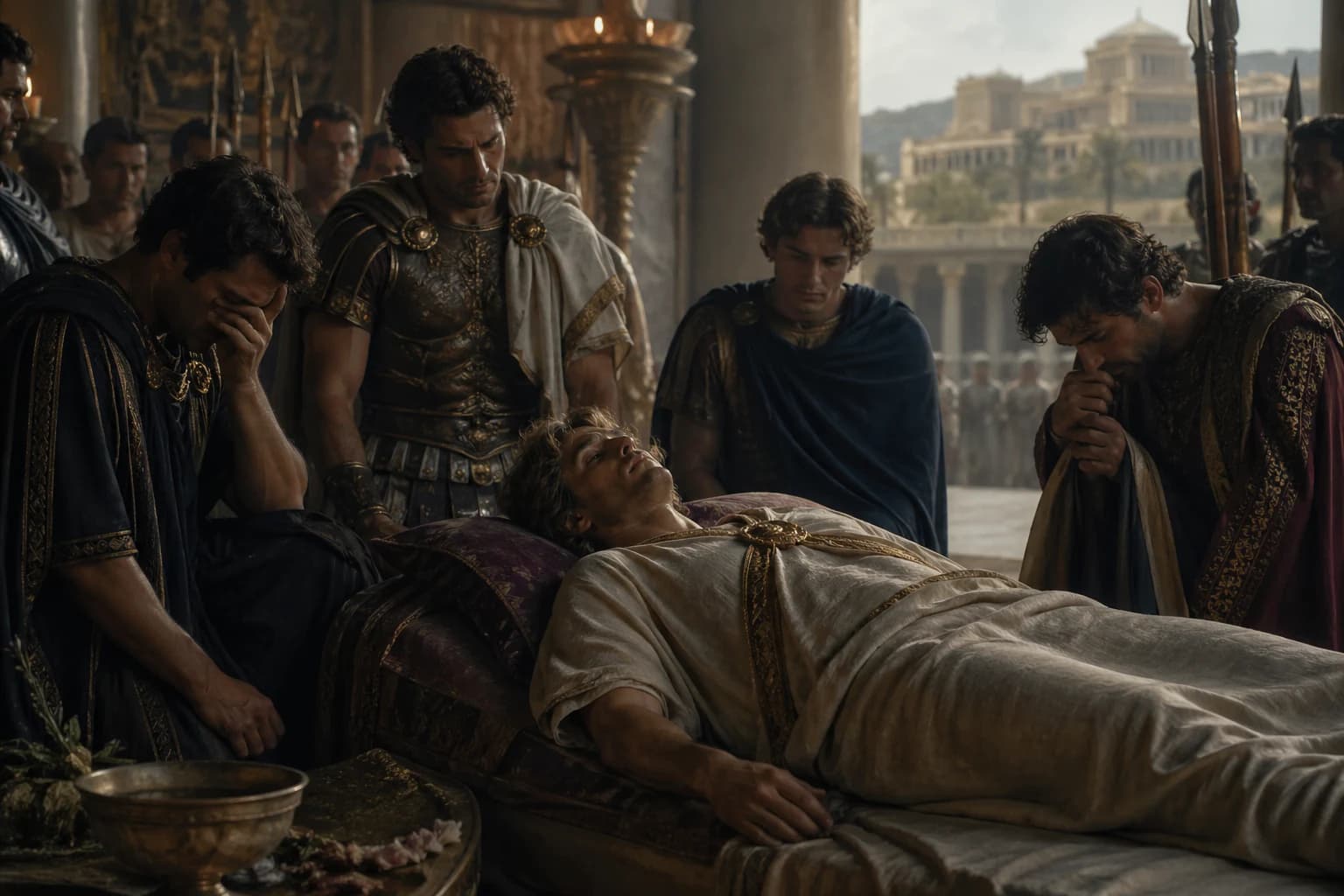
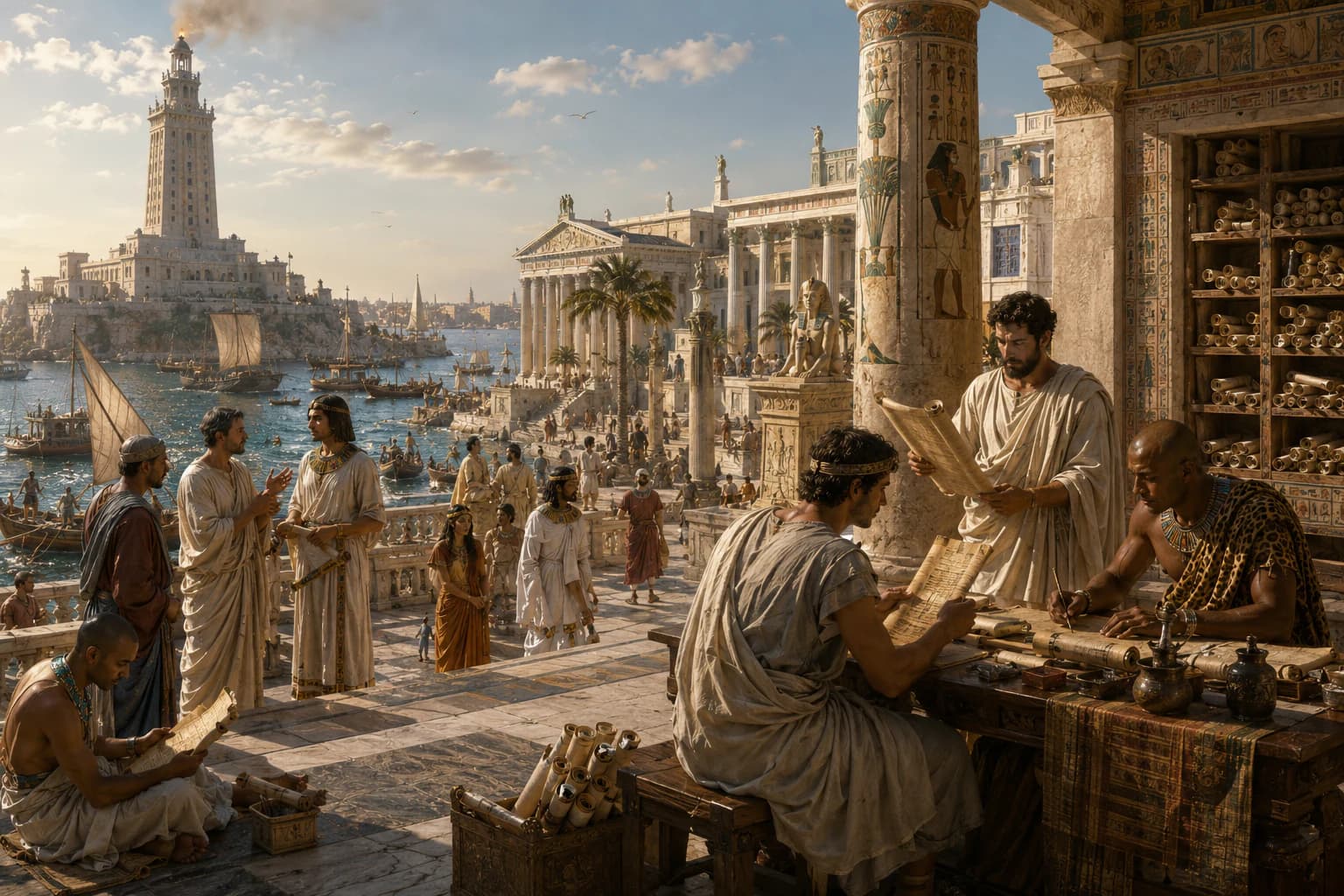
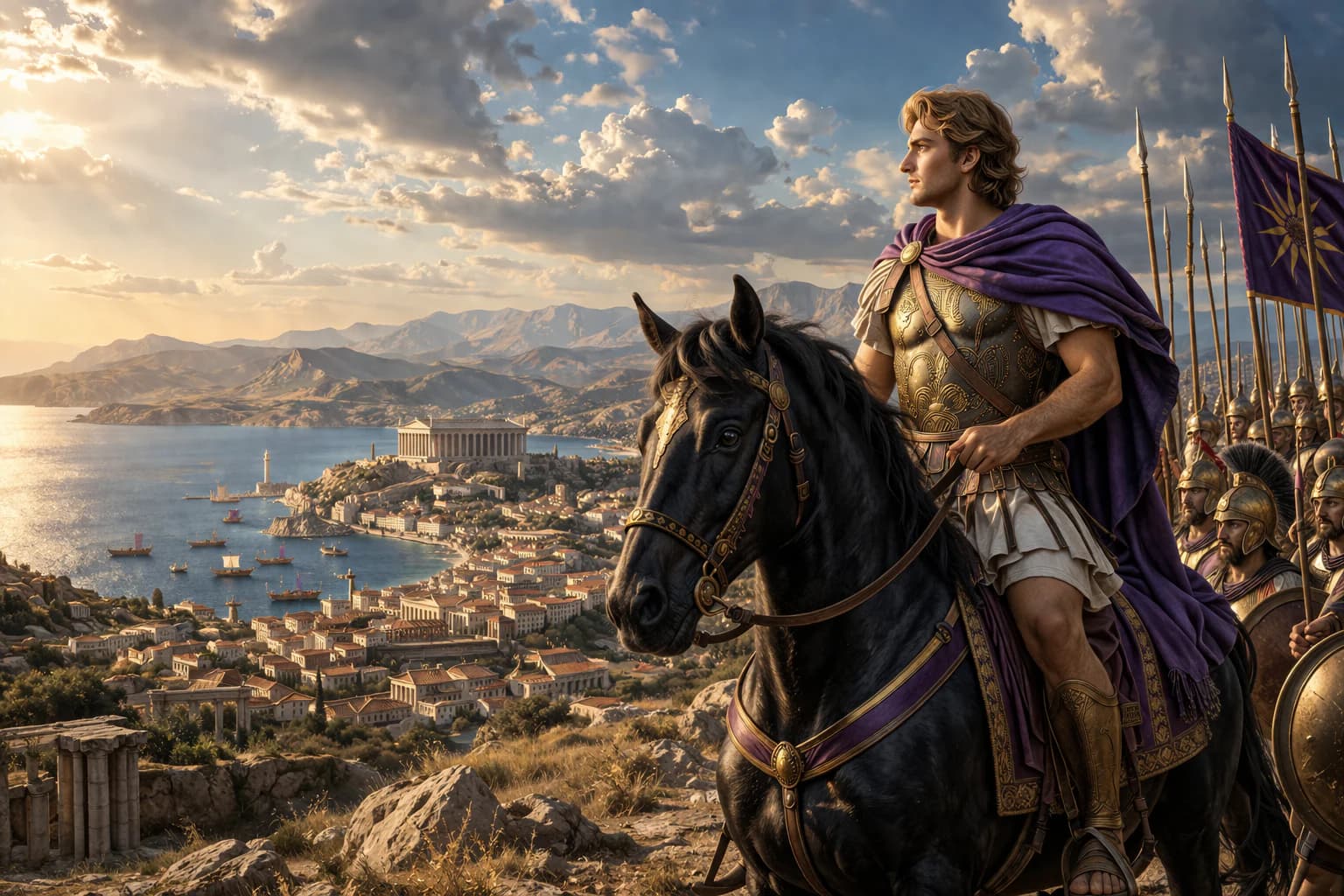
Alexander the Great was the Macedonian king whose conquests destroyed the Persian Empire and spread Greek power from the eastern Mediterranean to Egypt, Central Asia, and India. After his death in 323 BCE, his empire fragmented into Hellenistic kingdoms where Greek, Egyptian, Persian, and Asian traditions mixed. The Hellenistic world reshaped cities, warfare, kingship, science, philosophy, and culture across a vast connected region.
What you'll learn: You'll see how Philip built the empire Alexander inherited, how Alexander drove it to the limits of the known world, what happened when he died without an heir, and how the Hellenistic kingdoms that followed changed the ancient world's culture, science, and ideas.
Key forces
- Philip II of Macedon built the military and political foundation that made Alexander's conquests possible.
- Alexander's campaigns created the largest empire yet seen, but he left no succession plan.
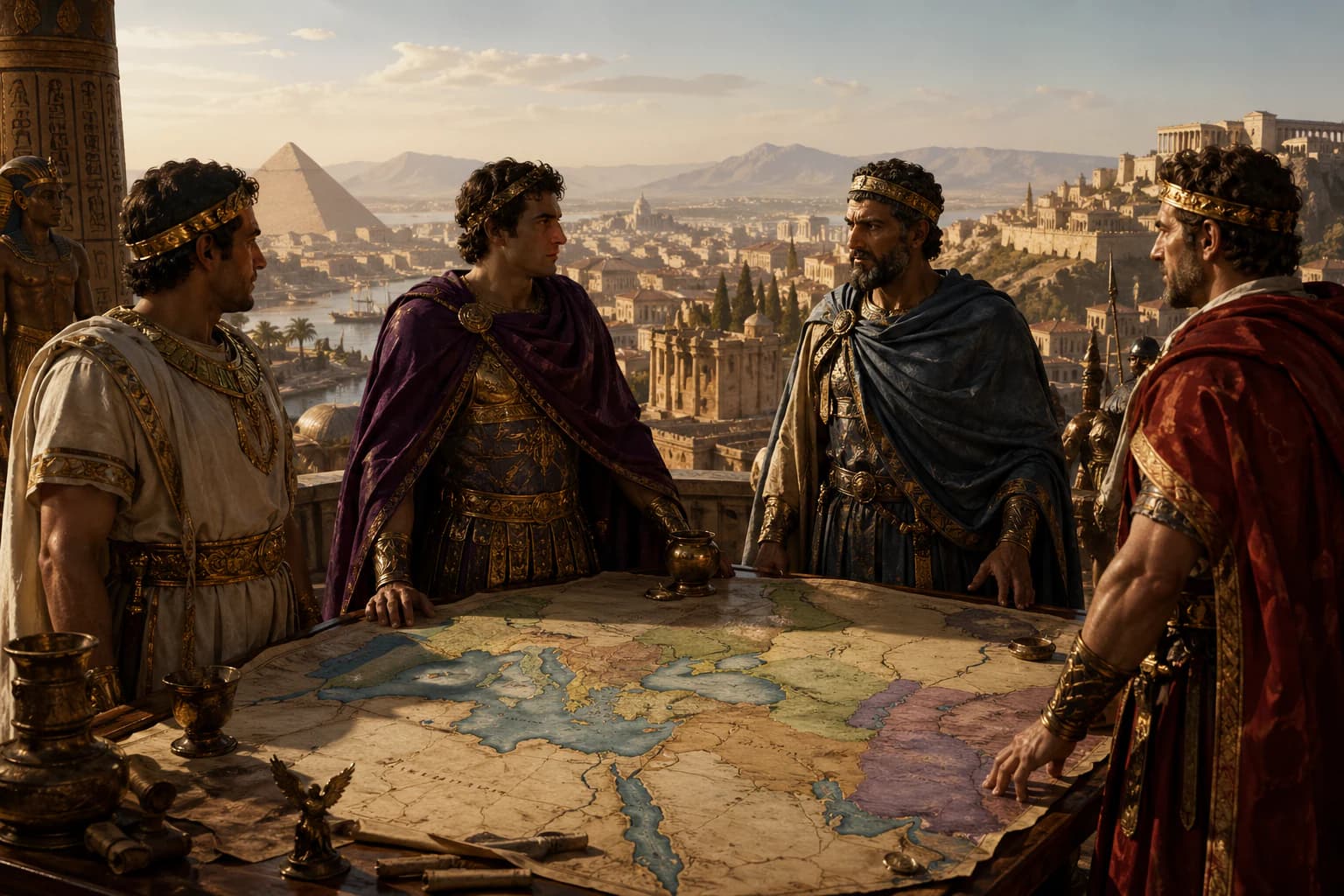
- After decades of war, his successors established three major kingdoms that spread Greek culture across the Near East.
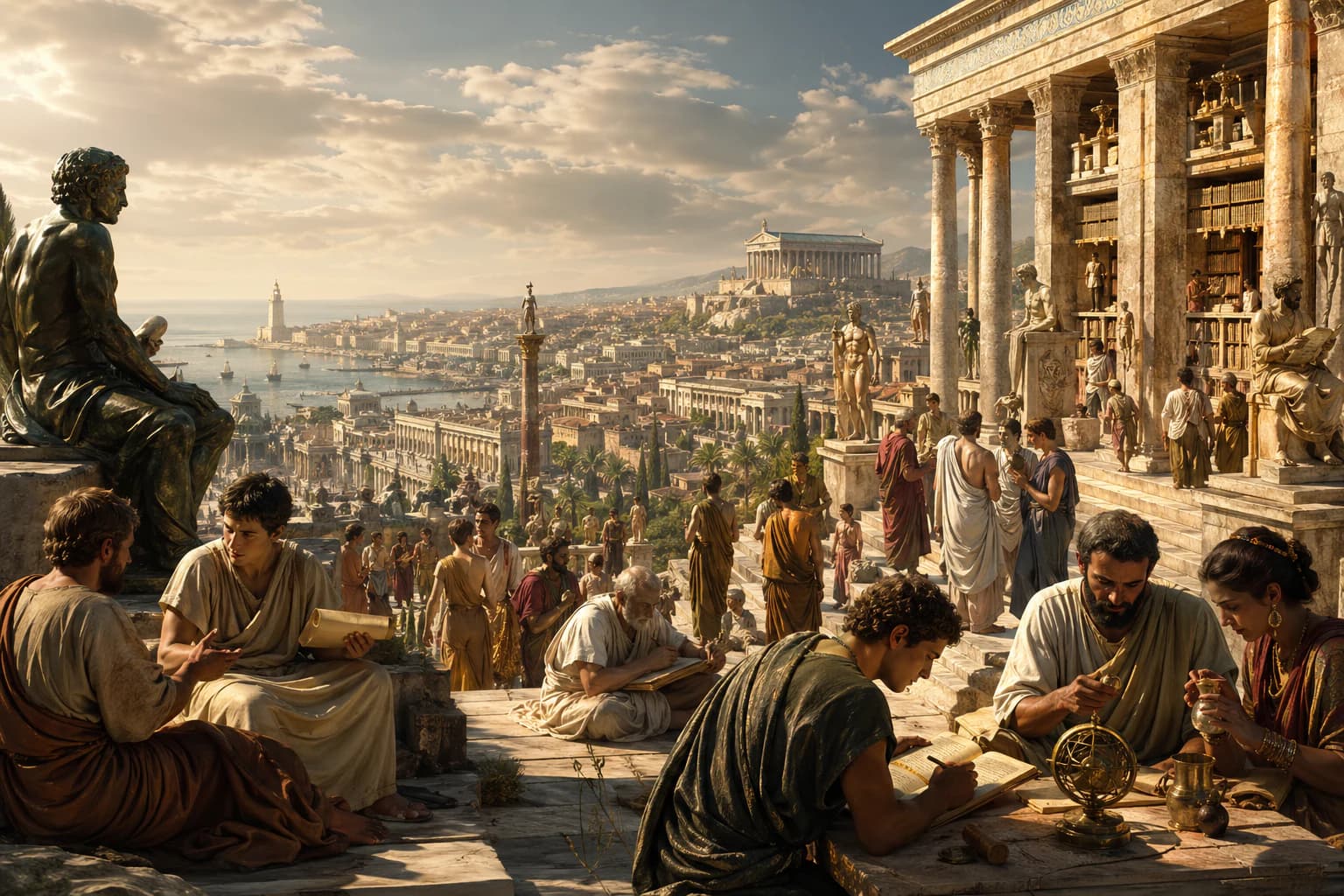
- The Hellenistic age produced major scientific and cultural achievements and helped shape the world that Rome and early Christianity built upon.